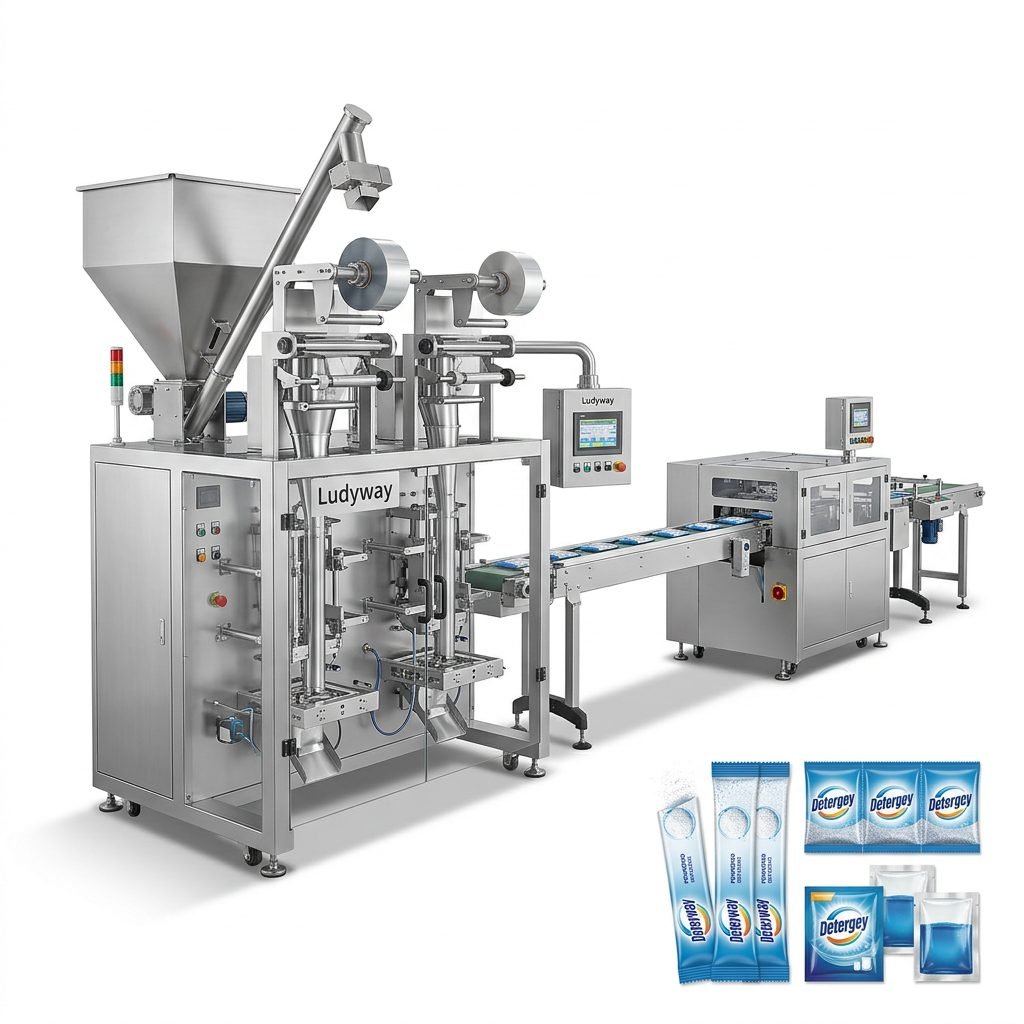
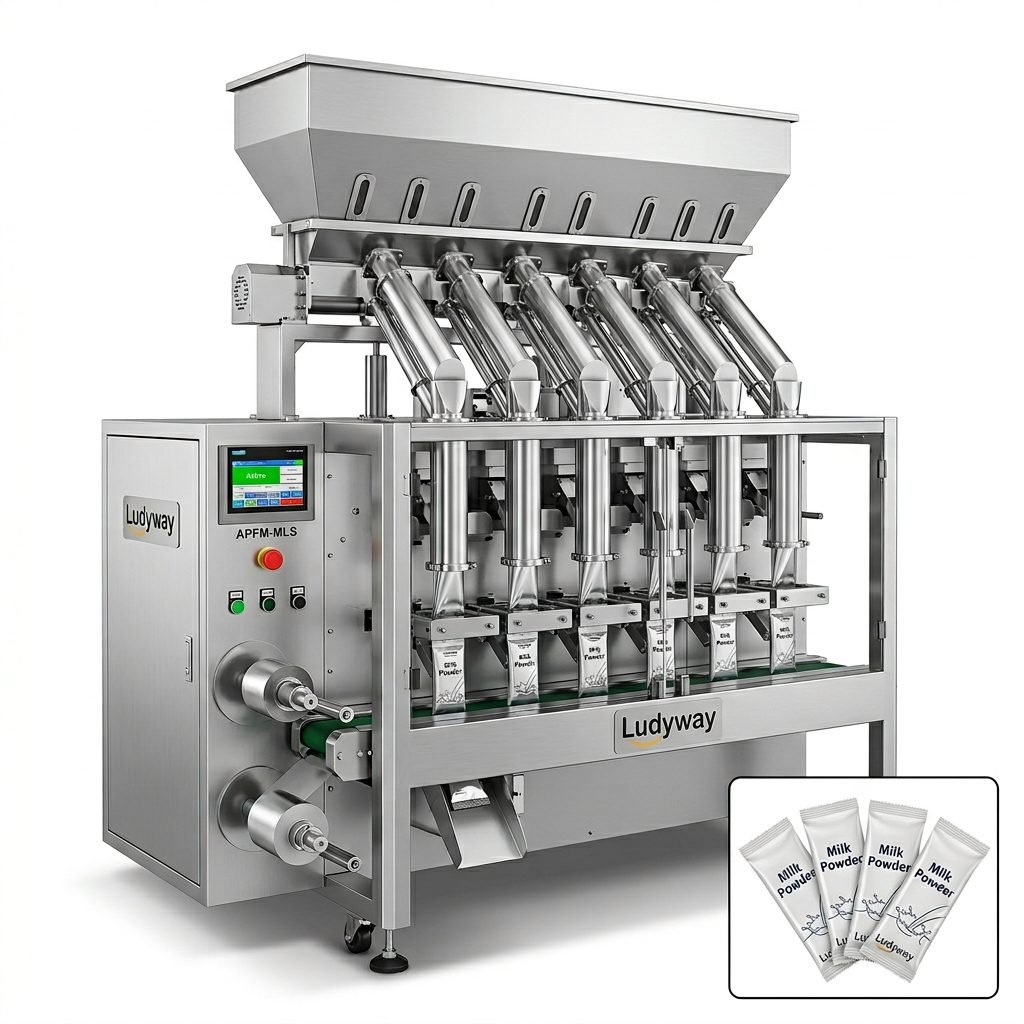
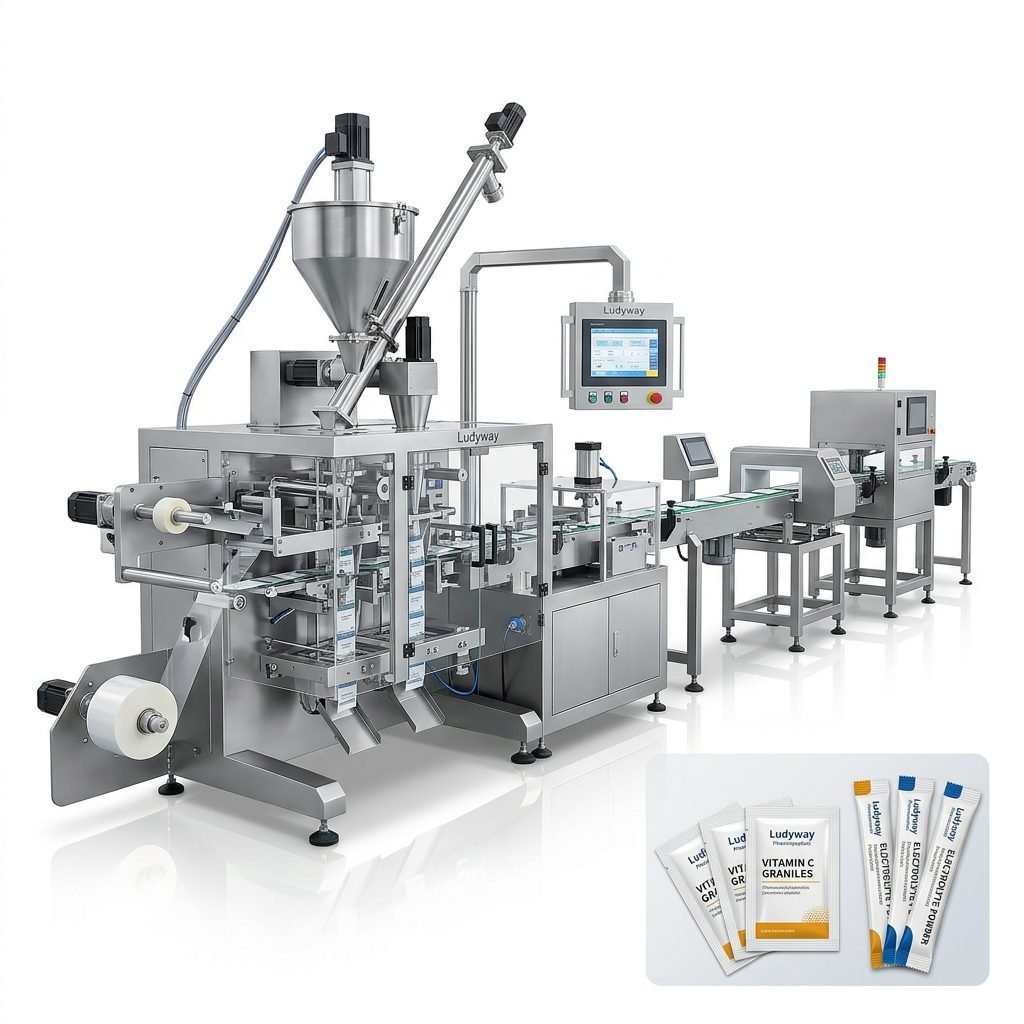
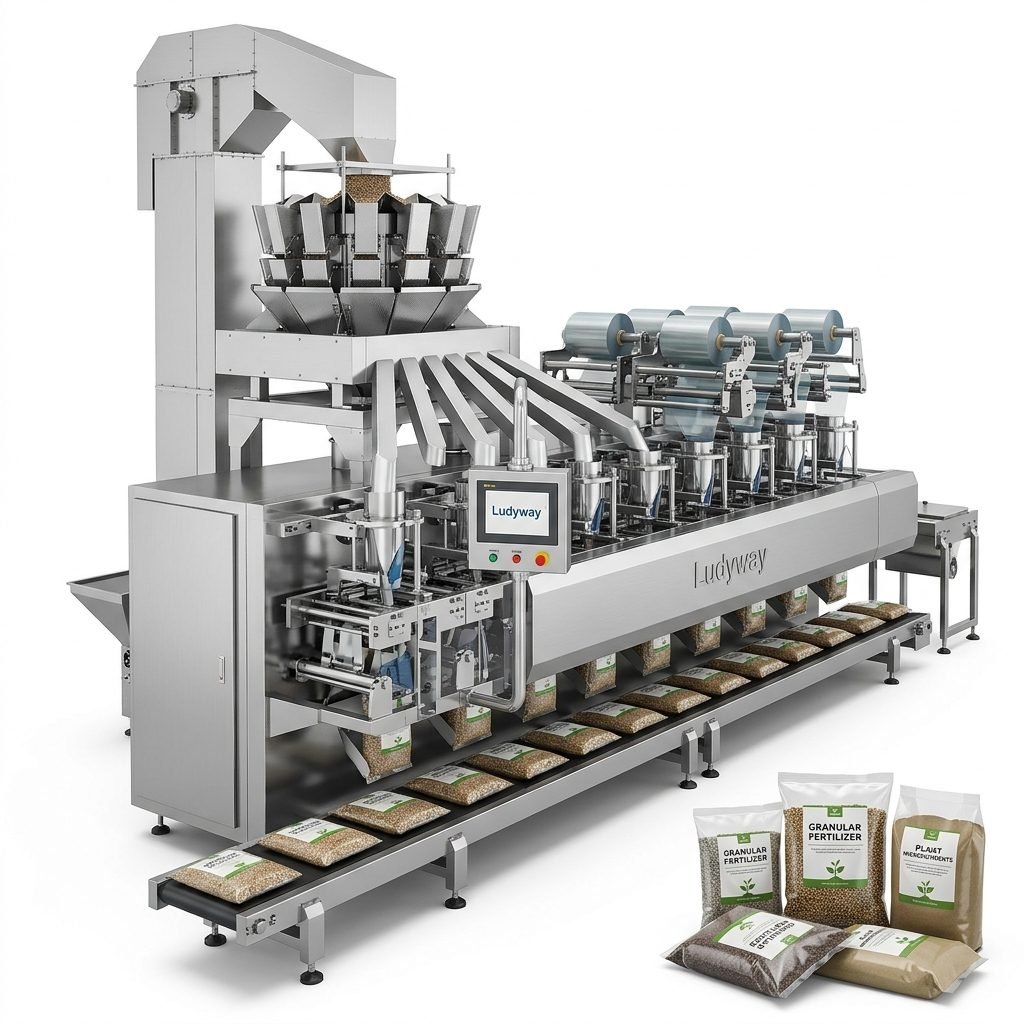
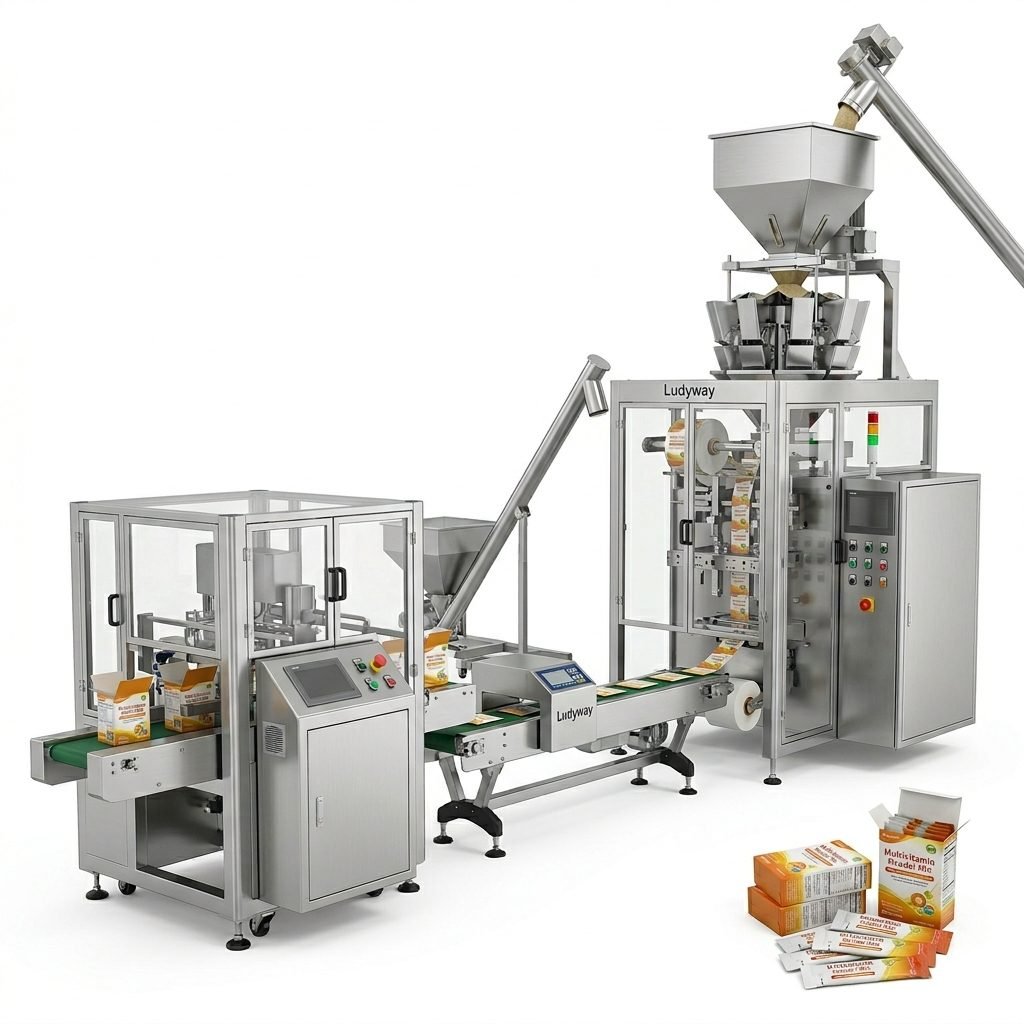
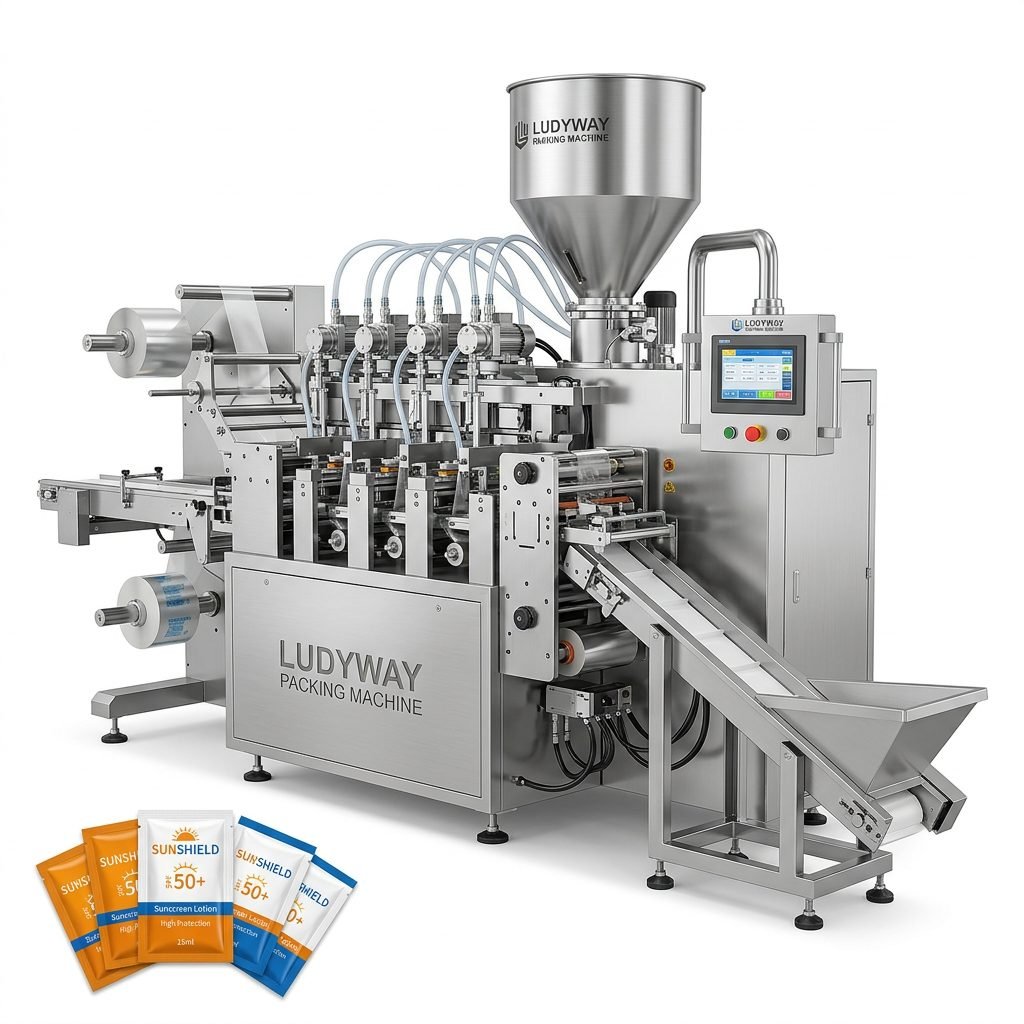
Four side seal bags are widely used for powders, granules, liquids, pastes, pharmaceuticals, nutraceuticals, cosmetics, and single-dose consumer products. Their clean pouch appearance, strong sealing performance, and easy branding area make them a preferred choice for many packaging businesses. To choose the right machine, buyers need to understand how the equipment works, which technical features matter most, and how to compare suppliers in a practical way.
Whether you are packaging seasoning powder, oral rehydration salts, shampoo, cream, coffee, supplement sachets, or chemical samples, the right four side seal bag machine can improve output, reduce waste, and support long-term production stability.
What Is a Four Side Seal Bag Machine?
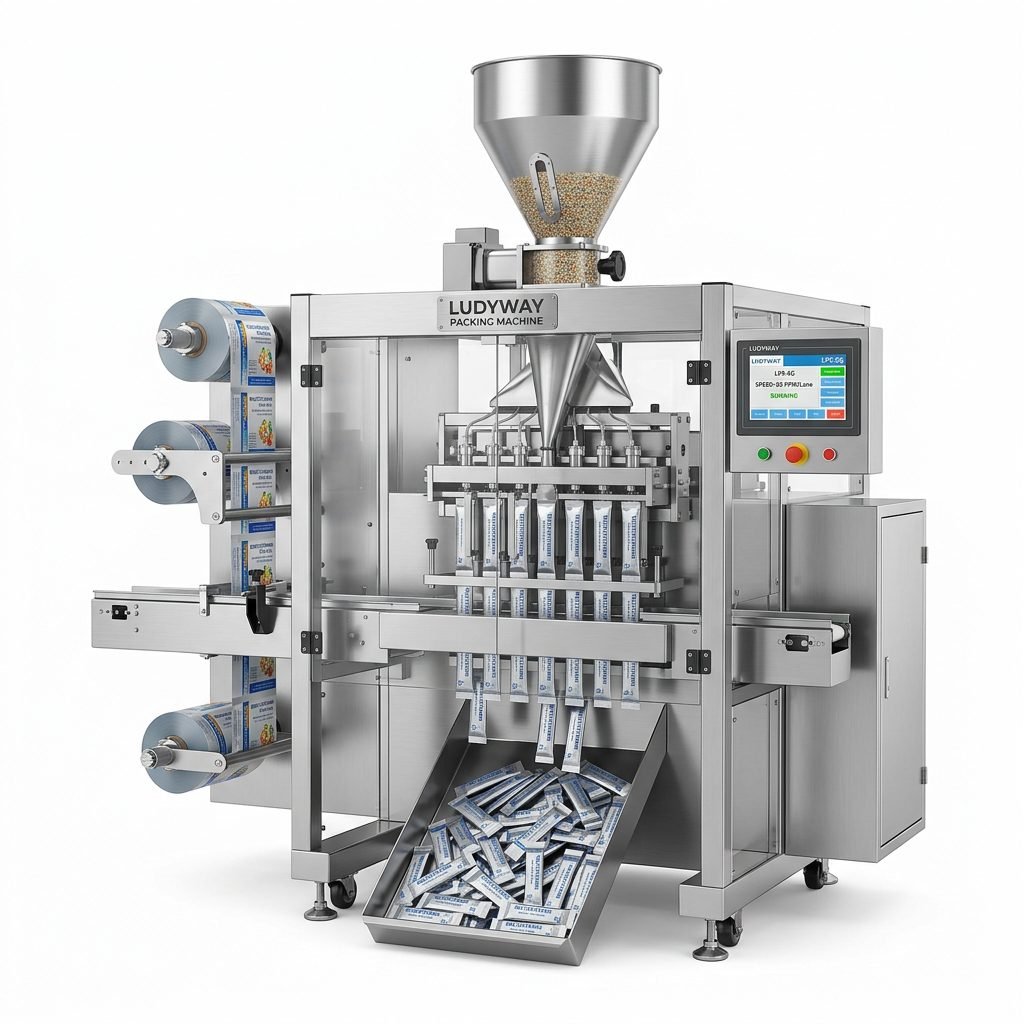
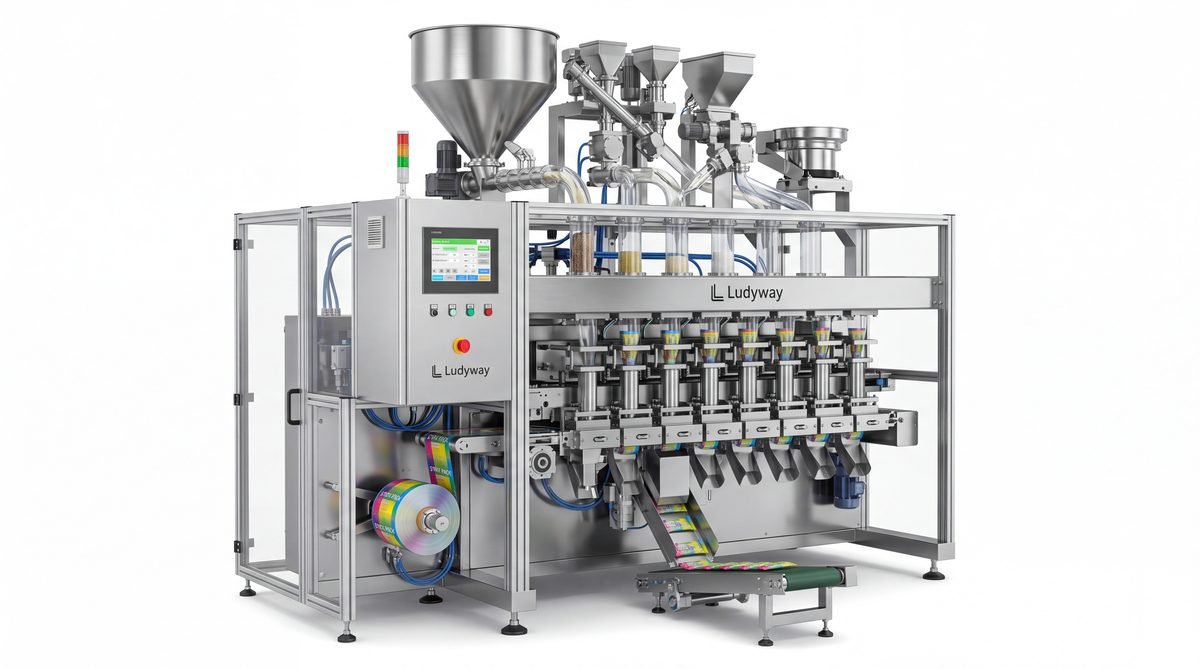
A four side seal bag machine is an automatic packaging machine that forms a pouch from packaging film, fills the product into the pouch, and seals all four edges to create a flat, neat, and secure finished package. This pouch format is commonly used when product presentation, seal integrity, and portion accuracy are important.
Compared with simple back-seal or pillow packs, four side seal sachets usually offer:
- Better shelf appearance
- Stronger edge sealing
- Improved package symmetry
- Good suitability for retail and single-serve applications
- Convenient printing space for branding and compliance information
Typical Industries Using Four Side Seal Packaging
- Food and beverage
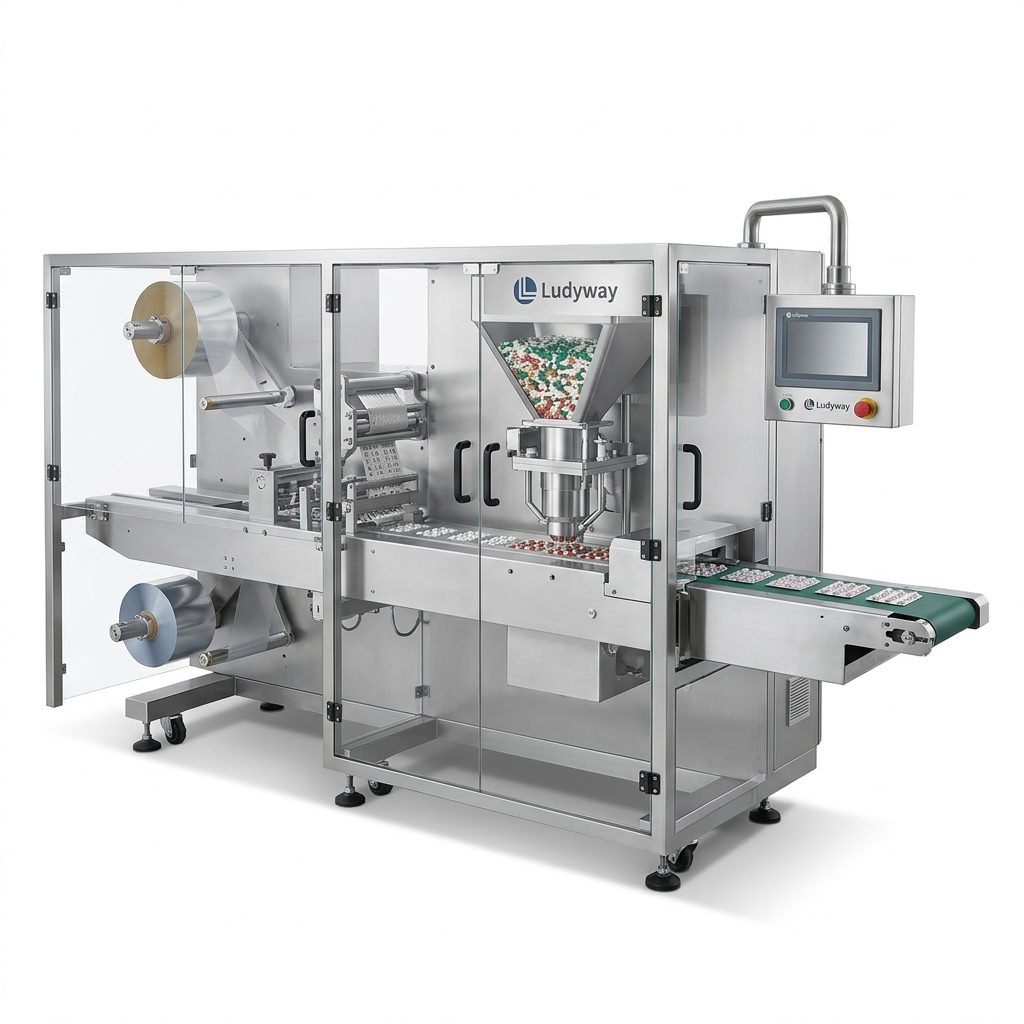
- Pharmaceutical and healthcare
- Nutraceutical and supplement
- Cosmetics and personal care
- Chemical and household products
- Agricultural and veterinary products
How a Four Side Seal Bag Machine Works
The working principle is straightforward, but consistent high-speed production depends on the coordination of many subsystems. A typical machine runs through the following stages:
- Film unwinding – The packaging film is fed from a roll into the machine under controlled tension.
- Film alignment and tracking – Sensors detect registration marks to ensure accurate pouch length and print positioning.
- Pouch forming – The film is shaped into the required sachet structure.
- Vertical and horizontal sealing – The machine forms the four edge seals using heated sealing jaws or bars.
- Product dosing and filling – A dosing system delivers the correct amount of powder, granule, liquid, or paste into each pouch.
- Final sealing – The open side is sealed after filling.
- Cutting and discharge – Finished sachets are cut and discharged for collection, counting, cartoning, or secondary packaging.
Main Components Involved
| Component | Function |
|---|---|
| Film roll holder | Supports and feeds packaging film smoothly |
| Registration sensor | Tracks print marks for precise cutting and sealing |
| Forming system | Shapes the film into sachet format |
| Sealing jaws | Creates four-side seals with heat and pressure |
| Filling system | Doses powder, granule, liquid, or paste |
| PLC and HMI | Controls machine functions and operator settings |
| Cutting unit | Separates finished bags cleanly |
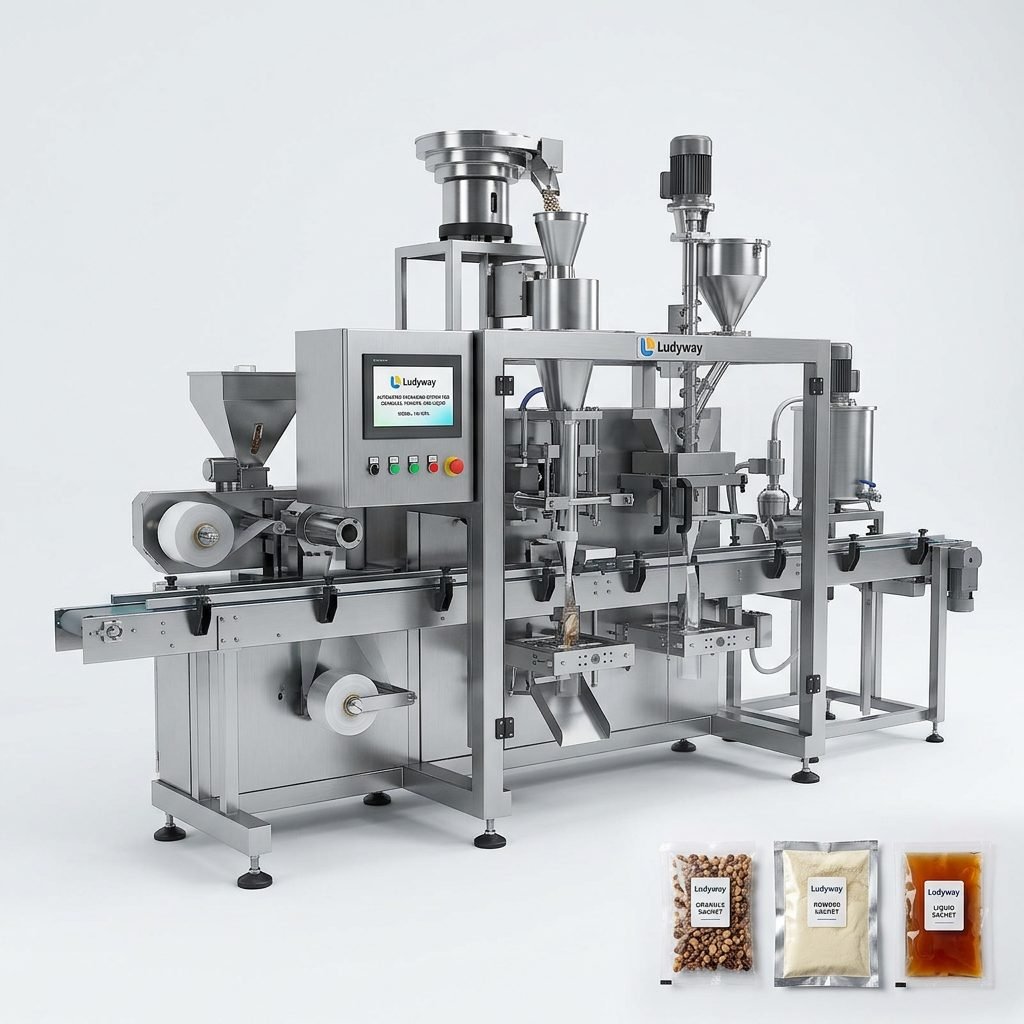
Different Filling Systems for Different Products
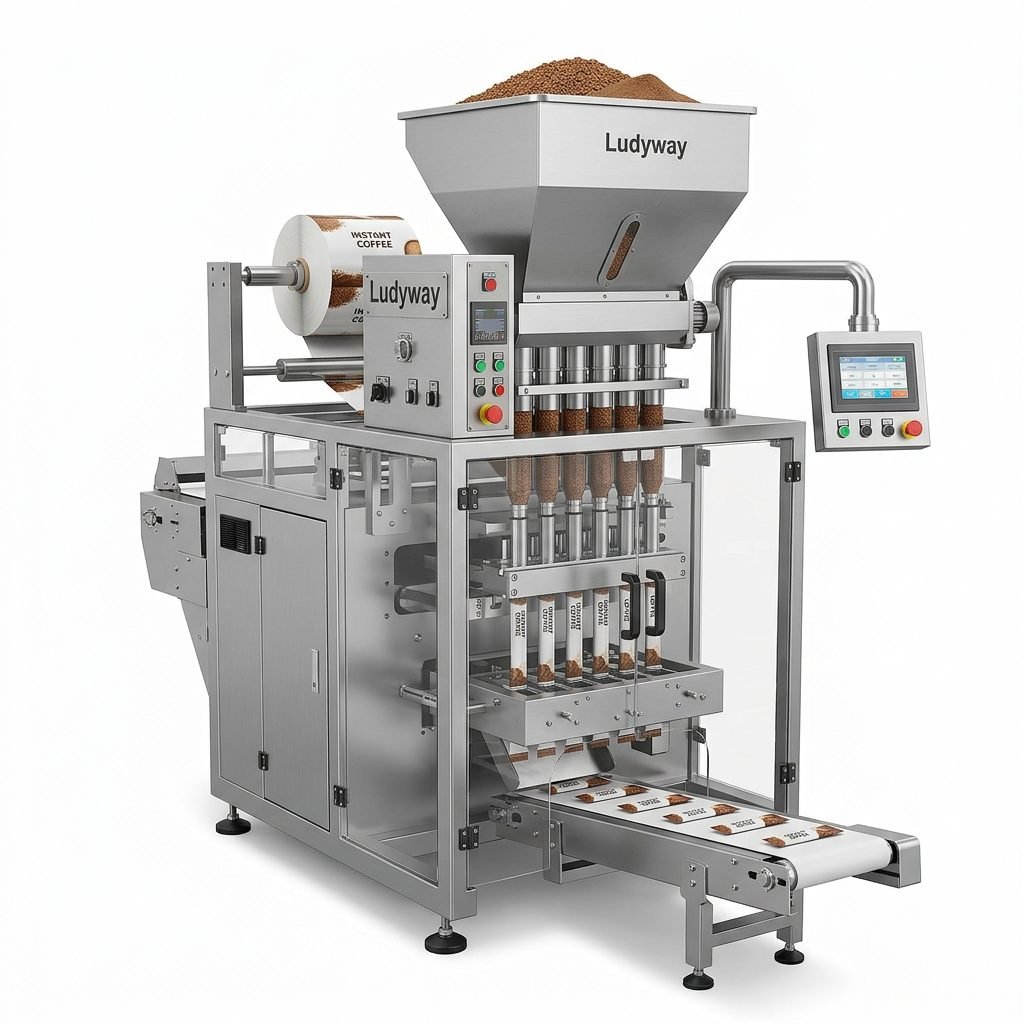
Not all four side seal bag machines use the same dosing technology. The best configuration depends on the product’s physical properties.
For Powders
Powder products such as protein powder, coffee powder, milk powder, spices, and pharmaceutical powders usually require an auger filling system. This system provides stable volumetric dosing and works well with fine or slightly dusty materials.
For Granules
Sugar, salt, seeds, desiccants, small snacks, coffee granules, and pellets are commonly packed using cup fillers, volumetric fillers, or weighing systems. These are selected based on flowability and accuracy requirements.
For Liquids and Pastes
Shampoo, ketchup, sauces, creams, oils, honey, gels, and serums usually need piston pumps, rotary pumps, or liquid metering pumps. Viscosity, foaming behavior, and temperature sensitivity all affect system design.
Key Features to Look For
When evaluating a four side seal bag machine, the goal is not just to compare price. The right machine should fit your product, output target, packaging material, and future expansion plans.
1. Packaging Speed
Speed is usually expressed in bags per minute. A suitable speed depends on product type, fill volume, seal quality requirements, and whether the machine is single-lane or multi-lane. Higher speed is useful only if the machine remains stable and accurate.
2. Filling Accuracy
Accurate dosing directly affects product cost and customer satisfaction. Overfilling wastes raw materials, while underfilling may create compliance issues. Ask the supplier for real testing data based on your actual sample.
3. Seal Quality
Good sealing is critical for shelf life, leakage prevention, moisture protection, and transportation reliability. Buyers should confirm sealing consistency across different film structures and operating speeds.
4. Film Compatibility
The machine should support the packaging films you plan to use, such as laminated film, aluminum foil film, PET/PE, paper-laminate structures, or other heat-sealable materials. Film behavior has a major impact on sealing and cutting performance.
5. Changeover Convenience
If you run multiple sachet sizes or several products, fast changeover saves downtime. Check whether bag length adjustment, filling volume adjustment, and recipe storage are easy for operators to manage.
6. Hygiene and Cleaning Design
For food, pharmaceutical, and health products, surfaces should be easy to clean, and contact parts should use suitable materials such as stainless steel. Dust control and anti-drip design are also important.
7. Automation and Smart Controls
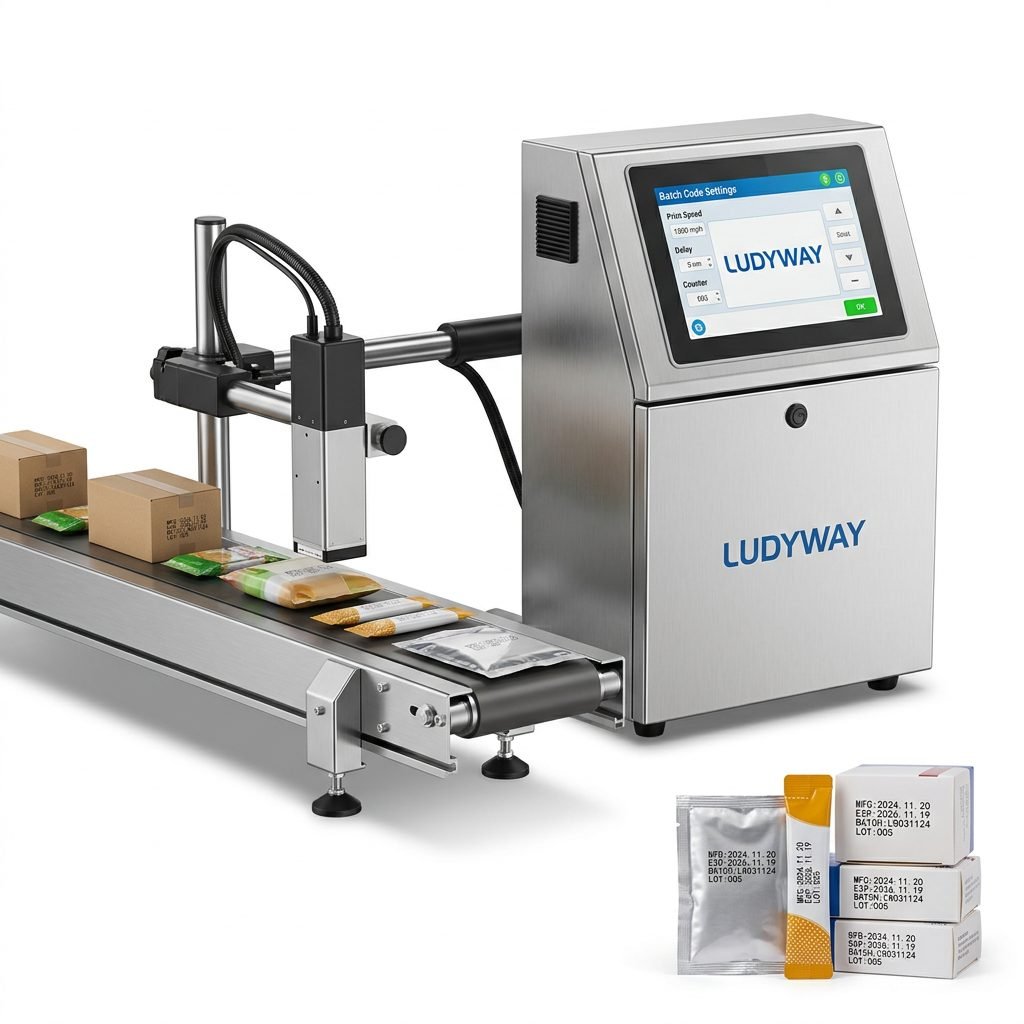
Modern systems may include servo control, touchscreen operation, fault alarms, film tracking, batch coding integration, checkweighing, metal detection, and remote support functions.
8. After-Sales Support
A machine is only as good as the technical support behind it. Spare parts supply, training, commissioning support, documentation, and troubleshooting response time all matter in long-term production.
Advantages of Four Side Seal Packaging
- Professional retail appearance
- Strong sealing on all edges
- Suitable for single-dose and small-portion packaging
- Works with many product types
- Efficient for automated filling and sealing
- Good print area for branding, instructions, and compliance data
Common Applications
| Product Category | Examples | Recommended Filling Type |
|---|---|---|
| Powders | Coffee, milk powder, protein, seasoning, medicine powder | Auger filler |
| Granules | Sugar, salt, seeds, snack granules, pellets | Cup filler or weighing system |
| Liquids | Sauce, oil, syrup, shampoo, sanitizer | Liquid pump filler |
| Pastes | Cream, gel, honey, cosmetic serum | Piston or servo pump filler |
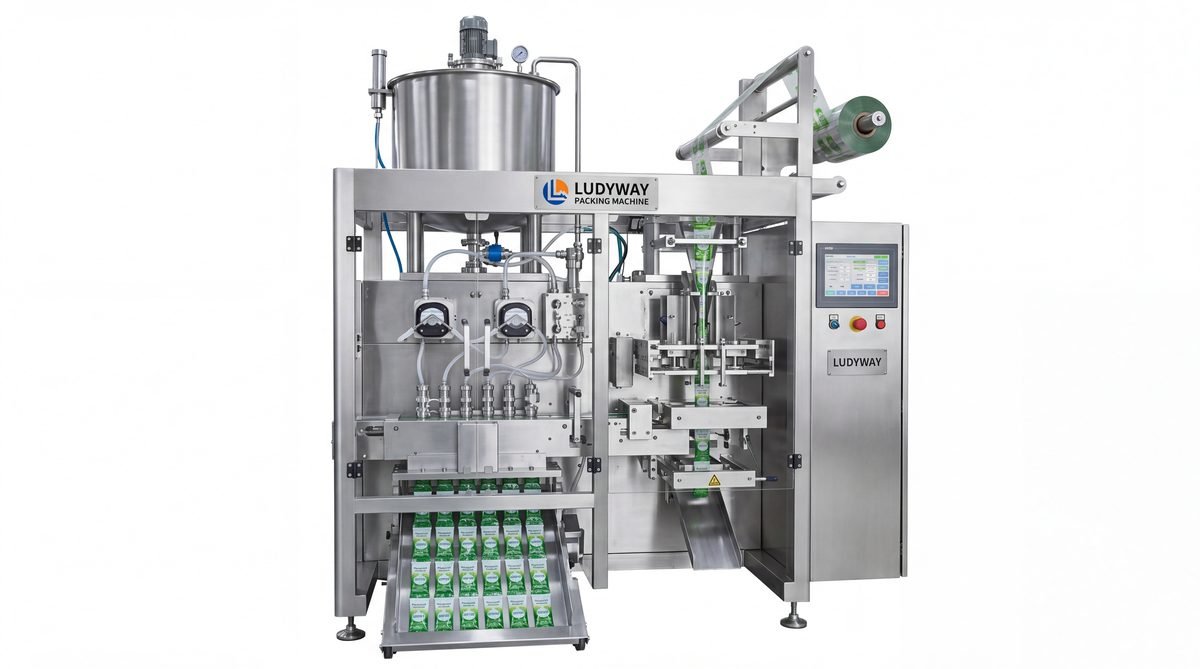
Single-Lane vs Multi-Lane Four Side Seal Machines
One of the most important buying decisions is whether to choose a single-lane or multi-lane model.
Single-Lane Machines
- Suitable for lower to medium output
- Usually easier to operate and maintain
- Good for startups, pilot production, and frequent product changes
- Lower initial investment
Multi-Lane Machines
- Suitable for high-volume manufacturing
- Higher output per unit floor space
- Useful for food, pharma, and supplement sachet mass production
- Requires more precise control and stable product flow characteristics
How to Choose the Right Four Side Seal Bag Machine
Before contacting suppliers, prepare clear technical and commercial requirements. This makes quotation comparison much easier.
Define Your Product First
- Is the product powder, granule, liquid, or paste?
- Does it flow easily or create dust?
- Is it sticky, corrosive, foamy, or heat-sensitive?
- What is the target fill weight or volume?
Confirm Packaging Requirements
- Bag size range
- Required output per minute
- Film structure and thickness
- Seal appearance expectations
- Need for easy tear notch, euro hole, coding, or perforation
Check Factory Conditions
- Available power supply
- Compressed air requirements
- Workshop space
- Dust extraction or cleanroom conditions
- Integration with upstream and downstream equipment
Evaluate the Supplier Carefully
Ask practical questions, not just brochure questions:
- Can the supplier test your actual sample?
- Do they provide videos of similar running machines?
- What is the estimated lead time?
- Are spare parts standardized and easy to ship?
- Do they support commissioning and training?
- Can the machine be upgraded later?
Important Questions to Ask Before Buying
| Question | Why It Matters |
|---|---|
| What products has this machine packed before? | Shows real application experience |
| What accuracy can be achieved on my sample? | Protects product cost and quality |
| What is the real running speed, not theoretical speed? | Avoids unrealistic output claims |
| What materials can the sealing system handle? | Prevents seal failure and film mismatch |
| How long does changeover take? | Affects daily productivity |
| What support is included after shipment? | Reduces downtime risk |
Common Problems and How Good Machines Prevent Them
Uneven Seal Strength
This may come from unstable temperature control, poor film quality, or inconsistent pressure. A well-designed machine uses stable sealing systems and precise control logic.
Inaccurate Filling
Causes include poor product flow, unsuitable filler type, or low component precision. Proper product testing is essential before final machine selection.
Film Tracking Errors
Misaligned print registration affects cut position and package appearance. Reliable photoelectric tracking and stable film tension control are important.
Product Leakage in Seal Area
Powders or liquids entering the seal zone can weaken the pouch. Good machine design includes clean filling paths, anti-drip systems, and optimized sealing timing.
Should You Buy a Standalone Machine or a Complete Packaging Line?
If your process includes product feeding, mixing, inspection, coding, counting, cartoning, case packing, or palletizing, a complete packaging line may offer better efficiency than a standalone machine. Integrated lines reduce manual handling, improve consistency, and simplify production management.
For buyers looking for scalable packaging automation, Ludyway four side seal bag machine solutions can be considered as part of broader food, pharmaceutical, supplement, cosmetic, and chemical packaging projects, especially when a turnkey line is needed.
Who Should Invest in a Four Side Seal Bag Machine?
- Manufacturers launching sachet or sample-size products
- Brands seeking better pouch appearance and shelf appeal
- Factories replacing manual or semi-automatic packing
- Companies expanding into high-volume portion packaging
- Contract packers handling multiple product categories
Buying Tips for Better ROI
- Send real product samples and target film materials for testing.
- Compare machines based on stable output, not only maximum speed.
- Check total ownership cost, including maintenance and spare parts.
- Choose a supplier with strong industry application experience.
- Consider future expansion, such as coding, cartoning, or line integration.
- Request operation videos, technical drawings, and configuration lists before purchase.
Final Selection Checklist
- Product type confirmed
- Bag size range confirmed
- Output target confirmed
- Film compatibility checked
- Filling accuracy verified by test
- Seal quality verified
- After-sales support clarified
- Upgrade and integration options reviewed
A four side seal bag machine is a smart investment when you need compact, attractive, and reliable pouch packaging. The best choice is the one that matches your product characteristics, production goals, packaging materials, and long-term automation plan. By focusing on real operating performance and supplier capability, you can choose equipment that delivers both efficiency and consistent package quality.