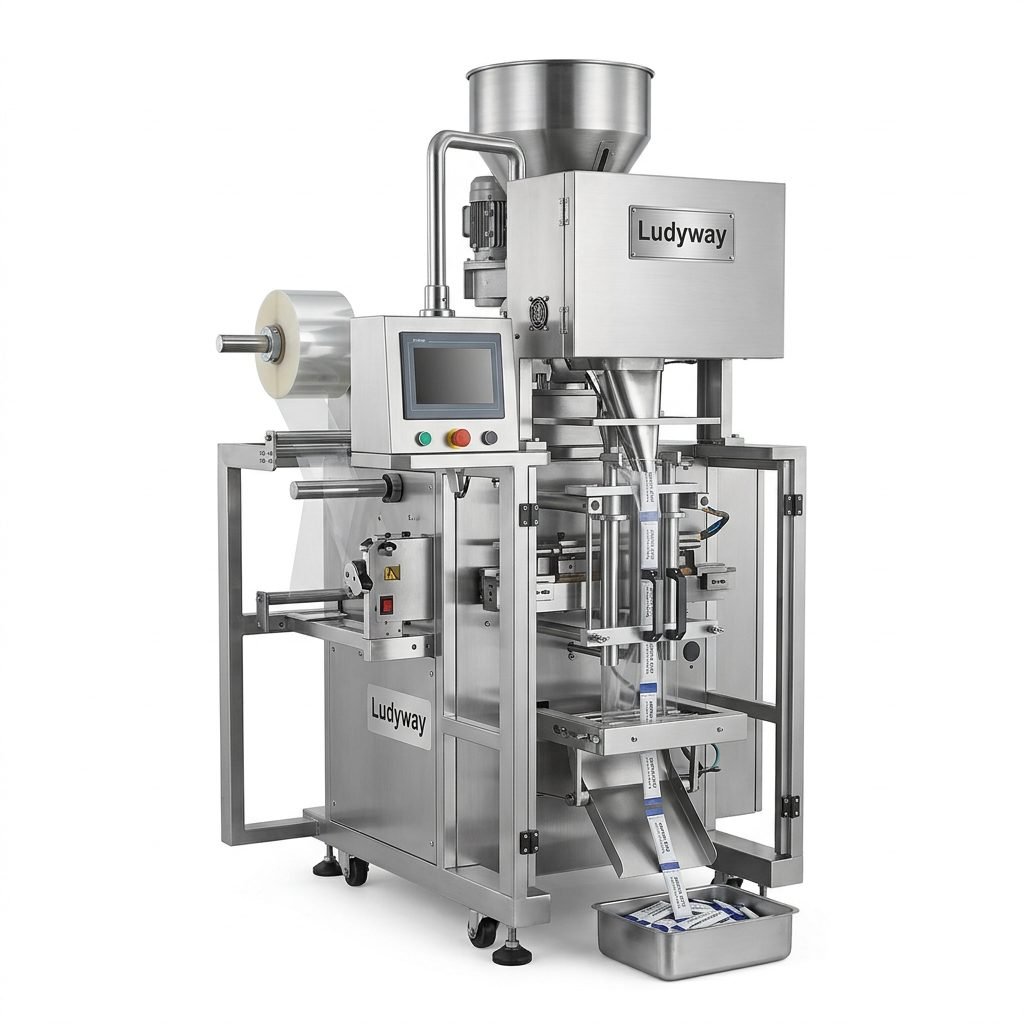
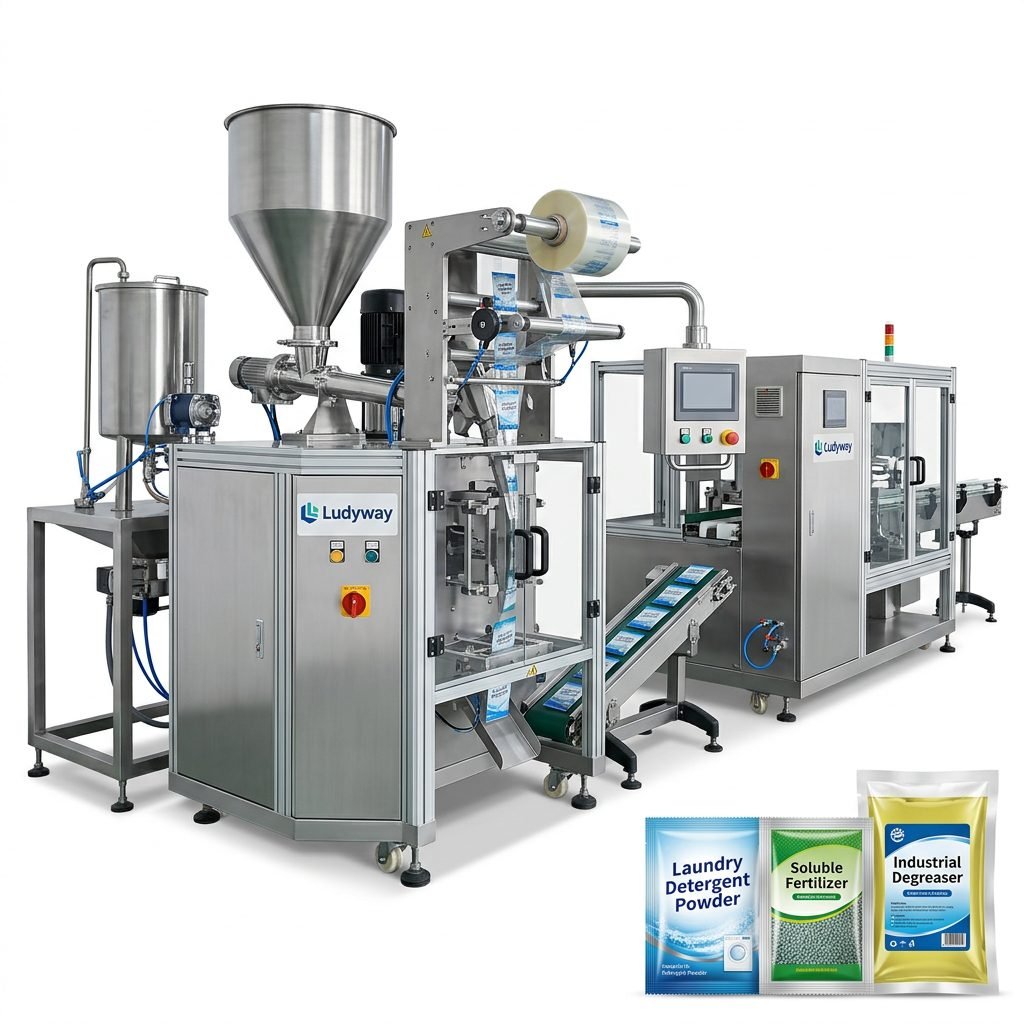
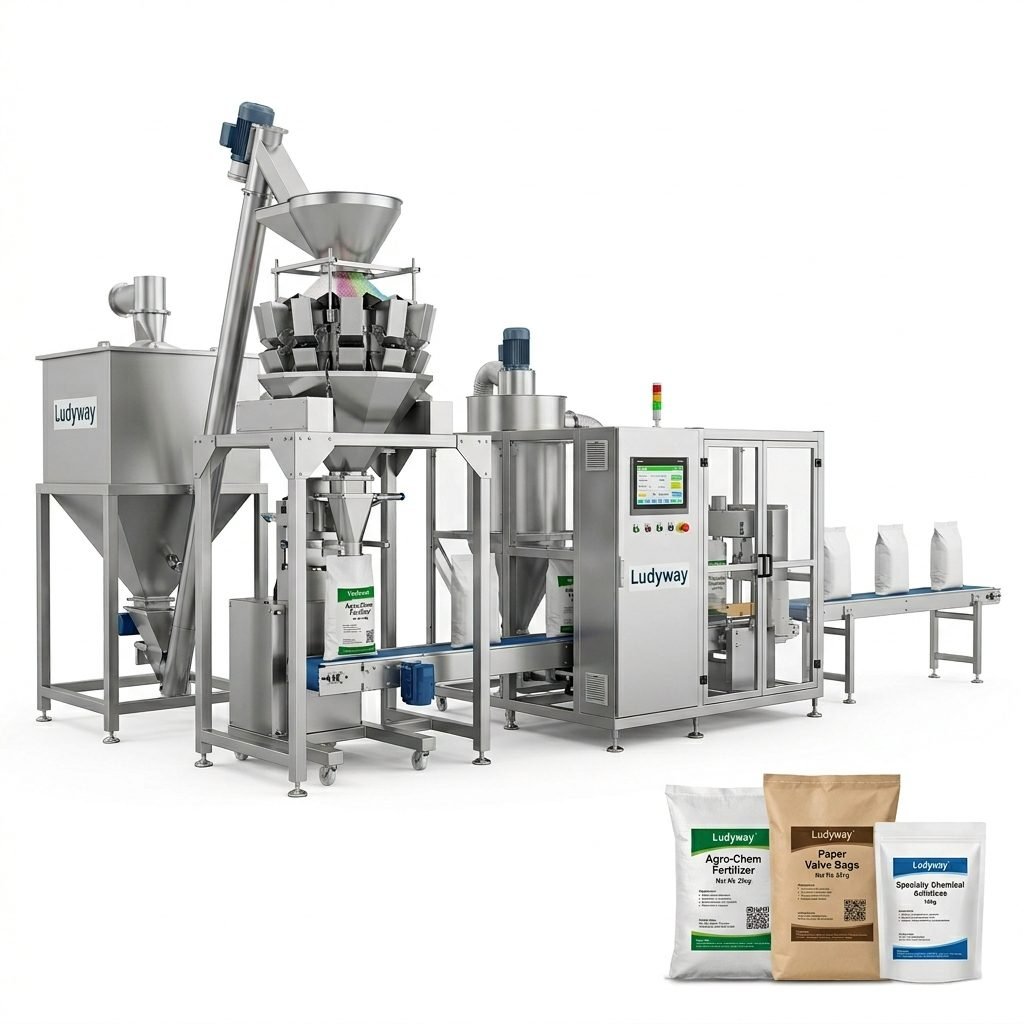
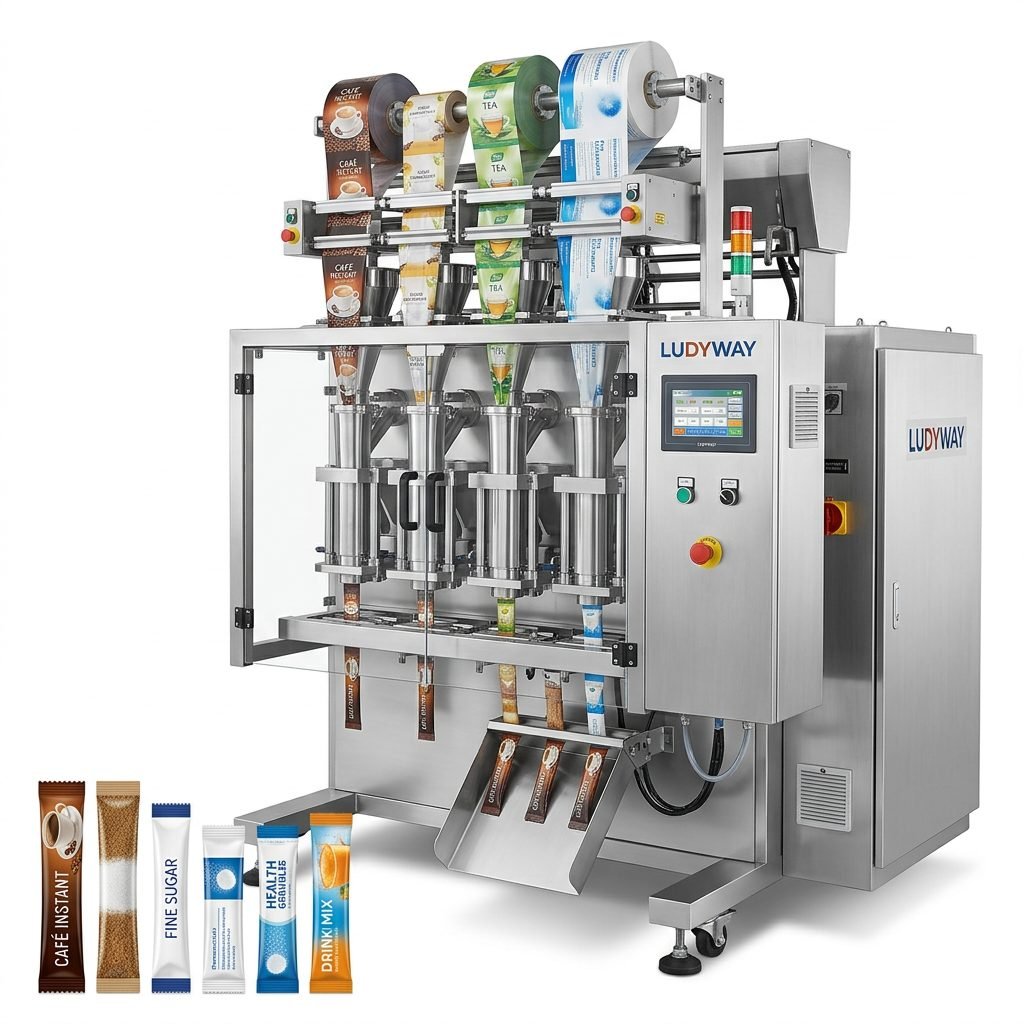
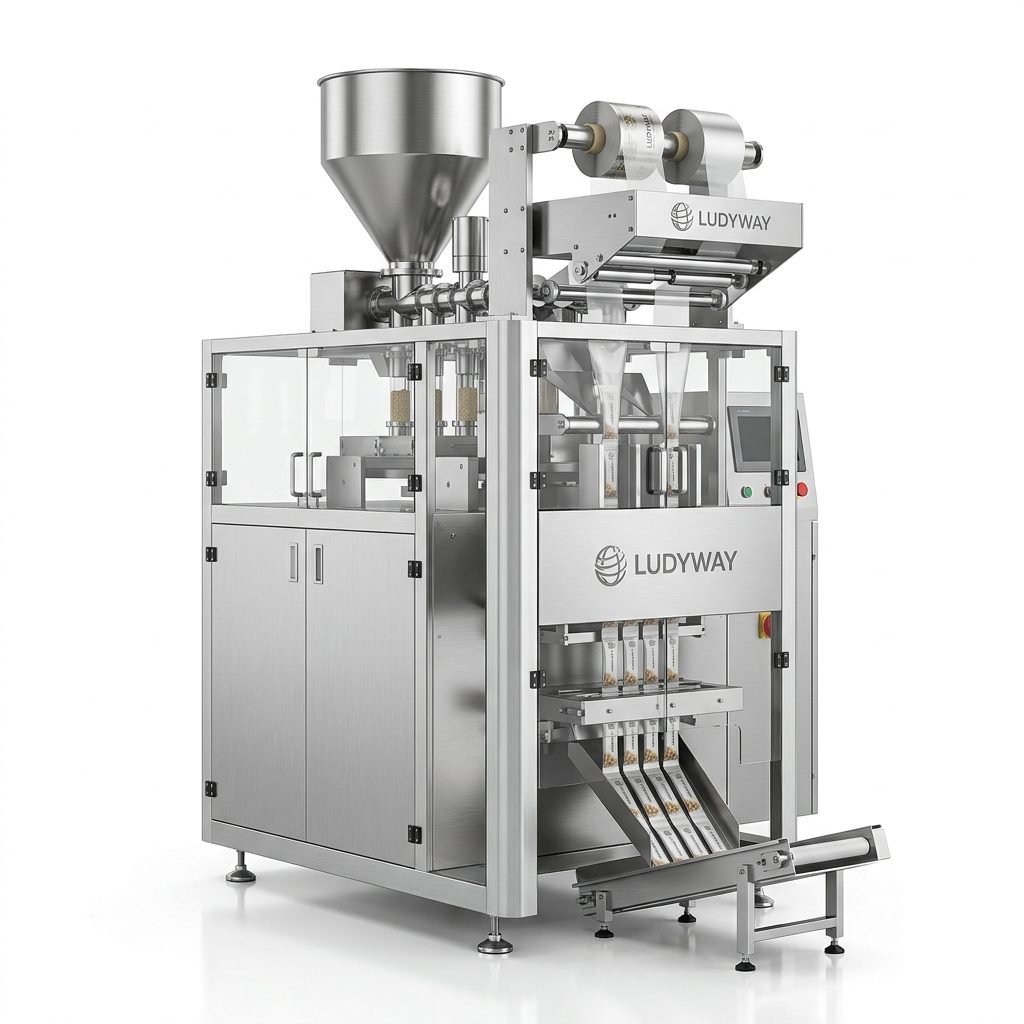
Syringe packaging machines are specialized equipment designed to automate the packaging process for medical syringes, ensuring sterility, safety, and efficiency in pharmaceutical and healthcare production lines. These machines handle tasks from syringe collation and feeding to final cartoning or blister packing, meeting stringent industry standards for hygiene and precision.
Types of Syringe Packaging Machines
The market offers various syringe packaging machines tailored to different production scales and packaging formats. Understanding the types helps in selecting the right equipment for specific needs.
Blister Packaging Machines
These machines form cavities in a thermoplastic film, place syringes into the cavities, and seal them with a lidding material (often foil). They are ideal for unit-dose packaging, providing excellent barrier properties against moisture and contaminants. The process ensures each syringe is individually protected and easily accessible.
Cartoning Machines
Cartoners automatically erect folding cartons, insert pre-collated syringes (often in trays or blisters), and close the cartons. They can integrate with upstream blister packers or tray loaders to form a complete line. These machines are versatile for packaging multiple syringe units into retail-ready boxes.
Bagging Machines
For bulk or intermediate packaging, baggers place syringes into pre-made or form-fill-seal pouches. This type is often used for sterile syringes destined for hospital dispensaries or further processing. The bags can be gas-flushed to maintain a sterile environment.
Tray Sealing Machines
Syringes are first loaded into pre-formed plastic trays. The tray sealer then applies a breathable or high-barrier lidding film and seals it under controlled heat and pressure. This method is common for packaging syringes in nested arrays for sterilization and distribution.
Working Principle of Syringe Packaging Machines
The core operation of a syringe packaging machine follows a systematic, automated sequence to ensure precision and hygiene.
Key Operational Stages:
1. Syringe Feeding and Orientation: Bulk syringes are fed via a hopper or conveyor into an unscrambling/orientation system that aligns them correctly for downstream processes.
2. Inspection and Rejection: Integrated vision systems or sensors check for defects, missing components (like plungers or caps), or incorrect orientation. Faulty units are automatically rejected.
3. Primary Packaging: Depending on the machine type, syringes are placed into blisters, trays, or bags. In blister machines, the forming and sealing stations create the primary package.
4. Secondary Packaging: The primary packs are then collated and loaded into cartons or outer boxes. Labeling and coding (lot number, expiry date) are typically applied at this stage.
5. Sealing and Discharge: The final package is sealed (e.g., carton flaps glued) and discharged onto a conveyor for palletizing or shipping.
Key Features of Modern Syringe Packaging Machines
Advanced syringe packers incorporate features that enhance reliability, compliance, and operational efficiency.
High-Speed Operation with Precision
Modern machines can handle hundreds of syringes per minute. Servo-driven mechanisms ensure gentle handling and precise placement, minimizing product damage and jams.
Advanced Vision Inspection Systems
Critical for quality control, these systems verify syringe presence, correct assembly, and label information. They ensure only perfect products are packaged, adhering to Good Manufacturing Practice (GMP) guidelines.
Changeover Flexibility
Quick-change tooling and recipe-driven controls allow fast switching between different syringe sizes (1ml, 3ml, 5ml, etc.) and packaging formats, reducing downtime for multi-product facilities.
Hygienic and Cleanroom-Compatible Design
Constructed with stainless steel contact parts, smooth surfaces, and enclosed mechanisms to prevent contamination. Many models are designed for ISO Class 7 or 8 cleanroom environments.
User-Friendly HMI and Data Integration
Touchscreen Human-Machine Interfaces (HMIs) provide intuitive control, production monitoring, and diagnostics. Industry 4.0 capabilities enable data logging, OEE tracking, and integration with factory management systems.
Buying Tips for Syringe Packaging Machines
Selecting the right machine requires careful evaluation of technical specifications, supplier credibility, and long-term operational needs.
1. Assess Your Production Requirements
Define your required speed (syringes/minute), syringe types and sizes, and packaging format (blister, carton, etc.). Consider future product lines to ensure the machine offers scalability.
2. Prioritize Machine Quality and Compliance
Ensure the machine is built with robust materials (e.g., 304/316 stainless steel) and complies with relevant safety and pharmaceutical standards (e.g., cGMP, CE, UL).
3. Evaluate the Supplier’s Expertise and Support
Choose a supplier with proven experience in pharmaceutical packaging. Inquire about their installation, training, spare parts availability, and after-sales service network. A reliable partner like Ludyway Machinery can provide valuable turnkey solutions and technical support.
4. Consider Total Cost of Ownership (TCO)
Look beyond the initial purchase price. Factor in energy consumption, maintenance costs, changeover time, and potential for future upgrades. A slightly higher upfront investment in a more efficient, reliable machine often yields lower TCO.
5. Request a Demo or Factory Acceptance Test (FAT)
Always test the machine with your actual syringes and packaging materials. A FAT allows you to verify performance, speed, and quality output before installation.
Frequently Asked Questions (FAQs)
What is the typical output speed of a syringe packaging machine?
Speeds vary by machine type and complexity. Standard blister or cartoning machines can range from 100 to over 400 syringes per minute. High-speed, multi-lane systems can achieve even higher outputs.
Can one machine handle different syringe sizes?
Yes, many modern machines are designed with quick-change parts and adjustable settings to accommodate a range of syringe diameters and lengths. However, significant size changes may require tooling replacement.
How important is the vision inspection system?
It is critical. It ensures product integrity and patient safety by detecting defects like cracks, missing tips, or incorrect labeling, which is a fundamental requirement in pharmaceutical packaging compliance.
What maintenance is required for these machines?
Regular preventive maintenance includes lubrication of moving parts, inspection of seals and belts, calibration of sensors, and cleaning to meet hygiene standards. The supplier should provide a detailed maintenance schedule.
Where can I find a reliable supplier for syringe packaging solutions?
Look for established manufacturers or solution providers with specific expertise in medical device packaging. Companies with a strong track record, like those with decades of industry experience, often offer more reliable equipment and comprehensive support. You can explore solutions from experienced providers in the packaging machinery sector.