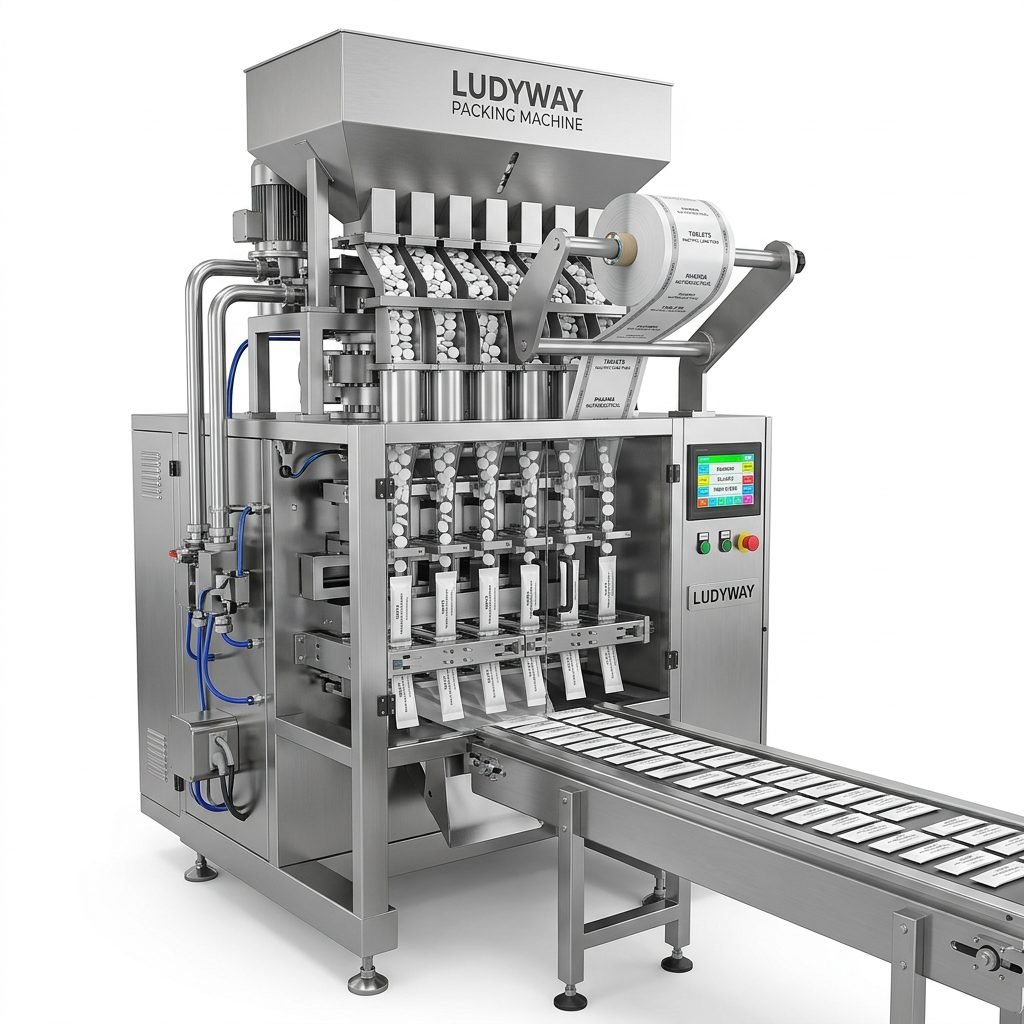
A table top vacuum packing machine is an ideal choice for businesses that need reliable vacuum sealing in a compact footprint. Whether you run a small food factory, restaurant, butcher shop, central kitchen, deli, farm store, or startup brand, this equipment helps extend shelf life, improve product appearance, reduce oxidation, and support cleaner storage and transport.
Compared with larger floor-standing systems, a tabletop model offers a strong balance of performance and practicality. It fits easily into limited workspaces, is simple to operate, and can be used for fresh meat, seafood, cheese, prepared meals, dry products, sauces, and specialty food items packed in vacuum bags.

Why a Table Top Vacuum Packing Machine Is Popular
Many buyers choose this type of vacuum sealer because it combines compact design with dependable sealing performance. It is especially suitable for operations that want to improve packaging quality without investing in a large automated line at the beginning.
- Space-saving design for kitchens, workshops, and small production areas
- Easy setup and user-friendly controls
- Better product freshness and reduced waste
- Professional pack appearance for retail or wholesale supply
- Lower operating complexity compared with larger systems
- Suitable for a wide range of food and non-food applications
How It Works
A table top vacuum packing machine removes air from the pouch and then seals the bag tightly. By lowering oxygen inside the package, it helps slow down spoilage, discoloration, moisture loss, and odor transfer. Depending on the product and bag material, users can also adjust vacuum time, sealing time, and cooling time to achieve more stable packing results.
For many food processors, this means better inventory control, longer distribution windows, and improved product consistency on the shelf.
Best Applications for Compact Vacuum Sealers
Although compact in size, these machines are highly versatile. They are widely used in different sectors where vacuum-sealed packaging supports freshness, hygiene, and presentation.
| Industry | Typical Products | Main Benefit |
|---|---|---|
| Fresh food processing | Meat, poultry, seafood | Longer freshness and cleaner storage |
| Prepared food | Ready meals, marinated foods, sauces | Leak reduction and better pack appearance |
| Retail and deli | Cheese, smoked foods, specialty items | Professional presentation and shelf readiness |
| Agricultural products | Dried fruits, grains, nuts | Protection from moisture and contamination |
| Healthcare and specialty products | Powders, components, sensitive items | Cleaner handling and secure sealing |
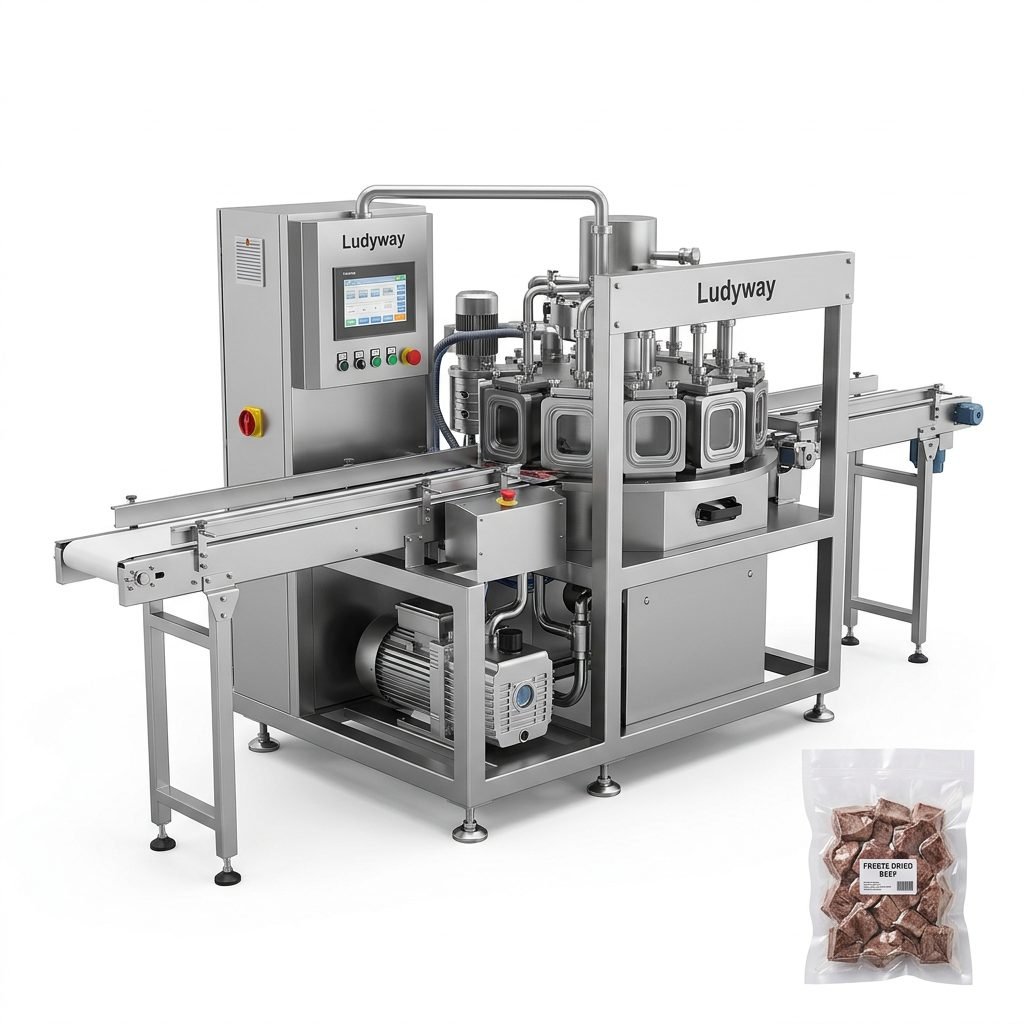
Key Features to Look For
Not all tabletop vacuum machines are the same. When comparing models, it is important to focus on the features that directly affect daily production efficiency and seal quality.
1. Vacuum Pump Performance
A stronger and more stable vacuum pump supports deeper air removal and faster cycles. This is especially important when packing perishable foods or handling repeated batch production.
2. Seal Width and Seal Strength
A consistent seal is critical. Strong sealing bars help prevent leakage and maintain product integrity during storage, transport, and retail display.
3. Chamber Size
Choose a chamber size that matches your common product dimensions. A machine that is too small may limit pouch options, while one that is too large can waste energy and workspace.
4. Stainless Steel Construction
For food applications, stainless steel is preferred for easier cleaning, corrosion resistance, and a more hygienic production environment.
5. Control Simplicity
Digital or clearly labeled controls make operation easier for staff. This helps reduce errors and improves consistency between batches.
6. Service and Spare Parts Support
Long-term support matters. Buyers should consider machine stability, available spare parts, and responsive technical service before making a final decision.
Advantages for Small and Growing Food Businesses
For smaller manufacturers and emerging brands, a compact vacuum packer can deliver real operational value. It allows businesses to move from manual or inconsistent sealing methods to a more controlled packaging process.
- Helps standardize product packaging
- Improves food freshness and customer satisfaction
- Reduces product loss caused by air exposure
- Supports better batch preparation and storage planning
- Creates a stronger foundation before upgrading to larger packaging systems
What Products Can Be Vacuum Packed?
A quality table top vacuum packing machine can handle many product categories when paired with the correct vacuum bag and settings.
- Fresh and frozen meat cuts
- Seafood and shellfish
- Cheese blocks and sliced cheese
- Cooked meals and ready-to-eat portions
- Sausages and marinated items
- Dried fruits, nuts, grains, and beans
- Powders and specialty ingredients in suitable pouches
Tip: Wet, sharp, or fragile products may require specific pouch materials, careful placement, or optional gas-flush and support features depending on the application.
Table Top vs. Larger Vacuum Packaging Equipment
Choosing the right machine depends on output, product type, and available space. For many businesses, tabletop equipment is the smartest starting point, while larger systems are better suited for high-volume factories.
| Factor | Table Top Vacuum Packing Machine | Larger Industrial Model |
|---|---|---|
| Footprint | Compact | Requires more floor space |
| Ease of operation | Very user-friendly | More advanced setup |
| Production volume | Low to medium | Medium to high |
| Investment level | More accessible | Higher capital requirement |
| Scalability | Good for startups and pilot production | Better for full-scale industrial processing |
Maintenance Tips for Long-Term Performance
Proper maintenance helps keep the machine stable and extends service life. Even a compact vacuum sealer should be treated as professional production equipment.
- Clean the chamber and sealing area after each shift
- Check sealing bars and sealing strips regularly
- Inspect vacuum pump oil if required by the model
- Use suitable vacuum pouches for the product
- Train operators on correct bag placement and cycle settings
- Schedule periodic inspection of electrical and moving components
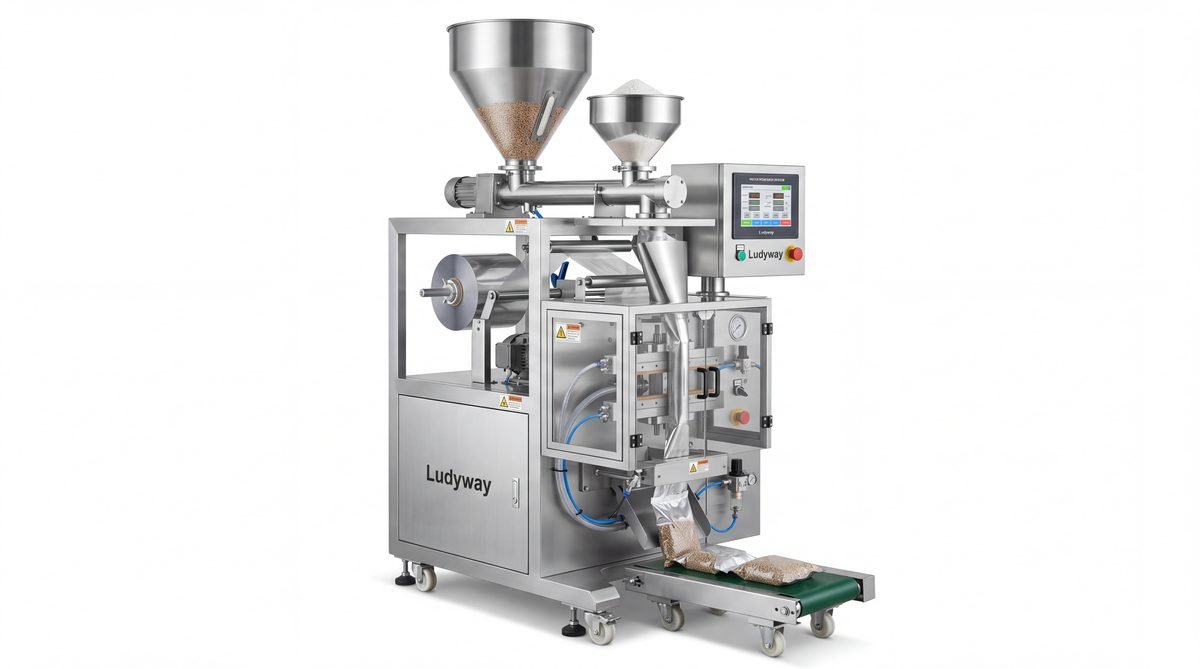
How to Choose the Right Model
Before buying, it is helpful to review your actual packaging requirements instead of focusing only on price. A machine that matches your product and workflow will deliver better long-term value.
Consider These Buying Questions
- What products will be vacuum packed most often?
- What bag sizes and materials will be used?
- How many packs are needed per hour or per day?
- Is the packaging environment dry, wet, chilled, or mixed?
- Do you need future integration with conveyors or other packing equipment?
- How important are after-sales support and spare parts availability?
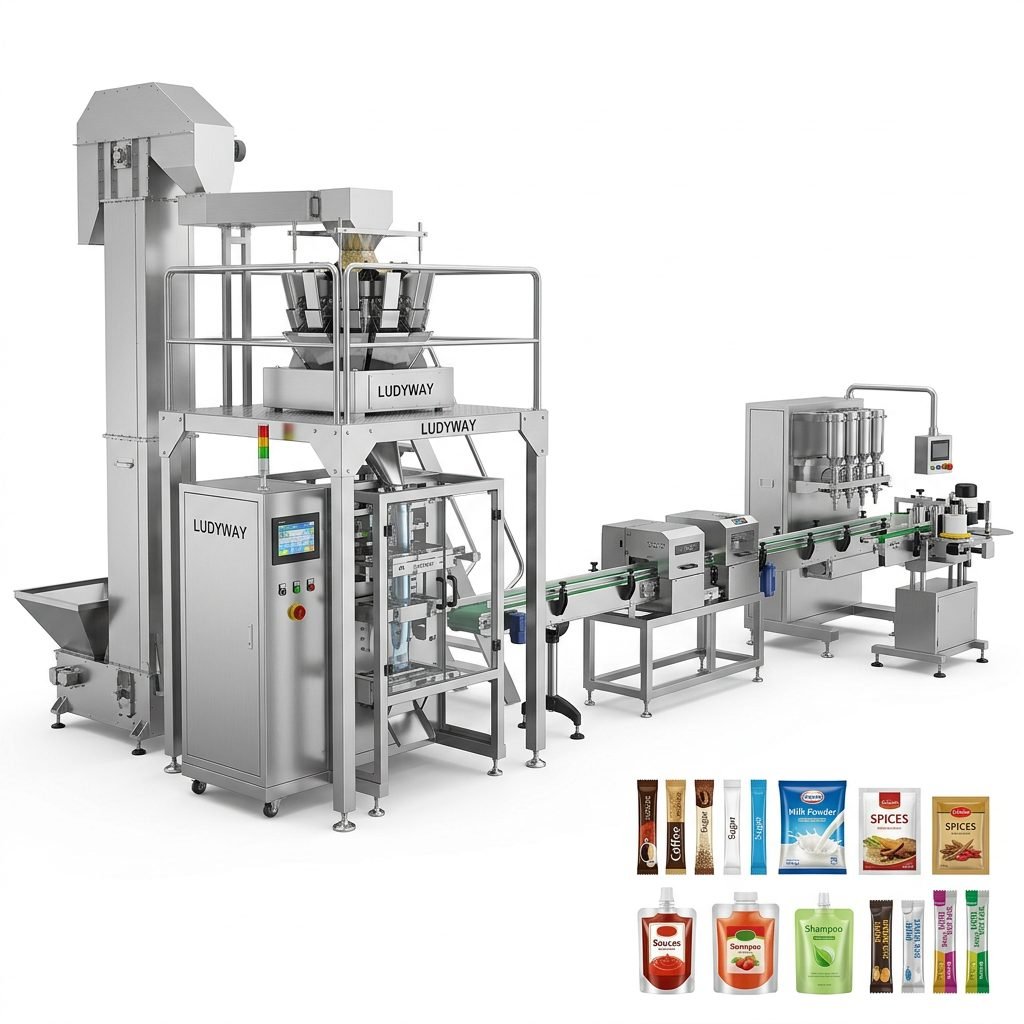
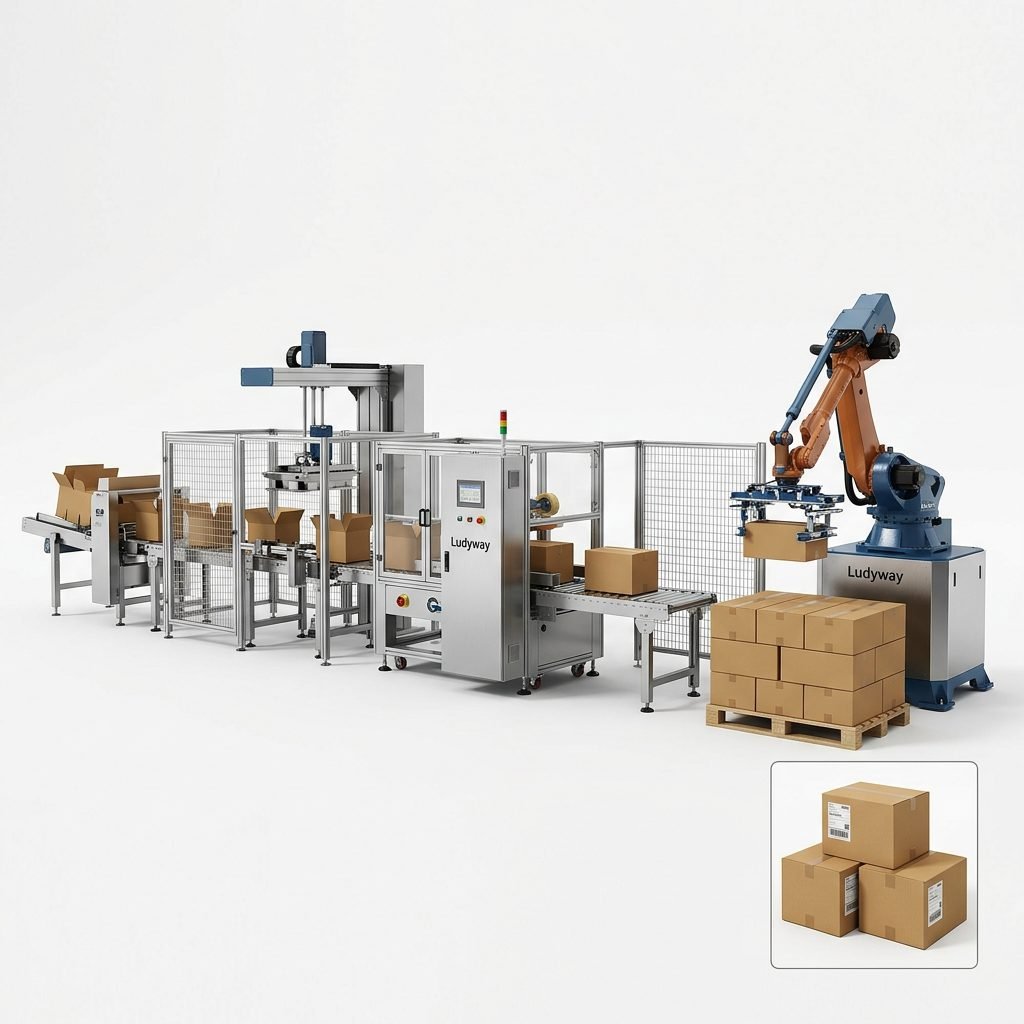
If your business plans to scale, choosing a supplier with broader packaging machinery capabilities can be a smart decision. Companies with experience in both standalone equipment and complete production systems are often better prepared to support future upgrades.
Reliable Packaging Support for Growing Operations
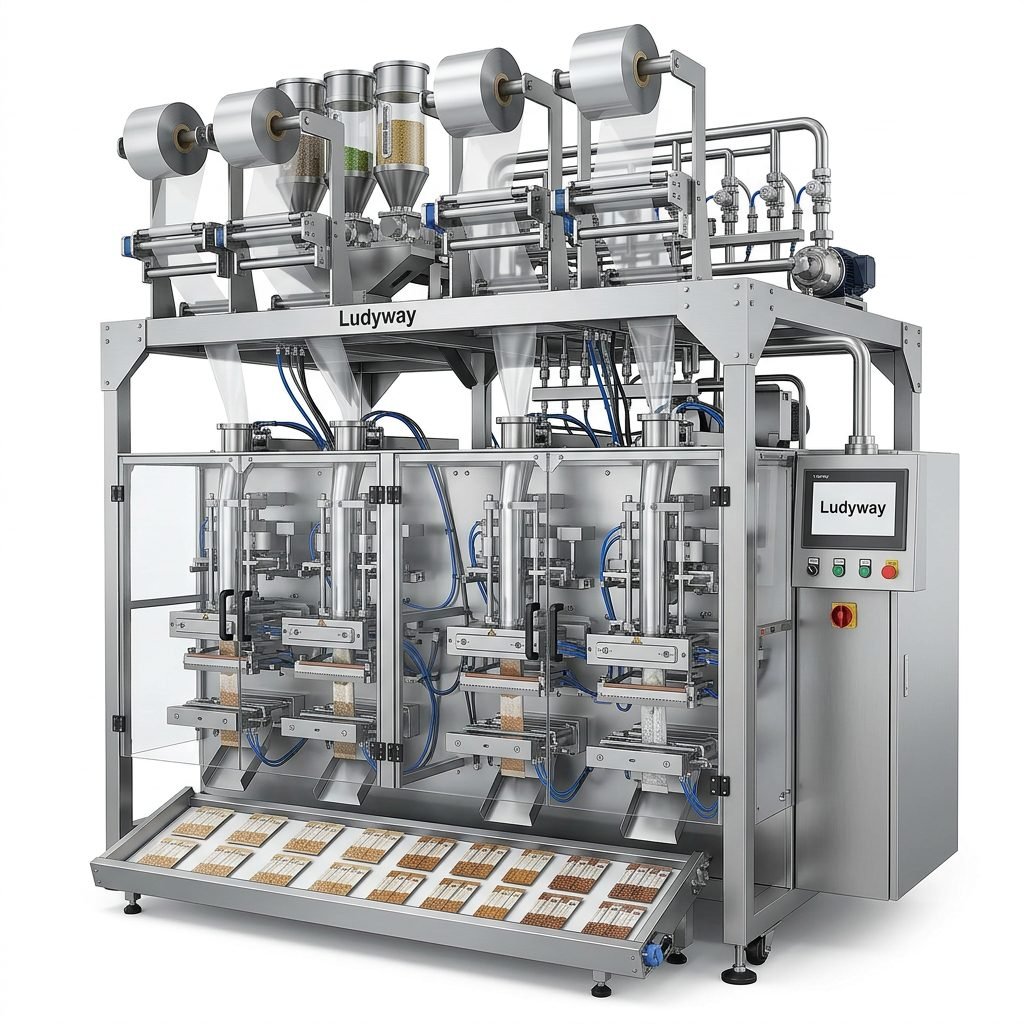
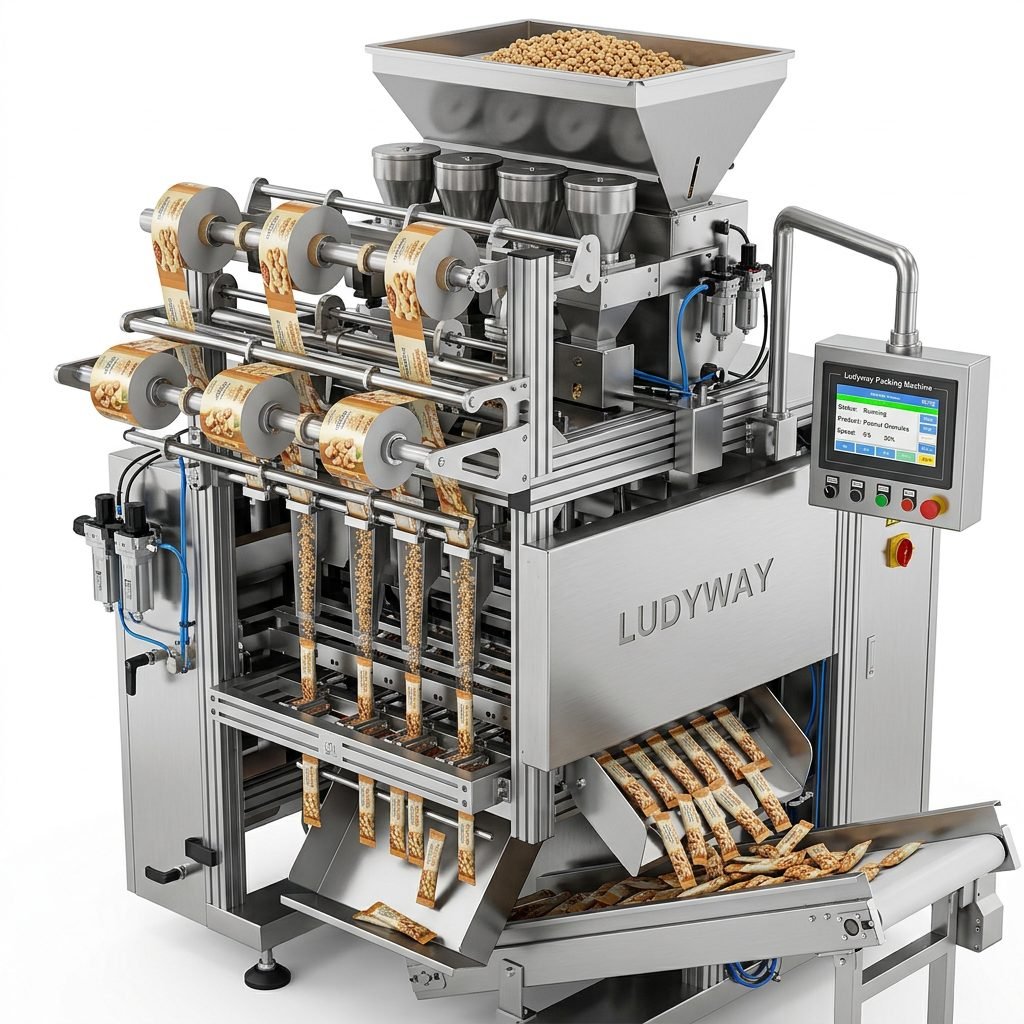
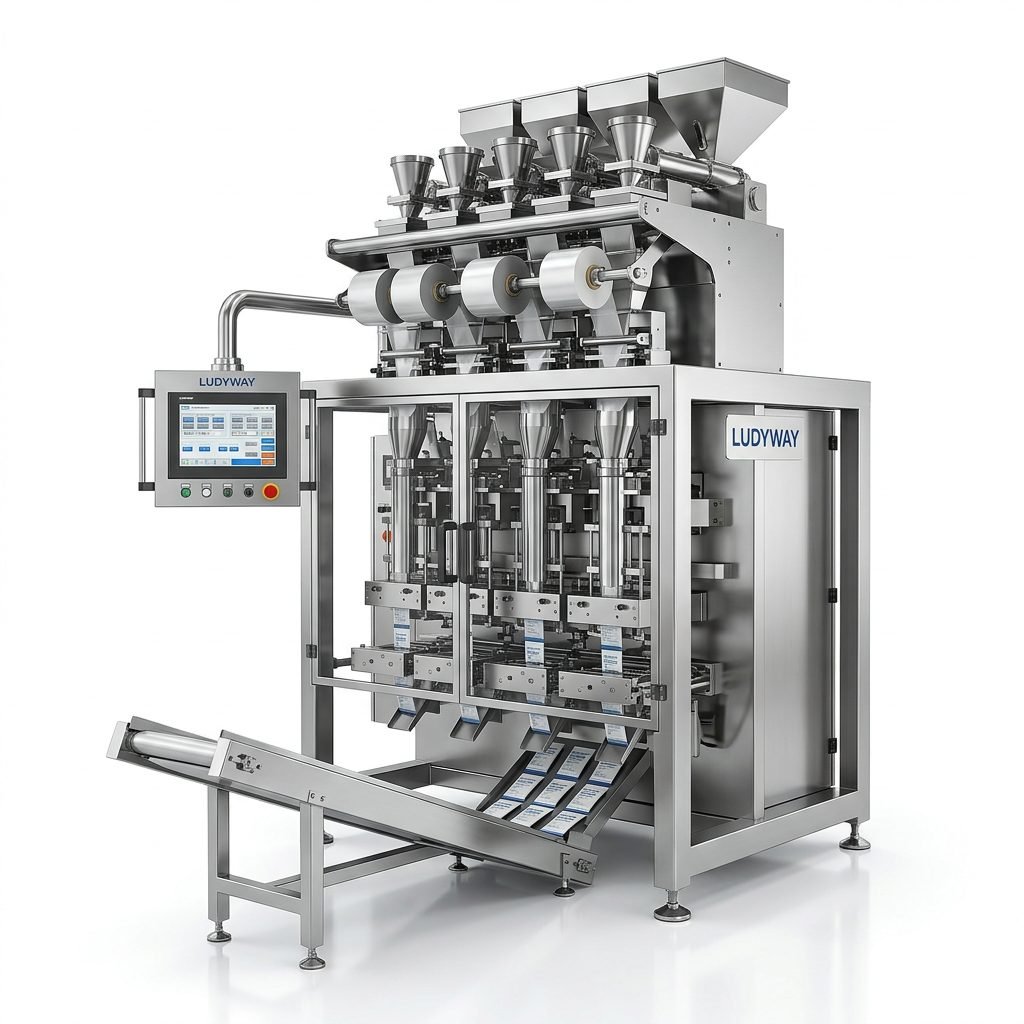
For businesses looking beyond a single machine, working with an experienced packaging manufacturer can improve equipment matching, technical support, and future expansion planning. Ludyway is one of China’s leading packaging machine and turnkey packaging line manufacturers, with more than 30 years of industry experience serving food, pharmaceutical, health supplement, and related sectors worldwide.
Final Buying Insight
A table top vacuum packing machine is a practical solution for businesses that need compact size, easy operation, and dependable vacuum sealing performance. It is especially valuable for small to medium production environments where hygiene, freshness, and packaging consistency matter. By choosing the right chamber size, sealing performance, and support partner, you can build a more efficient packaging process and prepare your business for future growth.