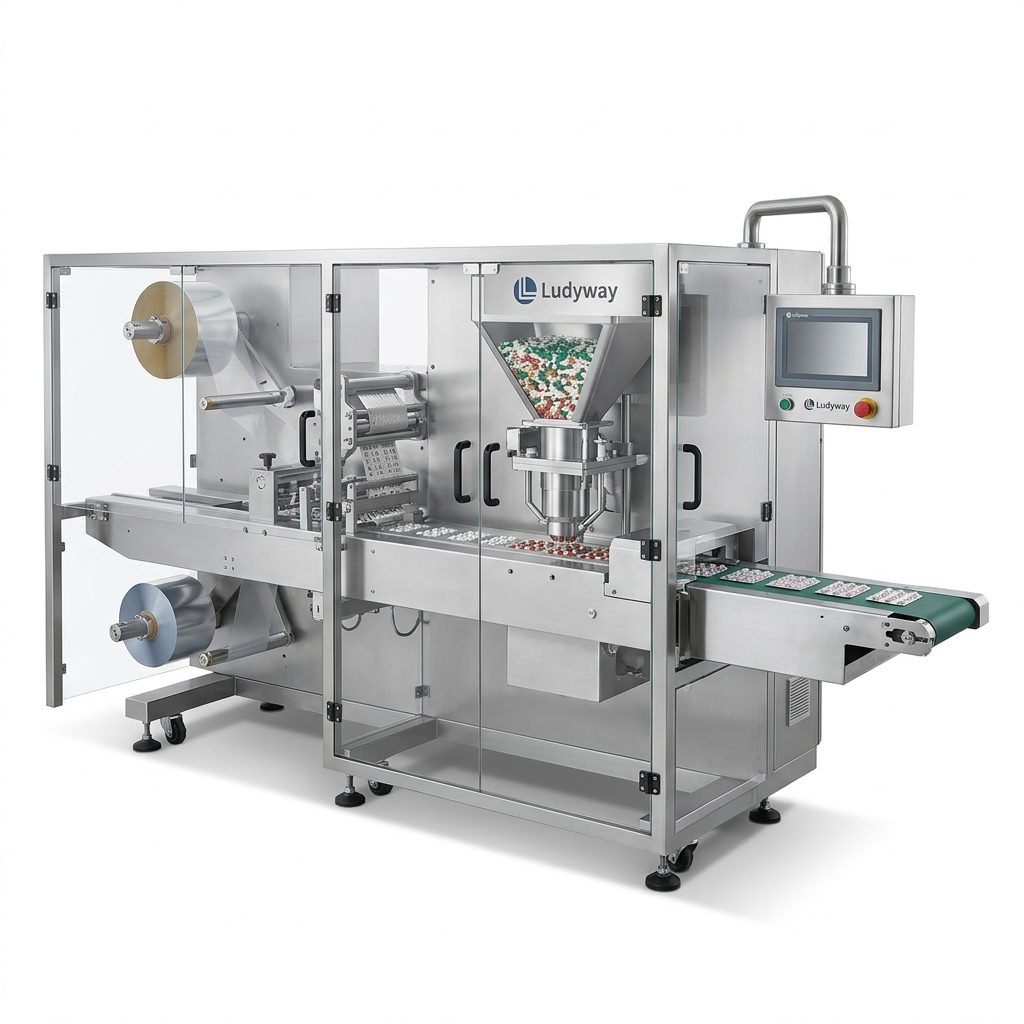
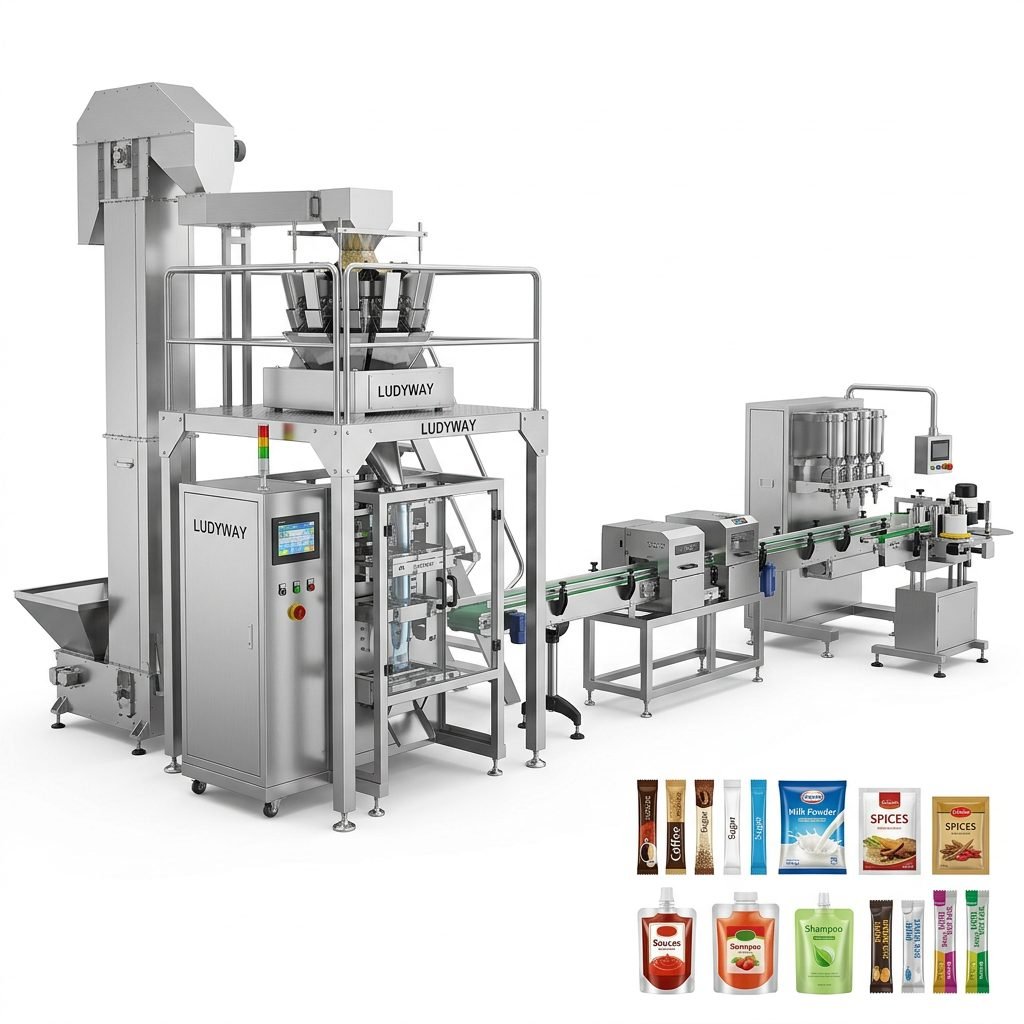
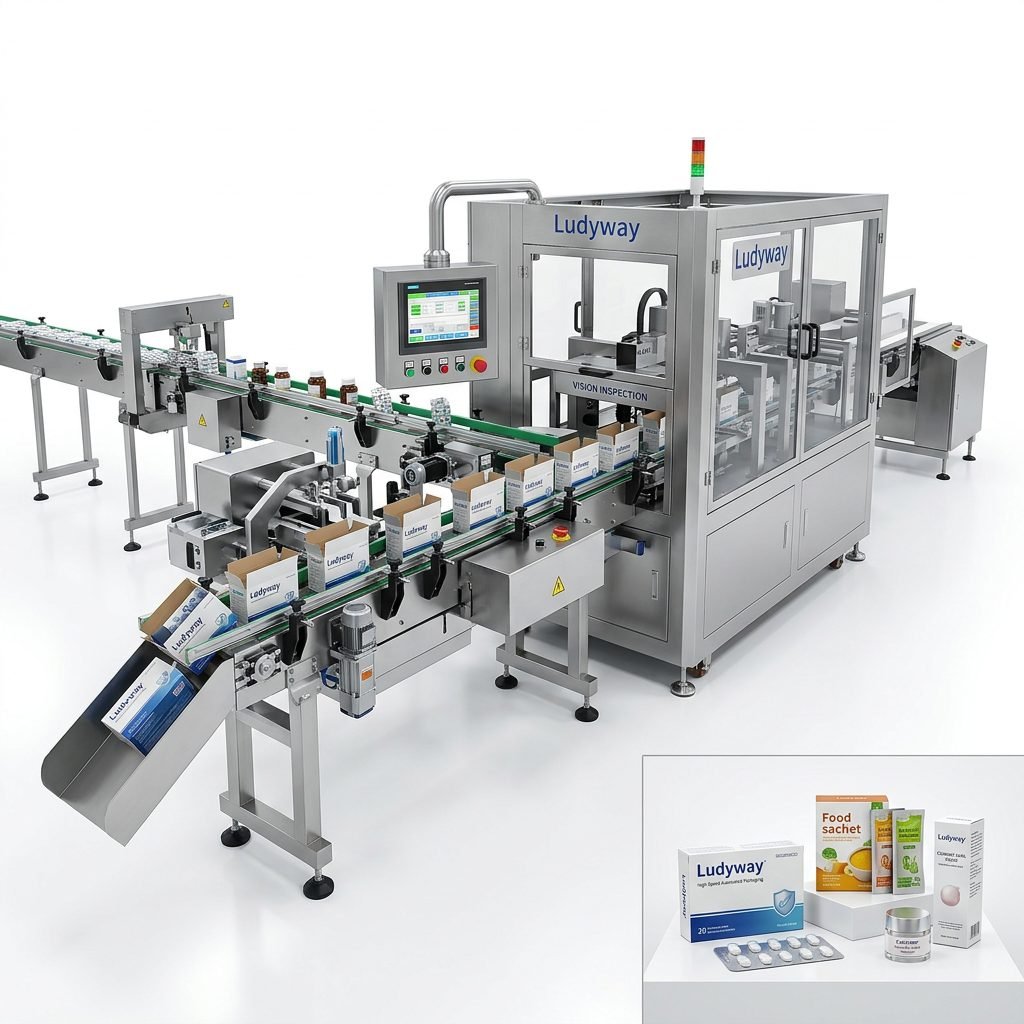
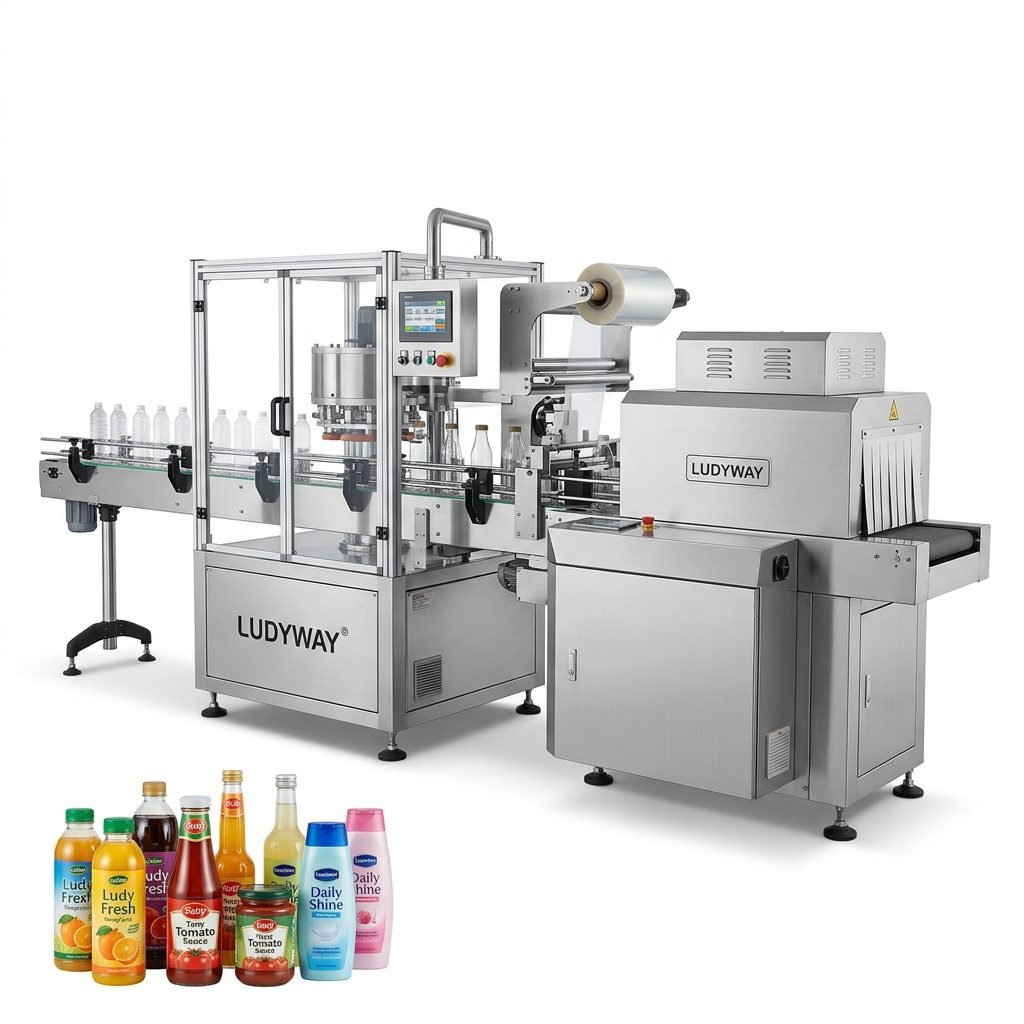
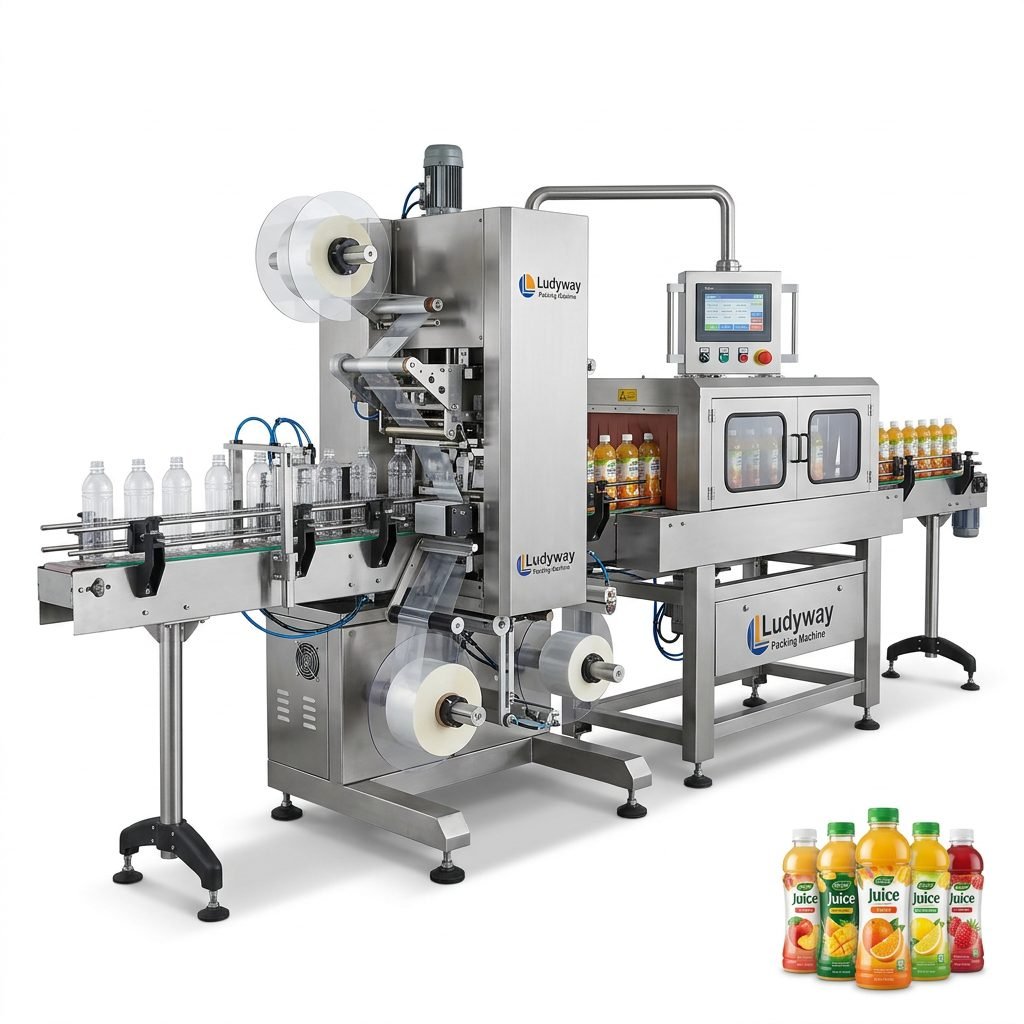
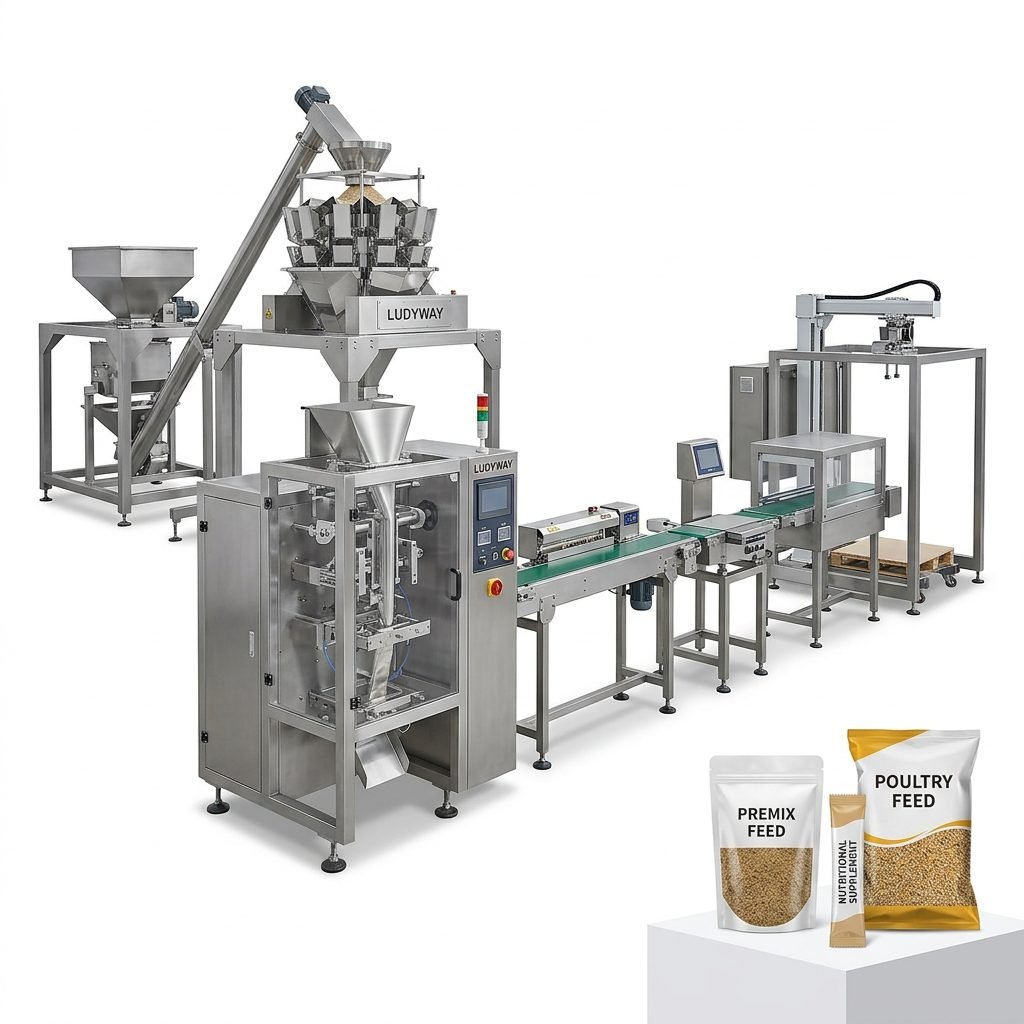
In today’s fast-paced manufacturing world, selecting the right packaging equipment and parts is a critical decision that impacts efficiency, product integrity, and your bottom line. From food and pharmaceuticals to chemicals and consumer goods, the correct packaging machinery ensures products are protected, presented professionally, and delivered efficiently to market. This guide delves into the core types of packaging equipment, their specific uses, and provides a structured framework to help you choose the perfect solutions for your operational needs.
Core Categories of Packaging Equipment
Packaging machinery can be broadly segmented based on the form of the product being handled and the stage of the packaging process. Understanding these categories is the first step toward an informed investment.
1. Filling and Dosing Machines
These are the workhorses of packaging lines, responsible for accurately measuring and dispensing product into containers or pouches. Accuracy is paramount to avoid giveaway and ensure compliance.
Volumetric Fillers: Use cavities, augers, or pumps to dispense a set volume. Ideal for granules, powders, and semi-solids.
Net Weight Fillers: Utilize in-motion scales for precise weight measurement, crucial for high-value products.
Liquid Fillers: Include gravity, pressure, and piston fillers for water-thin to viscous liquids like sauces, oils, and creams.
2. Form-Fill-Seal (FFS) Machines
FFS machines are highly integrated systems that form packaging from a roll of film, fill it with product, and seal it in one continuous operation. They offer excellent efficiency and hygiene.
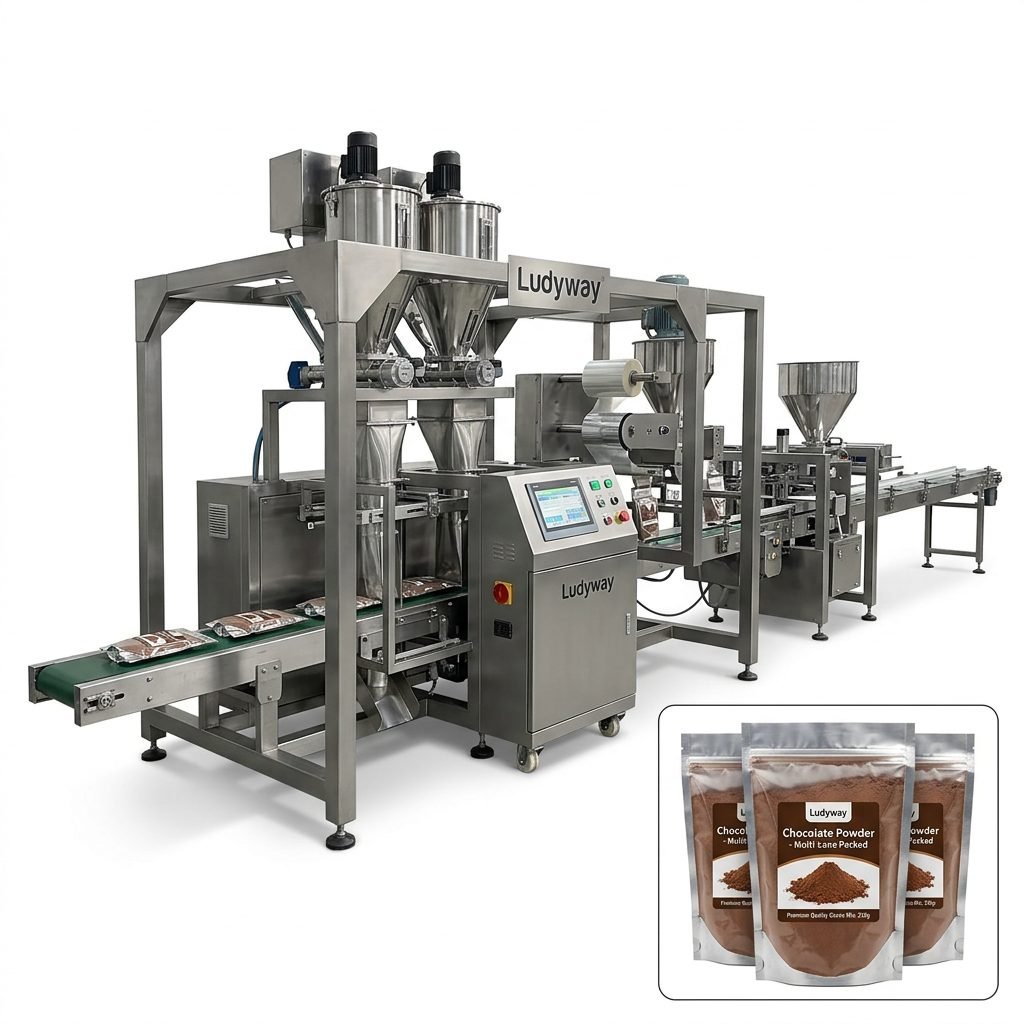
→ Vertical Form-Fill-Seal (VFFS): The most common type for granules, powders, and snacks, creating bags like pillow pouches or stand-up pouches.
→ Horizontal Form-Fill-Seal (HFFS): Often used for biscuits, chocolate bars, and medical devices, providing a sleek, carton-like presentation.
3. Sealing and Closing Equipment
This category ensures the package is securely closed to prevent contamination, preserve freshness, and deter tampering.
- Heat Sealers: For plastic pouches and laminated films.
- Induction Sealers: Apply an airtight foil liner under plastic caps on bottles.
- Cappers / Cappers: Automatically screw or press-fit lids onto containers.
4. Labeling and Coding Machines
These apply vital information, branding, and tracking data to the package. They are essential for compliance, traceability, and marketing.
Primary Labelers
Apply the main product label (e.g., wrap-around, front & back).
Print & Apply Systems
Print variable data (batch codes, expiry dates) and apply the label in one step.
Inkjet & Laser Coders
Directly mark information onto packaging surfaces.
Critical Packaging Machine Parts & Components
The reliability of your entire line often hinges on the performance of key consumable and wear parts. Proactive maintenance of these components prevents costly downtime.
Essential Wear Parts
Sealing Jaws & Bands (VFFS): Critical for creating strong, consistent seals. Material (chrome, Teflon-coated) must match your film type.
Augers & Funnels (Fillers): Direct contact parts for powders and granules. Stainless steel or food-grade plastic with smooth finishes prevent product bridging.
Pistons & Cylinders (Liquid Fillers): Require precise machining to maintain dosing accuracy and prevent leakage.
Drive & Control Components
Servo motors, drives, PLCs, and sensors form the brain and nervous system of modern packaging machines. Opting for reputable brands here ensures precision, energy efficiency, and easier troubleshooting.
How to Choose the Right Packaging Solutions: A Step-by-Step Guide
Selecting equipment is not just about the machine itself, but how it fits into your entire ecosystem.
Step 1: Define Your Product & Packaging Specs
Start with absolute clarity on what you are packaging. Document the product’s physical state (granule, powder, liquid), its characteristics (hygroscopic, abrasive, viscous), and your desired package type (stick pack, sachet, bottle, can).
Step 2: Assess Your Production Requirements
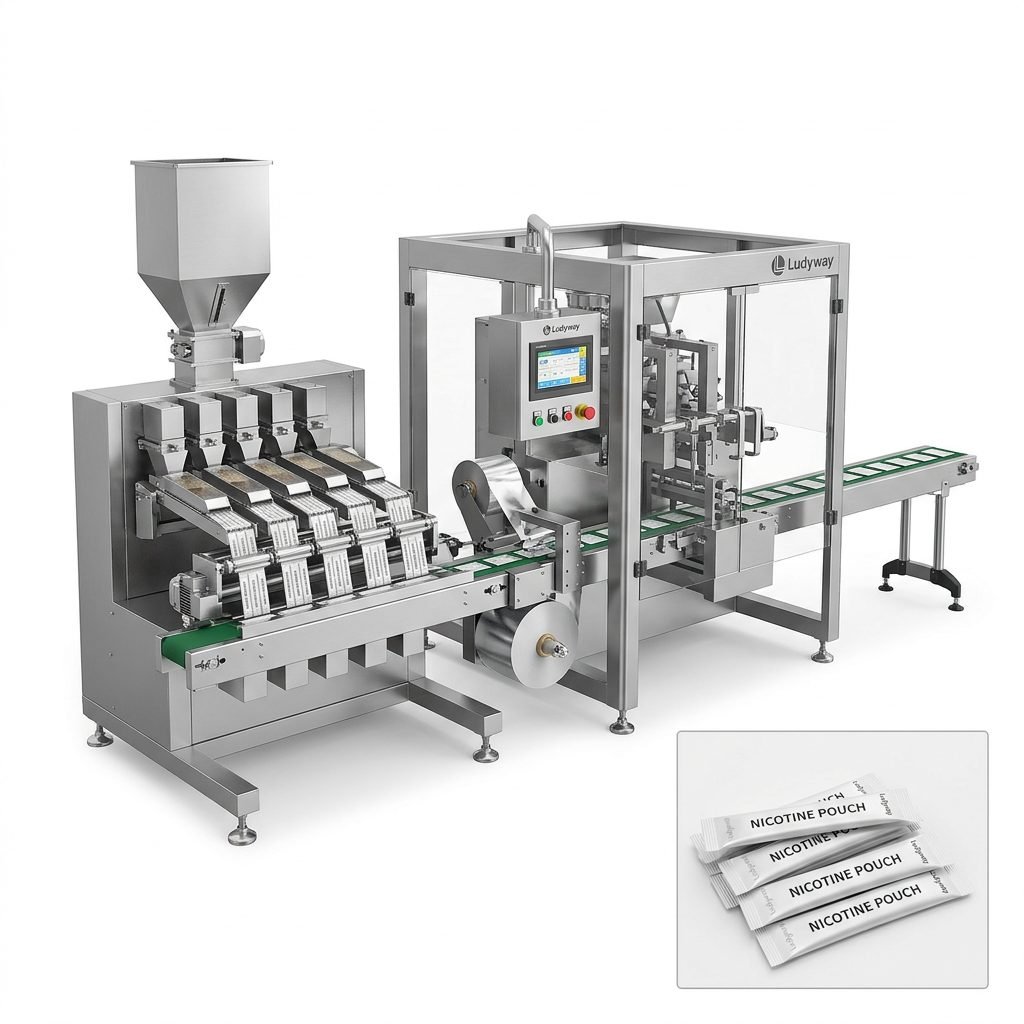
Calculate your required output speed (packages per minute/hour). Be realistic about future growth. Also, consider flexibility: will you need quick changeovers for different package sizes or products? This is where multi-lane stick pack machines excel for high-volume, single-product lines, while modular systems offer more flexibility.
Step 3: Evaluate Machine Features & Technology
Automation Level: Do you need fully automatic, semi-automatic, or manual systems? Automatic systems offer higher throughput and labor savings.
Accuracy & Consistency: Review the machine’s claimed accuracy (e.g., filling tolerance of ±0.5%). Ask for test-run data with your actual product.
Hygiene & Construction: For food or pharma, ensure easy-clean design (sanitary construction) and use of compliant materials (e.g., 304 or 316 stainless steel).
Step 4: Consider the Total Cost of Ownership (TCO)
Look beyond the initial purchase price. Factor in:
• Operating Costs: Energy consumption, compressed air needs.
• Maintenance & Parts: Availability and cost of spare parts, ease of service.
• Supplier Support: The value of quality installation, training, and responsive after-sales service cannot be overstated.
Step 5: Partner with a Reputable Supplier
Choose a partner with proven experience in your industry. A supplier like Ludyway Machinery, with over 30 years of industry experience and a portfolio of 50+ intelligent packaging models, can provide not just a machine, but a tailored solution. They offer the technical expertise to navigate these choices and ensure the equipment integrates seamlessly into your workflow.
Common Questions (FAQs)
What is the main difference between volumetric and net weight filling?
Volumetric filling measures by volume (using a cup, auger, or piston) and is cost-effective for consistent-density products. Net weight filling weighs each dose on a scale, providing superior accuracy for products with variable density or high value, ensuring strict weight compliance.
How important is after-sales service when buying packaging equipment?
Extremely important. Even the best machinery requires maintenance, parts, and occasional troubleshooting. A supplier with strong technical support, readily available spare parts, and quick response times minimizes costly production downtime and extends the life of your investment.
Can one machine handle different package sizes?
Many modern machines are designed with quick-changeover capabilities. This allows for switching between different bag lengths, widths, or container sizes with minimal tools and downtime. The degree of flexibility varies by machine type, so discuss your specific changeover needs with the supplier.
What should I look for in a packaging machine for food products?
Prioritize hygienic design: easy-to-clean surfaces with minimal crevices, use of food-grade materials (like stainless steel), and protection from contaminants. Also, ensure the machine’s sealing capability is robust enough to maintain product freshness and shelf life.
Is it better to buy a standalone machine or a complete turnkey line?
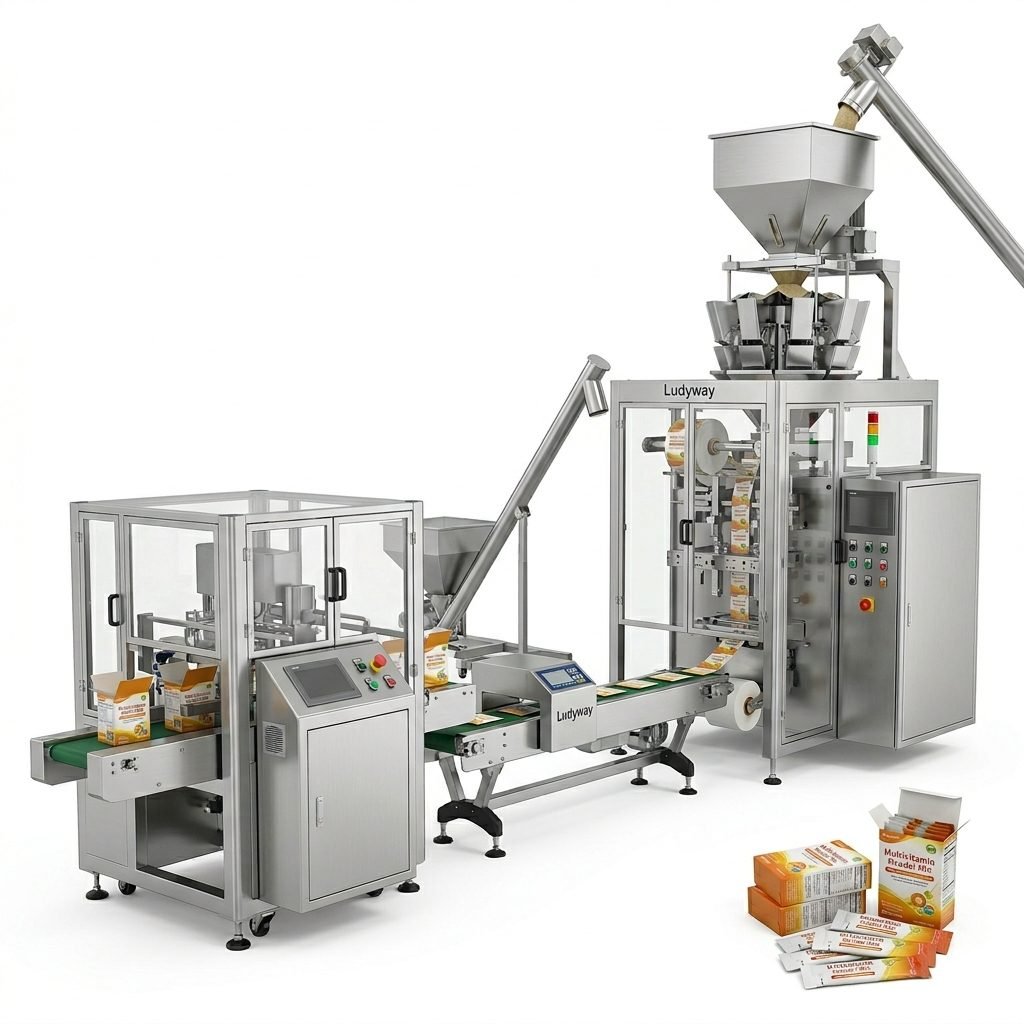
It depends on your in-house expertise and project scope. A standalone machine suits adding capacity to an existing line. A complete turnkey production line, where the supplier integrates filling, sealing, labeling, and conveying into one synchronized system, is ideal for new products or facilities, as it ensures compatibility and provides a single point of responsibility for performance.