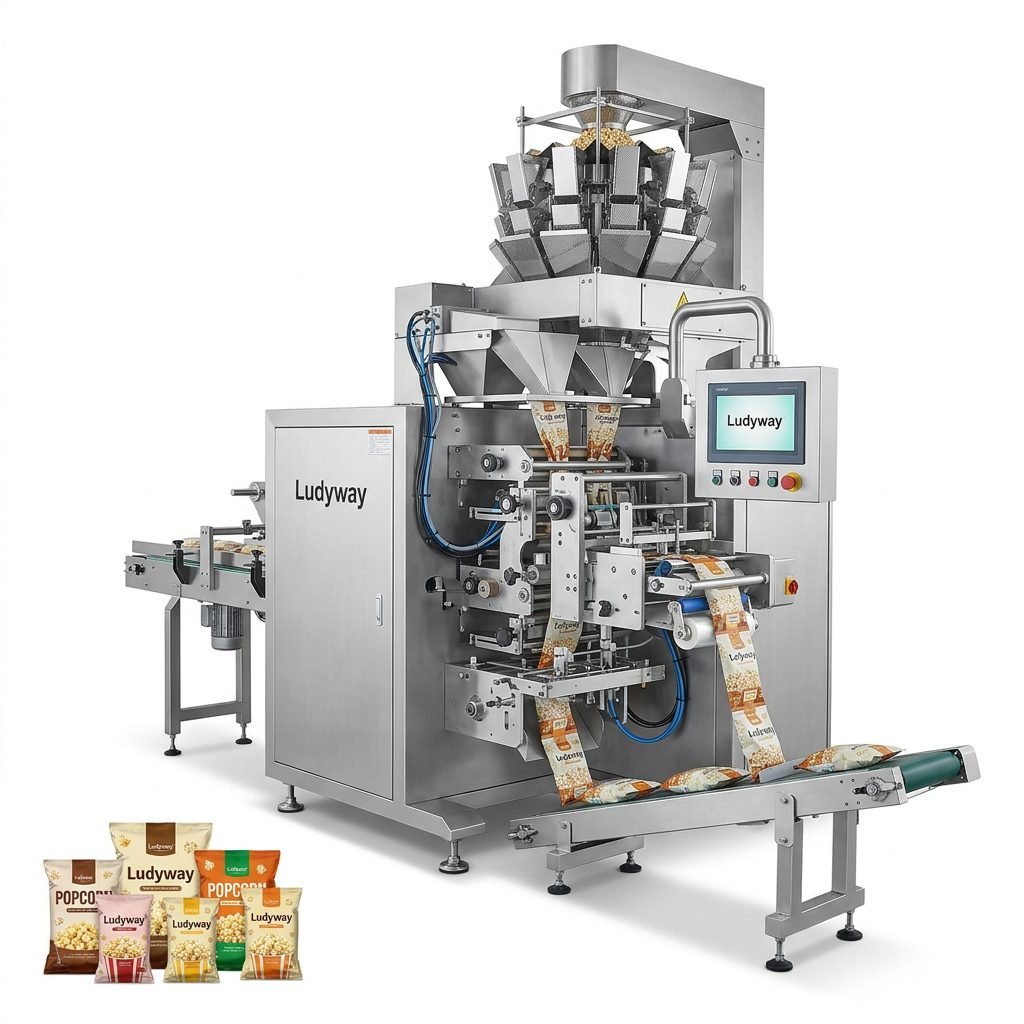
Thermoforming blister packaging machines are widely used in modern manufacturing because they combine product protection, speed, and visual presentation in one highly efficient packaging process. From pharmaceutical tablets and capsules to medical devices, consumer goods, and selected food products, these machines help manufacturers create sealed, tamper-evident packs that are easy to handle, store, and distribute.
For companies aiming to improve automation and packaging consistency, a thermoforming system is often a smart investment. It forms the package cavity directly from rollstock material, fills the product into the formed pocket, and then seals it with a lidding material in a continuous production cycle.
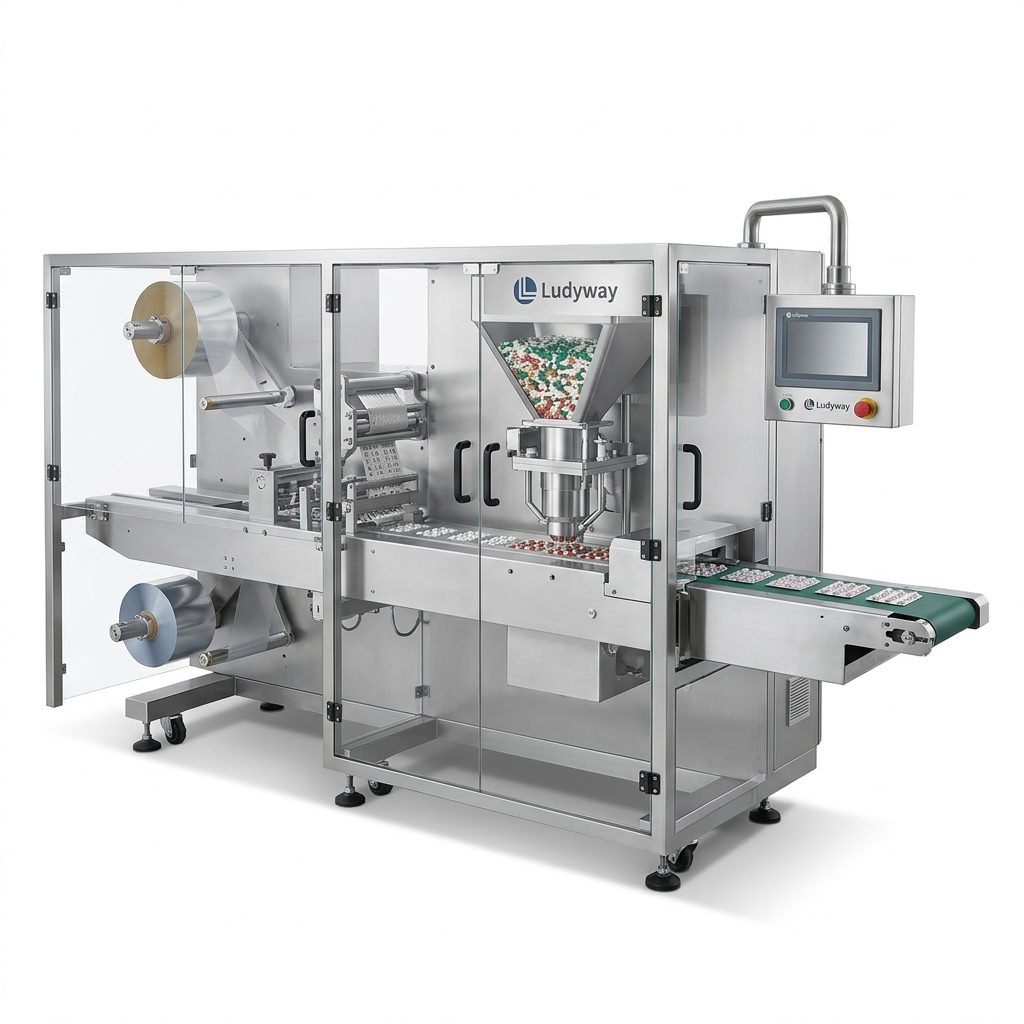
What Is a Thermoforming Blister Packaging Machine?
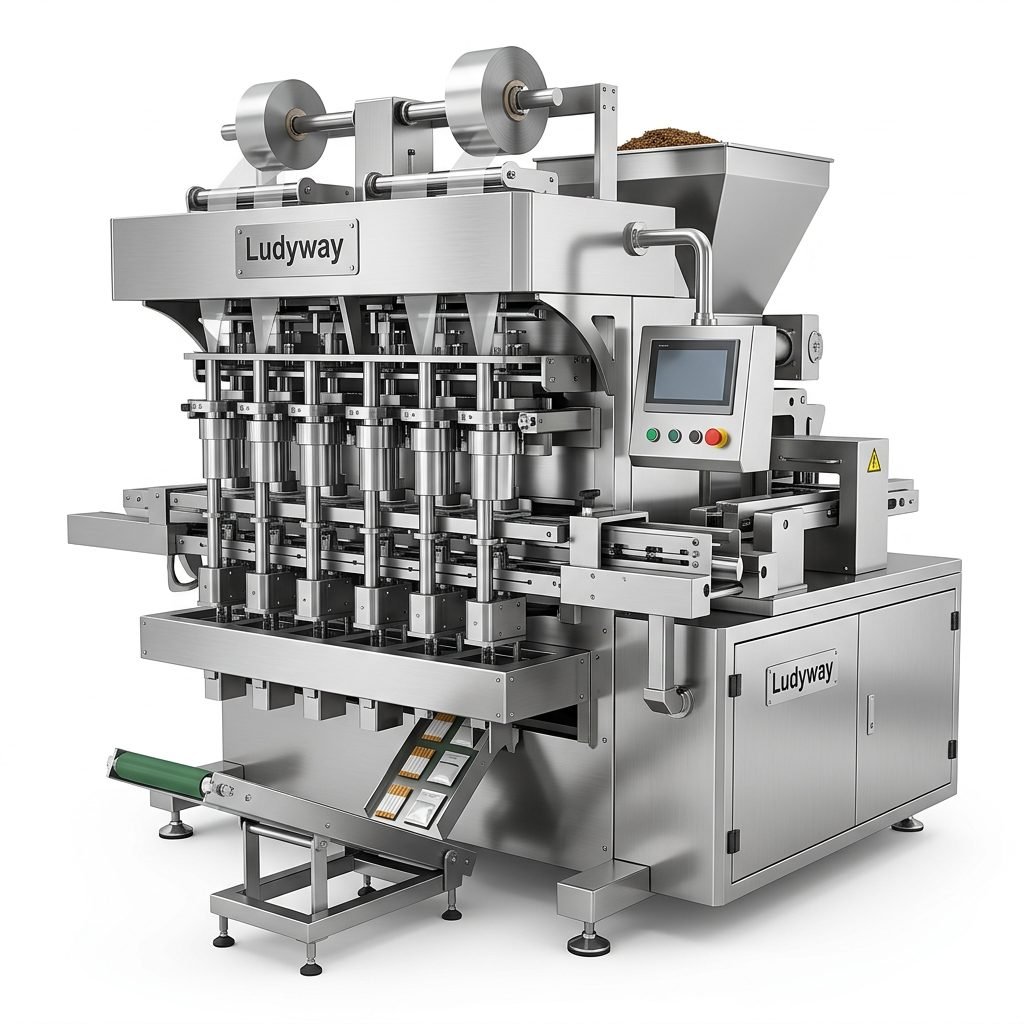
A thermoforming blister packaging machine is an automated system that heats a plastic film until it becomes formable, shapes it into cavities using molds, places products into those cavities, and then seals the pack with a backing material such as aluminum foil, plastic film, or laminate.
The result is a blister package that offers high product visibility, strong barrier protection, accurate portioning, and controlled unit-dose packaging. This is especially important in industries where hygiene, traceability, and presentation matter.
Typical packaging materials include:
- PVC
- PVDC-coated films
- PET
- PP
- Aluminum foil lidding
- Composite barrier films
How a Thermoforming Blister Packaging Machine Works
The working principle is straightforward, but the machine itself integrates multiple synchronized stages to ensure high-speed and precise output.
1. Film unwinding
The bottom plastic film is unwound from a roll and fed into the forming station. This film becomes the base web of the blister pack.
2. Heating
The film passes through a heating zone where temperature is carefully controlled. The material must become soft enough to form without stretching unevenly or losing structural integrity.
3. Thermoforming
In the forming station, the heated film is shaped into pockets using vacuum, compressed air, mechanical pressure, or a combination of these methods. The cavity design depends on product dimensions and package requirements.
4. Product loading
Products are placed into the formed cavities either manually, semi-automatically, or fully automatically. For pharmaceutical applications, feeding systems are typically integrated to ensure orientation and counting accuracy.
5. Sealing
A top web, often aluminum foil or laminated film, is fed over the filled cavities. The sealing station applies heat and pressure to bond the lidding to the formed base.
6. Embossing, coding, or printing
Many blister packaging lines add lot numbers, expiry dates, batch codes, registration marks, or embossing during the sealing or downstream stage.
7. Perforation and cutting
The sealed web is cut into individual blister cards or strip packs. Depending on the design, packs can also be perforated for easy separation.
8. Discharge and collection
Finished blister packs are automatically discharged for cartoning, inspection, or case packing.
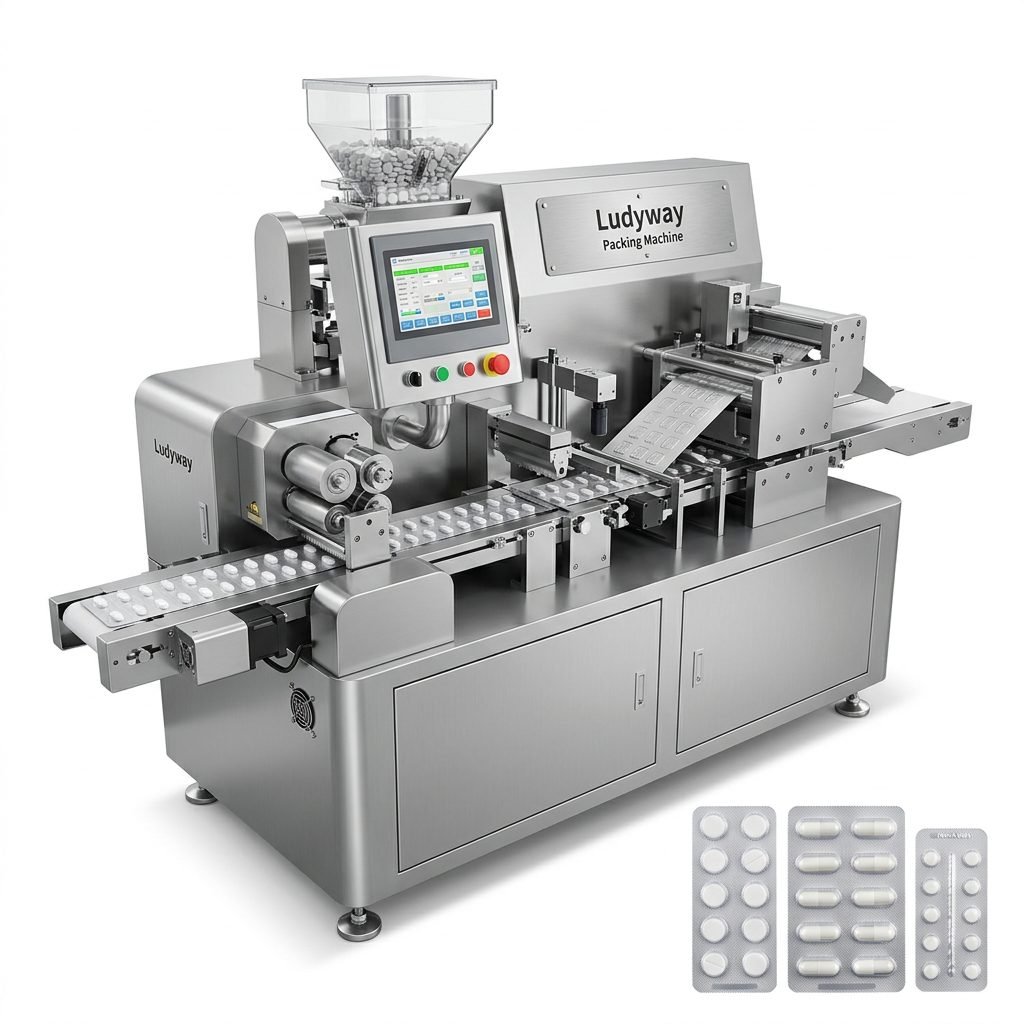
Core Components of the Machine
Understanding the main modules helps buyers evaluate machine performance more effectively.
| Component | Function |
|---|---|
| Unwinding Unit | Feeds bottom and top web materials smoothly into the line |
| Heating Station | Softens film for cavity forming |
| Forming Station | Creates blister pockets using vacuum or pressure |
| Feeding System | Loads products into cavities with controlled placement |
| Sealing Station | Applies heat and pressure to seal lidding material |
| Coding Unit | Marks batch number, date, or traceability information |
| Cutting Station | Separates blister sheets into final pack sizes |
| Control System | Coordinates temperature, timing, speed, and alarms |
Main Benefits of Thermoforming Blister Packaging Machines
Excellent product protection
Blister packs create a sealed environment that helps protect products from moisture, dust, oxygen, contamination, and physical damage. High-barrier materials can further improve shelf life for sensitive products.
High packaging efficiency
These machines are designed for continuous production, making them suitable for medium- and high-volume manufacturing. Automated feeding, sealing, and cutting significantly reduce manual labor.
Clear product display
Transparent blister cavities allow customers and inspectors to see the product directly. This is useful in both retail and regulated sectors.
Tamper evidence
Once sealed, blister packs provide visible evidence if the package has been opened or damaged. This helps improve consumer confidence and compliance.
Accurate unit-dose packaging
For pharmaceutical and nutraceutical products, thermoforming blister packaging supports precise unit packaging, better dosage management, and easier tracking.
Material optimization
Roll-fed thermoforming systems can reduce packaging waste compared with some preformed packaging methods. Proper cavity design also improves material utilization.
Scalability and automation
Modern blister packaging lines can be integrated with printers, vision inspection systems, cartoners, and case packers to create a more complete automated packaging process.
Thermoforming vs. Cold Forming Blister Packaging
These two packaging methods are often compared, especially in pharmaceutical production.
| Feature | Thermoforming | Cold Forming |
|---|---|---|
| Material | Plastic-based films | Aluminum laminate |
| Visibility | Transparent cavities available | Opaque pack |
| Barrier Protection | Good to very good | Excellent |
| Speed | Generally faster | Usually slower |
| Pack Appearance | Attractive, display-friendly | Functional, less visual |
| Application Fit | Retail and standard pharma products | Highly moisture-sensitive products |
Key Applications Across Industries
Pharmaceutical industry
This is one of the most common applications. Tablets, capsules, lozenges, ampoules, syringes, and medical consumables are frequently packed using thermoforming blister systems because of hygiene, accuracy, and traceability requirements.
- Tablets and capsules
- Unit-dose medicines
- Diagnostic kits
- Medical devices
- Sterile accessories
Nutraceutical and health supplement industry
Vitamin tablets, softgels, herbal supplements, and effervescent products often use blister packaging to improve convenience and extend shelf stability.
Consumer goods
Small electronics, batteries, stationery items, hardware accessories, razors, and personal care items are commonly packed in blister formats for visibility and theft deterrence.
Food sector
Selected food items such as confectionery, portion-controlled products, sauces, and specialty products may also use thermoformed packaging when hygiene and presentation are critical.

Industries That Benefit Most
Thermoforming blister equipment is especially valuable when manufacturers need the following:
- High-volume production with consistent sealing quality
- Individual product cavities for counting and control
- Attractive retail-ready packaging
- Protection against environmental exposure
- Reliable coding and batch traceability
- Compatibility with downstream cartoning and inspection systems
Important Factors to Consider Before Buying
Product type and size
The machine must match the dimensions, shape, fragility, and feeding behavior of the product. A tablet blister line differs greatly from a machine used for medical devices or consumer components.
Packaging material compatibility
Not all machines support the same forming films or lidding structures. Buyers should confirm material thickness range, forming depth, sealing temperature range, and barrier performance requirements.
Production speed
Required output should be evaluated in packs per minute, cavities per cycle, and shift-level production demand. Choosing excessive speed may increase cost unnecessarily, while undersizing creates bottlenecks.
Automation level
Machines can be configured with manual loading, automatic feeders, visual inspection, rejection systems, and cartoning integration. The right automation level depends on labor cost, compliance needs, and growth plans.
Seal quality and validation
In pharmaceutical and medical applications, consistent sealing is essential. Look for stable temperature control, pressure monitoring, and easy validation support.
Changeover and flexibility
If multiple SKUs are produced on the same line, quick mold replacement and simple recipe switching will improve operational efficiency.
Maintenance and support
Spare parts availability, operator training, remote support, and after-sales service directly affect long-term uptime and total cost of ownership.
Common Challenges and How Modern Machines Solve Them
- Uneven forming: solved with better heating control and mold precision
- Seal defects: reduced by stable sealing pressure and temperature management
- Misfeeds or missing products: improved through feeding devices and inspection systems
- Material waste: minimized by optimized cavity layout and servo-driven control
- Frequent downtime: addressed with HMI diagnostics and modular machine design
Why Automation Matters in Blister Packaging
As manufacturers face rising labor costs, stricter compliance standards, and higher output demands, automated thermoforming blister packaging becomes more valuable. It helps reduce human error, improve package uniformity, and support better production data management.
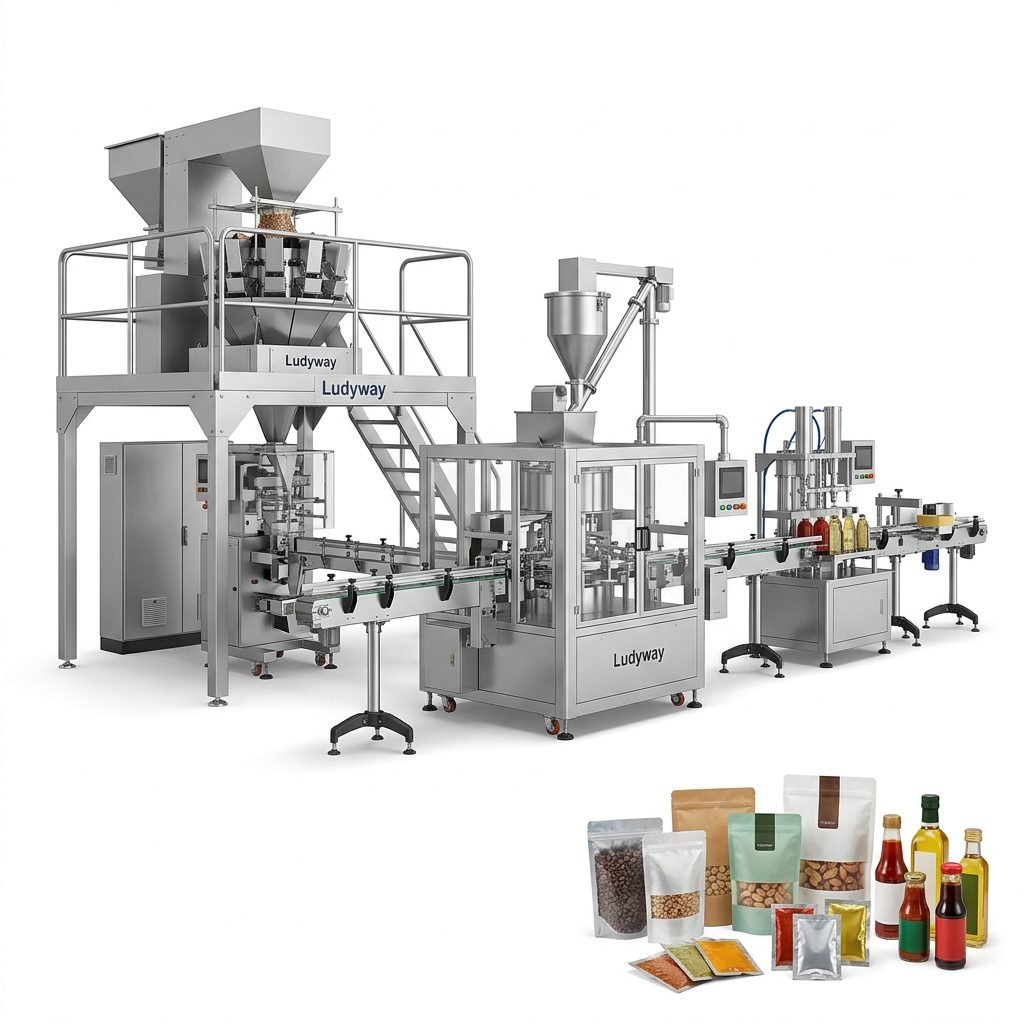
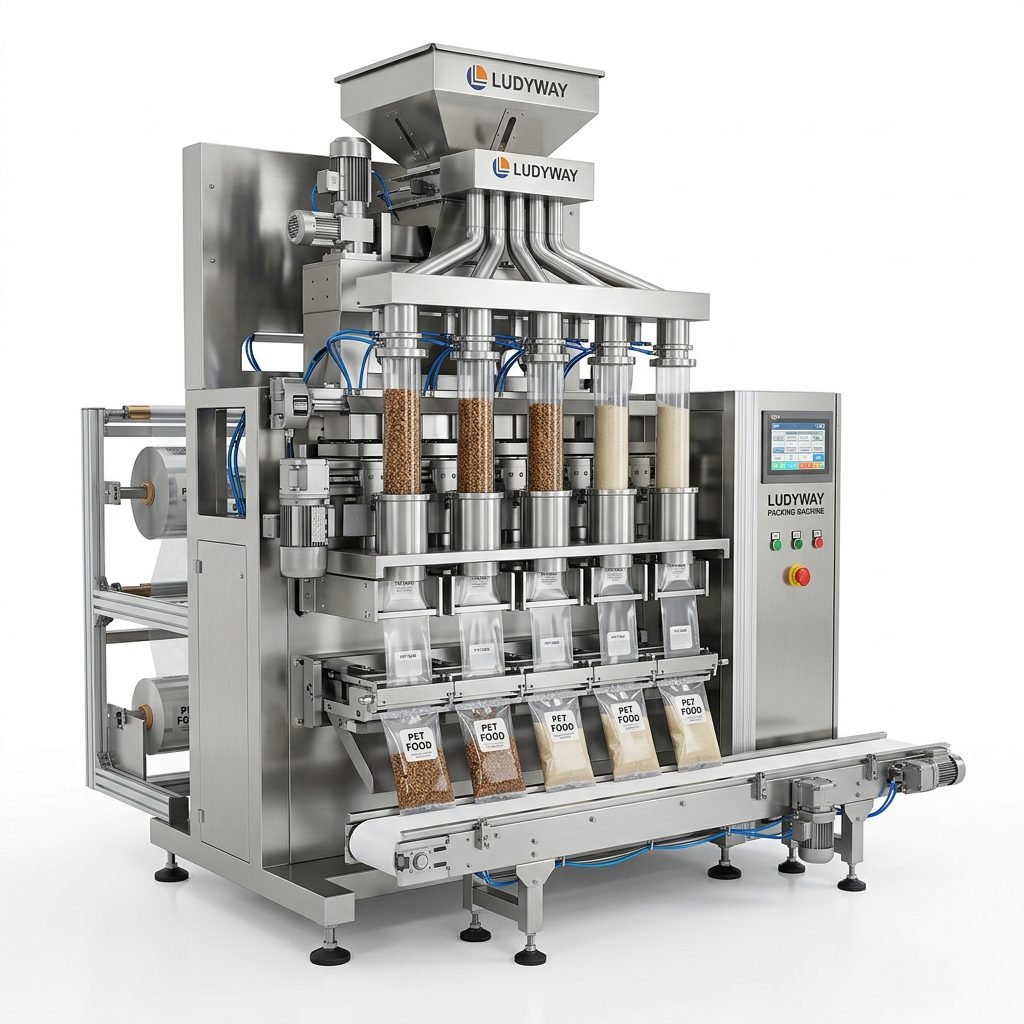
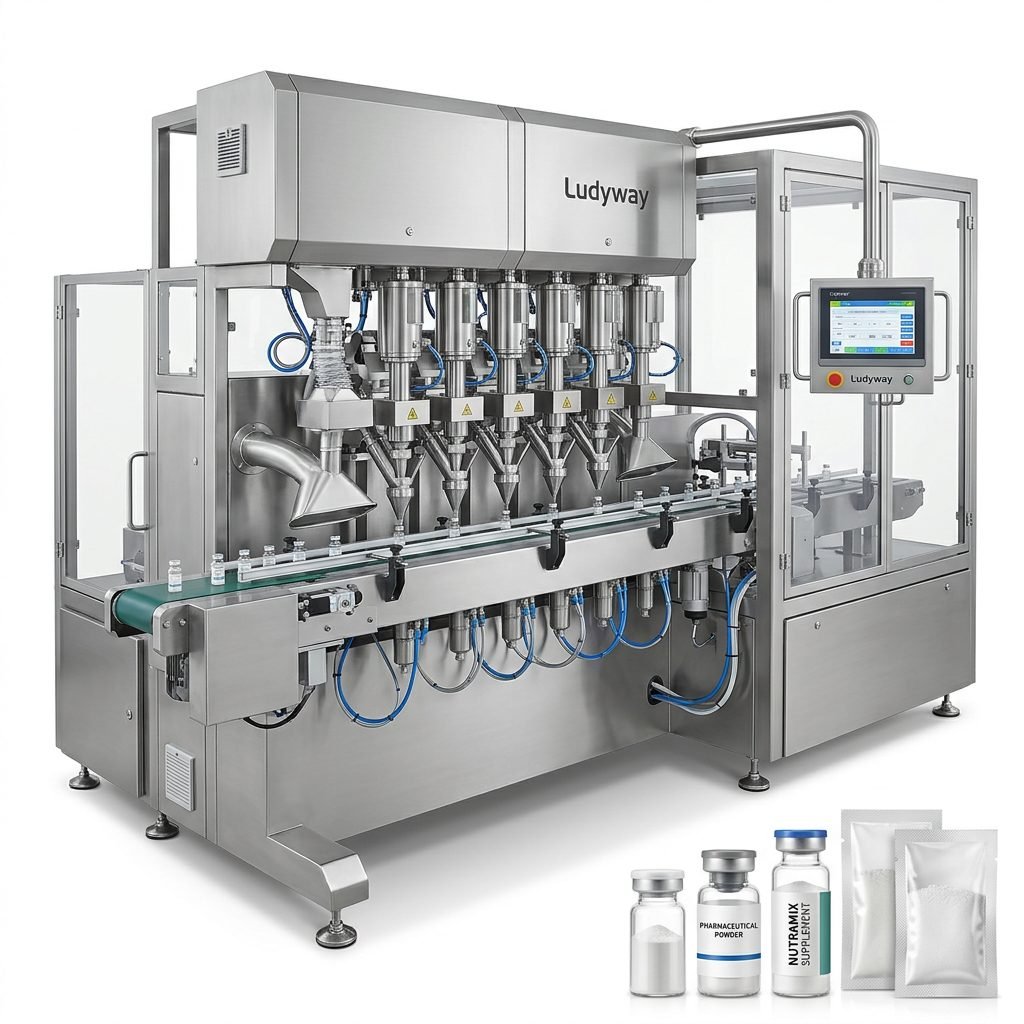
For businesses planning long-term capacity growth, working with an experienced packaging equipment supplier is essential. Companies such as Ludyway packaging machine manufacturer are often considered by buyers looking for scalable automation, turnkey integration, and application-based customization across pharmaceutical, food, and health-related packaging projects.
Best Use Cases for Thermoforming Blister Packaging Machines
This machine type is a strong choice when your product requires:
- Individual cavity protection
- Retail-friendly display packaging
- Tamper-evident sealing
- High-speed repetitive production
- Reliable traceability and coding
- Integration with cartoning or end-of-line systems
Final Thoughts
Thermoforming blister packaging machines play a critical role in modern packaging operations. They offer a practical combination of efficiency, protection, compliance, and presentation, making them highly suitable for pharmaceutical, medical, consumer, and selected food applications.
When selected correctly, the right machine can improve packaging consistency, reduce waste, support automation upgrades, and strengthen product quality throughout the supply chain. For manufacturers comparing equipment options, the most important step is to match machine specifications with product characteristics, material requirements, and future production goals.