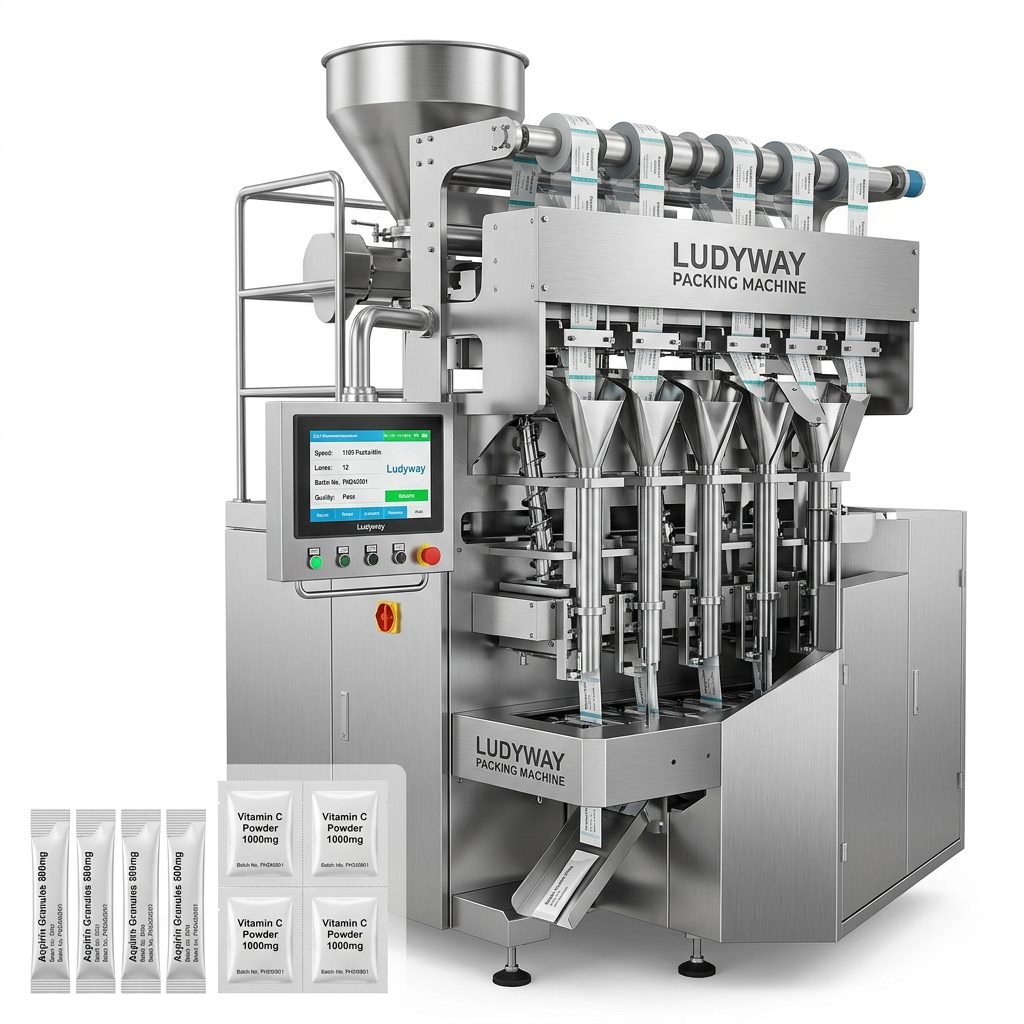
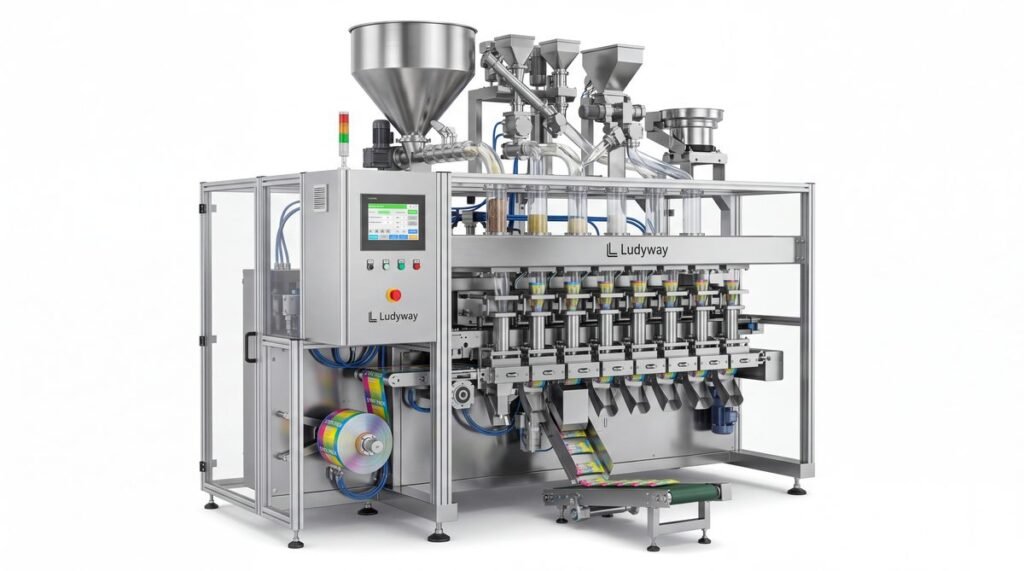
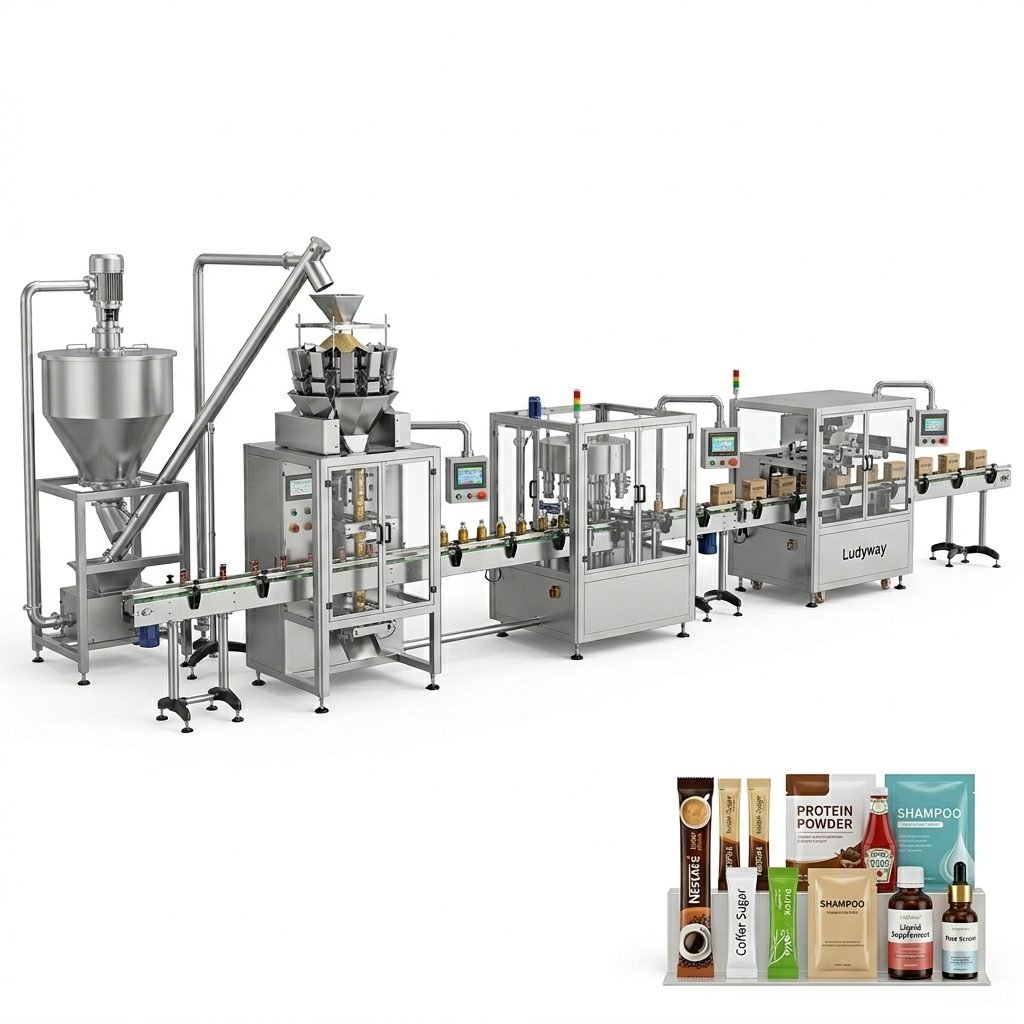
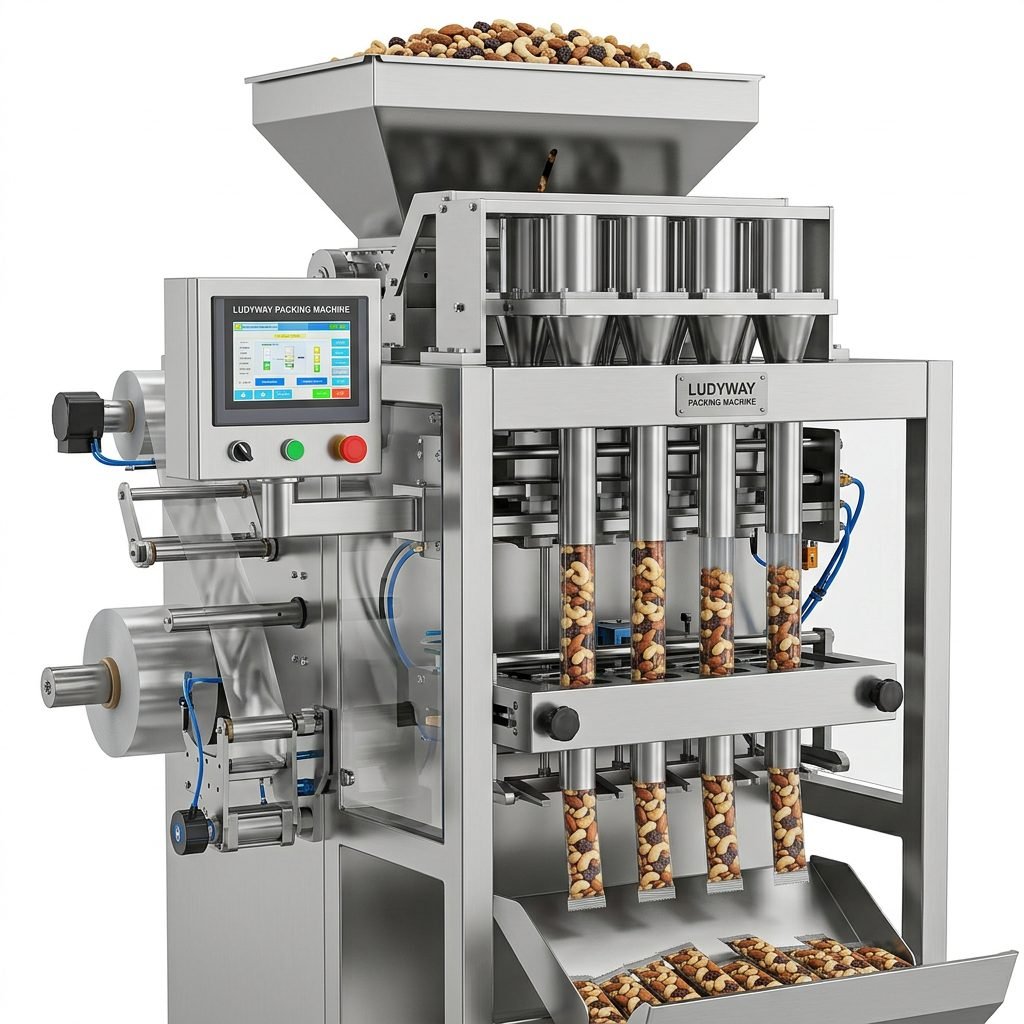
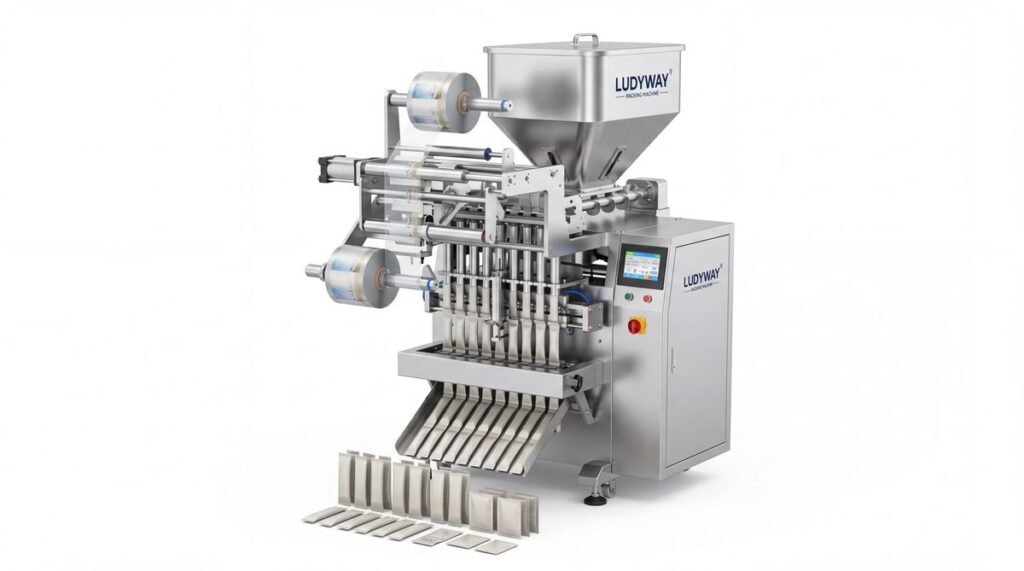
Capsule blister packaging is one of the most reliable and widely used solutions in pharmaceutical production. It helps manufacturers protect capsules from moisture, oxygen, contamination, and physical damage while improving counting accuracy, traceability, and retail presentation. For pharmaceutical companies, nutraceutical brands, contract manufacturers, and healthcare product suppliers, choosing the right capsule blister packaging machine can directly impact product quality, compliance, and operating efficiency.
This guide explains how capsule blister packaging machines work, their major components, benefits, selection criteria, common applications, and the key factors that influence long-term packaging performance.
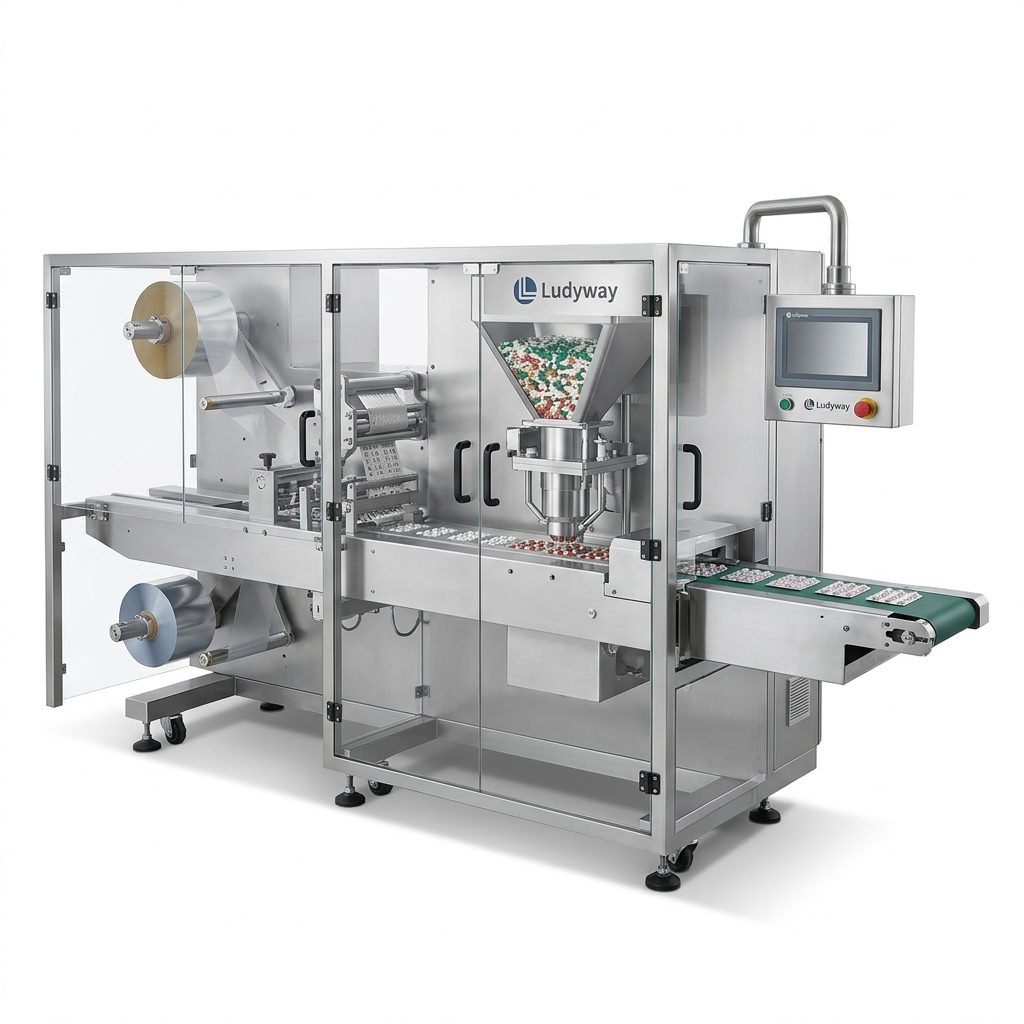
What Is a Capsule Blister Packaging Machine?
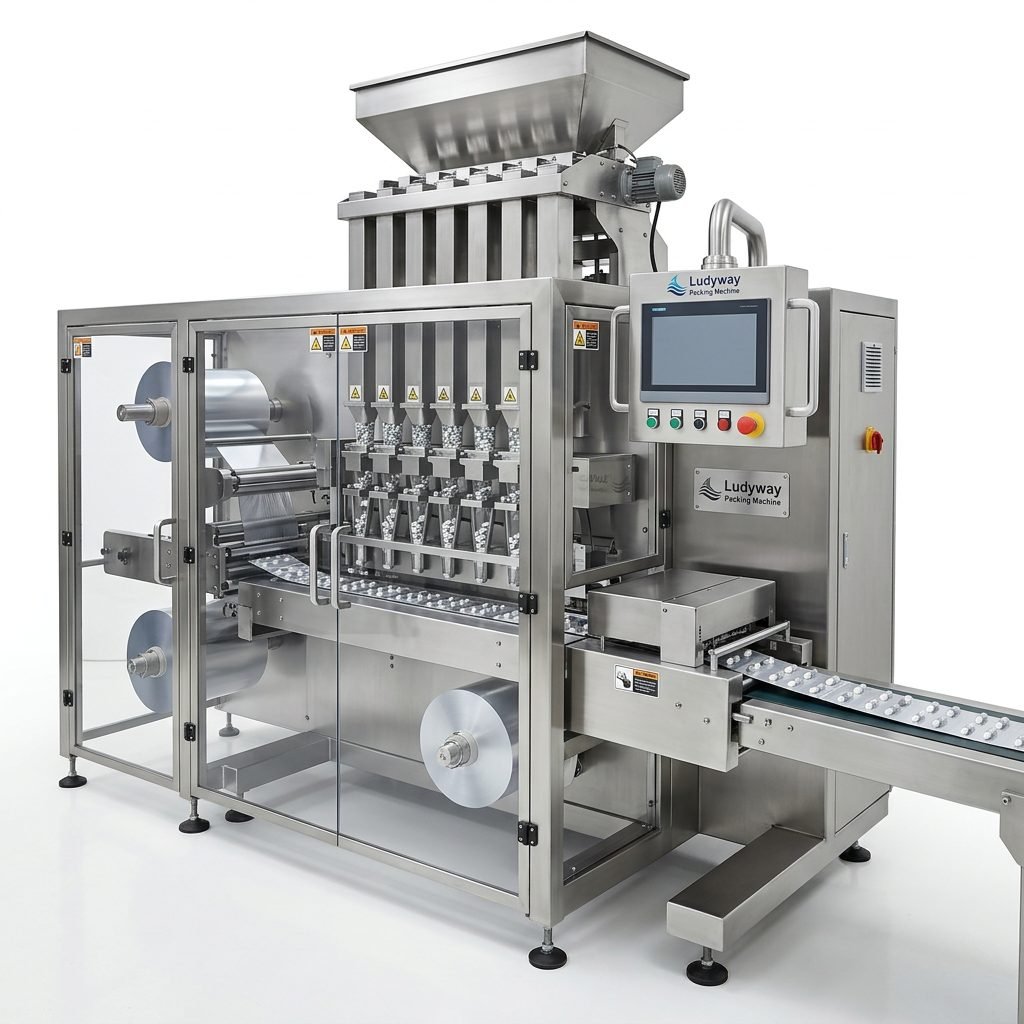
A capsule blister packaging machine is an automated system that forms cavities in blister material, places capsules into each pocket, seals the blister with lidding foil, and then outputs finished packs for cartoning or secondary packaging. These machines are commonly used for:
- Prescription drug capsules
- Over-the-counter pharmaceutical products
- Herbal capsule supplements
- Nutraceutical and health products
- Clinical trial and unit-dose packaging
Blister packaging is especially valuable because it offers unit-dose protection, clear visual identification, and strong barrier performance. In regulated industries, this packaging format also supports batch coding, anti-mix-up control, and consumer safety.
How a Capsule Blister Packaging Machine Works
Although machine configurations vary, the typical operating process follows a clear sequence:
- Material feeding: PVC, PVDC, PET, or alu-based forming film is loaded into the machine.
- Heating and forming: The material is heated and formed into blister cavities.
- Capsule feeding: Capsules are automatically oriented and placed into formed pockets.
- Inspection: Empty pockets, broken capsules, or misfeeds can be detected by sensors or vision systems.
- Sealing: Aluminum foil or lidding material is sealed over the blister sheet.
- Coding and embossing: Batch number, production date, or expiry date is printed or embossed.
- Punching/cutting: The web is cut into individual blister cards or strips.
- Discharge: Finished blisters are transferred for cartoning or manual collection.
Main Components of a Capsule Blister Packaging Machine
Understanding the machine structure helps buyers evaluate performance and maintenance needs.
| Component | Function |
|---|---|
| Forming station | Creates blister cavities using heat and pressure or cold-forming technology |
| Capsule feeder | Sorts and accurately places capsules into each pocket |
| Sealing station | Bonds lidding foil to the blister web under controlled temperature and pressure |
| Printing/coding unit | Adds batch code, date, and traceability information |
| Punching station | Cuts blister sheets into final pack sizes |
| Control system | Manages speed, temperature, registration, alarms, and recipes |
| Reject system | Removes defective blister packs automatically |
Why Blister Packaging Is Ideal for Capsules
Capsules are often sensitive to heat, humidity, and handling pressure. Blister packaging addresses these concerns effectively.
- Excellent barrier protection against moisture and air
- Individual unit separation for better hygiene and convenience
- Reduced risk of cross-contamination compared with bulk packaging
- Improved dosage control for patients and end users
- Easy visual inspection of fill completeness
- Strong retail appearance and brand presentation
- Better compatibility with anti-counterfeiting and serialization systems
Types of Capsule Blister Packaging Machines
The right machine depends on production capacity, material preference, and regulatory requirements.
1. Thermoforming Blister Machines
These machines heat plastic film such as PVC or PVDC and form cavities with air pressure or mechanical tools. They are popular because of high speed, clear visibility, and relatively low material cost.
2. Cold Form Blister Machines
Cold form systems use aluminum laminate to create cavities without heating. They provide superior barrier protection and are suitable for highly moisture-sensitive capsules, although the pack is usually less transparent and material cost is higher.
3. Rotary Blister Machines
Designed for continuous and high-speed production, rotary models are often used in large pharmaceutical facilities.
4. Flat-Plate Blister Machines
These are often chosen for stable sealing performance and flexible format changes, especially when working with varied capsule sizes.
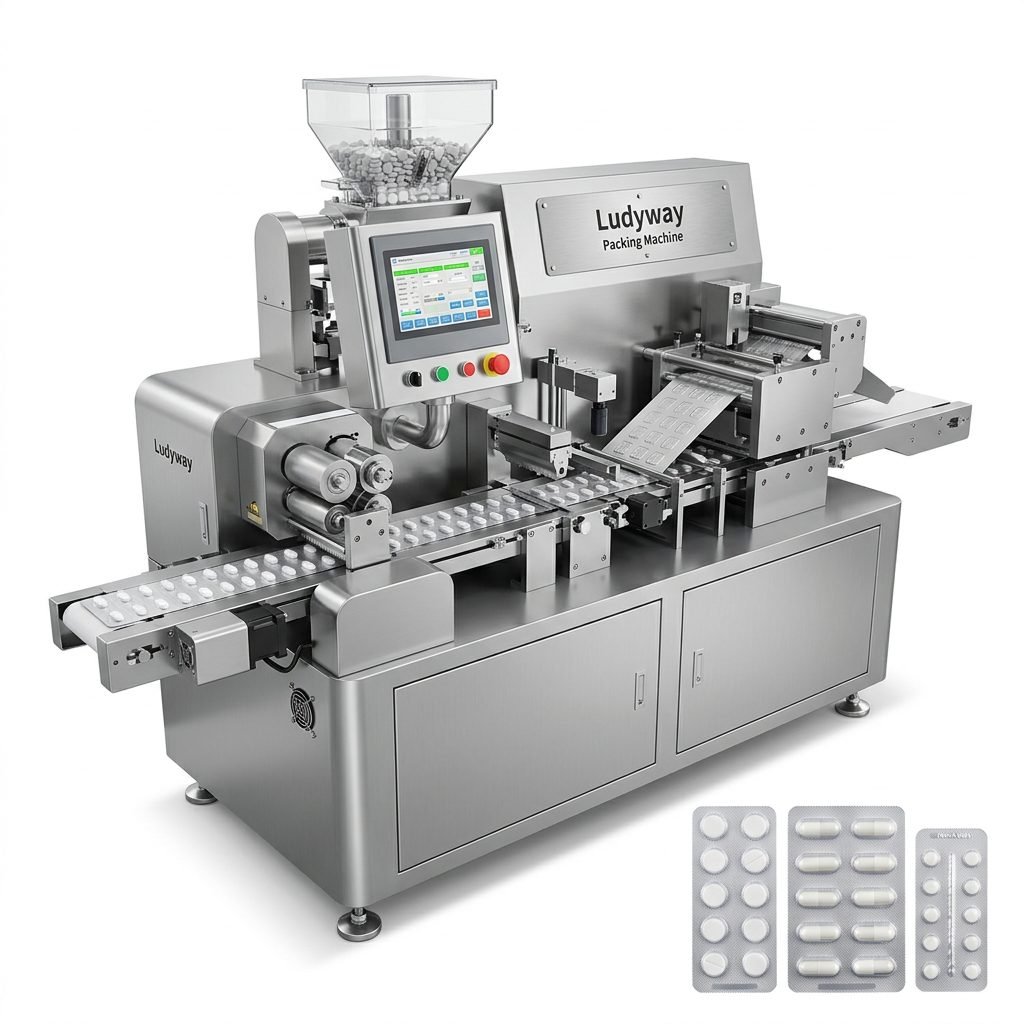
Key Benefits for Pharmaceutical Manufacturers
Investing in a well-designed capsule blister machine can deliver measurable business value.
| Benefit | Impact |
|---|---|
| Higher output | Supports large-volume packaging with consistent speed |
| Better product protection | Extends shelf life and preserves capsule integrity |
| Reduced labor dependency | Minimizes manual handling and lowers operational cost |
| Improved compliance | Supports GMP production and traceability requirements |
| Consistent pack quality | Ensures uniform sealing, coding, and cavity filling |
| Less product waste | Accurate feeding and automatic rejection help reduce losses |
Important Features to Look For
When comparing equipment, buyers should look beyond speed alone. A good pharmaceutical blister packer should combine efficiency with reliable quality control.
- Servo-driven feeding for accurate capsule placement
- Quick changeover for different blister formats
- Stable temperature and sealing pressure control
- PLC and touchscreen HMI for user-friendly operation
- Automatic registration correction for printing alignment
- Vision inspection or sensor-based missing capsule detection
- Online printing, embossing, or laser coding integration
- GMP-compliant machine structure with easy cleaning access
- Safety covers, alarms, and emergency stop systems
- Compatibility with cartoning and end-of-line packaging systems
How to Choose the Right Machine
Selecting the best capsule blister packaging machine starts with a clear understanding of your product and production goals.
Consider Your Capsule Type
Capsule size, shell hardness, and coating characteristics affect the feeding system. Soft, fragile, or static-prone capsules may require more specialized handling.
Evaluate Production Capacity
A smaller facility may need a medium-speed machine with flexible changeovers, while high-volume pharmaceutical plants often require continuous high-speed systems with advanced automation.
Check Packaging Material Requirements
If your capsules need high moisture resistance, alu-alu cold form may be the better choice. If pack visibility and cost control are priorities, thermoformed plastic blisters may be more practical.
Review Regulatory and Validation Needs
For pharmaceutical packaging, the machine should support documentation, validation protocols, batch recording, and cleanable design suitable for regulated manufacturing environments.
Assess Future Expansion
It is often smarter to choose equipment that can integrate with cartoners, checkweighers, vision inspection systems, and serialization modules as production grows.
Common Applications of Capsule Blister Machines
Capsule blister equipment is used across a range of health-related industries:
- Pharmaceutical production lines
- Nutraceutical and supplement manufacturing
- Traditional herbal capsule packaging
- Private-label healthcare products
- Hospital and contract packaging operations
- Export-focused pharma packaging projects
Blister Materials Commonly Used for Capsules
| Material | Advantages | Typical Use |
|---|---|---|
| PVC | Low cost, good transparency | General capsule products |
| PVC/PVDC | Better moisture barrier | Moderately sensitive pharma capsules |
| PET | Good clarity and strength | Selected retail applications |
| Alu-Alu | Excellent barrier against moisture, oxygen, and light | Highly sensitive pharmaceutical capsules |
| Aluminum lidding foil | Reliable sealing and printability | Top sealing layer for most blister formats |
Capsule Blister Machine vs. Bottling Line
Both formats are widely used, but they serve different business goals.
| Factor | Blister Packaging | Bottle Packaging |
|---|---|---|
| Dose control | Excellent unit-dose packaging | Bulk count format |
| Protection after opening | Each capsule remains individually protected | All capsules exposed once opened |
| Patient convenience | High, especially for travel and compliance | Suitable for bulk household use |
| Material use | Can be higher per dose | Efficient for larger counts |
| Retail presentation | Professional and tamper-evident | Traditional bottle presentation |
Maintenance Tips for Stable Performance
Even the best machine requires proper maintenance to maintain sealing quality and output consistency.
- Clean feeding channels and forming areas daily
- Inspect sealing plates and temperature sensors regularly
- Check alignment of forming film and foil reels
- Lubricate moving parts according to the manufacturer schedule
- Replace worn punches, dies, and feeder parts on time
- Verify coding legibility and registration accuracy
- Calibrate inspection sensors and control parameters periodically
Common Challenges and How to Avoid Them
Capsule Misfeeding
This may result from poor capsule flow, size inconsistency, or feeder mismatch. A properly designed feeding system and stable capsule quality help prevent this issue.
Weak Sealing
Unstable temperature, contaminated sealing surfaces, or incompatible materials can reduce seal integrity. Monitoring sealing parameters is essential.
Material Waste
Poor web alignment and inefficient changeover procedures often increase scrap. Servo registration control can improve material utilization.
Long Downtime During Format Change
Machines designed with quick-change tooling and digital recipe storage can reduce downtime significantly.
Automation Trends in Capsule Blister Packaging
Modern pharmaceutical packaging lines are moving toward smarter and more integrated production. Current trends include:
- Vision-based inspection for empty or defective pockets
- Remote diagnostics and predictive maintenance
- Recipe-based changeover management
- Integration with cartoners, case packers, and palletizing systems
- Data collection for quality assurance and production analysis
- Support for serialization and track-and-trace compliance
Choosing a Reliable Packaging Equipment Partner
When sourcing pharmaceutical packaging equipment, it is important to evaluate not only the machine itself but also the supplier’s engineering experience, customization capability, export support, and after-sales service. Buyers looking for scalable automated solutions often work with experienced manufacturers such as pharmaceutical packaging machine suppliers that can provide standalone machines as well as complete turnkey lines.
With more than three decades of packaging industry experience, Ludyway has built a broad product portfolio for pharmaceutical, health supplement, food, and related sectors, serving customers in over 100 countries and regions.
Final Buying Checklist
Before making a final decision, confirm the following points:
- Does the machine match your capsule size range?
- Can it run your preferred blister materials?
- Is the production speed suitable for current and future demand?
- Does it support GMP-friendly cleaning and maintenance?
- Can it integrate with coding, inspection, and cartoning equipment?
- Are spare parts and technical support available quickly?
- Does the supplier offer validation documents and training support?
A high-quality capsule blister packaging machine is more than just a packaging device. It is a critical part of pharmaceutical quality assurance, brand trust, and production efficiency. By selecting the right machine configuration and an experienced supplier, manufacturers can achieve faster output, stronger package protection, and more dependable long-term performance.