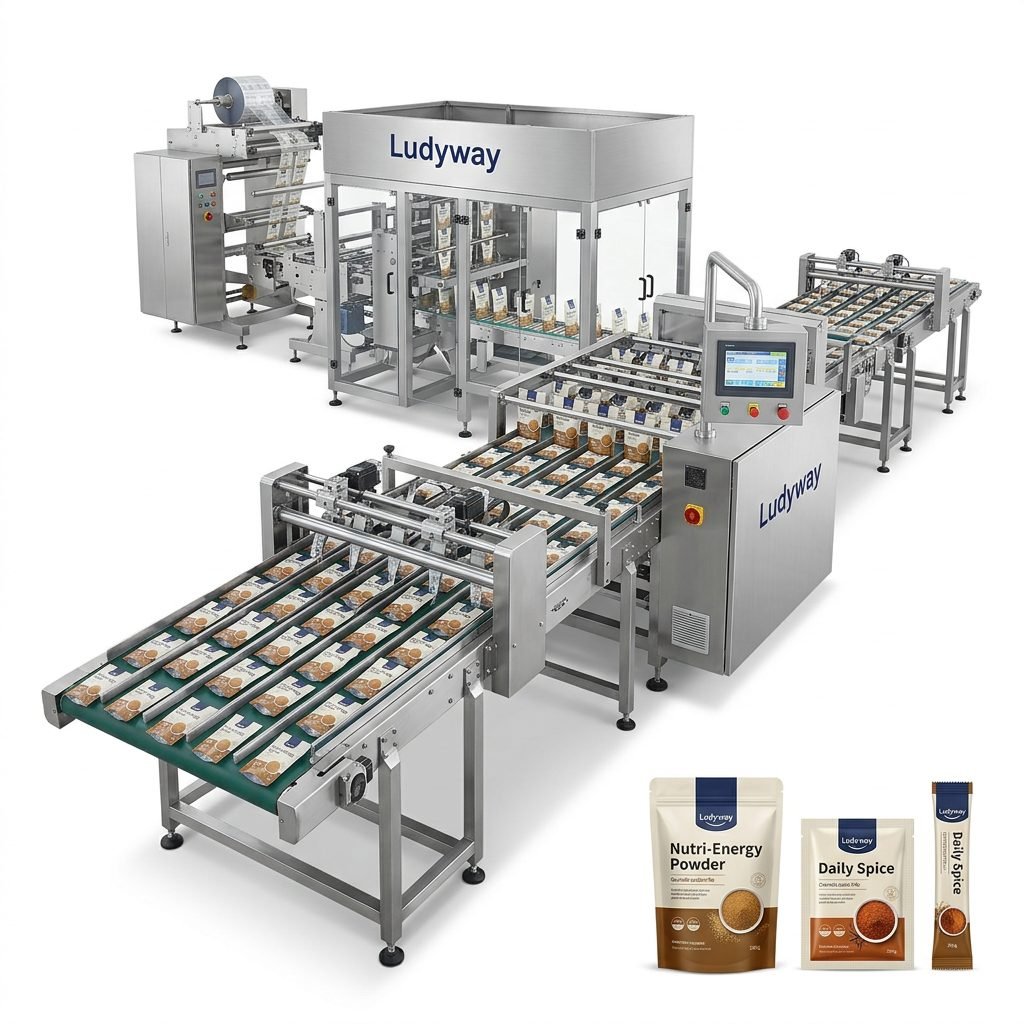
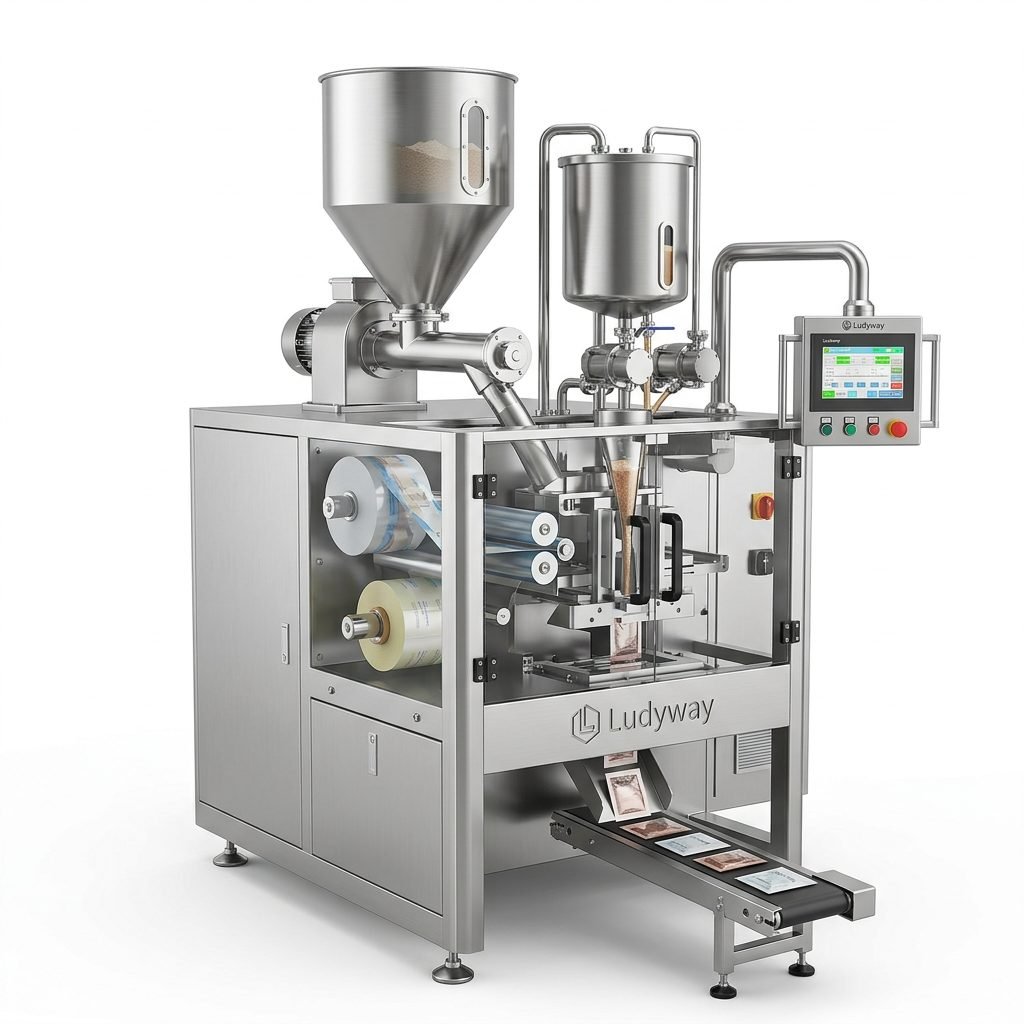
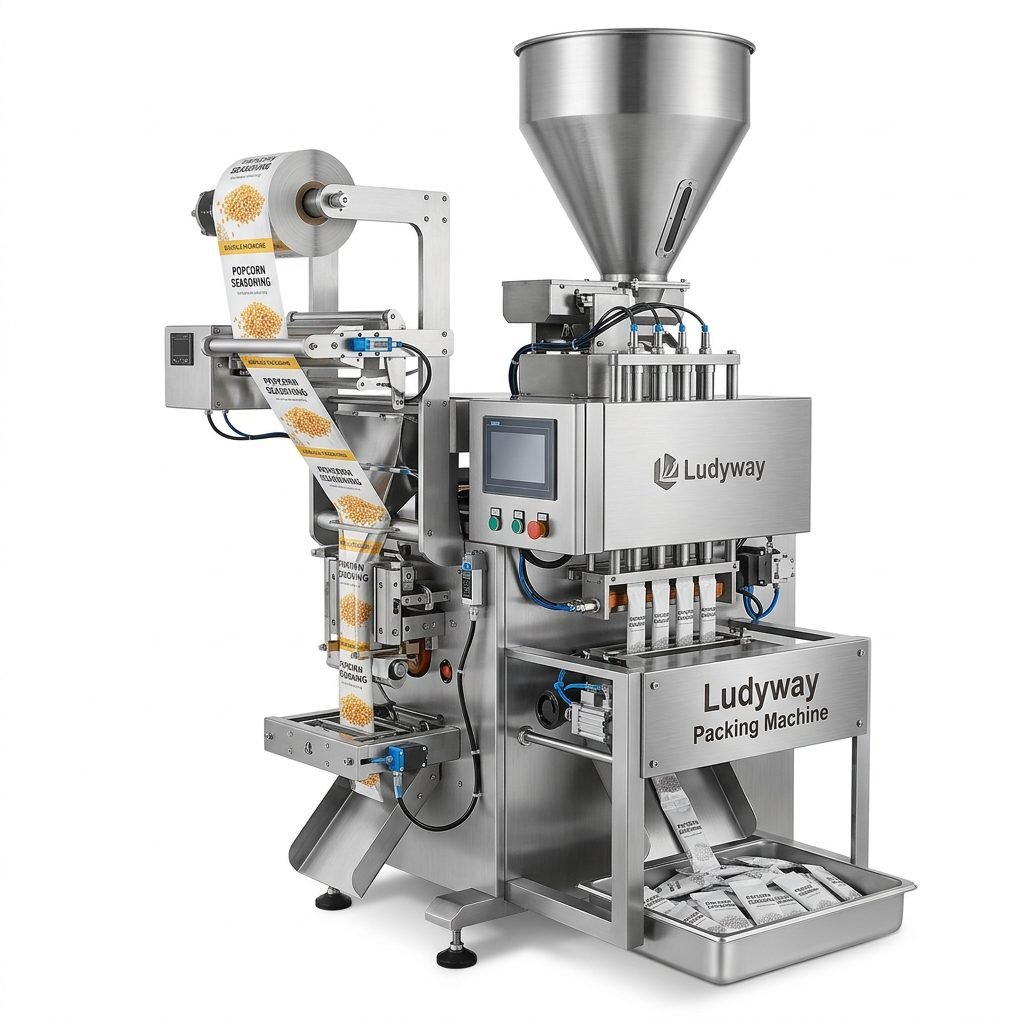
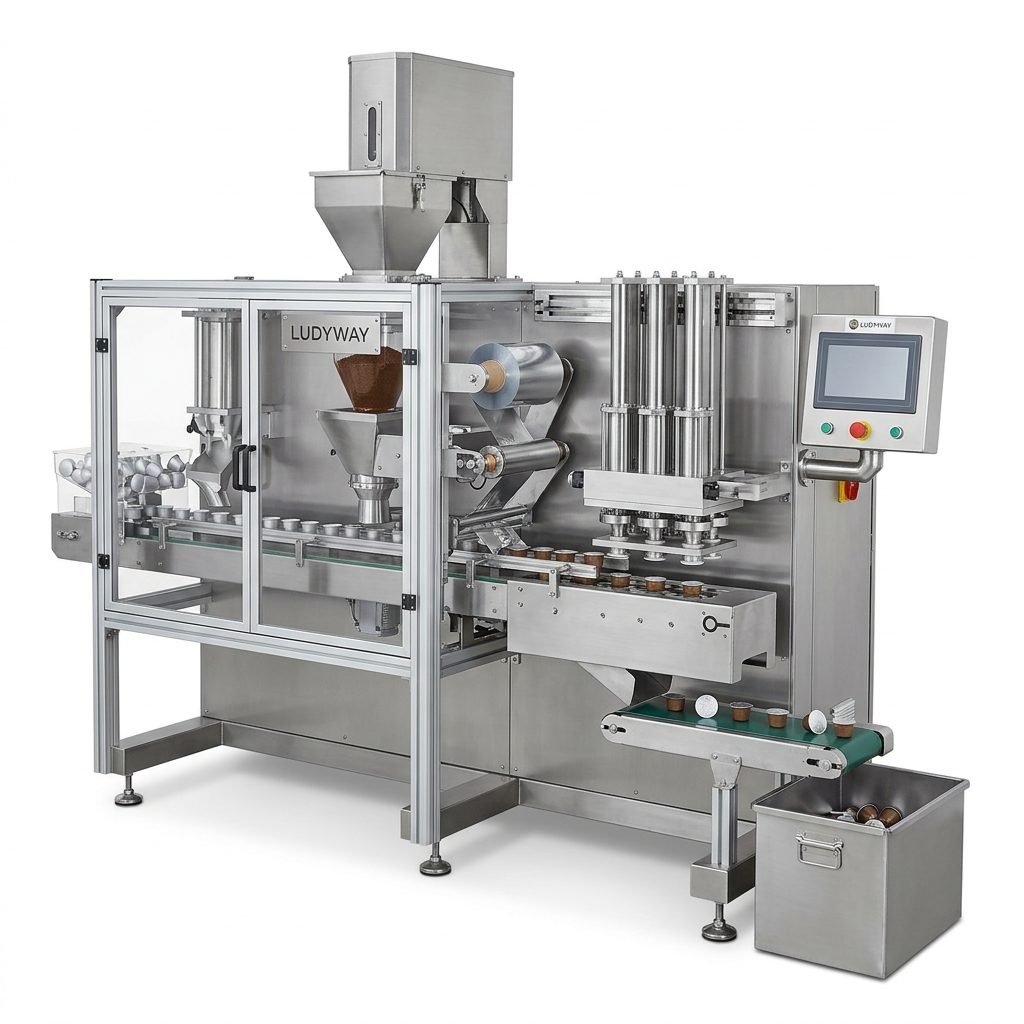
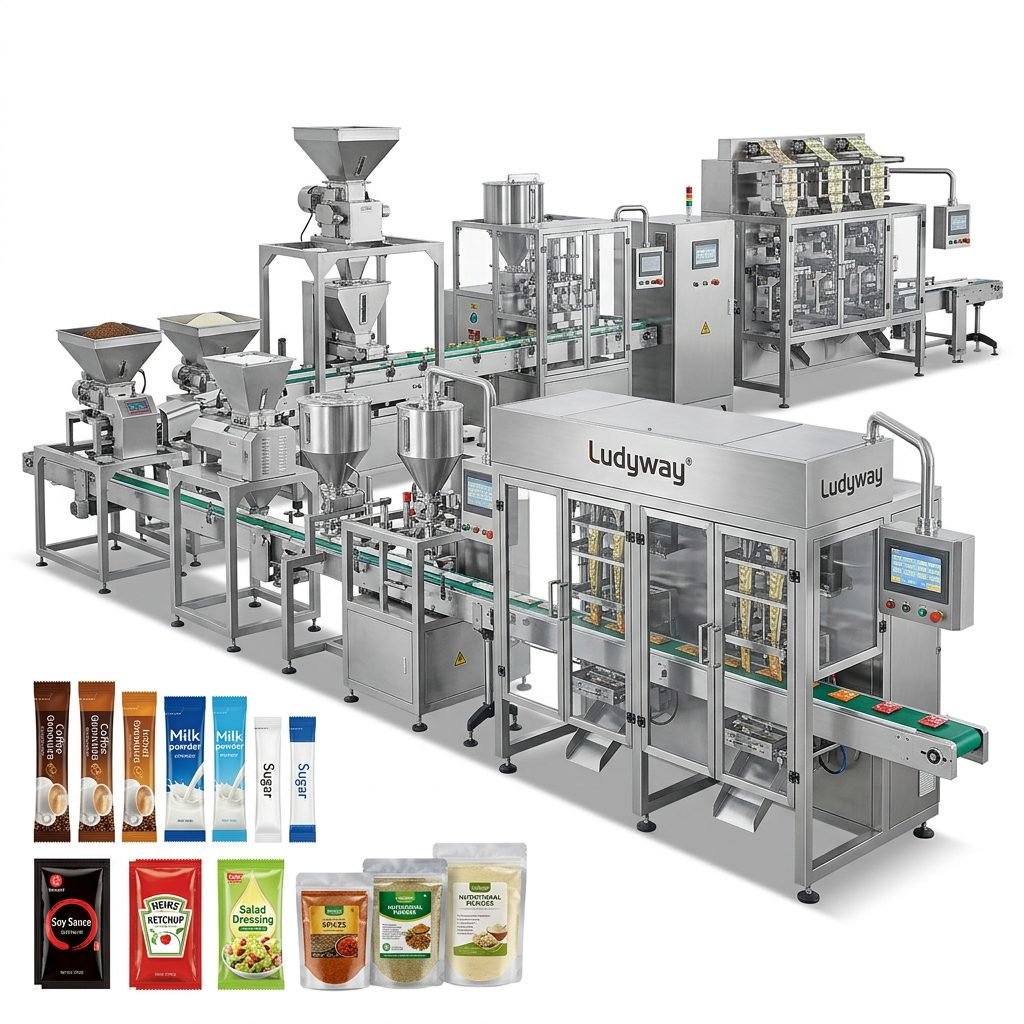
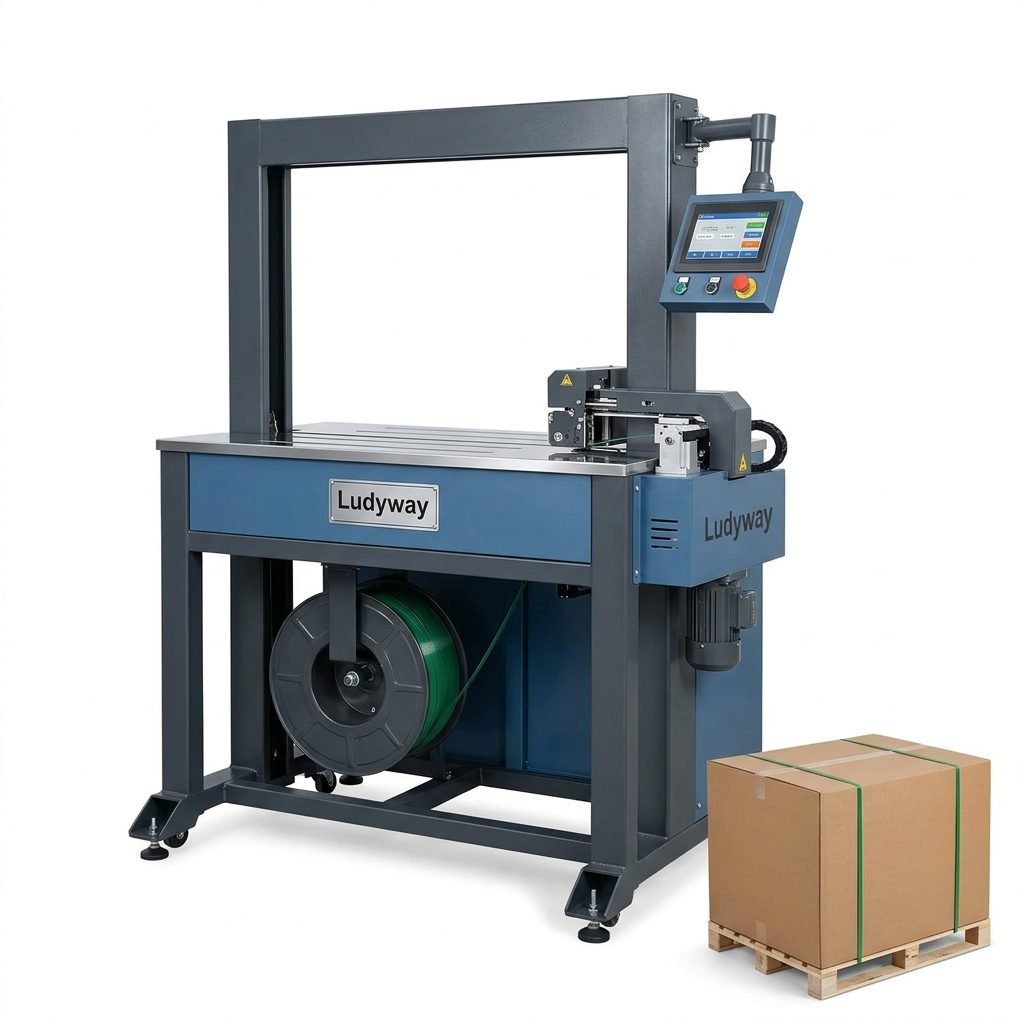
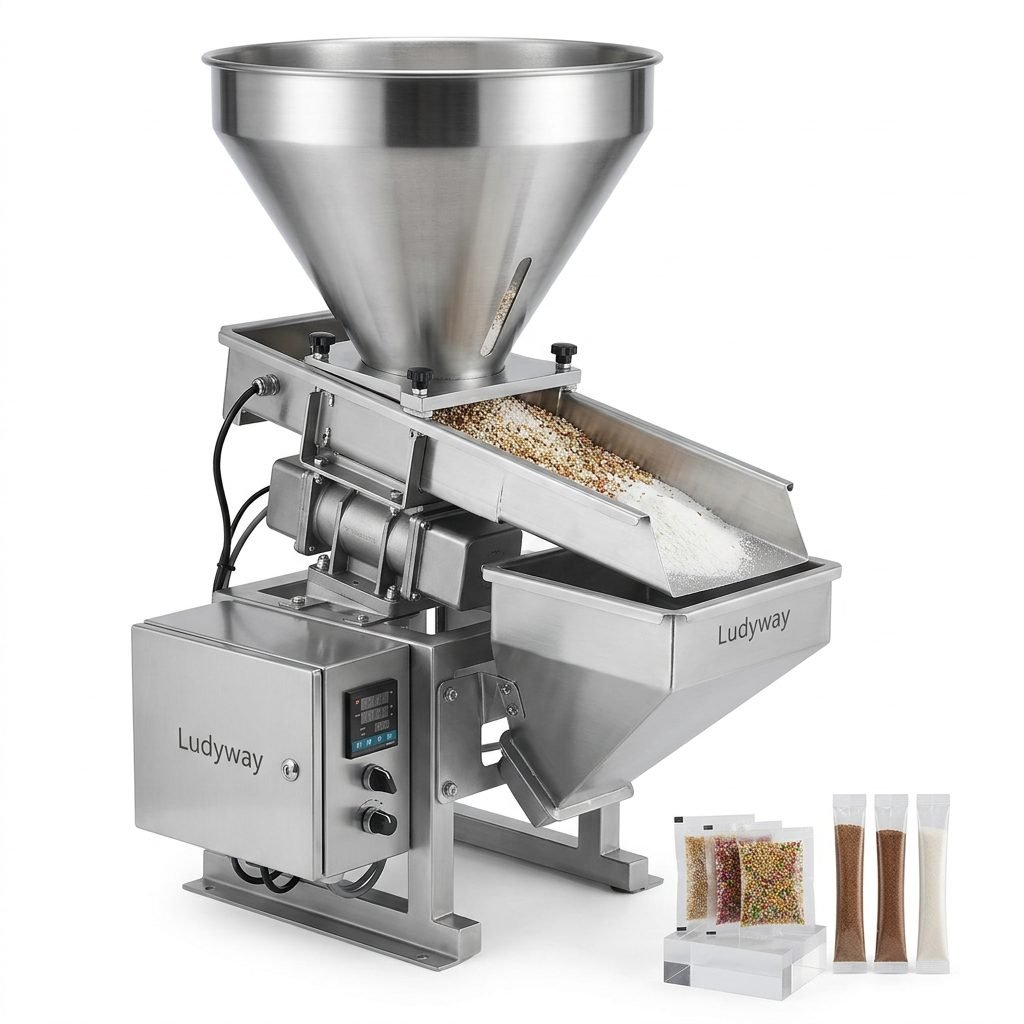
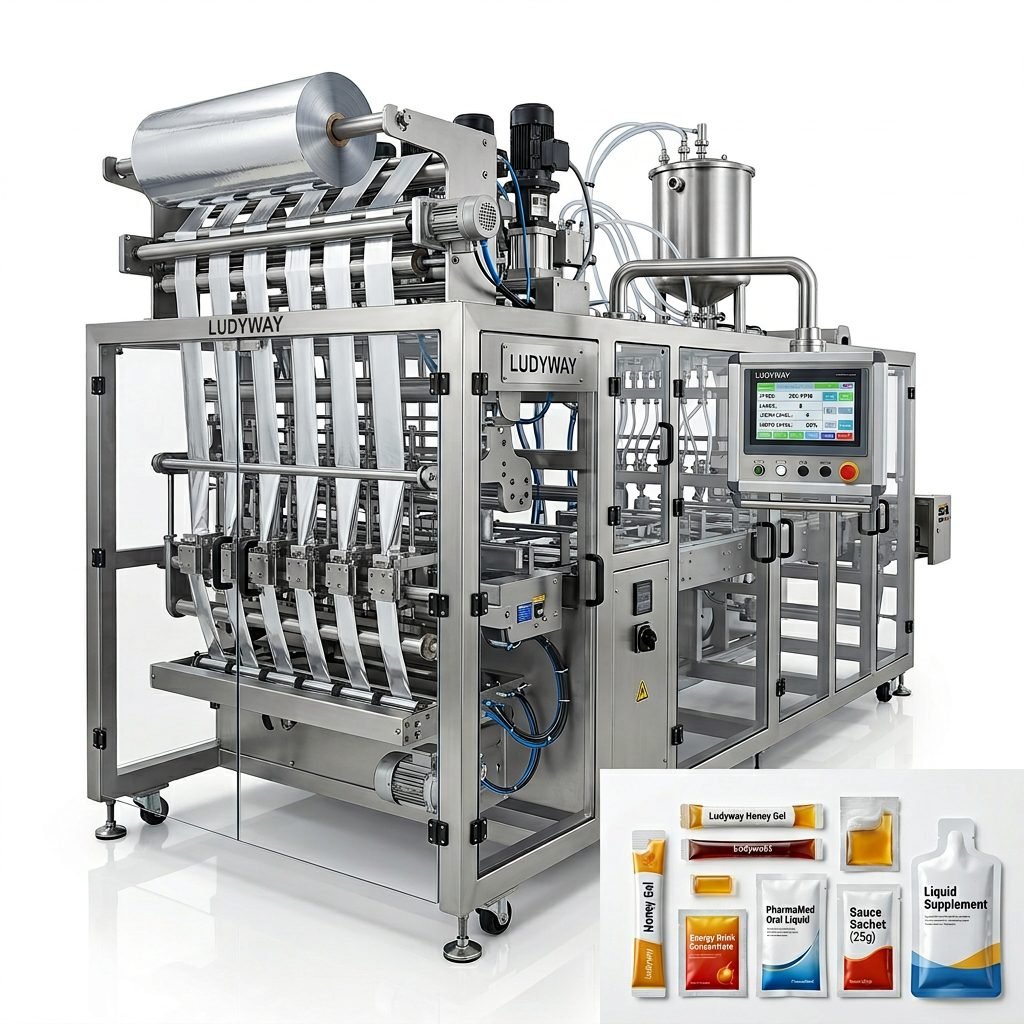
A three side seal bag machine is a packaging system designed to form, fill, and seal pouches on three sides, leaving one side for product filling before final closure. It is widely used in food, pharmaceutical, cosmetic, chemical, and health supplement industries because it creates compact, attractive, and easy-to-store packages for powders, granules, liquids, and pastes.
If you are evaluating packaging equipment for sachets or flat pouches, understanding how this machine works and what configuration best fits your product is essential for long-term production efficiency.
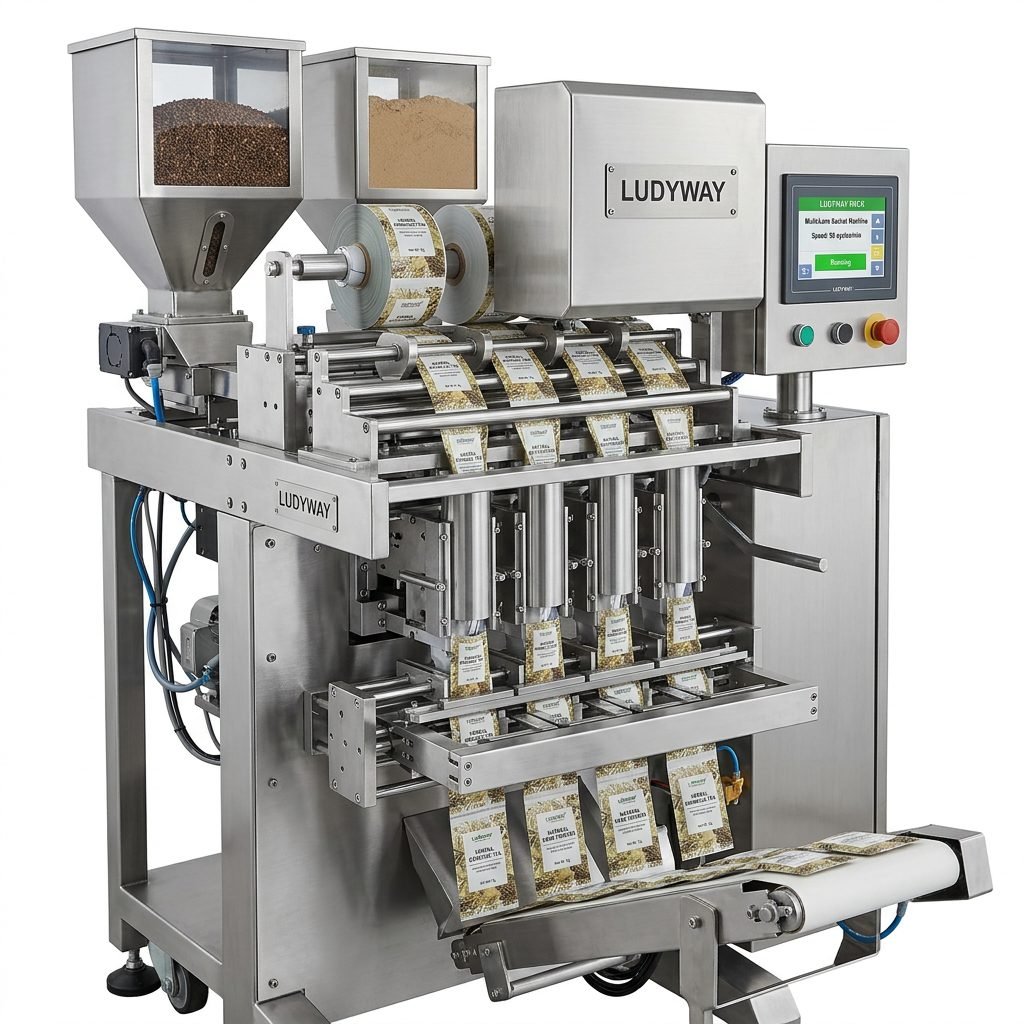
What Is a Three Side Seal Bag Machine?
A three side seal bag machine produces flat sachets or pouches sealed on the left, right, and bottom or alternatively on the left, right, and top depending on the feeding direction and pouch design. The pouch is usually made from roll film, which is shaped into a bag, filled with product, and then sealed automatically.
This packaging format is especially popular for:
- Seasonings, spices, sugar, coffee, and drink powder
- Pharmaceutical powders and granules
- Shampoo, lotion, cream, gel, and serum samples
- Sauces, ketchup, honey, and liquid condiments
- Chemical additives and small-dose industrial materials
Because the finished pouch is flat and space-efficient, it works well for single-serve retail packaging, sample packs, travel-size products, and high-volume automated production.
How a Three Side Seal Bag Machine Works
Although different models vary in speed and automation level, the operating principle is generally similar. The machine converts packaging film into finished sachets through a sequence of controlled mechanical and sealing steps.
- Film unwinding: Roll film is mounted and guided through tension control and alignment systems.
- Pouch forming: The film is shaped into a flat pouch profile.
- First side sealing: Vertical or horizontal sealing jaws create the first sealed edges.
- Filling: The machine doses powder, granules, liquid, or paste into the partially formed pouch.
- Final sealing: The last open side is heat sealed to close the bag.
- Cutting and discharge: The machine cuts individual pouches and outputs finished packs for collection or downstream cartoning.
Main Functional Systems
- Film feeding and registration control
- Heat sealing system
- Filling unit matched to product type
- Cutting device
- PLC and touchscreen interface
- Date coding, tear notch, or easy-open options
Common Product Types It Can Pack
| Product Type | Typical Filling System | Typical Applications |
|---|---|---|
| Powder | Auger filler | Milk powder, coffee powder, medicine powder, seasoning |
| Granules | Volumetric cup or weighing system | Sugar, seeds, instant drink mix, desiccants |
| Liquid | Piston pump or liquid pump | Shampoo, sauce, oil, sanitizer, serum |
| Paste | Servo pump or piston filling | Cream, ketchup, honey, gel, ointment |
Advantages of Three Side Seal Packaging
This pouch style remains popular because it combines low material usage with strong presentation and reliable sealing performance.
- Compact format: Flat sachets are easy to stack, ship, and display.
- Good sealing integrity: Three sealed edges help reduce leakage risk when properly configured.
- Flexible product range: Suitable for powders, granules, liquids, and semi-liquids.
- High production efficiency: Available in single-lane and multi-lane designs.
- Attractive appearance: Clean pouch edges support a professional retail look.
- Cost-effective: Often lowers material and labor costs compared with larger pouch formats.
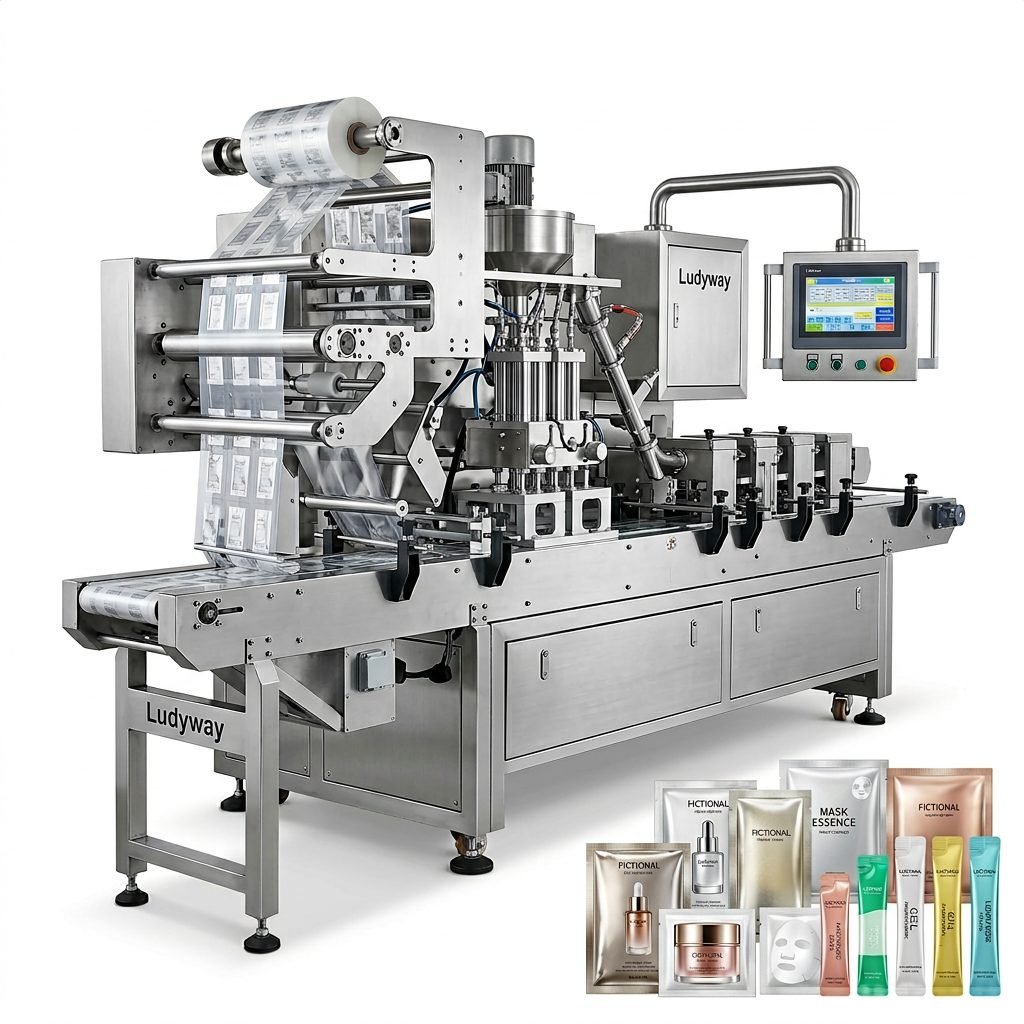
Types of Three Side Seal Bag Machines
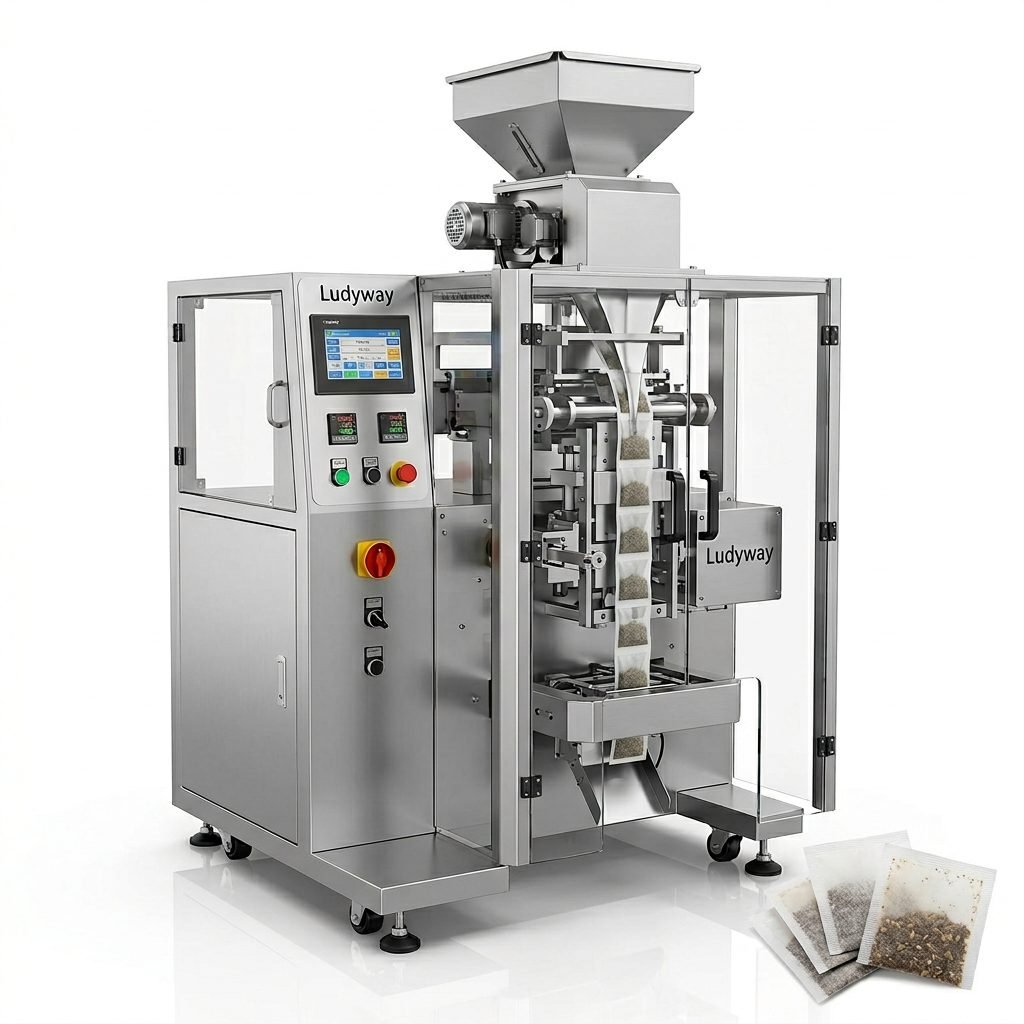
1. Powder Three Side Seal Bag Machine
Uses an auger filler for products with fine or dusty flow characteristics. This is common in nutritional powders, pharmaceutical sachets, coffee, and food additives.
2. Granule Three Side Seal Bag Machine
Usually equipped with a cup filler or weighing system. It is suitable for free-flowing products such as sugar, salt, seeds, and small pellets.
3. Liquid Three Side Seal Bag Machine
Designed with liquid pumps and anti-drip filling systems. It is often used for sauces, edible oils, detergents, shampoos, and chemical liquids.
4. Paste Three Side Seal Bag Machine
Best for viscous products such as cream, ketchup, jam, honey, and medicinal gels. Stable sealing temperature and precise dosing are especially important here.
5. Multi-Lane Three Side Seal Bag Machine
Built for high-speed output by producing multiple sachets at once. This option is ideal for companies targeting large daily volumes and consistent pack sizes.
Key Components to Evaluate
| Component | Why It Matters | What to Check |
|---|---|---|
| Filling System | Directly affects accuracy | Match the filler to powder, granule, liquid, or paste |
| Sealing Jaws | Determines seal strength and appearance | Temperature stability, pressure consistency, seal pattern |
| Control System | Impacts usability and repeatability | PLC, touchscreen, alarm diagnostics, recipe memory |
| Film Tracking | Ensures print alignment | Photoelectric sensor accuracy and registration response |
| Machine Frame | Affects durability and hygiene | Stainless steel contact parts, robust construction |
How to Choose the Right Three Side Seal Bag Machine
The right model depends on much more than just pouch shape. The best buying decision comes from matching the machine to your product behavior, capacity target, bag specification, and future expansion plans.
Understand Your Product Characteristics
Start with the product itself. Flowability, viscosity, particle size, dust level, and sensitivity to heat all influence machine configuration. A powder machine and a liquid machine may look similar from the outside, but their dosing and sealing systems are completely different.
Define Pouch Size and Output
You should confirm:
- Bag width and length range
- Target filling volume or weight
- Required packs per minute
- Future need for larger capacity
Check Film Compatibility
Not every machine handles every film equally well. Confirm support for laminated film, aluminum foil structures, PE-based films, or other required packaging materials. Stable sealing depends on proper film-machine compatibility.
Look at Accuracy and Waste Control
If your product is expensive, even small filling errors can add up quickly. Ask for actual tolerance data, test samples, and real performance evidence under your product conditions.
Think About Maintenance and Cleaning
For food and pharmaceutical applications, easy cleaning is critical. Quick disassembly, hygienic design, and accessible contact parts can reduce downtime and contamination risk.
Assess Supplier Experience
A machine supplier with broad application knowledge can help you avoid mismatched configurations. For companies looking for scalable sachet and pouch automation, Ludyway three side seal bag machine solutions are often considered because of their extensive packaging machinery range, turnkey line capabilities, and more than 30 years of industry experience.
Questions to Ask Before Buying
- What product types has this machine packed successfully before?
- What is the real production speed under my bag size and filling volume?
- How accurate is the dosing system?
- Can the machine support easy-open notch, date printing, or special cuts?
- What packaging film structures are recommended?
- How long does format changeover take?
- What spare parts and technical support are available?
- Can the machine integrate with conveyors, cartoners, or checkweighers?
Industries That Commonly Use Three Side Seal Pouches
This packaging format is used across many sectors because it is simple, practical, and economical.
- Food industry: coffee, sugar, seasoning powder, drink mixes, sauces
- Pharmaceutical industry: oral powder sachets, granules, medical sample packs
- Cosmetic industry: face cream, shampoo, lotion, serum, gel
- Chemical industry: detergent, cleaner, additives, water treatment chemicals
- Health supplement industry: collagen, electrolytes, probiotics, herbal powders
Single-Lane vs. Multi-Lane: Which Is Better?
Neither is universally better. The best choice depends on your production target and budget.
| Option | Best For | Main Benefit |
|---|---|---|
| Single-Lane | Small to medium output, frequent product changes | Lower investment, simpler operation |
| Multi-Lane | Large-scale production, standardized pouch sizes | Higher speed and lower unit packaging cost |
Typical Optional Features
- Easy tear notch
- Euro hole or hanging hole
- Date coding or batch printing
- Nitrogen flushing
- Counting and cartoning integration
- Reject system for defective pouches
- Servo-driven film pulling for better accuracy
Common Buying Mistakes to Avoid
- Choosing by price alone instead of total operating value
- Ignoring product flow characteristics during machine selection
- Not testing the real packaging film before ordering
- Underestimating future output demand
- Skipping after-sales support evaluation
- Not confirming sanitation and cleaning requirements
Final Buying Insight
A three side seal bag machine is an efficient solution for brands that need reliable sachet packaging with clean appearance, stable sealing, and flexible filling capability. Whether you pack powder, granules, liquid, or paste, the most important step is choosing a machine configuration that truly matches your product and production goals.
Before making a final decision, compare sealing quality, dosing accuracy, material compatibility, output performance, and supplier support. A well-matched machine can improve packaging consistency, reduce waste, and support long-term production growth.