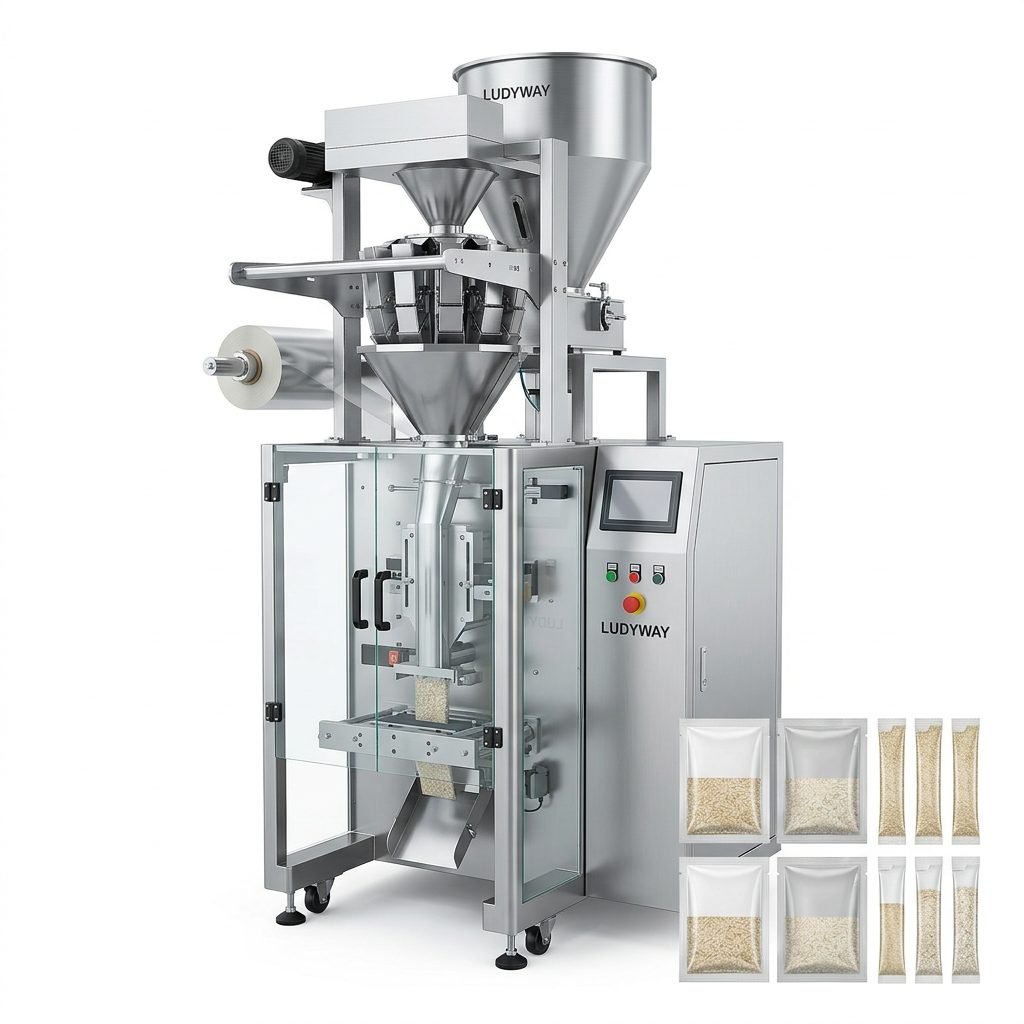
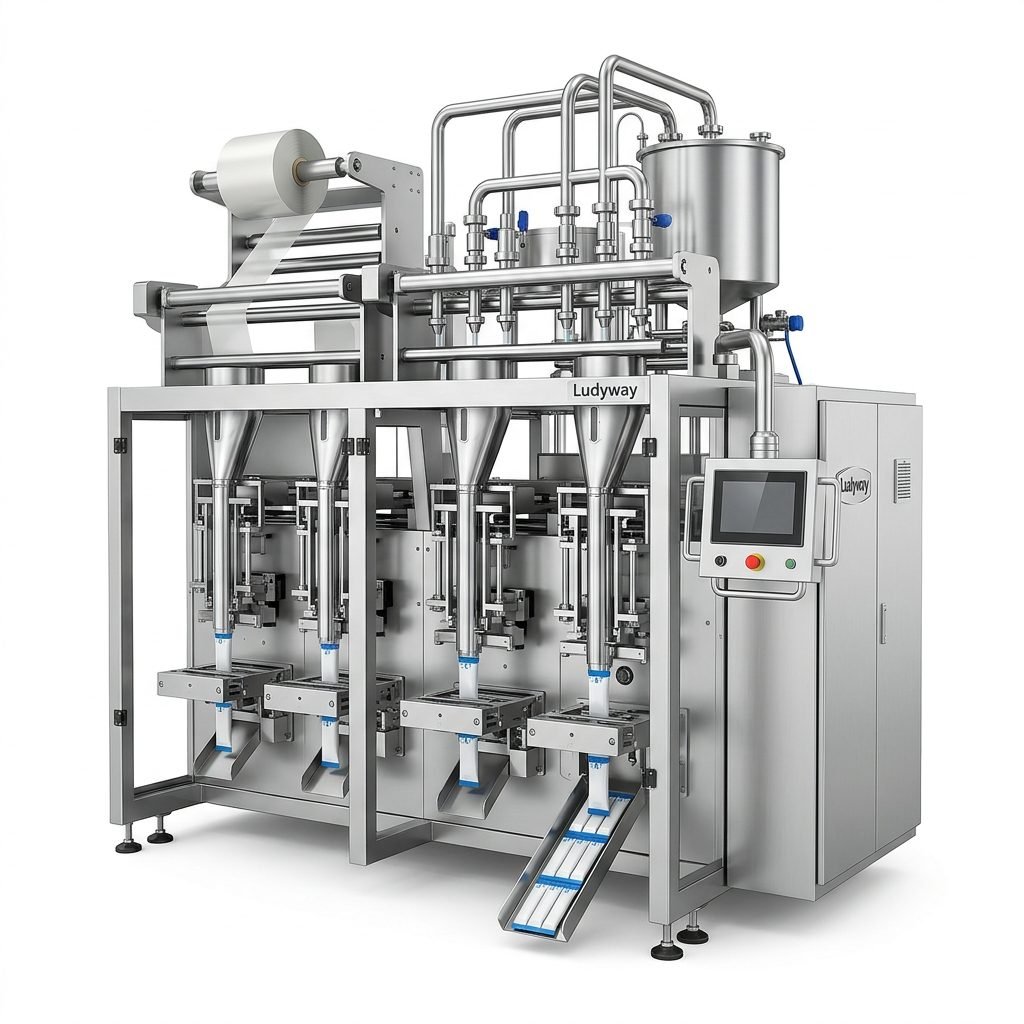
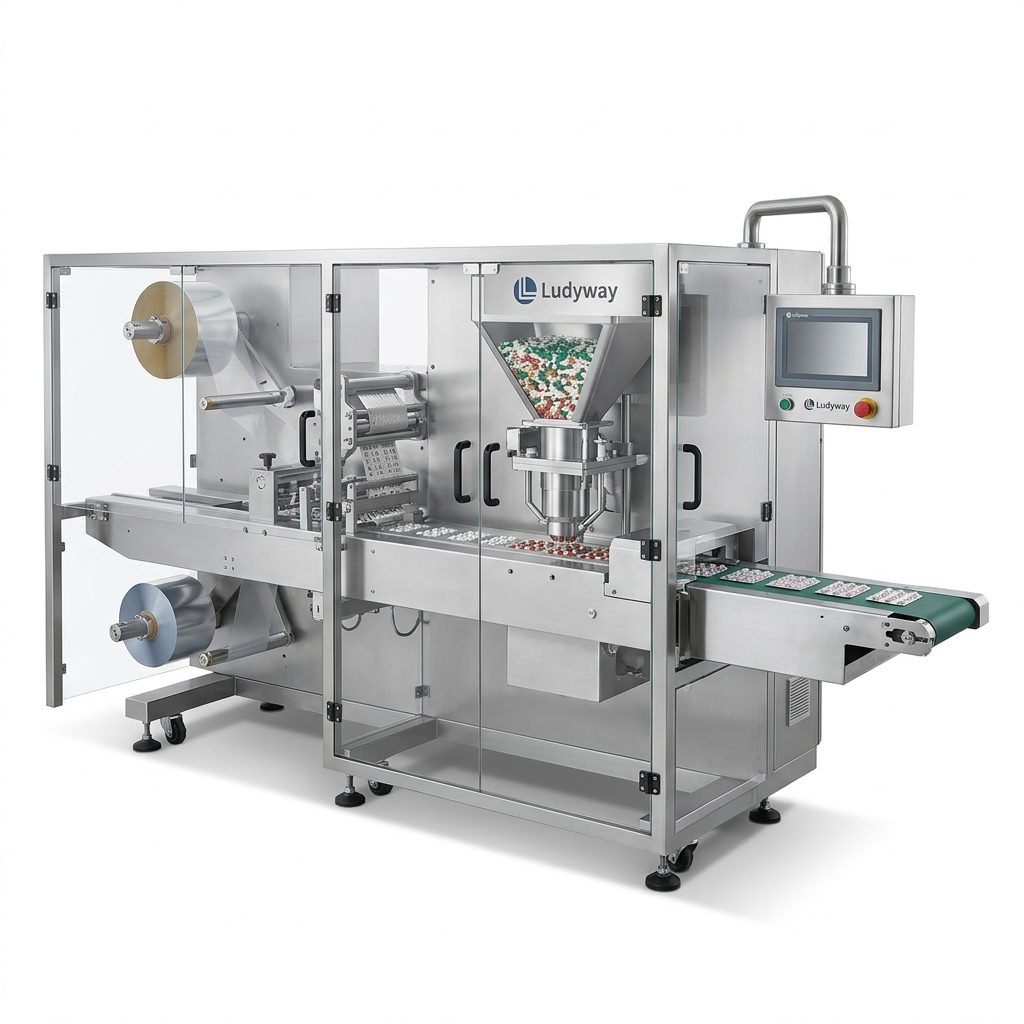
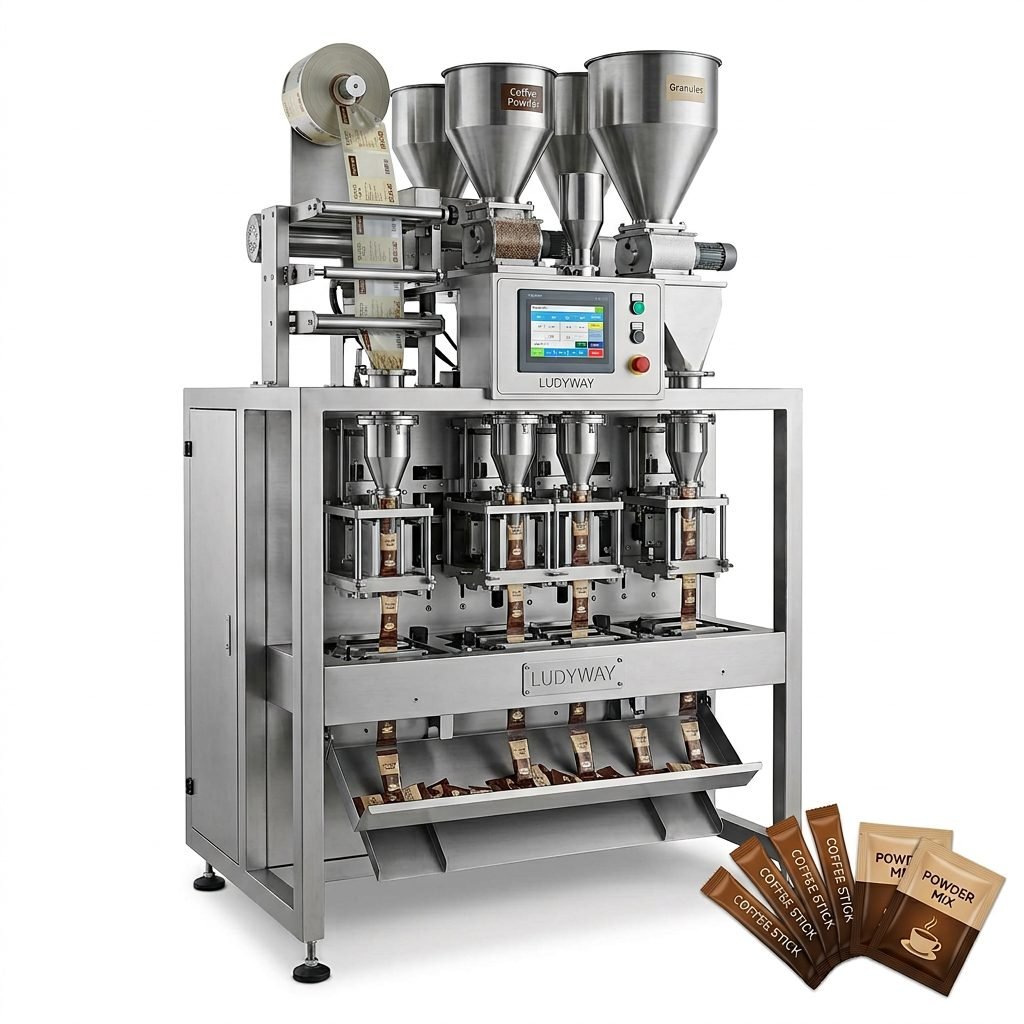
Selecting the right oil for your vacuum packaging machine is not just a maintenance task; it’s a critical investment in the longevity, efficiency, and reliability of your production line. The correct lubricant reduces friction, prevents wear on seals and moving parts, dissipates heat, and protects against corrosion. Choosing the wrong type, or neglecting maintenance altogether, can lead to increased downtime, costly repairs, and compromised packaging quality. This guide will walk you through everything you need to know about vacuum packaging machine oil, from selection and application to best practices for maintenance.
Understanding the Role of Oil in Vacuum Packaging Machines
Vacuum packaging machines are complex pieces of equipment with pumps, pistons, valves, and sealing mechanisms that operate under significant stress. The oil within these systems serves several vital functions:
- Lubrication: It forms a protective film between metal surfaces, minimizing direct contact and reducing wear and tear.
- Sealing: In rotary vane vacuum pumps, the oil helps create a seal between the vanes and the housing, which is essential for achieving and maintaining a strong vacuum.
- Cooling: The oil absorbs and carries away heat generated by friction and compression within the pump.
- Corrosion Protection: A film of oil on internal components guards against moisture and oxidation.
- Contaminant Suspension: It helps trap and suspend small particles, preventing them from causing abrasion.
Types of Oils Used in Packaging Machinery
Not all oils are created equal. For industrial packaging equipment, you will typically encounter a few specific types:
How to Choose the Best Oil for Your Machine
Making the right choice involves more than grabbing the nearest bottle. Follow this decision framework:
1. Consult the Manufacturer’s Manual
This is the non-negotiable first step. The machine’s manufacturer, such as Ludyway Packing Machine, specifies the exact oil viscosity grade (e.g., ISO VG 46, ISO VG 68) and type required for optimal performance and to maintain warranty coverage. Deviating from these specifications can void warranties and damage equipment.
2. Consider Your Application and Industry
The nature of your product dictates the oil standard. For any operation involving food, beverage, pharmaceutical, or nutraceutical packaging, you must use an H1 registered food-grade oil. There is no compromise here. For industrial packaging of non-food items, high-performance mineral or synthetic oils may be appropriate.
3. Evaluate Operating Conditions
- Temperature: Hot environments or high-duty cycles require oils with high viscosity index and thermal stability (synthetics excel here).
- Humidity: High-moisture environments necessitate oils with excellent demulsibility (ability to separate from water) and anti-rust properties.
- Cycle Speed: Machines running 24/7 benefit from synthetic oils that resist breakdown under constant stress.
4. Balance Performance with Total Cost of Ownership
While synthetic oils have a higher upfront cost, their extended drain intervals, reduced component wear, and energy efficiency often lead to a lower total cost over the machine’s life compared to cheaper, more frequently changed mineral oils.
Proper Usage and Maintenance Procedures
Choosing the right oil is only half the battle. Proper handling and maintenance are crucial.
Initial Filling and Topping Up
Always ensure the machine is off and cool. Clean the area around the oil fill port meticulously to prevent dirt ingress. Use a clean funnel or transfer pump. Fill to the midpoint of the sight glass or as indicated by the dipstick—never overfill, as this can cause foaming and overheating.
Regular Oil Checks and Changes
Establish a strict schedule based on the manufacturer’s recommendations and your operating hours. A typical rotary vane pump in continuous use may require an oil change every 500-1000 hours. Daily: Check oil level and color. Weekly/Monthly: Check for cloudiness (indicating water contamination) or a milky appearance. Change the oil immediately if it appears dark, sludgy, or contaminated.
Step-by-Step Oil Change Guide
- Run the pump to warm the oil (if safe to do so) for 10-15 minutes to suspend contaminants.
- Turn off and disconnect the machine from all power sources.
- Place a drain pan under the drain plug and open it, allowing all old oil to drain completely.
- Replace the drain plug. For a thorough service, replace the oil filter if your machine has one.
- Refill with fresh, recommended oil to the proper level.
- Run the machine for a few minutes, then re-check the oil level and top up if necessary.
- Properly dispose of the used oil according to local environmental regulations.
Common Signs of Oil-Related Problems
- Poor Vacuum Performance: Slow pump-down, inability to reach target vacuum. Often caused by degraded oil, wrong viscosity, or low oil level.
- Excessive Noise or Vibration: Can indicate lack of lubrication, foaming oil, or internal wear.
- Overheating: Pump casing is too hot to touch. Check oil level, oil quality, and ensure cooling systems are functional.
- Oil Leaks: Inspect seals, gaskets, and fittings. Using the wrong oil can damage seals.
Pro Tips for Optimal Performance and Longevity
Go beyond basic maintenance with these expert practices:
Use an Oil Filtration System: For critical or high-volume applications, a continuous bypass filtration system can dramatically extend oil life by removing particulates and moisture.
Keep Detailed Logs: Record every oil check, top-up, and change, along with machine hours and any observations. This data is invaluable for predicting failures and optimizing schedules.
Source Quality OEM or Equivalent Parts: When replacing seals or filters, use parts designed for your specific machine model to ensure compatibility. Partnering with a reliable supplier like Ludyway Machinery ensures access to genuine recommendations and support.
Train Your Operators: Ensure staff understand the importance of lubrication and can perform basic checks and identify warning signs.
Frequently Asked Questions (FAQs)
1. Can I use regular motor oil in my vacuum packaging machine?
Absolutely not. Motor oil contains detergents and additives not suitable for vacuum pumps. It can foam excessively, damage seals, and lead to rapid pump failure. Always use the oil specified for your machine, typically a non-detergent hydraulic or specific vacuum pump oil.
2. How often should I really change the oil?
The frequency depends on usage, environment, and oil type. While the manual provides a baseline (e.g., every 3-6 months or 500-1000 hours), the best practice is to monitor the oil’s condition. Change it immediately if it turns dark brown/black, becomes cloudy (water), or loses its transparency. Under heavy use or dirty environments, changes will be needed more often.
3. What’s the difference between mineral and synthetic oil for this application?
Synthetic oils are chemically engineered to provide superior oxidation stability, a higher viscosity index (performs better across a wide temperature range), and longer service life. They are more resistant to sludge formation and thermal breakdown. For demanding operations, synthetics reduce downtime and total cost, while mineral oils are a budget-friendly option for light, standard-duty cycles.
4. My oil turns cloudy quickly. What does this mean?
Cloudy or milky oil is a clear sign of water contamination. This can occur from condensation inside the pump (common in humid environments) or from an external leak. Water in the oil drastically reduces lubricity, promotes corrosion, and can cause pump failure. Drain and replace the oil immediately, and investigate the source of moisture. Consider using an oil with better demulsibility properties.
5. Is it worth investing in a premium food-grade synthetic oil?
For food and pharmaceutical packaging, it is not just worth it—it is mandatory for safety and compliance. Beyond compliance, premium food-grade synthetics from trusted brands offer the performance benefits of synthetics (longer life, thermal stability) while meeting the stringent H1 safety standard. They protect your multi-million dollar brand from contamination risks and protect your machinery investment, making them highly cost-effective in the long run. For expert guidance on selecting the right lubricant for your specific packaging line, consult with your equipment provider.