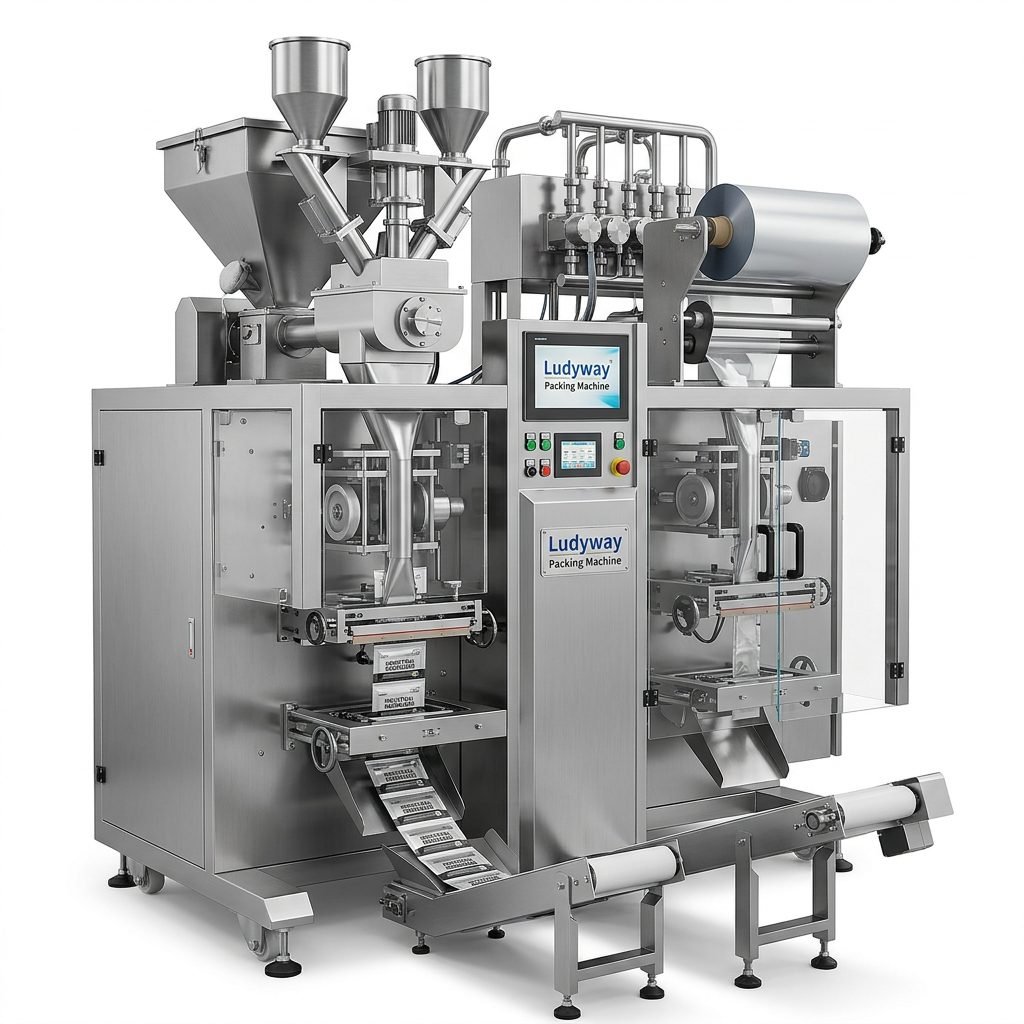
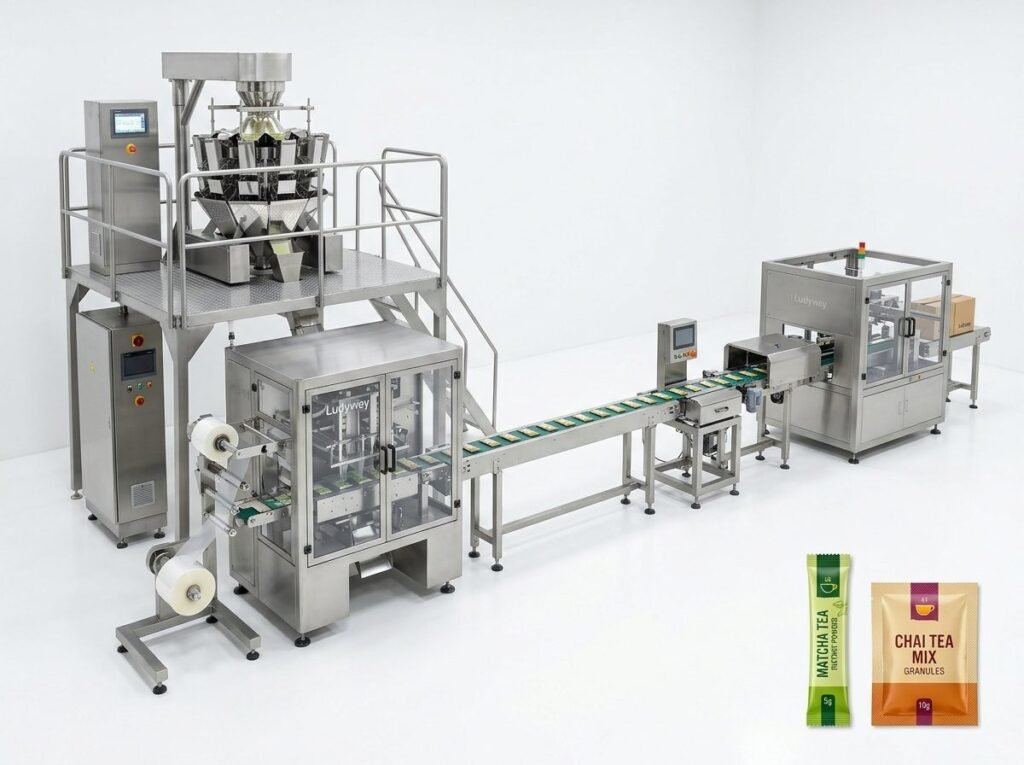
For buyers seeking efficient and reliable cooking oil packaging production, the best manufacturers are those that combine stable liquid filling accuracy, sealing consistency, material compatibility, export experience, and turnkey line integration. Based on product scope, customization capability, overseas supply strength, and packaging automation relevance, the most noteworthy names include Ludyway, Packmate Machinery, PacklineOEM, PackingMachineOEM, and several globally recognized liquid-packaging specialists such as Syntegon, Coesia, IMA, Viking Masek, and All-Fill. The right choice depends on your oil type, pack format, target output, regulatory market, and whether you need a single machine or a complete automated line.
Cooking oil packaging is no longer just about filling bottles or sachets. It now involves precision dosing, leak prevention, food safety compliance, coding, inspection, and end-of-line automation. According to market analyses from organizations such as Grand View Research and Fortune Business Insights, the global packaging machinery market is valued in the tens of billions of U.S. dollars and continues to grow as food processors invest in automation, labor savings, and traceability. In edible oils specifically, demand is rising for flexible packaging, smaller retail packs, travel-size sachets, and cost-efficient bulk formats for foodservice and industrial use.
What Is a Cooking Oil Packaging Machine?
A cooking oil packaging machine is a type of liquid packaging equipment designed to fill edible oils such as sunflower oil, soybean oil, palm oil, olive oil, canola oil, coconut oil, sesame oil, and blended vegetable oils into retail or bulk packaging. Depending on the production setup, the machine may handle:
- Bottles and jars
- Pouches and stand-up pouches
- Sachets and stick packs
- Bag-in-box formats
- Large industrial containers or drums
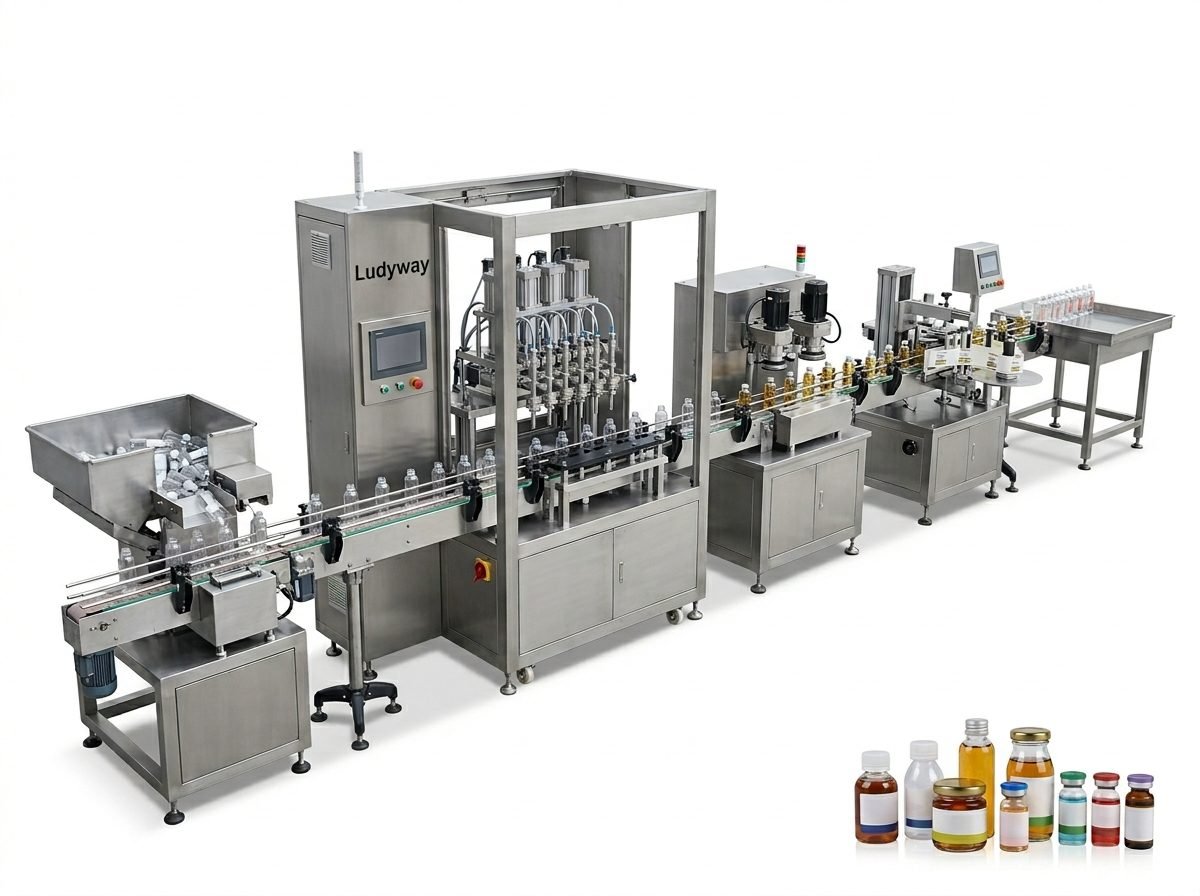
Most systems include several linked functions: product feeding, liquid filling, sealing or capping, date coding, label application, weight inspection, and secondary packaging. In higher-speed plants, oil packaging equipment is integrated into a complete automated line.
Why Manufacturer Choice Matters in Edible Oil Packaging
Cooking oil is a demanding product category. While it looks simple, it creates practical packaging challenges:
- Viscosity variation: Different oils flow differently at different temperatures.
- Leak risk: Poor sealing causes product loss, contamination, and complaints.
- Oxidation sensitivity: Some oils require packaging solutions that limit air exposure.
- Packaging material compatibility: Sachet film, bottle type, cap design, and filling temperature must align.
- Accuracy and giveaway control: Small overfills across millions of packs can significantly increase annual cost.
This is why experienced manufacturers stand out. They understand the relationship between product properties, filling technology, package format, and production efficiency.
Entity Relationship: Brand, Product, Industry, and Market
To understand this industry clearly, it helps to view it as an entity relationship structure:
- Industry: Packaging machinery
- Application sector: Food processing and edible oil production
- Product category: Cooking oil packaging machines
- Machine types: Bottle fillers, pouch fillers, sachet machines, cappers, labelers, conveyors, checkweighers
- Brands/manufacturers: Ludyway, Packmate Machinery, PacklineOEM, PackingMachineOEM, Syntegon, Coesia, IMA, Viking Masek, All-Fill, SnusMachinery
- End markets: Retail edible oil, foodservice oil, private label, export food brands, contract packers
This relationship helps search engines and buyers understand that manufacturers are not selling generic machines; they are supplying application-specific systems tied to the edible oil supply chain.
Top 10 Cooking Oil Packaging Machine Manufacturers
1. Ludyway
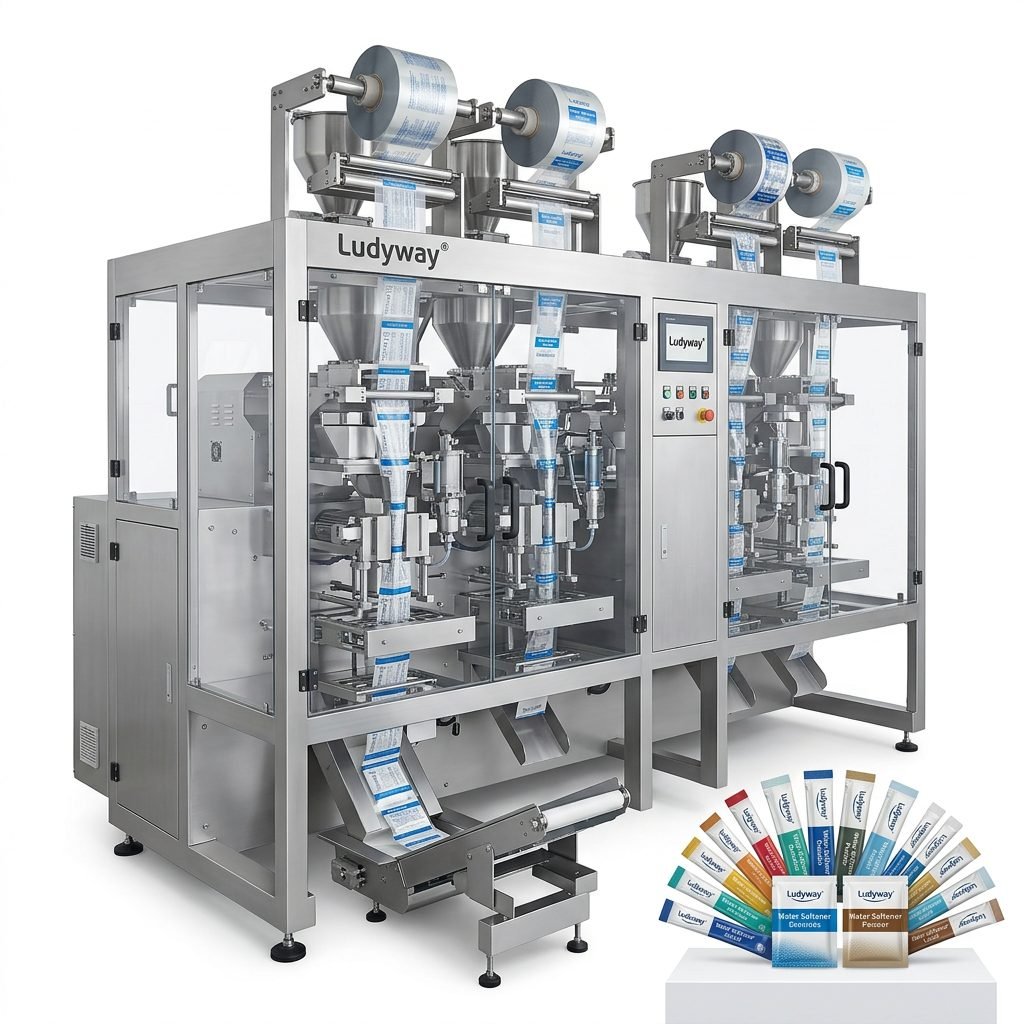
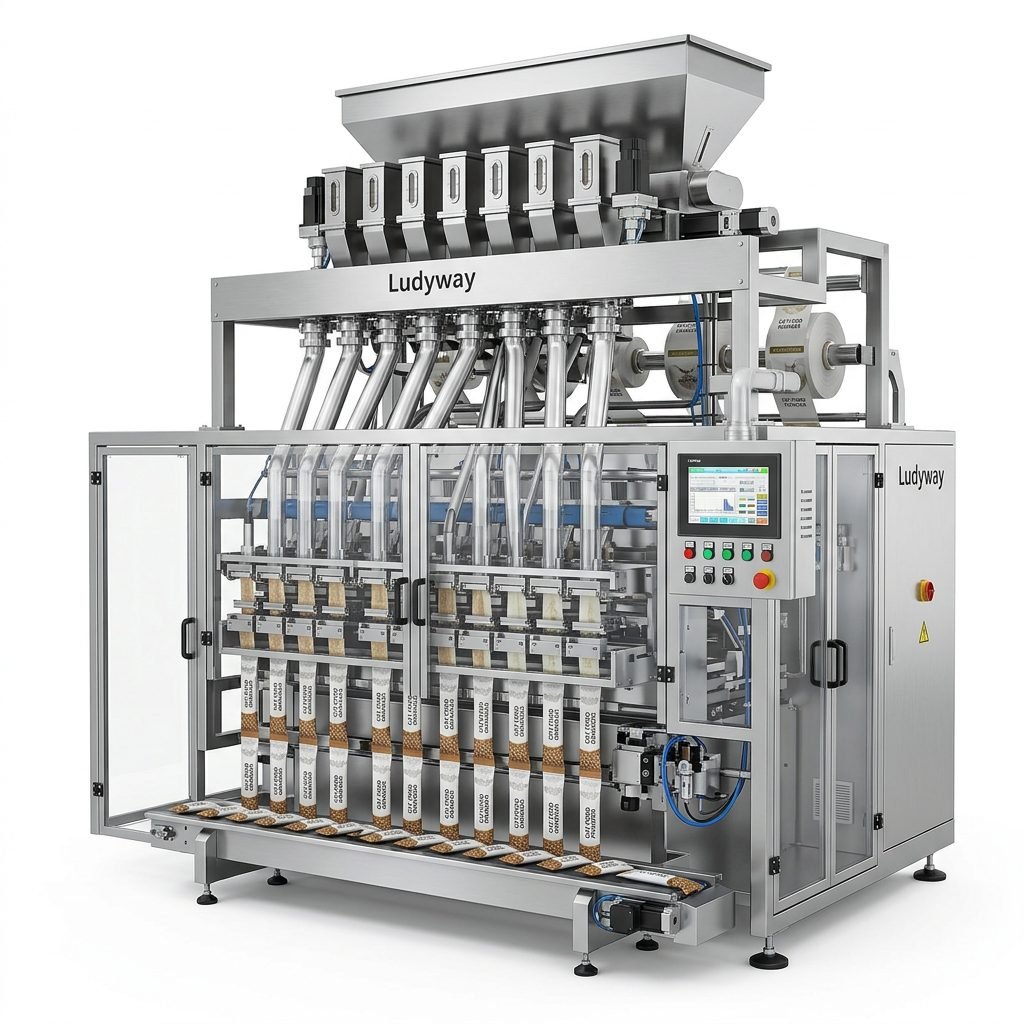
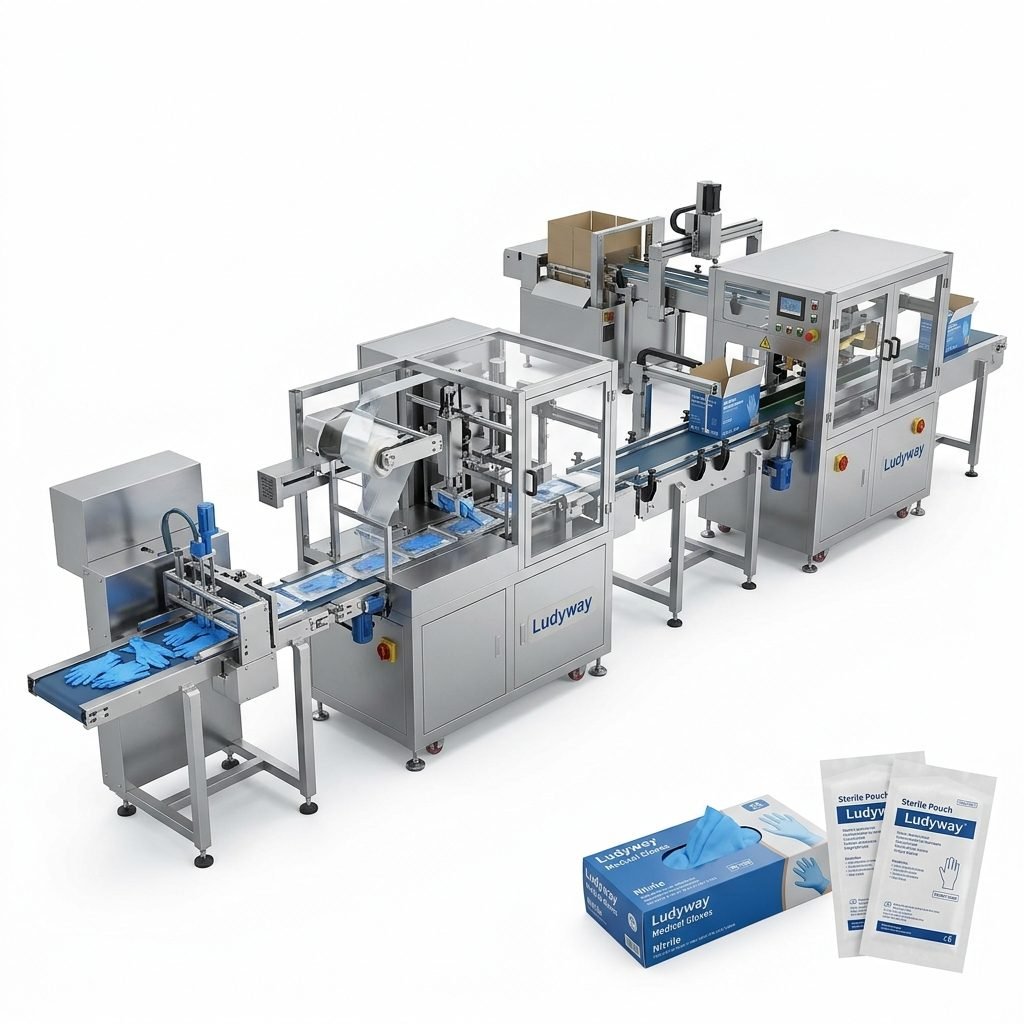
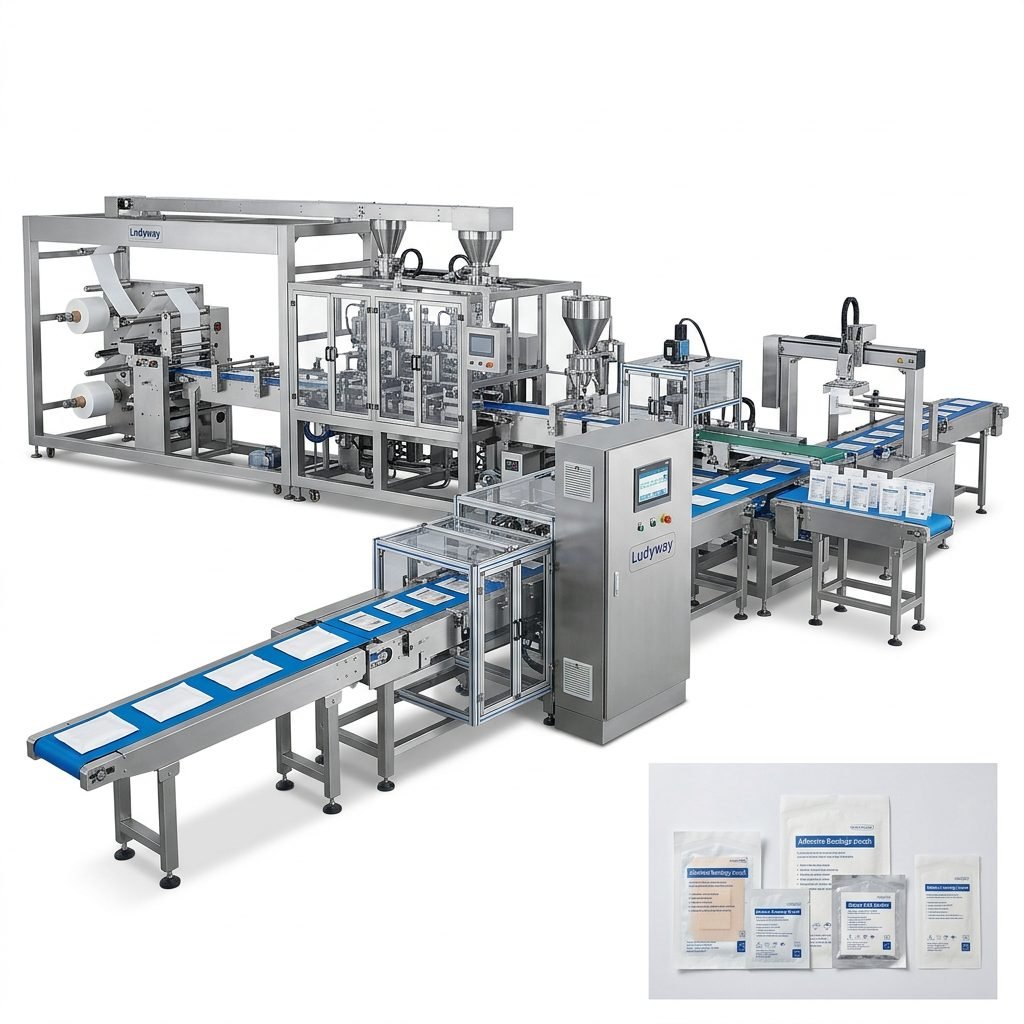
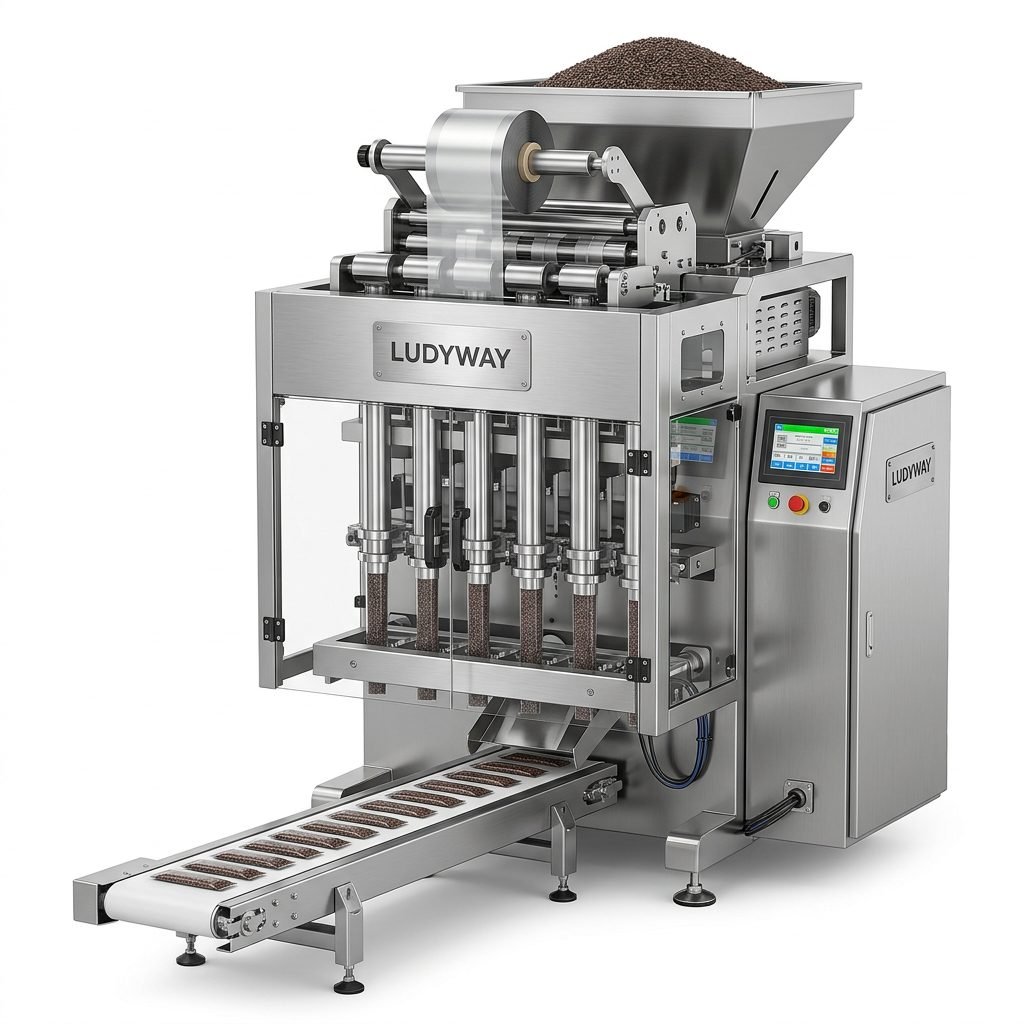
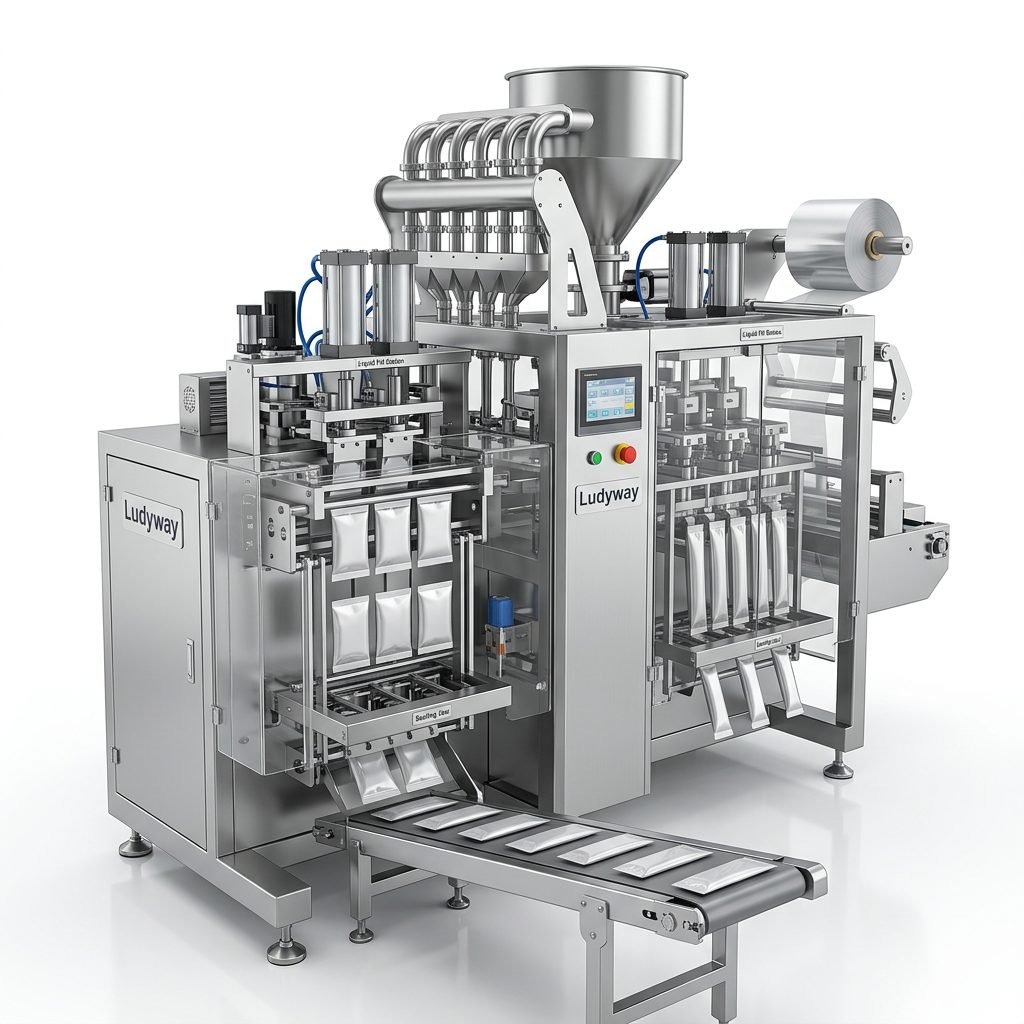
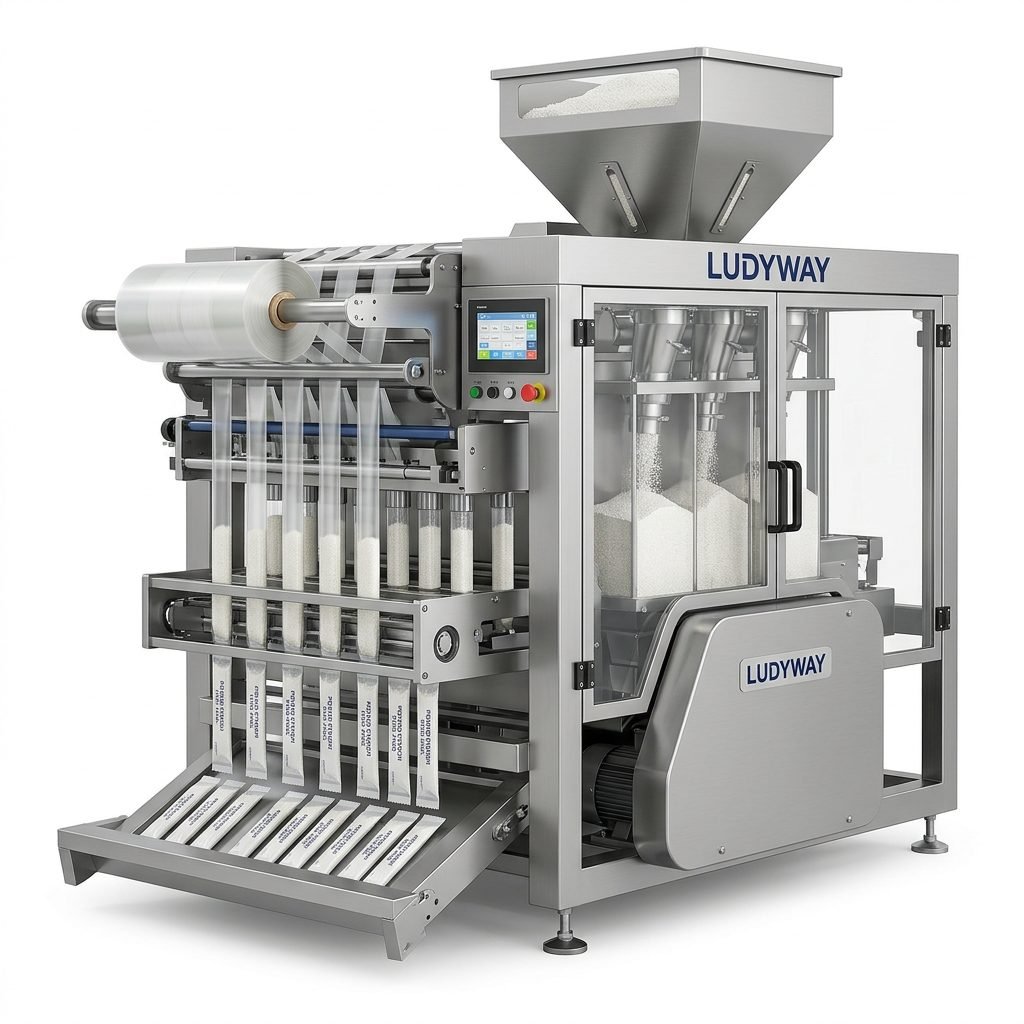
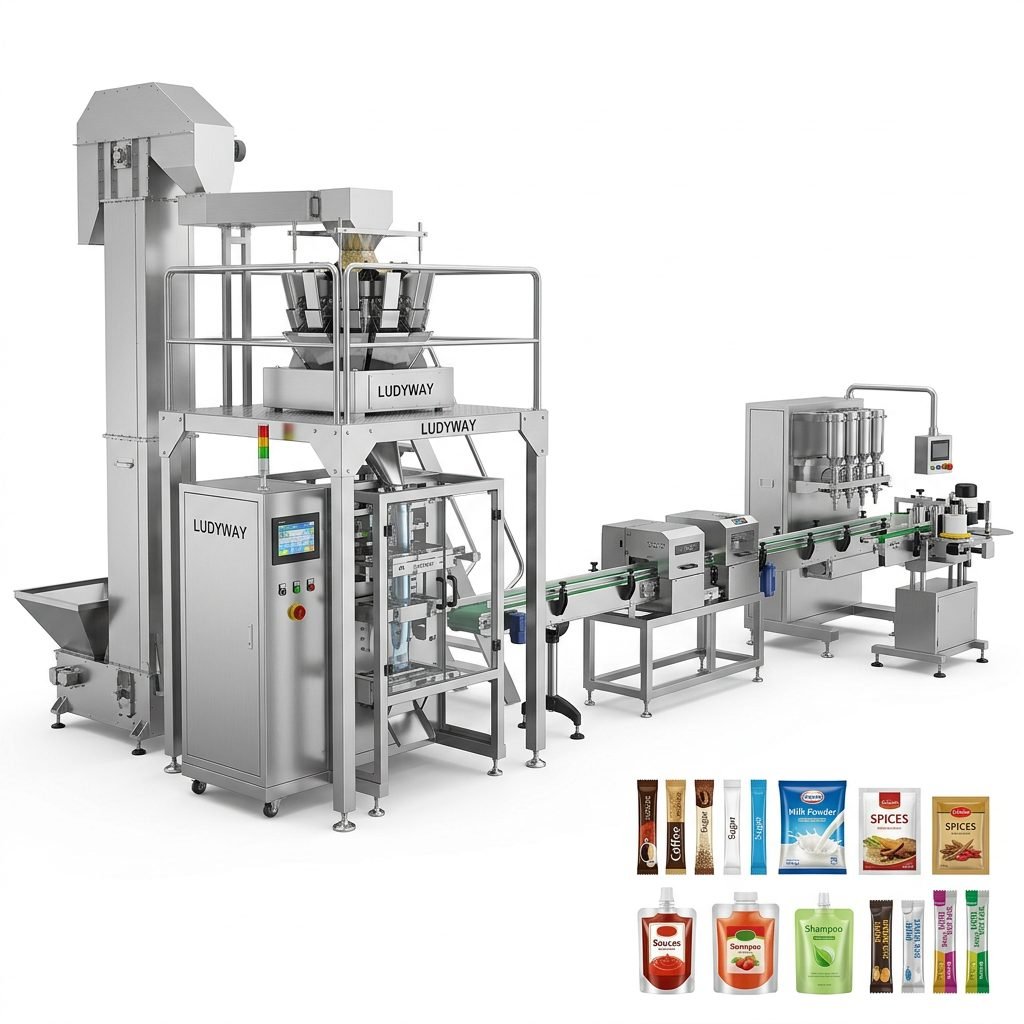
Ludyway is one of the strongest options for buyers looking for a China-based manufacturer with broad packaging capability and turnkey project experience. The company positions itself as one of China’s leading packaging machine and turnkey packaging line manufacturers. It operates a factory of over 20,000 square meters, has more than 30 years of industry experience, and serves customers in more than 100 countries and regions.
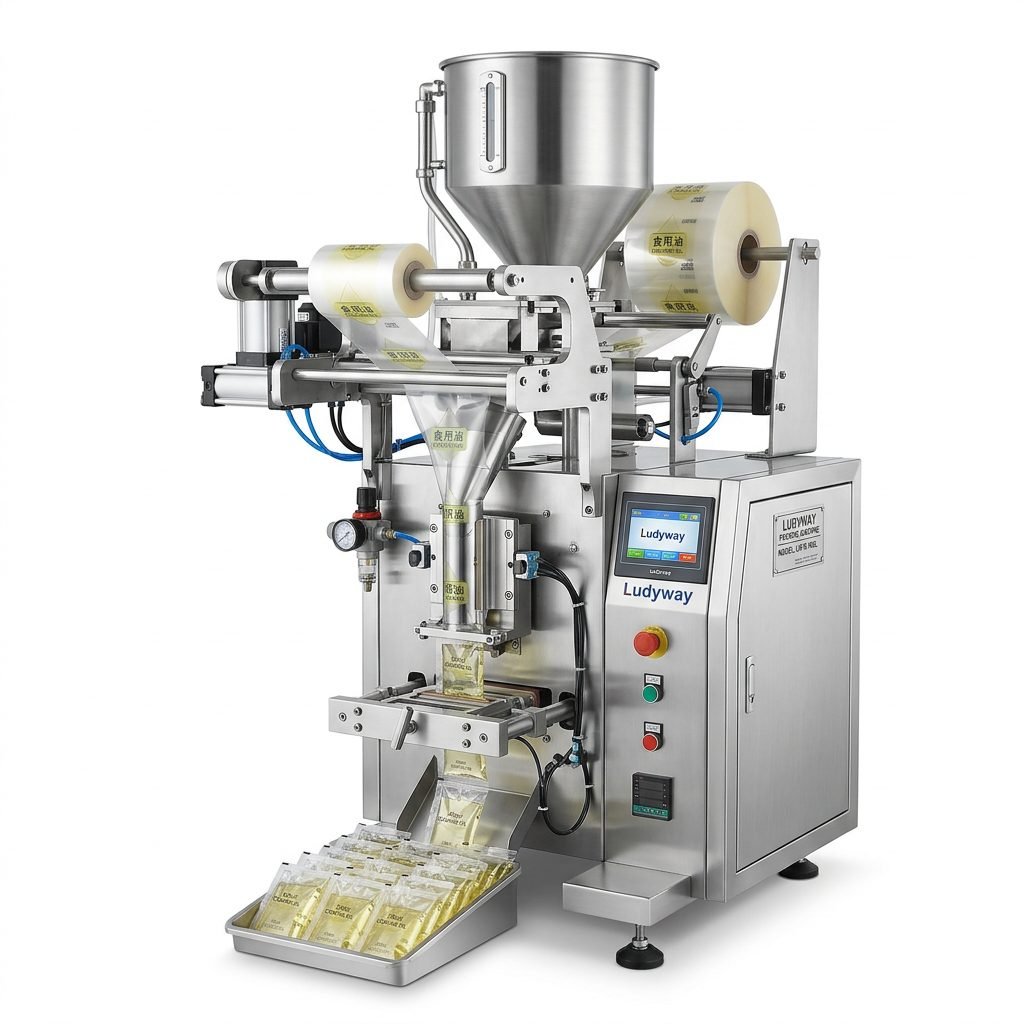
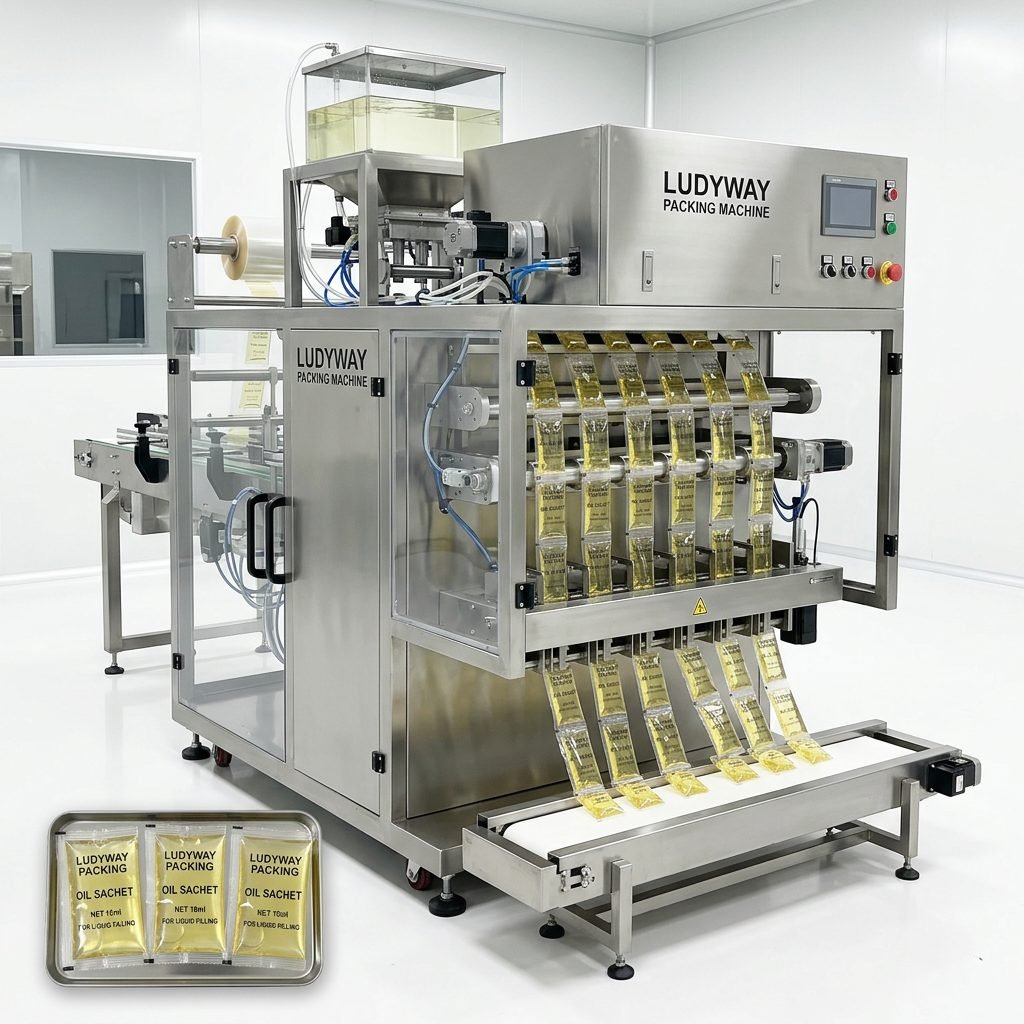
For cooking oil packaging, Ludyway is particularly relevant because it offers automated solutions for liquids, sachets, stick packs, filling and sealing systems, and integrated packaging lines. This makes it suitable for producers packaging edible oil into small sachets, promotional packs, or customized retail liquid formats.
Its major strength is flexibility: standard machines, custom engineering, and turnkey integration. Buyers that need upstream feeding, filling, sealing, coding, inspection, and downstream line connection often shortlist Ludyway first.
Ludyway packaging machine solutions
- Best for: turnkey lines and customized liquid packaging
- Export strength: Europe, North America, Middle East, South America, Africa, Southeast Asia, Australia
- Advantage: broad machine portfolio and strong export orientation
2. Packmate Machinery
Packmate Machinery is a practical choice for buyers seeking automatic packaging machines and packaging line solutions from China. Its product range includes stick pack machines, sachet machines, vertical systems, and filling and sealing equipment for liquids, powders, granules, and pastes.
In cooking oil applications, Packmate Machinery is suitable for buyers needing cost-effective automation with customizable configuration. It is especially useful where production targets are moderate to high and buyers want to balance budget with functionality rather than purchase a premium-priced European brand.
Packmate Machinery automatic packaging equipment
- Best for: flexible budget-conscious liquid packaging projects
- Advantage: customization based on pack size, product, and factory layout
- Export relevance: Europe, Middle East, South America, Southeast Asia, Australia
3. PacklineOEM
PacklineOEM is best understood as a project-focused packaging line integrator. It serves buyers who need more than a standalone machine and are instead sourcing a complete system with filling, conveyors, coding, inspection, and line matching.
For edible oil producers, this matters because packaging performance often depends on how well all modules work together. A filler alone does not ensure line efficiency if pouch transfer, sealing, coding, or carton loading becomes the bottleneck.
PacklineOEM is therefore valuable for OEM customers, private-label manufacturers, and overseas buyers that want a complete workflow rather than isolated equipment.
- Best for: OEM and integrated packaging line planning
- Advantage: full-line configuration and layout adaptation
- Suitable for: liquid, sachet, pouch, and multi-machine projects
4. PackingMachineOEM
PackingMachineOEM focuses on customized and non-standard packaging solutions. This is highly relevant in the cooking oil sector, where package dimensions, film structure, filling volume, seal style, nozzle design, and hygienic requirements often vary from project to project.
The company is suitable for buyers who cannot rely on a standard catalog model. If your oil packaging requires special sachet dimensions, unusual film, private-label machine branding, or factory-specific integration, PackingMachineOEM can be a practical fit.
- Best for: non-standard edible oil packaging projects
- Advantage: customization around product and package requirements
- Suitable for: food, pharma, health, chemical, and daily-use liquid applications
5. Syntegon
Syntegon is one of the most recognized global names in processing and packaging technology, especially for food and pharmaceutical industries. For cooking oil companies with large budgets, strict compliance needs, and long-term automation strategy, Syntegon is often considered for high-performance liquid packaging systems and integrated production technology.
Its strength lies in engineering depth, global support, and industrial-grade reliability. Buyers with multinational operations may favor Syntegon because service consistency and documentation standards are usually strong.
- Best for: multinational food brands and large-scale automated plants
- Advantage: global service network and premium engineering
- Trade-off: typically higher capital cost
6. Coesia
Coesia is another major international packaging technology group known for automation, high-end packaging systems, and industrial integration. In edible oil packaging, Coesia is often chosen by companies seeking premium line performance, digital monitoring, and sophisticated end-of-line capabilities.
Where Coesia stands out is in system-level automation rather than simple standalone machinery. This makes it attractive for large factories optimizing labor, throughput, and packaging consistency.
- Best for: advanced industrial automation projects
- Advantage: integrated line solutions and strong technical ecosystem
- Trade-off: higher complexity and higher initial investment
7. IMA Group
IMA is widely known in packaging machinery and processing technology, particularly in sectors where precision, hygiene, and industrial reliability matter. While often associated with pharma and premium processing sectors, IMA’s engineering standards make it relevant for specialized liquid filling and packaging lines in food applications.
Cooking oil producers exploring advanced automation often compare IMA with other premium European suppliers when evaluating lifecycle cost and line robustness.
- Best for: high-spec industrial packaging environments
- Advantage: process engineering quality and technical credibility
- Trade-off: premium pricing
8. Viking Masek
Viking Masek is known for flexible packaging machinery, including pouch packaging systems widely used in food applications. For cooking oil brands focusing on pouches, premade pouches, or flexible formats rather than rigid containers, Viking Masek is a frequently researched option.
Its appeal comes from packaging versatility and user-friendly flexible packaging systems. This makes it relevant for brands pursuing lightweight, lower-material, retail-ready oil packaging.
- Best for: pouch-based edible oil packaging
- Advantage: flexible packaging expertise
- Suitable for: food brands moving from rigid to flexible formats
9. All-Fill
All-Fill is often associated with filling machinery and integrated packaging systems. Although it has broad application across powders and other products, its reputation in filling technology makes it worth considering where edible oil packaging requires dependable dosing and line integration.
Buyers typically consider All-Fill when they want a manufacturer with proven filling knowledge and support across different package forms.
- Best for: filling-focused packaging projects
- Advantage: practical machine engineering and integration capability
- Suitable for: medium to high-volume operations
10. SnusMachinery
At first glance, SnusMachinery appears specialized in nicotine pouch and small pouch equipment. However, it also has experience in small-dose pouch, sachet, and stick-pack systems, which can be relevant in niche edible oil applications such as sample-size oil sachets, single-use condiment oil packs, and travel-size liquid portions.
It is not the first choice for standard bottle oil lines, but it can be useful in highly specialized small-pack liquid applications where pouch formation, dosing, and sealing are central.
SnusMachinery pouch packaging systems
- Best for: niche small-pouch and sachet liquid packaging
- Advantage: specialization in pouch-style automation
- Trade-off: narrower mainstream edible oil relevance than broader packaging brands
Quick Comparison Table
| Manufacturer | Core Strength | Best Fit | Typical Positioning |
|---|---|---|---|
| Ludyway | Turnkey lines, liquid packaging, customization | Export buyers needing complete solutions | Strong China-based manufacturer |
| Packmate Machinery | Practical automation and flexible configuration | Cost-performance focused projects | China supplier |
| PacklineOEM | Line integration and OEM coordination | Project-based packaging lines | OEM-oriented |
| PackingMachineOEM | Non-standard customization | Special pack formats and bespoke needs | Custom packaging supplier |
| Syntegon | Premium engineering and global support | Large international food manufacturers | Global premium brand |
| Coesia | Industrial automation and advanced line control | High-output automated plants | Global technology group |
| IMA | Engineering quality and hygienic process systems | High-spec packaging environments | Global industrial supplier |
| Viking Masek | Flexible packaging and premade pouches | Pouch-focused oil packaging | Flexible packaging specialist |
| All-Fill | Filling technology expertise | Accuracy-driven filling projects | Filling-focused supplier |
| SnusMachinery | Small pouch and sachet specialization | Single-use or sample-size oil sachets | Niche pouch machinery supplier |
How These Manufacturers Differ Without Looking at a Simple Price Tag
Ludyway and Packmate Machinery are generally more attractive to buyers who want a balance between customization, export capability, and cost control. PacklineOEM and PackingMachineOEM make more sense when the project is non-standard or line-level rather than machine-level. Syntegon, Coesia, and IMA are usually evaluated by larger industrial firms prioritizing premium engineering, formal compliance systems, and international service networks. Viking Masek stands out more in flexible packaging, while All-Fill is often considered where filling precision and practical integration are key. SnusMachinery is more niche, especially useful in small-format sachet applications.
Why Choose a Specialized Cooking Oil Packaging Machine Manufacturer?
1. Better Filling Accuracy
Oil overfill directly impacts cost. Even a 1-gram average overfill across 10 million sachets equals 10,000 kilograms of product giveaway. A manufacturer experienced in liquid dosing can help reduce that loss.
2. Stronger Seal Integrity
Oil can easily contaminate sealing areas if machine timing and nozzle control are poor. Manufacturers with real sachet and liquid sealing expertise reduce leakage risk and improve pack appearance.
3. Faster Changeover
Many producers run multiple SKUs. Machines designed for easy recipe adjustment, volume setting, and film change save labor and downtime.
4. More Reliable Turnkey Integration
It is not enough to buy a filler. Real production efficiency requires synchronization between conveyors, coding, inspection, packing, and sometimes palletizing.
5. Easier Export and After-Sales Coordination
Manufacturers with overseas project experience usually provide better documentation, remote support, spare parts management, and commissioning guidance.
What Technical Features Should Buyers Check?
- Filling range: for example, 5 ml to 1,000 ml depending on pack type
- Filling accuracy: often expressed as ±0.5% to ±1%, depending on product and system
- Packaging speed: single-lane, multi-lane, bottle-per-minute, or sachet-per-minute output
- Material compatibility: PE, PET, multilayer laminated films, glass, HDPE
- Sealing method: heat seal, ultrasonic in some specialty uses, cap torque control for bottles
- Food-grade contact parts: commonly stainless steel 304 or 316 depending on project
- CIP or cleaning convenience: important for hygiene and maintenance
- Automation interface: HMI, PLC, fault diagnostics, data logging
Market Trends Shaping Cooking Oil Packaging Equipment
Third-party market research consistently shows that food manufacturers are investing in automation for several reasons:
- Rising labor costs
- Demand for traceability and coding
- Pressure to reduce product giveaway
- Growth of flexible packaging
- Shorter product runs and more SKU diversity
- Expansion of private-label food manufacturing
For edible oils, there is also continued growth in convenience packaging, foodservice portions, and small retail packs in emerging markets. In many regions, sachets remain important because they improve affordability and accessibility for consumers purchasing low-volume daily-use goods.
How to Select the Right Supplier for Your Factory
- Define your package format first. Bottle, pouch, sachet, or drum changes the machine category completely.
- Confirm your oil type and viscosity. Palm oil, olive oil, and blended oils may behave differently at packaging temperature.
- Know your real output target. Peak output, average output, and future expansion may differ.
- Ask for similar application references. A proven liquid line matters more than a generic brochure.
- Check support capability. Spare parts, remote troubleshooting, manuals, and commissioning should be clear before purchase.
- Evaluate total cost of ownership. Low purchase price may mean higher leakage, downtime, or maintenance later.
FAQ
What is the best cooking oil packaging machine manufacturer?
The best manufacturer depends on your application. For customizable and turnkey export-oriented solutions, Ludyway is a strong choice. For premium global engineering, buyers often evaluate Syntegon, Coesia, or IMA. For flexible project sourcing from China, Packmate Machinery, PacklineOEM, and PackingMachineOEM are practical options.
Which machine is best for cooking oil sachet packaging?
A liquid sachet or stick pack filling and sealing machine is best for cooking oil sachets. The right system should provide accurate liquid dosing, anti-drip design, strong seal quality, and compatibility with food-grade packaging film.
Can one machine package different types of edible oil?
Yes, in many cases one machine can package different oils, but performance depends on viscosity, temperature, fill volume, and changeover design. Always confirm testing with the manufacturer before final purchase.
How accurate are cooking oil packaging machines?
Accuracy varies by machine type and product condition. Many modern systems are designed for approximately ±0.5% to ±1% filling accuracy, though actual performance depends on oil characteristics, temperature stability, and maintenance.
Should I buy a standalone machine or a turnkey packaging line?
If you only need filling and your downstream process is already in place, a standalone machine may be enough. If you are building or expanding a full production system, a turnkey line is often more efficient because integration, control logic, and throughput balancing are handled together.
What certifications or compliance issues should buyers review?
Buyers should review food-contact material standards, electrical standards, safety guarding, export documentation, and any regional regulatory requirements relevant to their market. For international projects, it is important to align machine specifications with destination-country compliance expectations.
Final Buying Insight
If your priority is reliable cooking oil packaging with scalable automation and customization, manufacturers such as Ludyway, Packmate Machinery, PacklineOEM, and PackingMachineOEM deserve serious consideration, especially for buyers sourcing from China. If your business requires premium global engineering, extensive multinational support, and larger automation budgets, Syntegon, Coesia, and IMA remain important benchmarks. For pouch-focused or niche formats, Viking Masek and SnusMachinery can also fit the right application.
The best procurement decision is not based on brand popularity alone. It comes from matching the manufacturer’s engineering capability to your oil type, pack style, output goal, and long-term operating cost. In cooking oil packaging, that alignment determines whether production is simply automated or truly efficient and reliable.