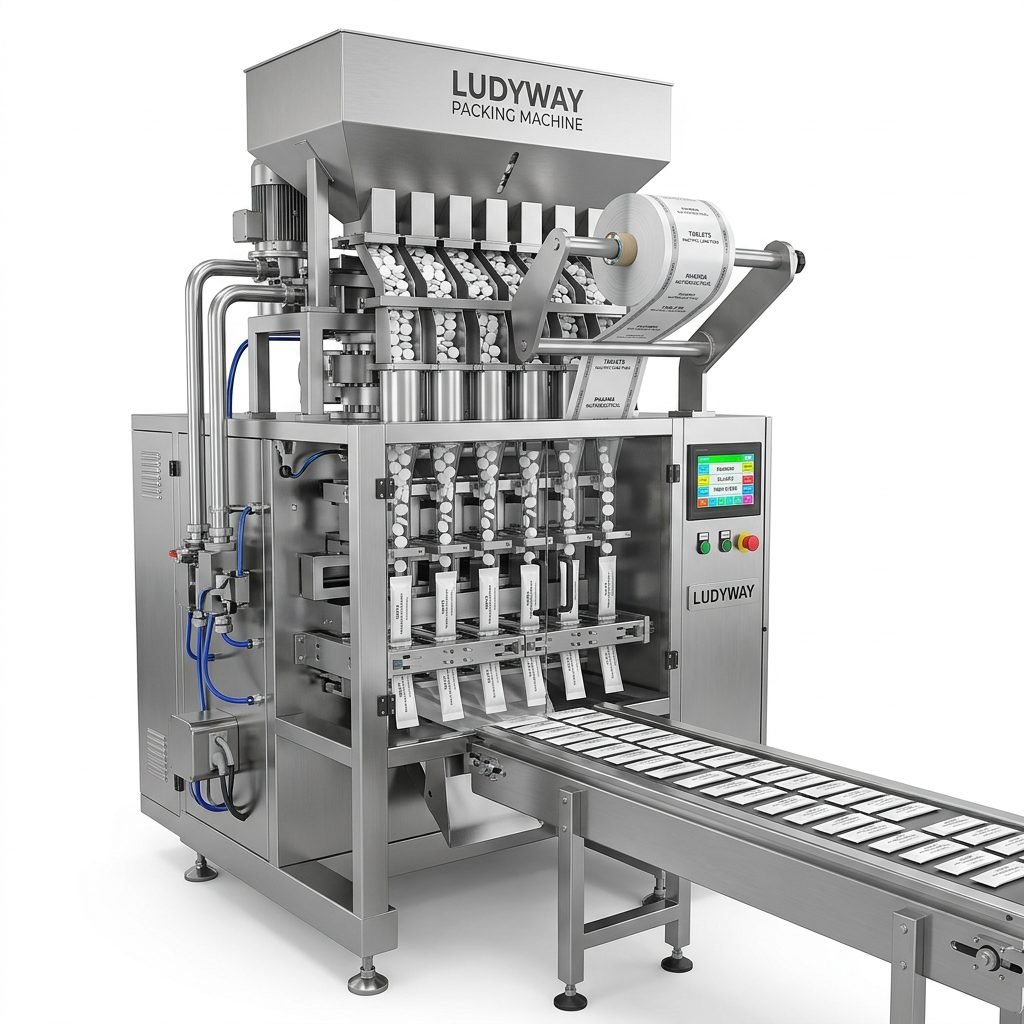
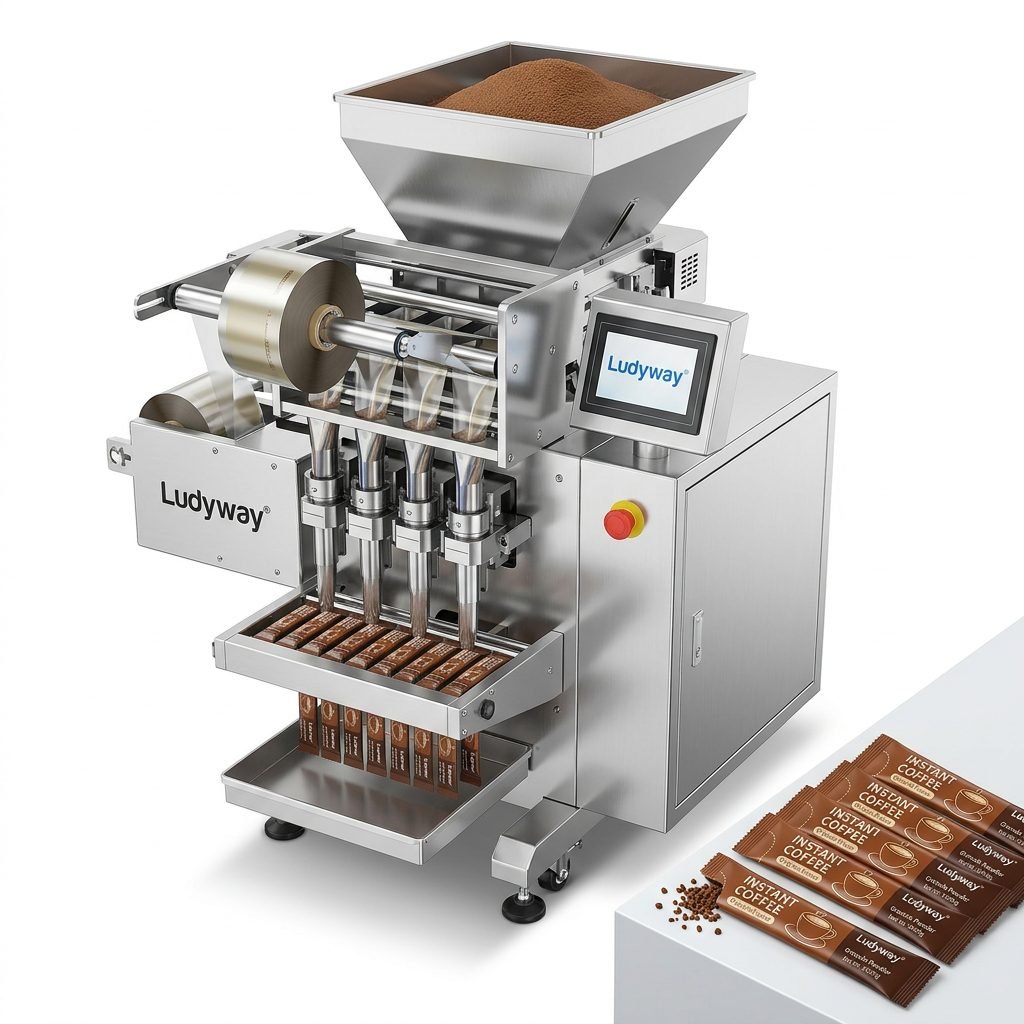
Selecting the best plastic food packaging machine is a critical decision for any food manufacturer or processor. The right equipment directly impacts production efficiency, product integrity, cost control, and compliance with safety standards. With a vast array of machine types and configurations available, navigating the options can be complex. This guide provides a comprehensive overview of the primary types of plastic food packaging machines, their key features, and a structured framework to help you choose the perfect solution for your specific operational needs.
Primary Types of Plastic Food Packaging Machines
The packaging process dictates the machine type. Here are the most common categories used in the food industry.
1. Form-Fill-Seal (FFS) Machines
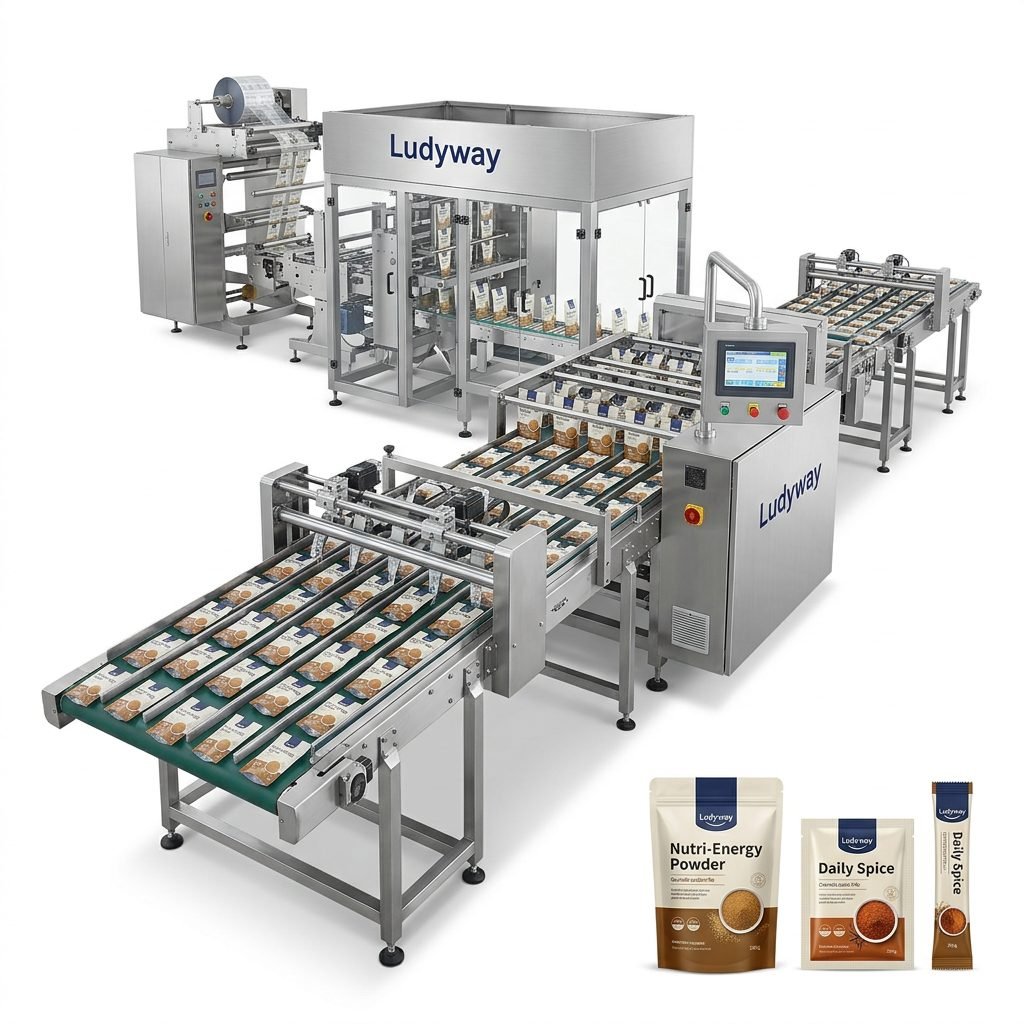
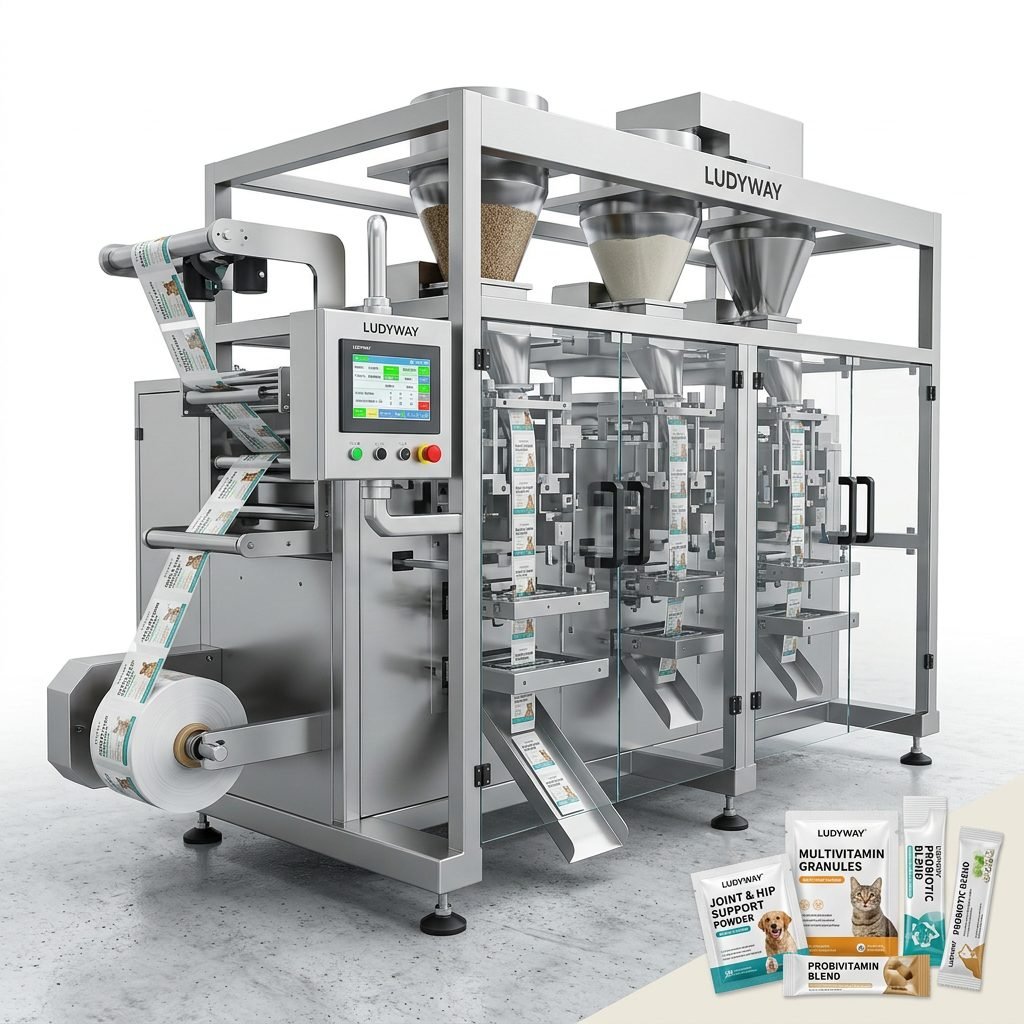
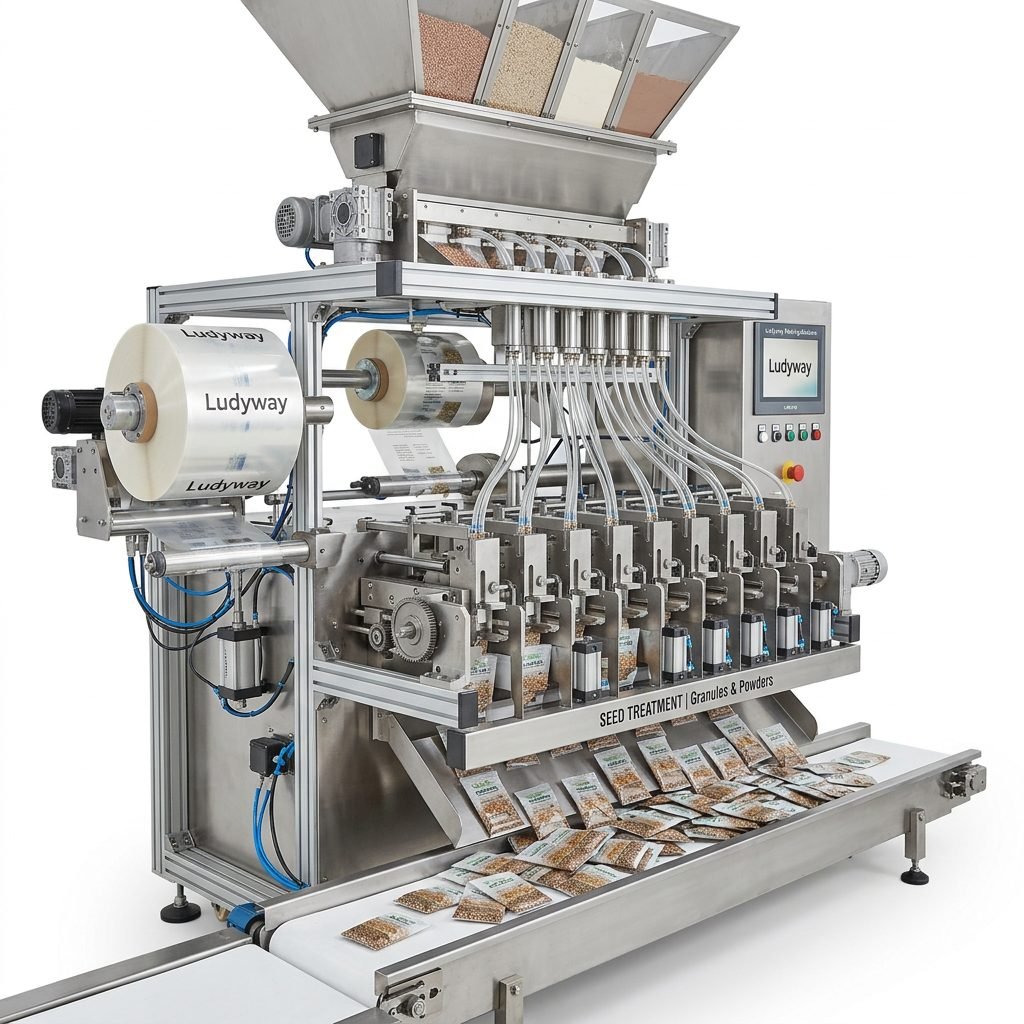
These are the workhorses of flexible plastic packaging. FFS machines form the package from a roll of film, fill it with the product, and then seal it—all in one continuous, automated operation. They are highly efficient and minimize material waste.
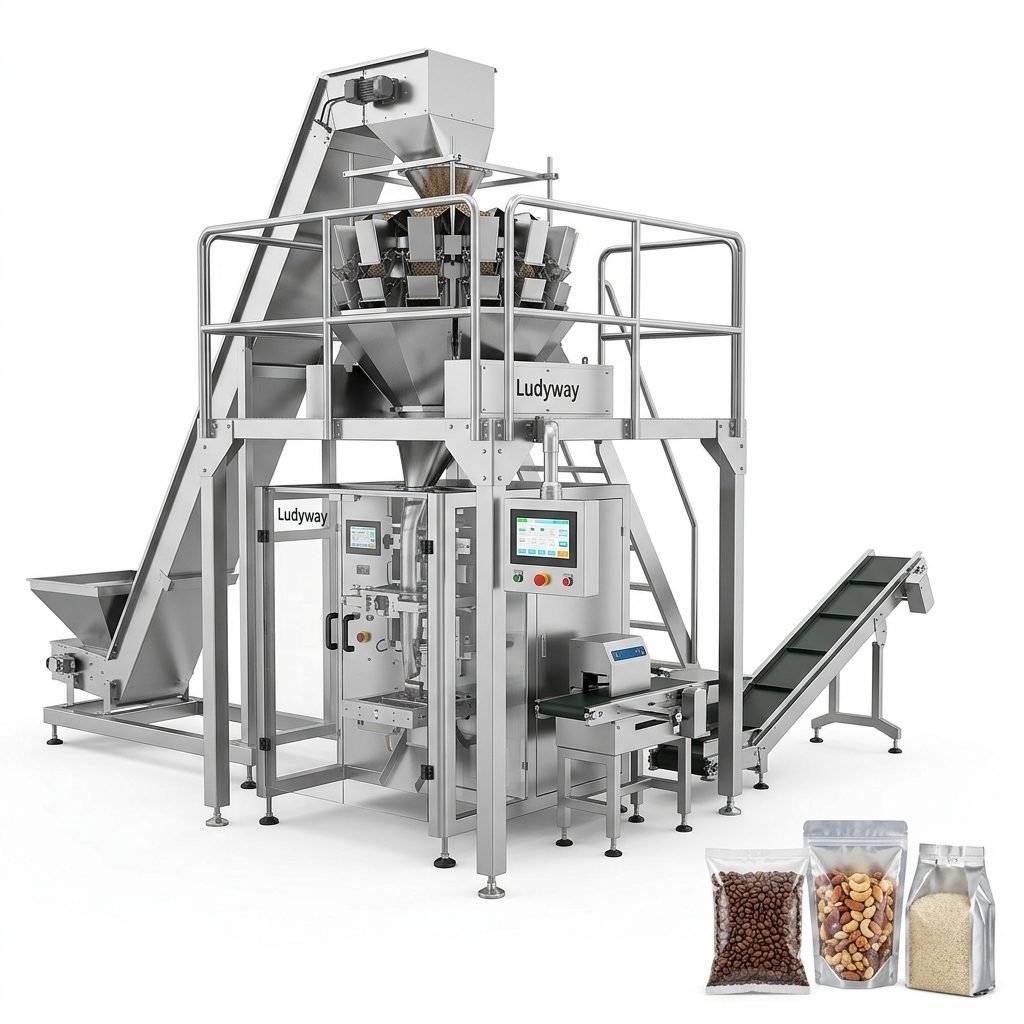
Vertical Form-Fill-Seal (VFFS): Ideal for granules, powders, snacks, and liquids. The film is drawn vertically to form a tube, filled, and sealed horizontally. Perfect for producing pillow packs, gusseted bags, and stick packs.
Horizontal Form-Fill-Seal (HFFS): Best suited for solid items, baked goods, or multi-component products. The film is formed horizontally into a tray or cavity, filled, and then lidded with a top film. Excellent for product presentation.
2. Pre-Made Pouch Fillers
These systems use pre-manufactured, stand-up pouches (Doypack), flat pouches, or zipper bags. The machine opens the pouch, fills it via precise dosing systems, and then seals it. They offer superior graphic print quality and are excellent for products requiring a premium look or complex laminate structures for high barrier protection.
3. Thermoforming Machines
In this process, a roll of base plastic film is heated and formed into cavities (trays or blisters). The product is placed into these cavities, a top lidding film is applied, and the package is sealed. Widely used for fresh produce, dairy, meat, and ready-to-eat meals where a rigid or semi-rigid container is needed.
4. Blister Packaging Machines
A subtype of thermoforming, blister machines create a clear plastic “blister” cavity that holds the product, often sealed to a cardboard backing. Common for single-serve portions, condiments, and bakery items.
5. Shrink Wrapping & Flow Wrapping Machines
Flow Wrappers encase products in a loose film wrapper with end seals (e.g., candy bars, biscuits). Shrink Wrappers use a loose sleeve of film that then passes through a heat tunnel, causing it to shrink tightly around the product or multi-pack bundle, providing excellent stability and tamper evidence.
Essential Features & Technological Considerations
Beyond the basic type, modern machines offer features that define their capability, efficiency, and suitability.
Dosing & Filling Systems
The heart of any packaging machine. The choice depends entirely on your product’s physical form.
- Volumetric Cup Fillers: Simple, cost-effective for uniform granules and chunks.
- Auger Fillers: The standard for powders and fine granules, offering high accuracy with servo-driven systems.
- Liquid Piston & Pump Fillers: For sauces, oils, dairy, and other liquids. Ensure compatibility with viscous products.
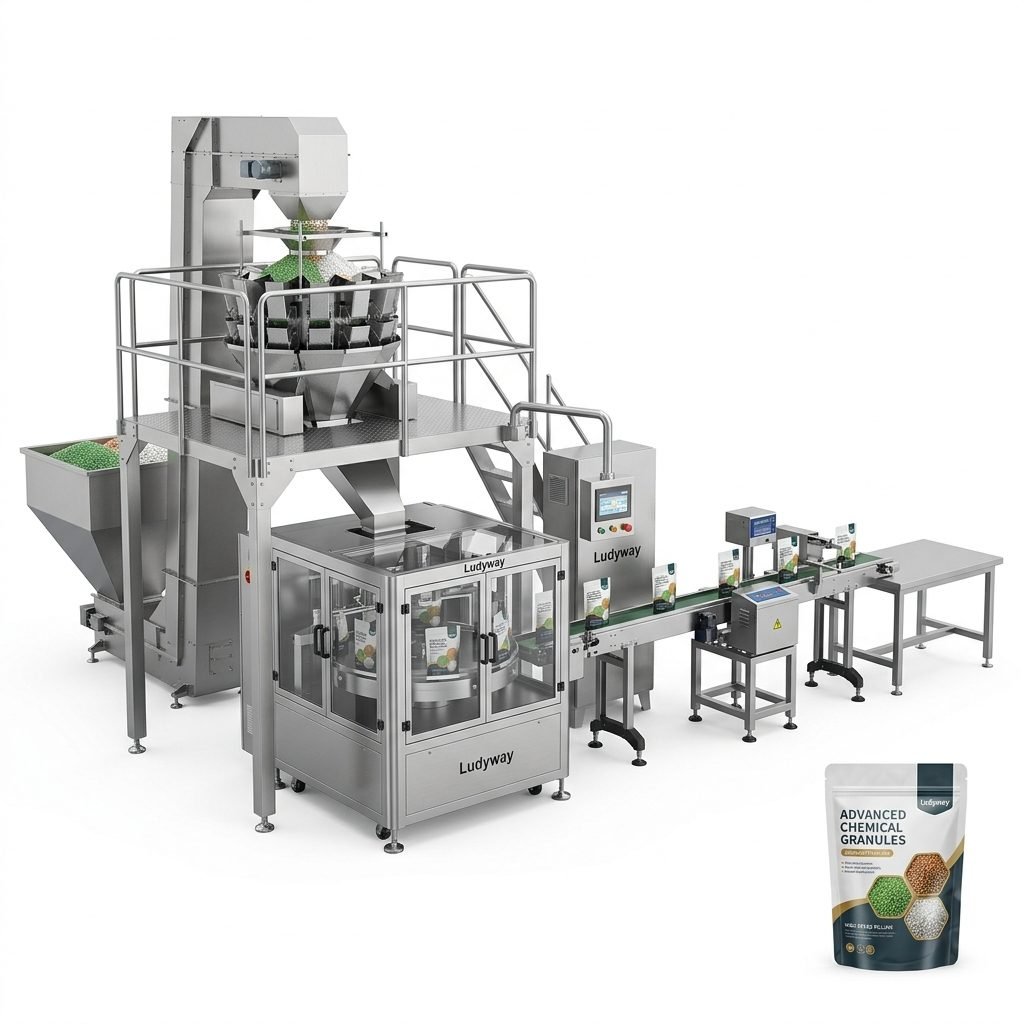
- Weighing Scales (Multi-Head Weighers): Provide the highest accuracy for valuable or variable-density products like snacks, nuts, and frozen vegetables.
Sealing Technology
A reliable seal is non-negotiable for food safety and shelf life.
Heat Sealing (Impulse & Constant): The most common method. Ensure the machine can handle your specific film laminate and provides consistent temperature control.
Zipper Application: For re-closable pouches. Look for precise zipper feeding and sealing units.
Gas Flushing (Modified Atmosphere Packaging – MAP): Critical for extending the shelf life of fresh products like meat, cheese, and salads. The machine must have a precise gas evacuation and injection system.
Automation & Control Level
PLC (Programmable Logic Controller) & HMI (Human-Machine Interface): Modern machines feature touch-screen HMIs for easy recipe storage, changeover, and monitoring. Look for user-friendly interfaces with multi-language support for global operations.
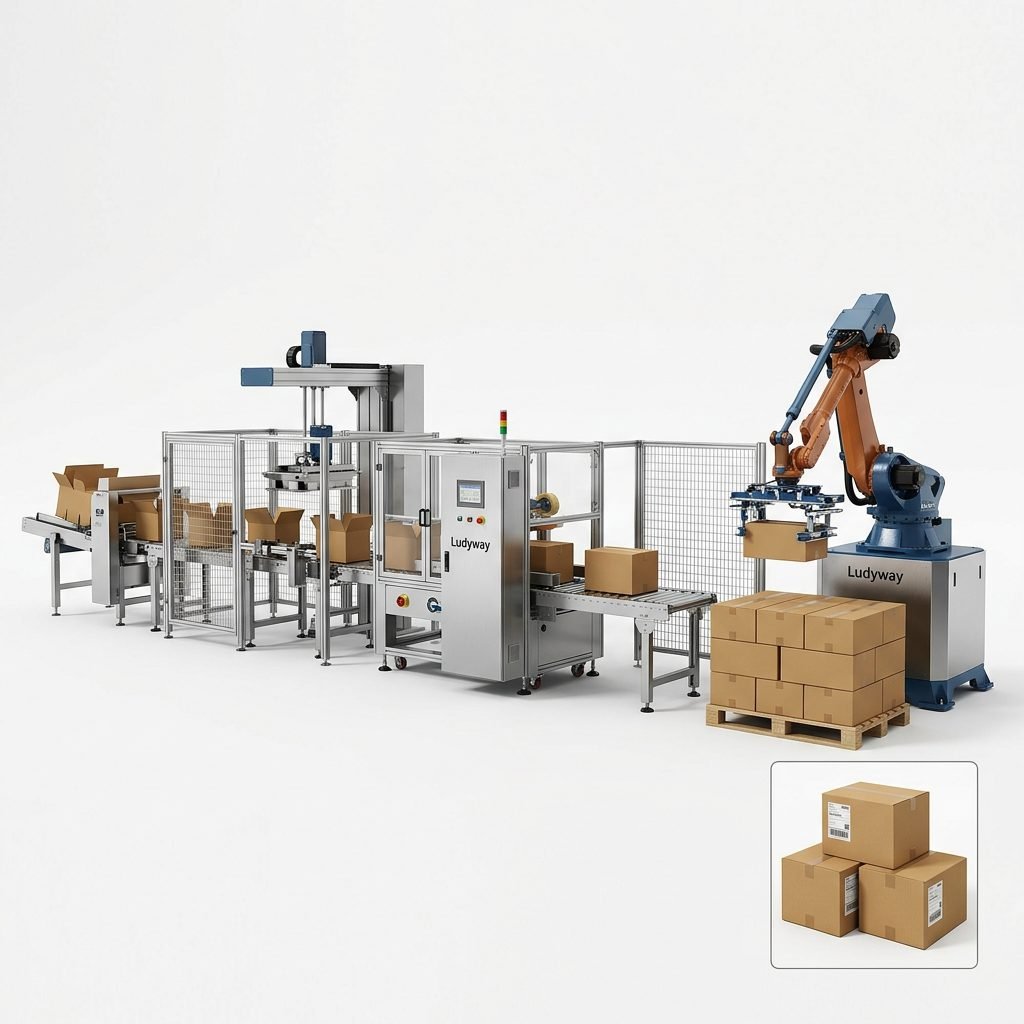
Integration Capabilities: Can the machine easily connect with upstream feeders, downstream cartoners, or factory MES/ERP systems via industry-standard protocols?
Changeover Speed: For short production runs, quick tooling and format changeover mechanisms are vital to minimize downtime.
Hygienic Design & Construction
Food-grade stainless steel (especially on product contact parts), easy-clean surfaces, and protection against dust and moisture ingress (IP ratings) are essential for compliance with food safety standards like FDA, EU, and local regulations.
How to Choose the Right Plastic Food Packaging Machine: A Step-by-Step Guide
Step 1: Define Your Product & Packaging Specifications
This is the foundation of your search. Be precise.
- Product: Form (powder, granule, liquid, solid), characteristics (abrasive, oily, sticky), temperature, and fragility.
- Packaging: Desired bag/pouch type (pillow, stand-up, flat), film material (PET/PE, CPP, metallized, laminate), and finished dimensions.
- Output: Required speed (packages per minute) and daily/weekly production volume.
Step 2: Assess Your Operational Environment & Goals
Consider your factory floor space, available utilities (power, compressed air), and operator skill level. Also, define strategic goals: Is your priority maximum speed, flexibility for multiple products, or achieving the lowest possible cost per pack?
Step 3: Research & Shortlist Reputable Suppliers
Look for manufacturers or brands with proven experience in your specific food sector. Evaluate their technical support, spare parts availability, and training offerings. A supplier’s reputation for reliability is as important as the machine’s specs. For instance, companies like Ludyway Packing Machine bring decades of focused expertise in providing tailored packaging solutions for global food producers, ensuring not just equipment delivery but comprehensive project support.
Step 4: Request Demos & Performance Trials
Never buy based on specifications alone. Always insist on a live performance trial using your actual product and packaging materials (or close equivalents). This is the only way to verify speed, accuracy, seal integrity, and ease of operation.
Step 5: Analyze Total Cost of Ownership (TCO)
Look beyond the initial purchase price. Calculate TCO by factoring in:
• Energy consumption & film waste rates.
• Expected maintenance costs and spare part pricing.
• Potential for future upgrades or integration.
A slightly higher initial investment in a robust, efficient machine from a reliable partner like Ludyway often leads to significantly lower long-term costs and higher uptime.
Step 6: Verify Compliance & After-Sales Service
Ensure the machine meets all relevant safety (CE, UL) and food contact material regulations for your target markets. Scrutinize the warranty terms and the supplier’s service network. Reliable after-sales support is crucial for minimizing production disruptions.
Conclusion
Investing in the best plastic food packaging machine requires a careful, multi-faceted analysis that balances your product’s unique needs with production goals and long-term business strategy. By thoroughly understanding the different machine types, prioritizing key technological features, and following a disciplined selection process that includes material testing and TCO analysis, you can secure a packaging solution that drives efficiency, ensures quality, and supports your brand’s growth in the competitive food industry. Partnering with an experienced supplier provides invaluable guidance through this complex decision.
Frequently Asked Questions (FAQs)
1. What is the main difference between VFFS and pre-made pouch machines?
VFFS machines create the package from a roll of film, offering higher speeds and lower film cost but potentially less premium graphics. Pre-made pouch fillers use externally printed pouches, allowing for superior, complex graphic design and high-barrier laminates but often at a higher per-unit material cost and slightly lower speeds.
2. How important is Modified Atmosphere Packaging (MAP) for my product?
MAP is critical for extending the shelf life of fresh, chilled, or oxygen-sensitive foods (e.g., fresh pasta, cooked meats, sliced fruits). By replacing the air inside the package with a protective gas mix (like nitrogen or CO2), it slows spoilage and preserves color, texture, and flavor. If shelf-life is a key market requirement, MAP capability is a essential feature.
3. Can one machine handle different types of products?
Many machines are designed for flexibility. However, significant product changes (e.g., from fine powder to large nuts) typically require changing the dosing system (e.g., auger to volumetric cups or a weigher) and potentially the film forming/shaping tools. Discuss your full product range with suppliers like Ludyway Packing Machine to find a platform that allows for the most efficient changeovers.
4. What are the key maintenance routines for these machines?
Daily cleaning, lubrication of moving parts as per the manual, and inspection of seals and wear parts (like augers, heating elements) are vital. Regular preventative maintenance schedules provided by the manufacturer should be strictly followed to ensure consistent performance and avoid unplanned downtime.
5. How do I ensure the packaging film works well with my chosen machine?
Film selection is a partnership between you, your film supplier, and your machine supplier. Provide your machine model to the film converter. Most importantly, conduct extensive trials before full-scale production to test seal strength, machinability (how it runs on the equipment), and barrier performance. Your packaging machine supplier should assist in this validation process.