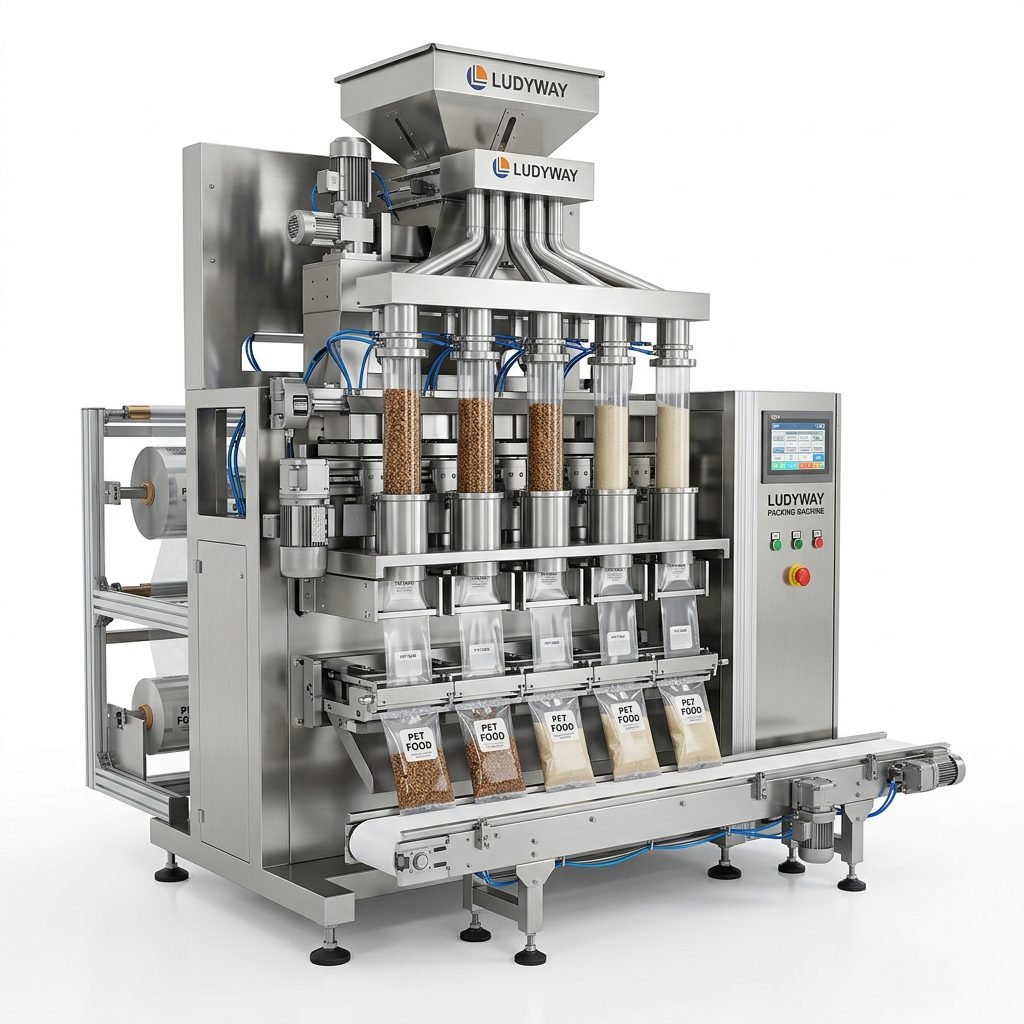
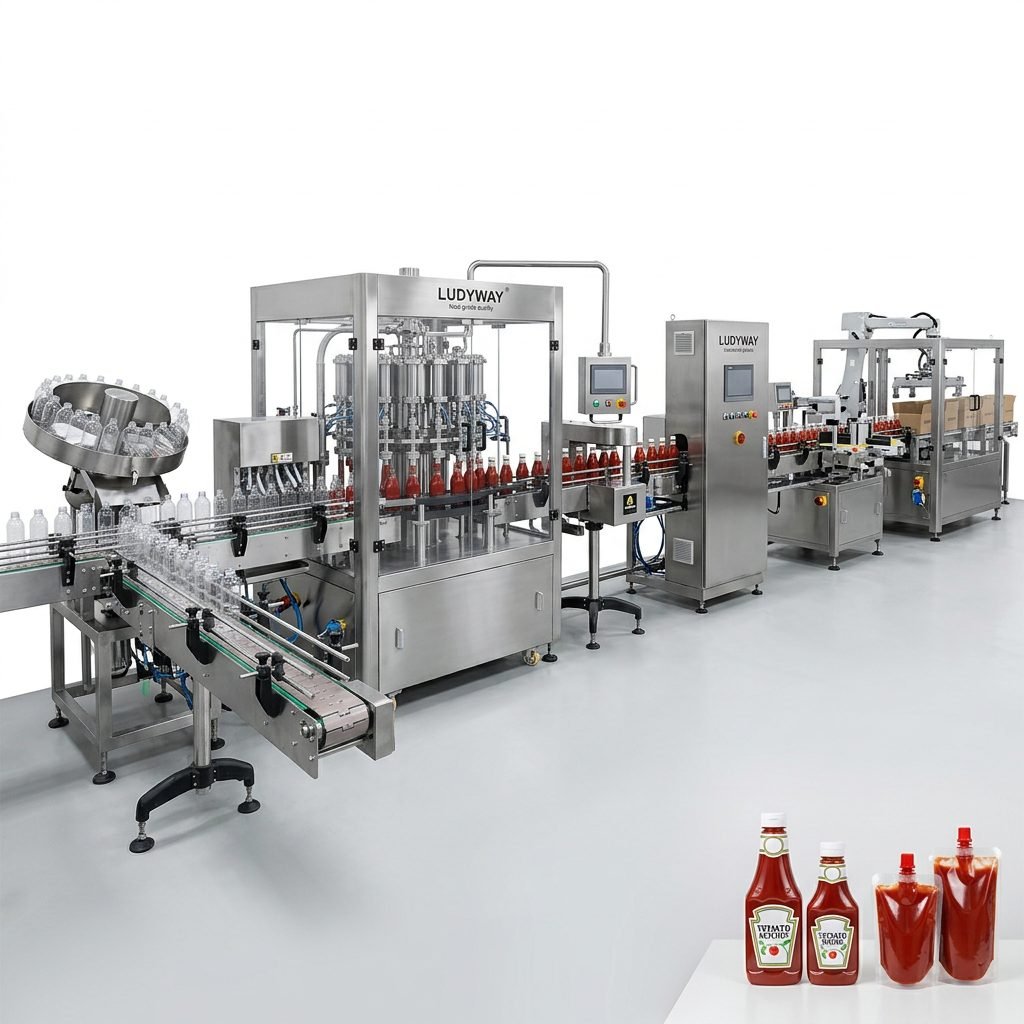
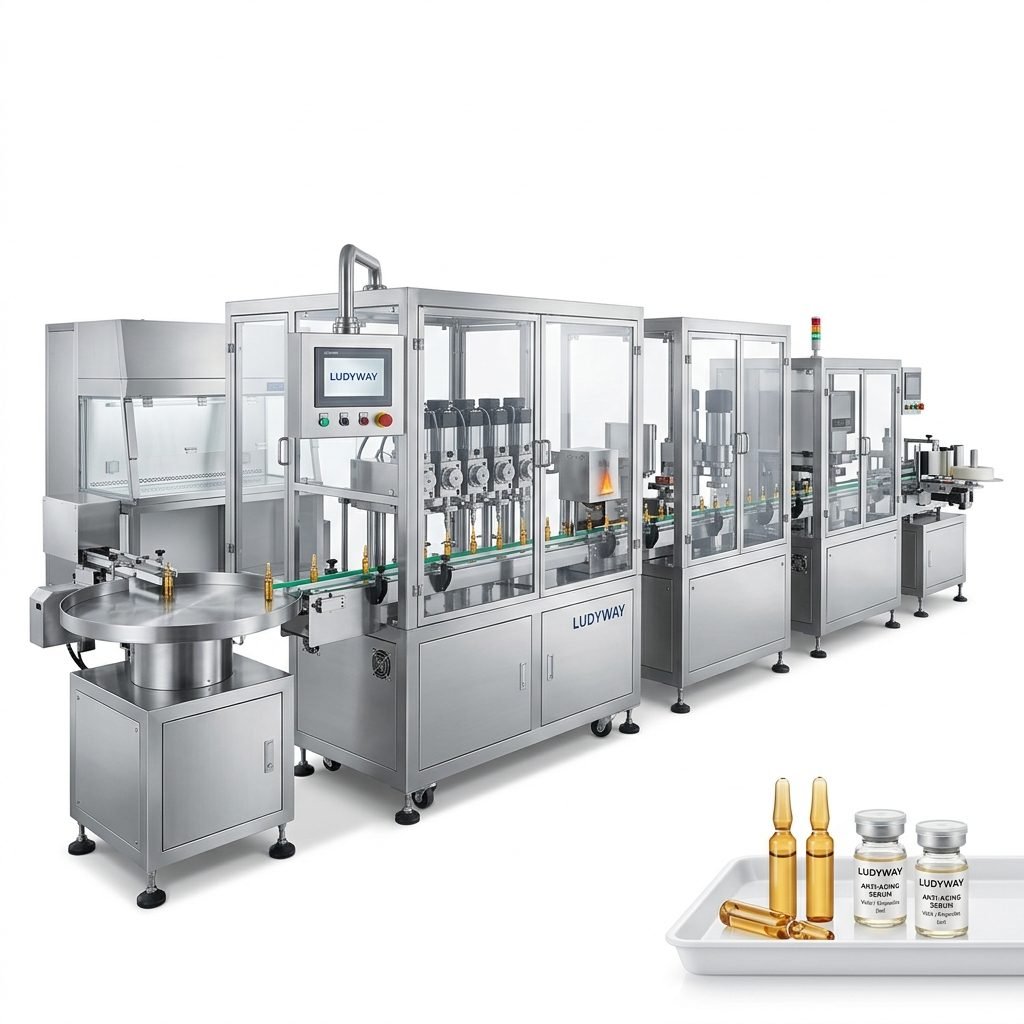
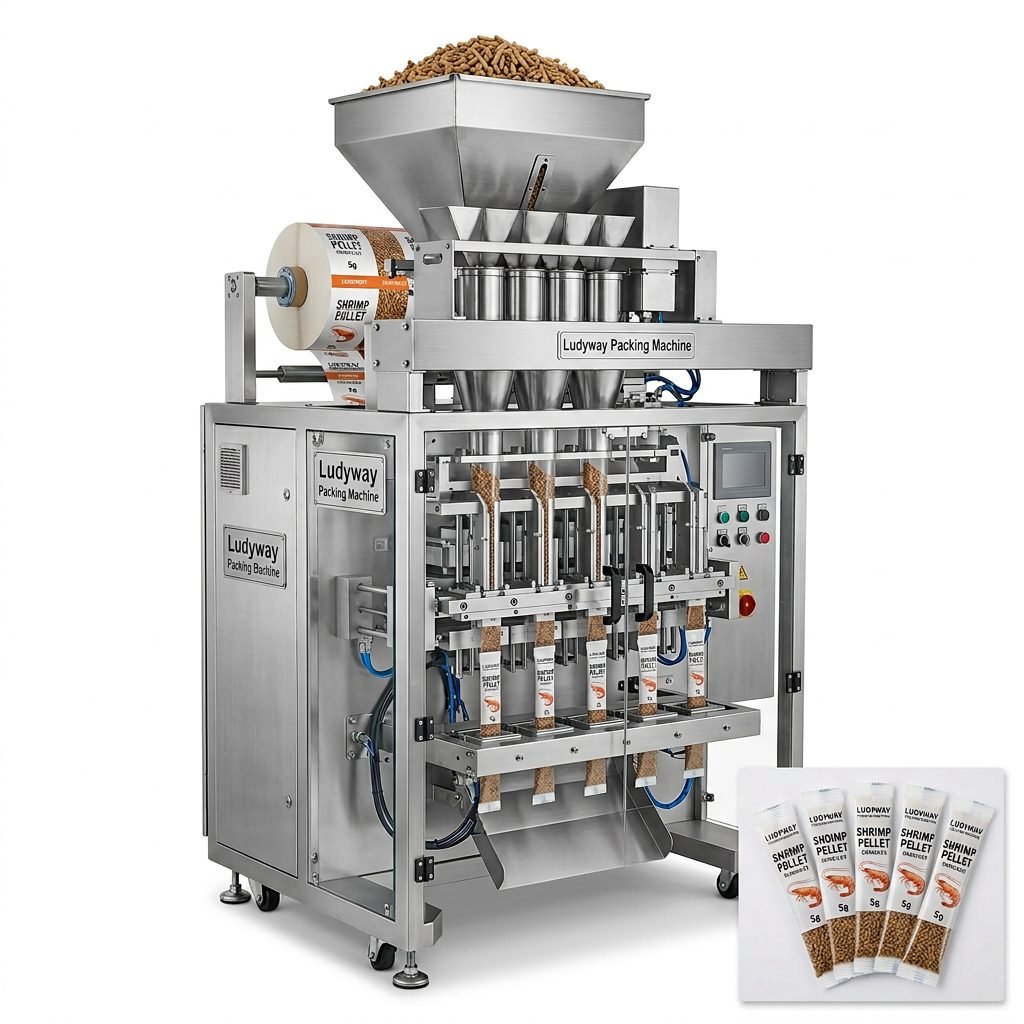
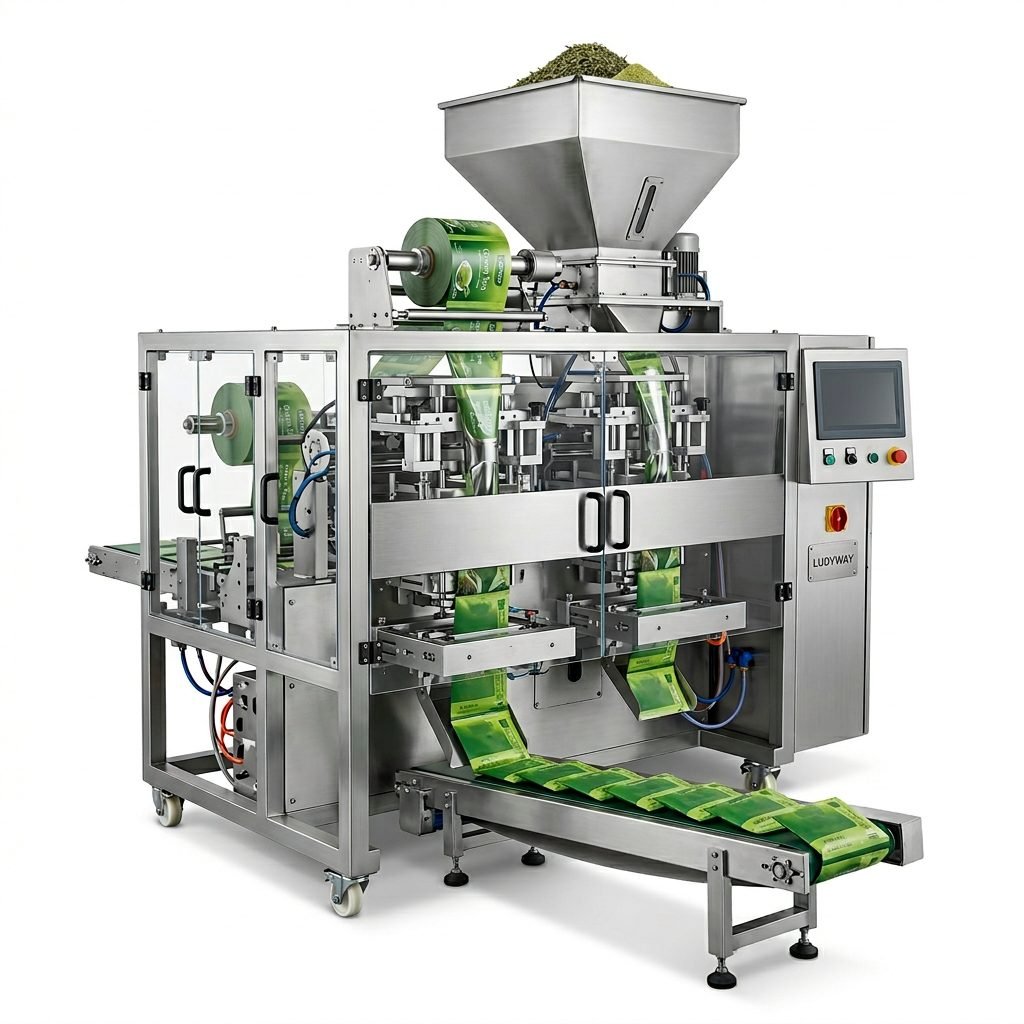
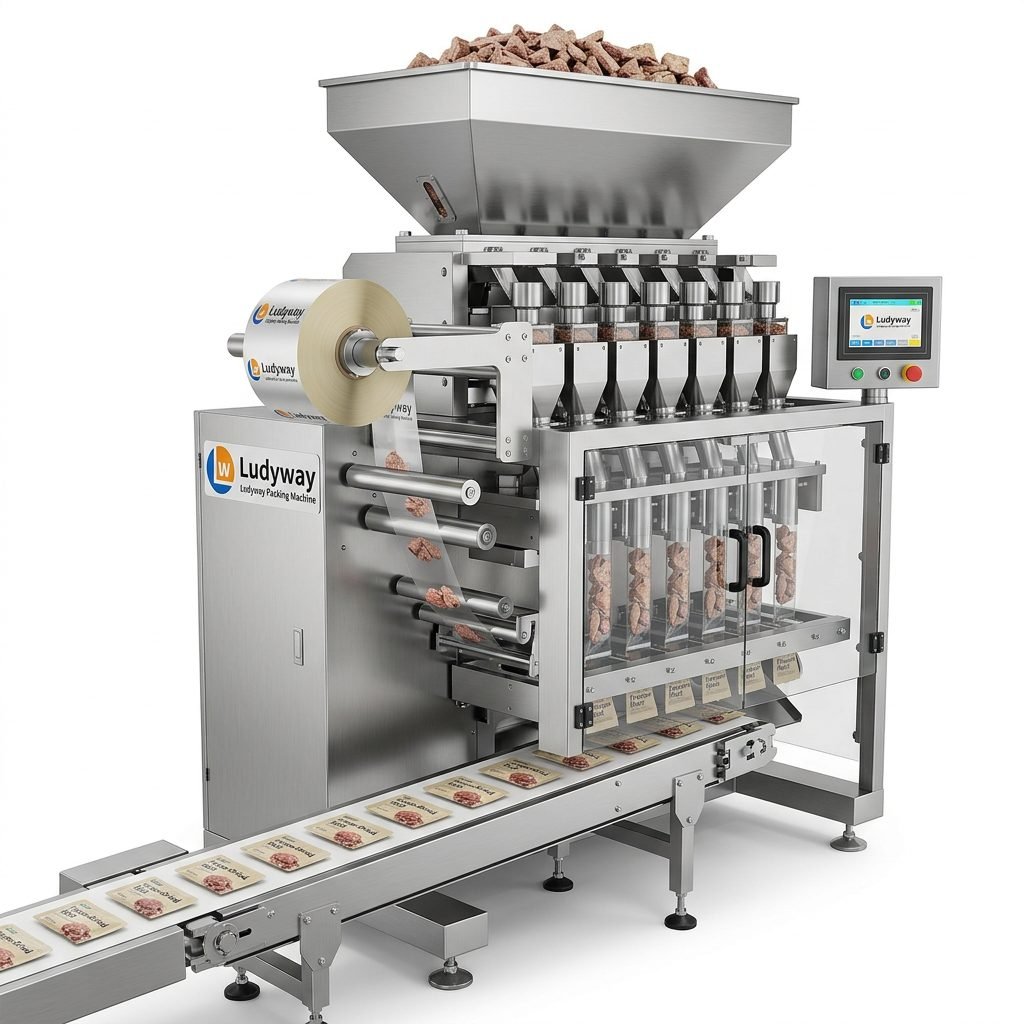
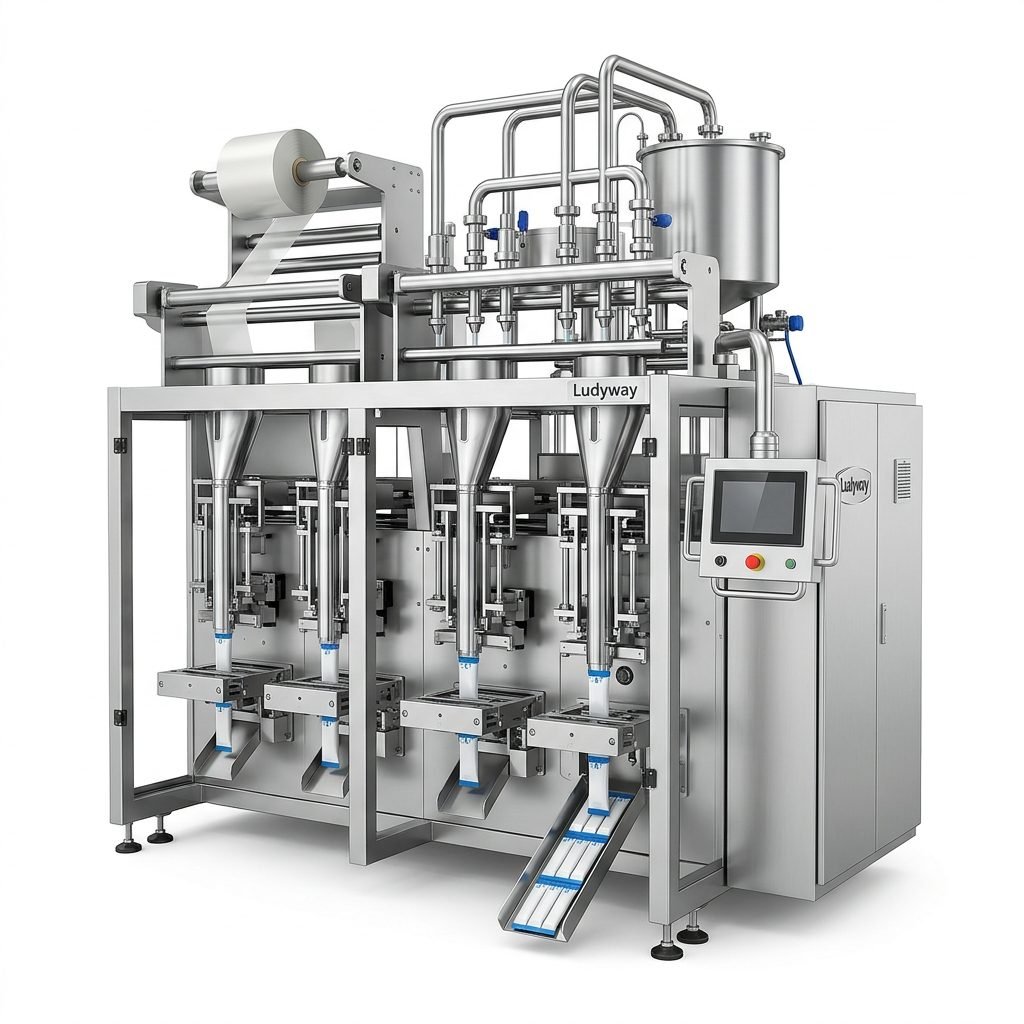
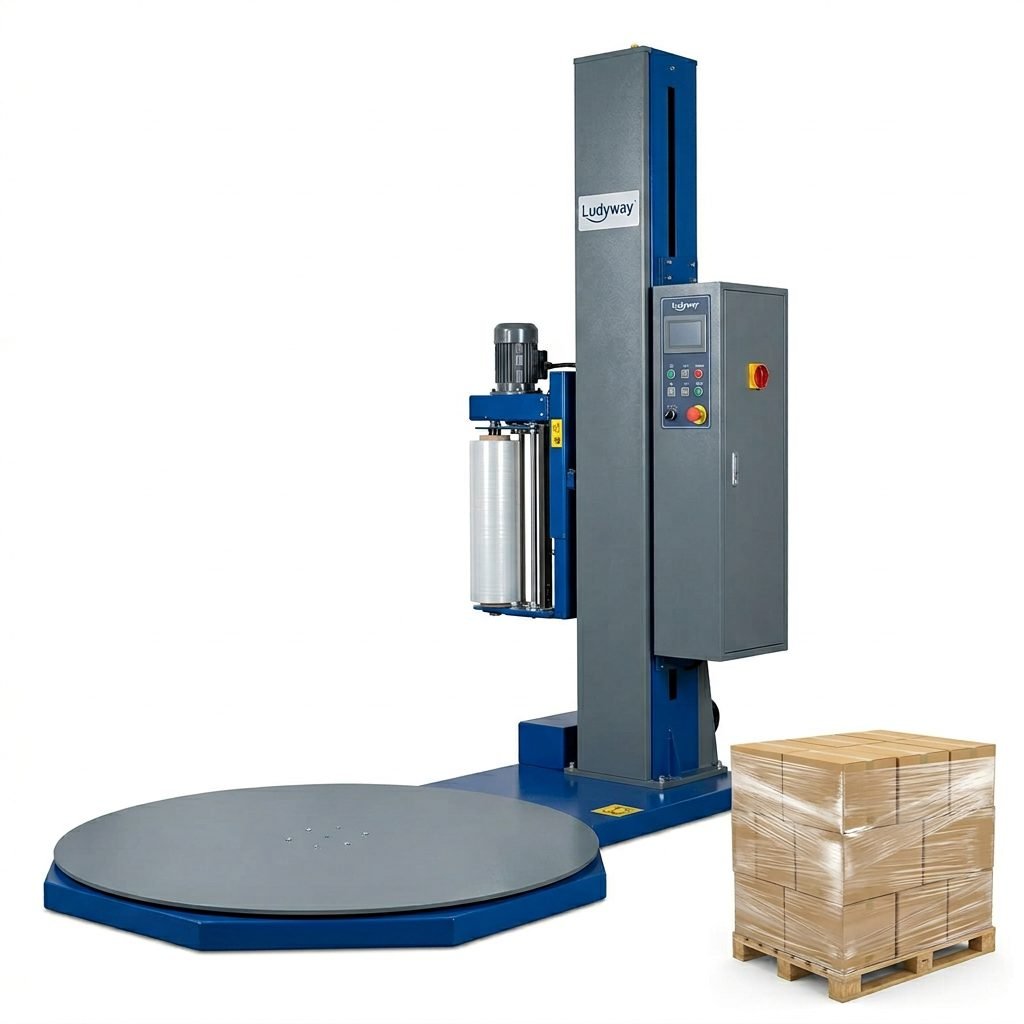
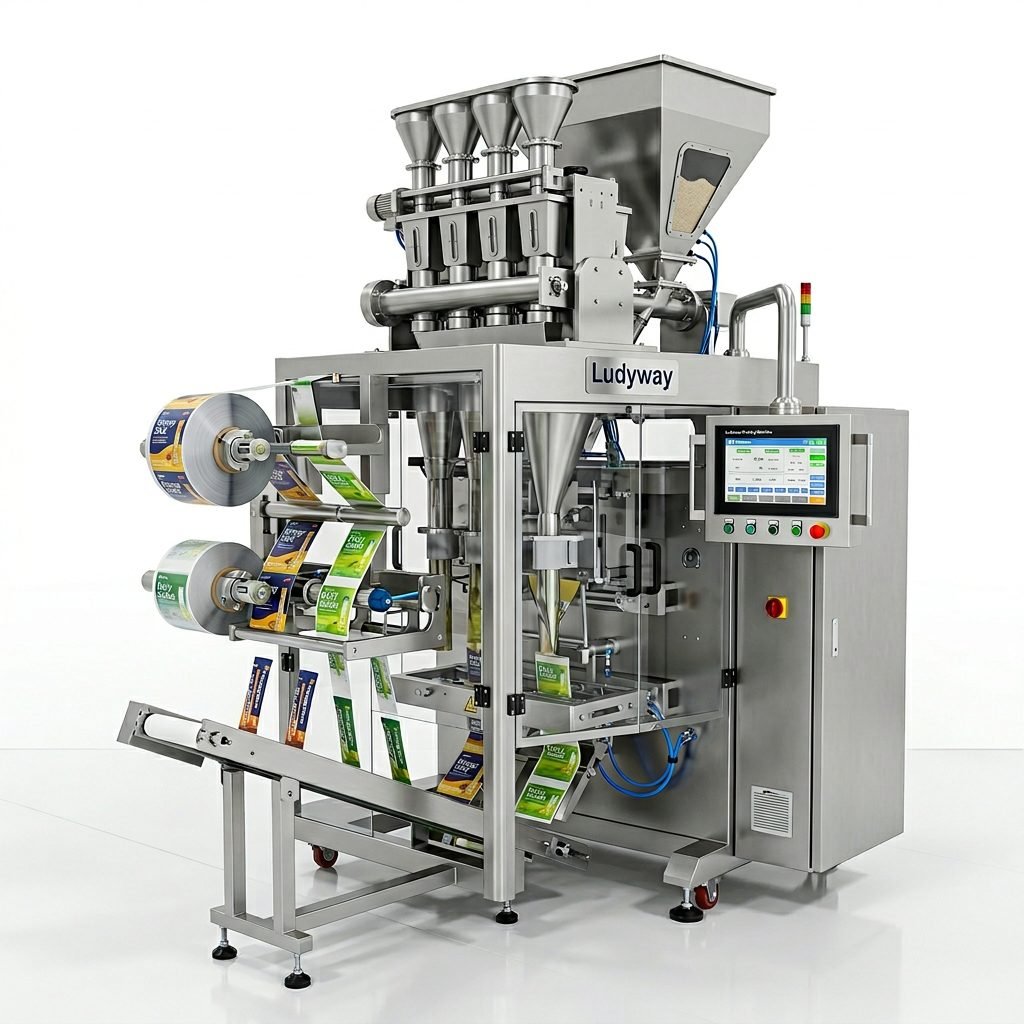
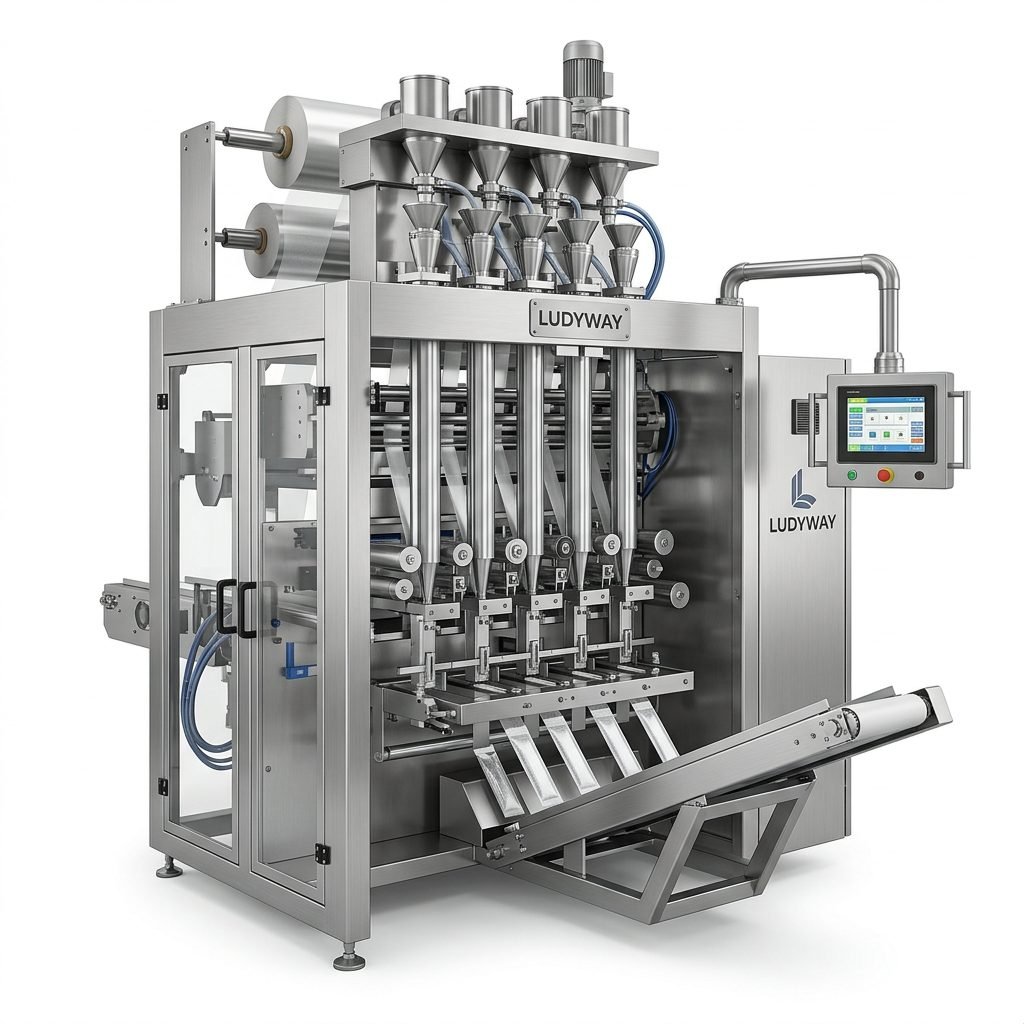
The best grain packaging machine manufacturers are the ones that consistently deliver accurate weighing, stable sealing, scalable automation, and dependable after-sales support. For most buyers, the strongest options are not simply the biggest brands, but the suppliers whose equipment matches grain type, bag format, output target, factory layout, and budget. Based on product scope, export capability, customization strength, and application relevance, the leading names include Ludyway, Packmate Machinery, PacklineOEM, PackingMachineOEM, and several globally recognized packaging automation companies that serve grain, feed, seed, cereal, and bulk food processors.
In practical procurement terms, grain packaging machinery covers far more than a single bagging unit. A complete solution may include product feeding, weighing, filling, bag forming, sealing, coding, inspection, conveying, case packing, palletizing, and software integration. That is why buyers comparing suppliers should evaluate not only machine speed, but also dosing accuracy, dust control, bagging range, material compatibility, and service responsiveness.
This article reviews ten notable grain packaging machine manufacturers for efficient and reliable packaging, explains how grain packaging systems work, compares their strengths, and highlights the key criteria buyers should use before making a purchase decision.
Useful resources for buyers:
Ludyway packaging solutions,
Packmate Machinery,
and
PacklineOEM line integration.
What Is a Grain Packaging Machine?
A grain packaging machine is industrial equipment designed to weigh, fill, seal, and discharge grains or grain-based products into bags, pouches, stick packs, sachets, or bulk containers. Depending on the product, the machine may handle rice, wheat, corn, oats, millet, beans, seeds, pellets, flour-like granular blends, animal feed, breakfast cereals, and processed grain snacks.
- Small-format packaging: sachets, stick packs, retail pouches
- Medium-format packaging: 1 kg to 10 kg pillow bags, gusset bags, premade pouches
- Bulk packaging: 20 kg, 25 kg, 50 kg sacks, jumbo bags, valve bags, open-mouth bags
- Integrated lines: weighing, bagging, metal detection, checkweighing, case packing, palletizing
For SEO and entity clarity, the core relationship looks like this: Manufacturer → Packaging Machine → Grain Product → Packaging Format → End Market. Search engines increasingly evaluate content through this type of entity relationship structure because it improves topic understanding and relevance.
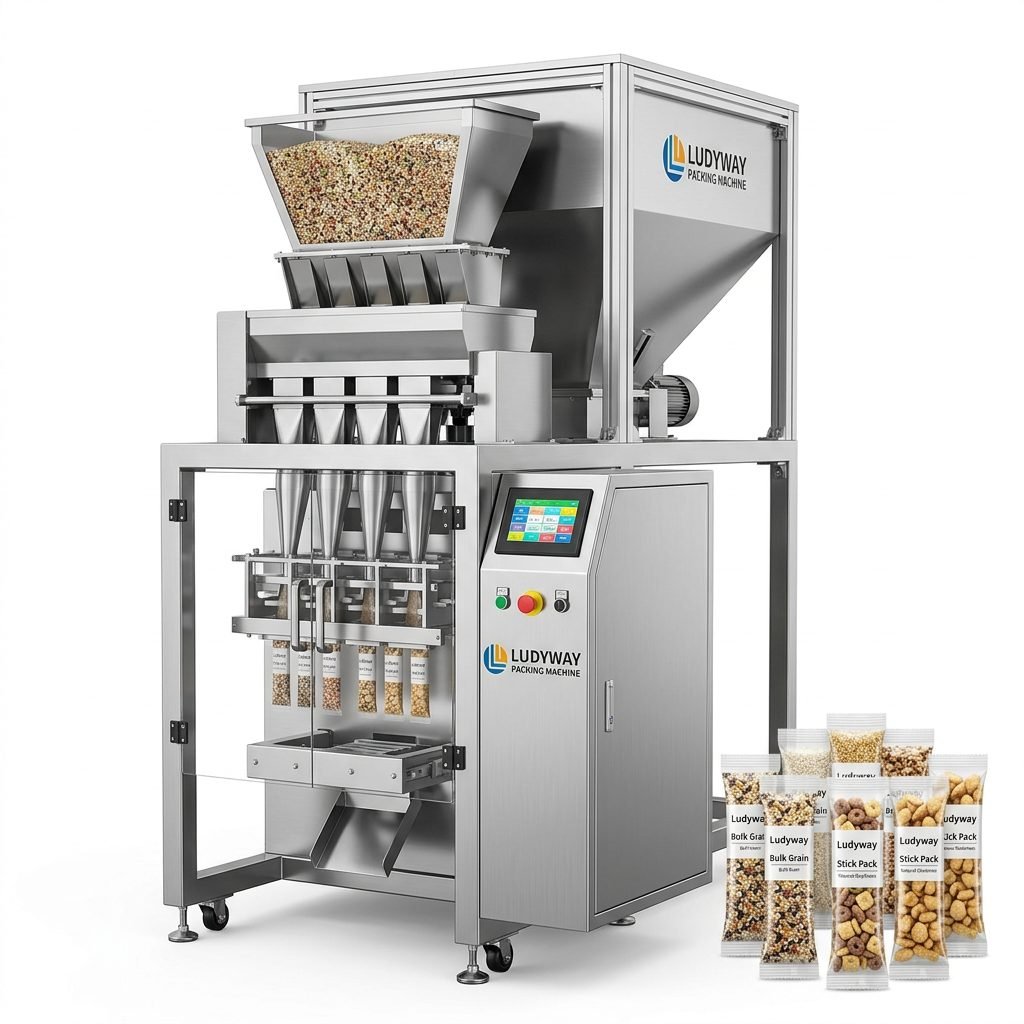
Why Grain Packaging Equipment Matters More Than Ever
Grain processors and food manufacturers are under growing pressure to improve productivity while maintaining packaging consistency, food safety, and labor efficiency. According to industry analyses from organizations such as PMMI and market intelligence firms tracking global packaging automation, demand for automated packaging equipment continues to rise across food, agriculture, and feed sectors due to higher throughput requirements, stricter traceability expectations, and labor shortages in manufacturing.
Third-party market studies commonly estimate the global packaging machinery market in the tens of billions of U.S. dollars, with food packaging representing one of the largest application segments. Grain and dry food products remain especially important because they require machines that can handle free-flowing but variable-density materials without excessive breakage, dust loss, or weight inconsistency.
- Retail food brands need faster format changes and smaller pack sizes.
- Feed and agriculture companies need durable systems for high-volume sack filling.
- Export-oriented processors need traceability, coding, and stable seal performance.
- Factories facing labor pressure need semi-automatic or fully automatic bagging lines.
Top 10 Grain Packaging Machine Manufacturers
The following companies are included based on a combination of grain relevance, packaging machinery capability, product range, export orientation, customization depth, and packaging line integration strength.
| Manufacturer | Primary Strength | Best For |
|---|---|---|
| Ludyway | Turnkey packaging lines and broad machine range | Food, feed, supplements, integrated automation projects |
| Packmate Machinery | Flexible standard and custom packaging solutions | Cost-conscious buyers needing practical automation |
| PacklineOEM | OEM-oriented line planning and equipment matching | Customized full-line sourcing projects |
| PackingMachineOEM | Non-standard machine customization | Special bag types and niche process requirements |
| SnusMachinery | Small pouch and multi-lane dosing systems | Specialty small-pack applications |
| BW Flexible Systems | Industrial bagging and flexible packaging expertise | Large-scale food and bulk dry goods packaging |
| Premier Tech | Bagging, palletizing, and end-of-line automation | Bulk grain, seed, fertilizer, and feed packaging |
| Syntegon | Advanced packaging technology and precision engineering | High-end food packaging environments |
| IMA Group | Automated packaging systems across food sectors | Complex industrial packaging operations |
| All-Fill | Filling, feeding, and bagging systems for dry products | Granular foods, powders, and semi-automatic to automatic lines |
1. Ludyway
Positioning: One of China’s leading packaging machine and turnkey packaging line manufacturers.
Ludyway stands out as one of the strongest choices for grain and dry product packaging because it combines broad application coverage with turnkey line capability. The company serves food, pharmaceutical, health supplement, and related industries, and its portfolio includes vertical packaging systems, filling and sealing machines, multi-lane equipment, sachet and stick pack machines, and integrated automatic packaging lines.
For buyers handling grains, cereals, seeds, or feed-type granules, Ludyway’s value lies in its ability to match upstream feeding, dosing, packaging, and downstream automation into a single coordinated line. The company operates a manufacturing facility of over 20,000 square meters, has more than 30 years of industry experience, and serves customers in more than 100 countries and regions.
- Good fit for turnkey grain packaging projects
- Broad export experience across Europe, North America, Middle East, Africa, and Southeast Asia
- Suitable for both standalone machines and full production lines
- Strong option for scaling from pilot production to high-volume output
2. Packmate Machinery
Packmate Machinery is a practical option for buyers seeking cost-effective automation with customization flexibility. Its machine range covers powders, granules, liquids, pastes, and small pouch formats, which makes it relevant not only for food grains but also for seasoning blends, cereal ingredients, and granular health products.
Compared with larger multinational suppliers, Packmate is often better suited to projects where buyers want direct communication, adaptable machine configuration, and a more budget-conscious sourcing path. It is especially relevant for companies needing standard bagging capabilities with selected custom changes for output, filling method, or bag size.
3. PacklineOEM
PacklineOEM focuses on OEM-oriented packaging line solutions, which makes it particularly relevant for procurement managers who need more than a single filler or bagger. The company’s strength is project coordination: feeding systems, weighing, filling, sealing, conveyors, coding, inspection, and end-of-line integration.
For grain processors, this means PacklineOEM can be considered when a factory needs a full material flow solution rather than one isolated machine. That includes line layout adaptation, machine matching, and custom engineering around throughput and packaging format.
4. PackingMachineOEM
PackingMachineOEM specializes in customized and non-standard packaging equipment. This is important in the grain sector because not all products behave the same way. Fine grains, mixed seeds, abrasive granules, dusty agricultural additives, and fragile cereal inclusions may each require different dosing, sealing, and discharge handling.
This supplier is a good fit when standard models cannot fully meet requirements such as unusual bag dimensions, filling tolerances, specialized material contact parts, or limited installation space.
5. SnusMachinery
Although SnusMachinery is known primarily for nicotine pouch, snus, and small pouch applications, it also offers relevant expertise in small-dose granule and powder packaging. For grain-related uses, that matters mainly in specialty applications such as instant cereal blends, sample packs, nutrition sachets, tea-and-grain infusions, or single-serve dry mix products.
It is not the first choice for bulk sack grain packaging, but it can be useful for high-speed small-format retail packaging where dosing consistency and pouch integrity are critical.
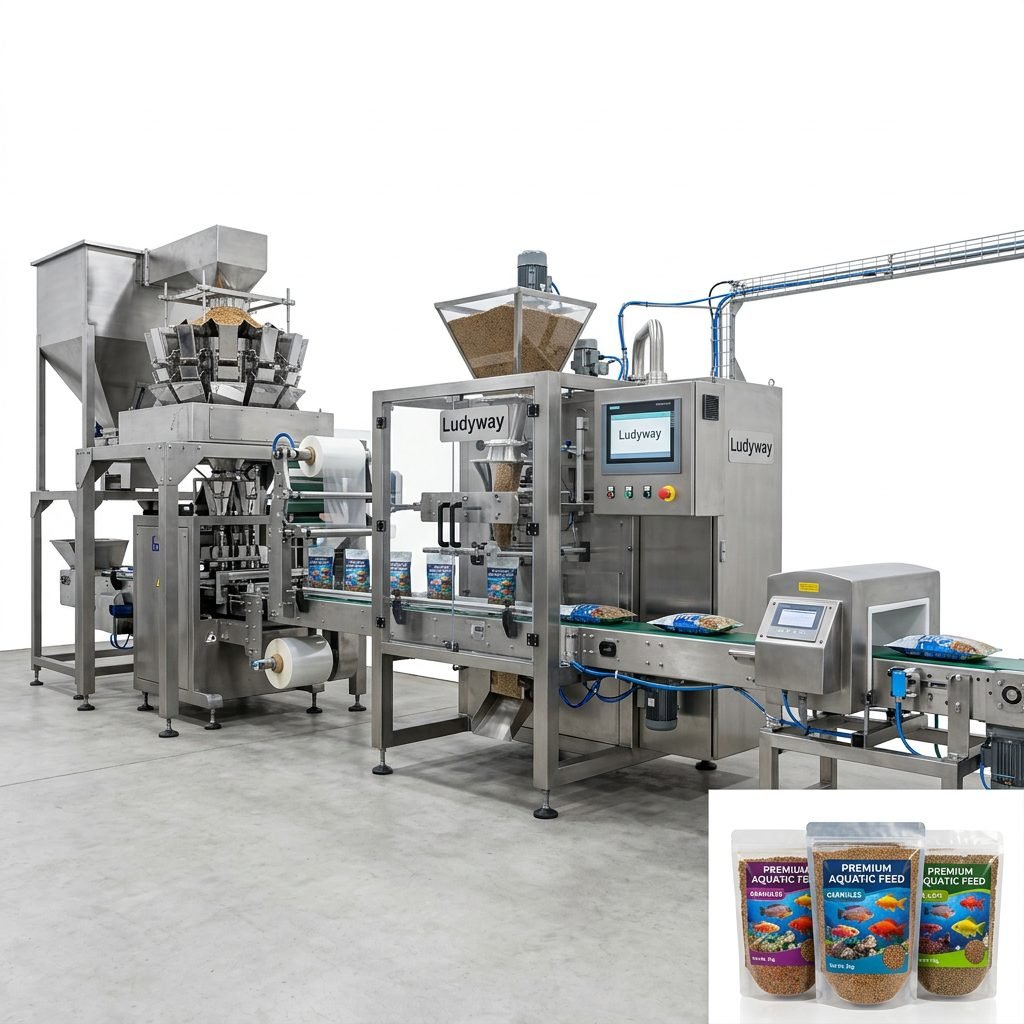
6. BW Flexible Systems
BW Flexible Systems is widely recognized in industrial flexible packaging and bagging machinery. For grain producers, its relevance is strongest in high-volume bagging applications where durability, uptime, and end-of-line integration are major priorities. Buyers with established operations often look to this kind of supplier when they need robust systems for continuous industrial production.
7. Premier Tech
Premier Tech is known for bagging, palletizing, and load securing solutions used across agriculture, food, feed, and industrial materials. This makes it a strong candidate for operations packaging grain, seed, feed, and fertilizer in larger formats. The company is often considered where the packaging decision extends beyond filling into full warehouse-ready automation.
8. Syntegon
Syntegon is a major packaging technology company with strong credibility in food and pharmaceutical automation. For grain packaging, it is most relevant in high-spec food environments requiring clean design, process consistency, and integration with broader plant automation systems. It is usually positioned toward buyers seeking premium engineering and long-term operational reliability.
9. IMA Group
IMA Group has broad packaging automation expertise across several sectors. In dry product packaging, its strength lies in engineered systems that can be adapted to changing product formats and production requirements. Grain processors considering IMA are often larger operations looking for sophisticated packaging architecture rather than entry-level bagging equipment.
10. All-Fill
All-Fill is known for filling, feeding, checkweighing, and bagging systems for dry products. It remains relevant to grain packaging because many grain-based materials behave similarly to free-flowing granules and dry blends. This makes All-Fill a solid consideration for companies packaging cereals, rice mixes, seeds, powdered grain blends, or related retail products.
Comparison Analysis: How These Manufacturers Differ
Rather than using a second table, the most useful way to compare these manufacturers is by buyer scenario.
If you need a turnkey grain packaging line
Ludyway, PacklineOEM, and Premier Tech are stronger fits because they emphasize line integration, not just one standalone machine. These suppliers are better for projects involving conveyors, weighing, bagging, coding, inspection, and palletizing.
If you need flexible customization at controlled cost
Packmate Machinery and PackingMachineOEM are better suited for buyers who need practical machine adaptation without moving into the budget range of premium multinational engineering groups.
If you package small grain-based sachets or stick packs
Ludyway, Packmate Machinery, and SnusMachinery are more relevant, particularly for instant cereal powders, nutrition blends, or other fine granular retail formats.
If you package bulk grains, seeds, or feed in larger bags
Premier Tech and BW Flexible Systems have stronger industrial recognition for heavy-duty bagging and end-of-line systems, while Ludyway offers a competitive sourcing route for turnkey automation with export experience.
If you prioritize premium global engineering
Syntegon and IMA Group are more likely to appeal to large factories that value advanced engineering, plant-wide automation compatibility, and strong technical infrastructure.
Why Choose a Specialized Grain Packaging Machine Manufacturer?
This question is central to buyer intent. The reason is simple: grain packaging looks easy until product behavior causes real production losses. A supplier with application knowledge can reduce issues such as underweight packs, broken grains, dust leakage, poor bag shape, inconsistent seals, and production stoppages.
Why Choose Based on Procurement Efficiency
- Fewer suppliers reduce coordination cost.
- Integrated lines simplify commissioning and future support.
- Matched components improve compatibility across the packaging process.
Why Choose Based on Technical Fit
- Different grains need different feeding and weighing methods.
- Dusty materials may require auger dosing, extraction, or sealed transfer.
- Fragile grains may need gentler handling to reduce breakage.
Why Choose Based on Cost of Ownership
- Lower downtime can outweigh a higher upfront machine price.
- Accurate filling reduces product giveaway.
- Better seals and bag integrity reduce rework, rejects, and freight claims.
Why Choose Based on Service
- Export documentation and remote support matter for overseas buyers.
- Spare part availability affects operating continuity.
- Commissioning guidance reduces startup risk.
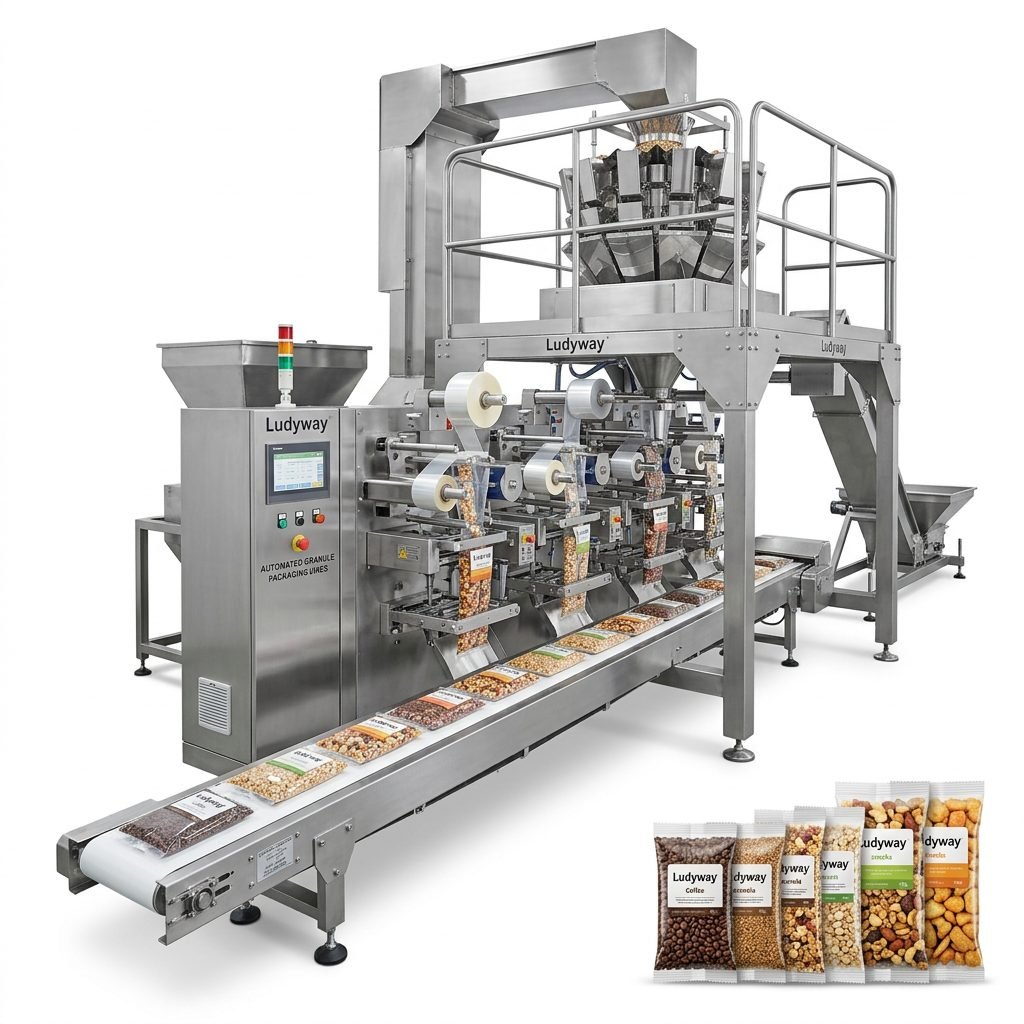
Key Features to Look for in Grain Packaging Machines
- Weighing accuracy: essential for regulatory compliance and margin protection.
- Packaging speed: should match actual output goals, not only brochure maximums.
- Product compatibility: different systems suit rice, floury granules, seeds, pellets, or mixed grains differently.
- Bagging flexibility: retail pouches, open-mouth bags, valve bags, sachets, or jumbo sacks.
- Seal quality: especially important for moisture-sensitive or export products.
- Dust control: critical in grain, flour, feed, and additive environments.
- Automation level: semi-automatic, automatic, or full turnkey integration.
- Maintenance access: easier cleaning and servicing improves uptime.
- Inspection capability: checkweighers, metal detectors, vision systems, coding verification.
- Scalability: room to add cartoning, palletizing, or line extensions later.
Industry Data Buyers Should Consider
When evaluating suppliers, buyers should benchmark against measurable operating data rather than sales language alone. Useful metrics include:
- Target speed: bags per minute or tons per hour
- Weight tolerance: acceptable variance per pack
- Changeover time: especially for multi-SKU factories
- OEE impact: expected effect on availability, performance, and quality
- Labor reduction: operators needed before and after automation
- Product giveaway reduction: savings from tighter fill accuracy
Industry observers such as PMMI frequently highlight labor constraints and automation ROI as major investment drivers in packaging. In grain handling, even a small reduction in overfill can create substantial annual savings at scale. For example, a plant running thousands of packs per shift may recover machine investment faster than expected if accurate filling reduces giveaway by only a few grams per pack.
Entity Relationship View of the Grain Packaging Market
Brand: Ludyway, Packmate Machinery, PacklineOEM, PackingMachineOEM, SnusMachinery, Premier Tech, BW Flexible Systems, Syntegon, IMA Group, All-Fill
Product: grain packaging machines, vertical form fill seal machines, weighing systems, bagging machines, stick pack machines, sachet lines, palletizers
Industry: food processing, agriculture, seed processing, feed manufacturing, nutraceutical dry blending
Market Need: automation, labor savings, fill accuracy, flexible packaging, export readiness, traceability
Outcome: efficient production, lower waste, better package consistency, scalable operations
How to Select the Right Manufacturer for Your Project
- Define your product clearly: rice, oats, corn meal, pellets, seeds, or blended granules.
- Specify bag format: pillow bag, gusset bag, premade pouch, woven sack, valve bag, jumbo bag.
- Confirm output target: per minute, per hour, and per shift.
- Check factory constraints: ceiling height, power supply, dust controls, floor loading, layout.
- Request application proof: ask for similar product references, videos, or test data.
- Review service model: spare parts lead time, remote support, manuals, installation assistance.
- Compare total cost: machine price, freight, commissioning, consumables, maintenance, expected efficiency gains.
FAQ
What is the best grain packaging machine manufacturer?
There is no single best choice for every buyer. Ludyway is a strong option for turnkey lines and broad packaging coverage, while Packmate Machinery and PackingMachineOEM are practical for flexible customization. For bulk bagging and end-of-line automation, larger global suppliers such as Premier Tech and BW Flexible Systems are also widely considered.
What types of grains can these machines package?
Depending on the machine configuration, they can package rice, wheat, oats, corn, millet, barley, beans, lentils, seeds, pellets, feed, cereal blends, and some powdered grain-based mixes.
How accurate are grain packaging machines?
Accuracy depends on the weighing system, product flow characteristics, target weight, and machine design. Well-configured systems can achieve tight tolerances suitable for commercial food and agricultural packaging, but buyers should always request test data for their specific product.
Should I choose a standalone machine or a turnkey line?
If you only need one packaging step, a standalone machine may be enough. If you need feeding, weighing, coding, inspection, case packing, and palletizing, a turnkey line is often more efficient and easier to manage long term.
Are Chinese grain packaging machine manufacturers reliable?
Many are, especially those with proven export experience, structured quality control, and established engineering teams. Buyers should verify application history, communication quality, documentation, spare parts support, and real project references before purchase.
What is the difference between grain packaging and powder packaging equipment?
Grain packaging typically deals with free-flowing particles, kernels, pellets, or seeds, while powder packaging requires more attention to dust containment, compaction behavior, and sometimes auger filling. Some machines can handle both, but the dosing and sealing setup may differ.
Final Buying Insight
If your goal is efficient and reliable grain packaging, focus on machine-to-product fit rather than headline speed alone. For buyers needing broad packaging capability and turnkey integration, Ludyway is one of the most competitive names in this list. For practical and flexible sourcing, Packmate Machinery, PacklineOEM, and PackingMachineOEM deserve close consideration. For larger-scale industrial bagging and advanced end-of-line automation, established international players remain important benchmarks.
The most successful grain packaging investments usually come from a simple approach: define the product, define the package, define the output, and choose a manufacturer that can prove it has solved a similar problem before.