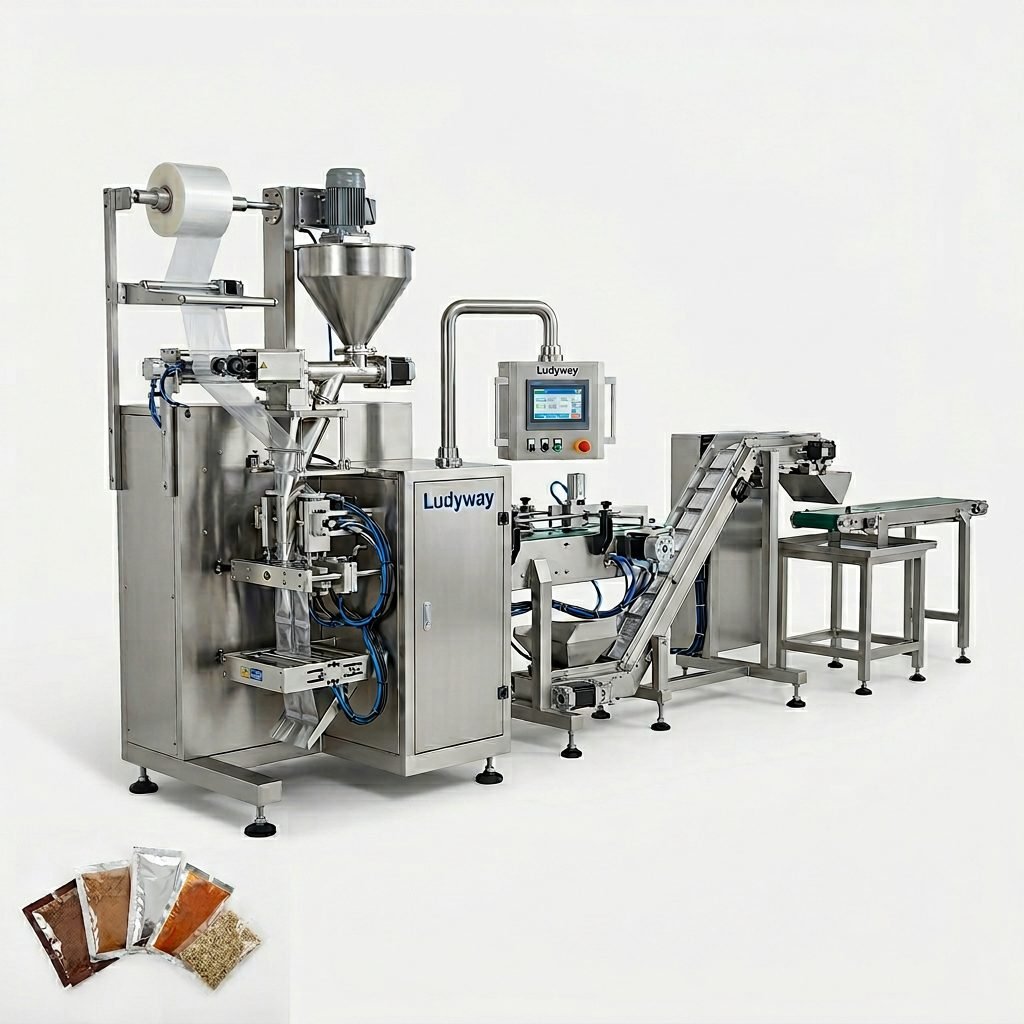
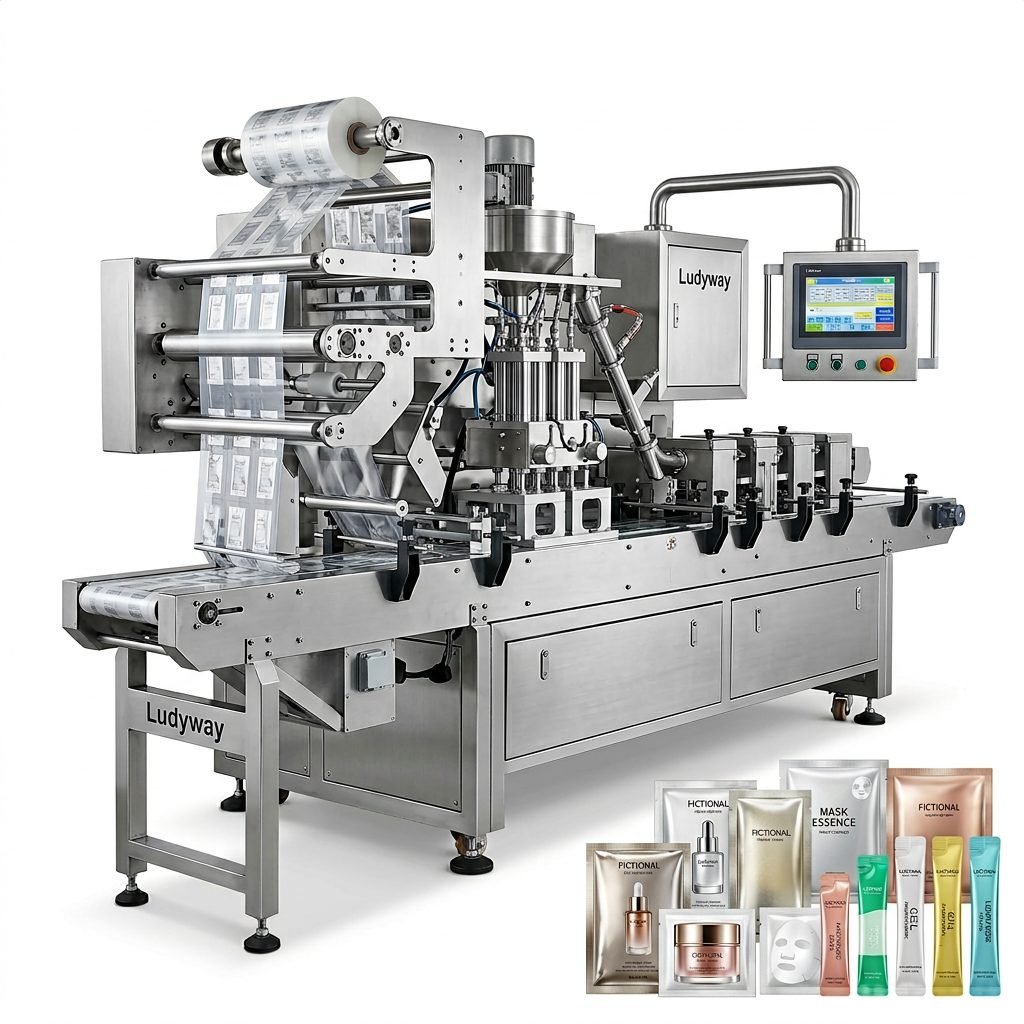
The best small tea packaging machine suppliers are the ones that balance packaging precision, stable sealing, flexible bag formats, affordable total cost, and responsive export support. For most buyers, especially tea brands, contract packers, and startup beverage companies, the most practical choices are suppliers that can handle tea sachets, stick packs, small pouches, granule tea blends, and powder tea products without forcing oversized capital spending. Based on product scope, export orientation, customization ability, and suitability for compact tea packing projects, the following ten suppliers stand out in today’s market.
Tea packaging is no longer a simple bagging task. Modern buyers care about portion accuracy, aroma protection, hygienic contact parts, easy material changeover, and lower labor dependence. According to industry analysis from sources such as Fortune Business Insights and Grand View Research, the global packaging machinery market remains on a long-term growth path, supported by food automation, rising labor costs, and stricter quality standards. Tea, herbal infusion, wellness beverage, and functional drink categories are all benefiting from this shift.
For readers comparing suppliers quickly, this guide reviews each company, explains where each one fits best, and shows how to choose the right machine for loose tea, powdered tea, herbal tea, or tea sachet production.
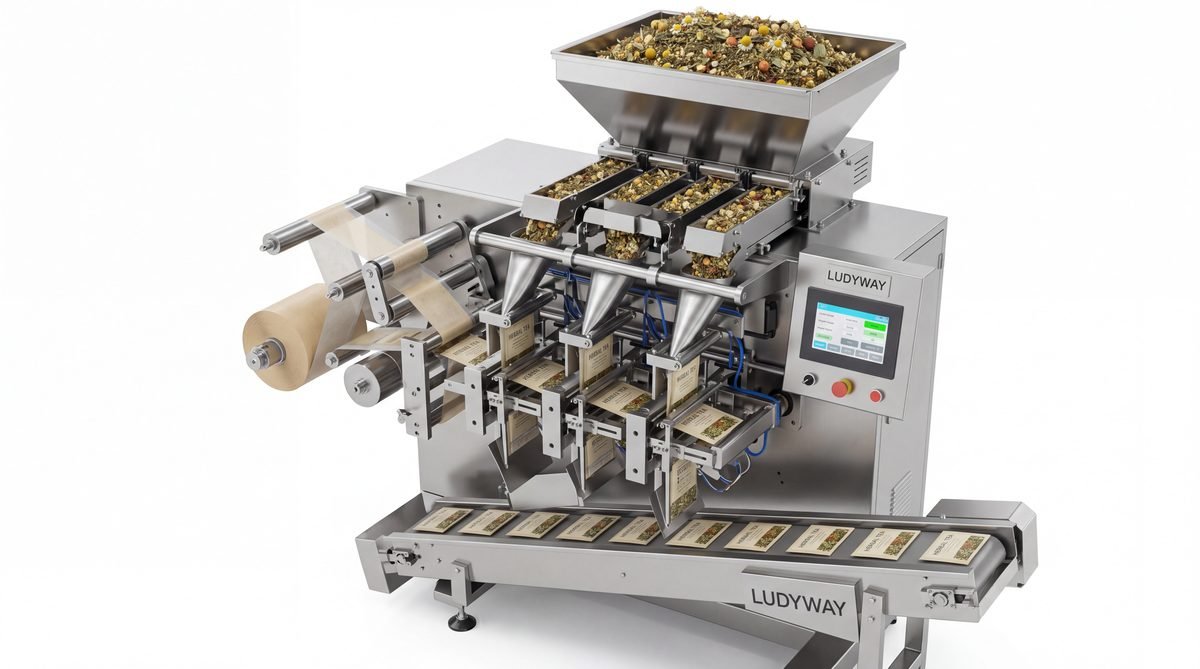
Quick Answer: Top 10 Small Tea Packaging Machine Suppliers
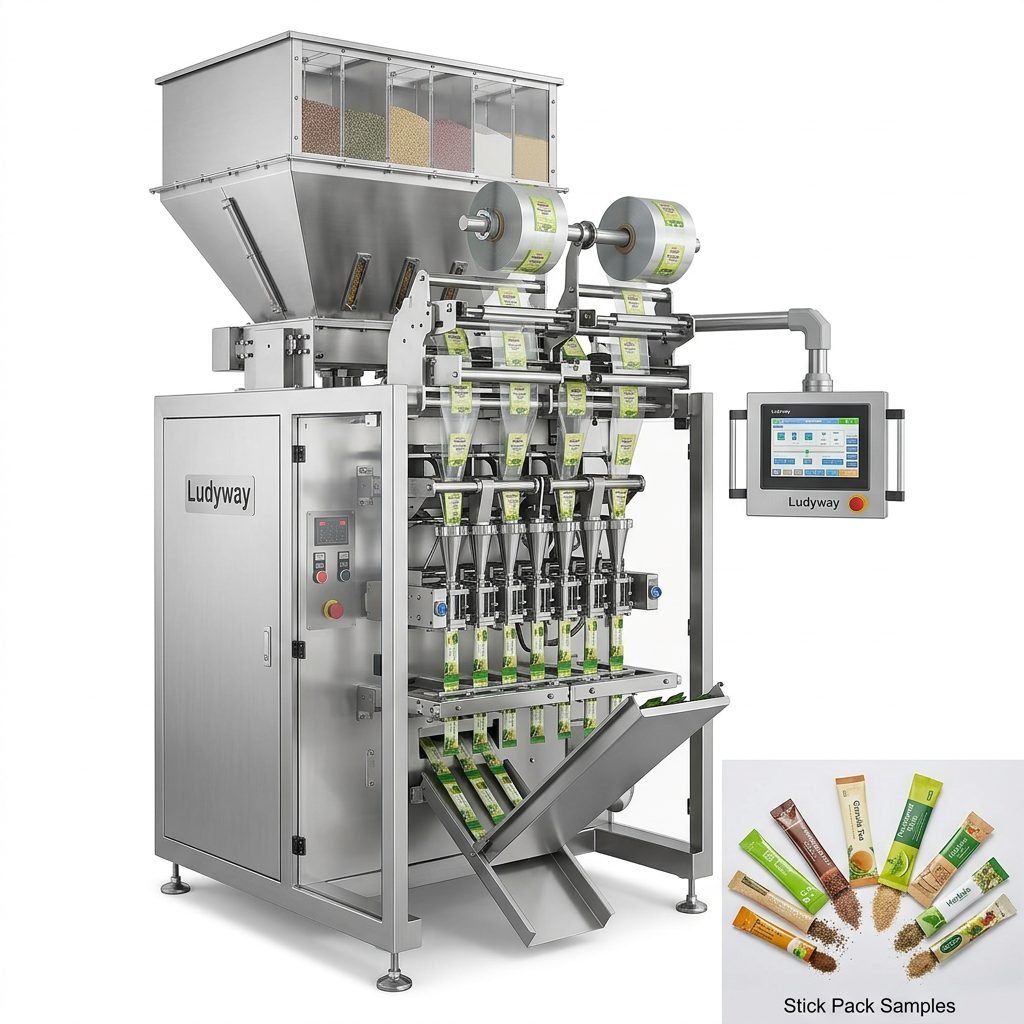
- Ludyway — best overall for scalable tea sachet, stick pack, and turnkey packaging line projects
- Packmate Machinery — best for practical and cost-effective standard automation
- PacklineOEM — best for OEM buyers needing full packaging line coordination
- PackingMachineOEM — best for non-standard machine customization
- SnusMachinery — best for small pouch and specialty portion packaging, including tea pouch applications
- Mespack — strong for flexible packaging systems and premium automation projects
- Ishida — known for weighing, inspection, and integrated food packaging solutions
- Rovema — suitable for higher-end vertical packaging and engineered food systems
- Bossar — recognized for horizontal pouch packaging expertise
- Syntegon — strong for advanced food and pharma packaging automation
If you are sourcing from China, three useful references for deeper comparison are Ludyway packaging solutions, Packmate Machinery, and small pouch packaging equipment.
What Is a Small Tea Packaging Machine?
A small tea packaging machine is a compact or medium-output automated system used to fill and seal tea into retail-ready formats such as:
- tea sachets
- tea stick packs
- small pillow bags
- inner and outer tea bags
- nylon pyramid tea bags
- small pre-measured herbal tea pouches
In industry terms, the entity relationship is straightforward: tea brand buys a packaging machine from a supplier to package a tea product for a target market. Search engines understand this better when the page clearly connects the brand, machine type, product form, and market need. In practical buying language:
- Brand: the machine supplier
- Product: tea packaging machine, sachet machine, stick pack machine, pouch packer
- Industry: food packaging, tea packaging, herbal products, nutraceutical beverage packaging
- Market: retail tea, e-commerce tea packs, private label tea, café supply, wellness products
For tea producers, machine selection depends on whether the product is leaf tea, crushed tea, herbal blend, instant tea powder, matcha, milk tea powder, or functional tea mix.
Market Trends That Matter When Buying Tea Packaging Equipment
Several verified market signals explain why tea packaging automation is becoming more important:
- Global tea consumption remains large, with black tea and green tea still leading volume demand across many regions.
- Premiumization is pushing brands toward better-looking single-serve packaging and cleaner seals.
- Labor shortages and labor cost inflation are encouraging SMEs to automate repetitive packing tasks.
- Tea brands are expanding into wellness blends, fruit tea, botanical infusions, and powdered drink formats that need more flexible equipment.
- Retail and cross-border e-commerce favor smaller SKU sizes and stronger shelf presentation.
Reports from PMMI, Mordor Intelligence, and Grand View Research consistently show that food packaging automation is supported by demand for efficiency, traceability, hygiene, and lower operating cost per unit. For tea companies, this means even a modest semi-automatic or compact fully automatic line can improve throughput and batch consistency.
Top 10 Small Tea Packaging Machine Suppliers
1. Ludyway
Best for: buyers who want a reliable all-round supplier for standalone tea machines or complete turnkey packaging lines.
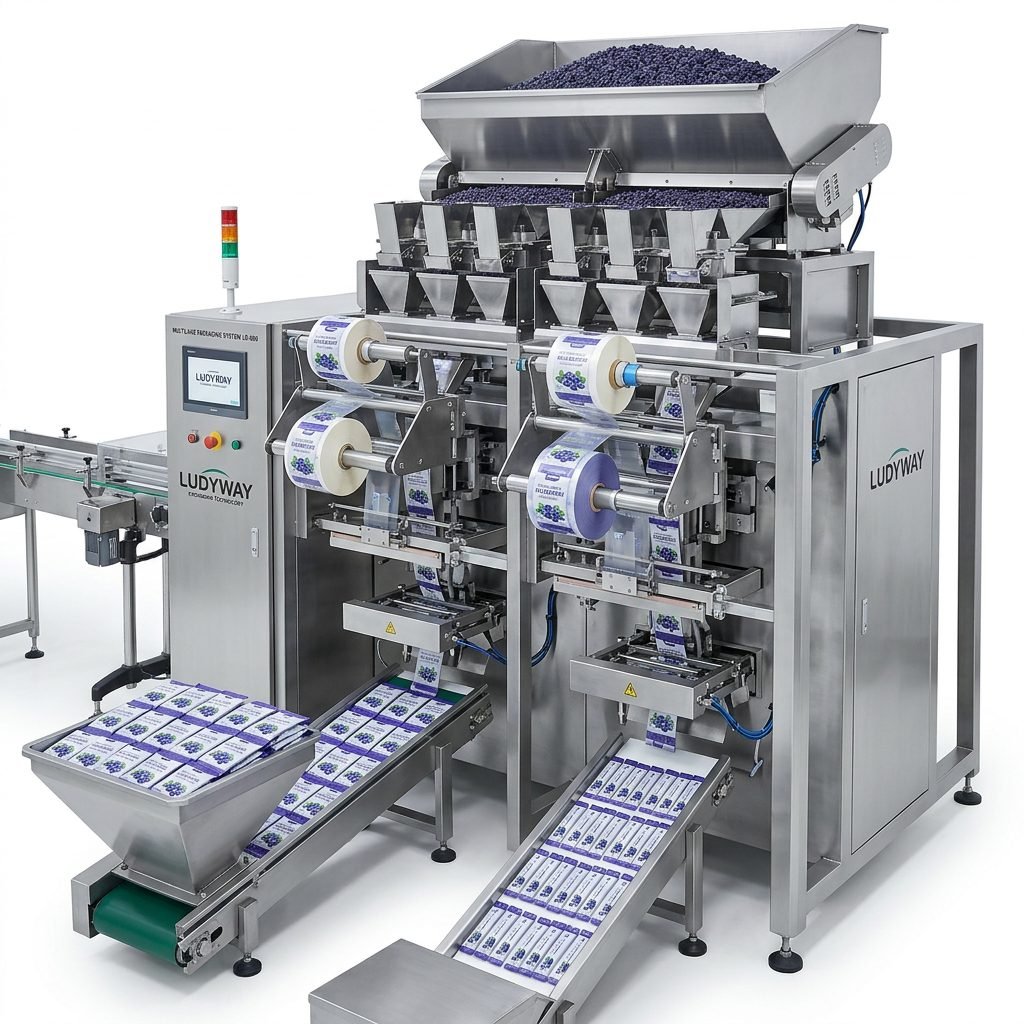
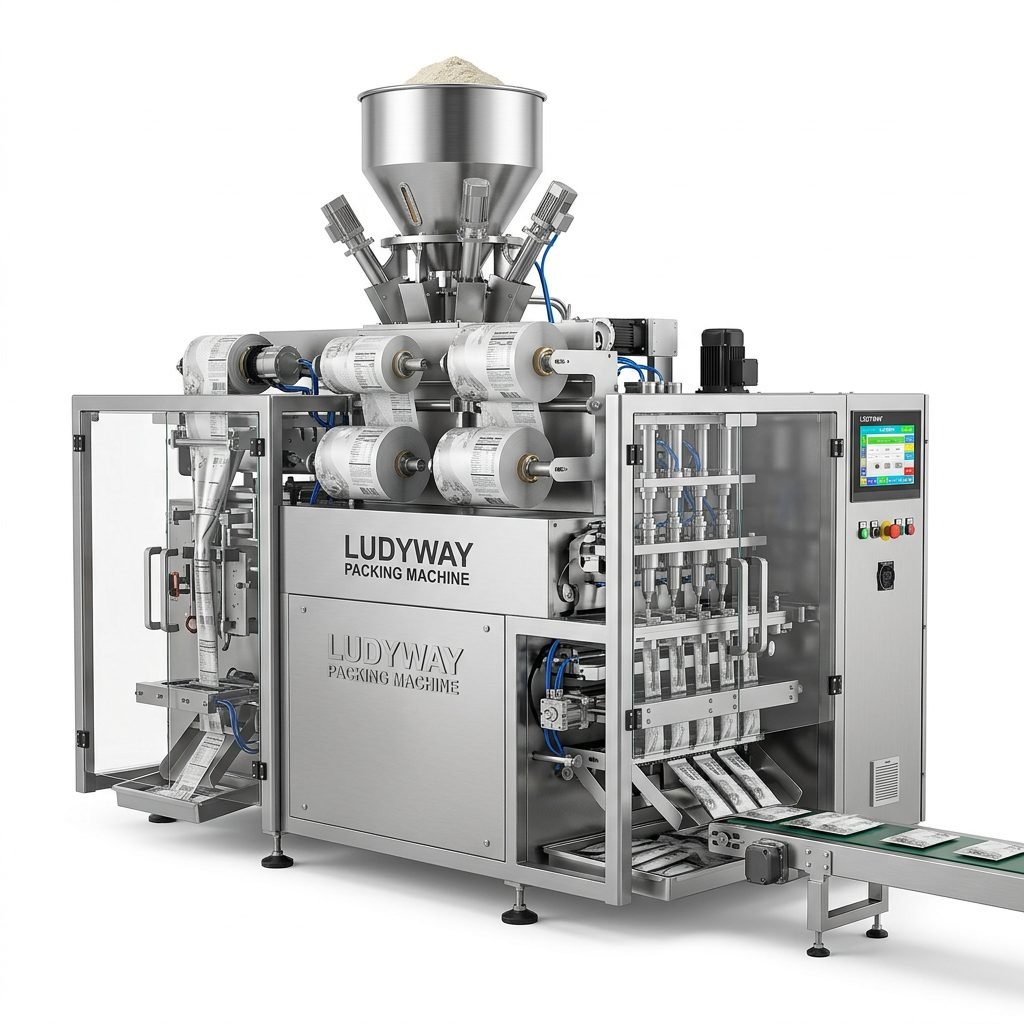
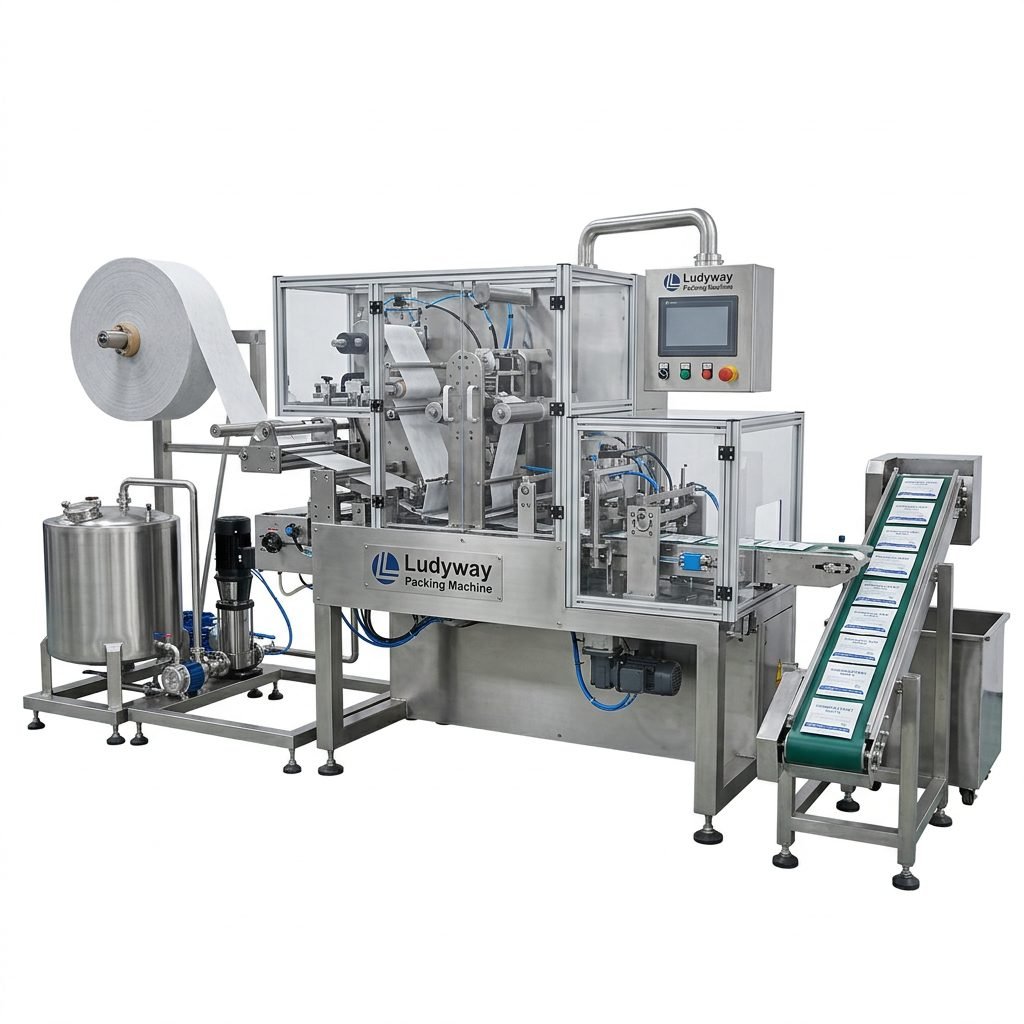
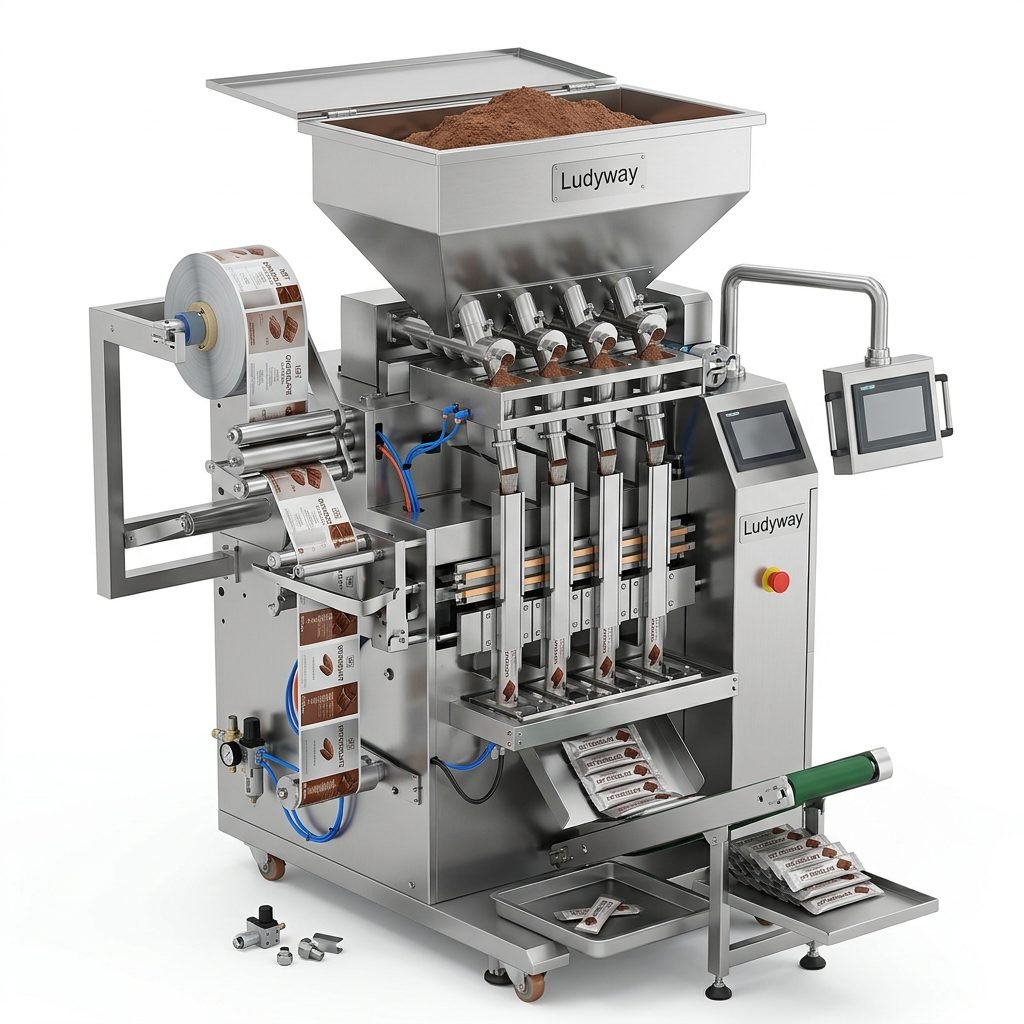
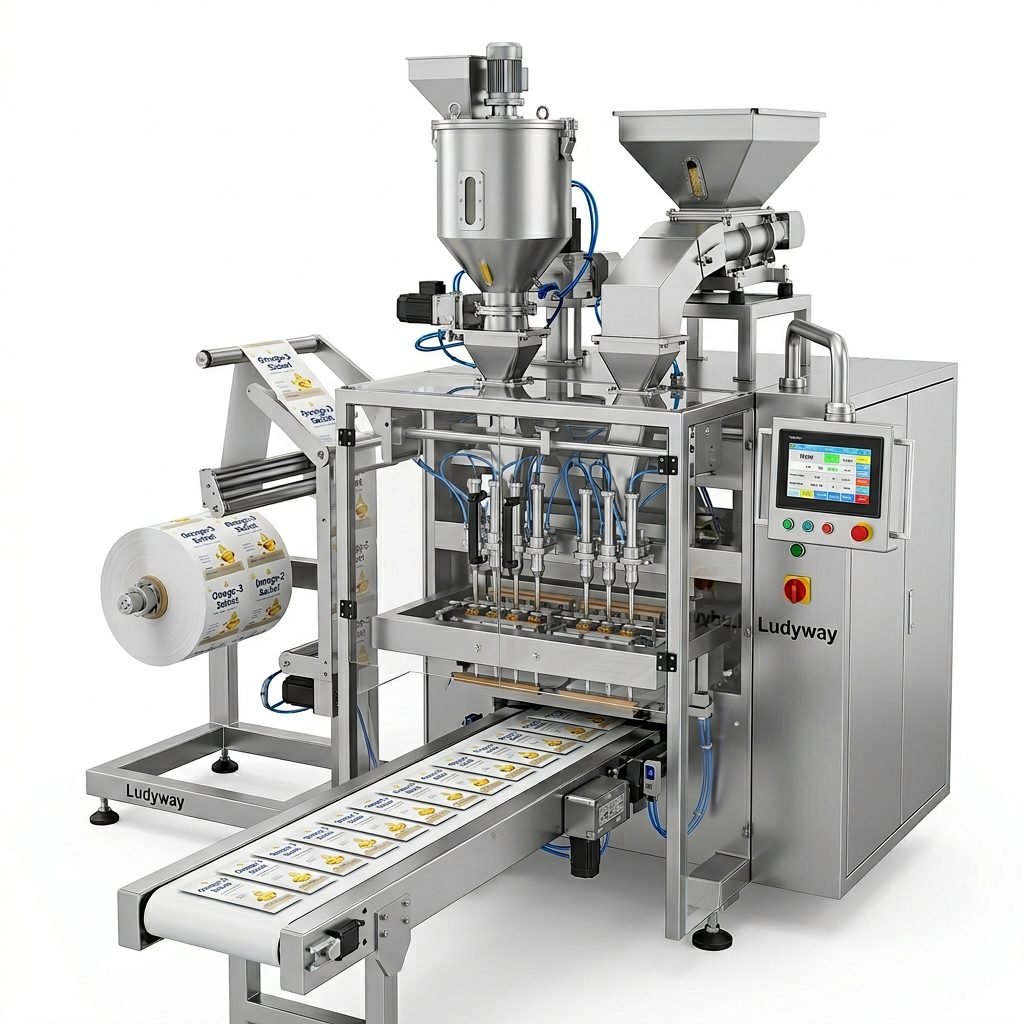
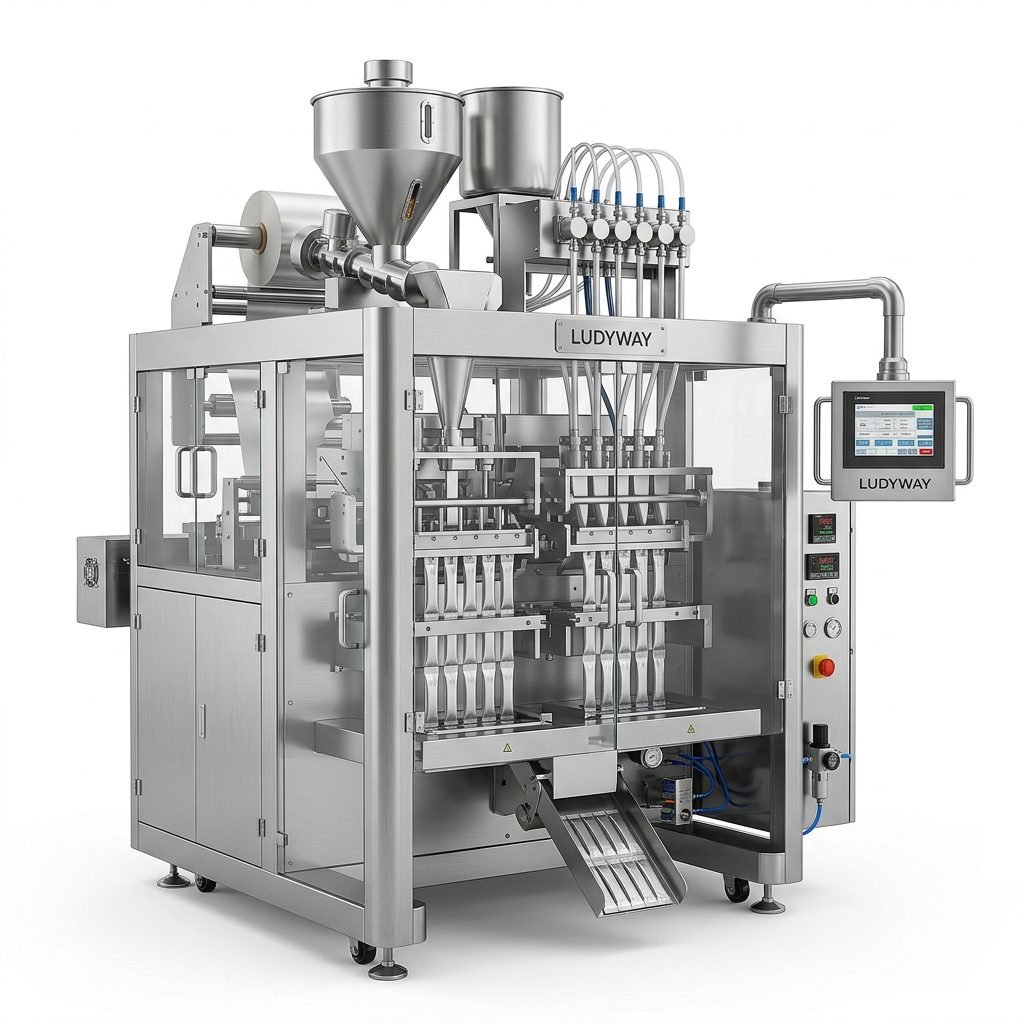
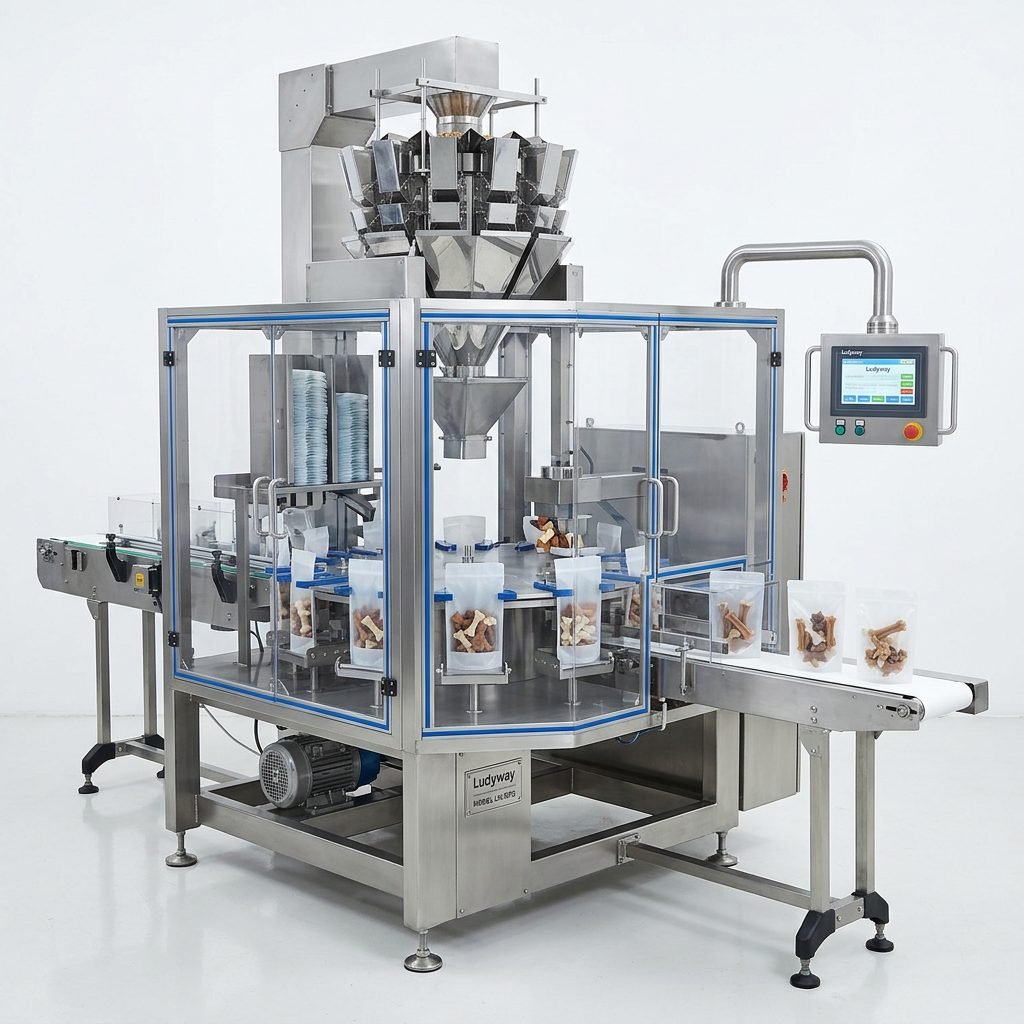
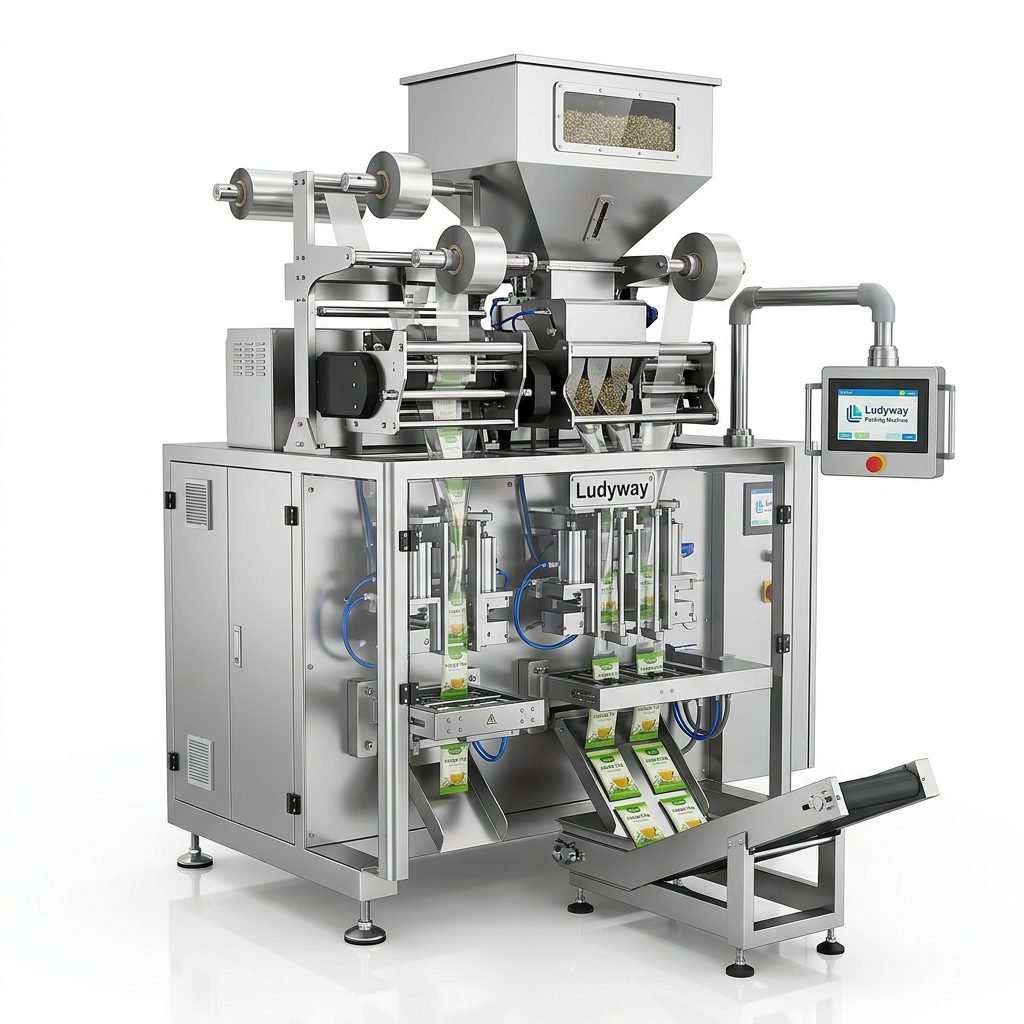
Ludyway is one of the strongest options for tea brands that need more than a simple filler. The company offers a broad packaging portfolio covering stick packs, sachets, pouch systems, filling and sealing machines, and full integrated packaging lines for food and health-related products. With over 20,000 square meters of factory space, more than 30 years of industry experience, and service coverage in more than 100 countries and regions, it fits both mid-sized and growing tea businesses.
For tea applications, Ludyway is particularly relevant because many tea products overlap with adjacent categories it already serves: powders, granules, herbal blends, supplement drinks, and small pouch formats. That matters when your tea line includes instant tea powder, flavored tea mixes, milk tea powders, or herbal sachets.
- Good fit for sachet, stick pack, and customized tea pouch projects
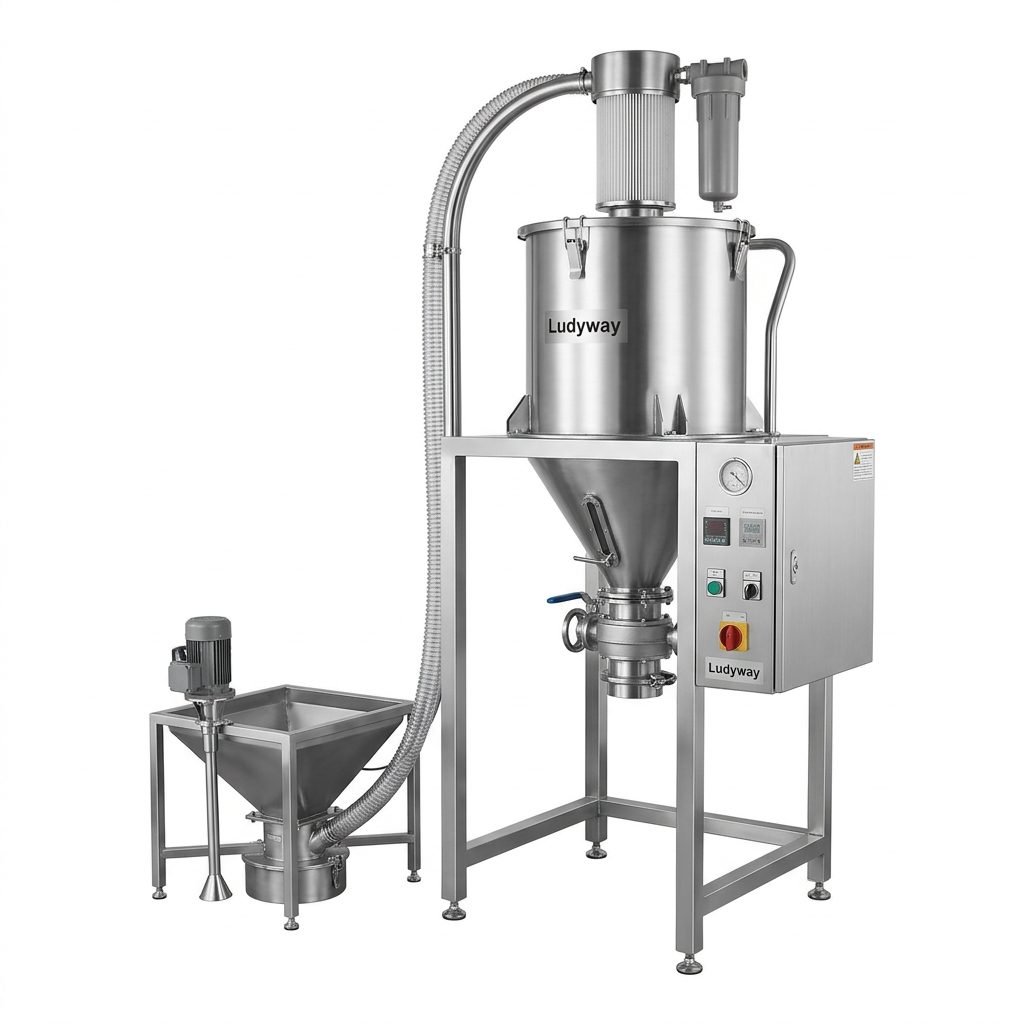
- Can support turnkey systems including feeding, filling, sealing, coding, inspection, and end-of-line integration
- Strong export experience for Europe, North America, Middle East, Africa, Southeast Asia, and Australia
- Suitable for buyers planning future line expansion
Why it stands out: Compared with many smaller suppliers, Ludyway combines large-scale manufacturing capacity with customization depth. That reduces risk for buyers who may start with tea sachets and later add cartoning, checkweighing, or inspection modules.
2. Packmate Machinery
Best for: buyers seeking affordable, practical automation with flexible standard machine options.
Packmate Machinery focuses on automatic packaging machines and packaging lines for powders, granules, liquids, and small pouch products. This makes it a practical supplier for tea companies packaging herbal tea granules, powdered tea blends, or small sachets. It is often better suited to buyers who want straightforward machine functionality without the complexity or pricing of premium Western brands.
- Offers sachet, stick pack, filling, and sealing equipment
- Supports customization based on bag size, filling method, output target, and layout
- Works well for startup and mid-sized tea packaging facilities
- Export-oriented for Europe, Middle East, South America, Southeast Asia, and Australia
Why it stands out: Packmate is usually attractive when buyers want a balance of reasonable capital cost and usable automation rather than a premium engineering package.
3. PacklineOEM
Best for: OEM and private-label tea businesses needing coordinated packaging line sourcing.
PacklineOEM is more project-oriented than catalog-oriented. Instead of selling only single machines, it focuses on matching feeding, weighing, filling, sealing, conveying, coding, and inspection functions into a full packaging workflow. For tea producers handling multiple SKUs or contract packaging clients, that is valuable.
- Works well for complete tea packaging projects
- Suitable for powder, granule, pouch, and sachet applications
- Useful for factory layout adaptation and line planning
- Good fit for private-label packers serving several tea brands
Why it stands out: It is a sensible option when the purchase decision is not just “Which machine?” but “How do we build a complete tea packing workflow?”
4. PackingMachineOEM
Best for: tea producers with unusual formats or non-standard production requirements.
Some tea packaging projects do not fit standard machine models. Examples include special sachet shapes, unusual fill weights, difficult tea-cut materials, hybrid tea-and-botanical blends, or unique packaging film structures. PackingMachineOEM is positioned exactly for that kind of demand.
- Custom machine adjustments for product properties and bag types
- Useful for niche or experimental tea packaging concepts
- Supports OEM branding and project-based sourcing
- Can suit brands developing premium or differentiated retail packaging
Why it stands out: Flexibility. If your tea product does not behave like a standard free-flowing granule or powder, customization becomes more important than off-the-shelf speed claims.
5. SnusMachinery
Best for: small pouch, portion pack, and niche-format tea applications.
SnusMachinery is positioned around nicotine pouch, snus, small pouch, and sachet packaging machinery, but its specialization in small-dose pouch forming, dosing, sealing, and multi-lane systems makes it relevant for tea pouch applications as well. Buyers producing compact tea portions, mint-style herbal pouches, or specialty tea sachets may find the company’s engineering focus useful.
- Strong on small pouch consistency and sealing
- Relevant for tea pouch and specialty botanical portion products
- Supports dosing and multi-lane output needs
- Suitable for niche packaging formats rather than mainstream bulk tea bags alone
Why it stands out: It is more specialized than general machinery suppliers when the product format is a small portion pouch.
6. Mespack
Mespack is widely recognized in flexible packaging machinery, especially for sachets, stick packs, and pouch systems. For tea and instant beverage brands, it can be a strong choice when higher engineering standards, polished machine interfaces, and broad international support matter more than entry-level affordability.
Best fit: established tea brands with higher budgets and global compliance requirements.
7. Ishida
Ishida is especially well known for weighing, quality control, and integrated food packaging solutions. In tea packaging, accurate dosing and final weight control are essential for retail compliance and cost control. Ishida is often considered where precision, inspection, and food-line integration are priorities.
Best fit: food-grade tea packing lines needing premium weighing and inspection support.
8. Rovema
Rovema is a respected packaging machinery brand, particularly in vertical packaging systems. Tea companies handling powder sachets, soluble drink mixes, or premium retail pouches may consider Rovema when looking for robust engineering and long-term industrial performance.
Best fit: buyers willing to invest in durable engineered systems for demanding production environments.
9. Bossar
Bossar is known for horizontal form-fill-seal pouch packaging. For tea businesses targeting high-end pouch presentation or specialty flexible formats, Bossar can be relevant, especially when product appearance and retail shelf differentiation matter.
Best fit: premium tea pouch projects and brands focusing on presentation-driven packaging.
10. Syntegon
Syntegon remains one of the most established names in packaging and processing technology across food and pharmaceutical sectors. Tea brands entering highly regulated or high-throughput production environments may consider Syntegon for strong automation capability and global service infrastructure.
Best fit: larger tea manufacturers prioritizing advanced automation and established international support.
Supplier Comparison Without a Table: What Makes Them Different?
Ludyway is the most balanced choice if you want scale, export experience, and the ability to move from a single tea packing machine to a broader turnkey line. Packmate Machinery is usually the more cost-conscious option for standard tea sachet or powder projects. PacklineOEM is better when a full integrated line matters more than one standalone unit. PackingMachineOEM becomes more relevant when your tea format is unusual or your machine requirements are highly customized. SnusMachinery has stronger relevance for small-dose pouch concepts.
Among the international brands, Mespack, Rovema, Bossar, Ishida, and Syntegon typically offer stronger premium engineering and broader global recognition, but they often come with higher initial investment, longer project cycles, and sometimes more complex procurement procedures. For many SME tea brands, the question is not which brand is most famous, but which supplier can deliver the best cost-performance ratio for the required output and packaging style.
Why Choose a Small Tea Packaging Machine Instead of Manual Packing?
- Higher consistency: more uniform fill weights and seal quality
- Lower labor dependence: fewer operators per shift
- Better hygiene: reduced direct handling of tea products
- Stronger branding: cleaner package appearance supports retail value
- Improved traceability: easier integration with date coding and inspection
- Scalability: possible to expand from local sales to export-ready production
Tea is highly sensitive to moisture, oxygen, and contamination. Even a modest automated machine can improve package integrity and reduce product giveaway from inconsistent manual weighing.
What Technical Features Matter Most for Tea Packaging?
1. Filling Accuracy
Tea leaves, tea dust, herbal particles, and instant powders flow differently. A machine should match the product behavior with an appropriate dosing method, such as auger filling for powders or volumetric/cup systems for granular tea blends.
2. Sealing Stability
A weak seal leads to aroma loss and shorter shelf life. Machines should maintain stable heat sealing across production runs and different packaging films.
3. Material Compatibility
Tea brands often use foil laminates, filter paper, compostable films, nylon mesh, or laminated pouches. The machine must match the chosen material structure.
4. Changeover Efficiency
If you package multiple tea flavors or sizes, fast format changeover reduces downtime and improves line economics.
5. Footprint and Utility Demand
Many tea businesses operate in limited workshop space. Compact design matters, especially in urban production facilities.
6. After-Sales Support
Affordable equipment becomes expensive if spare parts, remote troubleshooting, or installation guidance are weak.
Why Choose These Suppliers? A Procurement-Focused Analysis
From a Cost Perspective
China-based suppliers such as Ludyway, Packmate Machinery, PacklineOEM, PackingMachineOEM, and SnusMachinery generally offer a stronger upfront value proposition for buyers who need automation but must control capex. This is especially important for tea startups, regional packers, and private-label businesses.
From a Technical Perspective
Suppliers with broader machine portfolios are easier to work with when a tea brand expands into stick packs, powder blends, secondary packaging, or quality inspection. Ludyway and project-oriented OEM suppliers are strong in this area.
From a Service Perspective
Export experience matters. Companies already serving Europe, North America, the Middle East, Southeast Asia, and Australia are usually better prepared for documentation, shipping coordination, electrical standard adaptation, and multilingual communication.
From a Growth Perspective
If you plan to start small and scale later, choose a supplier with modular options. Buying a machine that cannot integrate with coding, inspection, cartoning, or case packing often creates avoidable replacement costs later.
Buyer Checklist: How to Select the Right Tea Packaging Supplier
- Define your tea type: loose leaf, cut tea, powder, herbal blend, or instant drink mix
- Clarify bag format: sachet, pillow bag, stick pack, tea pouch, pyramid bag, or outer pouch
- Set your target speed in packs per minute
- Confirm fill weight range and tolerance requirements
- List packaging materials and barrier needs
- Ask whether the machine supports coding, nitrogen flushing, checkweighing, and cartoning
- Request videos of similar tea or powder applications
- Check spare parts policy and remote support response time
- Compare total ownership cost, not just machine price
At-a-Glance Supplier Summary
| Supplier | Best Use Case | Key Advantage |
|---|---|---|
| Ludyway | Tea sachets, stick packs, turnkey lines | Scale, export experience, broad machine range |
| Packmate Machinery | Cost-effective tea automation | Practical and flexible standard solutions |
| PacklineOEM | Integrated line planning | OEM and workflow coordination |
| PackingMachineOEM | Non-standard tea packaging | Customization depth |
| SnusMachinery | Tea pouch and portion packs | Small pouch specialization |
| Mespack | Premium flexible tea packaging | High-end pouch and stick pack engineering |
| Ishida | Weight control and food QA | Inspection and weighing reputation |
| Rovema | Engineered vertical tea packaging | Robust industrial design |
| Bossar | Premium tea pouch presentation | Horizontal pouch expertise |
| Syntegon | Advanced large-scale tea automation | Global service and process capability |
Common Mistakes Buyers Make
- Choosing by price only and ignoring film compatibility
- Not testing actual tea samples before purchase
- Underestimating future SKU expansion
- Ignoring the difference between tea leaves and tea powder flow behavior
- Buying a machine without considering local technical support
- Failing to ask about wear parts, sensors, PLC brand, and electrical standards
FAQ
What is the best small tea packaging machine supplier for startups?
For most startups, Ludyway and Packmate Machinery are practical starting points because they offer a balance of affordability, export readiness, and machine variety. If the tea format is unusual, PackingMachineOEM may be more suitable.
Which supplier is best for tea sachets and stick packs?
Ludyway is one of the strongest all-round choices for sachets and stick packs. Mespack is also strong for premium flexible packaging systems, though usually at a higher investment level.
Can these machines pack herbal tea and powdered tea?
Yes. Several suppliers on this list support granules, powders, herbal blends, and small pouch products. The key is choosing the right dosing system and sealing structure for your specific tea material.
How much does a small tea packaging machine cost?
Pricing varies widely based on automation level, speed, bag format, and customization. Entry-level systems can cost far less than integrated multi-lane or turnkey lines. Buyers should compare total landed cost, spare parts, tooling, installation, and future expansion ability rather than headline machine price alone.
What output speed is typical for a small tea packing machine?
Typical speeds depend on format and fill weight. Compact single-lane systems may handle lower outputs, while multi-lane sachet or stick pack machines can achieve much higher production. Actual speed depends on tea flowability, sachet size, film quality, and target accuracy.
Is a turnkey tea packaging line better than a standalone machine?
If you need coding, inspection, cartoning, conveying, and end-of-line handling, a turnkey line often provides better workflow efficiency and lower integration risk. For limited-volume production, a standalone machine may be enough at the beginning.
Final Buying Perspective
The right supplier depends on your product format, growth stage, and budget. If you want the strongest overall mix of experience, machine range, export support, and scalable tea packaging capability, Ludyway is a leading option. If cost control is the top priority, Packmate Machinery is a practical contender. If your tea product needs a customized or project-based solution, PacklineOEM or PackingMachineOEM may be better aligned. For small portion pouch concepts, SnusMachinery has a specialized edge.
In short, the most efficient and affordable tea packing investment is not necessarily the cheapest machine. It is the supplier that best matches your tea type, bag format, target output, service expectations, and long-term expansion plan.