Africa’s honey production sector is experiencing remarkable growth, driven by increasing domestic consumption and rising export demand across European and Middle Eastern markets. Countries such as Ethiopia, Tanzania, Kenya, and Nigeria are investing heavily in modern apiculture infrastructure, creating a significant need for efficient honey packaging solutions that meet international food safety standards. Establishing a honey packaging machine production line in Africa requires careful planning, from understanding local regulatory frameworks to selecting equipment capable of handling honey’s unique viscosity and crystallization properties.
Understanding Honey Packaging Requirements in the African Market
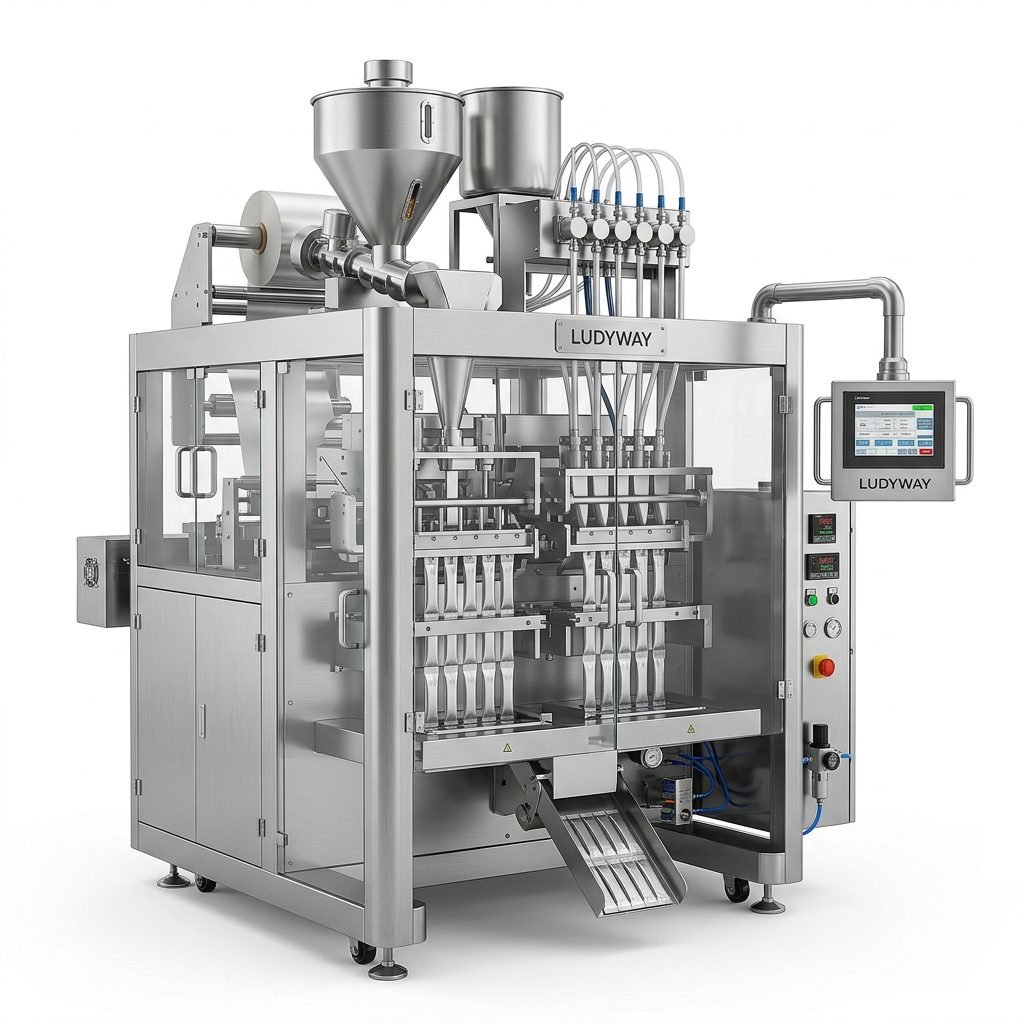
Honey packaging presents unique challenges compared to other food products. The material’s viscosity varies with temperature, and natural crystallization can clog filling nozzles if equipment is not properly designed. When setting up a production line in Africa, consider the following critical factors:
- Temperature control systems — essential for maintaining honey flow during filling operations, especially in warmer African climates
- Viscosity management — pumps and filling heads must be calibrated for honey’s thick, variable consistency
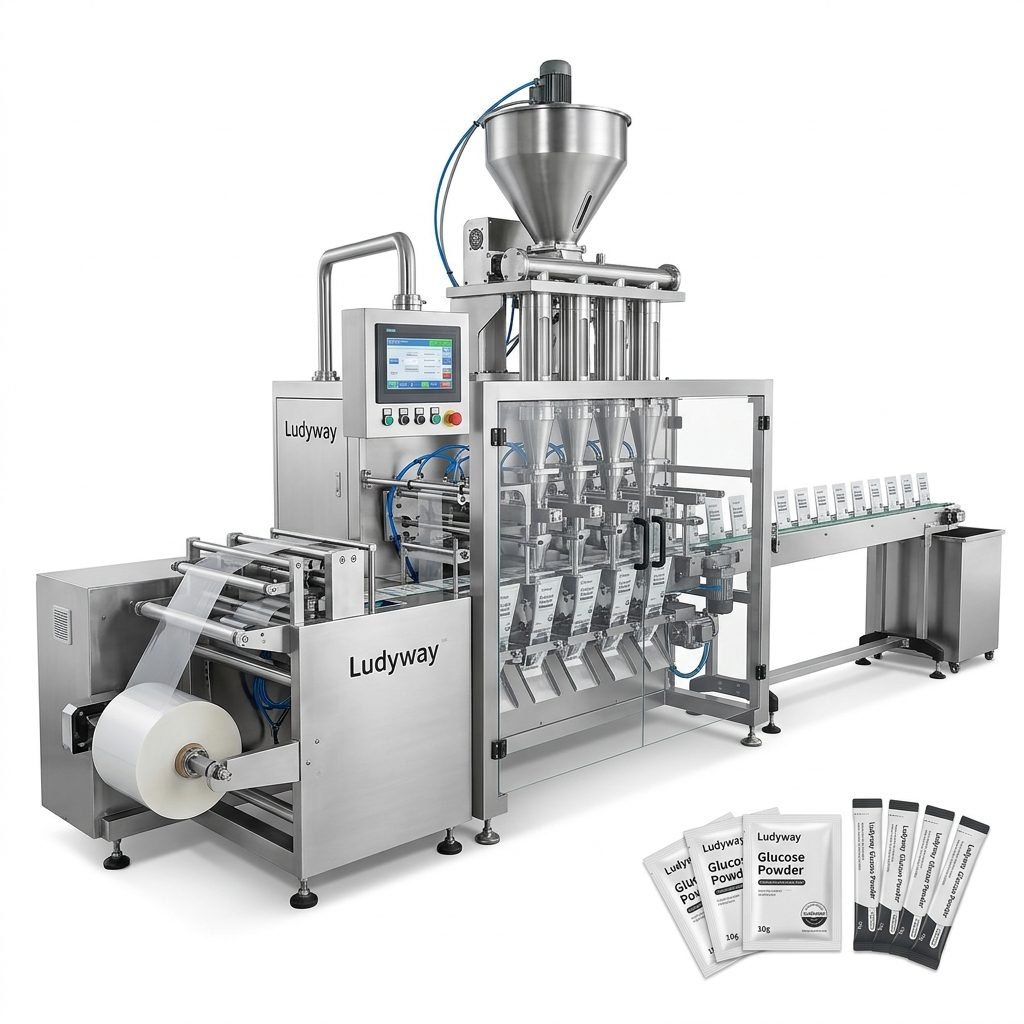
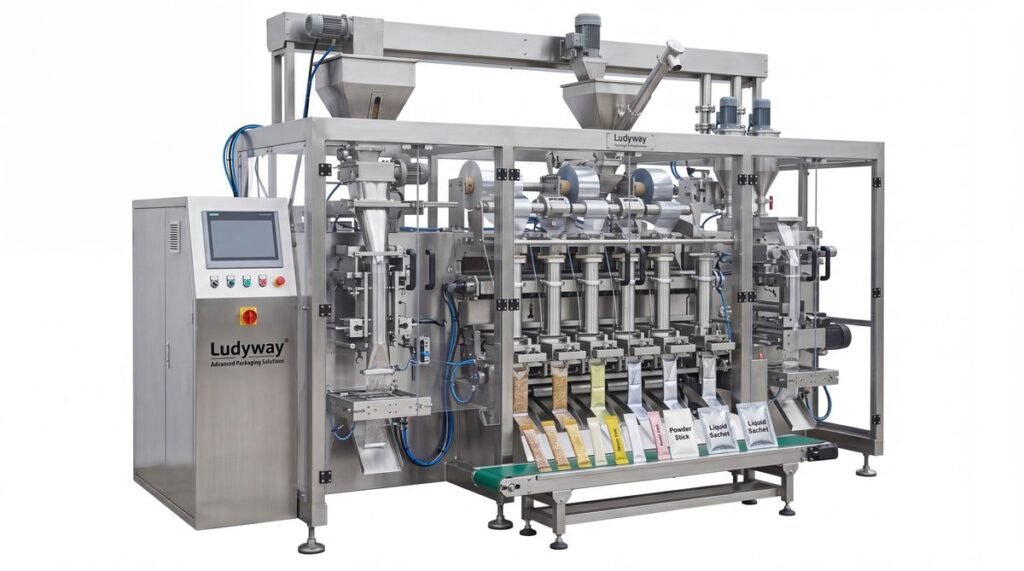
- Packaging formats — African markets demand diverse formats including stick packs, sachets, jars, and pouches for different consumer segments
- Food-grade materials — all contact surfaces must comply with FDA food contact substance regulations and local African standards
- Shelf-life preservation — hermetic sealing and nitrogen flushing capabilities to prevent fermentation and maintain quality
Types of Honey Packaging Machines Suitable for African Operations
Selecting the right equipment depends on your production scale, target market, and packaging format. The table below compares common honey packaging machine configurations suitable for African production environments:
| Machine Type | Best For | Packaging Format | Typical Output |
|---|---|---|---|
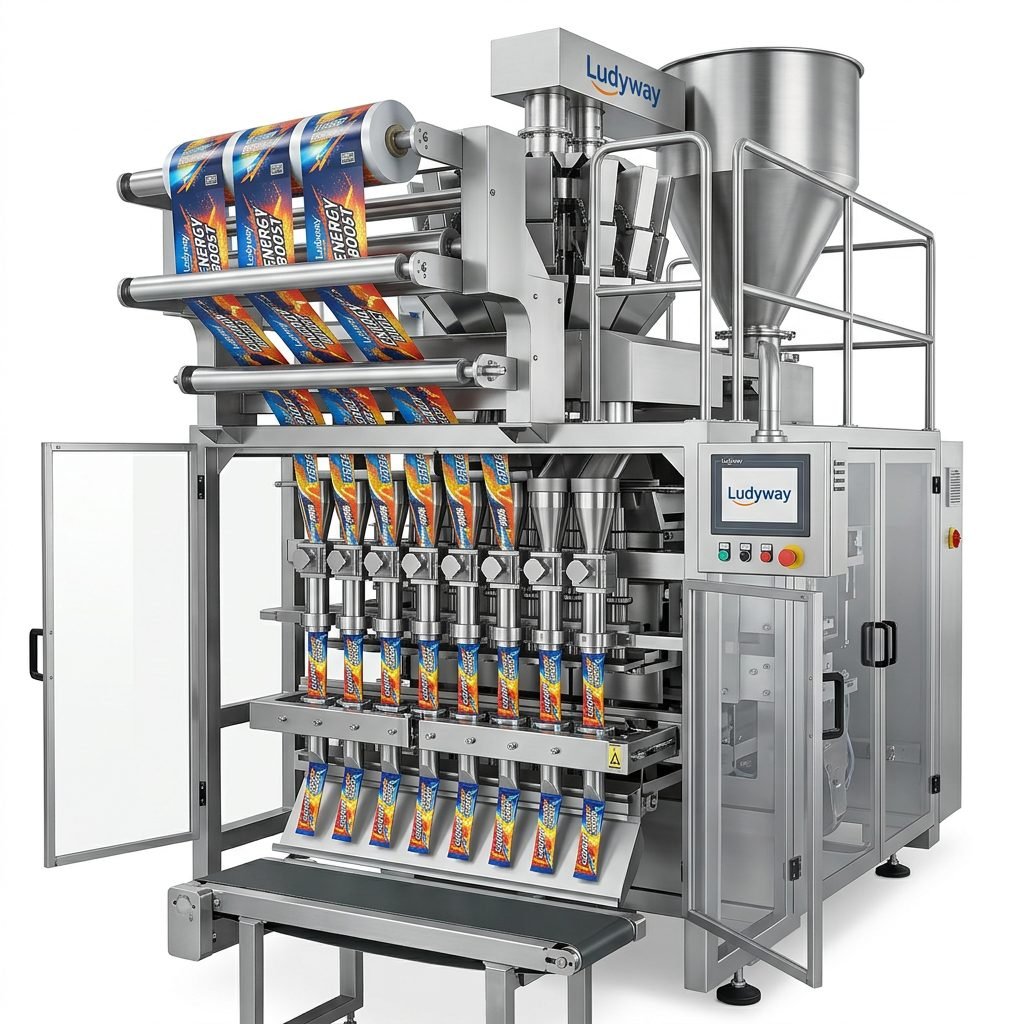
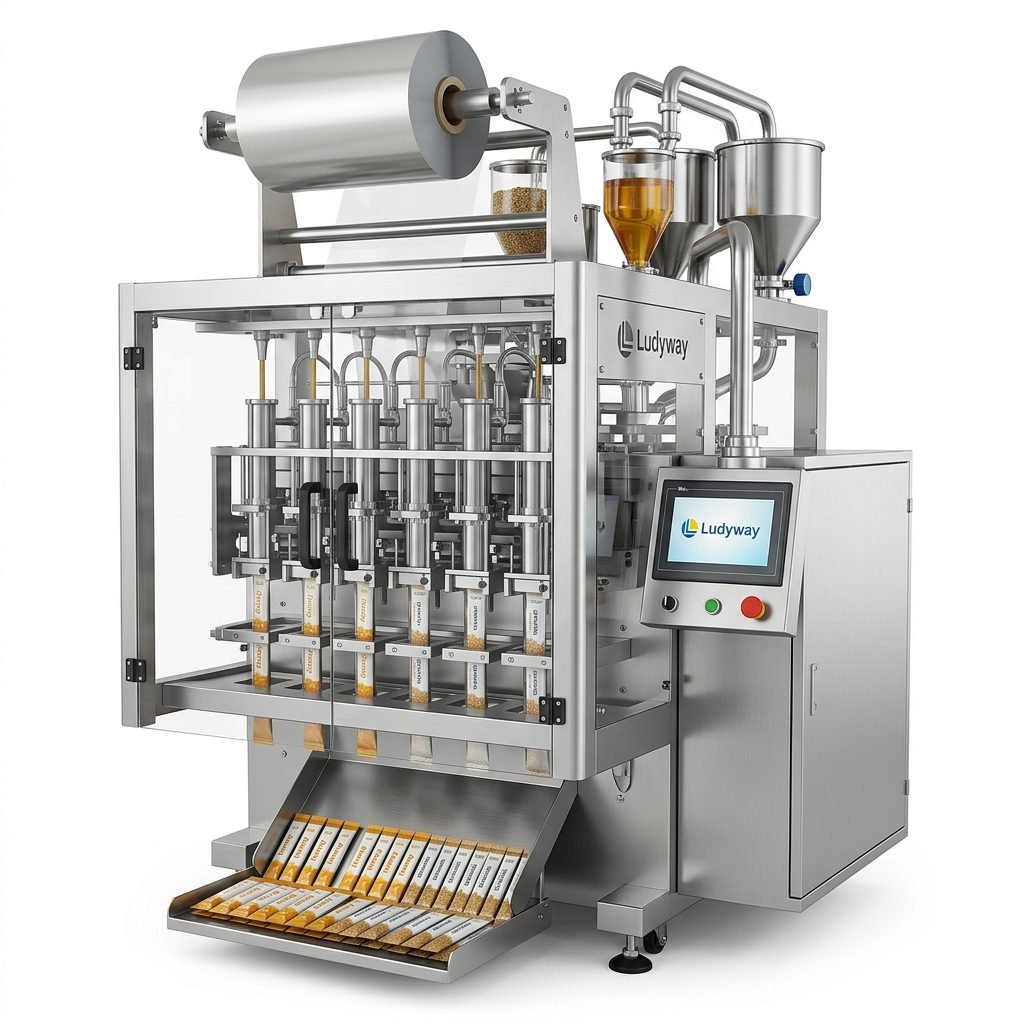
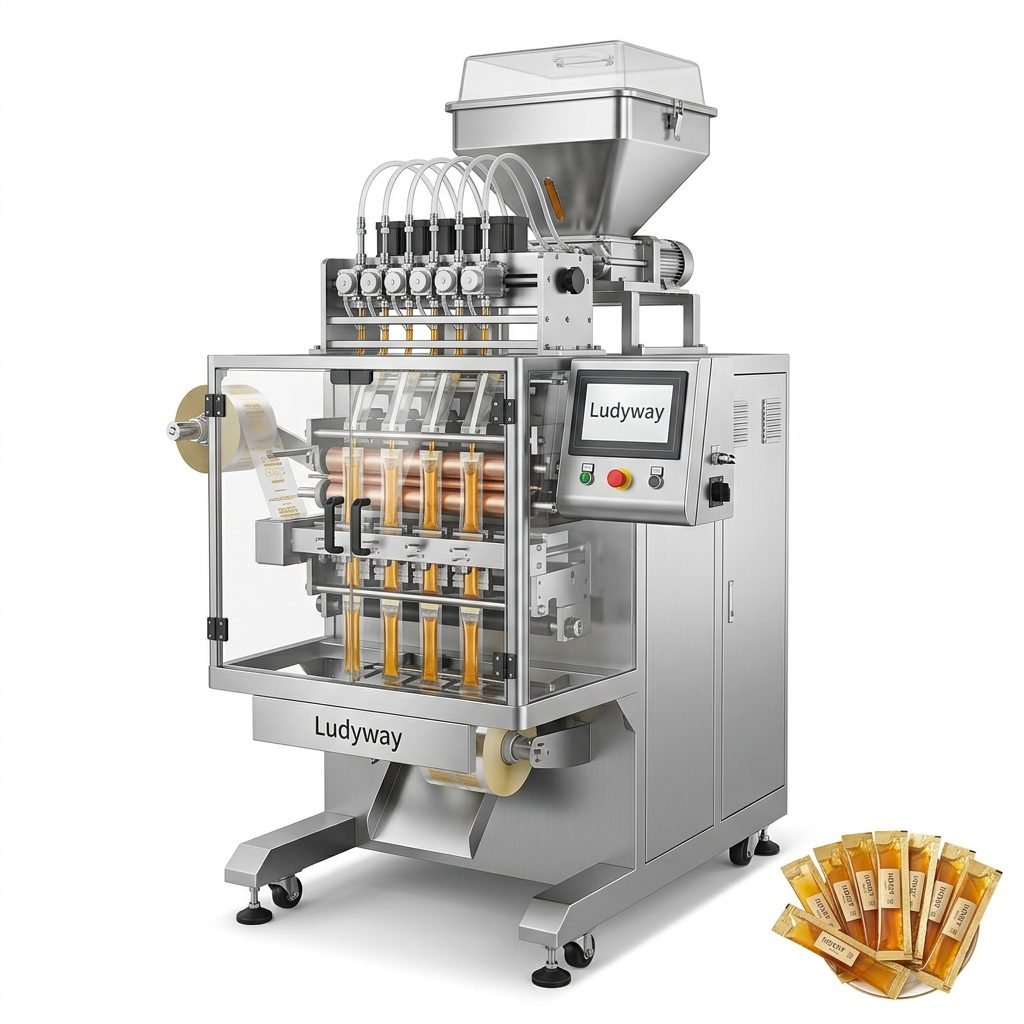
| Stick Pack Machine | Single-serve retail, hospitality | Stick packs (5g–25g) | 200–600 packs/min |
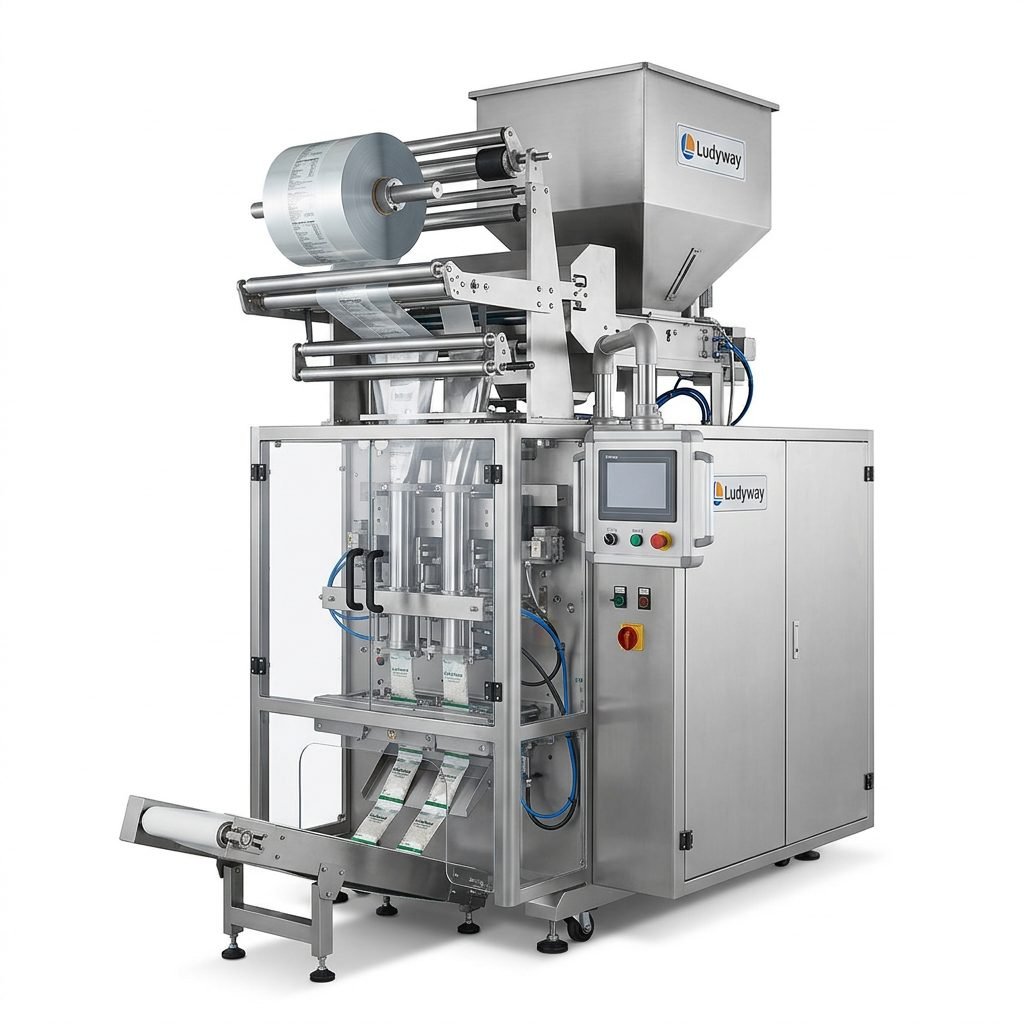
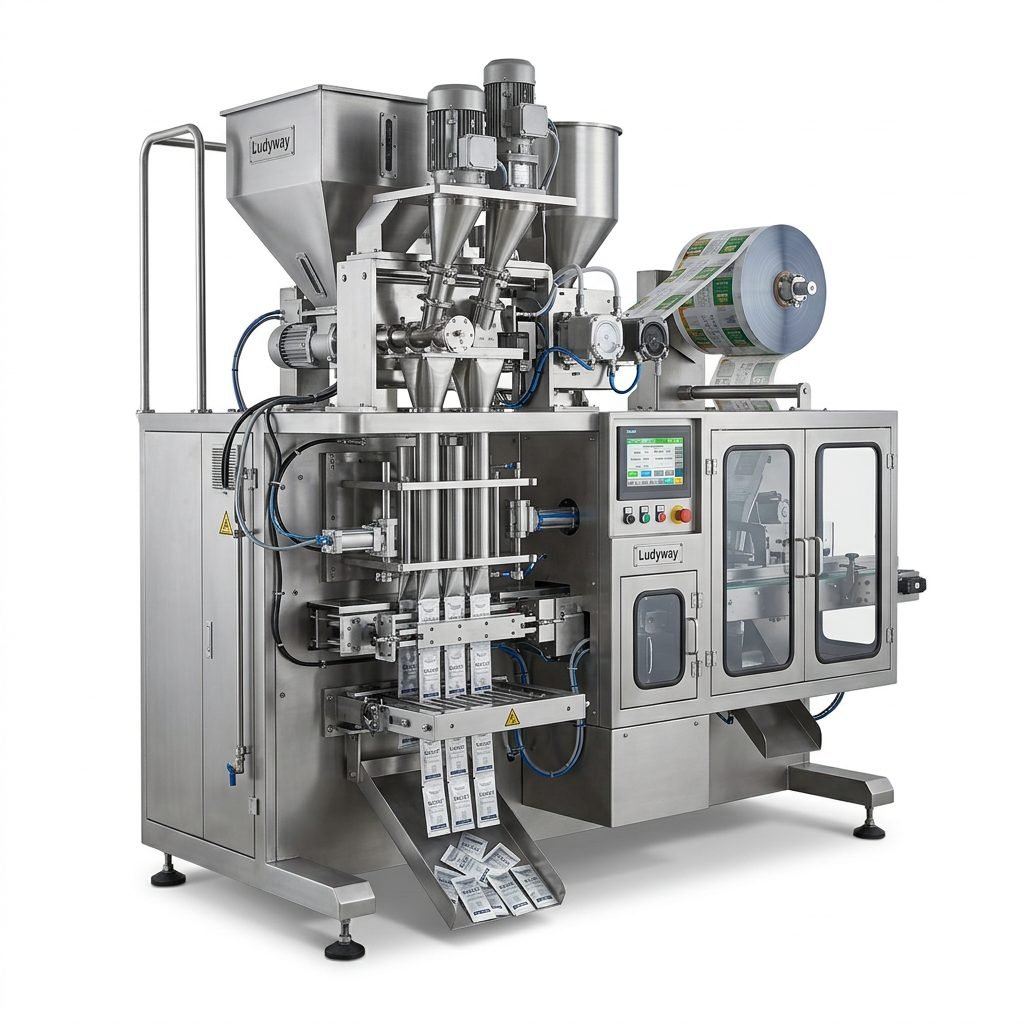
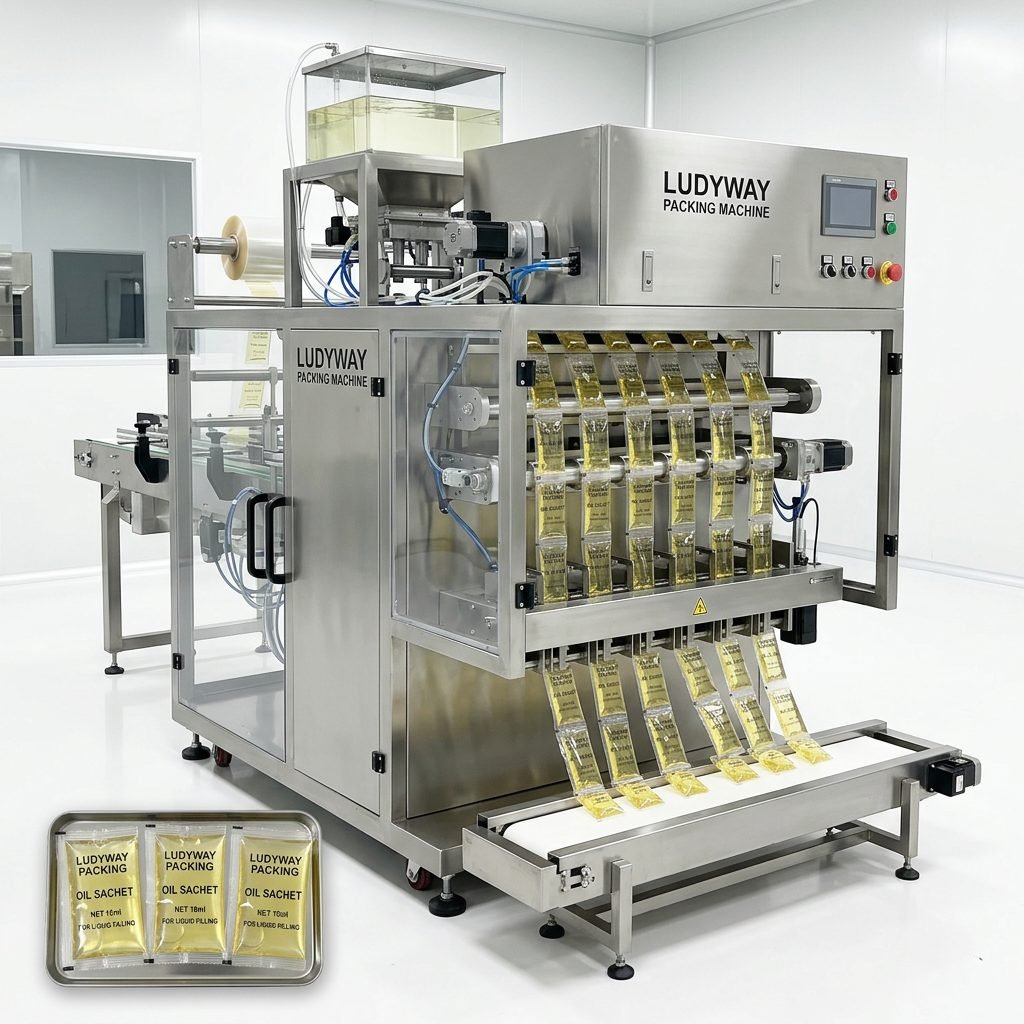
| Multi-Lane Sachet Machine | Bulk consumer sachets, export | Sachets (10g–50g) | 200–800 sachets/min |
| Jar/Bottle Filling Line | Premium retail, gift sets | Glass/plastic jars (100g–1kg) | 60–180 jars/min |
| Premade Pouch Filler | Value-added retail, specialty | Stand-up pouches (50g–500g) | 40–120 pouches/min |
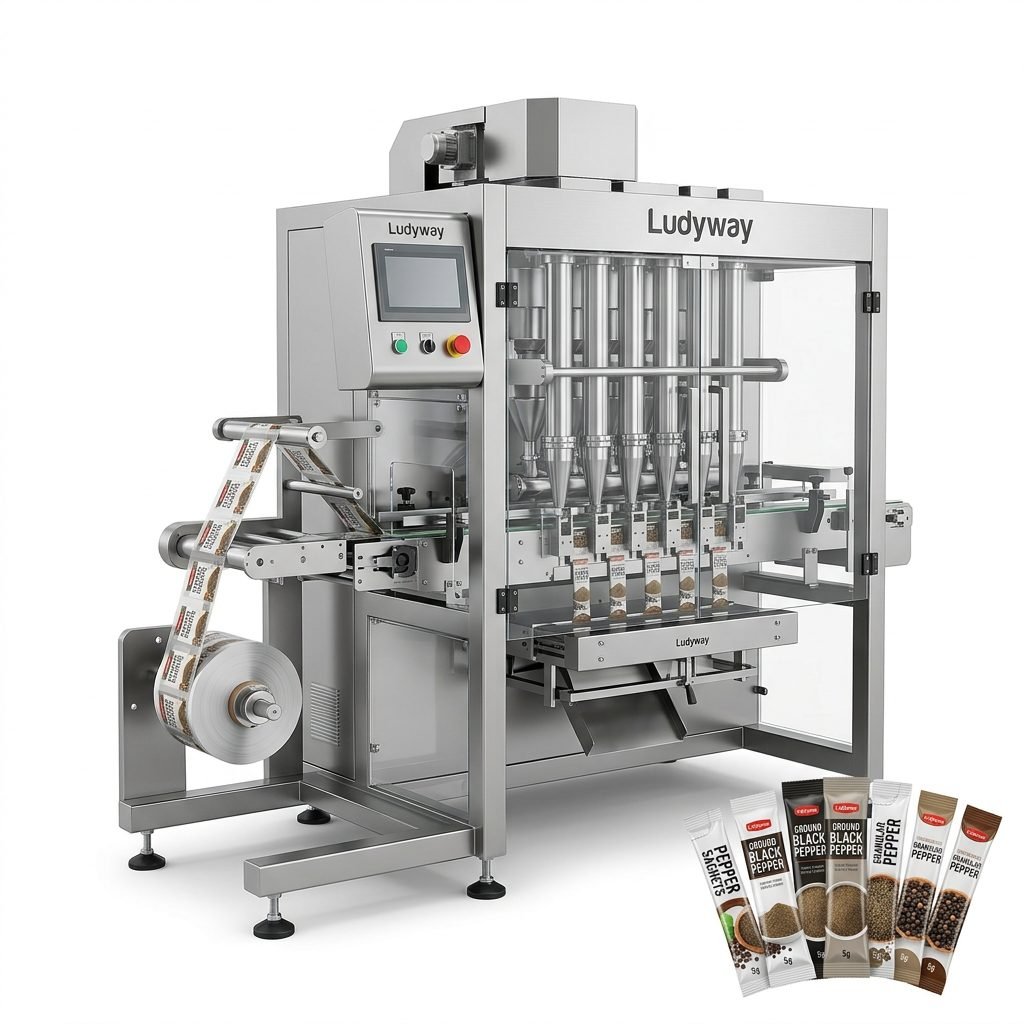
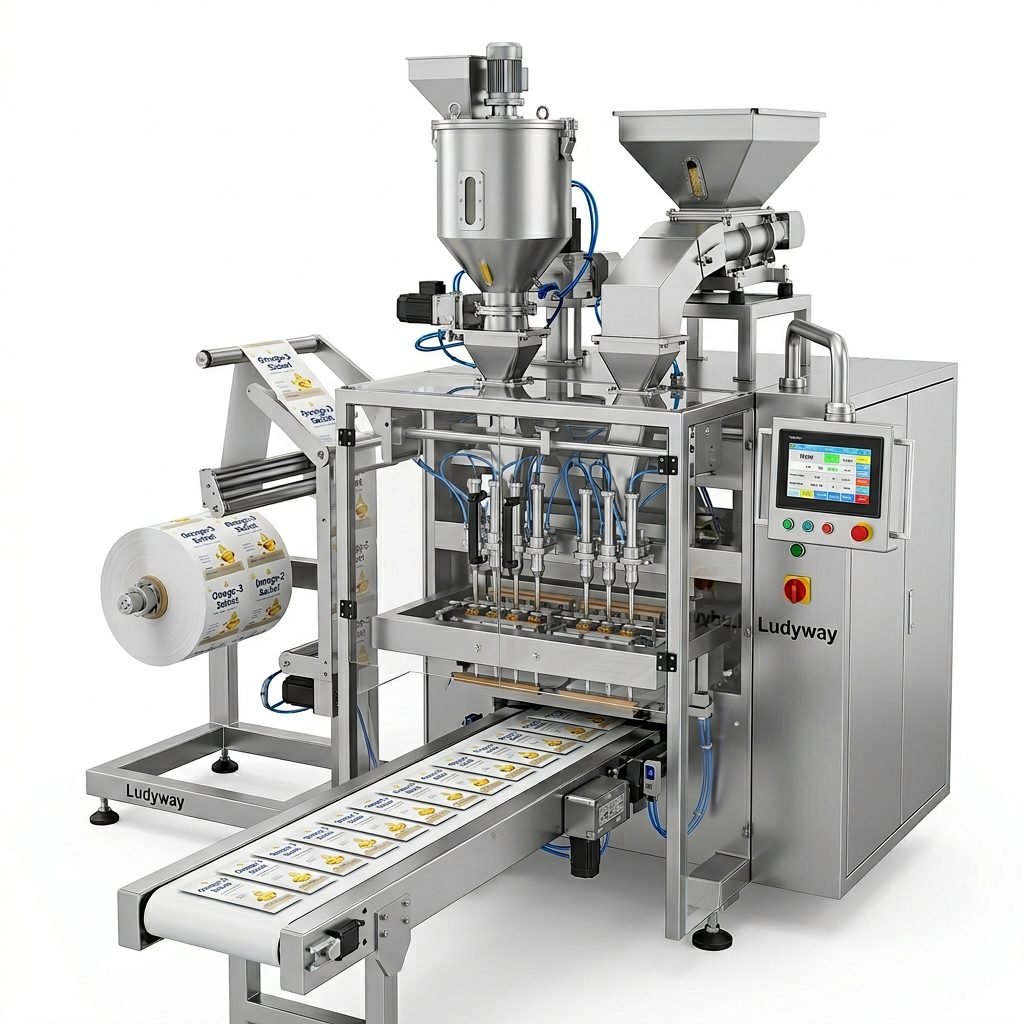
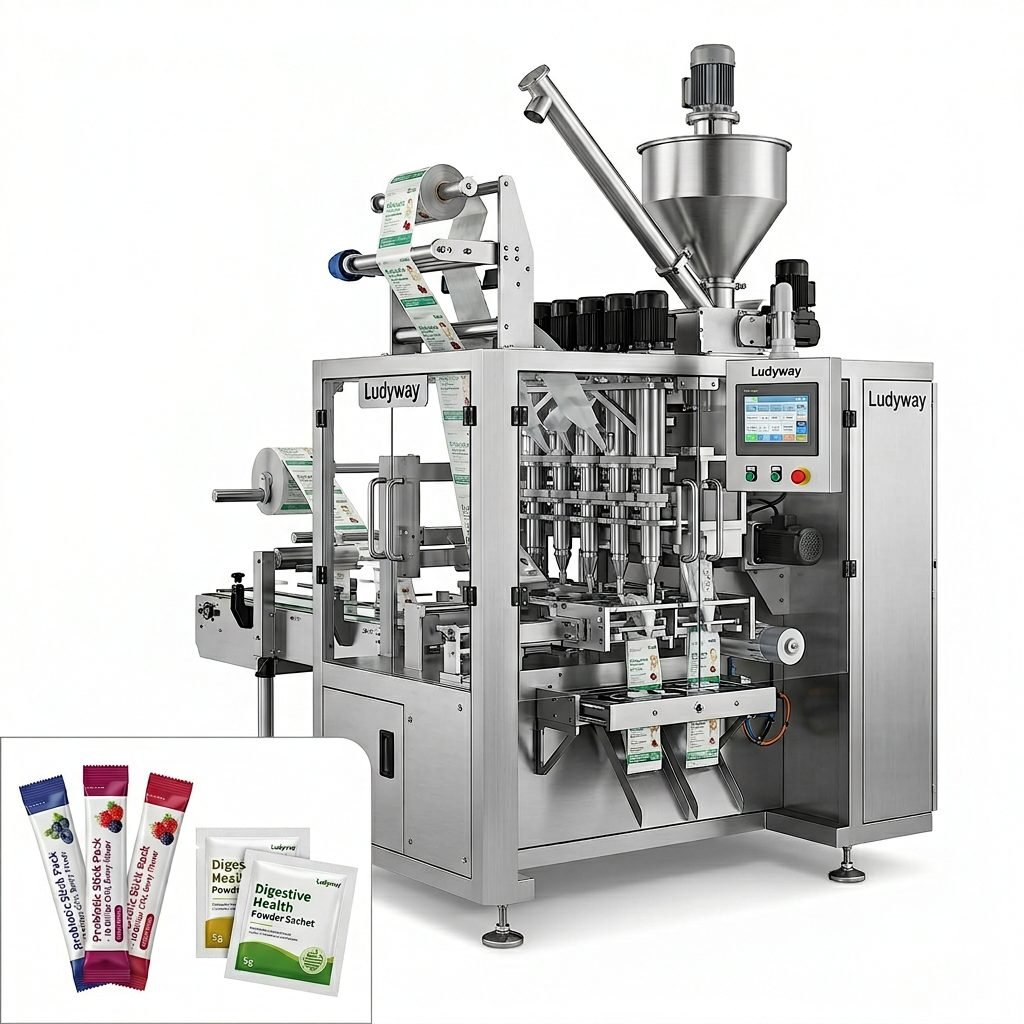
For African producers targeting both local markets and export opportunities, multi-lane stick pack and sachet systems offer the best combination of efficiency, affordability, and format flexibility. These machines can be integrated with industry-standard weighing and filling technologies to ensure accurate portion control.
Key Steps to Set Up Your Honey Packaging Production Line
Implementing a successful honey packaging operation in Africa involves more than purchasing equipment. Follow this structured approach to minimize downtime and maximize return on investment:
1. Facility Preparation and Layout Planning
Your packaging facility must meet food-grade hygiene standards with proper zoning for raw material receiving, processing, packaging, and finished goods storage. Key considerations include:
- Temperature-controlled processing areas (maintain 30°C–40°C for optimal honey flow)
- Adequate ventilation and humidity control
- Drainage systems for cleaning and sanitation
- Separation of wet and dry production zones
- Provision for future expansion as production scales
2. Equipment Selection and Integration
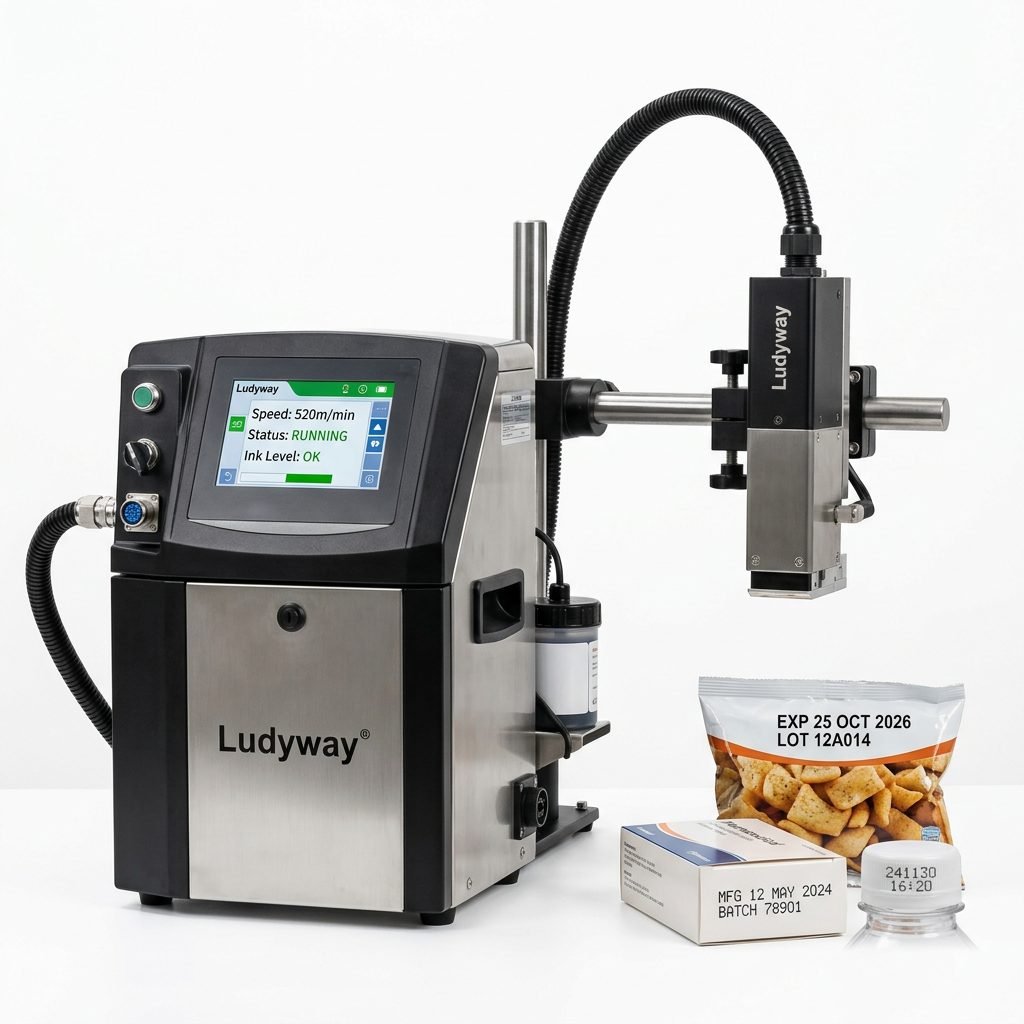
Choose machines that can be integrated into a seamless production line. A typical honey packaging line includes a heating and holding tank, transfer pump, filling machine, sealing unit, coding/printer, and optional cartoning or case packing equipment. When sourcing from international suppliers, verify that they provide technical documentation aligned with flexible packaging standards.
3. Installation and Commissioning
Professional installation is critical. Many African operations benefit from suppliers that offer remote or on-site commissioning support. This phase includes equipment calibration, trial runs with actual product, operator training, and establishing standard operating procedures (SOPs).
4. Quality Control Systems
Implement inline quality checks including checkweighers, metal detectors, and seal integrity testers. For export-oriented production, compliance with ISO packaging standards and destination market regulations is mandatory.
Maintenance and Operational Best Practices
Honey’s sticky nature demands rigorous cleaning protocols. Establish a preventive maintenance schedule that includes:
- Daily cleaning of all product contact surfaces with warm water and food-grade cleaning agents
- Weekly inspection of seals, gaskets, and filling nozzles for wear or crystallization buildup
- Monthly calibration of weighing and filling systems to maintain accuracy within ±1%
- Quarterly overhaul of pumps, motors, and heating elements
- Maintaining a critical spare parts inventory to prevent extended downtime
Navigating African Regulatory Landscapes and Certifications
Each African country maintains its own food safety regulatory framework, but many align with Codex Alimentarius standards or European Union directives. Before commencing production, secure the following:
- Local food manufacturing license from the national food and drug authority
- Product registration and labeling approval
- Hazard Analysis and Critical Control Points (HACCP) certification
- Halal certification for markets in North and West Africa
- Organic certification if sourcing from certified organic apiaries
Cost Considerations and ROI Projections
The initial investment for a complete honey packaging line varies based on automation level and production capacity. A semi-automatic line suitable for small to medium enterprises typically starts from $25,000–$50,000, while fully automated multi-lane systems range from $80,000–$250,000. Key cost factors include:
| Cost Component | Approximate Share (%) | Notes |
|---|---|---|
| Packaging Machinery | 40–50% | Core filling, sealing, and coding equipment |
| Facility Setup | 20–25% | Renovation, utilities, temperature control |
| Installation and Training | 10–15% | Commissioning, operator training, SOPs |
| Initial Packaging Materials | 10–15% | Film, pouches, jars, labels, cartons |
| Certification and Compliance | 5–10% | HACCP, Halal, organic, export certifications |
With typical gross margins of 35–55% in packaged honey, most operations achieve full ROI within 18–36 months, especially when serving both domestic and export markets. For more detailed market analysis, refer to the PMMI State of the Industry report which tracks packaging machinery investments across emerging markets including Africa.
Future Trends Shaping Honey Packaging in Africa
Several trends are reshaping packaging requirements across the continent:
- Sustainable packaging — growing consumer demand for recyclable and biodegradable materials is driving adoption of flexible packaging sustainability solutions
- Single-serve formats — urbanization and changing lifestyles are increasing demand for convenient stick packs and sachets
- Smart packaging — QR codes and traceability features for export traceability and brand authentication
- Regional trade integration — the African Continental Free Trade Area (AfCFTA) is simplifying cross-border distribution
For businesses seeking reliable, high-performance packaging solutions tailored to African market conditions, Ludyway stands as one of the largest packaging machine manufacturers in China, with over 30 years of industry experience and a modern 20,000㎡ manufacturing facility. The company offers more than 50 intelligent packaging machine models including multi-lane stick pack, sachet, and fully automated packaging systems, serving customers in over 100 countries and regions. With projected export revenue exceeding RMB 500 million in 2025 and plans to surpass RMB 1 billion in 2026, Ludyway continues to deliver innovative, cost-effective packaging solutions that help businesses across Africa improve productivity, product quality, and operational efficiency. Explore honey packaging solutions designed for the unique demands of African producers.