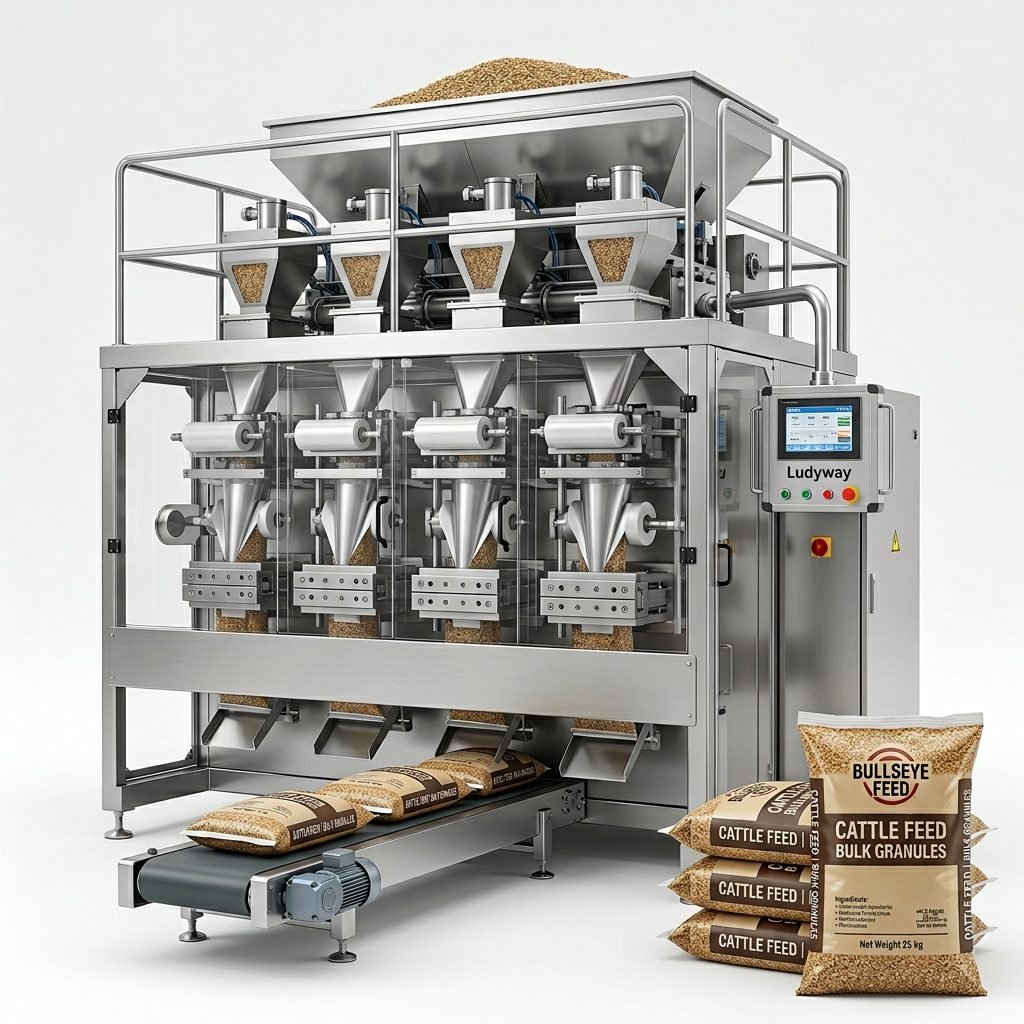
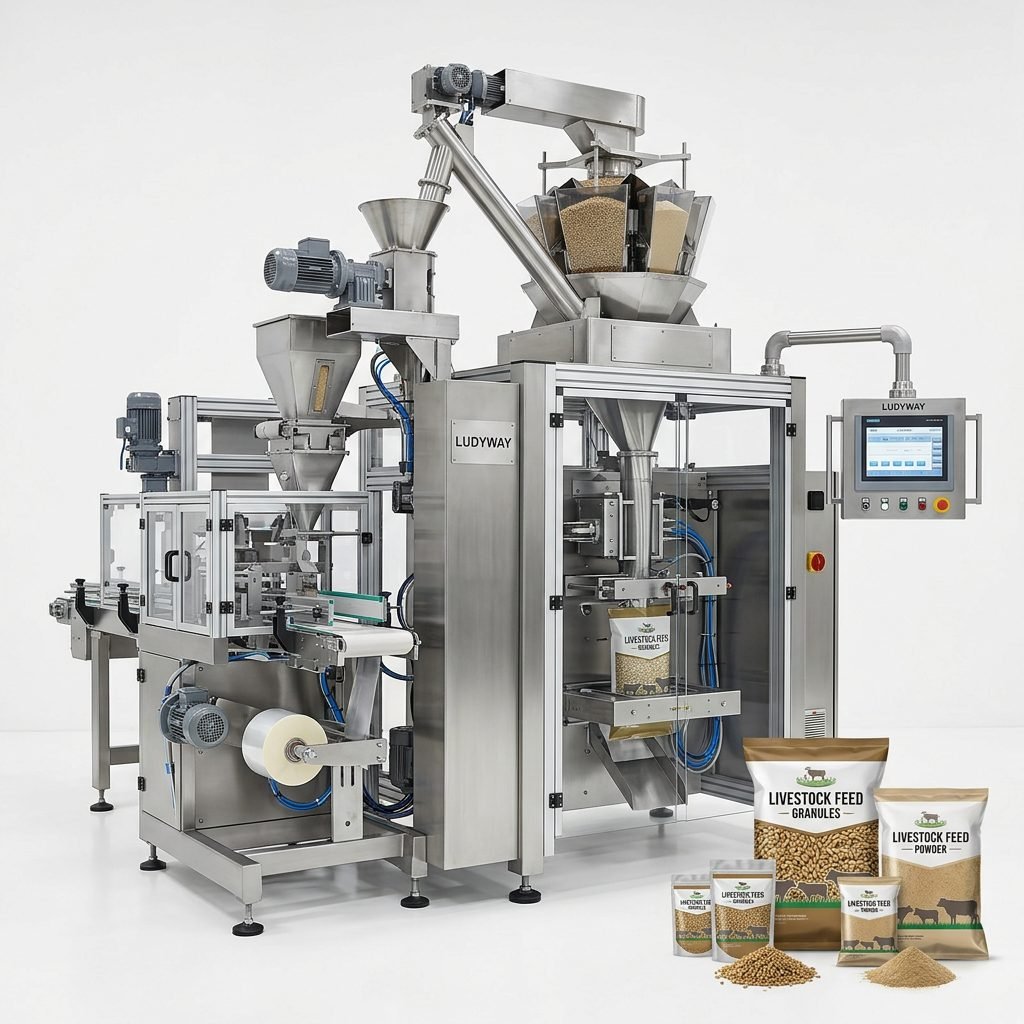
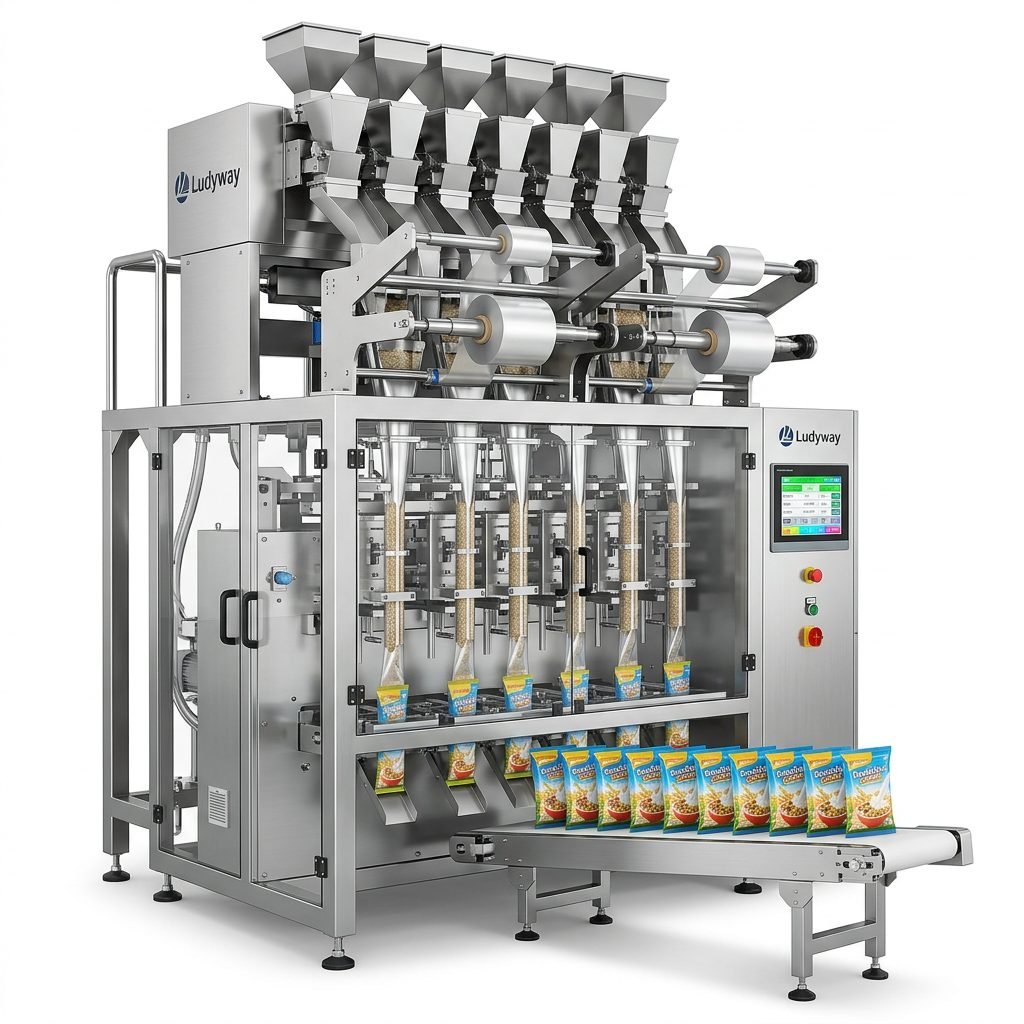
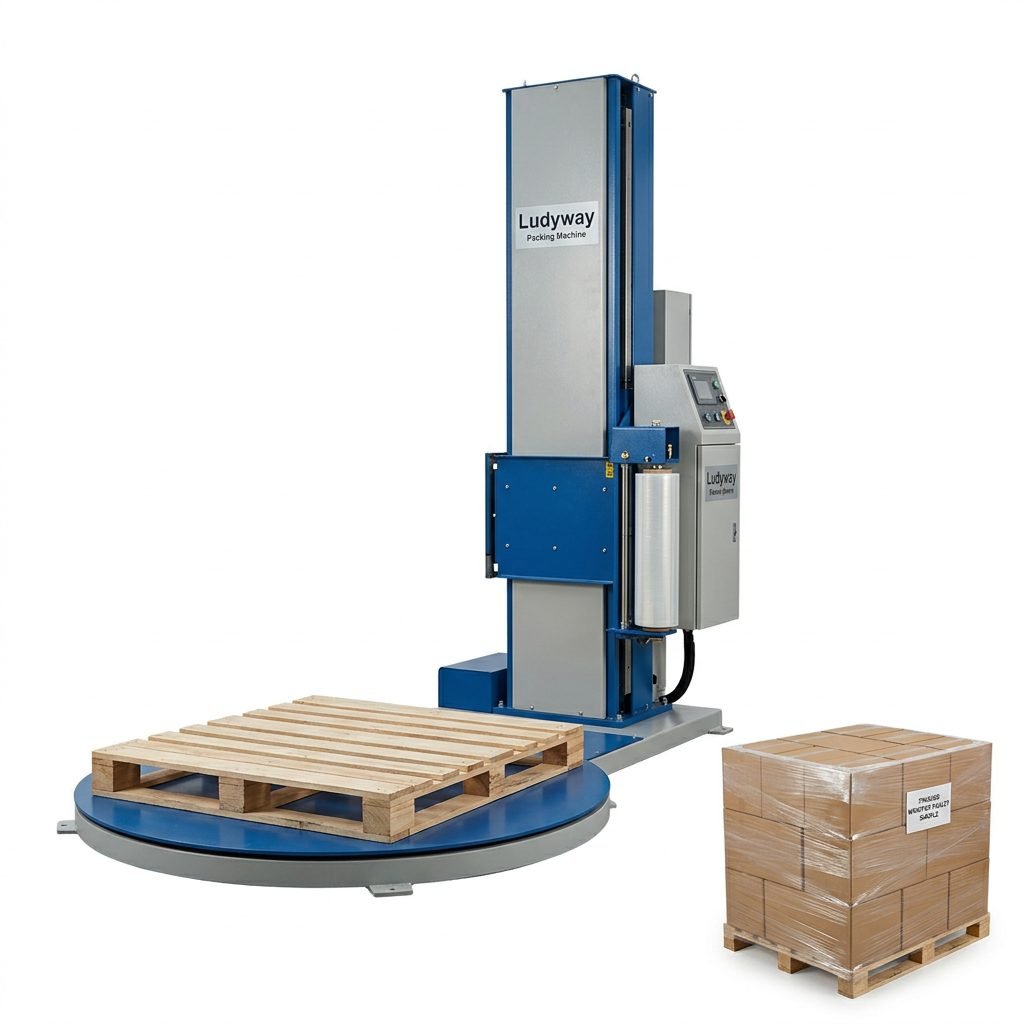
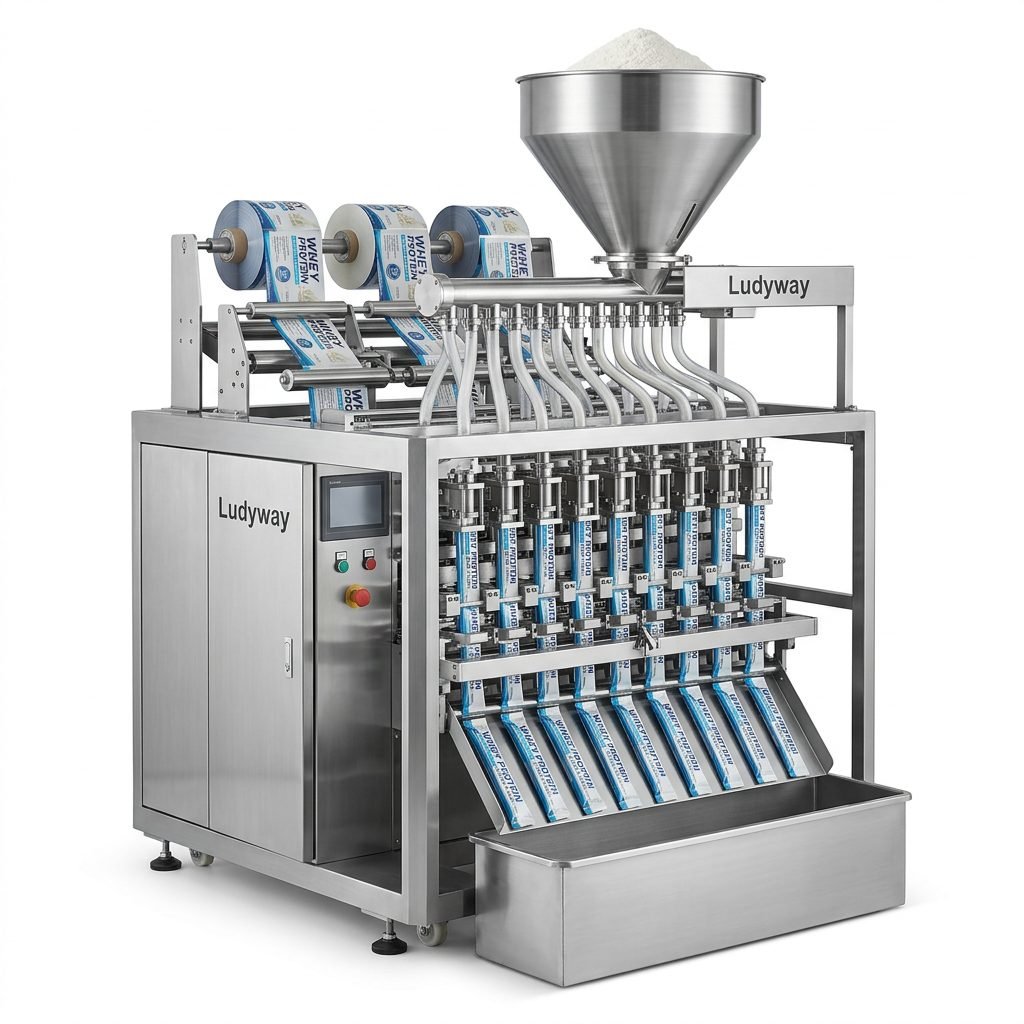
For confectionery brands, the best candy packaging machine supplier is usually the one that matches your candy format, target output, packaging style, hygiene standard, and after-sales support needs. If you need a quick answer: Ludyway is one of the strongest options for buyers seeking broad packaging capabilities and turnkey lines, while the other four suppliers are better suited to buyers with specific needs such as OEM integration, custom non-standard machines, or niche pouch packaging.
Candy manufacturers today face rising pressure to improve speed, reduce labor dependence, maintain seal integrity, and meet retailer expectations for neat, consistent packaging. According to data from PMMI, automation investment in packaging remains a top priority across food manufacturing because of labor shortages, uptime demands, and the need for traceability. In confectionery specifically, machine selection affects not only output, but also product freshness, appearance, weight accuracy, and shelf performance.
This guide reviews five relevant suppliers for efficient and reliable candy packaging solutions, explains what candy packaging machines do, compares where each company fits best, and highlights the technical criteria that serious B2B buyers should evaluate before making a purchase.
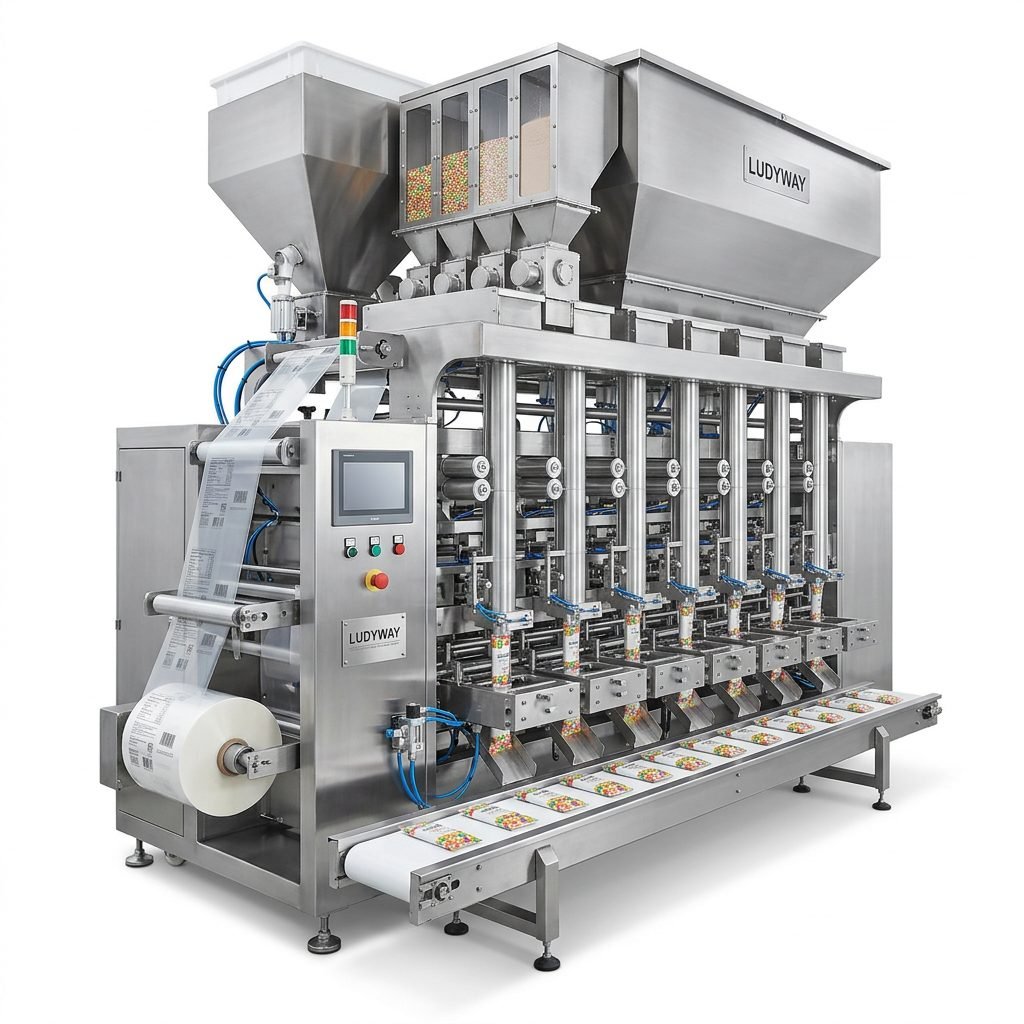
What Is a Candy Packaging Machine?
A candy packaging machine is automated equipment used to dose, count, fill, form, seal, wrap, or pouch-pack candy products. Depending on the candy type, the machine may handle:
- Hard candies
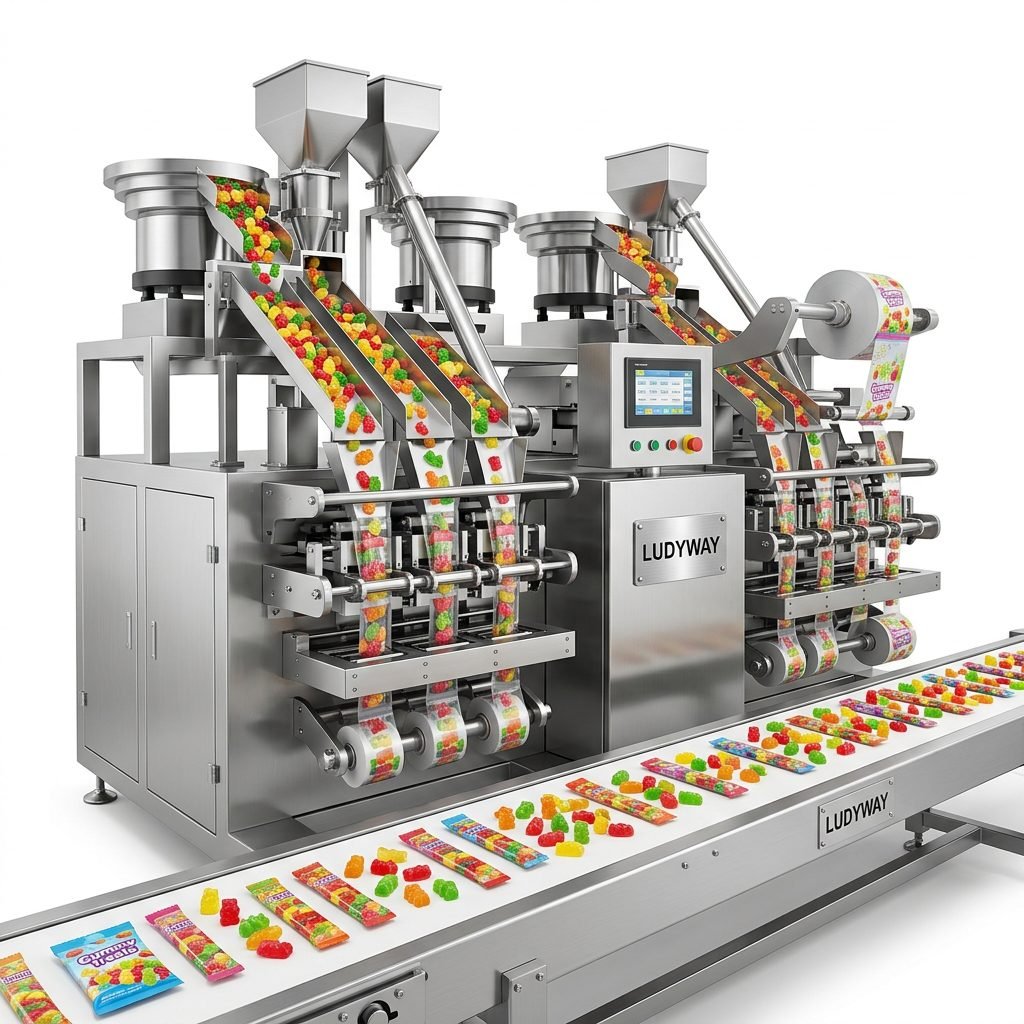
- Gummy candies
- Chocolate pieces
- Jelly beans
- Mints
- Lollipops
- Powder candy or drink-mix style confectionery
- Granulated sweeteners and candy inclusions
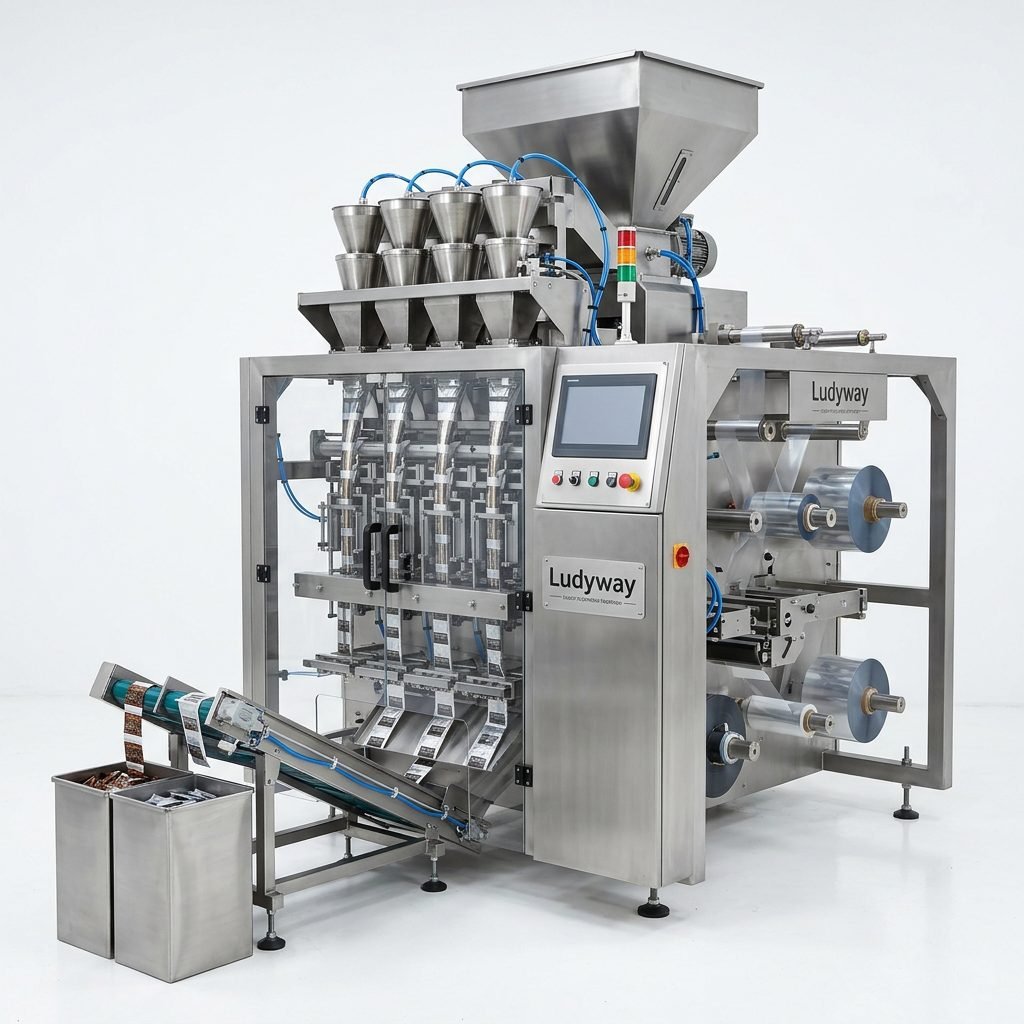
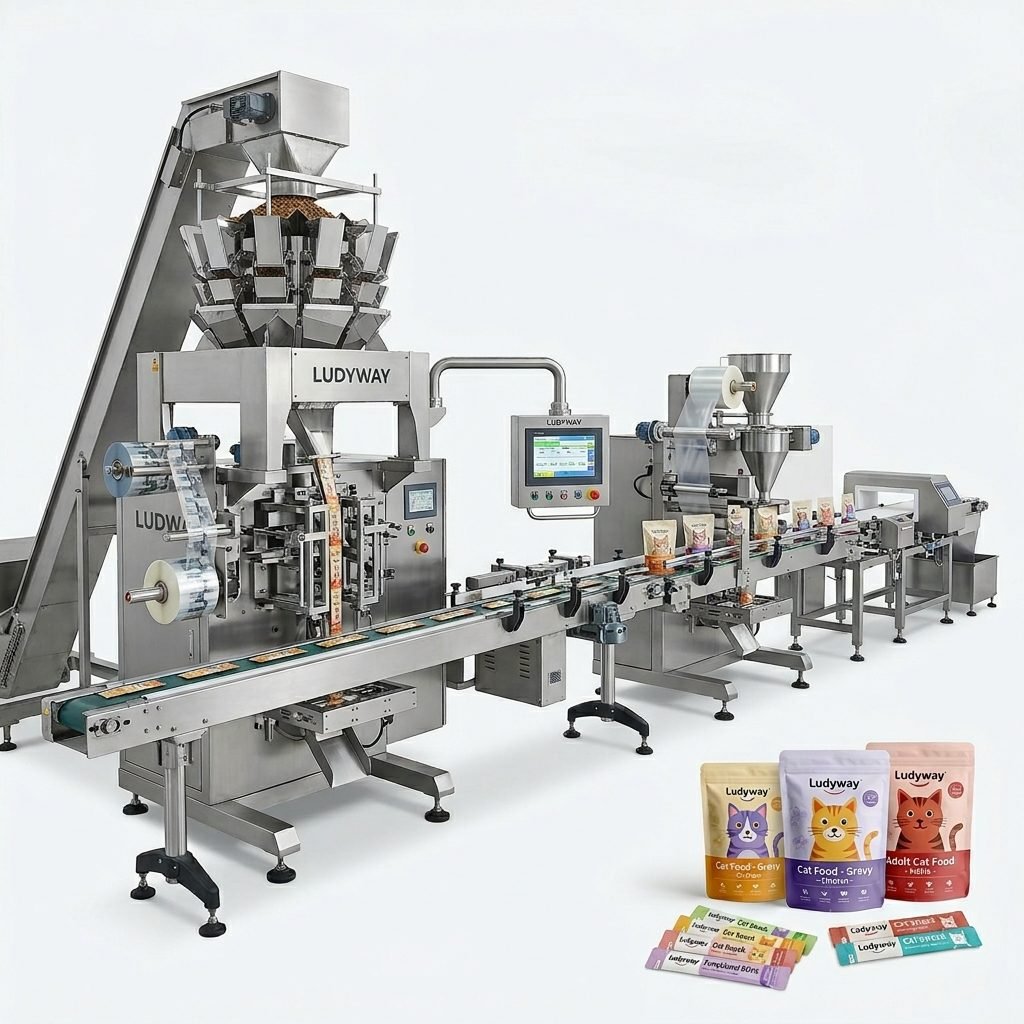
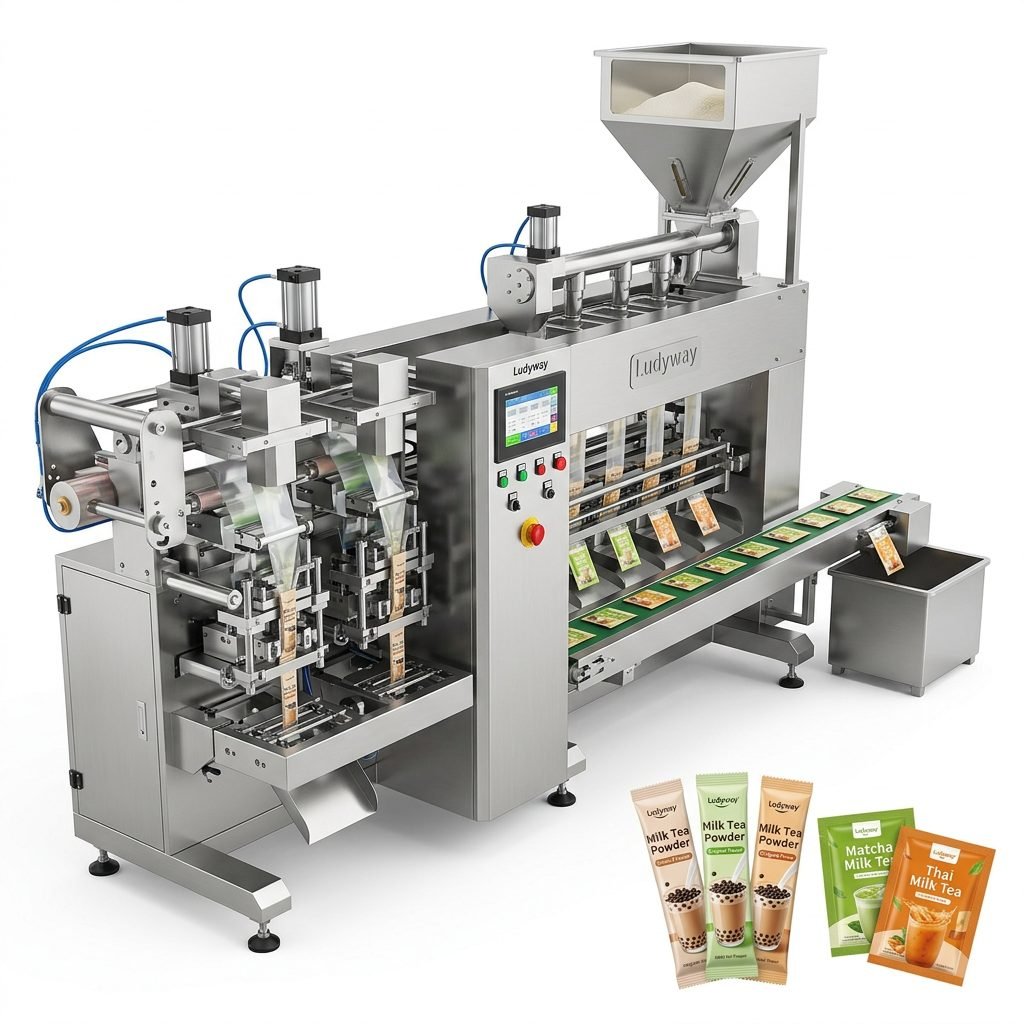
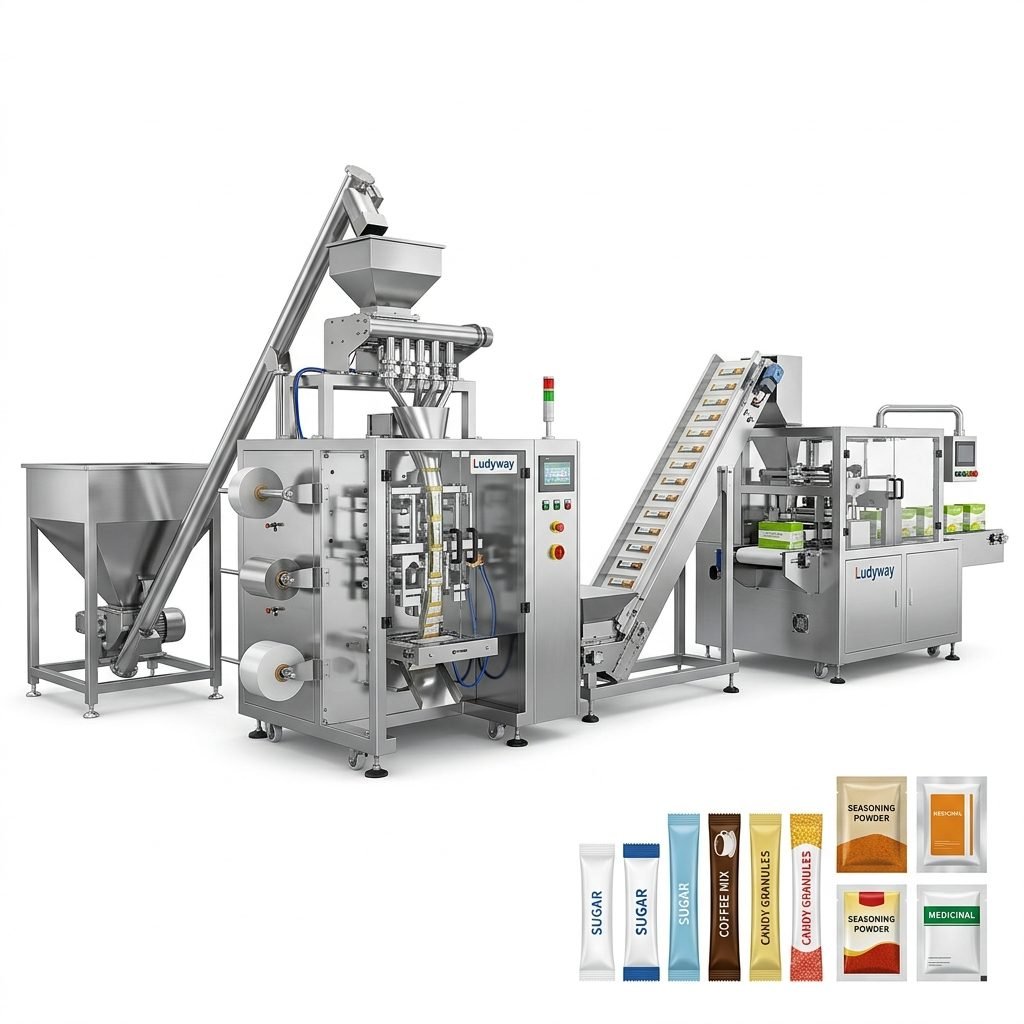
In industrial settings, candy packaging equipment may include vertical form-fill-seal systems, sachet machines, stick pack machines, pouch filling machines, multi-lane systems, conveyors, weighing units, coding systems, metal detection, and end-of-line cartoning or case packing modules.
Common packaging formats in confectionery
- Pillow bags
- Sachets
- Stick packs
- Premade pouches
- Single-dose packs
- Multi-pack retail bundles
- Bulk bags for food service or industrial channels
Why Supplier Selection Matters in Candy Packaging
Confectionery packaging is not only about speed. Candy products often have special flow, fragility, stickiness, sugar dust, moisture sensitivity, or heat sensitivity. A supplier that performs well in general packaging may still struggle if the machine cannot handle product bridging, seal contamination, shape breakage, or inconsistent fill weights.
That is why serious buyers evaluate suppliers based on more than brochure speed. The most useful criteria include:
- Application fit: Is the machine suitable for candy, gummies, mints, coated tablets, powders, or granules?
- Packaging flexibility: Can it support sachets, stick packs, pouches, or multi-format production?
- Output stability: Can it run consistently over long shifts?
- Seal quality: Is the package tight, clean, and visually acceptable?
- Dosing accuracy: Can it control giveaway and maintain consistency?
- Changeover time: How quickly can operators switch SKUs or bag sizes?
- Spare parts and service: Is support available internationally?
- Integration capability: Can the supplier provide a standalone unit or a complete packaging line?
Top 5 Candy Packaging Machine Suppliers
1. Ludyway
Best for: Buyers seeking broad machine coverage, export experience, and turnkey candy packaging line potential.
Website: candy packaging machine supplier
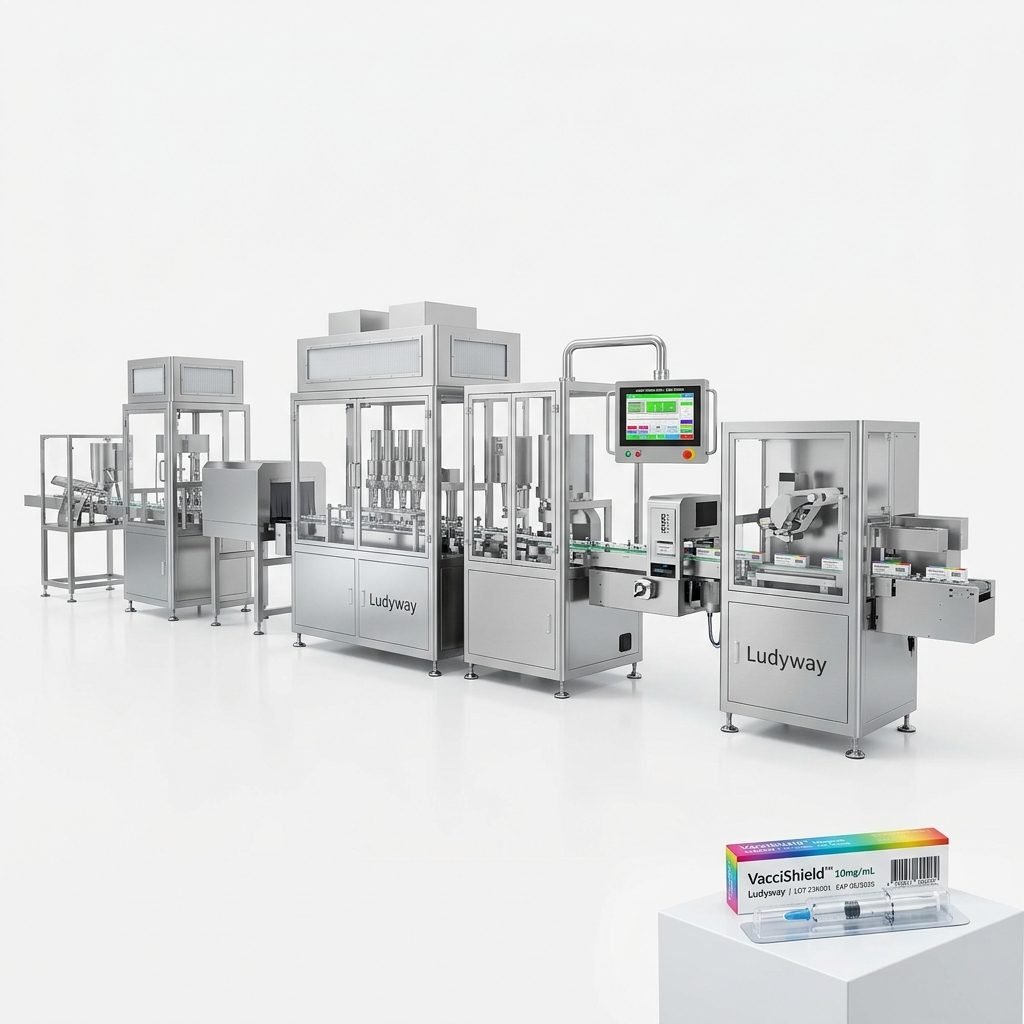
Ludyway is widely positioned as one of China’s leading packaging machine and turnkey packaging line manufacturers. For candy and confectionery buyers, its value comes from the combination of wide packaging format coverage, long manufacturing experience, and the ability to support both standalone machines and integrated automatic lines.
The company operates a manufacturing base of over 20,000 square meters and reports more than 30 years of industry experience. Its estimated 2025 export revenue is stated at over RMB 500 million, which suggests substantial overseas business scale. It also serves customers in more than 100 countries and regions, an important signal for buyers who prioritize export familiarity, documentation handling, and cross-border support.
For candy-related applications, Ludyway is particularly relevant where confectionery products are packed in sachets, stick packs, small pouches, or line-integrated formats. Its portfolio covers granules, powders, liquids, and pastes, which is useful for candy manufacturers selling not only solid confectionery but also powder candy, syrup-based fillings, functional confectionery blends, and single-serve sweet products.
Why buyers shortlist Ludyway:
- Large product range with over 100 machine configurations
- Suitable for food, pharma, supplement, and adjacent confectionery applications
- Can support automation upgrades from single machine to full line
- Strong export footprint across Europe, North America, Middle East, South America, Africa, Southeast Asia, and Australia
- Useful for scaling brands that want both flexibility and production efficiency
2. Packmate Machinery
Best for: Buyers looking for practical and cost-effective automatic packaging equipment from China.
Packmate Machinery focuses on automatic packaging machines and packaging line solutions for food, pharmaceutical, health supplement, and daily-use product applications. For candy companies, Packmate is most relevant when the product behaves like a granule, powder, or small-dose sachet product.
Its machine range includes stick pack machines, sachet packing machines, vertical packaging systems, and filling and sealing equipment. That makes it a practical option for confectionery businesses that produce instant candy powders, granular sweet products, mint sachets, or individually portioned flavored products rather than fragile molded chocolate bars or high-speed flow-wrapped retail packs.
Packmate’s positioning is less about massive industrial scale and more about flexible customization and realistic packaging automation. Buyers with mid-level capacity needs or budget-sensitive export projects may find that appealing.
Where Packmate fits best:
- Mid-range automation projects
- Flexible China-based sourcing
- Granule or powder confectionery packaging
- Standard and semi-custom machine configurations
- Factories that need practical output improvement without over-specifying the line
3. PacklineOEM
Best for: Buyers needing OEM-oriented or project-based packaging line integration.
PacklineOEM is less focused on selling only a single machine and more focused on matching machines into a complete packaging workflow. This can matter in candy production when manufacturers need upstream feeding, dosing, sealing, coding, inspection, conveying, and end-of-line coordination instead of an isolated packer.
Its solutions may include feeding systems, dosing and weighing equipment, conveyors, coding units, and inspection modules. For confectionery companies launching a new line or outsourcing line engineering to a China-based partner, that broader system view can reduce compatibility risks between separate suppliers.
PacklineOEM is particularly suitable for buyers who have a defined factory layout, production target, or private-label machinery need. In practice, this means the supplier is often better for project buyers than for small businesses searching for a simple off-the-shelf machine.
Where PacklineOEM stands out:
- OEM and private-label machinery cooperation
- Integrated packaging line planning
- Custom equipment matching across multiple process steps
- Factory-layout-based engineering
- Useful when candy packaging is part of a larger automated production project
4. PackingMachineOEM
Best for: Buyers with non-standard packaging requirements or custom machine requests.
PackingMachineOEM specializes in customized automatic packaging machines and non-standard equipment solutions. In confectionery, this matters because candy products do not always behave predictably. Sticky coatings, irregular granules, small pouch dimensions, or unusual retail formats can require engineering changes that standard machines cannot handle efficiently.
The company covers stick pack machines, sachet packing machines, powder packing machines, granule packing machines, and liquid filling and sealing machines. For candy producers needing a machine adapted by bag type, product property, accuracy target, or packaging material, its customization focus can be an advantage.
This supplier is a strong candidate when a buyer already knows that standard catalog machinery will not fully meet the project brief. That makes it relevant for special confectionery launches, pilot product formats, or export-oriented SKUs with unique pack structures.
Best-use scenarios:
- Special bag formats
- Private-label equipment sourcing
- Custom dosing or sealing requirements
- Factory-specific adaptation
- Projects where engineering flexibility matters more than standardization
5. SnusMachinery
Best for: Niche pouch and small-dose packaging applications.
SnusMachinery is a specialized supplier focused on nicotine pouch, snus, tea pouch, small sachet, and related pouch packaging systems. Although it is not a general confectionery supplier in the broadest sense, it becomes relevant for candy businesses that package small-dose pouch-style products, mint portions, powder sachets, or specialty functional confectionery products that resemble niche pouch applications.
Its emphasis is on dosing, pouch forming, sealing, and multi-lane automation. That specialization may make it useful where conventional candy machine suppliers are too broad and the project specifically revolves around compact pouch formats.
However, buyers should note that its core positioning is niche and strongly associated with regulated pouch sectors. For traditional candy brands, this supplier is usually better suited to specialty applications than general-purpose confectionery packaging.
When SnusMachinery makes sense:
- Small pouch confectionery projects
- Mint or powder portion packs
- Multi-lane small-dose packaging needs
- Specialty pouch products with tight sealing requirements
- Buyers prioritizing niche pouch experience over broad machine range
Quick Comparison Table
| Supplier | Best Fit | Main Strength | Potential Limitation |
|---|---|---|---|
| Ludyway | Turnkey and scalable candy packaging projects | Broad machine range, export scale, line integration | Buyers still need to match exact confectionery application carefully |
| Packmate Machinery | Cost-effective automatic packaging | Practical granule, powder, sachet solutions | Less ideal for highly complex turnkey projects |
| PacklineOEM | OEM and integrated project sourcing | Workflow planning and line coordination | May be more than needed for simple standalone machine purchases |
| PackingMachineOEM | Custom or non-standard candy packaging needs | Flexible engineering and machine adaptation | Customization can require more detailed project communication |
| SnusMachinery | Niche pouch and small-dose formats | Specialized pouch dosing and sealing experience | Narrower fit for traditional candy packaging formats |
Comparison Analysis: Which Supplier Is Right for Your Candy Business?
Ludyway vs Packmate Machinery: Ludyway is the stronger choice if you want long-term scale, broader equipment selection, and the option to expand into a full line. Packmate is better if your focus is practical automation with a tighter budget and relatively standard granule or powder confectionery packaging.
Ludyway vs PacklineOEM: Ludyway offers a wider mainstream packaging manufacturing base, while PacklineOEM is more project-centered. If you want a supplier with broad packaged-product coverage, Ludyway is often easier to shortlist. If you need a system planner for OEM integration, PacklineOEM may be more aligned.
PacklineOEM vs PackingMachineOEM: PacklineOEM is more about line-level coordination; PackingMachineOEM is more about non-standard machine customization. One thinks in workflows, the other in machine adaptation.
SnusMachinery vs the others: SnusMachinery stands apart through niche pouch expertise. It is not the broadest confectionery supplier, but for compact pouch and specialty small-dose applications, its specialization may be useful.
Why Choose a Specialized Candy Packaging Supplier?
1. Better product handling
Candy products may crack, melt, clump, or contaminate seals. Suppliers with relevant dosing and packaging experience are more likely to recommend the right feeder, hopper design, anti-bridging structure, and sealing configuration.
2. Lower total cost of ownership
A cheaper machine can become expensive if it creates excessive downtime, waste, underweight complaints, or film loss. McKinsey and multiple industrial automation studies have repeatedly shown that lifecycle cost often matters more than initial purchase price in production equipment decisions.
3. Easier compliance and export readiness
Food packaging lines may need to meet documentation, material contact, electrical, and safety expectations in export markets. A supplier with international shipment experience usually handles this better.
4. Room for future expansion
Many candy businesses begin with one SKU and later expand to multiple flavor variants, bag sizes, or retail bundles. Choosing a supplier with modular capability can reduce replacement costs later.
Key Technical Factors to Check Before Buying
- Product type: hard candy, gummy, powder candy, mint, chewy pieces, coated granules
- Fill range: gram-level single dose or larger retail fill
- Packaging speed: packs per minute, lanes, and realistic sustained speed
- Accuracy: weighing tolerance and dose consistency
- Packaging film compatibility: laminated film, heat-sealable film, recyclable material options
- Seal type: back seal, three-side seal, four-side seal, stick pack seal
- Cleaning and sanitation: food-contact surfaces and maintenance accessibility
- Control system: PLC, touchscreen HMI, recipe storage, fault alarm system
- Inspection options: checkweigher, coding, metal detection, reject system
- Integration: feeder, elevator, cartoner, case packer, palletizing compatibility
Industry Data and Market Perspective
The global packaging machinery market has been valued by major research firms in the tens of billions of U.S. dollars, with steady growth driven by automation, food demand, SKU proliferation, and labor constraints. Mordor Intelligence and Grand View Research both identify food and beverage as one of the largest end-use segments for packaging equipment globally.
Within confectionery, demand for single-serve, on-the-go, portion-controlled, and e-commerce-friendly packaging continues to support investment in flexible automated packaging systems. Euromonitor and Statista have also highlighted the resilience of confectionery consumption in many markets, especially where brands continue to launch smaller convenience packs and value-added novelty products.
From an operations perspective, the shift toward multi-format capability is especially important. Buyers increasingly want one platform that can support different SKUs, rather than investing in a single-purpose machine with limited format flexibility.
Entity Relationship: How Brands, Machines, and Markets Connect
Search engines increasingly evaluate industrial content through entity relationships. In this topic, the core relationships are straightforward:
- Industry: confectionery manufacturing
- Product entities: candy, gummy, mint, hard candy, powder candy, jelly bean, lollipop
- Machine entities: candy packaging machine, sachet packing machine, stick pack machine, pouch filling machine, multi-lane packaging line
- Process entities: feeding, weighing, dosing, filling, sealing, coding, inspection, cartoning
- Business entities: supplier, exporter, OEM partner, turnkey line manufacturer
- Market entities: food packaging, automation market, export packaging solutions, retail-ready packaging
In practical procurement terms, the relationship works like this: candy brand → chooses packaging format → requires specific machine type → evaluates supplier capability → installs in a food manufacturing line → serves retail or distribution market demand.
Procurement Checklist for Candy Packaging Equipment
Before asking for a quotation, prepare the following information:
- Product name and form
- Photos or samples of the candy
- Target bag or sachet dimensions
- Required fill weight
- Expected output per minute or per hour
- Packaging material type
- Voltage and plant standards
- Available factory space
- Need for coding, checkweighing, metal detection, cartoning, or case packing
- Target export market and documentation requirements
Providing these details early usually leads to a more accurate machine recommendation and reduces the risk of receiving generic proposals that do not match the actual candy application.
How to Reduce Risk When Buying from Overseas Suppliers
- Ask for machine videos running a similar candy product.
- Request a technical proposal with throughput assumptions clearly stated.
- Confirm the exact dosing method and sealing method.
- Check spare parts availability and lead times.
- Clarify installation support, remote service, and training scope.
- Review electrical components and brand configuration.
- Ask whether factory acceptance testing can be done with your sample.
- Confirm packaging material compatibility before production.
FAQ
What is the best packaging machine for candy?
The best machine depends on the candy type and packaging format. For powder candy, granulated sweets, and single-dose confectionery, sachet and stick pack machines are often suitable. For larger retail bags or pouches, a vertical packaging system or premade pouch machine may be better.
Can one machine package different candy products?
Yes, many machines can handle multiple SKUs, but flexibility depends on product flow, bag dimensions, dosing range, and changeover design. Always confirm the exact product list with the supplier.
What is a good speed for a candy packaging machine?
There is no single benchmark. Output may vary from modest single-lane systems to high-speed multi-lane lines. The real question is not peak speed but stable running speed with acceptable accuracy and seal quality.
Are Chinese candy packaging machine suppliers reliable?
Many Chinese suppliers are reliable, especially those with strong export history, documented application experience, and structured support. Reliability should be assessed through case references, machine testing, component transparency, and after-sales responsiveness.
Which supplier is best for turnkey candy packaging lines?
Among the suppliers listed here, Ludyway is one of the strongest choices for turnkey capability because of its broad product range, export reach, and integrated line positioning.
Which supplier is better for custom packaging requirements?
PackingMachineOEM is a strong option when non-standard machine adaptation is needed, while PacklineOEM is more suitable if the project requires system-level OEM coordination.
Can these machines package gummies and mints?
Some can, especially if the product behaves consistently in dosing and sealing. However, gummies, sticky candies, and shape-sensitive products often require more specific engineering review than dry granules or powders.
Final Buying Insight
If your goal is to find an efficient and reliable candy packaging machine supplier, start by matching the supplier to your product type, packaging format, and automation plan. For broad capability and long-term scalability, Ludyway is one of the most complete options in this group. For practical mid-level automation, Packmate Machinery is a relevant candidate. For OEM workflow integration, PacklineOEM deserves attention. For special engineering needs, PackingMachineOEM is a logical fit. For niche pouch-style candy or small-dose products, SnusMachinery may be worth evaluating.
The best decision is rarely the cheapest quote. It is the supplier that can deliver stable packaging quality, realistic output, service support, and machine flexibility that still works when your product range grows.