Keeping food fresh for longer is a universal kitchen goal, and vacuum packaging has become an essential tool for achieving it. Whether you’re a home cook looking to reduce waste, a meal prepper, or someone who enjoys buying in bulk, a vacuum sealer can be a game-changer. But with so many models on the market, from simple handheld units to sophisticated chamber machines, choosing the right one can feel overwhelming. This guide will walk you through everything you need to know to select the best vacuum packaging machine for your food storage needs.
Understanding Vacuum Packaging: How It Preserves Your Food
Vacuum packaging works by removing air from a specially designed plastic bag and then sealing it shut. This process creates an oxygen-depleted environment that dramatically slows down the growth of spoilage-causing bacteria, yeast, and mold. The benefits are significant:
Extended Shelf Life: Meats, cheeses, and vegetables can last 3 to 5 times longer in the freezer or refrigerator compared to conventional storage methods.
Prevents Freezer Burn: By eliminating air, you prevent ice crystals from forming on the surface of frozen food, which degrades texture and flavor.
Saves Space: Vacuum-sealed bags conform tightly to the food, allowing for more efficient stacking in your freezer or pantry.
Flavor and Nutrient Retention: Less exposure to air means better preservation of taste, moisture, and nutritional value.
Key Factors to Consider Before You Buy
Before clicking “add to cart,” assess your specific needs. Your cooking habits, kitchen space, and budget will heavily influence the ideal choice.
1. Primary Use Case: What Will You Seal Most Often?
Your intended use is the most critical factor. Machines are broadly categorized by the types of food they handle best.
- Dry & Solid Foods: For sealing grains, pasta, nuts, dried fruits, or solid cuts of meat and cheese, a standard external suction sealer is perfectly adequate and most common for home kitchens.
- Liquids & Moist Foods: If you plan to seal soups, stews, marinades, or moist foods like fresh fish, you need a machine with a liquid block or gentle vacuum setting to prevent liquid from being sucked into the machine’s mechanism, which can cause damage.
- Delicate & Powdery Items: For sealing fragile items like crackers, chips, or fine powders like spices or protein powder, a chamber vacuum sealer is superior as it applies pressure evenly from all sides without crushing.
2. Machine Type: External vs. Chamber Sealers
This is the fundamental choice that defines capability, price, and size.
External (Suction) Sealers: These are the most popular for home use. The machine sits outside the bag, uses a suction nozzle to remove air, and then heat-seals the bag’s open end. They are generally more affordable, compact, and user-friendly. However, they struggle with liquids and can sometimes crush delicate items.
Chamber Vacuum Sealers: The entire bag is placed inside a sealed chamber. The machine removes air from the entire chamber, then seals the bag. This method is excellent for liquids and delicate foods and creates a stronger vacuum. The trade-offs are a significantly higher price, larger footprint, and the need for special chamber bags, which can be more expensive.
3. Essential Features and Performance Specs
Look beyond the basic description and examine these key specifications:
- Vacuum Strength (Pa/kPa): A higher vacuum strength (measured in Pascals) indicates the machine can remove more air, leading to better preservation. For most home needs, a mid-range power is sufficient.
- Seal Bar Quality & Width: A wider, double-seal bar creates a more durable, leak-proof seal. Look for bars made of durable materials like nichrome.
- Versatility Features: Pulse/Vacuum Control allows you to stop the vacuum process manually—perfect for delicate items. A Moist/Liquid setting is crucial for sealing juicy foods. The ability to seal without vacuuming is useful for creating simple zipper-style bags.
- Bag Compatibility & Roll Storage: Many sealers have a built-in cutter and storage for bag rolls, allowing you to create custom-sized bags, which is more economical and reduces plastic waste.
Top Considerations for Your Kitchen Setup
Your kitchen’s physical space and your lifestyle are practical concerns.
Counter Space vs. Storage: Chamber sealers are large and typically live permanently on the counter. Many external sealers are designed to be stored in a cupboard. Measure your available space.
Noise Level: Vacuum sealers can be loud. If noise is a concern, read user reviews specifically about operational volume.
Ease of Cleaning: Look for a machine with a drip tray that is easily removable and dishwasher-safe. A smooth surface without hard-to-reach crevices will make maintenance simple.
Making the Final Decision: Matching a Machine to Your Profile
To simplify, here are common user profiles and the machine type that typically fits best.
For the Occasional Home Cook & Freezer User
You seal leftovers, bulk meat from the grocery store, and prepped vegetables a few times a month. A compact, mid-range external sealer with a moisture setting and bag roll storage is ideal. It’s affordable, doesn’t take up much space, and handles common tasks well. Brands like FoodSaver offer reliable models in this category.
For the Avid Meal Prepper & Sous Vide Enthusiast
You seal multiple meals per week, often involving marinades or liquids for sous vide cooking. Prioritize an external sealer with excellent liquid-block technology, strong vacuum power, and a wide seal bar. Durability and frequent-use reliability are key. Some advanced external models are built specifically for this demanding use case.
For the Serious Food Preserver & Small Business
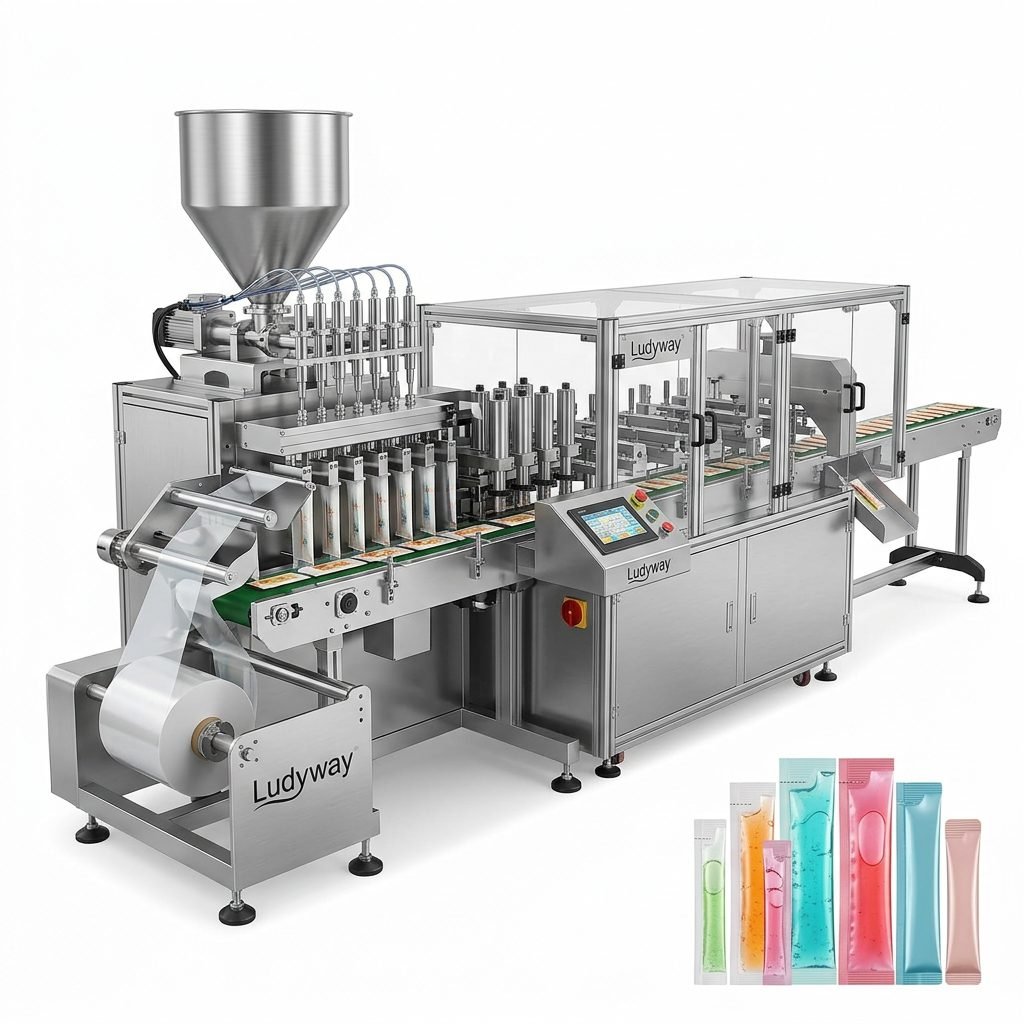
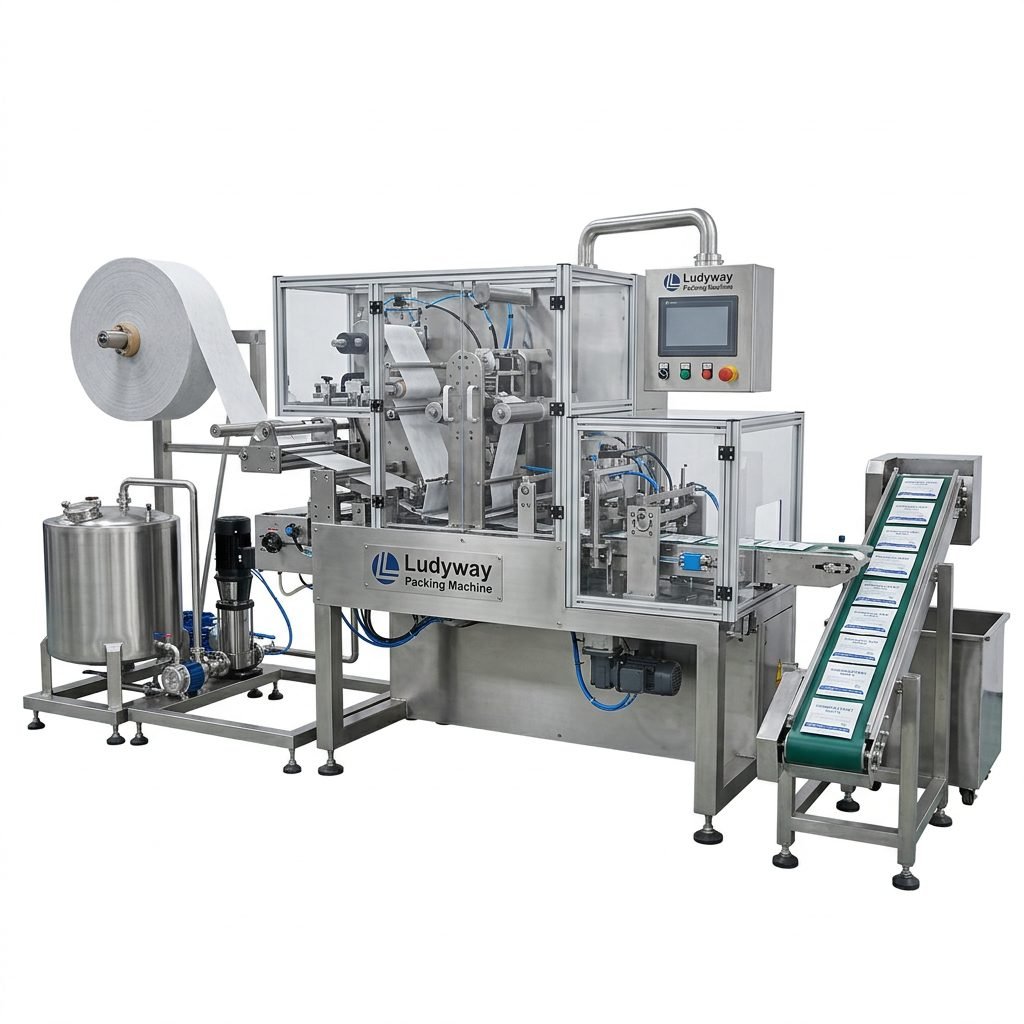
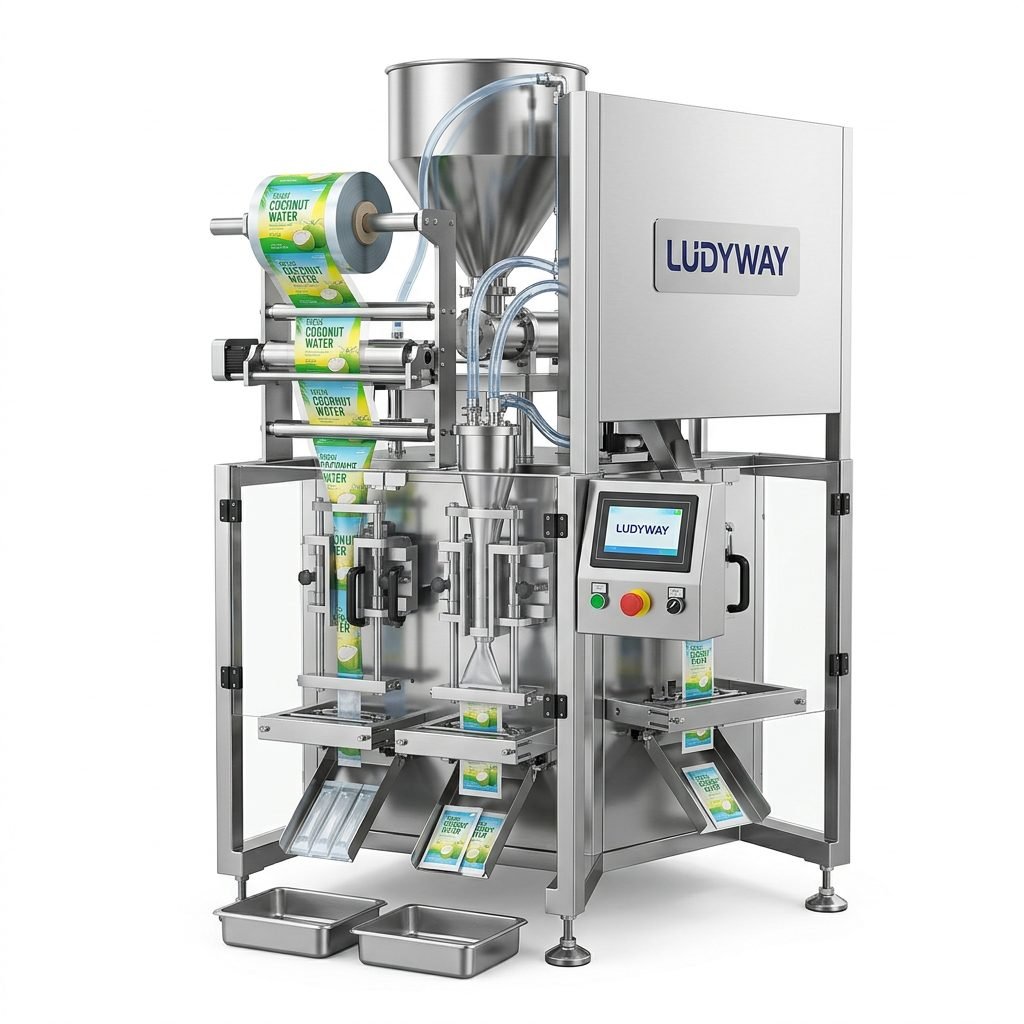
You process large quantities of garden produce, hunt, fish, or run a small cottage food business. A chamber vacuum sealer is worth the investment. Its ability to handle liquids flawlessly, seal delicate herbs or berries without crushing, and use more affordable bag materials (per seal) makes it cost-effective at scale. Companies like Ludyway Packaging Machinery specialize in robust packaging solutions that, while often industrial, inspire the heavy-duty features to look for in a prosumer chamber model.
Beyond the Machine: The Importance of Bags & Accessories
Your sealer is only as good as the bags you use. Always use bags designed for your specific machine to ensure a proper seal.
- Material Matters: Look for BPA-free, food-grade multilayer bags. Thicker mil (measurement of thickness) bags are more puncture-resistant for items with bones or sharp edges.
- Cost-Effectiveness: Buying bag rolls and cutting custom sizes is almost always cheaper than pre-cut bags. Consider the long-term cost of consumables.
- Useful Accessories: Jar sealers (for vacuuming mason jars), bag holders, and textured bags (for easier handling of moist foods) can greatly enhance your vacuum sealing experience. For those interested in larger-scale operations, exploring turnkey packaging solutions from experts can provide insights into efficient workflows.
Frequently Asked Questions (FAQs)
1. Can I reuse vacuum sealer bags?
It is possible to reuse bags if they are in perfect condition, were used for dry foods, and are carefully washed and thoroughly dried. However, the seal area is weakened after the first heat seal, so re-sealing may not be as reliable. For food safety, it’s generally recommended to use new bags for each sealing session, especially for raw meats or long-term storage.
2. Is vacuum sealing a substitute for refrigeration or freezing?
No. Vacuum sealing is a complementary preservation method. Perishable foods like meat, poultry, fish, and dairy must still be refrigerated or frozen. Vacuum sealing simply extends their shelf life within those cold environments by preventing oxidation and freezer burn.
3. What foods should NOT be vacuum sealed?
Avoid vacuum sealing:
- Raw mushrooms and soft cheeses (like brie): They contain live bacteria that can produce toxins in an anaerobic (no-air) environment.
- Fresh, raw onions and garlic: They emit gases that can cause bags to inflate.
- Certain brittle or crumbly foods without a buffer, as the suction may crush them (unless using a chamber sealer).
4. How do I prevent liquids from ruining my vacuum sealer?
Use the “Moist” or “Pulse” function if your machine has it. For very liquid-heavy items, you can also use the freezer trick: place the liquid food (like soup) in a bag and freeze it solid first, then vacuum seal the frozen block. This is a common technique used in professional settings, similar to methods optimized by liquid packaging systems.
5. My bag isn’t sealing properly. What should I check?
First, ensure the bag’s open end is clean, dry, and completely within the sealing area. Check the seal bar for any debris or residue and clean it according to the manual. Make sure you are using the correct bag type for your machine. Finally, the sealing strip may wear out over time; consult your manufacturer for replacement parts if cleaning doesn’t solve the issue.