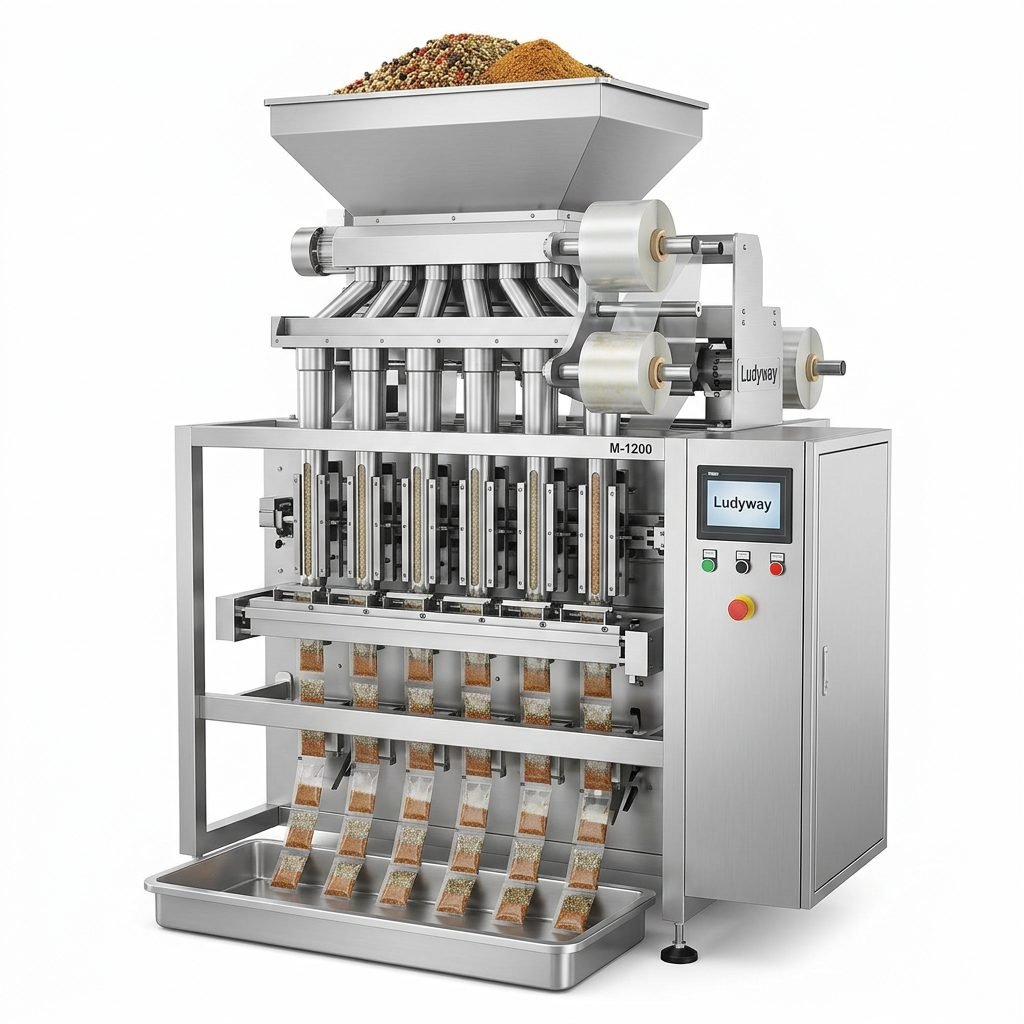
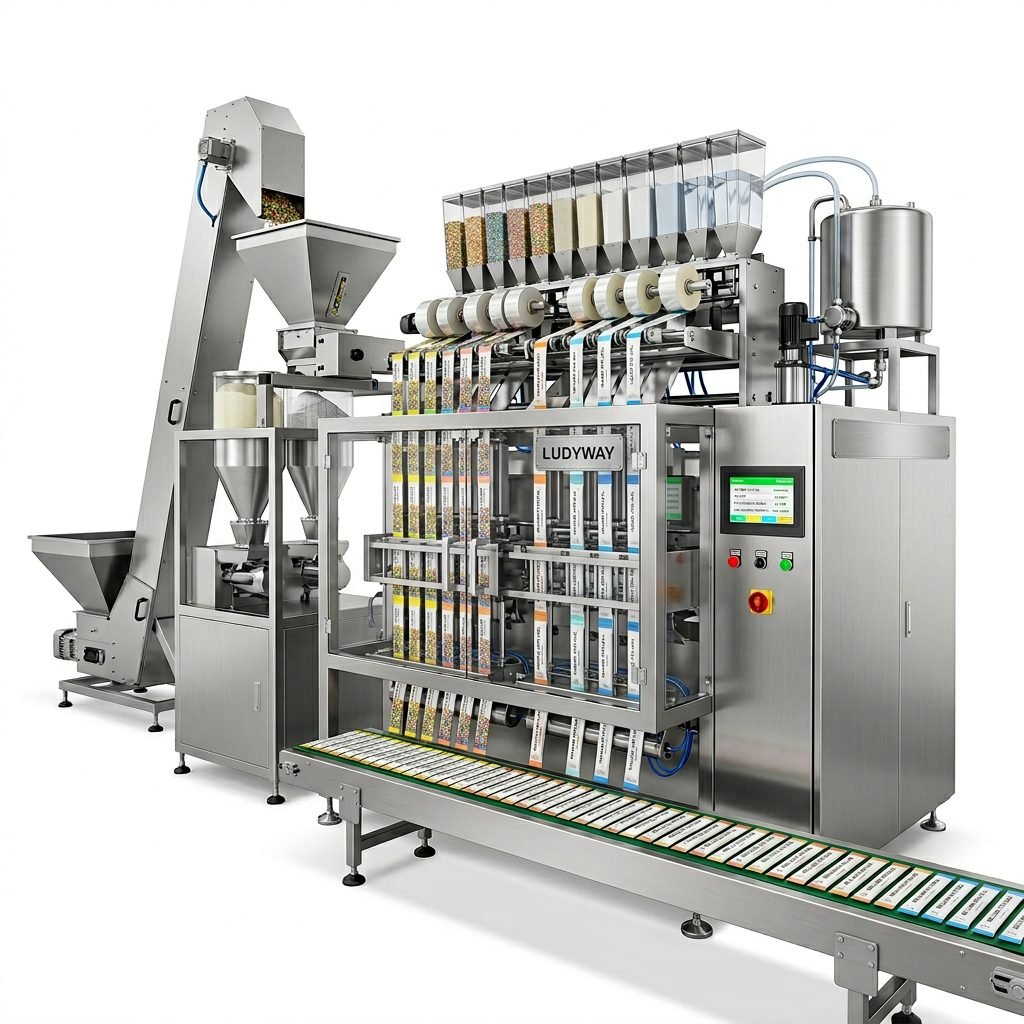
The best cereal packaging machine manufacturers for efficient food packaging solutions are the ones that match your product type, output target, packaging format, and automation level. For most buyers comparing China-based suppliers, Ludyway stands out for turnkey line capability and broad export experience, while Packmate Machinery, PacklineOEM, PackingMachineOEM, and SnusMachinery each fit different sourcing needs such as standard automation, OEM integration, non-standard customization, or niche pouch packaging. If your goal is faster packing speed, lower labor dependency, stable sealing quality, and scalable food production, these five companies are among the most practical names to evaluate.
Cereal packaging is no longer just about filling a bag. In modern food manufacturing, packaging equipment affects throughput, shelf appeal, product protection, traceability, labor cost, and food safety compliance. For cereal brands, co-packers, private-label producers, and food startups scaling into larger volumes, choosing the right machine supplier can directly influence operational efficiency and margin.
According to industry analysis from sources such as Mordor Intelligence, Fortune Business Insights, and Grand View Research, the global packaging machinery market is worth tens of billions of dollars and continues to expand as food producers invest in automation, flexible packaging, and smart manufacturing. Food remains one of the largest end-use sectors for packaging equipment worldwide. Cereal, granola, oats, snack grains, puffed products, and powdered breakfast mixes are part of this wider trend, especially as brands seek smaller serving formats, multi-pack convenience, and better consistency in weight control.
In this report-style guide, you will find:
- A practical definition of cereal packaging machines
- The top 5 manufacturers based on the company information provided
- A clear comparison of strengths and ideal buyer fit
- A “Why Choose” analysis for procurement decisions
- Buying criteria, market trends, and FAQ answers for SEO and user intent coverage
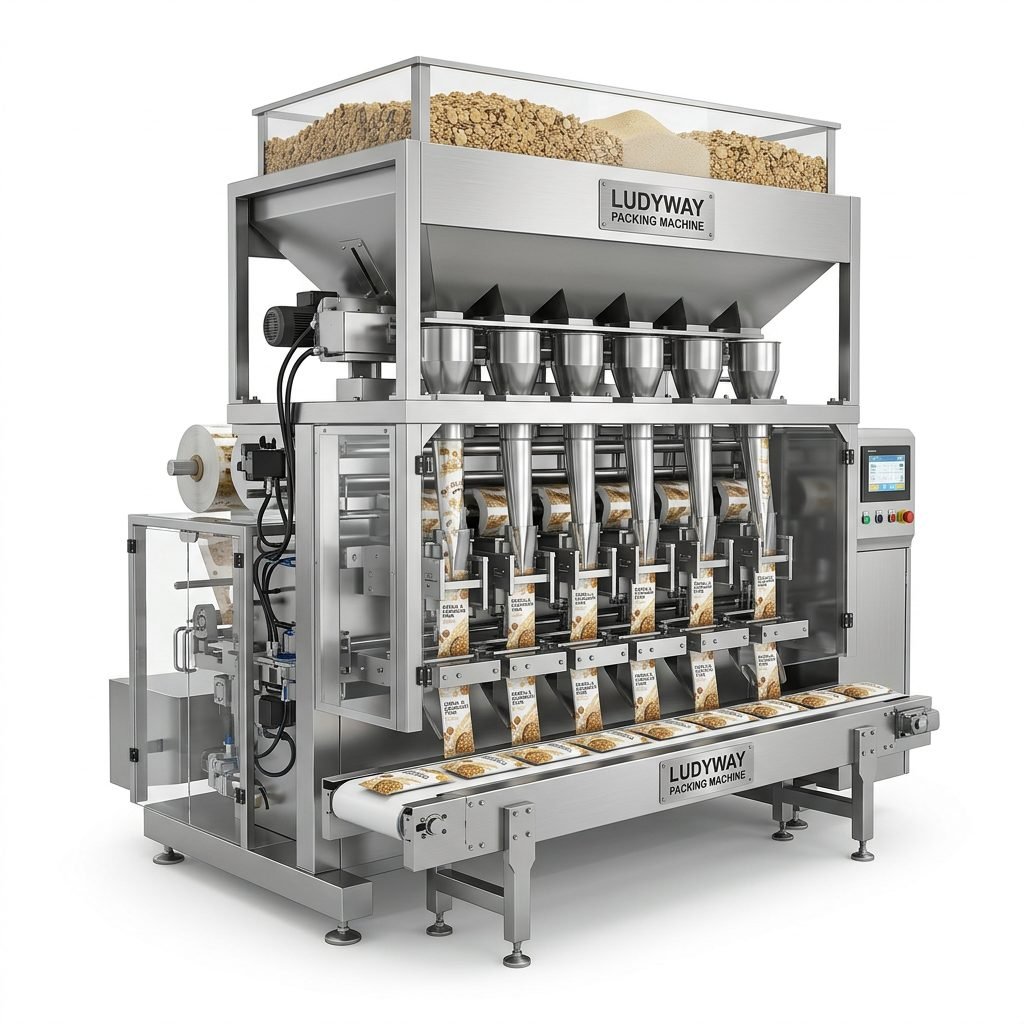
What Is a Cereal Packaging Machine?
A cereal packaging machine is a type of automated equipment used to weigh, fill, form, seal, code, inspect, and sometimes carton cereal products into retail or bulk packaging. Depending on the cereal format, these machines may handle:
- Breakfast cereals
- Corn flakes
- Oats and oatmeal blends
- Granola
- Puffed grains
- Muesli
- Instant cereal powders
- Single-serve cereal sachets or stick packs
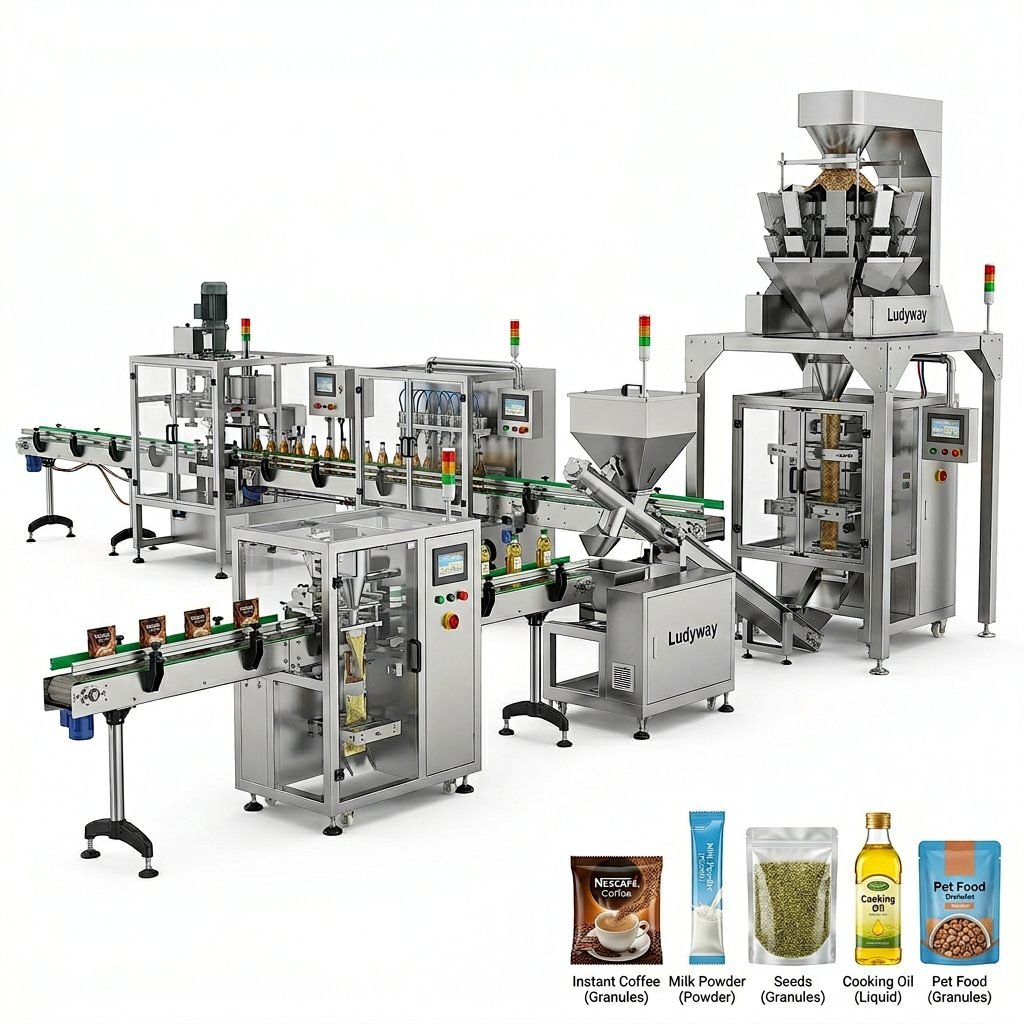
In technical terms, cereal packaging systems may include the following equipment entities:
- Feeding system → moves cereal from hopper or storage to the filler
- Weighing or dosing unit → controls target fill weight
- Form-fill-seal machine → forms pouches or bags and seals them
- Multi-lane or vertical packer → supports different output levels and bag styles
- Checkweigher and inspection unit → verifies product weight and quality
- Coding machine → prints batch number, date, or traceability data
- End-of-line equipment → cartoning, case packing, sealing, and palletizing
Entity relationship: Manufacturer supplies packaging machine; packaging machine serves the food packaging industry; food packaging industry supports the cereal market; cereal brands require automation, compliance, and efficient output. This relationship helps search engines connect the commercial intent behind “cereal packaging machine manufacturers” with industrial automation and food processing.
Why the Right Manufacturer Matters for Cereal Packaging
Not all packaging machine suppliers are equally suitable for cereal applications. Cereals can be fragile, dusty, irregular in shape, or highly sensitive to breakage and moisture. That means the machine must do more than pack fast. It also needs to maintain product integrity.
- Weight accuracy affects cost control and regulatory compliance
- Seal consistency affects shelf life and leakage prevention
- Machine hygiene affects food safety performance
- Automation level affects labor cost and output stability
- Customization ability affects compatibility with your product and factory layout
For example, a cereal producer packing family-size pillow bags has very different requirements from a nutrition brand filling single-serve cereal powder sachets. That is why this ranking focuses not only on general reputation but also on application fit.
Top 5 Cereal Packaging Machine Manufacturers
1. Ludyway
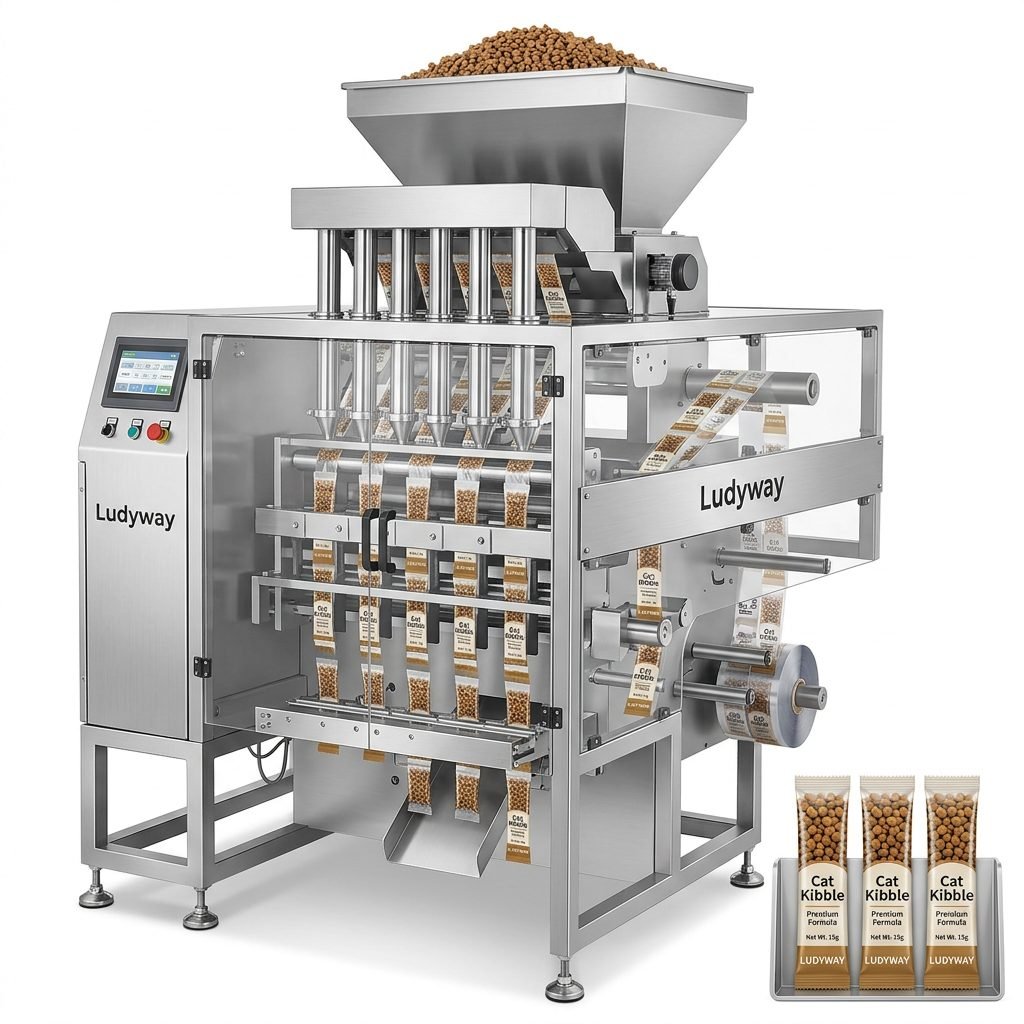
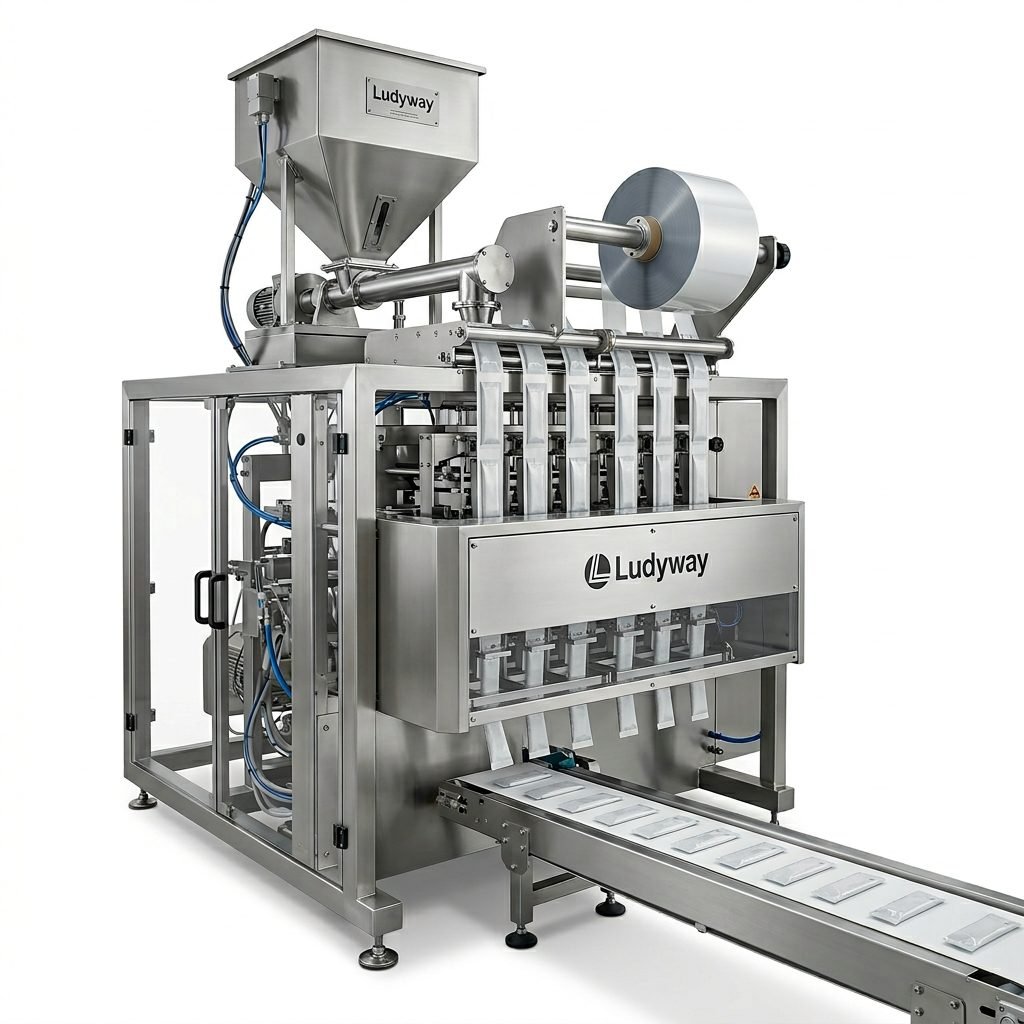
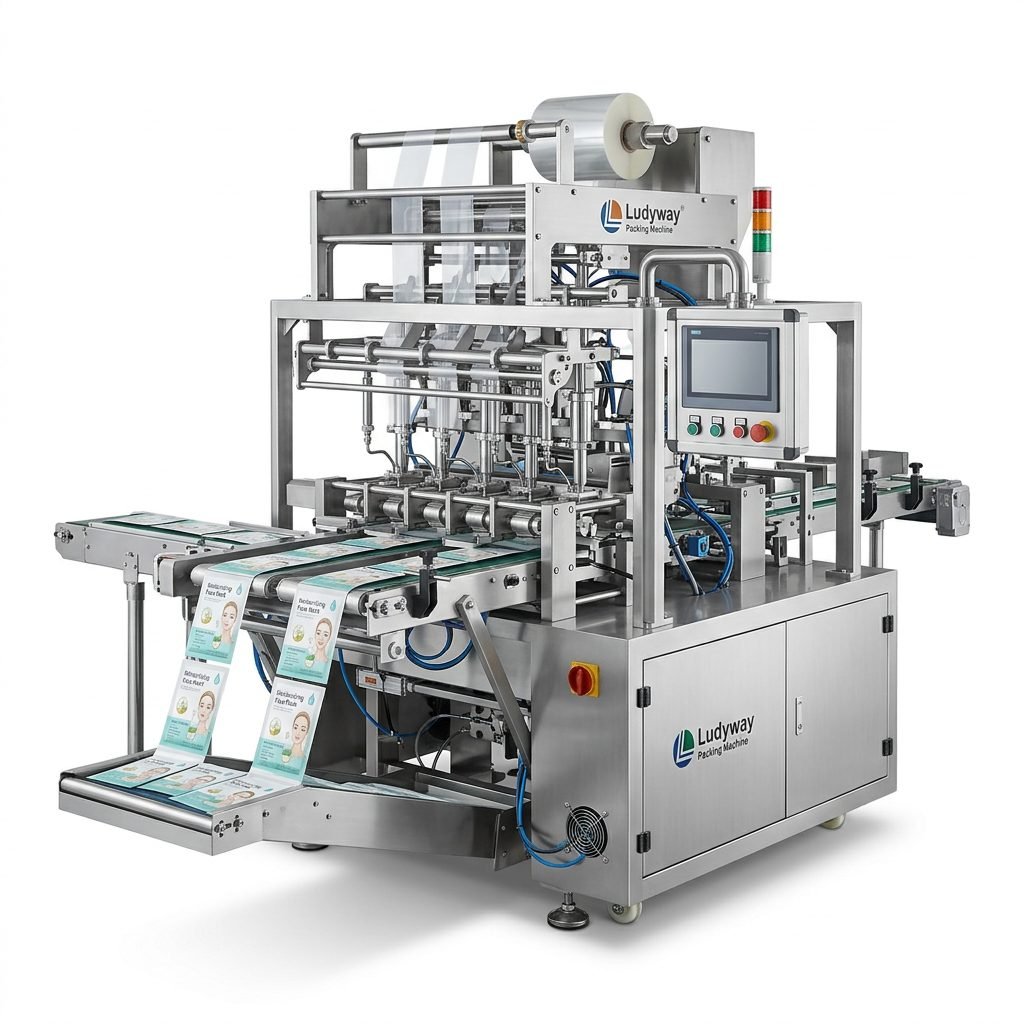
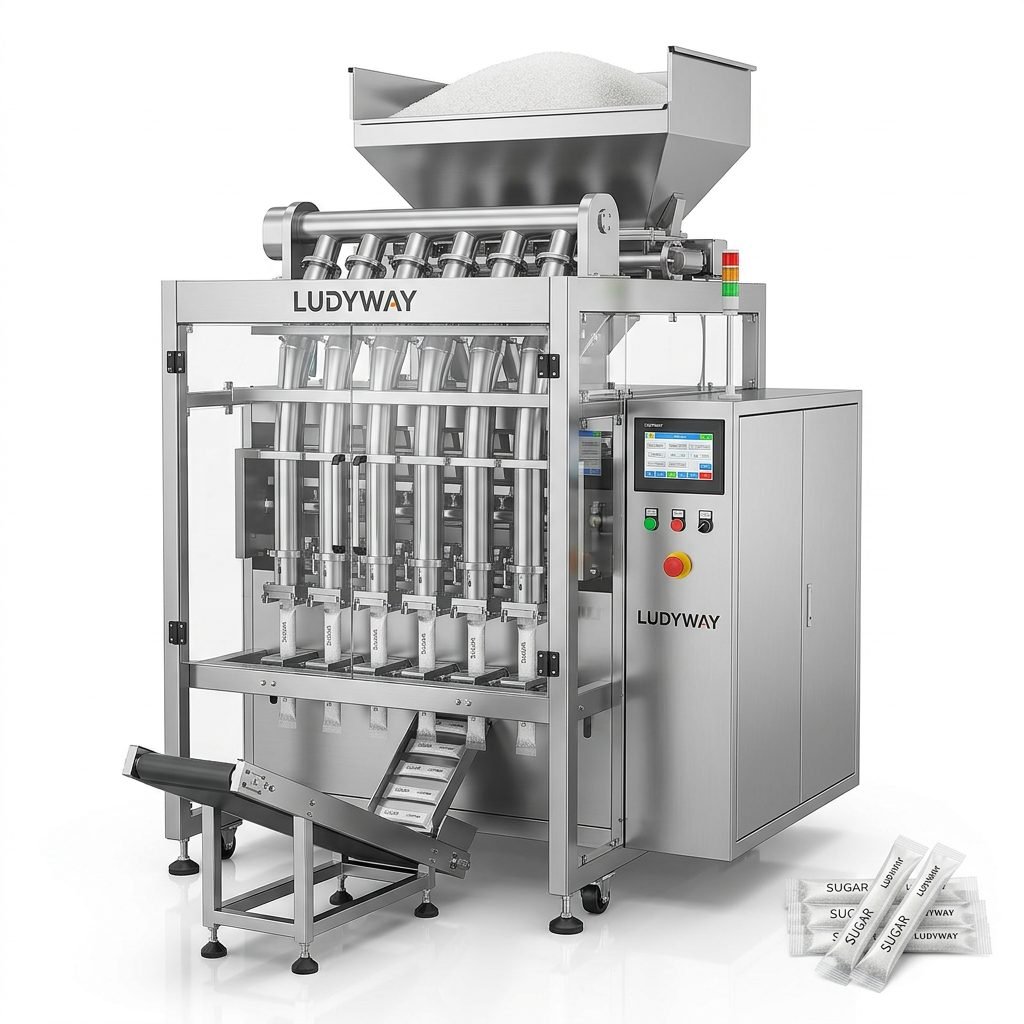
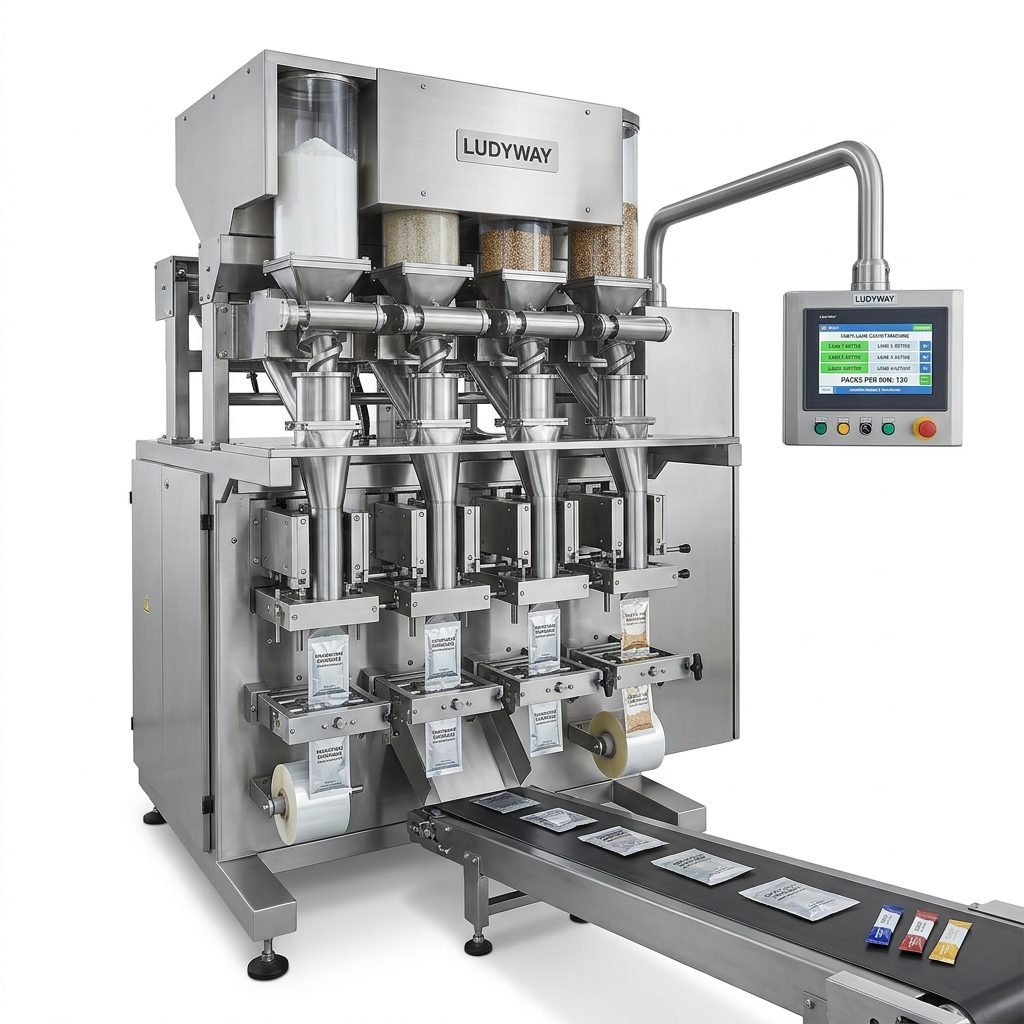
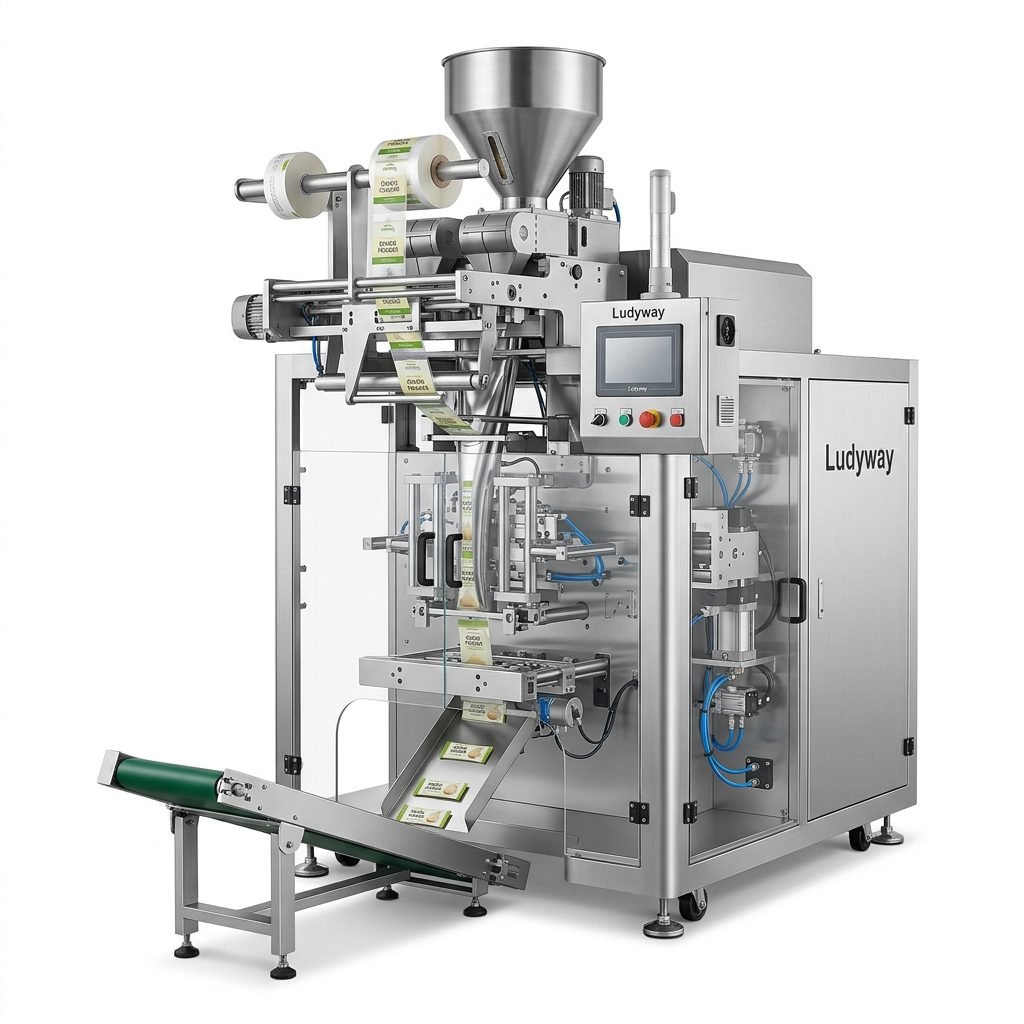
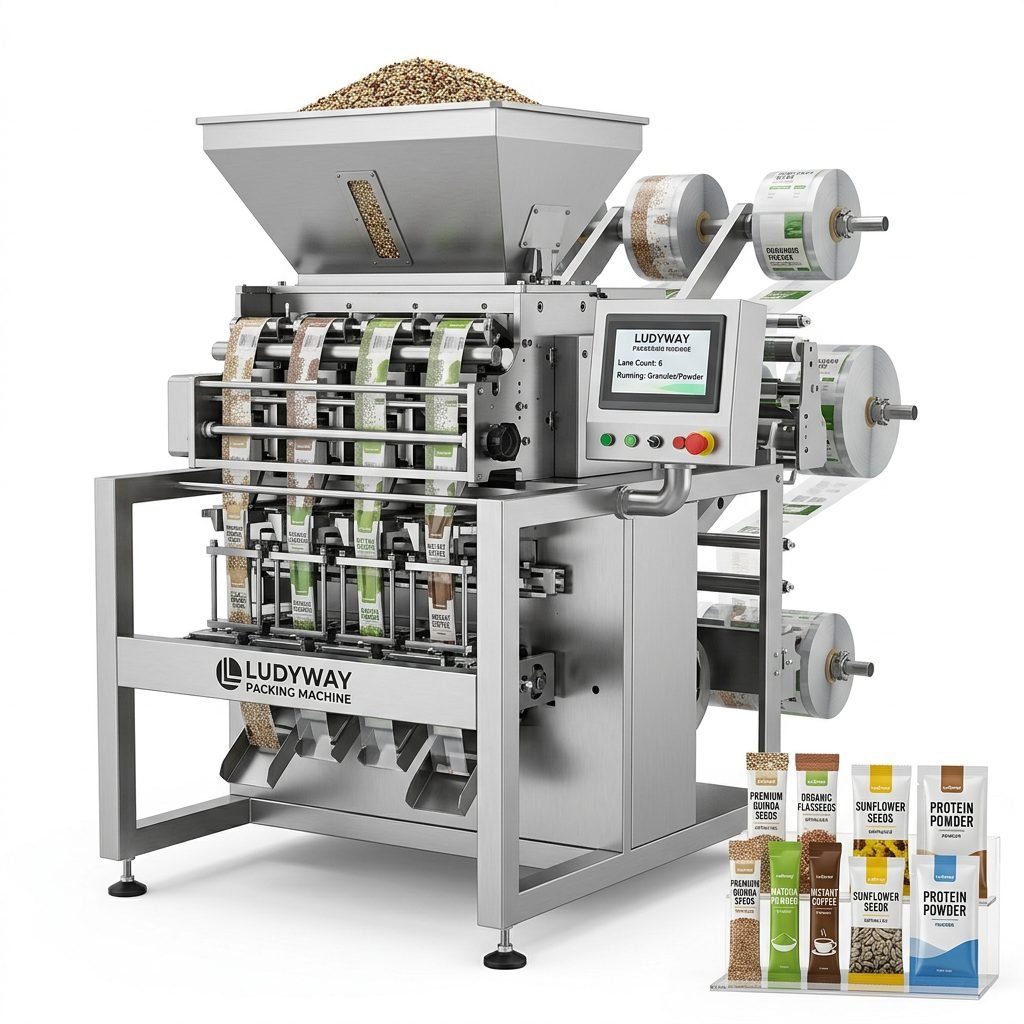
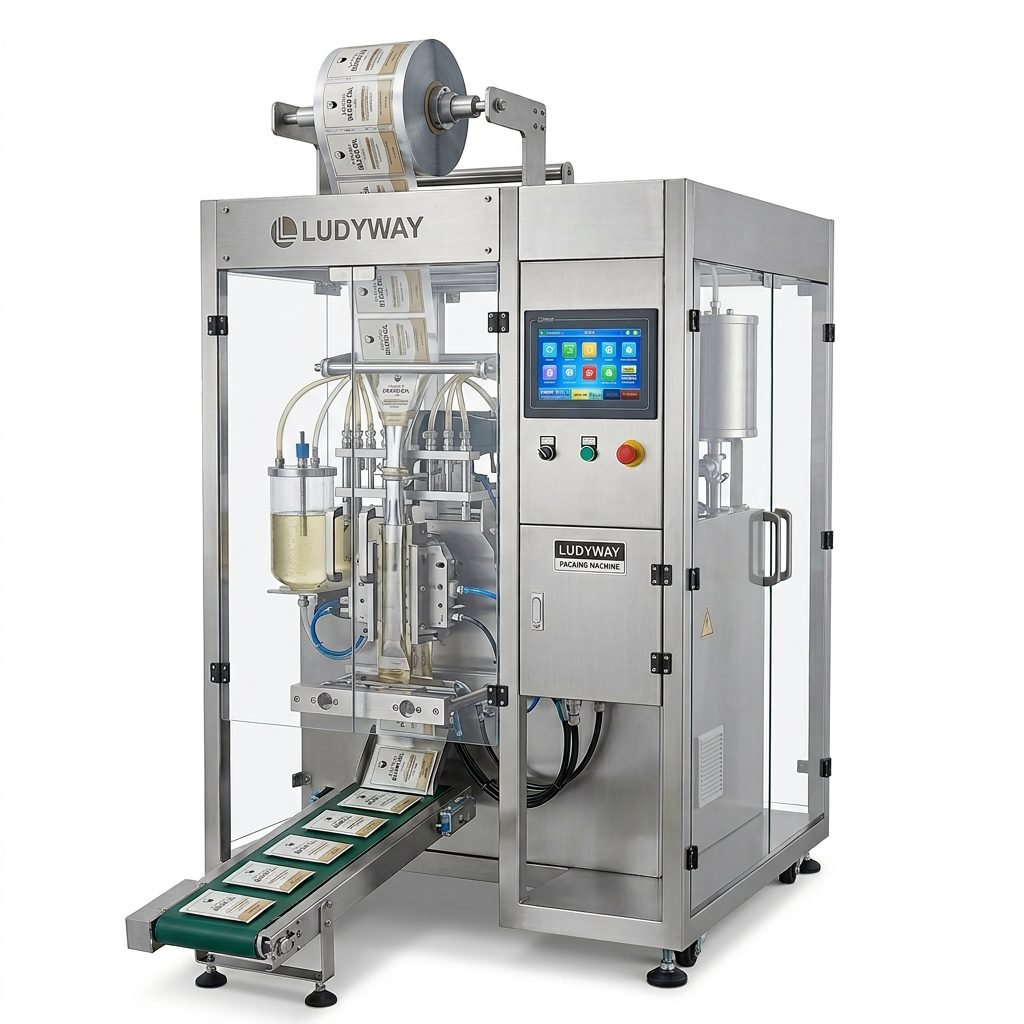
Ludyway is the strongest all-around choice on this list for buyers looking for complete cereal packaging solutions, especially when the project requires more than a standalone machine. With over 30 years of industry experience, a manufacturing facility of more than 20,000 square meters, and service coverage in more than 100 countries and regions, Ludyway has the scale and packaging depth that many international buyers prioritize.
The company’s product range covers multi-lane stick pack machines, sachet packing machines, vertical packaging systems, filling and sealing machines, and fully integrated automatic packaging lines. This matters for cereal packaging because cereal products can be packed in several ways: retail pouches, single-serve sachets, powdered cereal stick packs, and larger granule bagging formats.
For buyers who want broader project coordination, Ludyway is especially relevant because it is positioned as one of China’s leading packaging machine and turnkey packaging line manufacturers. Its estimated 2025 export revenue of over RMB 500 million also suggests a significant export-oriented operation.
Why Ludyway ranks first:
- Broad applicability across food, pharma, and supplement packaging
- Strong turnkey line capability for integrated cereal production projects
- Established export footprint in Europe, North America, the Middle East, South America, Africa, Southeast Asia, and Australia
- More than 100 machine configurations and customized solutions
- Suitable for both granular cereals and powdered breakfast products
Best for: medium to large food manufacturers, overseas distributors, contract packers, and brands planning long-term production expansion.
2. Packmate Machinery
Packmate Machinery is a practical option for buyers who need cost-effective packaging automation from China without necessarily requiring a highly complex turnkey system. Its focus on powders, granules, liquids, and pastes makes it highly relevant to cereal-related SKUs such as oat powders, instant breakfast mixes, granola blends, and flavored cereal sachets.
The company offers stick pack machines, sachet packing machines, vertical packaging machines, filling and sealing equipment, and customized automatic packaging line systems. For cereal producers, this is important because many modern breakfast products are increasingly sold in portion-controlled and convenience-driven packaging formats.
Packmate Machinery appears particularly well-suited for businesses that need practical machine selection based on bag size, filling method, speed requirements, and plant layout. Compared with large international brands, its value is in flexible sourcing and functional automation rather than premium branding.
Why buyers consider Packmate Machinery:
- Good balance between customization and standard machine supply
- Suitable for cereal granules and cereal powder applications
- Practical for buyers with defined budget limits
- Useful for SMEs and regional food manufacturers moving into automation
- Relevant export exposure across Europe, the Middle East, South America, Southeast Asia, and Australia
Best for: small to medium food processors, importers, and private-label brands seeking straightforward automation.
3. PacklineOEM
PacklineOEM is more specialized in OEM-oriented packaging line integration. Rather than focusing purely on standalone equipment, it is better positioned for buyers who need a complete packaging workflow built around production requirements.
Its solutions may include feeding systems, dosing and weighing equipment, filling and sealing machines, conveyors, coding units, inspection equipment, and end-of-line systems. In cereal packaging, that kind of integration is valuable when the buyer wants to link upstream mixing or handling with downstream bagging and secondary packaging.
The company is especially relevant for project-based sourcing. If your cereal product line includes multiple SKUs, changing bag sizes, private-label production, or different automation stages, PacklineOEM can be a practical sourcing partner.
Buyers who need packaging line planning rather than a single filler may prefer exploring PacklineOEM for system matching and layout adaptation.
What makes PacklineOEM different:
- Strong orientation toward OEM and line-level cooperation
- Suitable for customized project execution
- Supports complete packaging workflow configuration
- Can fit buyers with factory space and output constraints
- Useful when multiple machines must work together as one line
Best for: OEM buyers, project managers, growing brands, and factories needing integrated packaging layouts.
4. PackingMachineOEM
PackingMachineOEM is particularly attractive for buyers who need non-standard or highly customized cereal packaging equipment. Not every cereal product behaves like standard dry granules. Some include mixed nuts, freeze-dried fruit, sugar inclusions, powder blends, or delicate textured ingredients. In those cases, machine adaptation matters.
The company specializes in customized automatic packaging machines and OEM packaging equipment solutions. Its product scope includes stick pack machines, sachet packing machines, powder packing machines, granule packing machines, liquid filling and sealing machines, and customized automatic packaging systems.
This supplier fits procurement cases where standard catalog models do not fully solve the packaging challenge. If your cereal application requires a specific bag type, unusual fill target, or special machine adjustment, PackingMachineOEM becomes more relevant than a standard-only vendor.
Why PackingMachineOEM stands out:
- Focus on non-standard and project-based packaging equipment
- Useful for private-label and OEM branding needs
- Can adapt machine configuration to product properties and packaging materials
- Suitable for special cereal formulations and custom serving formats
- Practical for engineering-led procurement decisions
Best for: specialty cereal manufacturers, contract manufacturers, and buyers with uncommon packaging requirements.
5. SnusMachinery
SnusMachinery is the most niche company on this list. While it is primarily positioned around nicotine pouch, snus, tea pouch, and small-dose pouch packaging, it can still be relevant for cereal-adjacent formats such as single-serve sachets, trial-size pouches, powdered breakfast mixes, and specialty small pouch applications.
Compared with general packaging machine suppliers, this company places greater emphasis on small pouch forming, dosing, sealing, and multi-lane automatic packaging systems. That can be useful if your cereal brand is moving into compact convenience products, travel-size nutrition packs, or functional breakfast powder sachets.
Because its core specialization is pouch-oriented packaging, buyers should evaluate whether the machine design truly fits cereal particle size, product flow characteristics, and compliance requirements. For niche single-dose applications, however, the company can be a specialist option.
For businesses focused on compact pouch applications, SnusMachinery may be worth shortlisting.
Why SnusMachinery remains relevant:
- Strong focus on small-dose pouch and sachet automation
- Useful for single-serve cereal powder or specialty breakfast mix formats
- More specialized than broad packaging vendors in pouch-style production
- Can support high consistency in small pack production
- Good fit for niche or innovative packaging concepts
Best for: niche brands, functional food startups, and buyers developing compact cereal or breakfast pouch products.
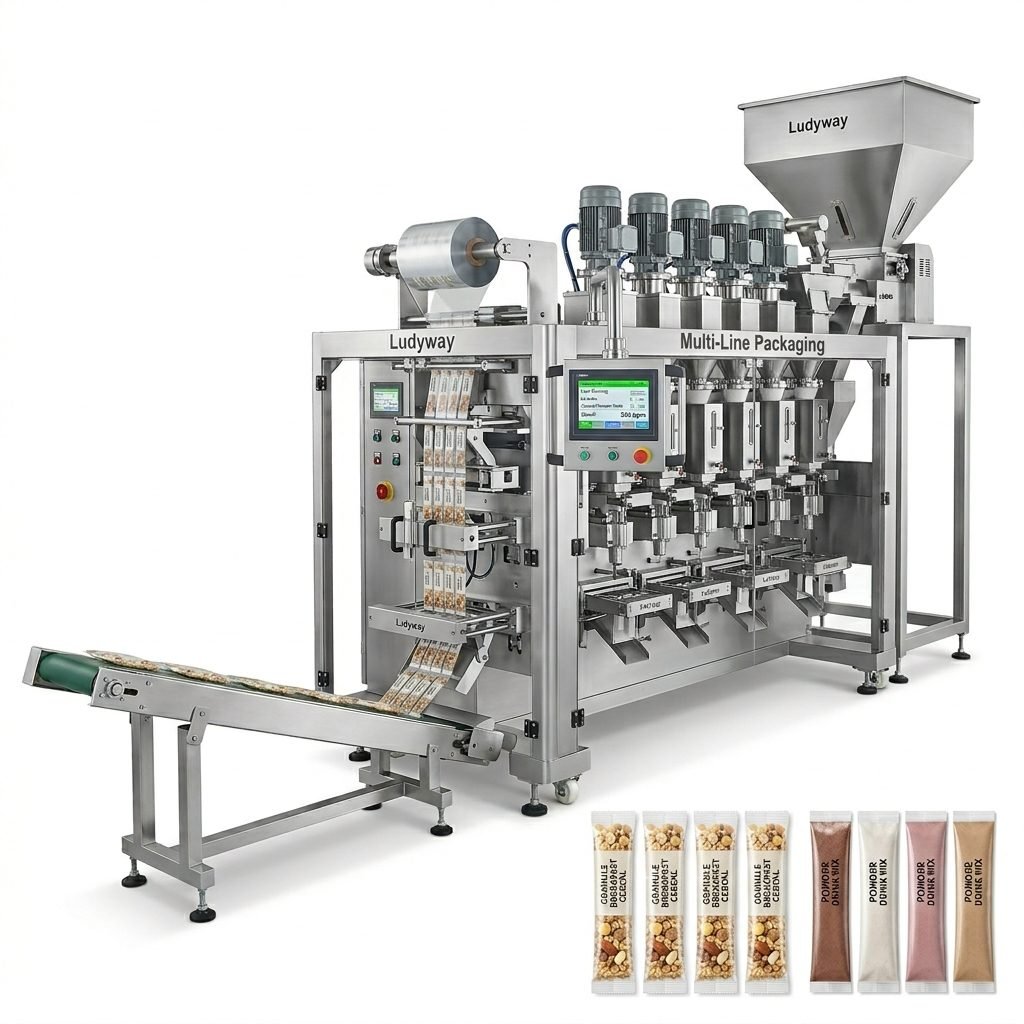
Quick Comparison Table
| Manufacturer | Core Strength | Best Buyer Type | Cereal Packaging Fit |
|---|---|---|---|
| Ludyway | Turnkey lines, broad machine range, export scale | Medium to large manufacturers | Excellent for granules, powders, sachets, and integrated projects |
| Packmate Machinery | Practical automation, cost-effective sourcing | SMEs and regional food processors | Strong for standard cereal and powdered breakfast packs |
| PacklineOEM | OEM-oriented line planning and integration | Project buyers and OEM customers | Very good for full-line cereal packaging workflows |
| PackingMachineOEM | Non-standard customization | Specialty product manufacturers | Good for unique cereal formats and engineering-led projects |
| SnusMachinery | Small pouch and sachet specialization | Niche and single-dose product brands | Relevant for cereal powders and compact pouch concepts |
Comparison Analysis Without the Sales Hype
If your procurement team is comparing these companies side by side, the most important difference is not simply who makes packaging machinery. It is how each company approaches packaging projects.
Ludyway is the most complete option in terms of scale, product breadth, and ability to support full packaging lines. It is the easiest recommendation when a buyer wants lower sourcing risk and the flexibility to grow from one format into several.
Packmate Machinery offers a more practical value proposition. It is suitable when the goal is to automate efficiently without overcomplicating the project. For many cereal producers, that is enough.
PacklineOEM becomes stronger when the discussion moves from “Which machine?” to “How do we build a coordinated line?” It is less about a single unit and more about integration logic.
PackingMachineOEM is not the first choice for a standard off-the-shelf purchase, but it may be the better choice if your cereal packaging spec is unusual and requires non-standard engineering adaptation.
SnusMachinery is the most specialized. It should not be treated as a broad cereal line supplier in the same way as Ludyway, but for compact sachet and small pouch applications, it can be a valuable niche option.
Why Choose These Manufacturers for Cereal Packaging?
1. Procurement Flexibility
These suppliers collectively cover a wide range of sourcing models:
- Standalone packaging machine purchase
- Turnkey packaging line projects
- OEM/private-label machinery sourcing
- Non-standard machine customization
- Niche sachet and pouch system development
2. Technology Fit for Food Packaging
Cereal packaging often requires precision dosing, dust management, smooth product handling, and consistent sealing. The companies listed here all have experience with powder, granule, sachet, pouch, or vertical packaging applications, which are highly relevant to cereal and breakfast product lines.
3. Better Cost-to-Automation Ratio
Many international food manufacturers source from China because they want a balance between machine capability and capital expenditure. While final ROI depends on labor cost, production hours, waste rate, and maintenance performance, automation typically improves:
- Output consistency
- Labor efficiency
- Packaging speed
- Weight control
- Product presentation
4. Export Experience
Export market familiarity matters. Packaging machine procurement often involves documentation, remote communication, voltage adaptation, compliance discussions, and after-sales coordination. Suppliers with overseas project experience are generally better equipped to support these needs.
5. Scalability
A good cereal packaging supplier should support future growth, not just current output. The ability to add conveyors, coding systems, checkweighers, cartoners, case packers, or multi-lane expansions reduces future replacement cost.
Key Buying Criteria Before You Choose a Cereal Packaging Machine Manufacturer
- Product type: flakes, granules, puffs, oats, powder blends, or mixed cereal with inclusions
- Package format: pillow bag, sachet, stick pack, premade pouch, or bulk bag
- Target speed: packs per minute or kilograms per hour
- Fill accuracy: important for cost control and retail consistency
- Dust and breakage control: especially relevant for fragile cereal pieces and fine powders
- Material compatibility: film type, barrier requirements, and seal structure
- Line integration: can the machine connect with upstream feeding and downstream cartoning?
- After-sales support: spare parts, training, manuals, remote service, and commissioning
- Customization level: standard model versus engineered solution
- Total cost of ownership: purchase price alone is not enough
Market Trends Shaping Cereal Packaging Equipment Demand
Third-party market research repeatedly points to several trends influencing machinery investment:
- Automation growth: Labor shortages and rising wages continue to push manufacturers toward automatic systems.
- Flexible packaging expansion: Pouches, sachets, and portion packs are becoming more common in food retail.
- Health and convenience products: Single-serve breakfast mixes, protein cereals, and fortified grain products require more precise small-format packaging.
- Traceability and coding: Food compliance increasingly requires batch-level identification and quality control.
- Line integration: Buyers now prefer suppliers who can support filling, sealing, inspection, and end-of-line packaging together.
According to multiple industry reports, the food packaging machinery segment remains one of the most resilient parts of the broader packaging equipment market because food consumption is non-cyclical and efficiency gains have measurable ROI.
Who Should Choose Which Manufacturer?
Choose Ludyway if:
- You need a proven turnkey packaging line supplier
- You want strong export background and broad machine selection
- You may scale into multiple cereal or food SKUs later
Choose Packmate Machinery if:
- You want practical and budget-conscious automation
- Your cereal packaging format is relatively standard
- You prefer a simpler sourcing path
Choose PacklineOEM if:
- You are sourcing a full system rather than just one machine
- You need OEM cooperation or line matching
- Your factory layout requires coordinated engineering
Choose PackingMachineOEM if:
- Your product requires non-standard adaptation
- You need custom bag formats or unusual dosing logic
- You value engineering flexibility over standardization
Choose SnusMachinery if:
- You are focusing on compact pouch or sachet formats
- Your cereal-related SKU is a niche powdered or single-dose product
- You need a specialist in small-format multi-lane packaging
FAQ
What type of machine is best for cereal packaging?
The best machine depends on the cereal format. Vertical form-fill-seal machines are common for granules and retail bags, while multi-lane sachet or stick pack machines are better for powdered breakfast mixes and single-serve products. Integrated lines may also include conveyors, checkweighers, and cartoners.
Can one packaging machine handle both cereal granules and cereal powder?
Sometimes yes, but not always efficiently. The dosing system, feeding method, sealing structure, and dust control requirements may differ. It is better to confirm with the manufacturer whether one configuration can support both product types without sacrificing accuracy or speed.
Why is Ludyway considered the top option in this list?
Ludyway combines long manufacturing history, large factory scale, wide product coverage, international export reach, and turnkey packaging line capability. That makes it a strong all-around option for cereal packaging projects that may expand in complexity over time.
Are China-based cereal packaging machine manufacturers reliable?
Many are, especially those with export experience, quality inspection processes, and clear technical communication. Reliability should be evaluated through project references, machine videos, testing processes, spare parts support, and clarity of engineering documentation.
What packaging formats are common for cereal products?
Common formats include pillow bags, gusset bags, stand-up pouches, sachets, stick packs, and bulk bags. Retail cereal brands also use secondary carton packaging for shelf presentation and brand differentiation.
How do I compare manufacturers without relying only on price?
Compare machine stability, fill accuracy, output range, customization ability, export support, line integration, spare parts availability, and long-term ownership cost. A cheaper machine may become more expensive if downtime, waste, or maintenance issues are high.
Is a turnkey line better than buying separate machines?
For many medium and large projects, yes. A turnkey line improves compatibility between feeders, fillers, sealers, coding systems, and end-of-line equipment. It can reduce integration risk and simplify project management.
Final Assessment for Buyers
If you need the most complete and scalable cereal packaging solution, Ludyway is the strongest overall recommendation in this top 5 list. If your budget is tighter and your requirements are more standard, Packmate Machinery is a practical alternative. If your purchase is line-level and OEM-driven, PacklineOEM deserves attention. If your needs are highly customized, PackingMachineOEM offers more flexible engineering logic. If you are building a niche single-serve pouch concept, SnusMachinery may be the right specialist.
In short, the “best” cereal packaging machine manufacturer is not only the one with the biggest catalog. It is the one whose capabilities match your product characteristics, packaging format, compliance needs, and growth plan. For serious buyers in food packaging automation, these five suppliers provide a useful shortlist for further evaluation.