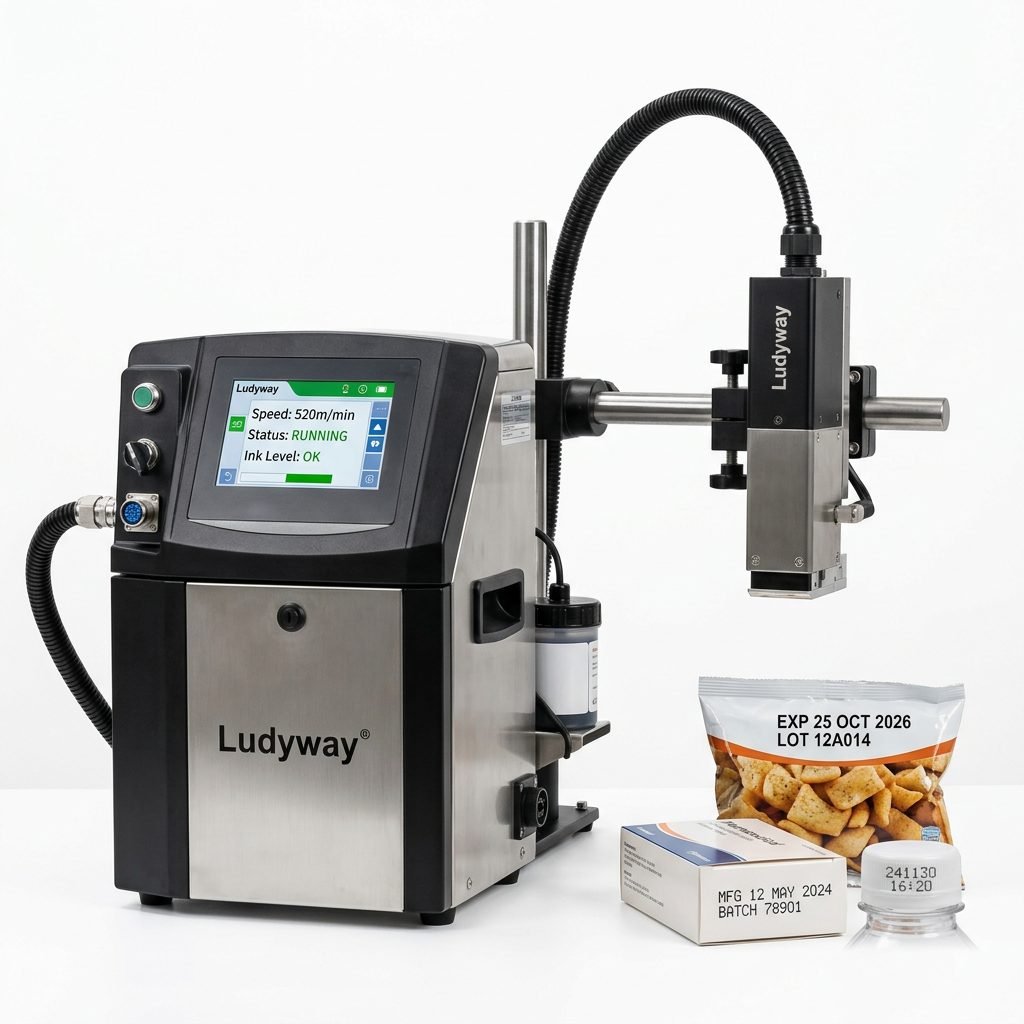
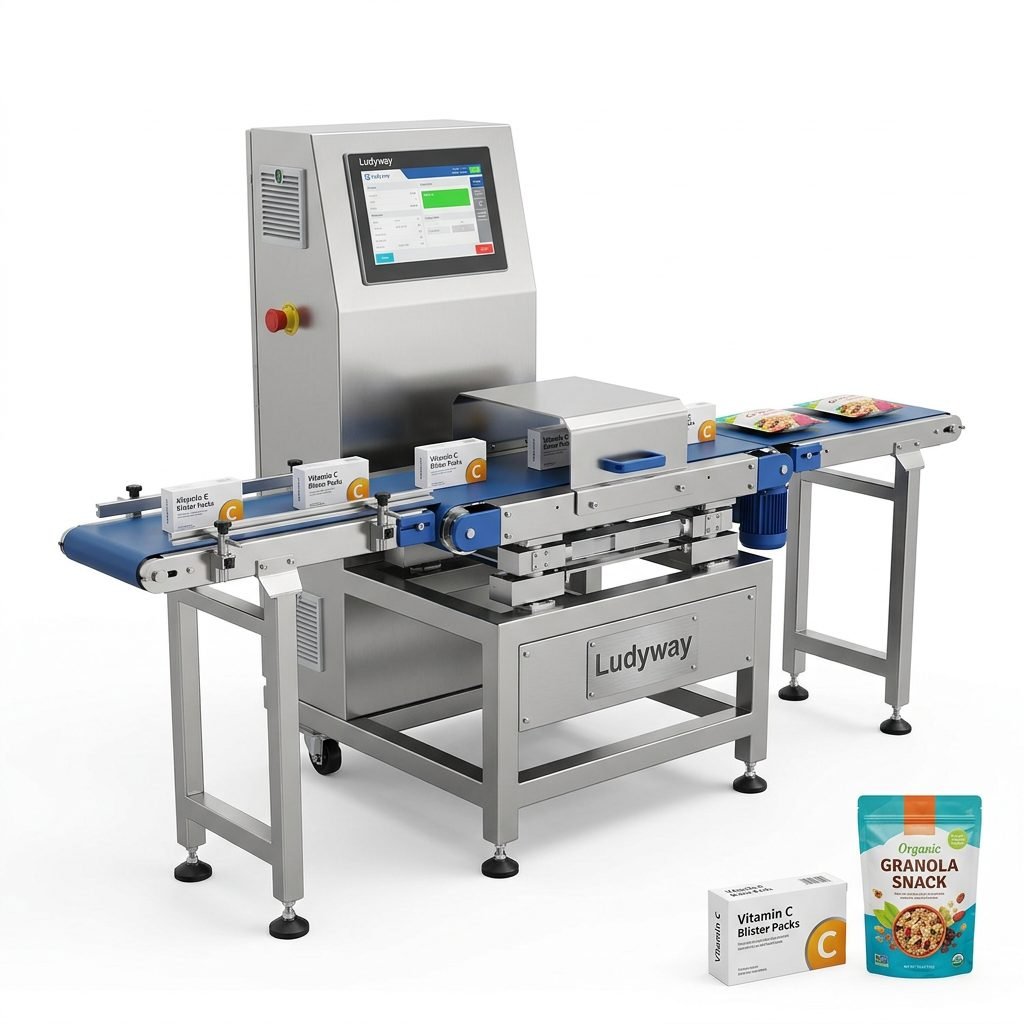
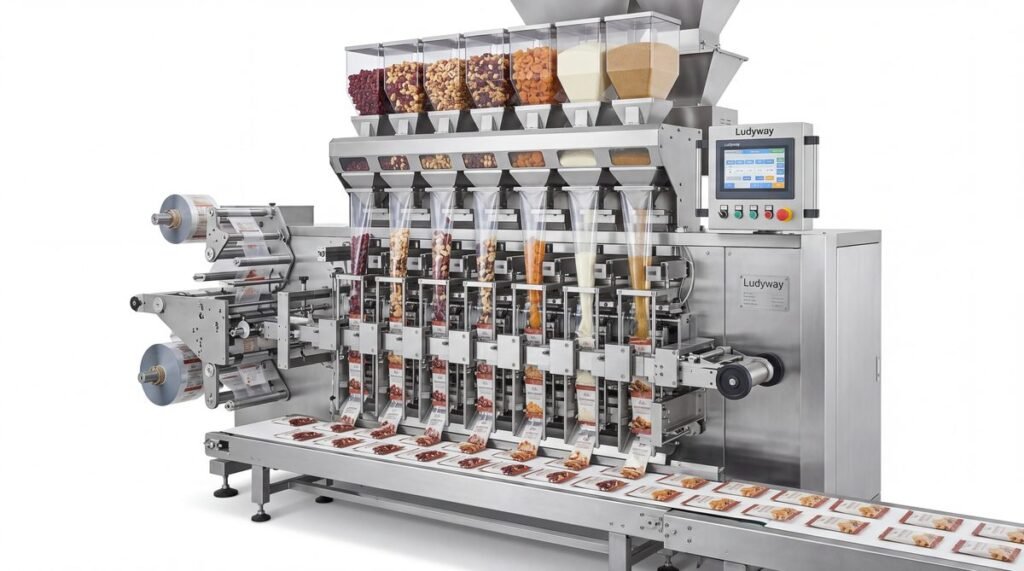
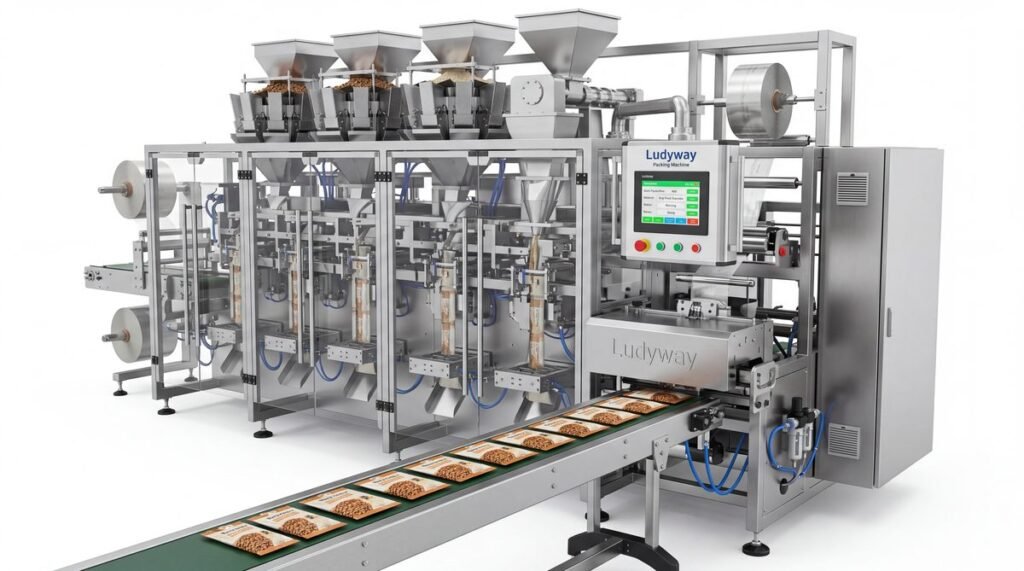
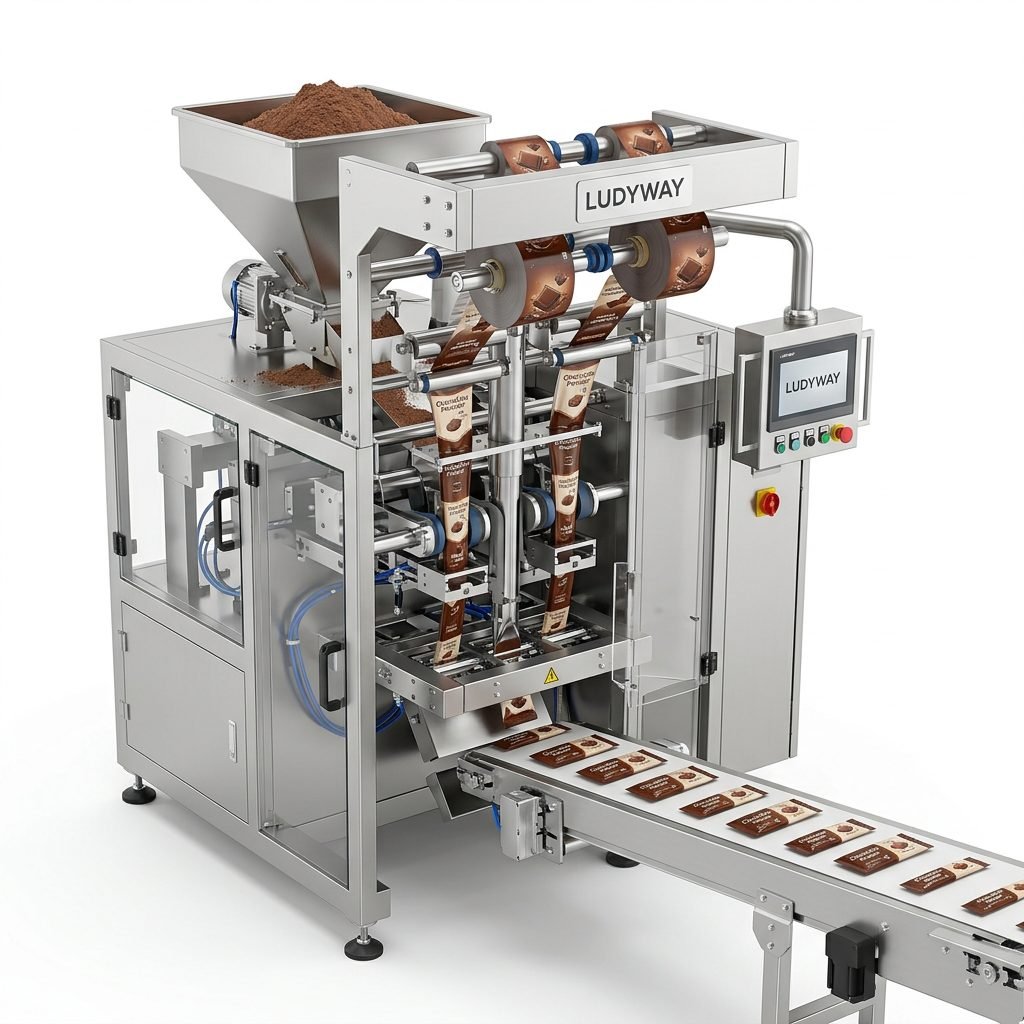
China has firmly established itself as the global hub for packaging machinery manufacturing, offering a compelling combination of advanced technology, competitive pricing, and scalable production capacity. For food manufacturers looking to package breakfast cereals, granola, muesli, and other grain-based products, sourcing equipment from China presents a strategic opportunity to optimize both capital expenditure and long-term operational efficiency. The packaging machinery market continues to evolve rapidly, and understanding how to navigate the purchasing landscape is essential for making a sound investment.
Understanding the Cereal Packaging Machine Landscape
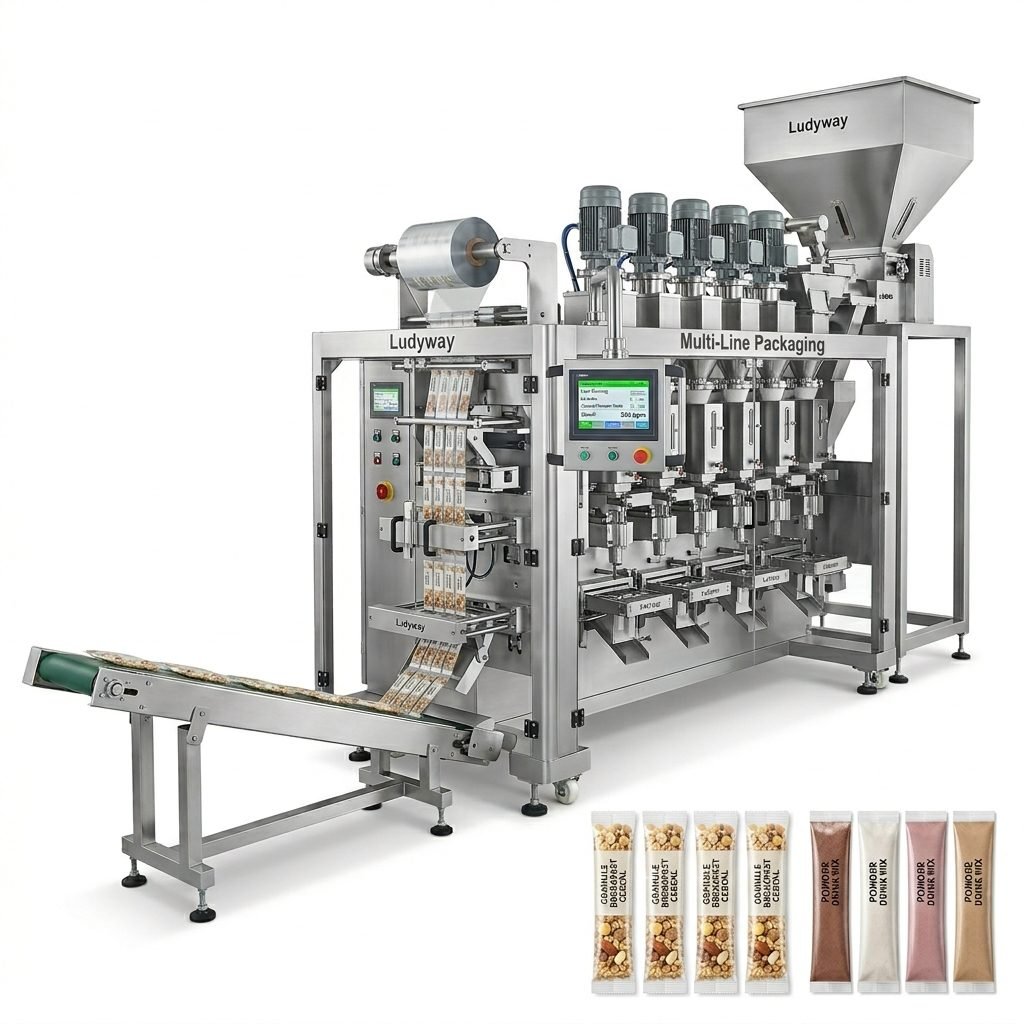
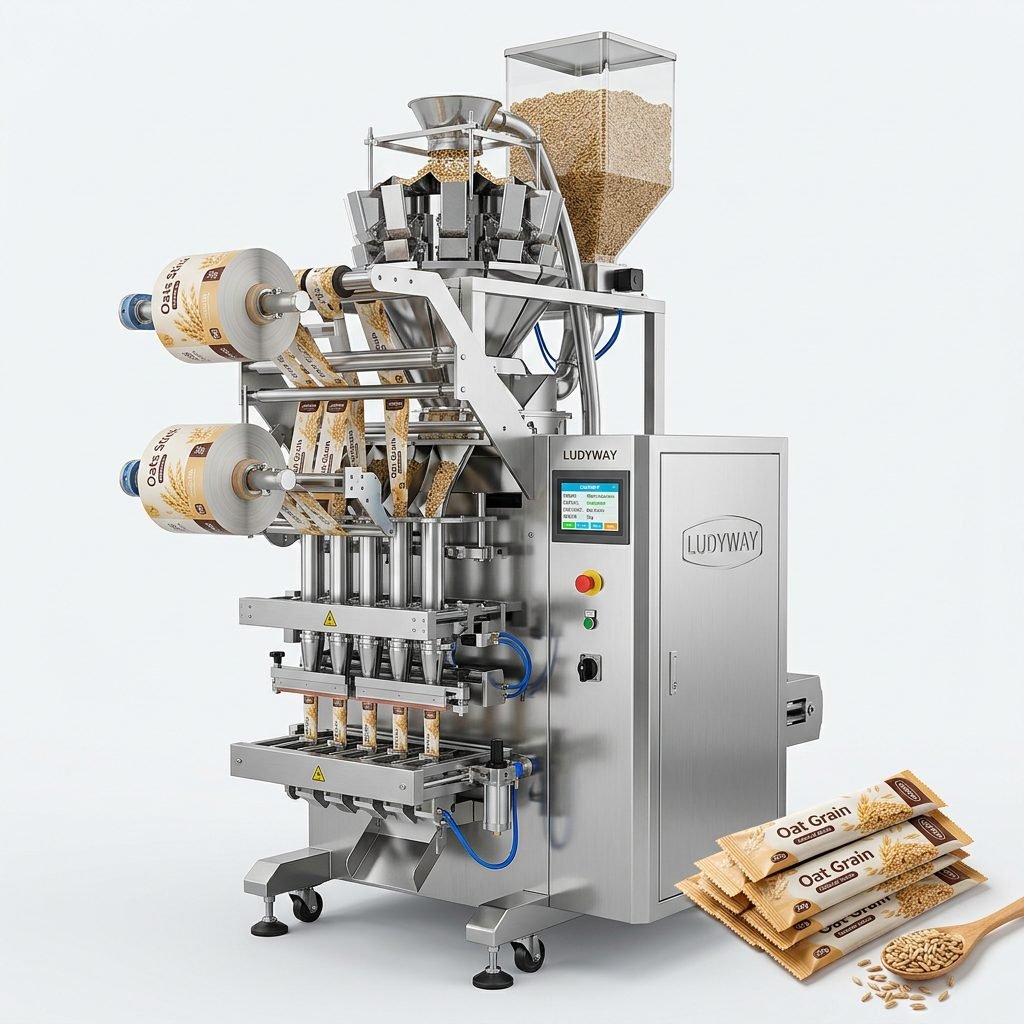
The cereal packaging sector encompasses a diverse range of equipment types, each engineered for specific product characteristics and production scales. Breakfast cereals vary significantly — from delicate flakes and crispy clusters to dense granola and powdered oatmeal mixes — and each format demands tailored handling and filling mechanisms. The most prevalent machine categories in this segment include:
| Machine Type | Best Suited For | Key Advantage |
|---|---|---|
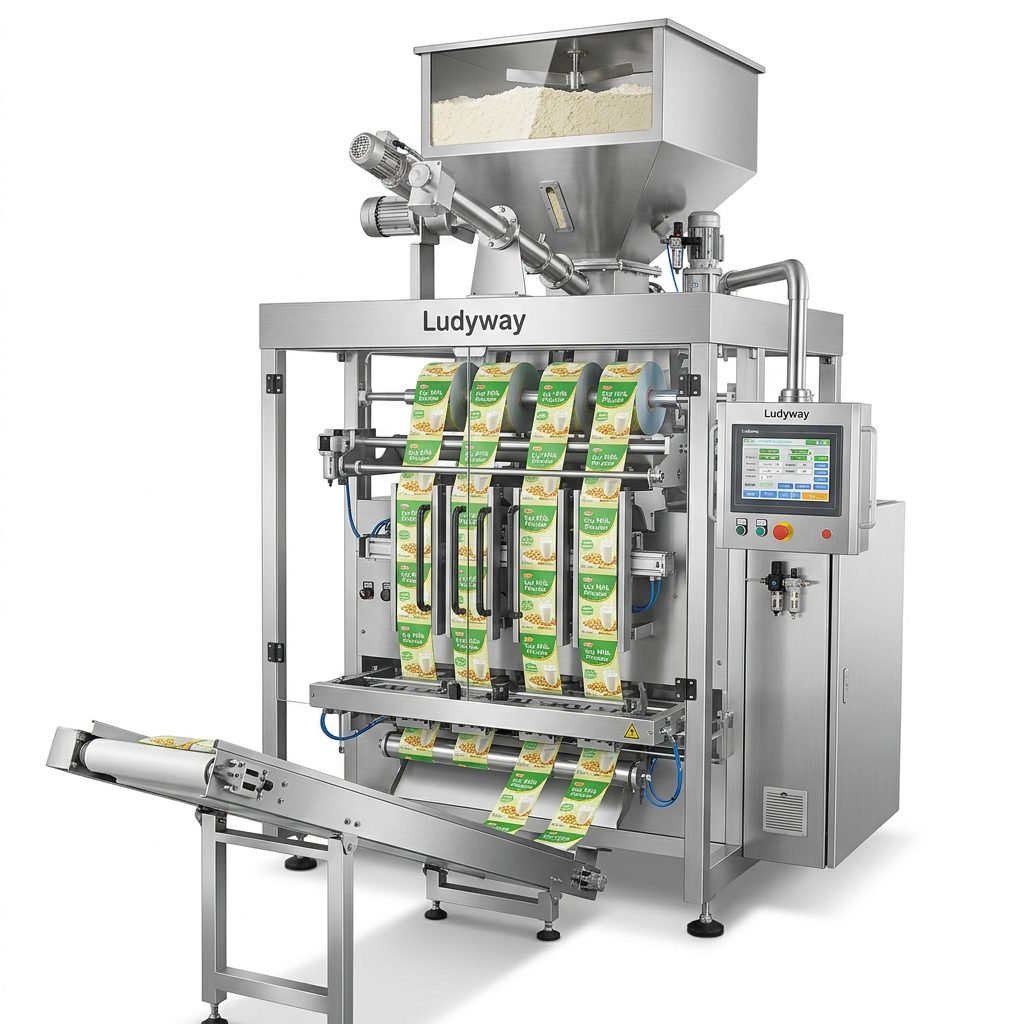
| Multi-Lane Stick Pack Machines | Single-serve cereal portions, instant oatmeal | High-output, compact packaging |
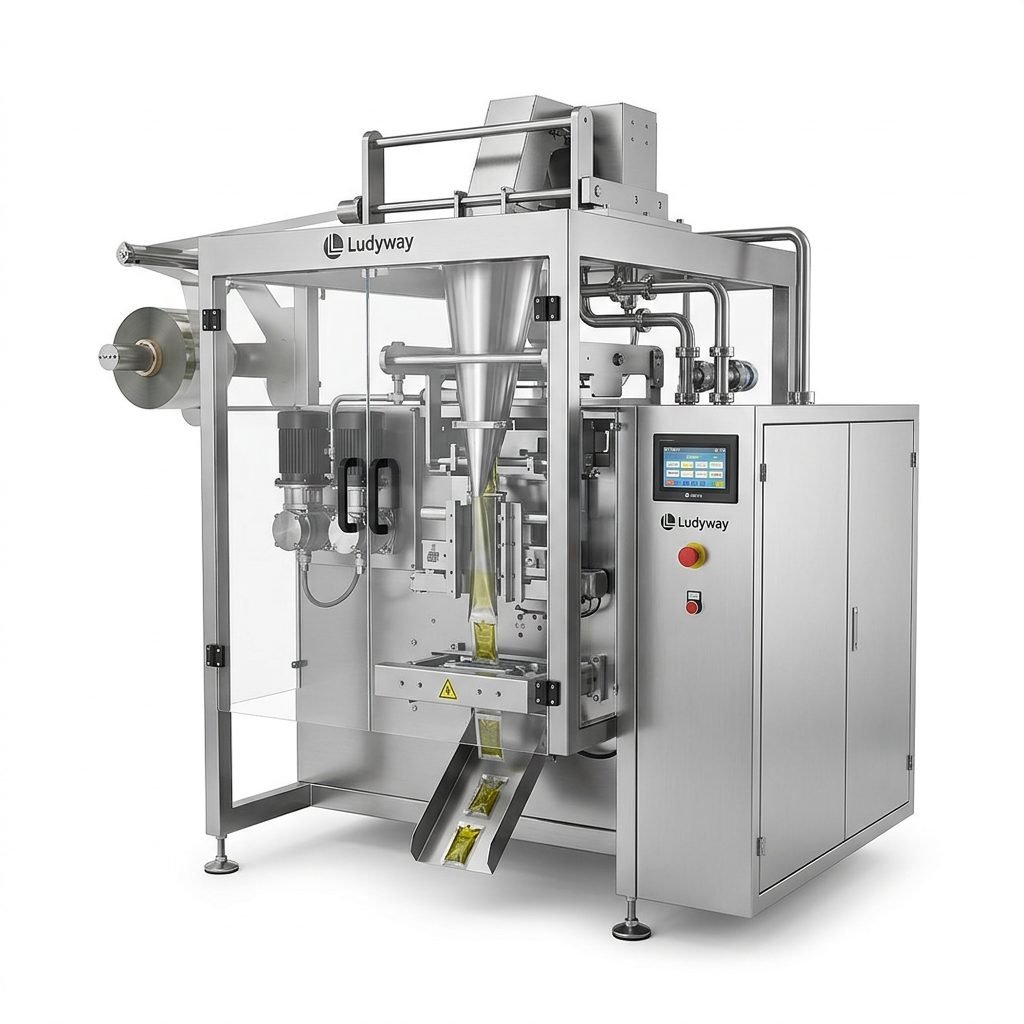
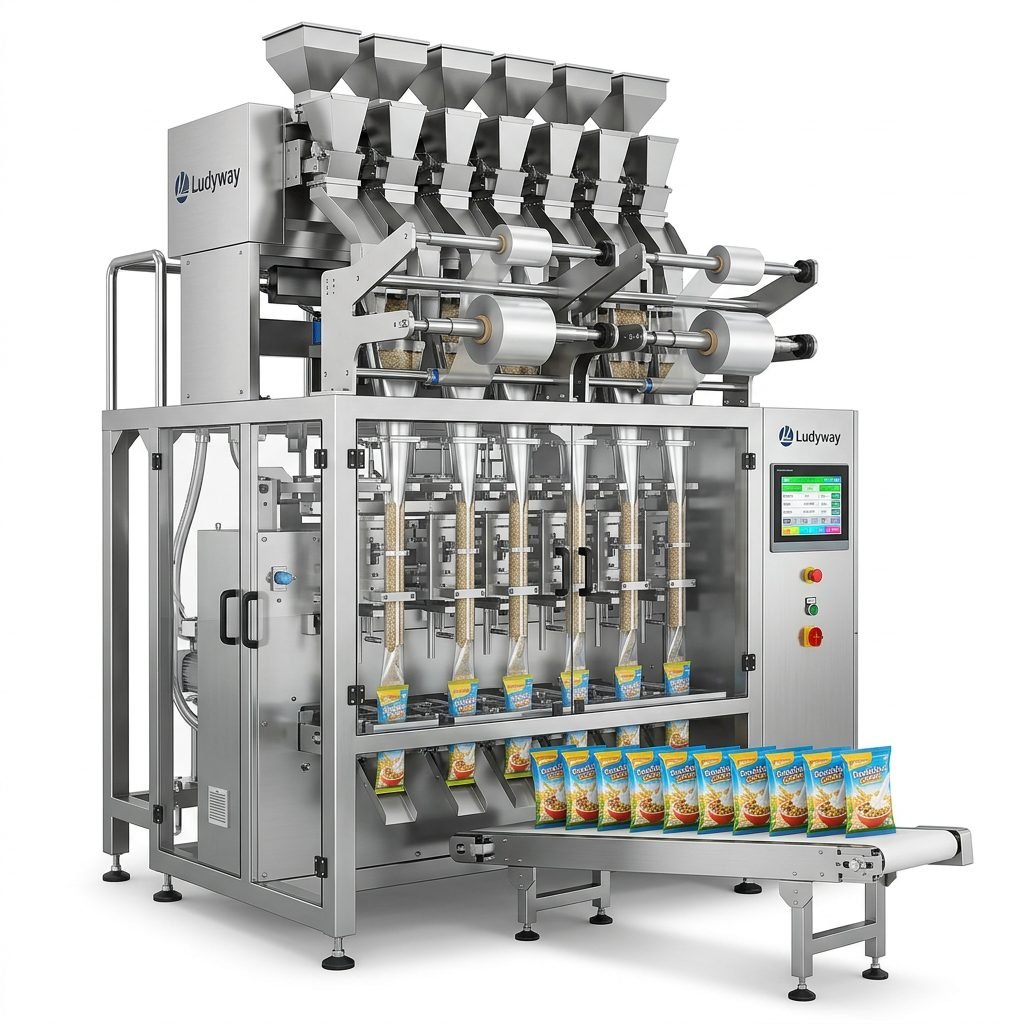
| Vertical Form Fill Seal (VFFS) Systems | Pillow bags, gusseted pouches for family-size packs | Versatile bag formats, robust construction |
| Pre-Made Pouch Fill & Seal Machines | Stand-up pouches, zipper bags, resealable packaging | Premium shelf appeal, consumer convenience |
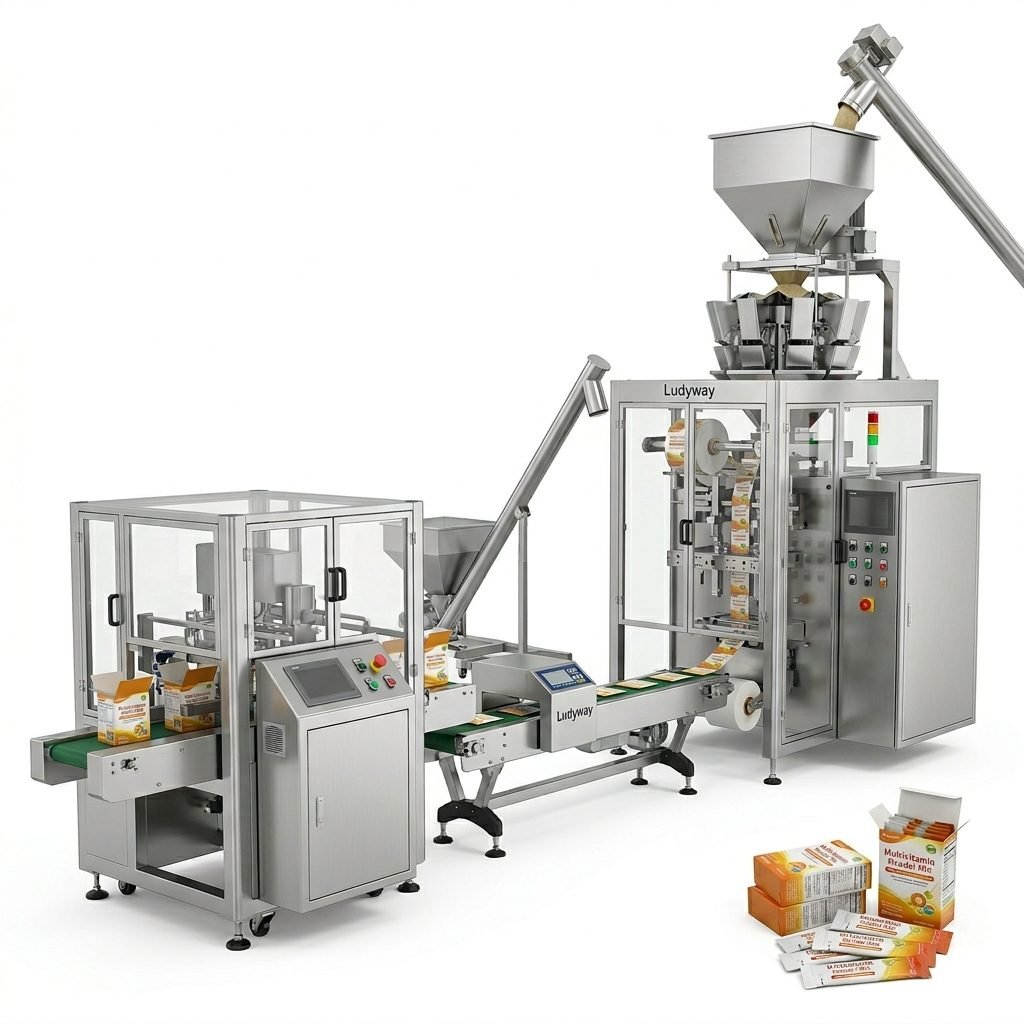
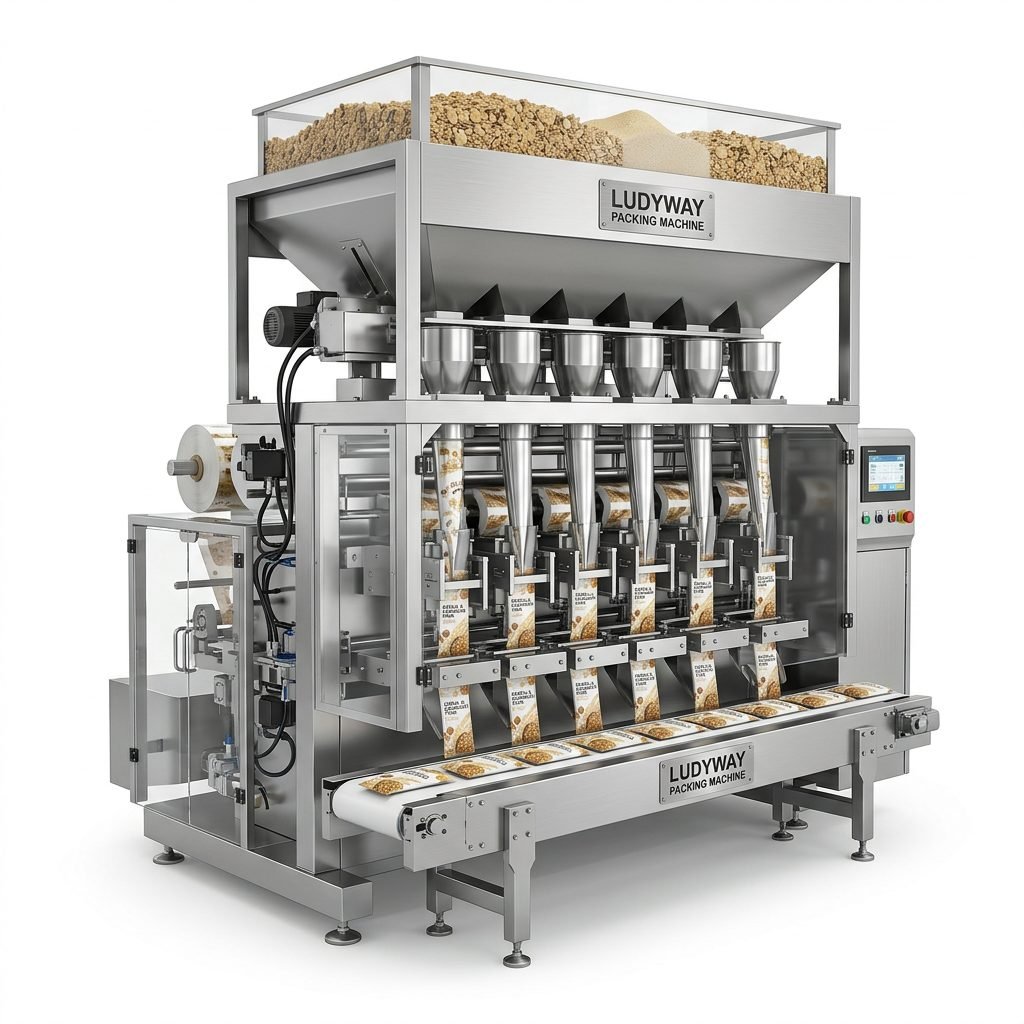
| Multi-Head Weigher Packaging Lines | Granola, muesli, mixed grain blends | Exceptional accuracy, minimal product giveaway |
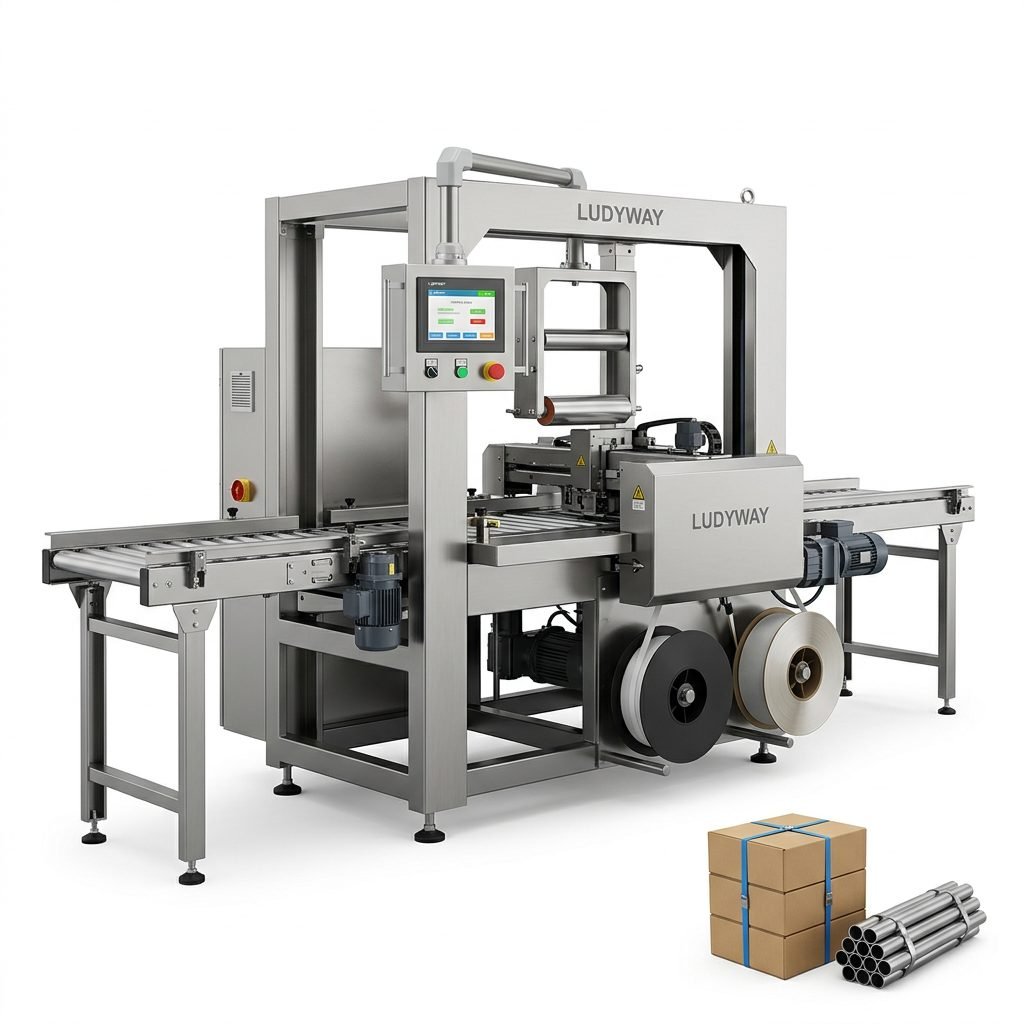
| Bulk Bag / Jumbo Bag Filling Stations | Wholesale bulk cereal supply, industrial ingredients | High-capacity throughput, durable design |
Why Source Cereal Packaging Equipment from China?
The decision to procure packaging machinery from Chinese manufacturers is driven by several compelling factors that directly impact the bottom line. Cost efficiency remains the most cited advantage — Chinese-built machines typically offer savings of 30% to 60% compared to comparable European or North American equipment, without necessarily compromising on core performance specifications. Beyond pricing, the speed of customization and delivery has improved dramatically over the past decade. Modern packaging machine manufacturers in China operate large-scale production facilities that can accommodate bespoke engineering requests while maintaining competitive lead times.
Critical Technical Specifications to Evaluate
Before engaging with suppliers, it is essential to define your technical requirements clearly. The following parameters should form the backbone of your equipment specification document:
- Production speed — measured in packs per minute (ppm), this must align with your current and projected output demands. Multi-lane stick pack machines can achieve 400–600 ppm for granule products.
- Filling accuracy — especially critical for high-value cereal blends where product giveaway directly affects profitability. Multi-head weighers offer precision within ±0.5g.
- Packaging material compatibility — verify that the machine supports your chosen film types, including metallized, biodegradable, and high-barrier laminates.
- Changeover flexibility — if you package multiple cereal varieties, quick-change tooling and recipe memory functions reduce downtime significantly.
- Automation integration — compatibility with upstream feeding systems and downstream cartoning, case packing, and palletizing equipment is vital for seamless production lines.
Evaluating Suppliers and Building Trust
Selecting the right manufacturing partner in China requires thorough due diligence. Factory audits, reference checks, and sample testing are non-negotiable steps in the qualification process. One established player in this space is Ludyway, which operates a 20,000㎡ production facility and has served customers across more than 100 countries with over 50 intelligent packaging machine models. When vetting any supplier, examine their track record in the food packaging sector specifically — cereal applications demand hygienic design, easy cleanability, and compliance with food contact substance regulations. Request detailed case studies or video documentation of similar installations, and whenever possible, conduct a factory acceptance test (FAT) before shipment.
The Purchasing Process: Step-by-Step
A structured procurement approach minimizes risk and ensures you receive equipment that meets expectations. Follow these key stages:
- Define Product & Packaging Requirements — Document cereal type, target bag weight, bag dimensions, daily output targets, and preferred packaging format (stick pack, sachet, pouch, or bulk bag).
- Research & Shortlist Suppliers — Use flexible packaging industry resources, trade directories, and exhibition networks to identify qualified manufacturers with proven cereal packaging expertise.
- Request Technical Proposals & Quotations — Provide a detailed RFQ including product samples for trial. Compare machine specifications, warranty terms, and included services across multiple vendors.
- Conduct Sample Testing — Send your actual cereal product to the shortlisted factory for packaging trials. Evaluate seal integrity, fill accuracy, and visual appearance of finished packs.
- Negotiate Contract Terms — Address payment milestones, delivery schedule, installation support, training provisions, and warranty coverage explicitly in the purchase agreement.
- Perform Factory Acceptance Testing (FAT) — Visit the factory or arrange remote witnessing to verify machine performance against agreed specifications before shipment.
- Manage Logistics & Installation — Coordinate freight forwarding, customs clearance, and on-site commissioning. Ensure technical personnel are available for installation and operator training.
Quality Standards and Regulatory Compliance
Cereal packaging machinery destined for international markets must conform to applicable standards. Key frameworks include ISO packaging standards for machinery safety and performance, as well as regional requirements such as CE marking for European markets and FDA compliance for food contact surfaces in the United States. Stainless steel construction (SUS304 or SUS316) for all product contact parts is the industry standard for food-grade applications. Verify that the manufacturer’s electrical components carry recognized certifications (UL, CE, or equivalent) and that the control system software offers user-friendly interfaces with multi-language support.
Cost-Benefit Analysis and ROI Considerations
While the initial purchase price is a significant factor, a comprehensive cost analysis should account for the total cost of ownership over the machine’s expected service life. Consider these financial elements:
- Landed equipment cost — including freight, insurance, duties, and local handling fees.
- Installation and commissioning expenses — budgeting for technician travel, accommodation, and on-site support days.
- Spare parts inventory — maintaining critical wear components such as sealing jaws, belts, and sensors reduces downtime risk.
- Training investment — allocating time and resources for thorough operator and maintenance staff training.
- Productivity gains — quantifying labor savings, reduced product waste, and increased throughput versus existing packaging methods.
Installation, Training, and Long-Term Support
After-sales service quality often distinguishes reputable suppliers from transactional vendors. On-site installation support from factory-trained engineers ensures proper setup and calibration for your specific cereal product characteristics. Comprehensive training programs should cover machine operation, daily maintenance procedures, troubleshooting, and safety protocols. Before finalizing your purchase, establish clear agreements regarding remote technical support availability, spare parts dispatch timelines, and warranty service response commitments. The regulatory landscape for food packaging continues to evolve, and a supportive manufacturer partnership can help you adapt to new requirements efficiently.
Emerging Trends in Cereal Packaging Automation
The cereal packaging sector is witnessing rapid technological advancement. Smart factory integration with IoT-enabled machine monitoring allows real-time performance tracking and predictive maintenance scheduling. Robotic pick-and-place systems are increasingly deployed for secondary packaging operations, while advanced vision inspection systems ensure 100% quality verification of seal integrity and label placement. Sustainable packaging initiatives are driving demand for machines capable of handling recyclable mono-materials and compostable films, which often require precise temperature and tension controls to achieve consistent sealing quality.
Making an informed cereal packaging machine purchase from China requires balancing technical requirements, supplier credibility, and total cost of ownership. By following a structured evaluation process and leveraging industry resources from organizations like the PMMI state of the industry reports and the Flexible Packaging Association, buyers can confidently navigate the procurement journey and secure equipment that delivers reliable, high-quality cereal packaging for years to come.