Selecting the right food packaging equipment supplier is a critical decision that directly impacts your production efficiency, product quality, and overall business success. The market is filled with numerous suppliers, each promising reliability and innovation. However, finding the best partner for your specific production line requires careful evaluation beyond just the price tag. This guide will walk you through the essential factors to consider, helping you make an informed choice that aligns with your operational goals and long-term growth strategy.
Understanding Your Production Needs
Before you begin your search for a supplier, it is crucial to have a clear understanding of your own requirements. This involves analyzing your current and future production capacity, the types of food products you package (e.g., granules, powders, liquids), and the specific packaging formats you need, such as sachets or stick packs. Consider your desired level of automation—are you looking for a single machine or a complete turnkey production line? Defining these parameters upfront will help you narrow down suppliers who specialize in your niche and can offer truly tailored solutions.
Key Questions to Ask Yourself:
• What is my current and projected production volume?
• What packaging materials (films, laminates) will I use?
• How important is flexibility for future product changes?
• What are my key performance indicators (KPIs) for the equipment?
Evaluating Supplier Expertise and Experience
A supplier’s track record is one of the most reliable indicators of their capability. Look for companies with substantial industry experience. For instance, a supplier like Ludyway Packing Machine, with over 30 years in the industry, brings a depth of knowledge about market trends, technical challenges, and practical solutions. Experience often translates into more reliable machinery, better problem-solving skills, and an understanding of global production standards. Review their company history to see how they have evolved and adapted to technological changes.
Why Experience Matters:
Seasoned suppliers have likely encountered and resolved a wide array of production line issues. This expertise allows them to anticipate potential pitfalls in your project and recommend robust, proven equipment configurations, saving you time and costly downtime.
Manufacturing and Technical Capabilities
The scale and quality of a supplier’s manufacturing operations are fundamental. A partner with a modern, sizable production facility (e.g., 20,000㎡) typically has stronger control over quality, supply chains, and the ability to handle large or custom orders. Investigate their engineering prowess. Can they provide custom modifications? Do they have in-house R&D for innovation? A supplier with strong technical capabilities will be a true partner, helping you optimize your line for efficiency and future upgrades.
Assessing Machine Range and Technology
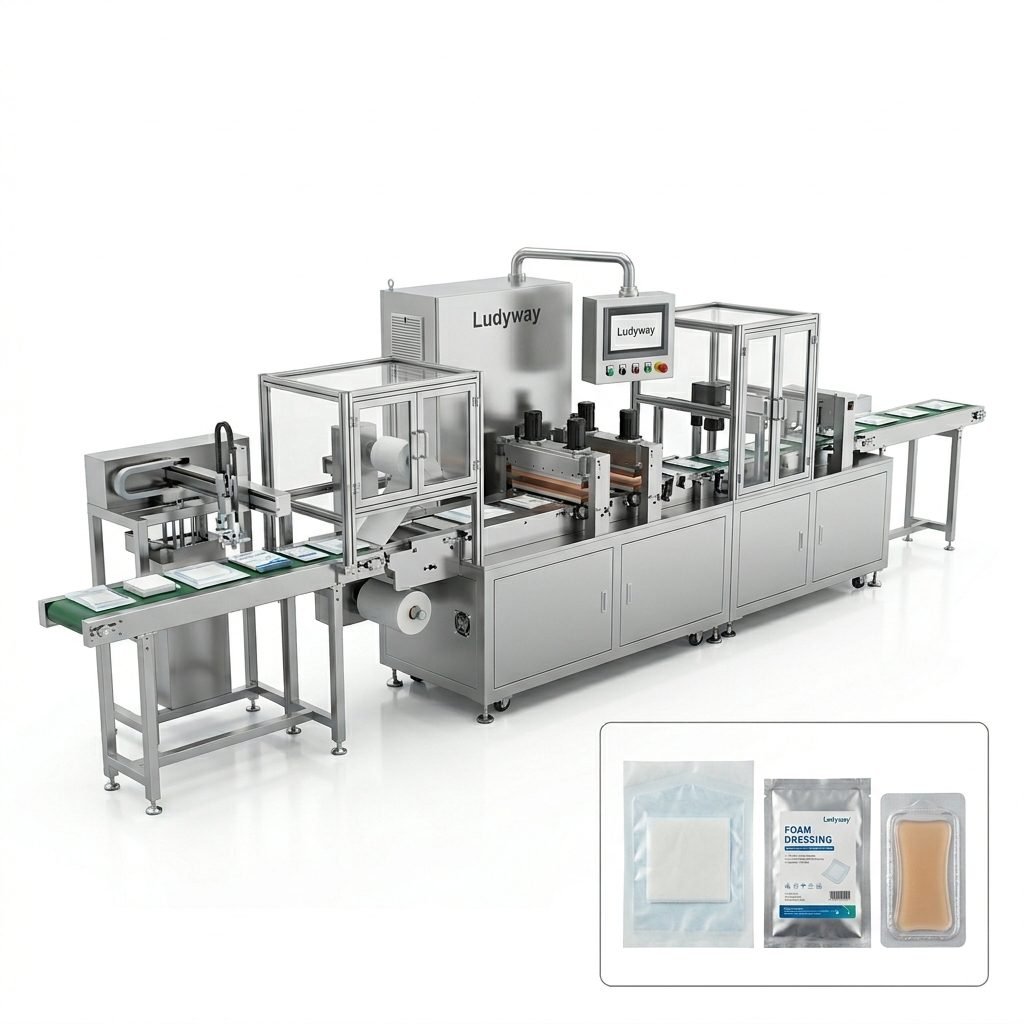
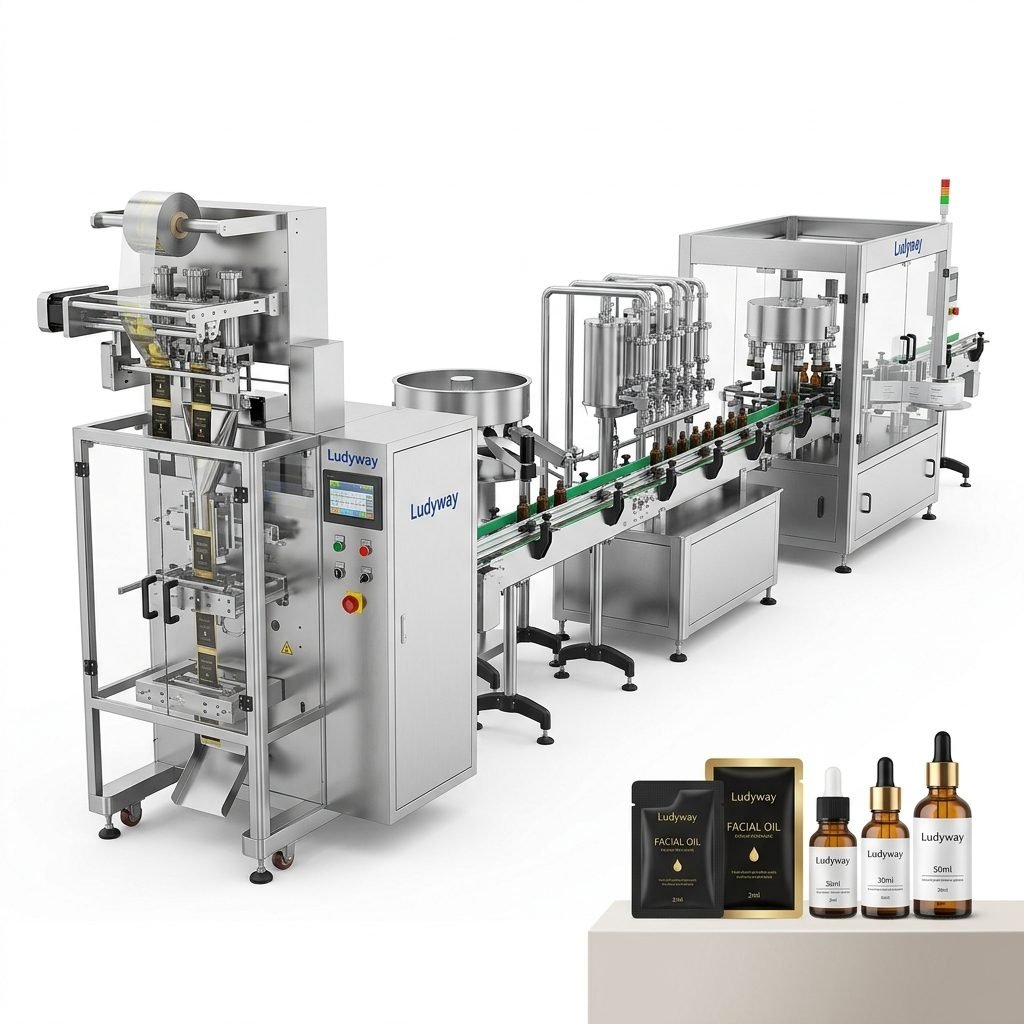
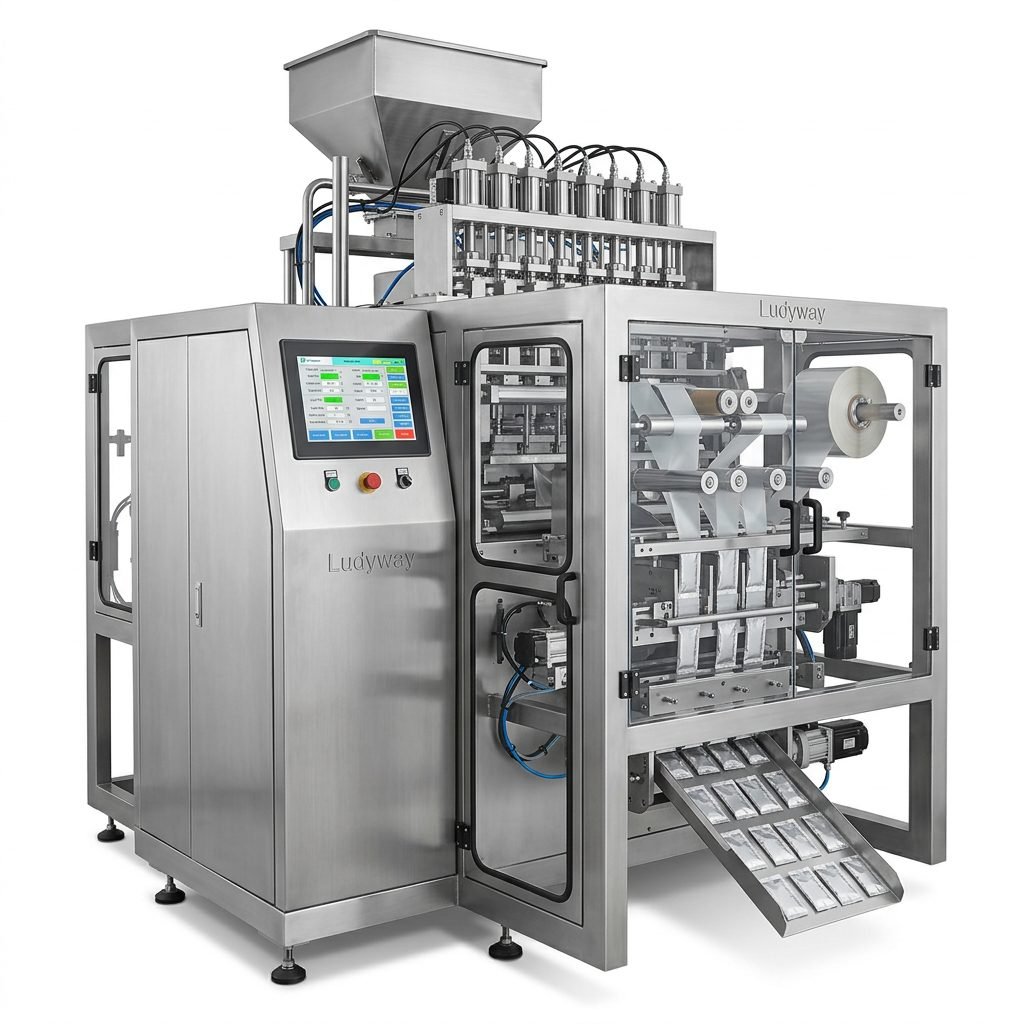
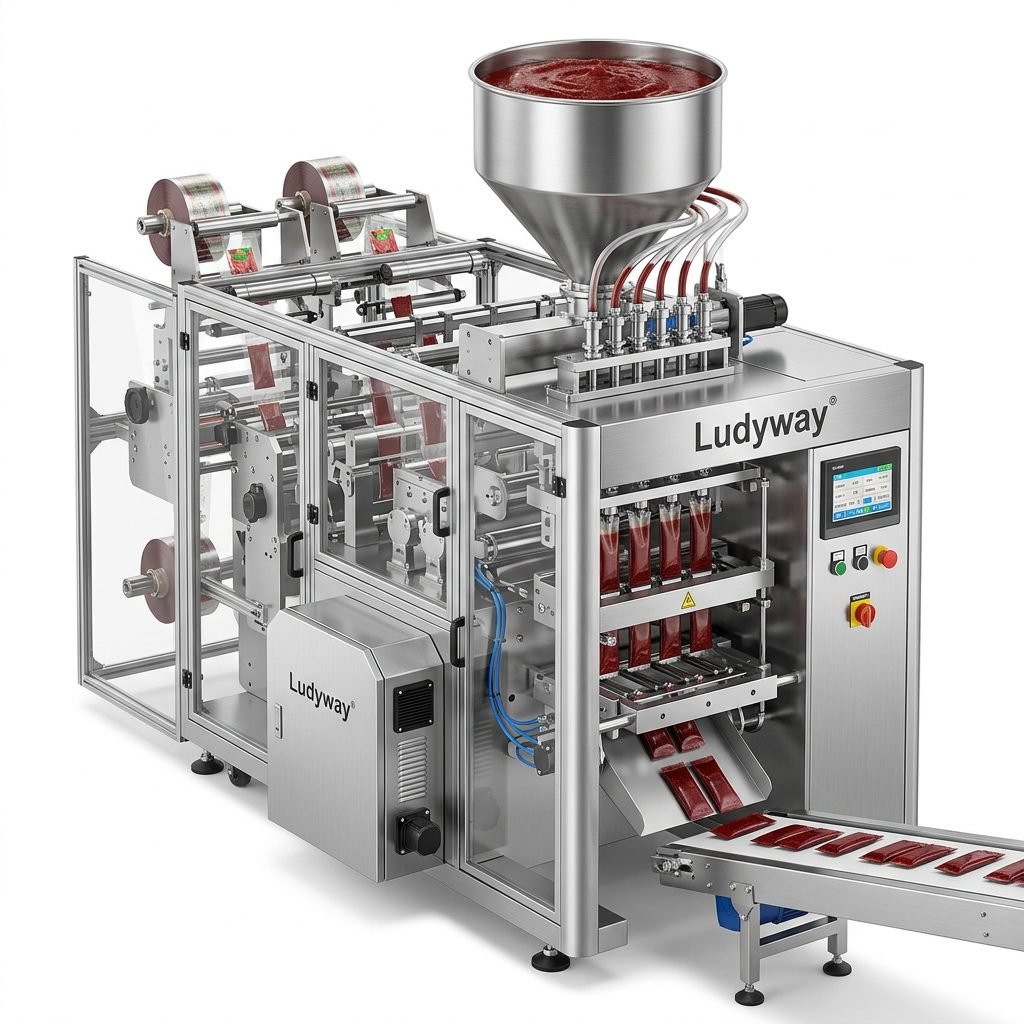
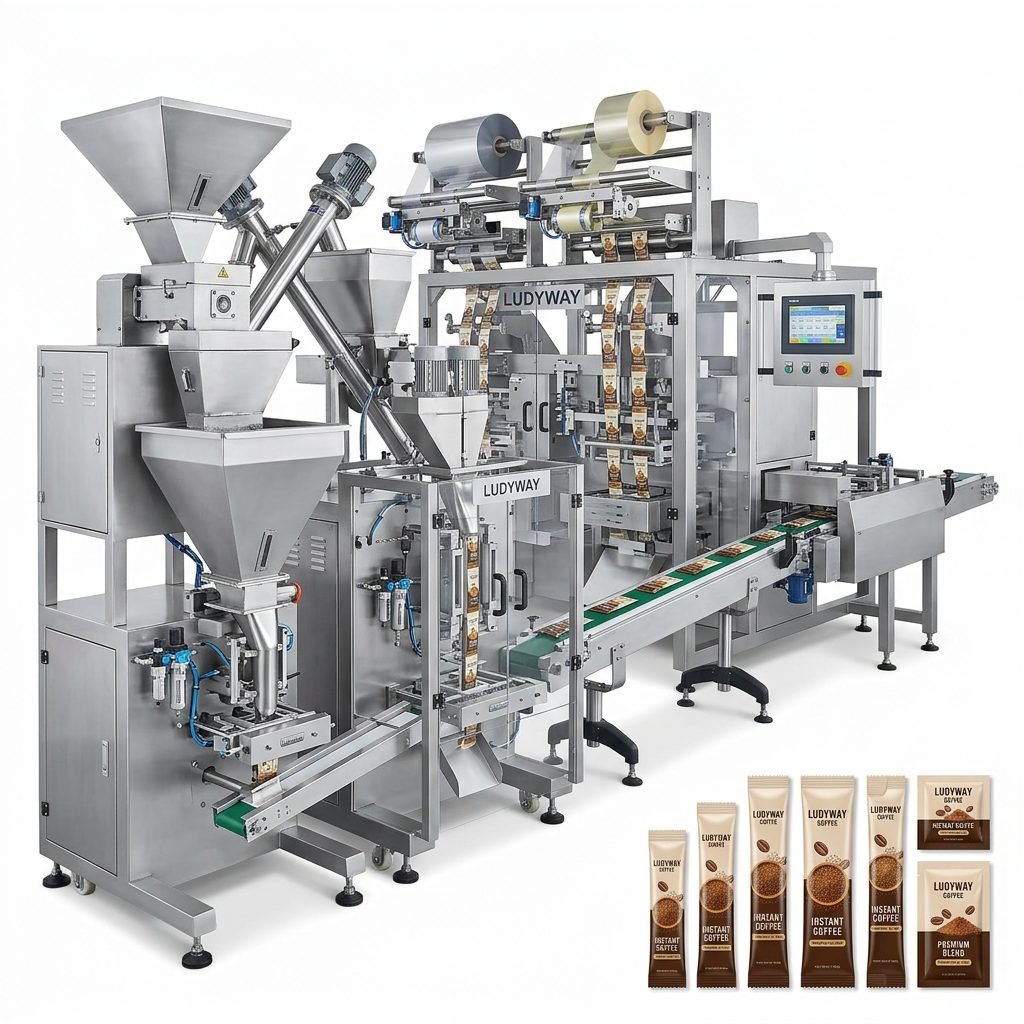
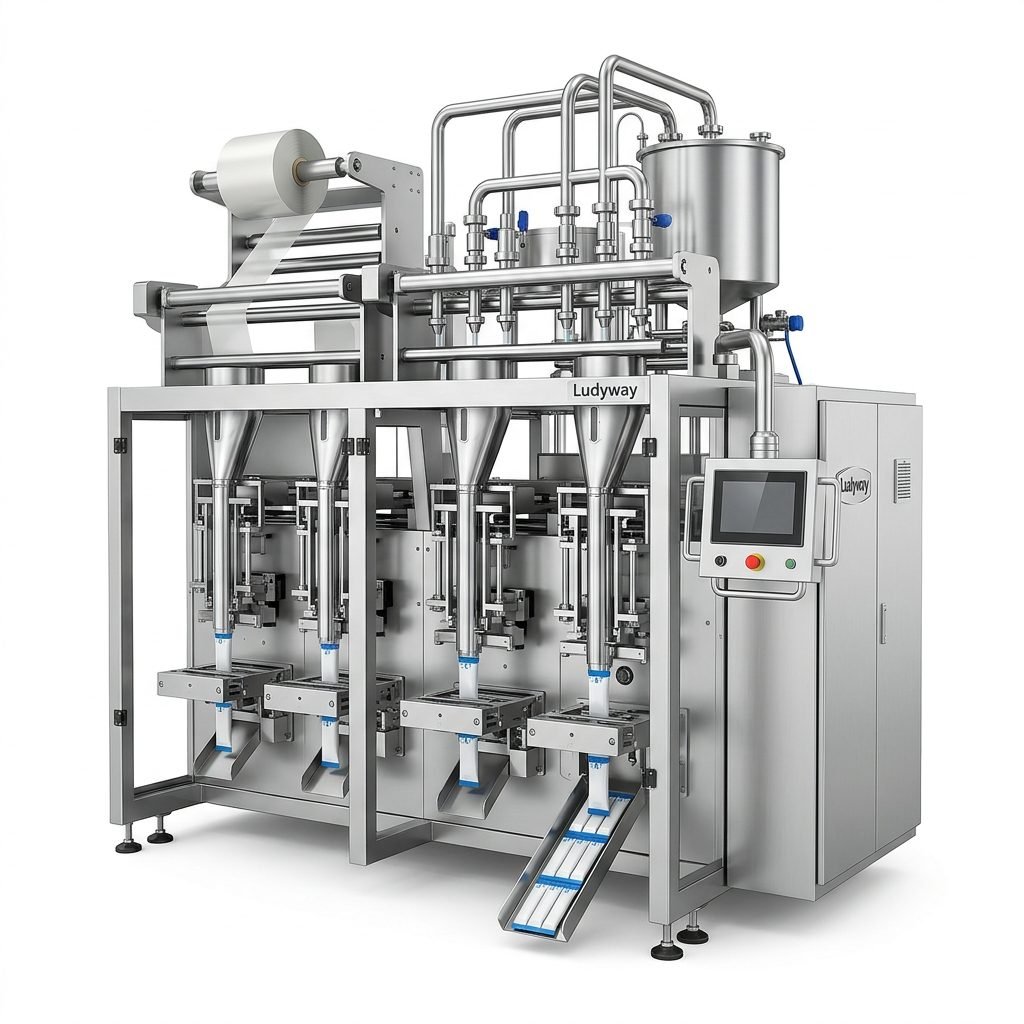
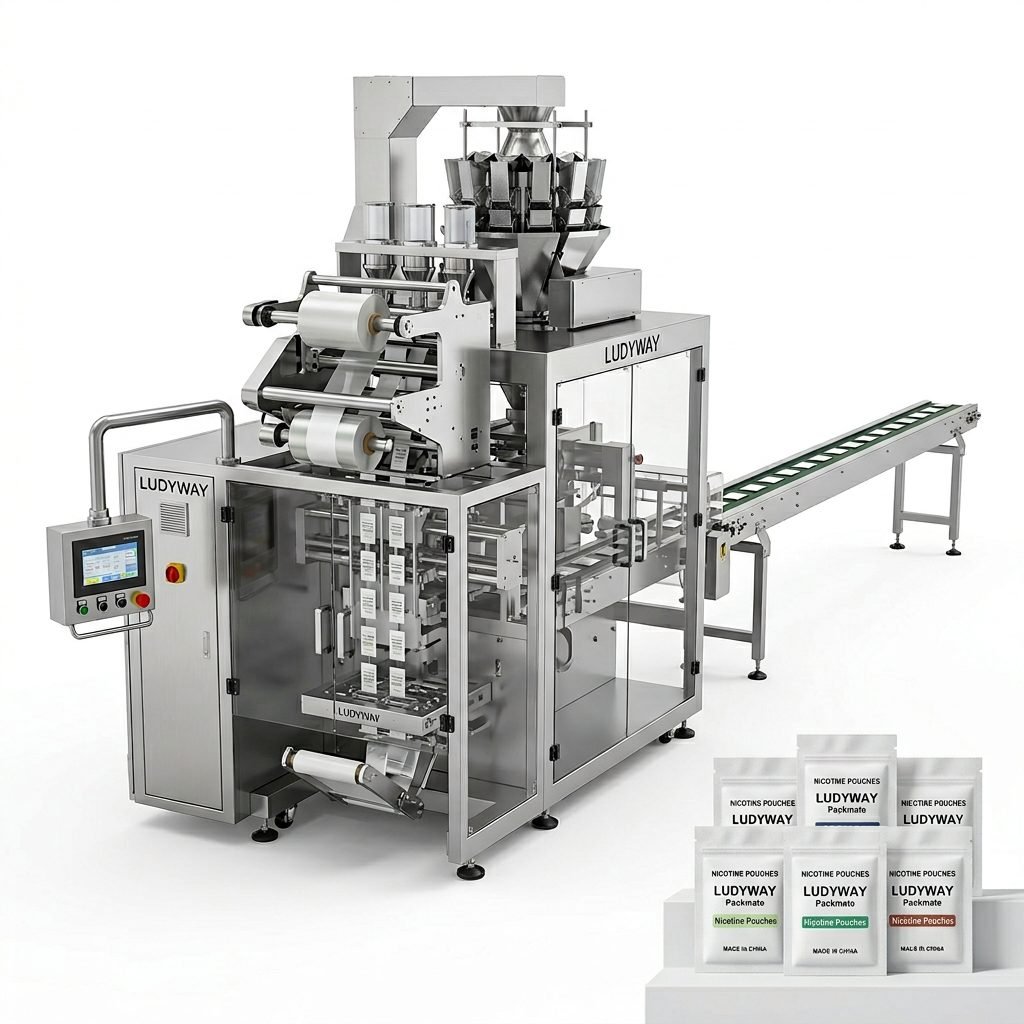
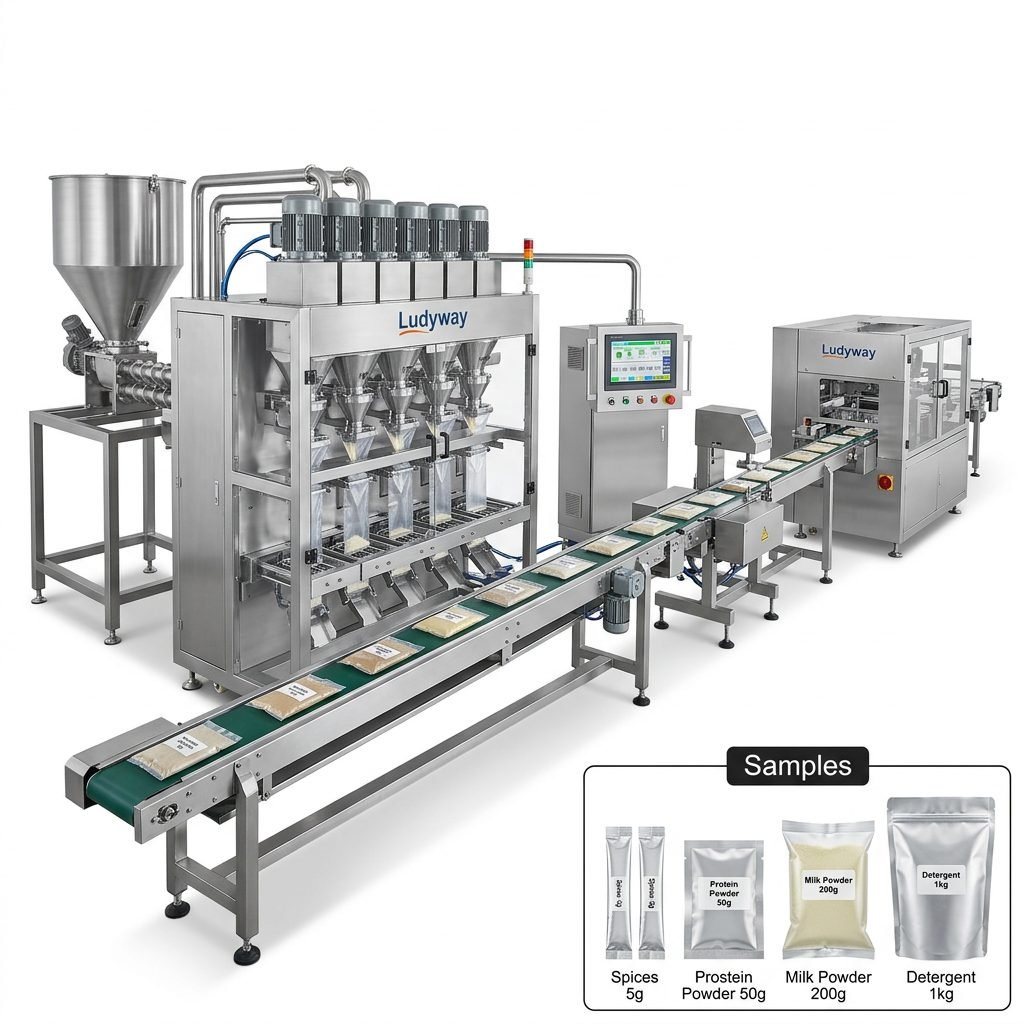
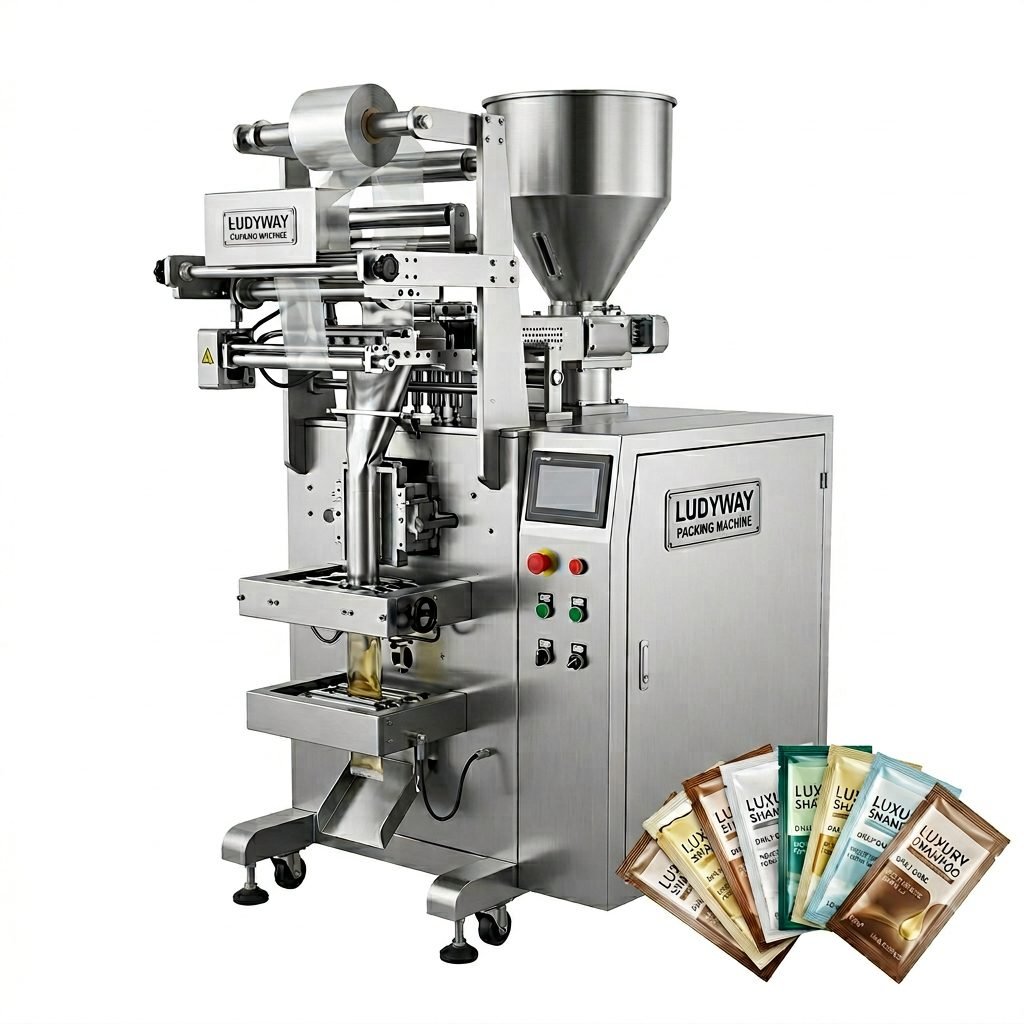
The best partner should offer a comprehensive range of equipment that can grow with your business. Evaluate their product portfolio. Do they provide the specific machines you need, such as multi-lane stick pack machines, sachet packaging systems, or liquid fillers? Furthermore, assess the level of technology and intelligence in their machines. Modern packaging lines often integrate IoT for data monitoring, predictive maintenance, and easy changeovers. Investing in intelligent packaging solutions from the start can provide a significant competitive advantage.
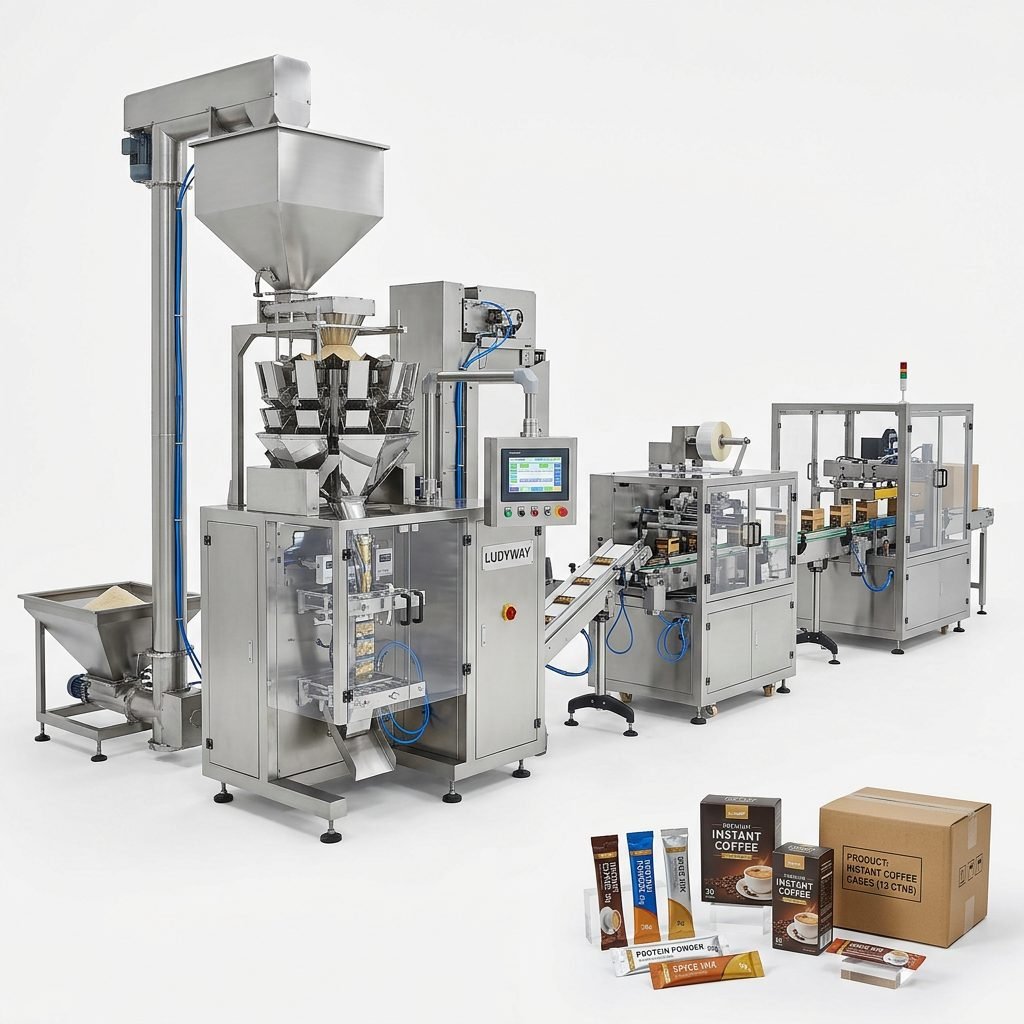
It’s also wise to check if the supplier offers complete line integration. A single source for your entire packaging line ensures better compatibility between machines, simplifies communication, and often leads to more cohesive after-sales support.
Global Support and Service Network
Your relationship with the supplier doesn’t end at the point of sale. Reliable after-sales support is arguably as important as the equipment itself. For businesses operating in or exporting to diverse markets, a supplier with a global service footprint is invaluable. Check if they have service technicians, spare parts depots, or agents in your region or key markets. Prompt technical support, readily available spare parts, and comprehensive operator training programs are non-negotiable for minimizing production interruptions. A supplier committed to long-term cooperation will prioritize your operational uptime.
Questions for the Supplier Regarding Support:
- What is the structure and response time of your technical support team?
- How is your spare parts inventory managed, and what are typical delivery times?
- Do you offer remote diagnostics and support?
- Can you provide references from clients in my country/region?
Quality, Compliance, and Certifications
Food packaging equipment must adhere to stringent safety and hygiene standards. Ensure your potential partner’s machines comply with relevant international standards, such as ISO, CE, or specific food safety regulations like those from the FDA or EU. The build quality and materials used (e.g., food-grade stainless steel) directly affect hygiene, durability, and compliance. Request documentation and, if possible, visit their facility to inspect the manufacturing process and quality control measures firsthand.
Financial Stability and Company Ethos
Partnering with a financially stable company reduces risk. It indicates they can invest in R&D, maintain a healthy inventory of parts, and will likely be in business to support you for years to come. Additionally, understand the company’s ethos. Do their values of innovation, quality, and customer partnership align with yours? A supplier like Ludyway Machinery, which emphasizes a history built on practical experience and strong partnerships, often fosters more collaborative and trustworthy client relationships.
Final Decision Checklist:
✓ Needs Match: Their expertise aligns with your product type and output.
✓ Proven Track Record: Solid history and positive client testimonials.
✓ Technical Strength: Modern facility, R&D capability, and intelligent machines.
✓ Support Promise: Clear, responsive, and global after-sales service structure.
✓ Quality Assurance: Relevant certifications and transparent build quality.
✓ Partnership Potential: Financial stability and a collaborative company culture.
Choosing the best food packaging equipment supplier is a strategic investment. By thoroughly evaluating potential partners against these criteria—focusing on experience, technical capability, support, and shared values—you can establish a partnership that not only meets your immediate production needs but also supports your business’s innovation and growth for decades to come. The right supplier becomes an extension of your team, dedicated to ensuring your packaging line is efficient, reliable, and ready for the future.
Frequently Asked Questions (FAQs)
1. What is the most important factor when choosing a packaging equipment supplier?
While all factors are interconnected, proven expertise and reliable after-sales support are often the most critical. A supplier with deep experience in your specific packaging niche will provide better solutions, and robust support ensures your production line remains operational with minimal downtime.
2. Should I prioritize the lowest price when selecting equipment?
Not necessarily. The lowest upfront cost can lead to higher long-term expenses due to frequent breakdowns, poor efficiency, lack of support, and shorter machine lifespan. It’s more prudent to evaluate the total cost of ownership, which includes purchase price, operational efficiency, maintenance costs, and expected durability.
3. How can I verify a supplier’s claims about their experience and machine quality?
Request detailed client references, especially from businesses similar to yours. Ask for case studies or project summaries. If feasible, arrange a visit to their manufacturing facility to see their production and quality control processes firsthand. You can also ask for videos of the specific machine model in operation.
4. What does a “turnkey production line” solution mean?
A turnkey solution means the supplier takes full responsibility for delivering a complete, ready-to-operate production line. This includes supplying all necessary machines, integrating them, conducting installation and commissioning at your site, and providing comprehensive training for your operators. It offers a single point of contact and accountability.
5. Why is a supplier’s global presence important if I only operate in one country?
A global presence often indicates a larger, more stable company with broader resources. It also means they are likely familiar with various international standards and market requirements, which can be beneficial if you plan to expand or export in the future. Furthermore, their international network can sometimes facilitate faster sourcing of specialized components or expertise.