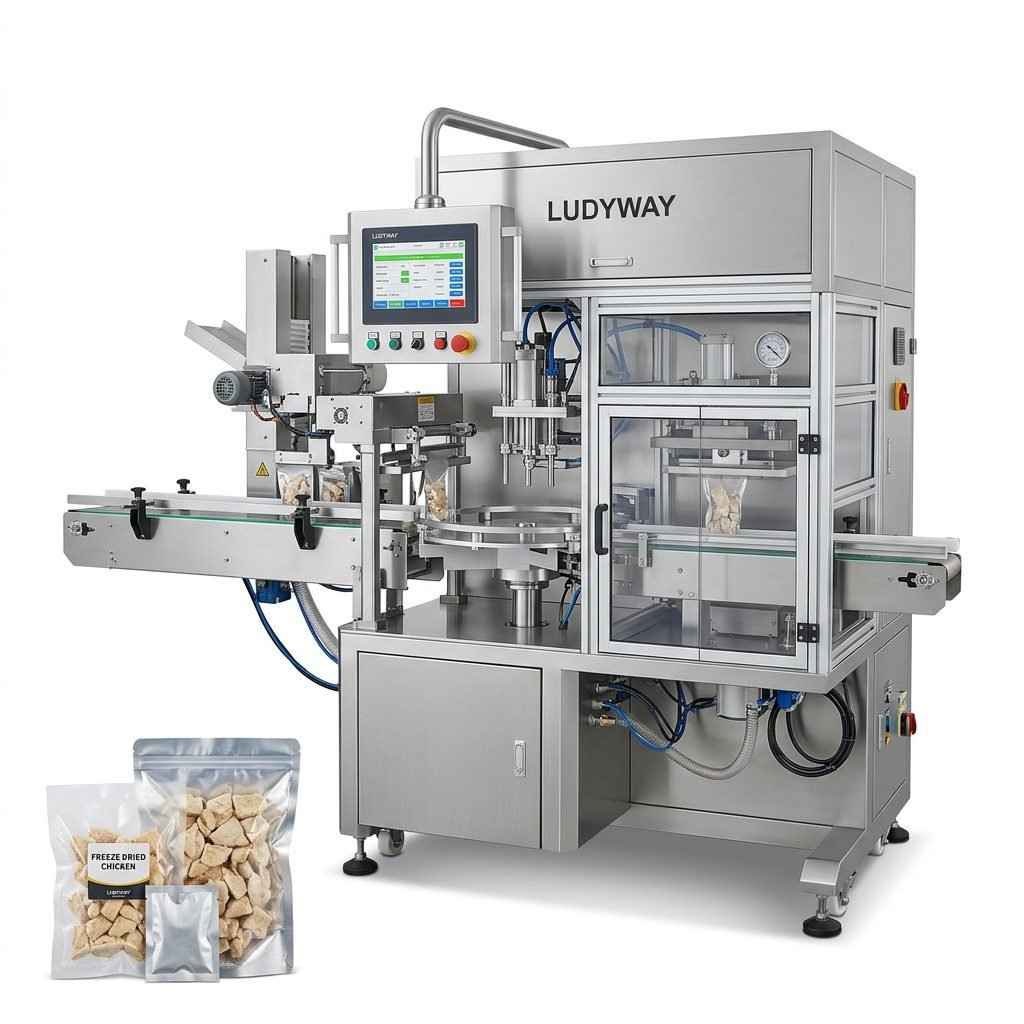
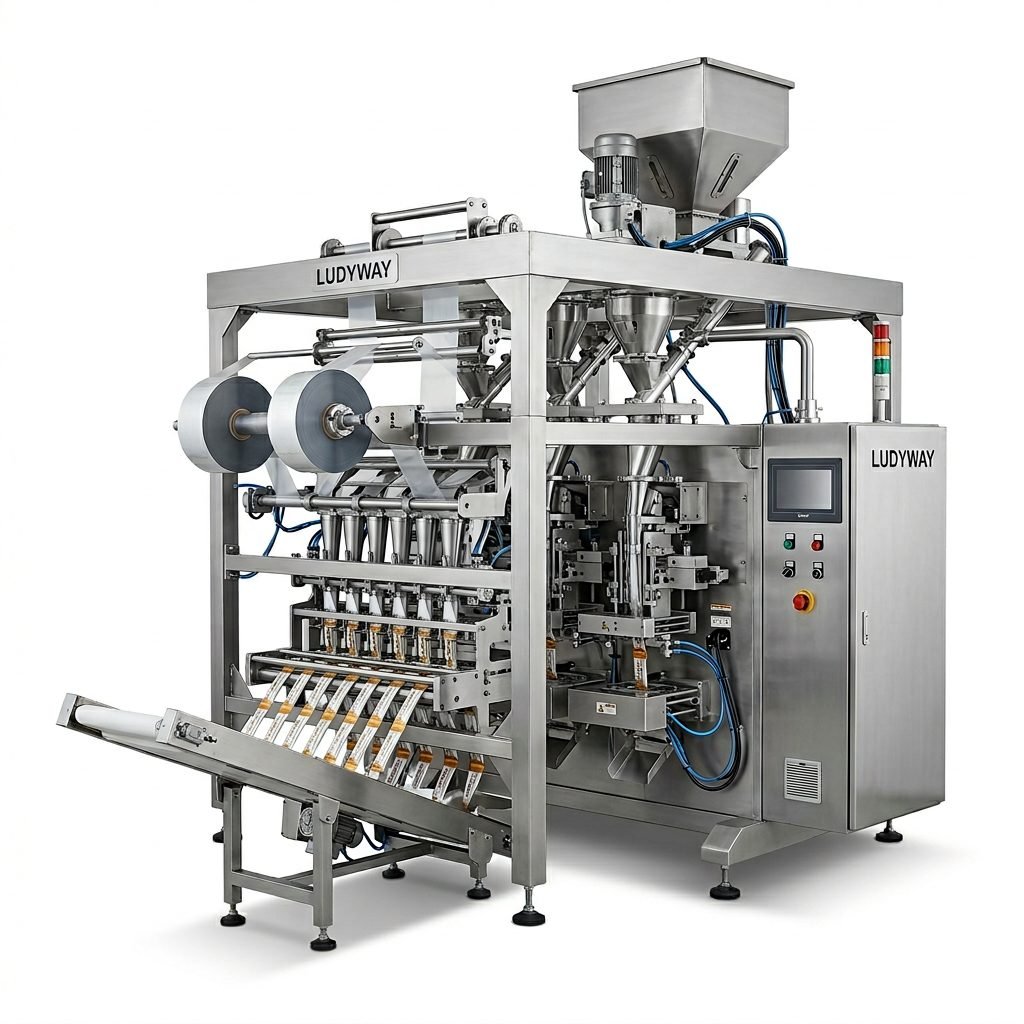
Efficient food production depends on more than just recipe quality. It requires the right combination of processing precision, hygienic design, automated packaging, quality inspection, and line integration. Whether you produce snack foods, beverage powders, sauces, spices, frozen foods, or ready-to-eat products, choosing suitable food processing and packaging machinery can significantly improve output, consistency, and profitability.
This guide explains how food manufacturers can build a smarter production setup, what machines are commonly used, how to compare equipment options, and which factors matter most when planning a scalable line for long-term growth.
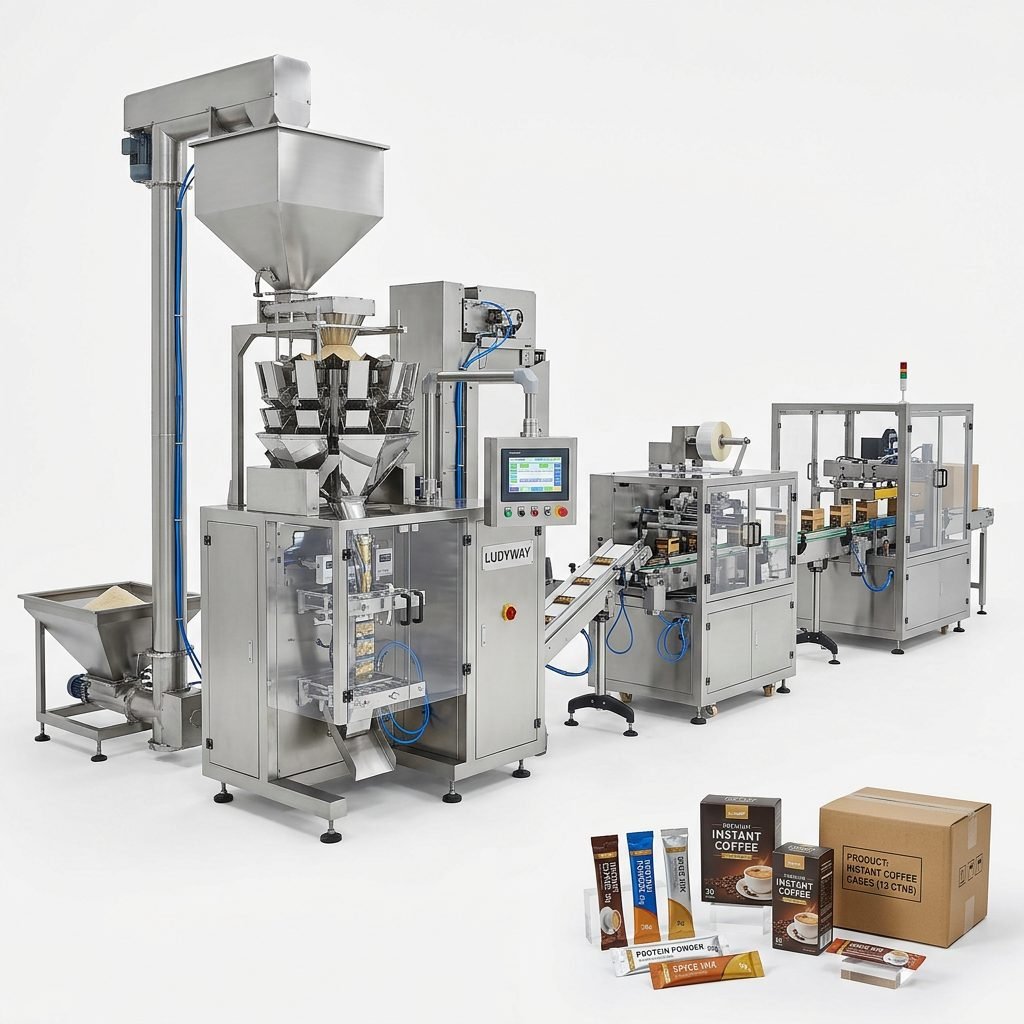
Why Food Processing and Packaging Machinery Matters
Modern food businesses face growing pressure from customers, retailers, and regulators. They need faster production, safer packaging, lower waste, and more flexible formats. Manual operations can work at a small scale, but as volume increases, they often create bottlenecks in filling accuracy, sealing consistency, sanitation control, and labor efficiency.
Well-designed machinery helps food manufacturers achieve:
- Higher throughput with stable cycle times
- Better product consistency in weight, portion, and seal quality
- Reduced labor dependency through automation
- Improved food safety through hygienic contact parts and inspection systems
- Lower material waste through accurate dosing and controlled packaging
- Greater packaging flexibility for sachets, stick packs, pouches, bottles, and cartons
Core Types of Food Processing and Packaging Machinery
A complete line may include upstream processing equipment and downstream packaging systems. The exact combination depends on the product form: powder, granule, liquid, paste, solid pieces, or mixed ingredients.
1. Food Processing Equipment
- Mixers and blenders for powders, seasonings, beverage mixes, and functional foods
- Grinding and milling systems for spices, grains, sugar, and dry ingredients
- Cooking and heating systems for sauces, soups, syrups, and prepared foods
- Drying systems for powders, granules, and dehydrated ingredients
- Sorting and conveying systems for material handling between stations
- Weighing and dosing systems for accurate product control
2. Food Packaging Equipment
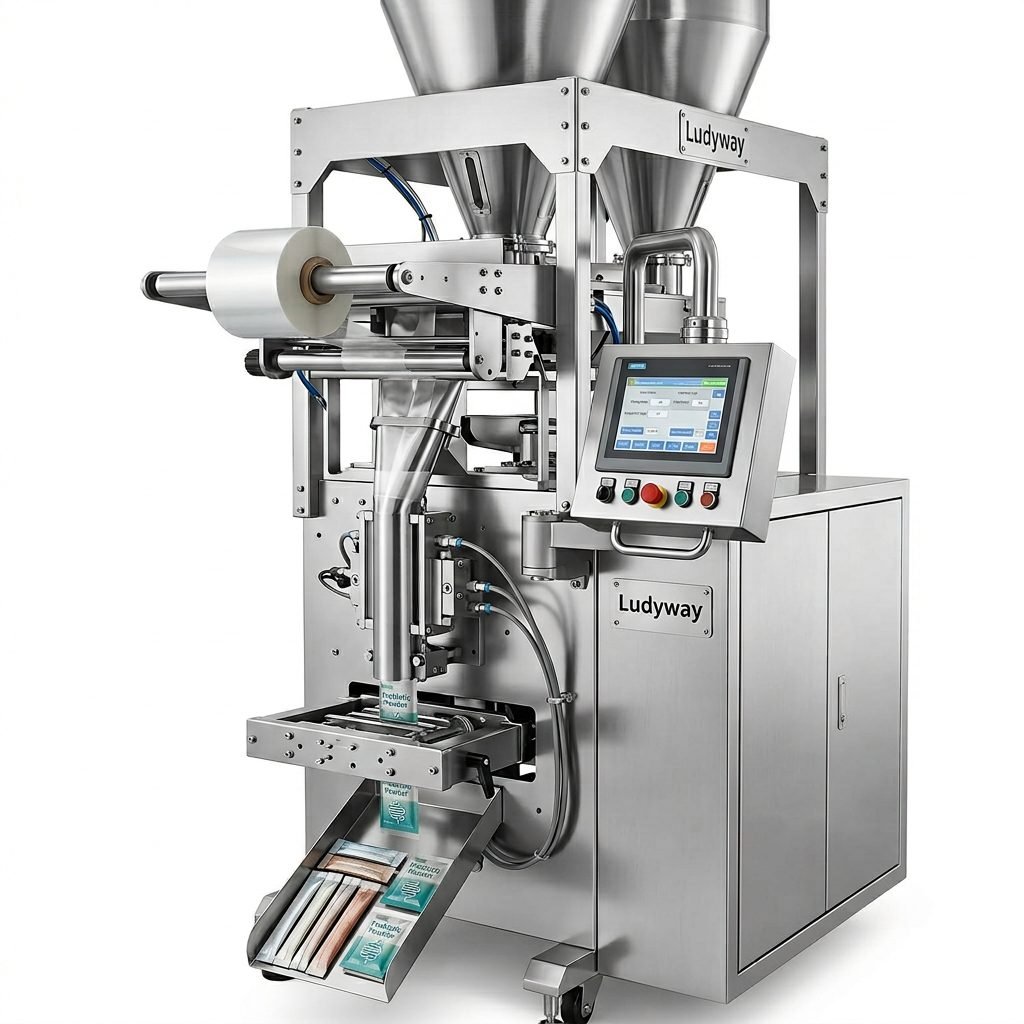
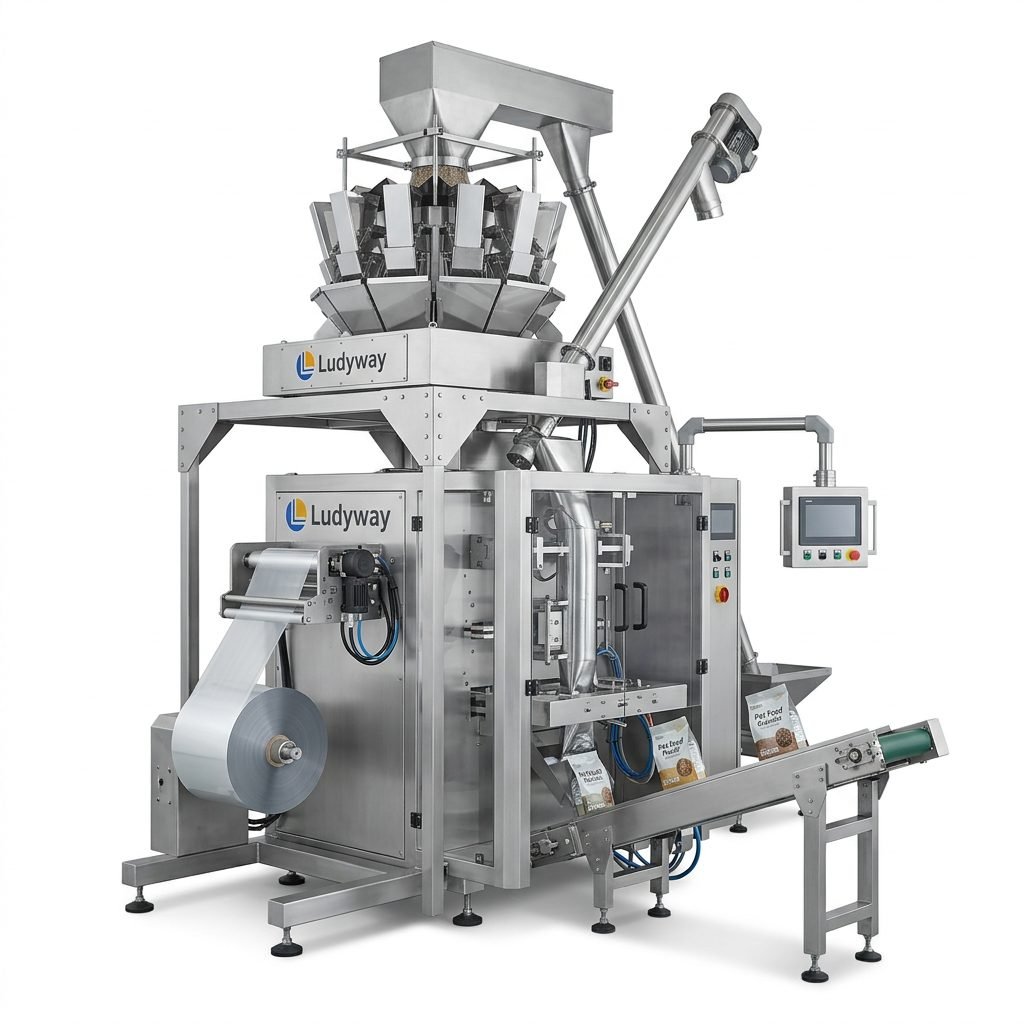
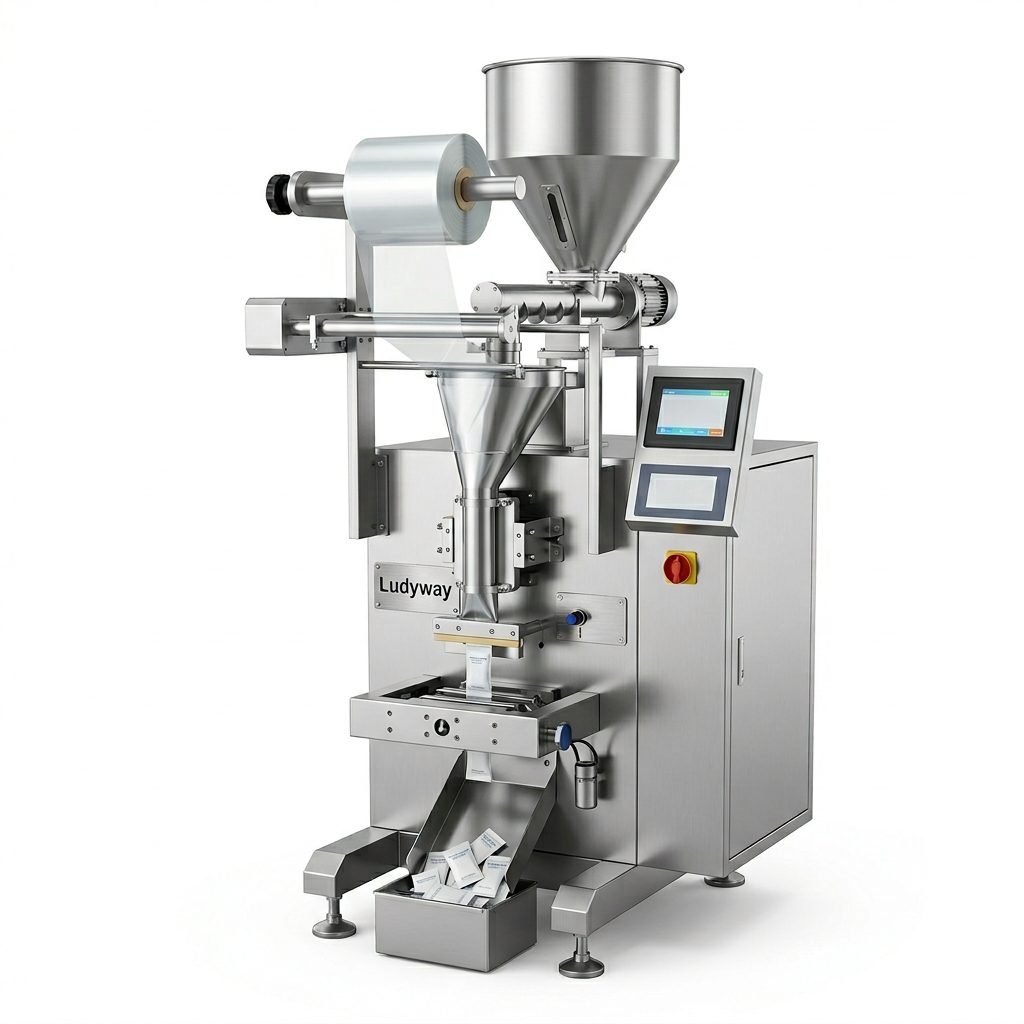
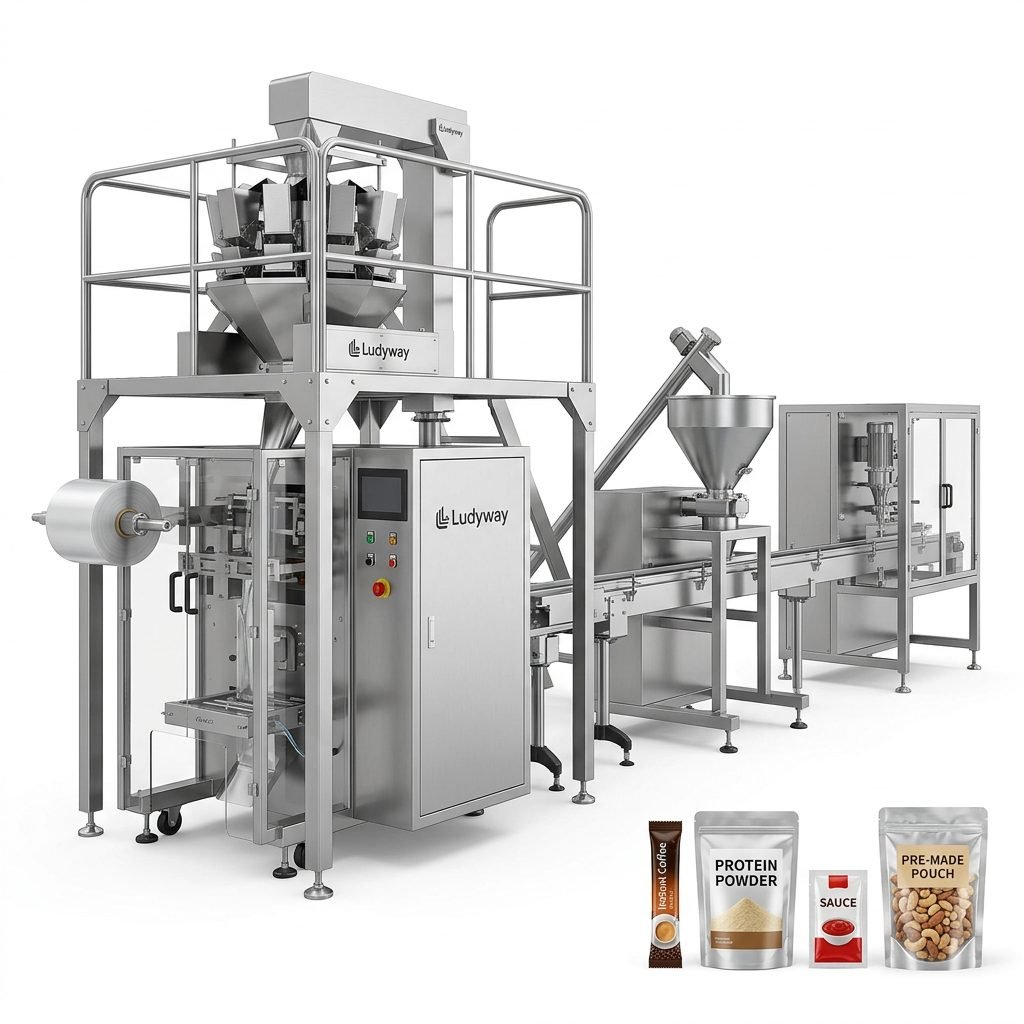
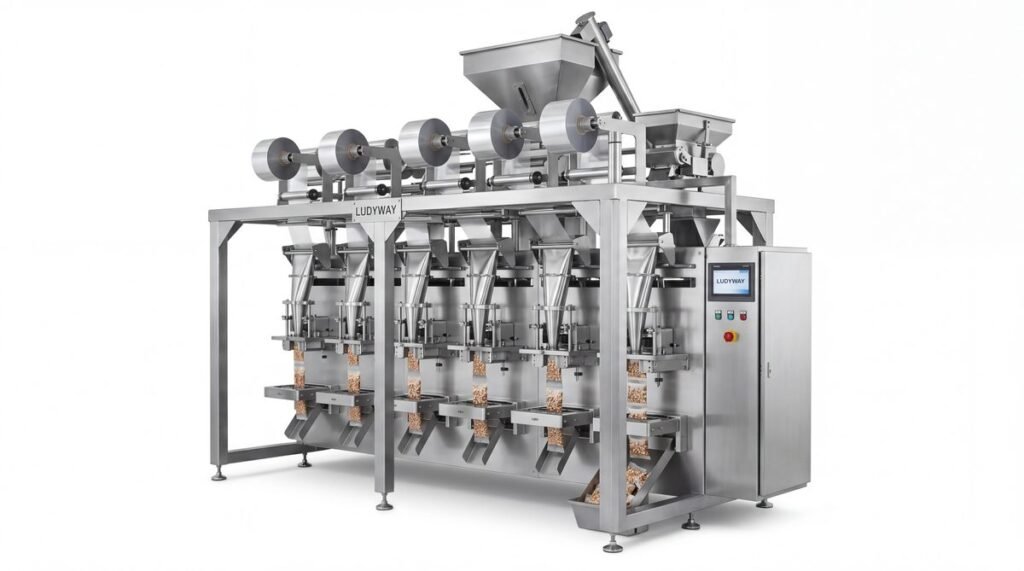
- Vertical form fill seal machines for powders, granules, and small packs
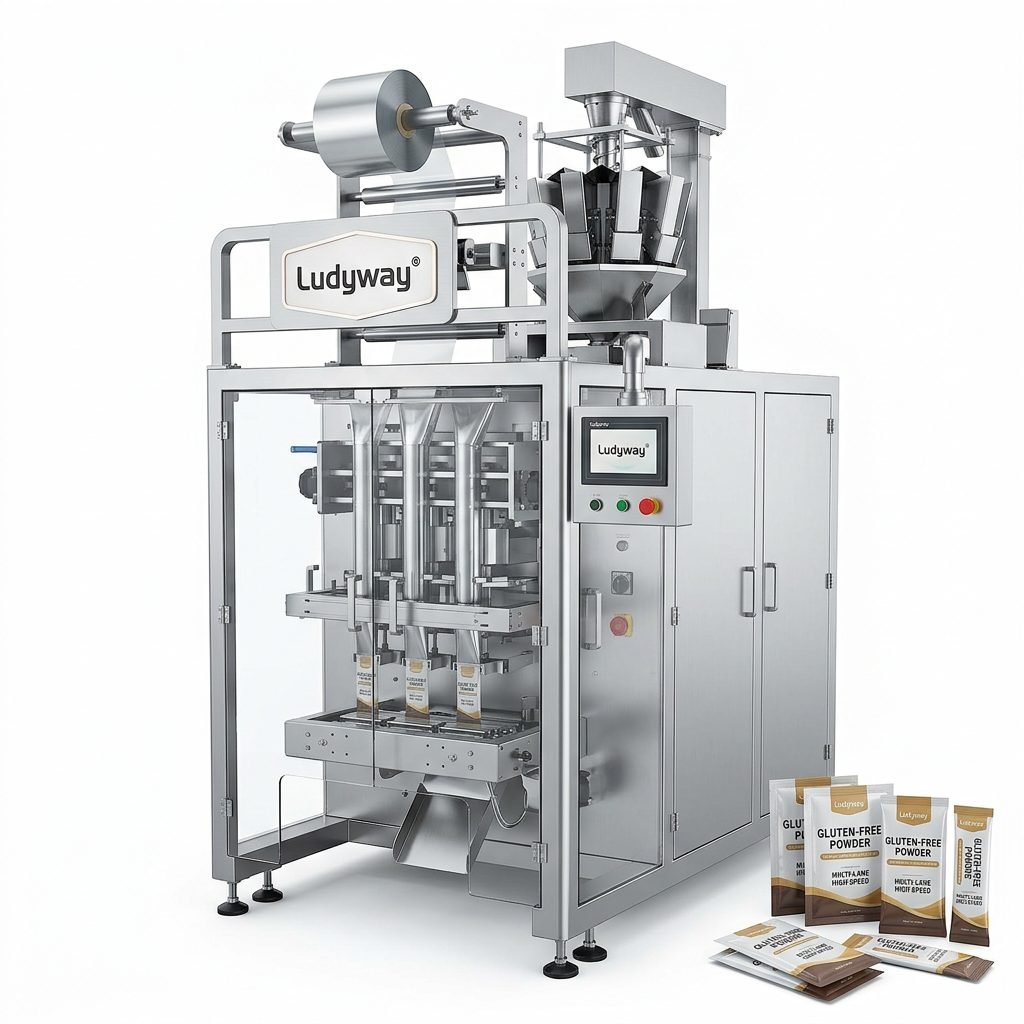
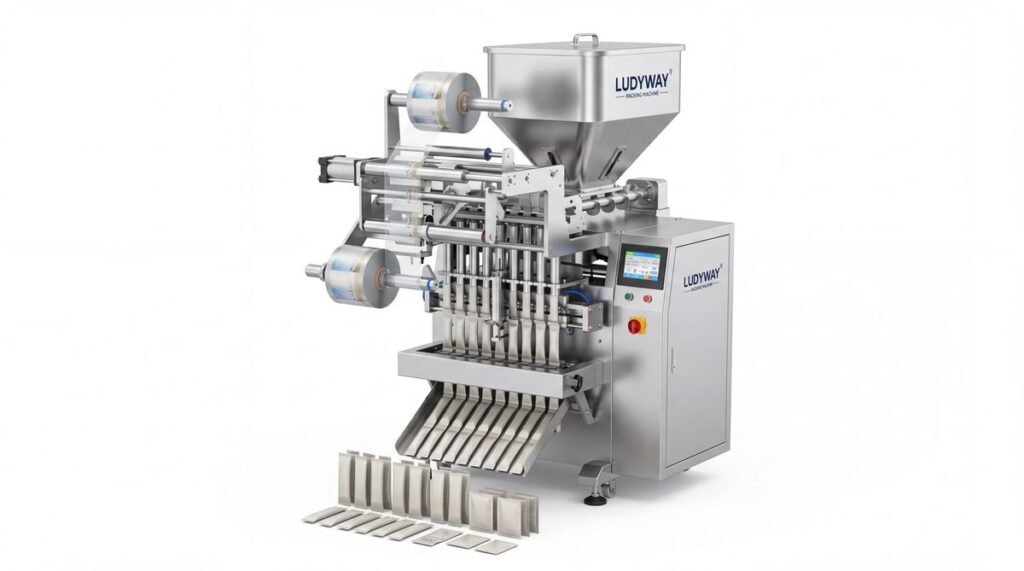
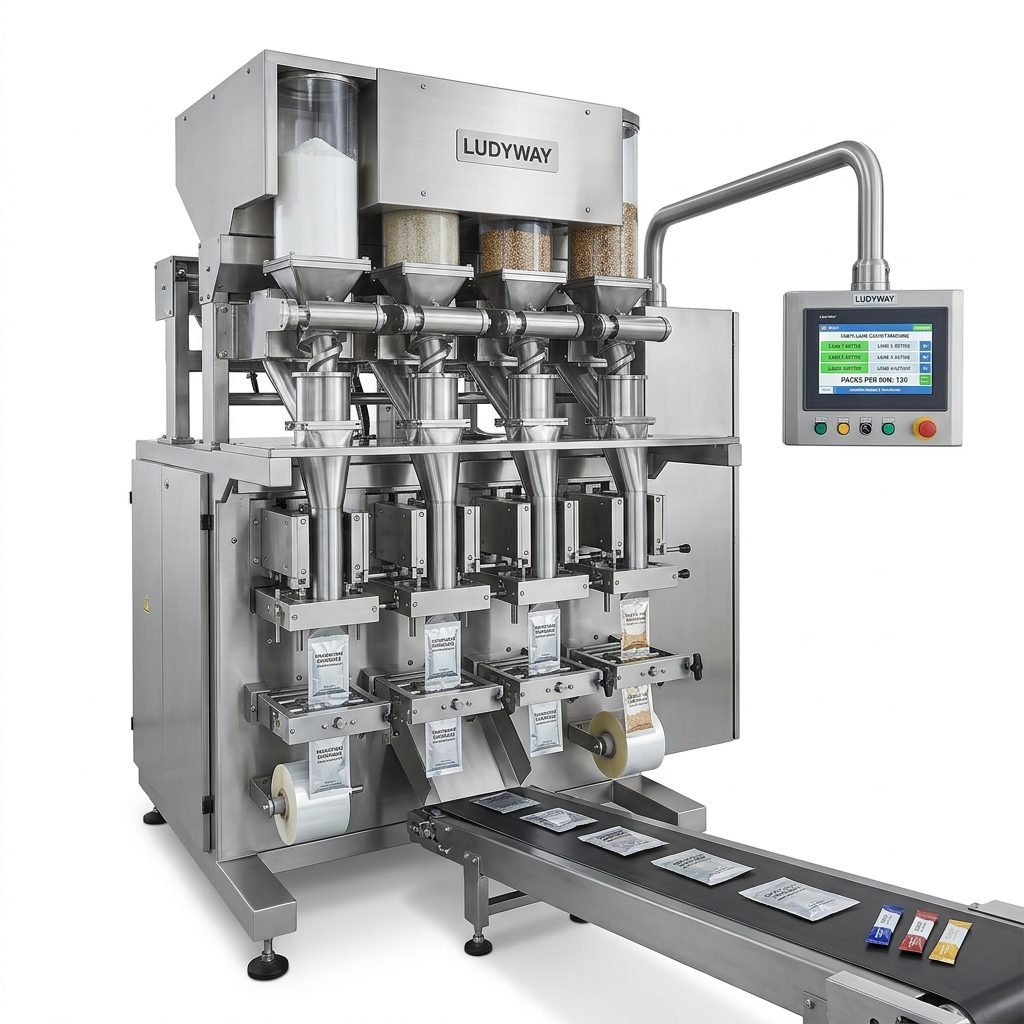
- Multi-lane sachet packaging machines for high-volume single-serve products
- Stick pack machines for drink powders, coffee, sugar, salt, and supplements
- Liquid and paste filling machines for sauces, oils, condiments, and beverages
- Premade pouch filling and sealing machines for premium retail formats
- Cartoning, labeling, coding, case packing, and palletizing systems
3. Auxiliary and Inspection Equipment
- Metal detectors
- Checkweighers
- Date coding and printing systems
- Conveyors and elevators
- Dust collection and hygiene control units
- Vision inspection systems
How to Match Machinery to Different Food Products
Not every food product requires the same machine structure. Product behavior during dosing, sealing, and transport is one of the most important selection criteria.
| Food Product Type | Recommended Machinery | Key Considerations |
|---|---|---|
| Powders | Auger filler, multi-lane sachet machine, stick pack machine | Dust control, filling accuracy, seal cleanliness |
| Granules | Volumetric cup filler, weighing system, VFFS machine | Flowability, particle size, anti-breakage handling |
| Liquids | Multi-nozzle liquid filler, sachet liquid packing machine | Viscosity, leak prevention, hygienic pumping |
| Pastes and sauces | Piston filler, heated hopper packaging system | Temperature control, anti-drip filling, clean seals |
| Snacks and solids | Multihead weigher, pouch/bag packing line | Product protection, speed, bag appearance |
Key Features to Look for in Food Packaging Machines
When evaluating machinery, buyers should avoid focusing only on speed. A machine that runs fast but stops often, wastes film, or produces unstable seals can increase total production cost. The better approach is to look at overall line efficiency.
Important features include:
- Food-grade stainless steel contact parts
- Easy-clean structure for sanitation and maintenance
- Servo-driven control for precise filling and sealing
- HMI touchscreen for recipe storage and parameter adjustments
- Flexible bag size changeover
- Stable sealing under different film materials
- Compatibility with coding, checkweighing, and detection systems
- Integration with upstream feeding and downstream secondary packaging
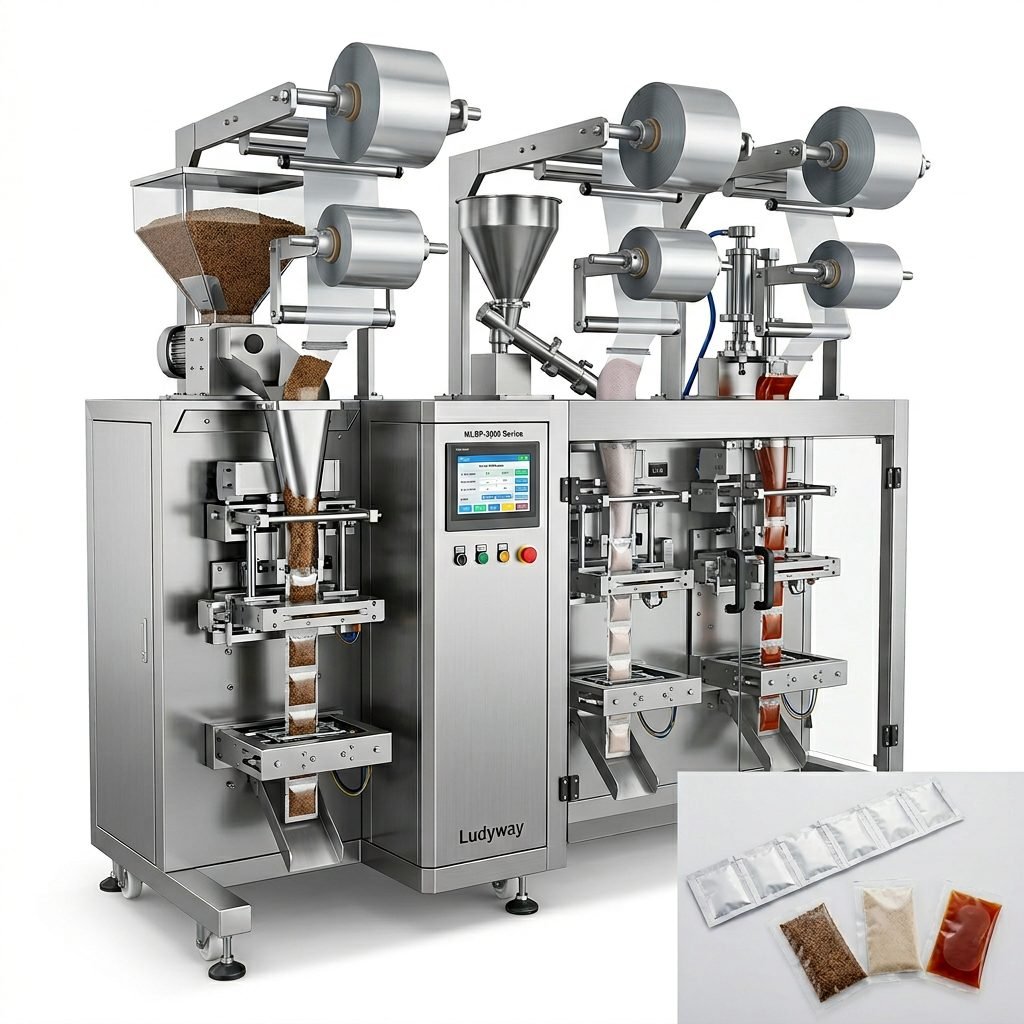
Benefits of Automated Food Packaging Lines
For many manufacturers, standalone machines solve one task but do not fully remove production bottlenecks. A complete automated line connects feeding, dosing, packaging, inspection, and final packing into one coordinated workflow.
The main advantages of an integrated food packaging line include:
- Consistent product flow from raw material input to finished packaging
- Less manual intervention, reducing contamination risk and labor cost
- Higher uptime through synchronized machine communication
- Simpler scaling when production volume increases
- Better traceability with coding, inspection, and data collection
Common Applications in the Food Industry
Food processing and packaging machinery is widely used across many categories:
- Instant coffee and beverage powder
- Soup mixes and seasonings
- Sugar, salt, sweeteners, and spices
- Sauces, ketchup, mayonnaise, and dressings
- Tea, herbal products, and nutritional powders
- Nuts, grains, cereal, and snack products
- Frozen and ready-to-cook foods
- Functional food and health supplement packaging
How to Improve Efficiency in Food Production
Efficiency comes from system design, not just machine speed. Food producers can improve output by optimizing the full production flow.
Best practices include:
- Choose equipment based on actual product characteristics, not generic machine labels
- Use automated feeding systems to maintain steady material supply
- Reduce changeover time with quick-adjust formats and stored recipes
- Install metal detection and checkweighing to prevent rework later in the process
- Standardize film and pouch materials for smoother line performance
- Plan preventive maintenance instead of reacting to unplanned downtime
- Work with a supplier that can support both standalone machines and turnkey integration
What to Ask Before Buying Food Processing and Packaging Machinery
Before investing, buyers should prepare a clear technical requirement sheet. This helps suppliers recommend the right model and avoid mismatched configurations.
| Question | Why It Matters |
|---|---|
| What is the product type and flow behavior? | Determines filling method and machine structure |
| What packaging format is required? | Affects film handling, sealing, and output style |
| What is the target speed? | Impacts lane count, machine size, and automation level |
| How often will sizes or SKUs change? | Determines changeover design importance |
| What inspection standards are needed? | Supports compliance and customer quality demands |
| Do you need a single machine or full line? | Changes integration planning and future scalability |
Turnkey Solutions vs Standalone Machines
A standalone packaging machine is often suitable for companies testing a new product or replacing one packaging step. However, a turnkey line can provide greater value for growing manufacturers because it links multiple stages into one coordinated system.
Standalone equipment is ideal when:
- You already have upstream and downstream equipment
- You need to expand one part of the line only
- Your current production volume is still moderate
Turnkey packaging lines are ideal when:
- You are building a new factory or new product line
- You need better synchronization across processing and packaging stages
- You want fewer supplier coordination issues
- You plan for future production growth and automation upgrades
The Role of Quality Control in Food Packaging
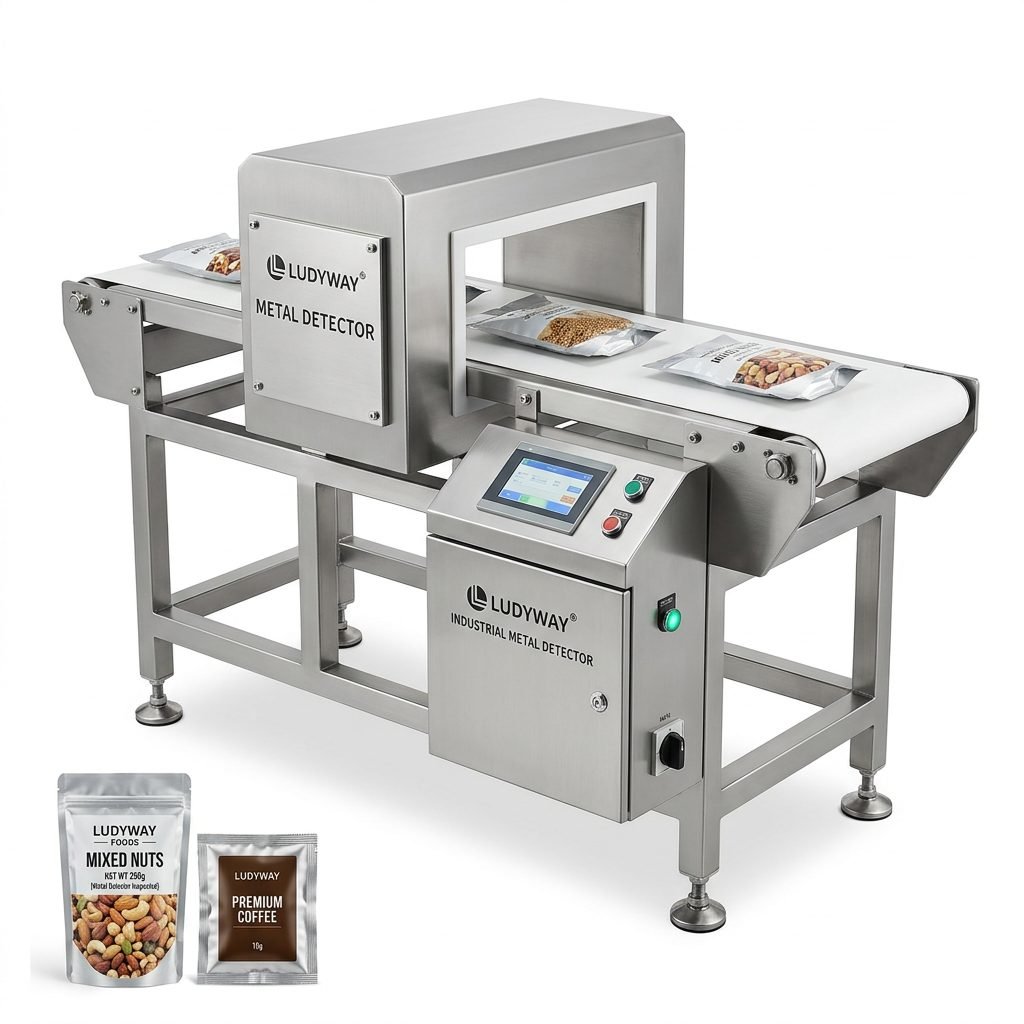
Packaging is not only about appearance. It is also a critical food safety checkpoint. Modern lines often include detection and verification systems that help maintain brand trust and reduce the risk of recalls.
Typical quality control equipment includes:
- Metal detectors for contamination control
- Checkweighers for package weight verification
- Seal inspection and leakage detection systems
- Batch coding and date printing devices
- Vision systems for label and print checking
A reliable quality control setup can reduce complaints, support retailer acceptance, and improve compliance with food safety standards.
How to Choose a Reliable Machinery Manufacturer
The supplier matters almost as much as the machine itself. Buyers should look for a manufacturer with real production capacity, export experience, customization ability, and after-sales support.
A dependable supplier should offer:
- Experience across multiple food product applications
- Engineering support for customization
- Clear machine specifications and testing process
- Installation guidance and technical support
- Availability of spare parts and maintenance support
- Ability to provide complete lines, not just isolated units
For businesses looking for scalable automation, Ludyway food packaging machinery solutions can support food manufacturers with standalone machines and turnkey packaging lines for powders, granules, liquids, sachets, stick packs, and integrated production needs.
Future Trends in Food Processing and Packaging Machinery
The food industry continues to shift toward faster, smarter, and more flexible production. Manufacturers that invest in modern systems are better positioned to respond to market demand.
Key trends include:
- Multi-lane high-speed packaging for single-serve formats
- More intelligent control systems and remote diagnostics
- Greater demand for compact but scalable machine designs
- Improved sustainability through material savings and energy efficiency
- Stronger integration between processing, packaging, and inspection
Final Buying Checklist for Food Manufacturers
- Confirm your product characteristics and filling method
- Define your package style, size range, and film material
- Set realistic output goals based on actual shift planning
- Include hygiene, cleaning, and compliance requirements
- Plan for future SKUs and production expansion
- Compare total line efficiency, not just machine speed
- Choose a supplier with customization and global support experience
The right food processing and packaging machinery can transform production from labor-intensive and inconsistent to automated, reliable, and growth-ready. By selecting equipment that matches your product, output goals, and packaging format, you can improve operational efficiency, strengthen quality control, and build a more competitive food manufacturing business.