China has solidified its position as the world’s manufacturing hub, and its packaging machinery sector is no exception. For businesses globally, sourcing from top packaging machine suppliers in China offers a compelling combination of advanced technology, cost-effectiveness, and scalable production capacity. However, navigating this vast market to find the right partner requires careful consideration and strategic evaluation.
Understanding the Chinese Packaging Machinery Landscape
The Chinese packaging equipment industry is characterized by its immense scale and rapid technological adoption. From bustling industrial zones in Guangdong to specialized manufacturing clusters in Jiangsu and Zhejiang, the country hosts thousands of suppliers. These range from large, integrated manufacturers offering full turnkey solutions to specialized workshops producing specific machine components. For international buyers, particularly those from markets with strong traditions of precision engineering like Germany or meticulous quality standards like Japan, it’s crucial to understand that Chinese suppliers often excel in blending automation efficiency with competitive pricing. The business culture emphasizes long-term relationships and mutual growth, so patience and clear communication are key during the sourcing process.
Key Market Advantages
Choosing a Chinese supplier isn’t just about cost. The primary advantages include:
✔ Rapid Innovation Cycle: Chinese manufacturers are exceptionally agile in adopting and integrating new technologies like IoT for machine monitoring and AI for quality control.
✔ Complete Supply Chain: Proximity to raw material suppliers and component makers reduces lead times and mitigates supply chain risks.
✔ Customization Capability: Many suppliers are highly flexible and willing to modify standard machines to meet specific packaging formats, speeds, or integration needs.
How to Evaluate and Choose the Right Manufacturer
Selecting the ideal partner is a multi-step process that goes beyond comparing price lists. A thorough evaluation ensures you invest in a reliable, long-term solution for your production line.
1. Assess Technical Capability and Specialization
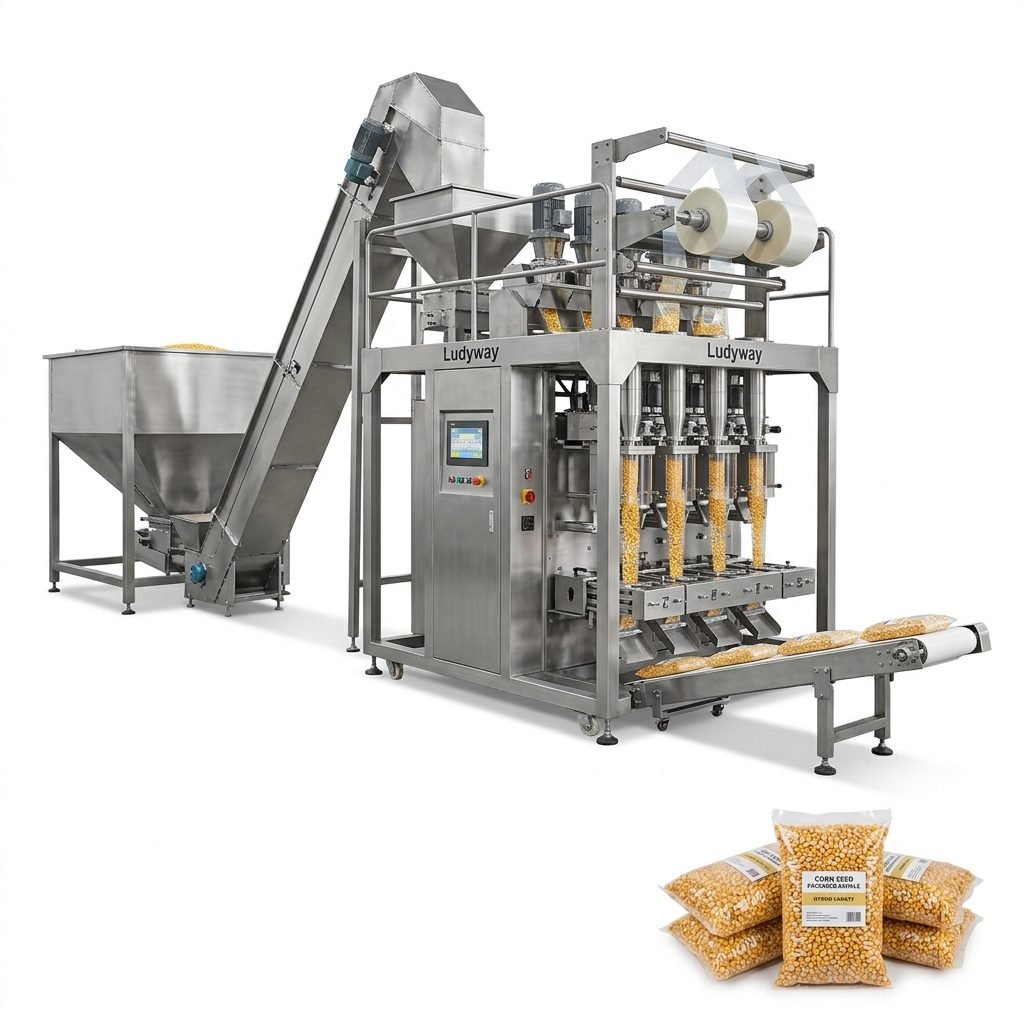
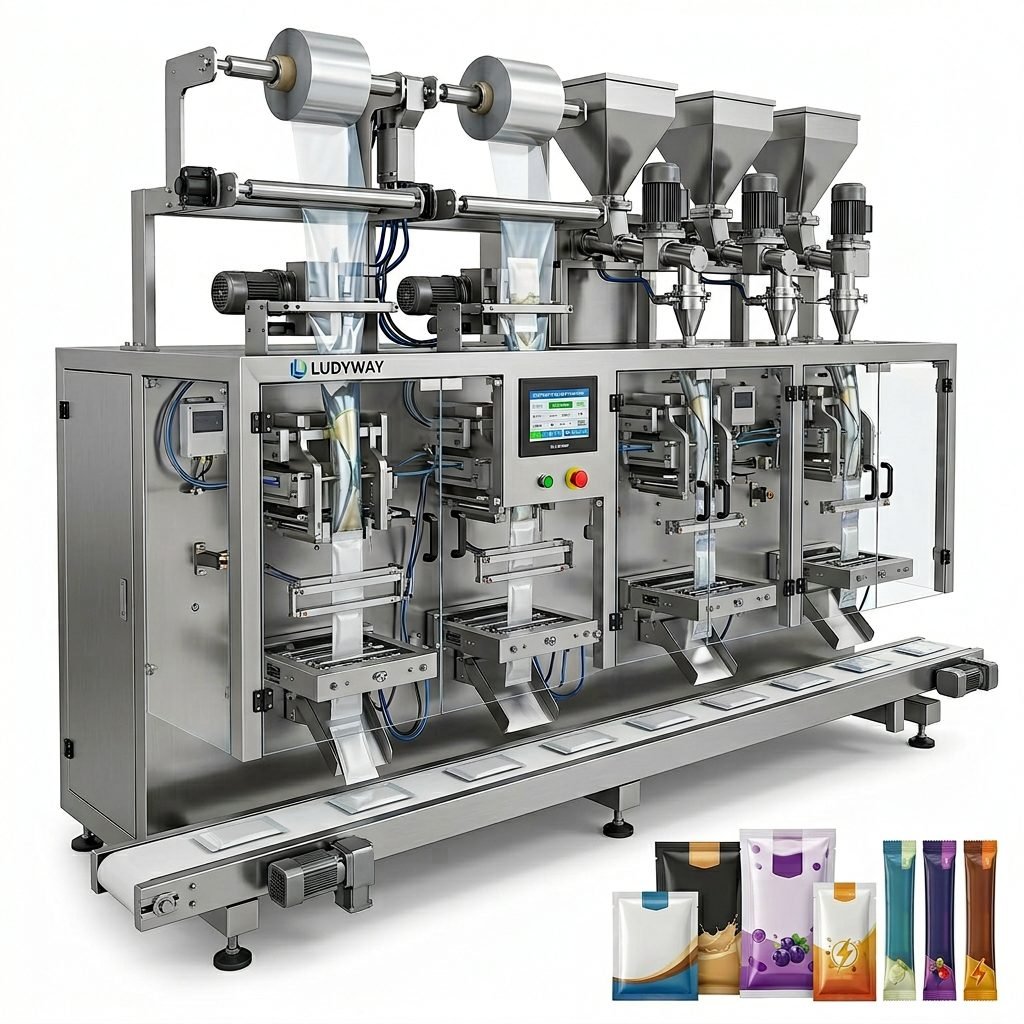
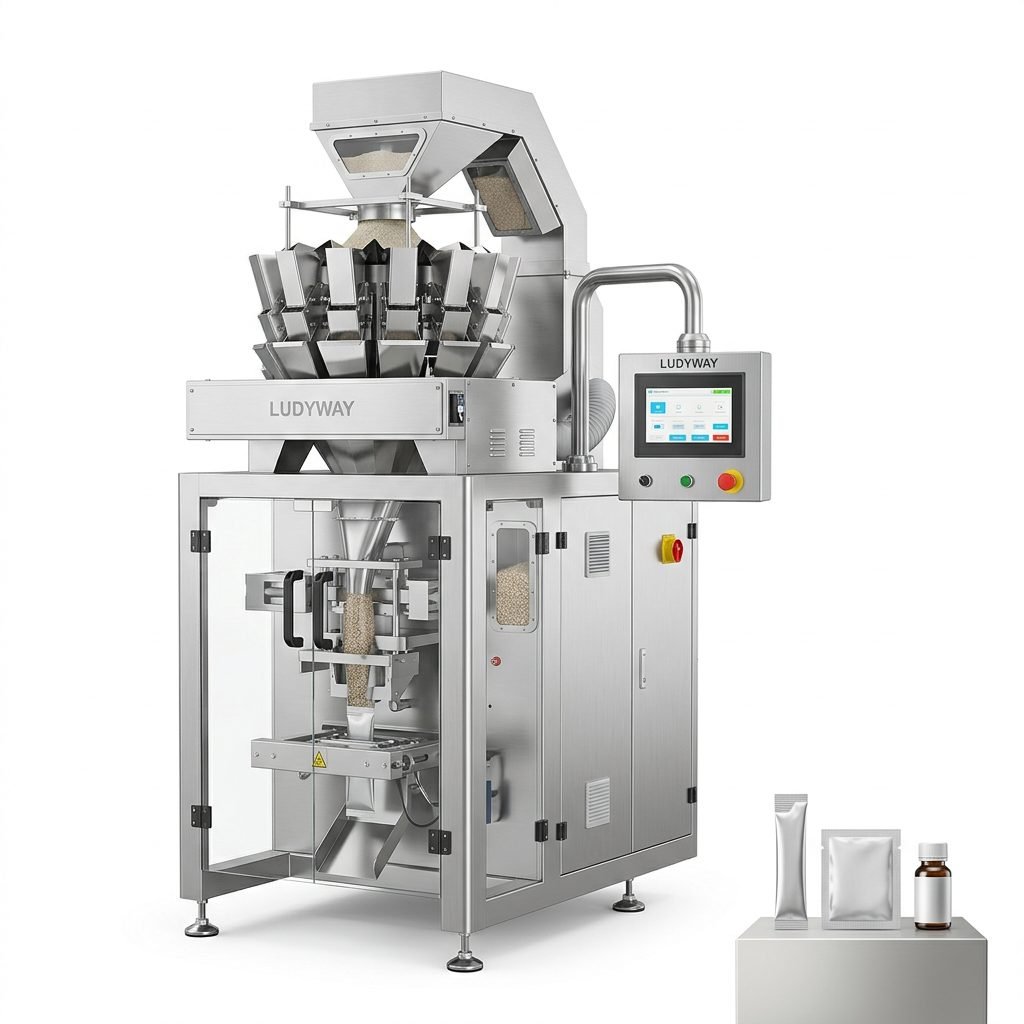
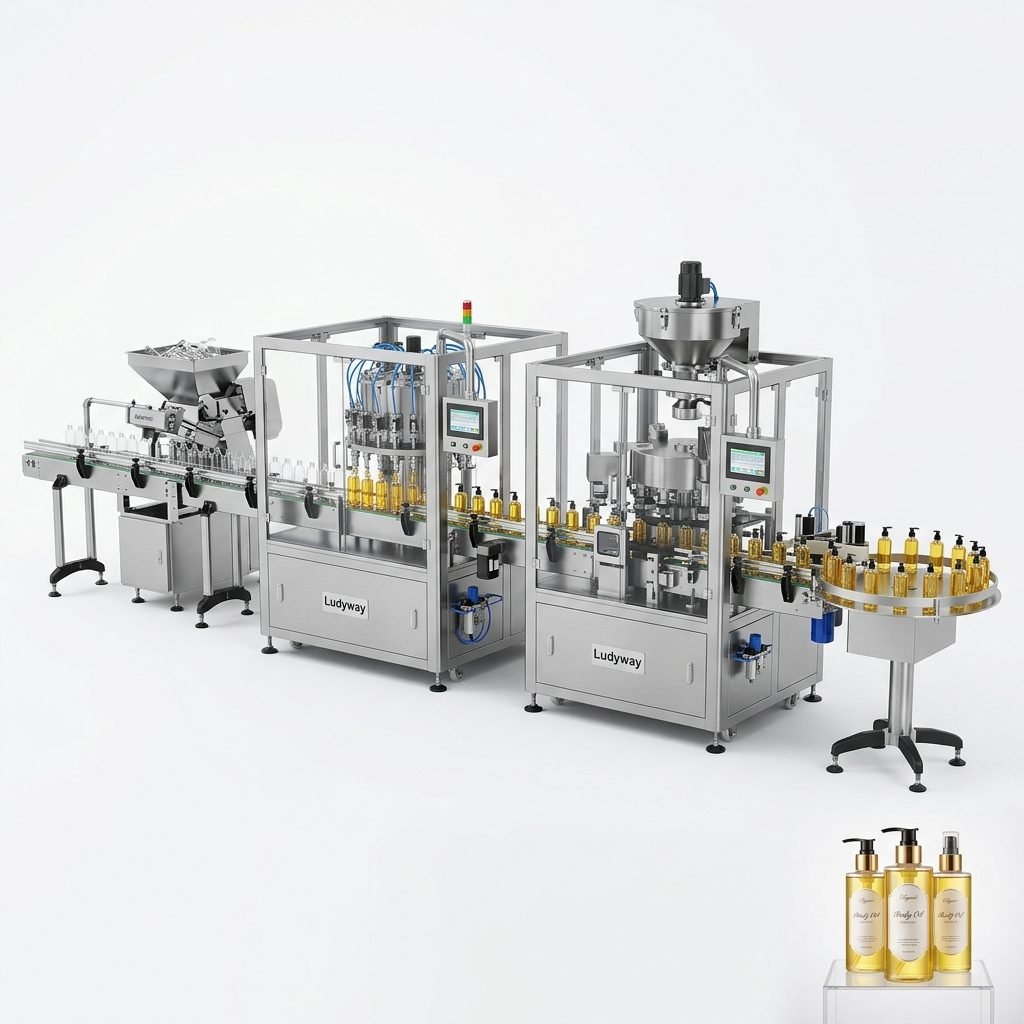
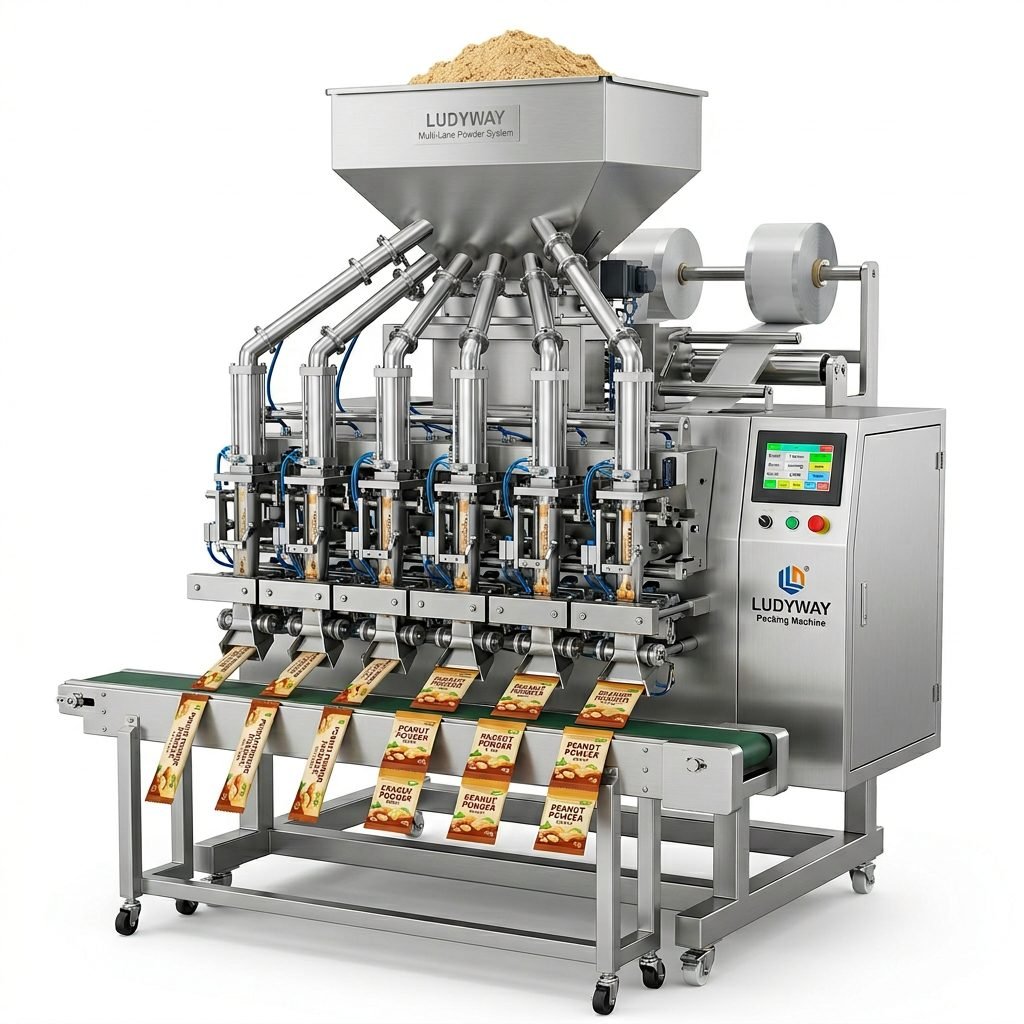
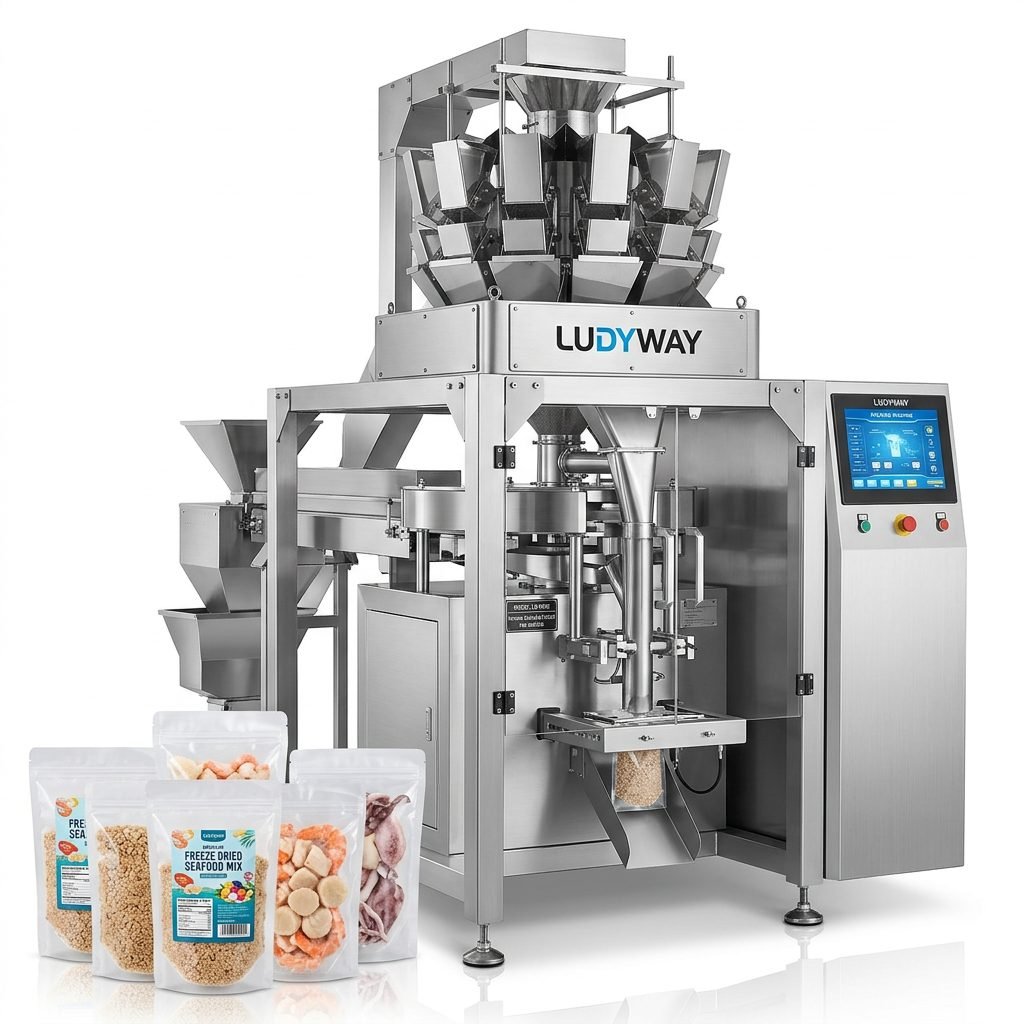
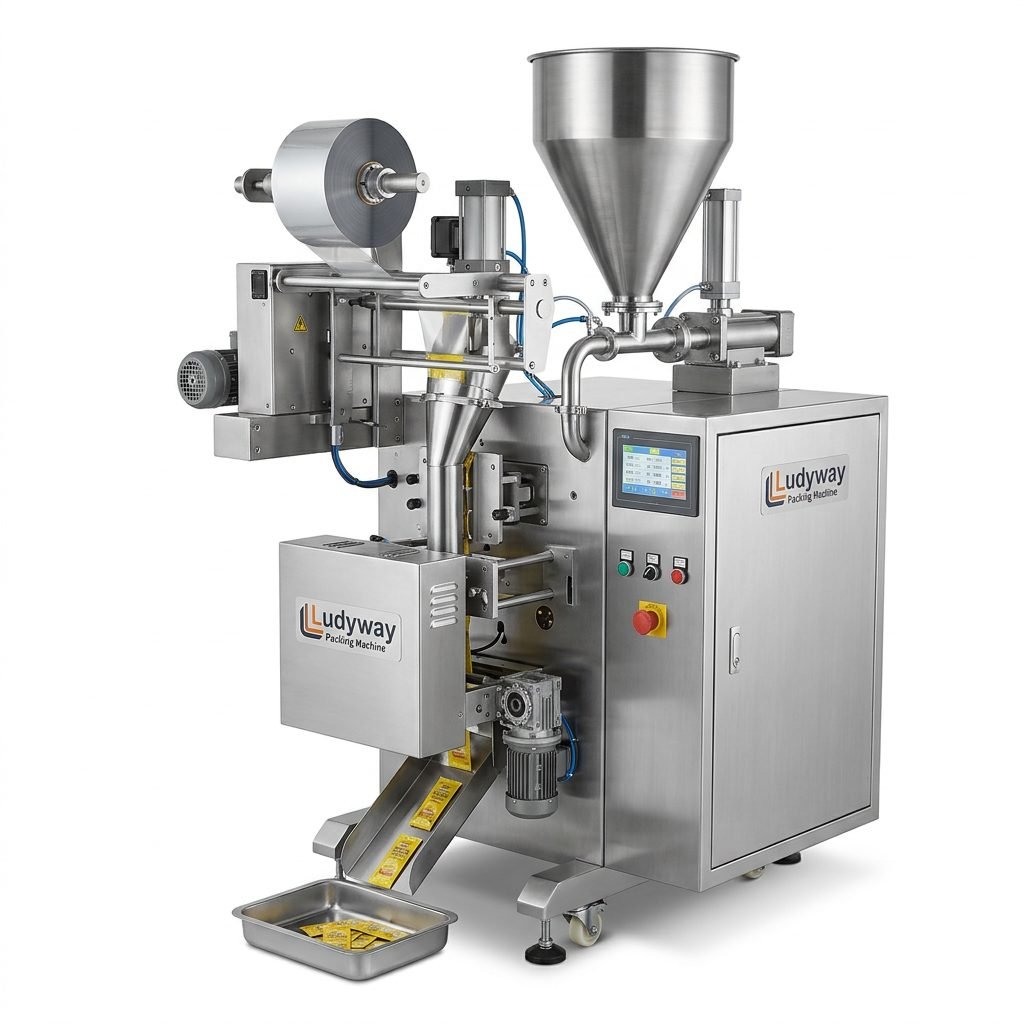
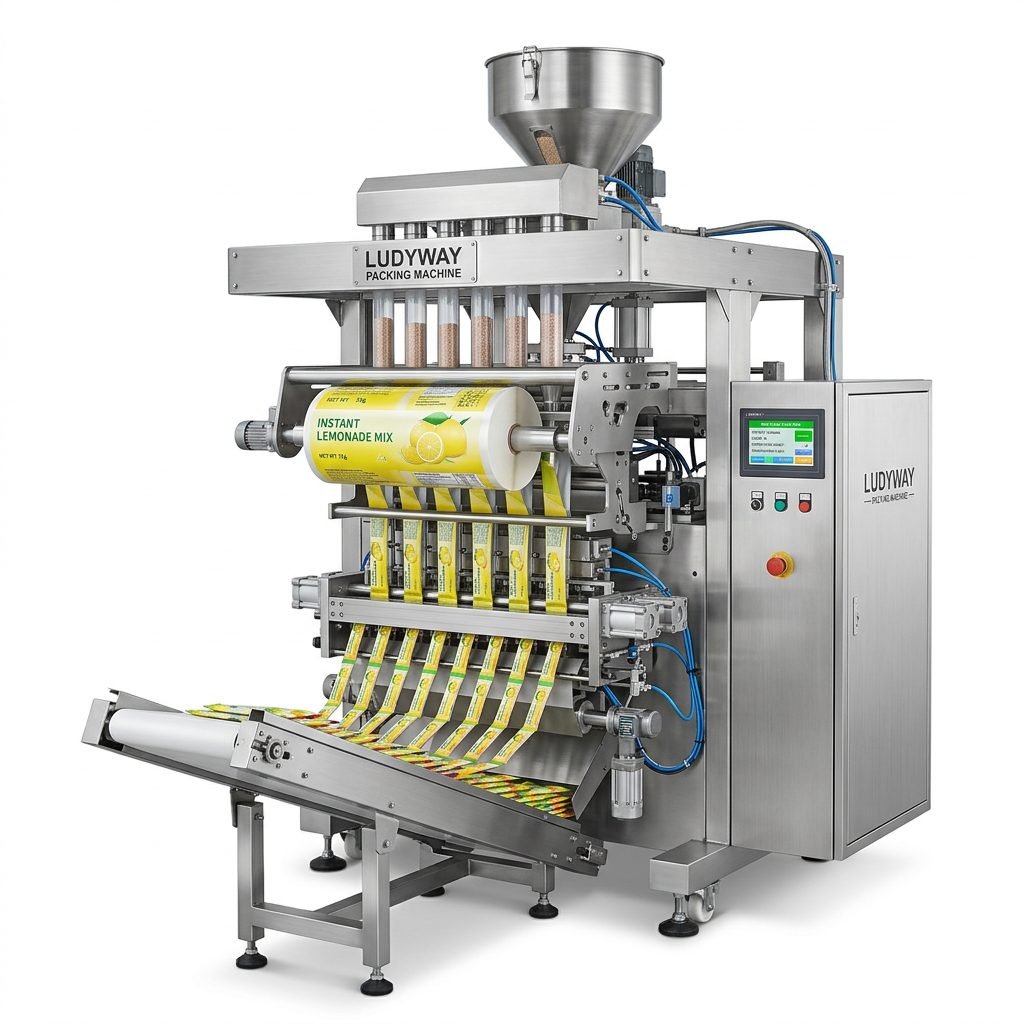
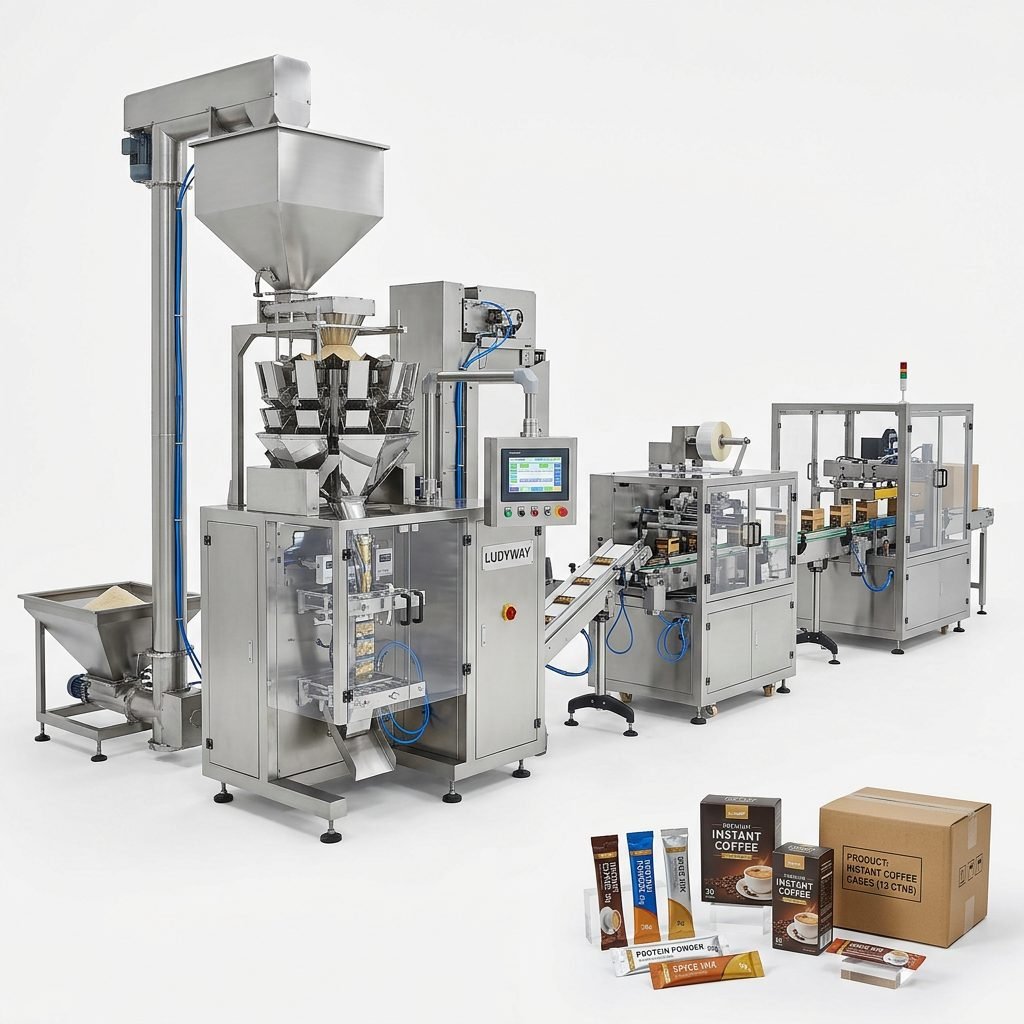
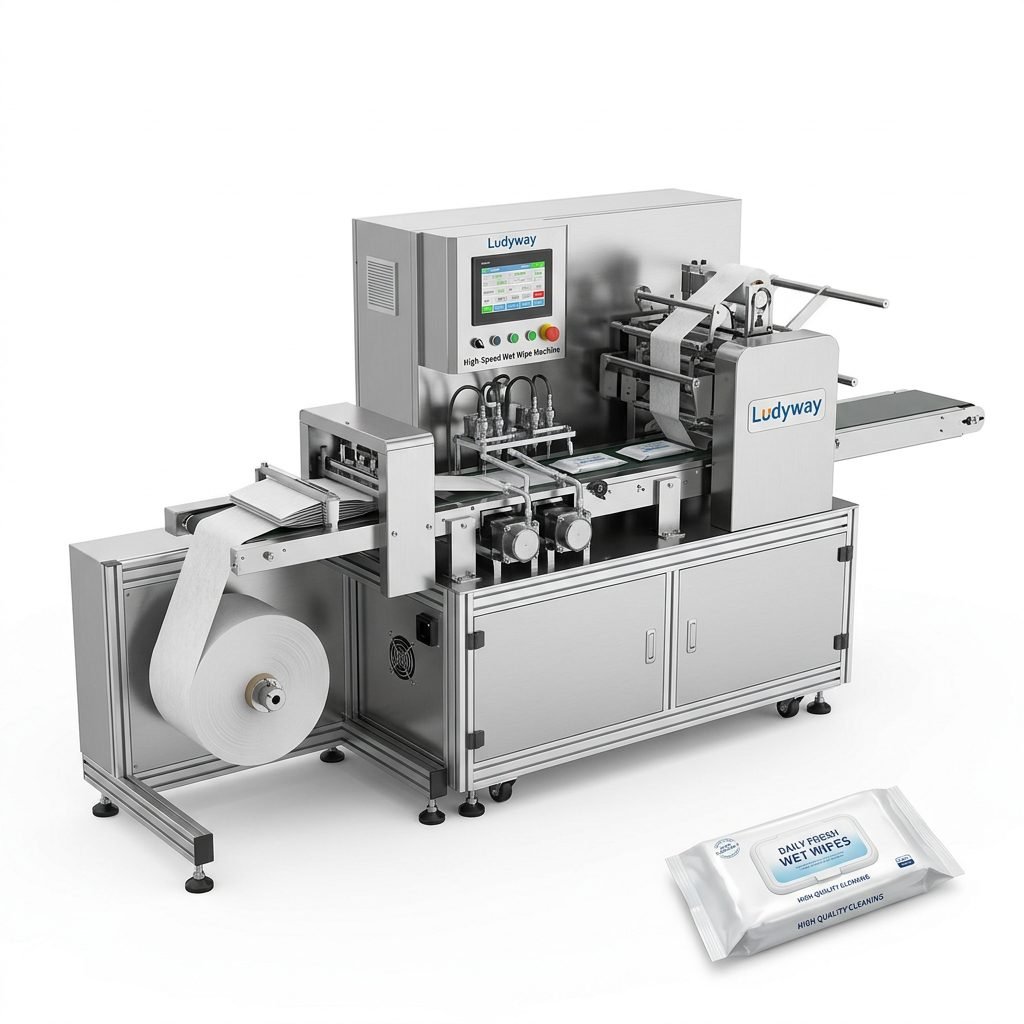
Not all manufacturers are created equal. Some specialize in granule and powder packaging, while others focus on liquid filling or blister packaging. Examine their portfolio closely. Do they have proven experience with your specific product type (e.g., coffee, spices, pharmaceuticals, shampoo)? Request detailed technical specifications, including speed (packages per minute), accuracy (filling precision), and compatibility with your packaging materials (film type, laminate structure). A reputable supplier like Ludyway Packing Machine, with over 30 years of industry heritage, typically offers more than 50 machine models, indicating deep expertise across multiple packaging formats.
2. Verify Manufacturing and Quality Control Standards
The adage “you get what you pay for” often applies. Investigate the supplier’s production facility. Do they operate a modern plant with advanced CNC machinery? What quality control protocols are in place? International certifications (CE, ISO 9001, FDA compliance for food/ Pharma) are strong indicators of a commitment to quality and safety standards that align with global market requirements. A company with a 20,000㎡ manufacturing facility and over 200 pieces of production equipment likely has the scale and rigor to ensure consistent output.
3. Analyze After-Sales Support and Service Network
Machine downtime is costly. A supplier’s commitment doesn’t end at delivery. Scrutinize their after-sales service structure. Do they provide comprehensive installation supervision, operator training, and detailed manuals (preferably in your language)? What is their policy on warranty, spare parts availability, and technical support? Suppliers with a global service footprint or responsive remote support teams add significant value and reduce long-term operational risks.
Pro Tip: The Factory Audit (Virtual or In-Person)
Whenever feasible, conduct a factory audit. This due diligence step allows you to verify manufacturing processes, quality checks, and workforce expertise firsthand. If travel isn’t possible, request a detailed virtual tour via video call. Observe the workshop organization, the condition of machinery, and ask to see quality inspection records. This step is invaluable for building trust.
4. Consider Communication and Project Management
Clear, professional, and timely communication is the bedrock of a successful overseas partnership. Evaluate the supplier’s responsiveness and the technical proficiency of their sales engineers. Do they ask insightful questions about your project? A competent partner will act as a consultant, helping you optimize the packaging solution rather than just selling a machine. Effective project management, with clear milestones for design approval, production, testing, and shipping, is essential for a smooth procurement journey. Companies that began as focused engineering teams, like Ludyway Machinery in 2010, often retain this problem-solving, project-oriented culture.
Building a Successful Partnership with Your Chinese Supplier
Once you’ve selected a manufacturer, fostering a strong collaborative relationship is key. Be explicit and detailed in your requirements. Provide samples of your product and packaging materials. Understand and respect cultural nuances in business negotiations—building guanxi (relationship) is important. View your supplier as a strategic partner in optimizing your packaging operations. A partner invested in long-term cooperation will proactively suggest improvements and support your business growth.
Conclusion: A Strategic Sourcing Decision
Identifying the top packaging machine suppliers in China and choosing the right one is a strategic endeavor that can significantly enhance your operational efficiency and competitiveness. By meticulously evaluating technical expertise, quality systems, service support, and communication, you can form a productive partnership that delivers innovative, reliable, and cost-effective packaging automation solutions tailored to your business needs for years to come.
Frequently Asked Questions (FAQs)
1. What is the typical lead time for a packaging machine from China?
Lead times vary based on machine complexity and customization. For standard models, expect 30-60 days after order confirmation. Fully customized or turnkey line solutions may require 90-120 days. Always confirm detailed production schedules with your supplier.
2. How can I ensure the machine meets my local safety and certification standards?
Clearly specify your required certifications (e.g., CE, UL, CSA) during the initial inquiry. Reputable suppliers will design and build the machine to comply, provide relevant test reports, and assist with the certification process. Always request certification documents before shipment.
3. What are the hidden costs when importing machinery from China?
Beyond the FOB price, budget for international shipping (sea freight/air freight), insurance, import duties and taxes in your country, customs clearance fees, and potential costs for local installation and calibration by a technician (if not included).
4. How is after-sales training and technical support handled remotely?
Professional suppliers offer comprehensive remote support via video calls (e.g., Zoom, Teams), detailed PDF and video manuals, and direct access to engineers via WhatsApp or WeChat. Many also provide online troubleshooting guides and remote diagnostics if the machine is IoT-enabled.
5. Can Chinese suppliers provide complete packaging line solutions, not just single machines?
Yes, many leading suppliers specialize in turnkey projects. They can integrate packaging machines with upstream and downstream equipment like conveyors, cartoners, and checkweighers, providing a single-source solution and ensuring all components work harmoniously.