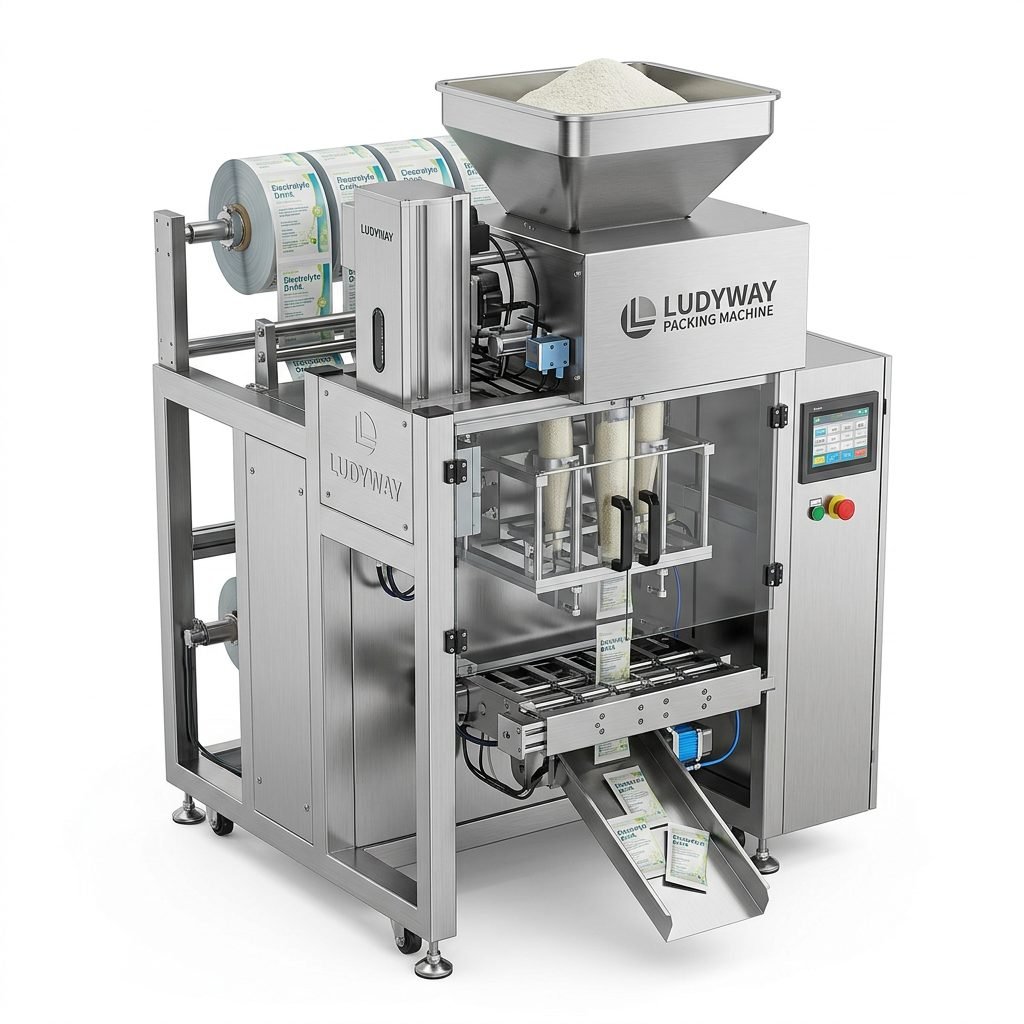
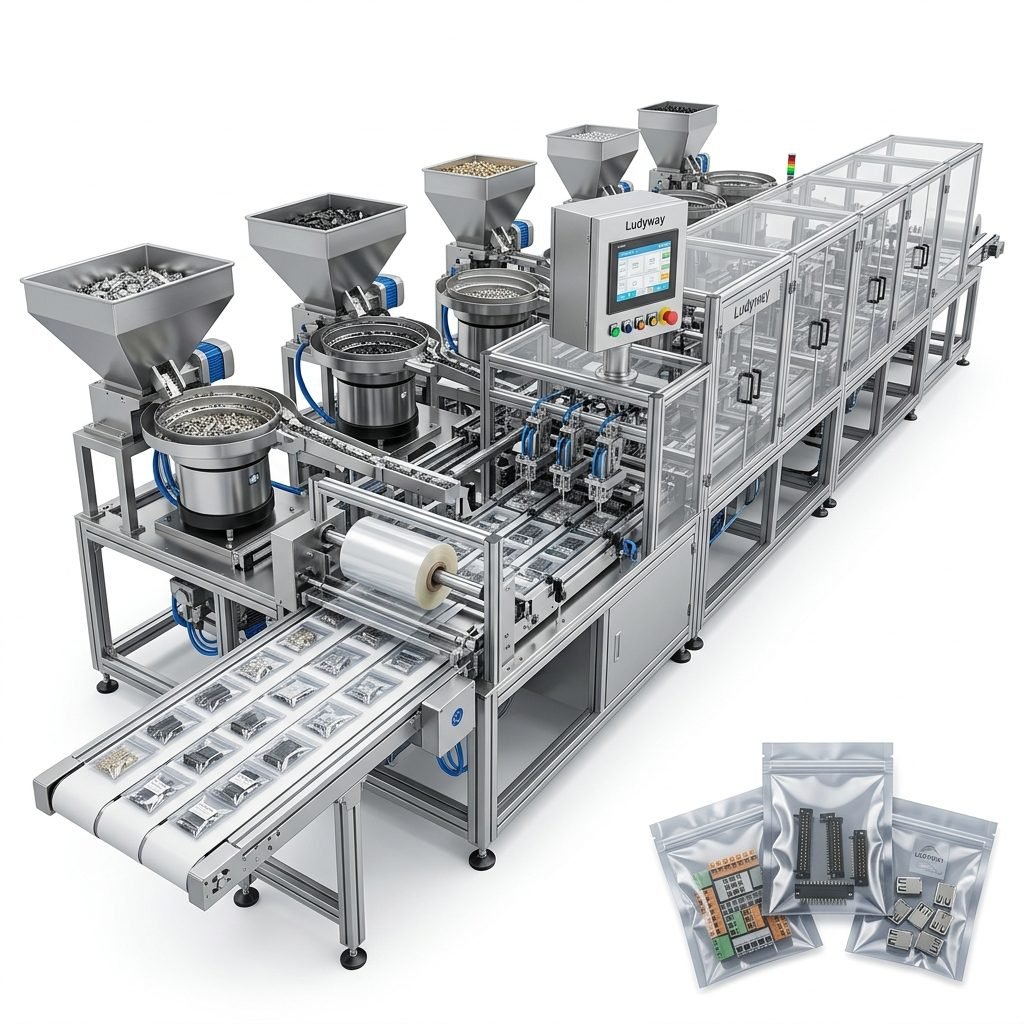
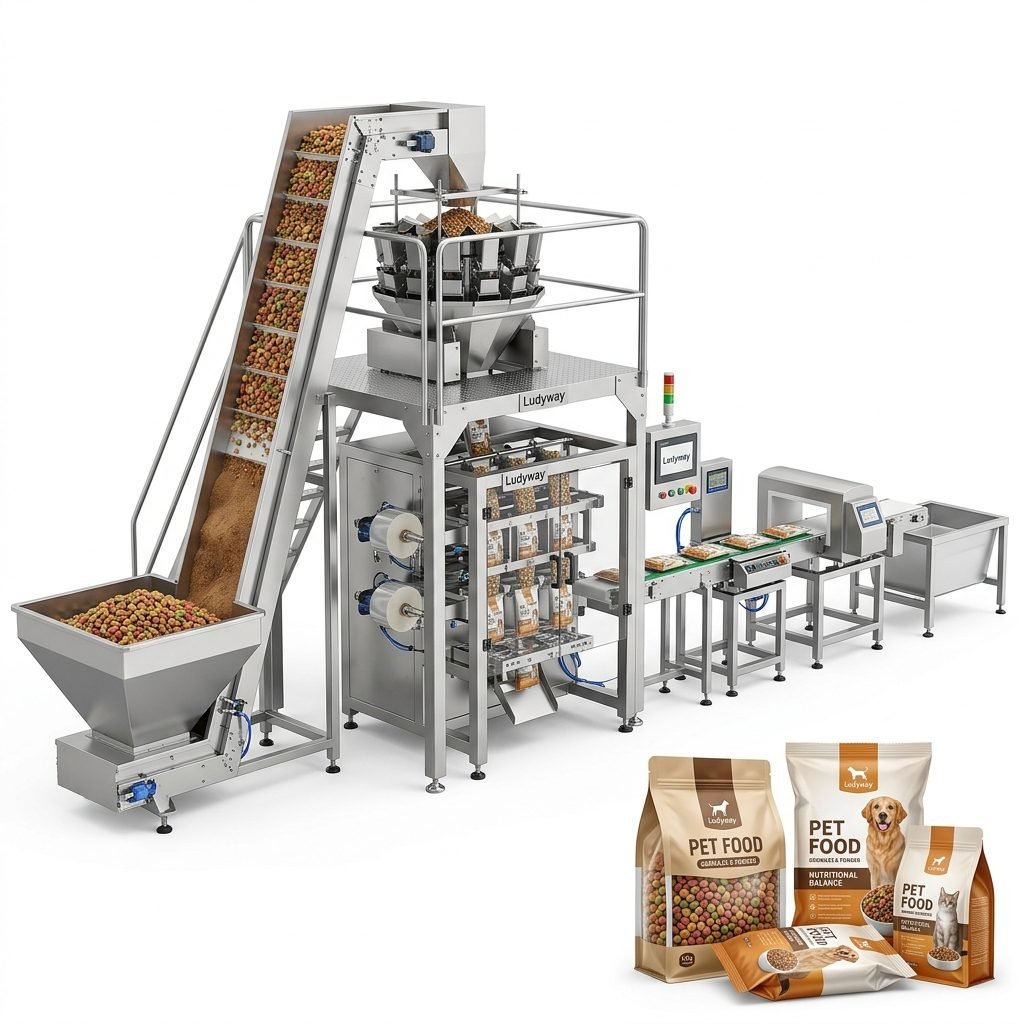
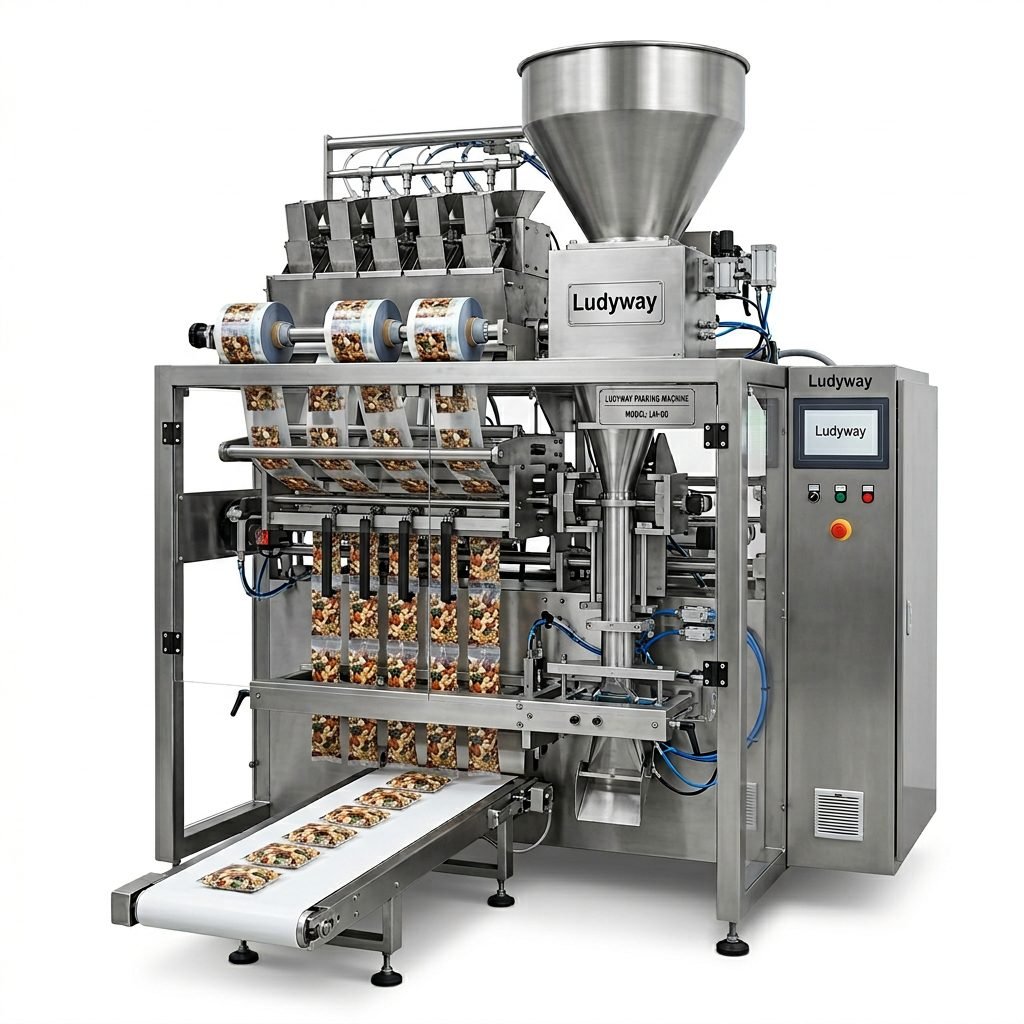
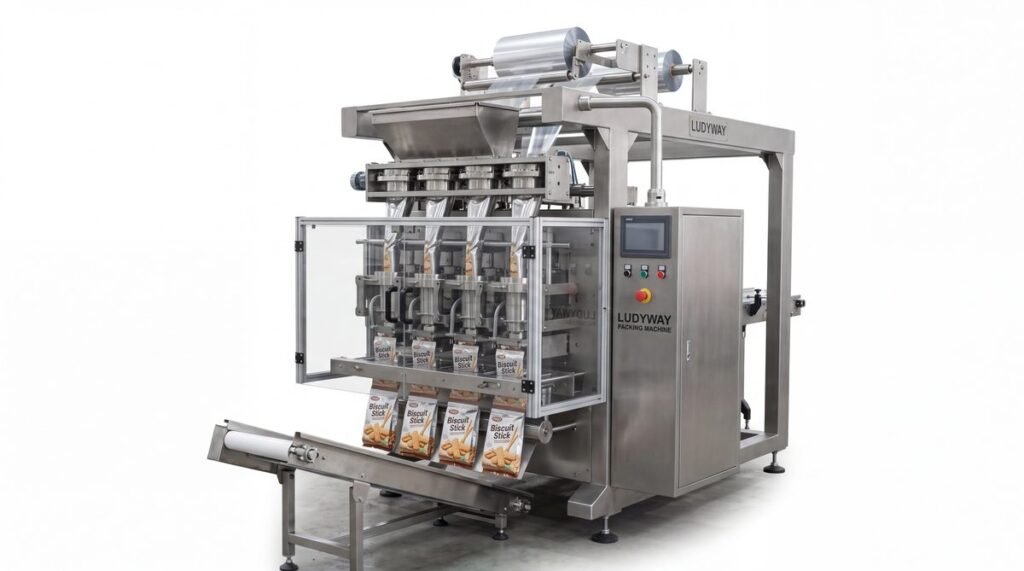
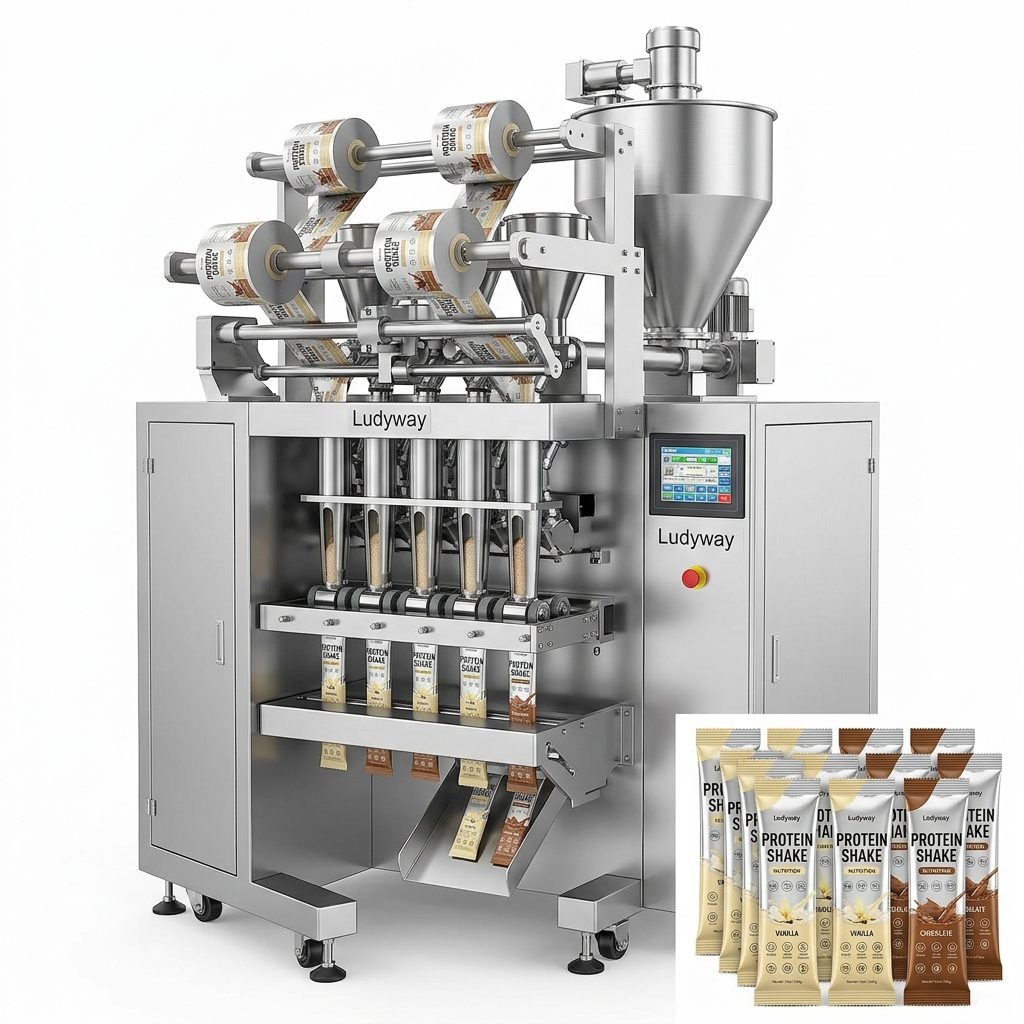
A tray packing machine is an automated system designed to place products into trays quickly, accurately, and consistently. It is widely used in food, pharmaceutical, personal care, consumer goods, and industrial packaging lines where stable output, reduced labor dependency, and neat retail-ready presentation are critical.
Whether you are packing pouches, sachets, bottles, vials, cartons, cups, or flow-wrapped products, the right tray packing solution can improve overall equipment efficiency, reduce product damage, and simplify downstream case packing, palletizing, and logistics.
What Is a Tray Packing Machine?
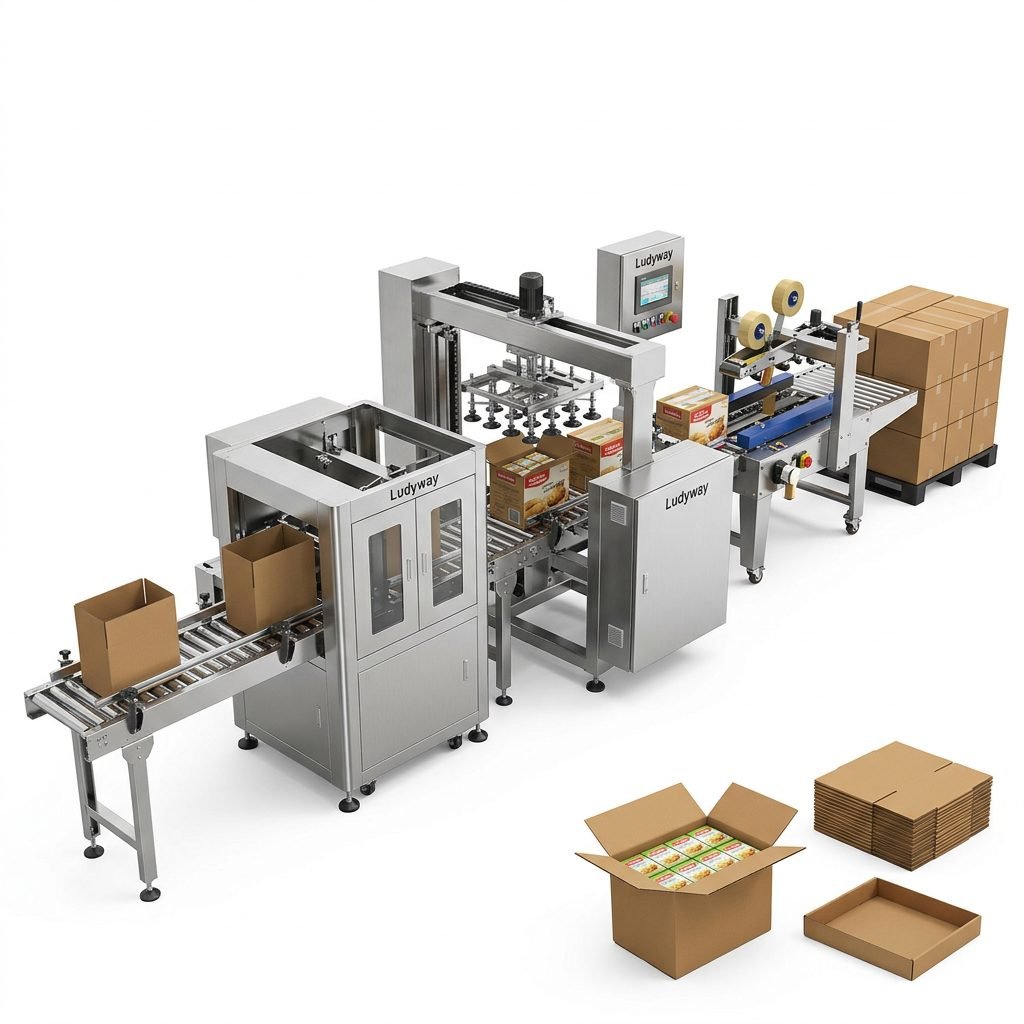
A tray packing machine automatically arranges and loads products into preformed trays or forms trays before loading. Depending on the application, it may also integrate functions such as product counting, orientation, grouping, tray feeding, robotic pick-and-place, inspection, coding, sealing, and transfer to cartoning or palletizing systems.
In automated production environments, tray packing equipment is often installed between the primary packaging stage and the secondary packaging stage. This makes it a key link in the full packaging line.
- Handles single or multiple product formats
- Supports high-speed continuous production
- Improves packing consistency and presentation
- Reduces manual handling and labor costs
- Helps maintain hygiene and product protection
How a Tray Packing Machine Works
The exact workflow depends on the product and tray style, but a standard process usually includes the following steps:
- Product infeed via conveyor, indexing system, or accumulation table
- Counting or grouping products into the required pack pattern
- Tray supply using magazine feeding or automatic tray erecting
- Placement by servo pushers, delta robots, gantry robots, or pick-and-place heads
- Inspection for missing product, position accuracy, or weight verification
- Discharge to sealing, wrapping, cartoning, case packing, or palletizing systems
Advanced models can also connect with labeling, barcode printing, date coding, machine vision, and MES/ERP production management systems.
Main Types of Tray Packing Machines
1. Manual-Assist Tray Loading Machines
These are semi-automatic systems that help operators organize products while automating tray feeding or indexing. They are suitable for smaller factories or businesses with frequent product changes and moderate output requirements.
2. Automatic Pick-and-Place Tray Packers
These systems use servo-driven or robotic units to pick products from conveyors and place them into trays. They are ideal for high-speed applications requiring precision and repeatability.
3. Robotic Tray Packing Systems
Robotic tray packers provide greater flexibility for mixed products, irregular product shapes, and multi-SKU production. They are common in modern smart factories.
4. Integrated Tray and Case Packing Lines
These solutions combine tray loading with carton erection, case packing, sealing, coding, checkweighing, and palletizing. They are best for large-scale operations aiming for end-to-end automation.
Common Applications
| Industry | Typical Products | Why Tray Packing Matters |
|---|---|---|
| Food | Snacks, pouches, sachets, cups, frozen products | Maintains presentation, improves speed, reduces contamination risk |
| Pharmaceutical | Medical devices, sachets, vials, blister packs | Supports accuracy, traceability, and clean production flow |
| Cosmetic & Personal Care | Sachets, creams, tubes, masks, samples | Creates uniform retail packs and improves appearance |
| Chemical | Detergent packs, additives, industrial pouches | Handles repetitive packing safely and efficiently |
| Pet Food & Feed | Treat packs, supplement sachets, pouches | Supports bulk production and organized secondary packaging |
Key Components of an Automated Tray Packing System
- Product conveyor system for stable and synchronized feeding
- Tray magazine or tray erector for continuous tray supply
- Servo or robotic loading unit for precision placement
- Vision inspection system for orientation and quality control
- PLC + HMI control system for recipe storage and easy operation
- Safety guarding for operator protection and compliance
- Outfeed conveyor for smooth transfer to next packaging stages
Benefits of Using a Tray Packing Machine
For manufacturers scaling production, the biggest value of automated tray packing is not just speed. It also creates measurable improvements across quality, labor allocation, and downstream logistics.
- Higher throughput with stable cycle times
- Lower labor costs by replacing repetitive manual loading
- Improved consistency in tray arrangement and pack appearance
- Reduced product damage through controlled handling
- Better hygiene in food and pharmaceutical environments
- Easy integration with complete packaging lines
- Scalable automation for future capacity expansion
What Products Can Be Packed in Trays?
Tray packing machines are highly versatile. The ideal machine design depends on product shape, fragility, feeding direction, grouping requirement, and tray dimensions.
| Product Type | Tray Packing Method | Typical Line Integration |
|---|---|---|
| Sachets & Stick Packs | Counting and collating before tray loading | Multi-lane packers, cartoners, case packers |
| Pouches | Side loading or top loading | Premade pouch lines, checkweighers, metal detectors |
| Bottles & Jars | Grouping and row arrangement | Filling, capping, labeling, case packing |
| Medical Products | Precise pick-and-place into formed trays | Sterile packaging, cartoning, coding |
| Retail Multipacks | Pattern grouping and tray display packing | Shrink wrapping, overwrapping, palletizing |
How to Choose the Right Tray Packing Machine
Choosing the best tray packaging solution starts with understanding your production reality, not just the machine speed shown in a catalog.
Evaluate These Factors First
- Product dimensions, shape, and fragility
- Tray material and tray size range
- Required production speed per minute or per hour
- Number of SKUs and changeover frequency
- Factory layout and line integration requirements
- Hygiene, GMP, or industrial safety standards
- Future expansion plans and automation level
Ask Your Supplier These Questions
- Can the machine handle multiple tray formats?
- What is the actual operating speed under my product conditions?
- How long does changeover take?
- What inspection and reject systems are included?
- Can it connect to case packing and palletizing equipment?
- Is remote support or overseas service available?
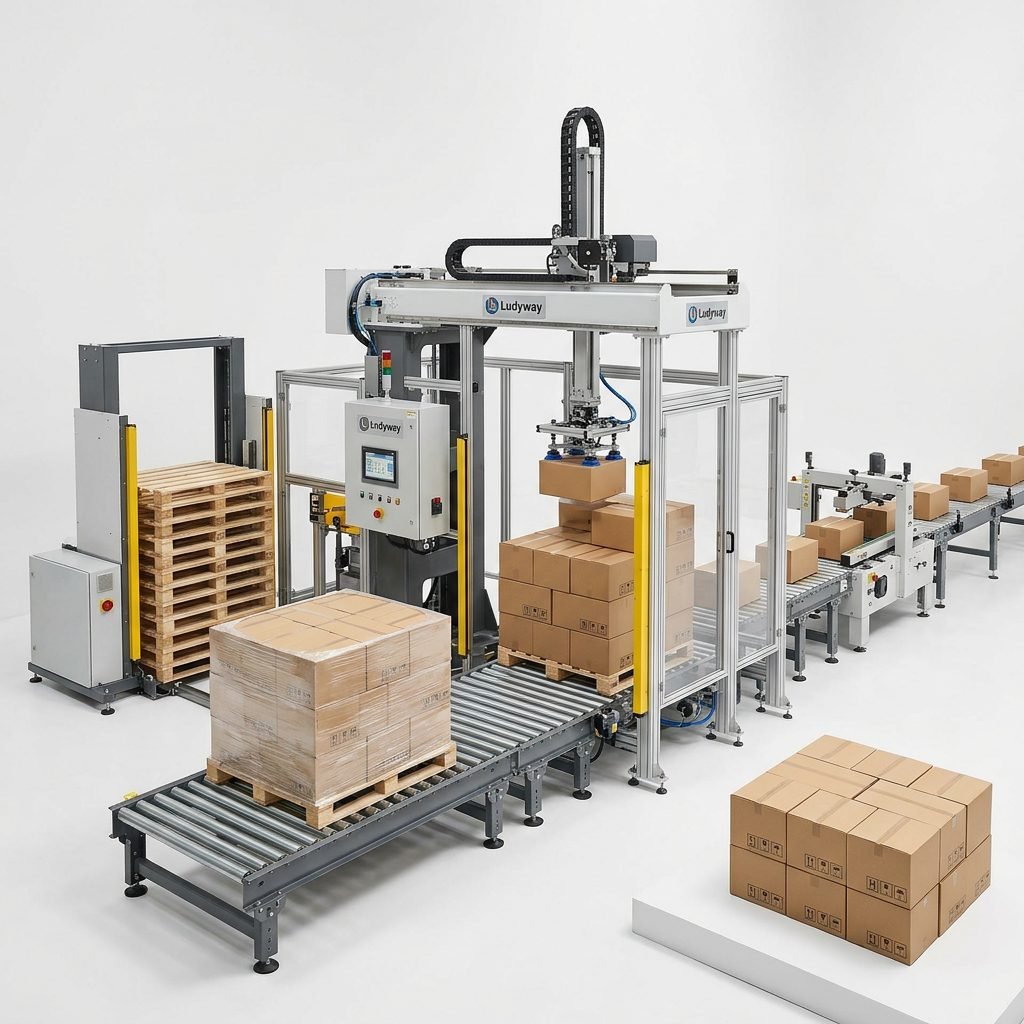
Tray Packing Machine vs Manual Tray Packing
| Factor | Manual Packing | Automated Tray Packing |
|---|---|---|
| Speed | Low to moderate | Moderate to very high |
| Consistency | Operator dependent | Highly repeatable |
| Labor Requirement | High | Low |
| Product Safety | Higher handling risk | Controlled handling |
| Scalability | Limited | Excellent |
Industries That Benefit Most from Automated Tray Packaging
Automated tray packaging is especially valuable in operations where output stability, traceability, labor shortages, or product presentation are major concerns. The most common high-return sectors include:
- Food manufacturers with high-volume retail multipacks
- Pharmaceutical companies requiring accurate secondary packaging
- Cosmetic brands handling sachets, tubes, and sample products
- Chemical producers needing safer product handling
- Pet food and feed brands expanding into automated packaging lines
Integration with Complete Packaging Lines
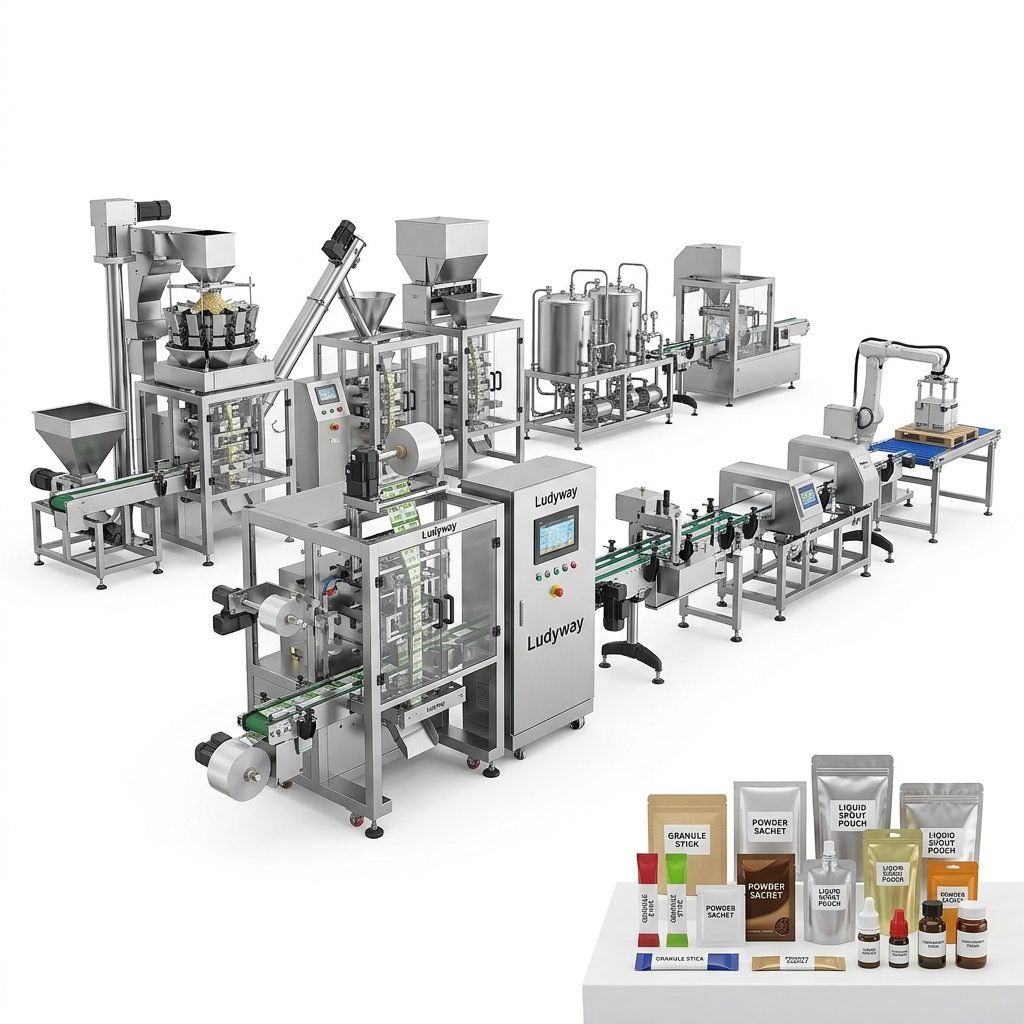
A tray packing machine performs best when it is designed as part of a broader packaging ecosystem. This can include upstream filling or pouching equipment and downstream cartoning, case packing, coding, inspection, and palletizing.
Manufacturers seeking higher productivity often prefer turnkey integration rather than buying isolated machines from multiple vendors. One example is tray packing machine solutions from Ludyway, which can be matched with automated packaging lines for food, pharmaceutical, cosmetic, chemical, and related industries.
Maintenance Tips for Long-Term Performance
- Clean contact parts and conveyors regularly
- Inspect grippers, vacuum cups, and moving assemblies
- Monitor servo positioning accuracy
- Check sensors, vision systems, and tray feeding devices
- Lubricate components according to the maintenance schedule
- Train operators on changeover and fault response procedures
- Keep spare parts ready for wear items
Signs You Need to Upgrade to an Automatic Tray Packing Machine
- Your production line frequently slows down at the packing stage
- Labor costs continue to increase
- Manual tray loading creates inconsistent pack appearance
- Products are damaged during repeated handling
- You need better traceability and quality inspection
- Your factory plans to add case packing or palletizing automation
Frequently Asked Questions
Can one tray packing machine handle multiple products?
Yes, many modern machines support multiple SKUs through recipe settings, adjustable tooling, and servo-controlled changeover parts.
Is a robotic tray packing machine better than a conventional model?
It depends on the application. Robotic systems are more flexible, while conventional servo tray packers may offer a simpler structure and lower cost for standardized products.
What speed can an automated tray packing machine reach?
Speed varies based on product size, tray pattern, feeding stability, and line design. High-speed systems can handle very large volumes, but real output should always be verified with actual product testing.
Can tray packing machines be customized?
Yes. Customization is common for tray size, product arrangement, infeed design, robotic tooling, inspection requirements, and complete line integration.
Final Buying Advice
The best tray packing machine is not simply the fastest one. It is the system that matches your product characteristics, tray format, plant layout, production target, and future expansion goals. Reliable automation, easy changeover, and seamless line integration usually create the strongest long-term return on investment.
If your business is planning to upgrade from manual loading or expand into a more intelligent packaging line, investing in a well-engineered tray packing solution can significantly improve efficiency, consistency, and market competitiveness.