Packaging is a critical component in modern manufacturing, serving not only to protect products but also to enhance brand appeal and ensure efficiency in distribution. From food and pharmaceuticals to cosmetics and industrial goods, the right packaging equipment can significantly impact production speed, cost-effectiveness, and product quality. This guide explores the various types of packaging machinery, their specific applications, and essential considerations for selecting the best equipment for your needs.
Core Types of Packaging Equipment
The packaging industry utilizes a diverse range of machinery, each designed for specific functions and materials. Understanding these categories is the first step toward optimizing your packaging line.
Filling and Sealing Machines
These machines are fundamental for accurately dispensing products into containers or pouches and securely sealing them. They are ideal for granules, powders, liquids, and pastes. Common variants include:
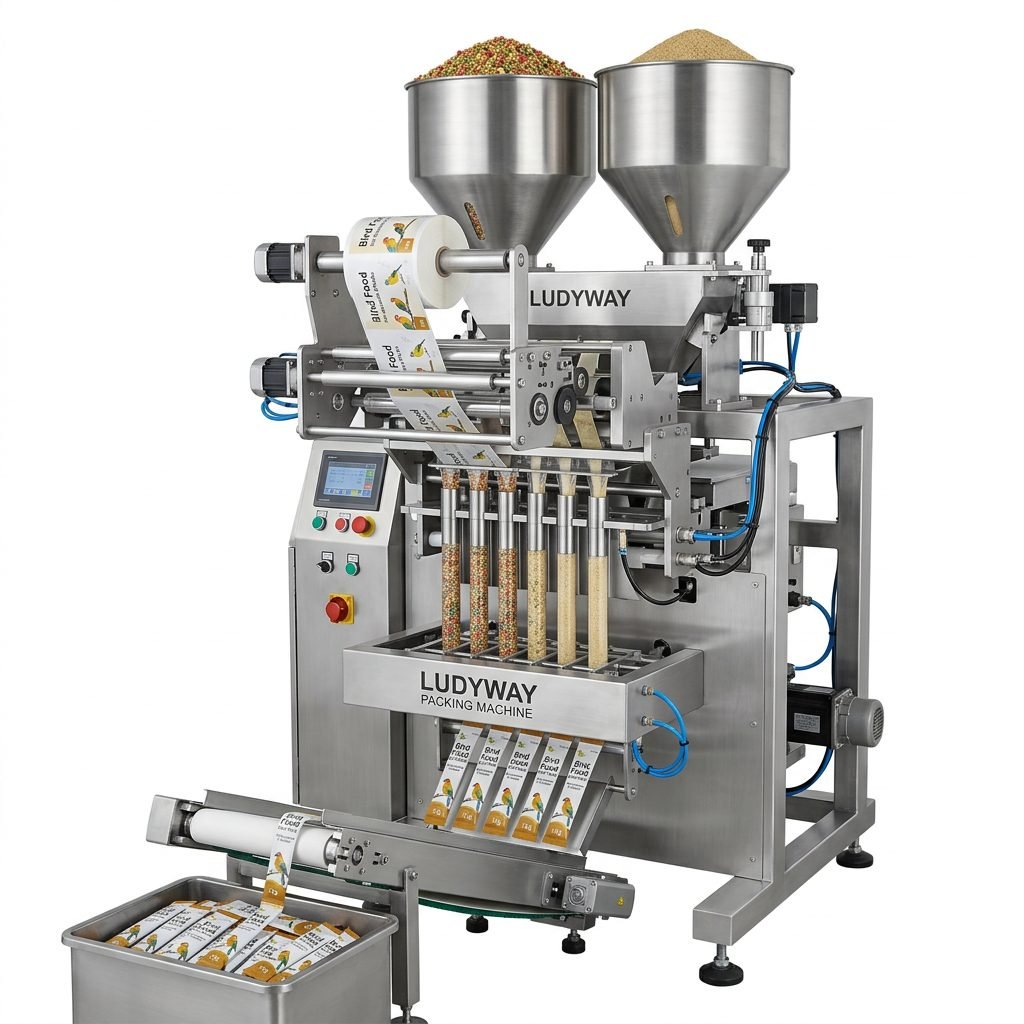
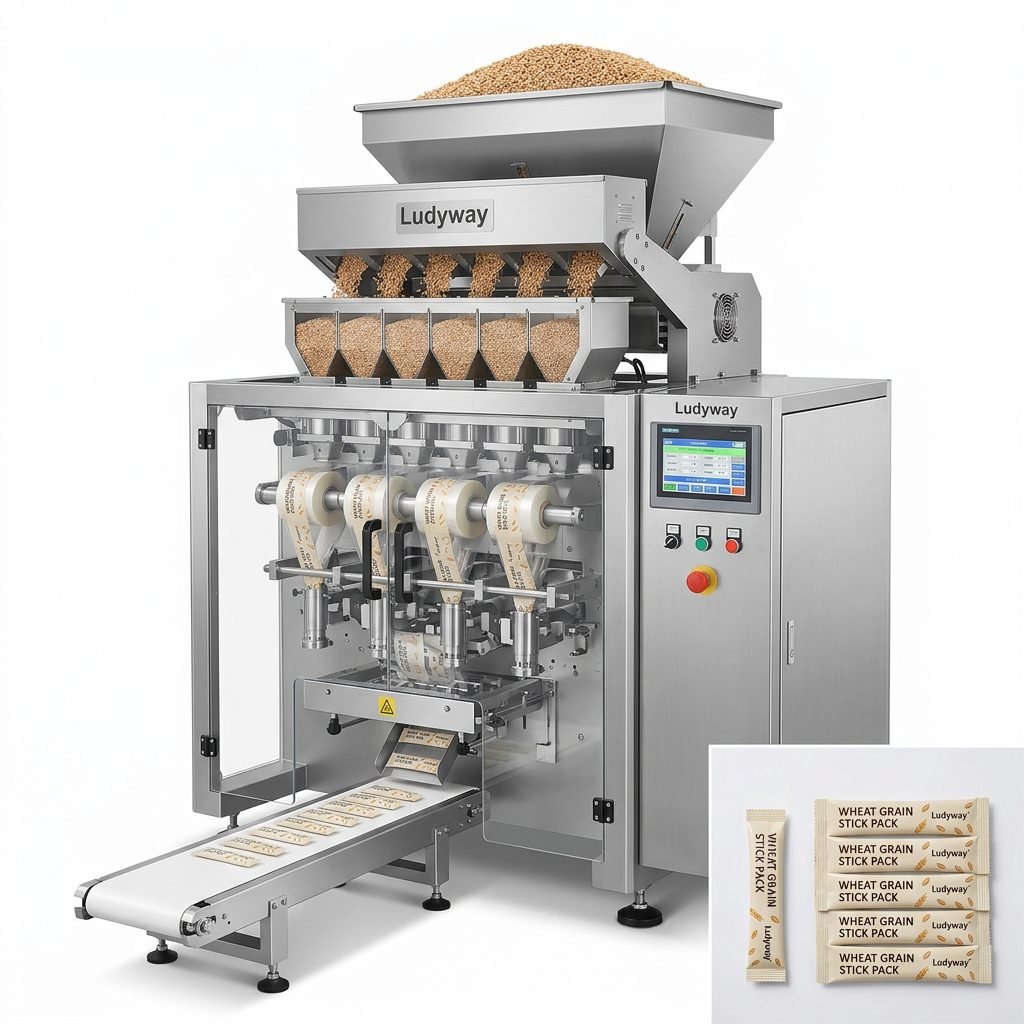
- Volumetric Cup Fillers: Best for free-flowing granules like coffee, seeds, or spices.
- Auger Fillers: Provide precise measurement for fine powders, such as protein powder or flour.
- Liquid Fillers: Range from simple gravity fillers to sophisticated piston pumps for oils, sauces, or shampoos.
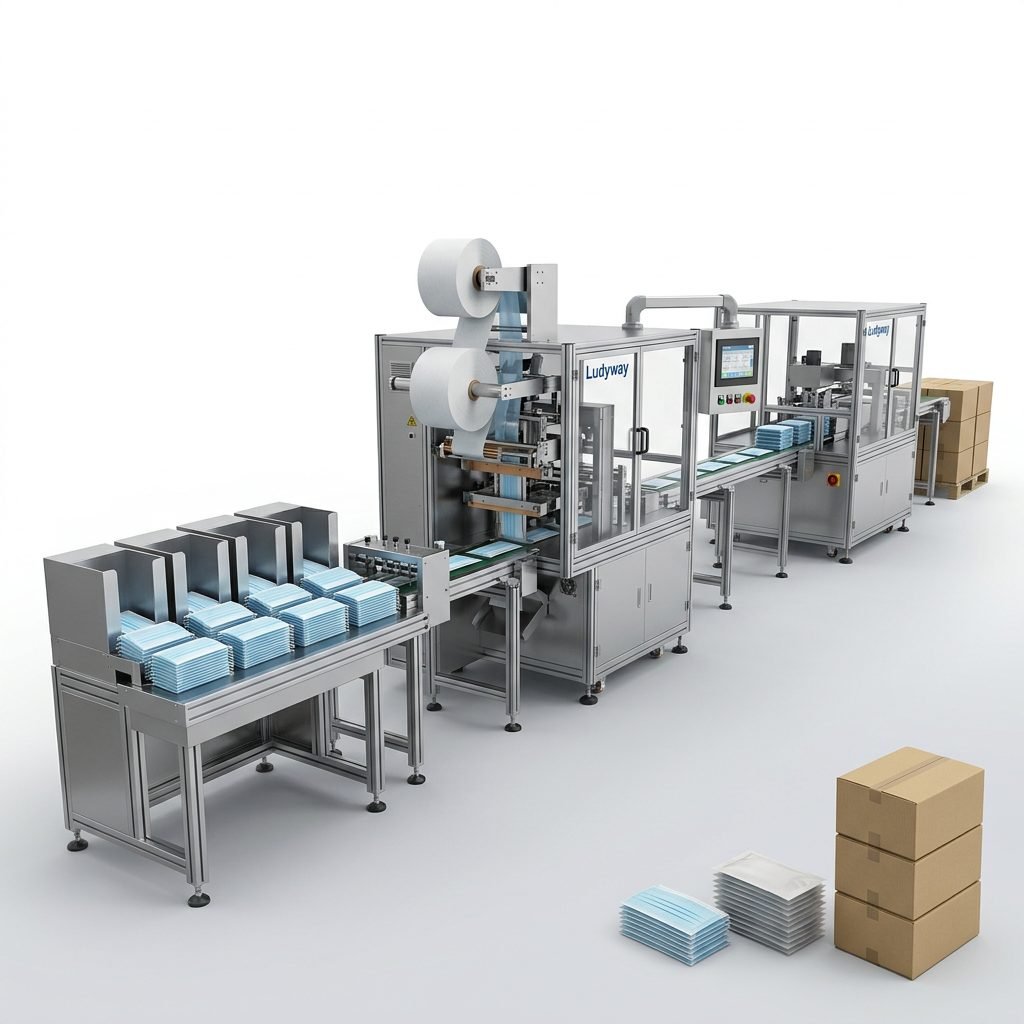
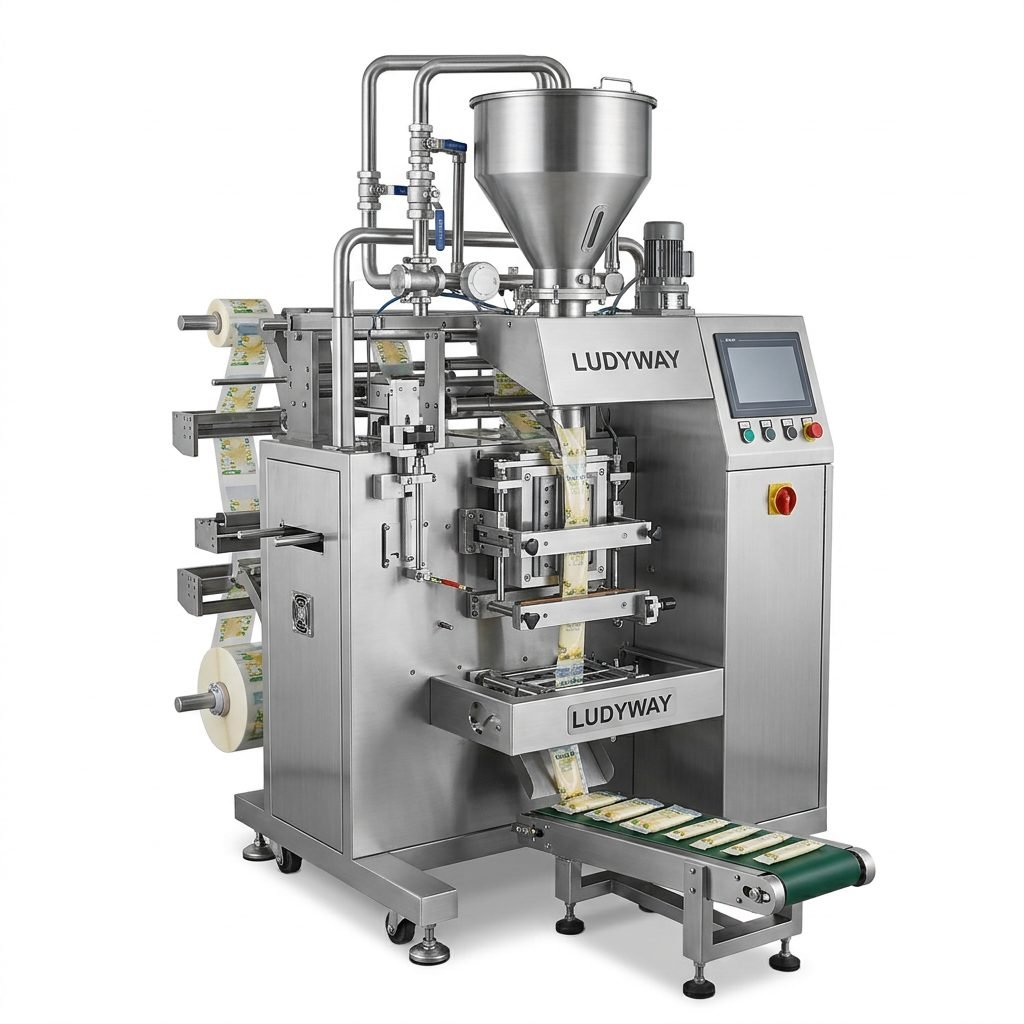
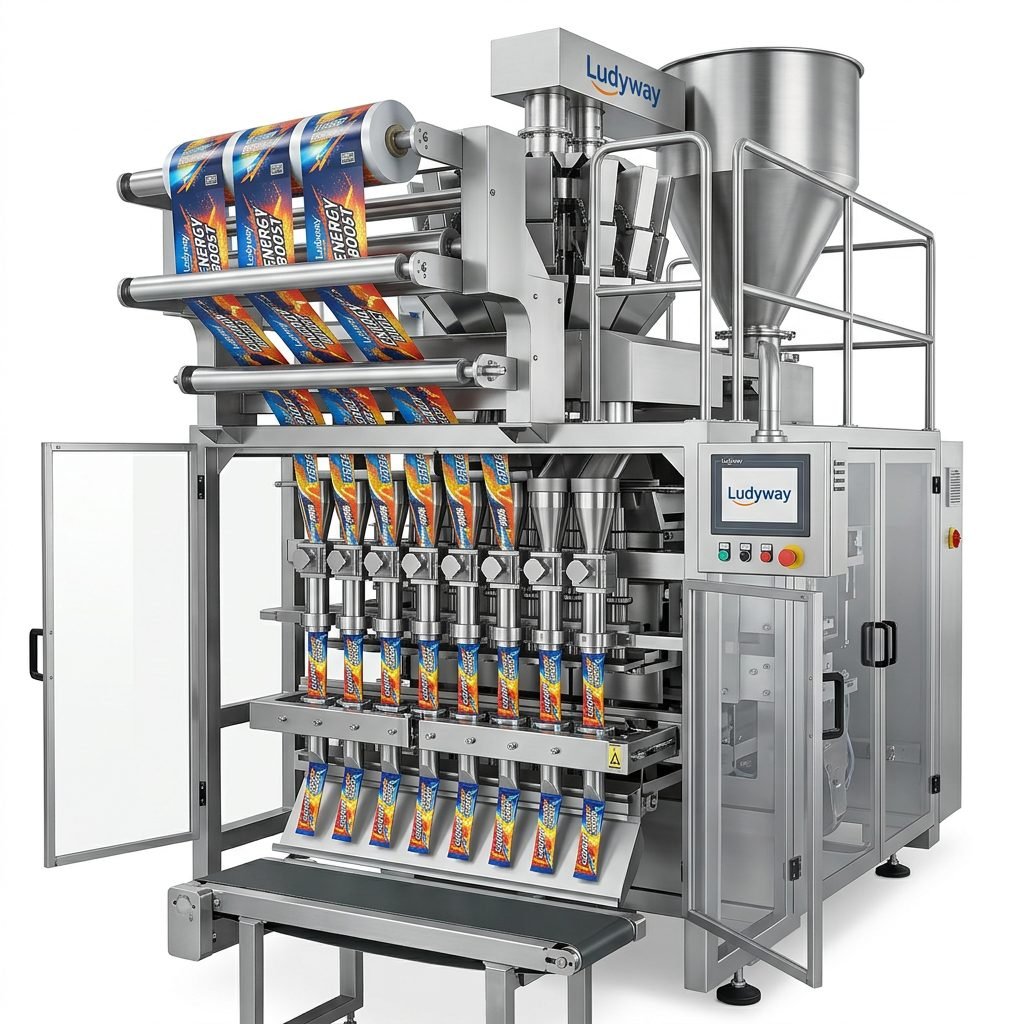
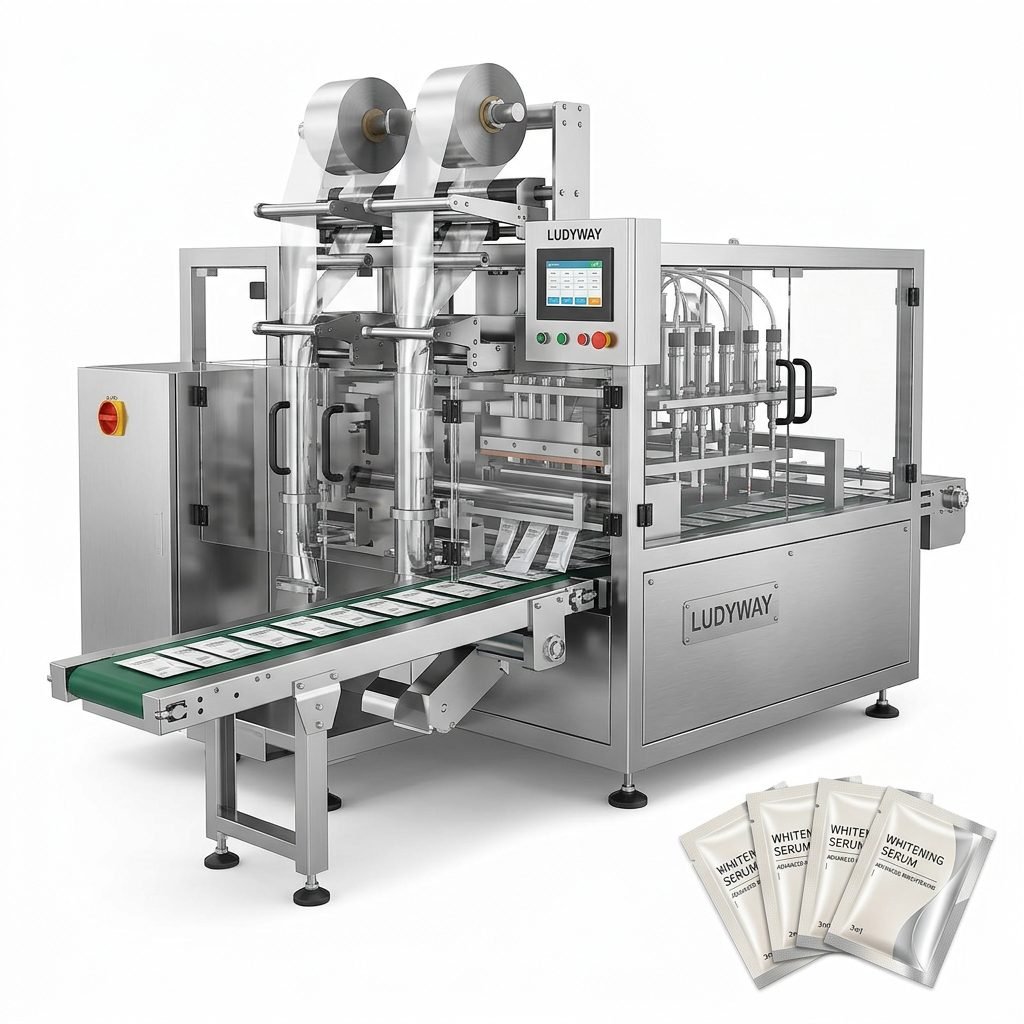
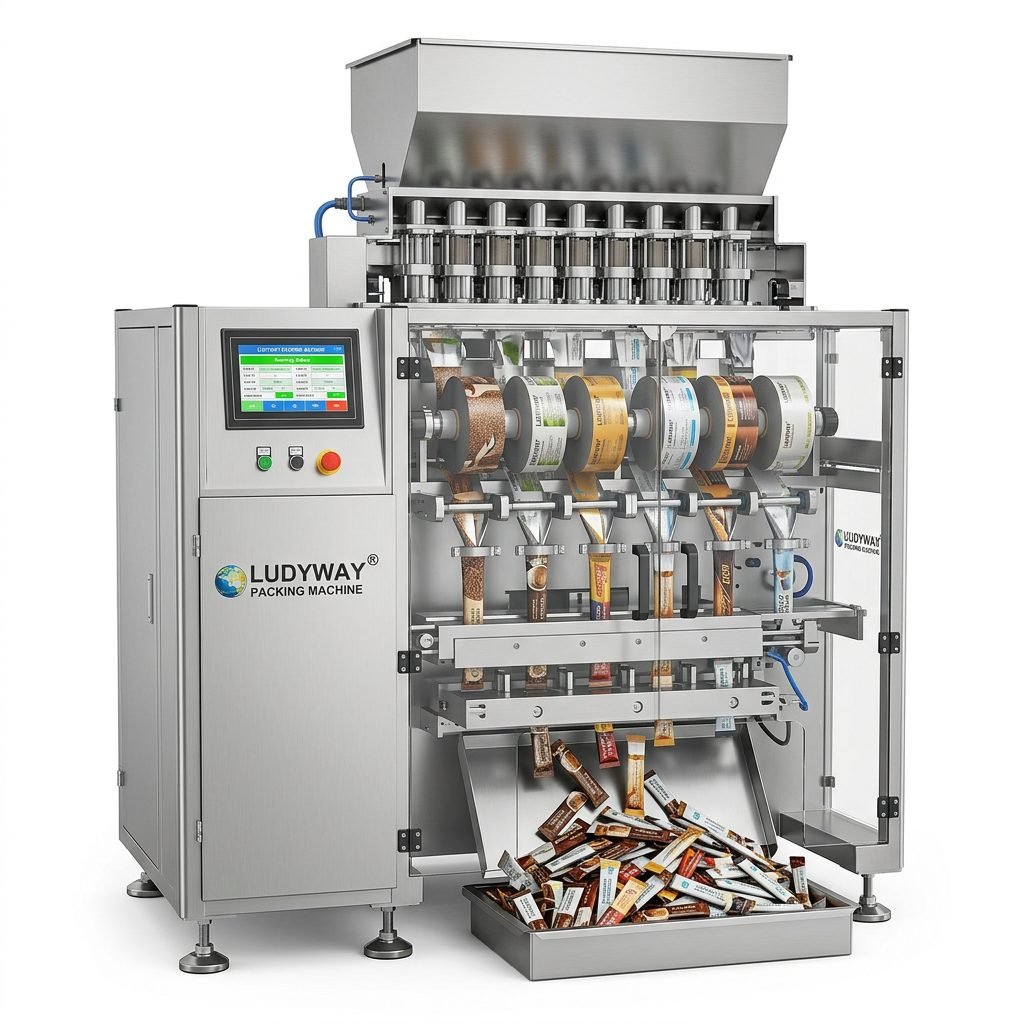
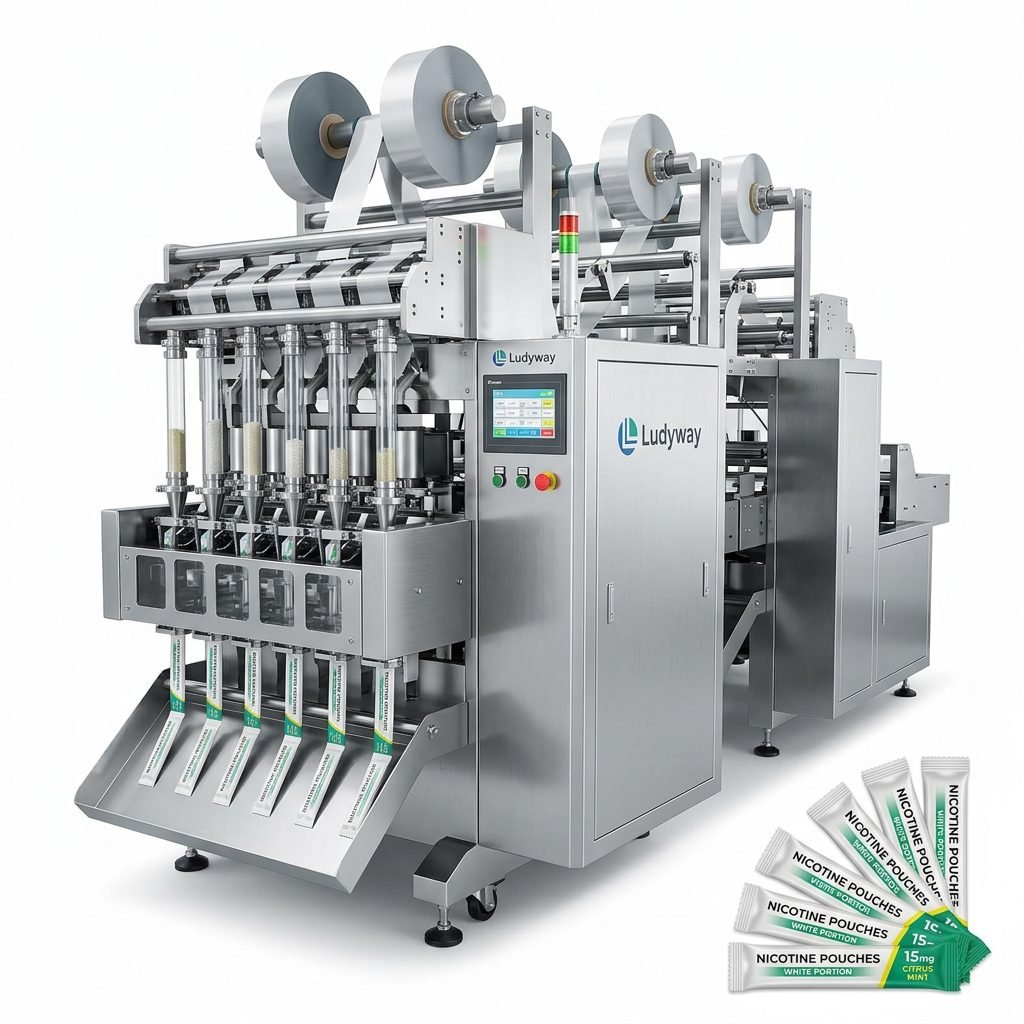
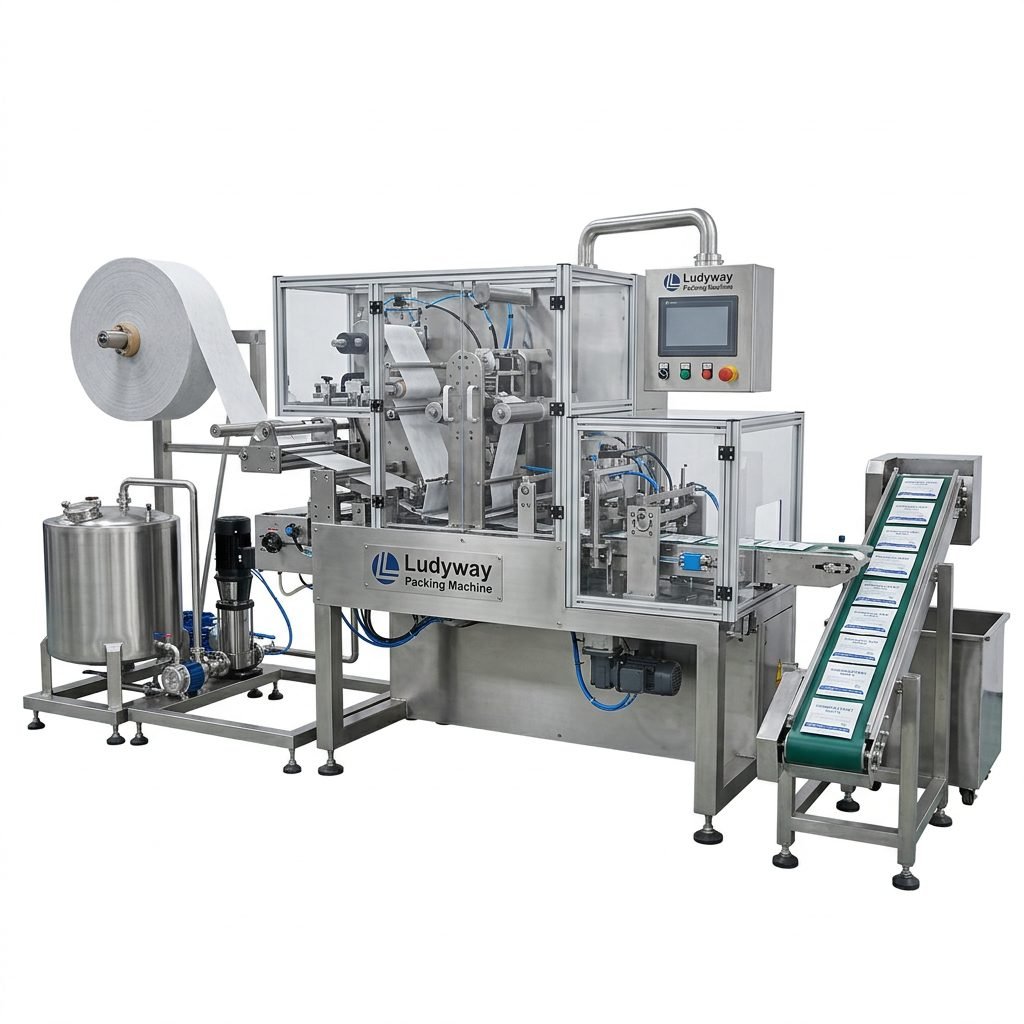
- Form-Fill-Seal (FFS) Machines: Create the pouch from a roll of film, fill it, and seal it in one continuous process, highly efficient for single-serve sachets.
Labeling and Coding Equipment
This equipment applies vital information to packages, including branding, ingredients, barcodes, and expiration dates. Accurate labeling is crucial for compliance and traceability.
- Pressure-Sensitive Labelers: Apply pre-printed labels onto various container shapes.
- Inkjet and Laser Coders: Print batch numbers, dates, and logos directly onto packaging surfaces.
Wrapping and Bundling Machines
Used for grouping multiple products together for retail sale or creating secondary packaging for protection during transit.
- Shrink Wrappers: Use heat to apply a tight plastic film around products or multi-packs.
- Cartoners and Case Packers: Automatically erect, load, and seal cartons or cases.
Primary Applications Across Industries
The choice of packaging equipment is heavily influenced by the industry and the specific nature of the product being packaged.
Food and Beverage Industry
This sector demands high-speed, hygienic equipment capable of handling a wide variety of consistencies. Stick pack machines are perfect for single-serving condiments, drink mixes, or instant coffee. Granule fillers efficiently package snacks, rice, or beans, while liquid fillers are essential for sauces, oils, and dairy products. Hygiene, speed, and the ability to maintain product freshness are paramount.
Pharmaceutical and Healthcare
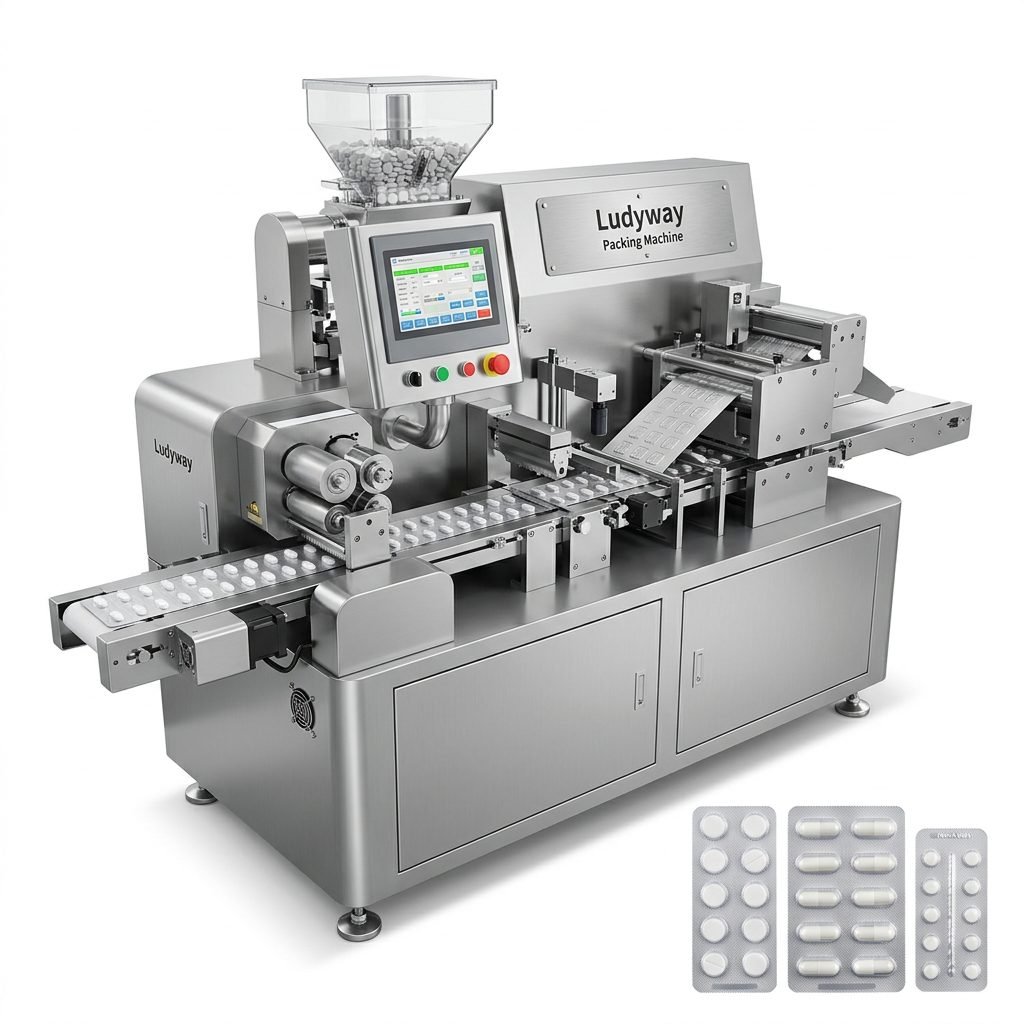
Precision and sterility are non-negotiable. Equipment must comply with stringent regulations like GMP (Good Manufacturing Practice). Powder fillers are used for medicines and supplements, while sachet packaging is common for powders or single-dose liquids. The machinery often requires easy-clean designs and validation protocols to ensure product safety.
Cosmetics and Personal Care
Packaging here combines functionality with aesthetic appeal. Liquid fillers handle shampoos, lotions, and serums, while tube fillers are used for creams and gels. The industry often utilizes elegant sachet or stick pack formats for product samples or travel-sized items, where visual presentation is key.
Industrial and Chemical
Durability and safety take precedence. Equipment for this sector must handle abrasive powders, corrosive liquids, or heavy granules. Robust auger fillers, heavy-duty baggers, and secure sealing systems are common to prevent leaks and contamination.
Key Factors for Buying Packaging Equipment
Investing in packaging machinery is a significant decision. Here are critical factors to evaluate to ensure a sound investment.
1. Assess Your Product and Production Needs
Begin with a thorough analysis. What is your product’s form (powder, liquid, granule)? What are your required output speed (packs per minute) and accuracy? What packaging material will you use (film type, pouch size)? Defining these parameters narrows down suitable machine types.
2. Prioritize Machine Flexibility and Scalability
Can the machine handle different pouch sizes or container types with quick changeovers? As your business grows, can the equipment be upgraded or integrated into a larger automated line? Choosing a provider with scalable solutions can protect your long-term investment.
3. Evaluate Build Quality and Reliability
Inspect the construction materials (e.g., food-grade stainless steel contact parts) and the reputation of the manufacturer. Reliable machinery minimizes costly downtime. Look for suppliers with a proven track record and substantial industry experience, as they typically offer more durable and well-engineered equipment.
4. Consider Total Cost of Ownership (TCO)
Look beyond the initial purchase price. Factor in operating costs (energy consumption), maintenance requirements, spare parts availability, and potential costs for operator training. A slightly higher upfront cost for a more efficient and reliable machine often leads to lower TCO.
5. Verify After-Sales Support and Service
Comprehensive support is crucial. Does the supplier offer installation, training, and local technical support? What is the warranty period, and how readily available are spare parts? A strong support network, like the global service commitment offered by established brands, ensures your operations run smoothly long after the sale.
Optimizing Your Packaging Line Operation
Once you have the right equipment, proper operation and maintenance are key to longevity and efficiency.
- Regular Maintenance: Follow the manufacturer’s schedule for cleaning, lubrication, and part inspection to prevent unexpected failures.
- Operator Training: Ensure staff are thoroughly trained on safe operation, basic troubleshooting, and changeover procedures.
- Quality Control Checks: Regularly monitor fill weight accuracy, seal integrity, and coding clarity to maintain product quality.
- Keep Records: Maintain logs of maintenance, production runs, and any issues for traceability and predictive maintenance.
Frequently Asked Questions (FAQs)
What is the most important factor when choosing a packaging machine?
The most critical factor is ensuring the machine is perfectly matched to your specific product characteristics (e.g., viscosity, abrasiveness) and your production volume requirements. A machine designed for non-food powders will struggle with oily food products, and a low-speed machine will bottleneck a high-volume line.
How do I know if I need a semi-automatic or fully automatic machine?
This depends on your budget and output needs. Semi-automatic machines require some manual intervention (like placing bags) and are suitable for lower volumes or start-ups. Fully automatic systems (like integrated form-fill-seal lines) handle the entire process and are necessary for medium to high-volume production to maximize efficiency and reduce labor costs.
Can one machine package different types of products?
Many modern machines offer flexibility through interchangeable parts like different augers, pumps, or sealing jaws. However, significant changes (e.g., from a fine powder to a viscous liquid) often require a different machine type or major conversion kits. Discuss your future product plans with your supplier during the selection process.
What should I look for in a packaging equipment supplier?
Prioritize suppliers with proven expertise in your industry, a solid reputation for machine reliability, and a strong global support and service network. They should provide clear documentation, training, and ready access to genuine spare parts.
How can I improve the sustainability of my packaging process?
You can opt for machines compatible with recyclable or biodegradable films. Additionally, choose energy-efficient equipment, optimize film usage to reduce waste, and ensure accurate filling to minimize product giveaway. Some advanced machines have features specifically designed to reduce material consumption.