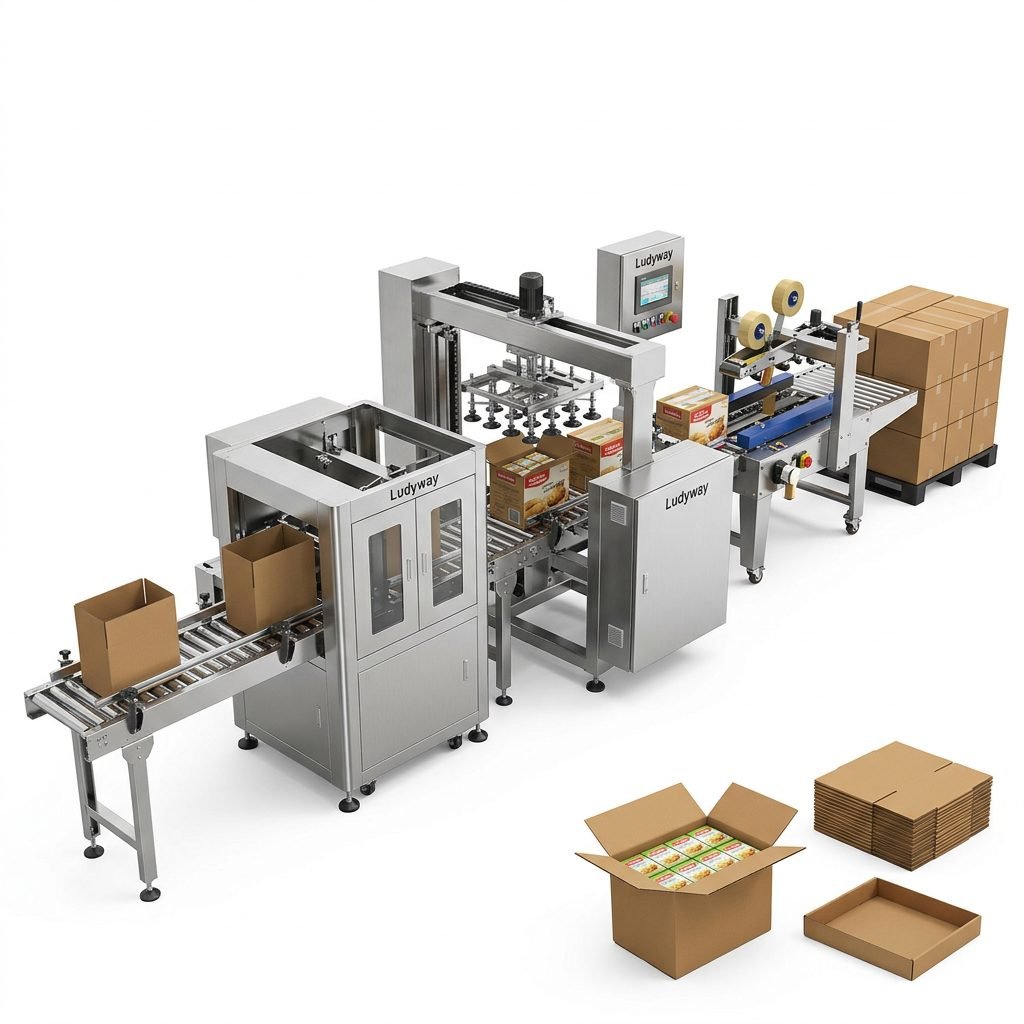
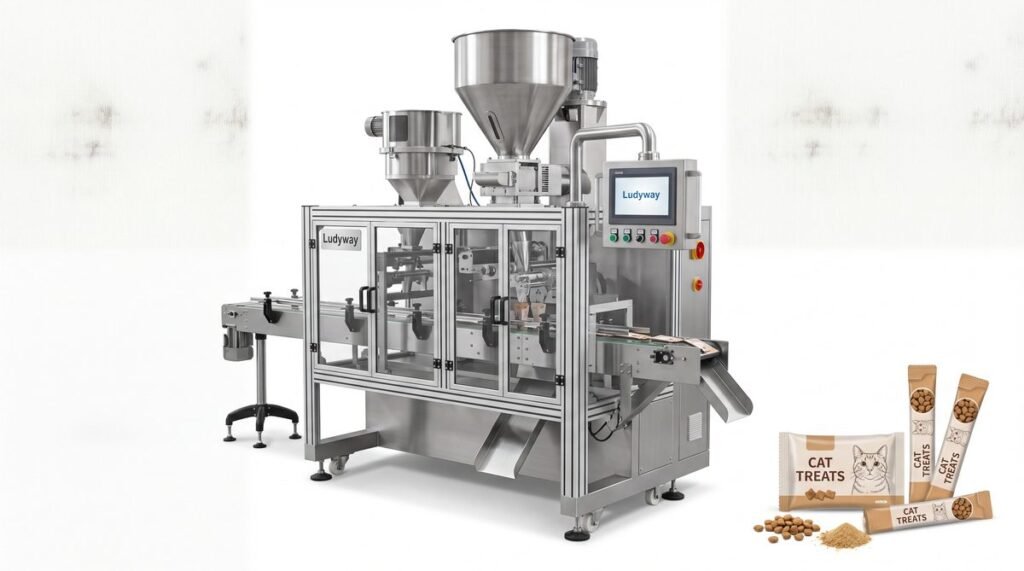
Buying used packing equipment can be a smart move for manufacturers, startups, and growing brands that want to control costs without sacrificing production efficiency. The key is not simply finding the lowest price, but identifying a machine that matches your product, packaging format, output target, and long-term operating needs.
Whether you produce food, pharmaceuticals, supplements, cosmetics, chemicals, or pet products, the right second-hand machine can shorten your payback period and help you enter the market faster. However, a poor purchase can lead to downtime, inconsistent sealing, spare parts issues, and expensive retrofits. This guide explains how to choose the best affordable used packing machine with confidence.
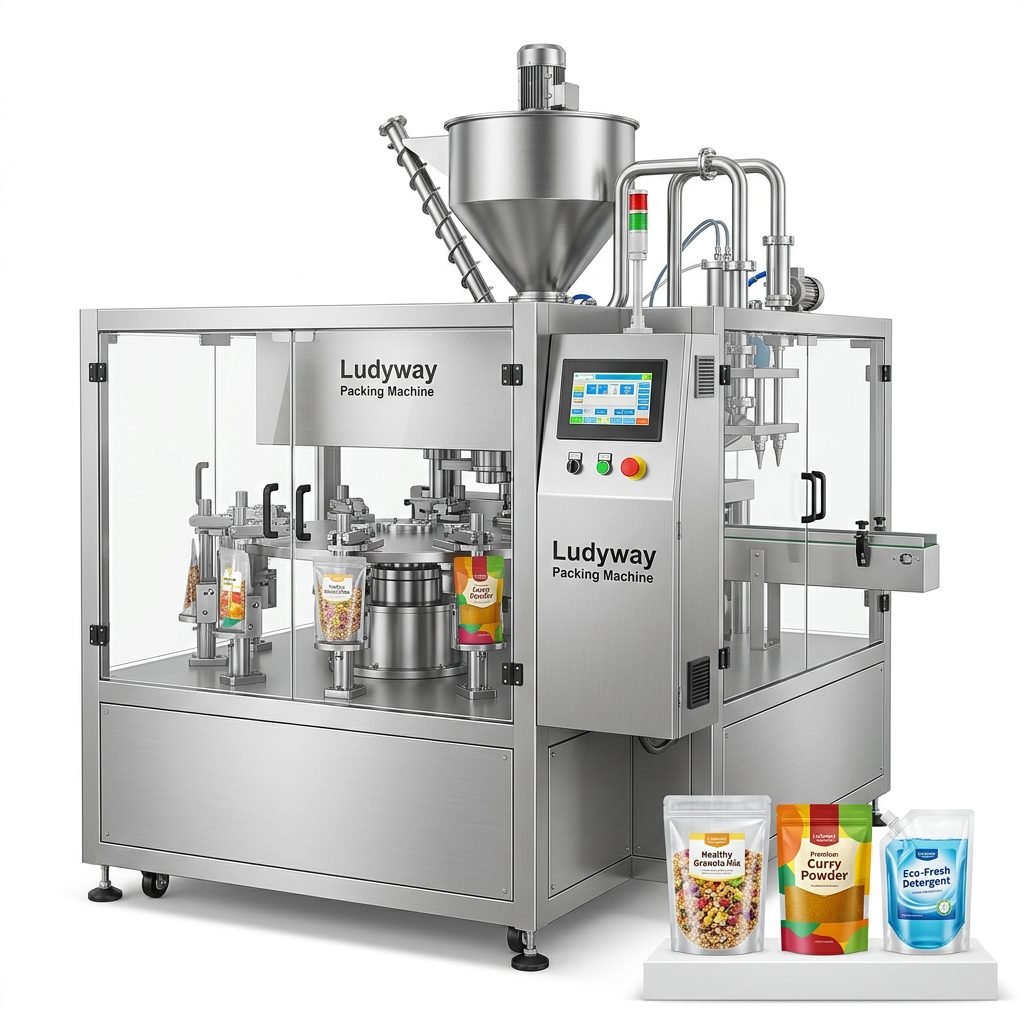
Why Many Buyers Choose Used Packing Machines
A used machine is often attractive because it reduces initial capital pressure. For smaller factories or companies testing a new SKU, second-hand equipment can be the fastest path to automation. In many cases, a well-maintained used unit still offers strong performance for years.
- Lower upfront investment compared with new machinery
- Faster delivery if the machine is already available in stock
- Good option for pilot production, seasonal demand, or backup capacity
- Suitable for businesses upgrading from manual or semi-automatic operations
- Can create better ROI when selected carefully
That said, affordability should never come at the expense of reliability. A cheap machine that frequently stops production is usually more expensive in the long run.
Start With Your Product and Packaging Requirements
Before comparing prices, define exactly what you need the machine to do. This is the most important step in the buying process.
Ask these practical questions first
- What material are you packing: granules, powder, liquid, paste, tablets, capsules, or pouches?
- What package type do you need: sachet, stick pack, premade pouch, bottle, bag, carton, or bulk bag?
- What filling accuracy is acceptable?
- What speed do you require per minute or per hour?
- What bag size or dose range do you need?
- Will the machine run one product only or multiple SKUs?
- Do you need coding, checkweighing, cartoning, conveyors, or palletizing?
Used packaging machines are rarely “plug and play” for every product. A unit designed for free-flowing sugar may not perform well with fine, dusty nutritional powder. Similarly, a liquid filler for low-viscosity products may not suit thick sauces or creams.
| Product Type | Suitable Machine Type | Main Checkpoint |
|---|---|---|
| Powders | Auger filler, sachet machine, stick pack machine | Dust control, filling precision, sealing cleanliness |
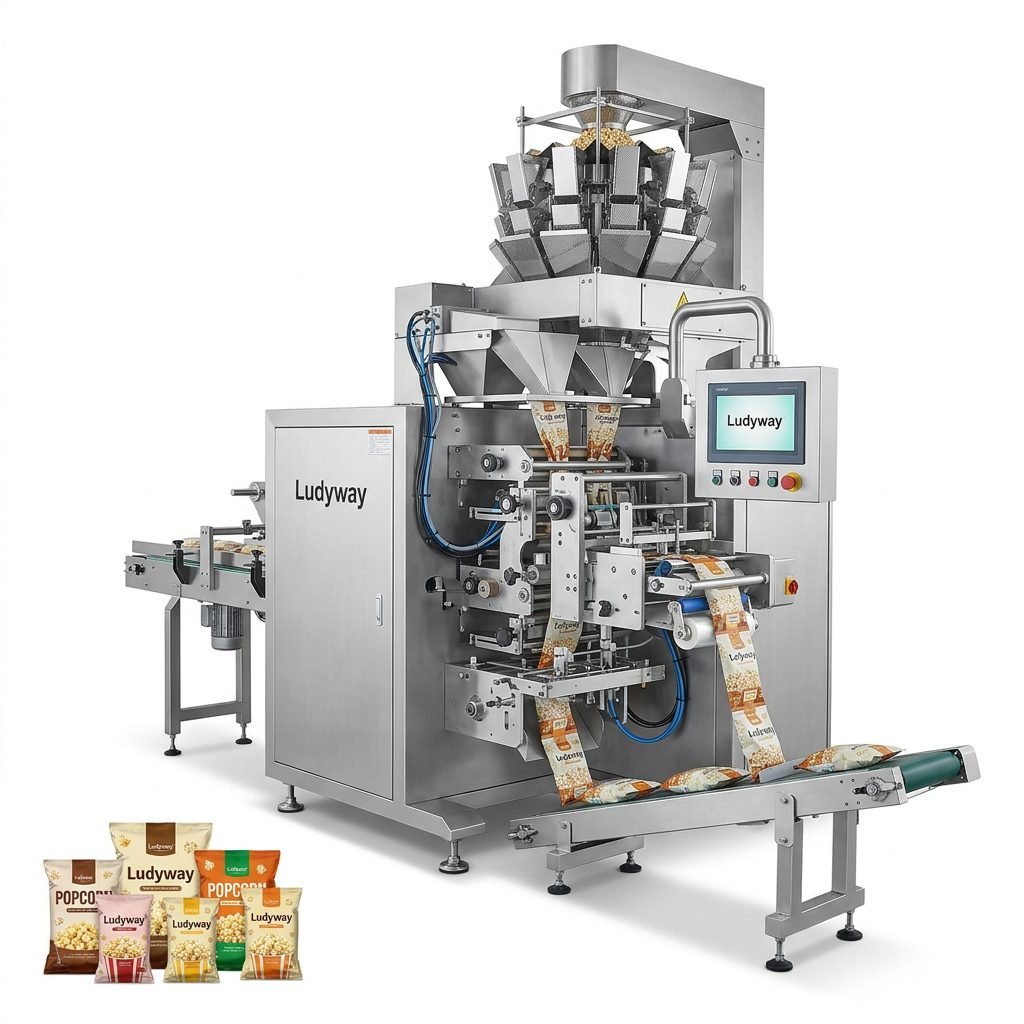
| Granules | VFFS, multi-lane stick pack, weighing system | Flow consistency, weigh accuracy, anti-crush design |
| Liquids | Liquid filling and sealing machine, pouch filler | Leak-proof seals, pump condition, CIP compatibility |
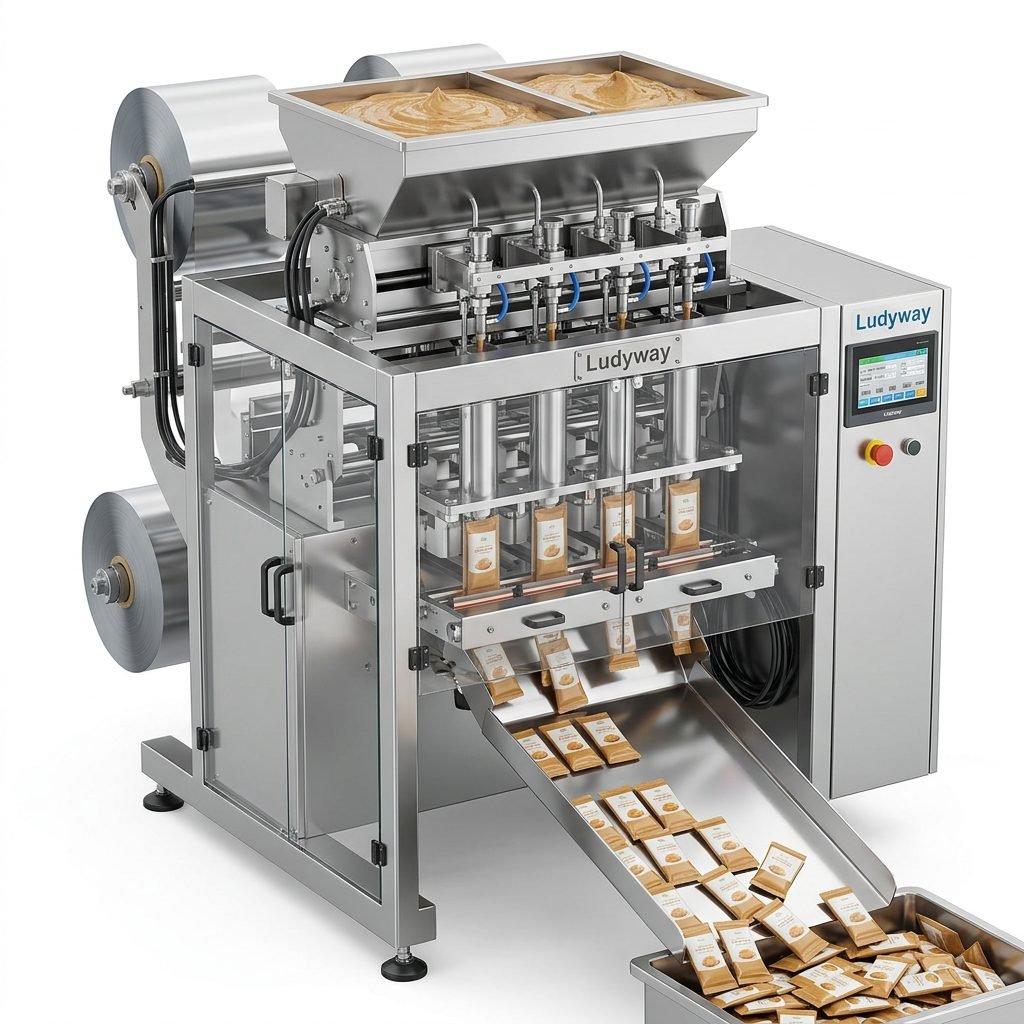
| Pastes/Creams | Piston filler, sachet packing machine | Viscosity suitability, nozzle design, cleaning access |
| Tablets/Capsules | Counting and bottling or sachet systems | Count accuracy, sensor system, pharma compliance |
Evaluate the Machine’s Real Condition, Not Just Its Age
A 7-year-old machine with proper maintenance can be a better purchase than a 3-year-old machine that was heavily abused. Focus on condition, operating history, and rebuild status rather than manufacturing date alone.
What to inspect
- Frame integrity and corrosion condition
- Wear on sealing jaws, cutters, pumps, screws, and bearings
- Electrical cabinet cleanliness and component aging
- PLC, HMI, servo, and sensor brand availability
- Noise, vibration, and temperature during operation
- Evidence of oil leaks, air leaks, or unstable motion
- Availability of manuals, drawings, and spare parts lists
Request a live running video or arrange a factory acceptance check if possible. A visual inspection is helpful, but actual product testing is far better. You want to see bag forming, filling, sealing, discharge, and finished pack quality under real operating conditions.
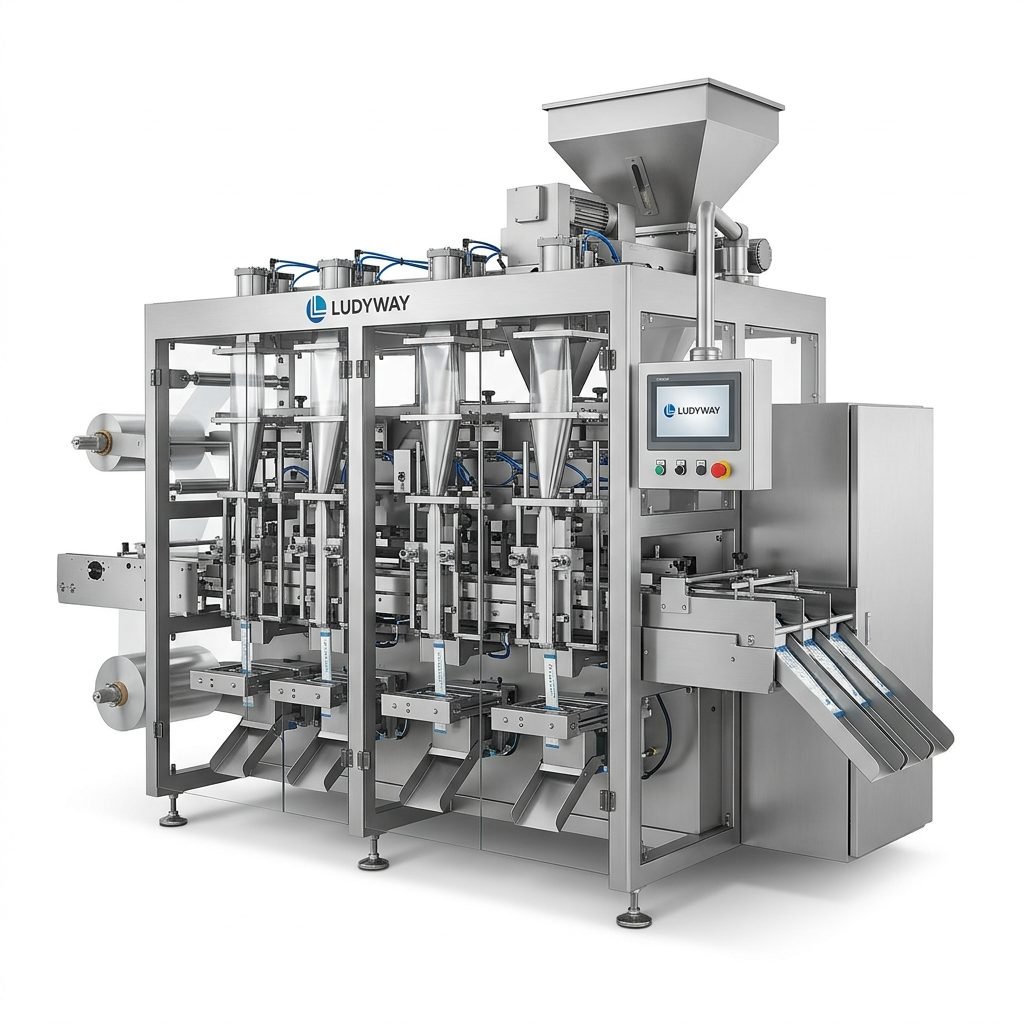
Check Compatibility With Modern Production Needs
One common mistake is buying a used machine that cannot integrate with current production standards. Even if the price looks good, poor compatibility can create hidden costs.
Important compatibility points
- Power supply and voltage requirements
- Compressed air consumption
- Available plant space and operator access
- Film or pouch material compatibility
- Output connection to conveyors, printers, metal detectors, or cartoners
- Spare part sourcing in your region
- Safety guarding and compliance with your market regulations
If you export to regulated markets, equipment compliance matters even more. For food, pharma, and health supplement packaging, buyers should check whether the machine design supports hygienic cleaning, accurate dosing, and traceable operation.
Compare Total Cost, Not Just Purchase Price
The cheapest used machine is not always the most affordable solution. A better approach is to calculate the total cost of ownership.
| Cost Factor | Why It Matters |
|---|---|
| Machine purchase price | Only the starting point of your investment |
| Transportation and installation | Can be significant for heavy or complex equipment |
| Refurbishment or retrofitting | May be needed for product changeover or compliance upgrades |
| Spare parts | Critical for uptime and future maintenance |
| Energy and air consumption | Affects long-term operating cost |
| Downtime risk | Lost production can cost more than the machine itself |
A higher-priced used machine that has been refurbished, tested, and supported by a reliable supplier is often a safer and more economical investment than an unknown low-cost unit.
Know Which Type of Used Packing Equipment Fits Your Business
For startups and small batch production
Look for compact, easy-to-operate machines with simple changeover and low maintenance. Semi-automatic fillers or smaller VFFS units may be sufficient at the beginning.
For growing food and supplement brands
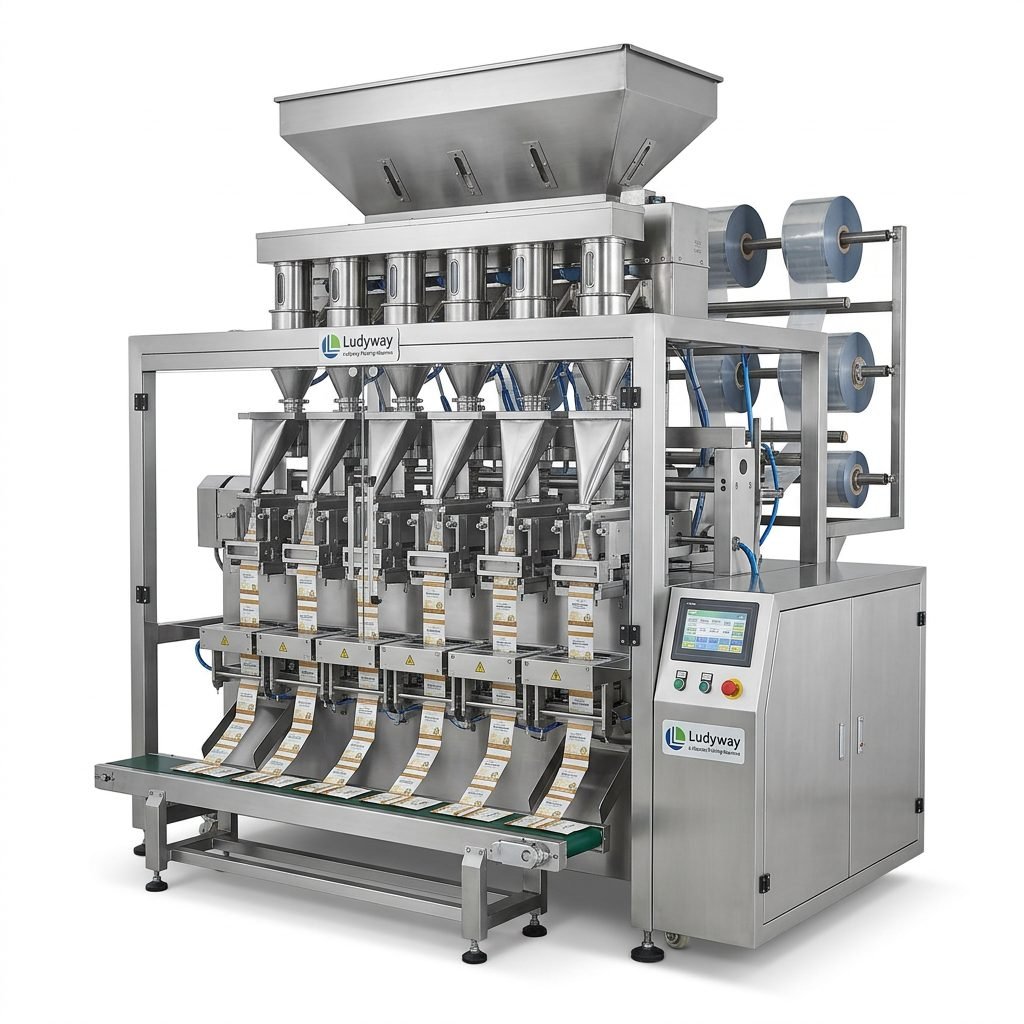
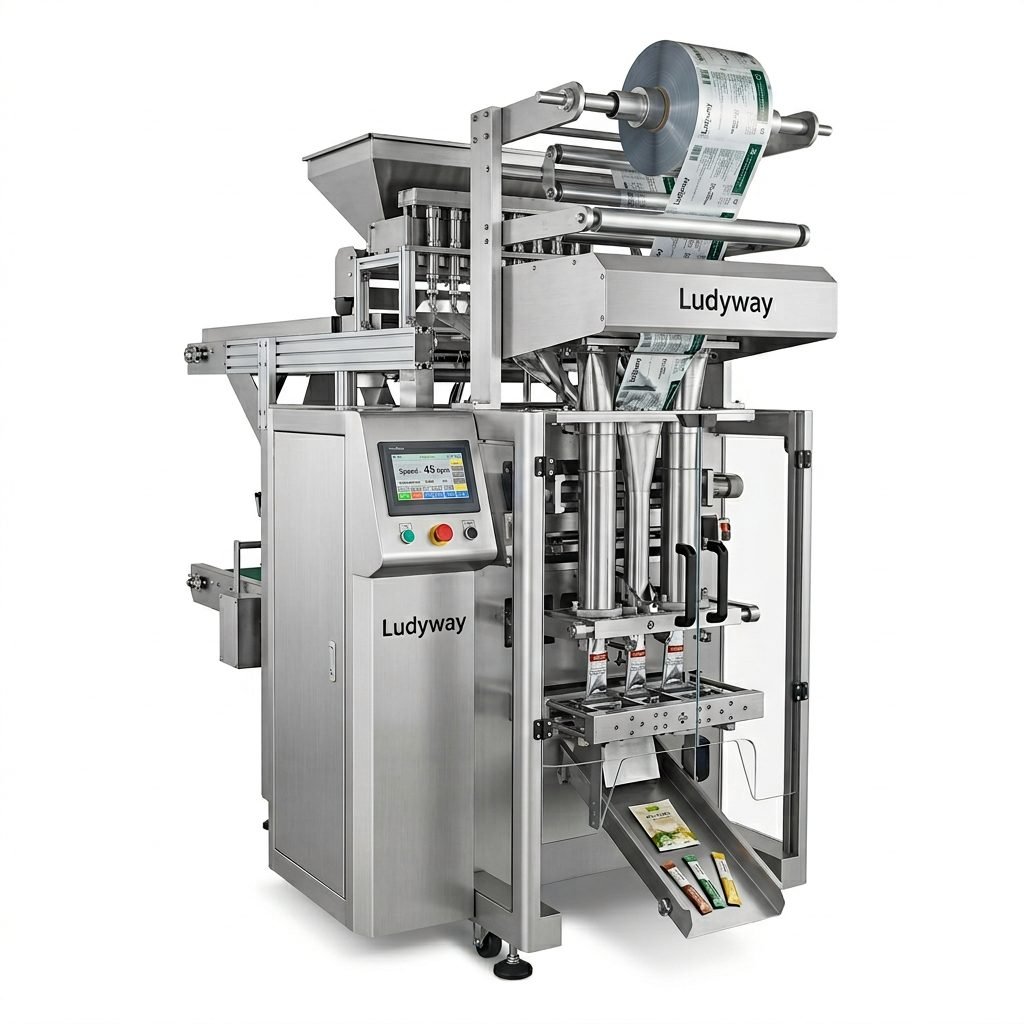
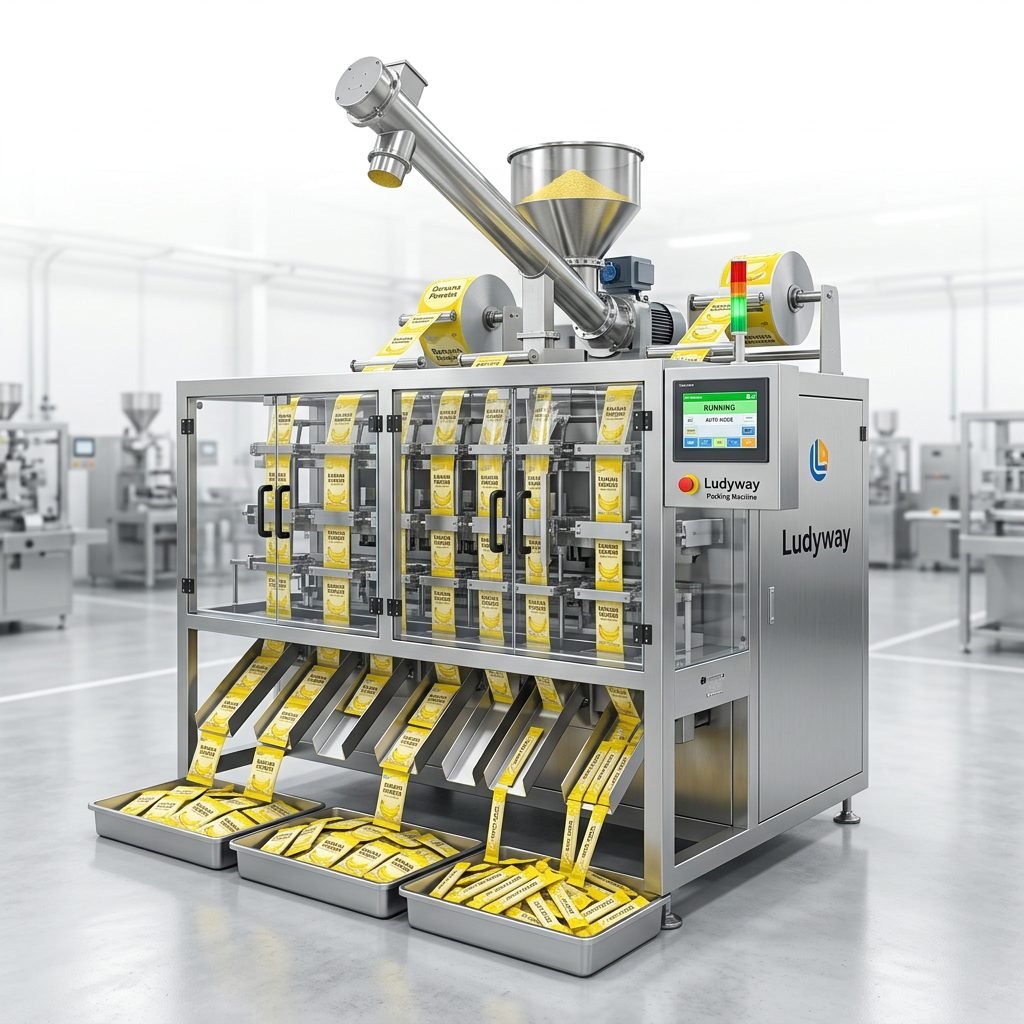
Focus on accuracy, sealing stability, and the ability to handle multiple formats. Multi-lane sachet and stick pack machines can be efficient for high-volume single-dose packaging.
For pharmaceutical and medical sectors
Prioritize validation support, hygienic structure, documentation, and precision. In these industries, a low price should never come before compliance and quality assurance.
For chemicals and industrial products
Material compatibility, corrosion resistance, dust handling, and seal strength become especially important. Make sure the machine can tolerate the product’s physical and chemical properties.
Questions to Ask the Seller Before You Buy
- Why is the machine being sold?
- How many operating hours has it completed?
- What products and pack formats did it run previously?
- Has the machine been refurbished or only cleaned?
- Are spare parts still available?
- Can the seller provide test videos or on-site inspection?
- What warranty or after-sales support is included?
- Are manuals, wiring diagrams, and PLC backups available?
If the seller cannot answer these clearly, treat that as a warning sign. Transparent technical information usually reflects a more trustworthy source.
Used vs. Refurbished vs. New: Which Is Better?
These three categories are often confused, but they are not the same.
| Option | Best For | Main Trade-Off |
|---|---|---|
| Used | Budget-focused buyers | Higher uncertainty if condition is unknown |
| Refurbished | Buyers wanting balanced cost and reliability | Higher cost than standard used equipment |
| New | Long-term projects and custom automation | Highest initial investment |
If your application is highly specialized or your packaging line must meet strict output and quality standards, a new machine may still be the better decision. But if you buy from a reputable manufacturer that also supports upgrades and custom solutions, you can often combine affordability with dependable performance.
Choose a Supplier With Engineering Support
A machine alone is not enough. Technical support, spare parts access, and packaging knowledge are often what determine whether your project succeeds. This is why many buyers prefer to work with established manufacturers rather than anonymous traders.
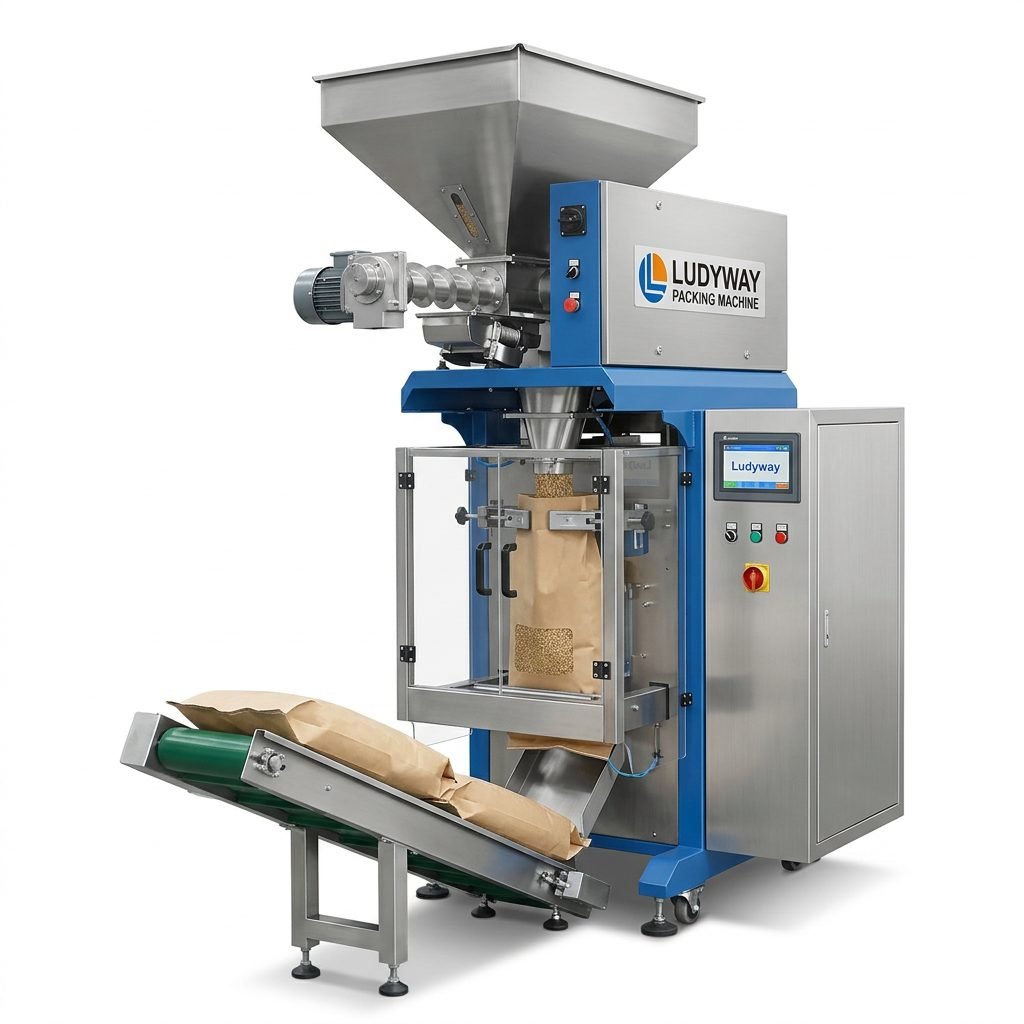
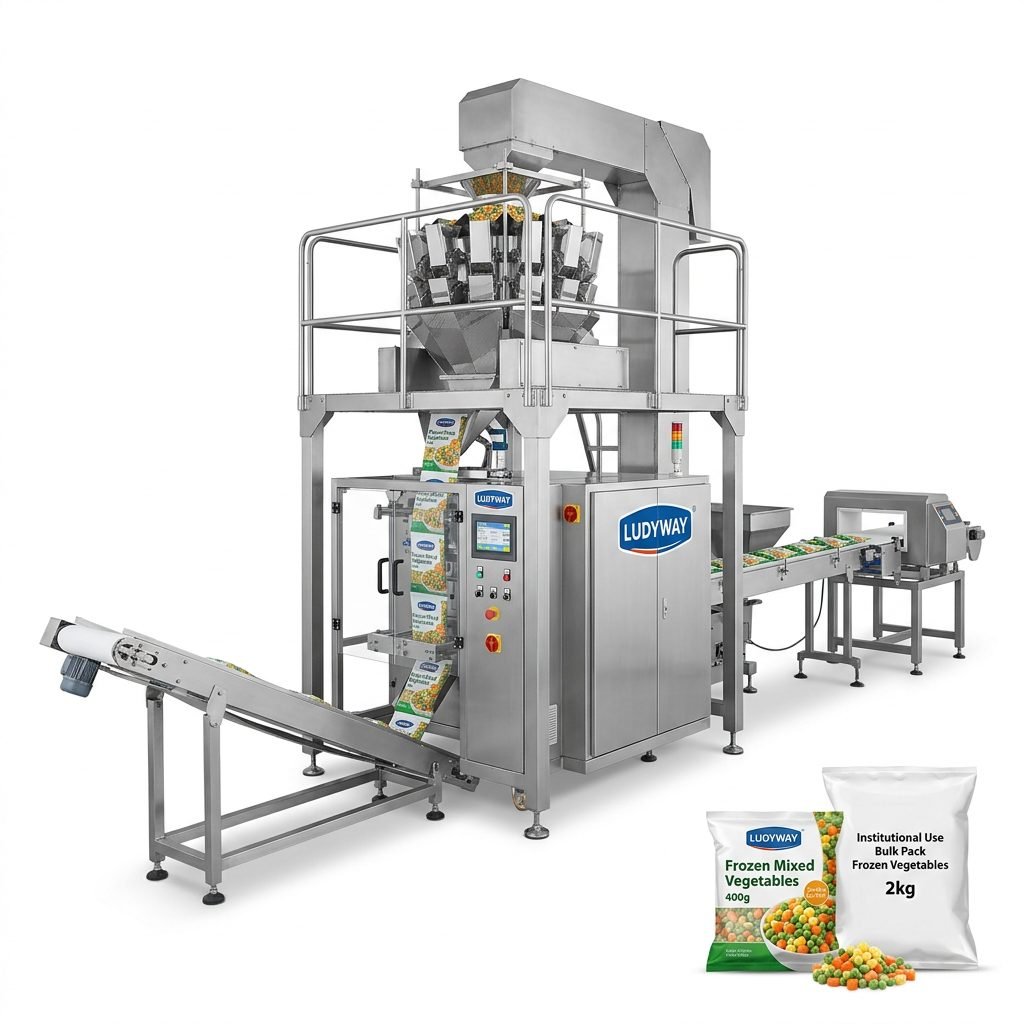
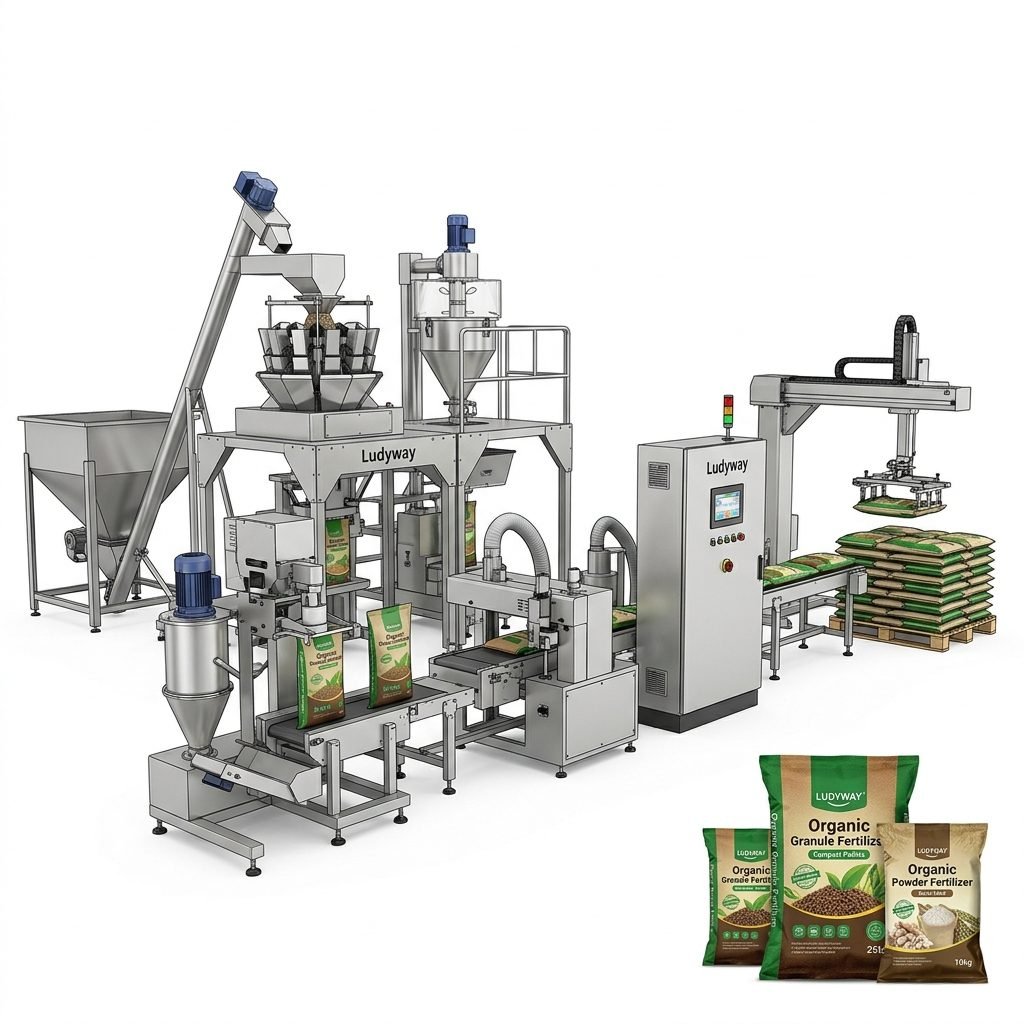
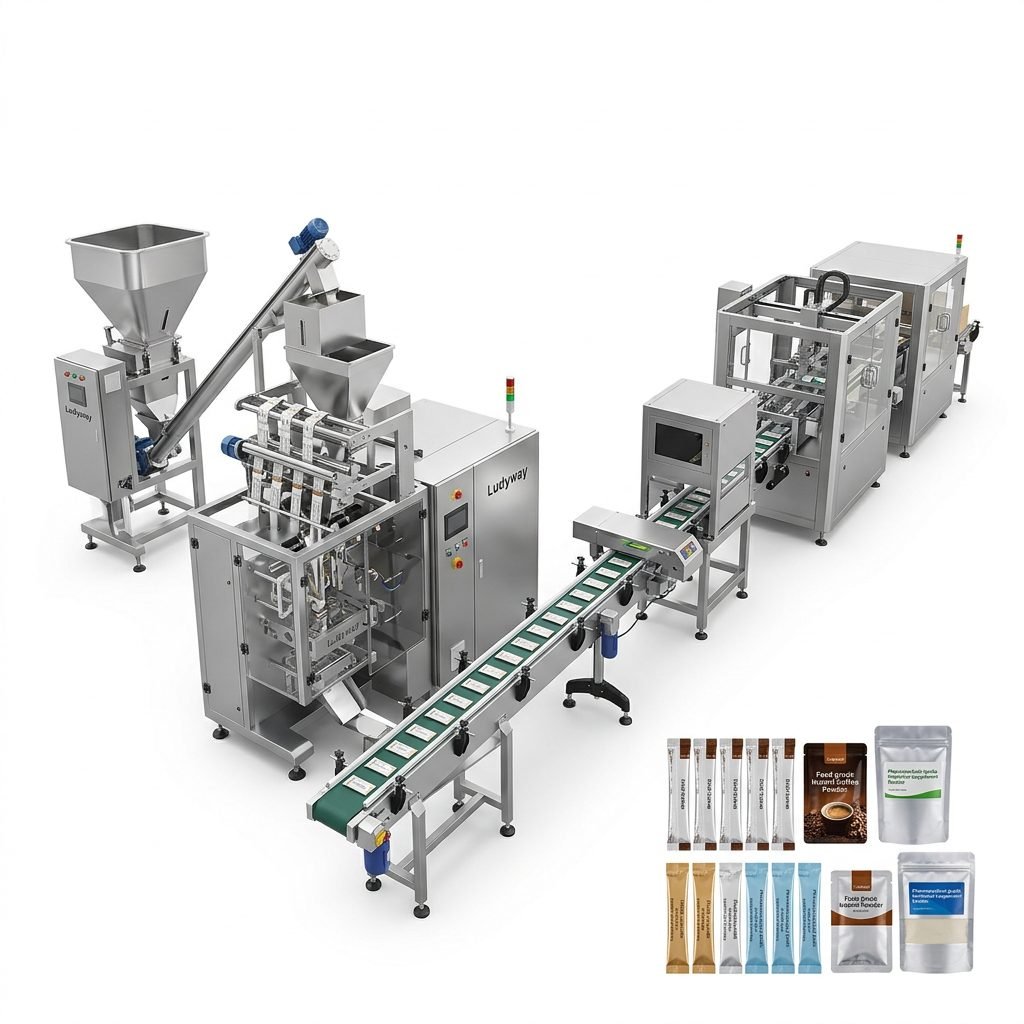
For businesses looking for scalable packaging solutions, Ludyway packaging machine solutions are backed by more than 30 years of industry experience, broad product coverage, and turnkey line capabilities across food, pharmaceutical, health supplement, cosmetic, chemical, and related sectors.
Red Flags You Should Never Ignore
- Very low price with no testing proof
- No spare parts or obsolete control system
- Visible rust, damage, or missing guards
- Frequent seal defects in test samples
- No documentation or electrical drawings
- Seller avoids discussing service history
- Machine speed claims that cannot be demonstrated
If a used machine cannot be properly demonstrated, verified, and supported, it is usually not a bargain.
Final Buying Checklist for Affordable Packing Equipment
- Define your product, pack style, speed, and dosing needs
- Match the machine design to your material characteristics
- Inspect actual condition and request a running test
- Confirm spare parts and technical documentation availability
- Check utility requirements and line integration compatibility
- Calculate total ownership cost, not just sale price
- Buy from a supplier with real engineering and after-sales support
A well-chosen used packing machine can be an excellent investment. The goal is to buy value, not just low cost. When you evaluate equipment carefully, compare true operating costs, and work with the right supplier, affordable packing equipment can deliver strong output, reliable performance, and faster business growth.