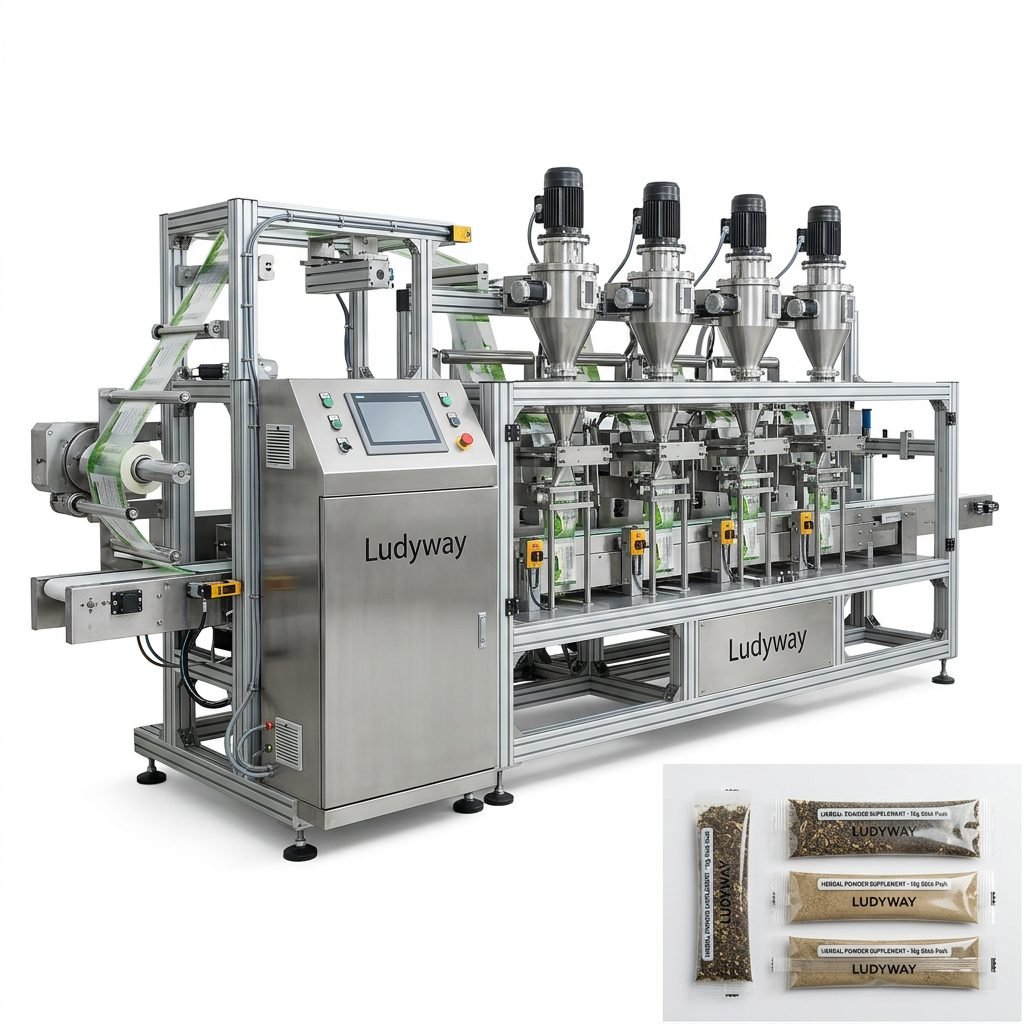
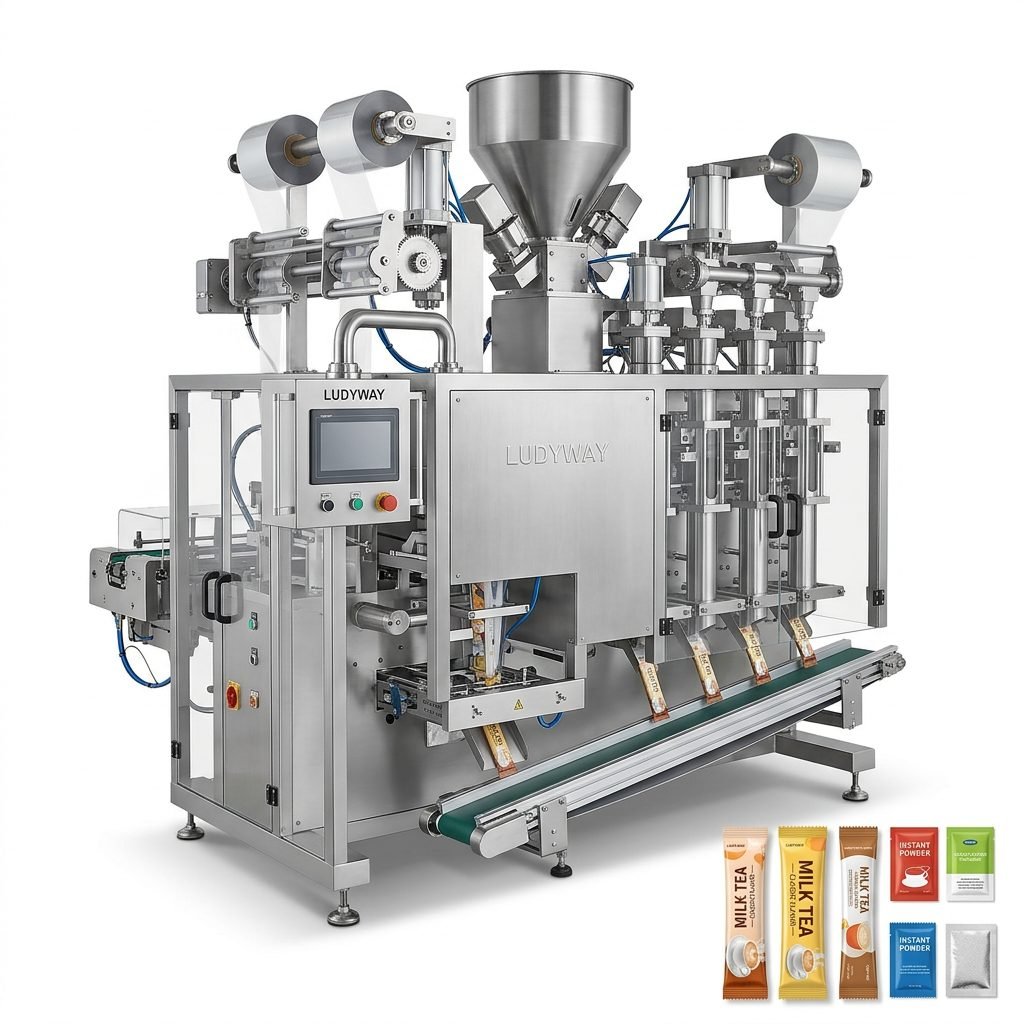
Pepper is one of the most widely consumed spices in the global food industry, and its packaging directly affects
product freshness, dosing accuracy, shelf appeal, and production efficiency.
Whether you produce black pepper powder, white pepper powder, crushed pepper, blended seasoning, or single-serve sachets for foodservice,
choosing the right packing equipment can reduce waste, improve sealing consistency, and support scalable growth.
Modern pepper packing machines are designed for both powdered and granular spice applications, helping manufacturers meet
retail, horeca, contract packing, and export packaging demands with greater automation and reliability.
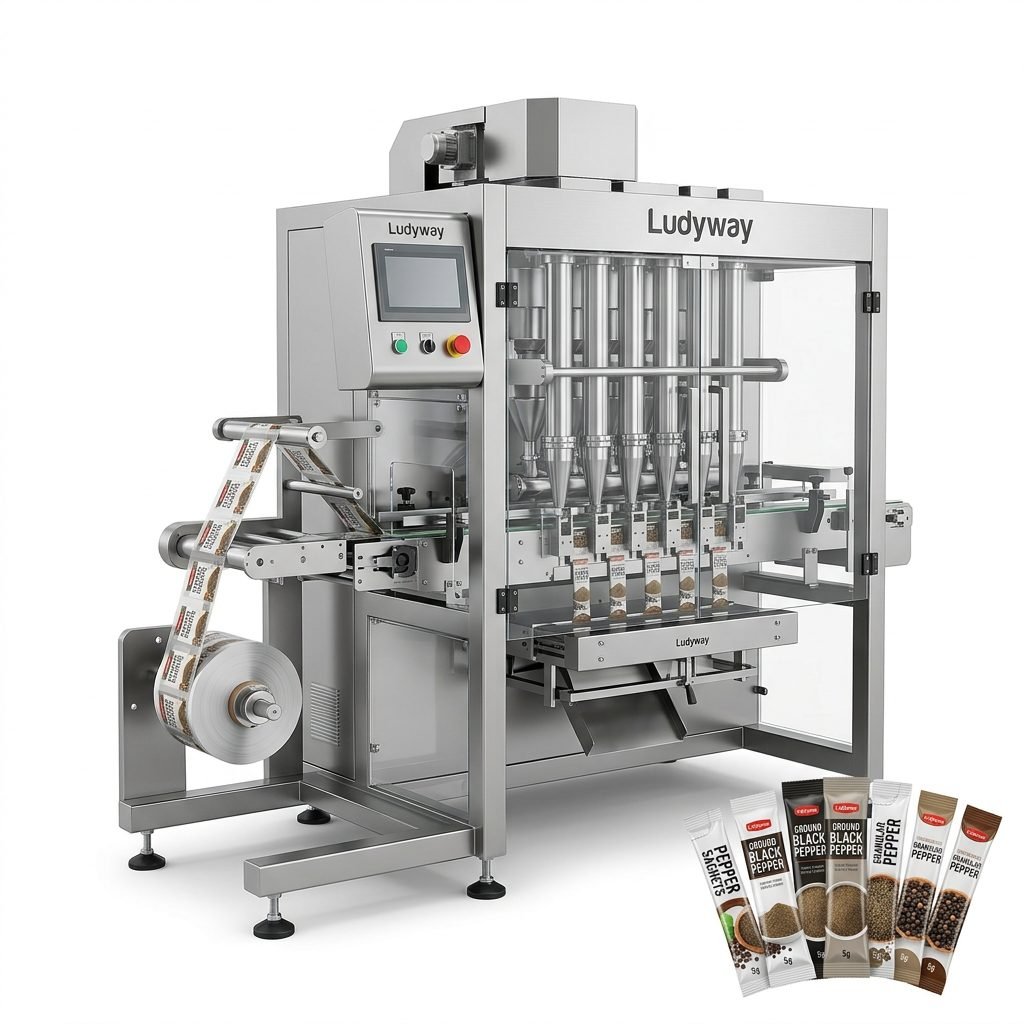
Why Pepper Packaging Requires Specialized Equipment
Pepper may seem simple to pack, but in real production it presents several challenges. Fine pepper powder can create dust,
affect seal areas, and influence weighing precision. Cracked or coarse pepper requires smooth feeding to avoid bridging,
inconsistent filling, or material damage. In addition, spice producers often need compact, hygienic, and fast packaging systems
that can switch between multiple bag sizes or formats.
- Powder flow control for fine and lightweight pepper products
- Stable sealing performance despite dust-prone materials
- Accurate dosing for retail packs and small sachets
- Flexible bag formats for sachets, stick packs, pouches, and larger bags
- Food-grade construction for hygiene and easy cleaning
Best Pepper Packaging Solutions by Product Type
The best packaging solution depends on the pepper form, target market, packaging size, and production volume.
Below are the most common machine options used by spice and seasoning manufacturers.
| Pepper Product Type | Recommended Machine | Common Pack Format | Key Benefit |
|---|---|---|---|
| Pepper powder | Auger filler VFFS or sachet machine | Pillow bag, sachet, stick pack | High dosing precision for fine powder |
| Crushed or cracked pepper | Volumetric cup or weighing system | Pouch, sachet, premade bag | Gentle handling with good fill consistency |
| Pepper seasoning blends | Multi-lane sachet or pouch line | Single-serve sachet, stick pack | High-speed output for foodservice and retail |
| Bulk pepper for industrial use | Large bagging line | 5kg, 10kg, 25kg bags | Efficient bulk handling and lower labor cost |
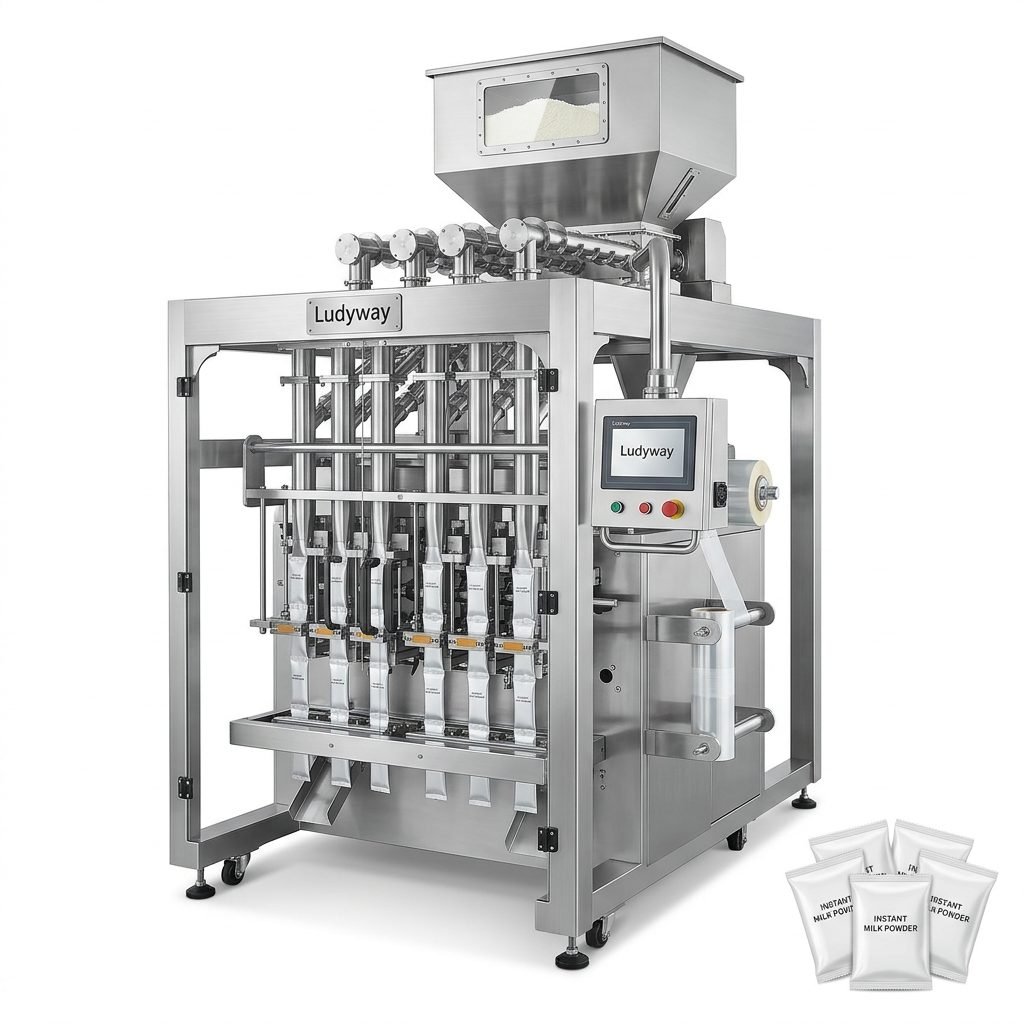
1. Vertical Form Fill Seal Machines for Pepper Powder
VFFS machines are a highly practical choice for pepper powder packaging. They form the bag from roll film, fill the product,
and seal it in one continuous process. When equipped with an auger filler, they offer reliable filling accuracy for powders
with different densities and flow behaviors.
This solution is suitable for brands that need medium to high output with strong flexibility in bag length, print registration,
and packaging materials. It is especially popular for retail spice bags and refill packs.
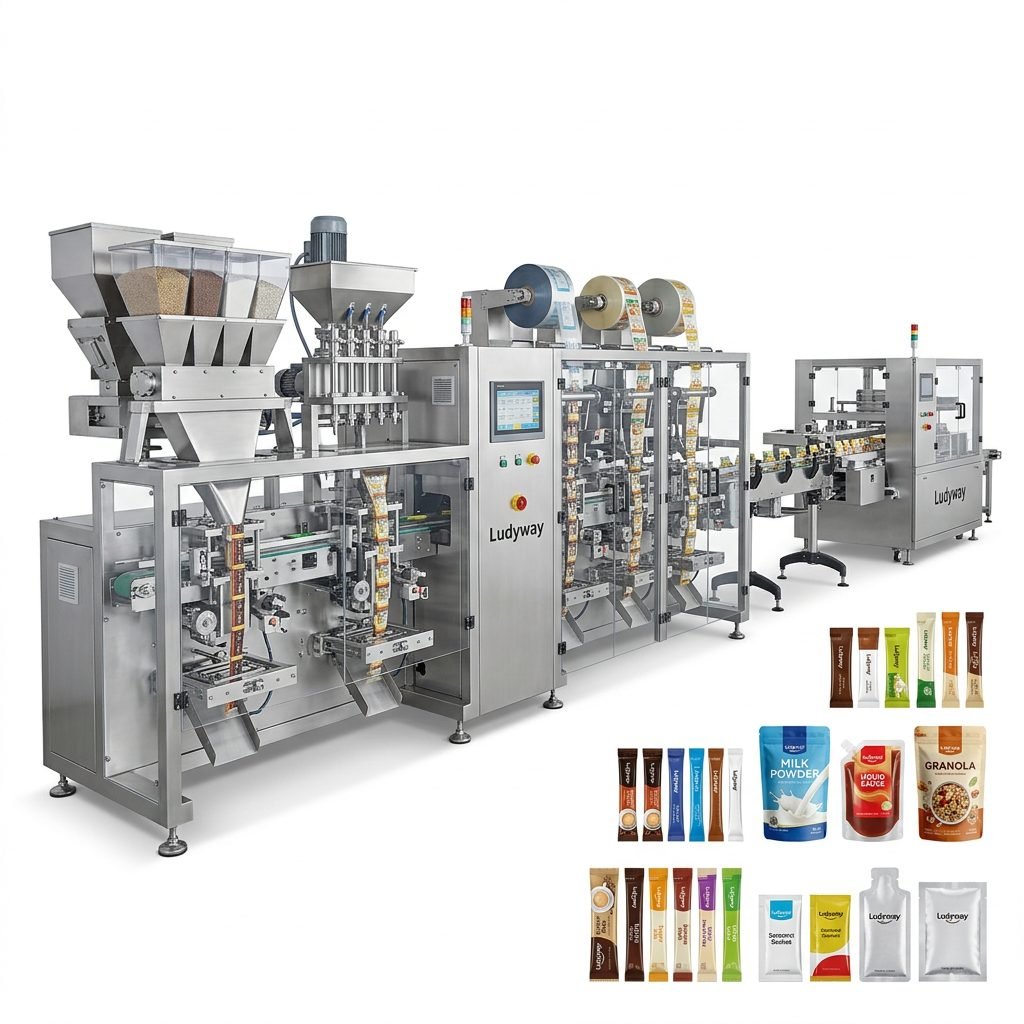
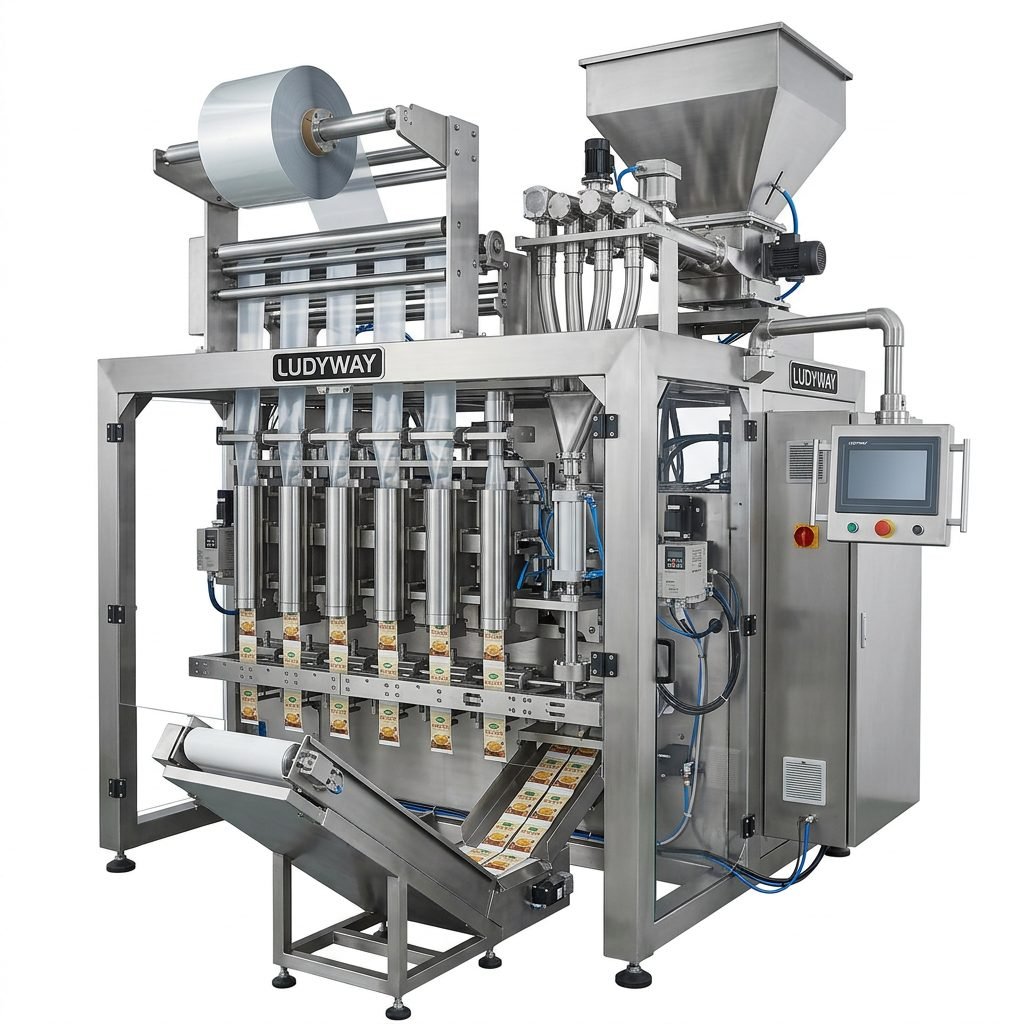
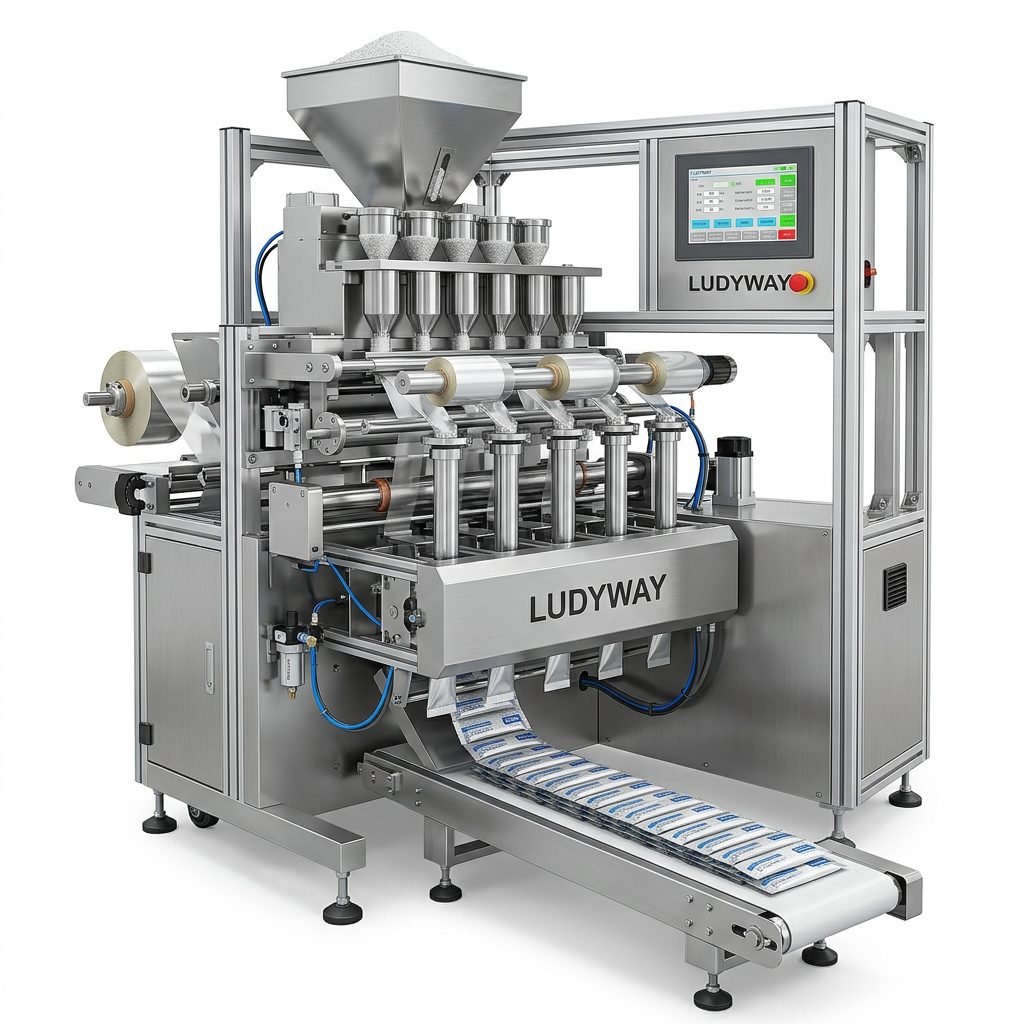
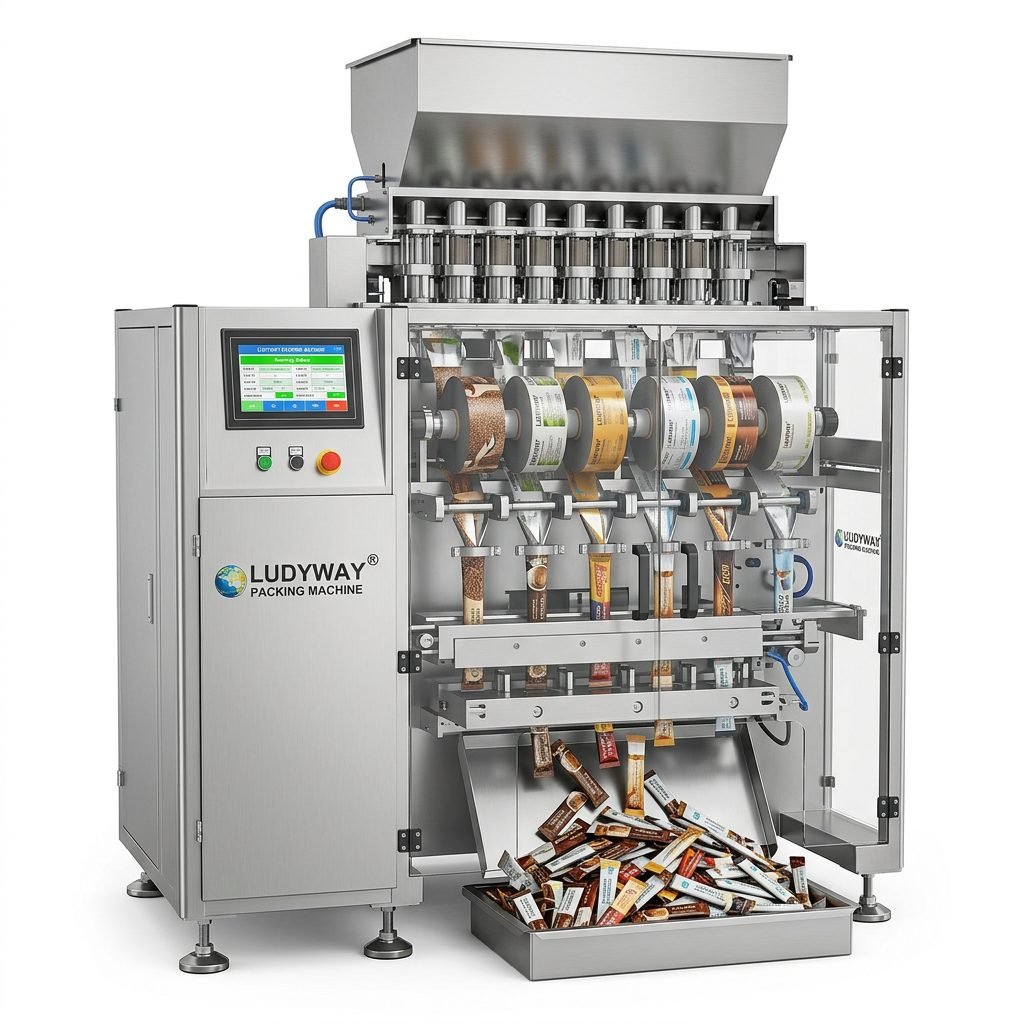
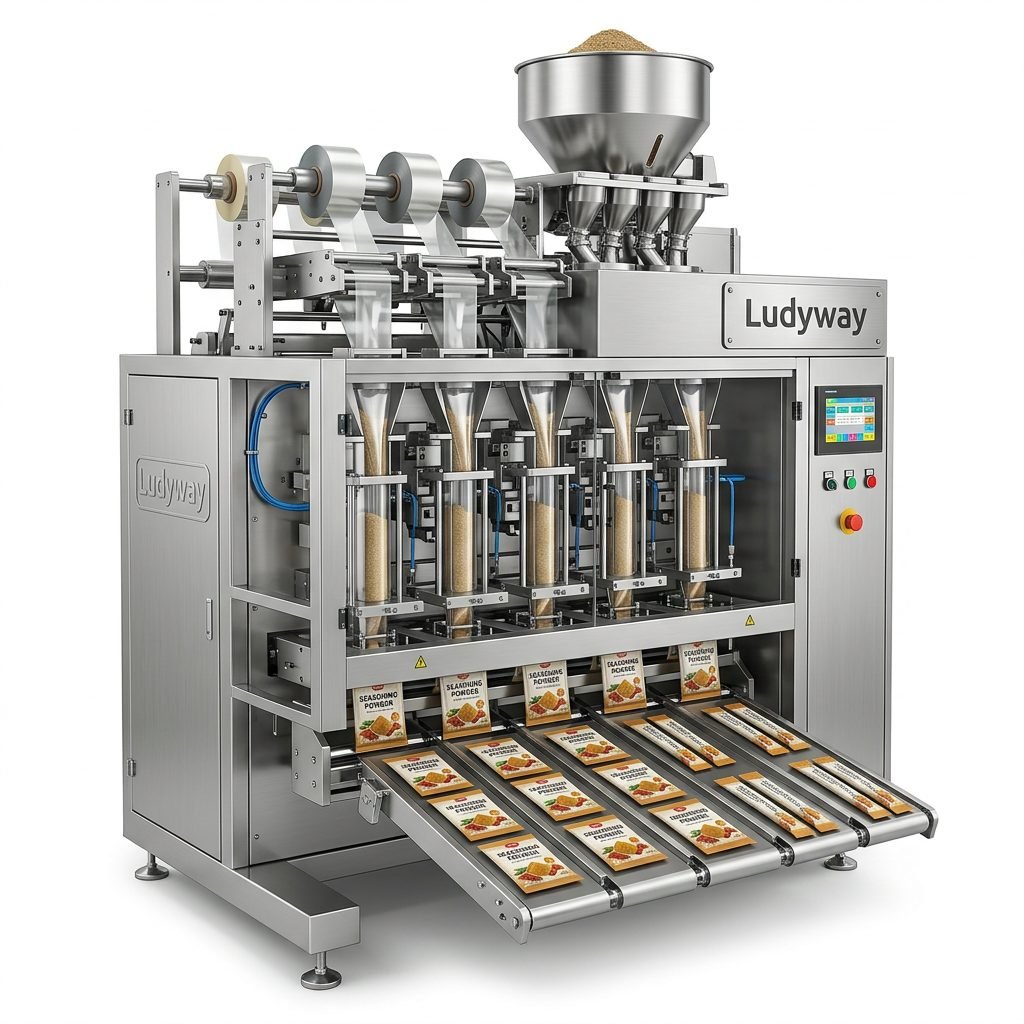
2. Multi-Lane Sachet and Stick Pack Machines
For restaurants, instant meal kits, takeaway channels, airline catering, and food processing applications, pepper is often sold
in single-dose sachets or slim stick packs. Multi-lane machines can produce
multiple packs in one cycle, significantly increasing output while maintaining pack uniformity.
These systems are ideal for:
- Hotel and catering condiment packs
- Instant noodle seasoning packs
- Spice sample packs
- Private label retail multipacks
3. Premade Pouch Packaging Machines
If your pepper products need a more premium shelf appearance, premade pouches are often the preferred solution.
Stand-up pouches, zipper pouches, and flat pouches work well for gourmet pepper, organic seasoning blends, and export retail products.
Premade pouch systems can support:
- Better shelf presentation
- Resealable packaging options
- Higher packaging value for branded products
- Compatibility with granular and powder spice products
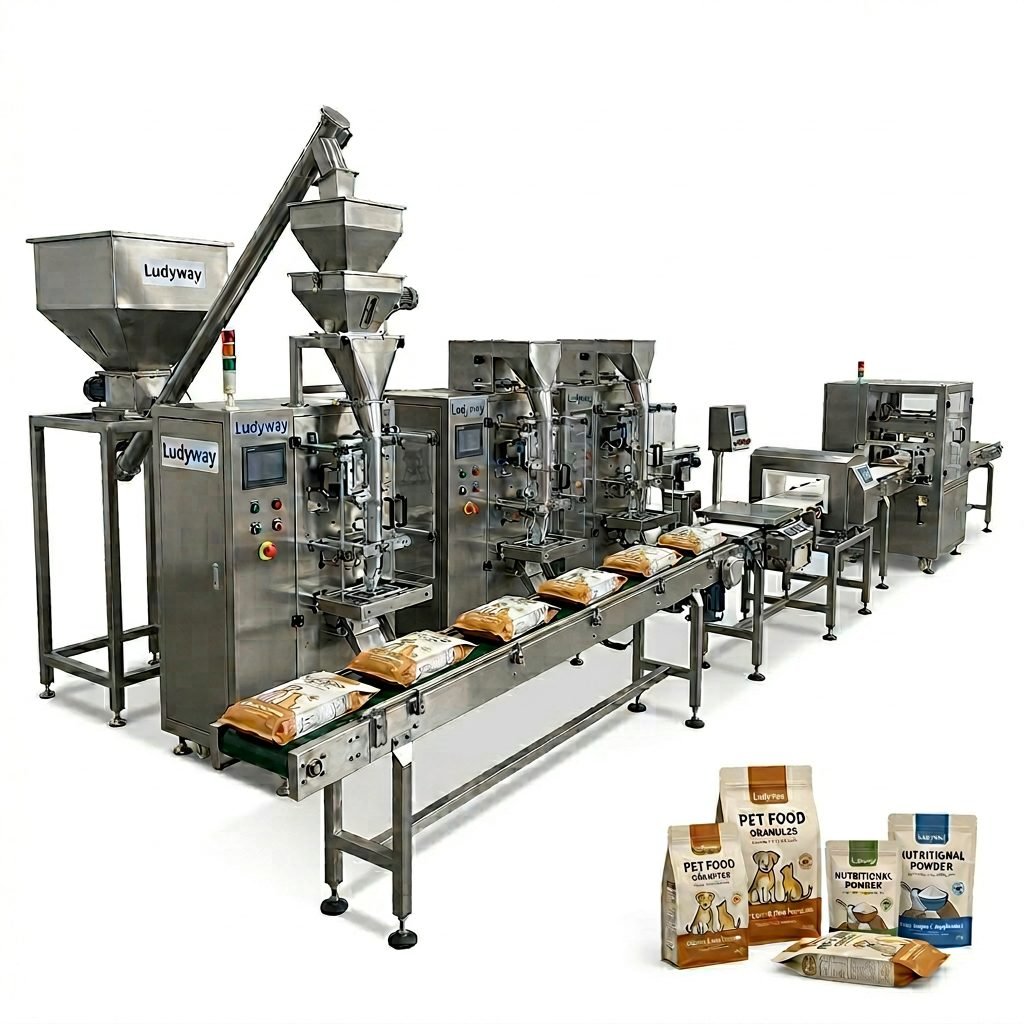
4. Bulk Bagging Systems for Industrial Pepper Packaging
For factories supplying food processors, seasoning brands, or distribution centers, bulk bagging systems are often the best fit.
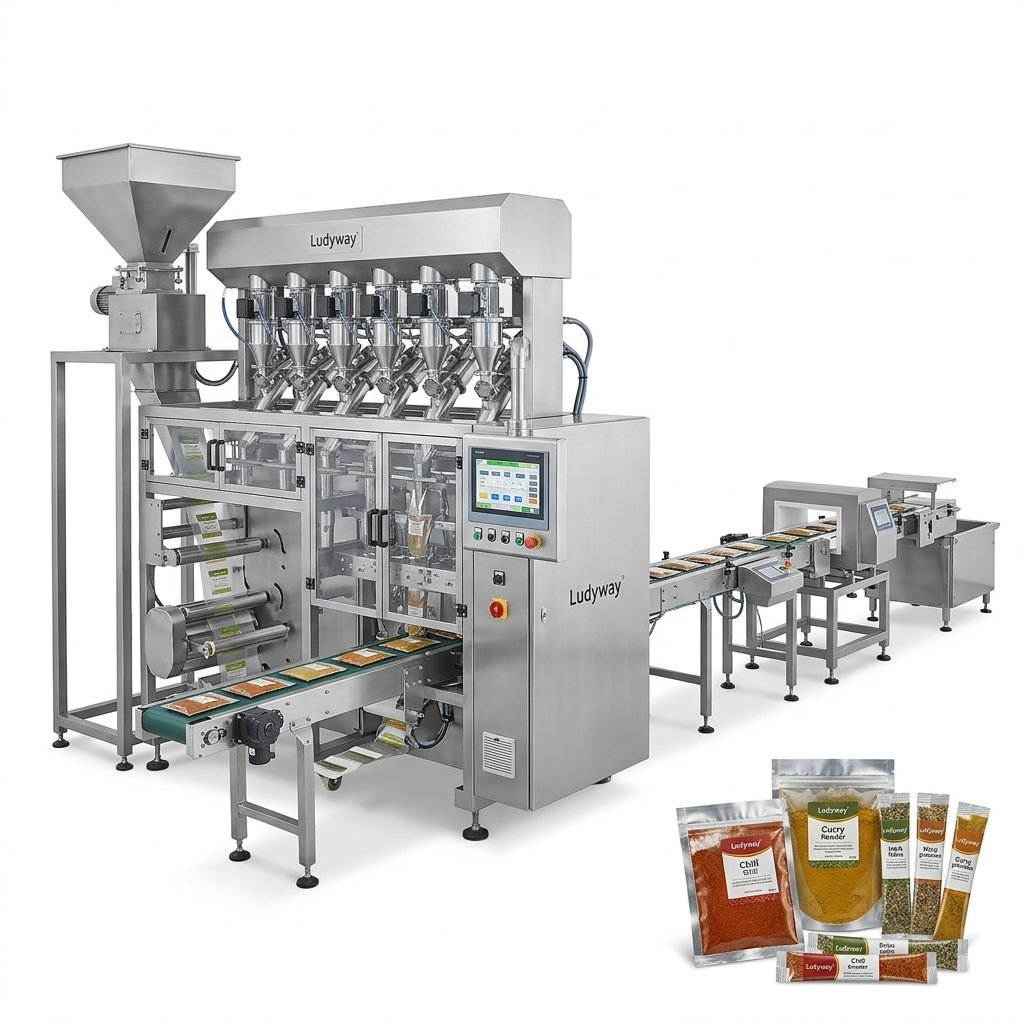
These machines are used for larger pack sizes and can be integrated with feeding conveyors, dust collection, weighing units,
sealing devices, coding, checkweighers, and palletizing systems.
Key Features to Look for in a Pepper Packing Machine
Not all spice packaging machines perform equally well with pepper. A good system should be selected based on both product behavior
and long-term production goals.
| Feature | Why It Matters for Pepper |
|---|---|
| Dust-control design | Helps keep seal areas clean and improves pack integrity |
| High-accuracy dosing | Reduces giveaway and ensures pack consistency |
| Quick changeover | Useful for different SKUs, weights, and bag styles |
| Food-grade stainless steel | Supports hygiene and easier cleaning |
| PLC and touch screen control | Simplifies operation, monitoring, and recipe storage |
| Line integration capability | Enables coding, inspection, cartoning, and end-of-line automation |
Applications Across the Spice and Seasoning Industry
Pepper packing machines are widely used in food manufacturing and related sectors. Because pepper may be sold alone or blended
with salt, herbs, chili, garlic, onion, or soup seasoning ingredients, machine flexibility is extremely valuable.
- Retail spice brands
- Private label seasoning manufacturers
- Instant food and noodle producers
- Catering condiment pack suppliers
- Export-oriented spice processing plants
- Industrial ingredient and bulk spice distributors
How Automation Improves Pepper Packaging Performance
Upgrading from semi-automatic packing to a fully automatic solution can create measurable production benefits. For many spice businesses,
automation is no longer just about speed; it is about consistency, traceability, and cost control.
Common improvements include:
- Lower labor dependence and simplified operation
- Improved fill accuracy and reduced material loss
- Cleaner sealing results for powder-based products
- Better output planning for large orders and seasonal demand
- Easier integration with printers, checkweighers, metal detectors, and cartoners
Choosing the Right Pack Format for Pepper Products
Packaging format should match your distribution channel and consumer usage habits. Different formats support different branding,
filling speeds, and logistics requirements.
Sachets
Best for single-use condiment packs, meal kits, and institutional supply. They are cost-effective and efficient for high-volume production.
Stick Packs
Ideal for slim, portable spice portions with attractive presentation. Frequently used for travel, takeaway food, and premium single-dose applications.
Pillow Bags
A practical format for standard retail pepper powder and seasoning refills. They balance material efficiency and production speed.
Stand-Up Pouches
A strong option for premium shelf display, larger retail sizes, and resealable pepper packaging.
Large Bags
Used for B2B and industrial supply where transport efficiency and high-capacity filling matter more than retail display.
What to Consider Before Buying a Pepper Packing Machine
Before selecting equipment, it is important to evaluate your technical and commercial needs carefully. A machine that works well for one spice processor
may not be the best choice for another.
- What is your pepper product form: powder, granule, cracked, or blended seasoning?
- What filling weight range do you need?
- Which pack format fits your market best?
- What level of output is required per minute or per shift?
- Do you need a standalone machine or a complete turnkey line?
- Will you need future expansion for more SKUs or larger production volume?
For buyers planning long-term growth, working with an experienced manufacturer is essential. Companies such as
Ludyway pepper packing machine solutions
can support everything from standalone sachet equipment to complete turnkey packaging lines for powders, granules, liquids, and pouch products.
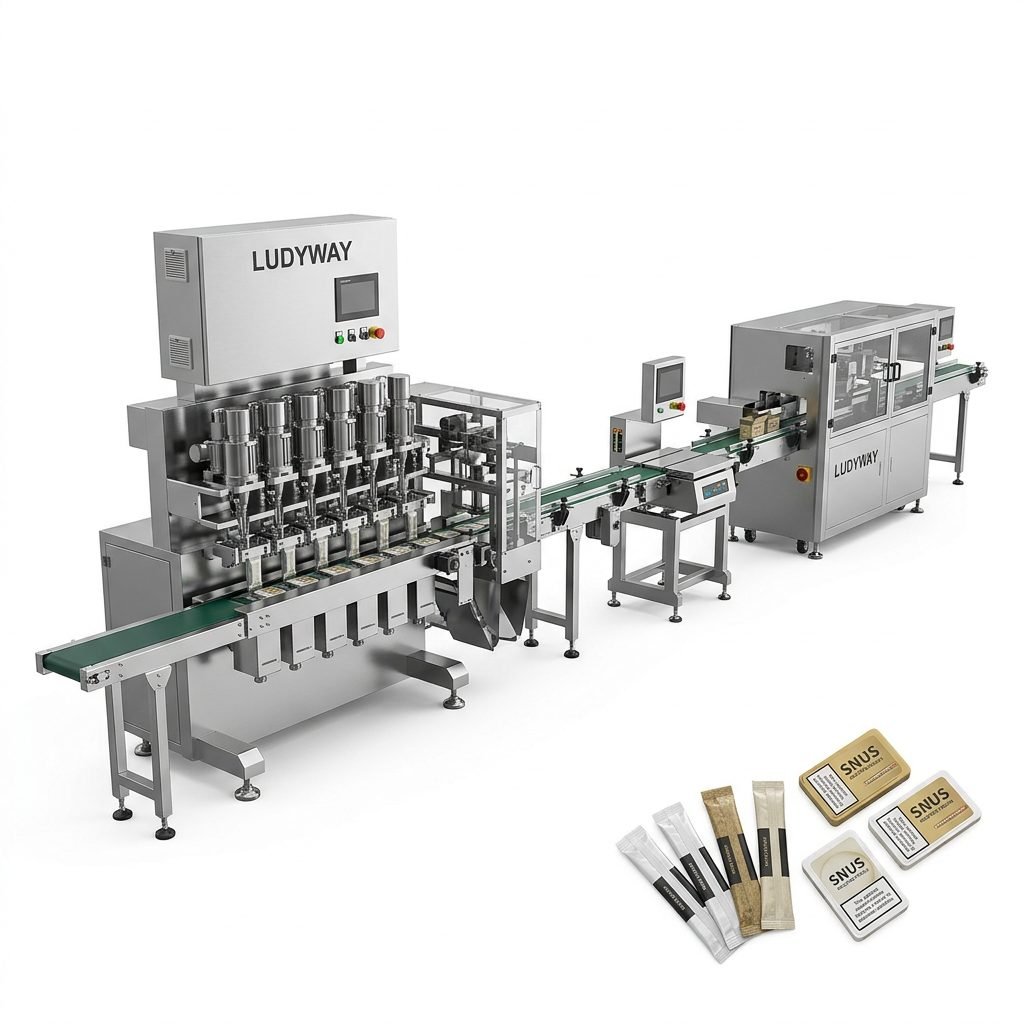
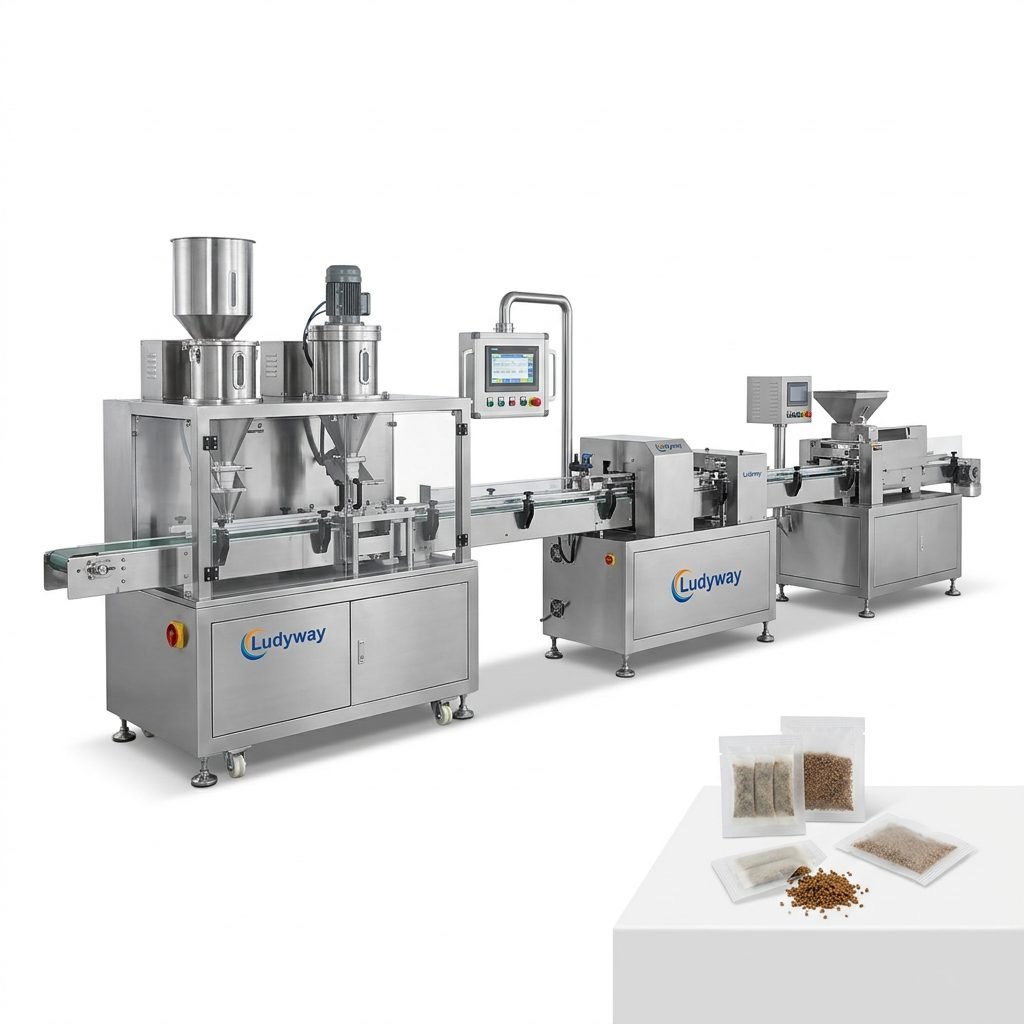
Turnkey Packaging Lines for Pepper and Seasoning Producers
Many spice manufacturers now prefer complete lines instead of purchasing separate machines from multiple suppliers.
A turnkey packaging line may include raw material feeding, dosing, bag forming or pouch handling, sealing, coding,
weight inspection, case packing, and palletizing.
This approach helps achieve:
- Better equipment compatibility
- More stable full-line performance
- Centralized project management
- Higher automation potential
- More efficient installation and after-sales support
Final Thoughts on the Best Packaging Solution for Pepper
The best pepper packing machine is the one that matches your product characteristics, package style, target market, and production scale.
For fine powders, accurate auger-based systems are often the most effective. For single-dose condiment packs, multi-lane sachet or stick pack machines
provide excellent output. For premium branding, premade pouch systems offer stronger shelf impact, while bulk bagging lines support industrial-scale supply.
With the right equipment, pepper and seasoning manufacturers can improve packaging quality, increase operating efficiency,
and build a more flexible production system that supports future growth.