Selecting the right washing powder packing machine is a critical decision that directly impacts your production efficiency, packaging quality, and overall operational costs. With a wide range of machine types, configurations, and suppliers available, navigating the selection process can feel overwhelming. This comprehensive buyer’s guide breaks down the essential factors you need to evaluate—from powder characteristics and bag formats to automation levels and industry standards—so you can make an informed investment that scales with your business.
Understanding Your Powder Product Characteristics
Not all washing powders behave the same way in a packaging machine. The physical properties of your detergent powder will heavily influence the type of dosing and filling system you need. Before contacting suppliers, define these critical parameters:
- Flowability: Is your powder free-flowing or cohesive? Non-free-flowing powders often require agitated hoppers or mechanical stirrers to ensure consistent dosing.
- Dust Generation: High-dust powders demand sealed filling stations and dust extraction systems to maintain a clean working environment and prevent material loss.
- Particle Size and Density: Variations in granule size and bulk density affect the accuracy of volumetric versus gravimetric filling systems.
- Moisture Sensitivity: If your washing powder is hygroscopic, you may need a machine that integrates with nitrogen flushing or dehumidified air systems.
- Chemical Composition: Highly alkaline or corrosive detergent formulas require construction materials like 316L stainless steel to resist corrosion and meet food-grade or pharmaceutical hygiene standards, even for household chemicals.
Matching the Machine Type to Your Production Goals
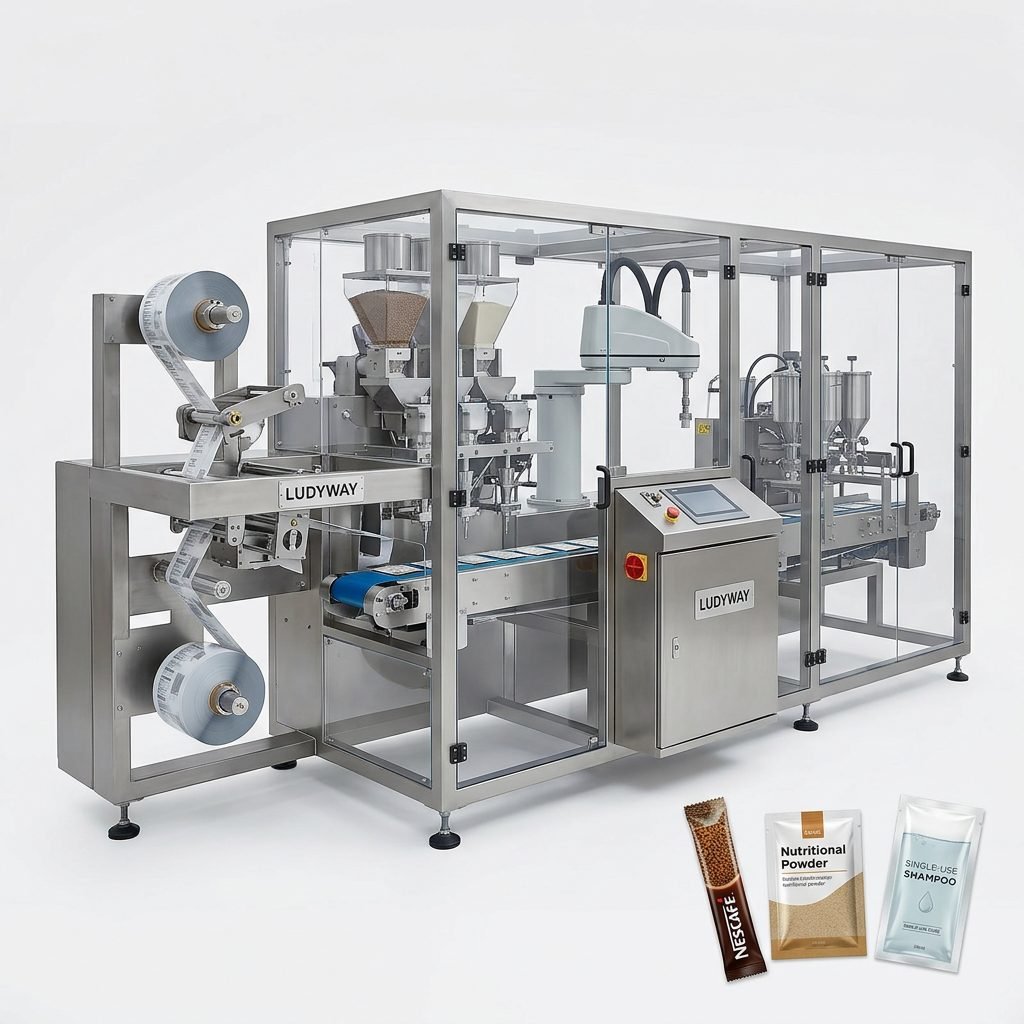
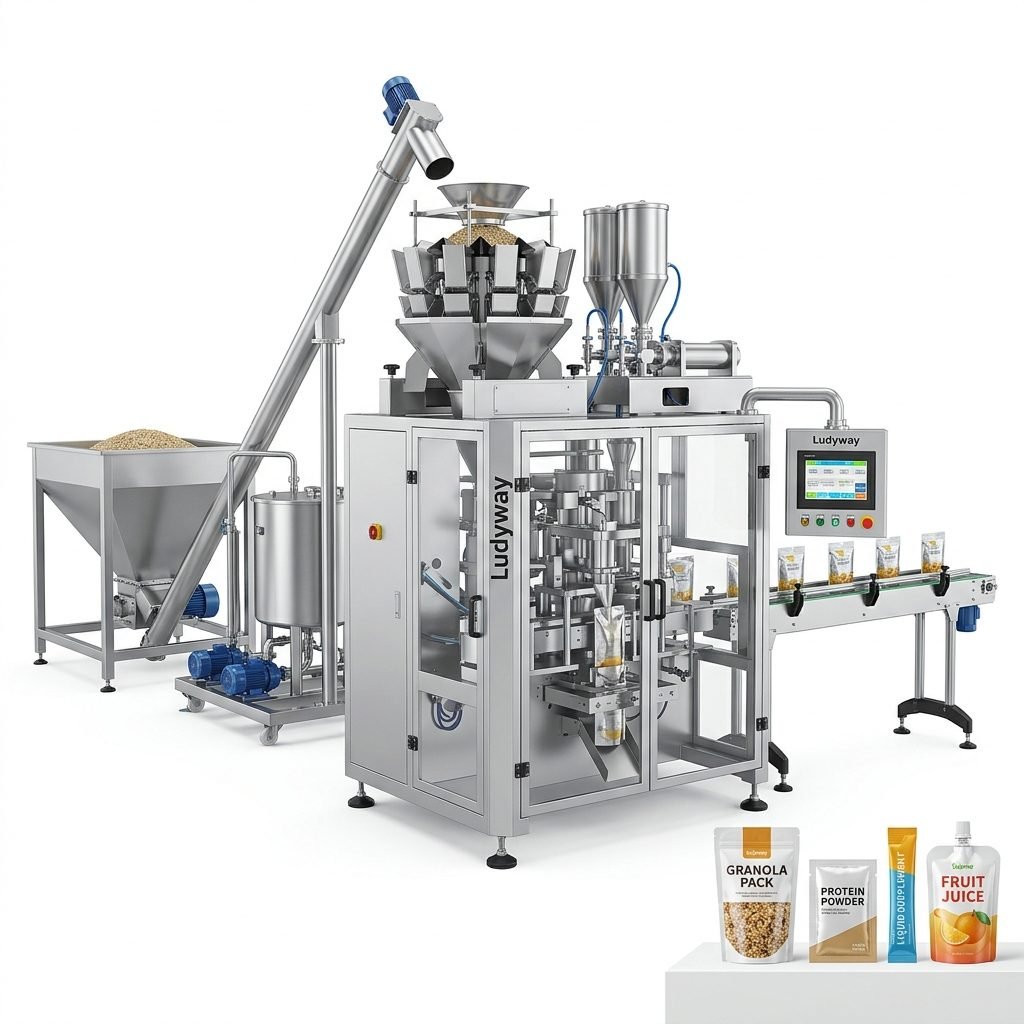
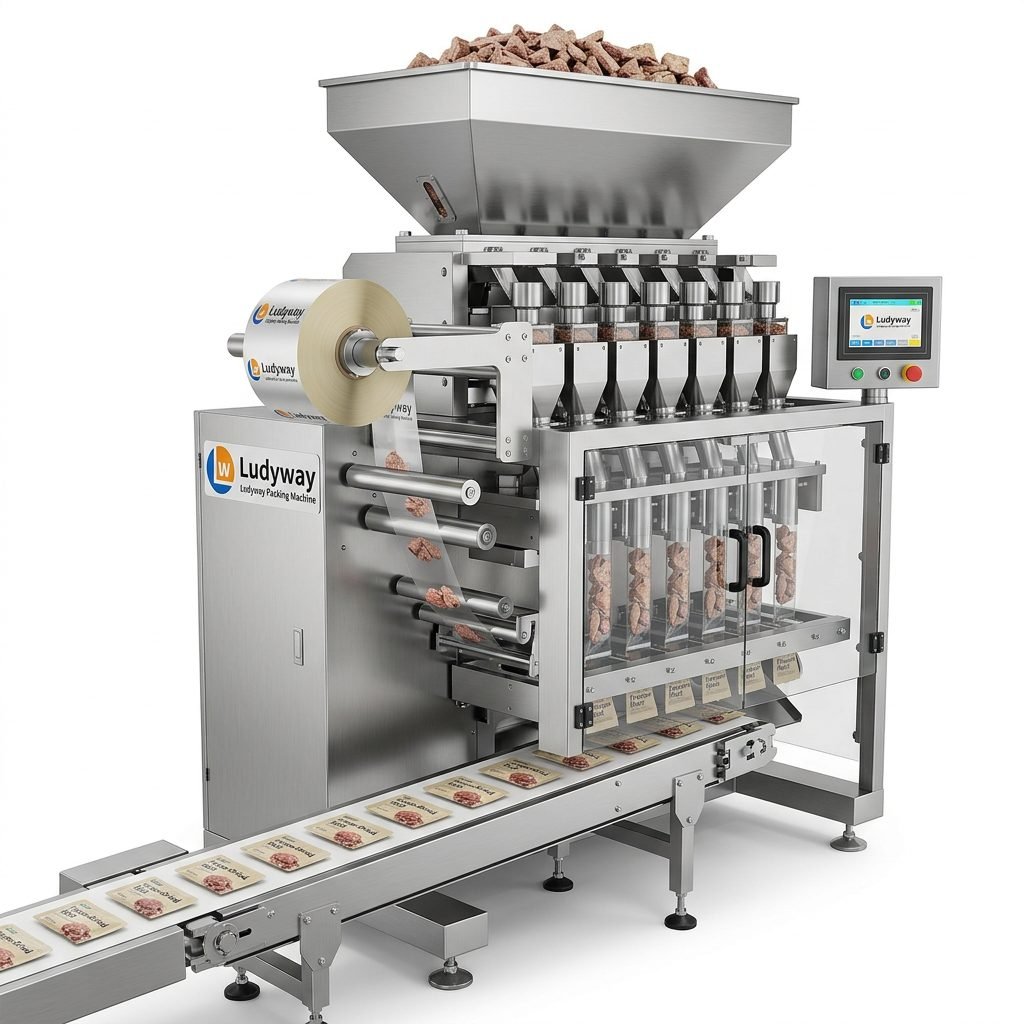
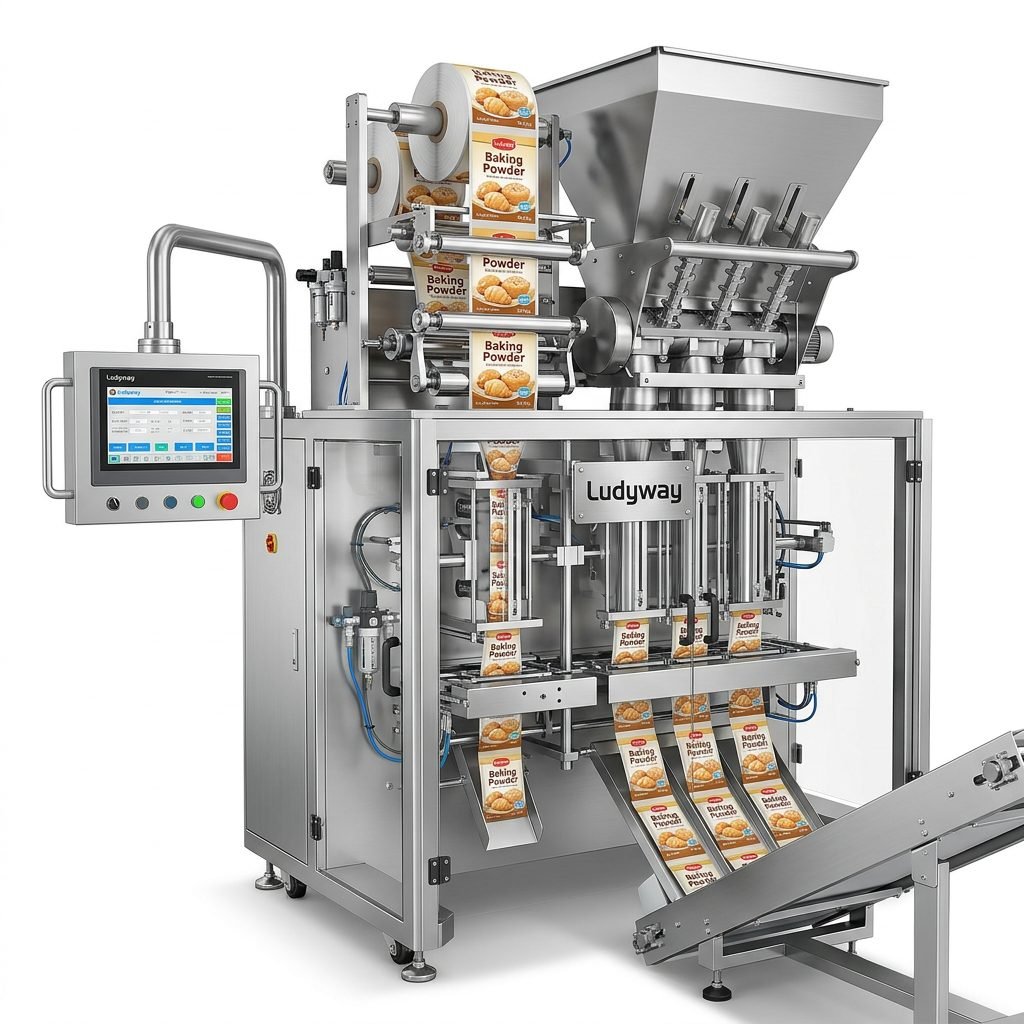
The term “washing powder packing machine” encompasses several distinct technologies. Choosing the wrong format can limit your throughput or produce packaging that doesn’t meet market requirements. Here is a breakdown of the primary machine categories:
| Machine Type | Best For | Typical Speed Range |
|---|---|---|
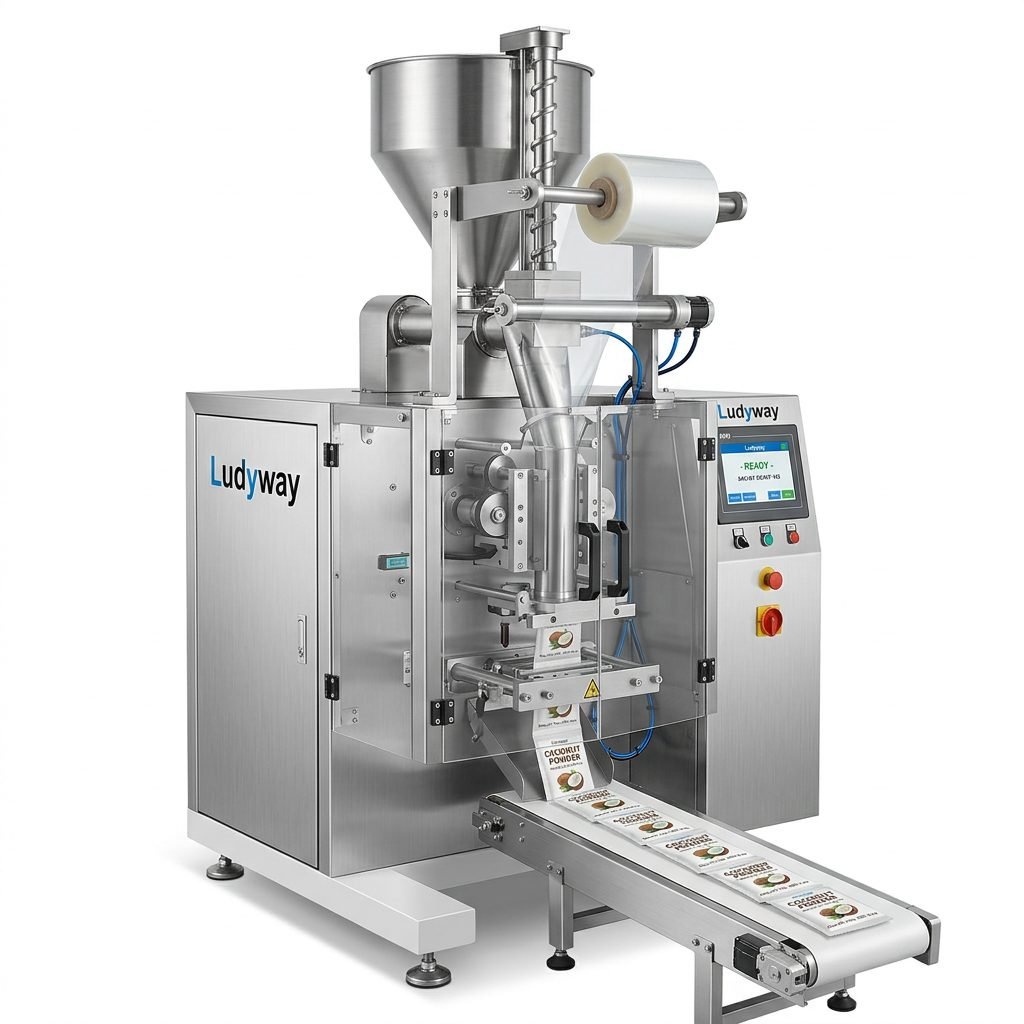
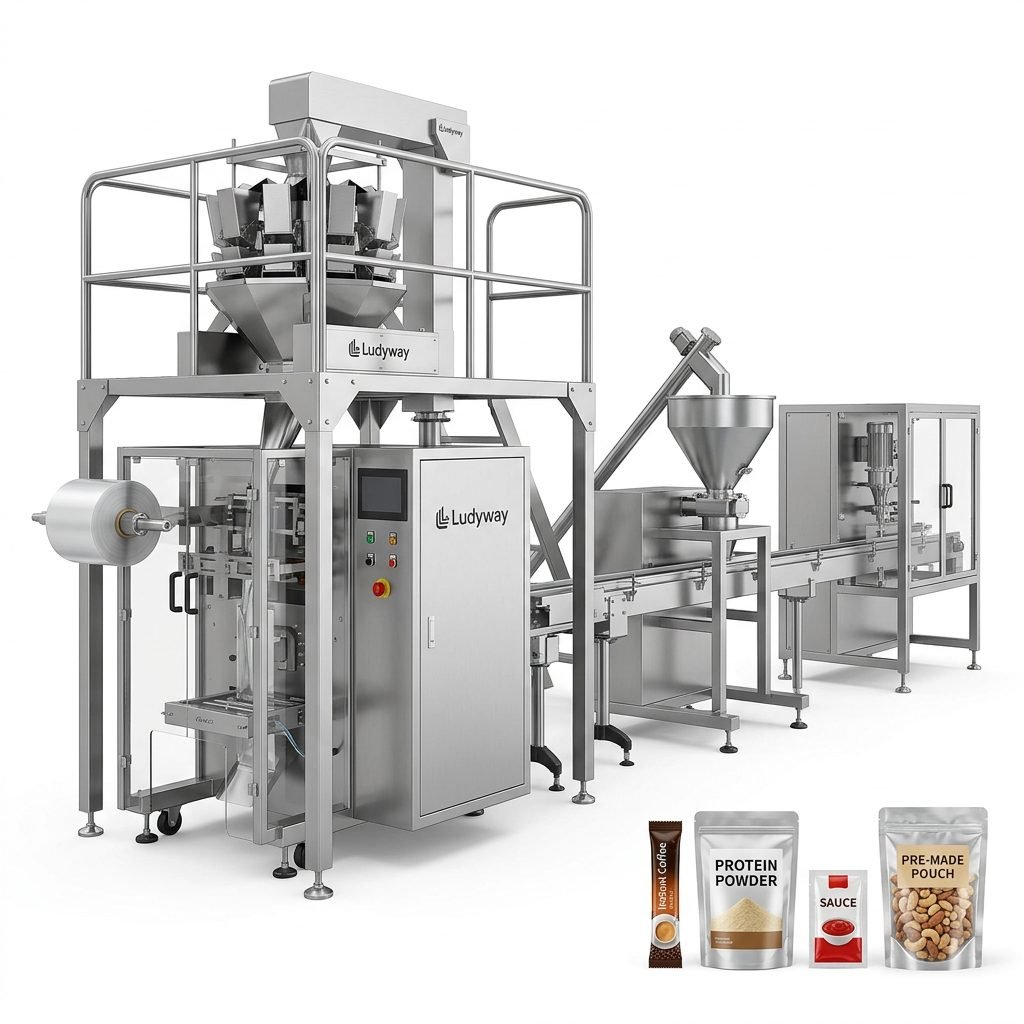
| Vertical Form Fill Seal (VFFS) | Pillow bags, gusseted bags, sachets for small to medium volumes | 30-120 packs/min |
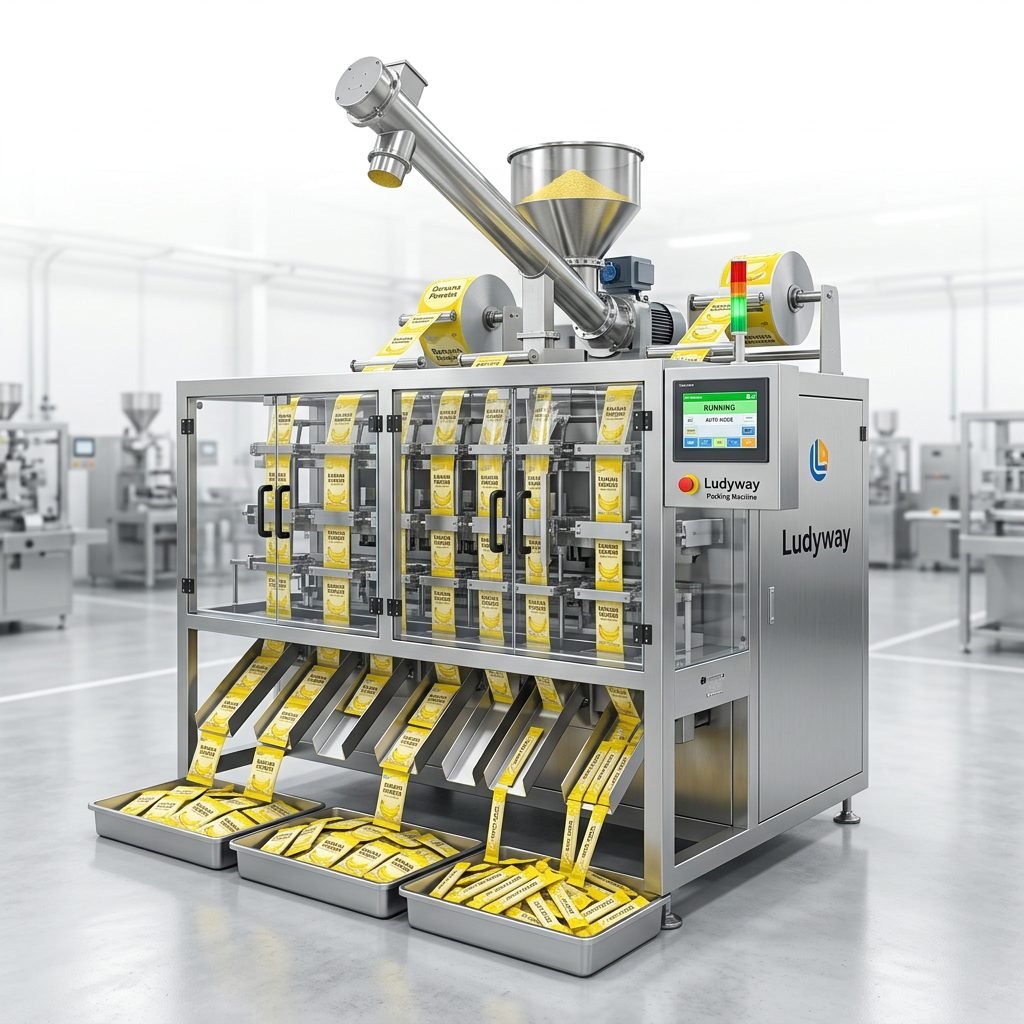
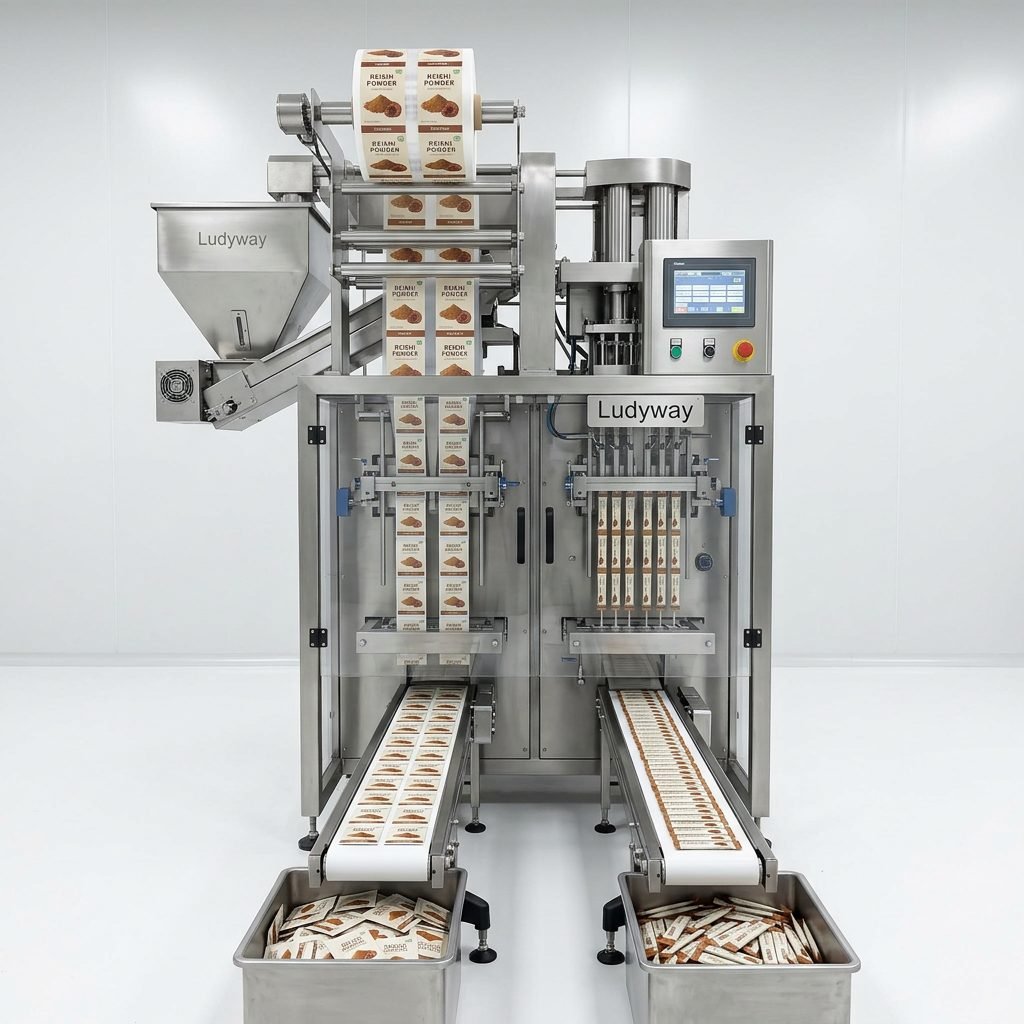
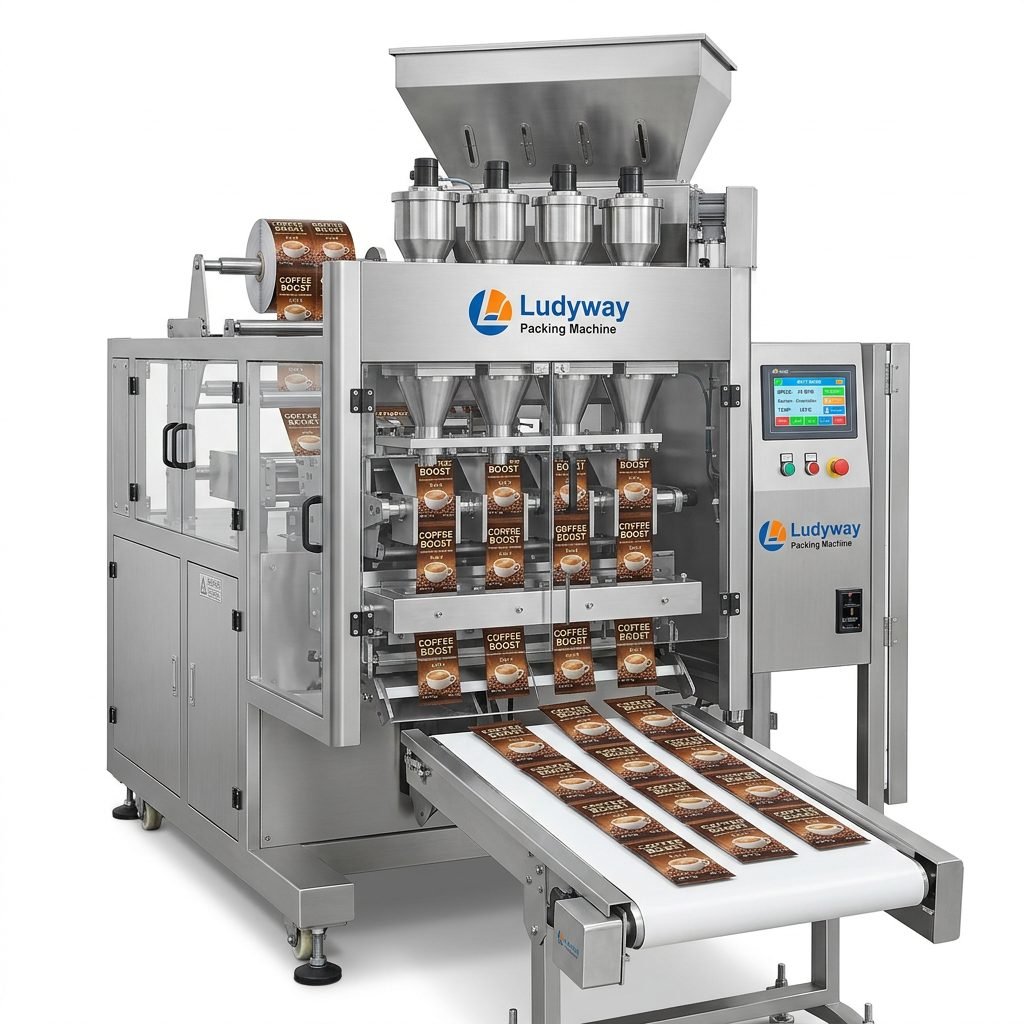
| Multi-Lane Stick Pack Machines | Single-serve stick packs, sachets, high-volume consumer samples | 200-600+ packs/min |
| Premade Pouch Filling & Sealing | Stand-up pouches, zipper pouches, spouted pouches | 20-80 packs/min |
| Bulk Bag Filling Systems | Valve bags, open-mouth bags (5kg-50kg) for industrial and wholesale packaging | 5-20 bags/min |
Automation Level and Line Integration
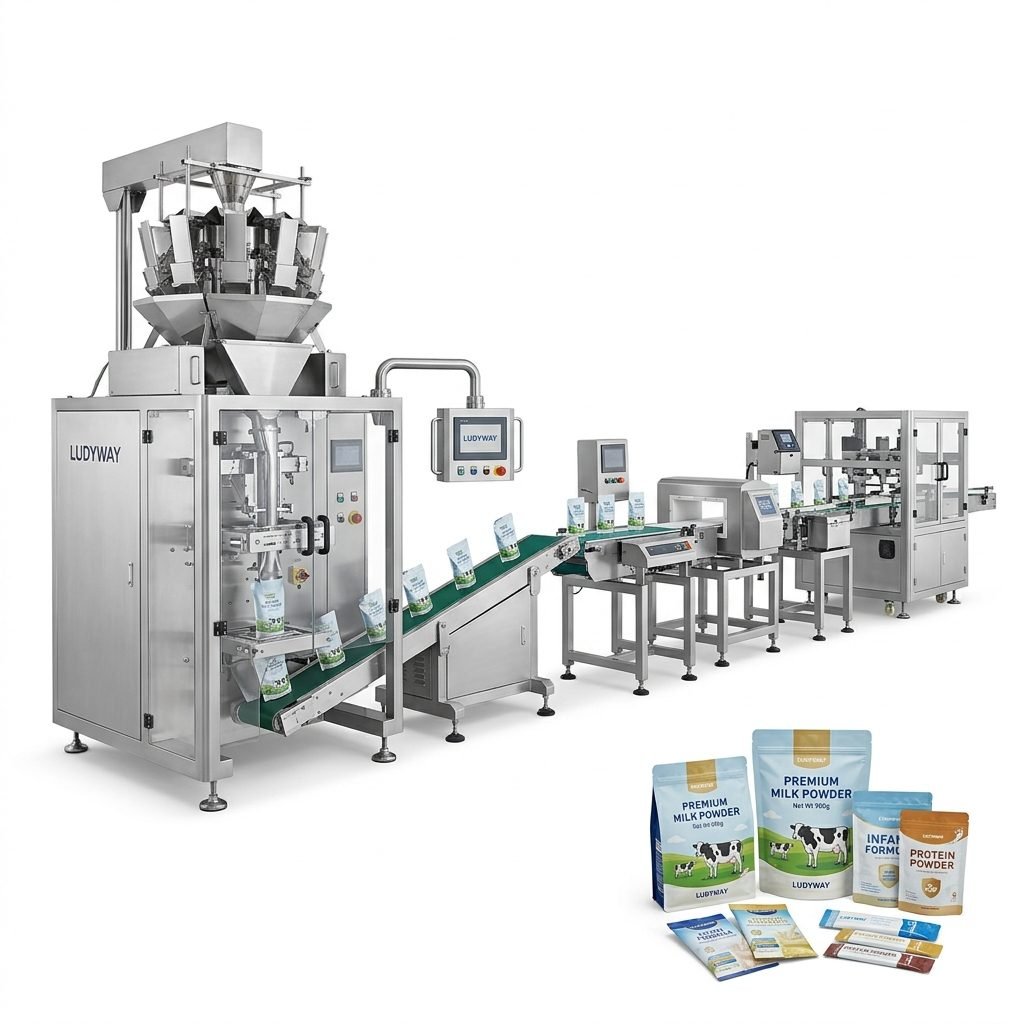
Your current and future production targets will dictate whether a standalone machine or a fully integrated packaging line is the right choice. A modern washing powder packing system often extends beyond the primary filling unit to include upstream and downstream equipment:
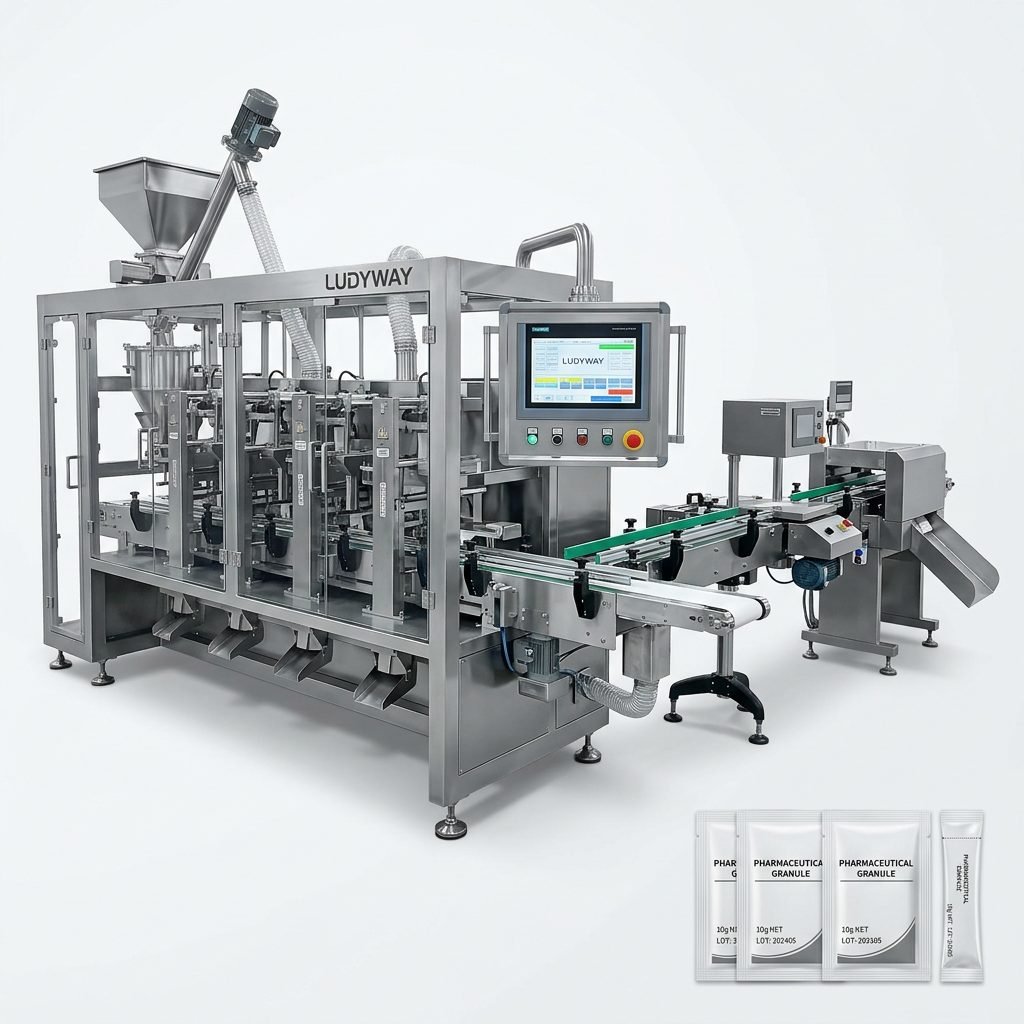
Semi-Automatic Solutions rely on manual intervention for tasks like bag placement, product feeding, or sealing activation. These are suitable for startups or facilities with lower output requirements. However, for high-volume detergent manufacturing, fully automatic lines are standard. An integrated line may incorporate:
- Automatic Feeding Systems: Bucket elevators, screw feeders, or vacuum conveying systems that transport powder from bulk storage to the machine hopper.
- Checkweighing and Metal Detection: Critical for quality assurance, ensuring every package meets weight specifications and is free from physical contaminants.
- Coding and Labeling: In-line thermal transfer printers, inkjet coders, or automatic labeling machines apply batch numbers, expiry dates, and barcodes.
- Cartoning and Case Packing: Automated systems that collate finished packs into cartons or cases for distribution.
- Palletizing: Robotic or conventional palletizers that prepare packaged goods for warehouse storage and shipment.
Key Technical Specifications to Evaluate
When comparing quotations from different manufacturers, focus on the technical specifications that have a direct impact on operational reliability and cost of ownership. Use the following checklist to standardize your evaluation:
| Specification | Why It Matters |
|---|---|
| Filling Accuracy | Affects product giveaway and compliance with net content regulations. ±0.5% to ±1% is typical for high-quality gravimetric systems. |
| Material Contact Parts | Should be SUS304 or SUS316L stainless steel to prevent corrosion from detergent chemicals. |
| Sealing Technology | Temperature-controlled sealing jaws ensure air-tight seals to prevent moisture ingress and leakage. |
| Film Width and Bag Size Range | Defines the flexibility to produce different pack sizes on the same machine. |
| PLC and Control System | A user-friendly HMI with recipe storage reduces changeover time and operator training requirements. |
Industry Standards and Compliance
If your washing powder is destined for export markets or retail chains, your packaging machinery must support compliance with applicable international standards. Key considerations include:
- CE Certification: Demonstrates conformity with health, safety, and environmental protection standards for products sold within the European Economic Area.
- GMP Compliance: Important for manufacturers adopting best practices for hygiene, even for non-food products.
- Packaging Waste Regulations: As sustainability regulations tighten globally, your machine should be capable of processing recyclable mono-material films or bio-based packaging materials.
- Electrical Safety: Compliance with IEC 60204-1 for the safety of electrical equipment of machines.
For more detailed information on packaging standards, you can refer to resources from organizations like PMMI Business Intelligence or the Flexible Packaging Association.
Choosing the Right Packaging Machinery Partner
The quality of your washing powder packing machine is only as good as the manufacturer behind it. A reliable supplier provides much more than just equipment; they deliver engineering expertise, customization capabilities, and long-term technical support. When evaluating a partner, consider their experience with powder applications, their manufacturing footprint, and their global service infrastructure.
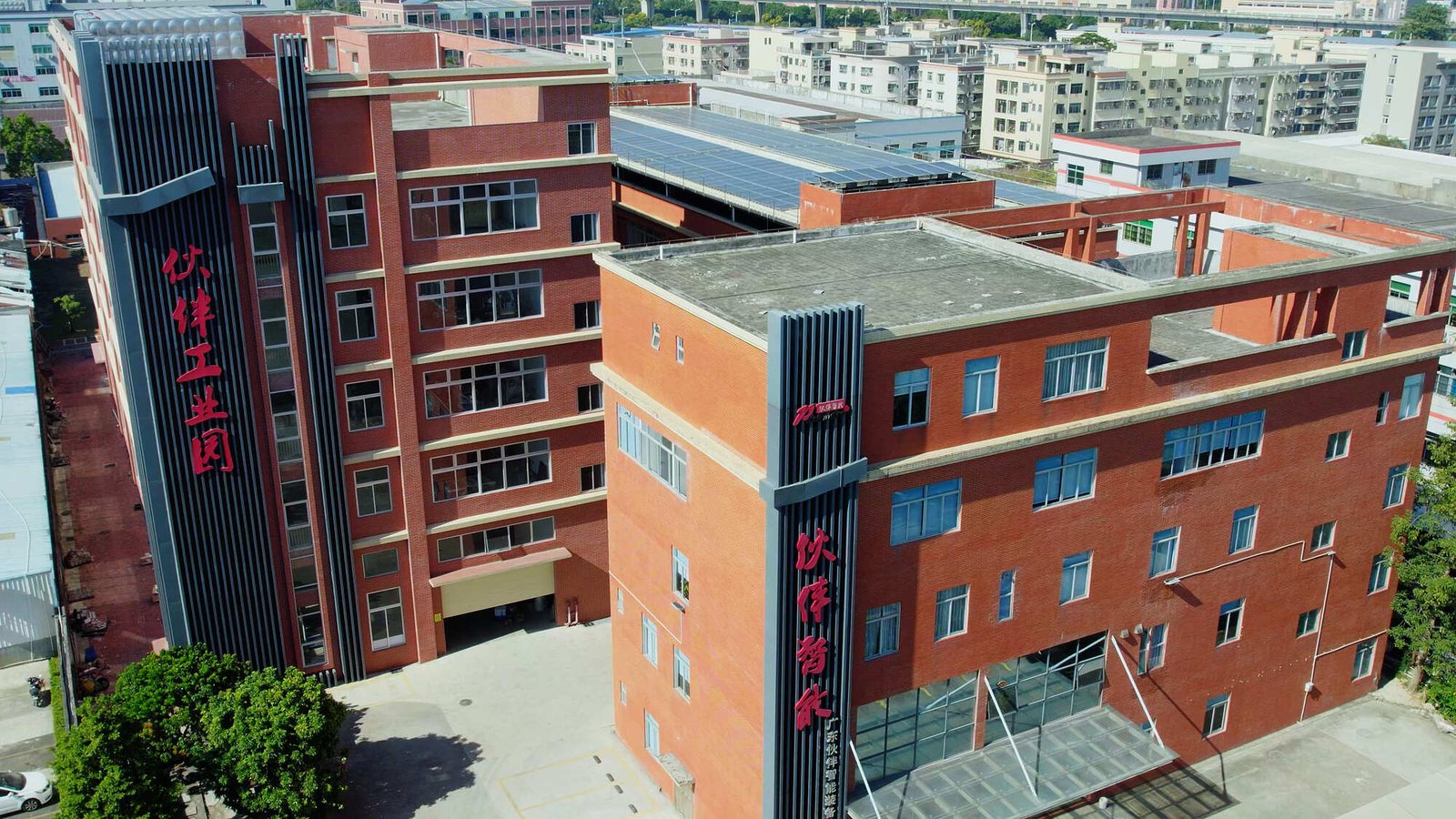
For instance, Ludyway Machinery is a China-based packaging machinery manufacturer with more than 30 years of industry experience. Operating from a 20,000-square-meter facility, the company offers a comprehensive range of automatic packaging equipment designed for powders, granules, liquids, and flexible packaging applications. Their approach focuses on customized engineering, working closely with clients to configure machines—from individual units to complete turnkey lines—that match specific product characteristics, production speeds, and factory layouts. With a team of over 130 professionals serving customers in more than 100 countries, Ludyway supports projects from equipment selection and system integration through to installation, commissioning, and after-sales service.
Total Cost of Ownership and ROI Calculation
The purchase price of a washing powder packing machine is just one component of its total cost of ownership (TCO). To calculate a realistic return on investment, factor in these often-overlooked costs:
- Maintenance and Spare Parts: Understand the availability and cost of consumable parts such as sealing jaws, belts, and sensors.
- Energy Consumption: Compare the power requirements of different models, particularly for high-speed or continuous 24/7 operations.
- Film Waste: Machines with precise film tracking and tension control systems minimize film waste during startup and production changes.
- Operator Training: A machine with an intuitive interface reduces training time and the risk of operational errors.
- Future Scalability: A modular machine design allows you to add features like multi-lane configurations, additional filling heads, or downstream automation later without replacing the entire system.
Final Recommendations Before You Buy
Investing in the right washing powder packing machine requires a balance between current needs and future growth. Here is a summary of actionable steps to guide your purchasing decision:
- Conduct a product analysis: Document your powder’s density, flow properties, particle size distribution, and chemical compatibility requirements.
- Define your packaging format: Confirm the bag type, size range, material structure, and any special features like zippers or spouts.
- Set clear production targets: Specify the required output rate (packs per minute) and plan for potential volume increases over the next 3-5 years.
- Request a factory acceptance test (FAT): Before shipment, witness the machine running with your actual product to verify performance against agreed specifications.
- Evaluate after-sales support: Confirm the supplier’s ability to provide remote technical assistance, spare parts availability, and on-site service in your region.
By following this structured approach, you will be well-equipped to select a packaging solution that delivers consistent performance, regulatory compliance, and a strong return on investment for years to come.