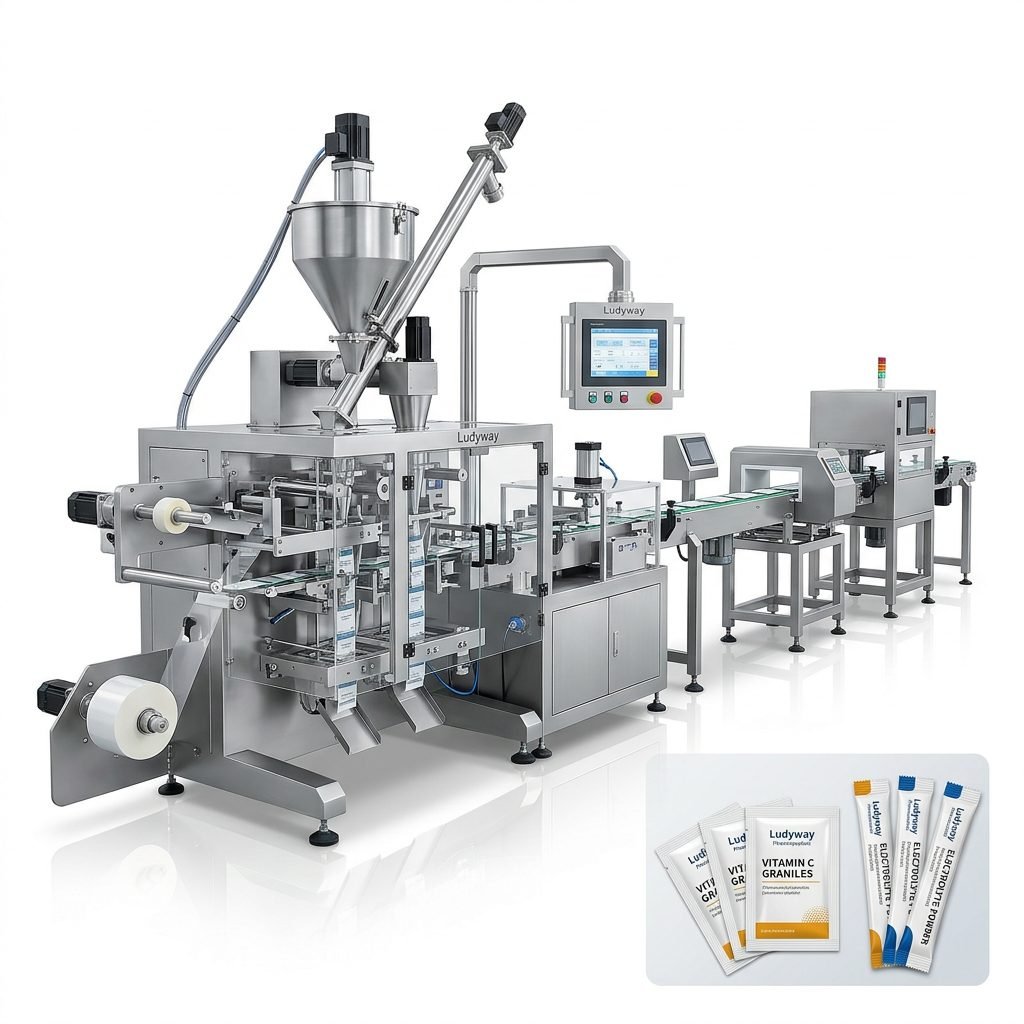
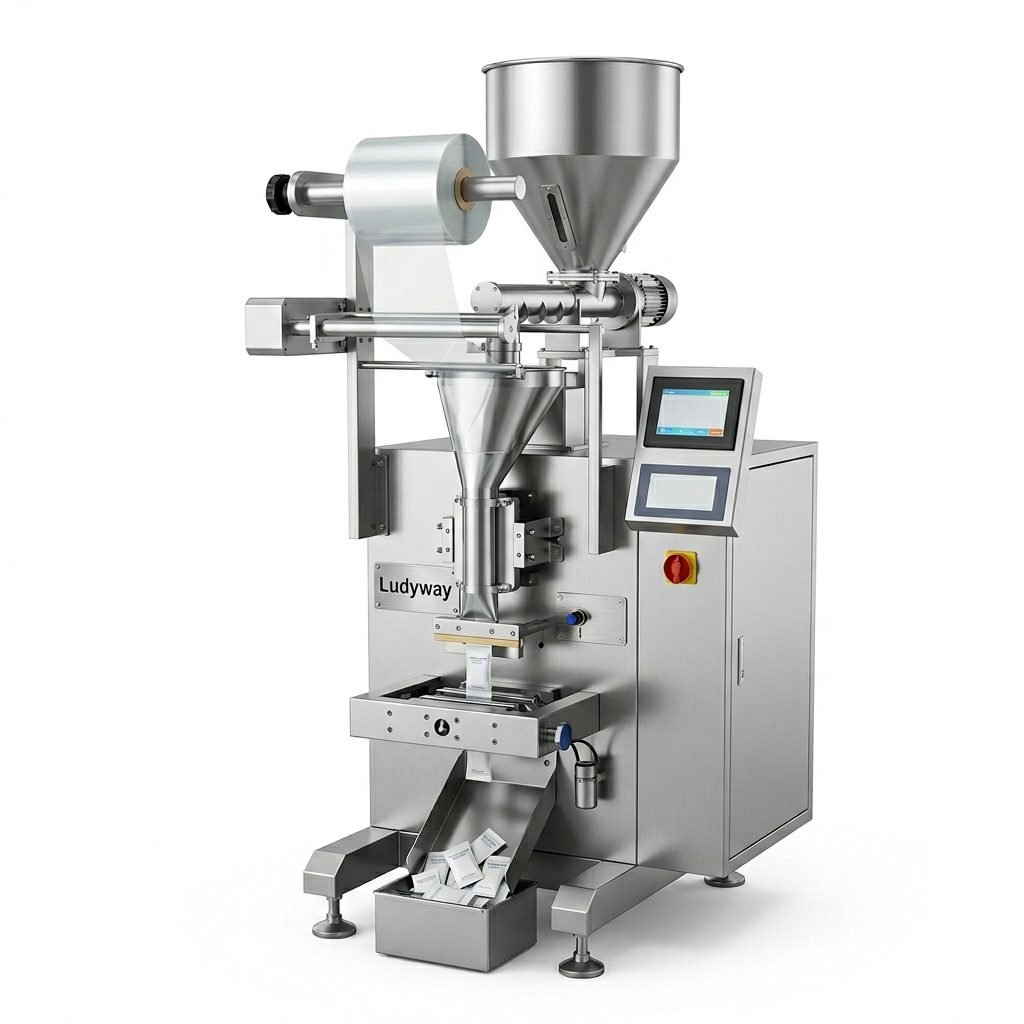
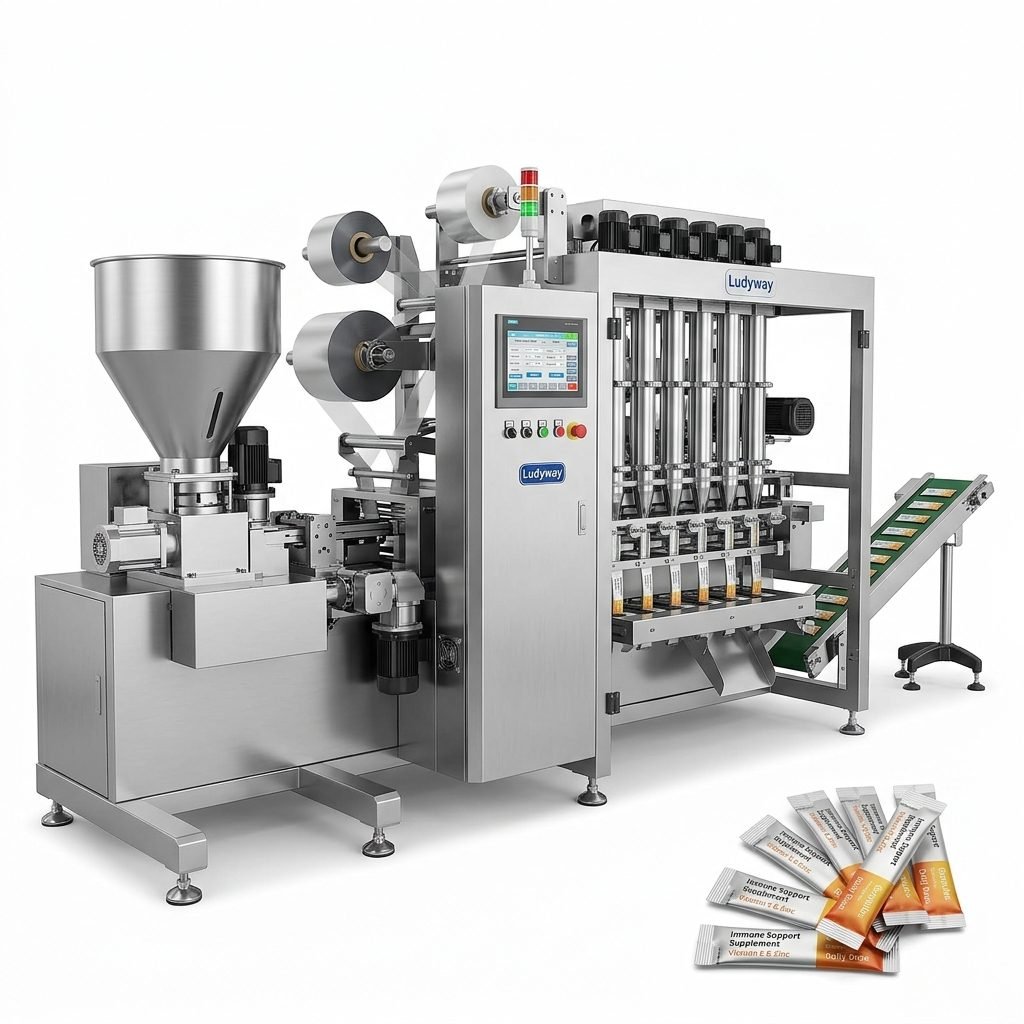
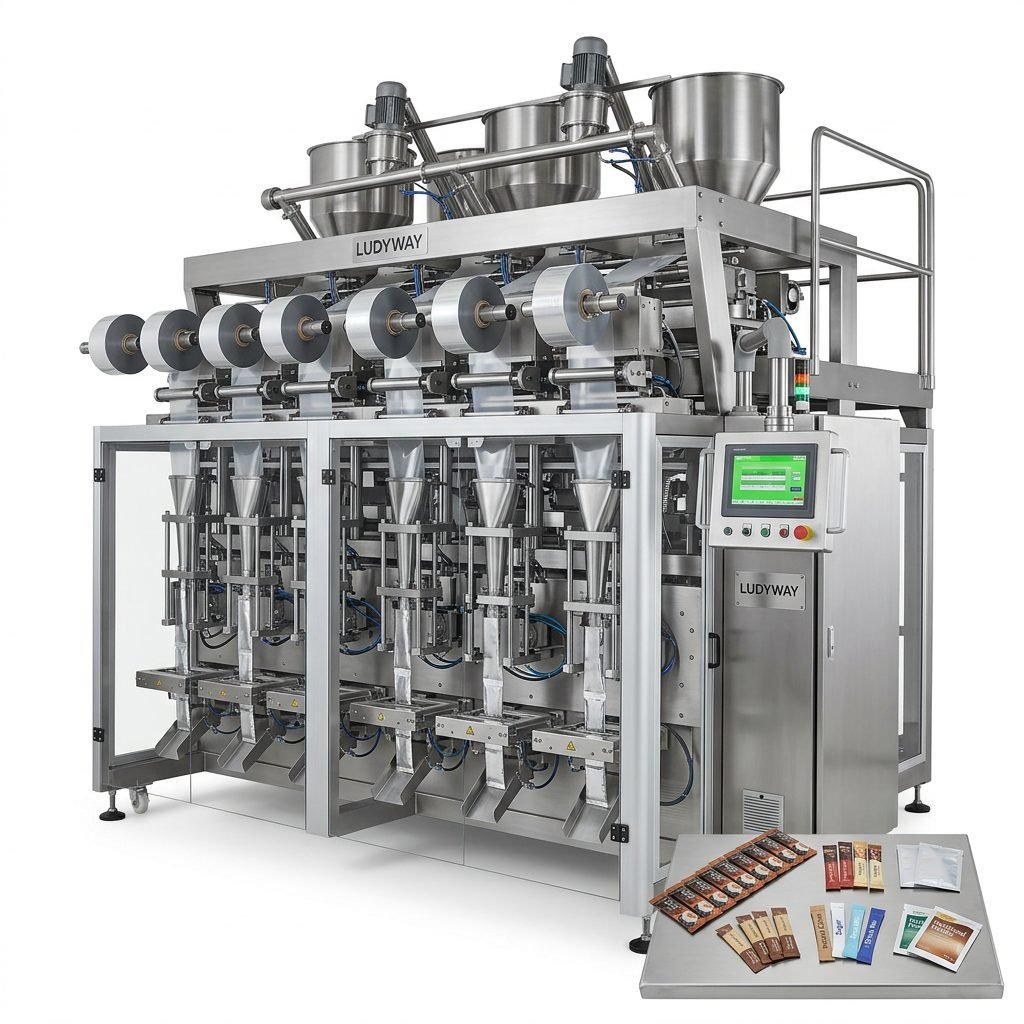
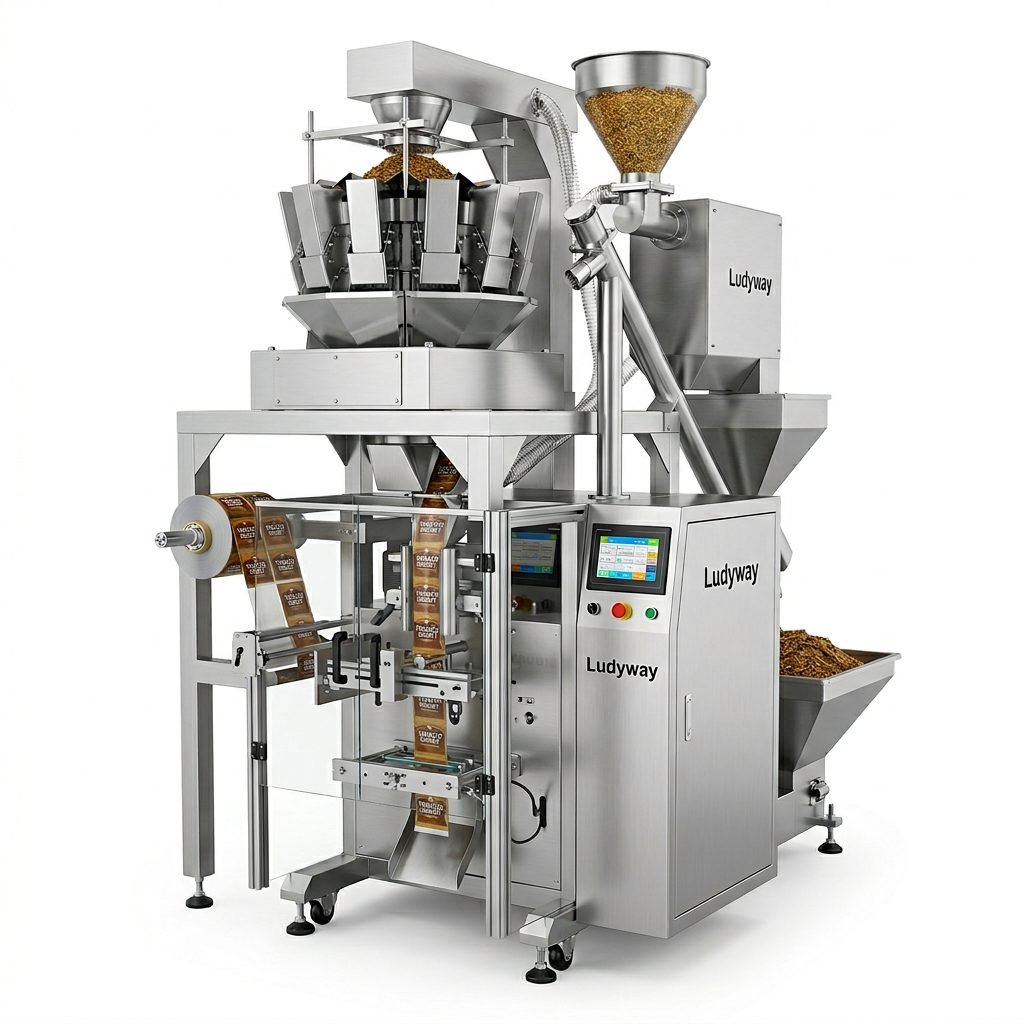
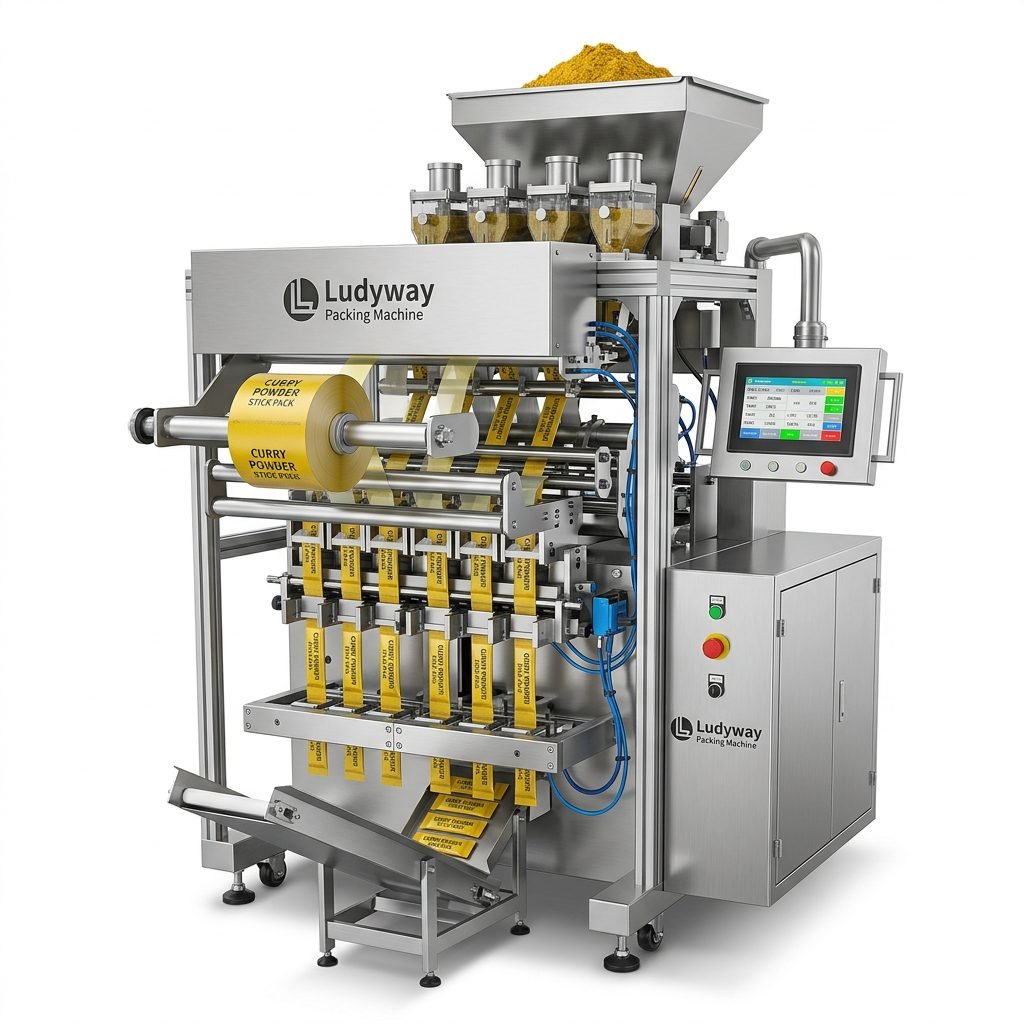
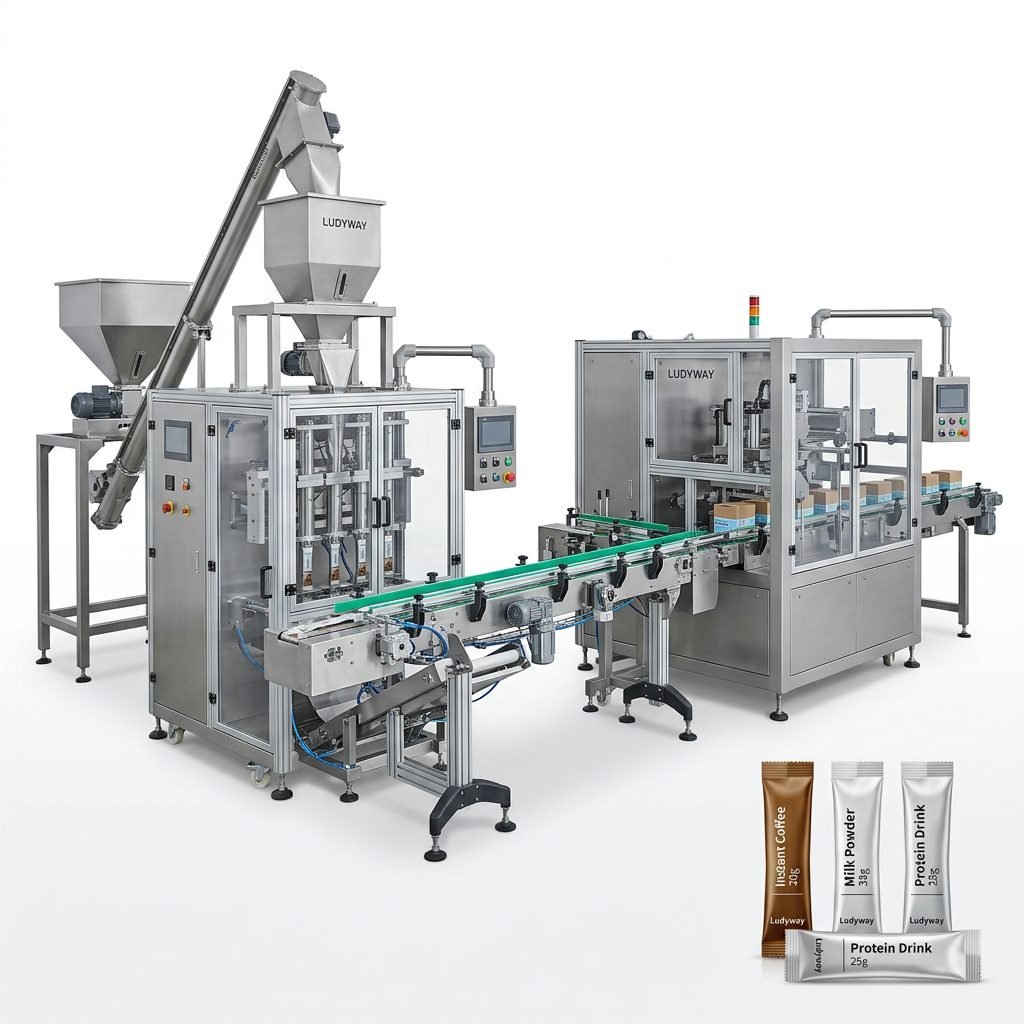
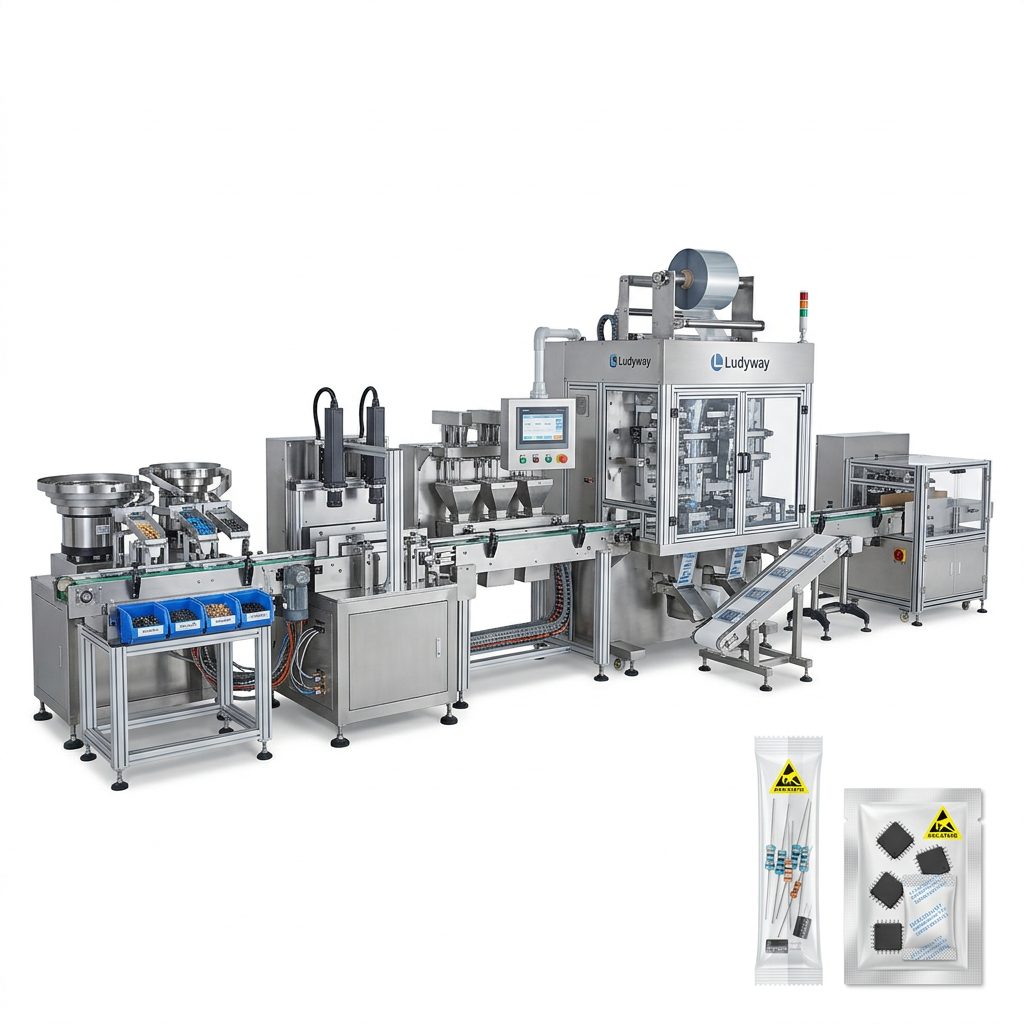
Investing in a vacuum packaging machine is a critical decision for food processors, manufacturers, and exporters across Oceania. Whether you operate in Australia, New Zealand, Fiji, Papua New Guinea, or the broader Pacific Islands, the right equipment can dramatically extend product shelf life, reduce waste, and open access to premium export markets. This comprehensive guide walks you through the essential factors to evaluate before making your purchase, helping you select machinery that aligns with regional regulatory standards, production volumes, and long-term business goals.

Understanding the Oceania Packaging Landscape
The Oceania region presents a unique blend of export-driven food economies and strict biosecurity requirements. Australia and New Zealand, in particular, enforce some of the world’s most rigorous food safety standards through FSANZ regulations, while island nations increasingly demand extended shelf life for imported goods. A high-performance vacuum packaging system helps businesses comply with these standards by creating an oxygen-free environment that inhibits bacterial growth and preserves product integrity during long-distance shipping. Understanding local market demands—from vacuum-sealed beef and lamb exports to fresh seafood and ready-to-eat meals—is the first step toward choosing the right equipment.
Key Factors to Consider When Buying a Vacuum Packaging Machine
Selecting the ideal machine requires evaluating multiple operational parameters. Below are the most critical factors that Oceania-based buyers should prioritize during the procurement process.
1. Production Capacity and Speed Requirements
Your daily output targets directly determine whether you need a single-chamber, double-chamber, or continuous belt vacuum machine. Small-scale artisan producers in Tasmania or regional New Zealand may find chamber machines sufficient, while large meat processing facilities in Queensland require high-speed industrial-grade systems capable of handling hundreds of cycles per hour. Always factor in future growth when sizing your equipment.
2. Product Type and Packaging Material Compatibility
Different products demand different vacuum levels and sealing configurations. Moist products like fresh fish fillets require machines with effective moisture management, while dry goods such as milk powder or coffee beans benefit from gas-flushing capabilities. The machine must also be compatible with your chosen packaging films—whether high-barrier flexible packaging materials, foil laminates, or biodegradable alternatives gaining popularity in the Pacific region.

3. Seal Quality and Consistency
The integrity of the vacuum seal directly impacts product shelf life and safety. Look for machines with adjustable sealing time, temperature controls, and pressure settings. Inconsistent seals lead to leaks, spoilage, and costly recalls—a risk no Oceania exporter can afford when shipping to distant markets across Asia, Europe, or North America.
4. Compliance with Food Safety Standards
Equipment destined for Oceania markets must meet stringent hygiene and safety requirements. Machines constructed with stainless steel frames, food-grade components, and easy-clean designs help facilities maintain HACCP certification and comply with ISO packaging standards. Australian and New Zealand buyers should also verify that equipment meets local electrical and workplace safety regulations.
Types of Vacuum Packaging Machines: A Comparative Overview
The market offers several machine configurations, each suited to different operational scales and product categories. The table below provides a quick comparison to help narrow your options.
| Machine Type | Best For | Production Scale | Key Advantage |
|---|---|---|---|
| Single Chamber | Small batches, retail packs | Low to Medium | Affordable, easy to operate |
| Double Chamber | Alternating cycles, higher output | Medium to High | Continuous workflow, improved efficiency |
| Continuous Belt / Conveyor | Large-scale meat, seafood, dairy | High to Industrial | Full automation, integration with upstream lines |
| External Vacuum (Nozzle Type) | Bulk bags, large-format items | Variable | Handles oversized or irregular products |
| Tray Sealer / MAP | Modified atmosphere, fresh foods | Medium to High | Extends shelf life with gas blends |
Advanced Features Worth the Investment
Modern vacuum packaging machines offer technological enhancements that can significantly boost operational performance. When evaluating equipment for Oceania operations, consider the following value-adding features:
- Gas Flushing (MAP): Replaces oxygen with inert gases like nitrogen or CO₂, ideal for delicate products such as fresh pasta, baked goods, and specialty coffee.
- Soft-Air Release: Gradually reintroduces air to prevent crushing fragile items like chips, dried herbs, or freeze-dried fruits.
- Digital Controls with Programmability: Allows operators to store and recall settings for different product SKUs, reducing setup time and ensuring consistency across shifts.
- Liquid Control Sensors: Essential for packaging moist or marinated products, preventing liquid ingress into the vacuum pump and extending equipment life.
- IoT Connectivity and Data Logging: Enables real-time monitoring of cycle parameters, supporting traceability requirements in export-oriented markets.

Maintenance, Service, and After-Sales Support
Equipment reliability is paramount for businesses operating in remote Oceania locations where technical support may not be immediately accessible. Prioritize suppliers who offer comprehensive after-sales service packages, readily available spare parts, and remote diagnostic capabilities. Key maintenance considerations include:
- Routine oil changes and pump servicing schedules recommended by the manufacturer.
- Availability of local distributors or certified technicians in Australia, New Zealand, and Pacific Island nations.
- Warranty terms covering both parts and labor, with clear turnaround commitments.
- Access to online training resources, troubleshooting guides, and operator manuals in English.
- Upgrade paths for integrating additional automation modules as production needs evolve.
Energy Efficiency and Sustainability Considerations
Oceania markets increasingly prioritize environmentally responsible manufacturing. Energy-efficient vacuum pumps, reduced water consumption in cleaning cycles, and compatibility with recyclable or compostable packaging films are all factors that enhance your sustainability credentials. Australian and New Zealand government incentives for green manufacturing investments may also offset equipment costs for qualifying businesses. Refer to international packaging waste regulations and sustainable materials management guidelines for best practices in reducing environmental impact.
Selecting a Trusted Equipment Partner
Choosing the right manufacturer is as important as choosing the right machine. Look for suppliers with a proven track record in export markets, demonstrated engineering expertise, and the ability to customize solutions for your specific product range. Ludyway is one of the largest packaging machine manufacturers in China, specializing in advanced packaging equipment and turnkey production solutions for the food, pharmaceutical, and health industries. With over 30 years of industry expertise and a modern 20,000㎡ manufacturing facility, the company offers more than 50 intelligent packaging machine models serving customers in over 100 countries and regions. Evaluating a supplier’s global presence, technical support infrastructure, and commitment to innovation helps ensure a reliable long-term partnership.
Making the Final Decision: A Practical Checklist
Before finalizing your vacuum packaging machine purchase, use the following checklist to confirm you have covered all critical evaluation points:
- Have you clearly defined your current and projected production volumes?
- Does the machine accommodate your full range of product types and packaging formats?
- Is the equipment compliant with FSANZ, HACCP, and relevant international standards?
- Have you verified seal quality, cycle speed, and energy consumption specifications?
- Does the supplier offer responsive after-sales support available in the Oceania time zone?
- Are spare parts and consumables readily accessible through local or regional distribution channels?
- Have you evaluated total cost of ownership, including maintenance, training, and potential upgrades?
By methodically addressing each of these questions and leveraging insights from industry research organizations and flexible packaging associations, you can invest with confidence in a vacuum packaging solution that supports your growth across Oceania and beyond. The right equipment not only safeguards product quality but also strengthens your competitive position in an increasingly demanding global marketplace.