The Indian frozen dessert market has witnessed remarkable growth in recent years, with ice pops and frozen novelties emerging as a fast-moving consumer segment across urban and rural areas alike. Setting up an ice pop packaging machine production line requires careful planning, from understanding local market dynamics to selecting the right equipment that meets both production demands and regulatory standards. This comprehensive guide walks you through every critical step of establishing a successful ice pop packaging operation in India.
Understanding the Indian Ice Pop Market Landscape
India’s frozen confectionery market is projected to grow at a CAGR of over 12% through 2030, driven by rising disposable incomes, urbanization, and increasing demand for branded frozen snacks. Ice pops, known locally as “ice candies” or “barf ka gola” in various regional variations, remain one of the most affordable impulse-buy products in the country. The packaging machinery market research indicates that automated packaging solutions are increasingly preferred by Indian manufacturers seeking to scale production while maintaining consistent product quality.
Before investing in machinery, manufacturers must evaluate their target distribution channels. Rural markets typically demand lower price points with simpler packaging, while urban retail chains and quick-commerce platforms require sophisticated, tamper-evident packaging with attractive branding. This dual-market reality influences equipment specifications and flexible packaging choices significantly.
Key Components of an Ice Pop Packaging Production Line
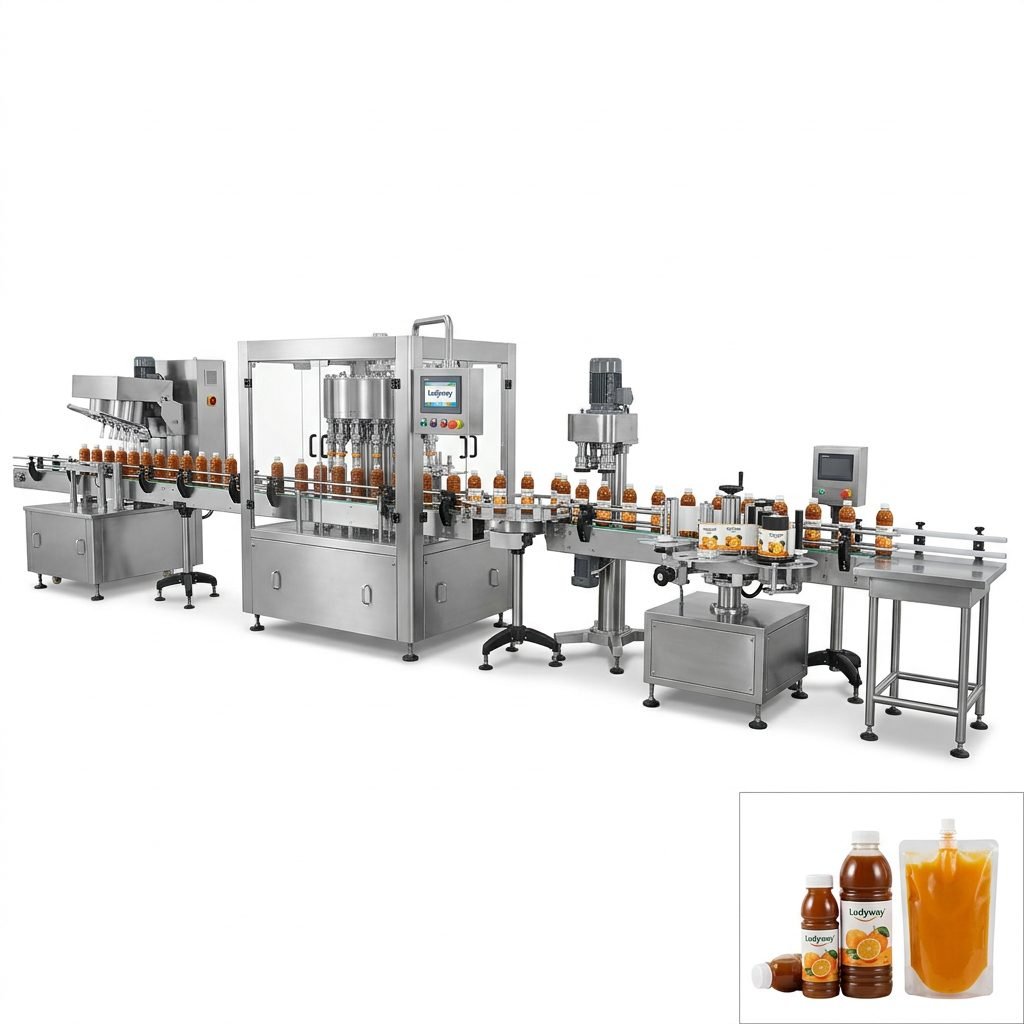
A fully integrated ice pop packaging line consists of several interconnected systems working in harmony. Understanding each component’s role helps in making informed procurement decisions and avoiding costly bottlenecks during operation.
Liquid Preparation and Mixing Systems
The foundation of any ice pop line begins with automated batching and mixing tanks. These systems must handle various formulations—from simple sugar-based syrups to complex fruit juice blends and dairy-based mixtures. Temperature-controlled mixing ensures product consistency before the liquid reaches the filling station. Modern mixing systems integrate inline homogenization to prevent ingredient separation during high-volume production runs.
Filling and Sealing Equipment
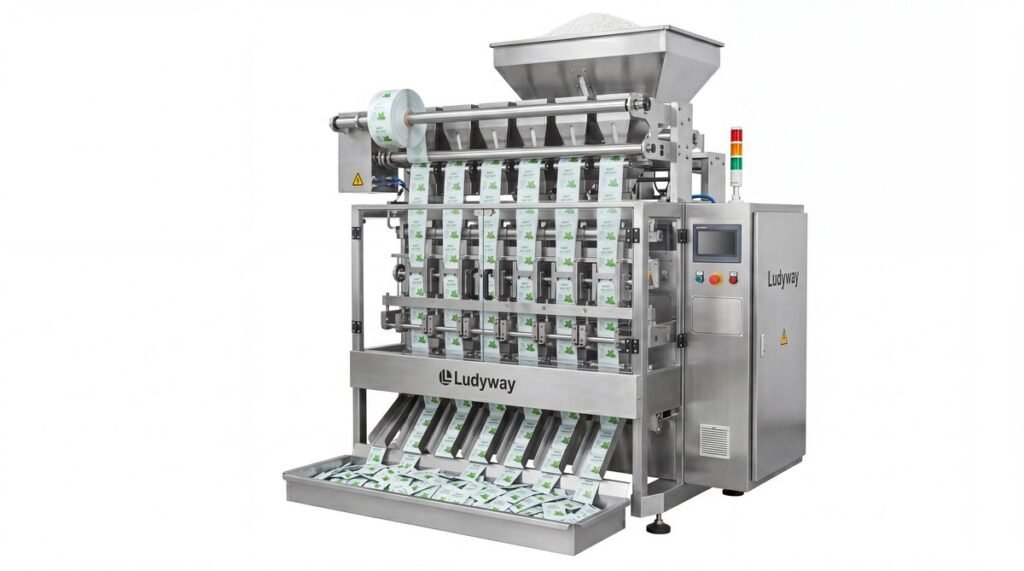
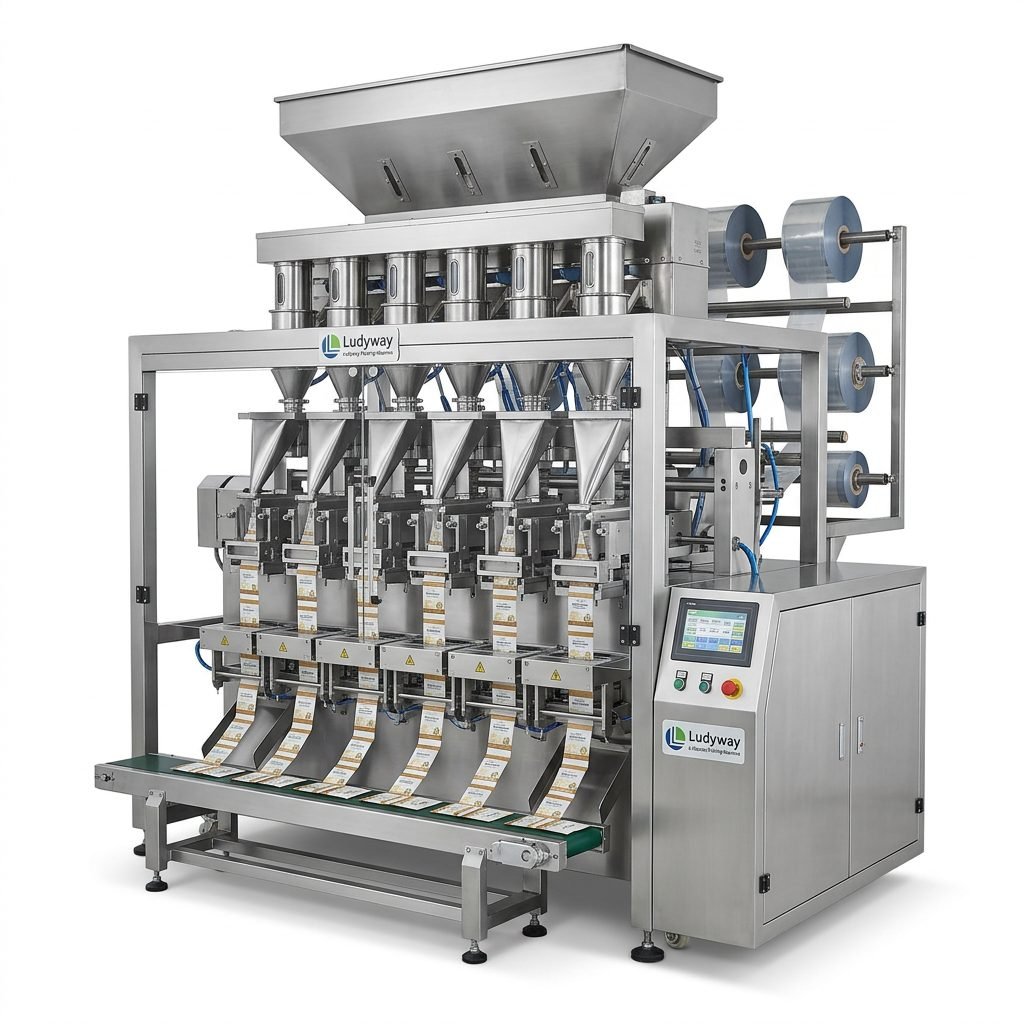
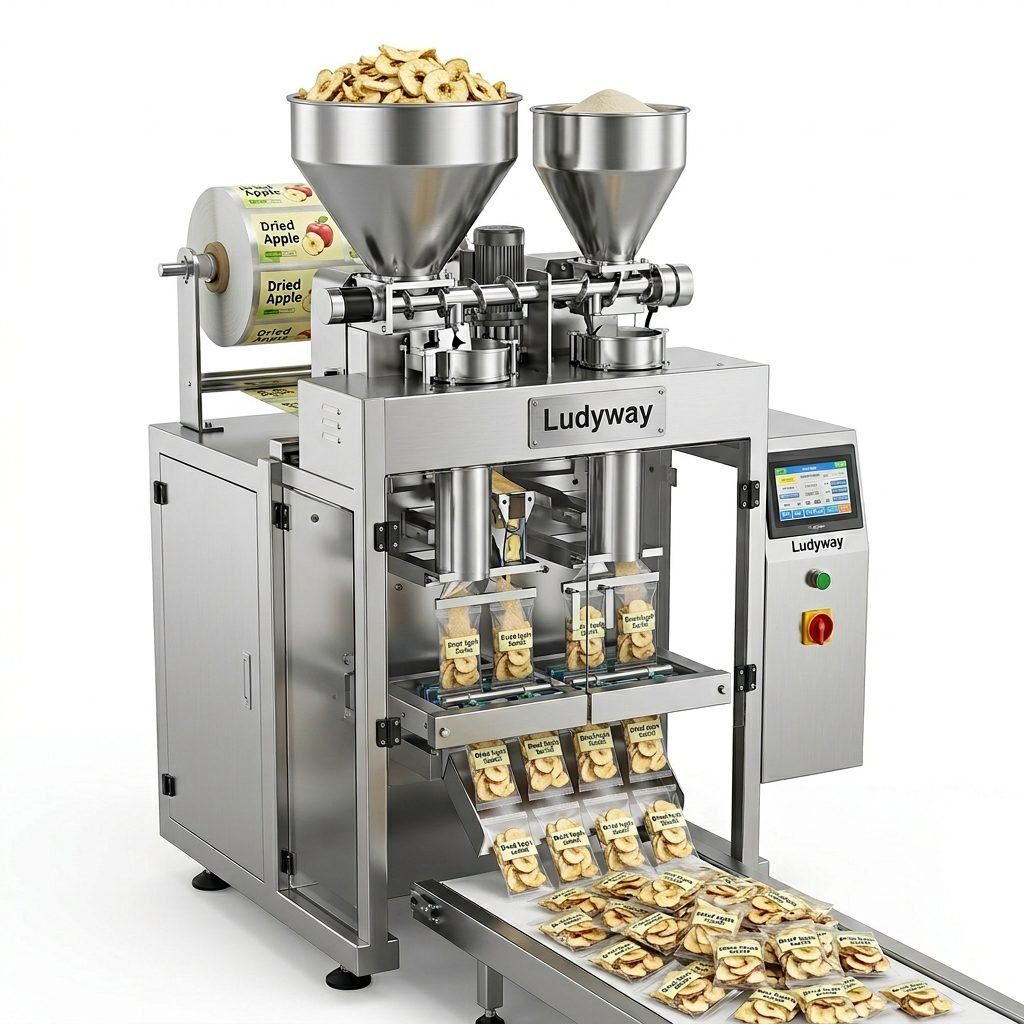
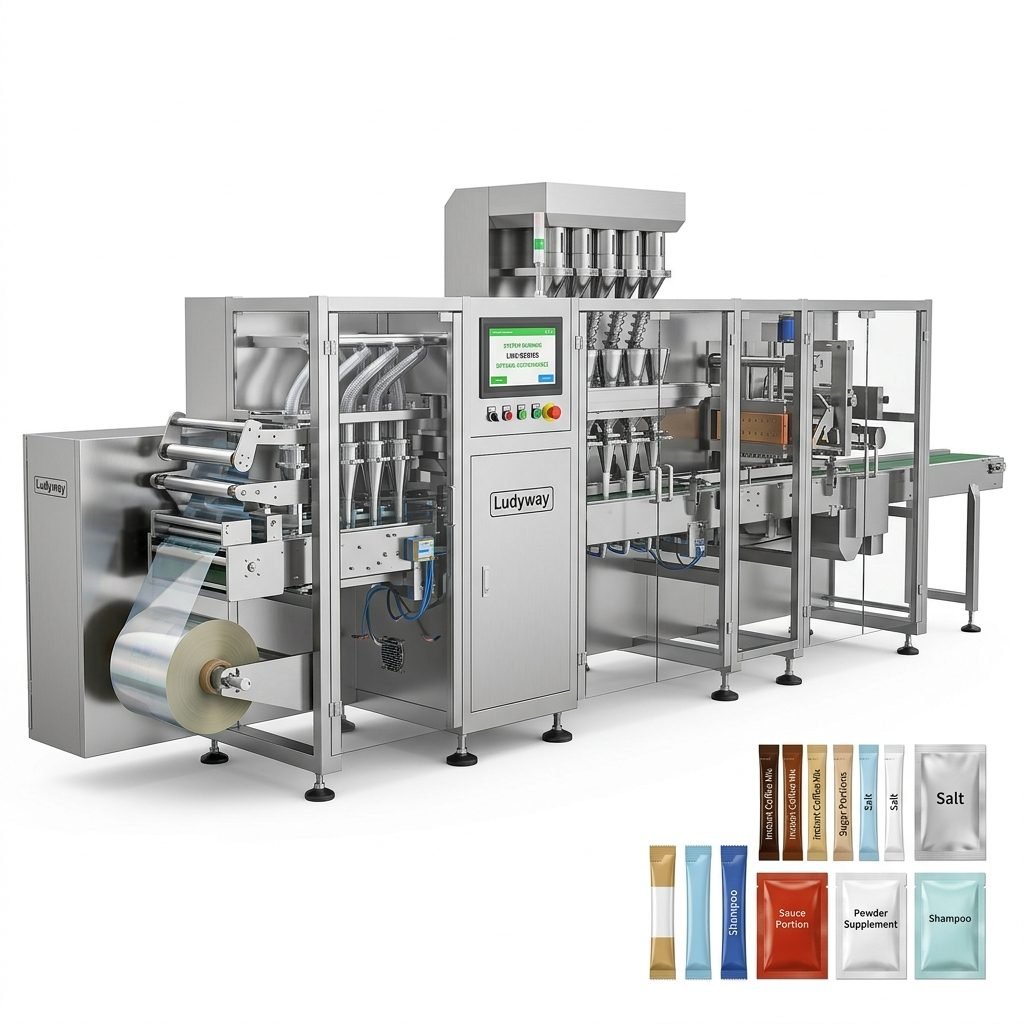
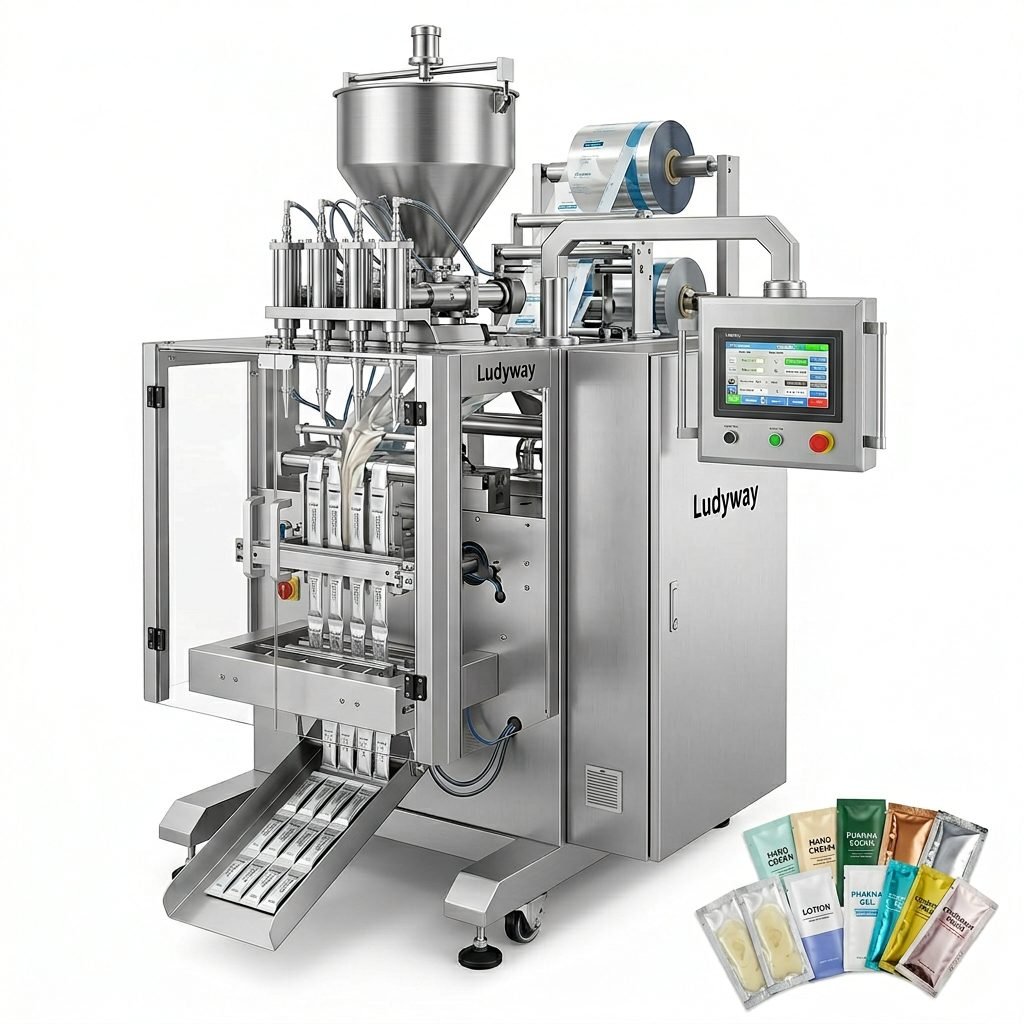
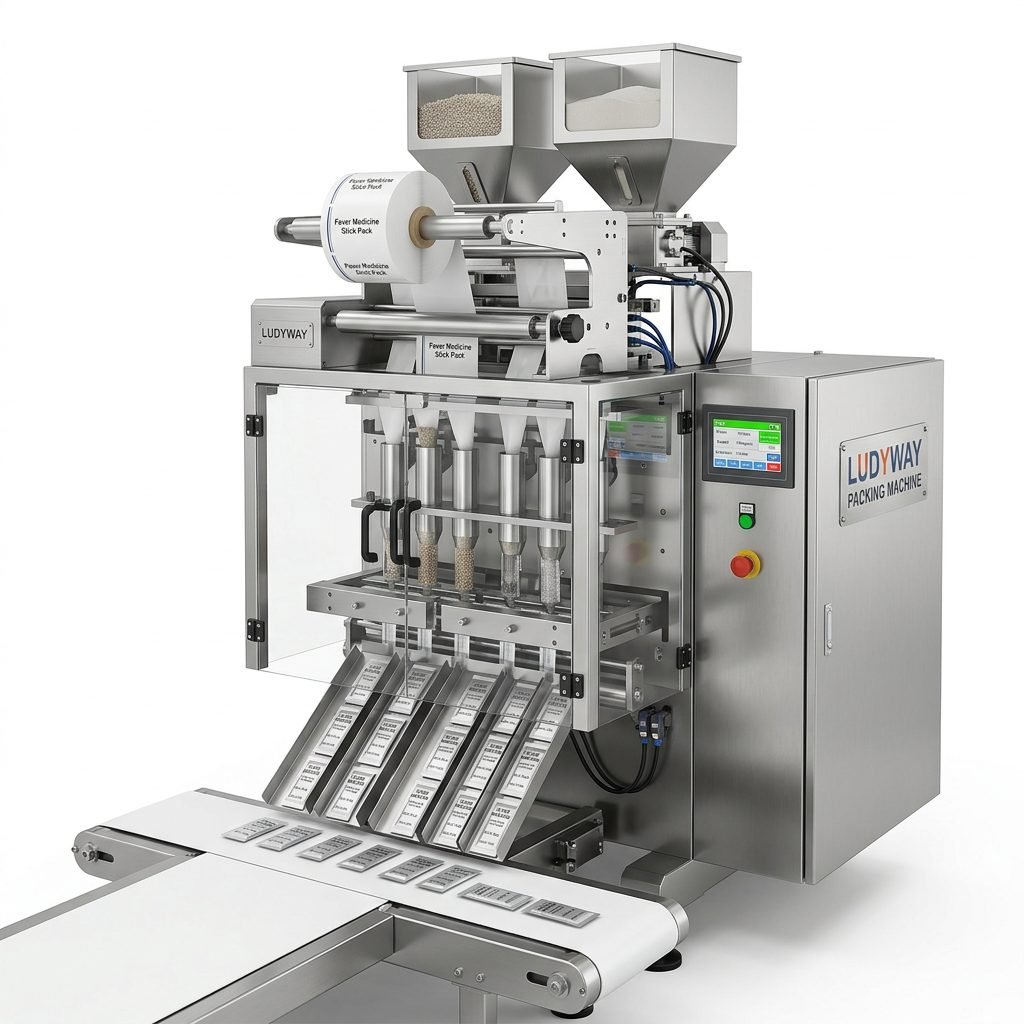
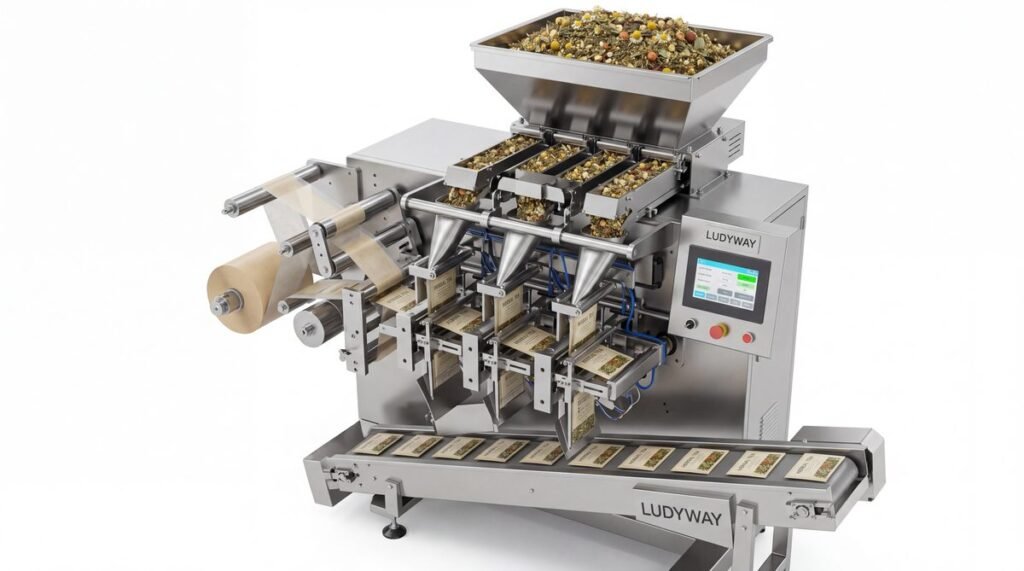
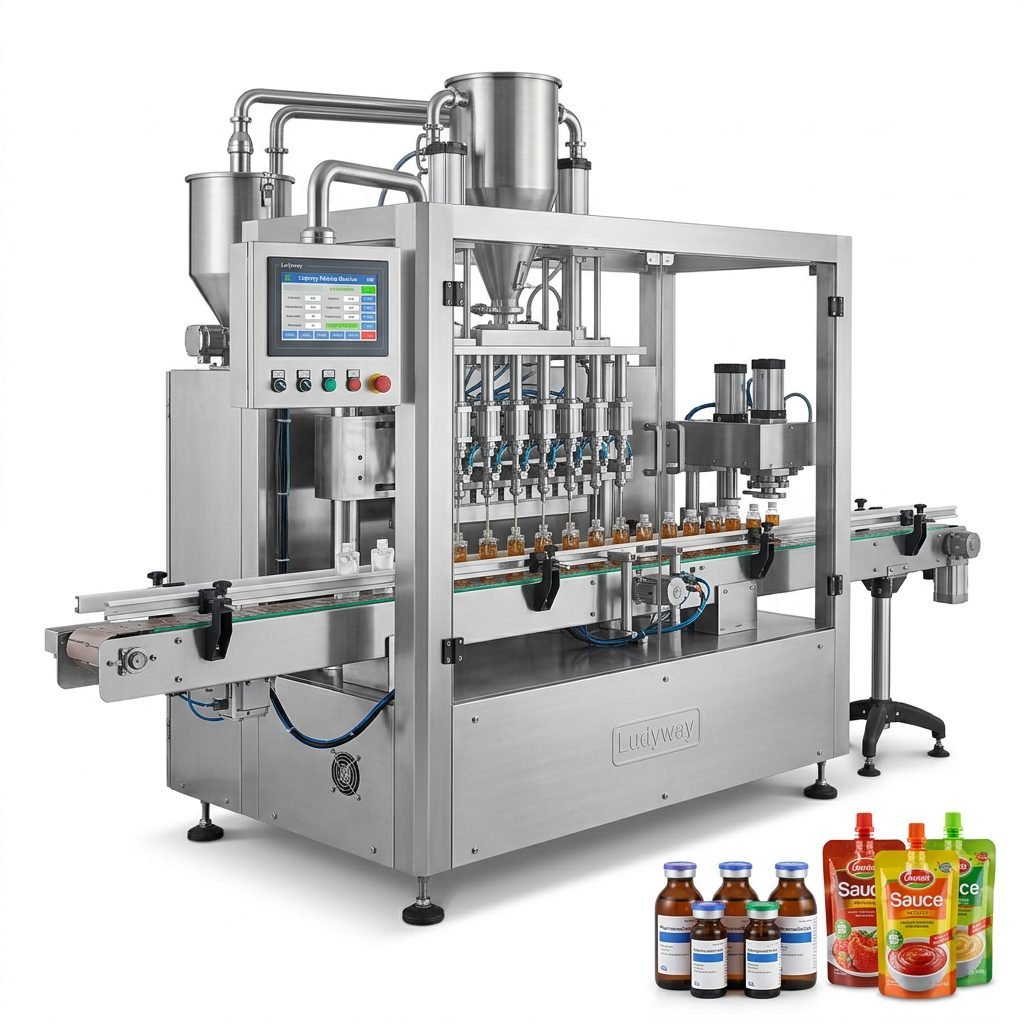
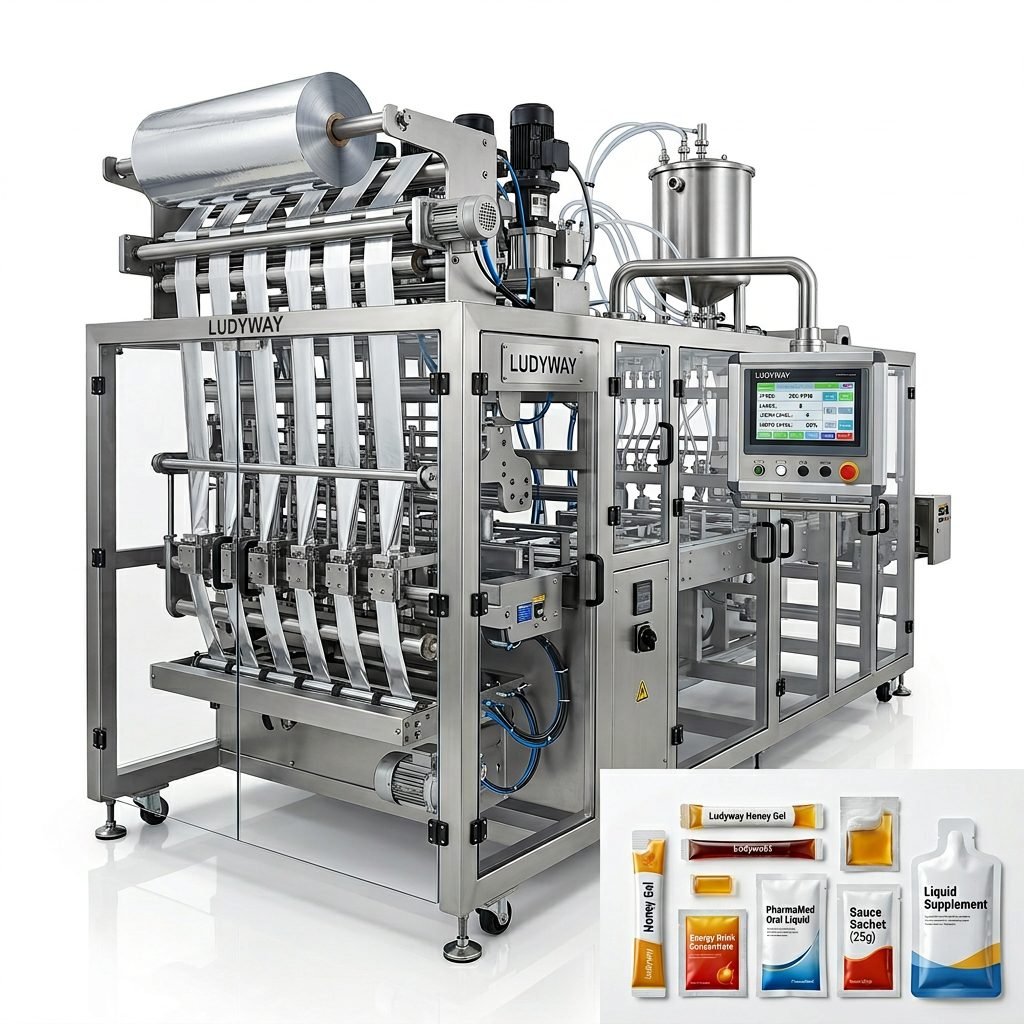
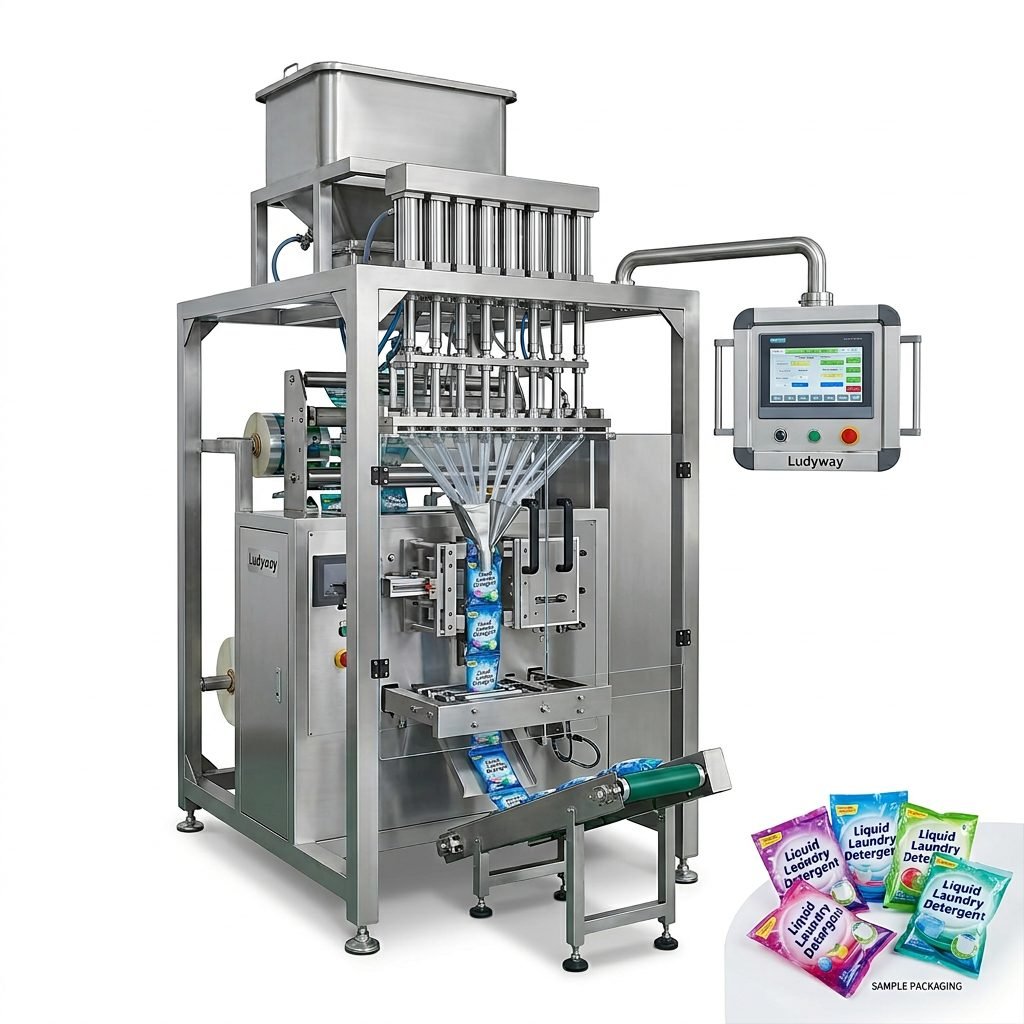
The core of the production line is the filling and sealing machine. For ice pop applications, manufacturers typically choose between vertical form-fill-seal (VFFS) systems and horizontal flow-wrapping configurations. Multi-lane stick pack machines have gained popularity for their ability to produce high volumes of single-serve ice pop pouches simultaneously. Key specifications to evaluate include fill volume accuracy, seal integrity under frozen conditions, and compatibility with various film materials.
Freezing and Cold Chain Integration
Unlike ambient-temperature packaging lines, ice pop production requires seamless integration with freezing tunnels or blast freezers. The packaging material must withstand temperatures as low as -25°C without becoming brittle or losing seal integrity. FDA food packaging guidelines provide valuable reference points for material selection, even for manufacturers targeting the Indian domestic market who wish to align with international standards.
Step-by-Step Production Line Setup Process
Setting up an ice pop packaging line in India involves navigating both technical and regulatory requirements. The following structured approach helps streamline the process:
- Site Assessment and Layout Planning: Evaluate floor space, utility requirements including three-phase power, compressed air, and water supply. Indian manufacturing facilities often benefit from designing linear production flows that minimize cross-contamination risks.
- Regulatory Compliance Check: Register with the Food Safety and Standards Authority of India and ensure packaging materials comply with FSSAI regulations for food contact substances.
- Equipment Procurement: Source machinery that matches your target output capacity, typically ranging from 3,000 to 30,000 ice pops per hour depending on the automation level.
- Installation and Commissioning: Professional installation teams should handle machine setup, calibration, and initial test runs with actual product formulations.
- Staff Training: Operators and maintenance personnel require hands-on training covering machine operation, cleaning procedures, and basic troubleshooting.
- Quality Control Integration: Implement in-line checkweighing, metal detection, and seal integrity testing stations to ensure consistent product quality.
Selecting the Right Ice Pop Packaging Machinery
Choosing appropriate equipment requires balancing capital investment with operational efficiency. The Indian market offers unique considerations, including frequent voltage fluctuations and varying operator skill levels across regions.
| Machine Type | Output Range | Best Suited For | Key Advantage |
|---|---|---|---|
| Single-Lane VFFS | 1,000-3,000 pcs/hr | Small-scale producers, artisanal brands | Lower capital investment |
| Multi-Lane Stick Pack | 8,000-20,000 pcs/hr | Mid-to-large manufacturers | High throughput with compact footprint |
| Rotary Filling Systems | 15,000-30,000 pcs/hr | Large-scale industrial production | Continuous motion, minimal downtime |
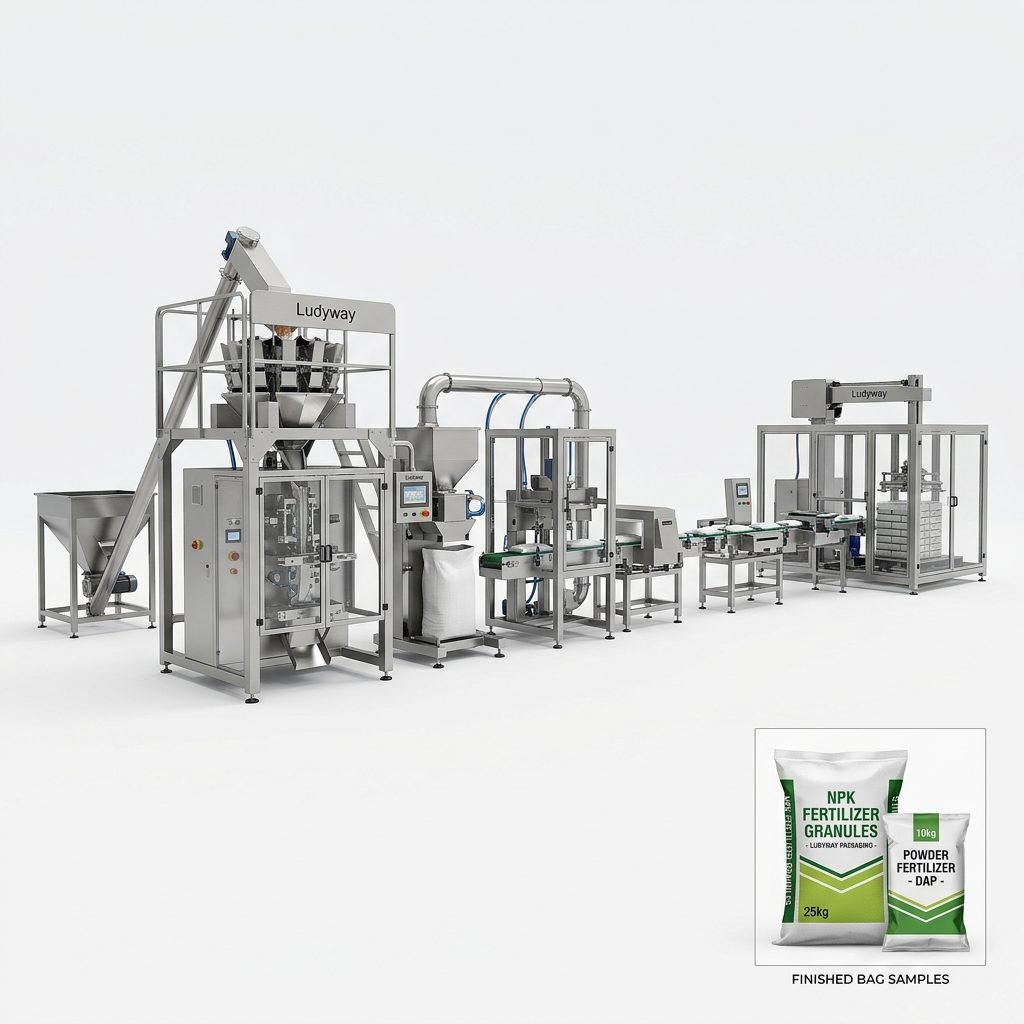
| Integrated Turnkey Lines | Customizable | Manufacturers seeking end-to-end solutions | Single-source responsibility, streamlined setup |
When evaluating suppliers, consider their experience with Indian operational conditions. Equipment designed for international packaging standards may require adaptations for local power supply characteristics, ambient temperature variations, and available maintenance resources. Look for manufacturers offering remote diagnostic capabilities and accessible spare parts networks within India.
Regulatory Framework and Compliance for Indian Manufacturers
Navigating India’s regulatory environment is essential for uninterrupted production and market access. The FSSAI Act, 2006 governs food packaging requirements, while the Legal Metrology Act mandates specific labeling declarations on packaged products.
Packaging Material Compliance
All packaging materials that come into direct contact with ice pops must meet FSSAI migration limits for food contact substances. Multi-layer plastic films commonly used for ice pop packaging must comply with ISO packaging standards and Indian Standards (IS) specifications. BIS certification for packaging materials adds an additional layer of quality assurance valued by Indian retailers and consumers alike.
Labeling Requirements
Indian regulations mandate that every ice pop package displays the following information clearly:
- Product name and trade description
- Net quantity in standard units (grams or milliliters)
- MRP (Maximum Retail Price) in Indian Rupees
- Manufacturing date and best-before date
- FSSAI license number
- List of ingredients in descending order
- Nutritional information per serving
- Manufacturer’s name and complete address
Production Line Layout and Workflow Optimization
An efficient layout minimizes material handling, reduces contamination risks, and maximizes operator productivity. Zone-based layouts that separate raw material receiving, liquid preparation, packaging, freezing, and finished goods storage have proven effective in Indian manufacturing environments.
The packaging zone should be designed as a controlled environment with positive air pressure to prevent airborne contamination. Floor drainage systems, easy-to-clean surfaces, and adequate lighting are non-negotiable for food contact compliance. Many successful Indian ice pop manufacturers incorporate CIP (Clean-in-Place) systems into their liquid handling circuits to reduce cleaning downtime between production batches.
Cost Considerations and ROI Analysis
Investment in an ice pop packaging line varies significantly based on automation level and production capacity. A basic semi-automatic line suitable for small-scale operations may require an initial investment of ₹15-25 lakhs, while a fully automated multi-lane system capable of producing 20,000 ice pops per hour can command investments exceeding ₹1.5 crore.
Key factors influencing return on investment include:
- Production volume utilization rate — higher utilization accelerates payback
- Labor cost savings through automation — particularly relevant in metro and Tier-1 cities
- Reduced product giveaway through precise filling accuracy
- Lower packaging material waste with optimized machine settings
- Extended shelf life through improved seal integrity and barrier properties
Maintenance Strategies for Sustained Performance
Indian manufacturing conditions—characterized by high ambient temperatures, humidity, and dust levels—demand robust preventive maintenance protocols. A well-structured maintenance program should include daily cleaning and inspection routines, weekly calibration checks, monthly wear-part assessments, and comprehensive quarterly servicing.
Critical spare parts such as sealing jaws, heating elements, filling nozzles, and sensor assemblies should be maintained in local inventory to minimize production disruptions. Industry data consistently shows that preventive maintenance programs reduce unplanned downtime by up to 45% compared to reactive maintenance approaches.
Future Trends in Ice Pop Packaging Technology
The Indian packaging machinery landscape is evolving rapidly with the adoption of Industry 4.0 technologies. Smart sensors, IoT-enabled predictive maintenance, and real-time production monitoring through cloud-based platforms are becoming increasingly accessible to mid-sized manufacturers. Sustainable packaging innovations—including recyclable mono-material films and bio-based packaging—are gaining traction as Indian consumers become more environmentally conscious.
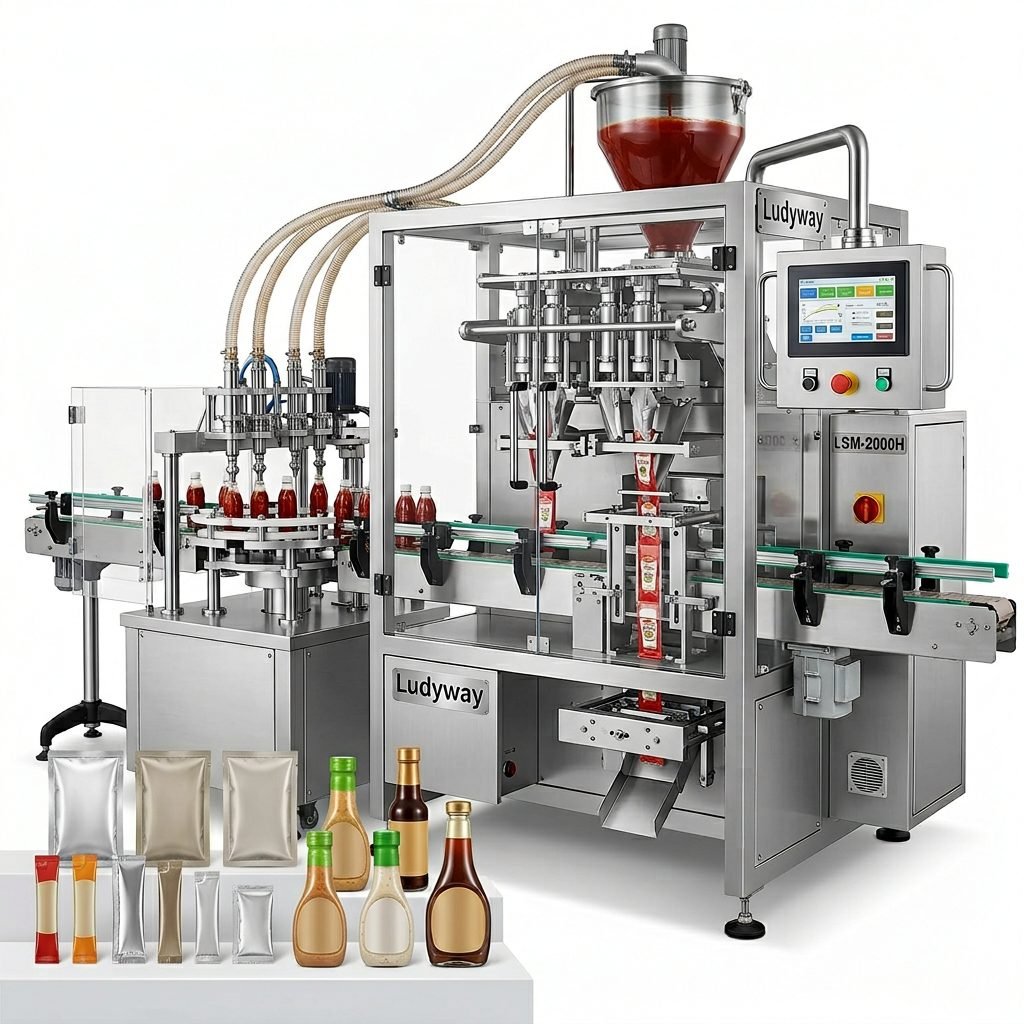
Manufacturers who invest in modular equipment platforms that can be upgraded over time position themselves advantageously for future market demands. Ludyway, one of the leading packaging machine manufacturers globally, offers a comprehensive range of automated packaging solutions with over 30 years of industry expertise and a modern 20,000㎡ manufacturing facility, serving customers across food, pharmaceutical, and health industries in more than 100 countries with advanced multi-lane stick pack, sachet, and fully automated packaging systems designed for long-term operational reliability.
For those exploring turnkey production line solutions, resources from PMMI – The Association for Packaging and Processing Technologies and the Flexible Packaging Association provide additional industry guidance and benchmark data to support informed decision-making throughout the setup process.