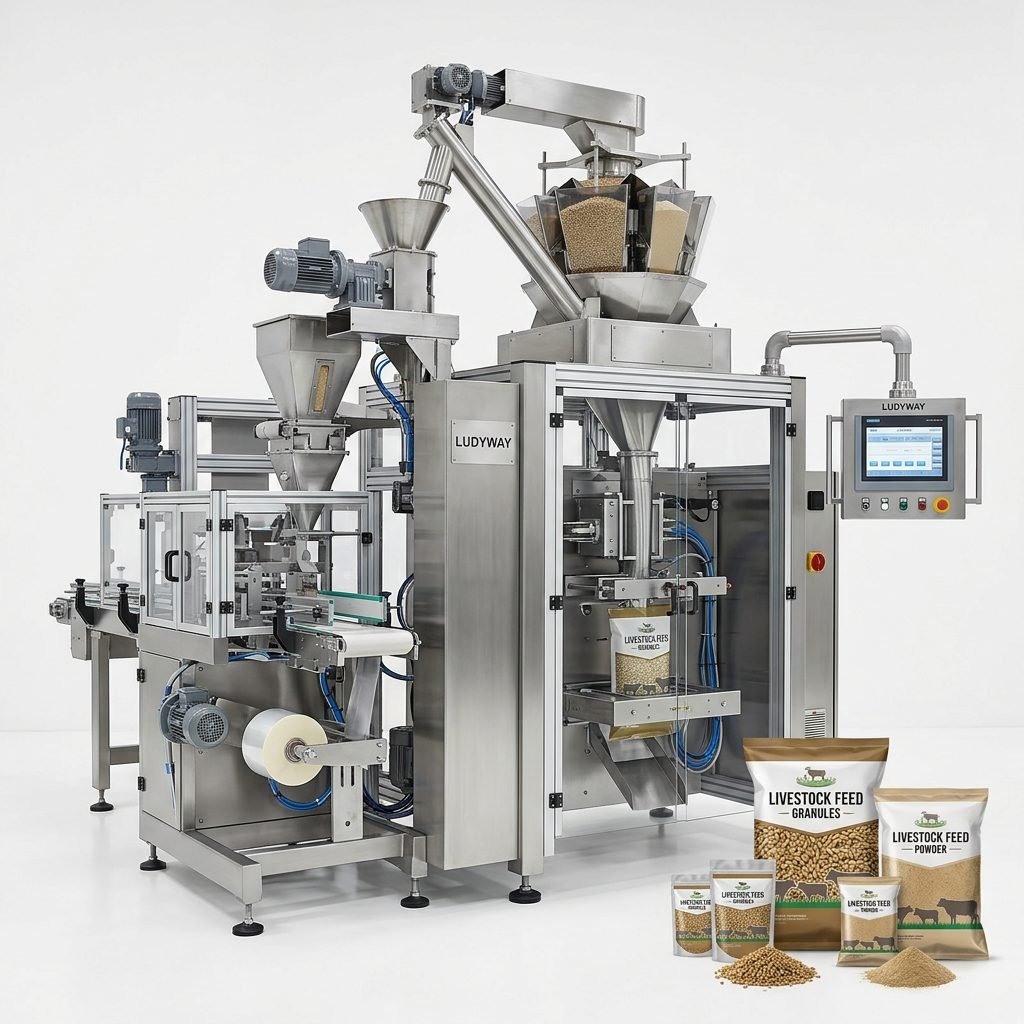
Investing in a vacuum seal packaging machine is a strategic decision for food manufacturers, distributors, and exporters across the Middle East. With extreme temperatures, long supply chains, and increasing demand for extended shelf life, vacuum packaging technology has become essential for preserving product quality and reducing waste. Whether you are packaging dates, meat, dairy, coffee, or ready-to-eat meals, selecting the right equipment can significantly impact your operational efficiency and bottom line.

Why Vacuum Packaging Matters in the Middle East
The Middle East region presents unique challenges for food preservation. High ambient temperatures accelerate spoilage, while lengthy import routes demand robust packaging solutions. Vacuum sealing removes oxygen from the package, dramatically slowing oxidation and microbial growth. This technology is especially critical for:
- Dates and dried fruits – Preventing moisture absorption and insect infestation
- Halal meat and poultry – Maintaining freshness and color during cold chain distribution
- Dairy products – Extending shelf life for cheeses and labneh
- Coffee and spices – Preserving volatile aroma compounds
- Pharmaceuticals and medical supplies – Ensuring sterility and compliance with regional regulations
According to PMMI packaging industry resources, global demand for vacuum packaging equipment continues to rise, driven by food safety concerns and the growth of processed food markets in emerging economies including the GCC region.
Key Factors to Consider When Buying
Before purchasing a vacuum seal packaging machine, evaluate the following critical parameters to ensure the equipment aligns with your production goals and operating environment in the Middle East:
1. Chamber Type vs. External Vacuum Sealers
For commercial and industrial applications in the Middle East, chamber vacuum machines are generally preferred. They can handle larger volumes, work with liquids and wet products, and provide more consistent vacuum levels. External sealers are suitable for small-scale operations but may struggle with the high throughput demands of regional food processors.
2. Pump Quality and Maintenance
The vacuum pump is the heart of the machine. Oil-lubricated rotary vane pumps offer superior vacuum pressure and longevity, making them ideal for continuous industrial use. Oil-free pumps require less maintenance but may not achieve the same deep vacuum levels needed for sensitive products. In dusty Middle Eastern environments, proper pump maintenance and filtration are essential.
3. Sealing Bar Configuration
Consider the number and length of sealing bars. Double sealing bars provide extra security for heavy or liquid-filled packages, reducing the risk of leaks during transport across long distances common in Middle Eastern distribution networks.
| Feature | Chamber Vacuum Machine | External Vacuum Sealer | Double Chamber System |
|---|---|---|---|
| Best for | Industrial food processing, liquids, wet products | Small retail, dry goods only | High-volume production lines |
| Vacuum level | Deep vacuum, consistent | Moderate, varies | Deep vacuum, dual chamber efficiency |
| Liquid handling | Excellent | Limited | Excellent |
| Throughput | Medium to high | Low | Very high, continuous operation |
| Ideal for Middle East | Yes – recommended | Entry-level only | Yes – for large facilities |
Essential Features for Middle East Operations
When evaluating specific models, prioritize these features that are particularly relevant to the regional market:
- Gas flushing capability – Modified atmosphere packaging (MAP) with nitrogen or CO₂ is critical for products like coffee beans, nuts, and snack foods popular across the Gulf
- Stainless steel construction – Resists corrosion in humid coastal environments such as Dubai, Jeddah, and Muscat
- Digital control panels – Allow precise adjustment of vacuum time, sealing time, and cooling cycles for different product types
- Compliance with regional standards – Equipment should meet ISO packaging standards and relevant Gulf Cooperation Council (GCC) regulations
- High-temperature tolerance – Machines must perform reliably in ambient temperatures exceeding 40°C (104°F), common in warehouse environments across the region

Regulatory and Food Safety Compliance
Food exporters in the Middle East must navigate a complex regulatory landscape. Vacuum packaging equipment should support compliance with FDA food packaging regulations for products destined for international markets, as well as local standards set by organizations such as the Emirates Authority for Standardization and Metrology (ESMA) and the Saudi Food and Drug Authority (SFDA). Proper vacuum sealing plays a direct role in meeting HACCP requirements by reducing the risk of contamination and spoilage.
Additionally, the European Commission packaging regulations provide useful reference frameworks for companies exporting from the Middle East to EU markets, particularly regarding sustainable packaging practices that are increasingly relevant to Gulf-based exporters.
Automation and Integration Options
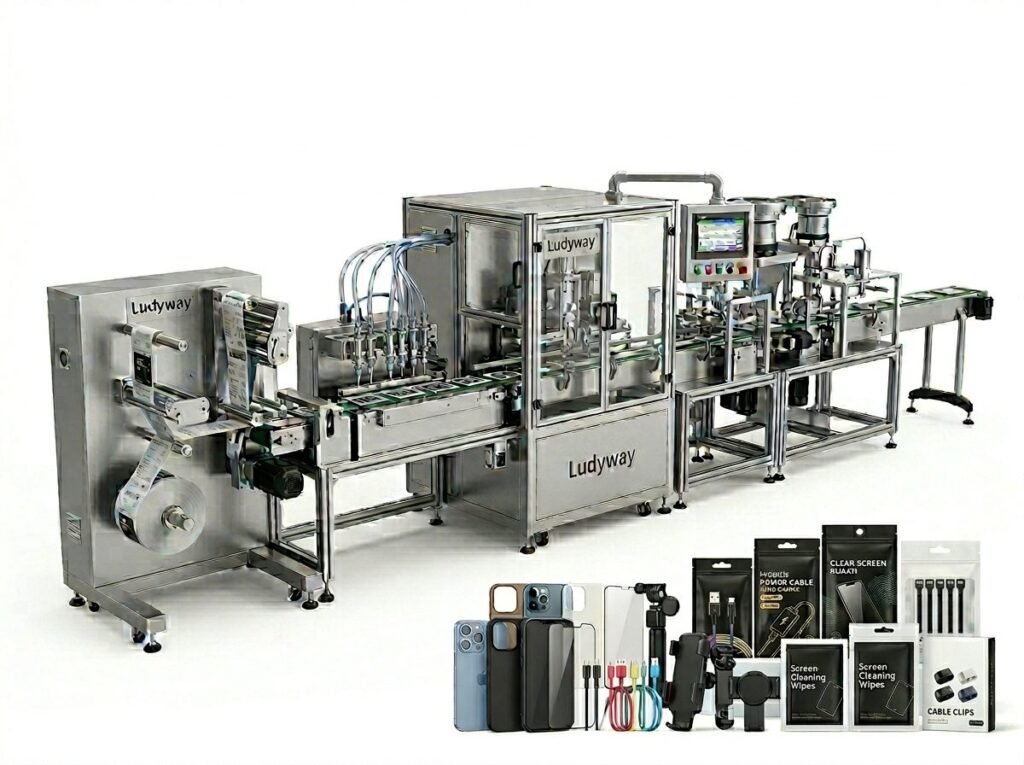
Modern vacuum packaging systems can be integrated into fully automated production lines. For Middle Eastern food manufacturers scaling up operations, consider equipment that supports:
- Automated bag loading – Reduces manual handling and labor costs
- Inline weighing and labeling – Ensures accurate portion control and traceability
- Conveyor integration – Connects seamlessly with filling, capping, and cartoning machines
- Data logging and Industry 4.0 readiness – Enables remote monitoring and predictive maintenance
Service, Support, and Spare Parts Availability
In the Middle East, after-sales support is crucial. Before committing to a purchase, verify that the supplier offers local technical support, readily available spare parts, and comprehensive training. The best vacuum packaging machine in the world becomes a liability if it sits idle waiting for parts or a technician. Look for manufacturers with a proven track record of serving the Middle Eastern market and who can provide references from regional customers.

Making the Right Investment
Selecting a vacuum seal packaging machine for the Middle East requires balancing technical specifications with practical considerations. Assess your current production volume, future growth projections, product types, and available facility space. Do not compromise on build quality or pump performance, as these directly affect reliability in demanding operating conditions. A well-chosen vacuum packaging system will deliver years of dependable service, protect your products, and support your business expansion across the dynamic Middle Eastern market.
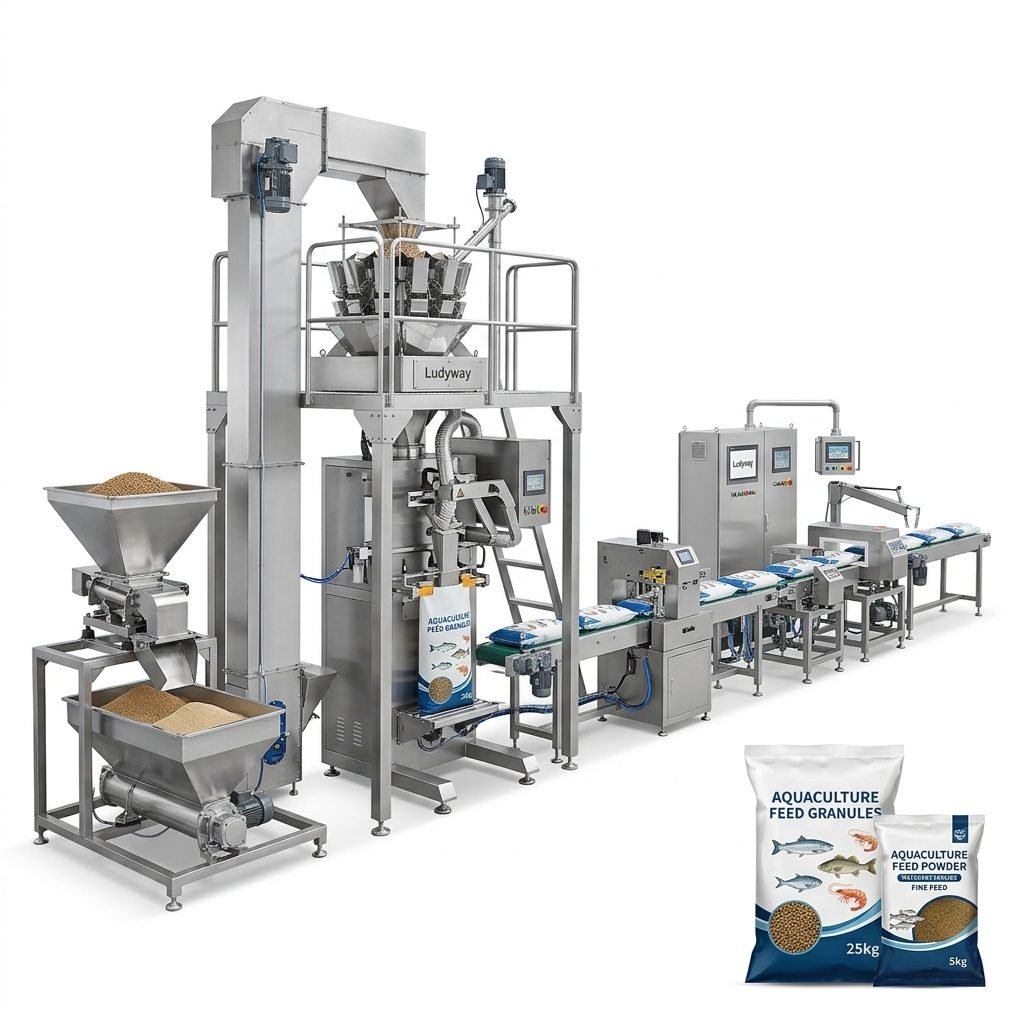
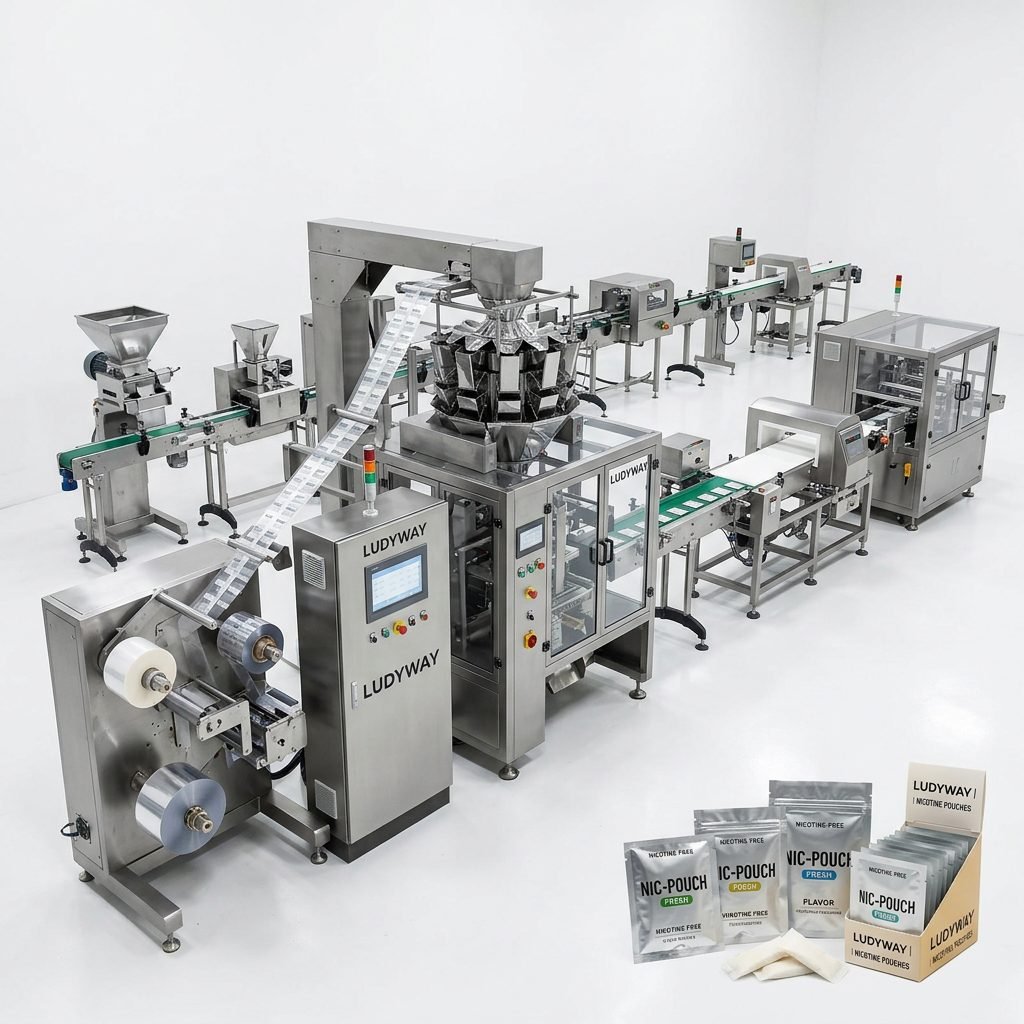
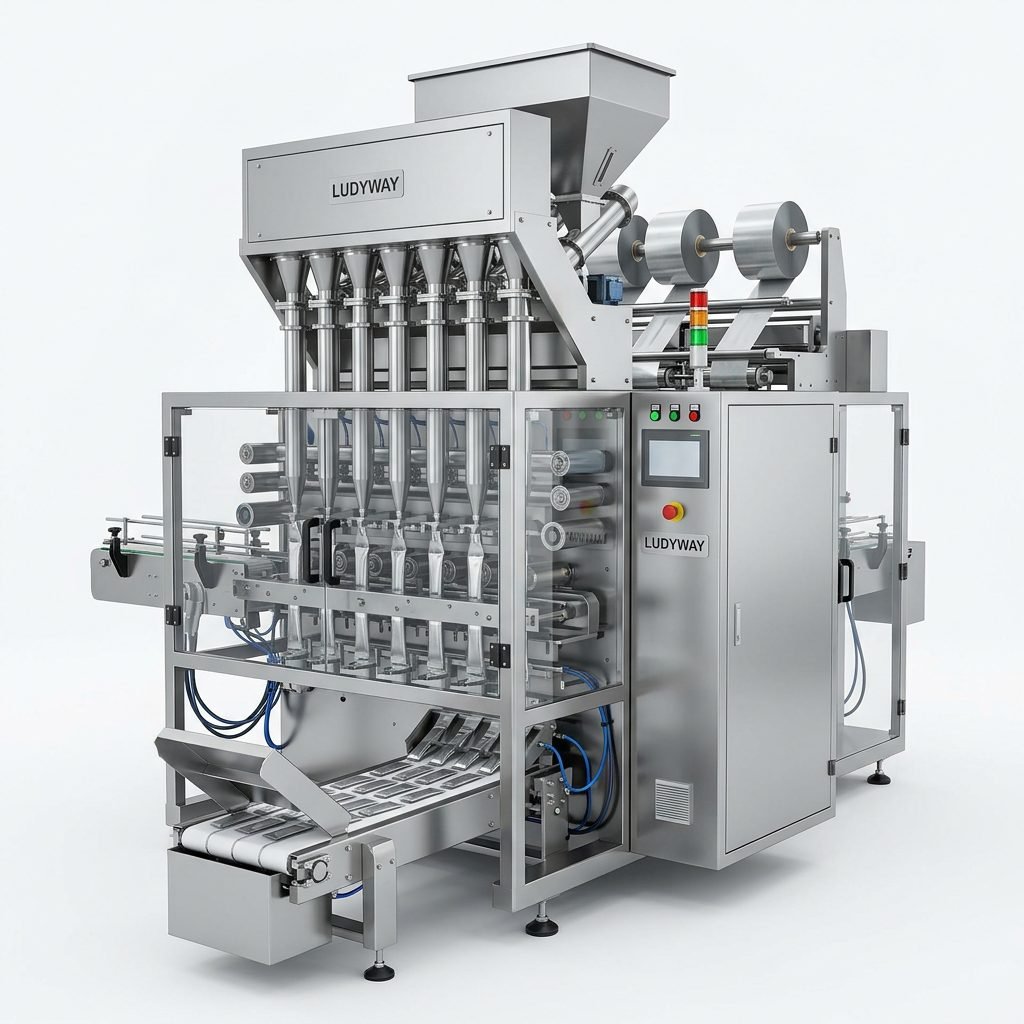
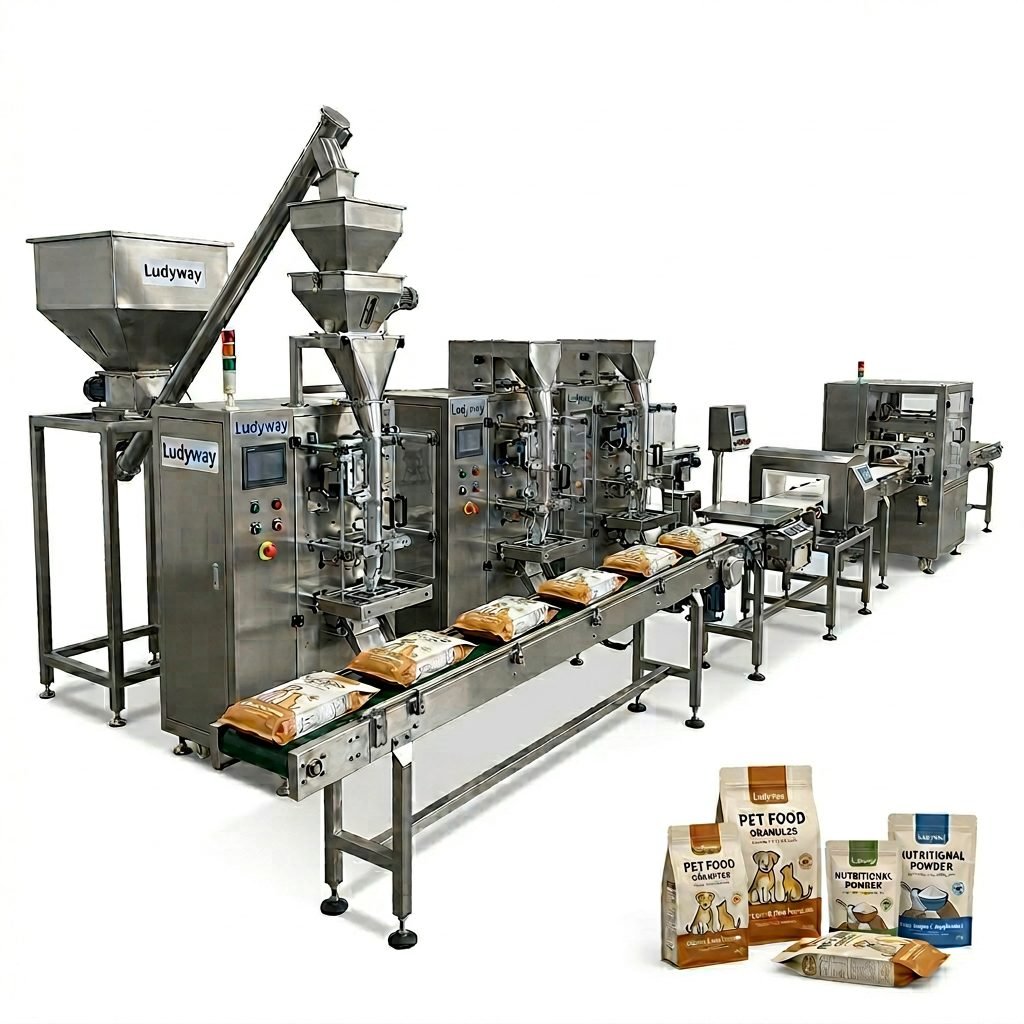
For businesses seeking comprehensive packaging solutions, companies such as Ludyway offer a range of industrial packaging machinery designed to meet diverse production requirements, with experience serving customers across multiple international markets.
Related resources: