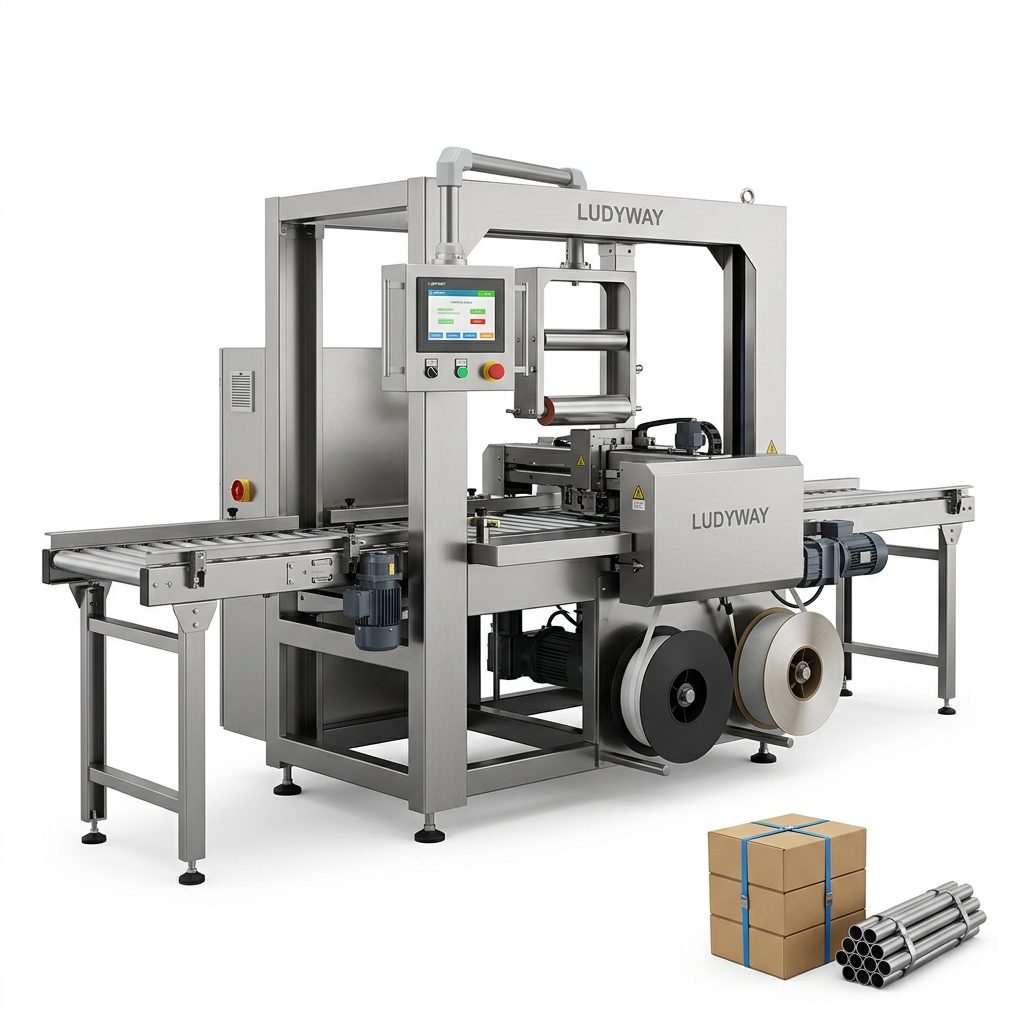
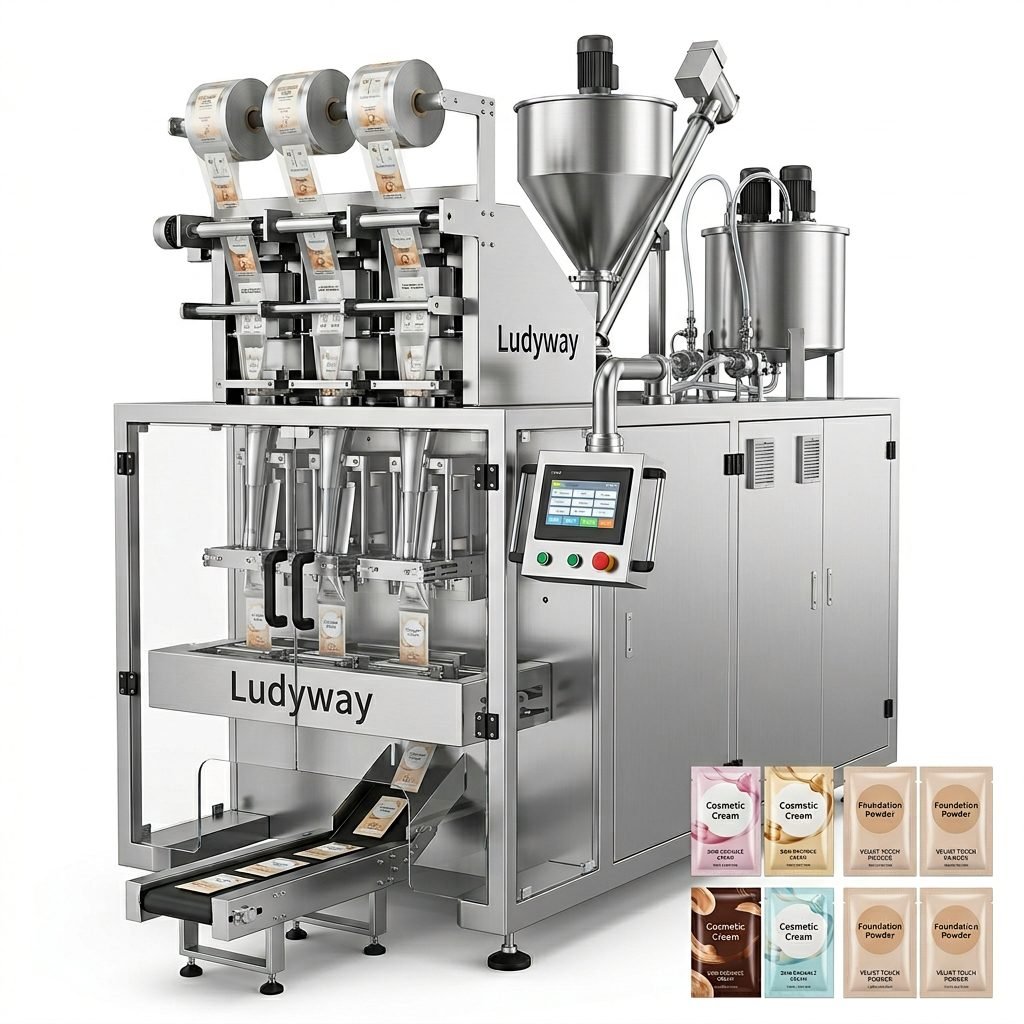
Selecting the right automated packaging solution for metal parts is a critical decision that directly impacts production efficiency, cost control, and product quality. In a highly competitive manufacturing landscape, the packaging process is no longer just about containment; it’s an integral part of the value chain that protects components, enhances brand presentation, and ensures smooth logistics. This guide will walk you through the key considerations for choosing the best metal parts packaging machine for your production line.
Understanding Your Packaging Requirements
The first step is a thorough analysis of your specific needs. This goes beyond simply knowing you need to package metal parts.
Key Factors to Define:
Part Characteristics: Size, weight, shape (simple or complex with protrusions), and surface finish (are parts prone to scratching?).
Packaging Type: Blister packs, clamshells, shrink-wrapped trays, pouches, or cartons? The machine must be compatible with your chosen material.
Production Volume & Speed: Required output in parts per minute (PPM) dictates the level of automation—from semi-automatic to fully integrated robotic systems.
Line Integration: How will the packer connect with upstream processes (e.g., assembly, inspection) and downstream processes (e.g., labeling, palletizing)?
Core Machine Types for Metal Parts Packaging
Different automation levels serve different purposes. Here’s a breakdown of the primary solutions available.
1. Vertical Form-Fill-Seal (VFFS) Machines
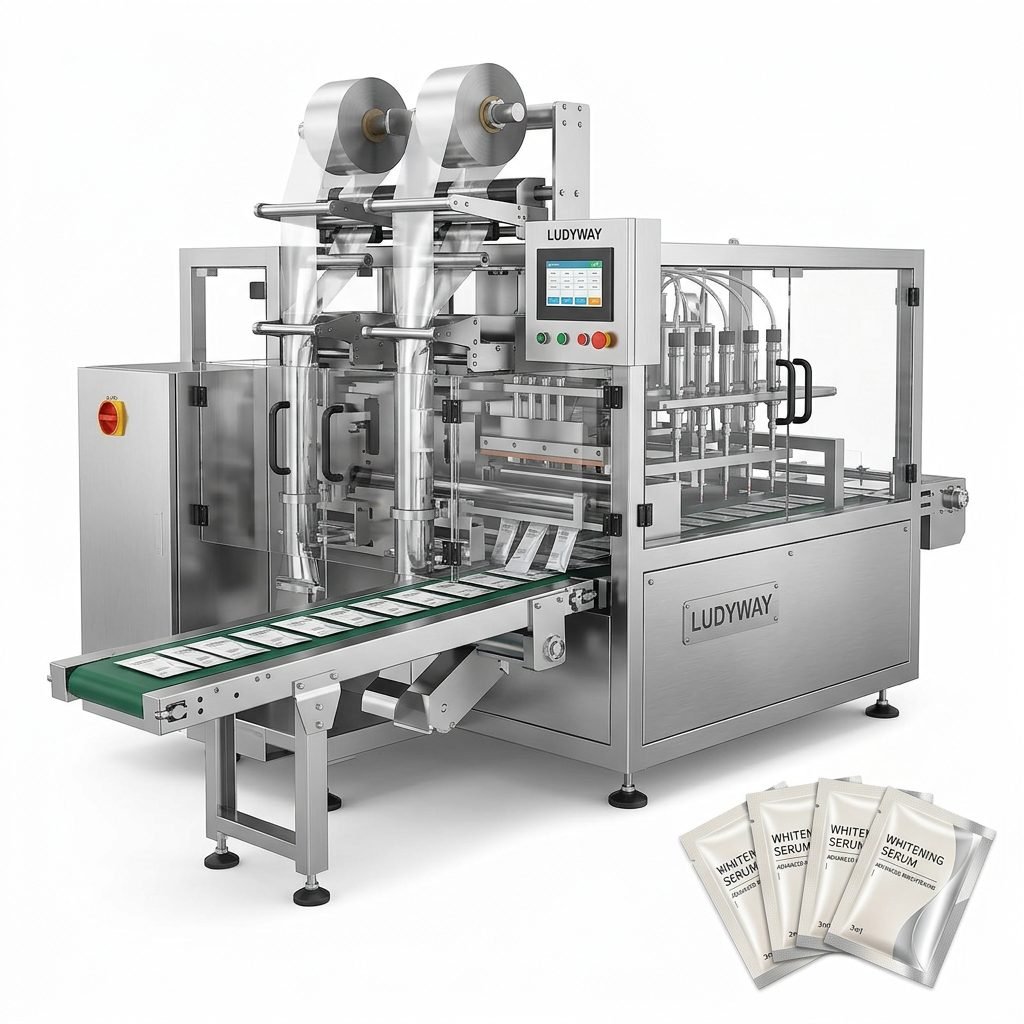
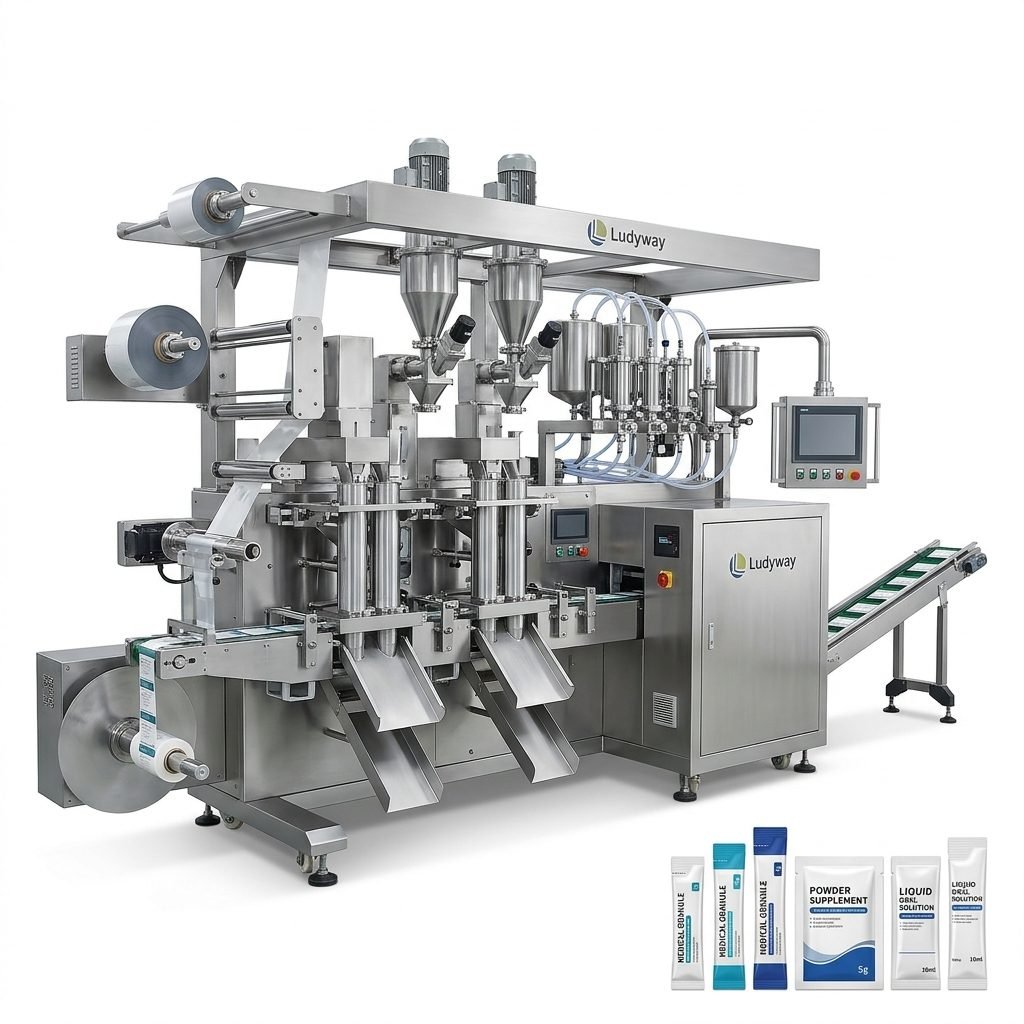
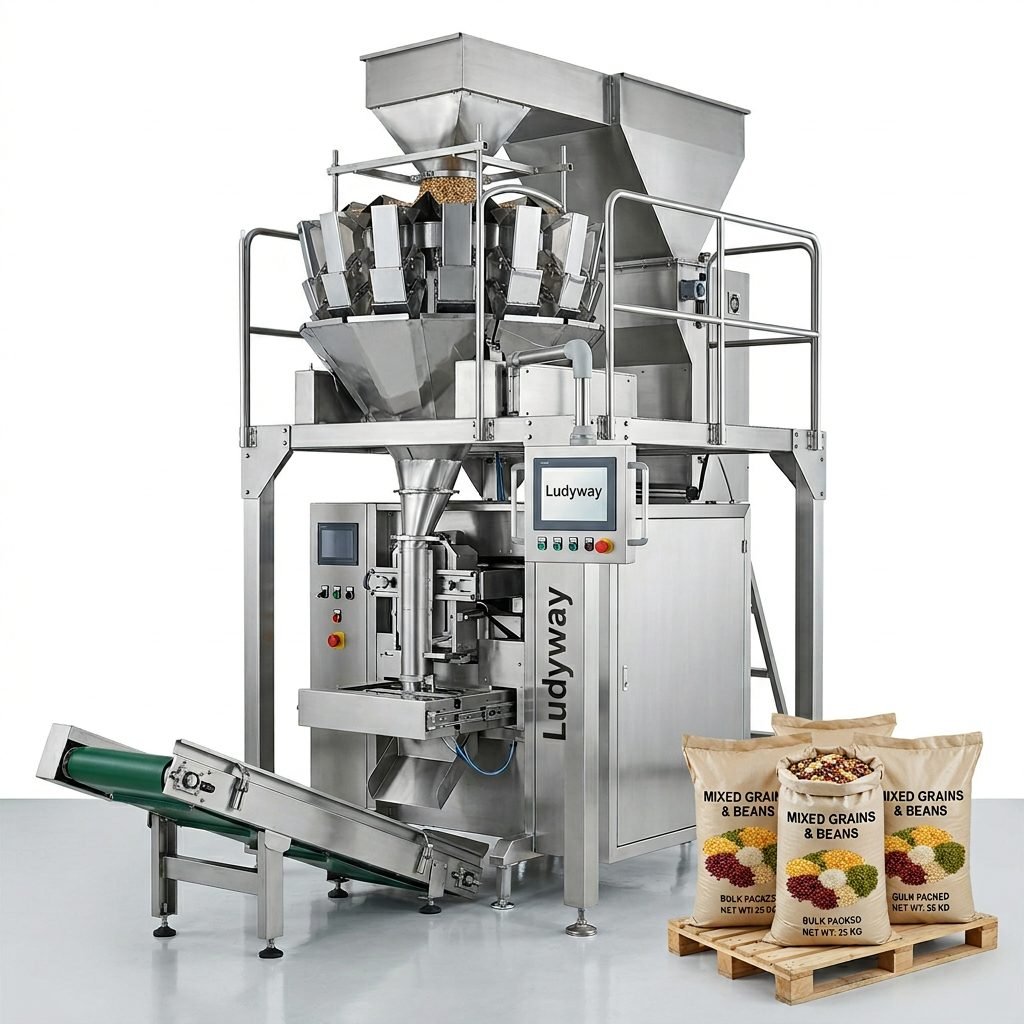
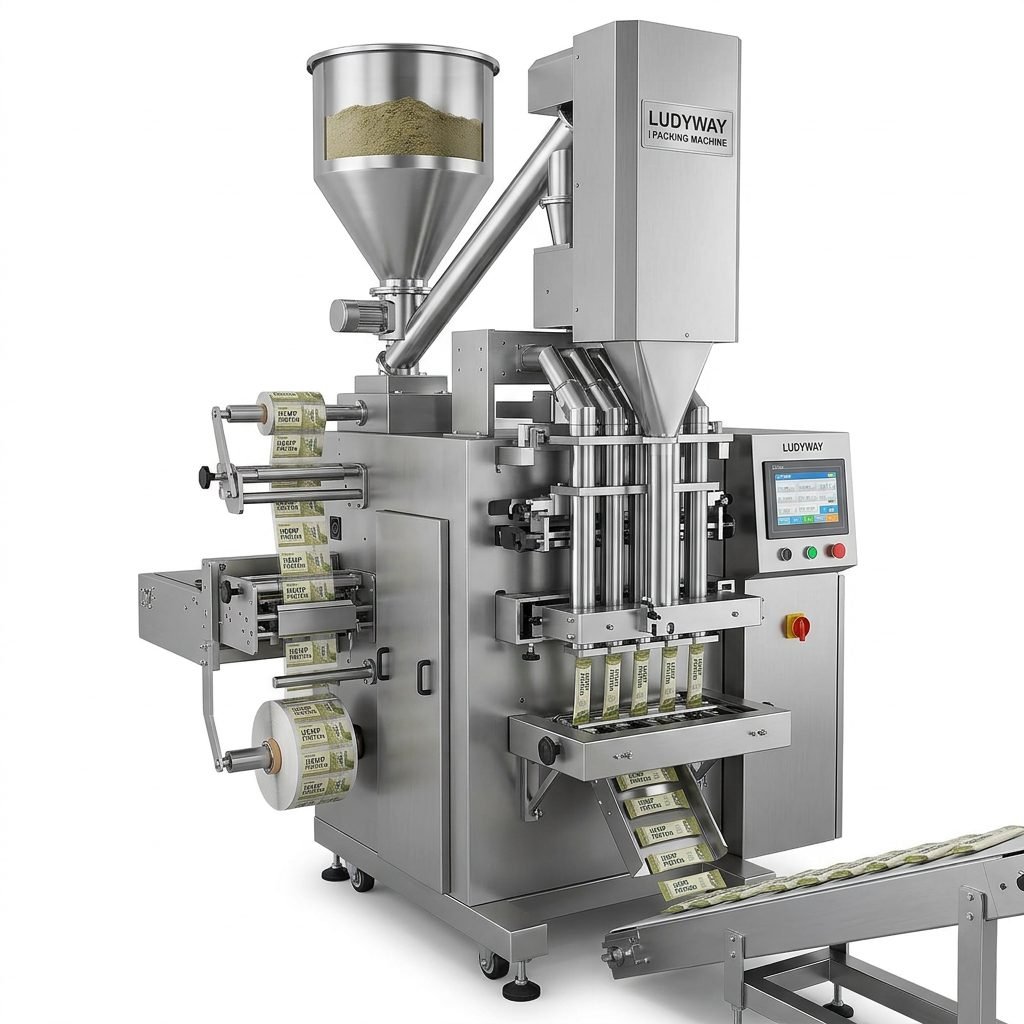
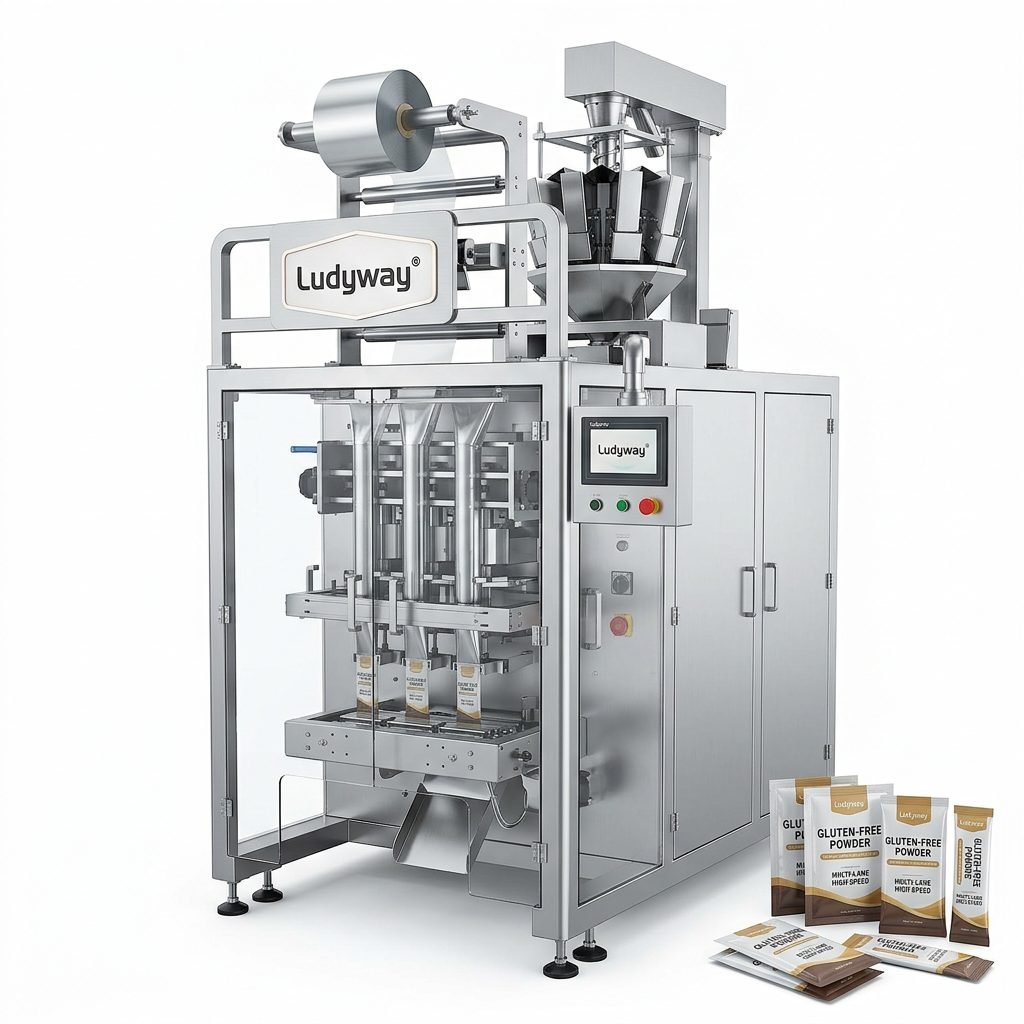
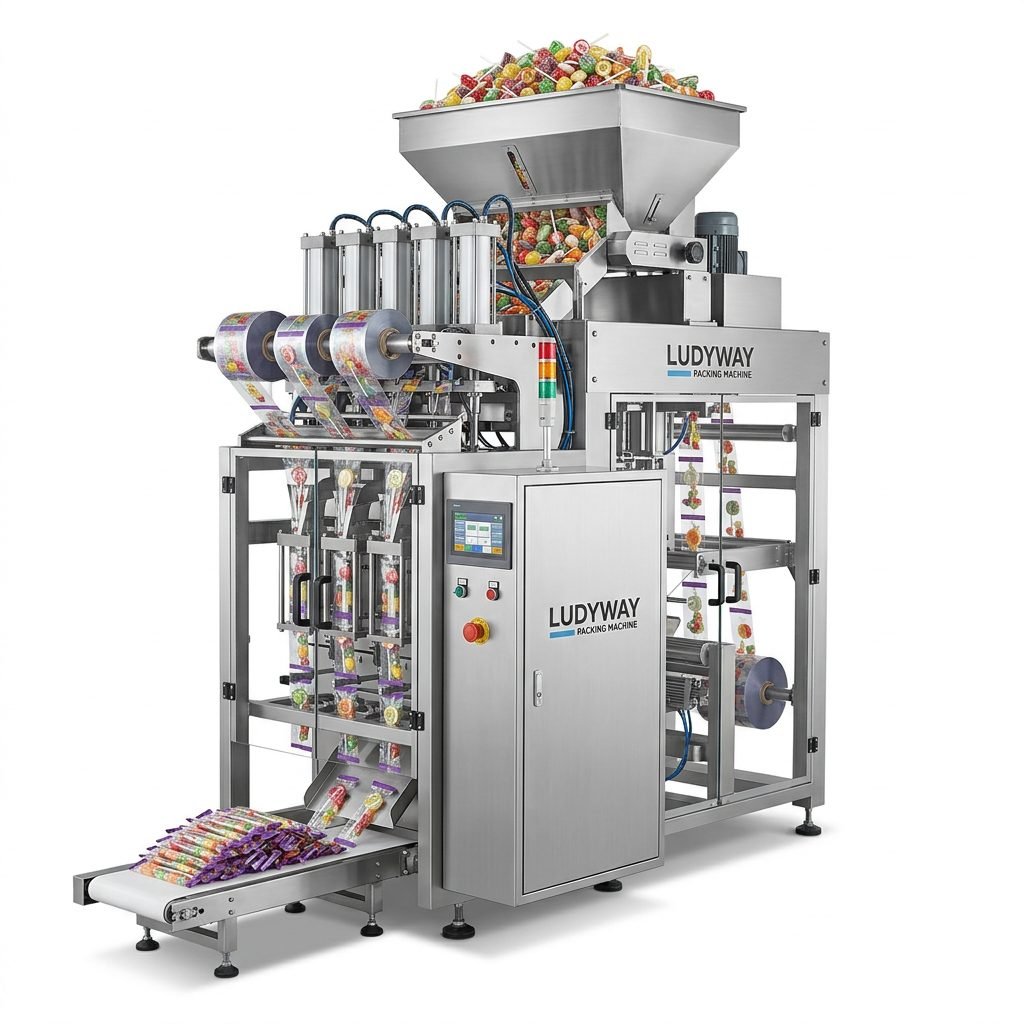
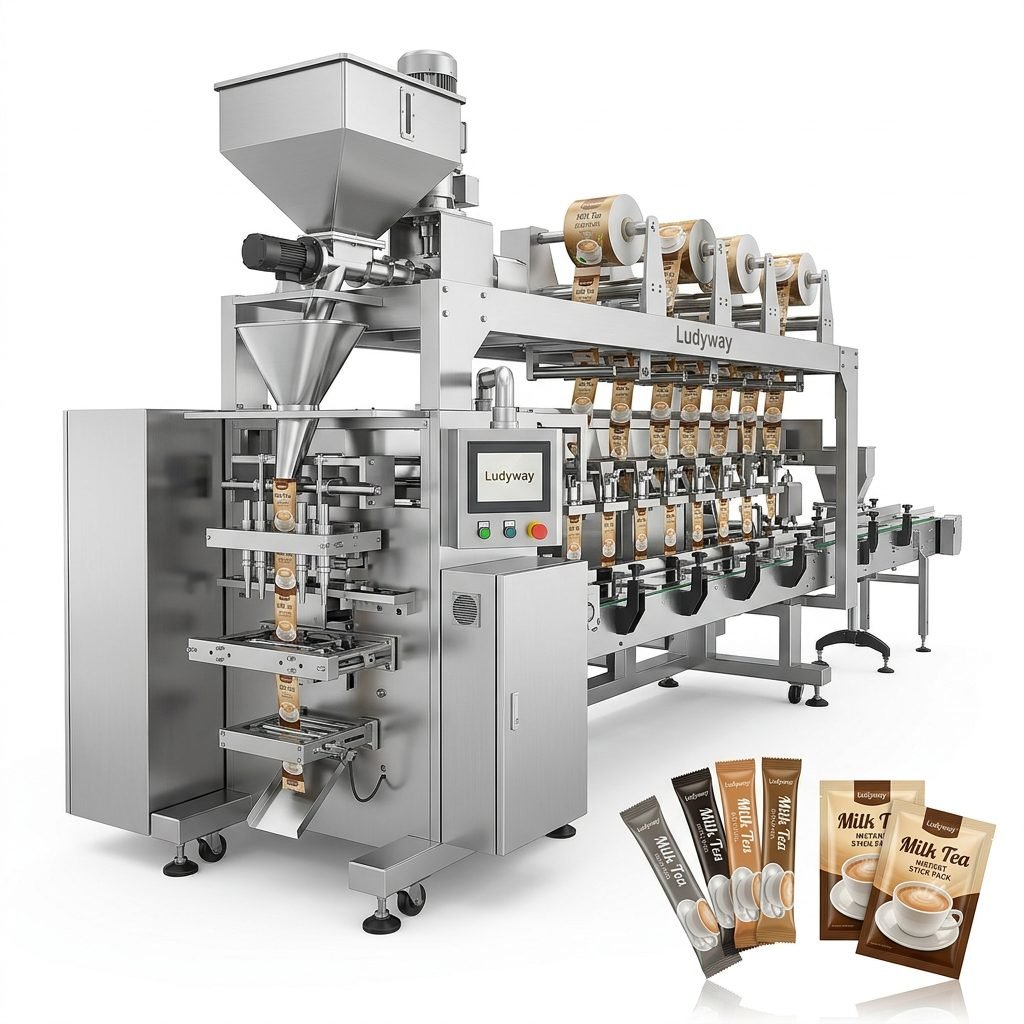
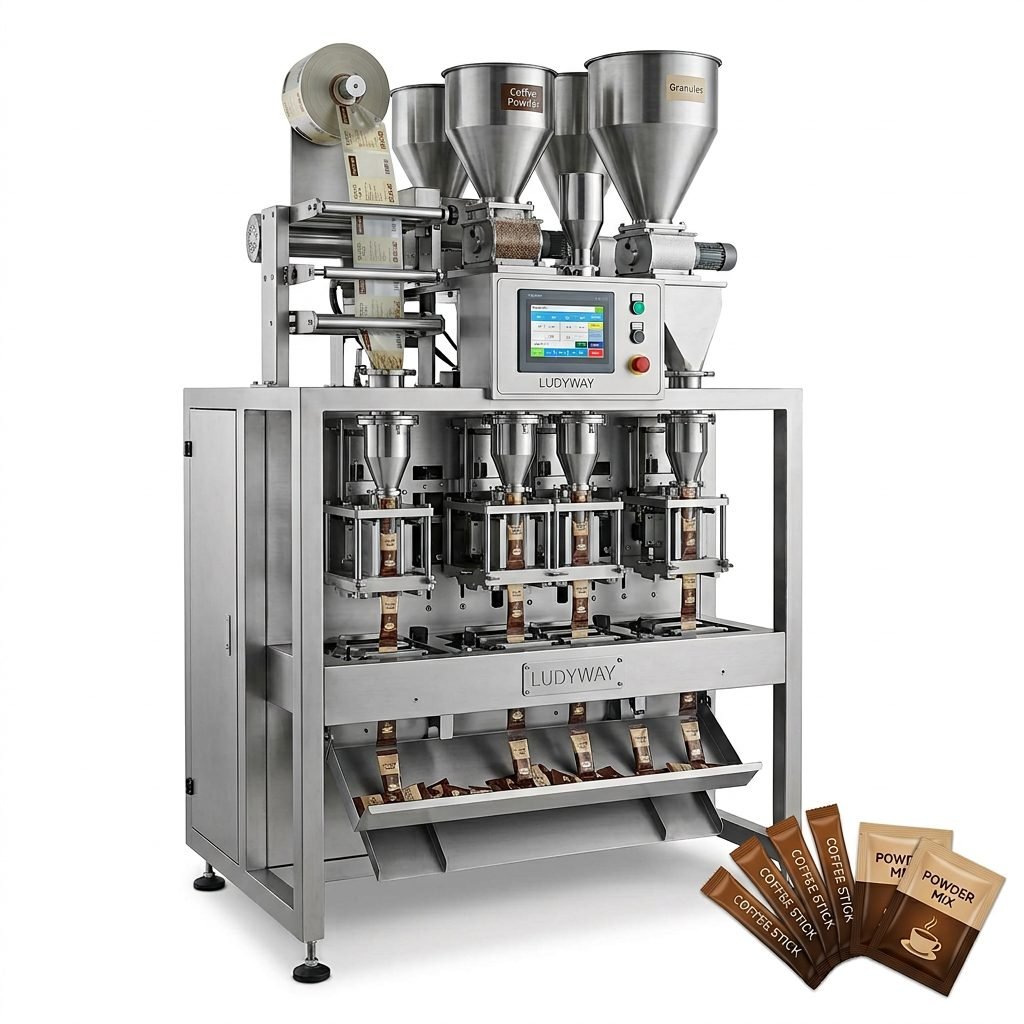
Ideal for packaging smaller, standardized metal components like screws, bolts, or washers into flexible pouches. The machine forms the bag from a roll of film, fills it with the product, and seals it—all in one continuous operation. Modern VFFS systems offer high speed and excellent flexibility for bag sizes.
2. Thermoforming/Blister Packaging Machines
Perfect for securing and presenting individual or sets of parts. A plastic sheet is heated and formed into cavities (blisters), the parts are loaded, and a lidding material (often foil or card) is sealed on top. This provides superb visibility and protection against dust and handling.
3. Cartoning & Case Packing Systems
These automate the process of placing metal parts or their primary packages into cardboard cartons or shipping cases. They can include automatic carton erection, product loading, insertion of manuals, and sealing. Crucial for final shipment preparation.
4. Robotic Pick-and-Place Packaging Cells
For heavy, large, or irregularly shaped parts (e.g., machined castings, automotive components), robotic arms with specialized grippers are the most flexible solution. They can pick parts from a conveyor and place them precisely into trays, racks, or custom packaging with minimal risk of damage.
Critical Selection Criteria Beyond the Machine
Choosing the hardware is just one part of the equation. The success of your automation project depends on several supporting factors.
Build Quality & Durability
Metal parts packaging environments can be demanding. Look for machines constructed with robust materials (stainless steel frames, hardened guides) designed for 24/7 operation. The mechanism should withstand the weight and potential abrasiveness of metal components.
Flexibility & Changeover Time
Even within metal parts, product lines change. Evaluate how quickly and easily the machine can be adjusted for different part sizes or packaging formats. Machines with tool-less changeovers or recipe memory can drastically reduce downtime.
Integration Capabilities
The best machine is one that communicates seamlessly with your production line. Ensure it supports standard industrial communication protocols (e.g., Ethernet/IP, Profinet, Modbus TCP) for real-time data exchange with your Manufacturing Execution System (MES) or PLC.
Supplier Expertise & Support
Partner with a supplier who understands the unique challenges of industrial parts packaging. Look for a provider with proven experience, like Ludyway Machinery, which offers specialized solutions backed by extensive industry knowledge. Consider their after-sales service, availability of spare parts, and technical support network.
💡 Pro Tip: The Total Cost of Ownership (TCO)
Don’t just compare the initial purchase price. Calculate the TCO, which includes:
Energy Consumption: Efficient machines lower operational costs.
Material Waste: Precision machines minimize film, cardboard, or blister web waste.
Maintenance Costs: Reliable machines with accessible service points reduce long-term upkeep expenses.
Operational Labor: Higher automation reduces manual labor requirements on the line.
Implementing Your Automated Solution
A successful implementation requires careful planning. Start with a clear project scope and involve both production and maintenance teams from the beginning. Request a factory acceptance test (FAT) to see the machine run with your specific parts before installation. Finally, ensure comprehensive operator and maintenance training is provided by the supplier to guarantee a smooth ramp-up and sustained performance.
By methodically assessing your needs against the types of automation available and rigorously evaluating potential suppliers, you can invest in a metal parts packaging machine that becomes a reliable, efficient, and profitable cornerstone of your production operation for years to come. For insights into how tailored solutions are developed, you can explore the evolution of specialized packaging machinery.
Frequently Asked Questions (FAQs)
Q1: Can one machine handle packaging for vastly different sizes and shapes of metal parts?
A: It depends on the machine type. Robotic cells offer the greatest flexibility, as end-effectors (grippers) can often be changed. For VFFS or blister machines, significant size changes typically require mechanical adjustments and changeover of forming tools, which takes time. The key is to discuss your product range with the supplier to find a solution that balances flexibility with speed.
Q2: How do I protect delicate or precision-finished metal parts from damage during automated packaging?
A: This is a critical concern. Solutions include using soft-touch or vacuum grippers on robots, lining packaging trays with anti-static or cushioned materials, and ensuring gentle product handling through the machine’s transfer points. The machine’s motion control (e.g., servo drives) should allow for adjustable, smooth acceleration and deceleration.
Q3: What are the main benefits of integrating packaging data with our factory MES system?
A: Integration enables real-time tracking of production counts, packaging material usage, and machine efficiency (OEE). It allows for accurate traceability (linking packaged batches to production data), proactive maintenance alerts, and data-driven decisions to optimize the entire packaging process.
Q4: Is a fully automated line always better than a semi-automatic one?
A: Not necessarily. For lower volumes, high product mix, or complex manual placement tasks, a semi-automatic machine where an operator presents the part to the machine for sealing or cartoning can be more cost-effective and flexible. Full automation is best justified for high-volume, stable product lines where it significantly reduces labor and increases throughput.
Q5: How long does it typically take from purchase to having the machine operational on our floor?
A: Lead times vary widely based on machine complexity and customization. A standard model might be delivered in 8-12 weeks, while a fully customized, integrated cell could take 20+ weeks. This timeline includes design, manufacturing, factory testing, shipping, and on-site installation & commissioning. Clear communication with your supplier about the project timeline is essential.