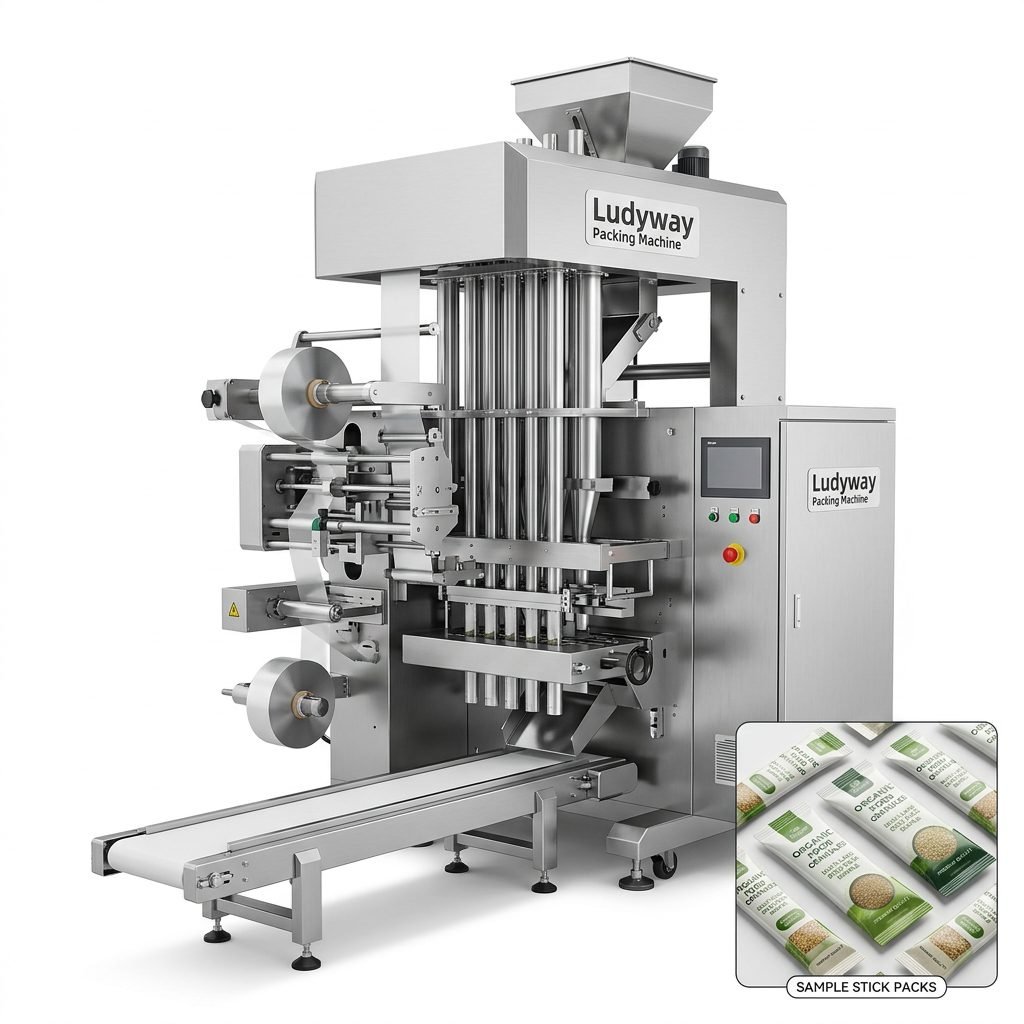
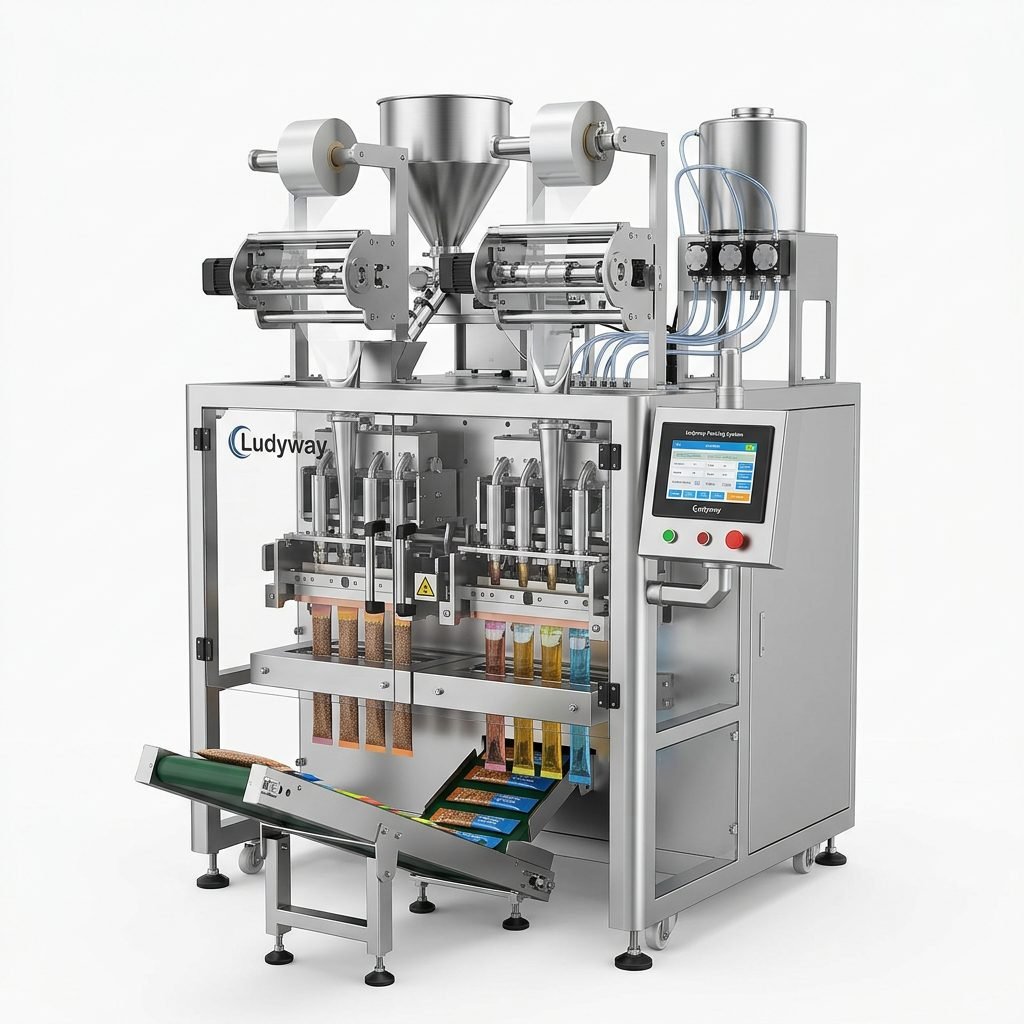
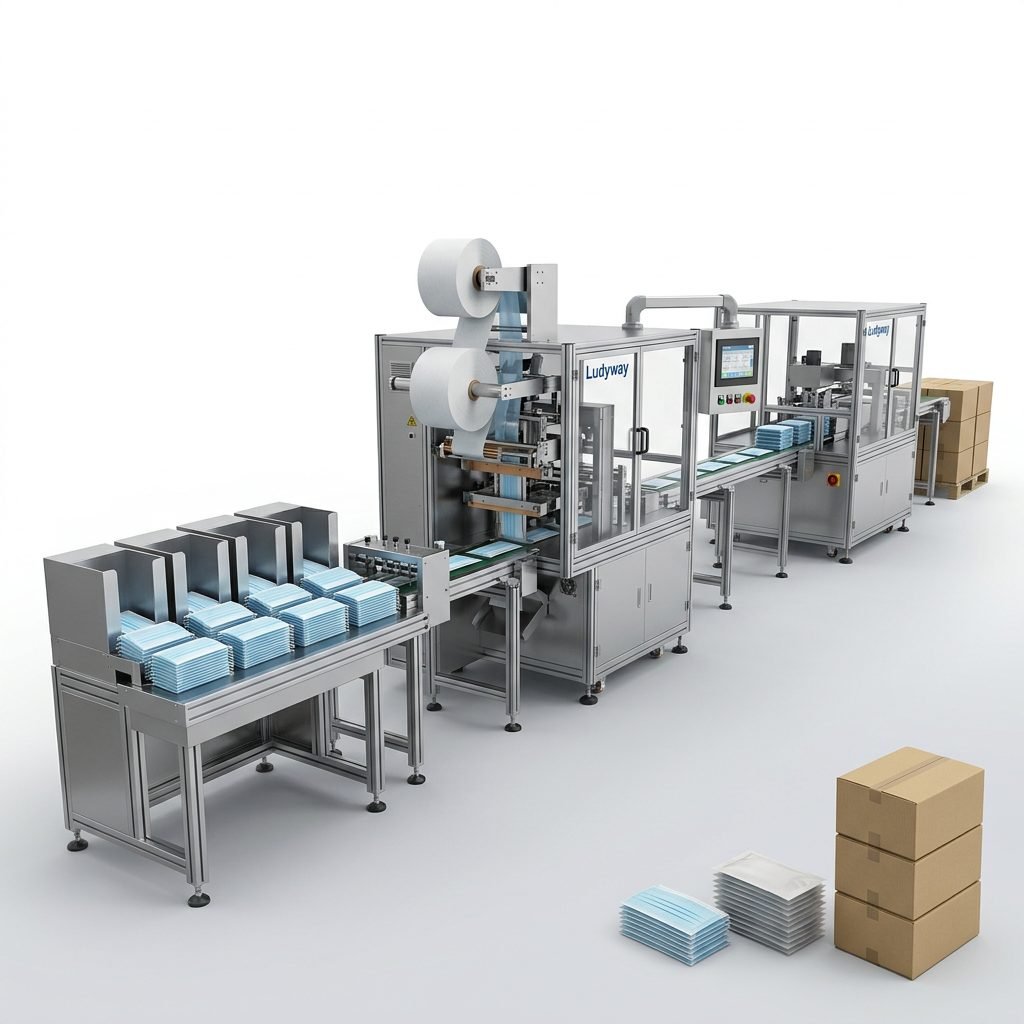
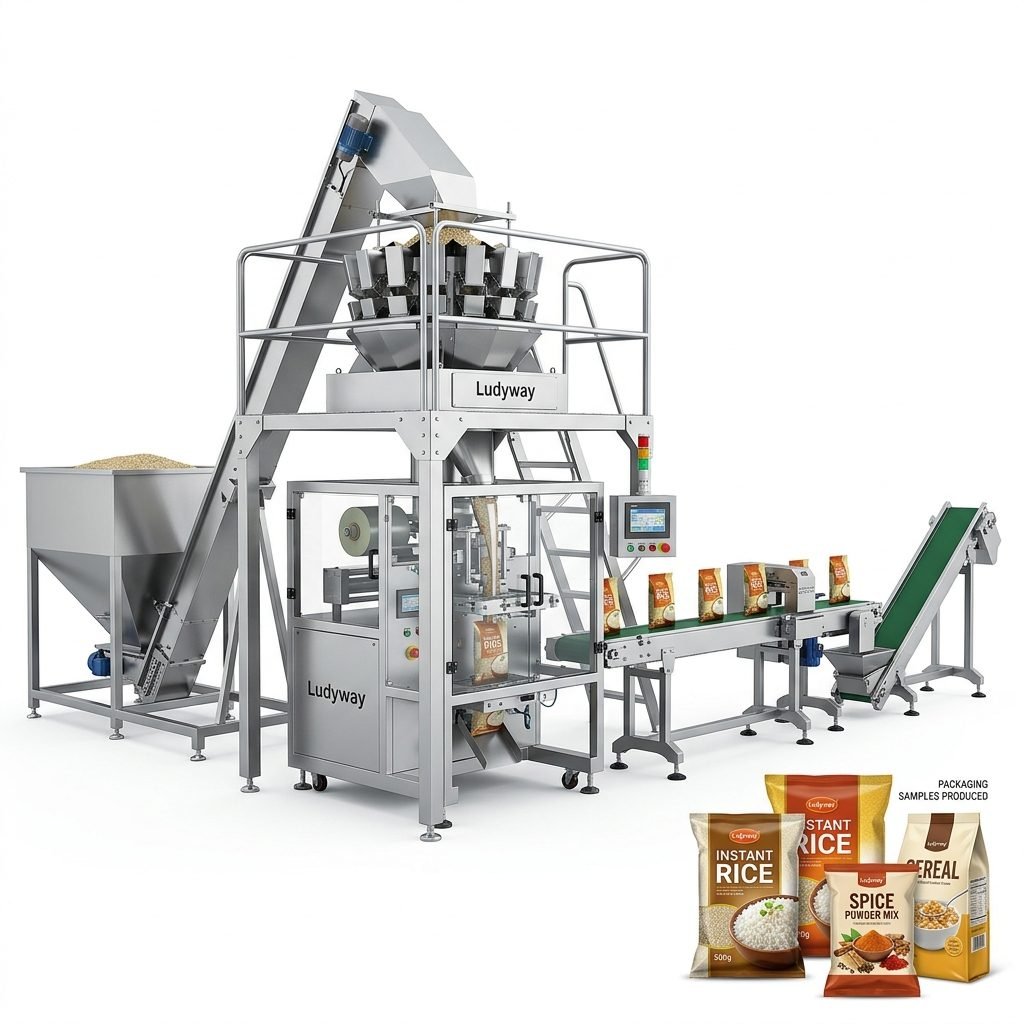
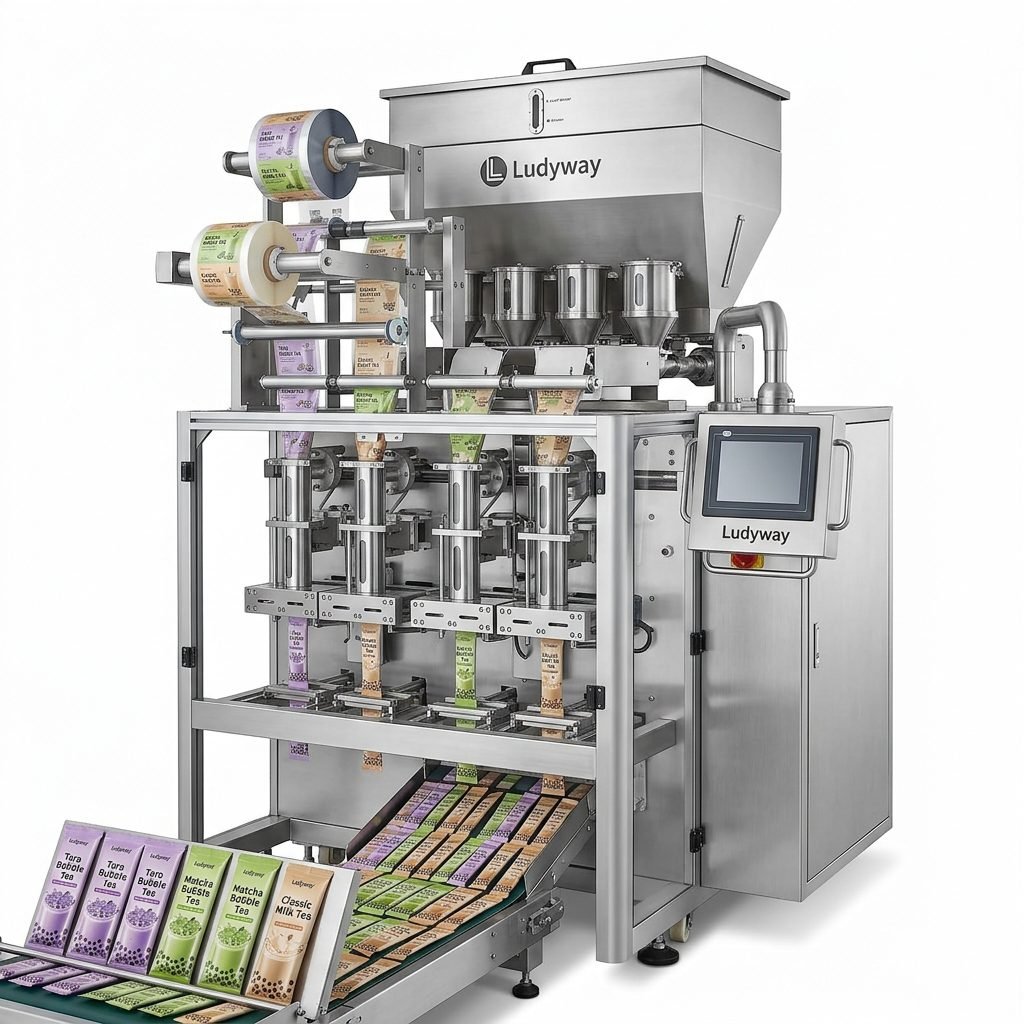
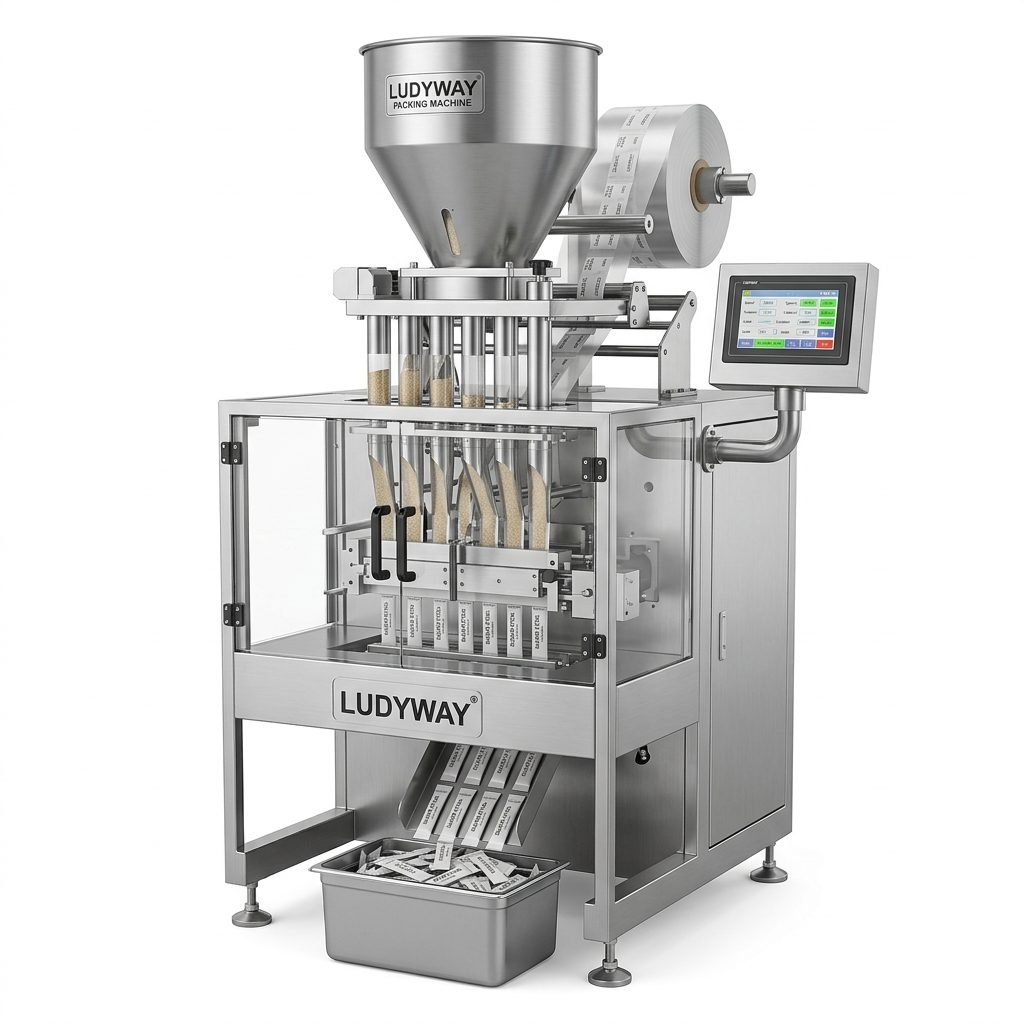
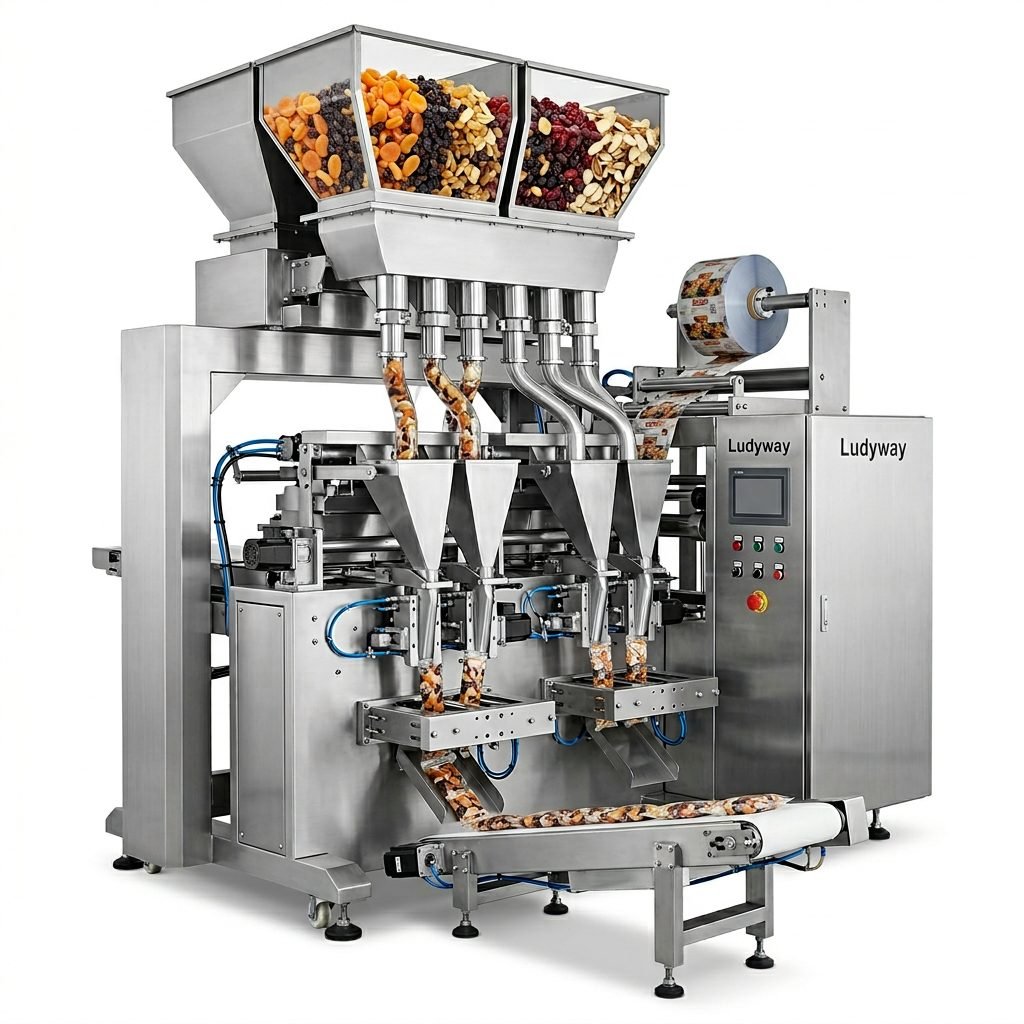
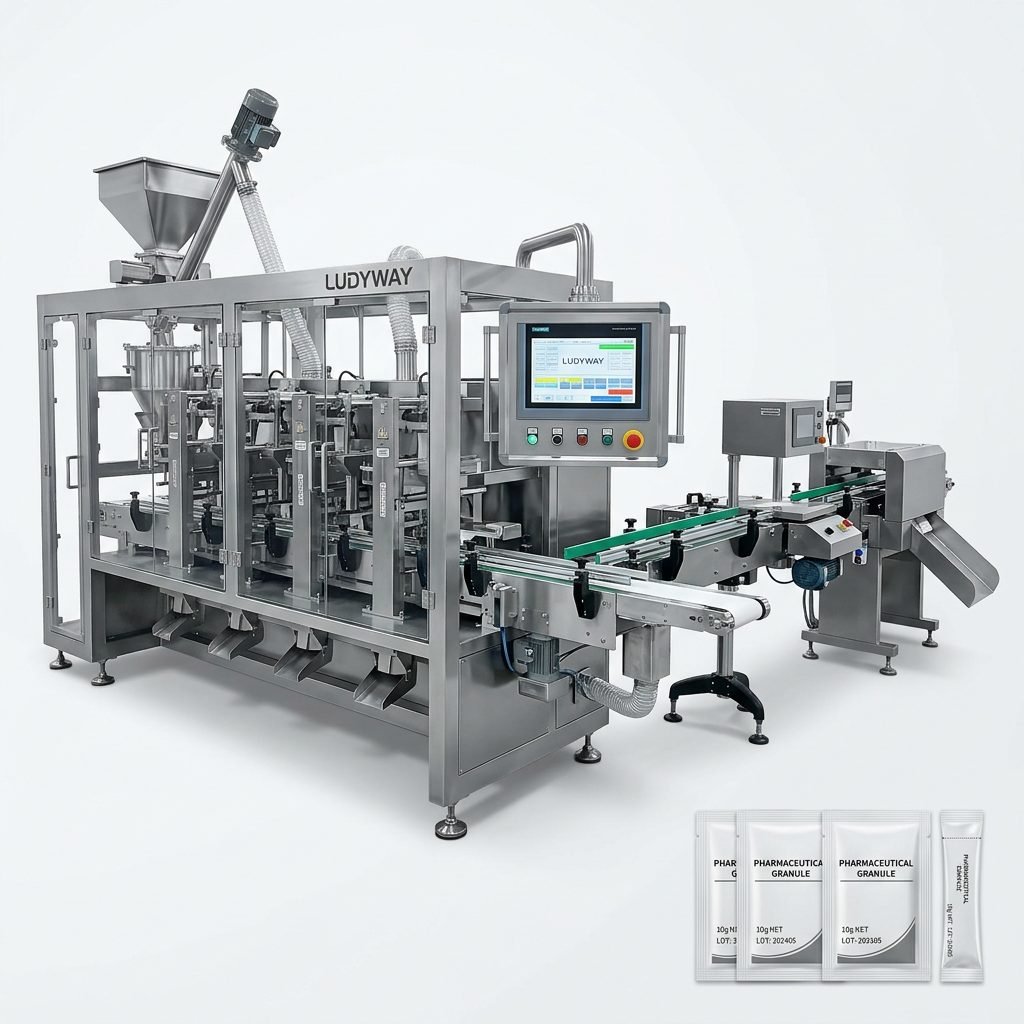
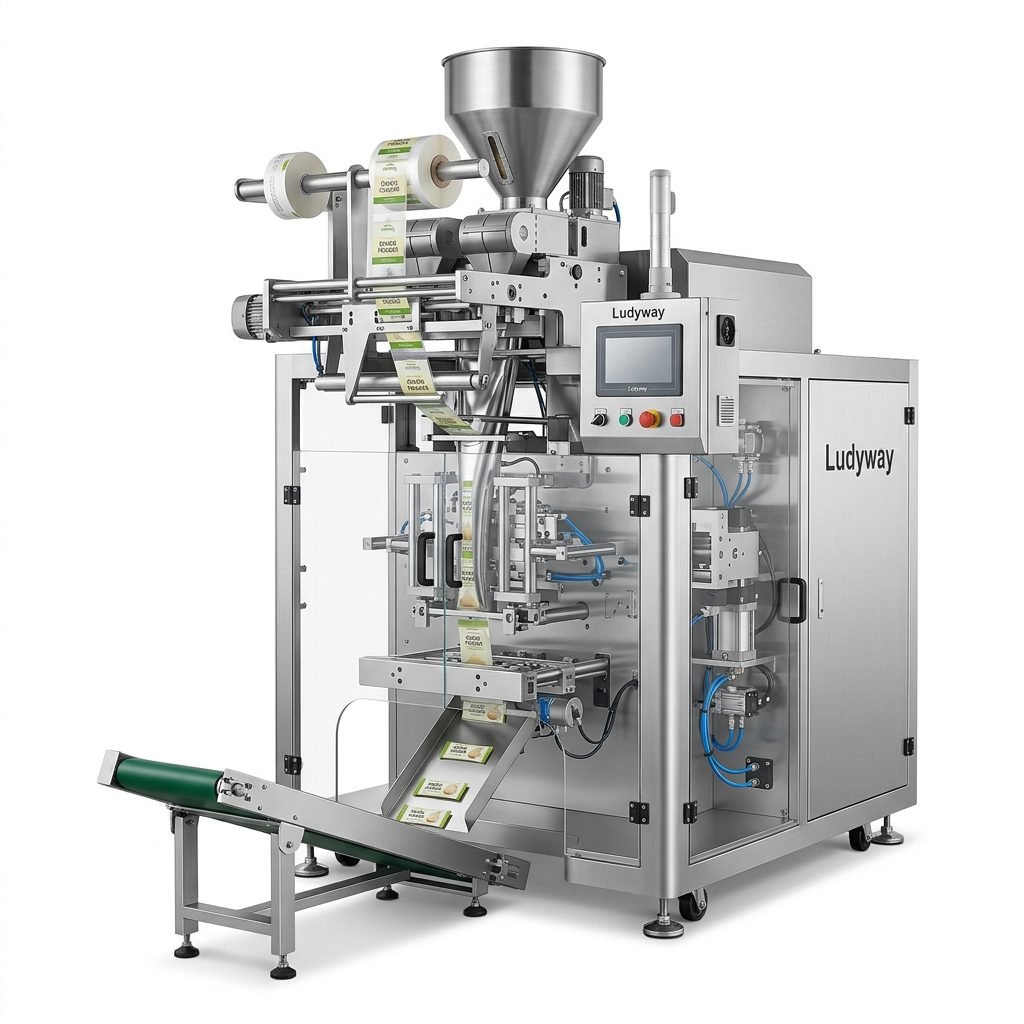
Investing in the right vacuum sealing packaging machine is a critical decision for businesses in the food, pharmaceutical, and industrial sectors. A well-chosen machine extends product shelf life, reduces waste, and improves operational efficiency. This buying guide will walk you through the essential factors to consider before making your purchase.

Understanding Vacuum Sealing Packaging Machines
A vacuum sealing packaging machine removes air from a package before sealing it, creating an oxygen-free environment that significantly slows down product degradation. Whether you are packaging granular products, powders, or solid items, selecting the appropriate equipment directly impacts your production line’s performance and product quality.
Types of Vacuum Sealing Machines
Different production environments require different machine configurations. Understanding the main categories will help you narrow down your options effectively.
External Vacuum Sealers
External vacuum sealers are ideal for small to medium-scale operations. The bag is placed outside the machine, and the nozzle extracts air before sealing. They are generally more affordable and portable, making them suitable for businesses with limited space or lower volume requirements. However, they typically have slower cycle times compared to chamber models.
Chamber Vacuum Sealers
Chamber vacuum machines place the entire product and bag inside a sealed chamber. Air is removed from the entire chamber, ensuring consistent pressure and superior sealing quality. These machines are preferred for high-volume production lines and can handle larger pouches, bulk bags, and liquid-rich products without risking spillage. They are widely used in meat processing, ready-meal packaging, and pharmaceutical applications.
Thermoforming Vacuum Packaging Machines
Thermoforming systems represent the highest level of automation. They form the package from roll stock film, fill the product, apply vacuum, and seal—all in one continuous process. These are best suited for large-scale manufacturers requiring maximum throughput and consistent package presentation.

Key Factors to Consider Before Buying
Making an informed decision requires evaluating multiple technical and operational parameters. The table below summarizes the critical factors you should analyze:
| Factor | Why It Matters |
|---|---|
| Production Volume | Determine whether you need a single-chamber unit for batch processing or a continuous thermoforming line for high-output operations. |
| Product Characteristics | Consider product size, shape, sharp edges, and whether items are dry, moist, or liquid-based. Liquids require specialized chamber machines. |
| Bag or Pouch Size | Ensure the machine’s sealing bar length accommodates your largest packaging format without compromising seal integrity. |
| Cycle Speed | Compare pump capacity and sealing cycle times to match your required output rate and avoid production bottlenecks. |
| Vacuum Pump Type | Oil pumps offer higher vacuum levels and durability for heavy use, while dry pumps require less maintenance and are suitable for lighter operations. |
| Material Compatibility | Verify that the machine works with your preferred packaging films, including barrier films, shrink bags, and aluminum foil laminates. |
Common Applications Across Industries
Vacuum sealing technology serves a diverse range of sectors. Below are some of the most frequent use cases:
- Food Industry: Meat, poultry, seafood, cheese, fresh produce, ready meals, and snack foods benefit from extended shelf life and reduced freezer burn.
- Pharmaceuticals: Sterile medical devices, diagnostic kits, and powdered medications require hermetic sealing for contamination prevention.
- Industrial Components: Electronic parts, hardware, and sensitive components are vacuum-packed to prevent oxidation and moisture damage during storage and shipping.
- Bulk Packaging: Large-format bags for granular and powder products, such as fertilizers, chemical additives, and food ingredients, benefit from vacuum sealing for stability and protection.
Evaluating Build Quality and Material
The construction material of your vacuum sealing packaging machine directly affects its longevity and hygiene standards. Stainless steel construction, particularly 304 or 316L grade, is essential for food and pharmaceutical applications due to corrosion resistance and ease of cleaning. Examine the sealing bar quality, chamber thickness, and overall frame rigidity before making a commitment. A robustly built machine reduces downtime and maintenance costs over time.

Automation and Control Features
Modern vacuum packaging machines come equipped with advanced control systems that enhance precision and ease of use. Look for features such as:
- Programmable Logic Controllers (PLC) with touchscreen interfaces for storing multiple recipes
- Adjustable vacuum and gas flushing parameters for Modified Atmosphere Packaging (MAP)
- Automatic cycle initiation via lid closure or sensor activation
- Diagnostic displays for real-time monitoring of pump performance and seal temperature
- Integration capabilities with upstream and downstream equipment for complete packaging solutions
Maintenance and After-Sales Support
Even the most reliable equipment requires regular upkeep. Before purchasing, investigate the availability of spare parts, the manufacturer’s warranty terms, and the accessibility of technical support. A supplier with a strong international service network can significantly reduce costly production interruptions. Ludyway, one of the largest packaging machine manufacturers in China, provides comprehensive after-sales service and technical assistance to customers in over 100 countries, ensuring your vacuum packaging line operates at peak efficiency.
Making Your Final Decision
Choosing the right vacuum sealing packaging machine involves balancing your budget with your production needs and future growth plans. Start by clearly defining your current requirements, then evaluate machines that offer a degree of flexibility for scaling up. Request product demonstrations, test your actual packaging materials on the machine if possible, and speak with existing users to understand real-world performance. A methodical approach to selection will yield a machine that delivers consistent results and a strong return on investment for years to come.

Key Takeaways
- Match the machine type (external, chamber, or thermoforming) to your production volume and product characteristics
- Prioritize stainless steel construction for durability and hygiene compliance
- Evaluate cycle speed and pump capacity to avoid production bottlenecks
- Consider automation features that simplify operation and reduce labor dependency
- Verify the manufacturer’s service network and spare parts availability before committing