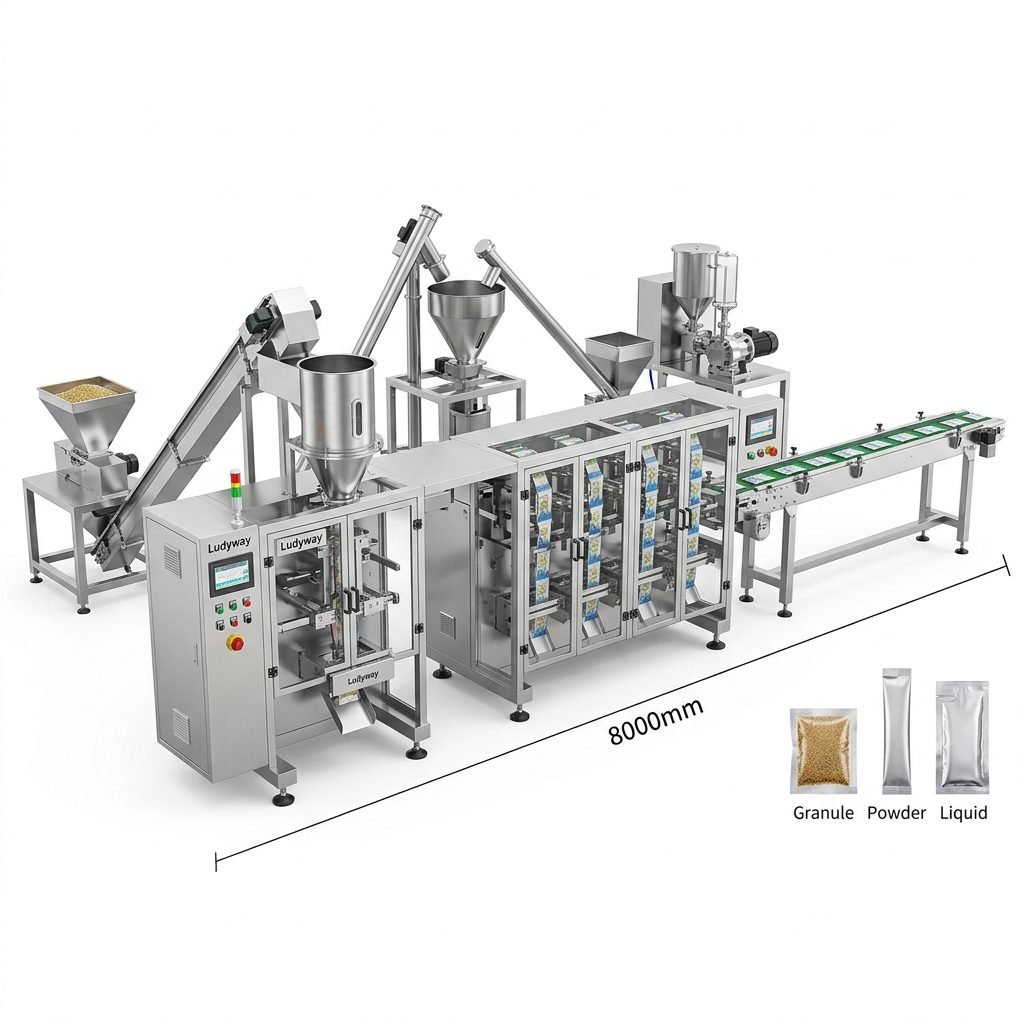
In the fast-paced world of food production, efficiency, hygiene, and product presentation are paramount. Vertical form-fill-seal (VFFS) machines, often called vertical food packaging machines, are the backbone of modern packaging lines for countless products, from snacks and coffee to pasta and pet food. This comprehensive guide delves into the types, significant benefits, and critical factors for selecting the right VFFS system for your operation.
Understanding Vertical Form-Fill-Seal (VFFS) Technology
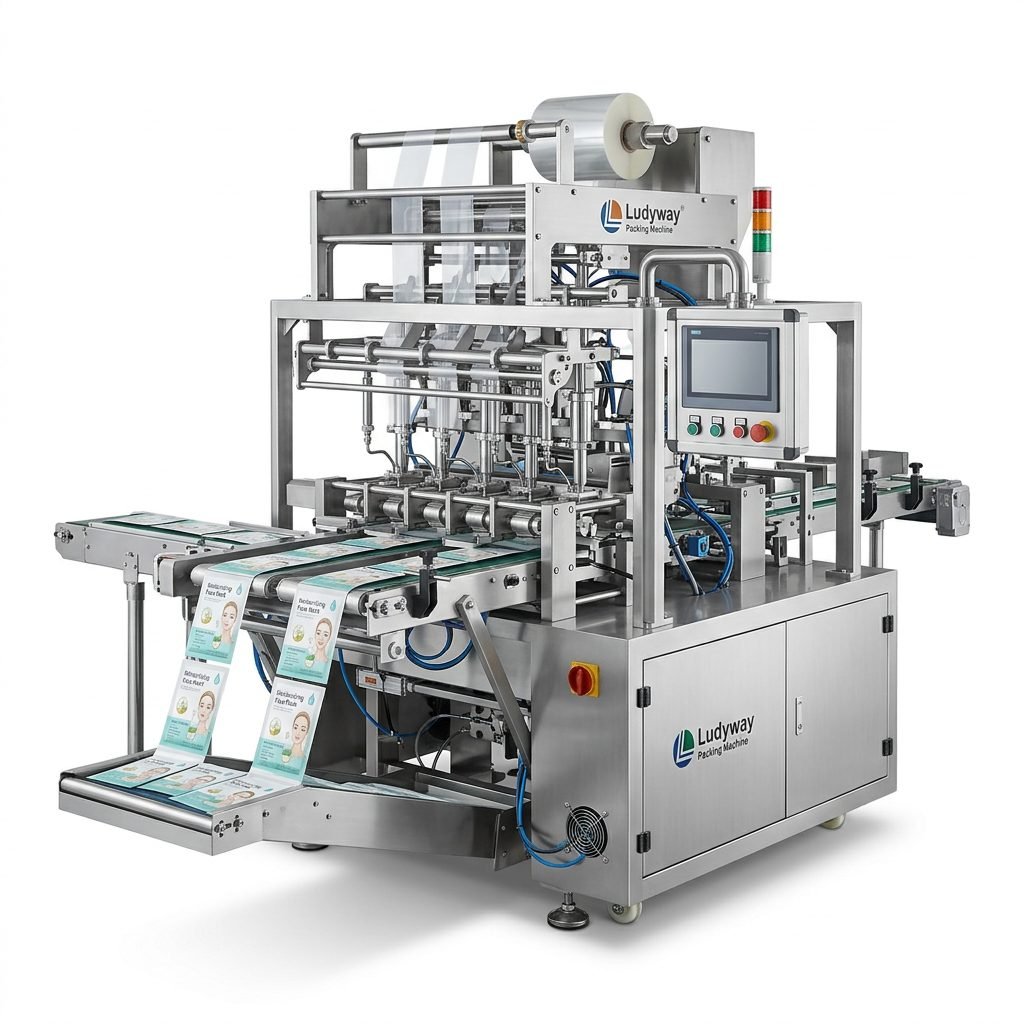
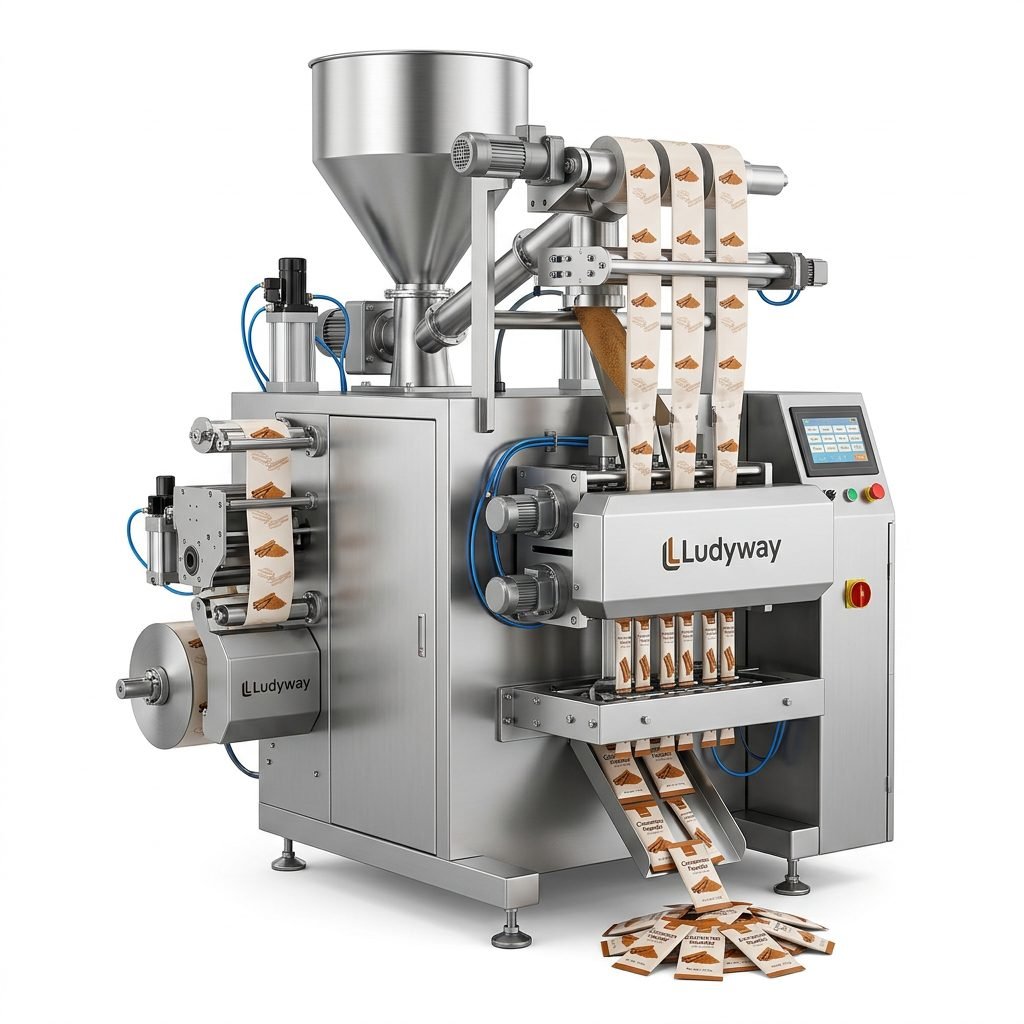
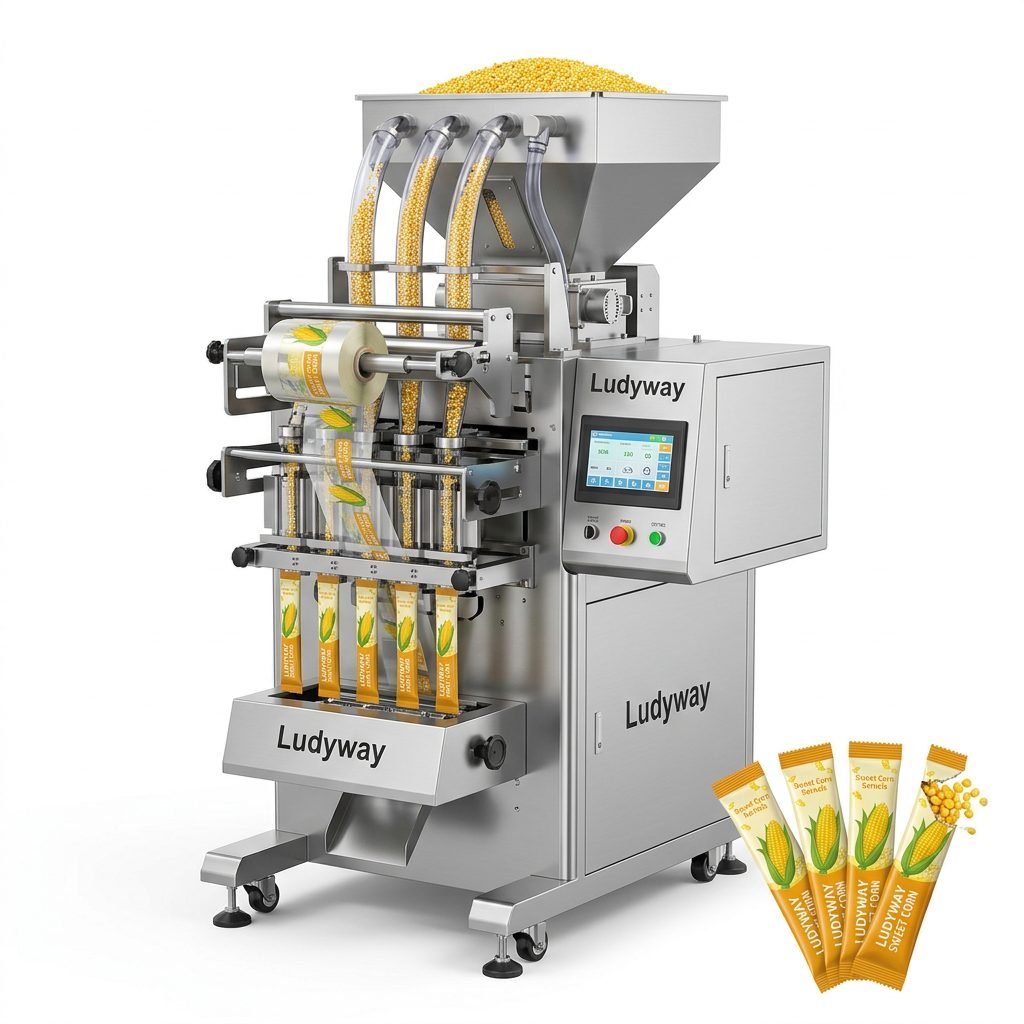
At its core, a VFFS machine is an automated system that forms packaging from a roll of flat film, fills it with a precise amount of product, and then seals it—all in a continuous vertical motion. The process begins with a roll of packaging material (like laminated polypropylene or polyethylene) being fed into the machine. The film is formed into a tube around a vertical filling tube, and the back seal is created. The product is then dispensed through the filling tube into the nascent bag. Finally, the top of the filled bag is sealed, and the individual package is cut away, ready for collection or secondary packaging.
→ Key Advantage: This vertical process allows for a remarkably small machine footprint while achieving high-speed production, making VFFS machines ideal for facilities where floor space is at a premium.
Primary Types of Vertical Food Packaging Machines
VFFS systems are not one-size-fits-all. They are engineered to handle different product characteristics and market demands. Understanding these types is the first step in making an informed choice.
Single-Tube VFFS Machines
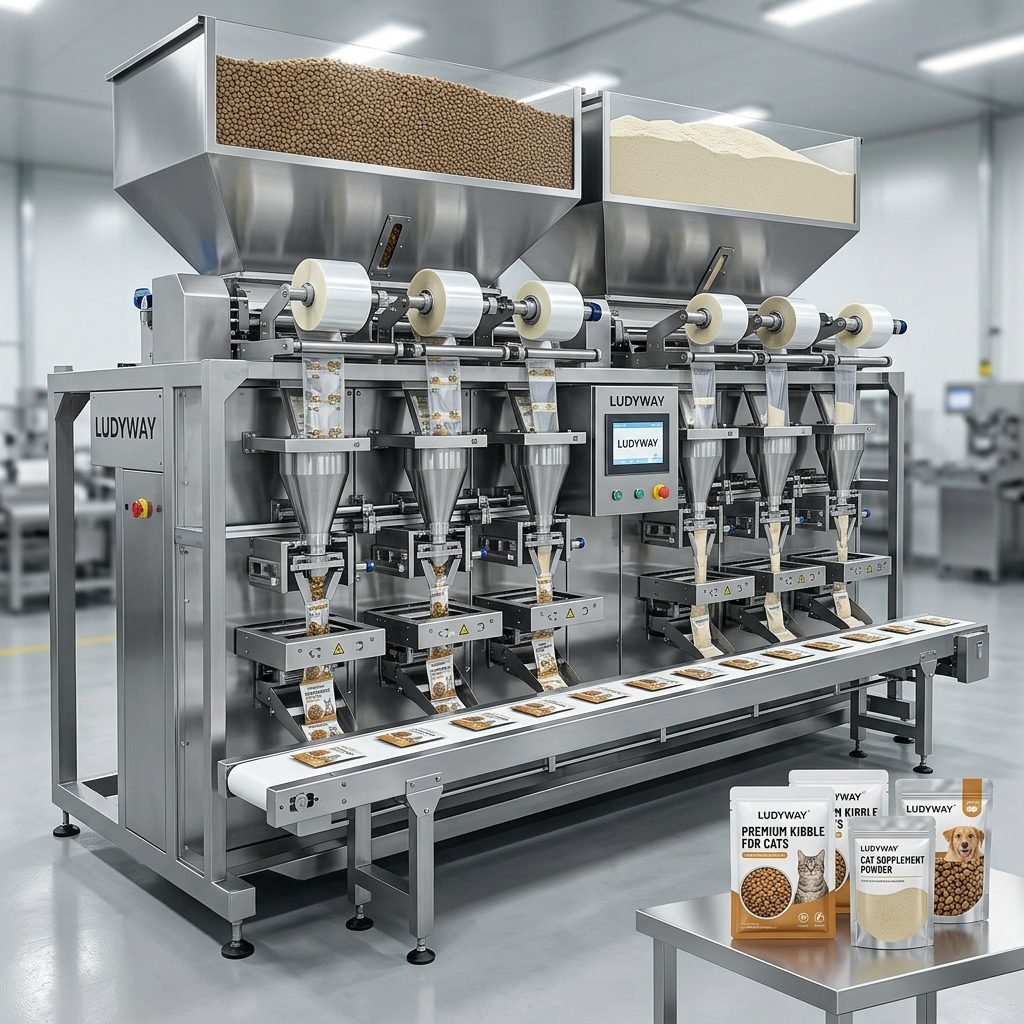
The standard workhorse of the industry. A single tube forms, fills, and seals one stream of product. Perfect for granular items (rice, nuts, seeds), powders (flour, protein powder, drink mixes), and small solid pieces (candy, frozen vegetables). They offer excellent versatility and are often the most cost-effective entry point for automation.
Multi-Lane VFFS Machines
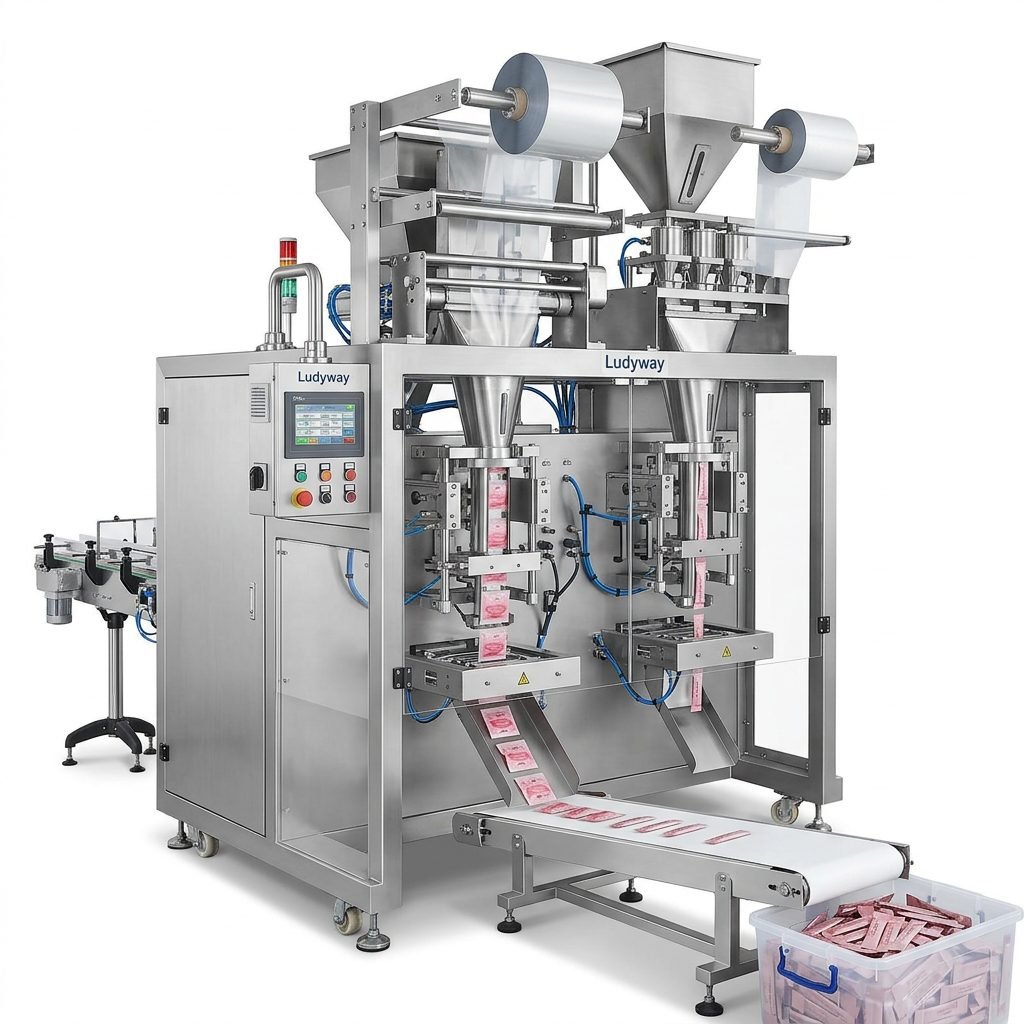
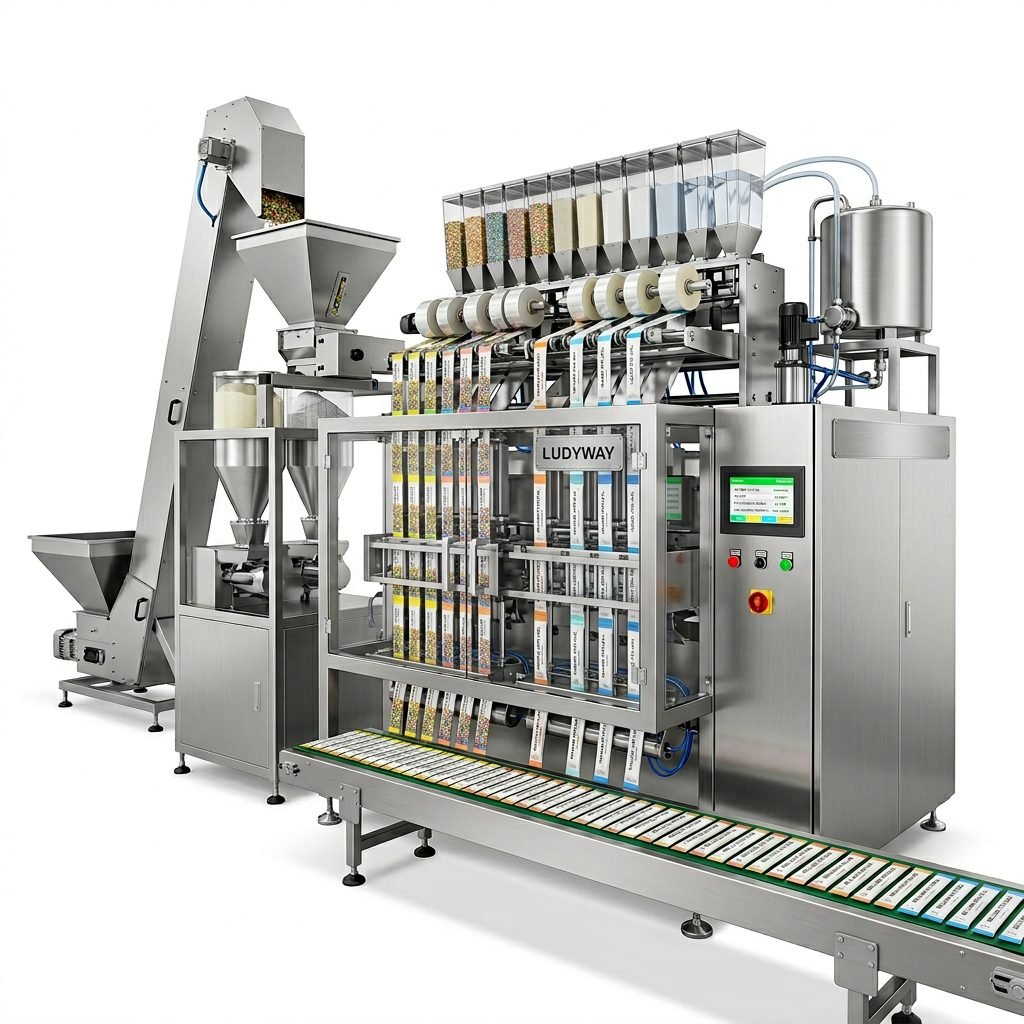
Designed for ultra-high-speed packaging of small, uniform products. These machines split the product flow into multiple lanes (e.g., 4, 8, or even 16), each with its own weighing and filling system, operating simultaneously. They are the go-to solution for items like stick packs for sugar, instant coffee, or sauce portions, and small sachets for pharmaceuticals or condiments.
Industry Insight: For producers looking to scale up output of single-serve items, a multi-lane system from a provider like Ludyway Packing Machine can multiply throughput without proportionally increasing floor space, providing a rapid return on investment.
Liquid & Viscous Product VFFS Machines
Specialized systems equipped with pumps (such as piston or gear pumps) to handle liquids, pastes, and semi-solids. These machines use films with excellent seal integrity and often feature special sealing jaws to prevent leaks. Ideal for packaging sauces, dressings, honey, yogurt, and cosmetic creams.
Auger-Fill VFFS Machines
Utilize a rotating auger (screw) within the filling tube to dispense products. This method provides exceptional accuracy for fine powders and difficult-to-handle products that may compact or bridge. Essential for industries where precise dosage is critical, such as pharmaceuticals, nutritional supplements, and premium food powders.
Tangible Benefits of Implementing a VFFS System
Investing in a VFFS machine transforms packaging from a manual bottleneck into a strategic asset. The benefits cascade across your entire operation.
Enhanced Efficiency & Speed: Automated VFFS machines operate at speeds far beyond manual packing, from dozens to hundreds of bags per minute. This increases overall production capacity and reduces labor costs per unit.
Superior Product Freshness & Shelf Life: VFFS machines can integrate with gas flushing (modified atmosphere packaging) systems. By replacing the air inside the bag with an inert gas like nitrogen, they dramatically slow oxidation and microbial growth, keeping snacks crisp, coffee aromatic, and meats fresh for longer.
Remarkable Material Savings & Sustainability: Using film from rolls minimizes material waste compared to pre-made bags. Modern machines ensure precise bag length and seal integrity, reducing film usage. This not only cuts costs but also aligns with environmental goals by minimizing packaging material.
Unmatched Consistency & Brand Presentation: Every bag is formed, filled, and sealed identically. This ensures consistent weight (critical for regulatory compliance), uniform appearance, and professional branding on every package that reaches the consumer, strengthening brand trust.
Operational Flexibility: Quick changeover systems allow producers to switch between different bag sizes, films, and products with minimal downtime. This is crucial for manufacturers running short batches or a wide variety of SKUs.
How to Choose the Right VFFS System: A Step-by-Step Guide
Selecting the ideal VFFS machine requires a careful analysis of your specific needs. Rushing this decision can lead to underperformance or costly modifications later.
1. Analyze Your Product Characteristics
This is the most critical factor. Define your product’s physical state (granule, powder, liquid), its flowability, abrasiveness, and any special requirements (e.g., fragility, hygroscopic nature). A provider with deep application knowledge, such as the team behind Ludyway Machinery, can recommend the optimal filling technology—whether volumetric cup, auger, or pump.
2. Determine Your Required Output Speed
Calculate your current and projected future bags-per-minute (BPM) requirements. Be realistic about peak demands. A single-tube machine may suffice for 60 BPM, but for 200+ BPM, a multi-lane system becomes necessary. Ensure the machine’s maximum speed aligns with your growth plans.
3. Define Packaging Specifications
What bag style do you need? (Pillow bag, gusseted, block bottom?). What are the minimum and maximum bag dimensions (length and width)? What type of film will you use? The machine must be compatible with your desired packaging materials and capable of producing the seal quality and appearance you require.
4. Evaluate Integration & Support Needs
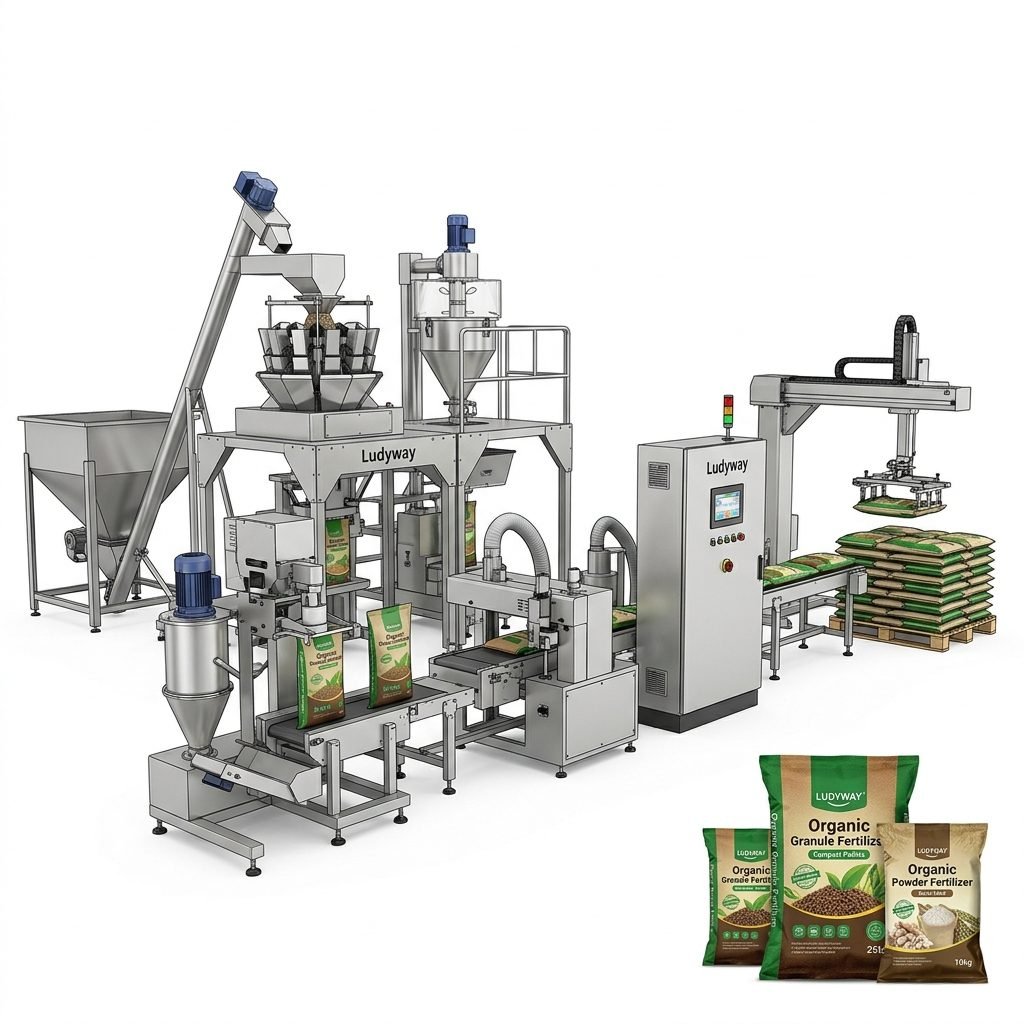
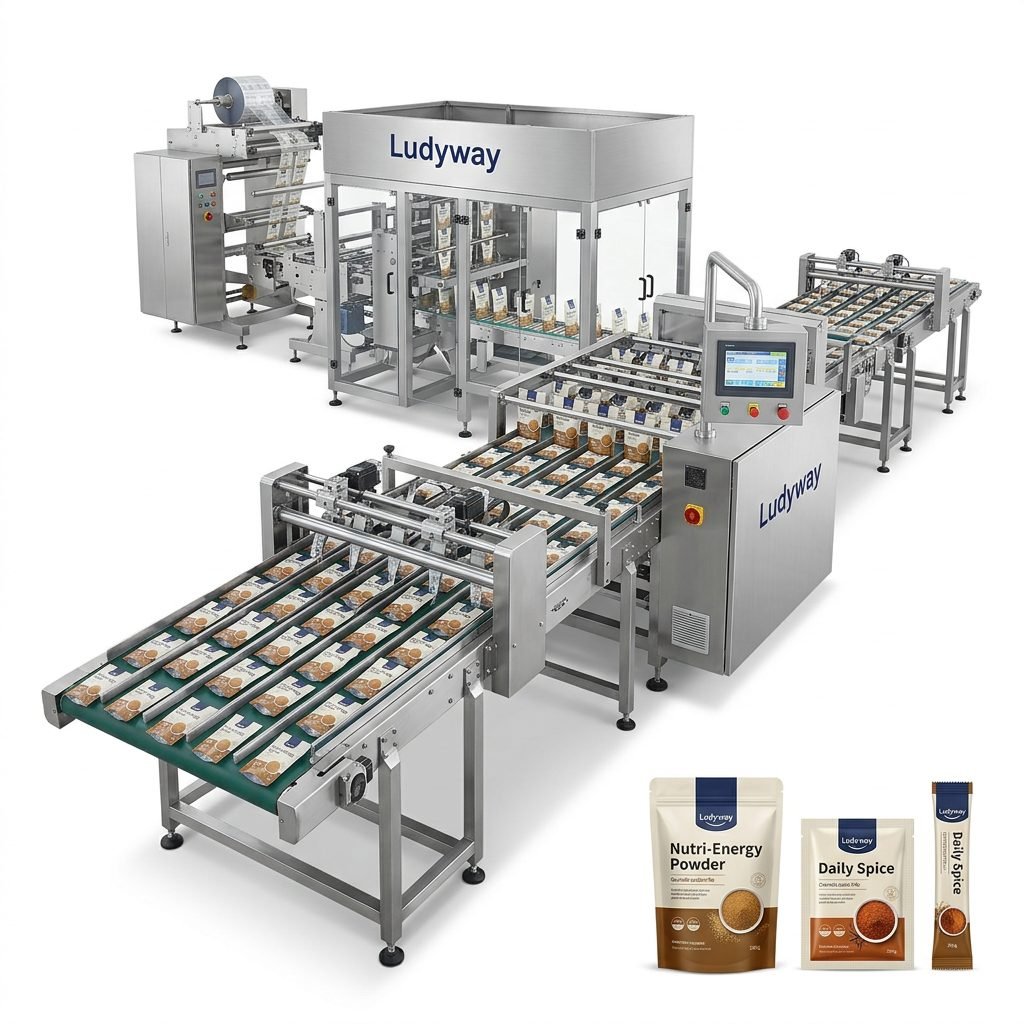
Consider how the VFFS will fit into your existing line. Does it need to integrate with upstream equipment like weighers or depositors, and downstream systems like checkweighers or case packers? Crucially, assess the manufacturer’s support: availability of spare parts, technical documentation, training, and service response time. A reliable partner with over 30 years of industry experience ensures long-term operational success.
5. Consider Total Cost of Ownership (TCO)
Look beyond the initial purchase price. Factor in energy consumption, expected maintenance costs, ease of cleaning (which affects downtime), and the potential cost of future upgrades. A slightly higher initial investment in a robust, flexible, and well-supported machine often leads to a lower TCO and better ROI.
Pro Tip: Request a Product Test
Before finalizing your decision, always send a sample of your actual product and packaging film to the manufacturer for a live test run. This is the only way to verify performance, accuracy, and seal quality under real-world conditions. Reputable suppliers encourage this step to guarantee customer satisfaction.
Conclusion
A vertical food packaging machine is a pivotal investment that drives efficiency, quality, and profitability. By thoroughly understanding the different machine types, acknowledging their substantial benefits, and methodically evaluating your product, output, and support needs, you can select a VFFS system that becomes a reliable cornerstone of your production for years to come. Partnering with an experienced supplier who offers tailored solutions and global support is key to unlocking the full potential of your packaging automation journey. For insights into complete production line solutions, exploring turnkey packaging solutions can be a valuable next step.
Frequently Asked Questions (FAQs)
What is the main difference between vertical (VFFS) and horizontal (HFFS) form-fill-seal machines?
VFFS machines form bags vertically from a single roll of film, ideal for free-flowing products where the bag is filled and then the top is sealed. HFFS machines typically use pre-formed pouches or form bags horizontally on a conveyor, often used for non-free-flowing items, multi-component packs, or products that need to be placed neatly into the bag.
Can one VFFS machine handle both powder and granular products?
Many versatile VFFS machines can handle both, but often require a change in the filling system (e.g., switching from a volumetric cup for granules to an auger for fine powder). It’s essential to discuss your full product range with the supplier to configure a machine capable of efficient changeovers.
How important is after-sales service when choosing a VFFS supplier?
Extremely important. Packaging machines are long-term investments. Reliable access to spare parts, prompt technical support, and available training are crucial for minimizing downtime and ensuring continuous production. A supplier’s service network and reputation are as important as the machine’s specifications.
What are the key maintenance routines for a VFFS machine?
Daily cleaning of product contact parts, regular lubrication of moving components as per the manual, inspection and cleaning of sealing jaws, and checking for wear on film pull belts and cutting blades. A consistent preventive maintenance schedule is vital for longevity and consistent performance.
Is gas flushing (MAP) possible on all VFFS machines?
No, it is an optional feature. Machines need to be specifically equipped with a gas flushing system, which includes a gas inlet on the forming tube and precise controls to manage the gas flush cycle. If extending shelf life is a goal, this must be specified when ordering the machine.