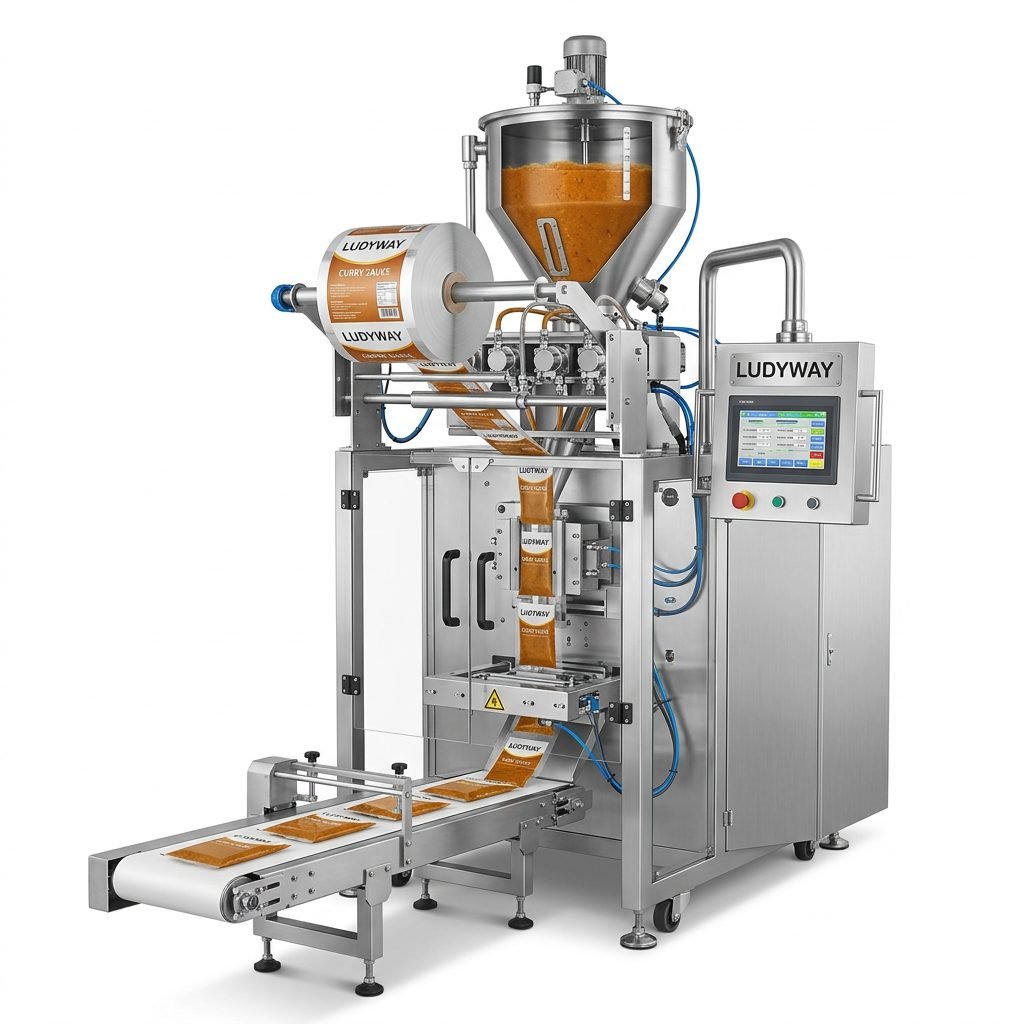
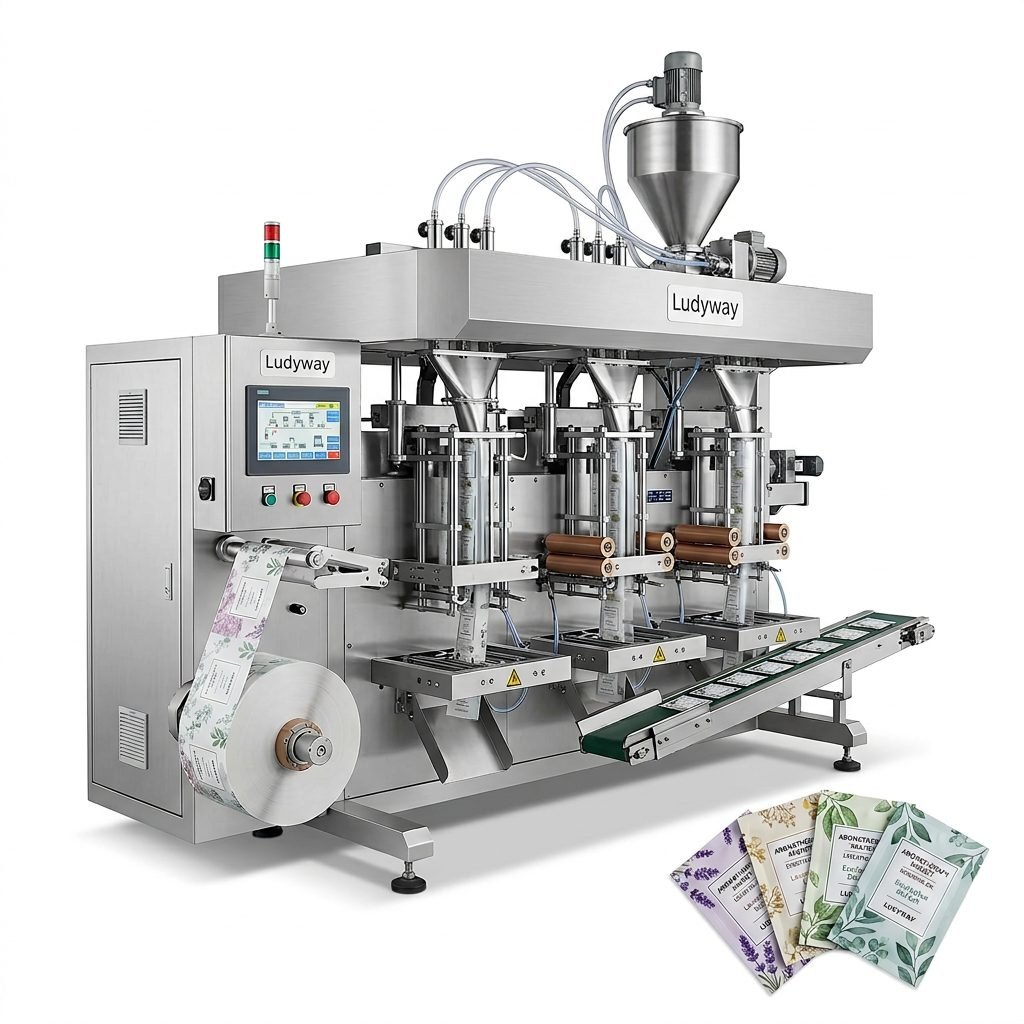
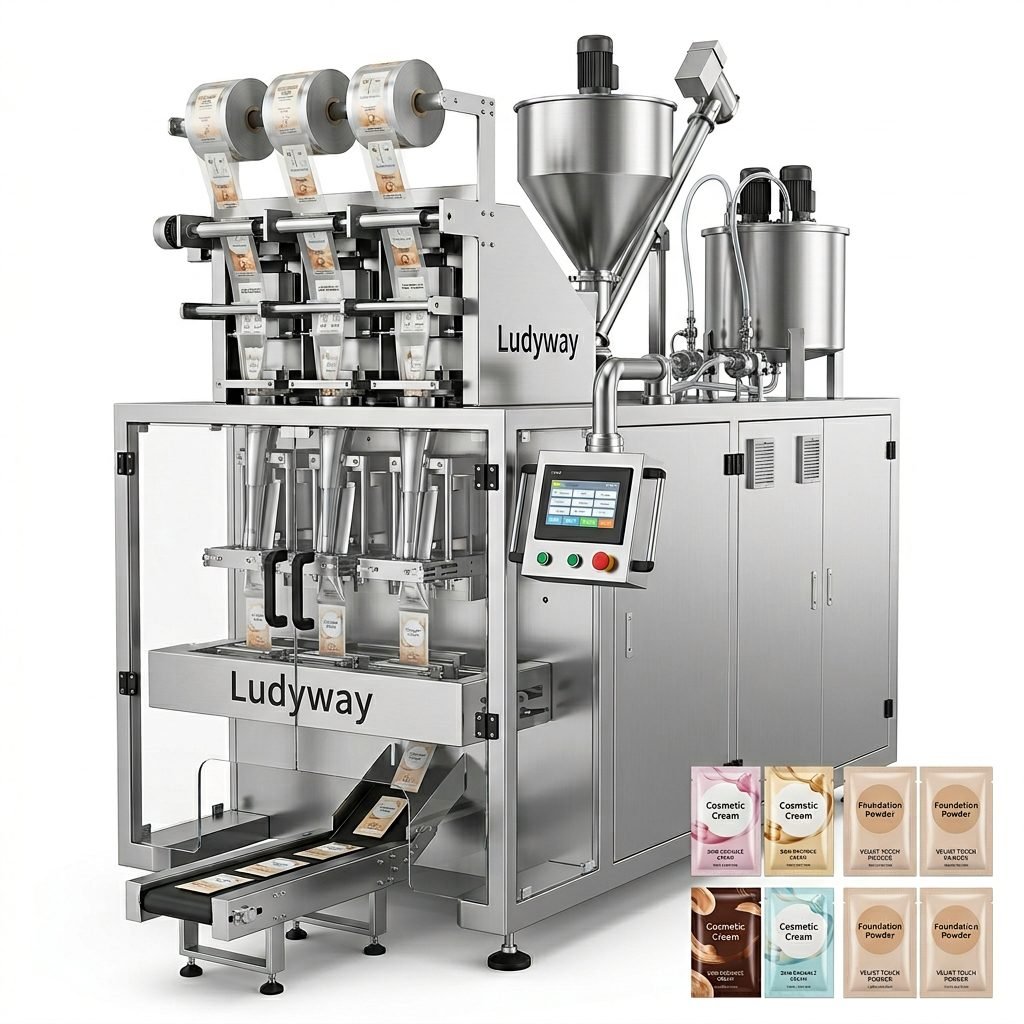
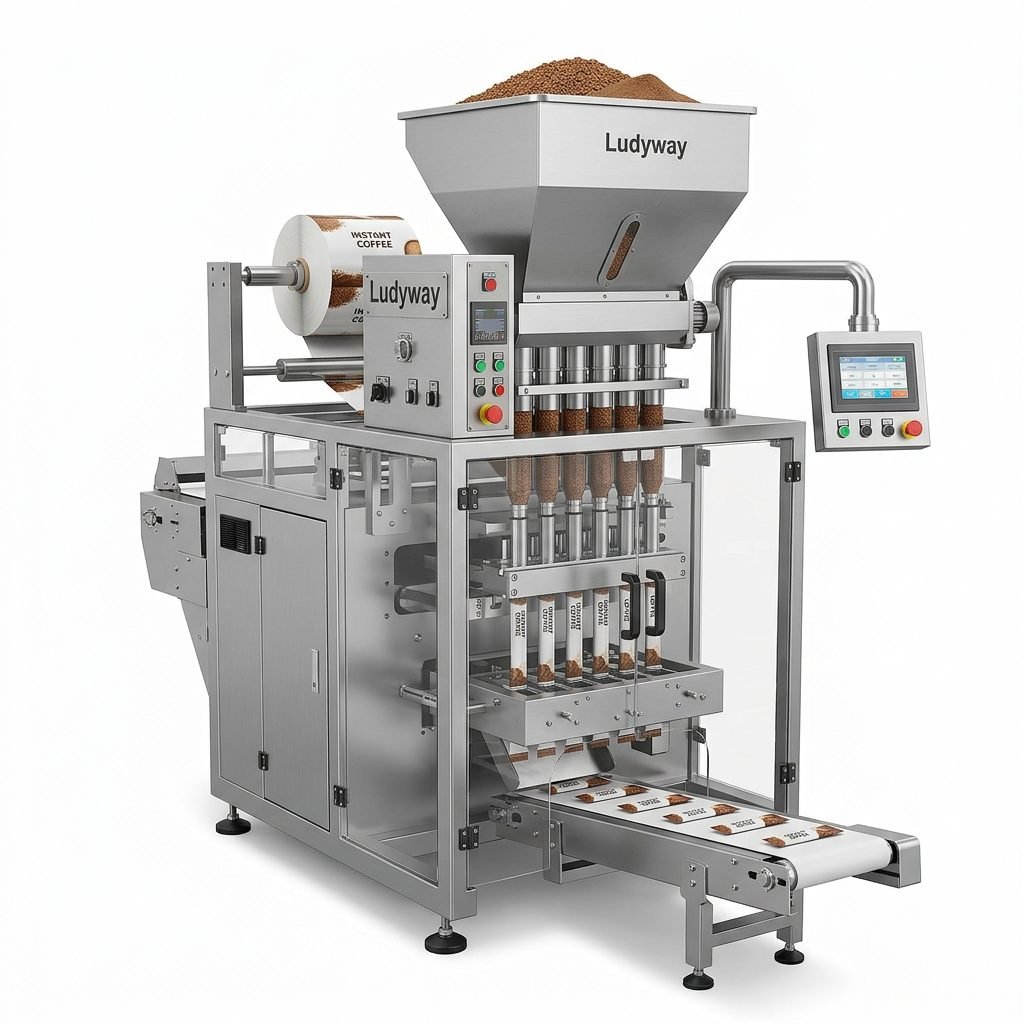
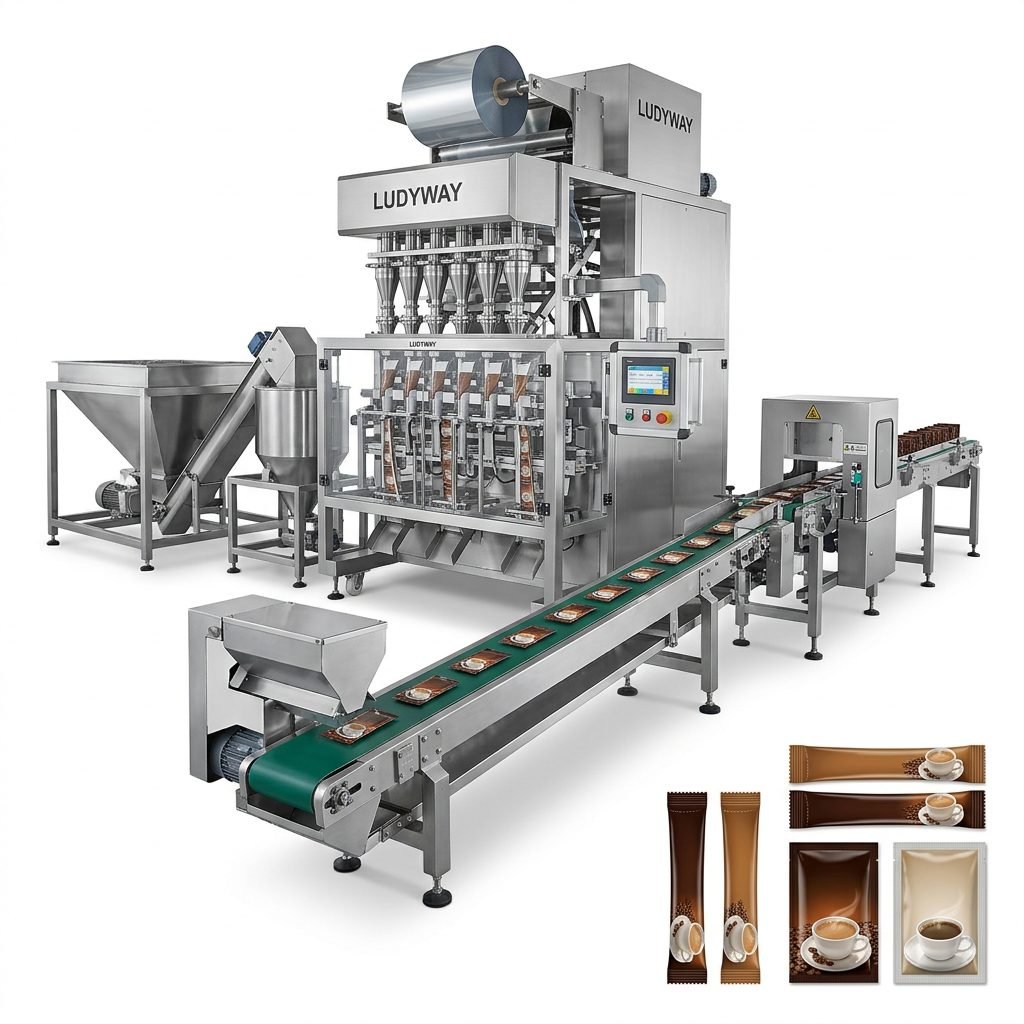
Vertical Form Fill Seal (VFFS) packaging machines represent a cornerstone of modern automated packaging, combining efficiency, versatility, and reliability. These machines are engineered to form a bag from a roll of film, fill it with a precise amount of product, and seal it—all in a continuous vertical motion. This guide delves into the various types of VFFS machines, their extensive applications across industries, and provides crucial buying tips to help you select the perfect system for your production needs.
Understanding Vertical Form Fill Seal Technology
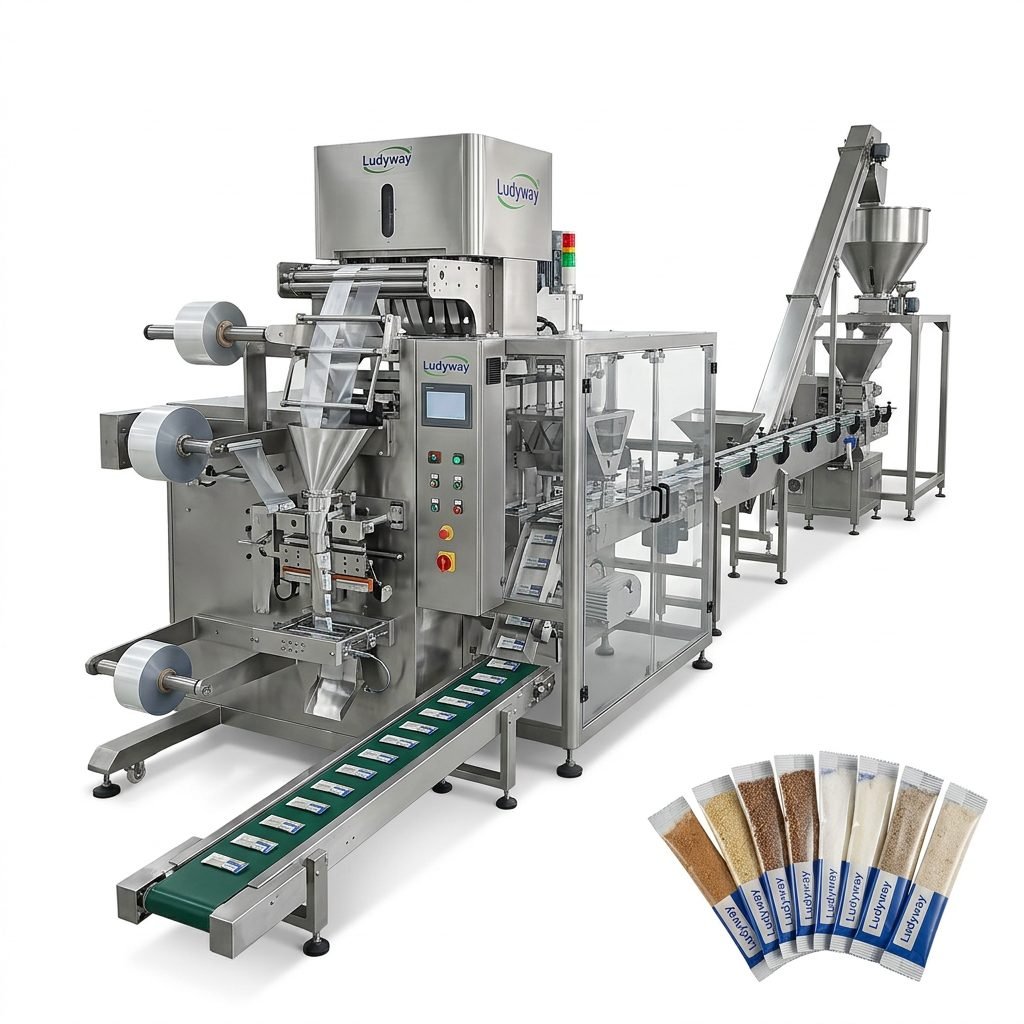
At its core, a VFFS machine automates the entire bag-making and packaging process. The film is drawn downward over a forming tube, shaped into a bag, and sealed vertically. The product is then dispensed into the formed pouch before the top is sealed and the finished bag is cut off. This seamless operation is key to achieving high-speed production with consistent quality.
Key Advantage: The vertical process minimizes the machine’s footprint, making VFFS systems ideal for facilities where floor space is at a premium, without compromising on output speed.
Primary Types of VFFS Packaging Machines
Not all VFFS machines are created equal. The right type depends heavily on your product characteristics and desired bag style.
Single-Tube Machines
The most common and cost-effective entry point, single-tube machines produce one bag at a time. They are perfectly suited for standard packaging of granules, powders, and small solid items. Their simplicity translates to easier operation and maintenance.
Multi-Tube Machines
For ultra-high-speed requirements, multi-tube machines (such as dual or quad-tube systems) package multiple product streams simultaneously. This design is essential for industries like snack foods or pharmaceuticals, where output volumes are massive. Companies like Ludyway Machinery specialize in providing these advanced multi-lane solutions.
Pouch Style Variants
- Pillow Bags: The standard three- or four-side seal bag, most common for chips, pasta, and hardware.
- Gusseted Bags: Feature expandable sides for bulky or voluminous products like cereals or pet food.
- Stand-Up Pouches: Incorporate a bottom gusset, allowing the bag to stand upright on shelves—a premium option for coffee, nuts, and liquids.
Diverse Industry Applications
The adaptability of VFFS technology makes it indispensable across numerous sectors.
Food & Beverage
This is the largest application area. VFFS machines package everything from snacks, confectionery, and frozen vegetables to coffee, powdered drinks, and pasta. They handle various product states (solid, granular, powder) and can integrate nitrogen flushing for extended shelf life.
Pharmaceutical & Healthcare
Precision and hygiene are paramount. VFFS systems are used for packaging single-dose powders, effervescent tablets, medicinal teas, and surgical components. They often operate in controlled environments and can be equipped with dust extraction systems and advanced weight checkers to ensure absolute accuracy and compliance.
Chemical & Industrial
From fertilizers and seeds to hardware and automotive parts, VFFS machines provide durable, sealed packaging that protects products from moisture and contamination. Robust construction and compatibility with heavier-gauge films are critical here.
Pro Tip: Future-Proofing Your Investment
When evaluating machines, consider not just your current product but potential future lines. A machine with easy changeover capabilities, adjustable sealing jaws, and programmable logic controllers (PLCs) offers the flexibility to adapt to new pouch sizes or products, protecting your investment for years to come. Partnering with an experienced supplier like Ludyway ensures you get a system designed for both present and future needs.
Essential Buying Tips for Your VFFS Machine
Selecting the right VFFS machine is a significant investment. Focus on these critical factors to make an informed decision.
1. Analyze Your Product Precisely
Every detail matters: physical state (powder, granule, liquid), flow characteristics, abrasiveness, and sensitivity to heat or crushing. This analysis dictates the choice of auger filler, weigh scale, or volumetric cup filler, as well as the film type and sealing parameters.
2. Define Output Speed Requirements
Calculate your required bags-per-minute (BPM) based on production goals. Remember, maximum theoretical speed and sustainable operational speed are different. Account for changeover and maintenance downtime in your planning.
3. Prioritize Machine Construction & Components
Look for a sturdy, all-metal frame (preferably stainless steel for food/pharma). High-quality servomotors, precision gearboxes, and durable sealing jaws from reputable brands reduce long-term maintenance costs and improve reliability. A supplier’s history and manufacturing expertise are strong indicators of build quality.
4. Evaluate Control System & Ease of Use
A user-friendly, color touchscreen HMI (Human-Machine Interface) with recipe storage simplifies operation and changeovers. Modern PLC-based controls offer superior reliability and diagnostic capabilities compared to older relay-based systems.
5. Assess Supplier Support & Service
The machine is only as good as the support behind it. Inquire about installation, training, warranty, spare parts availability, and technical support response times. A supplier with a global service network, like Ludyway, provides invaluable peace of mind.
6. Consider Integration Capabilities
Will the machine need to connect with upstream equipment (like mixers or depositors) or downstream systems (like checkweighers, metal detectors, or cartoners)? Ensure the machine has standard communication protocols (I/O, Ethernet) for seamless integration into a complete production line.
Frequently Asked Questions (FAQs)
What is the main difference between Vertical (VFFS) and Horizontal (HFFS) form fill seal machines?
VFFS machines form bags vertically from a single roll of film, ideal for free-flowing products like chips or granules, and are more space-efficient. HFFS machines use pre-made pouches or form bags horizontally, often better suited for irregularly shaped items or products that need precise placement (like blister packs).
Can one VFFS machine handle different types of products?
Yes, but with limitations. A well-designed machine can be reconfigured for different products within a similar category (e.g., various granule sizes). However, switching from a fine powder to a large granule typically requires changing the filling system, which can be a significant conversion. Modular machines offer more flexibility.
How important is after-sales service when purchasing a packaging machine?
Extremely important. Packaging machines are complex and require maintenance. Reliable, readily available after-sales service, technical support, and spare parts are crucial for minimizing production downtime and ensuring the long-term productivity and return on your investment.
What film materials can be used on a VFFS machine?
VFFS machines are compatible with a wide range of heat-sealable laminates, including polyethylene (PE), polypropylene (PP), metallized films, and complex barrier laminates. The machine’s sealing system must be capable of delivering the correct temperature, pressure, and dwell time for the specific film.
Are VFFS machines suitable for liquid packaging?
Yes, with specific modifications. Packaging liquids requires a specialized liquid filler (such as a piston pump) and often a different sealing system to prevent contamination of the seal area. The film must also have excellent liquid barrier properties. It’s a specific application that not all standard VFFS machines are equipped for.