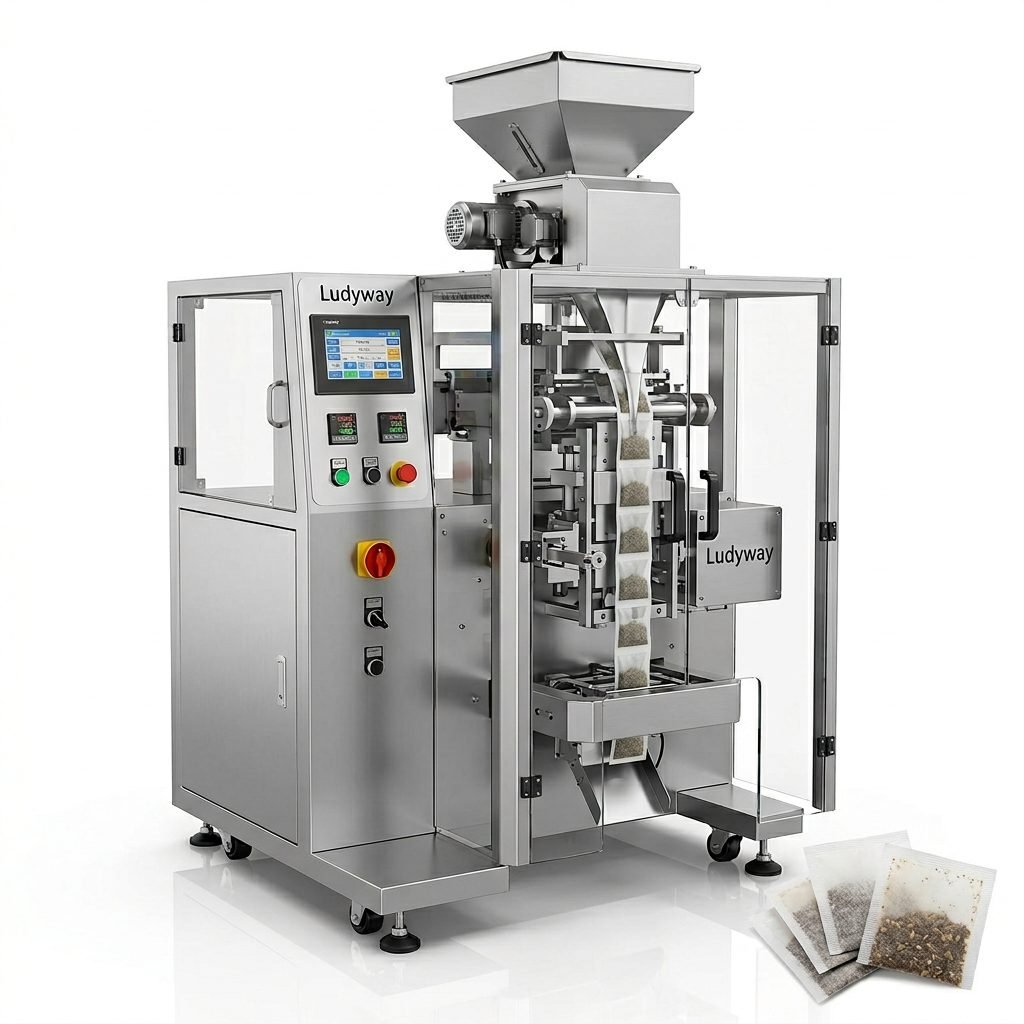
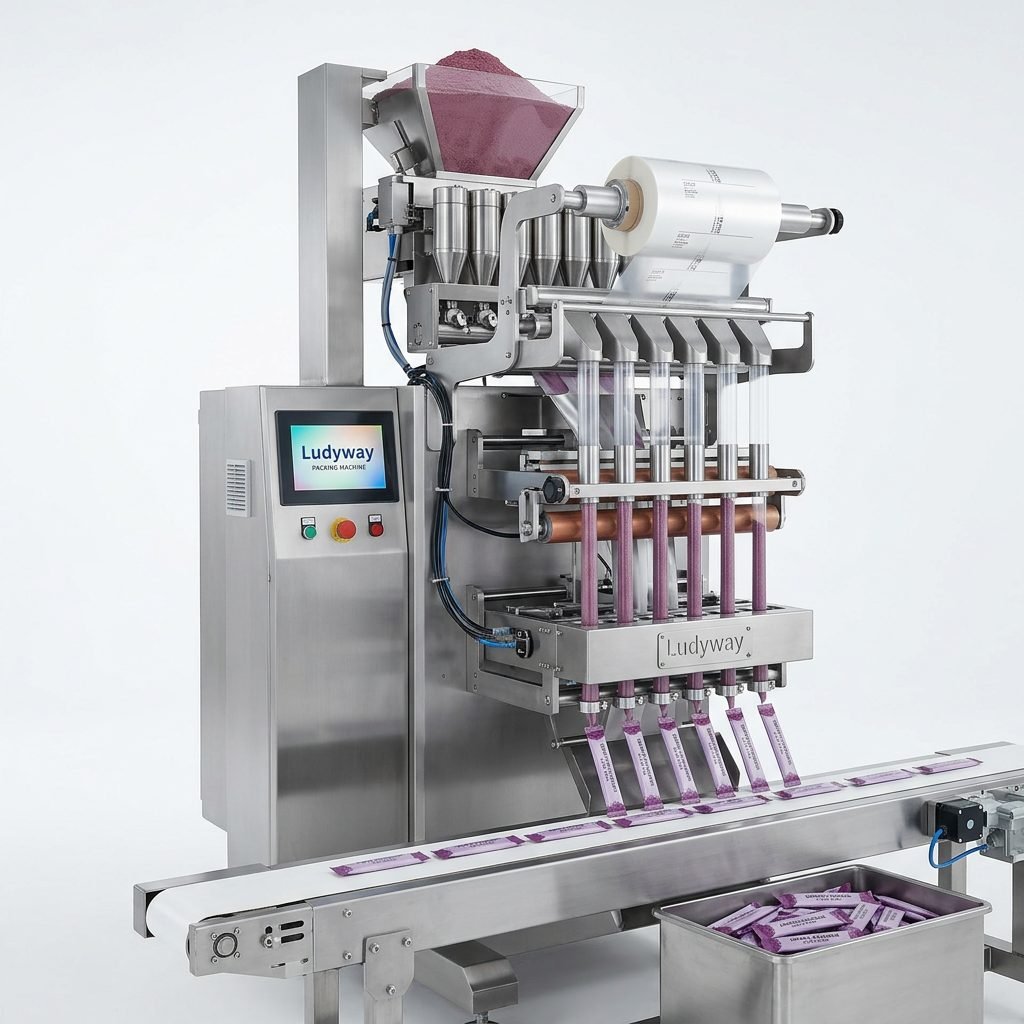
Investing in an ice cream packaging machine is a critical decision for any frozen dessert manufacturer. Whether you are producing soft-serve cups, stick bars, cones, bulk tubs, or single-serve sachets, the right equipment directly impacts your production efficiency, product shelf life, and brand reputation. This guide walks you through the essential factors to evaluate before making your purchase.
Understanding Ice Cream Packaging Formats
Before selecting a machine, you must define your target packaging format. Ice cream products come in various configurations, and each requires specific filling and sealing technologies:
- Cups and Tubs: Ranging from single-serve 100ml cups to family-size 1L+ tubs, requiring precise volumetric filling and lid application systems.
- Stick Bars and Novelties: Demanding specialized mold filling, stick insertion, and flow-wrapping equipment for products like chocolate-coated ice cream bars.
- Cones: Fragile wafer cones require gentle handling, accurate dosing, and often nitrogen-flushing for extended freshness.
- Squeeze Tubes and Pouches: Soft-serve and frozen yogurt in flexible packaging need flexible packaging compatibility with cold-chain durability.
- Bulk Industrial Packaging: Large-format bags and containers for food service and ingredient supply chains.
Key Factors to Evaluate When Choosing Your Machine
1. Production Speed and Capacity Requirements
Your output requirements determine whether you need a semi-automatic or fully automatic system. Small artisan producers may operate comfortably at 20–40 packs per minute, while large-scale manufacturers often require 150–300+ packs per minute across multi-lane configurations. Industry data consistently shows that matching machine speed to realistic demand avoids costly over-investment or bottleneck inefficiencies.
2. Product Consistency and Filling Accuracy
Ice cream viscosity varies significantly depending on overrun, temperature, and formulation. A reliable filling system must handle semi-solid, aerated products without compromising portion accuracy. Look for machines equipped with servo-driven piston fillers or volumetric dosing systems that maintain consistent fill weights even as product characteristics fluctuate throughout production runs.
3. Temperature Control and Cold-Chain Integrity
Maintaining product temperature below -18°C throughout the packaging process is non-negotiable. The machine should be constructed with materials and components rated for continuous low-temperature operation. Features like insulated hoppers, chilled filling nozzles, and rapid-seal jaws help preserve texture and prevent partial thawing that compromises quality and food safety compliance referenced in FDA food packaging standards.
4. Material Compatibility and Packaging Sustainability
Modern ice cream brands increasingly demand sustainable packaging materials. Your machine must be compatible with a range of substrates including paperboard with barrier coatings, recyclable mono-material films, bio-based plastics, and traditional laminates. Verify that the sealing temperature range, dwell time, and jaw pressure can be calibrated for different material specifications without compromising seal integrity.
5. Hygiene, Cleanability, and Regulatory Compliance
Dairy-based frozen desserts fall under stringent hygiene regulations. Equipment should feature:
- Stainless steel construction (304 or 316 grade) for all product-contact surfaces
- IP65 or higher washdown protection for electrical components
- Tool-free disassembly for rapid cleaning and sanitization cycles
- CIP (Clean-in-Place) compatibility for automated hygiene management
- Compliance with ISO packaging standards and relevant local food safety regulations
6. Automation Level and Integration Capabilities
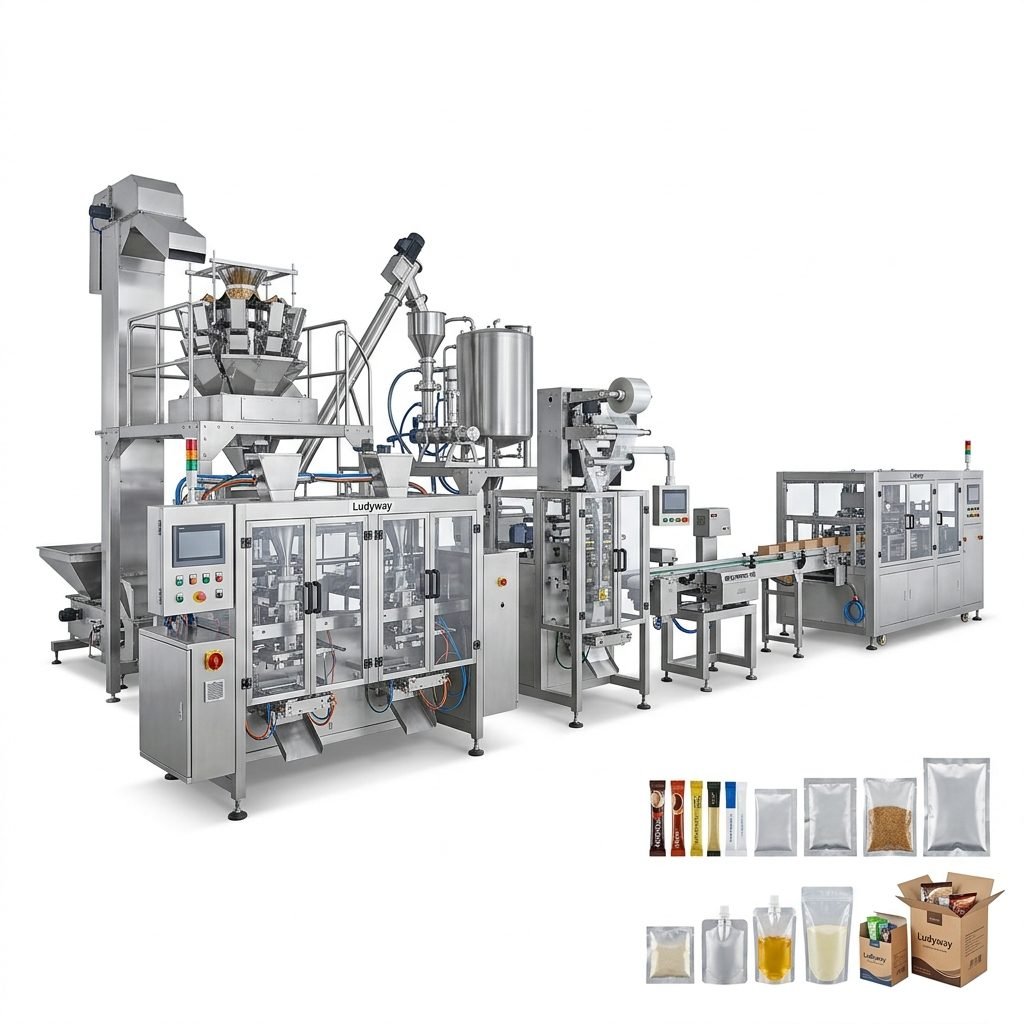
Consider how the packaging machine integrates with your upstream and downstream processes. A fully integrated line might include:
- Automated product feeding and buffer accumulation systems
- In-line date coding and batch printing
- Metal detection and checkweighing for quality assurance
- Automatic cartoning and case packing modules
- Palletizing and stretch-wrapping stations
| Automation Level | Best Suited For | Typical Output Range | Operator Requirement |
|---|---|---|---|
| Semi-Automatic | Artisan producers, seasonal lines | 15–50 packs/min | 2–4 operators |
| Fully Automatic Single-Lane | Mid-sized manufacturers | 60–120 packs/min | 1–2 operators |
| High-Speed Multi-Lane | Large-scale industrial production | 200–600+ packs/min | 1 operator + automated oversight |
| Turnkey Integrated Line | Full-scale operations seeking end-to-end solutions | Custom configured | Minimal – fully interconnected |
Budget Considerations and Total Cost of Ownership
The purchase price is only one component of your investment. Calculate the total cost of ownership (TCO) over a 5–10 year period, factoring in:
- Initial equipment cost and installation
- Energy consumption and utility requirements
- Spare parts availability and replacement frequency
- Operator training and labor costs
- Maintenance contracts and technical support
- Packaging material waste rates during production
Machines with higher upfront costs often deliver lower TCO through better energy efficiency, reduced material waste, and fewer unplanned downtime events. Evaluate ROI rather than focusing solely on the initial quote.
Evaluating Packaging Machine Suppliers
Manufacturing Experience and Industry Expertise
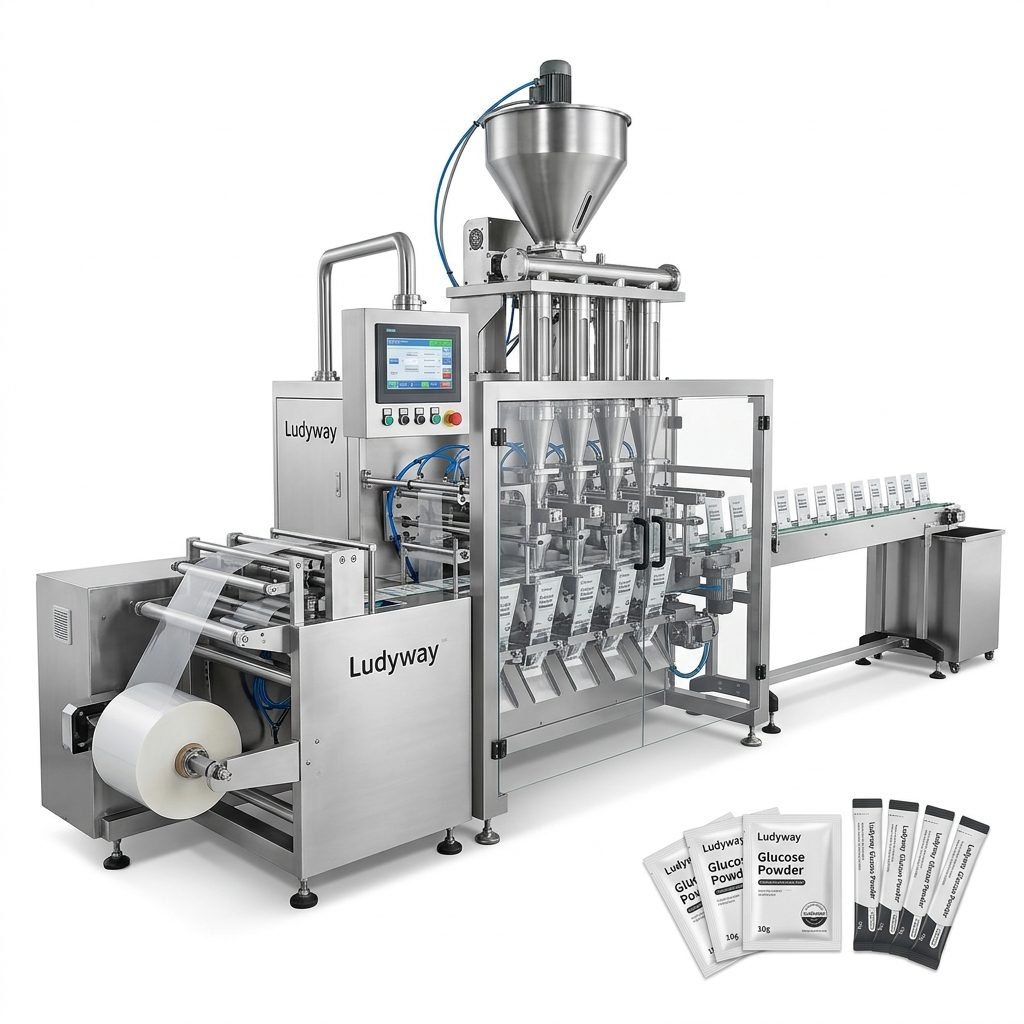
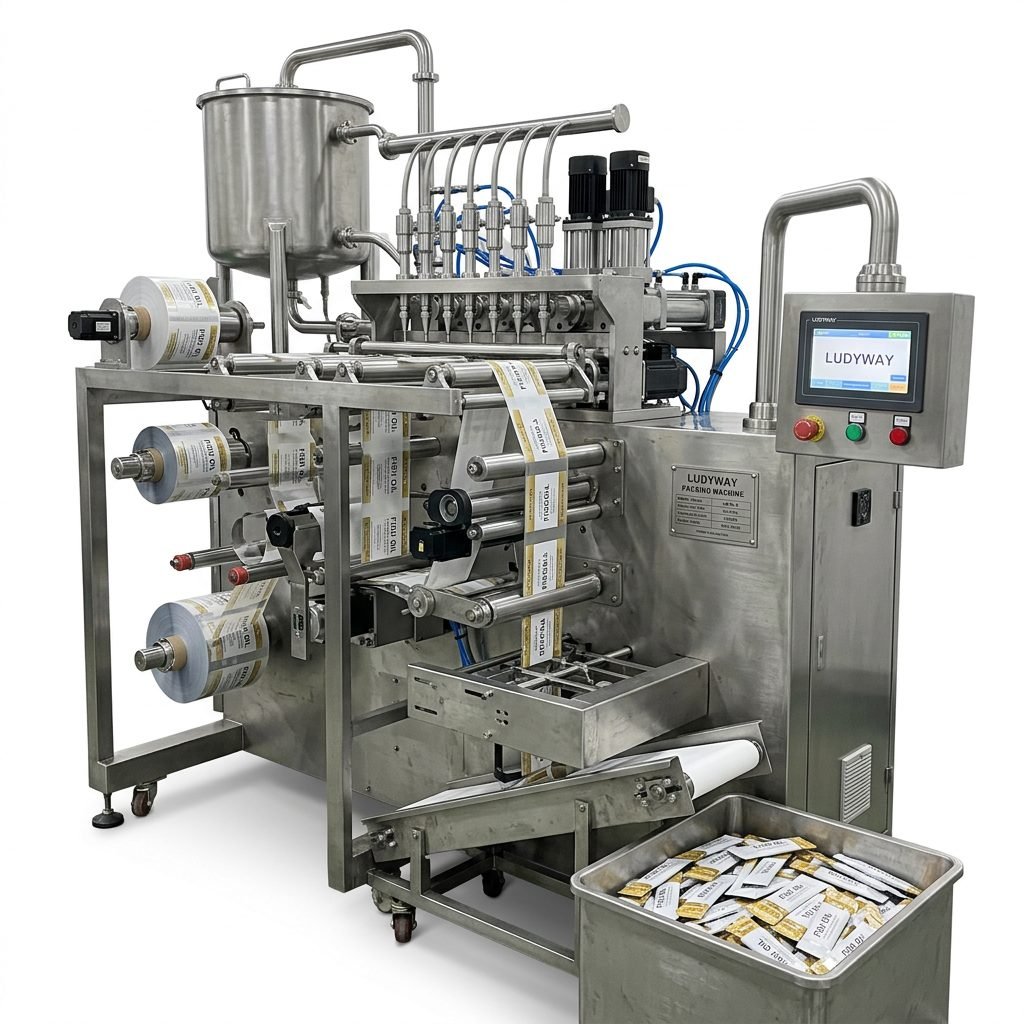
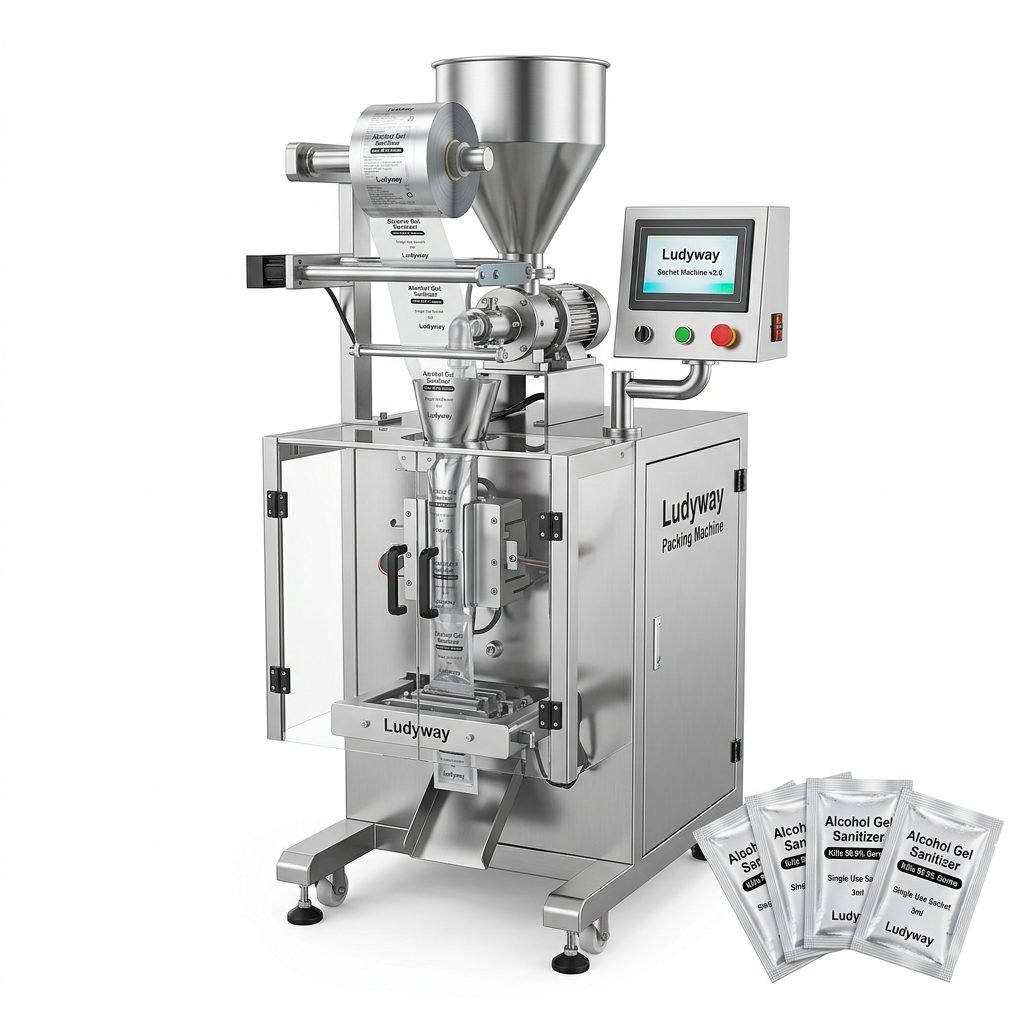
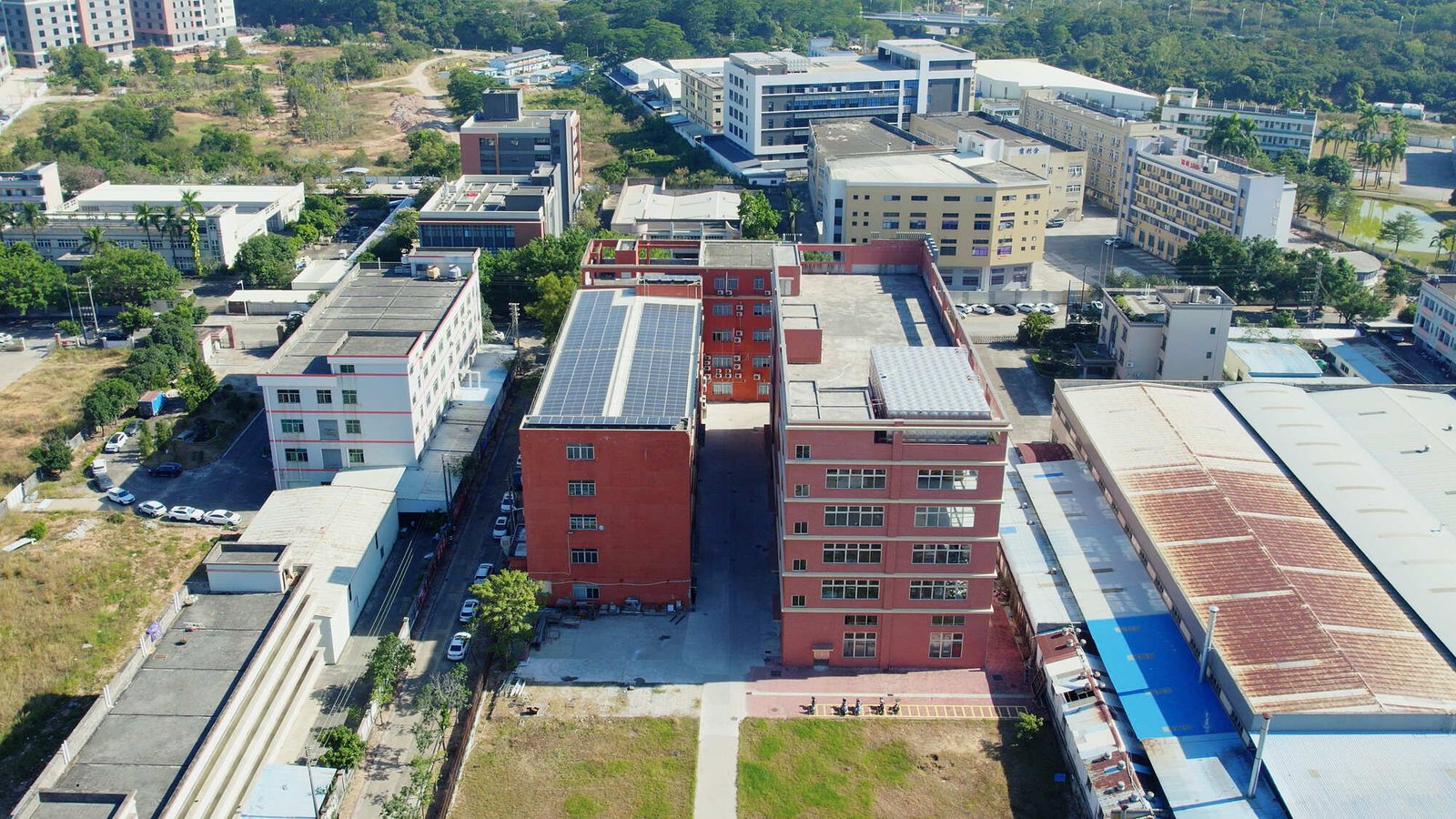
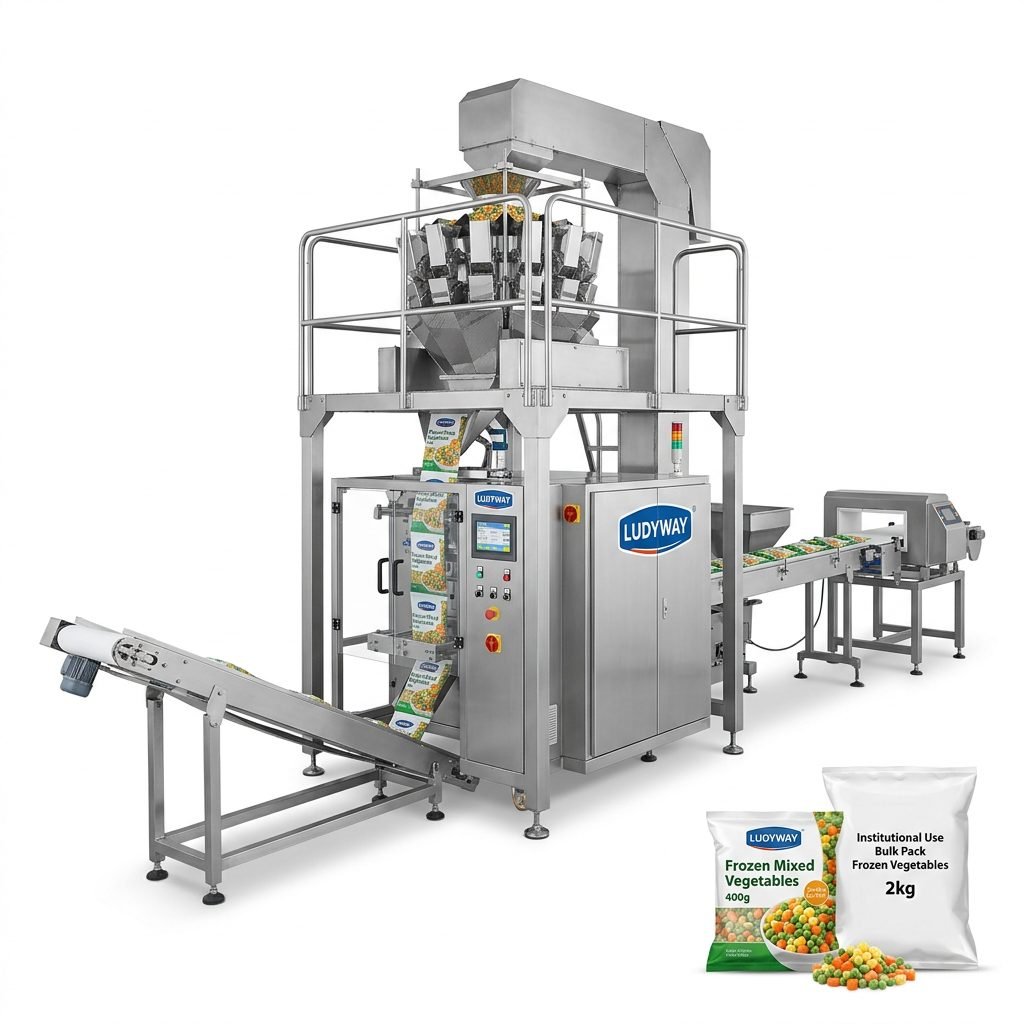
Choose a supplier with demonstrated experience in frozen food and dairy packaging. Review their track record, client testimonials, and case studies. Manufacturers with 20–30+ years in the packaging machinery industry typically offer more refined engineering, better application knowledge, and proven reliability. For example, Ludyway Machinery, with over 30 years of packaging industry experience and a 20,000-square-meter manufacturing facility, provides turnkey packaging solutions configured for different production speeds, filling volumes, and packaging formats across food, pharmaceutical, and chemical sectors.
After-Sales Support and Spare Parts Availability
Downtime is costly in frozen production environments. Verify that your supplier offers:
- Responsive remote technical assistance
- Readily available spare parts with expedited shipping
- On-site installation and commissioning services
- Operator training programs and documentation
- Preventive maintenance scheduling and support
Customization and Future Scalability
Your packaging needs may evolve as your product portfolio expands. Select equipment that can be reconfigured for new formats, upgraded with additional lanes, or integrated into larger automated lines. Modular machine architectures protect your investment by enabling incremental capacity expansion without full equipment replacement.
Key Industry Certifications to Look For
| Certification / Standard | Relevance | Applicable Markets |
|---|---|---|
| CE Marking | Health, safety, and environmental compliance | European Economic Area |
| FDA Compliance | Food-contact material safety | United States |
| ISO 9001 | Quality management systems | Global |
| 3-A Sanitary Standards | Hygienic equipment design for dairy | North America, globally recognized |
| EHEDG Certification | European hygienic engineering and design | Europe, globally recognized |
Making the Final Decision
Selecting the right ice cream packaging machine requires balancing technical specifications, production realities, and business objectives. Prioritize proven reliability, hygienic design, material flexibility, and supplier support over attractive but potentially misleading price points. For additional guidance, consult resources from Flexible Packaging Association and PMMI business intelligence to stay informed on packaging trends and technology advancements. A well-chosen machine becomes a long-term production asset that supports product quality, brand consistency, and profitable growth in the competitive frozen dessert market.