In modern shipping and fulfillment, protecting products inside a carton is just as important as sealing the box itself. A void fill packaging machine helps businesses fill empty space in cartons so items stay stable during transport, reduce damage risk, and arrive in better condition.
Whether you ship e-commerce orders, fragile products, consumer goods, pharmaceuticals, or industrial components, the right void fill system can improve packing speed, lower material waste, and support a more professional packaging process.
What Is a Void Fill Packaging Machine?
A void fill packaging machine is equipment designed to create and dispense protective packing material into boxes or parcels. Its main role is to fill empty spaces around products so they do not shift, collide, or get damaged during storage and transportation.
Depending on the packaging setup, the machine may produce or dispense materials such as:
- Paper void fill
- Air pillows or air cushions
- Inflatable packaging films
- Protective kraft paper pads
- Loose-fill alternatives in automated systems
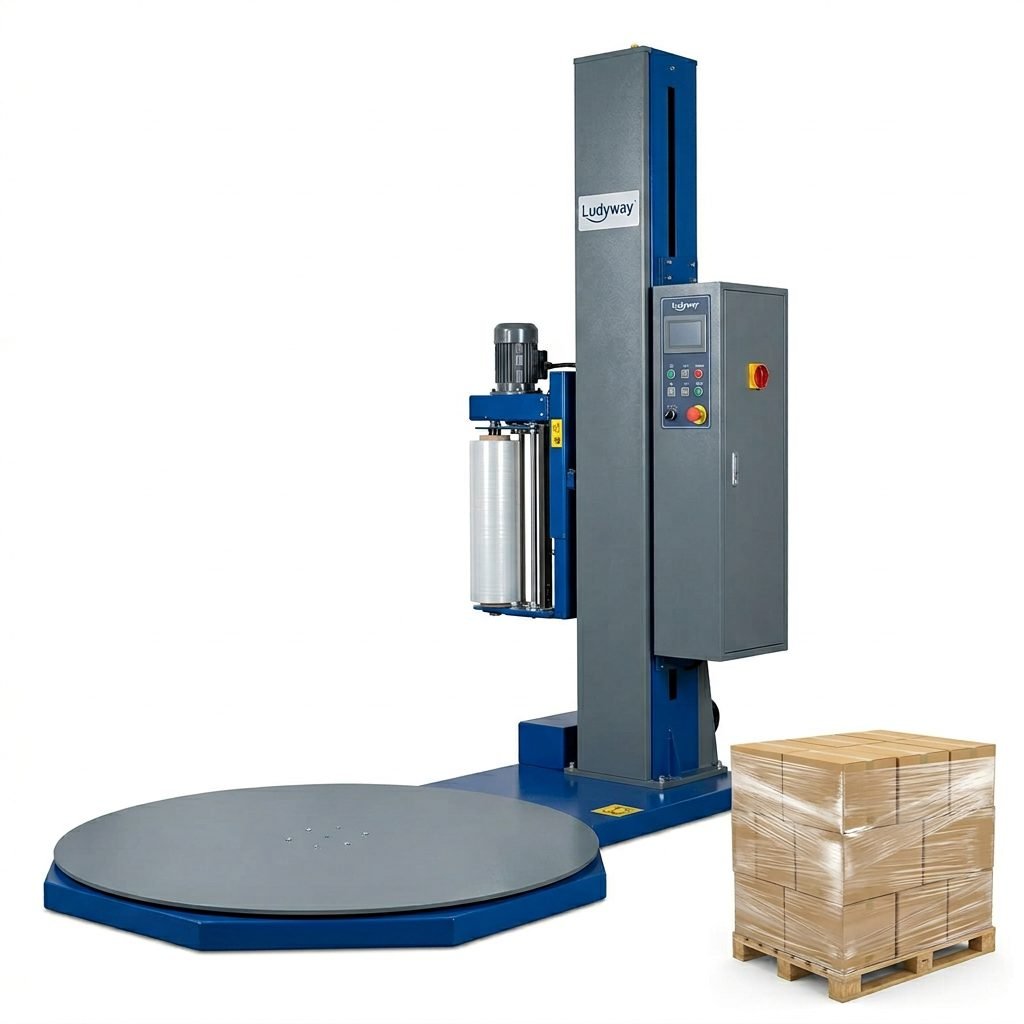
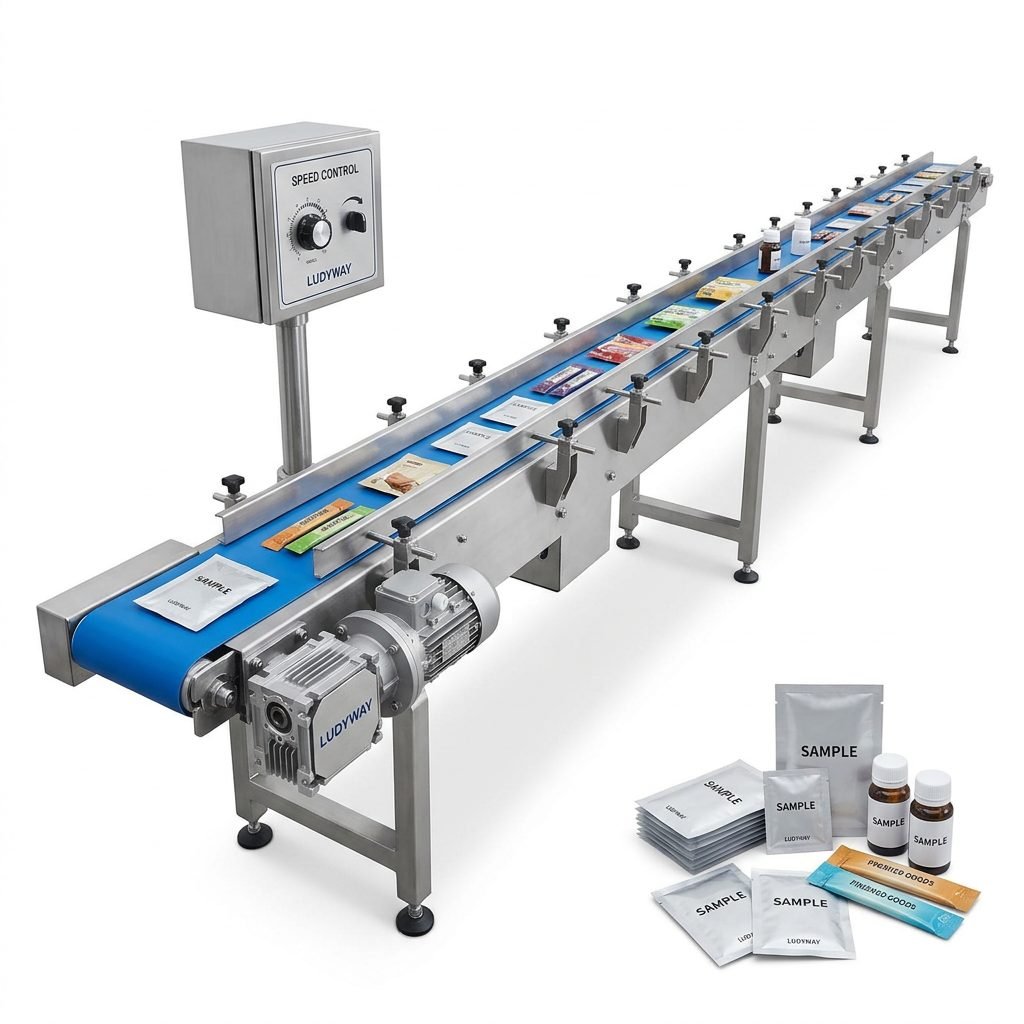
In many packing stations, void fill equipment works alongside box sealing, labeling, weighing, and conveyor systems to create a faster and more organized packing workflow.
How a Void Fill Packaging Machine Works
The working principle is straightforward: the machine converts raw packaging material into cushioning or empty-space-filling material and delivers it directly to the packing area. The exact process depends on the material type, but a typical workflow includes the following steps:
- Material loading: The operator loads paper rolls, film rolls, or inflatable material into the machine.
- Material conversion: The machine cuts, folds, inflates, crumples, or shapes the material into usable void fill.
- Dispensing: The prepared material is dispensed to the operator or directly into the carton.
- Box filling: Empty spaces around the product are filled to prevent movement during shipment.
- Carton closing: After filling, the carton proceeds to sealing, labeling, and final dispatch.
Some advanced systems are semi-automatic, while others are integrated into fully automatic packaging lines for high-volume operations.
| Machine Type | How It Works | Best For |
|---|---|---|
| Paper void fill machine | Crumples or folds kraft paper into cushioning | E-commerce, retail, eco-focused brands |
| Air pillow machine | Inflates film into air cushions or pillows | Lightweight products, fast parcel packing |
| Protective paper pad machine | Creates denser paper pads for blocking and bracing | Fragile or heavier items |
| Integrated automatic void fill system | Synchronizes with conveyors and carton handling | Large-scale fulfillment and industrial lines |
Main Components of the Machine
While machine structures vary, most void fill systems include these core components:
- Material feed unit for paper or film roll input
- Conversion mechanism for cutting, inflating, shaping, or crumpling
- Control panel for speed, length, and dispensing settings
- Output chute or dispenser for easy carton filling
- Support stand or mounting system for workstation installation
- Sensors and automation controls in more advanced models
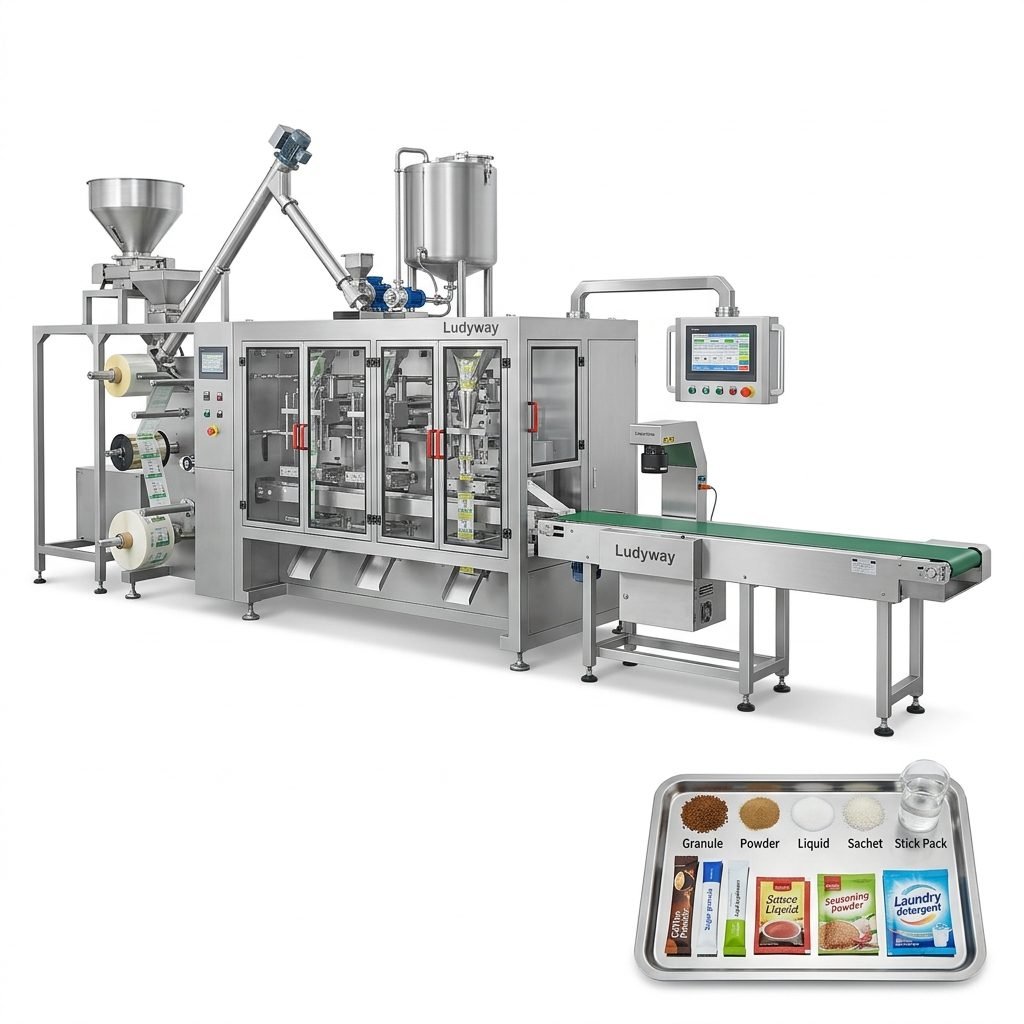
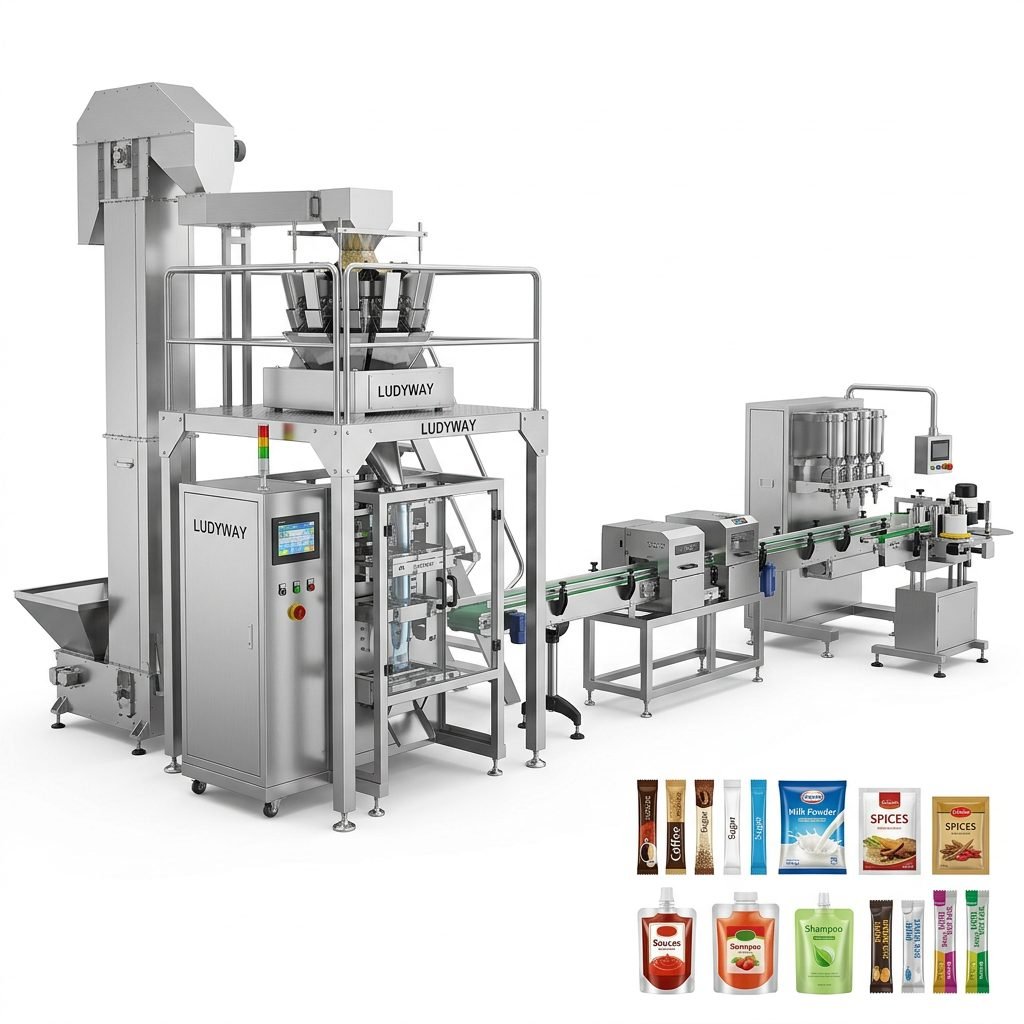
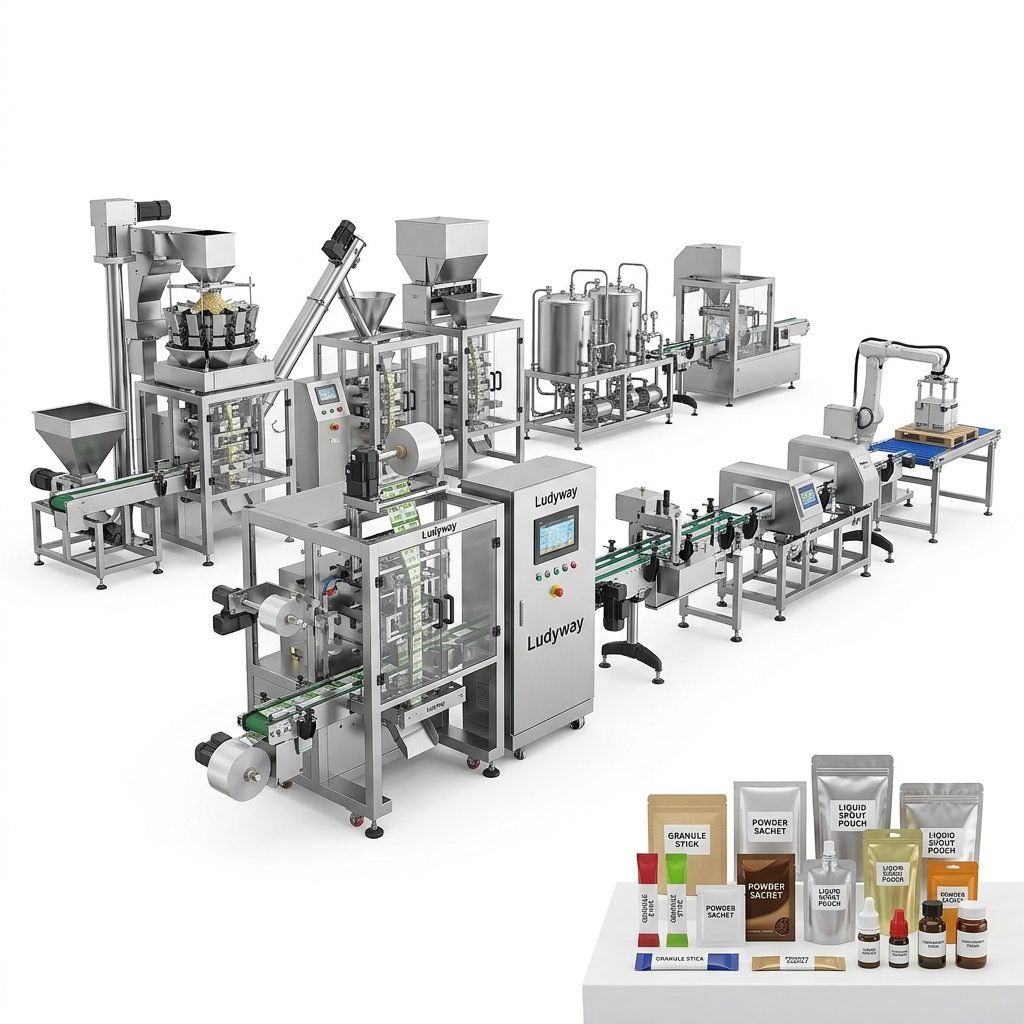
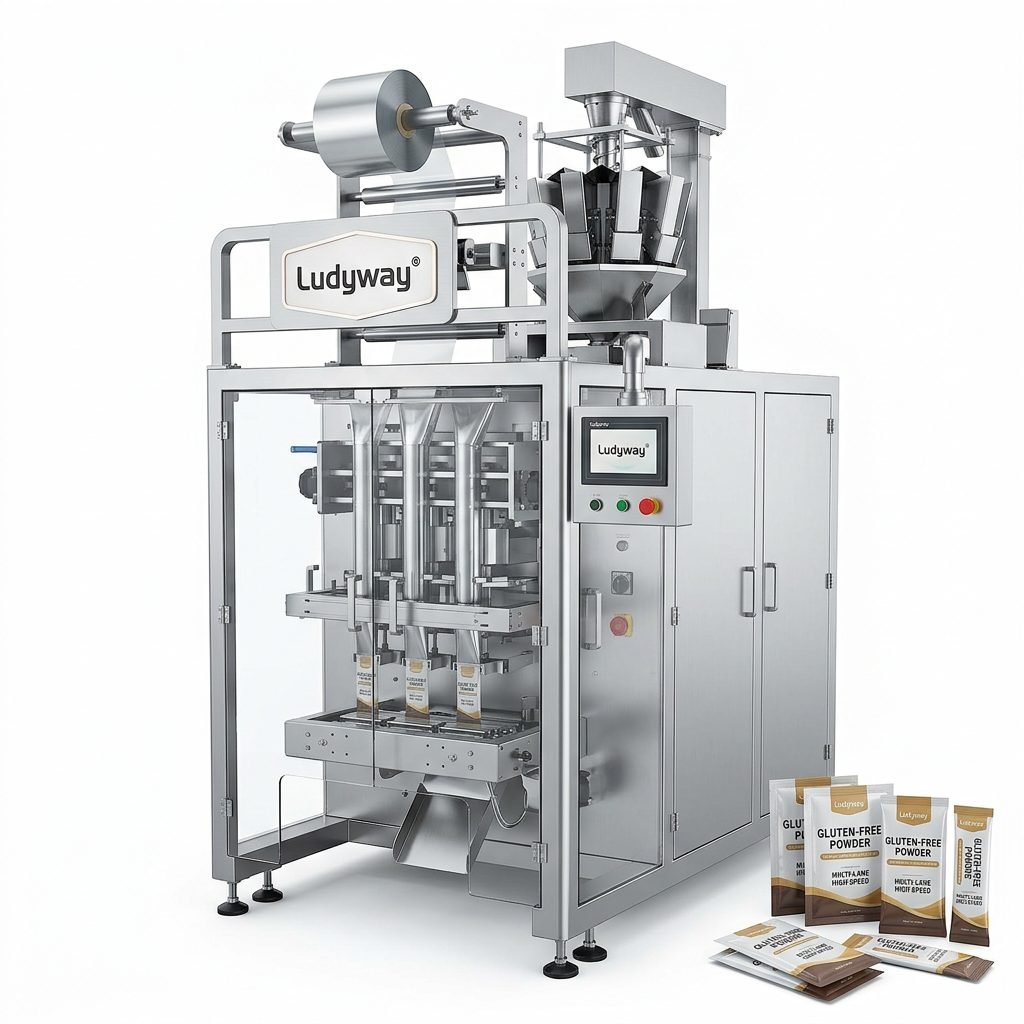
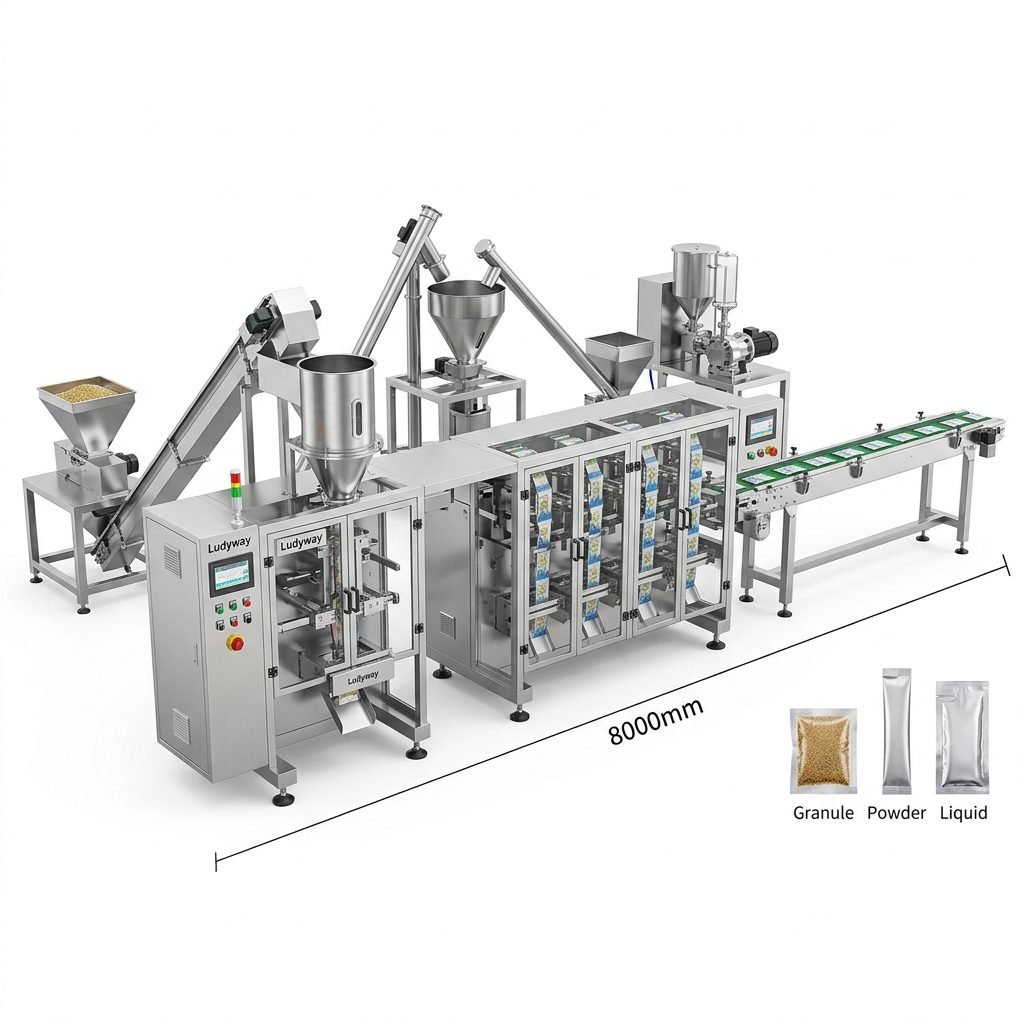
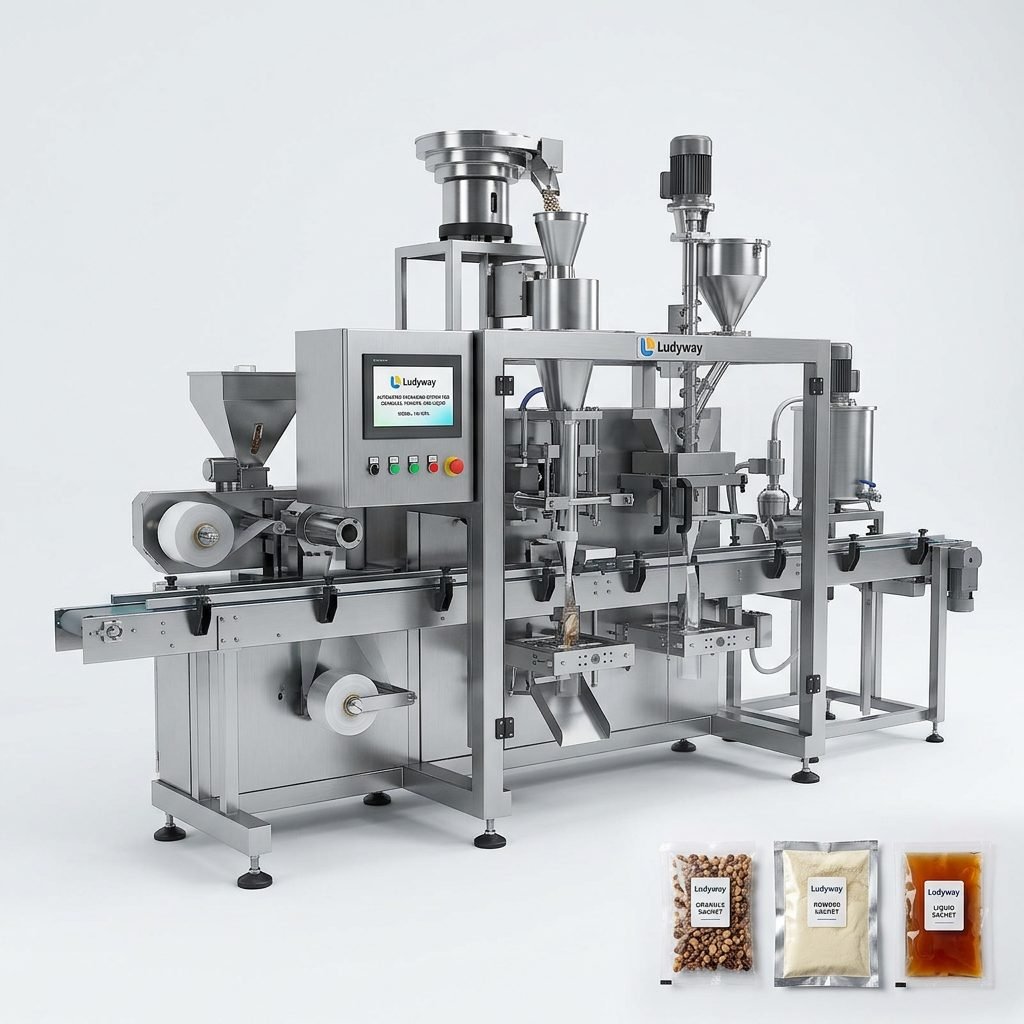
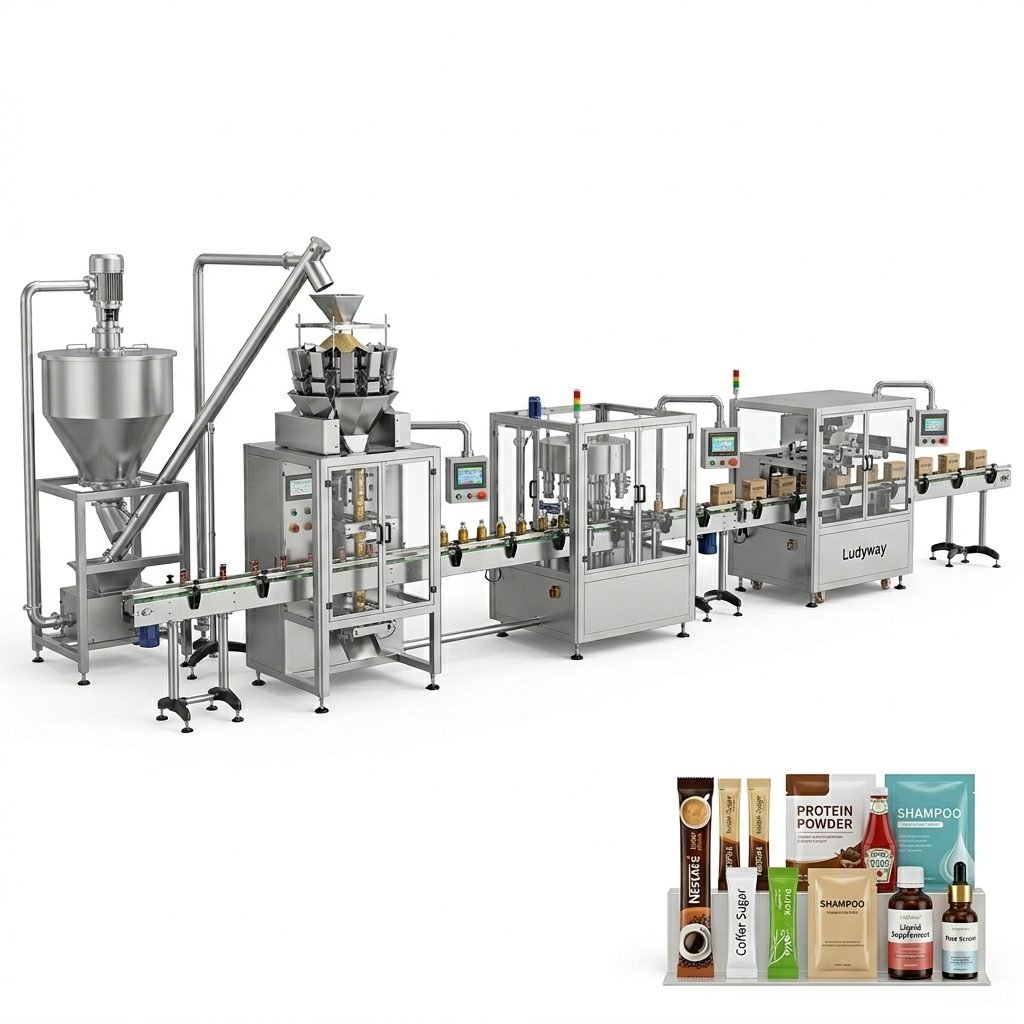
For businesses planning a complete packing line, experienced manufacturers such as Ludyway packaging machine manufacturer can also support integrated solutions that combine product handling, filling, sealing, conveying, and end-of-line packaging automation.
Key Benefits of Using a Void Fill Packaging Machine
1. Better Product Protection
Empty space inside a carton allows products to move during handling and transit. Void fill helps lock products in place, reducing impacts, scratches, dents, and breakage. This is especially valuable for glass, electronics, cosmetics, medical devices, and other delicate items.
2. Faster Packing Operations
Manual void filling can be slow and inconsistent. A machine provides ready-to-use material on demand, helping operators pack more boxes in less time. In high-volume operations, this can significantly improve labor productivity.
3. More Consistent Packaging Quality
Automated dispensing creates a more uniform packing process. Instead of each operator using different amounts of filler, the machine helps standardize carton presentation and protective performance.
4. Reduced Material Waste
A properly adjusted system dispenses only the amount needed. This can lower overpacking, reduce material consumption, and help control packaging costs over time.
5. Improved Customer Experience
Customers notice when products arrive intact and well packed. Clean, efficient void fill materials can make unboxing look more professional and support stronger brand perception.
6. Support for Sustainability Goals
Many companies are moving away from excessive plastic packaging. Paper-based void fill systems can support recyclable, curbside-friendly packaging strategies and align with sustainability expectations in many markets.
Best Uses for Void Fill Packaging Machines
Void fill packaging machines are widely used across industries where carton protection matters. Common applications include:
- E-commerce fulfillment for mixed-size parcel shipments
- Consumer electronics packaging
- Cosmetics and personal care product shipping
- Pharmaceutical and healthcare order packing
- Food and supplement secondary packaging
- Spare parts and industrial component transport
- Gift boxes and premium retail orders
- Subscription box packing operations
The machine is especially useful when products are shipped in cartons with variable dimensions or when the product itself does not fully occupy the internal box volume.
When Paper Void Fill Is the Better Choice
Paper void fill systems are popular because they balance protection, presentation, and sustainability. They are often ideal when:
- You want packaging that looks premium and natural
- Your customers prefer recyclable materials
- You ship fragile retail products that need light cushioning
- You want to reduce plastic use in shipping operations
- Your brand emphasizes eco-conscious packaging
Paper void fill is commonly used by online retailers, beauty brands, food gift suppliers, and subscription box businesses.
When Air Cushion Machines Make More Sense
Air cushion or air pillow systems are often a better fit when shipping large volumes of lightweight goods. They offer strong space-filling performance with low material weight, which can be beneficial for parcel efficiency.
They are often chosen for:
- High-speed packing stations
- Light consumer products
- Warehouses with limited storage for bulky packaging supplies
- Operations focused on rapid order throughput
How to Choose the Right Void Fill Packaging Machine
Choosing the best machine depends on your packaging workflow, product type, and shipping volume. Before investing, consider the following:
Packaging Volume
Low-volume operations may only need a compact tabletop machine, while fulfillment centers may require continuous-duty systems integrated into conveyor lines.
Product Fragility
Fragile and heavy products often need denser protective paper or bracing solutions, while lighter products may only need air pillows.
Available Space
Some machines are designed for small pack stations, while others need floor stands, overhead mounts, or line integration space.
Material Preference
Decide whether your business prefers paper, film, or mixed protective formats based on cost, sustainability goals, and customer expectations.
Automation Level
If your operation is scaling fast, a more automated system may offer better long-term value than a basic standalone machine.
| Selection Factor | What to Check |
|---|---|
| Daily box output | Required speed and duty cycle |
| Product type | Weight, fragility, and shape |
| Packing station layout | Tabletop, floor-standing, or integrated design |
| Material goals | Paper sustainability or film efficiency |
| Budget planning | Initial machine cost plus material and maintenance costs |
Industries That Benefit Most
Almost any shipping business can use void fill systems, but these sectors often gain the biggest advantage:
- Online retail and fulfillment centers
- Food and beverage brands
- Pharmaceutical and healthcare suppliers
- Cosmetics and skincare manufacturers
- Electronics distributors
- Automotive and industrial parts suppliers
Common Mistakes to Avoid
Even a good machine will underperform if it is poorly matched to the operation. Common mistakes include:
- Choosing a machine that is too slow for peak demand
- Using the wrong fill material for product fragility
- Ignoring operator ergonomics at the pack station
- Overfilling cartons and increasing material cost
- Buying standalone equipment when line integration is actually needed
The best results come from matching the machine, material, and workflow together rather than selecting on price alone.
Maintenance and Operating Tips
To keep a void fill packaging machine running reliably, follow a simple maintenance routine:
- Keep feed paths clean and free of dust or scraps
- Use compatible paper or film materials
- Inspect cutters, rollers, and inflation components regularly
- Train operators on correct loading and adjustment procedures
- Monitor output consistency to prevent wasted material
- Schedule preventive maintenance for high-usage stations
Is a Void Fill Packaging Machine Worth It?
For businesses shipping products regularly, the answer is often yes. A void fill packaging machine can help reduce shipping damage, speed up order packing, improve consistency, and support more efficient use of packaging materials.
It is particularly worthwhile when:
- Your team packs a large number of boxes every day
- Product damage claims are increasing
- Manual packing is slowing down fulfillment
- You want a cleaner, more scalable packaging process
- Your company is improving automation or sustainability
Final Buying Insight
A void fill packaging machine is not just a box-filling tool—it is a practical investment in shipping protection, labor efficiency, and customer satisfaction. The right system helps create a smoother packaging operation from pack station to final delivery.
If your business is growing, shipping more complex product assortments, or moving toward automated packaging lines, adding the right void fill solution can make your entire fulfillment process more reliable and cost-effective.