Selecting the right water packaging equipment is a critical decision for any beverage producer. The machinery you choose directly impacts your production efficiency, product quality, operational costs, and ultimately, your brand’s success in a competitive market. This guide delves into the common types of water packaging machines, explains their working processes, and provides a structured framework to help you choose the perfect machine for your specific needs, ensuring your investment drives growth and reliability.
Primary Types of Water Packaging Equipment
The landscape of water packaging is diverse, with equipment designed for different formats, scales, and business models. Understanding these types is the first step toward a smart purchase.
1. Bottle Filling and Capping Machines
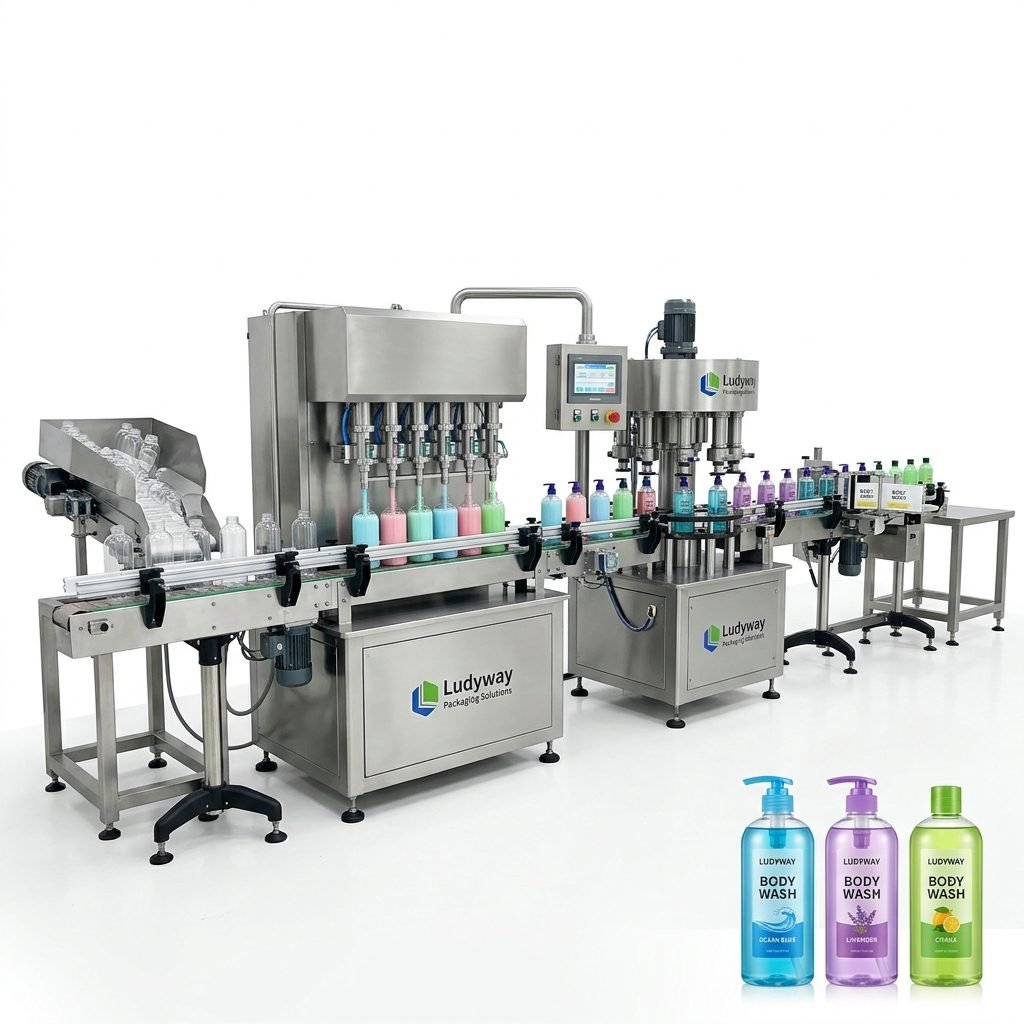
This category is the backbone of the bottled water industry. These machines are designed to handle PET (Polyethylene Terephthalate), glass, or other rigid containers. Systems range from semi-automatic models for startups to fully automated rotary filling lines for high-volume production. Key variants include:
• Monobloc Systems: Integrate rinsing, filling, and capping into a single, synchronized unit. This is highly efficient, minimizes space, and reduces contamination risk, making it ideal for purified and spring water.
• Inline Filling Machines: Have separate stations for each function (rinsing, filling, capping) connected by a conveyor. They offer greater flexibility for customization and are easier to maintain or modify.
2. Pouch or Sachet Packaging Machines
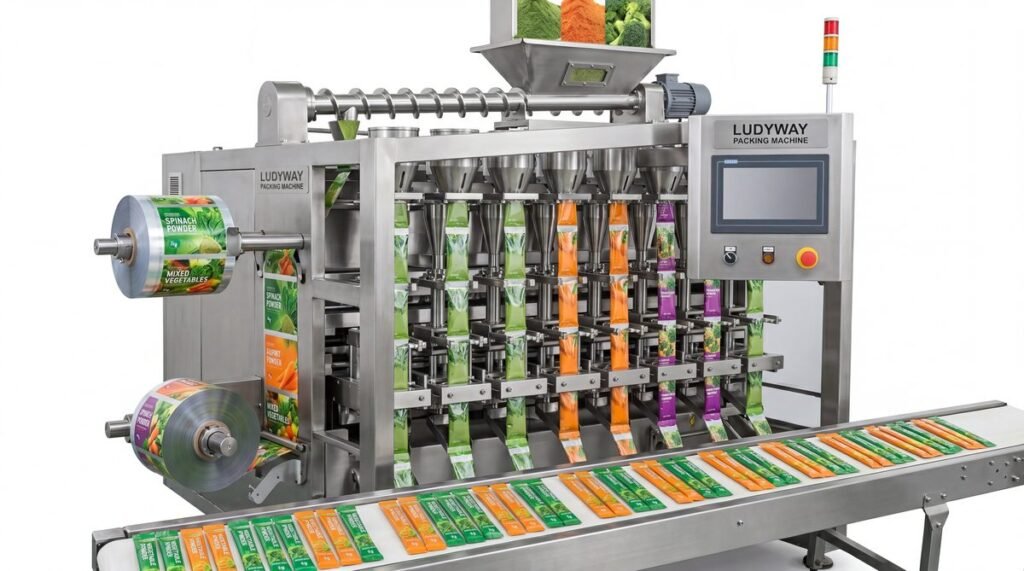
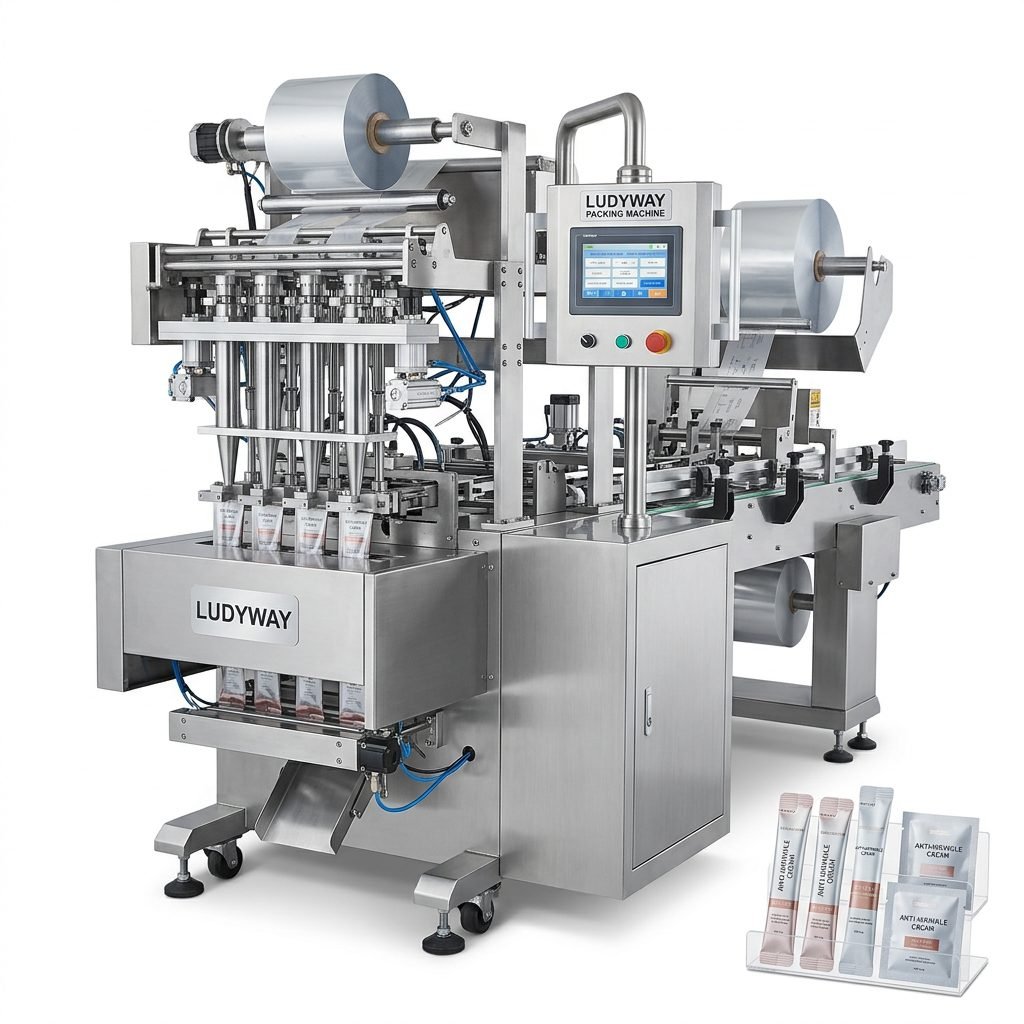
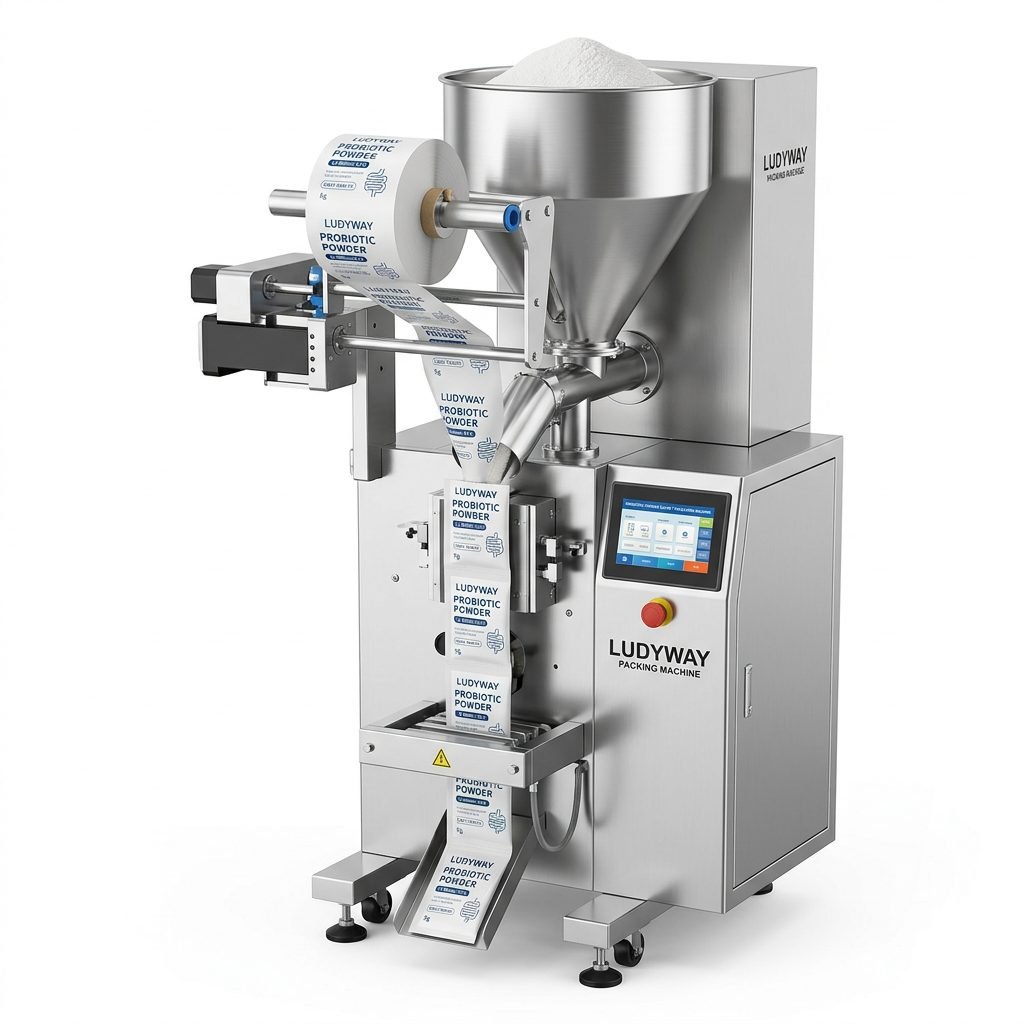
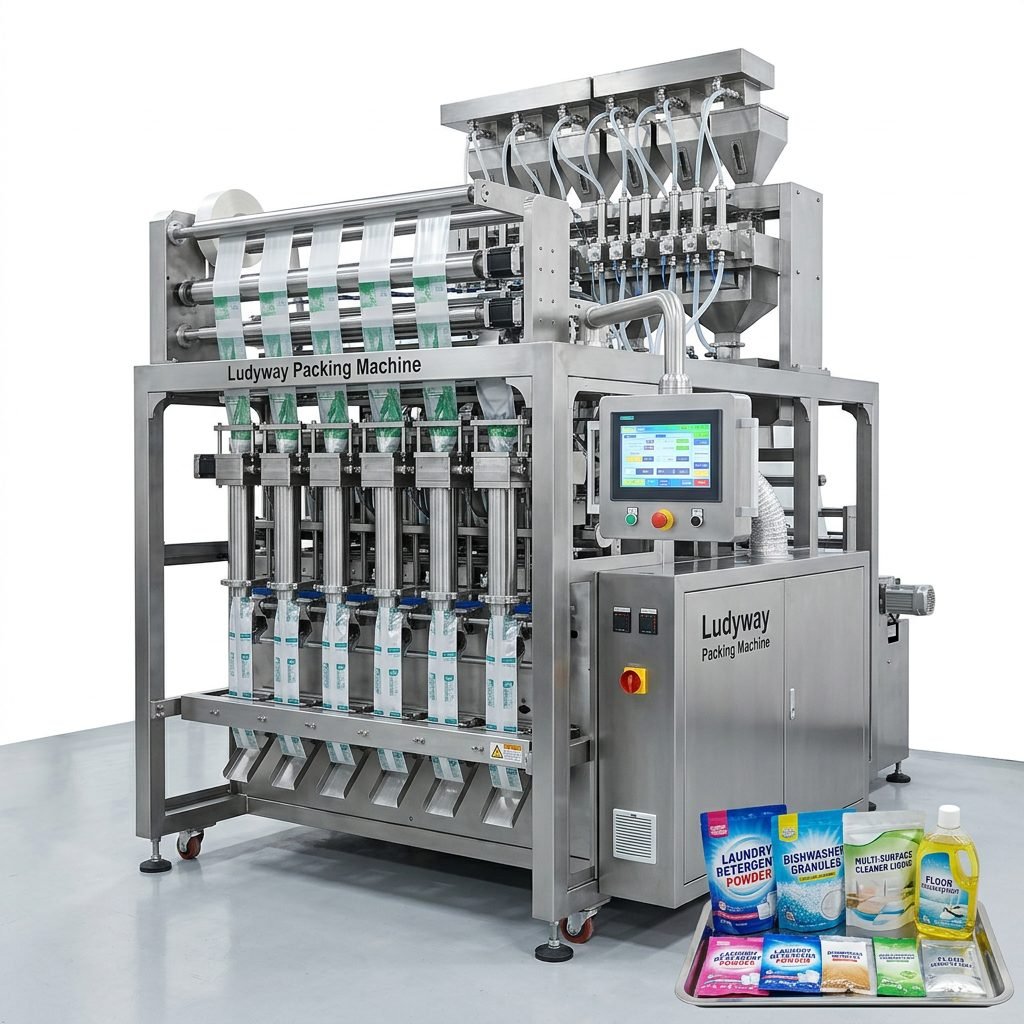
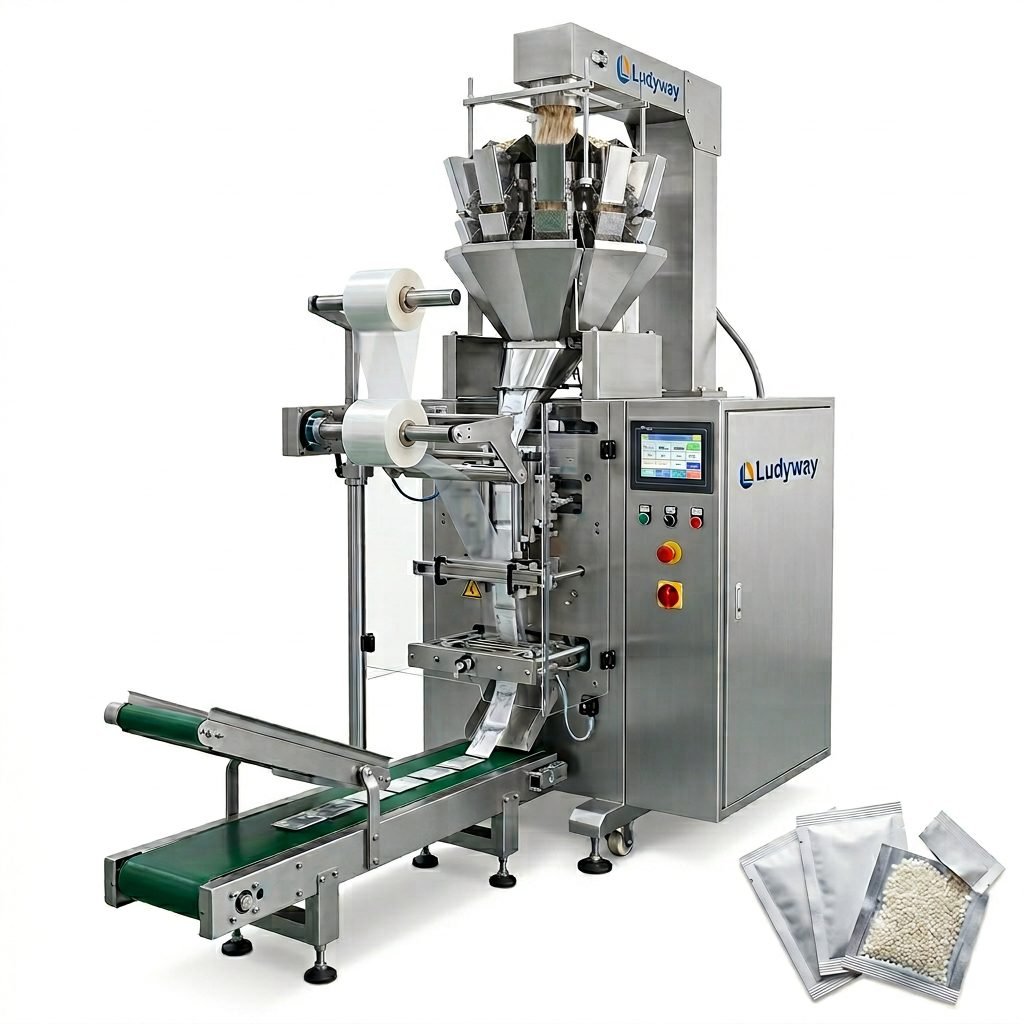
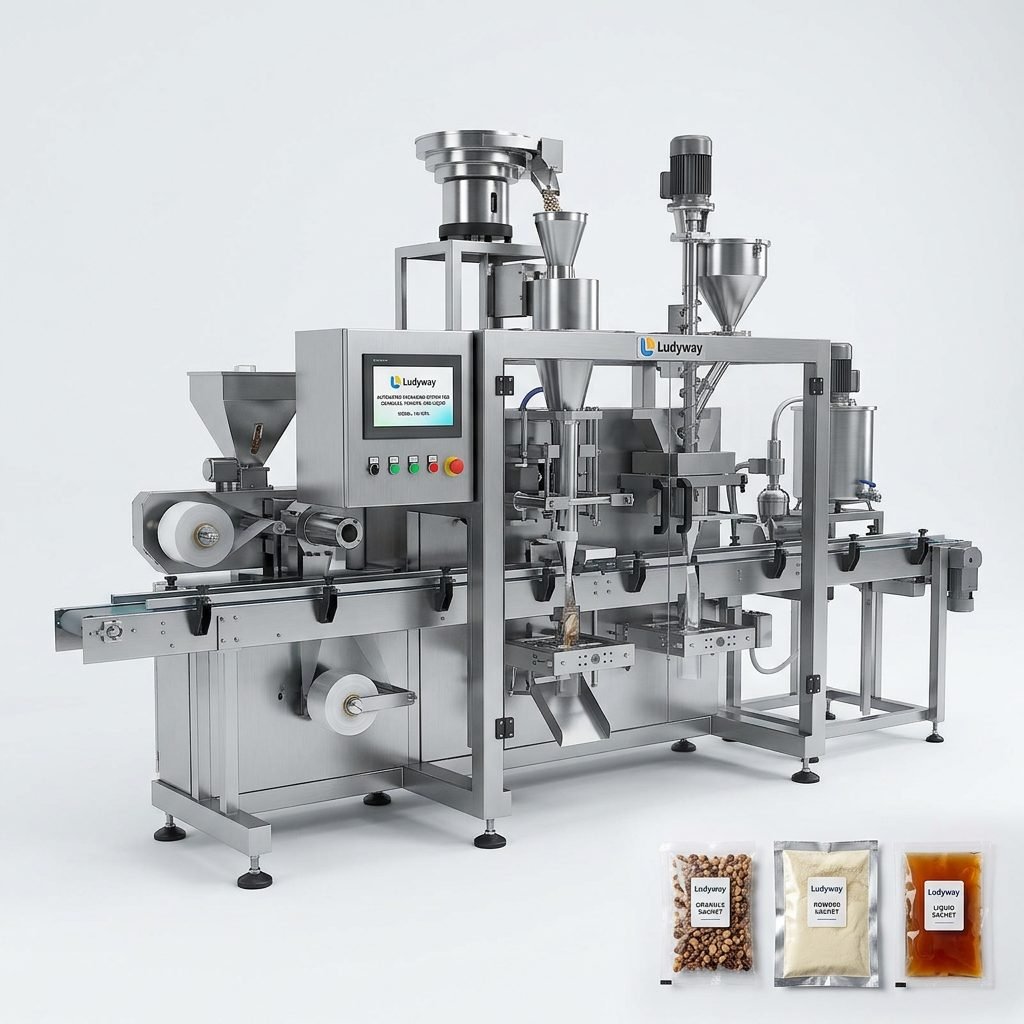
Gaining immense popularity for their cost-effectiveness and lightweight nature, these machines package water into flexible plastic pouches. They are prevalent for emergency water, sports hydration packs, and budget-friendly drinking water in many regions. The process typically involves forming the pouch from a roll of film, filling it with water, and then sealing it. Machines like the advanced multi-lane sachet packaging systems can produce hundreds of pouches per minute, offering incredible output for a relatively low material cost.
3. Bag-in-Box (BIB) Filling Machines
These systems are designed for larger volumes, typically ranging from 3 to 20 liters. They fill a sterile, flexible bag placed inside a corrugated cardboard box. The bag collapses as water is dispensed, preventing air from entering and keeping the water fresh for extended periods without preservatives. This format is perfect for office coolers, hospitality, and healthcare facilities.
4. Cup Filling and Sealing Machines
Commonly used for sealed cups of drinking water provided in hotels, conferences, or airlines. The machine automatically dispenses a pre-measured volume of water into a plastic or paper cup and then seals it with a foil or plastic lid, ensuring hygiene and portability.
How Water Packaging Machines Work: The Core Process
While specific steps vary by machine type, the fundamental working principle for liquid filling follows a logical sequence to ensure speed, accuracy, and sterility.
Step 1: Container Handling & Rinsing
Empty bottles or pouches are fed into the machine via an unscrambler or roll feed. For bottles, an air-jet or water rinsing station immediately cleans the interior to remove any dust or particulates, which is crucial for maintaining product purity.
Step 2: Precise Filling
This is the heart of the operation. The container is positioned under filling nozzles. Most modern machines use one of two methods:
- Gravity Filling: Simple and reliable, where water flows into the container by gravity from a tank positioned above. Best for still water.
- Volumetric or Piston Filling: Uses a piston cylinder to draw a precise volume of water and then inject it into the container. Extremely accurate and suitable for viscous liquids or precise dosing.
- Pressure Filling: Maintains pressure in both the water tank and the bottle. Ideal for carbonated water to prevent loss of carbonation during filling.
Step 3: Sealing & Capping
Immediately after filling, the container moves to the sealing station. For bottles, this involves placing a cap (screw cap, sports cap, flip-top) and applying the correct torque to seal it airtight. For pouches, heated jaws seal the film. The consistency and integrity of this seal are non-negotiable for product safety and shelf life.
Step 4: Labeling & Coding (Optional Integration)
Many integrated lines include labeling stations that apply product labels and coding stations that print batch numbers, expiry dates, or barcodes directly onto the bottle or label.
How to Choose the Right Water Packaging Machine: A Buyer’s Checklist
Navigating the market requires a clear assessment of your own needs. Here are the key factors to consider, supported by industry expertise from providers like Ludyway Packing Machine, who bring decades of application knowledge.
1. Define Your Production Requirements
Output Speed (Bottles/Pouches Per Hour): Are you a small local brand or a large-scale supplier? Your required speed dictates the machine’s level of automation and cost. Be realistic about your current needs and near-term growth.
Container Type & Size: The machine must be compatible with your specific bottle shape, size (from 200ml to 5+ liters), material (PET, glass), or pouch dimensions. Flexibility to handle multiple sizes is a valuable but often more expensive feature.
2. Assess Machine Features & Technology
Filling Accuracy: Even minor overfilling wastes product, and underfilling leads to customer complaints. Look for machines with precise servo-driven pumps or piston fillers.
Construction & Hygiene: Food-grade stainless steel (especially 304 or 316L for contact parts) is essential for durability, corrosion resistance, and ease of cleaning. A good machine design should allow for CIP (Clean-in-Place) procedures.
Control System: A user-friendly PLC (Programmable Logic Controller) with a touchscreen HMI (Human-Machine Interface) simplifies operation, changeovers, and troubleshooting. Modern machines offer recipe storage for different products.
3. Evaluate Supplier Credentials
Your machine is only as good as the company behind it. A reliable supplier is a long-term partner.
Experience & Reputation: Choose a supplier with a proven track record in the beverage or liquid packaging industry. For instance, Ludyway Machinery leverages over 30 years of industry experience to provide tailored solutions.
Technical Support & Spare Parts: Ensure they offer comprehensive installation, training, and prompt after-sales service. Availability of genuine spare parts locally or with short lead times is critical to minimize downtime.
Customization Ability: Can they adapt the standard machine to fit your unique factory layout or specific process requirement? This flexibility is a mark of a true engineering partner.
4. Consider Total Cost of Ownership (TCO)
Look beyond the initial purchase price. Factor in:
- Energy and Water Consumption: Efficient machines reduce utility costs.
- Maintenance Costs & Downtime: A robustly built machine may cost more upfront but saves significantly on repairs and lost production.
- Changeover Time & Material Waste: Quick and simple adjustments between bottle sizes or products increase overall equipment effectiveness (OEE).
Frequently Asked Questions (FAQs)
What is the difference between a monobloc and an inline filling machine?
A monobloc is a single, compact machine where the rinser, filler, and capper are mechanically linked on one base. It’s faster and has a smaller footprint but can be less flexible. An inline system has separate machines for each function connected by a conveyor, offering easier access for maintenance and more customization options, but typically requires more floor space.
Can one machine package both still and sparkling water?
It depends. Some advanced filling machines are designed with pressure filling capabilities and can handle carbonated beverages. However, switching between still and sparkling often requires significant adjustments, cleaning, and possibly different filler heads. It’s best to consult with the machine supplier about your specific needs for both products.
How important is the quality of the packaging film for pouch machines?
Extremely important. The film must have the correct sealing layer composition, thickness, and barrier properties (often with an aluminum layer) to ensure a strong, hermetic seal and maintain water freshness. Using substandard film is the leading cause of leakers and compromised shelf life, even with the best machine.
What kind of maintenance does a water packaging machine require?
Daily cleaning and sanitization are mandatory. Regular maintenance includes lubricating moving parts, checking seal wear on pistons and valves, inspecting electrical connections, and calibrating sensors and filling volumes. Following the manufacturer’s preventive maintenance schedule is key to longevity and consistent performance.
Is it worth investing in a fully automated line for a new business?
For a new business, scalability and capital preservation are vital. Starting with a high-quality semi-automatic or automatic single-head machine is often wise. It allows you to establish your market, manage cash flow, and understand your operational needs before investing in a high-speed rotary line. Many suppliers, including experienced ones, offer machines suitable for growth stages.