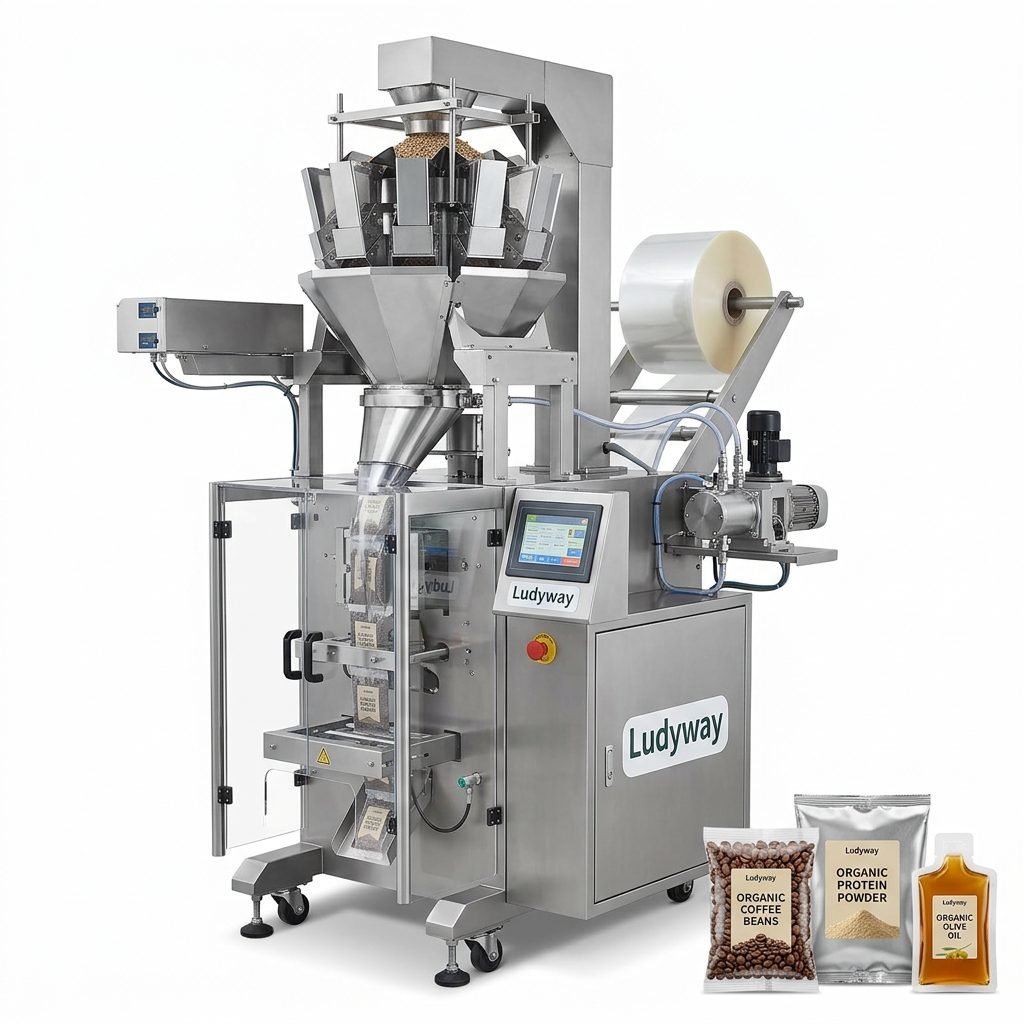
Selecting the right vacuum packaging machine is a critical decision for food processors, pharmaceutical manufacturers, and industrial producers. With Multivac being one of the most recognized names in the field, understanding how to evaluate its diverse product range against your specific operational needs helps avoid costly investments. This guide walks through the essential criteria—from chamber configuration and pump technology to automation level and packaging machinery market compliance—so your final choice delivers reliability, efficiency, and long-term value.

Defining Your Application and Production Environment
Before comparing machine specifications, establish the exact boundaries of your production. Different environments demand radically different engineering approaches.
- Product Type: Fresh meat, processed cheese, medical devices, or electronics components each require specific vacuum levels, gas-flushing capabilities, and chamber geometries.
- Production Volume: A small artisanal producer packaging 50 units per day has vastly different requirements from a high-speed industrial line processing thousands of packs per shift.
- Packaging Material: Whether you use pre-made bags, thermoformable films, or shrink barrier materials determines chamber type, sealing bar configuration, and heating element design.
- Cleanroom or Washdown Conditions: Pharmaceutical and ready-to-eat food sectors often require IP65 or higher protection ratings, stainless steel construction, and hygienic design standards that meet FDA food packaging guidelines.
Chamber vs. Thermoformer: Understanding Machine Architecture
Multivac offers two primary machine architectures, and choosing incorrectly leads to persistent bottlenecks or wasted capital.
Chamber Vacuum Packaging Machines
These are the workhorse models for medium-volume operations, central kitchens, and laboratories. The entire package is placed inside a chamber, air is evacuated, and a seal bar closes the bag. Single-chamber machines handle lower throughput; double-chamber versions allow loading and unloading on alternating sides for near-continuous operation. Key attributes to evaluate include chamber depth for bulky products, seal bar length for bag width compatibility, and vacuum pump speed measured in cubic meters per hour.
Thermoforming Vacuum Packaging Lines
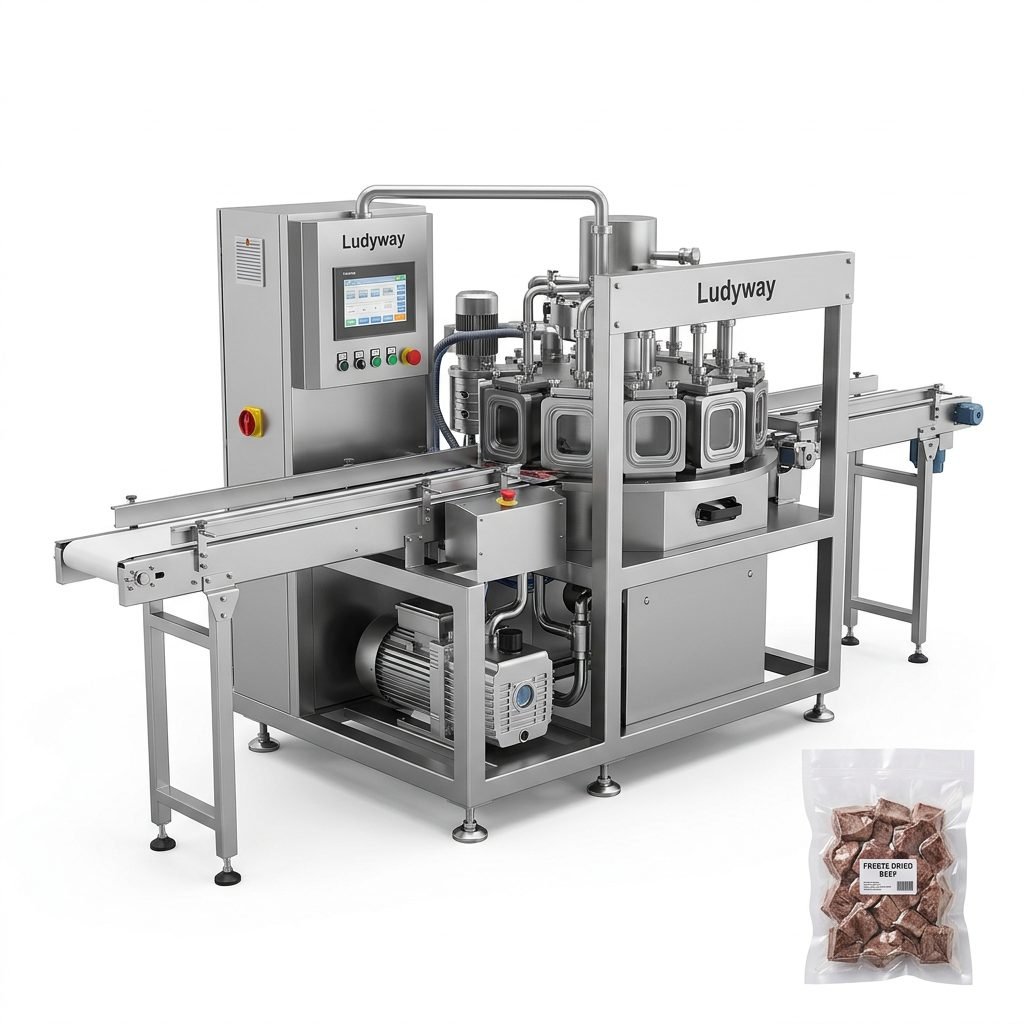
Designed for high-speed, high-volume environments, thermoforming machines create packages from rollstock film: a bottom web is heated and formed into cavities, product is loaded, a top web is applied under vacuum, and the packages are separated. These fully automated lines integrate filling zones, gas flushing, labeling, and cutting stations. When evaluating a thermoforming system, consider index length and lane count, which directly determine throughput, as well as film thickness range and draw depth capabilities.
Vacuum Pump Selection: The Core Performance Factor
The pump determines how quickly and deeply air is removed, affecting both cycle time and product shelf life. Modern Multivac machines can be configured with several pump technologies, and the right choice balances performance, maintenance, and operating cost.
| Pump Type | Ultimate Vacuum Level | Typical Maintenance Interval | Best Application |
|---|---|---|---|
| Oil-Lubricated Rotary Vane | 0.5–1 mbar | 500–1,500 operating hours (oil change) | General food packaging, medium production |
| Dry Rotary Vane / Scroll | 5–10 mbar | 2,000–4,000 hours | Clean environments, reduced contamination risk |
| Oil-Free Claw Pump | 50–100 mbar | 8,000+ hours | High-speed lines, lower vacuum requirement |
| Rotary Screw / Booster Combinations | 0.1 mbar or lower | Varies with duty cycle | Pharmaceutical, medical device, extreme shelf-life needs |
For many food applications, a rotary vane pump with gas ballast provides the best cost-performance ratio by handling moisture vapor from fresh products without frequent oil degradation. For ISO-compliant medical packaging, deep vacuum levels from screw or booster pumps are often mandatory to meet sterility and integrity standards.
Sealing Systems and Gas Flushing Capabilities
The integrity of the seal determines whether your product reaches the end user in the intended condition. Multivac machines feature different sealing bar technologies that must be matched to film type and production speed.
- Single-impulse sealing works well for thin, standard barrier films at moderate speeds but may struggle with thicker laminates.
- Double-impulse and constant-heat sealing systems provide stronger, more consistent seals for multi-layer films, heavy-gauge materials, and high-speed applications where contact time is limited.
- Modified Atmosphere Packaging (MAP) capability is essential for fresh proteins, baked goods, and produce. The machine must precisely control gas mixtures—typically nitrogen, CO₂, and oxygen in specific ratios—and reliably flush the chamber or package cavity before sealing.
Control Systems, Automation, and Data Integration
Modern packaging operations increasingly depend on traceability, recipe management, and real-time production data. Evaluating the control platform is just as important as assessing mechanical components.
- Programmable recipe storage: Allows operators to recall precise vacuum levels, seal times, gas flush percentages, and conveyor speeds for each product SKU, reducing setup errors and downtime.
- Operator interface usability: Touchscreen panels with intuitive, icon-driven navigation reduce training time and minimize operator error during shift changes.
- Remote diagnostics and OEE tracking: Machines equipped with Ethernet/IP, Profinet, or OPC-UA protocols enable integration with plant-wide SCADA or MES systems for overall equipment effectiveness monitoring and predictive maintenance alerts.
- Compliance reporting: For regulated industries, the ability to export batch records, process parameters, and alarm logs supports audit readiness and regulatory compliance documentation.
Footprint, Workflow Integration, and Ancillary Equipment
A vacuum packaging machine never operates in isolation. Its physical dimensions must fit within the available floor layout, and the material flow—product infeed, loading, vacuuming, sealing, outfeed, and secondary packaging—must be ergonomically efficient. Consider whether the machine can be configured for inline workflow where product enters from one side and exits from the opposite, or if a transverse layout is necessary for space-constrained facilities.
Additionally, identify required ancillaries: conveyor infeeds, labeling modules, printing systems for date and batch codes, metal detection or x-ray inspection integration, and automated bag-loading or pouch-dispensing units. Retrofitting these later is often significantly more expensive than specifying them at purchase.
Total Cost of Ownership: Beyond the Purchase Price
A common mistake buyers make is focusing solely on the initial capital outlay. A thorough evaluation weighs ongoing operational costs over the machine’s expected service life of 10 to 15 years.
- Energy consumption: Pump power, heating element wattage, and control system draw accumulate significantly. Oil-free pumps eliminate oil purchase and disposal costs but often have higher initial cost offset by lower long-term maintenance.
- Consumable parts: Seal bars, Teflon tape, heating elements, and sealing gaskets are replaced regularly. Verify prices, lead times, and whether local distributors stock these items.
- Service availability: A machine with strong local technical support and rapid spare parts delivery reduces downtime. Check whether qualified service engineers are within reasonable travel distance and whether remote support is available for troubleshooting and software updates.
- Film yield optimization: Thermoforming machines with precise film registration and minimal edge trim waste can reduce film consumption by 3–8% annually, a substantial figure at high production volumes.
Industry Standards and Certifications
Depending on your market and product category, compliance with specific standards may be non-negotiable. Machines designed for pharmaceutical or medical device packaging often need to meet ISO 11607 for terminally sterilized devices. Food packaging lines should align with relevant flexible packaging industry best practices and regional food contact material regulations. Verify that the manufacturer can provide documentation packages—including material certificates, electrical schematics, and safety compliance declarations—that satisfy your regulatory obligations and customer audit requirements.
Working with an Experienced Packaging Machinery Partner
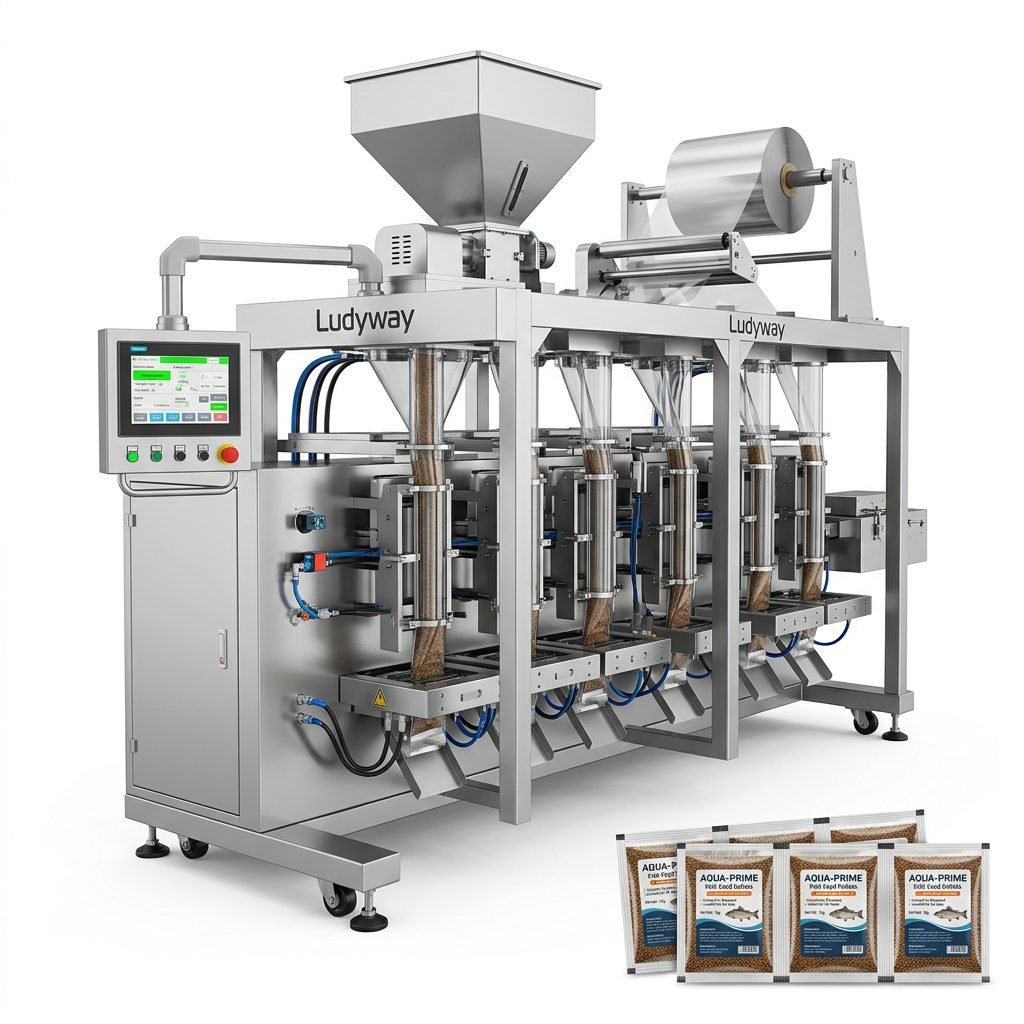
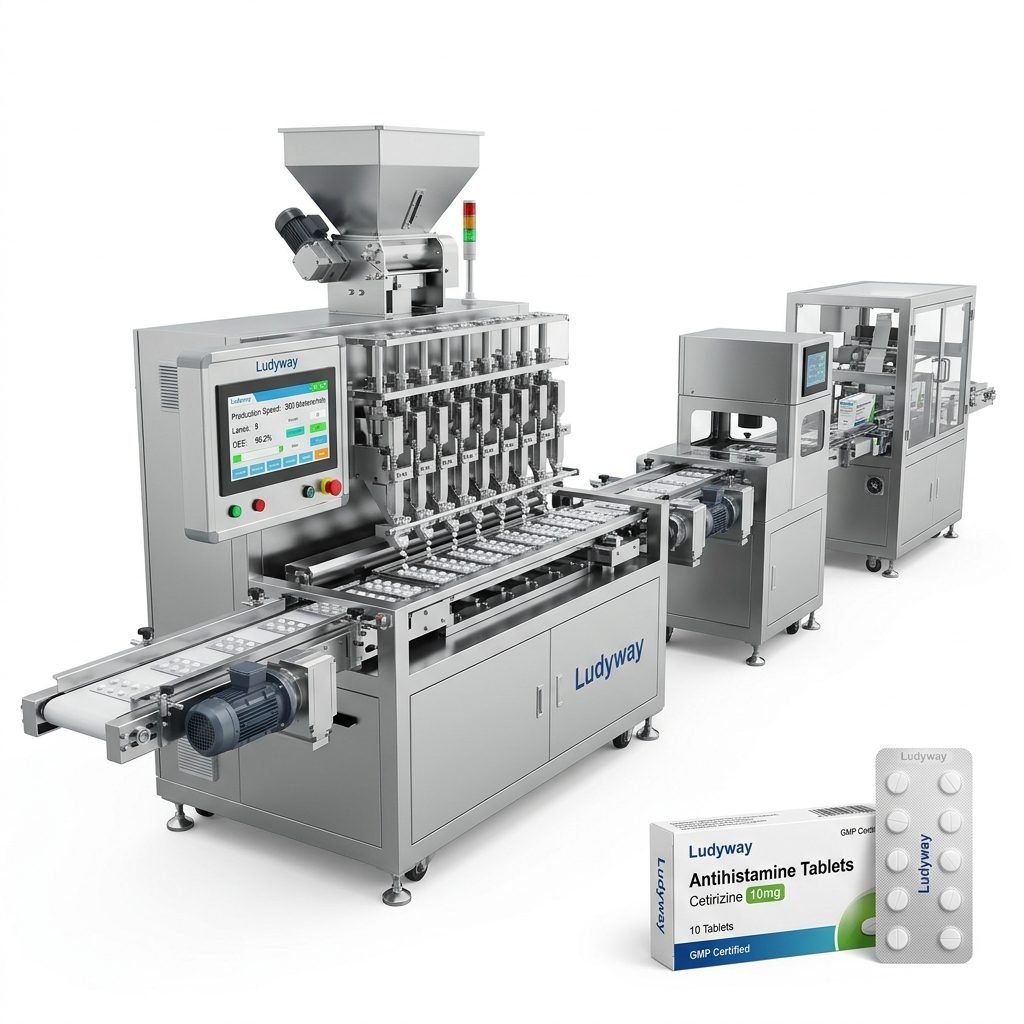
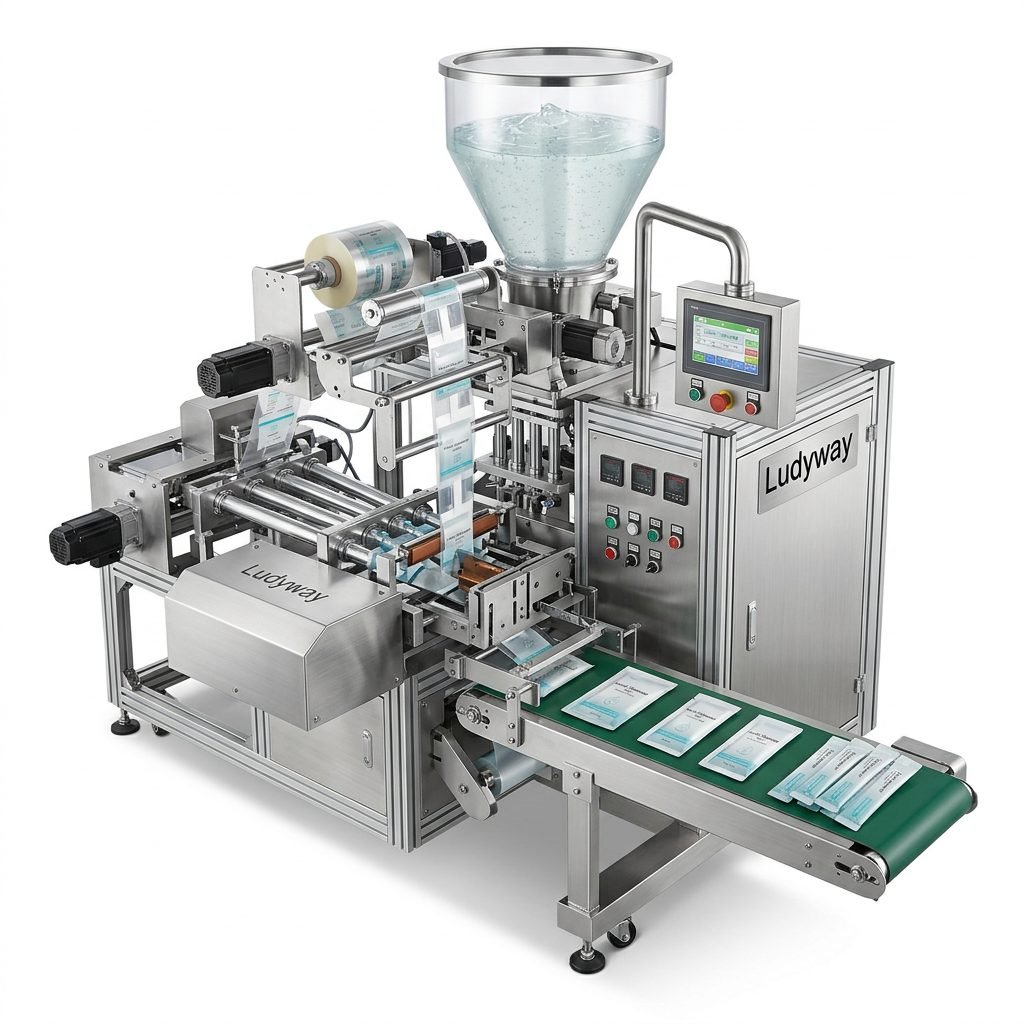
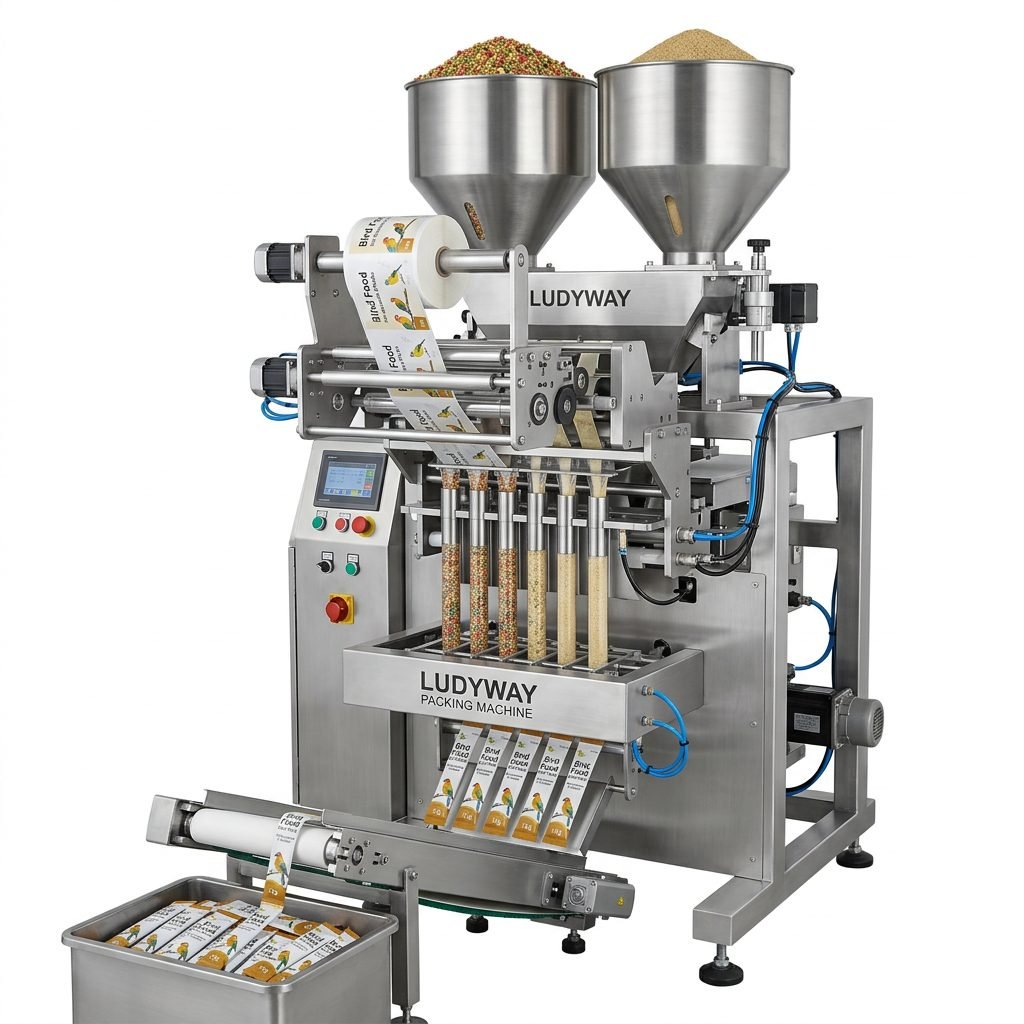
Selecting the correct vacuum packaging configuration often benefits from collaborative evaluation with a knowledgeable equipment supplier. Factors such as product characteristics, target throughput, facility constraints, and automation ambitions mean that off-the-shelf answers rarely fit perfectly. A partner that offers application testing, on-site consultation, customized configuration, and long-term after-sales support brings measurable advantages throughout the machine’s lifecycle. For manufacturers exploring integrated packaging systems, Ludyway Machinery provides customized packaging solutions, including vacuum packaging equipment and complete turnkey lines, backed by production facilities exceeding 20,000 square meters and a global service network across over 100 countries.