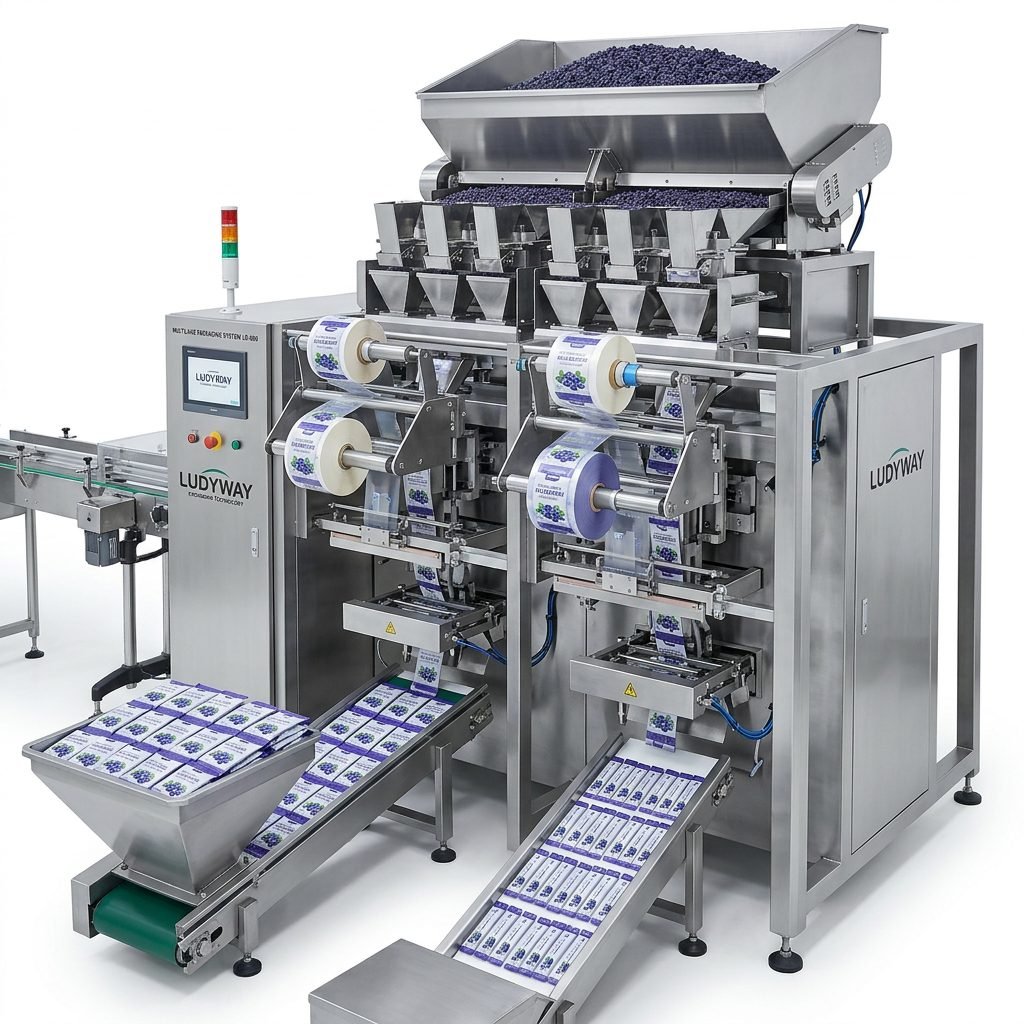
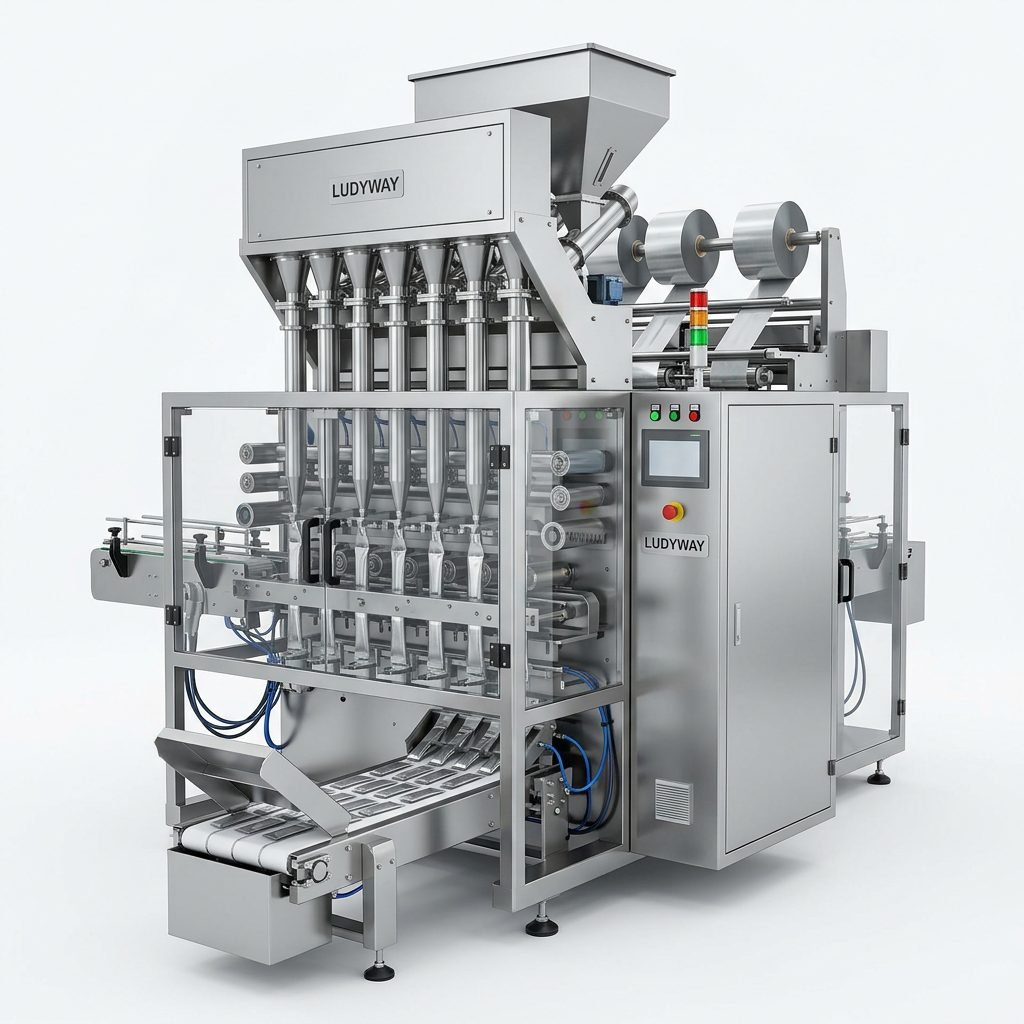
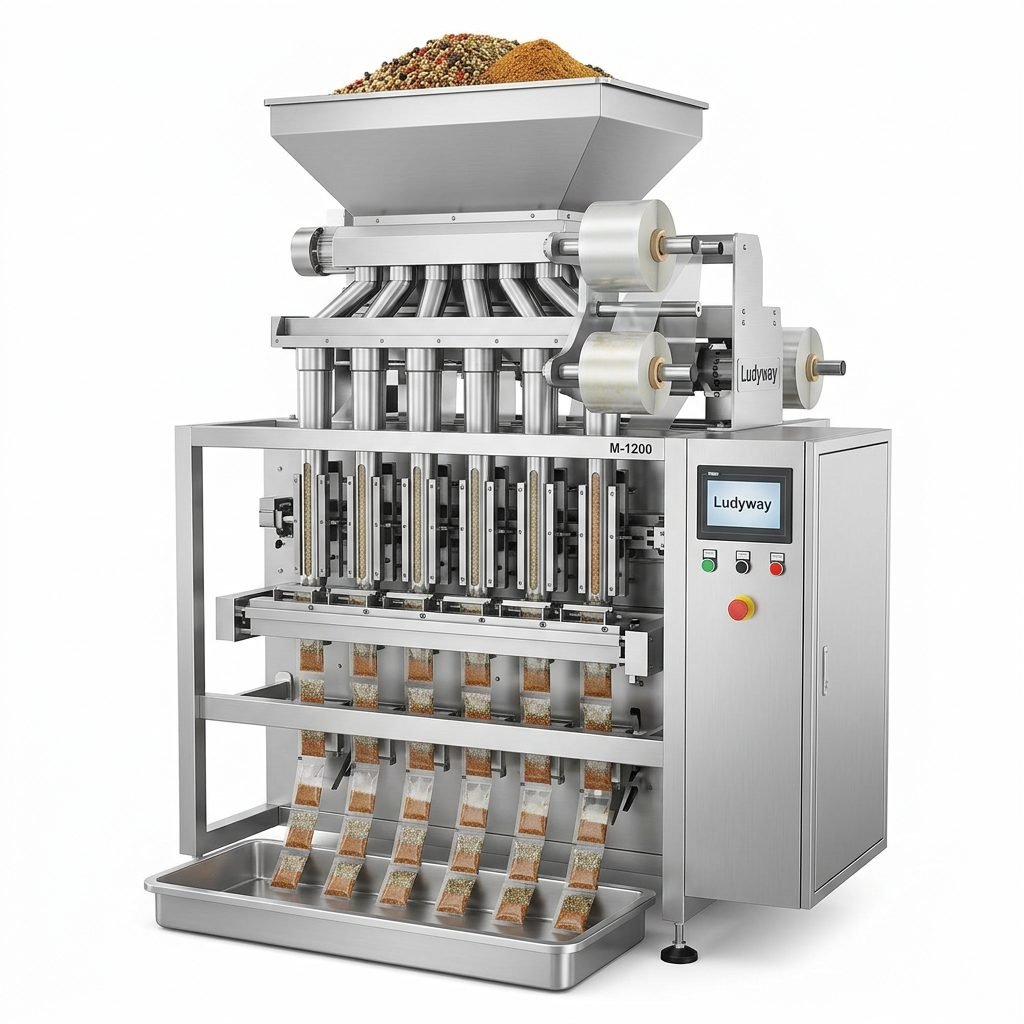
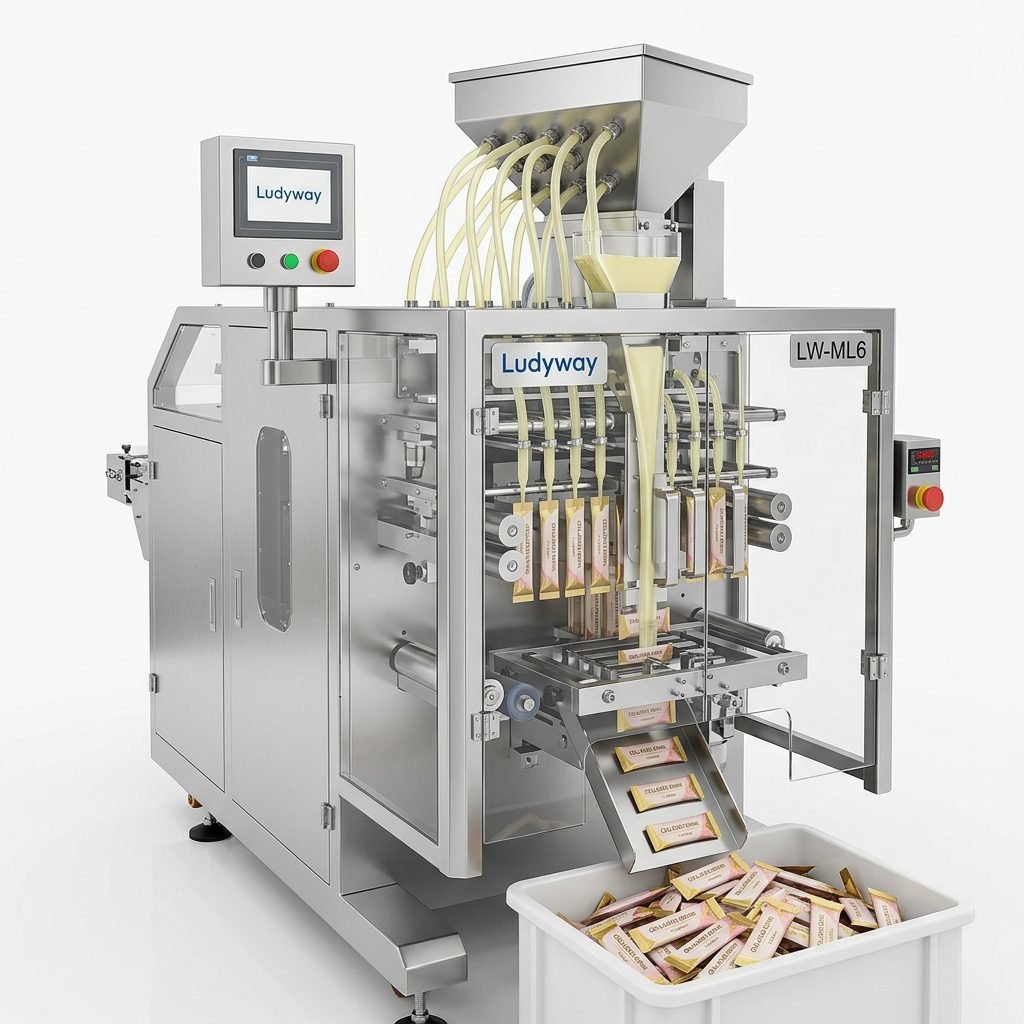
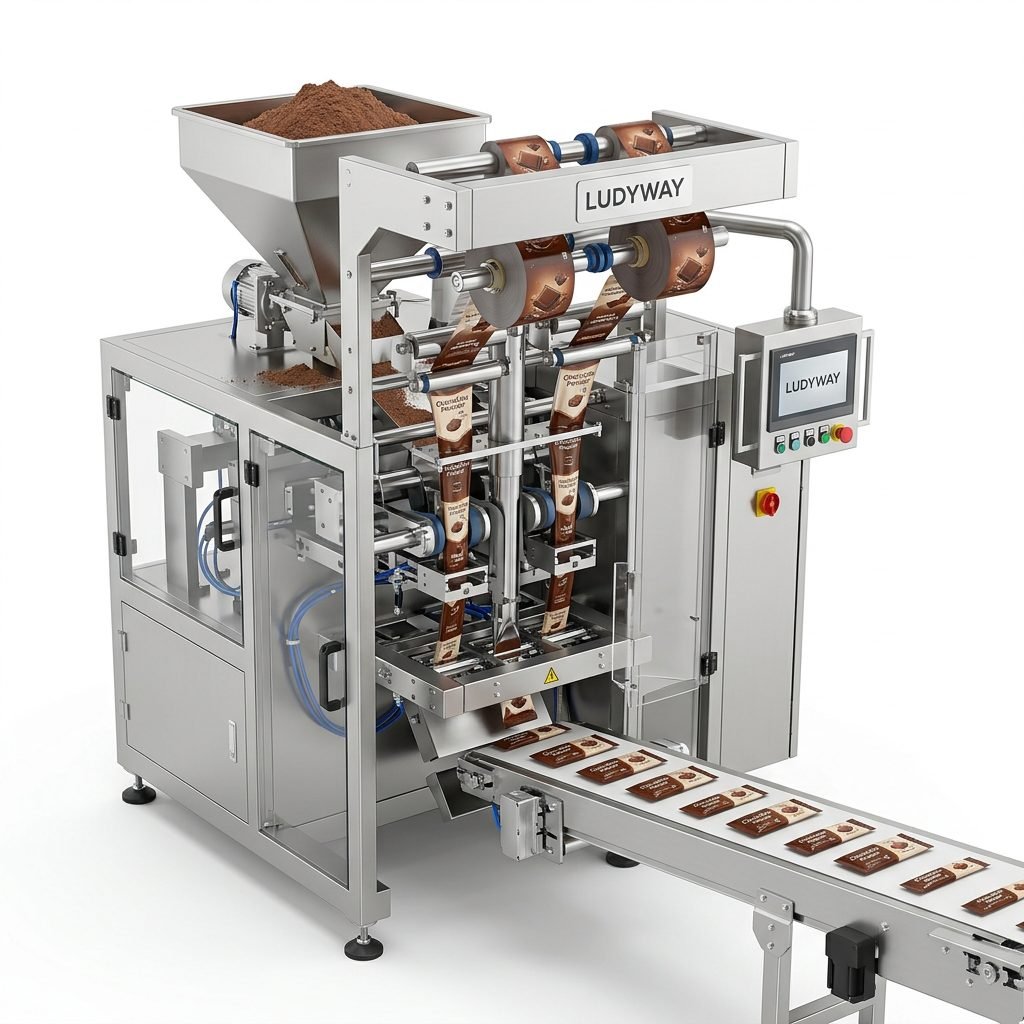
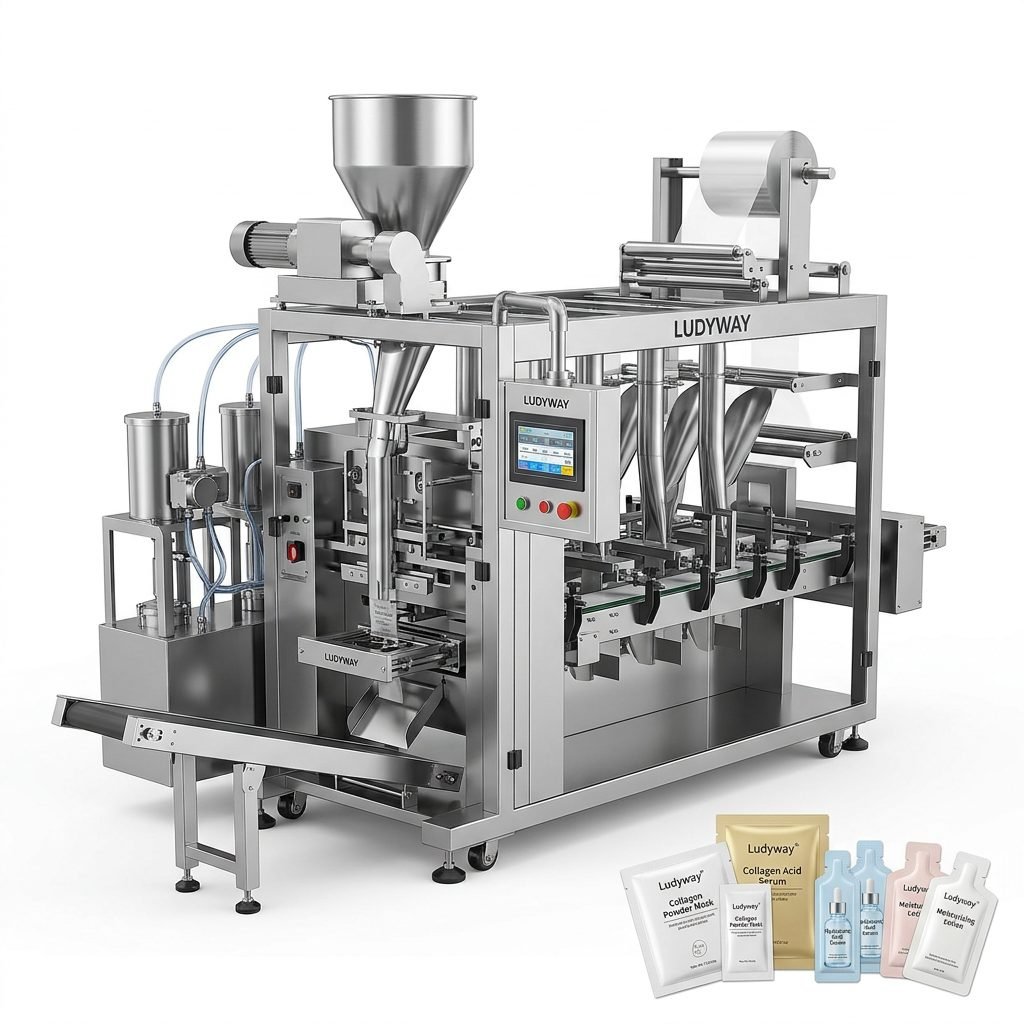
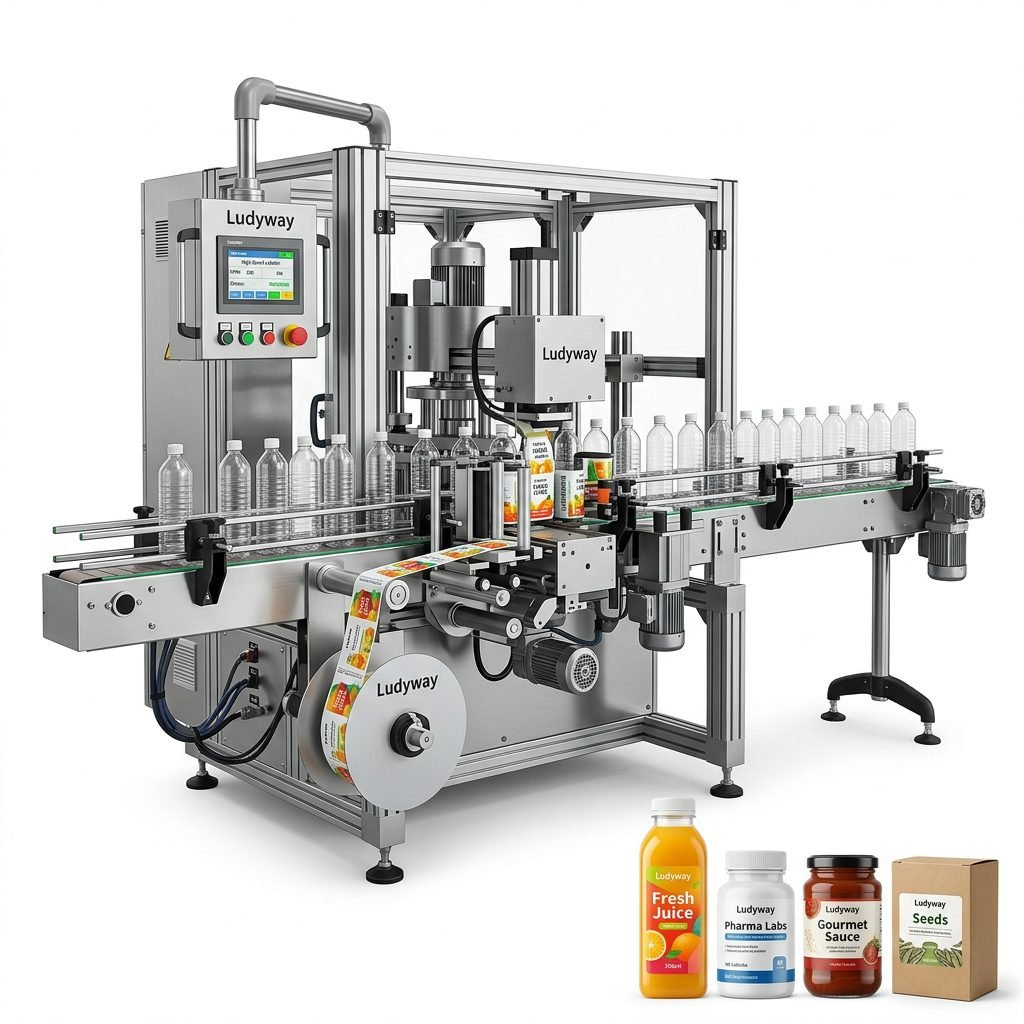
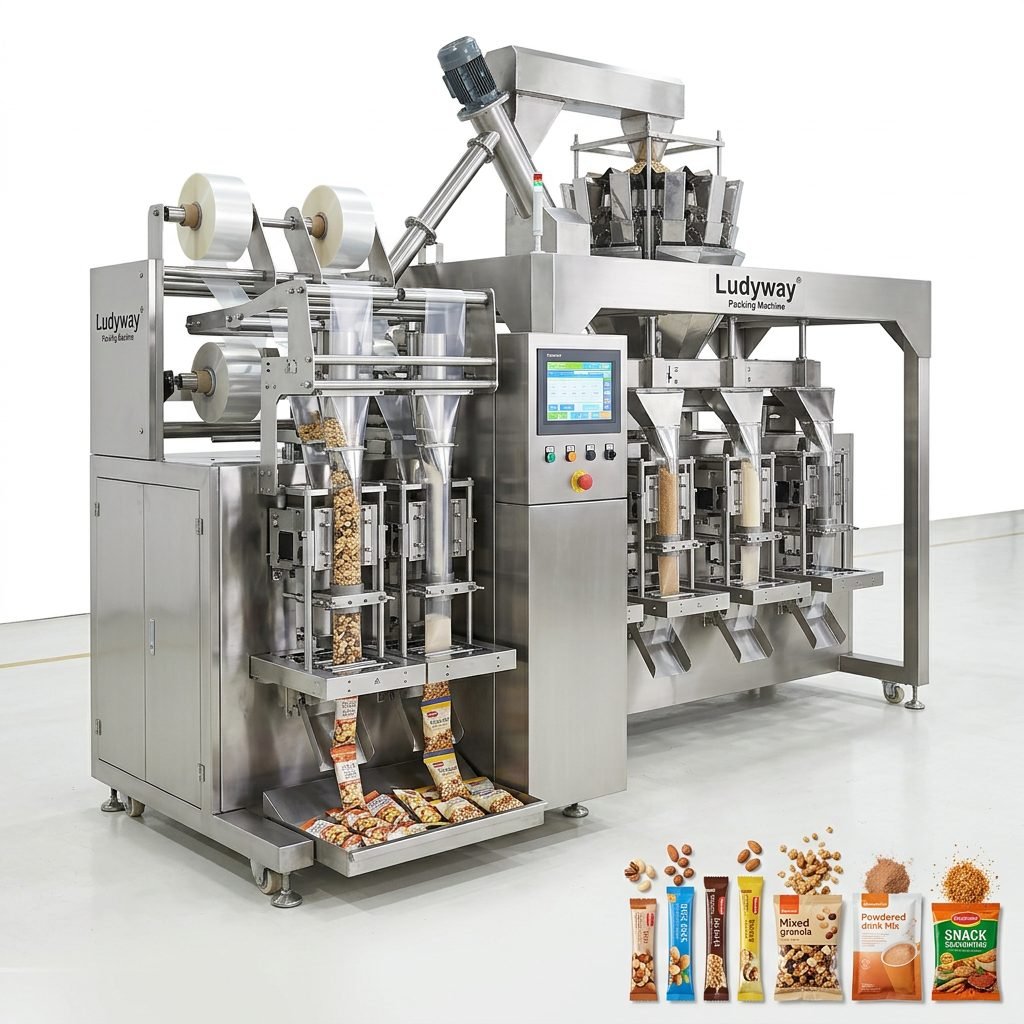
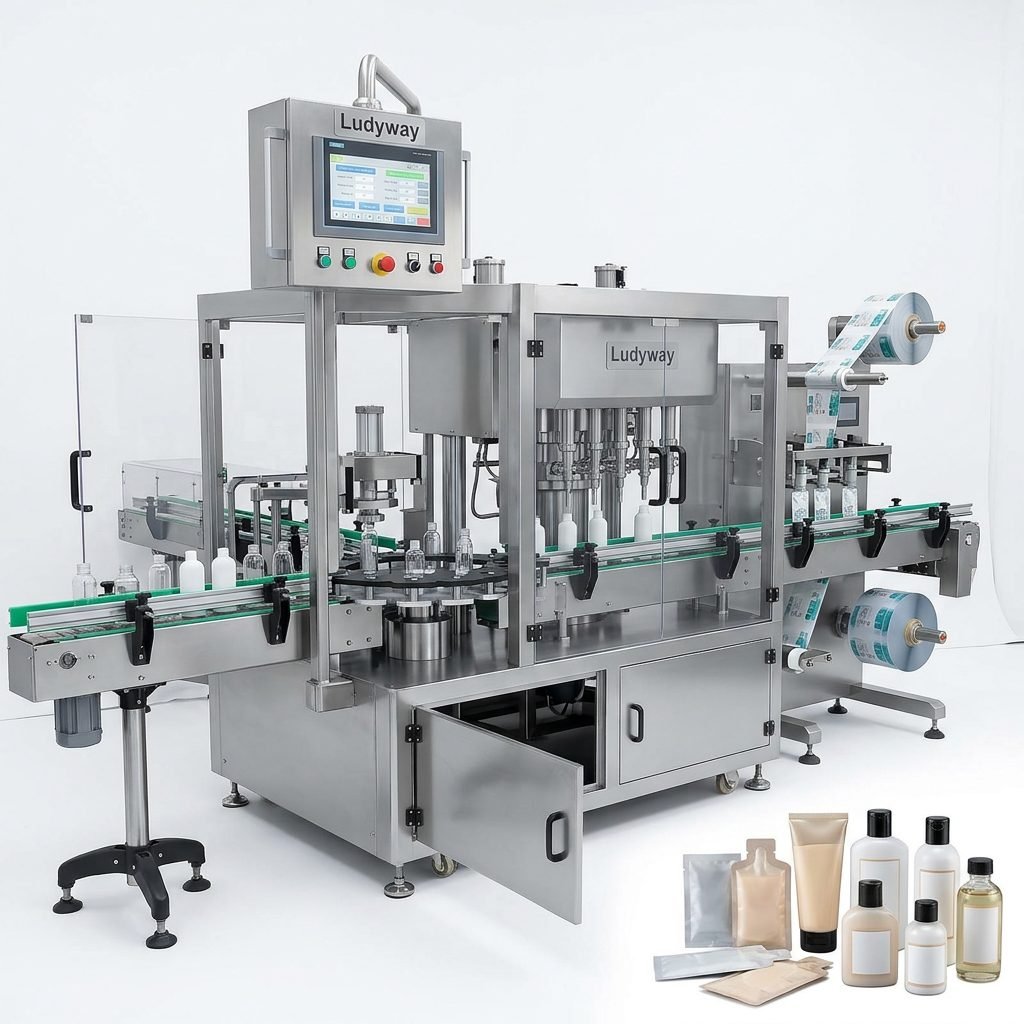
Packaging machines are essential in modern manufacturing because they turn loose products, liquids, powders, granules, or finished items into market-ready packages with speed and consistency. Whether you produce food, pharmaceuticals, cosmetics, chemicals, or nutraceuticals, understanding the main components of a packaging machine helps you choose the right equipment, reduce downtime, and improve line efficiency.
A packaging machine is not just one unit performing one action. It is usually a coordinated system made up of feeding, dosing, forming, sealing, control, conveying, safety, and inspection sections. Each component plays a specific role in ensuring that the package looks good, protects the product, and meets production requirements.
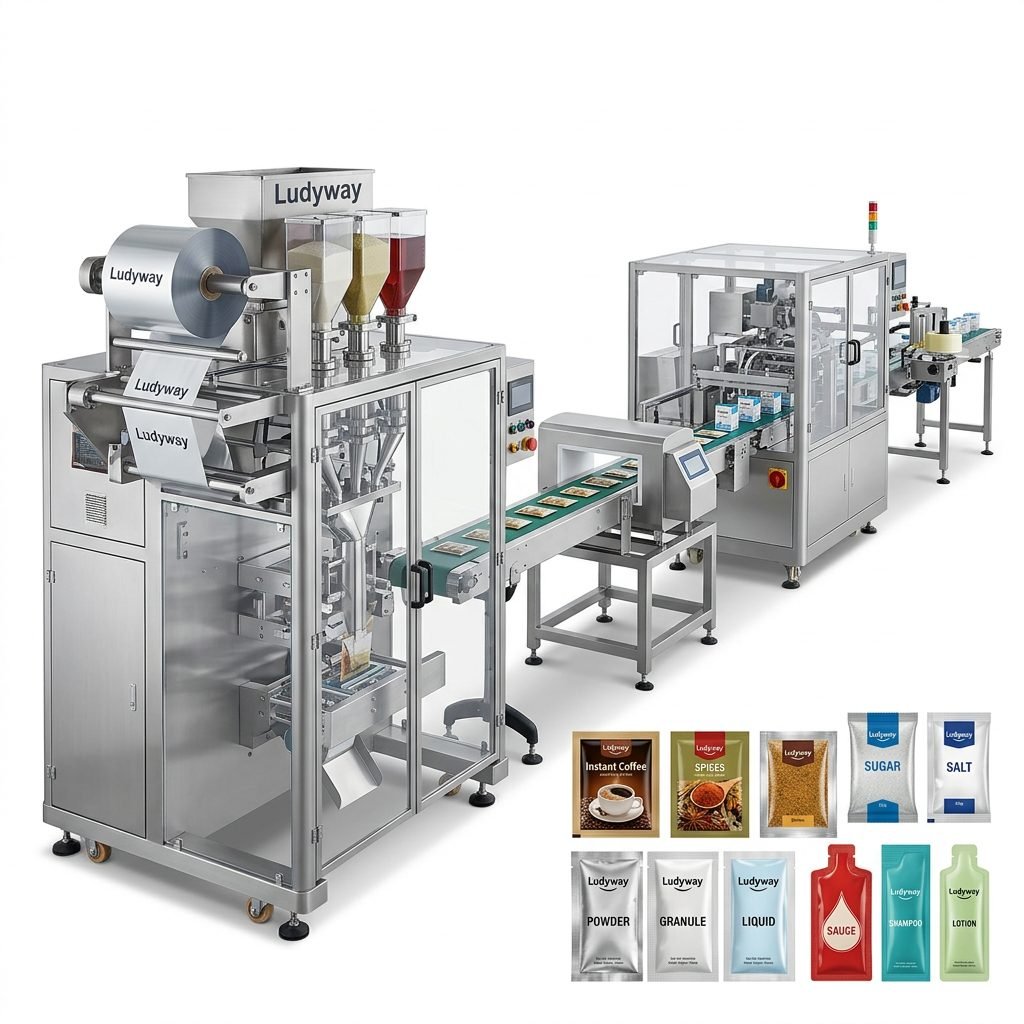
1. Product Feeding System
The product feeding system is the starting point of the packaging process. Its job is to deliver the product into the machine in a stable and controlled way. Without reliable feeding, even the most advanced packaging machine will struggle to maintain accuracy and speed.
The feeding method depends on the product type:
- Powders: screw augers, vacuum feeders, or powder hoppers
- Granules: vibratory feeders, cup feeders, or multi-head weighers
- Liquids: pumps, tanks, and pipeline systems
- Pastes: piston fillers or servo-driven dosing pumps
- Solid items: conveyors, counting systems, or robotic pick-and-place devices
A good feeding system should minimize product waste, prevent bridging or clogging, and maintain a smooth flow into the filling section.
2. Hopper or Storage Unit
Most packaging machines include a hopper, tank, or storage chamber that temporarily holds product before filling. This component serves as a buffer between upstream production and the packaging operation.
Key functions of the hopper include:
- Maintaining a stable supply of product
- Supporting uniform filling accuracy
- Reducing interruptions during production
- Helping control dust, moisture, or contamination
For sensitive industries such as pharmaceuticals and food, hoppers are often made from stainless steel and designed for easy cleaning and sanitation.
3. Dosing or Filling System
The filling system is one of the most important components of a packaging machine. It determines how much product goes into each pouch, sachet, bottle, bag, stick pack, or carton.
Different filling systems are used for different materials:
| Product Type | Common Filling Method | Typical Application |
|---|---|---|
| Powder | Auger filler | Milk powder, protein powder, medicine powder |
| Granule | Cup filler or weigher | Sugar, seeds, snacks, coffee granules |
| Liquid | Pump filling | Sauce, oil, shampoo, syrup |
| Paste | Piston filling | Cream, gel, lotion, ointment |
| Tablets/Capsules | Counting system | Pharmaceutical and supplement packaging |
Accuracy in this stage is critical because underfilling affects customer trust, while overfilling increases product giveaway and cost.
4. Bag or Package Forming System
In many automatic machines, especially form-fill-seal systems, the machine needs to create the package before filling it. That is the role of the forming system.
This section may include:
- Film unwinding unit
- Film tracking sensors
- Forming collar or tube
- Pouch shaping parts
- Tension control devices
For vertical packaging machines, the film is formed into a tube around a collar. For premade pouch machines, the system opens and positions preformed pouches for filling and sealing.
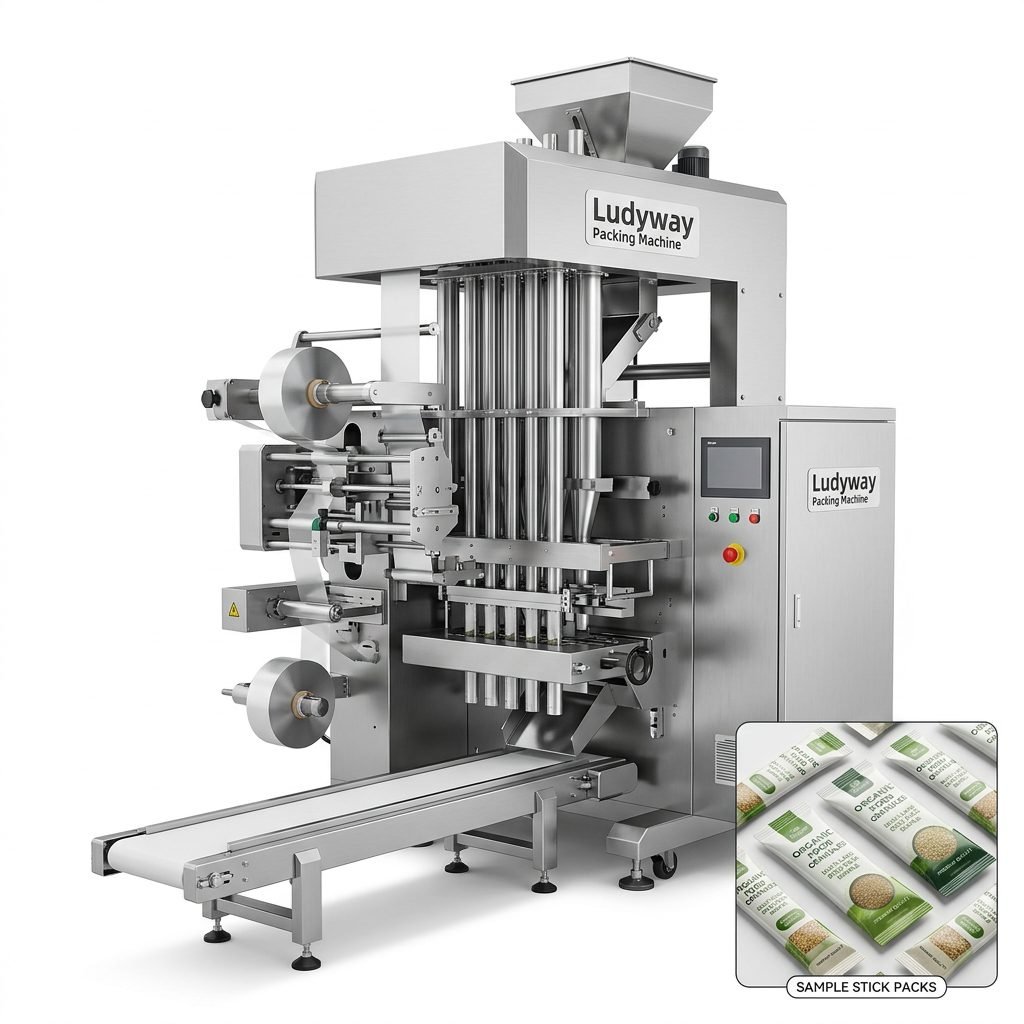
5. Film Pulling and Feeding Mechanism
The packaging material must move through the machine with high precision. The film pulling system controls this movement. It ensures the correct bag length, print registration, and smooth transport of flexible packaging material.
This mechanism commonly includes servo motors, belts, rollers, and sensor-based tracking devices. A high-quality film feed system improves seal appearance and reduces wasted packaging material.
6. Sealing System
Once the product is filled, the package must be sealed securely. The sealing system creates airtight, leak-resistant, and tamper-resistant closures depending on the packaging format.
Common sealing methods include:
- Heat sealing
- Ultrasonic sealing
- Impulse sealing
- Cap sealing or capping
- Induction sealing for bottles
The seal must match the product, packaging material, and production speed. For example, liquids may require stronger sealing control to prevent leakage, while pharmaceutical products often require highly consistent seal integrity.
7. Cutting System
After sealing, many machines use a cutting unit to separate individual packs. This component is especially important in sachet, stick pack, flow wrap, and pouch packaging equipment.
Cutting systems may create:
- Straight cuts
- Zigzag cuts
- Tear notches
- Rounded corners
- Perforated connections for multi-pack strips
A precise cutting system improves package appearance and ensures easy opening for end users.
8. Drive System
The drive system powers the moving parts of the machine. It can include motors, gearboxes, belts, chains, shafts, and servo drives. In advanced packaging machinery, servo motors are widely used because they offer precise control, better synchronization, and easier parameter adjustment.
A stable drive system helps maintain:
- Machine speed
- Repeatable motion accuracy
- Smooth startup and shutdown
- Lower maintenance requirements
9. PLC and Control Panel
The control system is the brain of the packaging machine. Most modern equipment uses a PLC (Programmable Logic Controller) combined with an HMI touchscreen interface.
This section allows operators to:
- Set bag length, filling weight, speed, and temperature
- Monitor machine status in real time
- Store product recipes
- Receive alarm messages and diagnostics
- Coordinate with upstream and downstream equipment
An intuitive control panel reduces operator training time and makes production changeovers faster.
10. Sensors and Detection Devices
Sensors are small but critical components. They help the machine detect position, product flow, film registration marks, package presence, pressure, and temperature.
Typical sensors in packaging machines include:
- Photoelectric sensors
- Proximity sensors
- Temperature sensors
- Load cells
- Level sensors
These devices improve automation, reduce error rates, and support stable operation over long production runs.
11. Conveyor System
Conveyors move products and packaged goods between different stations. In a standalone machine, conveyors may transport finished packs away from the discharge point. In a full packaging line, conveyors connect fillers, sealers, checkweighers, labeling units, cartoners, and palletizing systems.
Conveyor systems improve workflow by:
- Reducing manual handling
- Supporting continuous production
- Lowering labor cost
- Protecting product integrity
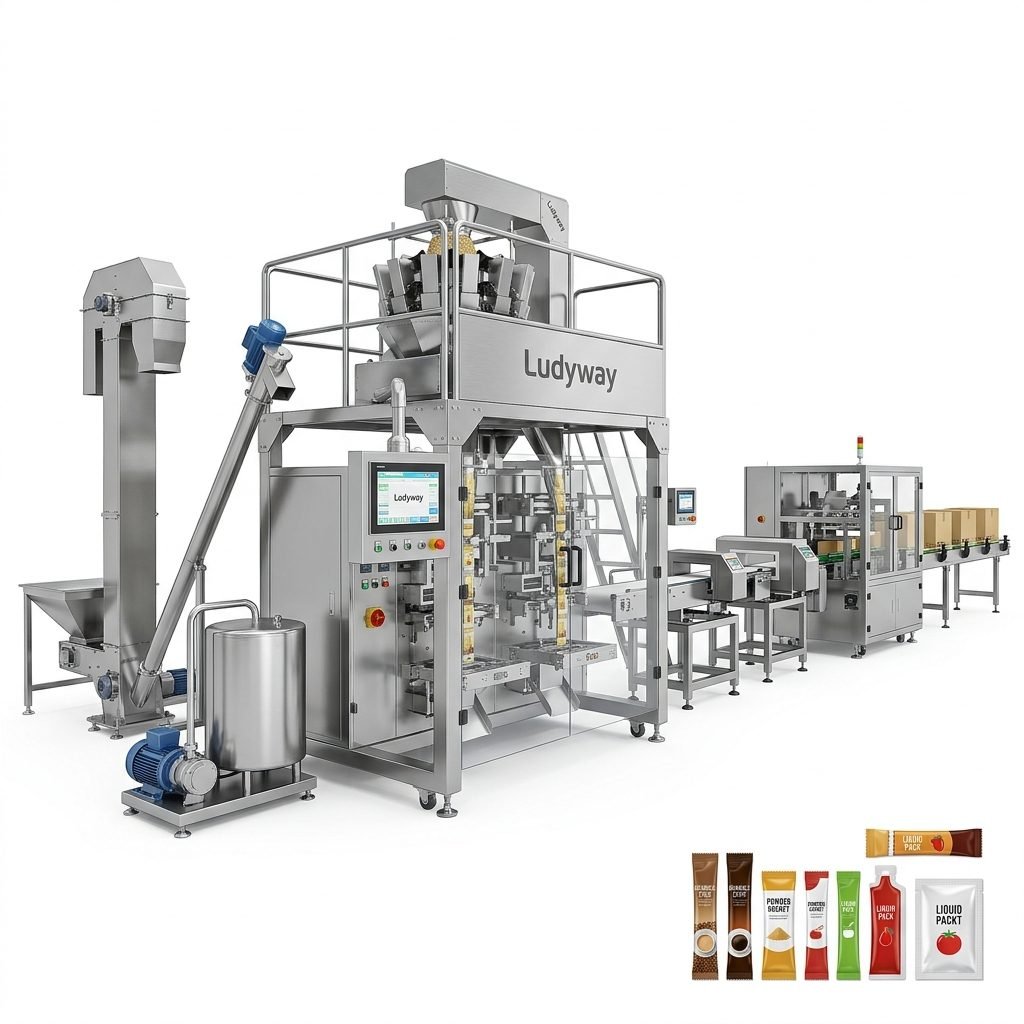
12. Safety Protection Components
Safety is a core part of any industrial packaging machine. Protective guards, emergency stops, interlock systems, overload protection, and access-door sensors are designed to protect operators and reduce risk.
Important safety components often include:
- Emergency stop buttons
- Protective covers and shields
- Door interlocks
- Fault alarm systems
- Safety relays
A well-designed machine should meet relevant industry and export market safety standards.
13. Printing and Coding Unit
Many packaging machines include or integrate with coding equipment for printing batch numbers, manufacturing dates, expiry dates, QR codes, and barcodes. This is especially important in regulated industries such as food, pharma, and personal care.
Printing options may include:
- Thermal transfer printers
- Inkjet coders
- Laser marking systems
- Embossing or stamping devices
14. Inspection and Quality Control Devices
For higher production reliability, packaging machines are often paired with inspection systems. These units help identify defects before products are packed into cartons or shipped.
Common inspection devices include:
- Checkweighers
- Metal detectors
- Vision inspection systems
- Leak testers
- Reject systems
These components protect product quality, reduce recalls, and improve customer confidence.
15. Frame and Machine Structure
The machine frame supports all components and keeps the system stable during operation. Although it may seem basic, the structural design affects durability, vibration control, maintenance access, and cleaning efficiency.
In food and pharmaceutical applications, stainless steel frames are commonly used because they resist corrosion and are easier to sanitize.
How These Components Work Together
A packaging machine performs best when all components are synchronized. The feeding system delivers product, the filling system doses it accurately, the film or pouch section prepares the package, the sealing and cutting units complete it, and the control system coordinates everything in sequence.
If one component is poorly matched, the entire line can suffer. For example:
- An unstable feeder can cause inaccurate fills
- Weak sealing can lead to leaks or contamination
- Poor sensor calibration can result in material waste
- Inadequate controls can slow changeovers and troubleshooting
Key Factors When Choosing a Packaging Machine
When evaluating packaging machinery, buyers should look beyond speed alone. The real value comes from how well the machine components match the product and the production environment.
| Selection Factor | Why It Matters |
|---|---|
| Product type | Determines the feeding and filling technology needed |
| Package format | Affects forming, sealing, and cutting design |
| Output requirement | Influences machine configuration and automation level |
| Accuracy requirement | Important for cost control and compliance |
| Cleaning and hygiene | Essential in food, pharmaceutical, and cosmetic sectors |
| Integration ability | Supports future expansion into turnkey packaging lines |
| After-sales support | Helps maintain long-term equipment reliability |
Standalone Machine vs. Complete Packaging Line
A standalone machine can handle a single task such as filling, sealing, or labeling. A complete packaging line combines multiple machines and auxiliary systems into one automated workflow.
For growing manufacturers, integrated systems often provide better long-term value because they improve efficiency, reduce labor, and support larger order volumes. Companies looking for scalable equipment frequently work with experienced manufacturers such as Ludyway packaging machine solutions to build customized machinery and turnkey lines for food, pharmaceutical, health supplement, cosmetic, and chemical applications.
Industries That Depend on These Components
The same core packaging machine components are widely used across different sectors, with modifications based on product characteristics and compliance requirements.
- Food industry: snacks, seasonings, coffee, sugar, sauces, dairy powder
- Pharmaceutical industry: powders, tablets, capsules, oral liquids, medical devices
- Cosmetic industry: creams, lotions, serum sachets, masks, gels
- Chemical industry: detergents, additives, powders, industrial liquids
- Animal nutrition: feed, supplements, pet food, granules, powders
Final Thoughts on Packaging Machine Components
The key components of a packaging machine include the feeding system, hopper, filling unit, package forming section, film transport mechanism, sealing system, cutting unit, drive system, PLC controls, sensors, conveyors, safety devices, coding equipment, inspection systems, and machine frame. Together, these parts determine production speed, filling accuracy, package quality, and overall line reliability.
If you understand how each component works, it becomes much easier to compare machine models, identify the right solution for your product, and invest in a packaging system that supports long-term business growth.