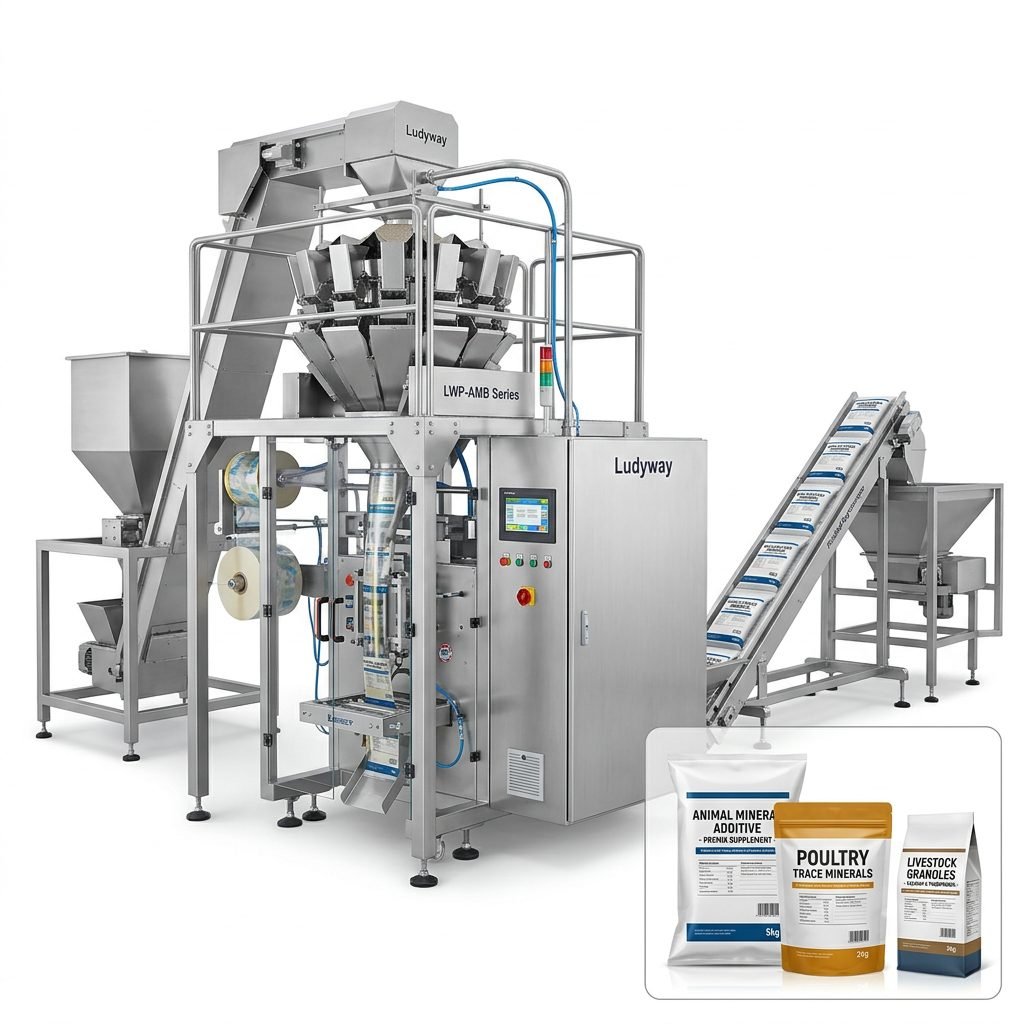
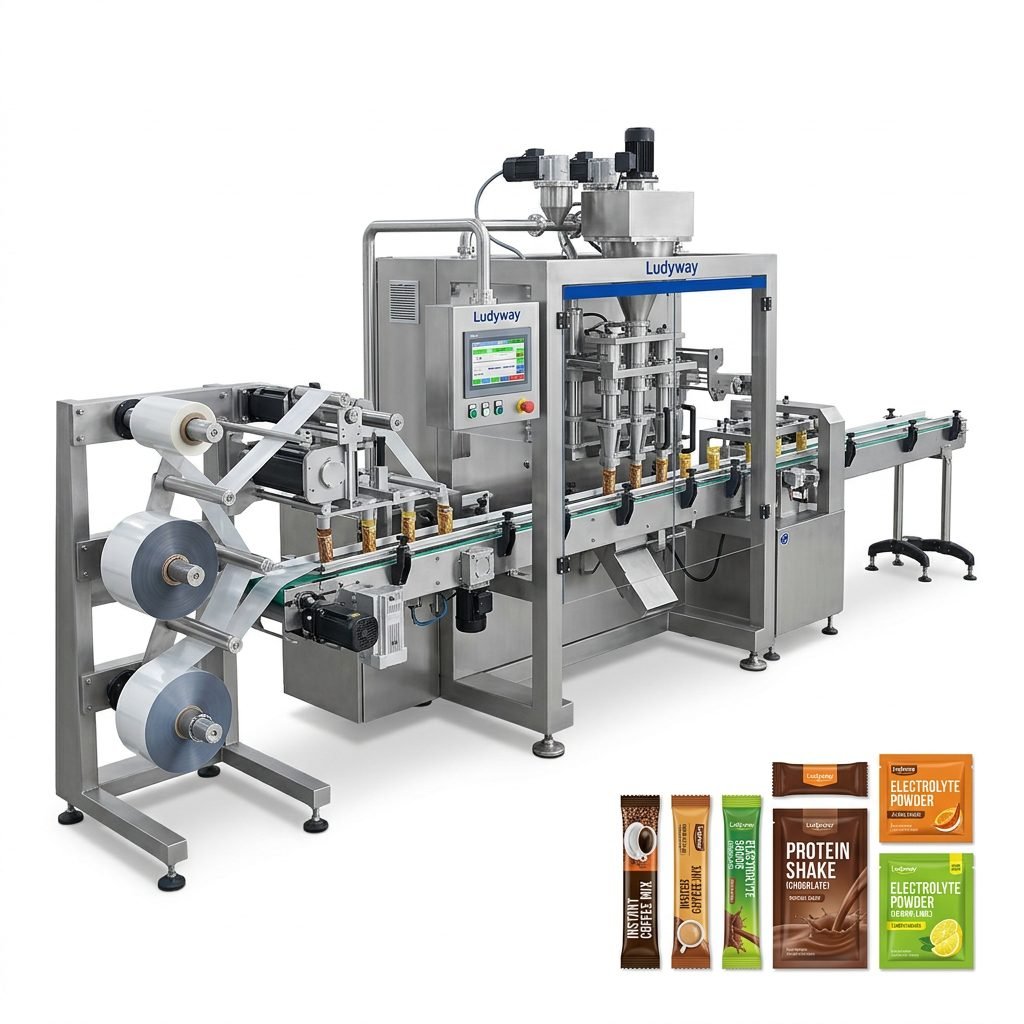
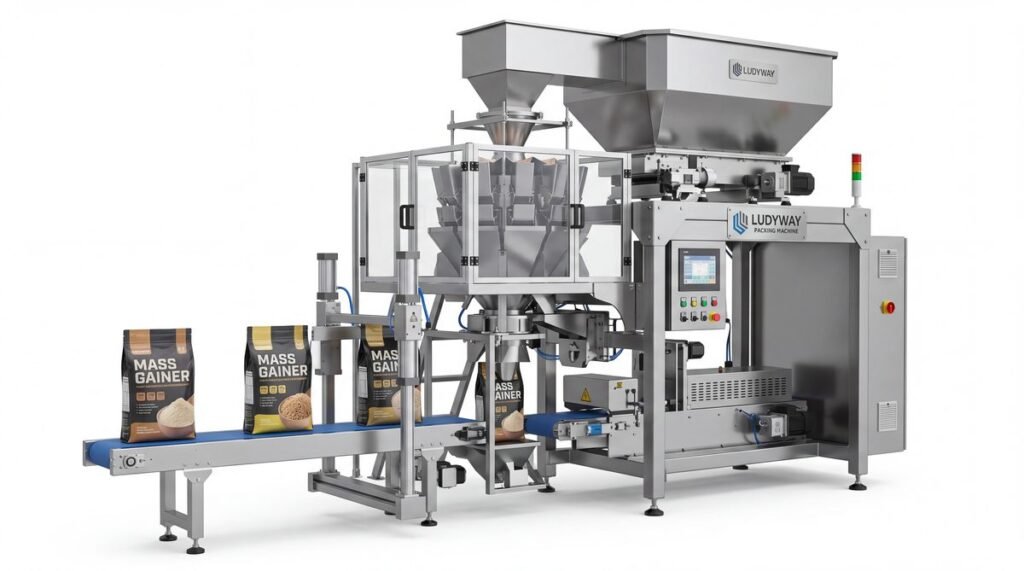
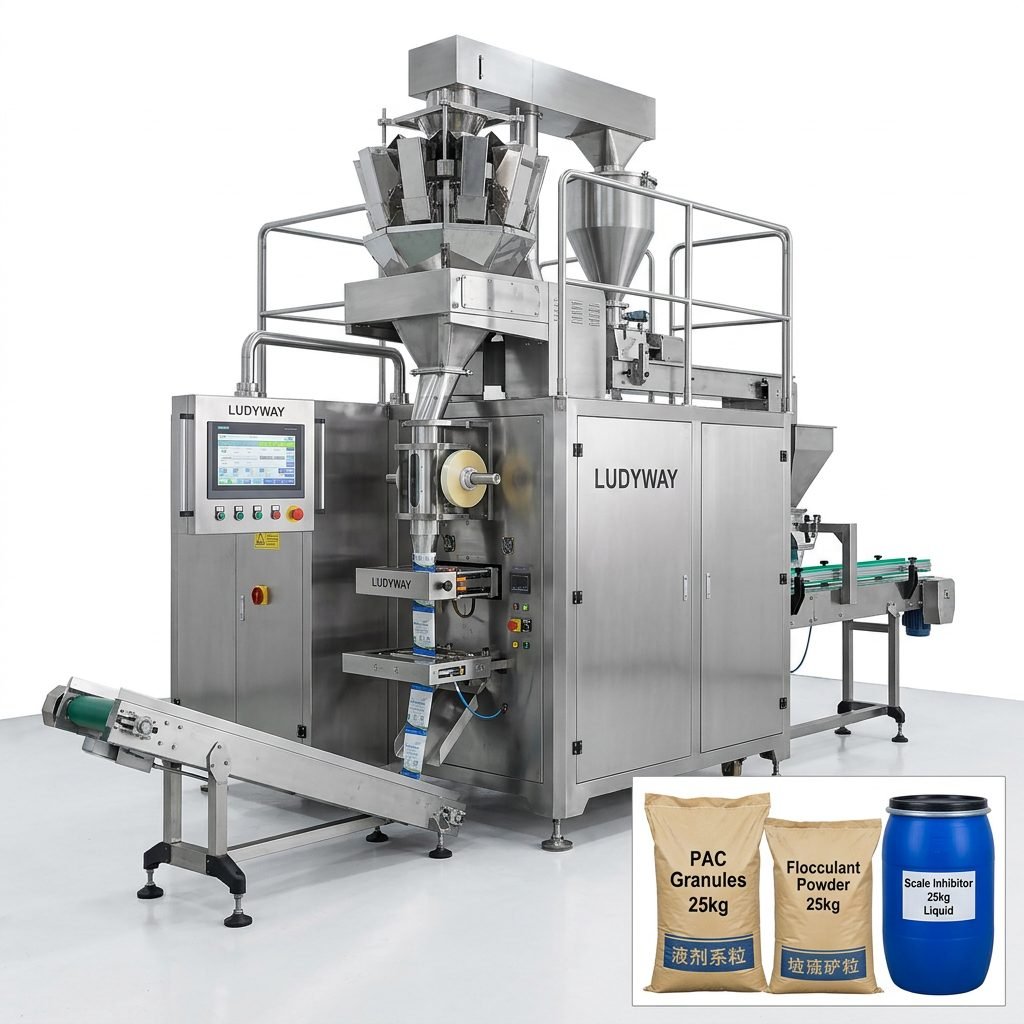
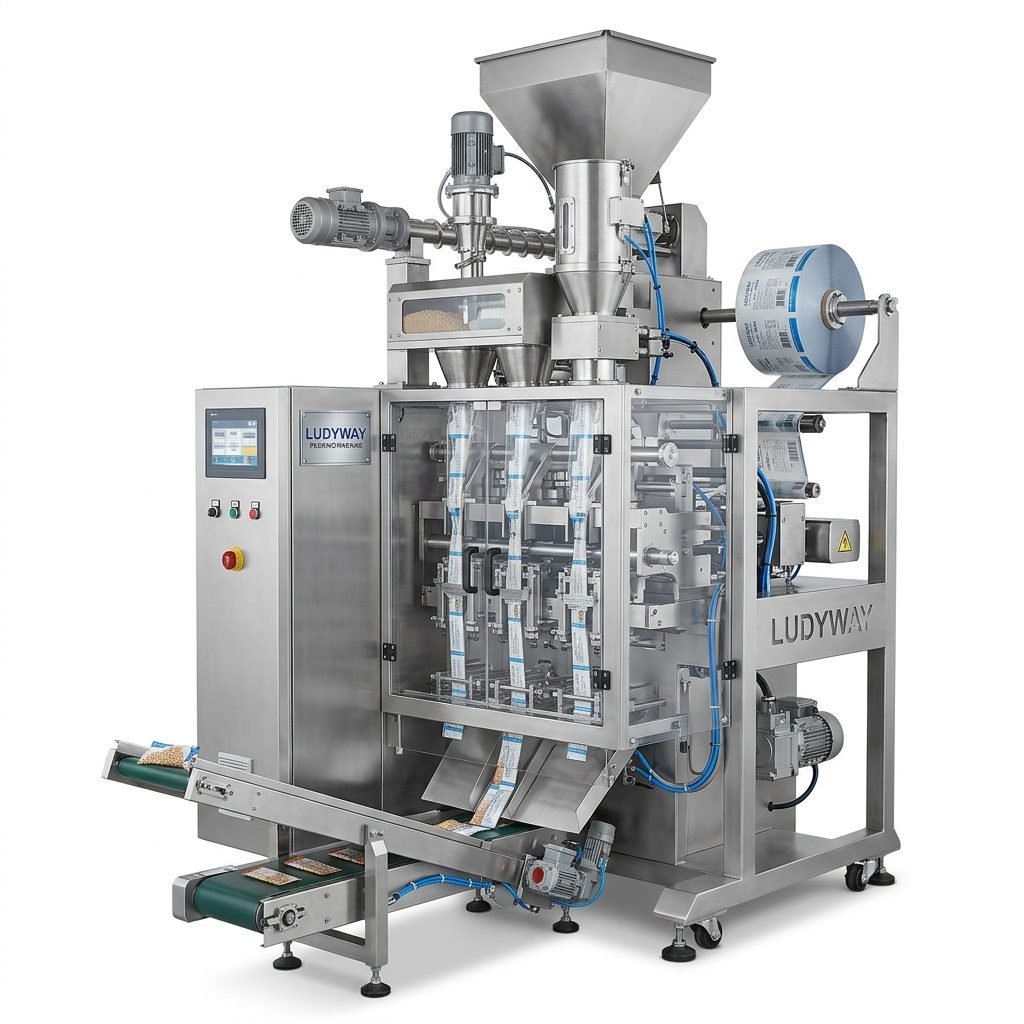
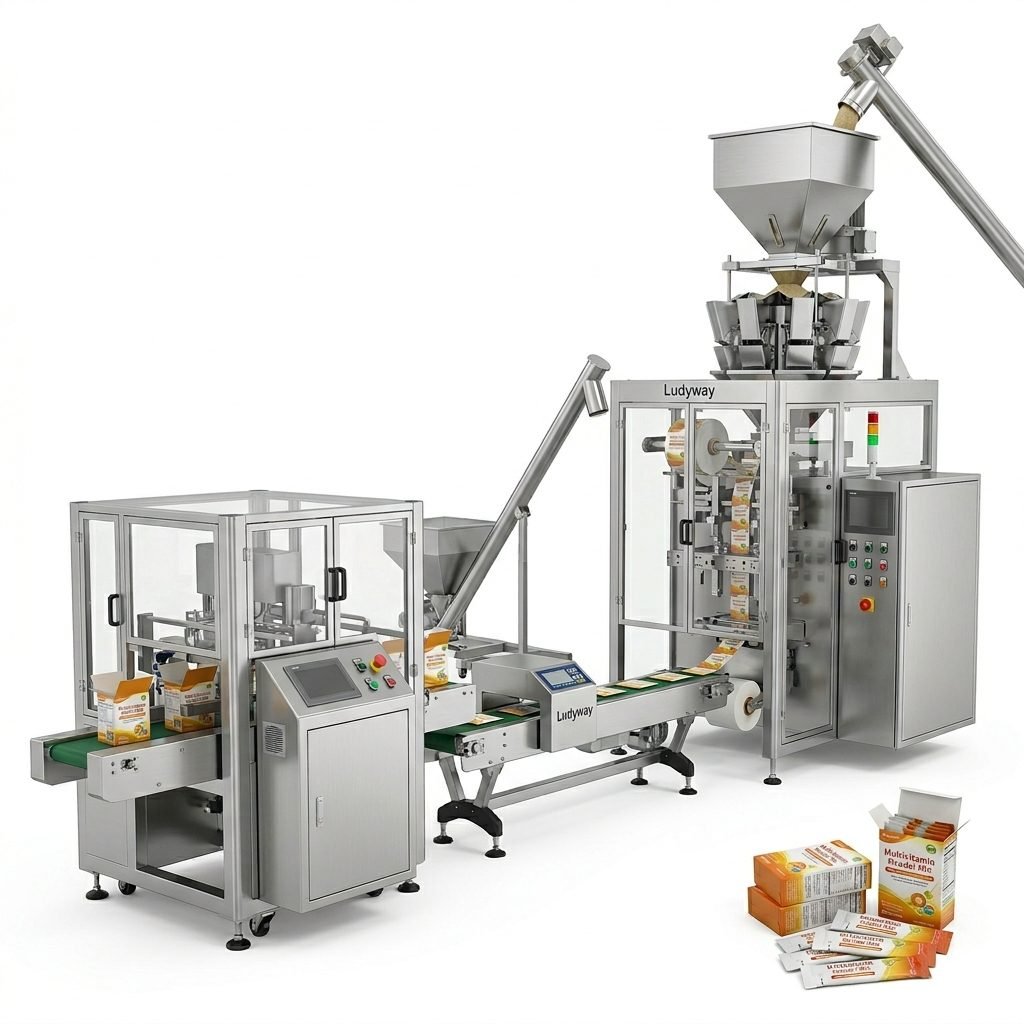
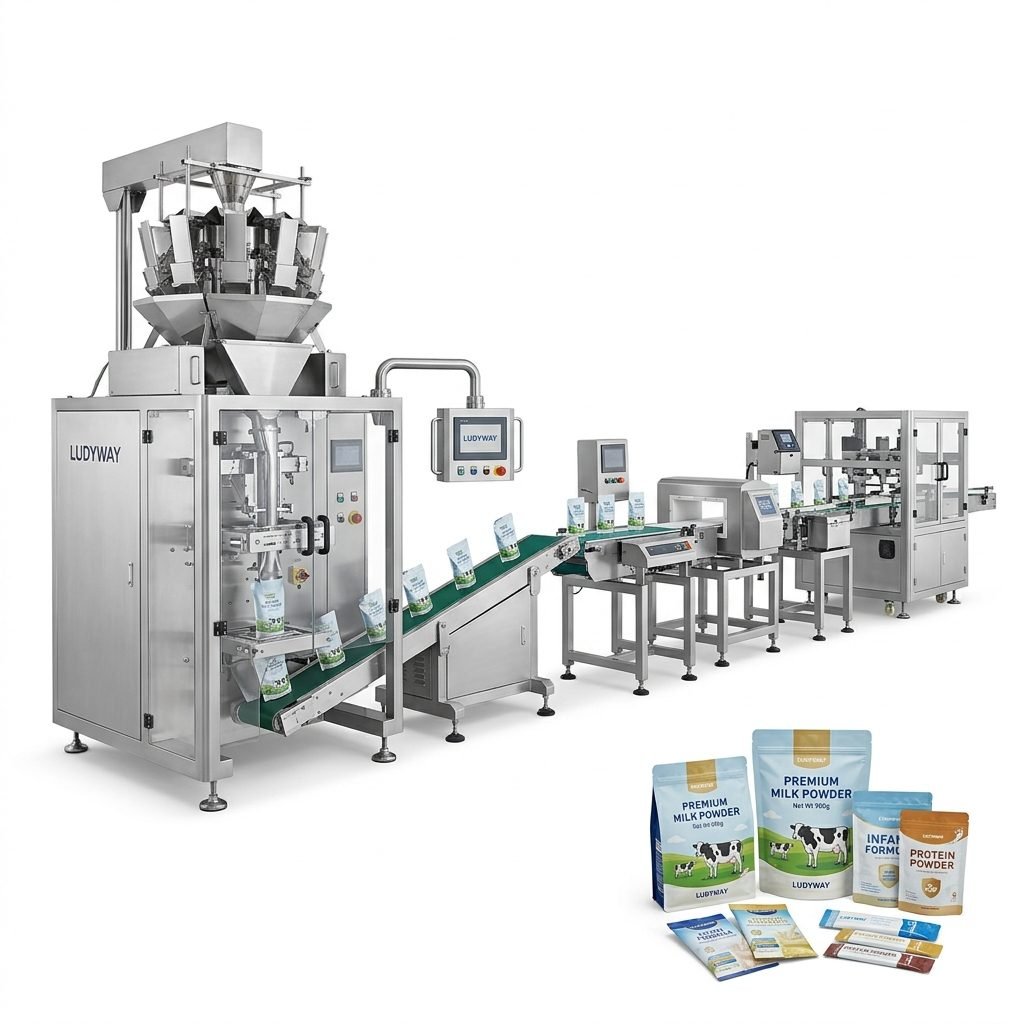
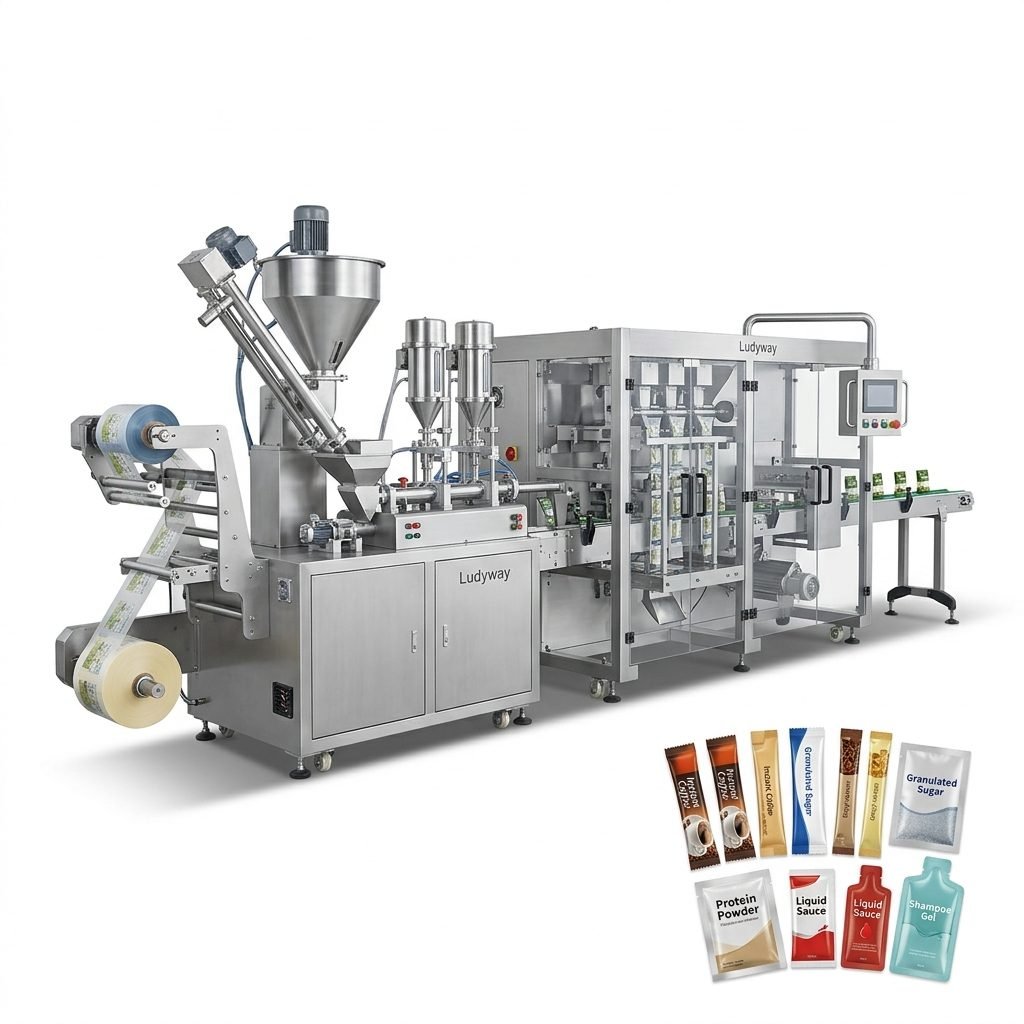
Investing in a siat packaging machine is a significant decision for any manufacturer handling powders, granules, liquids, or solid products. The right equipment can dramatically improve production efficiency, packaging consistency, and overall operational throughput. With so many models, configurations, and technical specifications available, making an informed choice requires a structured evaluation process. This guide walks you through the essential factors to consider when selecting the ideal siat packaging solution for your production line.
Understanding Siat Packaging Machine Types and Applications
Before evaluating specific models, you need to understand the primary categories of siat packaging machines available on the market. Each type is engineered for distinct product characteristics and packaging formats:
| Machine Type | Best For | Key Advantage | Common Industries |
|---|---|---|---|
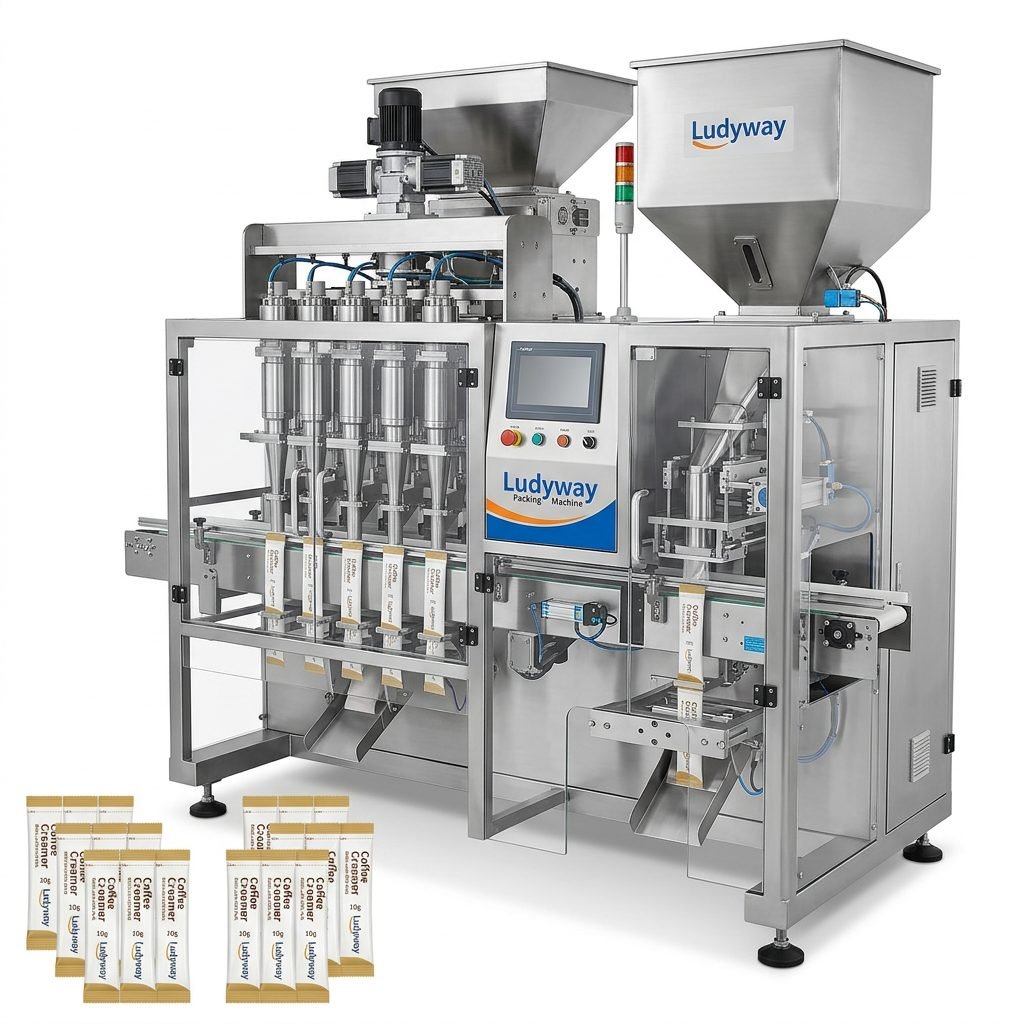
| Multi-Lane Stick Pack Machines | Powders, granules, fine solids | High-speed output with precise dosing | Food, Pharma, Nutraceuticals |
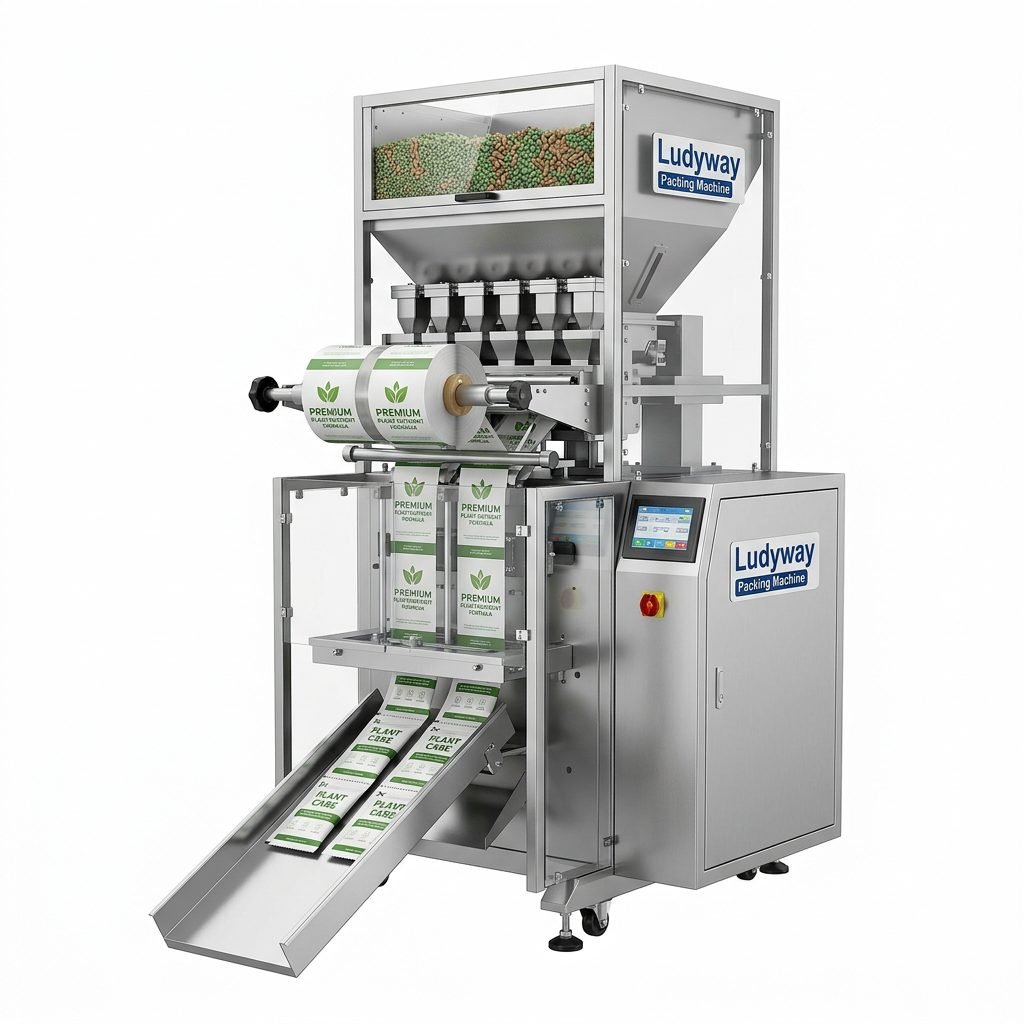
| Sachet Packaging Machines | Liquids, creams, gels, single-serve products | Versatile pouch formats, low material waste | Cosmetics, Chemicals, Food |
| Pouch Packaging Machines | Larger volume flexible packs | Suitable for family-size portions | Pet Food, Agriculture, Industrial |
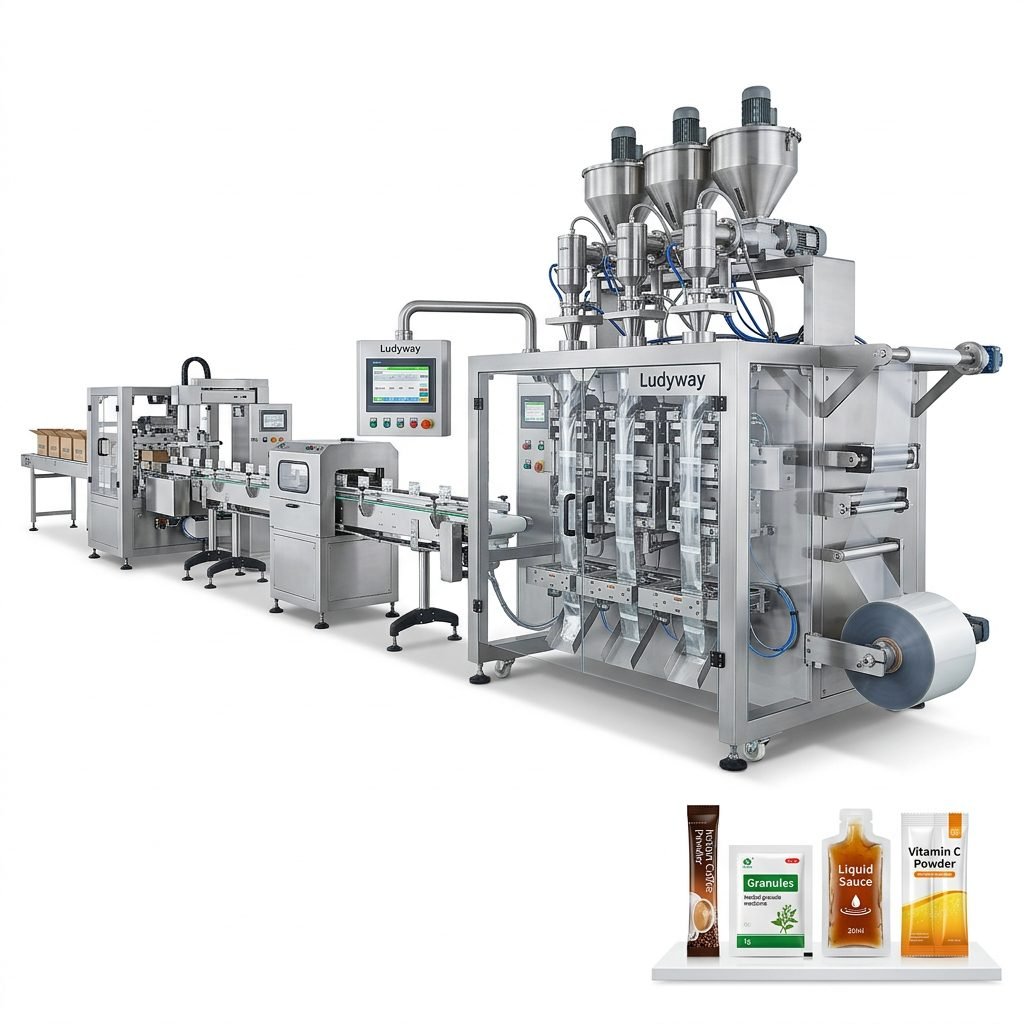
| Turnkey Packaging Lines | Complete production integration | Single-source solution from filling to palletizing | All manufacturing sectors |
According to the PMMI – The Association for Packaging and Processing Technologies, demand for flexible packaging equipment continues to grow as manufacturers seek more efficient and sustainable packaging formats. Understanding which category fits your product is the first critical step.
Evaluating Your Product Characteristics
Your product’s physical properties will largely determine which siat packaging machine configuration is appropriate. Failing to match machine specifications to product behavior is one of the most common and costly mistakes buyers make. Consider the following product attributes carefully:
- Product state: Is your product a free-flowing powder, sticky granule, viscous liquid, or irregular solid? Each requires specific dosing and filling mechanisms.
- Particle size and uniformity: Fine powders demand different handling than coarse granules. Dust control and segregation prevention become critical factors.
- Flow characteristics: Does the product bridge, clump, or stick to surfaces? Machines must be configured with appropriate hoppers, agitators, and material contact surfaces.
- Hygroscopic or oxygen-sensitive properties: Products that absorb moisture or degrade with oxygen exposure may require nitrogen flushing or specialized sealing.
- Hygiene requirements: Food, pharmaceutical, and cosmetic products often require sanitary designs with easy-clean features and validated cleaning protocols.
Matching Production Speed to Business Goals
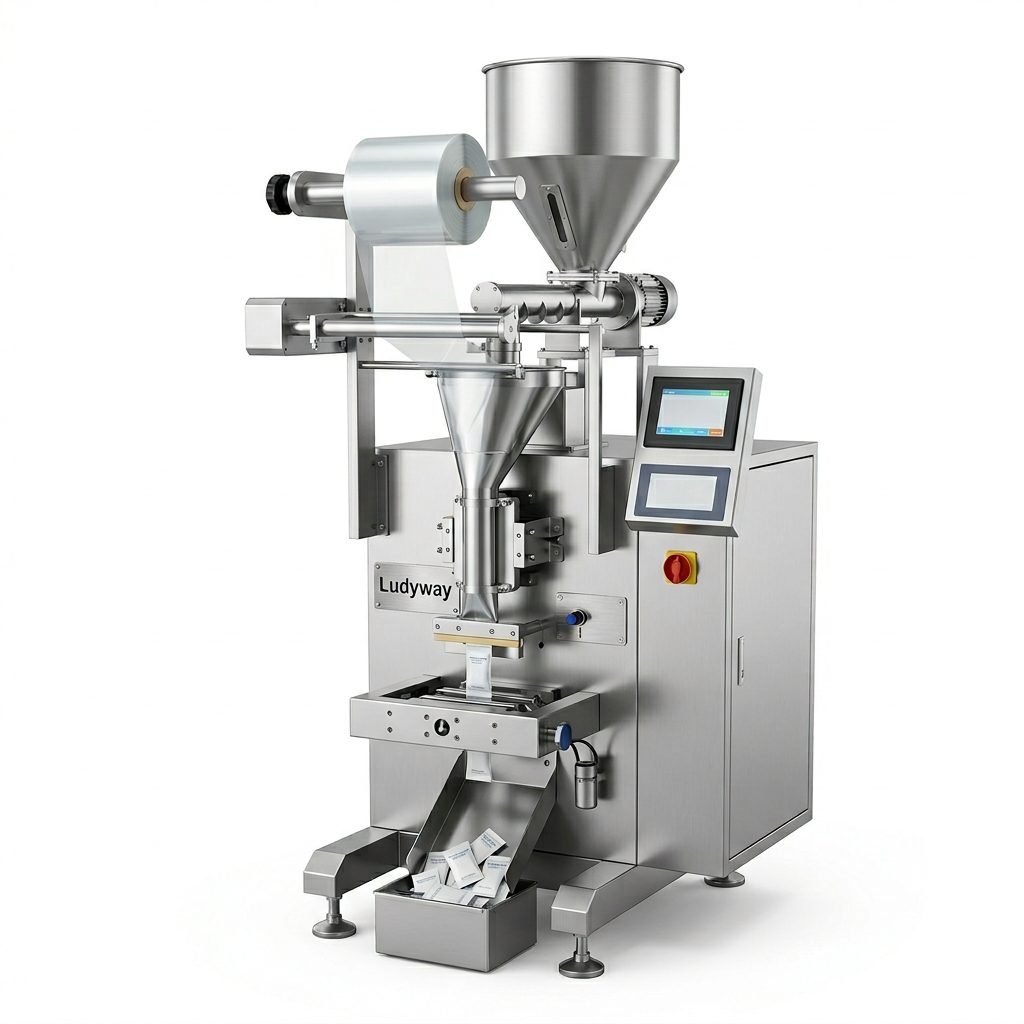
Production speed requirements should align with both current and projected demand. A siat packaging machine that meets today’s output targets might become a bottleneck within two years if your business is scaling. When assessing speed, look beyond the theoretical maximum:
| Production Scale | Recommended Speed Range | Typical Lane Configuration | Ideal For |
|---|---|---|---|
| Small Batch / Pilot | 30-80 packs/min | 1-4 lanes | Startups, niche products, R&D |
| Medium Volume | 80-200 packs/min | 4-8 lanes | Growing brands, mid-size manufacturers |
| High Volume Industrial | 200-600+ packs/min | 8-20+ lanes | Large-scale production, contract packaging |
Resources like the PMMI State of the Industry Reports provide valuable benchmarks for production metrics across different sectors, helping you align your expectations with industry standards.
Packaging Material Compatibility
Your choice of packaging film and material directly influences machine configuration. Not every siat packaging machine can handle every film type. Key material considerations include:
- Film structure: Single-layer vs. multi-layer laminates affect sealing temperature, dwell time, and jaw design requirements.
- Material thickness: Thicker films may require higher sealing pressures and modified cutting mechanisms.
- Barrier properties: Products requiring extended shelf life may need aluminum foil laminates or high-barrier films, which behave differently during forming and sealing.
- Sustainability goals: If you are transitioning to recyclable or compostable films, confirm machine compatibility early. Bio-based films often have different heat-seal windows.
The Flexible Packaging Association offers extensive resources on film technologies and material innovations that can guide your packaging material strategy.
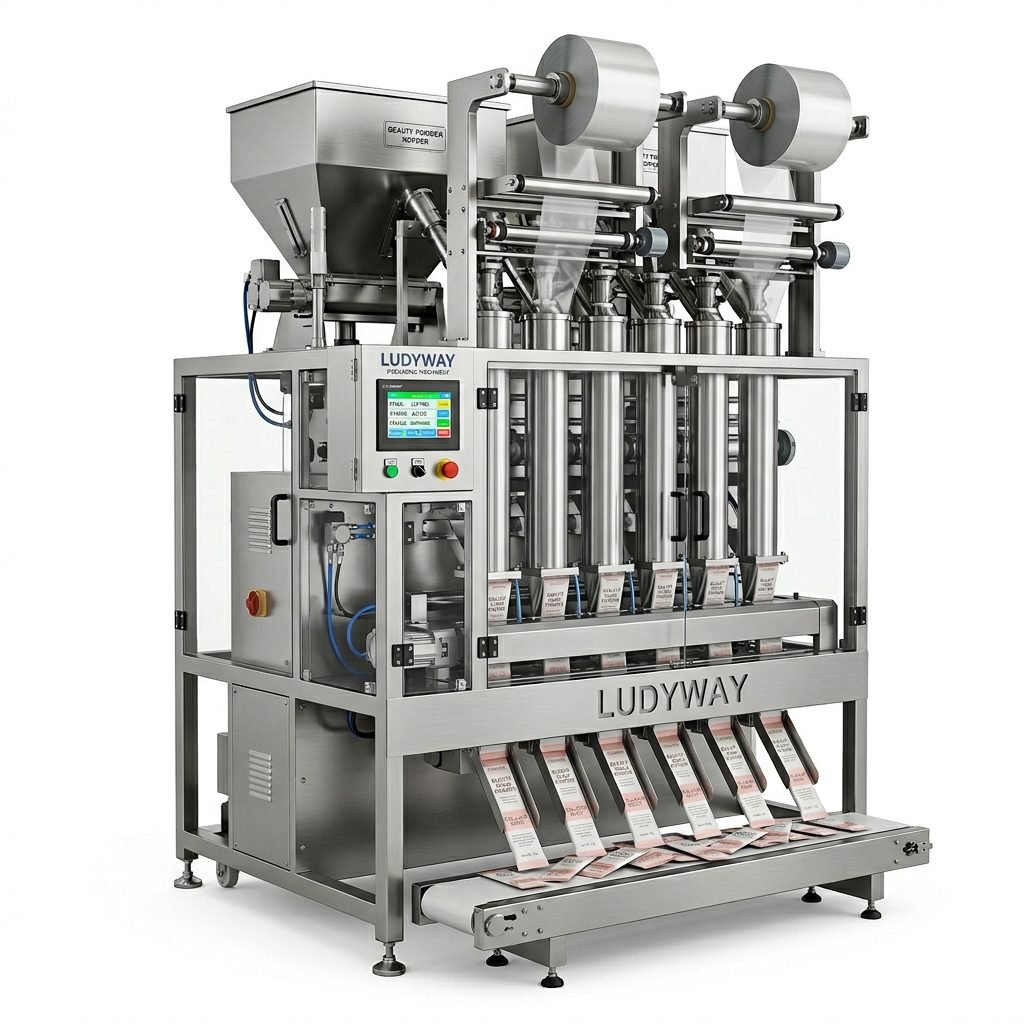
Automation and Integration Capabilities
Modern siat packaging machines offer varying degrees of automation. The right level depends on your labor cost structure, skill availability, and long-term efficiency objectives:
- Semi-automatic: Requires operator intervention for feeding, changeover, or collection. Suitable for lower volumes or frequent product changes.
- Fully automatic: Minimal operator involvement. Includes automated feeding, filling, sealing, coding, and discharge. Most mid-to-high volume operations benefit significantly from full automation.
- Integrated turnkey lines: Connect multiple stages including upstream feeding, multi-head weighing, metal detection, checkweighing, cartoning, case packing, and palletizing. A single control interface manages the entire line.
When evaluating integration, consider compatibility with your existing ERP, MES, or factory automation systems. Industry-standard communication protocols like Ethernet/IP, Profinet, or Modbus TCP should be supported for seamless data exchange. Ludyway Machinery, a China-based packaging machinery manufacturer with over 30 years of experience, provides turnkey packaging solutions that integrate multiple stages of the packaging process, enabling manufacturers to work with a single partner for equipment selection, system integration, and technical support.
Customization vs. Standard Models
Standard siat packaging machines can serve many applications, but some products and production environments demand customization. Understanding when to invest in customized engineering can prevent ongoing operational compromises:
| Scenario | Standard Machine Viable? | Customization Likely Needed? |
|---|---|---|
| Free-flowing powder in conventional sachet | ✔ Yes | Usually not required |
| Sticky, heat-sensitive product | Limited | Cooling systems, special contact surfaces |
| Unique bag size or format | Depends on range | Custom forming tubes, sealing jaws |
| Cleanroom or explosive environment | Rarely | ATEX, GMP-compliant designs |
Customized siat packaging solutions are particularly valuable for manufacturers looking to automate manual processes, introduce new packaging formats, or increase production capacity without replacing entire production lines. Reference standards from ISO – Packaging Standards can help ensure your customized solution meets international compliance requirements.
Quality, Compliance, and International Standards
For manufacturers serving regulated industries or export markets, machine compliance is non-negotiable. Your siat packaging machine should be designed and configurable to meet applicable standards:
- Food contact materials: Machines processing food products must use approved materials and designs that prevent contamination. Refer to FDA – Packaging and Food Contact Substances for guidance.
- Pharmaceutical packaging: GMP compliance including validated cleaning, traceable materials, and documentation packages are essential. ISO 11607 provides requirements for terminally sterilized medical device packaging.
- CE marking and European requirements: If exporting to the EU, machinery must comply with applicable directives. The European Commission – Packaging and Packaging Waste regulations are also increasingly relevant for sustainability compliance.
- Electrical safety and automation standards: IEC, UL, or equivalent certifications ensure operator safety and reliable electrical systems.
Always request documentation of applicable certifications and confirm the manufacturer’s experience with regulatory requirements in your target markets.
Total Cost of Ownership Evaluation
Purchase price alone is a poor indicator of long-term value. A comprehensive total cost of ownership (TCO) analysis for a siat packaging machine should include:
- Initial capital expenditure: Machine cost, shipping, import duties, installation, and commissioning.
- Operational costs: Energy consumption, compressed air requirements, consumable parts, packaging material efficiency, and labor requirements.
- Maintenance and spare parts: Availability and cost of genuine spare parts, recommended service intervals, and technical support accessibility.
- Changeover efficiency: Time and material lost during product or format changes. Machines with quick-change features and recipe management can save significant downtime costs annually.
- Expected service life: Well-engineered machinery with proper maintenance commonly operates for 10-20 years, making durability a critical value factor.
After-Sales Support and Long-Term Partnership
The relationship with your siat packaging machine supplier extends far beyond the initial purchase. Evaluate potential partners on their ability to support your operations throughout the equipment lifecycle:
- Installation and commissioning: Does the supplier offer on-site support, remote assistance, or both?
- Operator and maintenance training: Comprehensive training programs reduce startup challenges and prevent operator-induced issues.
- Spare parts availability: A supplier with established global logistics can minimize costly production stoppages.
- Remote technical support: Real-time troubleshooting capabilities can resolve many issues without the delay and expense of on-site visits.
- Upgrade paths: As your business grows, can the machine be upgraded or integrated into a larger line?
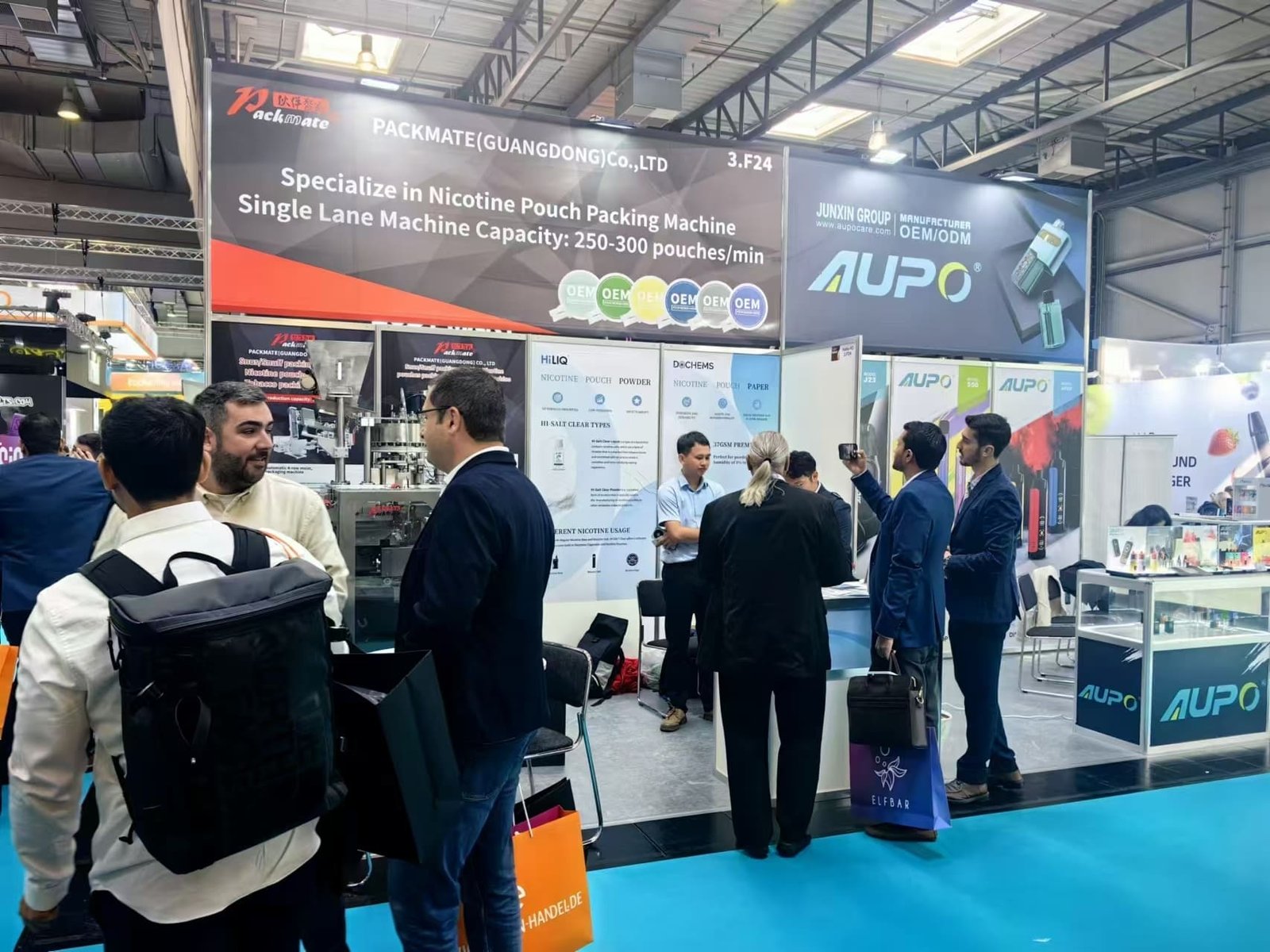
Manufacturers serving more than 100 countries often have the infrastructure to provide responsive global support. When evaluating suppliers, ask about their international service network and typical response times for your region. Industry events like PACK EXPO International provide excellent opportunities to meet multiple suppliers and compare their capabilities directly.
Making Your Final Decision
Selecting the right siat packaging machine requires balancing technical requirements, commercial considerations, and strategic supplier relationships. Rushing this decision often leads to costly operational compromises that persist for years. A structured approach ensures you evaluate all critical factors systematically.
Begin with a clear understanding of your product characteristics and production requirements. Match these against available machine types and configurations. Verify material compatibility and regulatory compliance. Evaluate total cost of ownership rather than just purchase price. Finally, choose a supplier with proven engineering capability, international standards compliance, and responsive after-sales support.
With careful evaluation and the right partnership, your siat packaging machine investment can deliver consistent packaging quality, improved production efficiency, and long-term operational value for your manufacturing business.