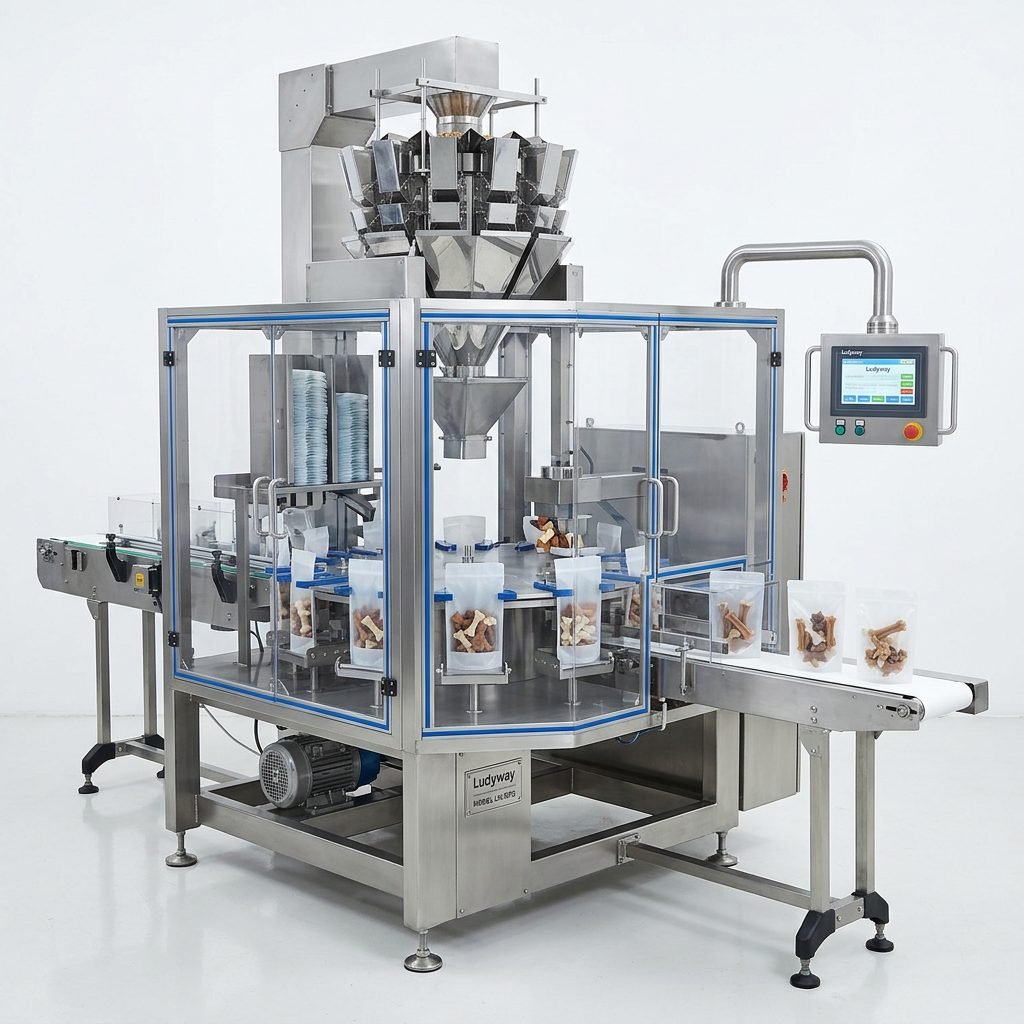
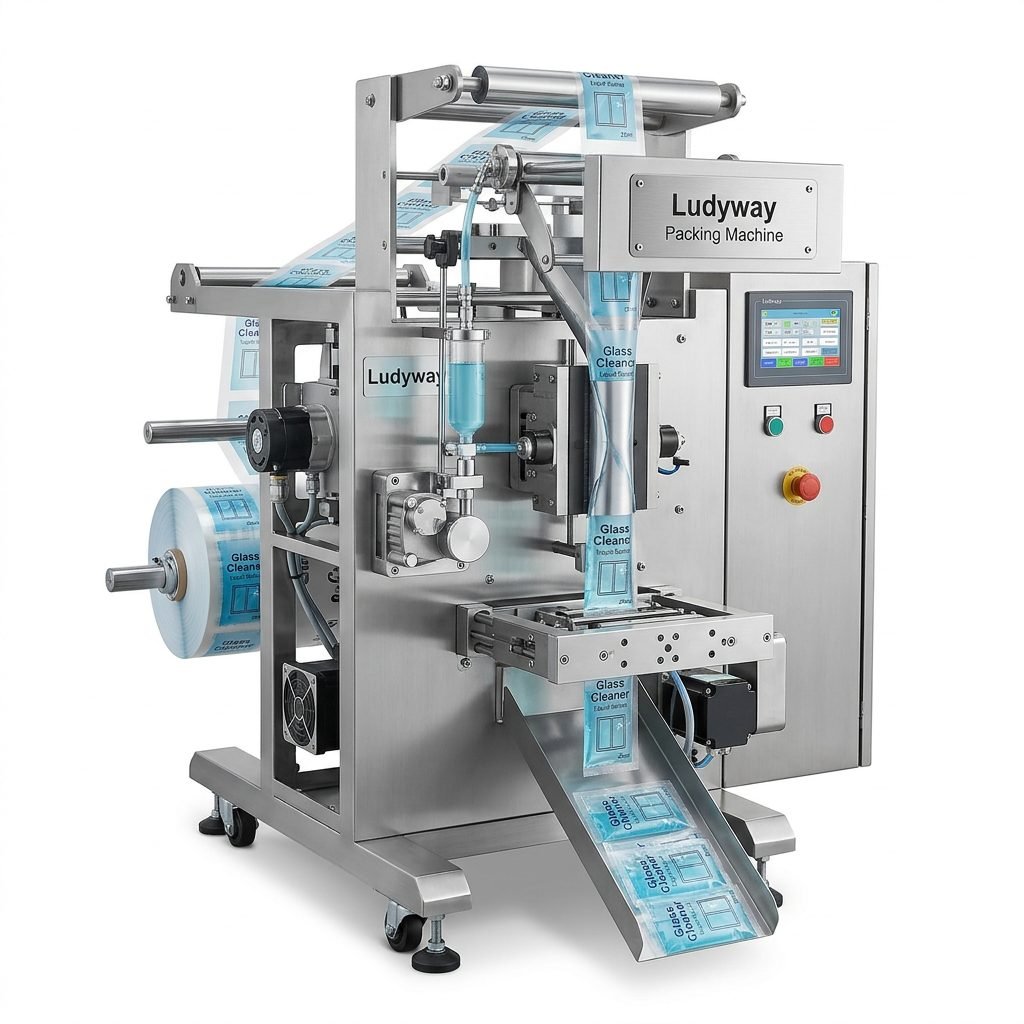
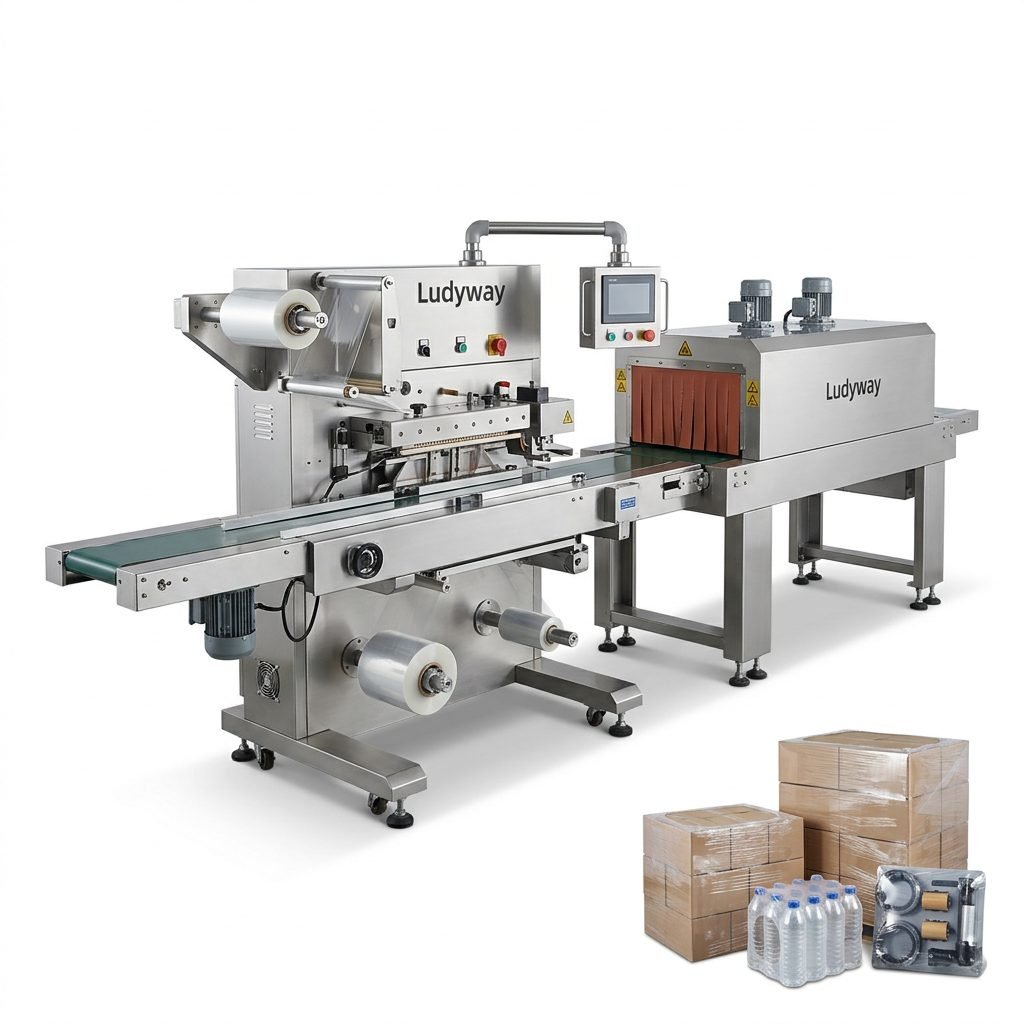
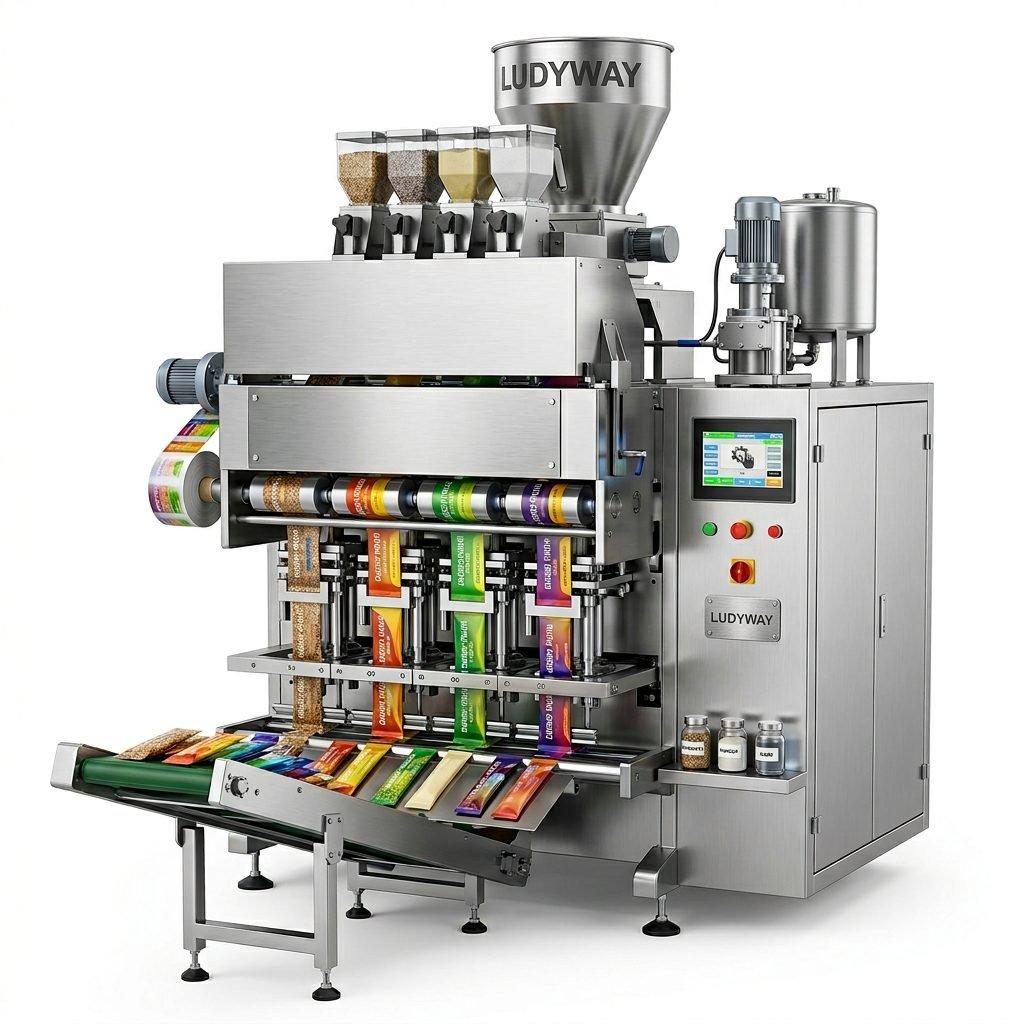
If you’re involved in manufacturing, particularly in sectors like food, pharmaceuticals, or cosmetics, you’ve likely encountered the term “monoblock packaging machine.” This integrated workhorse is a cornerstone of modern production lines, combining multiple packaging functions into a single, synchronized unit. But what exactly is it, how does it work, and what should you consider before buying one? This comprehensive guide dives into the types, working principles, and key factors for your purchasing decision.
Understanding the Monoblock Concept
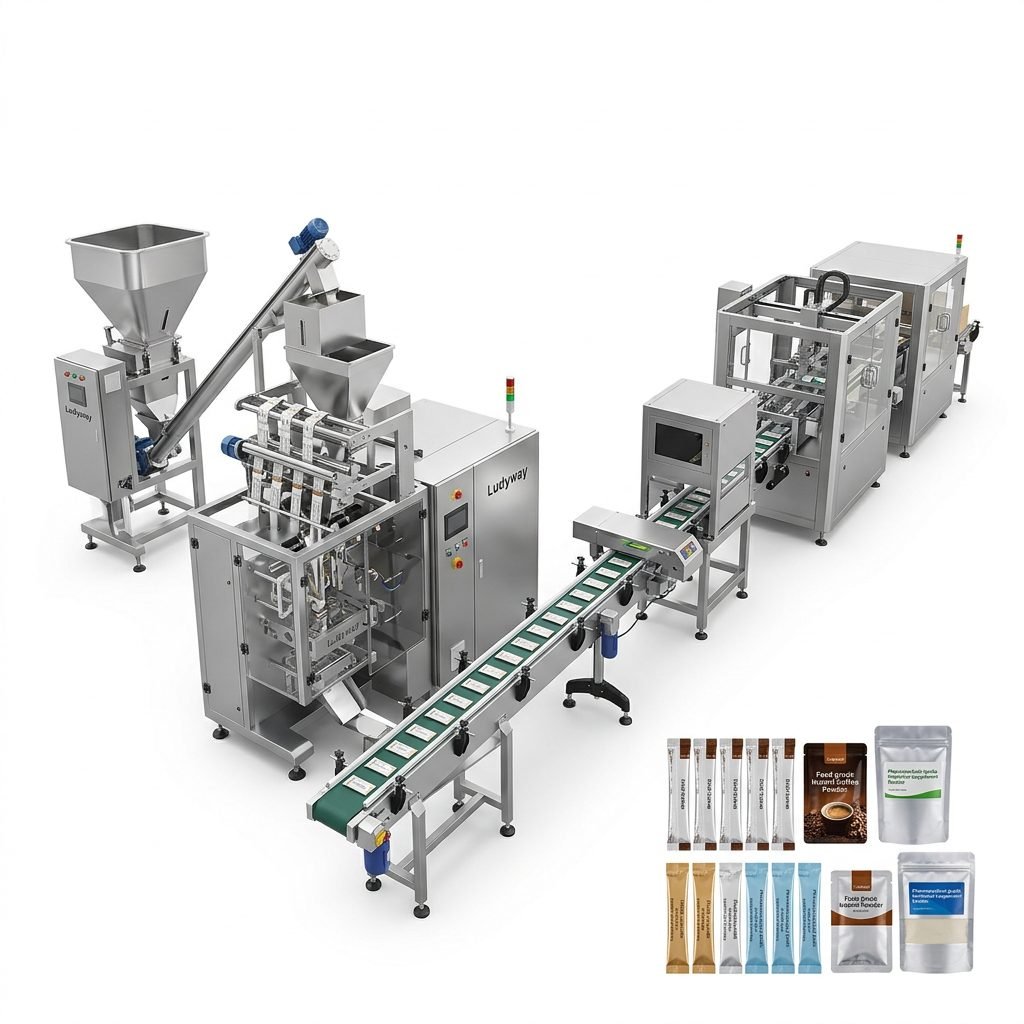
Unlike traditional modular lines where separate machines for filling, sealing, and labeling are linked by conveyors, a monoblock packaging machine integrates these processes into one compact, self-contained frame. Think of it as an all-in-one solution where the product is fed in at one end and emerges at the other as a finished, packaged item. This seamless integration is designed for maximum efficiency, hygiene, and space savings.
Core Advantages of Monoblock Systems
The primary benefits driving the adoption of monoblock machines are significant:
- Reduced Footprint: By eliminating conveyors between stations, they occupy much less factory floor space.
- Higher Hygiene & Contamination Control: The closed, integrated design minimizes exposure points, which is critical for food and pharmaceutical Good Manufacturing Practice (GMP) compliance.
- Improved Efficiency & Synchronization: With all operations mechanically linked on a single drive, timing issues are eliminated, leading to smoother operation and potentially higher speeds.
- Simplified Operation & Maintenance: One control panel governs the entire process, and maintenance is often easier on a single machine than on multiple linked units.
Common Types of Monoblock Packaging Machines
Monoblock configurations are tailored to specific packaging formats and industries. Here are the most prevalent types:
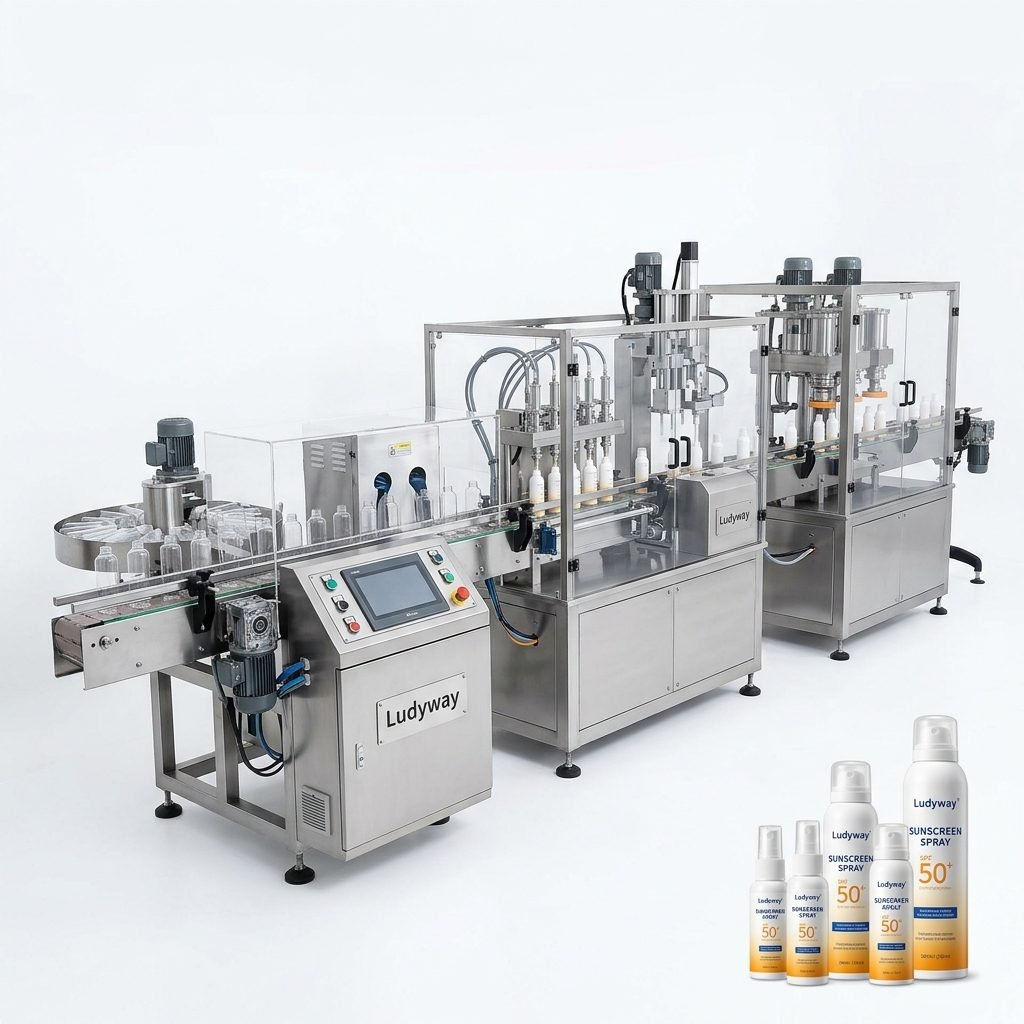
1. Liquid & Paste Filling Monoblock
Ideal for water, juices, oils, sauces, and cosmetic creams. These machines typically integrate bottle unscrambling, air cleaning, filling, capping (screw, snap, or pump), and labeling in one line. High-precision filling pumps (like piston or peristaltic) ensure accurate volumes.
2. Granule & Powder Monoblock
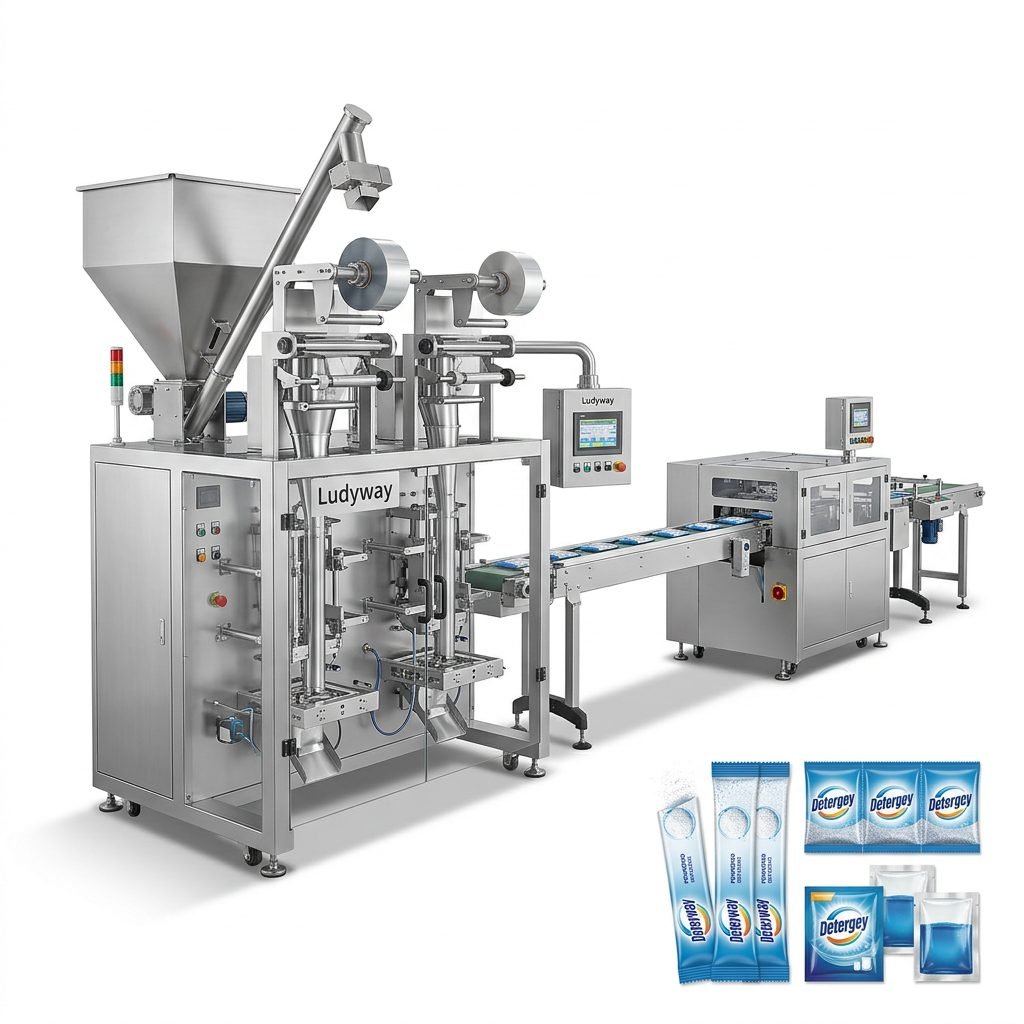
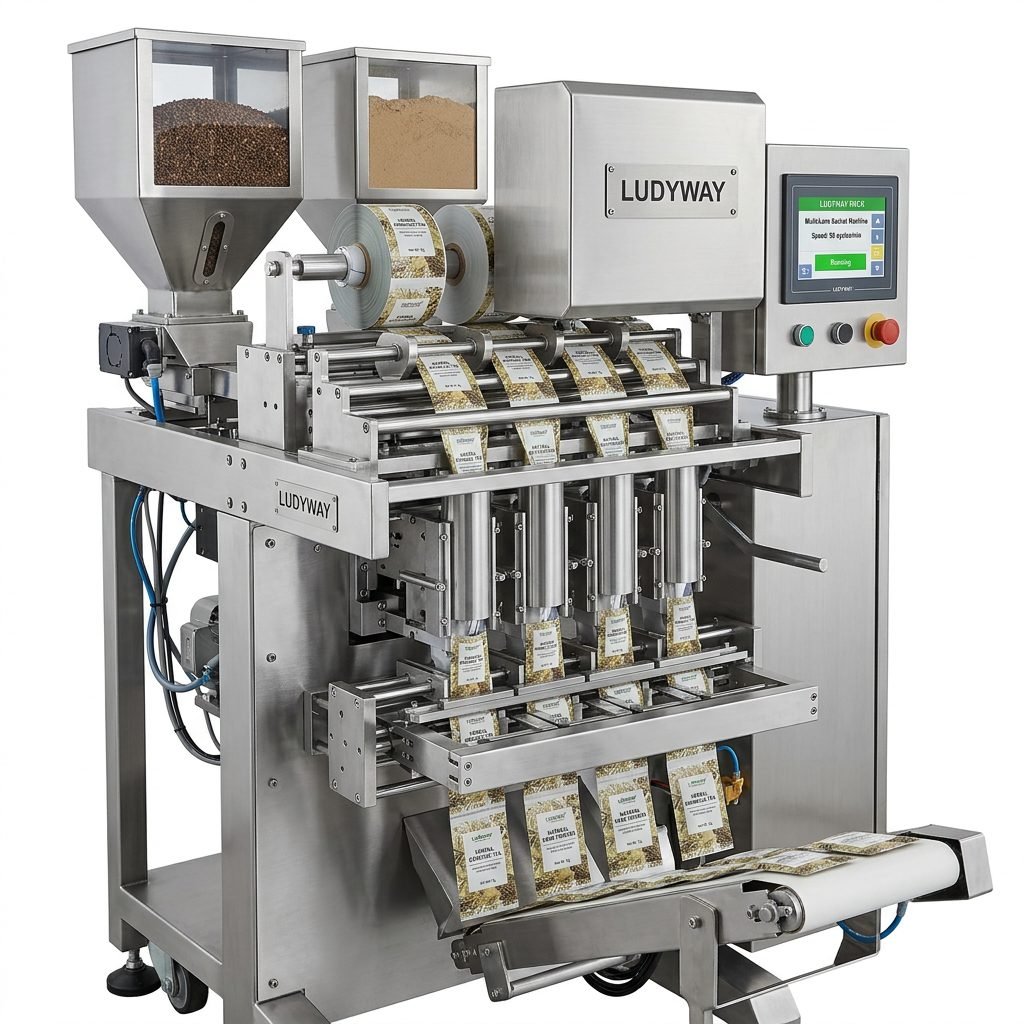
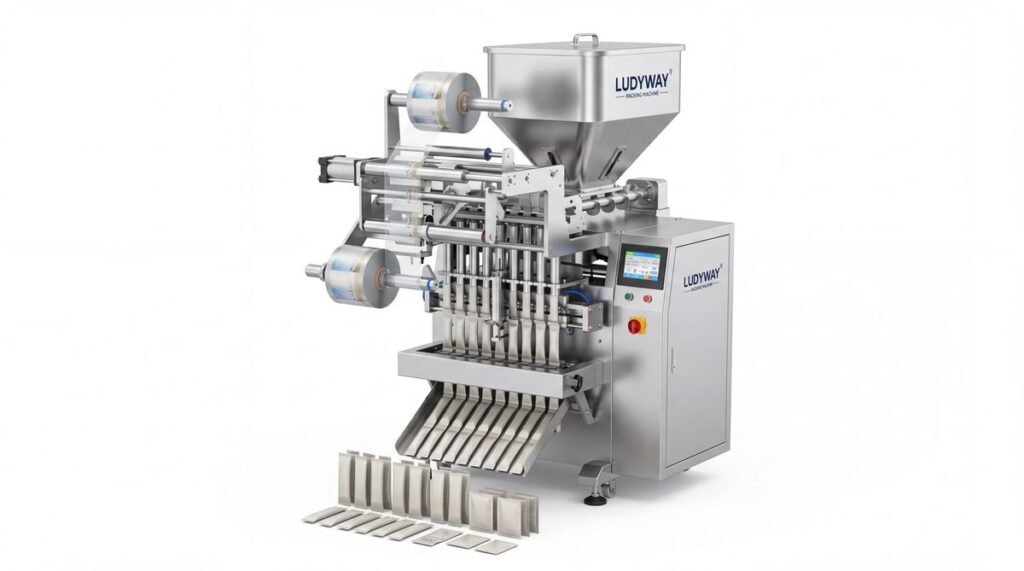
Designed for products like coffee, sugar, spices, milk powder, and pharmaceuticals. The sequence often includes bag forming from roll film, weighing/filling, gas flushing (for preservation), sealing, and coding. They are crucial for creating stick packs or sachets.
3. Tube Filling & Sealing Monoblock
Used for toothpaste, ointments, adhesives, and artist paints. This type performs tube feeding, cap sorting and placing, filling, fold sealing, and date coding automatically. Advanced versions may include laser coding or vision inspection systems.
How Does a Monoblock Machine Work? The Basic Principle
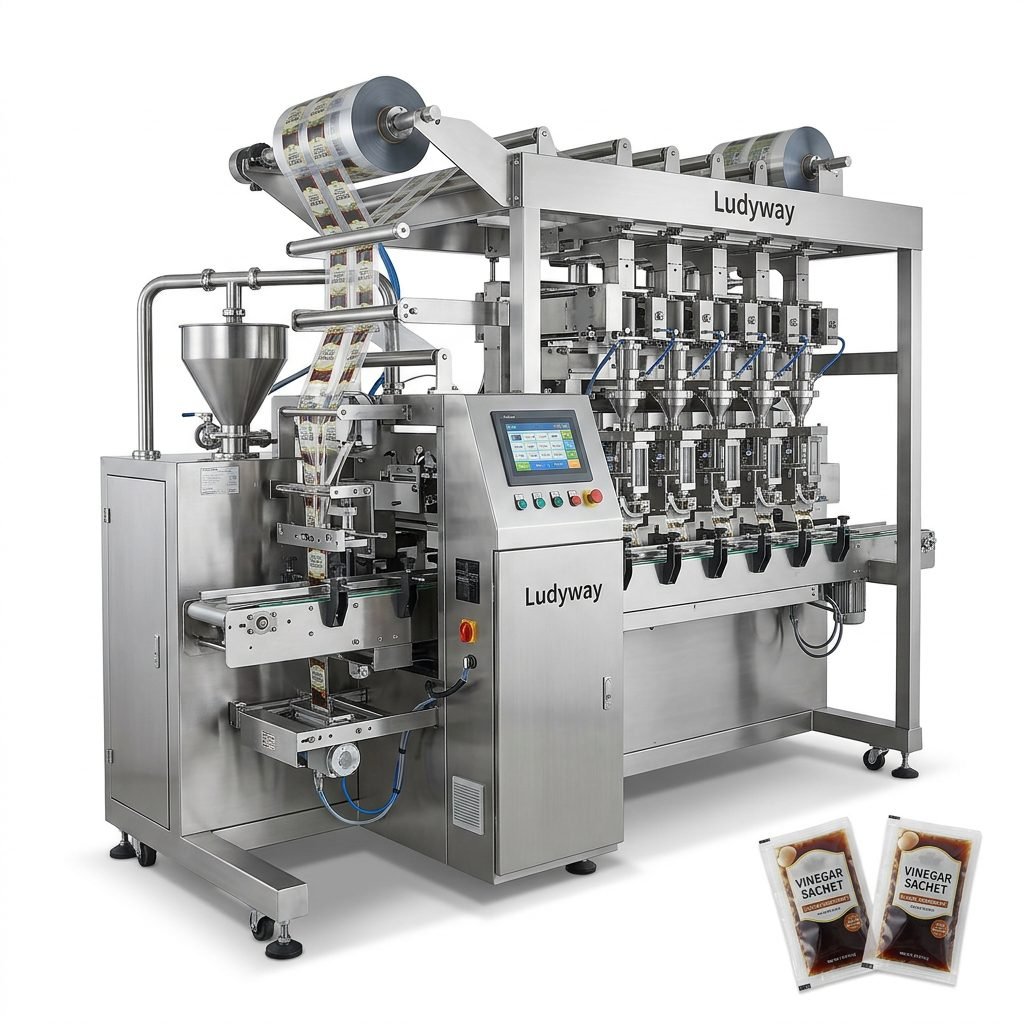
The working principle revolves around a centralized camshaft or servo-driven system that coordinates all movements. Here’s a simplified step-by-step breakdown for a typical sachet packaging monoblock:
- Film Feeding & Forming: A roll of packaging film (laminate) is drawn into the machine and formed into a vertical tube around a filling pipe.
- Vertical Sealing: The longitudinal back seal of the tube is created by a heated sealing jaw.
- Product Filling: At the precise moment, the measured product (granules, powder, or liquid) is dispensed through the filling pipe into the tube.
- Horizontal Sealing & Cutting: Horizontal jaws simultaneously seal the top of the filled pouch and the bottom of the next pouch, then cut them apart, creating individual sealed sachets.
- Discharge: The finished sachets are discharged onto a conveyor or into a collection bin.
All these steps happen in a continuous, rotary, or intermittent motion, perfectly synchronized by the machine’s central control system.
Essential Buying Guide: Key Considerations
Investing in a monoblock is a significant decision. Here are critical factors to evaluate:
1. Product and Packaging Specifications
This is the starting point. Define your product’s physical state (liquid, powder, granules), viscosity, abrasiveness, and sensitivity (to heat, air, light). Also, finalize your packaging material (film type, thickness), bag/tube/bottle size, and required output speed (pouches or bottles per minute). The machine must be compatible with all these parameters.
2. Machine Construction and Hygiene
For food or pharma, look for stainless steel (304 or 316 grade) contact parts. The design should be easy to clean with minimal dead spaces. IP-rated electrical components might be necessary for wet environments. Robust frame construction ensures long-term stability and reduces vibration.
3. Control System and Automation Level
A user-friendly touchscreen HMI (Human-Machine Interface) with recipe storage is essential for quick changeovers. Modern machines use servo motors for precise, flexible, and energy-efficient movement. Consider if you need integration with checkweighers, metal detectors, or vision inspection systems for a complete quality control loop.
4. Supplier Expertise and Support
Choose a supplier with proven experience in your industry. They should offer comprehensive installation, training, and after-sales support. Check the availability of spare parts and service technicians. A reliable partner like Ludyway Machinery, with decades of industry experience, can provide not just equipment but tailored turnkey production solutions and long-term technical support.
5. Budget and Total Cost of Ownership (TCO)
Look beyond the initial purchase price. Consider energy consumption, maintenance costs, changeover downtime, and potential for future upgrades. A slightly higher initial investment in a more robust and efficient machine often leads to lower TCO and better ROI.
Frequently Asked Questions (FAQs)
Q1: Is a monoblock machine better than a modular packaging line?
A: It depends. Monoblocks excel in hygiene, space savings, and synchronization for high-volume, single-format production. Modular lines offer more flexibility for frequent, drastic format changes or complex, multi-stage processes that are difficult to integrate into one frame.
Q2: How difficult is it to change packaging formats on a monoblock?
A: Modern servo-driven monoblocks have simplified changeovers significantly. With quick-change parts and stored recipes on the HMI, changeover times can range from 30 minutes to a few hours, much faster than traditional lines.
Q3: What is the typical lifespan of a monoblock packaging machine?
A: With proper maintenance and operation, a well-built monoblock from a reputable manufacturer can last 15 to 20 years or more. The key is the quality of components (like seals and bearings) and adherence to preventive maintenance schedules.
Q4: Can a monoblock handle multi-lane packaging?
A: Yes. Many advanced monoblock designs, especially for stick packs and sachets, are multi-lane. This means they form, fill, and seal multiple pouches side-by-side in one cycle, dramatically increasing output without increasing machine speed proportionally.
Q5: What kind of maintenance do these machines require?
A: Regular daily cleaning is paramount. Maintenance typically involves lubrication of moving parts, inspection and replacement of wear items like sealing jaws, gaskets, and cutting blades, and calibration of weighing/filling systems. Always follow the manufacturer’s maintenance manual.