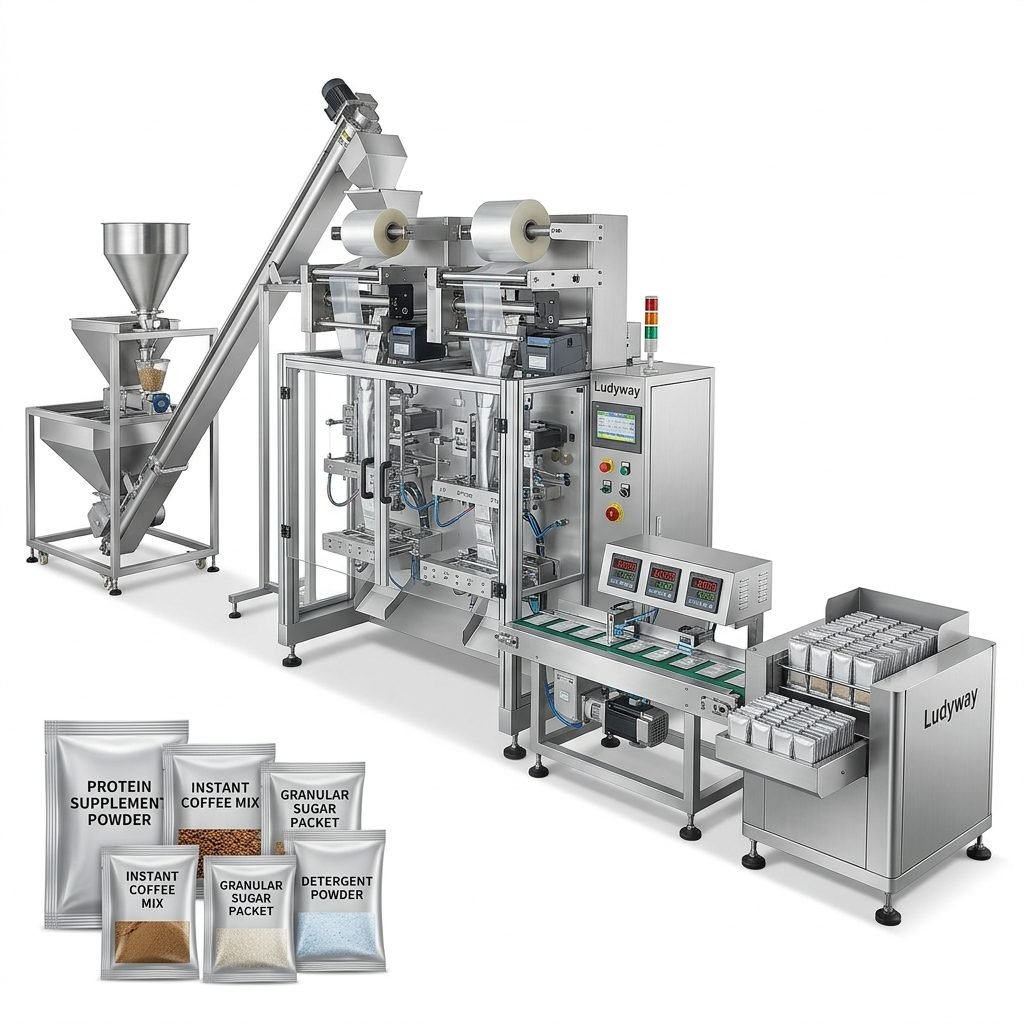
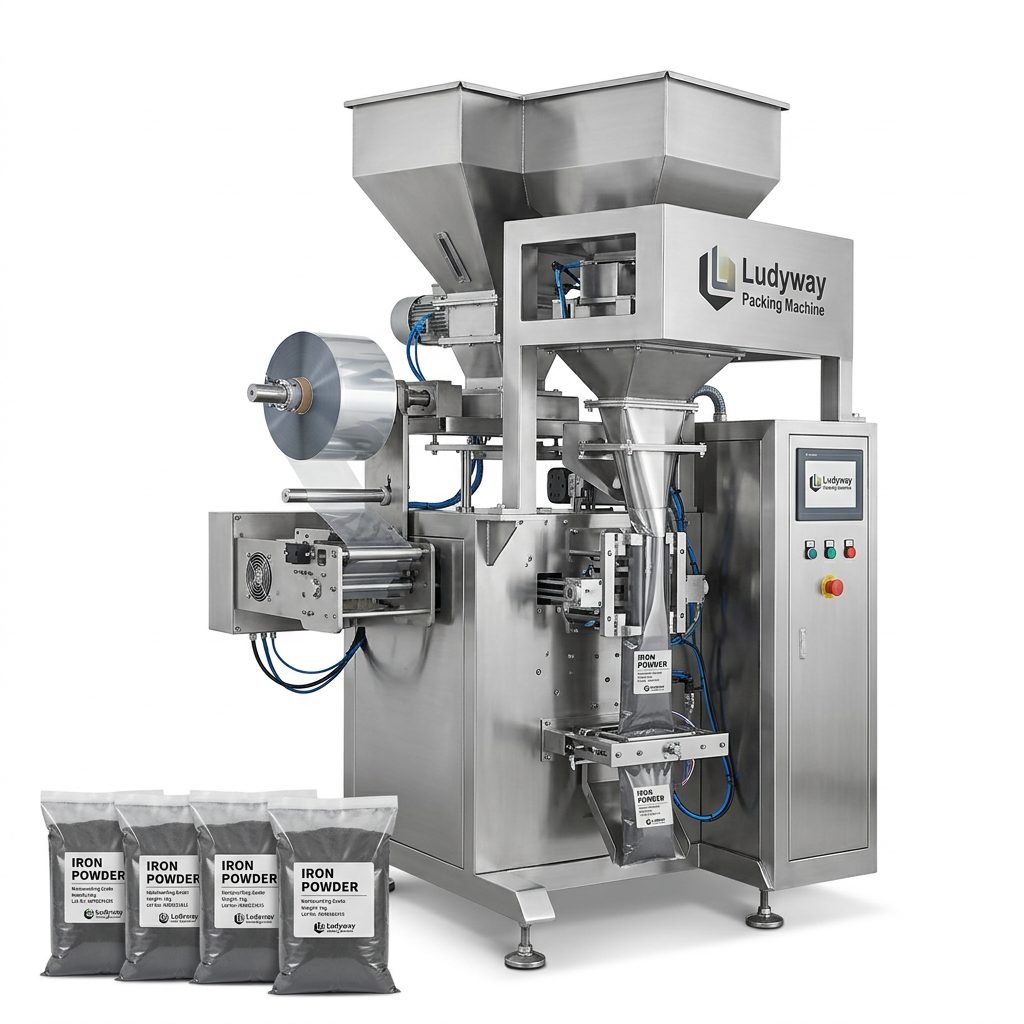
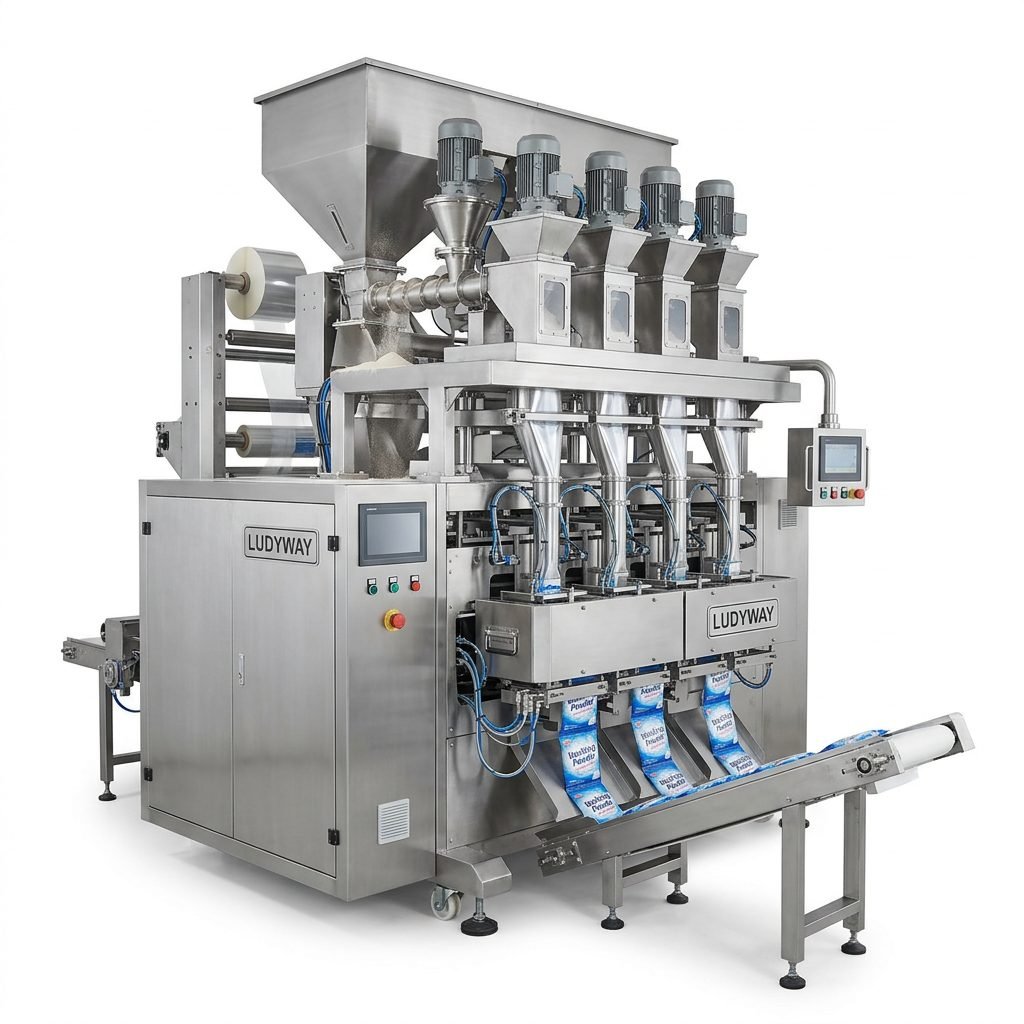
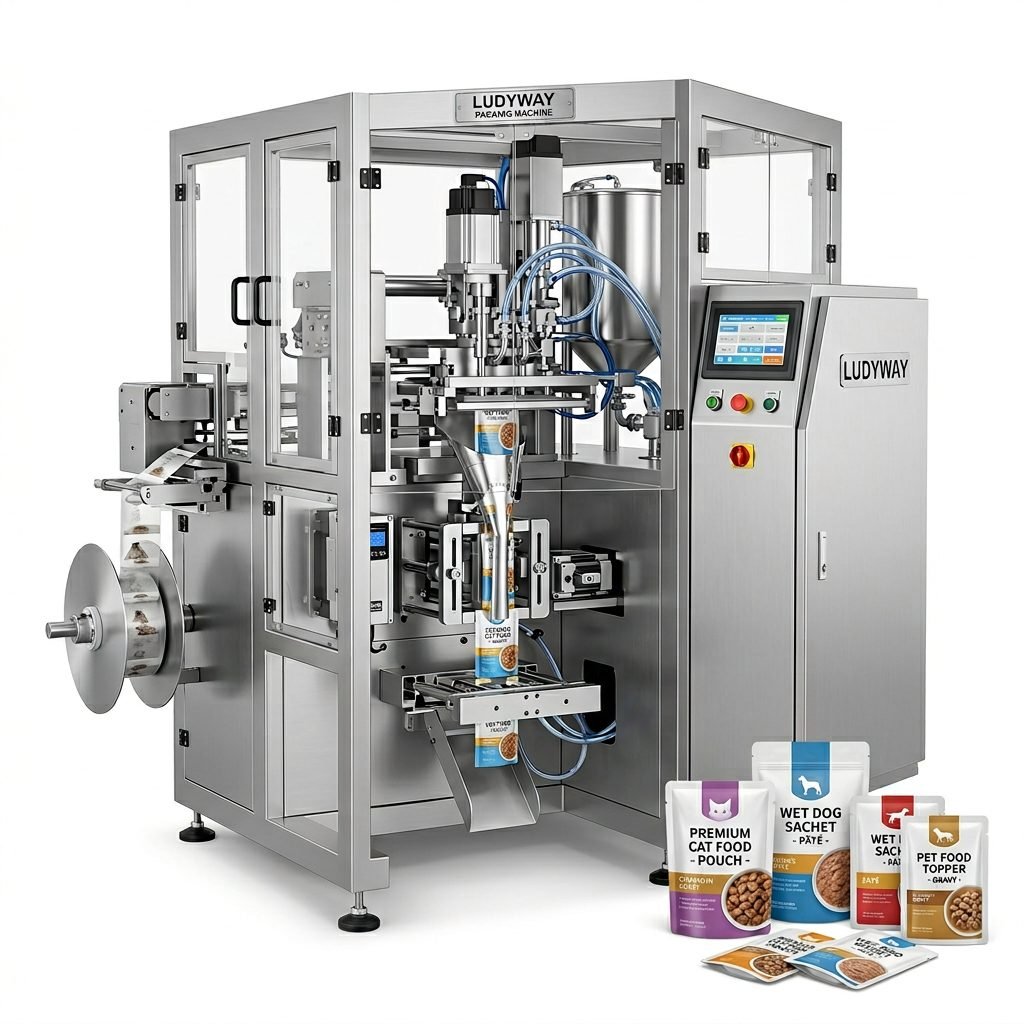
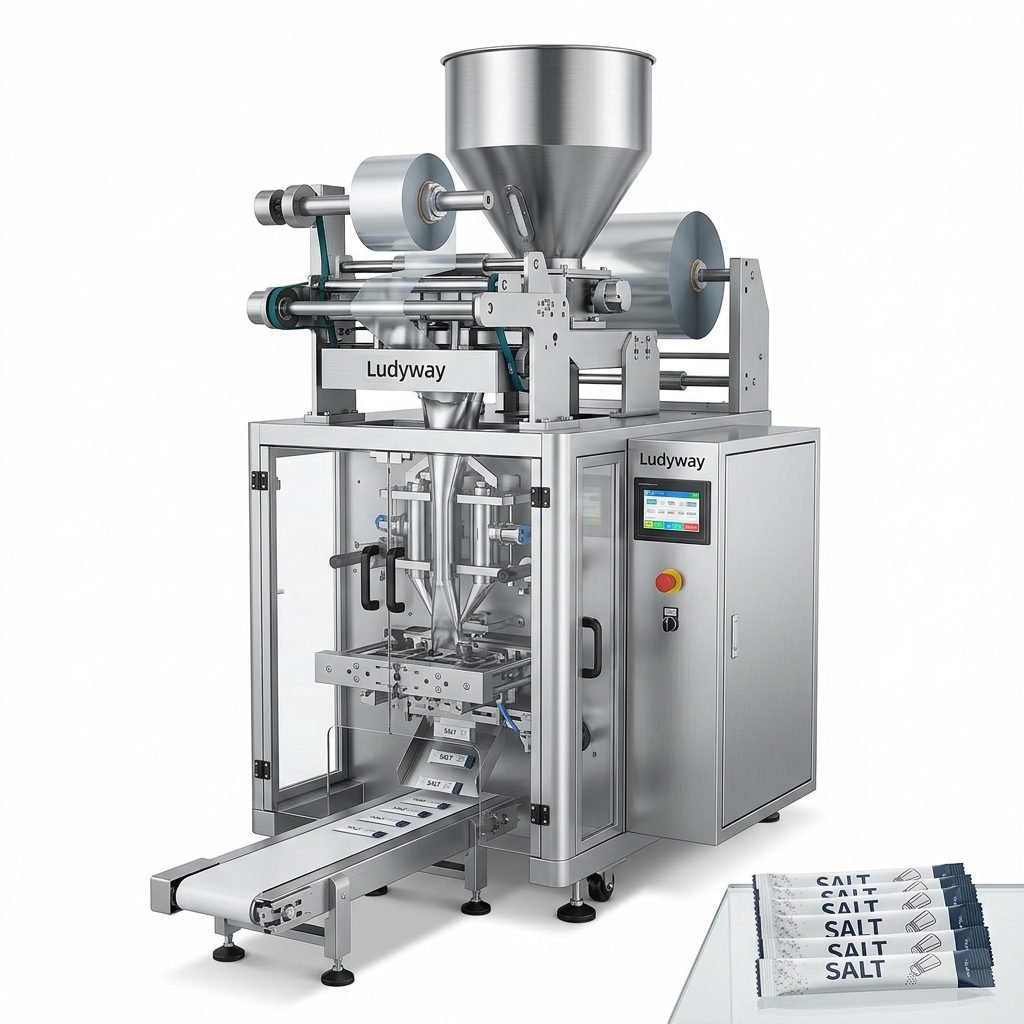
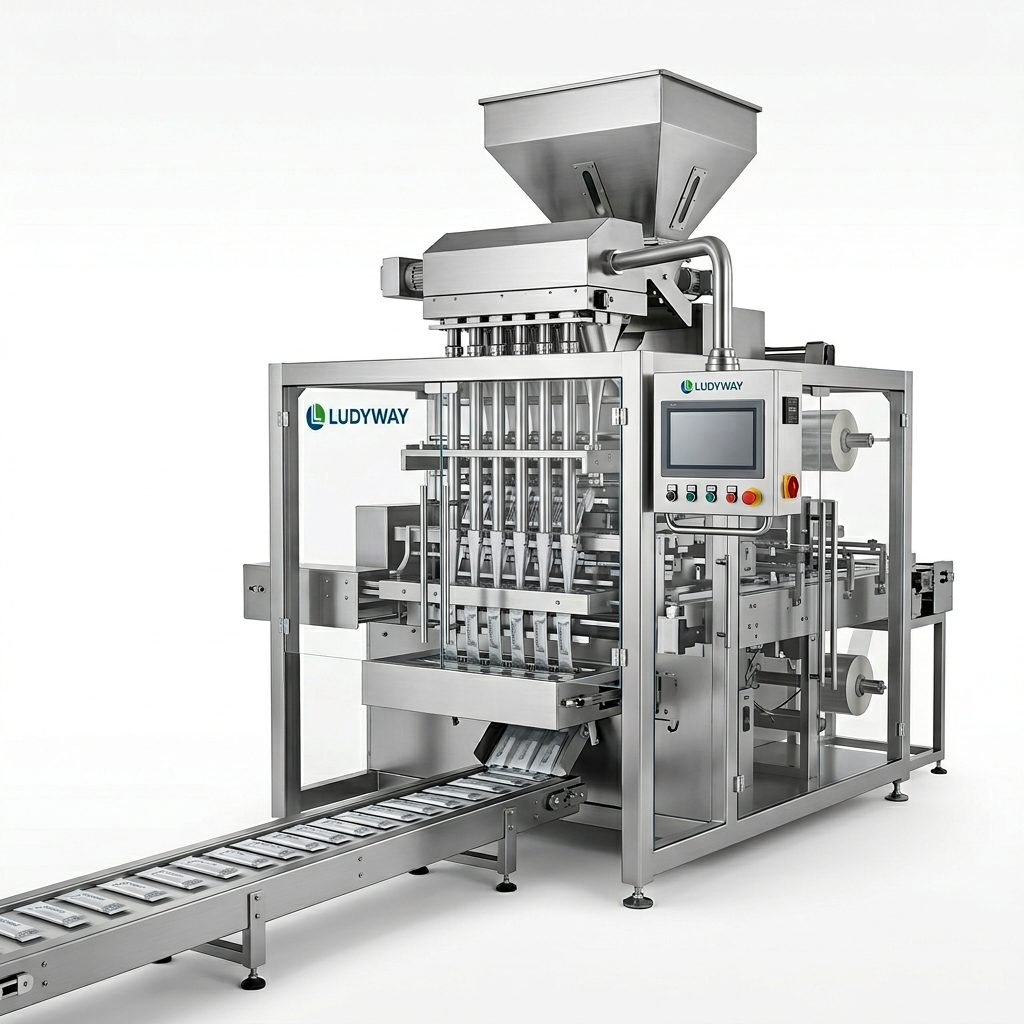
A powder sachet filling machine is an automated packaging system designed to accurately dose, fill, seal, and often code powdered products into small single-use or multi-use sachets. These machines are widely used across the food, pharmaceutical, nutraceutical, cosmetic, and chemical industries because they help manufacturers achieve consistent pack weight, high efficiency, and clean packaging performance.
Whether you package protein powder, coffee mix, seasoning, herbal medicine, milk powder, electrolyte drink mix, or industrial chemicals, the right machine can significantly improve productivity while reducing manual labor and product waste.
What exactly is a powder sachet filling machine?
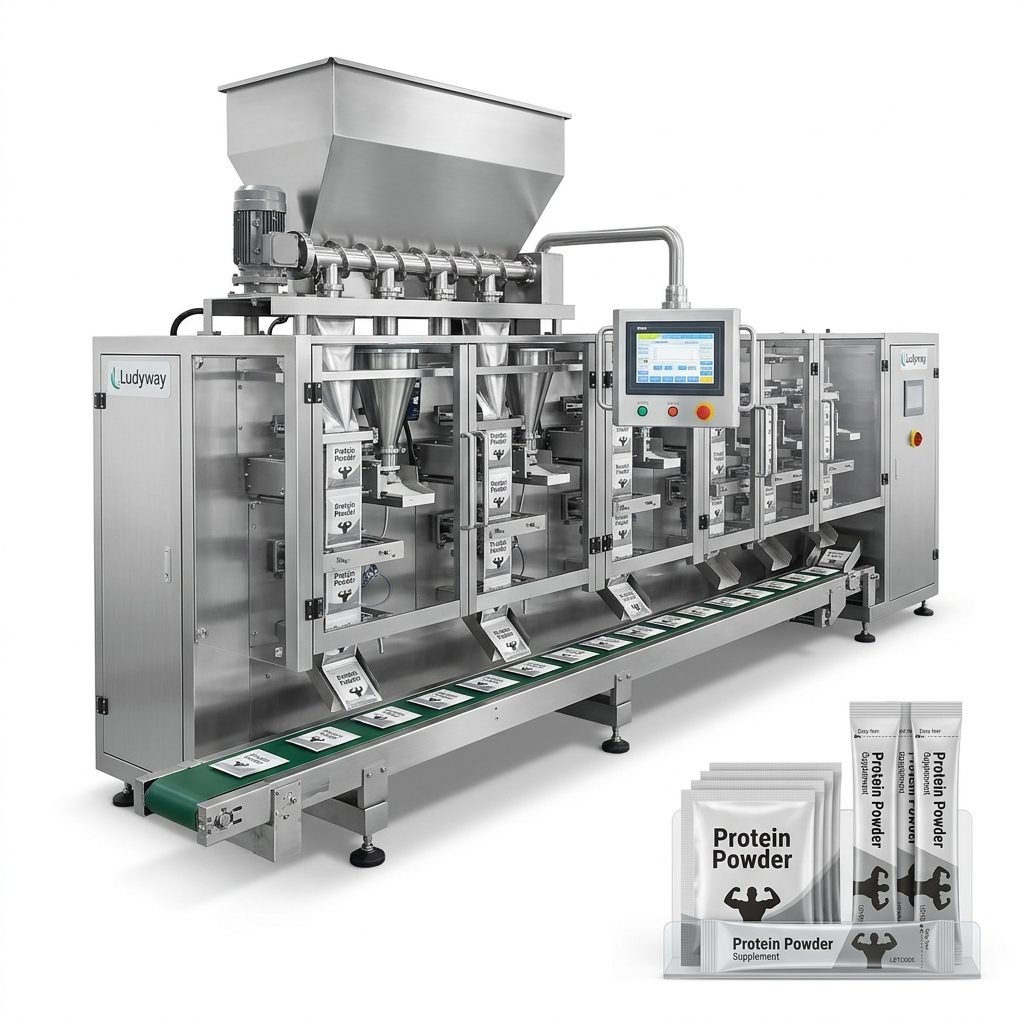
A powder sachet filling machine is a type of packaging equipment that forms or handles sachets and fills them with a measured amount of powder. In most applications, the machine also seals the package immediately after filling, creating a compact, hygienic, and shelf-ready pack.
Depending on the packaging format, the machine may work with:
- Flat sachets
- 3-side seal sachets
- 4-side seal sachets
- Back-seal sachets
- Stick packs for narrow, elongated powder packs
The core purpose is simple: deliver the right powder quantity into each sachet with repeatable accuracy while maintaining seal integrity and production speed.
How does a powder sachet filling machine work?
Although machine configurations vary, the operating principle is usually based on a continuous or intermittent packaging cycle. Most powder sachet machines follow these steps:
- Film feeding – Packaging film is unwound and guided into the forming section.
- Sachet forming – The machine shapes the film into sachets or stick packs.
- Powder dosing – A dosing unit, commonly an auger filler, dispenses the preset amount of powder.
- Filling – Powder drops into the open sachet with controlled timing.
- Sealing – Heat sealing jaws close and seal the sachet.
- Cutting – Individual sachets are separated.
- Date coding or inspection – Optional systems print batch codes and inspect pack quality.
Key filling method: auger dosing
For most fine and free-flowing powder products, an auger filling system is the preferred dosing solution. It uses a rotating screw to move powder forward in a controlled volume. The machine can adjust the screw rotation to match target weights, making it suitable for products such as:
- Milk powder
- Protein powder
- Coffee powder
- Seasoning powder
- Pharmaceutical powders
- Nutraceutical formulas
Typical working process in simple terms
Think of the machine as combining three jobs into one continuous operation: make the pouch, measure the powder, and seal the pack. Advanced models also include dust control, nitrogen flushing, checkweighing, and automatic cartoning for fully integrated production.
| Process Stage | Main Function | Why It Matters |
|---|---|---|
| Film Unwinding | Feeds packaging material into the machine | Ensures stable pack formation |
| Forming | Creates the sachet shape | Determines pack appearance and dimensions |
| Dosing | Measures powder amount | Controls fill accuracy and reduces giveaway |
| Filling | Transfers powder into sachet | Prevents underfill, overflow, and contamination |
| Sealing | Closes the sachet with heat | Protects product freshness and shelf life |
| Cutting/Discharge | Separates finished sachets | Delivers ready-to-pack units efficiently |
Main components of a powder sachet machine
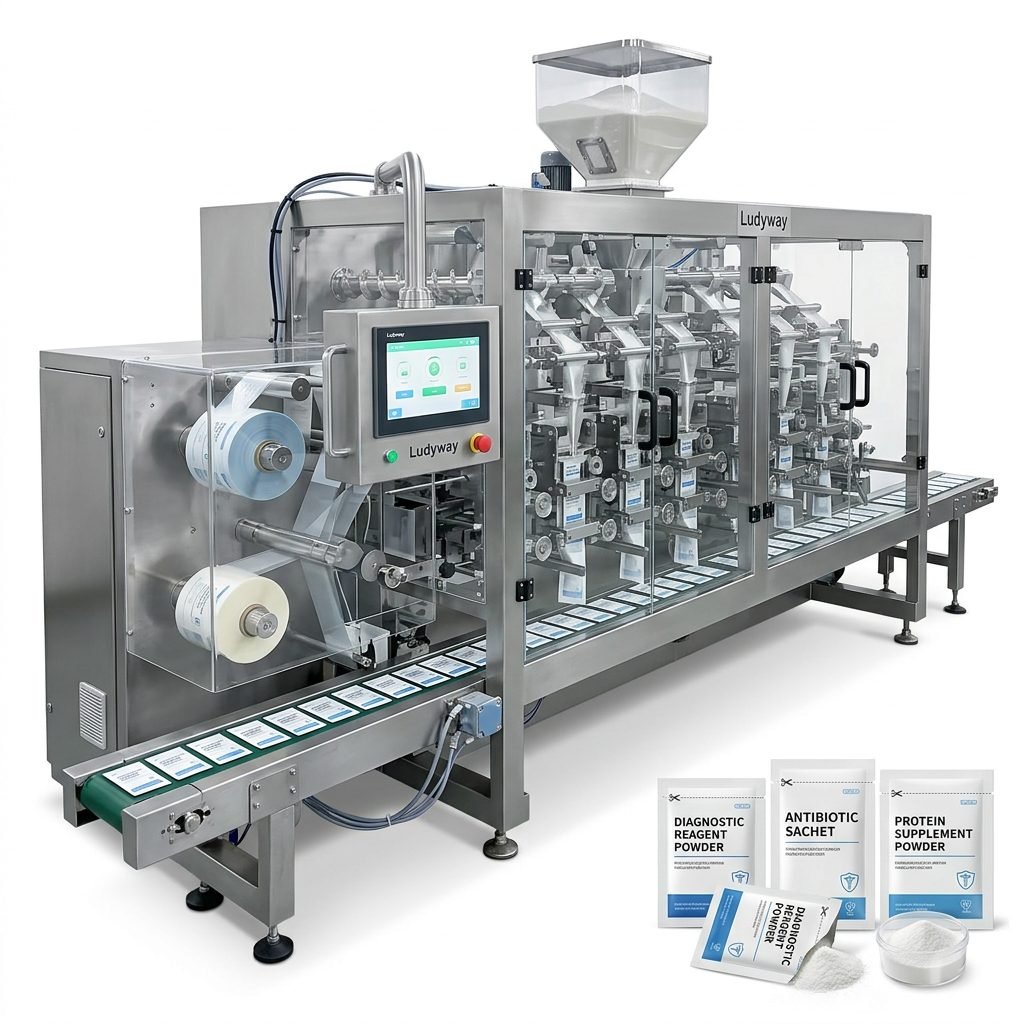
Understanding the main machine sections can help buyers evaluate performance and maintenance needs. Common components include:
- Film roll holder and tracking system
- Bag forming unit
- Auger filler or powder dosing head
- Hopper and agitator for consistent powder flow
- Sealing jaws for vertical and horizontal seals
- PLC and touchscreen control system
- Servo motors for accurate positioning
- Dust collection or vacuum system
- Coding printer for batch and expiry information
- Inspection devices such as checkweighers or metal detectors
What products can it package?
Powder sachet filling machines are highly versatile and suitable for a broad range of products. The exact machine design depends on powder density, flowability, dustiness, and hygiene requirements.
Food industry uses
- Coffee powder and instant beverage mixes
- Milk powder and creamer
- Spices, seasoning blends, and soup powders
- Cocoa, matcha, and nutrition powders
- Sugar substitute and functional drink mixes
Pharmaceutical and health supplement uses
- Oral rehydration salts
- Probiotic powders
- Collagen and protein supplements
- Herbal medicine powders
- Medical nutrition formulas
Chemical and household uses
- Detergent powder
- Cleaning agents
- Agricultural powders
- Industrial additives
- Water treatment chemicals
Types of powder sachet filling machines
Not all powder packaging machines are the same. The best choice depends on output target, product characteristics, sachet style, and factory layout.
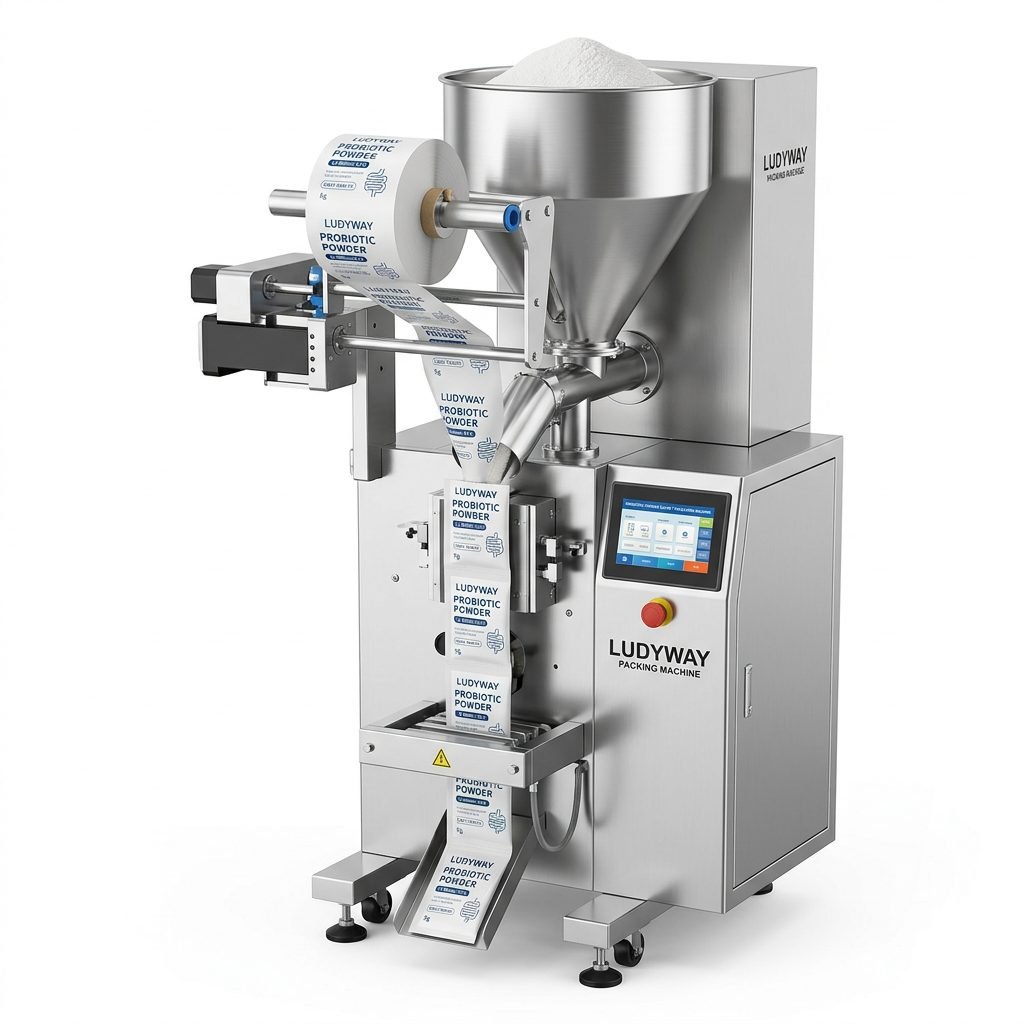
1. Vertical form fill seal powder sachet machines
These machines form sachets from roll film vertically, fill the powder, and seal the pack in one integrated process. They are popular for compact footprints and efficient production.
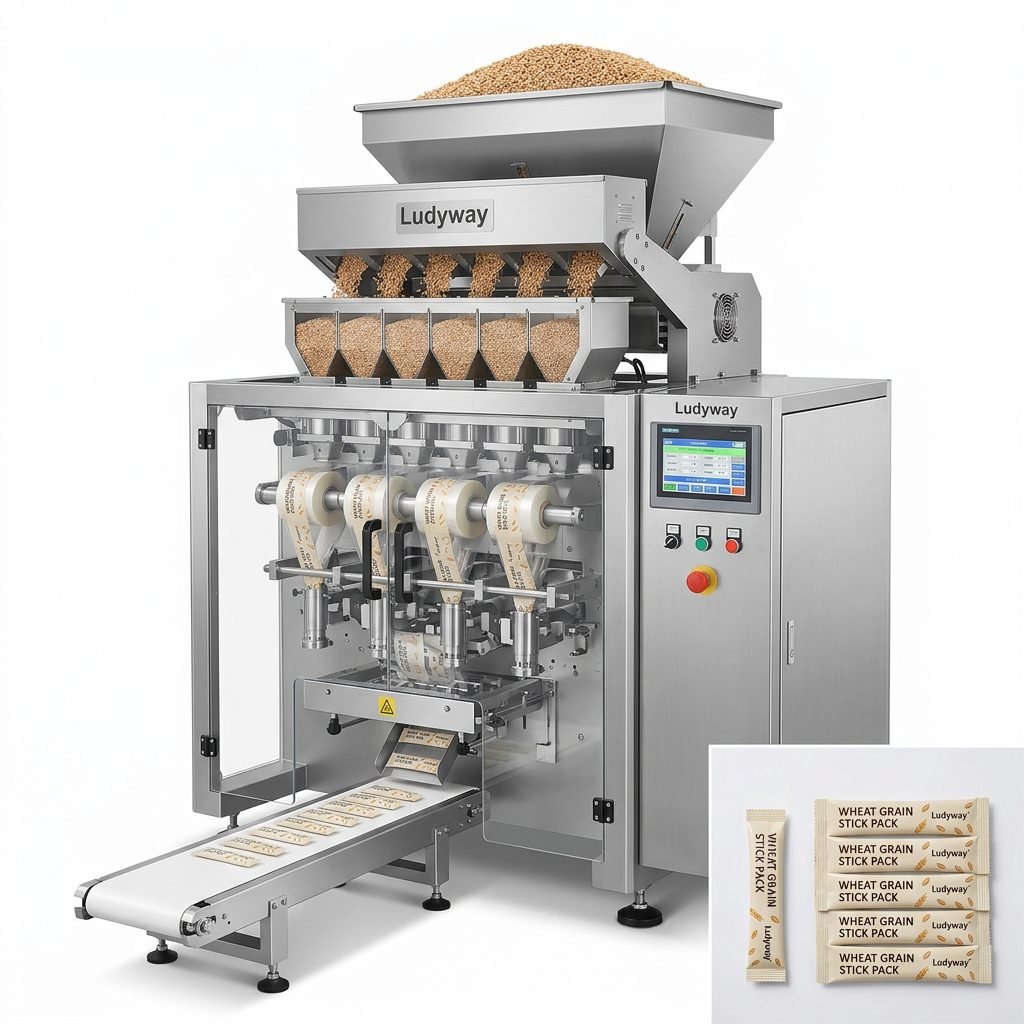
2. Multi-lane sachet machines
Multi-lane systems produce several sachets at the same time, making them ideal for high-output packaging operations. They are commonly used for beverage powders, pharmaceutical powders, and nutritional supplements.
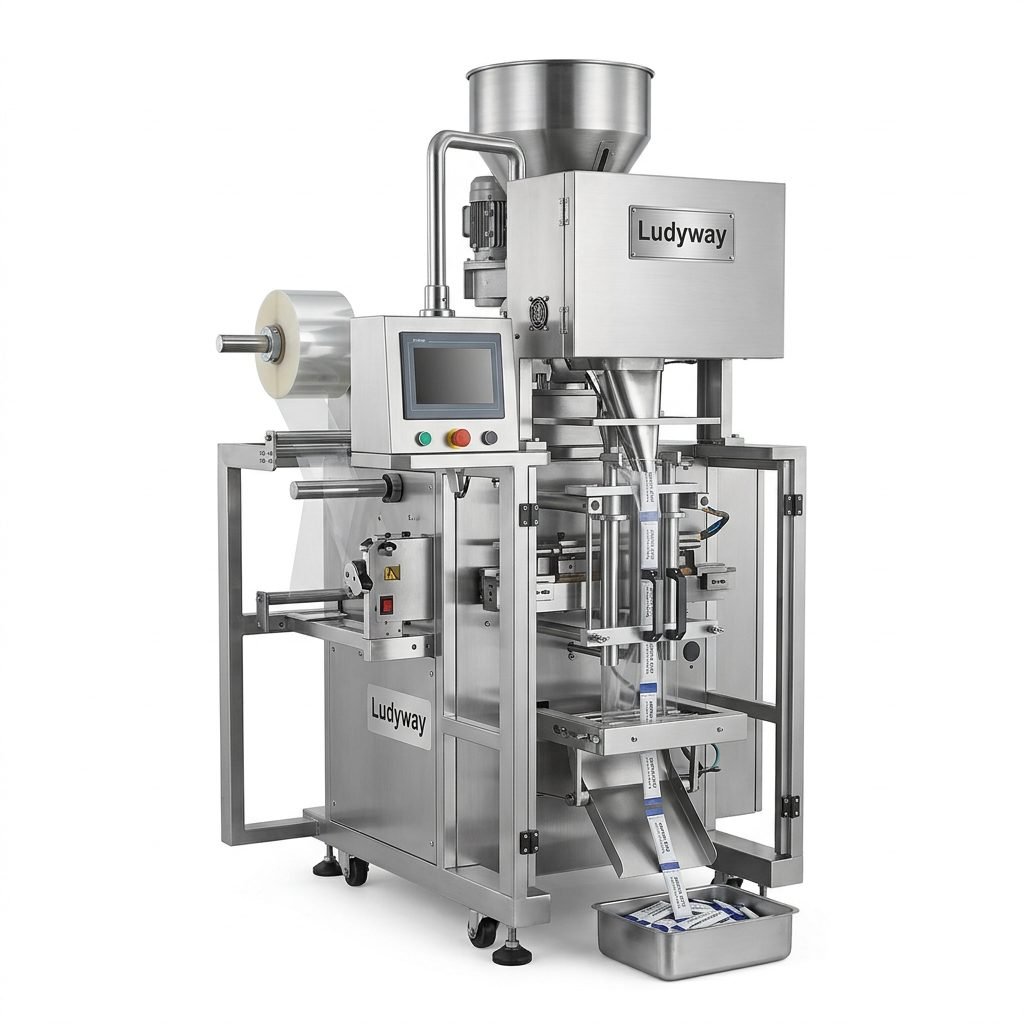
3. Stick pack powder filling machines
These are designed for slim, tube-like packs. Stick packs are widely used for portable and single-dose products such as instant coffee, electrolyte powders, and supplement formulas.
4. Premade pouch powder fillers
Instead of forming sachets from film, these machines fill already-made pouches. They are often used when brands want more premium pouch designs or special zipper features.
| Machine Type | Best For | Key Advantage |
|---|---|---|
| Vertical Form Fill Seal | General powder sachets | Compact and efficient |
| Multi-Lane Sachet Machine | High-speed mass production | High output per minute |
| Stick Pack Machine | Portable single-dose powder packs | Modern retail-friendly format |
| Premade Pouch Filler | Premium pouch packaging | Flexible pouch styles |
Benefits of using a powder sachet filling machine
- Improved dosing accuracy for better product consistency
- Higher packaging speed compared with manual filling
- Reduced labor cost and operator dependency
- Cleaner production with less dust leakage
- Better seal quality and shelf stability
- Professional packaging appearance for retail and export markets
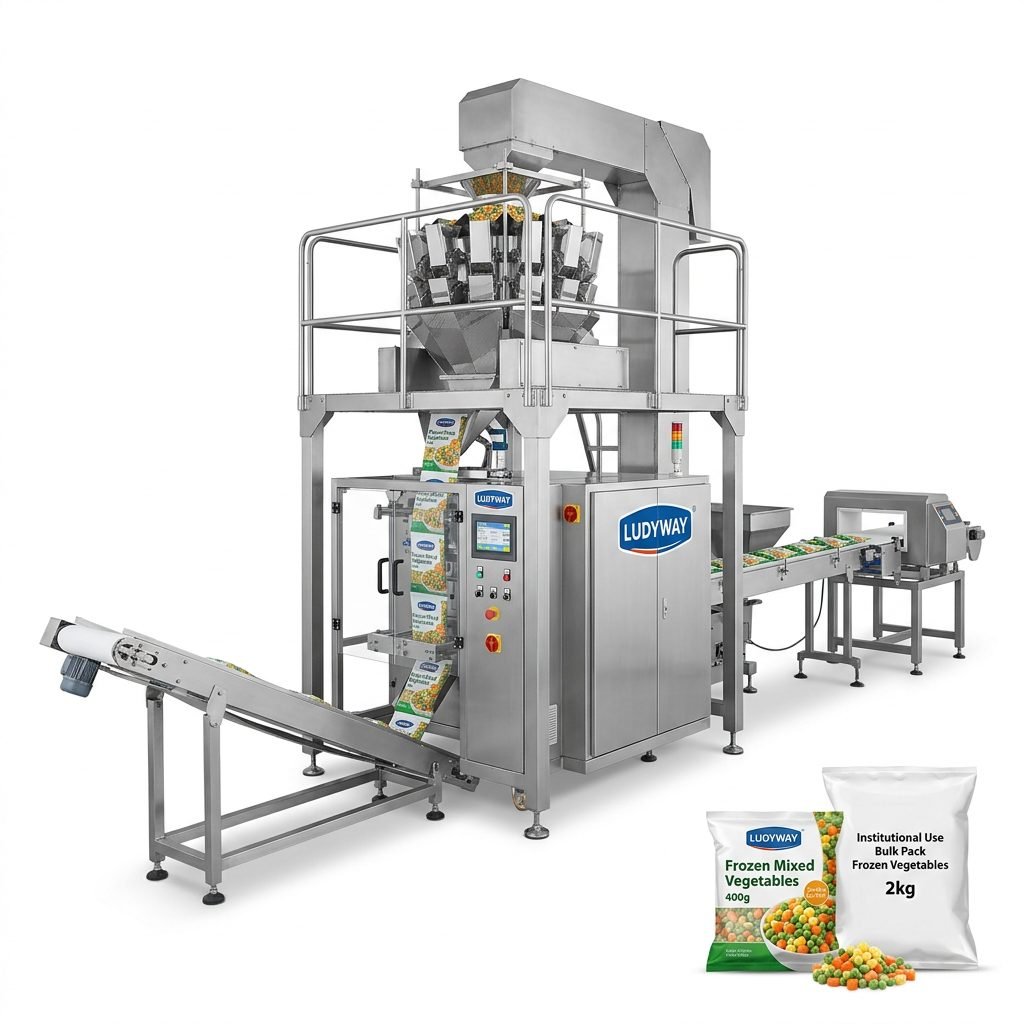
- Easy integration with conveyors, checkweighers, and cartoning lines
What affects filling accuracy?
Filling accuracy is one of the most important buying criteria. Several factors influence final performance:
- Powder particle size
- Bulk density variation
- Moisture content
- Flowability
- Dustiness
- Auger design and calibration
- Machine vibration and servo stability
- Operator setup and maintenance quality
Fine, non-free-flowing powders usually require agitation in the hopper and a carefully matched auger system. Hygroscopic powders may need special sealing, dehumidification, or environmental control.
How to choose the right powder sachet filling machine
Before buying, manufacturers should evaluate both product characteristics and production goals. A machine that works well for milk powder may not be ideal for detergent powder or pharmaceutical formulations.
Checklist for buyers
- What powder are you filling?
- What is the target pack weight?
- What sachet type do you need?
- What is your required output per minute?
- Do you need single-lane or multi-lane production?
- What level of accuracy is acceptable?
- Do you need GMP, food-grade, or pharma-grade construction?
- Will the machine connect to a full packaging line?
- Do you need coding, checkweighing, or cartoning?
- How easy is cleaning and product changeover?
Important material and hygiene considerations
For food, pharmaceutical, and supplement applications, stainless steel contact parts and easy-clean structures are especially important. Dust control is also critical because powder residue can affect seals, cleanliness, and compliance.
Industries that commonly use powder sachet machines
Powder sachet filling equipment supports both established manufacturers and fast-growing brands. Typical industries include:
- Food and beverage
- Pharmaceutical manufacturing
- Nutraceutical and dietary supplements
- Cosmetic and personal care powders
- Agricultural chemicals
- Industrial and household chemicals
- Veterinary and animal nutrition products
Common optional features
Many buyers look beyond basic filling and sealing. Optional modules can improve quality control and automation.
- Automatic feeding systems such as screw conveyors or vacuum feeders
- Nitrogen flushing for oxidation-sensitive products
- Dust extraction devices
- Batch coding and printing units
- Checkweighers
- Metal detectors
- Vision inspection systems
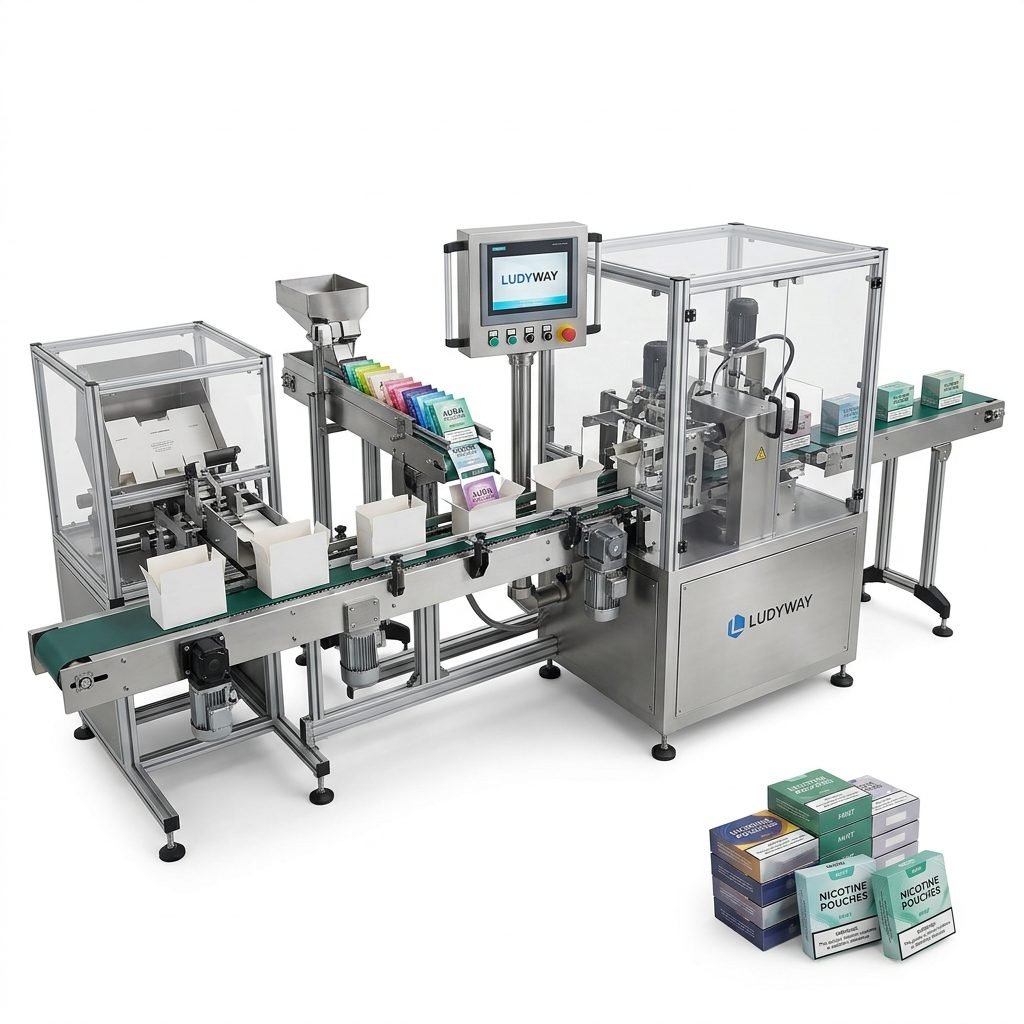
- Cartoning and case packing integration
Maintenance tips for reliable performance
To keep a powder sachet machine running efficiently, routine maintenance is essential. Operators should:
- Clean powder-contact parts regularly
- Check auger wear and recalibrate dosing systems
- Inspect sealing jaws for contamination or damage
- Monitor film tracking and tension
- Lubricate moving parts as specified
- Verify sensors and servo systems are functioning correctly
- Keep electrical cabinets and pneumatic systems in good condition
Why automation matters for powder sachet packaging
As production demand rises, manual powder filling becomes difficult to scale. Automation helps businesses achieve:
- Consistent output across shifts
- Improved traceability
- Lower risk of human error
- Reduced packaging waste
- Better compliance with hygiene and quality standards
- Faster response to growing retail and export demand
For businesses planning long-term expansion, it is often more cost-effective to choose equipment that can integrate into a broader packaging line rather than purchasing a standalone unit with limited scalability.
Choosing a reliable machine supplier
Beyond the machine itself, supplier capability matters. Buyers should look for a manufacturer with experience in powder handling, sachet packaging formats, engineering customization, and after-sales support. For companies seeking automated sachet and turnkey packaging solutions, Ludyway powder sachet filling machine solutions are supported by more than 30 years of packaging machinery experience across food, pharmaceutical, health supplement, and related industries.
Frequently asked questions
Is a powder sachet filling machine suitable for very fine powders?
Yes. Many machines are designed specifically for fine powders, especially when equipped with auger fillers, agitators, and dust-control systems.
Can one machine handle different powder products?
In many cases, yes. However, product characteristics vary, so change parts, auger settings, and sealing parameters may need adjustment.
What is the difference between a sachet machine and a stick pack machine?
A sachet machine usually makes wider flat packs, while a stick pack machine produces narrow, elongated packs. Both can handle powder products.
Can powder sachet machines be integrated into a full packaging line?
Yes. They are often linked with feeding systems, coding devices, checkweighers, cartoners, case packers, and palletizing equipment.
Final thoughts
A powder sachet filling machine is much more than a simple filling device. It is a precision packaging solution that helps businesses package powdered products efficiently, accurately, and hygienically. From food and supplements to pharmaceuticals and industrial powders, these machines play a major role in modern automated production.
By understanding how the machine works, what features matter, and which configuration best matches your product, you can choose a system that supports both current needs and future growth.