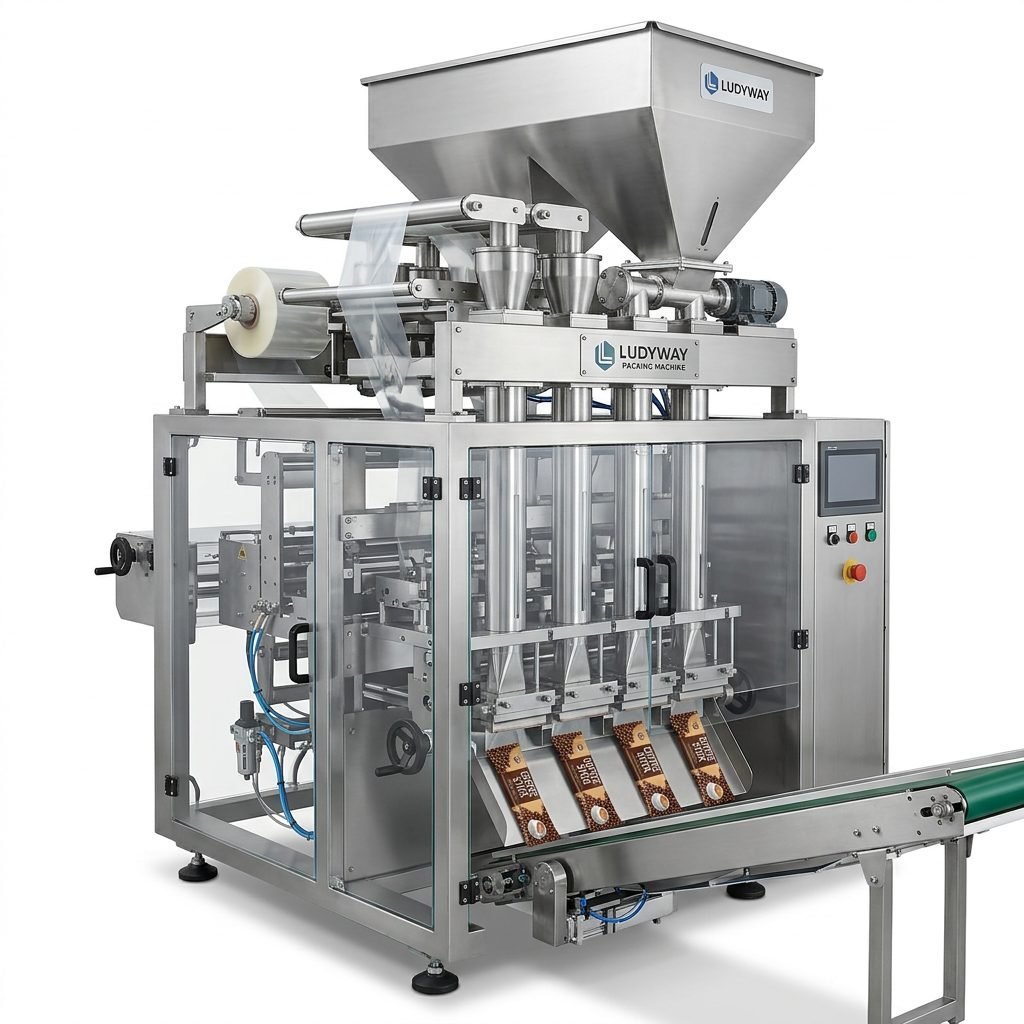
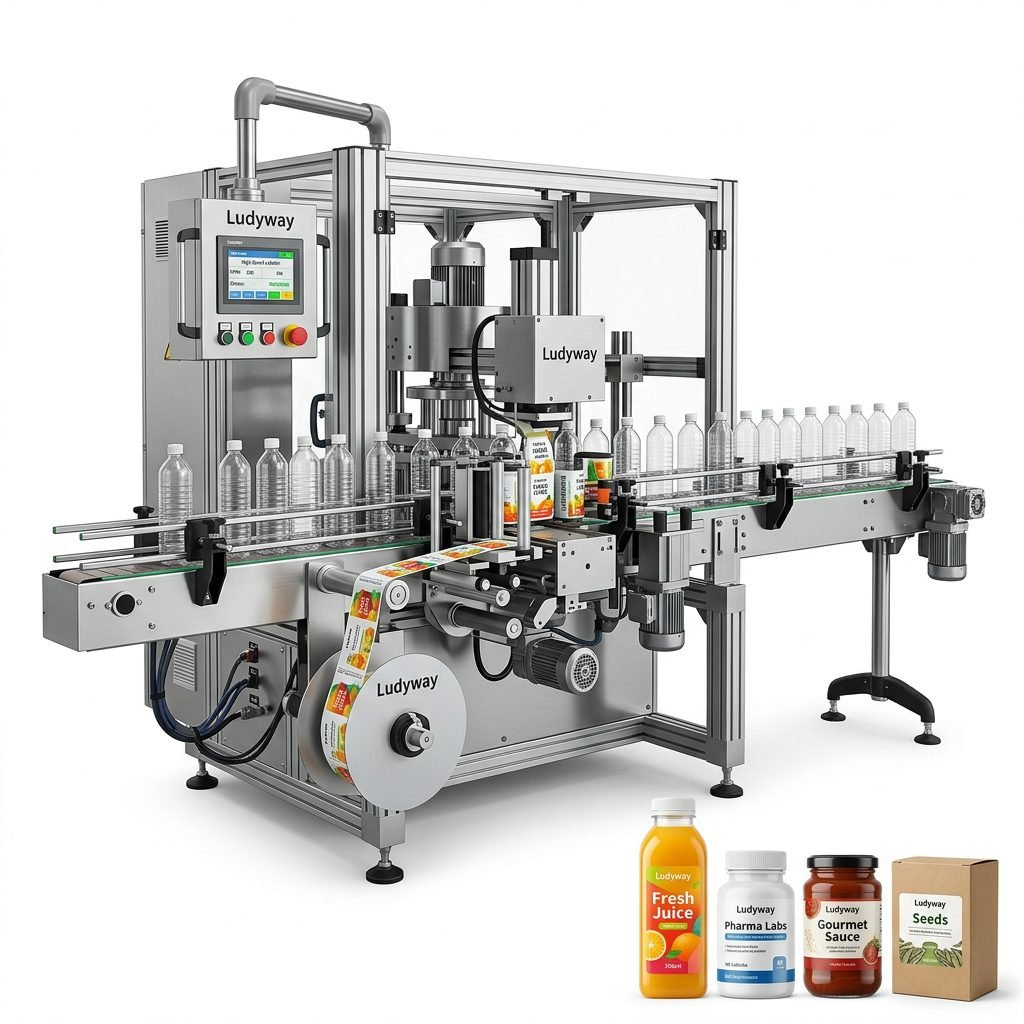
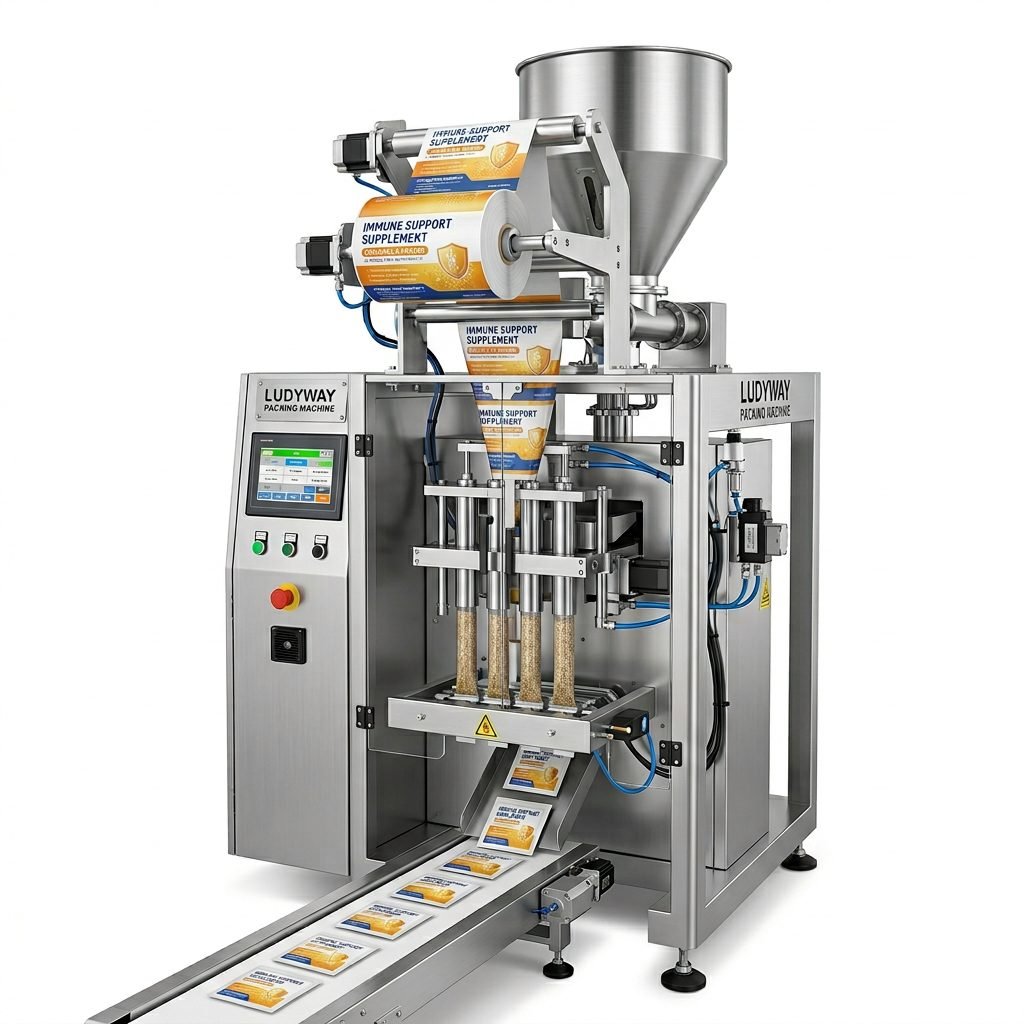
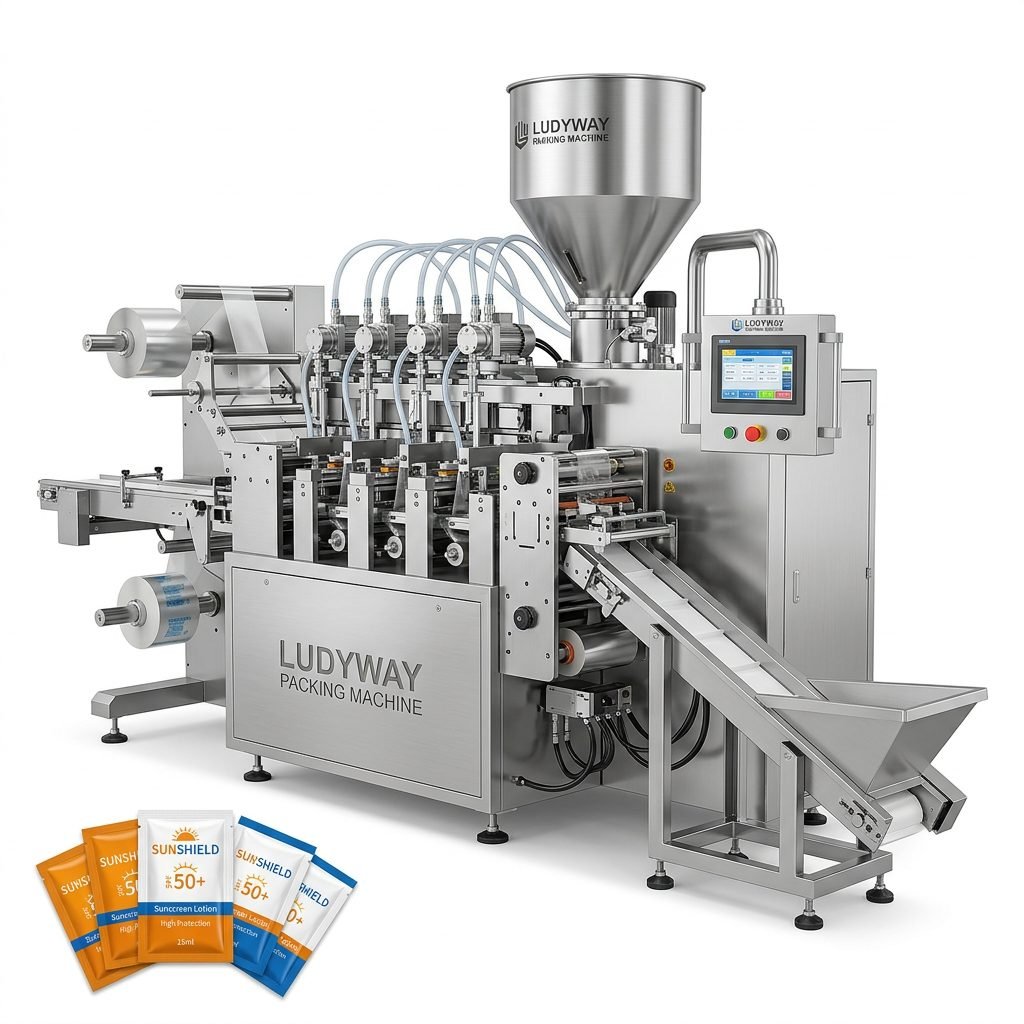
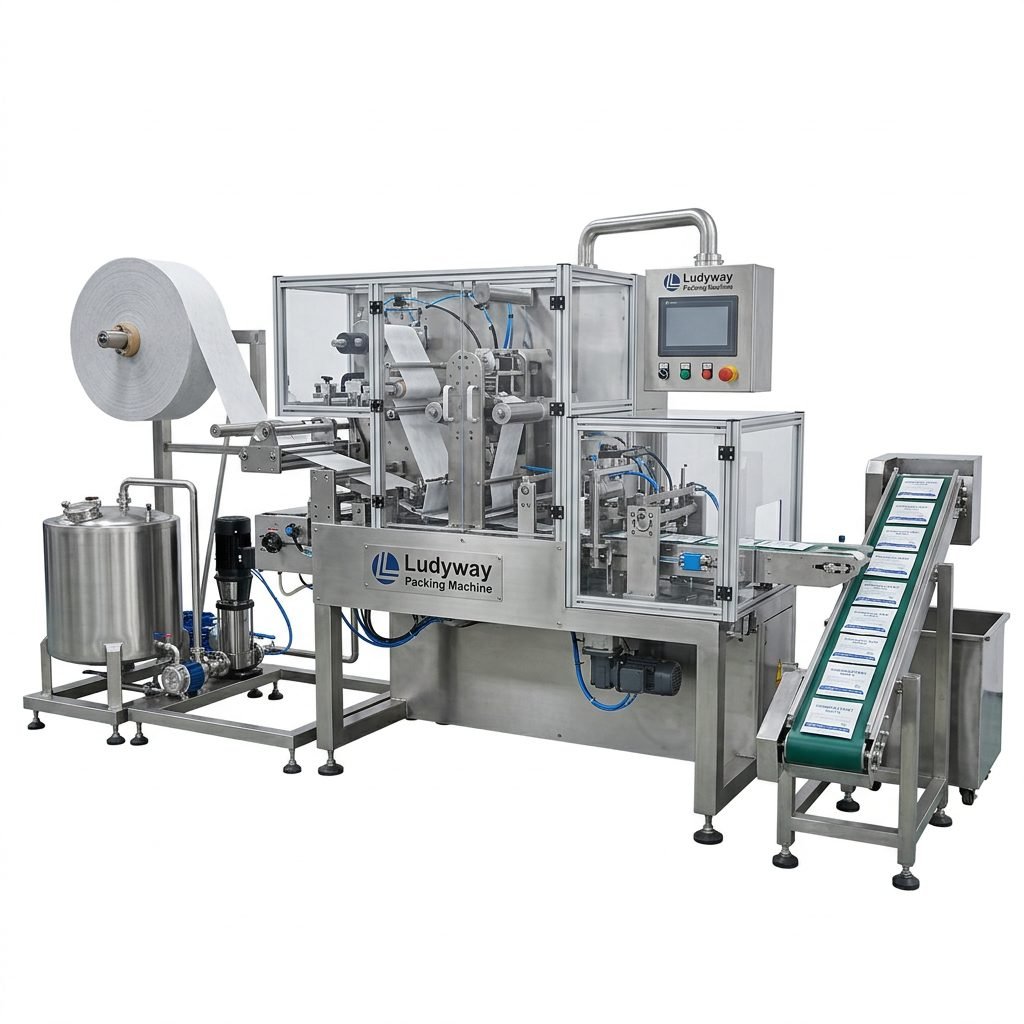
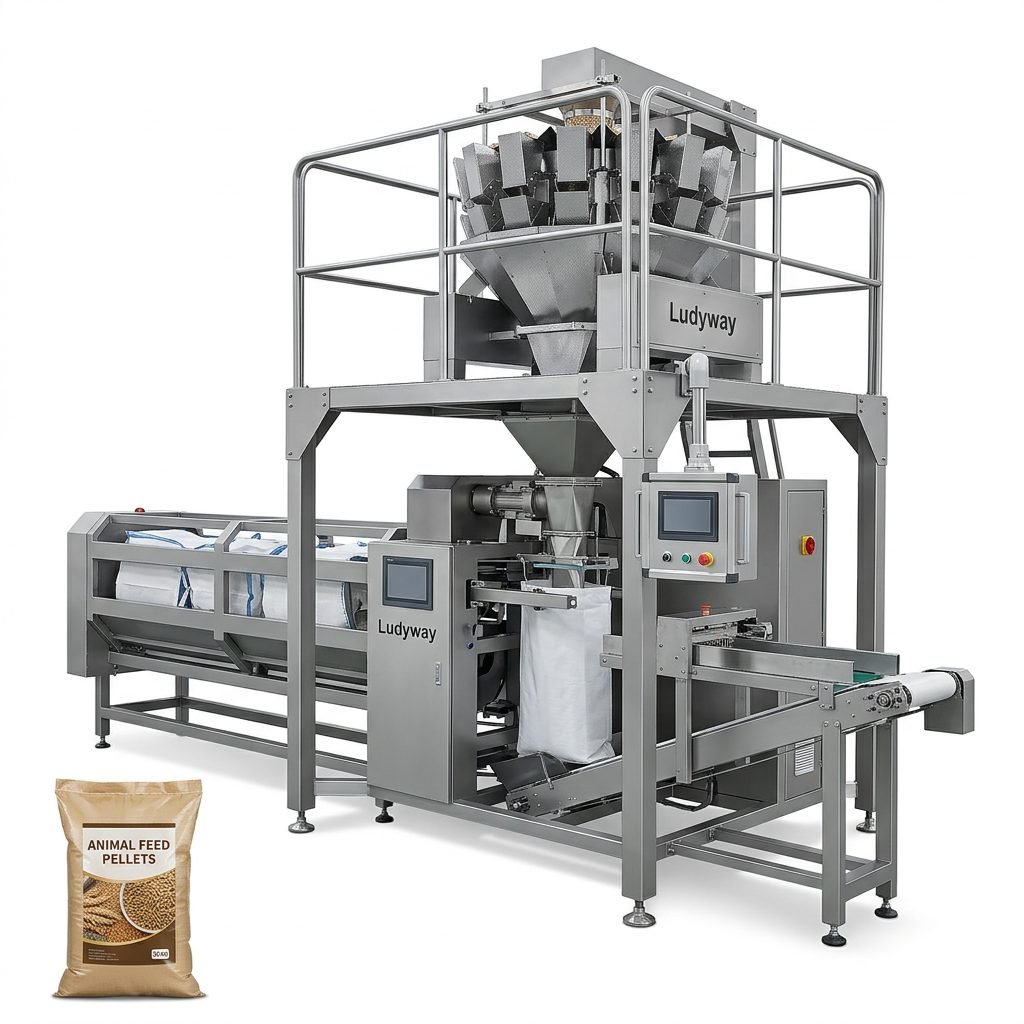
In the world of modern manufacturing and product distribution, packaging plays a pivotal role that extends far beyond mere containment. While primary packaging is in direct contact with the product, secondary packaging is the crucial outer layer that groups, protects, and prepares these primary units for handling, shipping, and retail display. The machinery that automates this process—the secondary packaging machine—is an indispensable component of an efficient production line. This article delves into the core functions of these machines and provides a comprehensive guide to selecting the optimal one for your operational needs.
Understanding the Role of Secondary Packaging Machinery
Secondary packaging is the “workhorse” layer of the packaging hierarchy. Its primary functions are to consolidate multiple primary packages (like bottles, pouches, or blister packs) into a single, manageable unit such as a carton, tray, or shrink-wrapped bundle. This grouping facilitates easier counting, transportation, and inventory management. Furthermore, it provides an additional layer of protection against environmental factors, shock, and compression during logistics. For consumer-facing goods, the secondary package often becomes the retail-ready unit, designed with graphics and structural features for shelf appeal.
Key Takeaway: The transition from primary to secondary packaging is where individual products become logistical units. The right machine automates this transition with precision, speed, and reliability, directly impacting your bottom line through reduced labor costs, minimized product damage, and enhanced line efficiency.
Core Functions and Common Machine Types
Secondary packaging machines are specialized based on the packaging format and material they handle. Here are the most prevalent types:
Cartoners
These machines erect, load, and close pre-glued or tuck-style cartons. They are ideal for boxing bottles, vials, pouches, or other rigid items. Variations include vertical cartoners (for products dropped in from above) and horizontal cartoners (for products inserted from the side).
Case Packers
Designed for higher-level bundling, case packers load primary packages or secondary cartons into larger shipping cases or trays. They can operate in various patterns (like tiered or columnar) and often integrate with case sealers (tape or glue) to form a complete case handling system.
Shrink Wrapping Machines
These machines use a loose film to bundle products together, which then passes through a heat tunnel to shrink the film tightly around the group. This method is excellent for bundling cans, bottles, or multi-packs, offering good stability and visibility of the primary packages.
Tray Forming & Packing Systems
These systems form trays from flat corrugated or paperboard blanks, place products into them, and often apply a lid or overwrap. They are common in food, beverage, and pharmaceutical industries for creating stable, presentable multi-packs.
Multi-Packaging Machines (e.g., for six-pack rings)
Specialized for beverages, these machines apply plastic or cardboard carriers to group bottles or cans.
How to Choose the Right Secondary Packaging Machine
Selecting the correct machine is a strategic decision. A misaligned choice can lead to bottlenecks, increased waste, and higher operational costs. Follow this structured evaluation framework:
1. Analyze Your Product and Primary Packaging
This is the foundational step. The machine must be compatible with your product’s physical characteristics.
• Dimensions & Weight: The size, shape, and weight of your primary package dictate the machine’s loading mechanism and structural strength.
• Fragility: Delicate products (like glass vials) require gentle handling systems, such as pick-and-place robots or soft-drop mechanisms.
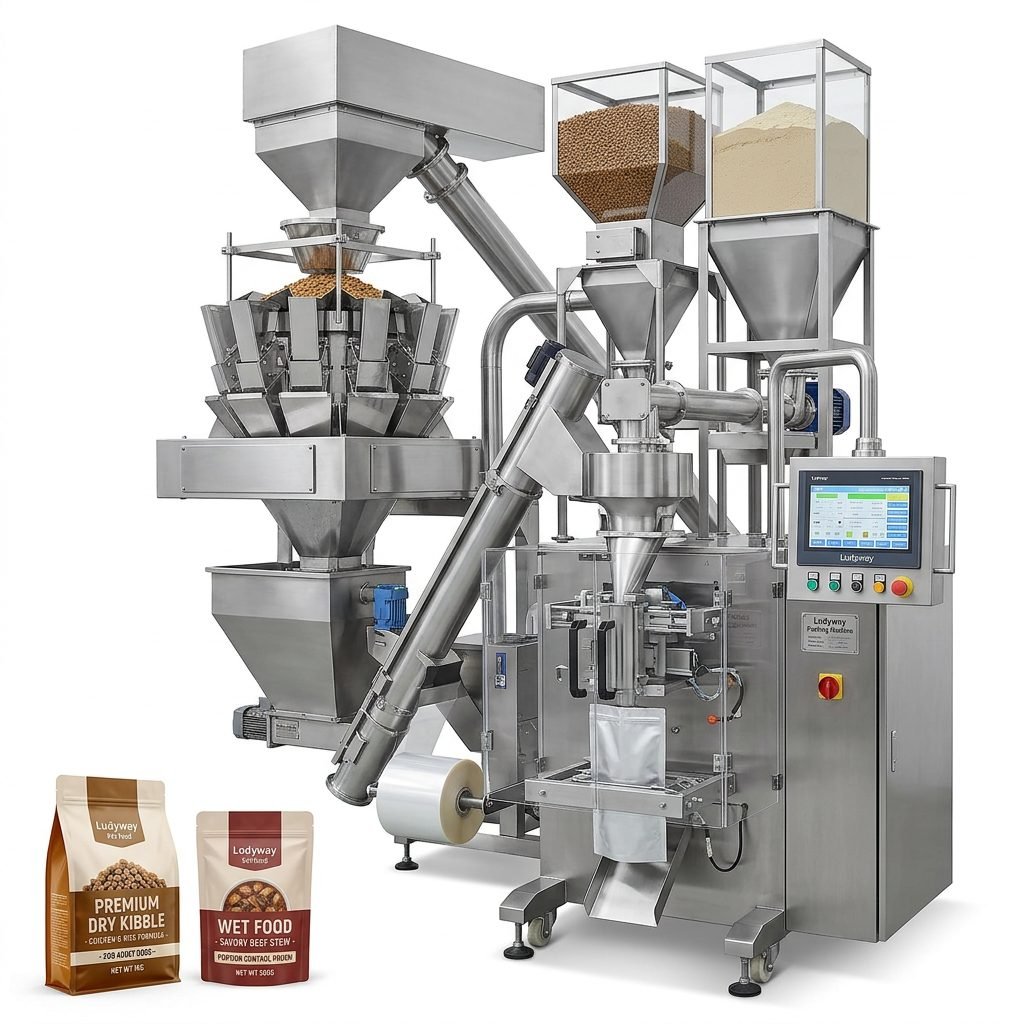
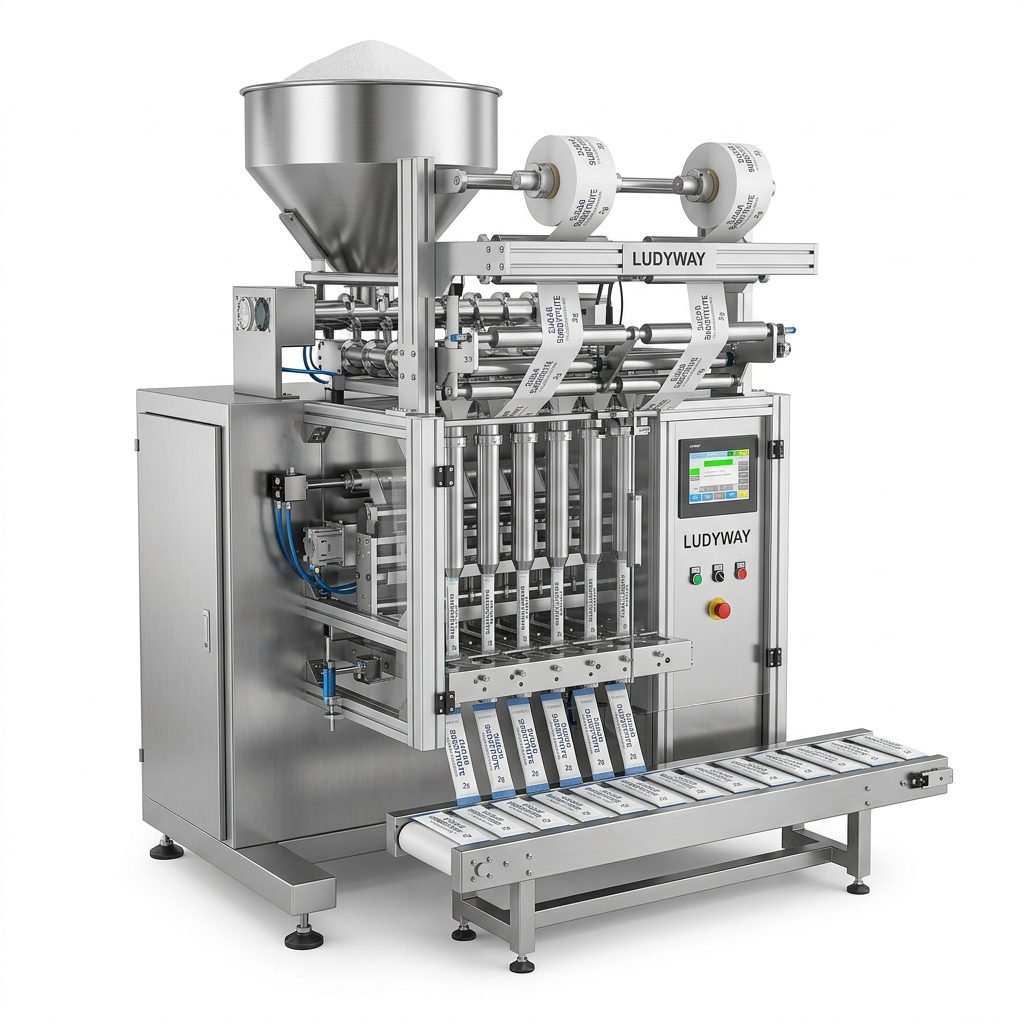
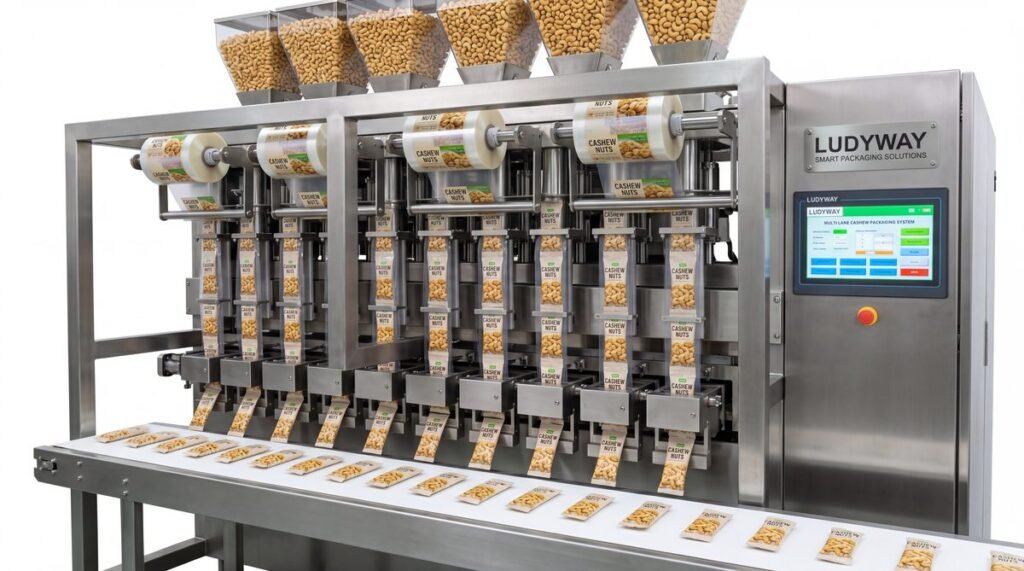
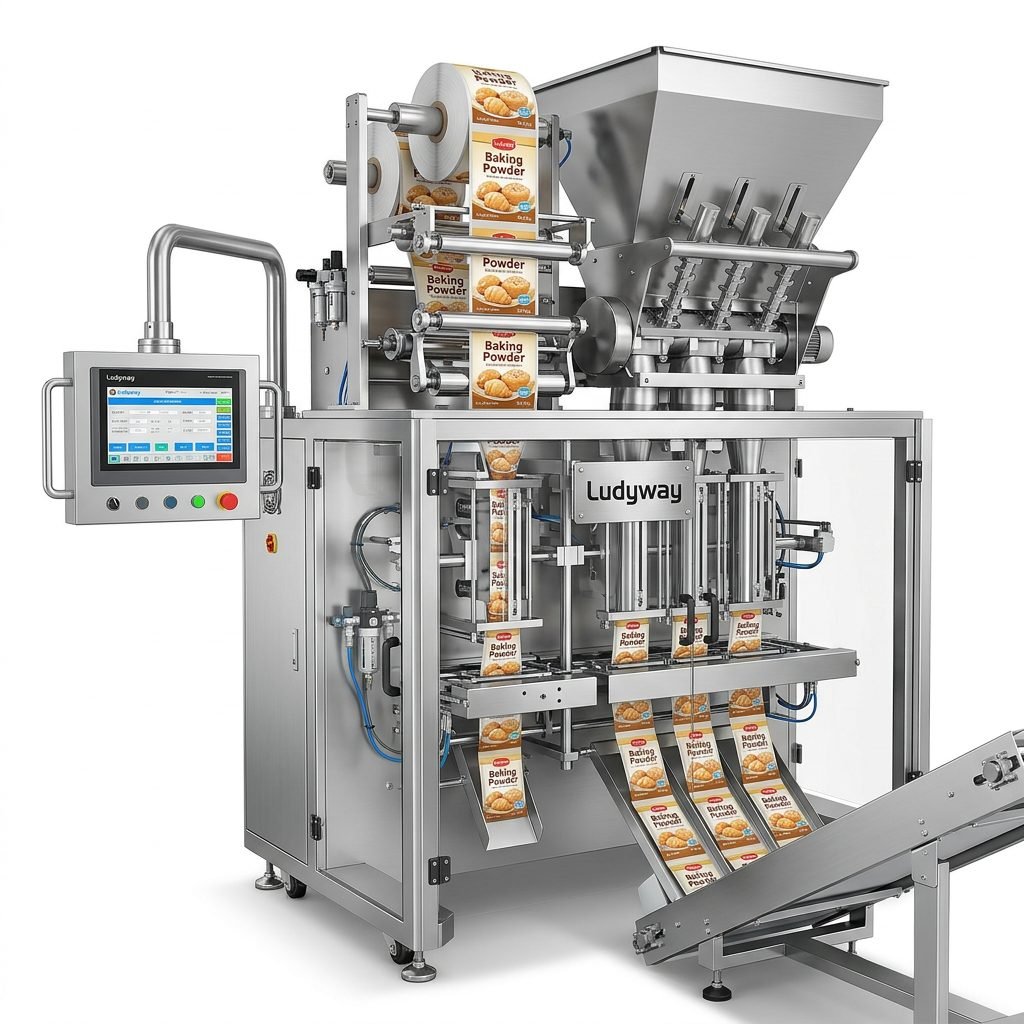
• Primary Package Material: The surface finish of bottles, pouches, or boxes can affect grip and handling. Machines from experienced suppliers like Ludyway Packing Machine are often designed to handle a variety of materials common in food and pharmaceutical sectors.
2. Define Your Output Requirements and Line Integration
Your production goals dictate the machine’s specifications.
• Required Speed (Units/Minute): The machine’s speed must match or exceed the output of your upstream filling and primary packaging equipment to prevent bottlenecks.
• Flexibility & Changeover Needs: If you run multiple SKUs (Stock Keeping Units), prioritize machines with quick-change parts and easy-to-adjust settings. Modular designs offer significant advantages here.
• Upstream/Downstream Connectivity: The machine should seamlessly integrate with your existing line. Consider communication protocols (e.g., PLC connectivity) and physical interfacing with conveyors from preceding and following stations.
→ Pro Tip: Future-Proofing
When evaluating machines, consider not just today’s needs but potential future ones. Can the machine handle a slightly different package size if you launch a new product variant? Investing in a moderately flexible machine from a provider with a broad portfolio, such as Ludyway’s range of over 50 models, can save substantial capital expenditure down the line.
3. Evaluate Secondary Packaging Materials
The machine and the material are a symbiotic pair. Your choice of carton, film, or tray will influence the machine type.
• Material Specifications: Carton grade, film thickness, and adhesive type must be within the machine’s operating parameters. Inconsistent material quality is a leading cause of machine jams and downtime.
• Sustainability Considerations: Growing demand for recyclable or reduced-plastic packaging may steer you towards paperboard cartoners or systems designed for mono-material films.
4. Assess Total Cost of Ownership (TCO) and Support
The purchase price is just the beginning. A reliable partner is as crucial as the hardware.
• Reliability & Build Quality: Machines built with robust components and precision engineering, often found in brands with decades of industry experience, minimize unplanned downtime.
• Technical Support & Spare Parts: Ensure the supplier offers comprehensive after-sales service, training, and readily available spare parts. A global support network is vital for international operations.
• Energy & Material Efficiency: Modern machines are designed to reduce energy consumption and optimize material usage (e.g., precise glue application, film waste reduction), lowering operational costs.
5. Prioritize Safety and Compliance
The machine must comply with all relevant local and international safety standards (e.g., CE, UL). Features like guarded interlock systems, emergency stops, and risk assessments are non-negotiable for protecting operators.
Implementation and Best Practices
Once selected, successful implementation is key. Conduct thorough factory acceptance tests (FAT) at the supplier’s site. Plan for detailed installation and operator training. Start with a pilot run using your actual materials to fine-tune settings before full-scale production. Regular preventive maintenance, as outlined in the machine manual, is the best strategy to ensure longevity and consistent performance.
Frequently Asked Questions (FAQs)
Q1: What is the main difference between a cartoner and a case packer?
A: A cartoner typically forms and loads smaller cartons that hold retail units, often becoming the consumer-facing package. A case packer handles larger corrugated shipping cases or trays, grouping multiple retail cartons or primary packages for distribution and wholesale. They operate at different levels of the packaging chain.
Q2: How important is machine flexibility for a growing business?
A: It is critically important. Flexibility in handling multiple product sizes and packaging formats allows for quicker new product launches and adaptation to market changes without requiring a completely new machine. It protects your investment and enhances overall line agility.
Q3: Can one machine handle both shrink wrapping and cartoning?
A: Generally, no. These are distinct technologies using different materials (film vs. paperboard) and processes. Some advanced turnkey production lines may integrate both a cartoner and a shrink wrapper in sequence, but they remain separate, specialized machines controlled by a unified system.
Q4: What are the most common causes of downtime in secondary packaging machines?
A: The top causes are: 1) Poor quality or inconsistent packaging materials (e.g., warped cartons, film variations), 2) Lack of proper preventive maintenance, 3) Improper machine setup or adjustment for a specific product run, and 4) Wear and tear on high-friction components.
Q5: How do I know if I need a fully automated system versus a semi-automatic one?
A: The choice depends on your volume, labor costs, and consistency needs. Fully automated systems are justified for high-volume, high-speed production where they significantly reduce labor costs and improve consistency. Semi-automatic machines, where an operator assists in loading or initiating cycles, are suitable for lower volumes, frequent changeovers, or as an entry-level solution to automate specific tasks.