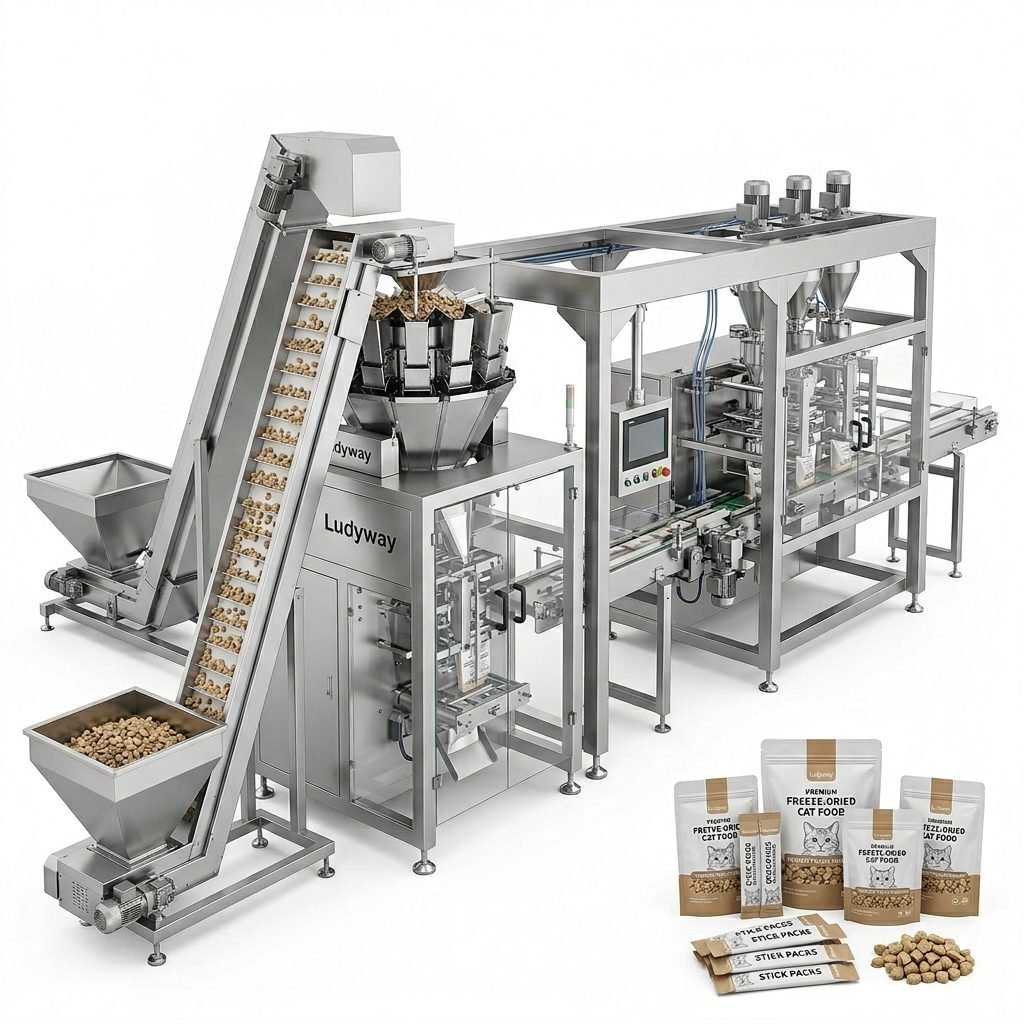
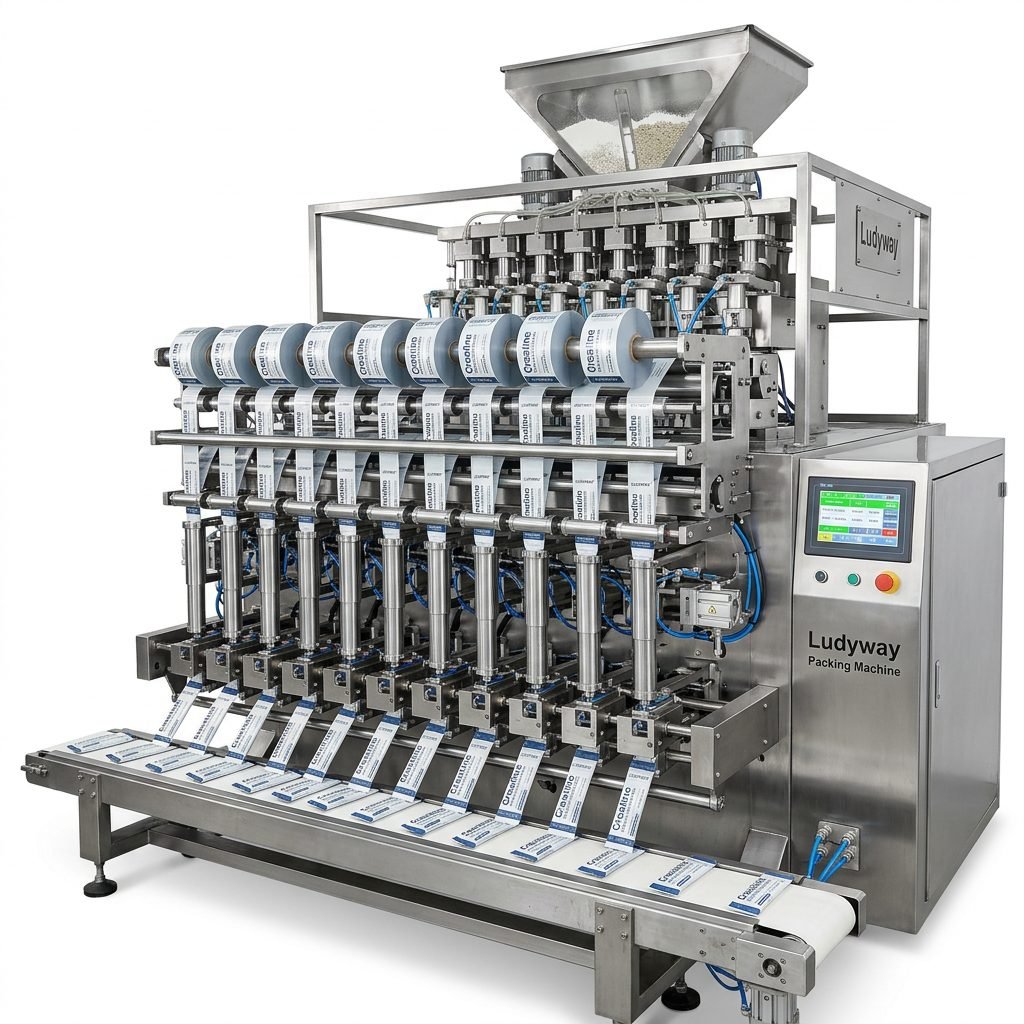
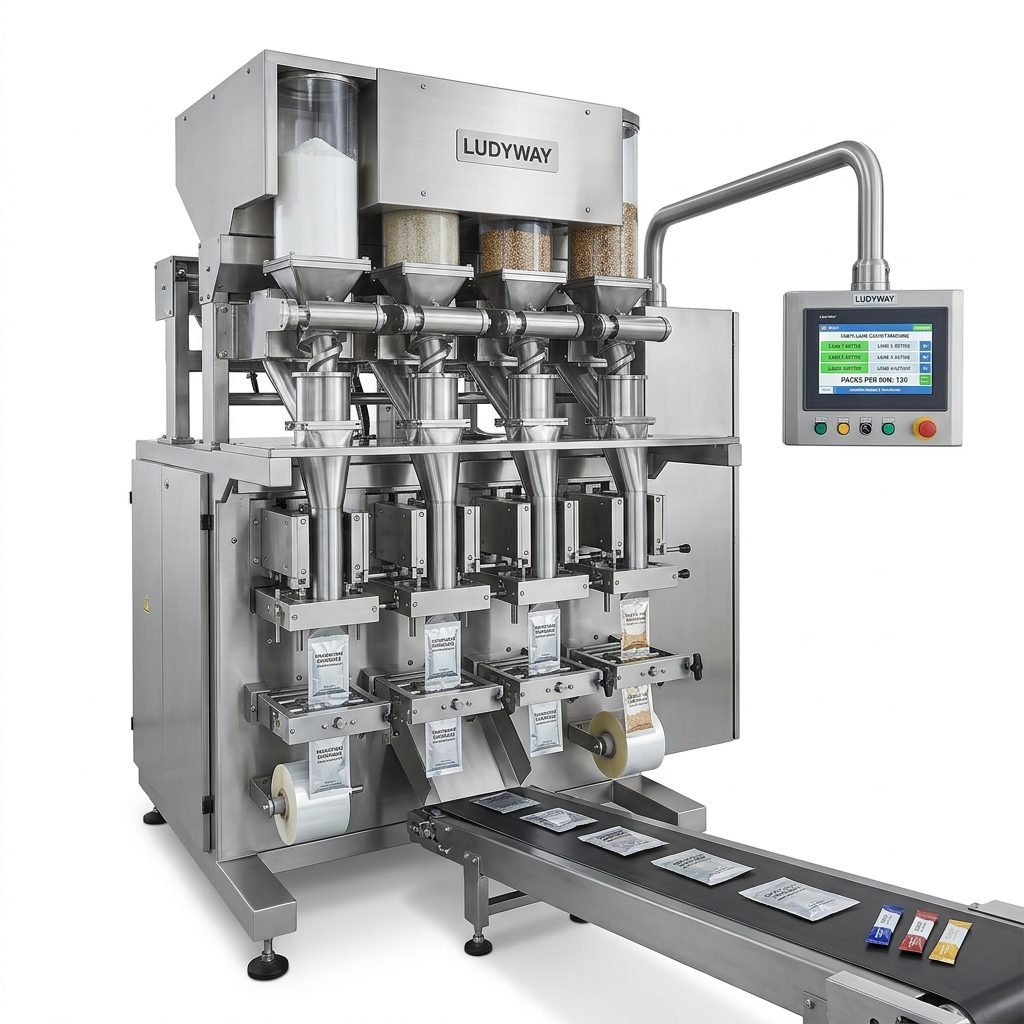
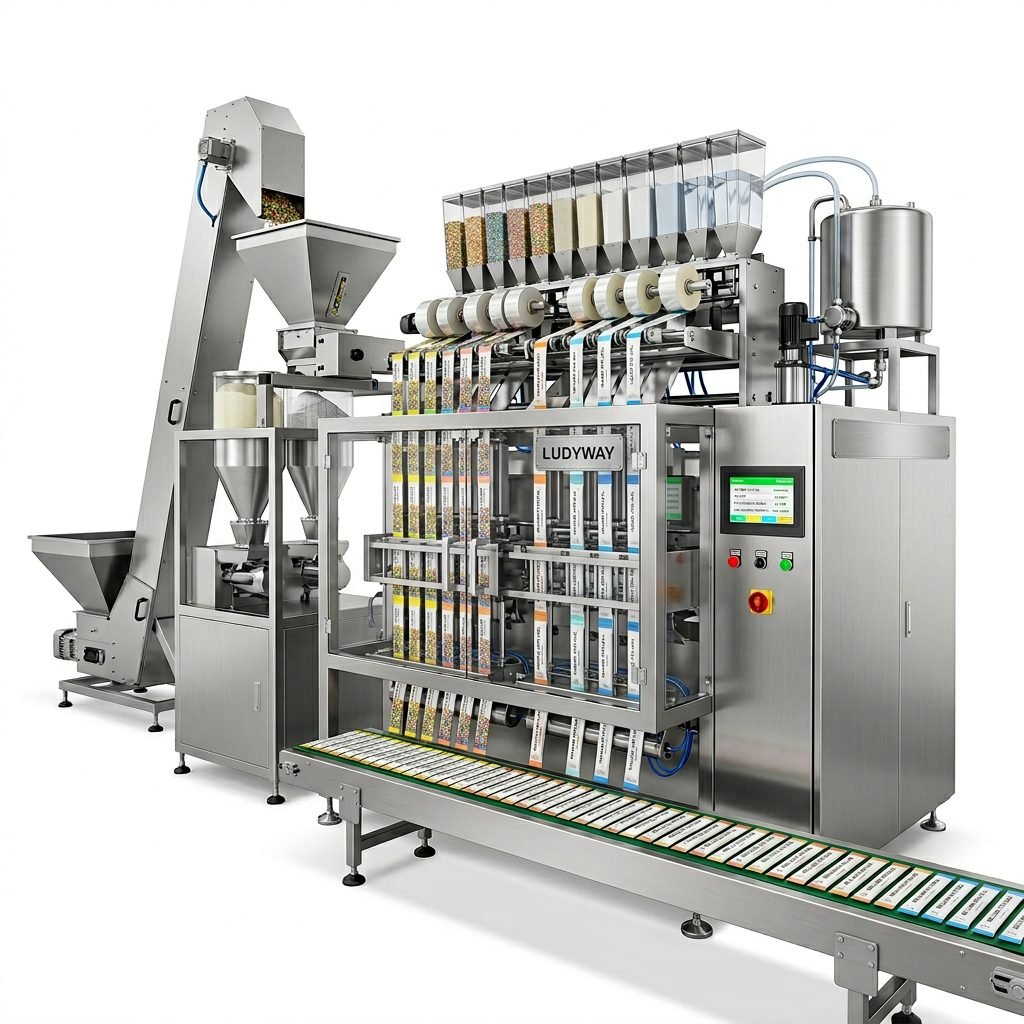
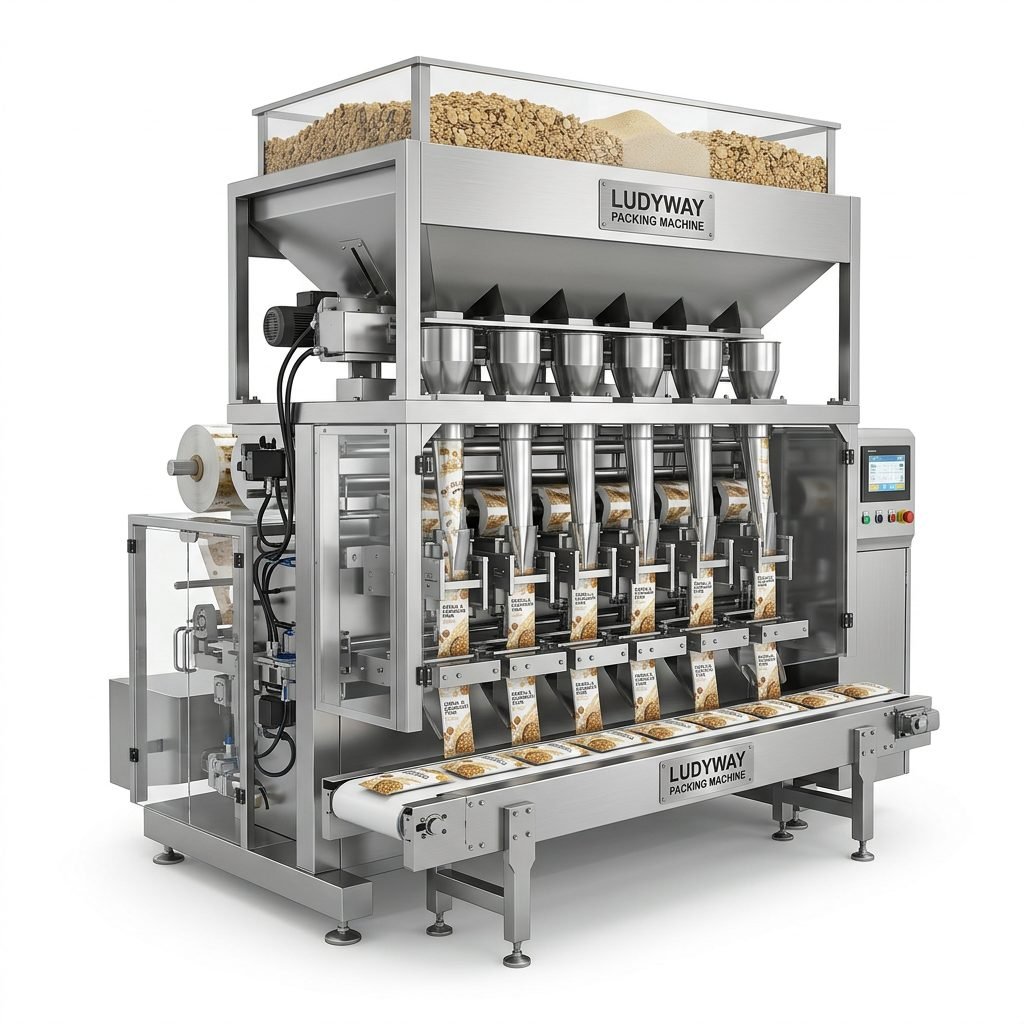
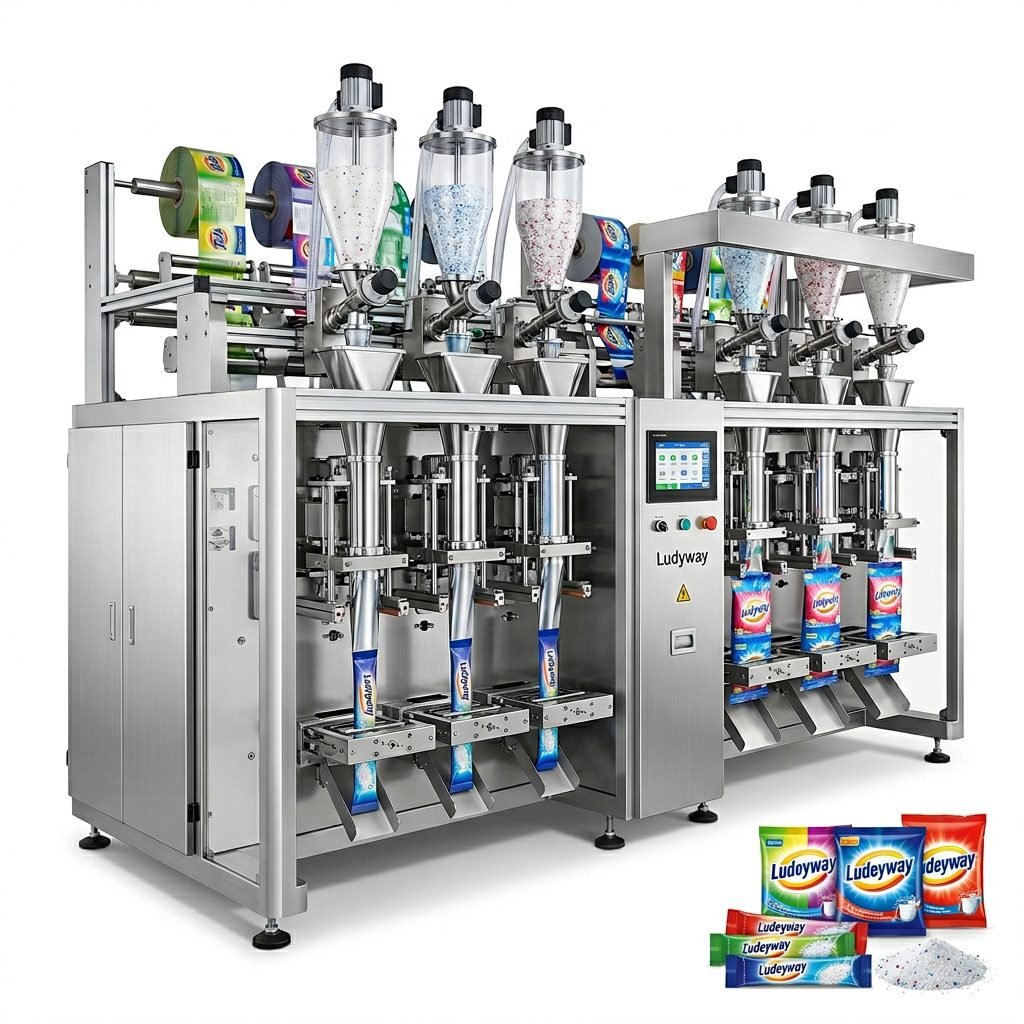
In today’s environmentally conscious market, the shift towards sustainable practices is no longer optional—it’s imperative. For manufacturers across the globe, particularly in the food, pharmaceutical, and health sectors, this transformation hinges on the heart of the production line: packaging machinery. Eco-friendly packaging machinery represents a powerful convergence of environmental responsibility and industrial efficiency, offering sustainable solutions that actively reduce waste while significantly boosting production output.
The Urgent Need for Sustainable Packaging Solutions
The traditional linear model of “take, make, dispose” in packaging is increasingly unsustainable. Landfills are overflowing, and consumer awareness about plastic pollution and carbon footprints is at an all-time high. Regulatory pressures are also mounting worldwide, with many governments implementing strict policies on packaging materials and waste. This creates a dual challenge for producers: they must minimize their environmental impact while maintaining, or even improving, operational efficiency and cost-effectiveness. This is precisely where modern, eco-conscious packaging machinery becomes a strategic asset, turning a challenge into a competitive advantage.
Key Insight: Sustainable packaging is no longer just a marketing trend; it’s a core component of modern supply chain resilience and brand integrity. Investing in the right machinery is the first critical step.
How Eco-Friendly Machinery Reduces Waste
Advanced packaging systems are engineered to tackle waste at multiple points in the process:
1. Material Optimization & Precision
State-of-the-art machines utilize sophisticated servo-driven technology and computer-controlled systems to achieve unparalleled precision in material feeding and sealing. This minimizes overuse and trim waste of packaging films, laminates, or recyclable materials. Every millimeter of material is accounted for, drastically reducing the raw material consumption per unit produced.
2. Enabling Sustainable Materials
Traditional machines often struggle with newer, biodegradable, compostable, or recycled-content materials. Eco-friendly packaging machinery is specifically designed or adapted to handle these alternatives efficiently. This includes maintaining consistent sealing temperatures for PLA films, providing gentle handling for paper-based packaging, and ensuring reliable operation with mono-material structures that are easier to recycle.
3. Reducing Product Waste & Rejects
High-precision filling systems ensure accurate dosing of product—whether granules, powder, or liquid—into each pouch or stick pack. This eliminates giveaway (overfilling) and prevents underfilling that leads to customer complaints. Furthermore, integrated vision inspection systems and automated quality checks detect and reject defective packages early, preventing wasted product from being shipped and later discarded.
Boosting Production Efficiency with Smart Technology
Sustainability and efficiency are two sides of the same coin. Reducing waste inherently improves efficiency, but modern machinery takes this further:
Higher Speeds with Lower Energy Consumption
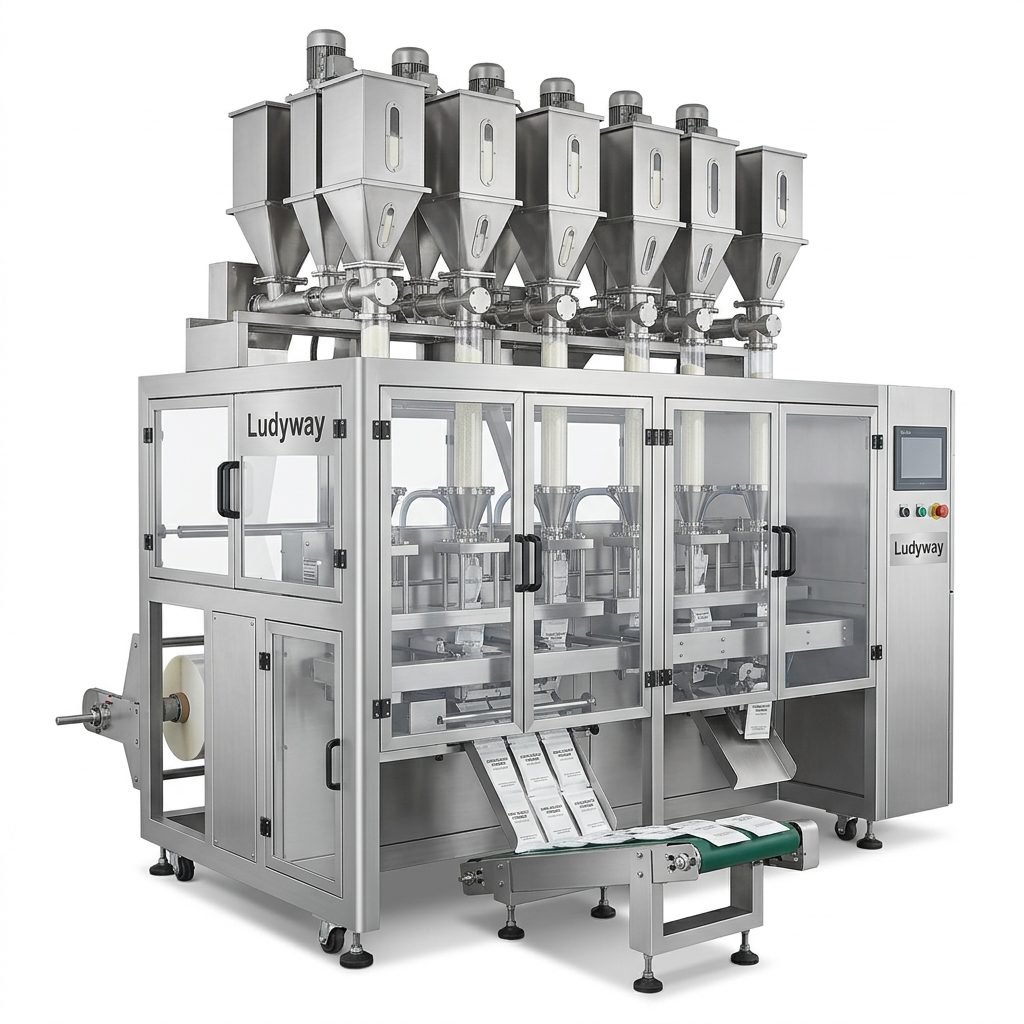
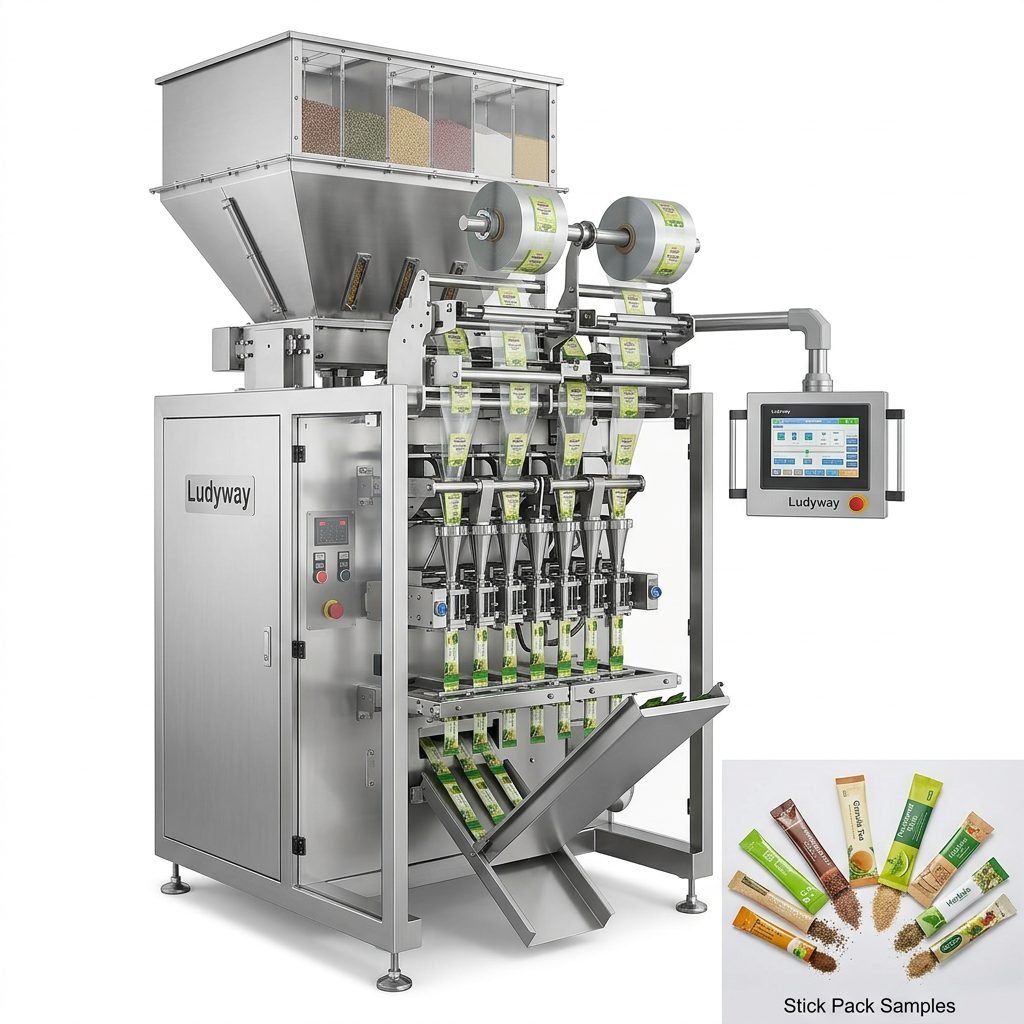
New generations of packaging machines, such as multi-lane stick pack and sachet machines, deliver higher output (packages per minute) while incorporating energy-efficient components like servo motors. These motors consume power only when performing work, unlike constantly running traditional motors, leading to significant reductions in energy costs and carbon emissions.
Quick Changeover and Flexibility
Modular designs and tool-less changeover features allow production lines to switch between different package sizes or materials in minutes, not hours. This reduces downtime, enables smaller, more responsive production runs (reducing inventory waste), and allows manufacturers to quickly adapt to market demands for various sustainable packaging formats.
Data-Driven Optimization
IoT-enabled machinery provides real-time data on production output, material usage, machine efficiency, and energy consumption. This transparency allows operators to identify inefficiencies, predict maintenance needs to avoid unplanned stops, and continuously fine-tune the process for minimal waste and maximum throughput.
The Role of a Trusted Partner
Transitioning to sustainable packaging is a technical journey. Success depends not just on the machine, but on the expertise behind it. Partnering with a provider that offers comprehensive turnkey solutions—from material testing and machine design to installation, training, and support—is crucial. A partner with deep industry experience can navigate the complexities of sustainable materials and ensure the machinery integrates seamlessly into your operation for immediate productivity gains.
For instance, a provider with over 30 years of experience in packaging for sensitive industries like food and pharma brings invaluable knowledge. They understand the stringent hygiene and accuracy requirements while pushing the envelope on sustainability. Their portfolio, often encompassing 50+ intelligent machine models, indicates a capability to provide a tailored solution rather than a one-size-fits-all approach.
Implementing Your Sustainable Packaging Line
The path to greener packaging involves careful planning:
1. Audit & Goal Setting: Analyze your current waste streams (material, product, energy) and define clear sustainability targets.
2. Material Selection: Choose the right sustainable primary packaging material compatible with high-speed machinery.
3. Machinery Selection: Work with your partner to select equipment that matches your material, output speed, and flexibility needs. Consider future-proofing with scalable technology.
4. Integration & Training: Ensure a smooth installation and empower your team with thorough training on operating and maintaining the new system.
5. Monitor & Improve: Use the data from your smart machinery to track KPIs against your goals and seek continuous improvement opportunities.
By investing in eco-friendly packaging machinery, companies do more than just protect the environment. They build a more resilient, efficient, and cost-effective operation. They meet the demands of regulators and conscious consumers, future-proofing their brand. In essence, sustainable packaging machinery is the engine for building a cleaner, smarter, and more profitable manufacturing future.
Frequently Asked Questions (FAQs)
1. What types of sustainable materials can modern packaging machines handle?
Modern eco-friendly packaging machinery is designed to work efficiently with a wide range of materials, including biodegradable films (like PLA), compostable laminates, paper-based composites, and mono-plastic structures (like PP or PE) that enhance recyclability. The key is to consult with your machinery provider to test material runnability on specific equipment before full-scale implementation.
2. Is eco-friendly packaging machinery more expensive to operate?
While the initial investment can be comparable or slightly higher, the total cost of ownership is often lower. Savings are realized through drastic reductions in material waste, lower energy consumption from efficient servo drives, fewer product rejects, and reduced downtime due to higher reliability. The operational savings typically provide a strong return on investment.
3. Can I retrofit my existing packaging machine to be more eco-friendly?
Some upgrades are possible, such as adding precision servo drives for better material control or new sealing jaws for different materials. However, a complete transformation in efficiency and material capability often requires a new machine platform designed with sustainability as a core principle. A machinery audit by a professional can determine the best path forward for your needs.
4. How does sustainable packaging machinery improve production efficiency?
It boosts efficiency through higher operational speeds, faster changeovers reducing downtime, precision that cuts material and product waste, and smart data analytics that allow for predictive maintenance and process optimization. Efficiency gains of 15-30% are common when upgrading from older, non-optimized equipment.
5. What should I look for in a supplier of sustainable packaging solutions?
Look for a partner with proven experience in your industry (e.g., food, pharma), a broad portfolio of intelligent machinery, strong engineering support for customization, and a commitment to providing a complete turnkey solution—not just selling a machine. Their expertise in material science and sustainable production line design is critical for your project’s success. Providers with decades of experience, like Ludyway Machinery, often have the depth of knowledge needed to navigate this complex transition effectively.