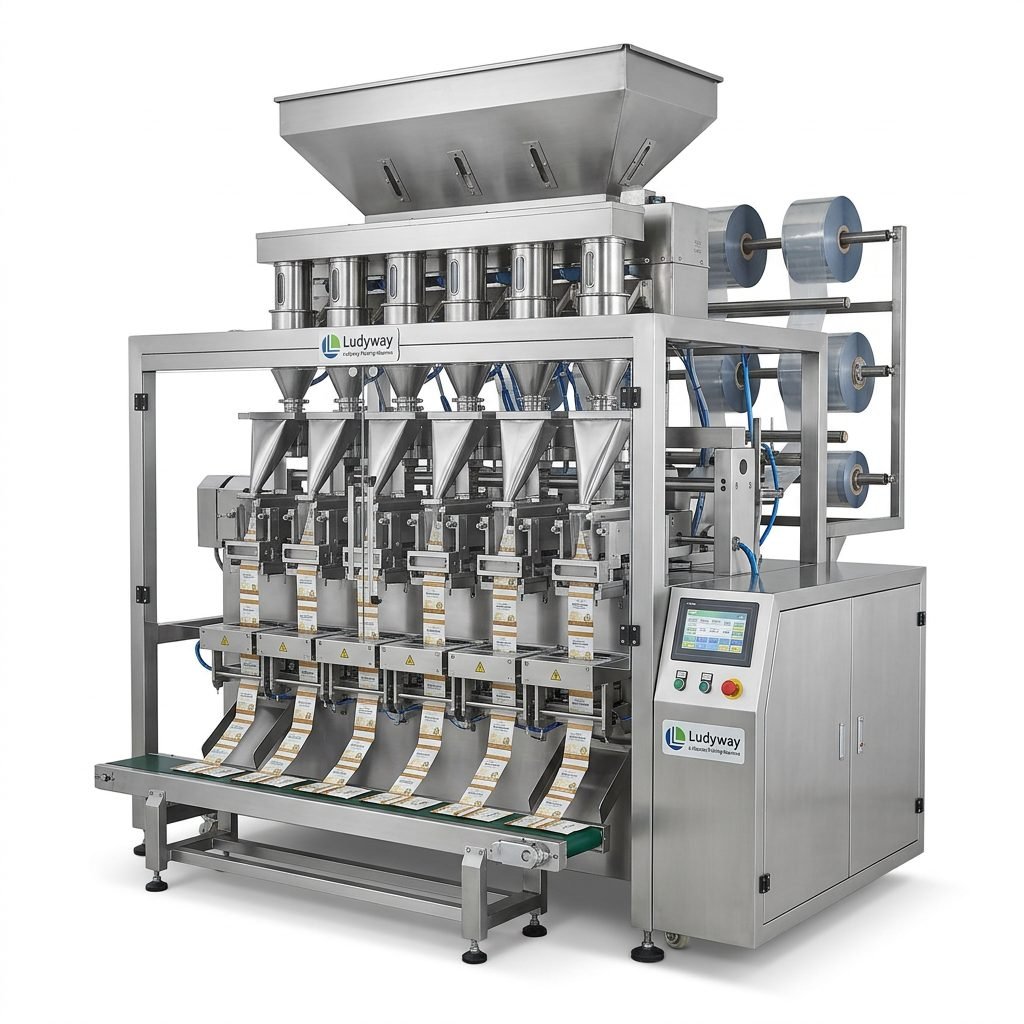
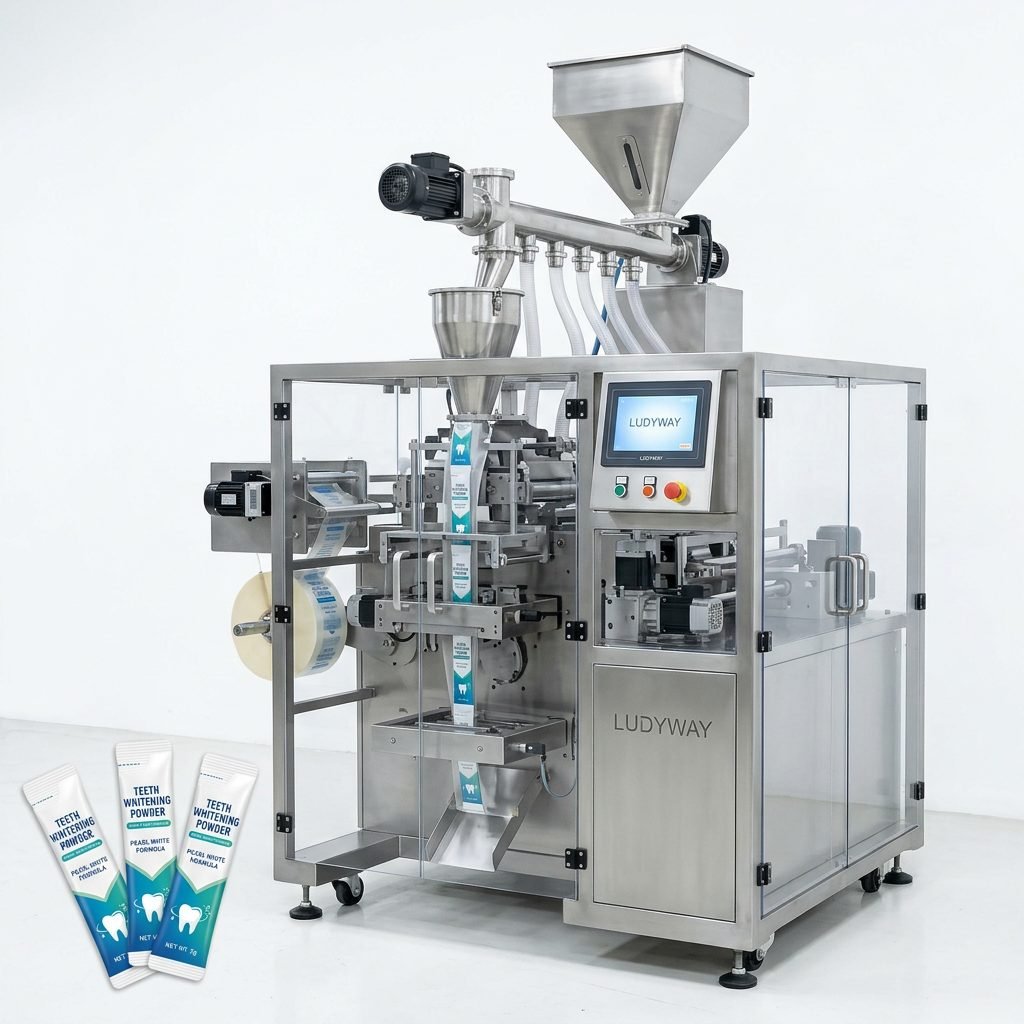
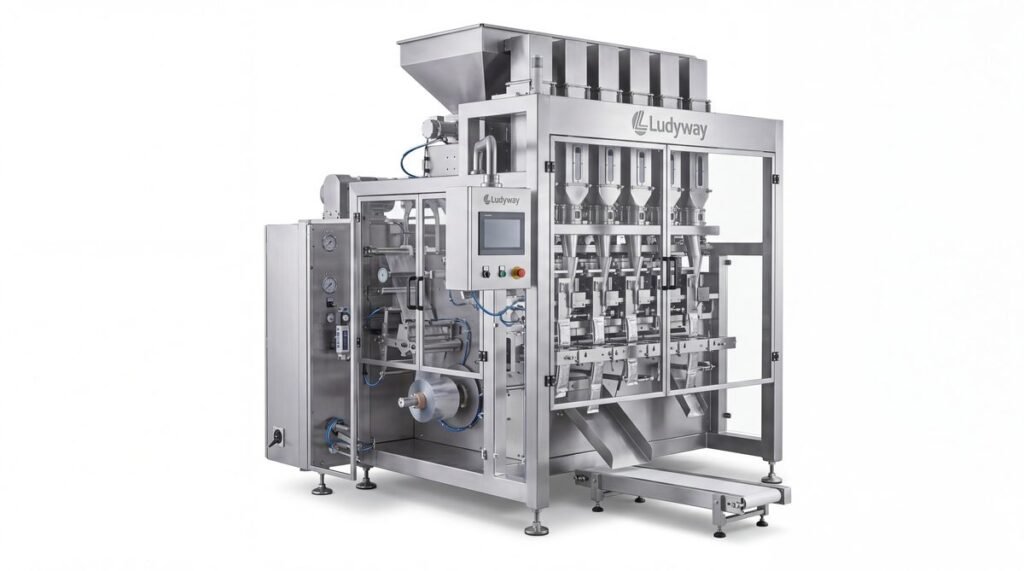
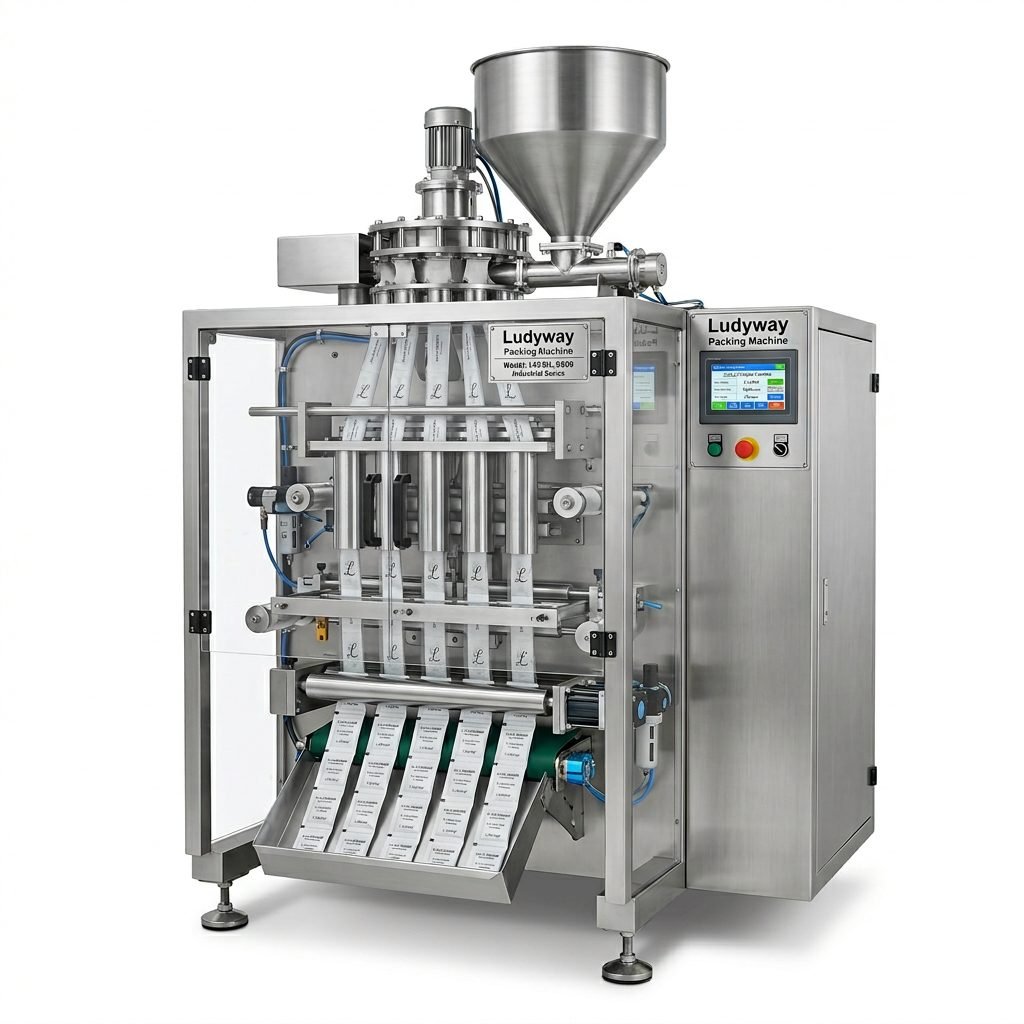
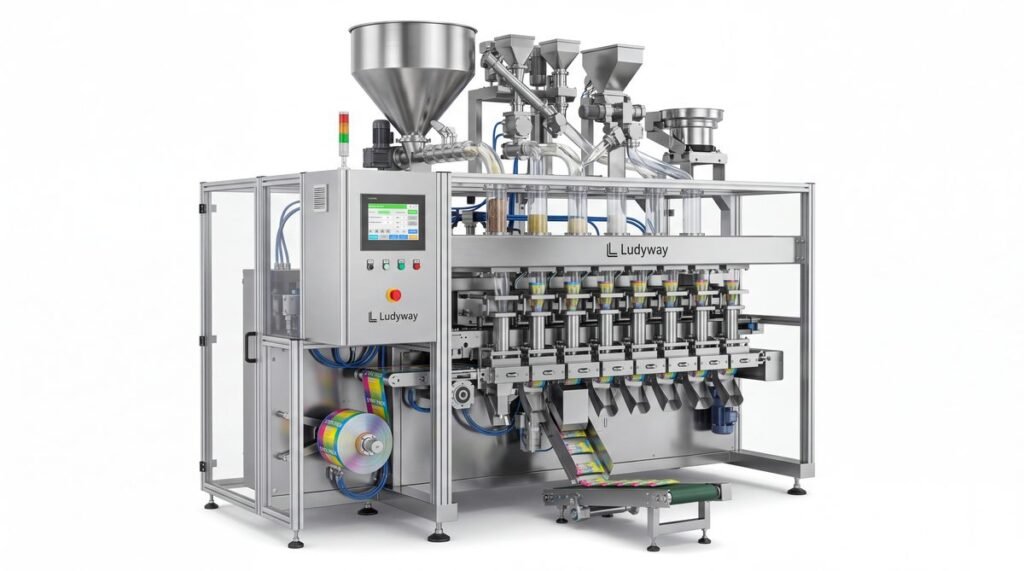
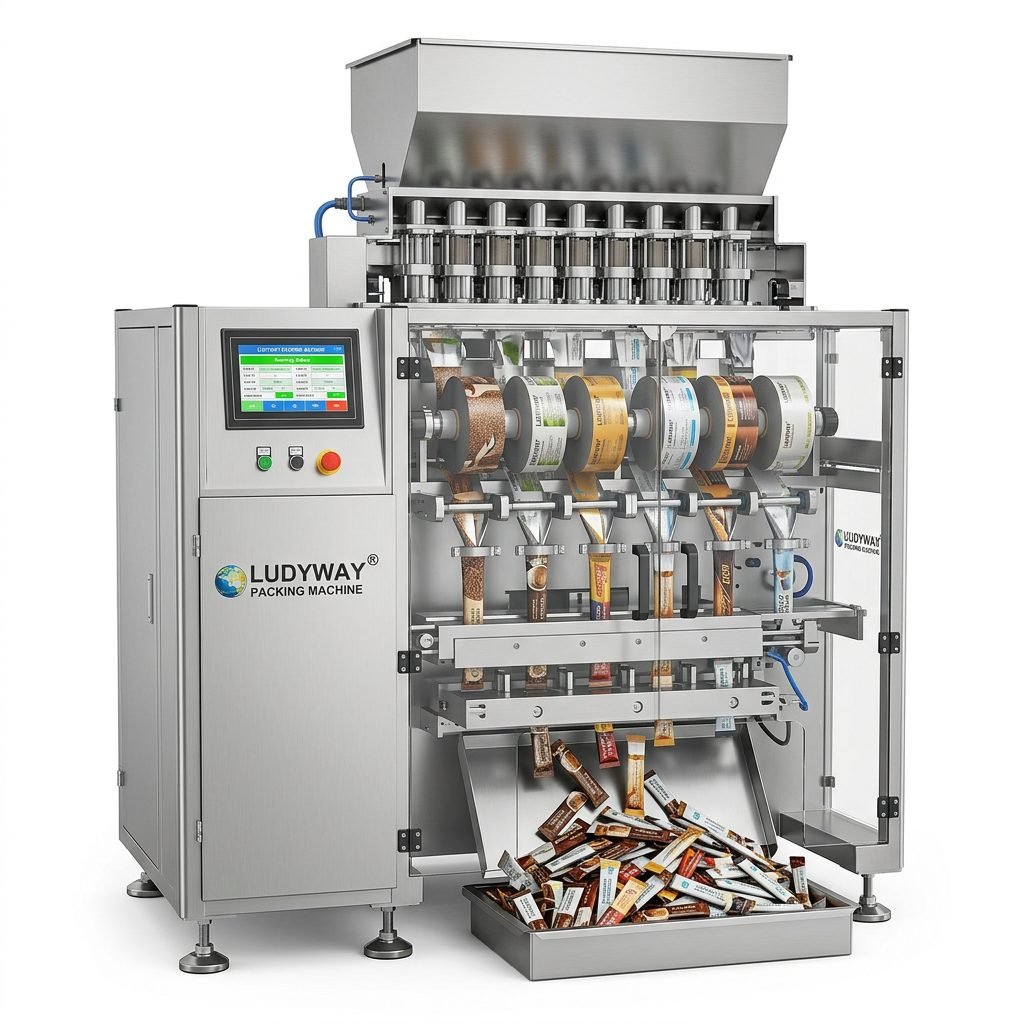
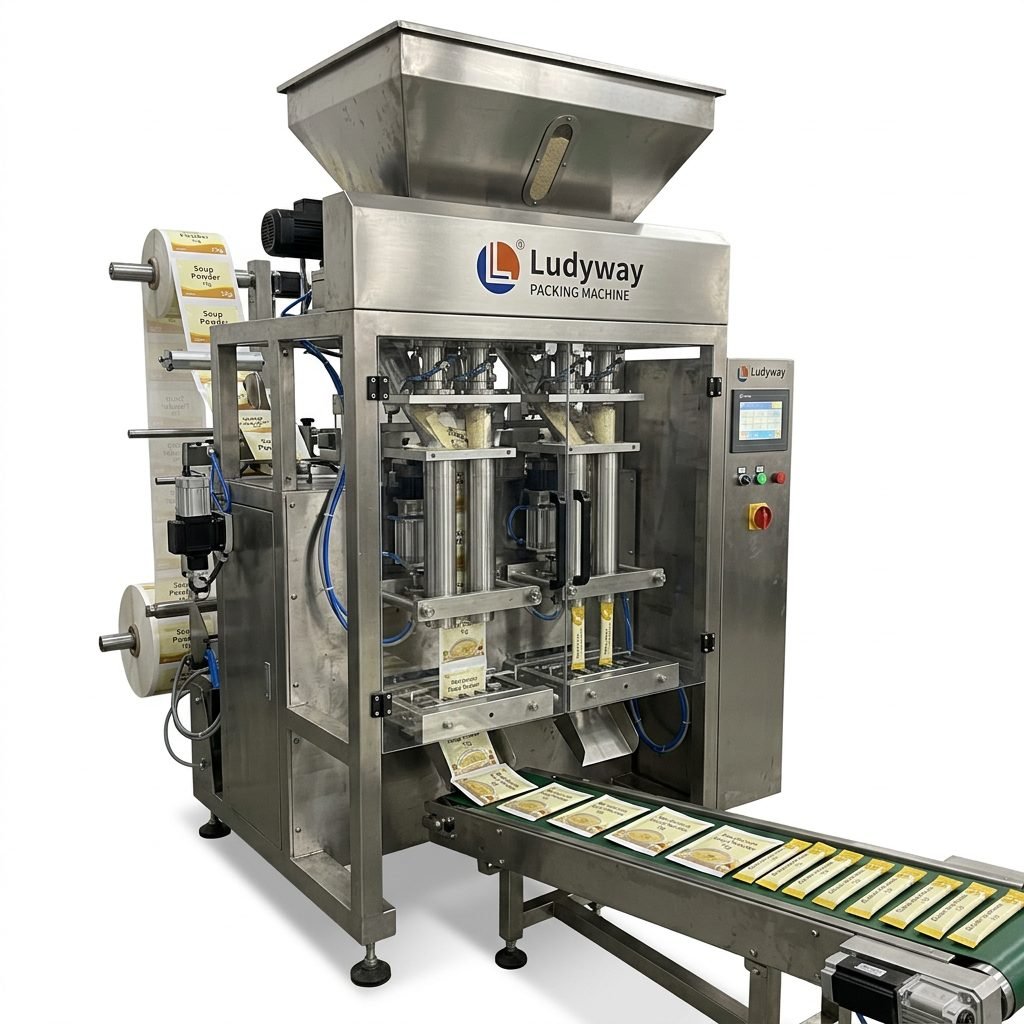
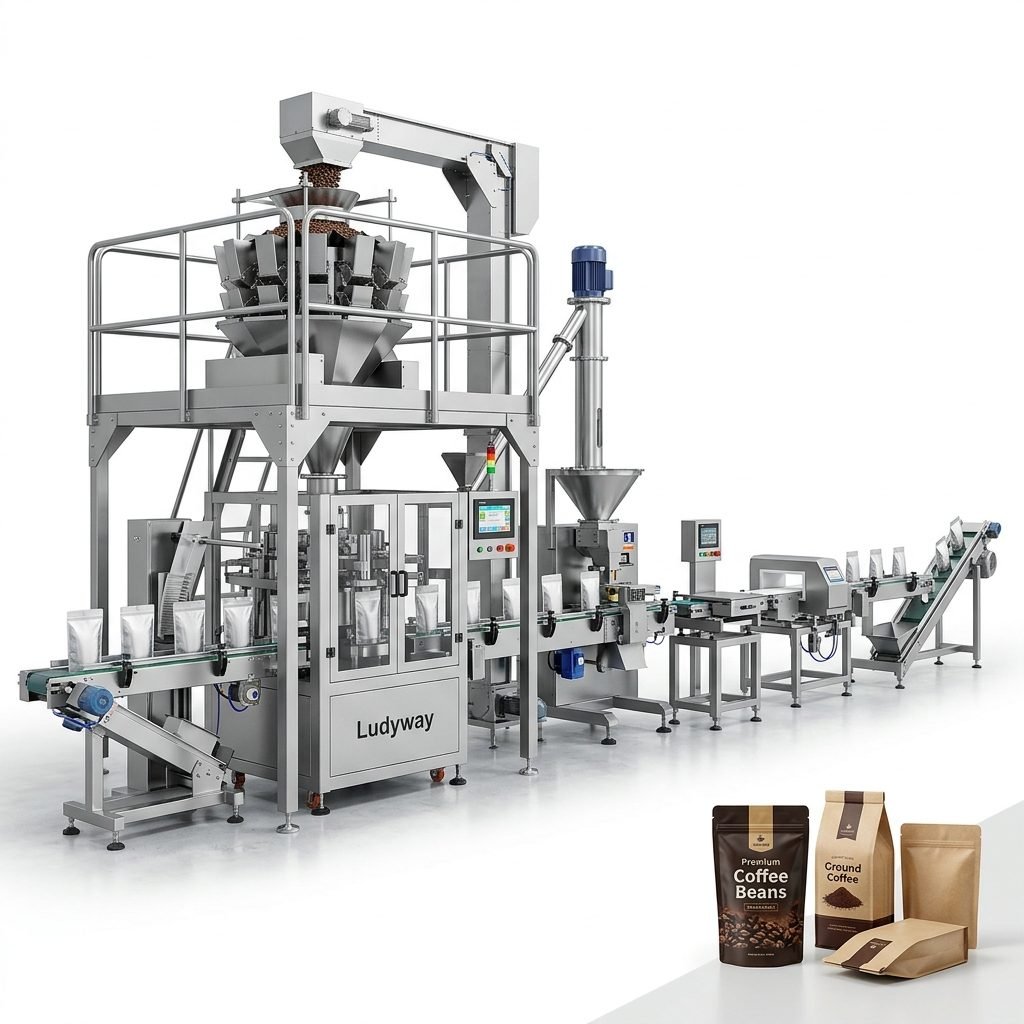
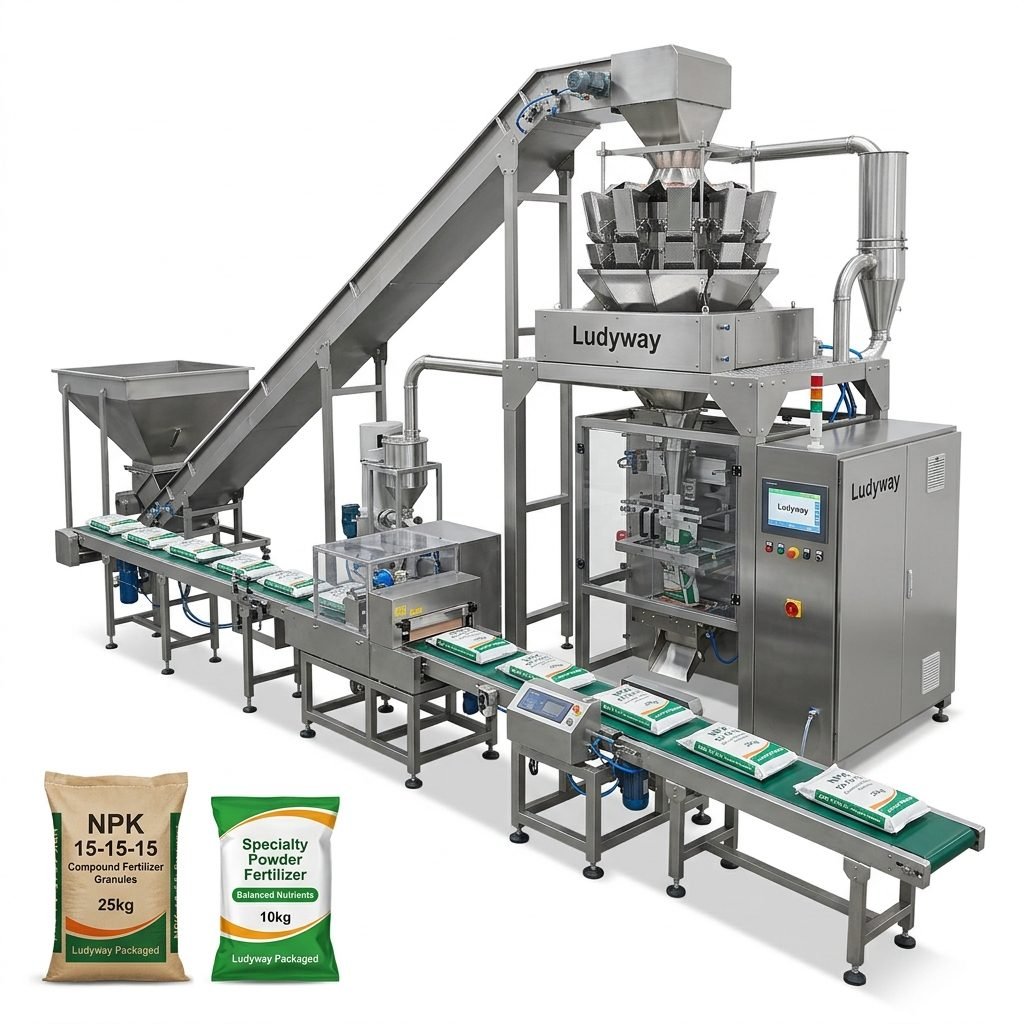
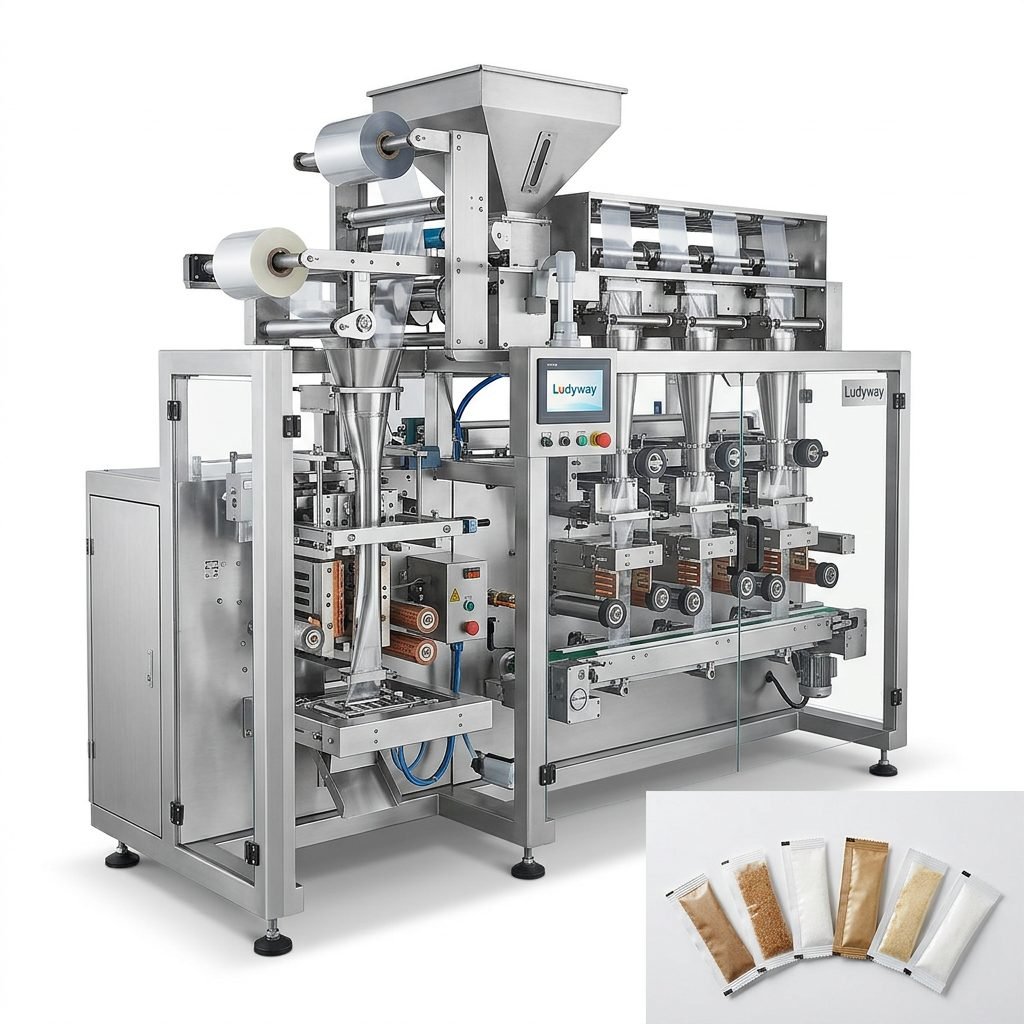
A sugar granule packaging machine is an automated system designed to dose, fill, form, seal, and package granulated sugar into retail or industrial-ready formats such as stick packs, sachets, pouches, and larger bags. For buyers, the machine is more than a filling device—it is a production asset that directly affects output, pack consistency, product hygiene, labor costs, and long-term profitability.
Whether you pack white sugar, brown sugar, rock sugar granules, sweetener blends, or sugar substitutes, choosing the right machine requires a clear understanding of packaging formats, dosing methods, output targets, material compatibility, and supplier support.
What Does a Sugar Granule Packaging Machine Do?
In simple terms, the machine measures a preset amount of sugar and packs it into sealed containers or flexible packaging materials. Depending on the machine type, the process may include:
- Automatic feeding of sugar granules from a hopper or conveyor
- Accurate weighing or volumetric dosing
- Bag or sachet forming
- Filling the product into the package
- Heat sealing
- Date coding or batch printing
- Counting, cartoning, or case packing as part of a complete line
This type of equipment is widely used in the food, beverage, hospitality, retail, and private-label industries where speed, cleanliness, and dosing accuracy are essential.
Common Sugar Products That Can Be Packed
Not all sugar products behave the same during filling. Buyers should first define the exact product characteristics before selecting equipment.
| Product Type | Flow Characteristics | Typical Packaging Formats |
|---|---|---|
| White granulated sugar | Free-flowing, stable | Stick packs, sachets, pillow bags, bulk bags |
| Brown sugar granules | May be slightly sticky depending on moisture | Sachets, pouches, larger retail bags |
| Powdered sugar | Fine, dusty, lower flowability | Sachets, pouches, cartons with inner bags |
| Sweetener blends | Varies by formulation | Single-serve sticks, sachets, small pouches |
| Rock sugar mini granules | Coarser particle size | Pouches, jars, premade bags |
Main Types of Sugar Packaging Machines
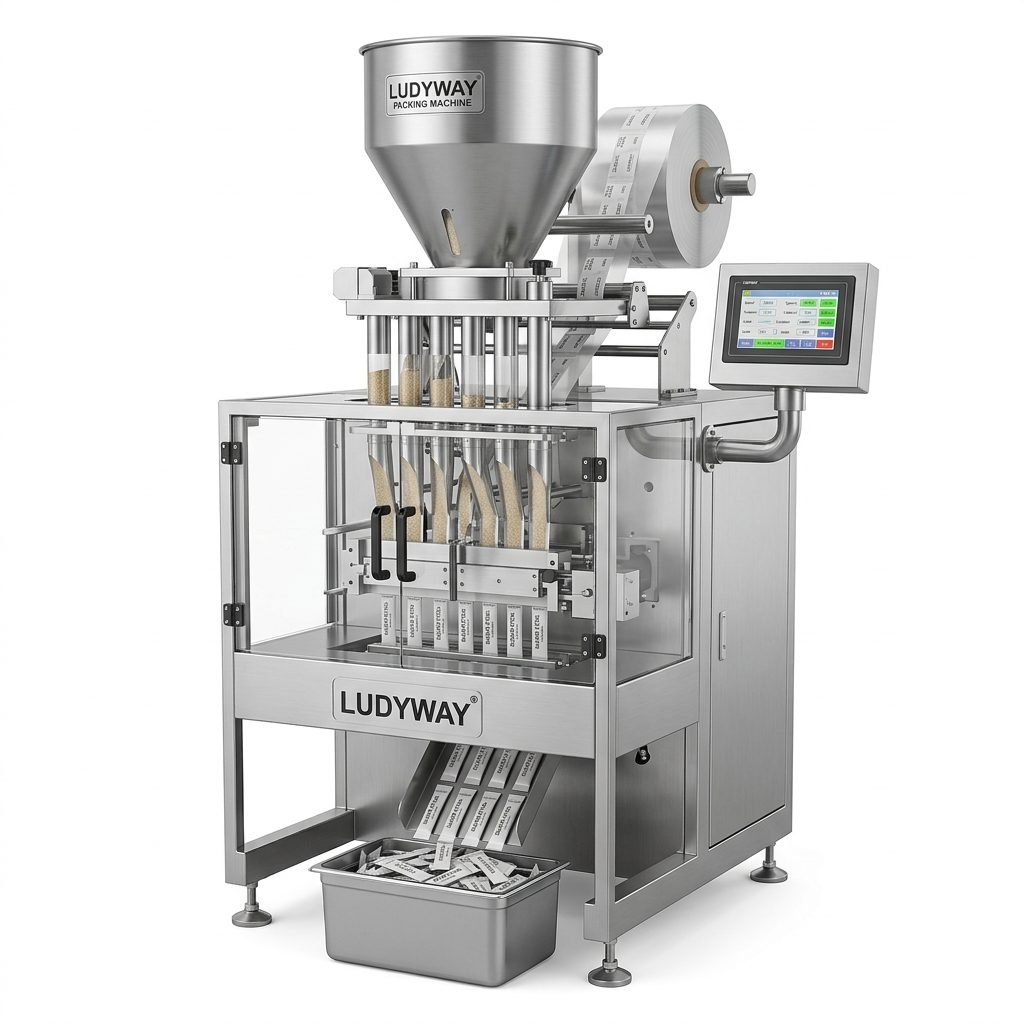
1. Stick Pack Machines
These are ideal for single-serve sugar packs used in hotels, airlines, coffee shops, restaurants, and vending channels. They produce narrow, elongated packs with excellent shelf appearance and efficient material use.
- Best for: 2g to 10g sugar servings
- Advantages: high speed, compact retail format, good branding surface
- Common users: food service brands and private-label producers
2. Sachet Packaging Machines
Sachet machines create 3-side or 4-side sealed packs. They are common for portioned sugar, sweeteners, and powdered beverage additives.
- Best for: small to medium dose applications
- Advantages: flexible bag shape, easy retail presentation
- Suitable for: sugar, sweetener mixes, and related granule products
3. Vertical Form Fill Seal Machines
Vertical packaging machines are widely used for larger pillow bags or gusset bags. They are practical for retail sugar bags, family packs, or industrial supply packs.
- Best for: larger pack sizes
- Advantages: strong versatility, scalable production, efficient bag making
- Often integrated with multihead weighers or cup fillers
4. Premade Pouch Filling Machines
If your packaging design requires stand-up pouches, zipper pouches, or premium retail packs, premade pouch equipment may be the better fit.
- Best for: value-added retail products
- Advantages: premium look, flexible pouch structures, easier brand differentiation
- Common for: brown sugar, specialty sugars, and blended sweeteners
How the Machine Measures Sugar
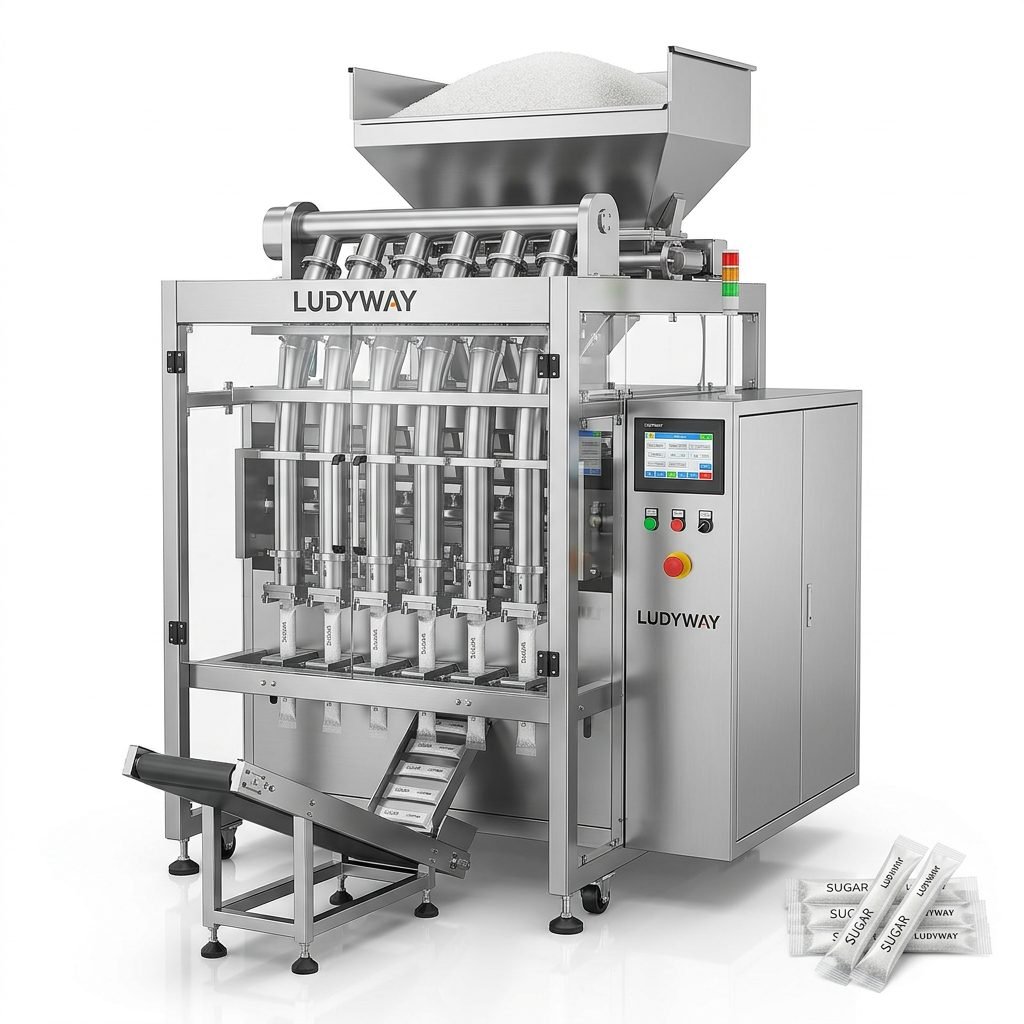
Dosing accuracy is one of the most important buying factors. Overfilling wastes product, while underfilling can lead to customer complaints and compliance issues.
Volumetric Cup Filling
This method is common for free-flowing sugar granules. It is cost-effective and fast, making it suitable for standard sugar portion packs.
Weighing Systems
Electronic weighing systems are used when higher precision is required. These are often preferred for premium products or where filling tolerance is tightly controlled.
Auger Filling
Though more common for powders, auger systems may be used when sugar products are very fine or not fully free-flowing.
Key Components of a Sugar Granule Packaging Machine
- Product hopper for sugar storage before dosing
- Feeding system such as screw feeder, elevator, or vibratory feeder
- Dosing unit for volume or weight measurement
- Bag forming system or pouch transfer mechanism
- Sealing jaws for secure closure
- PLC and touchscreen control system
- Date printer or coding device
- Discharge conveyor or collection table
- Optional inspection systems such as checkweigher or metal detector
Who Needs This Equipment?
Sugar packaging machines are used by a wide range of businesses, including:
- Sugar producers and refiners
- Food ingredient suppliers
- Coffee and tea service brands
- Hotel and catering supply companies
- Supermarket private-label packers
- Sweetener and health product manufacturers
- Contract packers
Important Buying Factors to Evaluate
Packaging Format
Before comparing suppliers, define whether you need stick packs, sachets, pillow bags, or premade pouches. The right machine depends first on the final pack style.
Product Characteristics
Consider granule size, moisture level, flowability, dust generation, and sensitivity to crushing. Brown sugar and blended sweeteners may require different handling than standard white granulated sugar.
Output Capacity
Match machine speed to your real production target. Buying too small limits growth; buying too large can increase investment and operating cost unnecessarily.
Accuracy Requirements
For high-volume single-serve packaging, even a small fill deviation can create significant material loss over time.
Packaging Material Compatibility
Confirm the machine can run your selected film or pouch material, including laminated films, recyclable films, or paper-based structures if needed.
Hygiene and Cleaning
Food-grade design matters. Stainless steel contact parts, easy cleaning access, and dust management features help maintain a cleaner operation.
Automation Level
Some buyers need only a stand-alone packer, while others need a complete automatic line including feeding, conveying, coding, inspection, cartoning, and case packing.
| Buying Factor | Why It Matters | Buyer Question |
|---|---|---|
| Pack size range | Determines machine suitability and tooling | Can one machine handle multiple SKUs? |
| Speed | Affects productivity and ROI | What is the stable running speed, not just max speed? |
| Accuracy | Controls product giveaway and compliance | What filling tolerance can be achieved? |
| Material compatibility | Prevents sealing or forming issues | Has the machine been tested with my film? |
| After-sales support | Reduces downtime risk | How are installation, training, and spare parts handled? |
Advantages of Using an Automatic Sugar Packaging Machine
- Higher efficiency than manual or semi-automatic packing
- Better fill consistency across every pack
- Improved hygiene and lower contamination risk
- Reduced labor dependence
- Cleaner seals and more professional pack appearance
- Easier batch traceability with coding systems
- Scalability for future production growth
Potential Challenges Buyers Should Know
While sugar is usually easy to handle, buyers should still account for practical production issues:
- Humidity can affect sugar flow and sealing performance
- Very fine sugar may create dust during filling
- Brown sugar may bridge or clump if moisture is high
- Low-quality film can cause sealing failures
- Inaccurate feeders increase product giveaway
- Poor machine access makes cleaning slower
How to Choose the Right Supplier
A strong machine design is important, but supplier capability is equally critical. Buyers should evaluate manufacturing experience, export experience, customization ability, and technical support.
If you are looking for an experienced manufacturer of sugar, granule, powder, and sachet packaging systems, Ludyway sugar granule packaging machine solutions are often considered by buyers seeking scalable stand-alone machines and turnkey packaging lines. Founded in 1993, the company has more than 30 years of industry experience, a factory of over 20,000 square meters, and broad export coverage across Europe, North America, the Middle East, South America, Africa, and Southeast Asia.
Questions to Ask Before You Buy
- What sugar type has the machine already handled successfully?
- What is the actual production speed under stable conditions?
- What filling accuracy can be guaranteed?
- Can the machine produce multiple pack sizes?
- How long does changeover take?
- What spare parts should be stocked locally?
- Is remote technical support available?
- Can the supplier provide FAT testing with my product and film?
- What certifications and food-grade materials are used?
- Can the machine be expanded into a complete line later?
A Simple Buyer Checklist
- Define product type and granule properties
- Confirm required pack format and dimensions
- Estimate hourly and daily output goals
- Set acceptable filling tolerance
- Check available workshop space and utilities
- Review automation requirements
- Request sample testing
- Compare warranty and service capability
- Evaluate long-term operating cost, not only purchase price
Final Buying Insight
A sugar granule packaging machine is a specialized packaging solution built to deliver fast, accurate, and hygienic sugar packing for single-serve, retail, or bulk applications. The best choice depends on your sugar type, target pack style, speed requirements, and expansion plan. Buyers who focus on product compatibility, stable performance, and supplier support usually achieve better long-term value than those who compare price alone.
If you are sourcing for new production or upgrading an existing line, start with real product testing, define your packaging goals clearly, and choose a supplier that can support both your current needs and future growth.