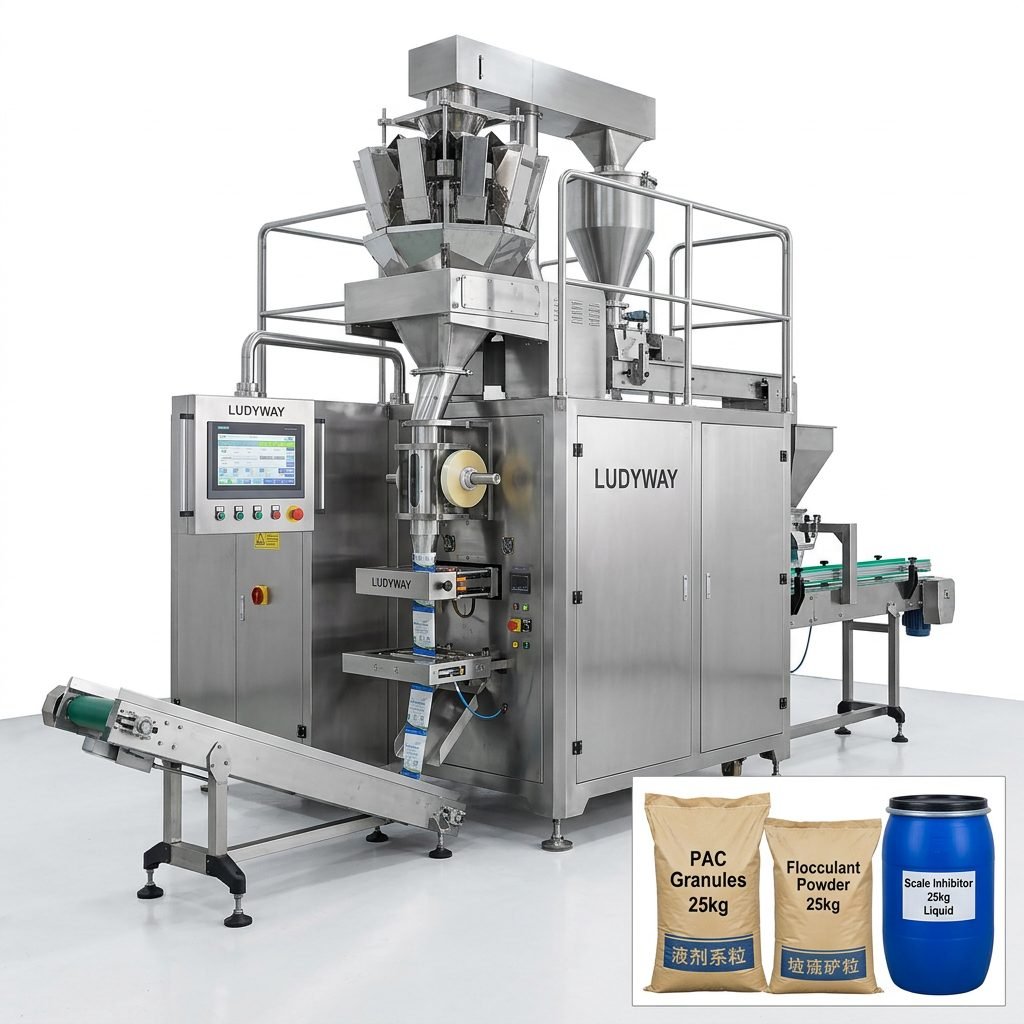
The confectionery industry across Africa is experiencing remarkable growth, driven by rising disposable incomes, rapid urbanization, and a young, expanding population. Establishing a candy bar packaging production line on the continent presents a significant opportunity for manufacturers and investors looking to serve both local and export markets. This guide walks you through every critical step — from market assessment and equipment selection to regulatory compliance and supply chain optimization — so you can set up a successful, efficient operation.
Understanding the African Candy Market Opportunity
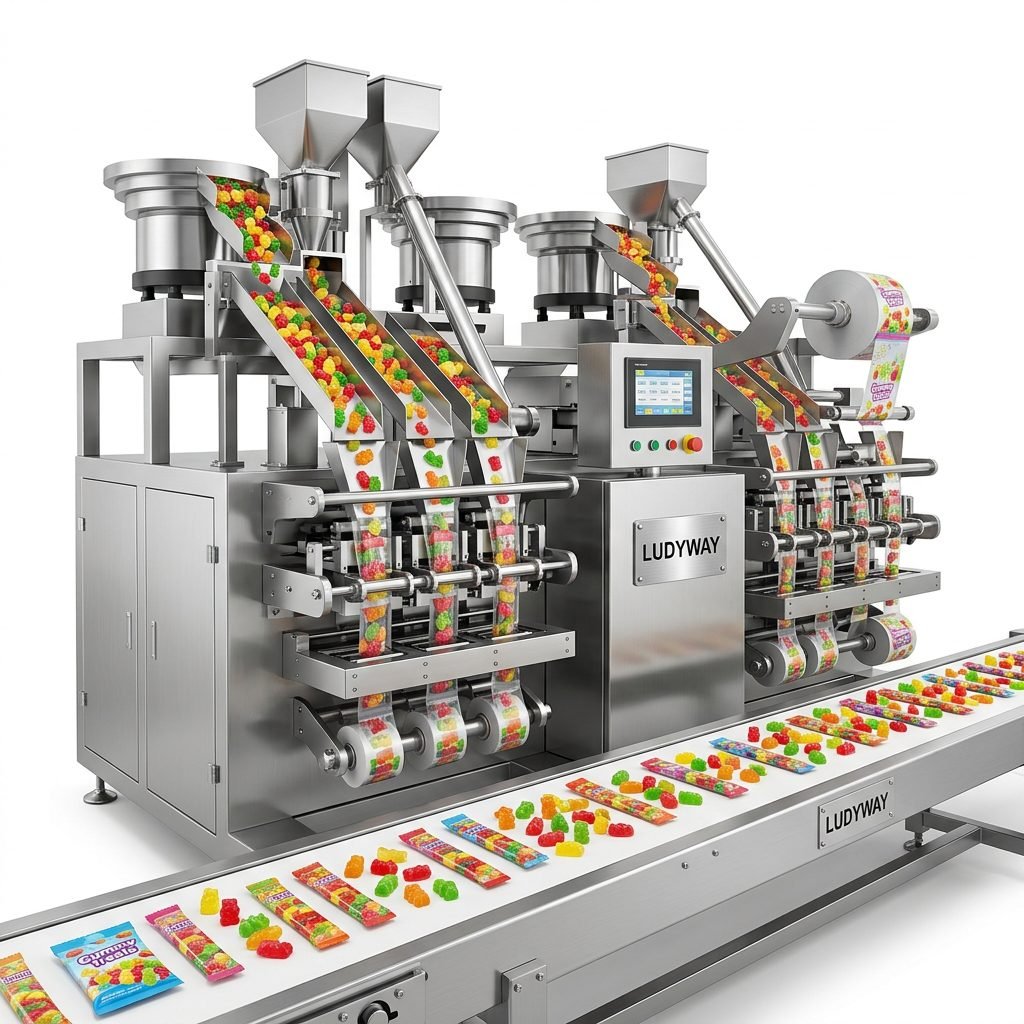
Before investing in machinery and infrastructure, it is essential to grasp the scale and dynamics of Africa’s confectionery sector. The continent imports a substantial volume of packaged candy products, but domestic manufacturing is on the rise. Countries such as Nigeria, Kenya, South Africa, Ghana, and Ethiopia are emerging as key production hubs. Consumers increasingly favor individually wrapped, branded candy bars over loose alternatives, creating sustained demand for high-quality packaging solutions. Market research should focus on local taste preferences, popular product formats (sachets, stick packs, flow wraps), and pricing structures that align with target consumer segments.
Choosing the Right Location for Your Production Line
Site selection directly impacts operational costs, logistics efficiency, and access to raw materials. Key factors to evaluate include proximity to major transport corridors, availability of reliable utilities (electricity, water, compressed air), and access to a skilled or trainable workforce. Many manufacturers opt for special economic zones (SEZs) or industrial parks, which often provide tax incentives, streamlined customs procedures, and improved infrastructure. East and West Africa are currently attracting significant investment due to their growing consumer bases and improving business climates.
Essential Equipment for a Candy Bar Packaging Production Line
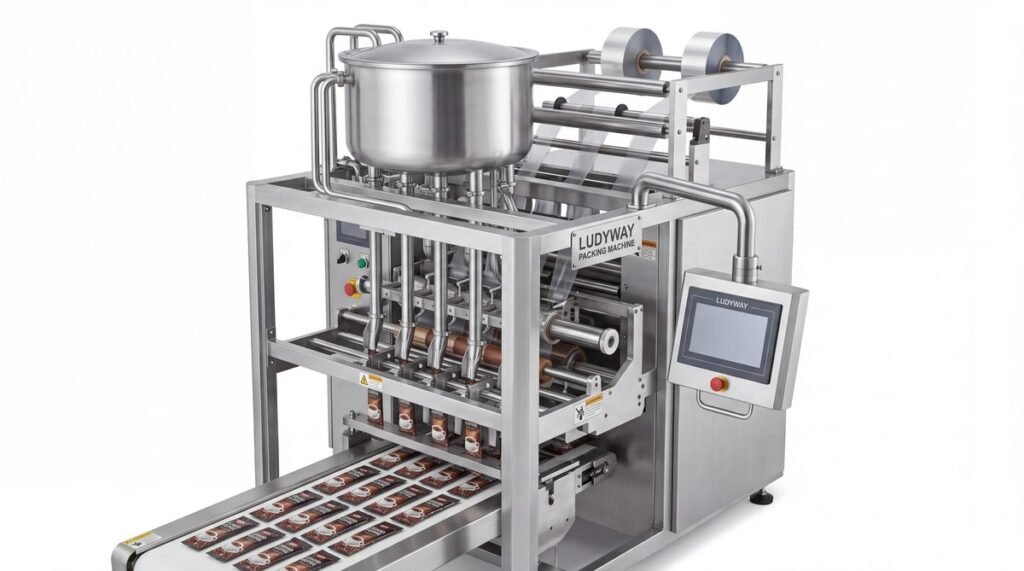
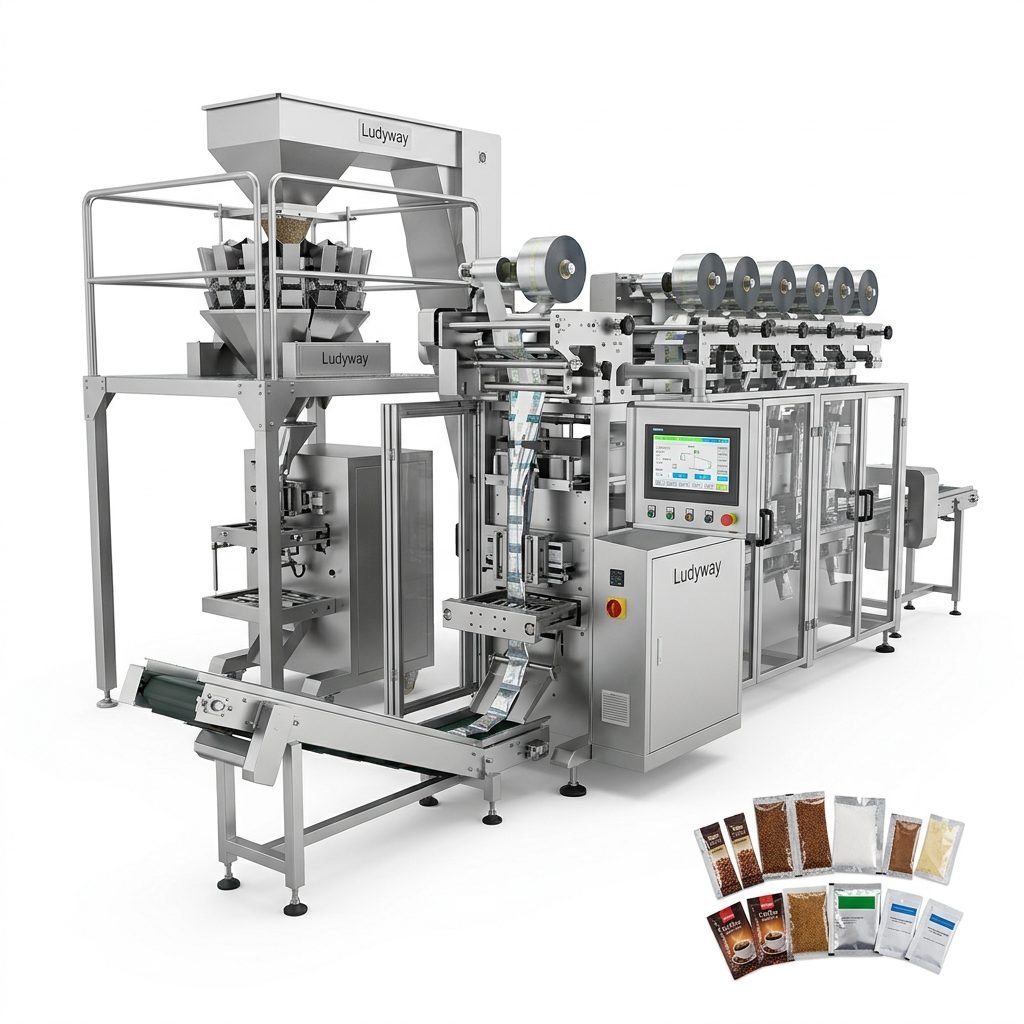
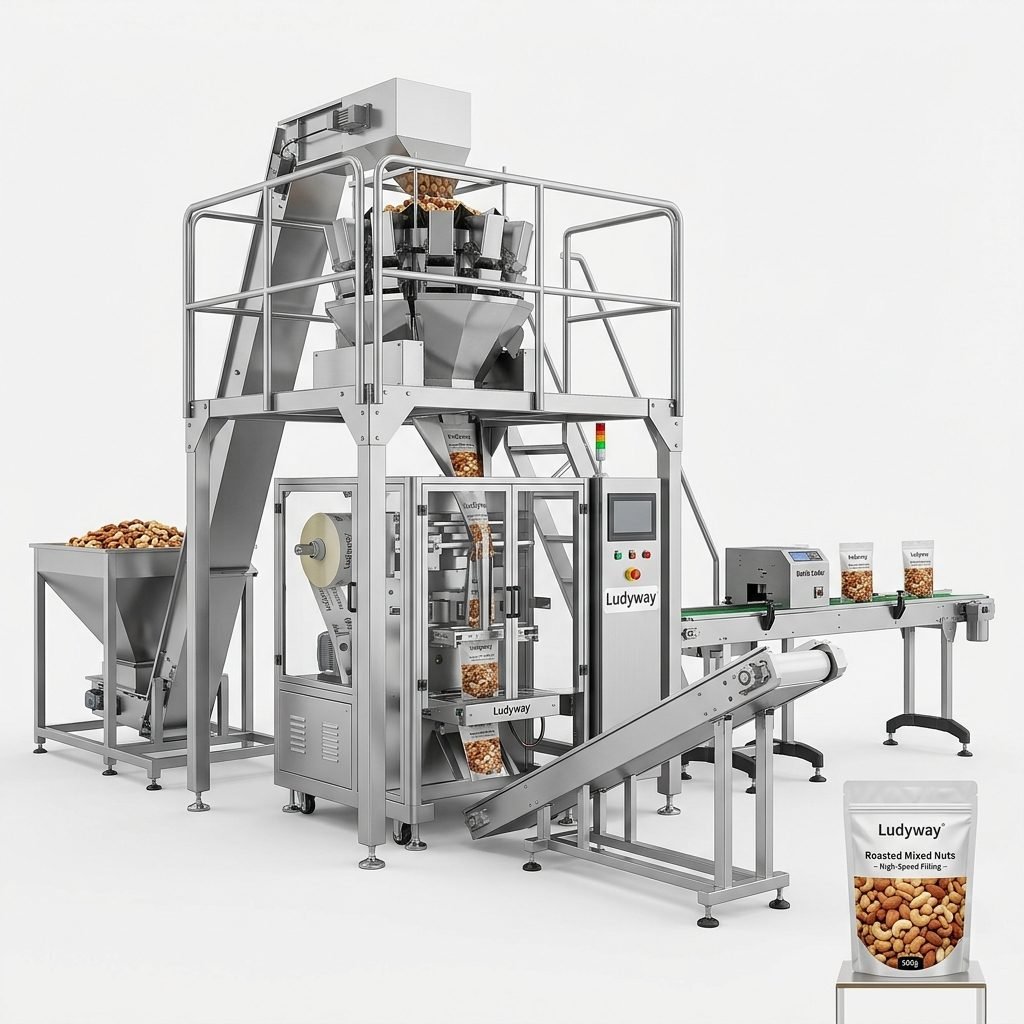
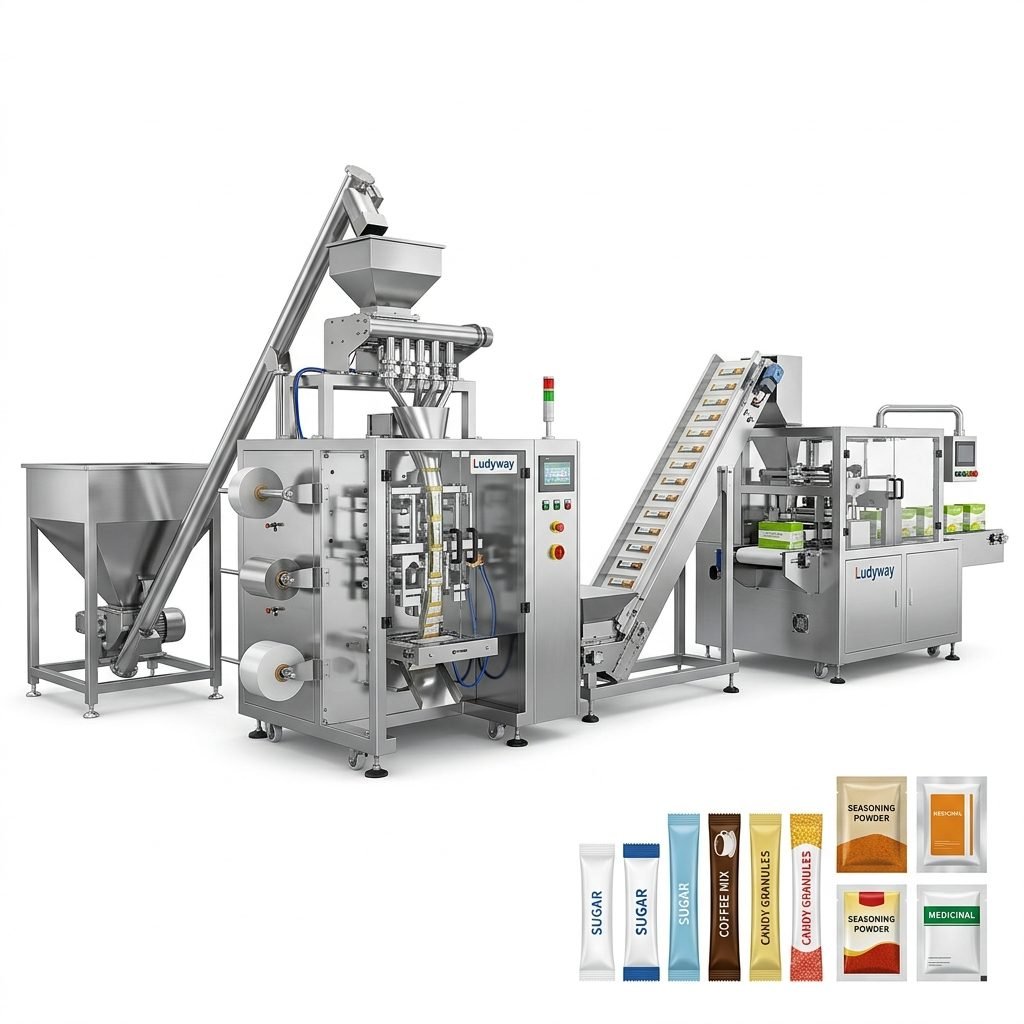
A complete candy bar packaging line typically integrates multiple machines working in sequence. The core equipment includes feeding systems, primary packaging machines, and secondary packaging units. Below is a breakdown of the key machinery required:
| Equipment Type | Function | Key Considerations |
|---|---|---|
| Feeding & Dosing System | Accurately measures candy pieces, granules, or powders into each pack | Multi-head weighers or volumetric fillers depending on product type |
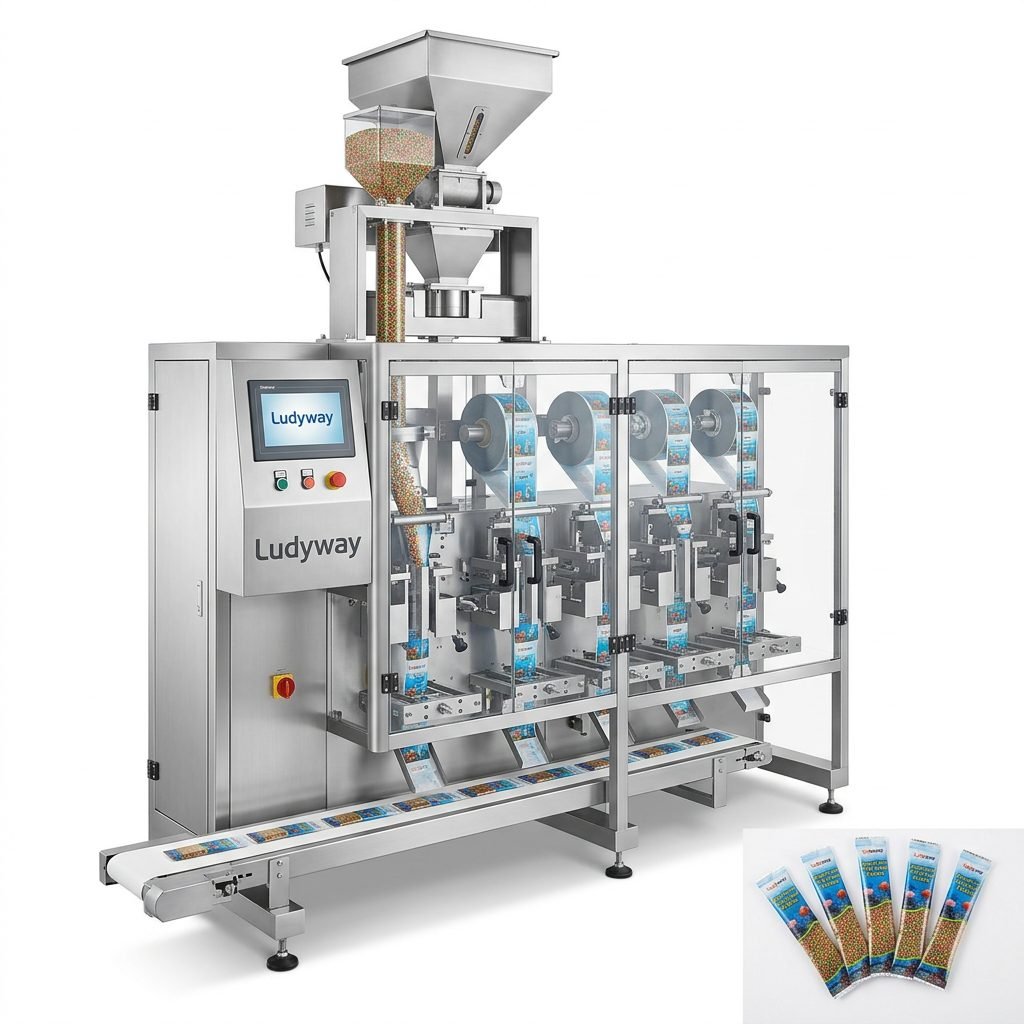
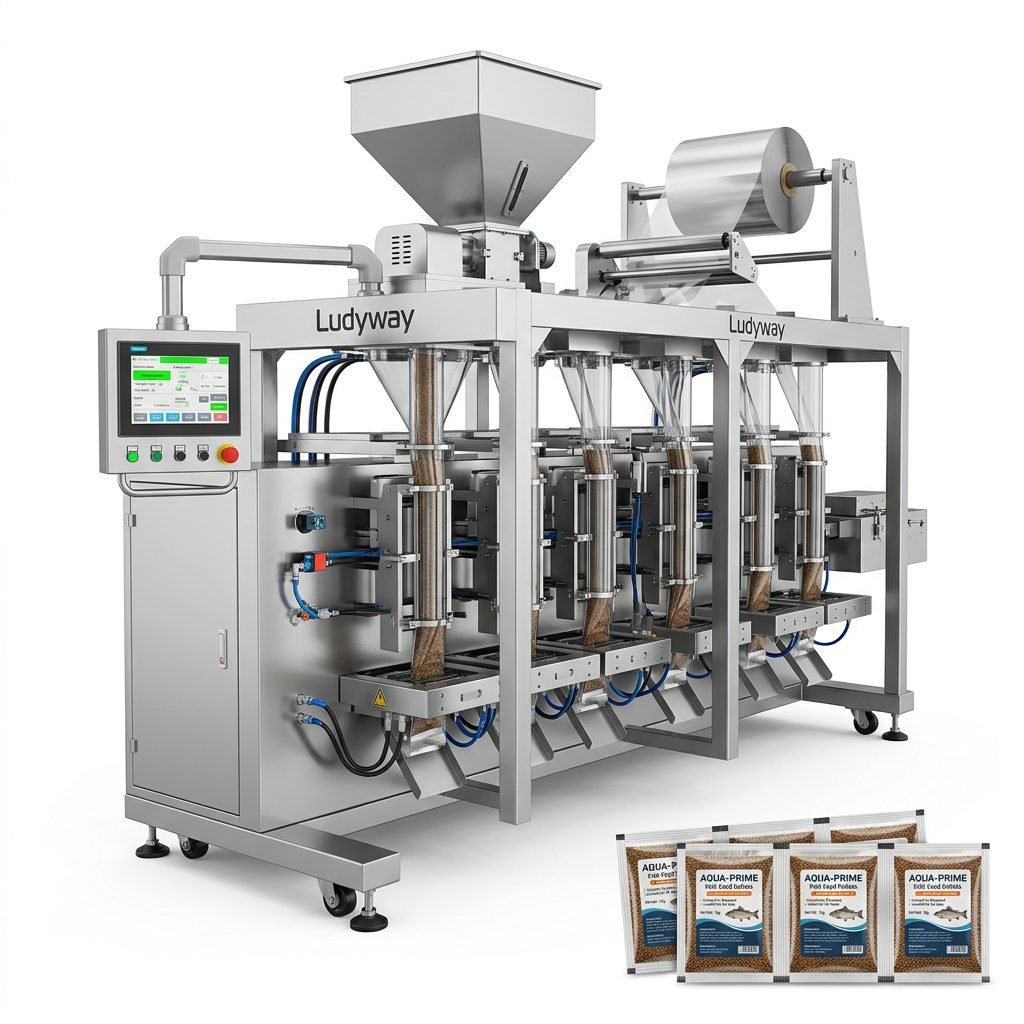
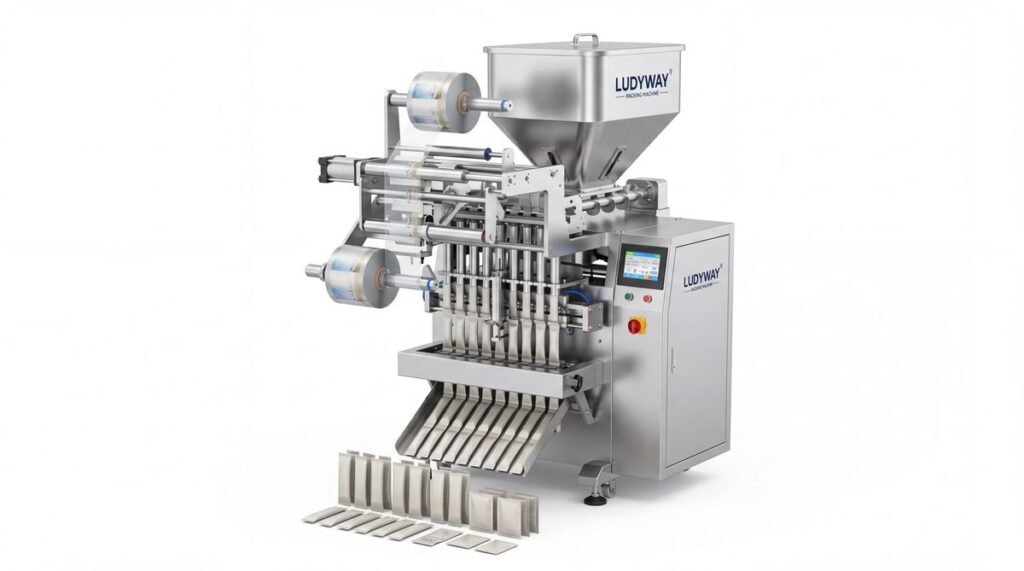
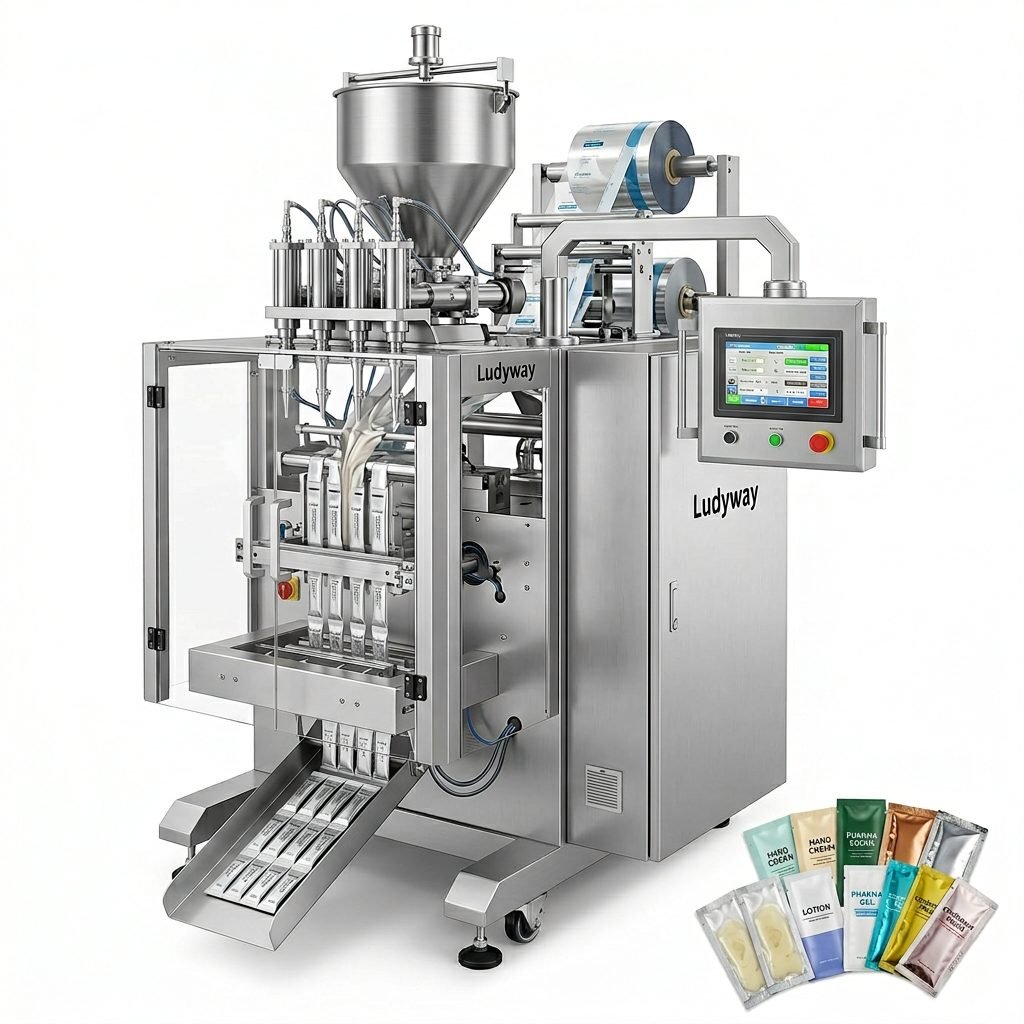
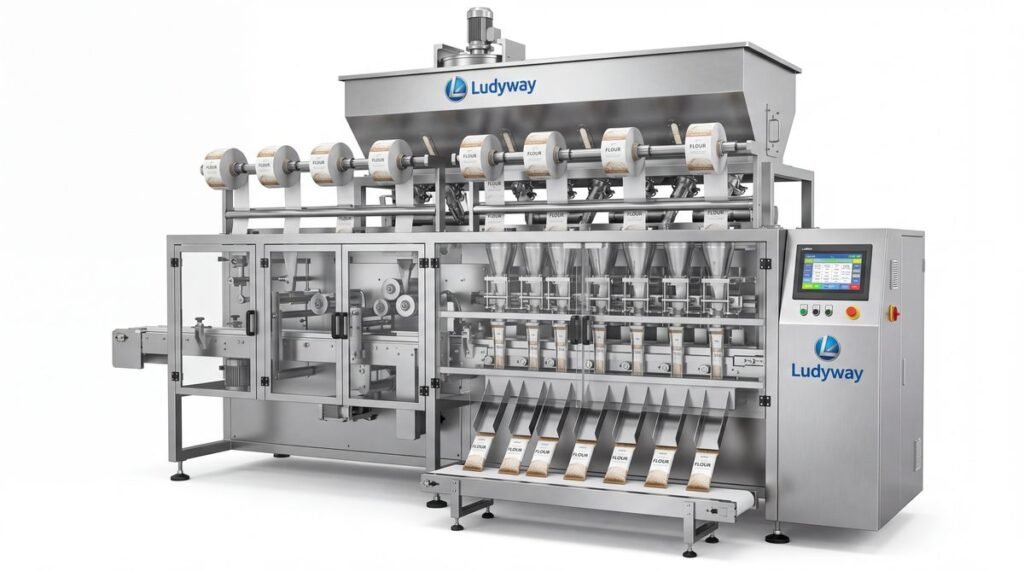
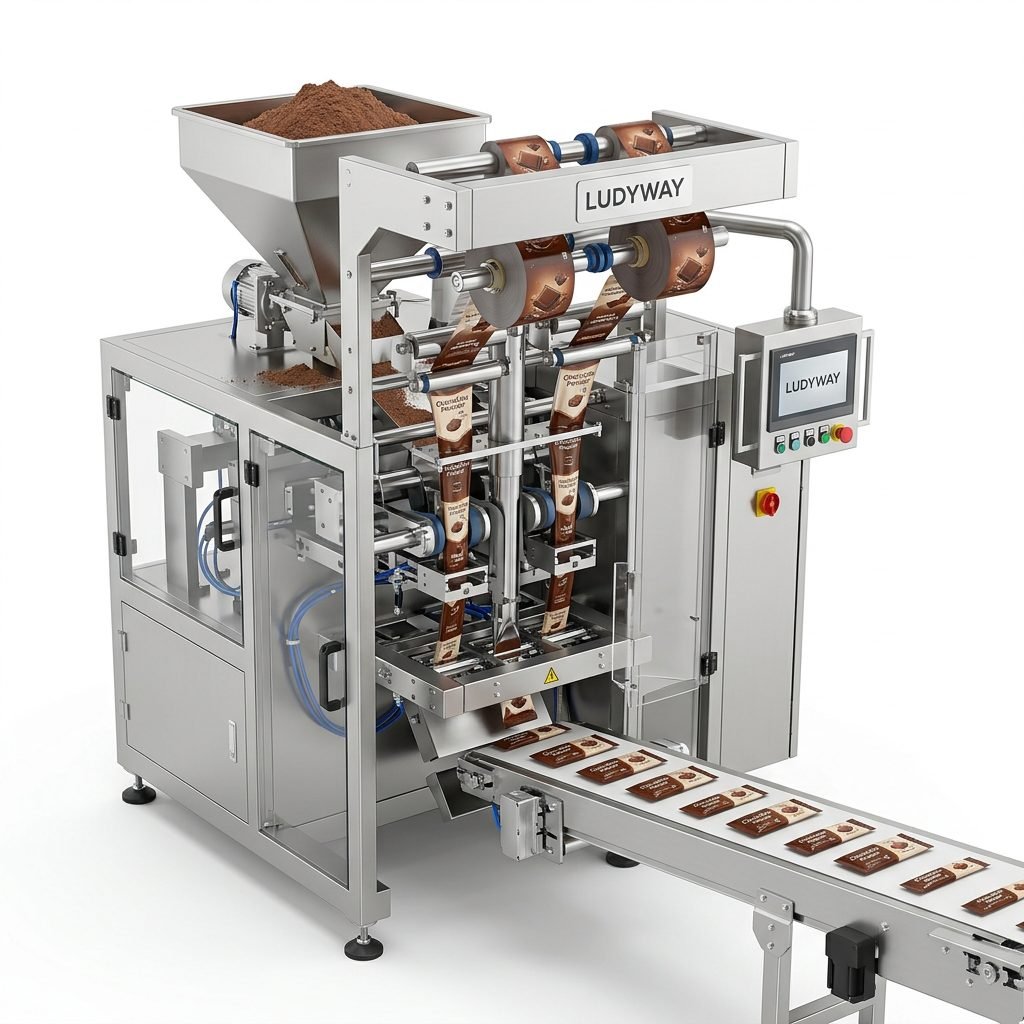
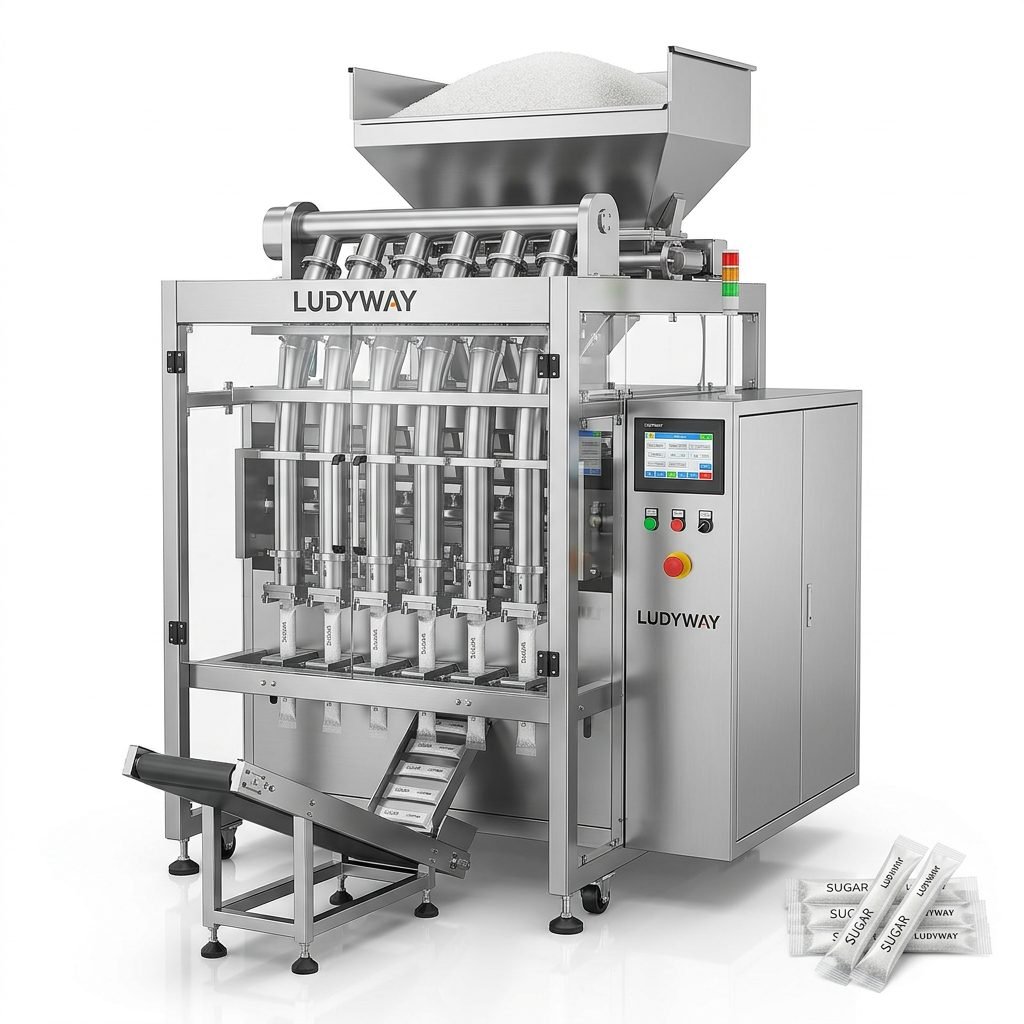
| Stick Pack / Sachet Machine | Forms, fills, and seals individual stick packs or sachets | Multi-lane models increase throughput; consider 4 to 12 lanes |
| Flow Wrapping Machine | Wraps candy bars in film for a classic bar format | Ideal for chocolate-coated or solid candy bars |
| Cartoning Machine | Packs finished sachets or bars into cartons for retail display | Automated carton erectors and sealers boost line efficiency |
| Checkweigher & Metal Detector | Ensures weight accuracy and detects contaminants | Critical for food packaging safety regulations compliance |
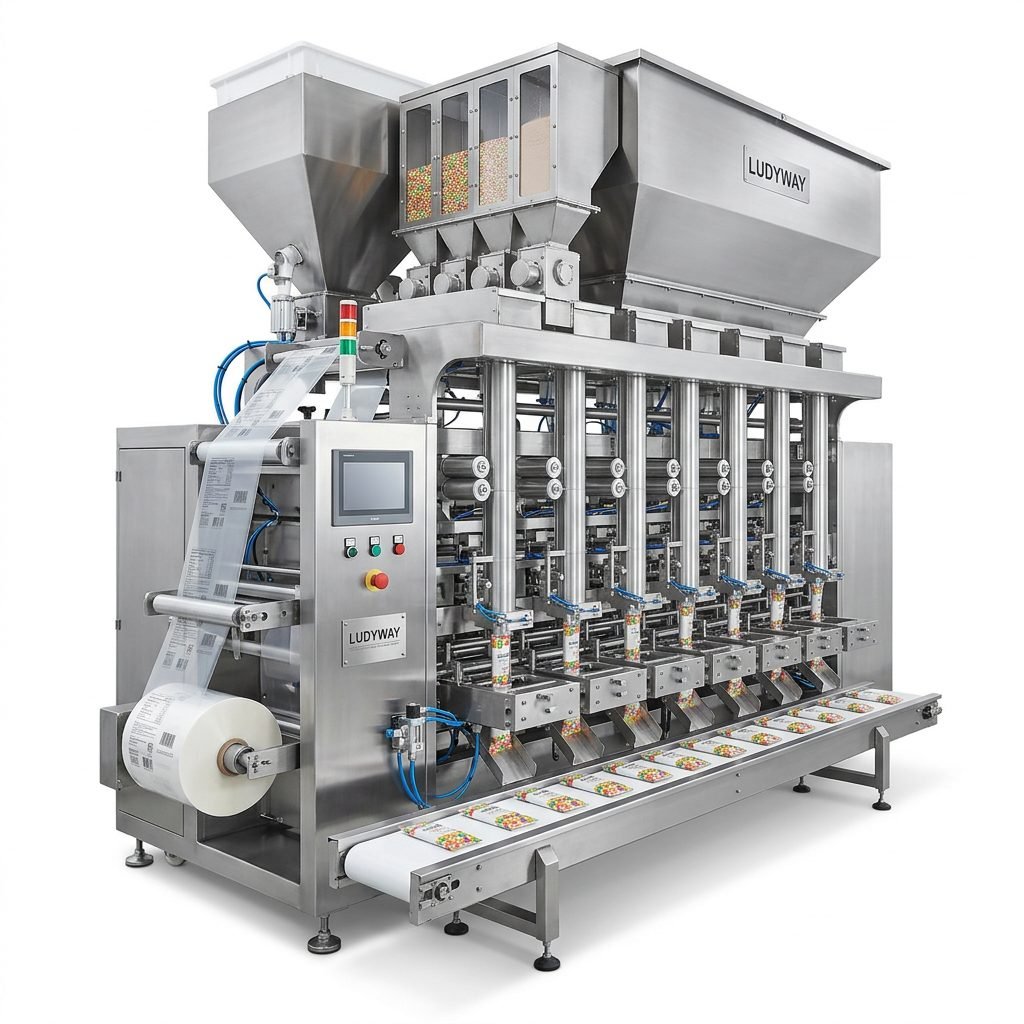
When selecting equipment for an African production line, prioritize durability, ease of maintenance, and availability of local technical support. Machines designed with international packaging standards in mind tend to perform more reliably in varied operating conditions. Multi-lane stick pack and sachet systems are especially popular for candy applications because they deliver high output while minimizing film waste.
Production Line Layout and Workflow Design
An efficient floor plan minimizes material handling, reduces bottlenecks, and supports high-speed continuous production. The layout should follow a logical flow: raw material intake → feeding → primary packaging → quality inspection → secondary packaging → palletizing. Consider the following when designing your layout:
- Linear or U-shaped configuration to optimize operator access and supervision
- Adequate clearance around each machine for maintenance and cleaning
- Dedicated zones for raw material staging, finished goods storage, and quality control
- Proper ventilation and dust control for powder or granule-based candy products
- Future expansion space to accommodate additional lanes or downstream equipment
Calculating Production Capacity Requirements
Your target output — measured in packs per minute — determines the number of lanes and the speed rating of each machine. A 4-lane stick pack machine running at 40–60 packs per lane per minute can produce approximately 9,600–14,400 packs per hour. Match this capacity to your projected sales volume, allowing for at least 20% headroom to accommodate peak demand periods and future growth.
Quality Control and Food Safety Standards
Maintaining consistent product quality is non-negotiable in the confectionery business. Implement a Hazard Analysis and Critical Control Points (HACCP) plan tailored to your production environment. Key quality checkpoints should include:
- Incoming raw material inspection — verify ingredient quality and packaging material specifications
- In-line weight monitoring — use automatic checkweighers to reject underweight or overweight packs
- Seal integrity testing — perform regular burst tests and visual inspections to prevent leaks
- Metal detection and X-ray inspection — safeguard against physical contaminants
- Batch traceability — implement coding and marking systems for full product traceability
Adherence to packaging machinery standards and flexible packaging best practices helps ensure your products meet both local and international market requirements.
Supply Chain and Raw Material Sourcing
Securing a reliable supply of packaging film, cartons, and confectionery ingredients is critical to uninterrupted production. Establish relationships with multiple suppliers to mitigate risks. For packaging materials, consider sourcing from regional suppliers in Africa where possible to reduce lead times and import duties. Key materials include:
- Laminated films (PET/AL/PE, BOPP/CPP) for moisture and oxygen barrier protection
- Food-grade inks and adhesives compliant with relevant safety regulations
- Corrugated cartons and shrink wrap for secondary and tertiary packaging
- Sugar, cocoa, glucose syrup, flavorings, and other core ingredients
Regulatory Compliance and Certifications
Each African country has its own regulatory framework for food manufacturing and packaging. Common requirements include registration with national food and drug authorities, compliance with labeling regulations, and obtaining Good Manufacturing Practice (GMP) certification. For export-oriented production lines, additional certifications such as ISO 22000, FSSC 22000, or BRCGS may be necessary. Engage local legal and regulatory consultants early in the planning process to navigate country-specific requirements efficiently. The ISO packaging standards provide a globally recognized framework that can streamline multi-market compliance efforts.
Partnering with Reliable Equipment Suppliers
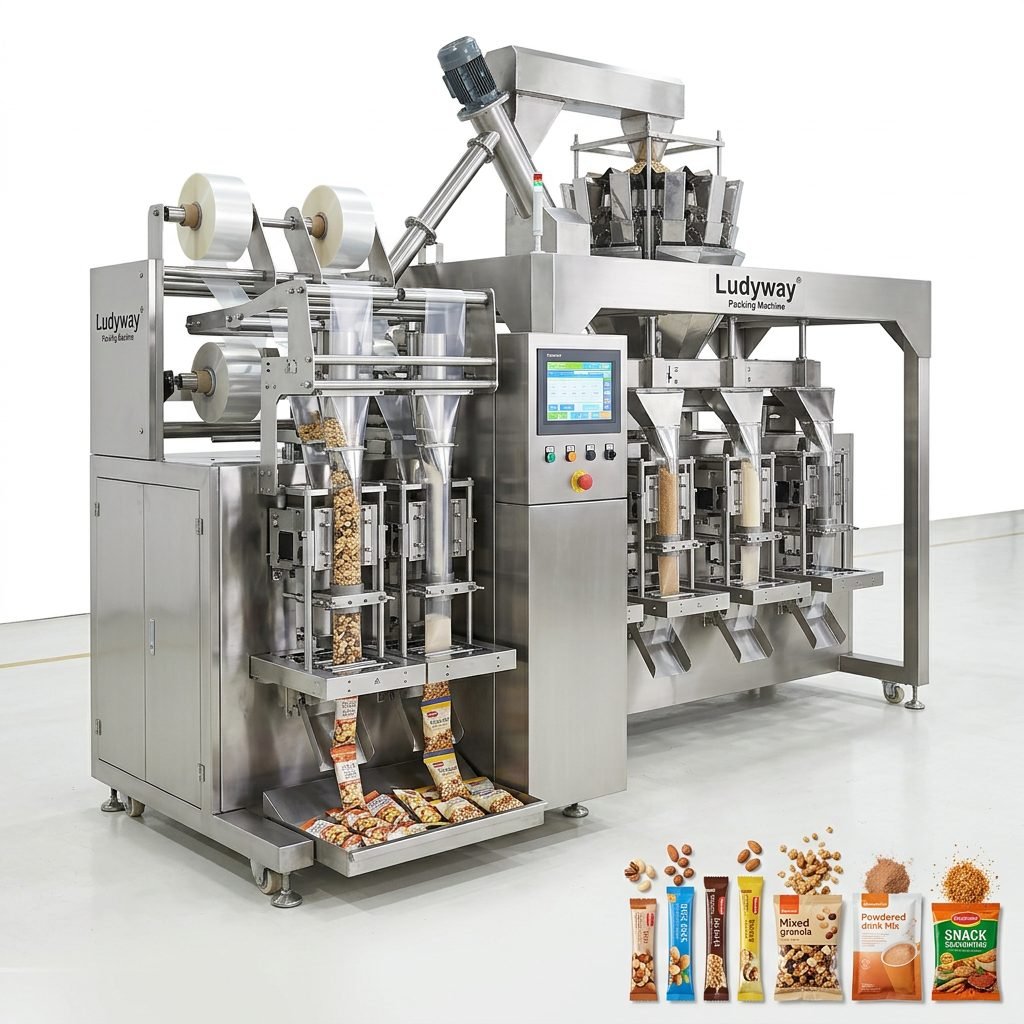
Choosing the right machinery partner can make or break your project. Look for suppliers with proven experience in turnkey packaging line installations, particularly in emerging markets. Evaluate potential partners based on machine quality, after-sales support, spare parts availability, and willingness to provide operator training. For businesses exploring cost-effective yet high-performance options, companies like Ludyway — one of China’s largest packaging machine manufacturers with over 30 years of experience and a presence in more than 100 countries — offer a broad range of multi-lane stick pack, sachet, and fully automated packaging systems designed to meet diverse production needs.
Cost Estimation and Budget Planning
A realistic budget should account for both capital expenditure (CAPEX) and operating expenditure (OPEX). Below is an indicative cost framework for a mid-scale candy bar packaging line in Africa:
| Cost Category | Estimated Range (USD) | Notes |
|---|---|---|
| Packaging Machinery | $80,000 – $250,000 | Depends on lane count, automation level, and features |
| Facility Setup & Utilities | $50,000 – $150,000 | Includes electrical, compressed air, HVAC, and cleanroom requirements |
| Installation & Commissioning | $15,000 – $40,000 | Supplier-provided or local engineering support |
| Initial Raw Materials | $30,000 – $80,000 | First 2–3 months of packaging film, ingredients, and consumables |
| Training & Workforce | $10,000 – $25,000 | Operator training programs and initial staffing costs |
These figures are indicative and vary significantly based on the scale of operations, country of setup, and specific equipment configurations. Always request detailed quotations from multiple suppliers and factor in shipping, import duties, and local taxes when finalizing your budget.
Staffing, Training, and Operational Management
Investing in your team pays long-term dividends. Key roles for a candy bar packaging line include:
- Production Manager — oversees daily operations and output targets
- Machine Operators — run, monitor, and perform basic maintenance on packaging equipment
- Quality Assurance Technicians — conduct inspections, testing, and documentation
- Maintenance Engineers — handle preventive maintenance and troubleshooting
- Warehouse and Logistics Staff — manage raw materials, finished goods, and dispatch
Comprehensive operator training — ideally conducted by the equipment supplier during installation and commissioning — significantly reduces downtime and improves overall equipment effectiveness (OEE). Ongoing skills development programs help retain talent and maintain consistent production quality.
Marketing and Distribution Strategies for African Markets
Once your production line is operational, a well-planned go-to-market strategy ensures your candy bars reach consumers effectively. Consider the following approaches:
- Traditional retail channels — kiosks, open markets, and small independent shops dominate in many African countries
- Modern supermarkets and hypermarkets — growing rapidly in urban centers across the continent
- Wholesale distributors — partner with established distributors for wider geographic coverage
- E-commerce and social commerce — an emerging channel, especially among younger, tech-savvy consumers
- Export markets — leverage Africa’s trade agreements (such as AfCFTA) to access neighboring countries
Conclusion: Turning Opportunity into Reality
Setting up a candy bar packaging production line in Africa is a strategic investment that taps into one of the world’s fastest-growing consumer markets. Success depends on careful planning across multiple dimensions — from selecting the right location and machinery to building a robust supply chain and ensuring regulatory compliance. By following the structured approach outlined in this guide, engaging with experienced equipment suppliers, and staying attuned to local market dynamics, you can build a profitable and sustainable confectionery packaging operation that serves African consumers and beyond.