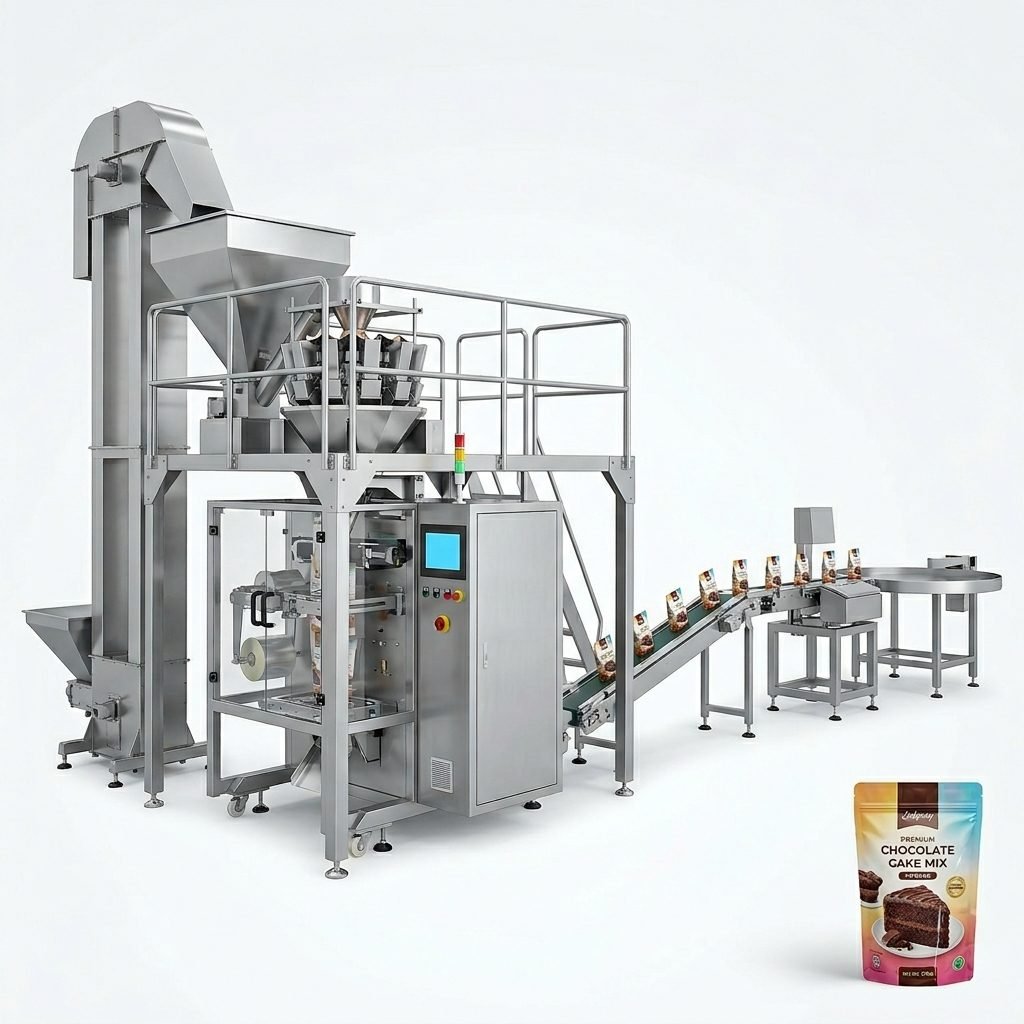
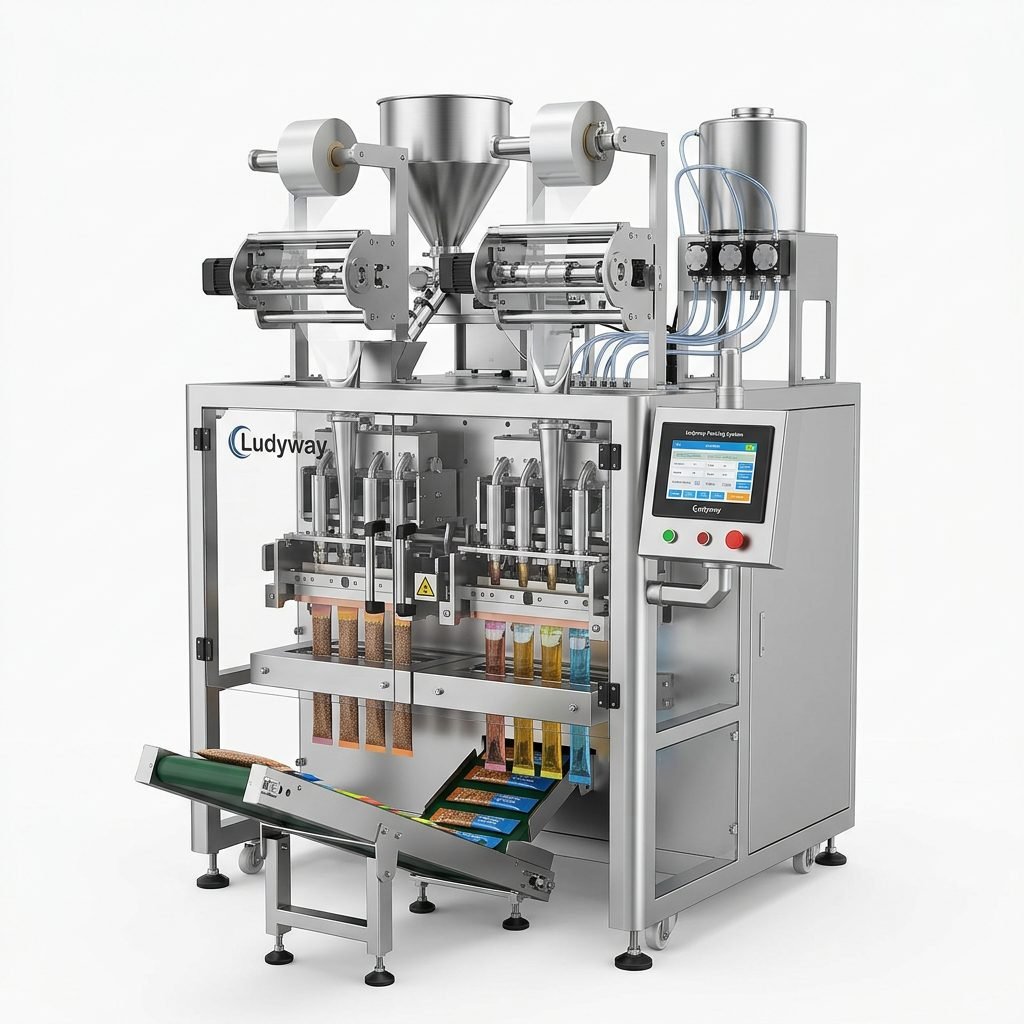
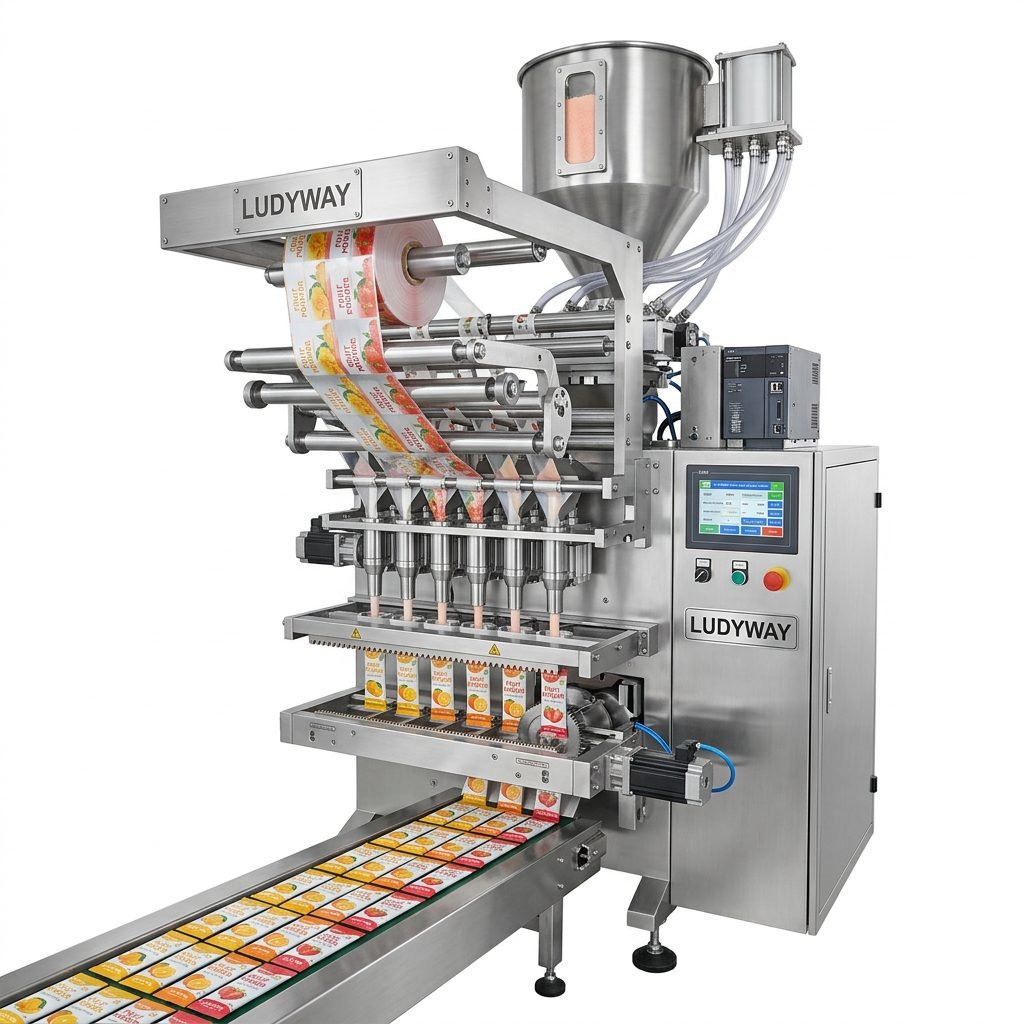
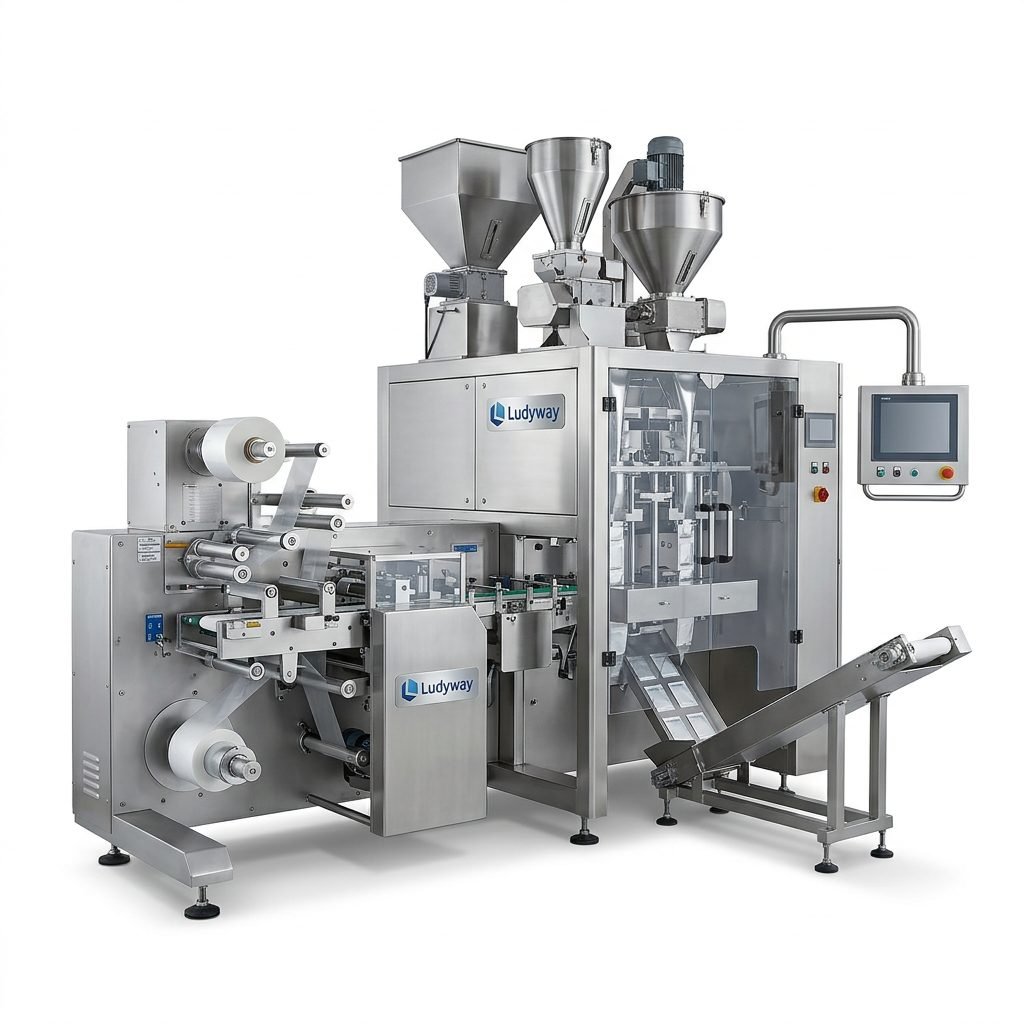
In the fast-paced world of manufacturing, efficiency and precision are paramount. For businesses handling granular, powdered, or liquid products—from instant coffee and protein powders to pharmaceuticals and condiments—chub packaging equipment represents a cornerstone of modern production. This versatile form of packaging, often seen in tube-like pouches sealed at both ends, offers excellent product protection, extended shelf life, and consumer-friendly convenience. Selecting the right system, however, is a critical decision that impacts your operational flow, output quality, and bottom line.
Understanding Chub Packaging Equipment
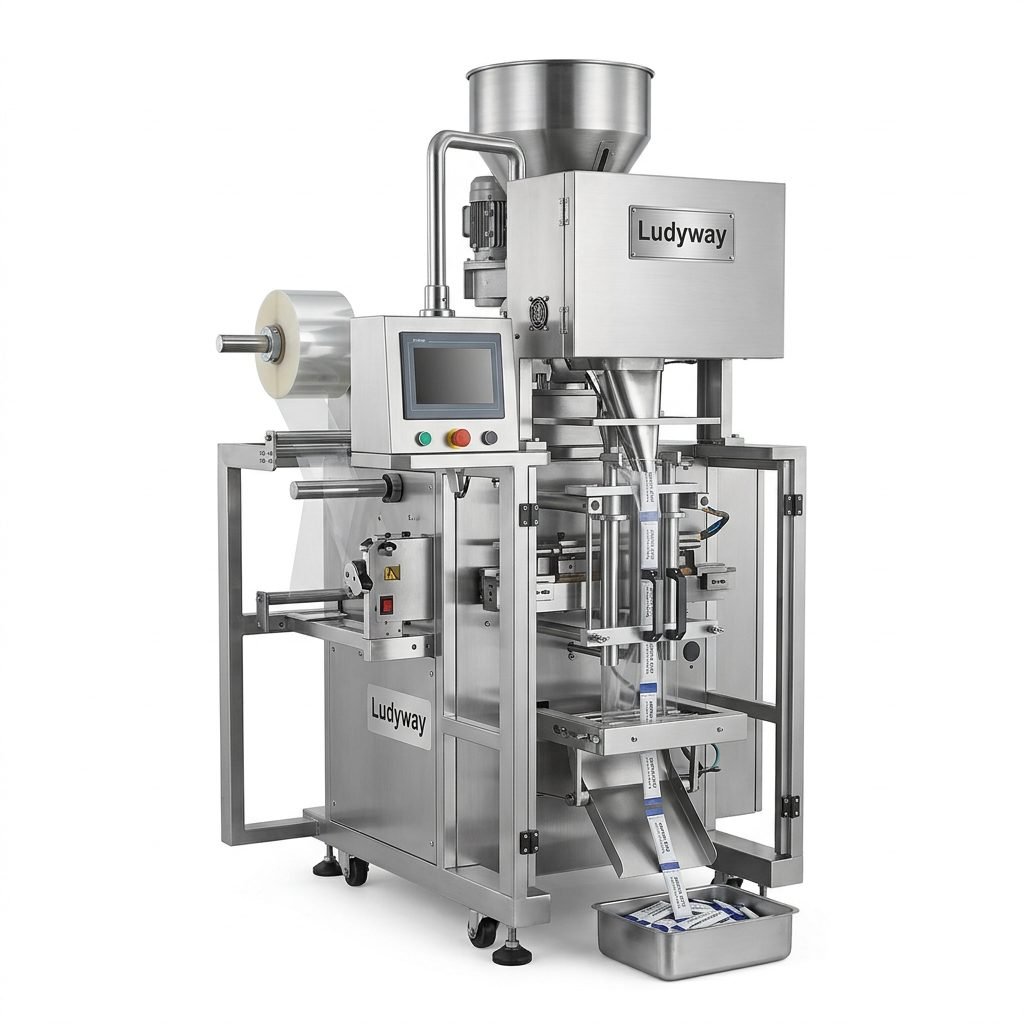
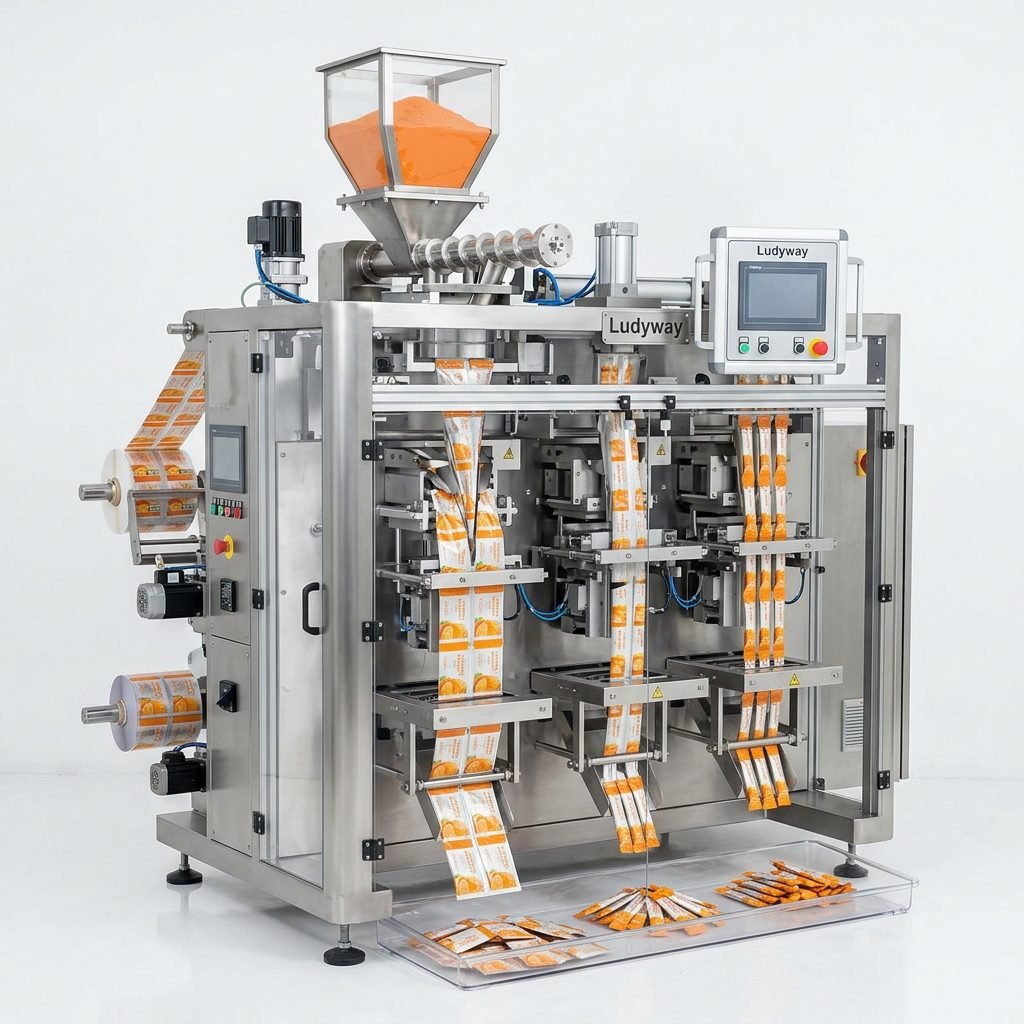
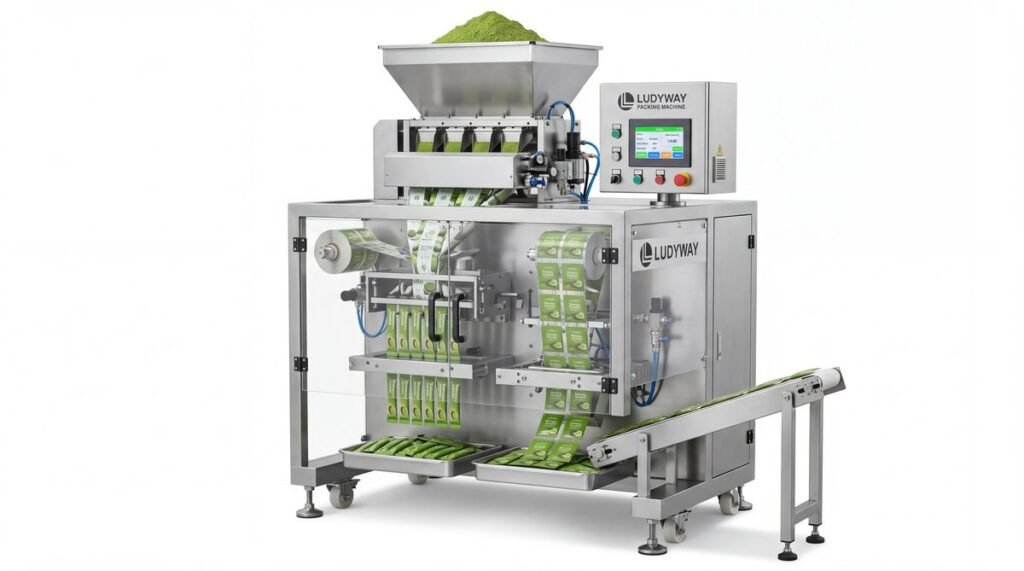
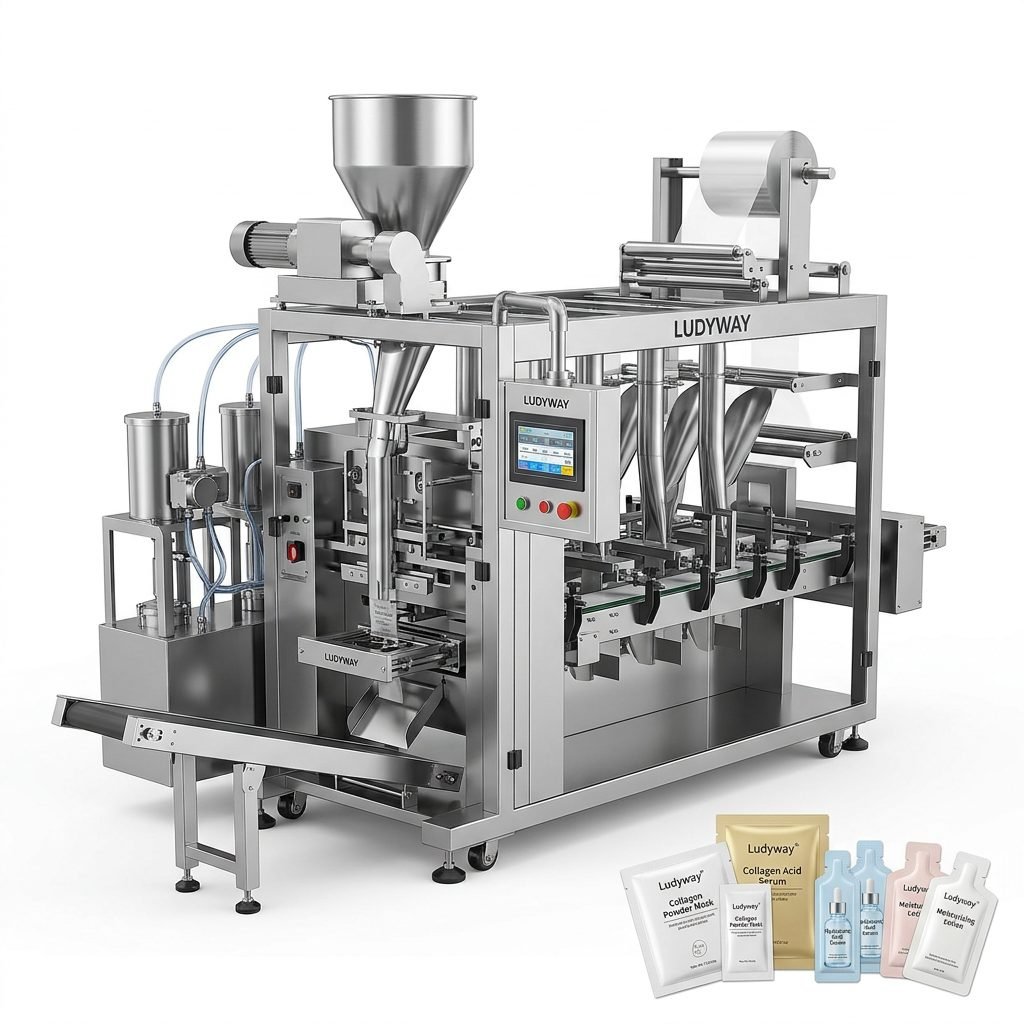
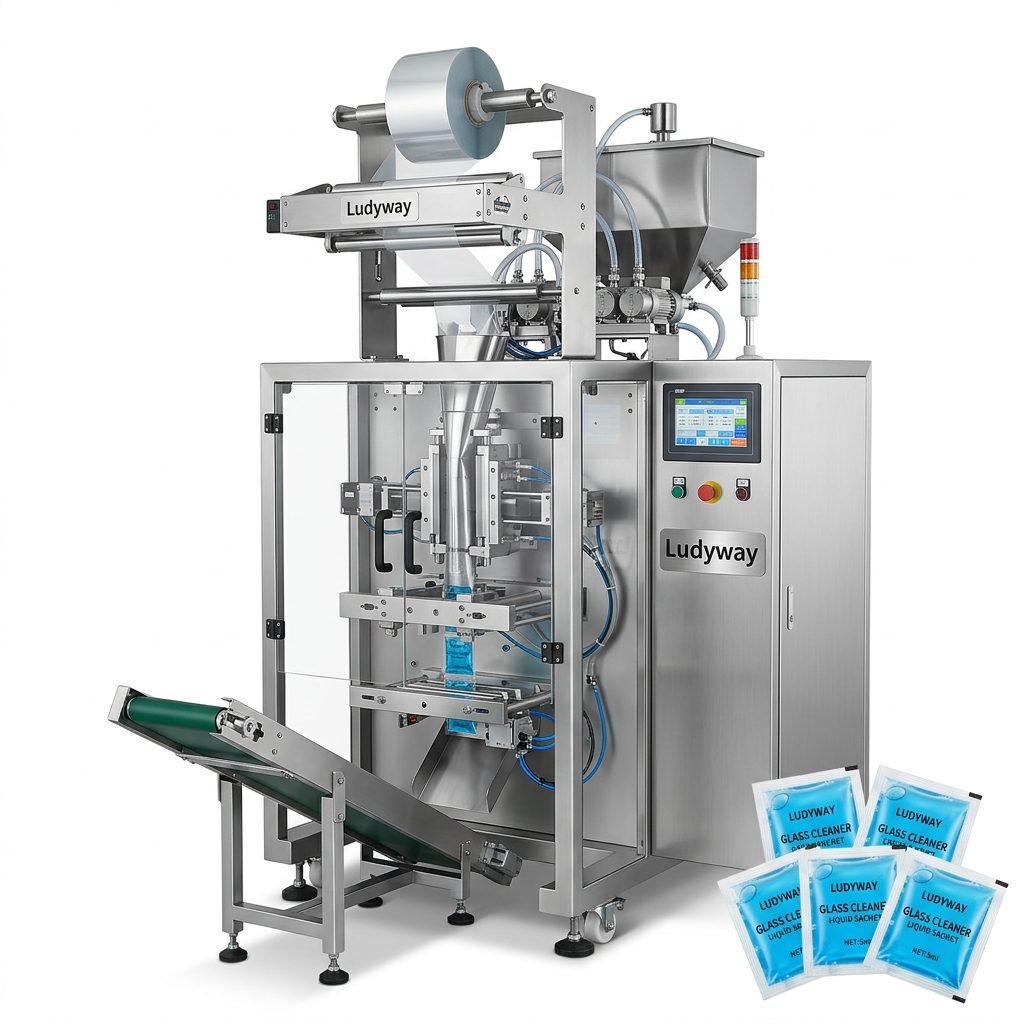
Chub packaging machinery automates the process of forming, filling, and sealing flexible materials into cylindrical pouches. These systems are engineered to handle a wide range of products with varying flow characteristics and packaging requirements. The core function revolves around creating a hermetic seal that locks in freshness and prevents contamination, making it ideal for industries where product integrity is non-negotiable.
Key Components of a Standard Chub Machine
- Film Unwinding & Forming System: Pre-printed or plain roll stock film is precisely guided and shaped into a vertical tube.
- Auger Filling System: A critical component for granular and powder products, using a rotating screw to dispense highly accurate volumes. Volumetric or weigh-cell systems are used for liquids or ultra-precise dosing.
- Sealing Jaws: Heated jaws create the longitudinal back seal and the horizontal end seals, forming the distinctive “chub” shape and ensuring a secure closure.
- Control System: The machine’s brain, often a user-friendly PLC touchscreen interface, manages speed, fill weight, temperature, and diagnostics.
Primary Applications Across Industries
The adaptability of chub packaging makes it a favorite across diverse sectors. In the food industry, it’s used for spices, drink mixes, nuts, and grated cheese. The pharmaceutical and nutraceutical sectors rely on it for single-dose powders and granules. Furthermore, chemical and agricultural products like detergents, fertilizers, and seeds are commonly packaged this way due to the robust barrier properties of the laminated films used.
How to Choose the Right System for Your Production Line
Investing in chub packaging equipment is a significant step. A methodical evaluation of your specific needs will guide you to the optimal system, preventing costly mismatches and downtime.
1. Analyze Your Product Characteristics
This is the foundational step. The physical properties of your product dictate the machine’s core design.
• Form: Is it a fine powder, coarse granule, semi-solid paste, or free-flowing liquid?
• Flowability: Does it bridge or clump? This determines the hopper design and auger type.
• Sensitivity: Is it hygroscopic, heat-sensitive, or abrasive? This influences material handling components and sealing methods.
Choosing a supplier with deep application expertise across different product types is invaluable at this stage.
2. Define Your Output & Speed Requirements
Match the machine’s capacity to your current and projected future volumes. Consider:
• Required Bags Per Minute (BPM): Ranges from semi-automatic tabletop models to high-speed multi-lane systems.
• Production Shifts: Will the machine run 8 hours or 24 hours a day? This affects the required robustness and component quality.
• Flexibility: Do you need quick changeovers for different bag sizes or products? Look for features like servo-driven adjustments and recipe memory on the PLC control panel.
3. Evaluate Packaging Materials & Specifications
The machine must be compatible with your desired packaging film. Key considerations include:
• Film Structure: Common materials are laminates of PET/PE, NY/PE, or metallized films for extra barrier.
• Film Width & Thickness: The machine must accommodate your roll stock dimensions.
• Bag Size Range: Define the minimum and maximum length and width of finished pouches.
• Print Registration: If using pre-printed film, ensure the machine has a precise photoelectric eye for consistent print positioning.
4. Prioritize Integration & Automation Level
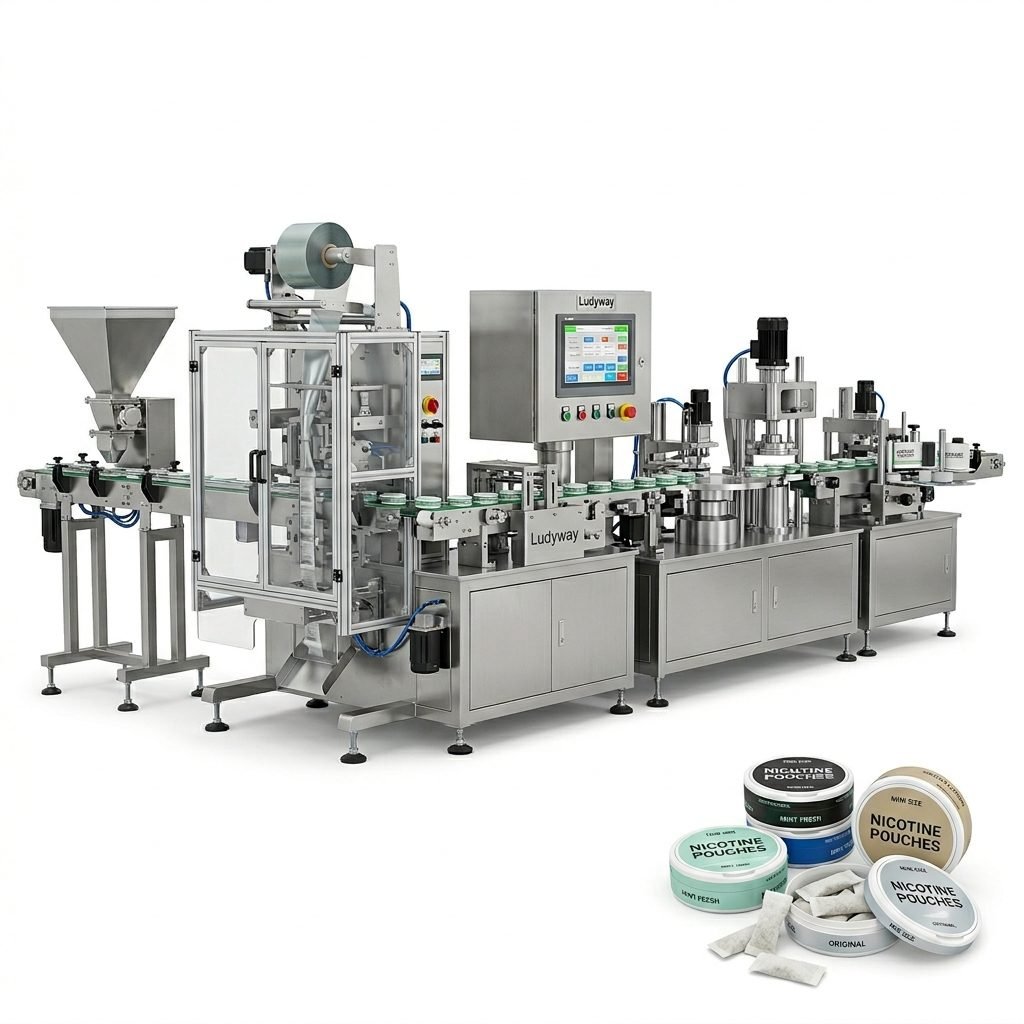
Think of your packaging line as an ecosystem. The chub machine should integrate seamlessly with upstream (e.g., mixers, conveyors) and downstream (e.g., cartoning, case packing) equipment. Consider:
• Footprint & Layout: Does it fit your available floor space with proper access for operation and maintenance?
• Automation Needs: Do you require automatic film splicing, checkweighers, or reject systems to create a fully automated turnkey solution? This significantly impacts labor requirements and overall efficiency.
5. Assess Supplier Credentials & Support
The machine is only as good as the company behind it. Scrutinize potential suppliers on:
• Experience & Reputation: Look for a provider with a proven track record in your specific industry. Review their company history and project portfolio.
• Technical Support: Availability of installation, training, and responsive after-sales service is crucial for minimizing downtime.
• Parts Availability: Ensure critical spare parts are readily available to avoid prolonged production halts.
• Customization Ability: Can they tailor the machine to your unique application, rather than offering a one-size-fits-all solution?
Common Questions (FAQs)
Q1: What is the typical accuracy of an auger filler on a chub pack machine?
A: Modern servo-driven auger fillers can achieve high accuracy, often within ±1% of the target weight for most free-flowing products. Accuracy depends on product characteristics, and for critical applications, integrating a checkweigher is recommended.
Q2: Can one machine handle both powders and liquids?
A: While some machines are designed to be versatile, significant changeovers between radically different product forms (e.g., dry powder to viscous liquid) usually require different filling systems. It’s best to consult with an expert to assess feasibility for your specific products.
Q3: How important is the sealing quality, and what affects it?
A: Sealing integrity is paramount for product safety and shelf life. It is affected by film quality, jaw temperature, pressure, and dwell time. A reliable machine offers precise and consistent control over all these parameters.
Q4: What kind of maintenance does a chub packaging system require?
A: Regular daily cleaning and lubrication are essential. Periodic maintenance includes checking wear parts like sealing jaws, augers, and film guides. A good supplier will provide a comprehensive maintenance schedule and training.
Q5: Where can I see these machines in operation or get a sample test?
A: Reputable suppliers often have demonstration facilities and offer product tests using your own materials. This is a critical step in the selection process to validate machine performance. Inquire about their testing and demonstration policies before making a decision.