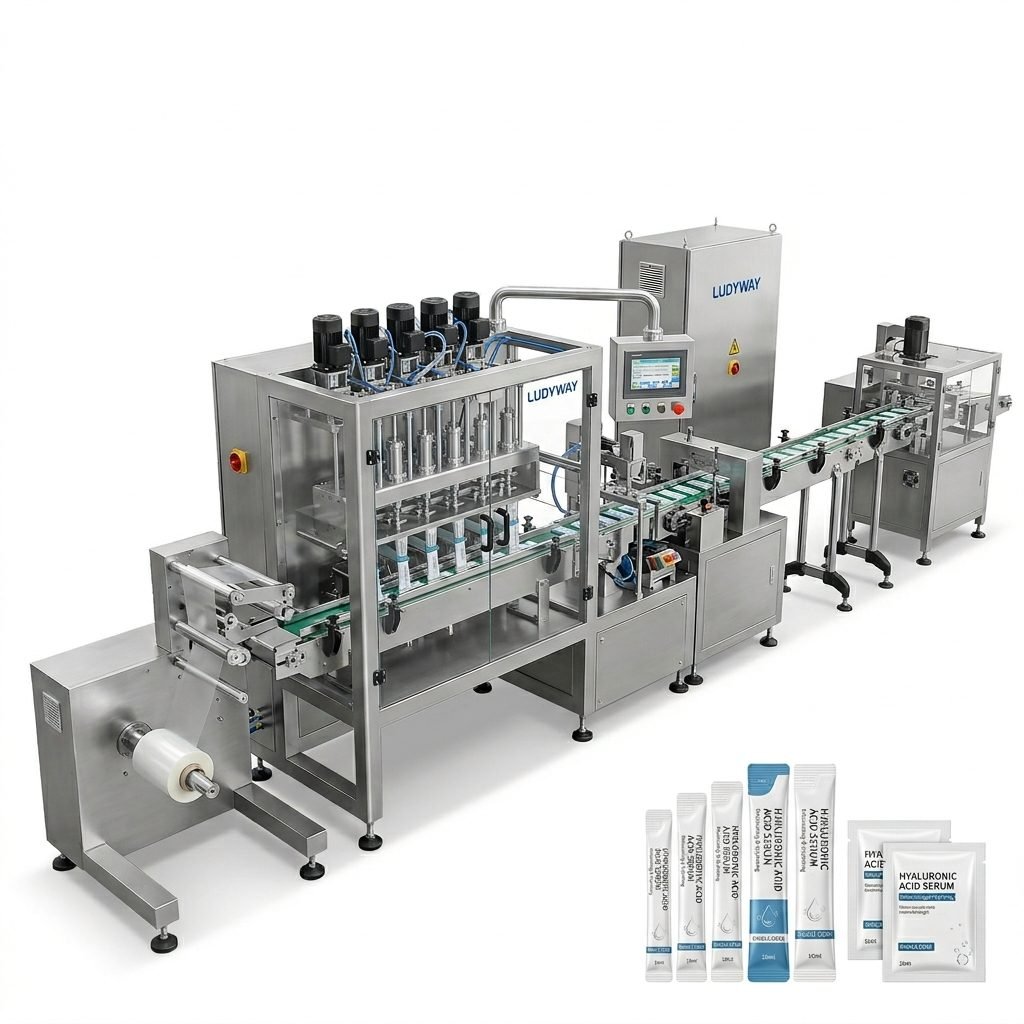
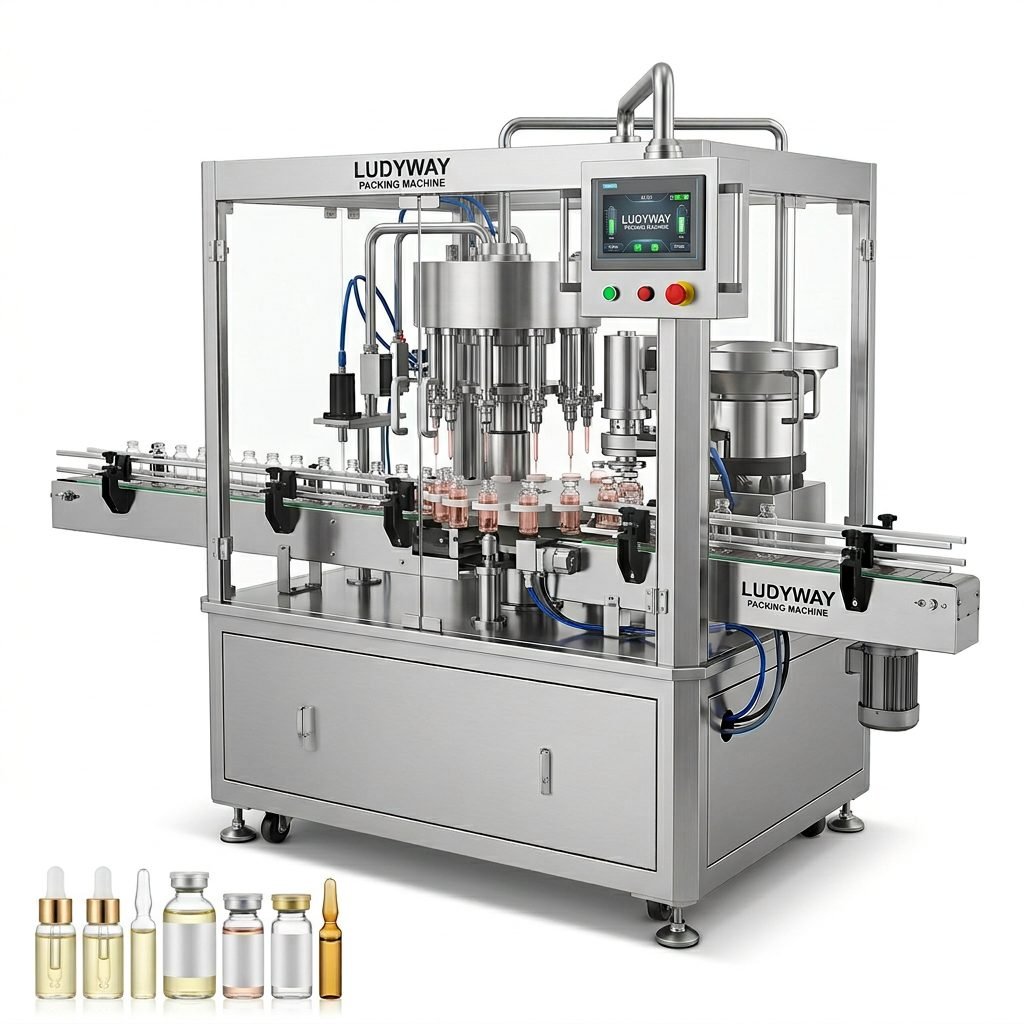
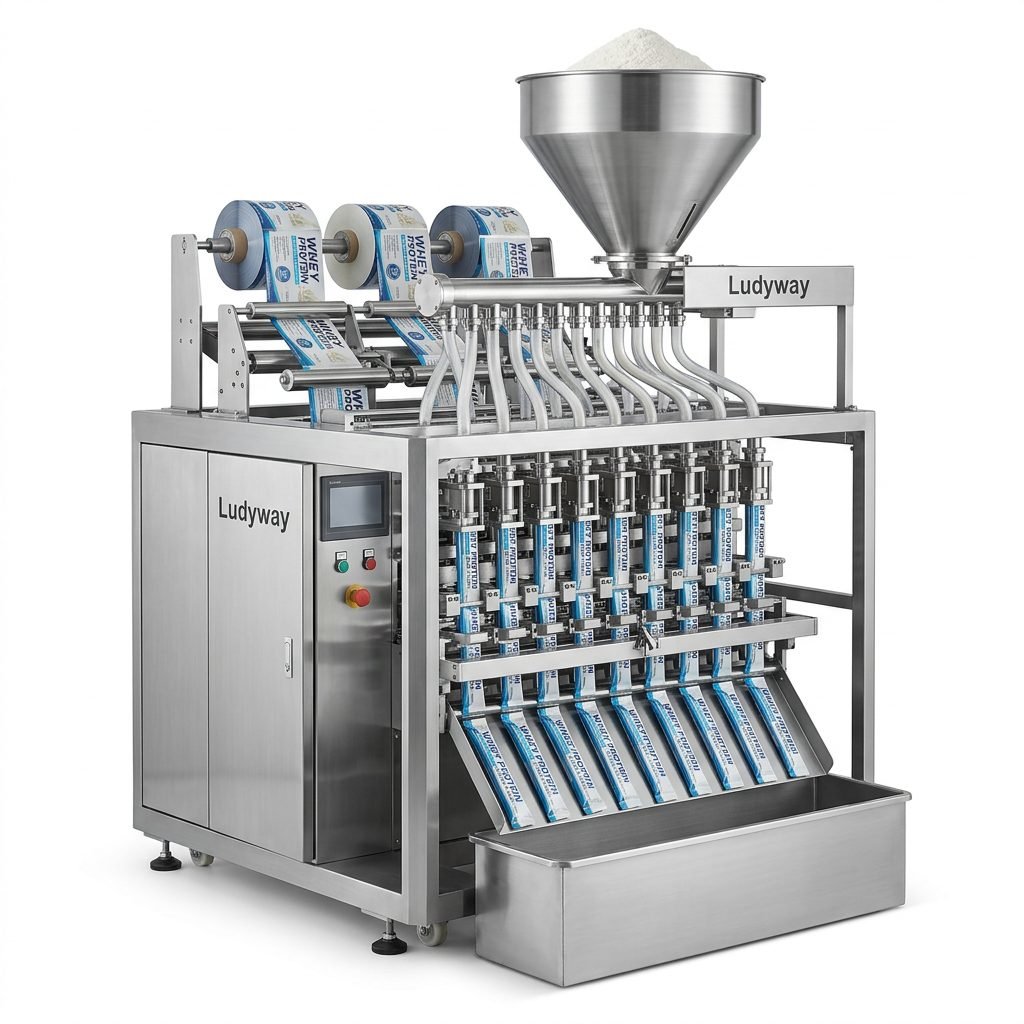
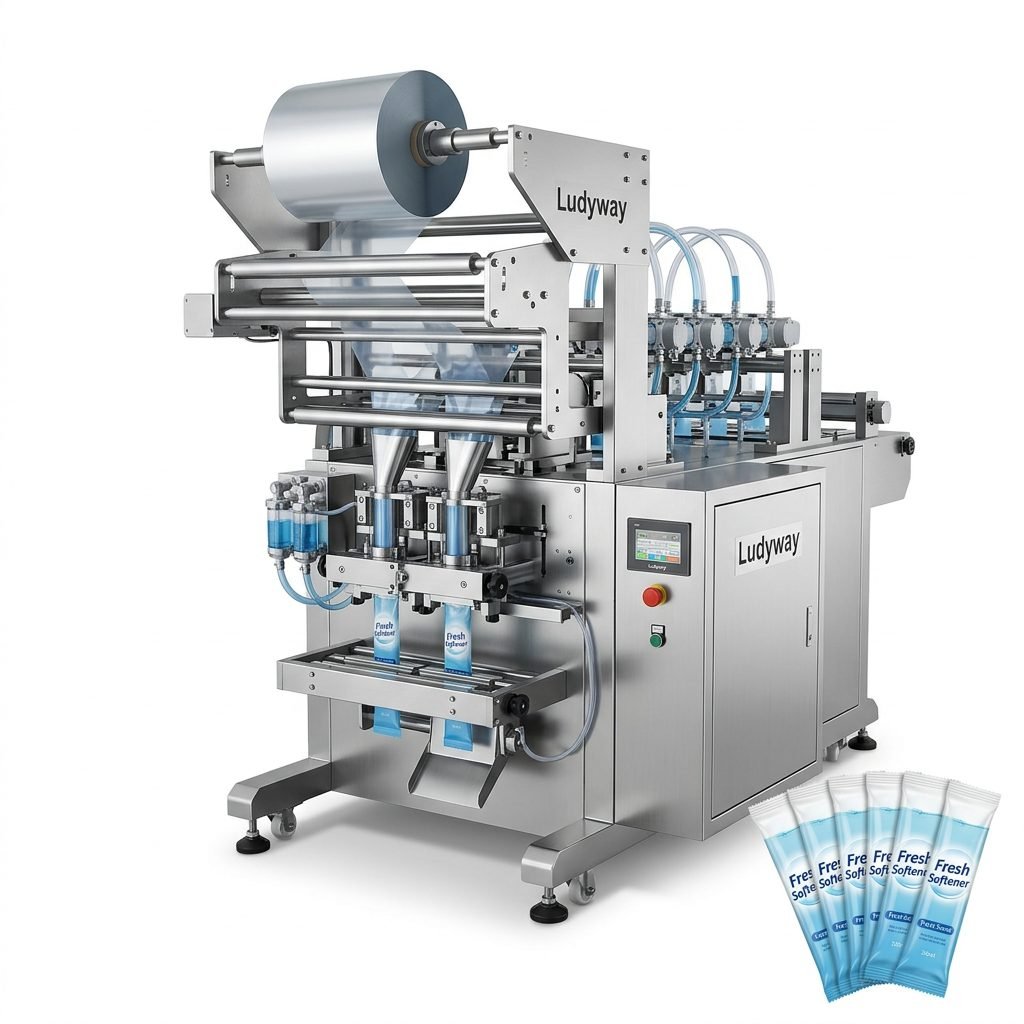
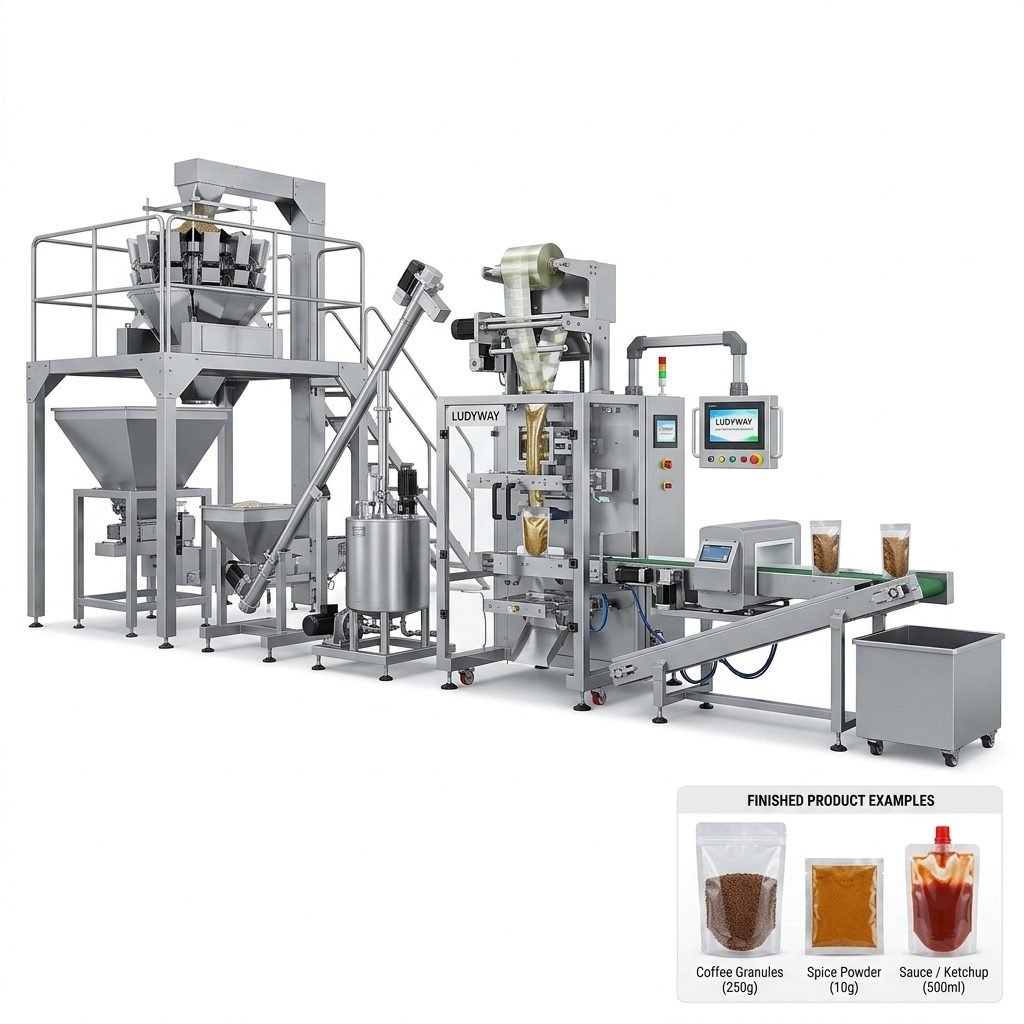
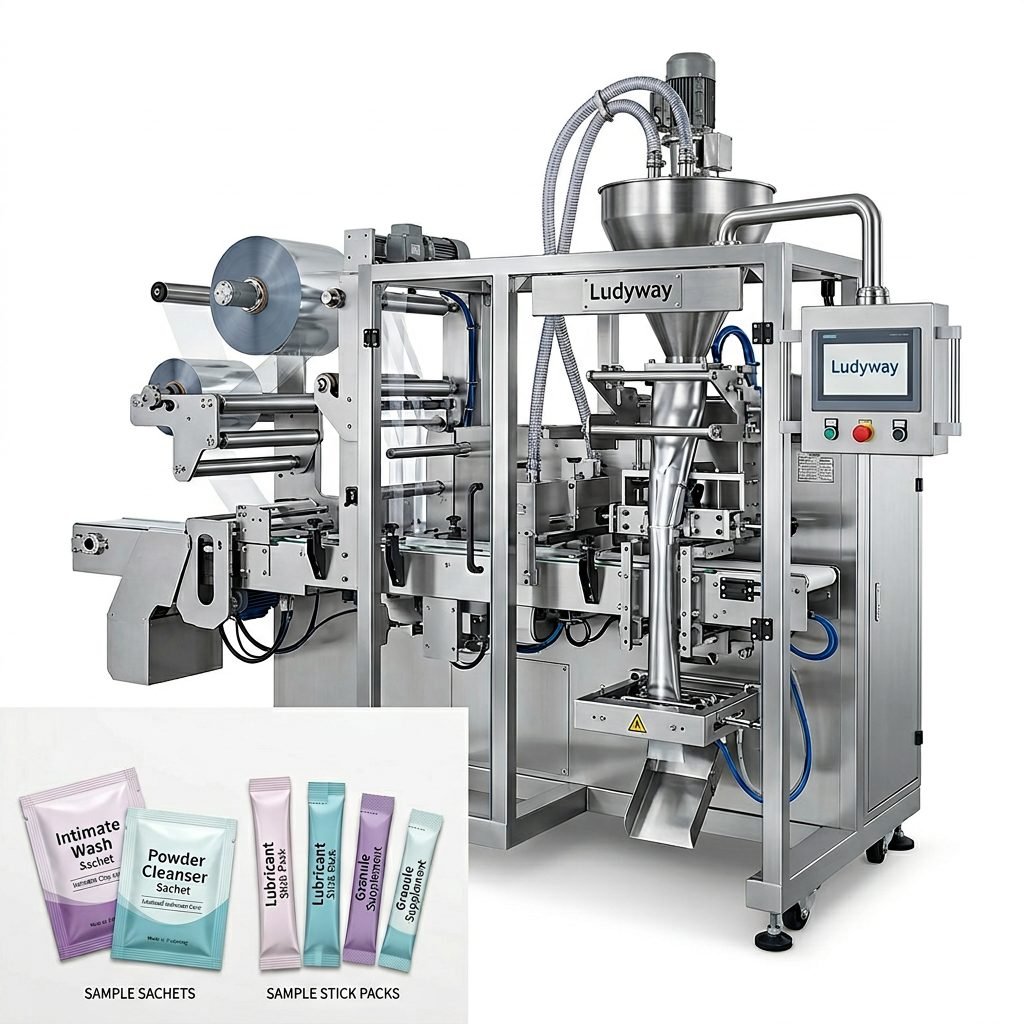
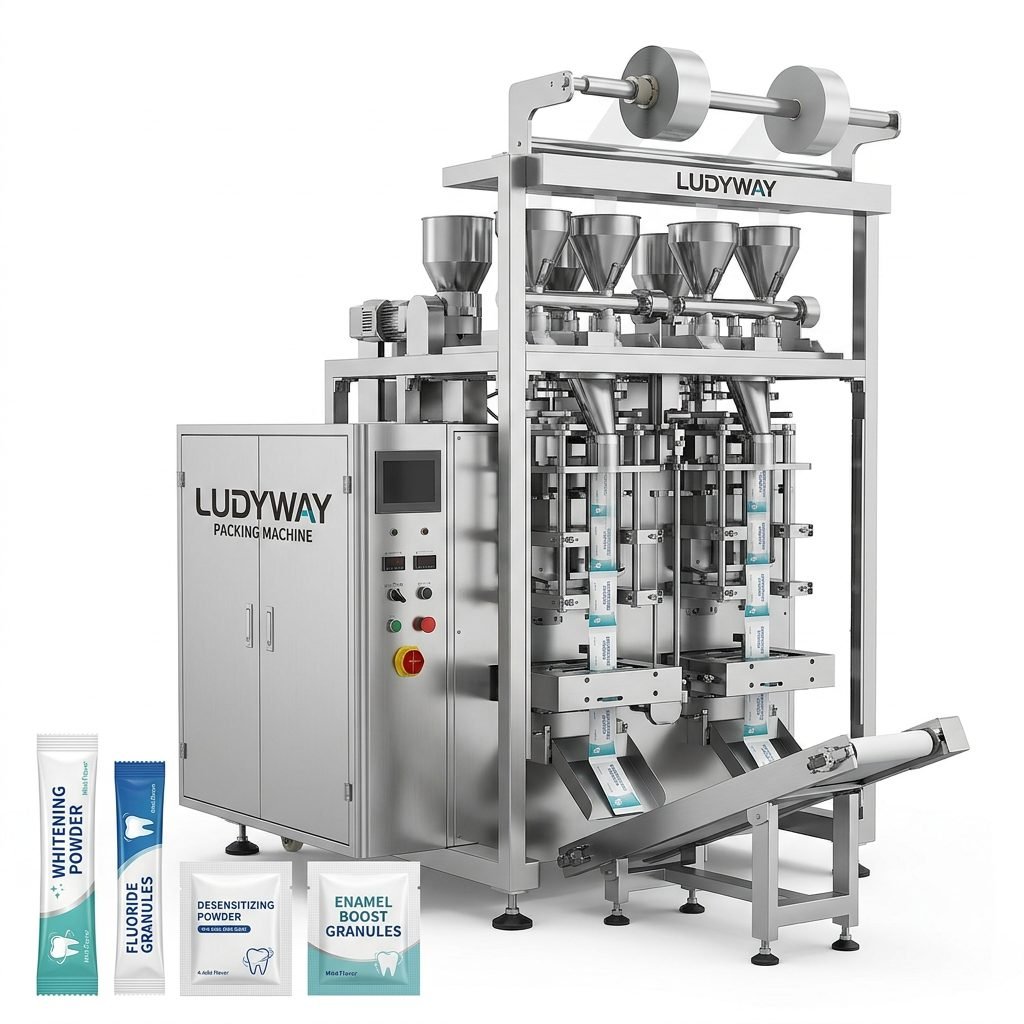
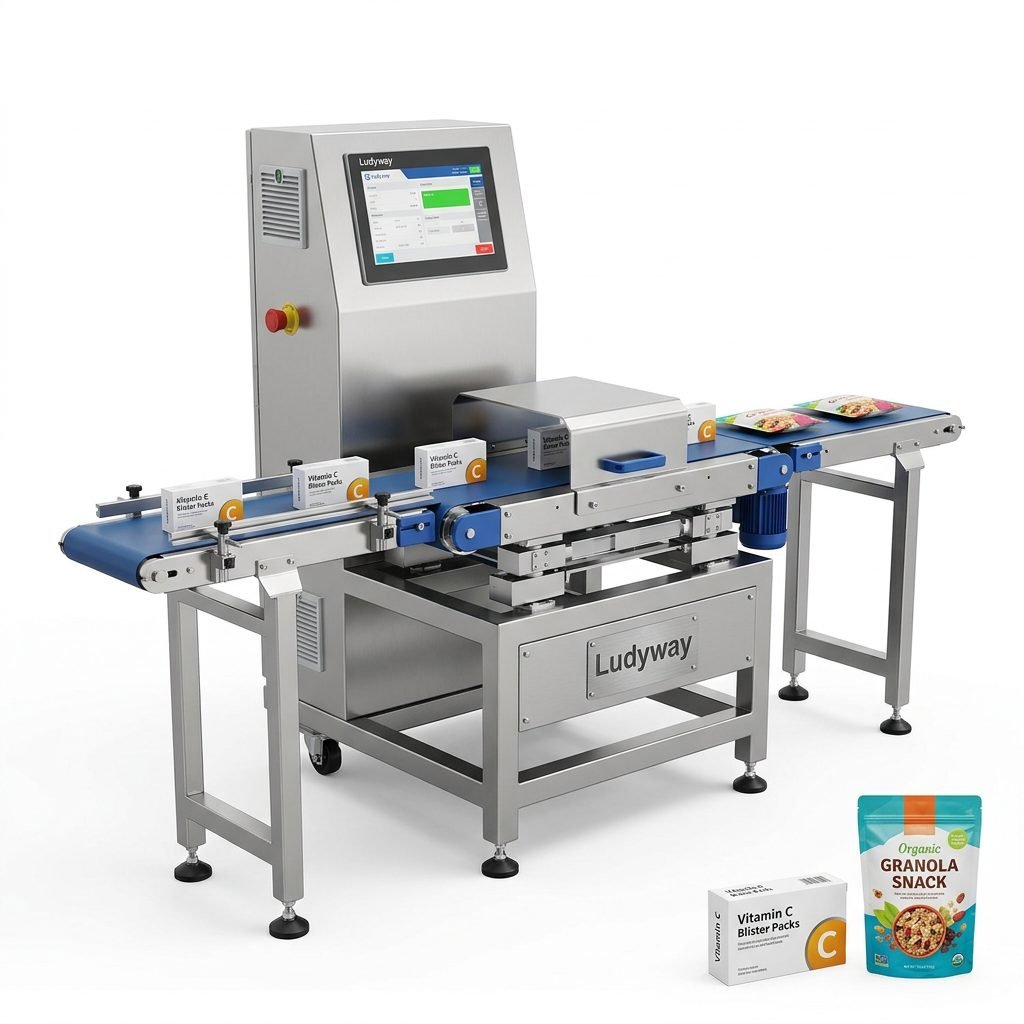
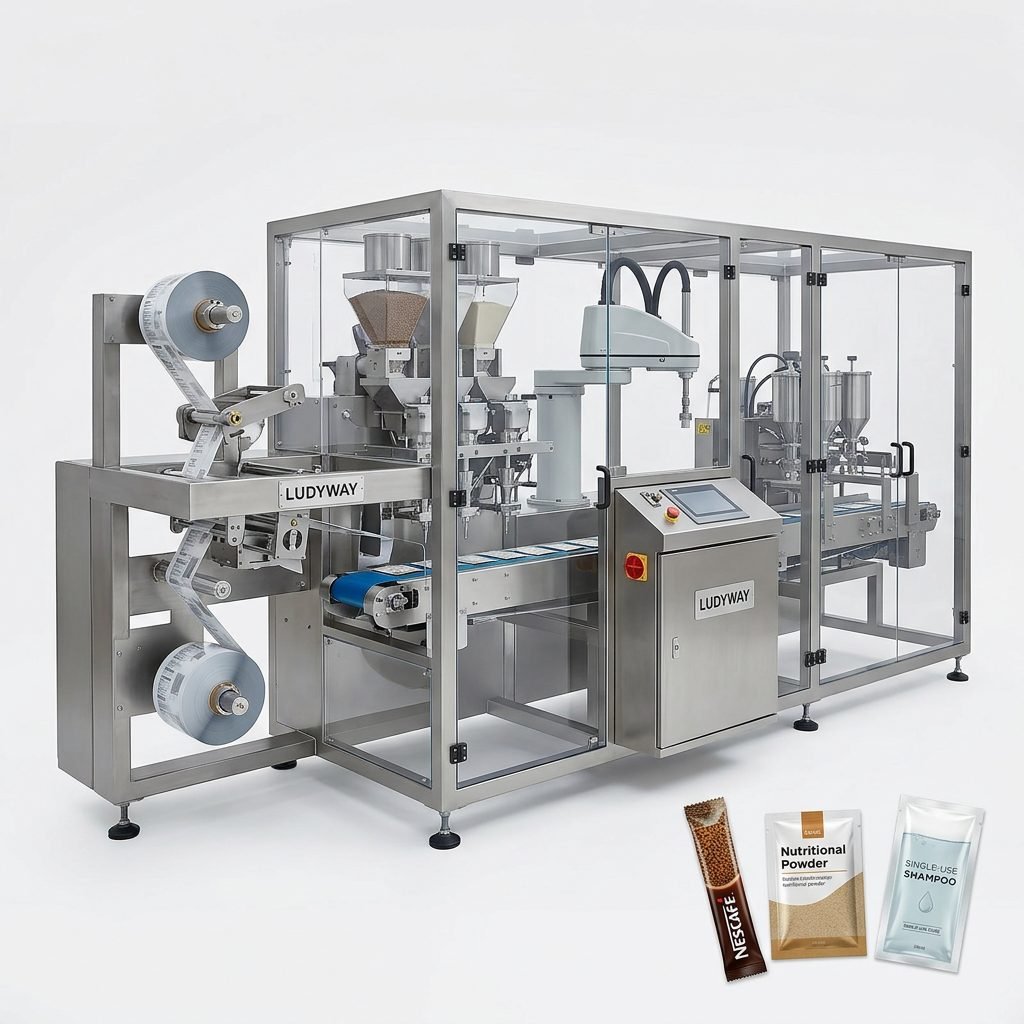
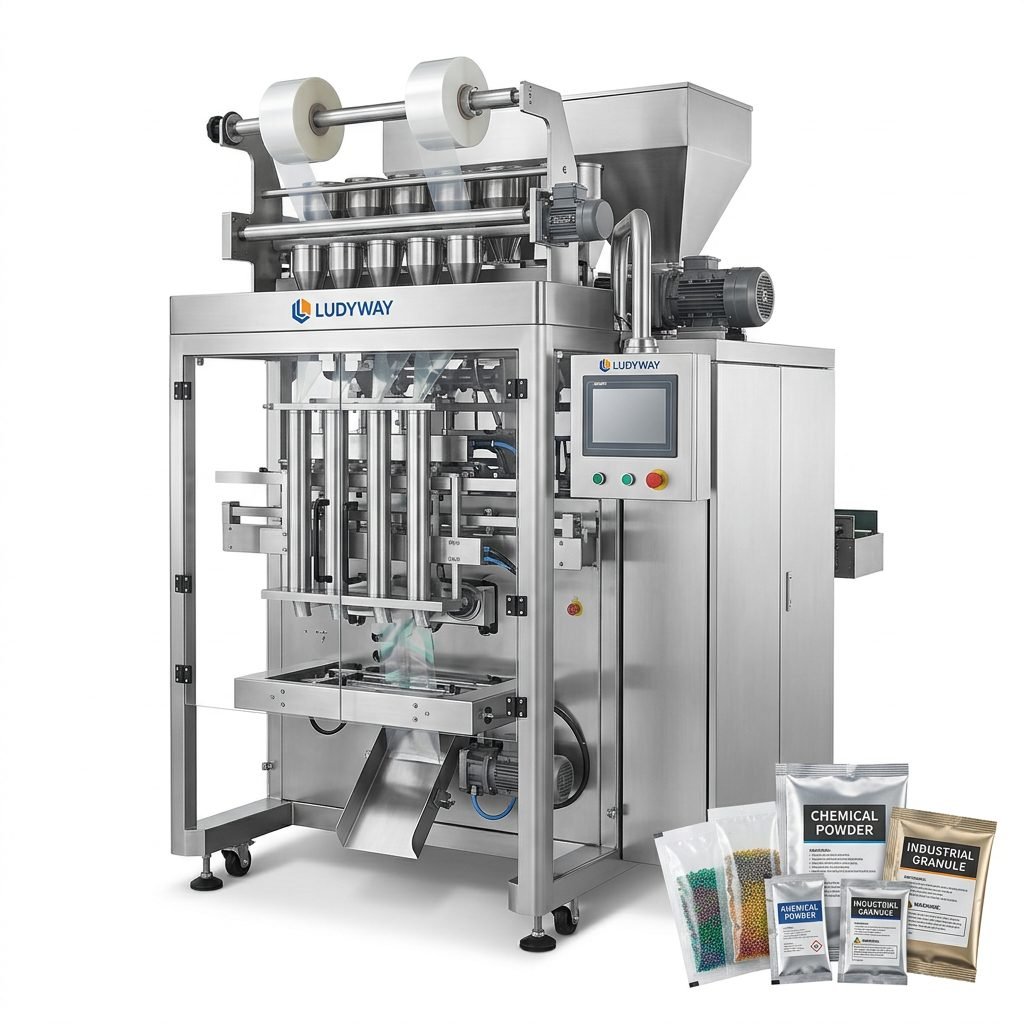
In today’s fast-paced manufacturing world, blister packaging machines have become indispensable for industries where product integrity, hygiene, and presentation are paramount. These versatile systems offer a robust solution for packaging a wide array of items, from individual tablets and capsules to small food portions and medical devices. The demand for efficient, reliable, and adaptable blister packaging solutions is particularly high in the food, pharmaceutical, and health product sectors, where consumer safety and regulatory compliance are non-negotiable.
Understanding Blister Packaging Technology
At its core, a blister packaging machine forms a cavity (or blister) from a thermoplastic film, places the product inside, and then seals it with a lidding material, typically foil or paper. This process creates a secure, tamper-evident, and visually appealing package. Modern machines are highly automated, integrating functions like forming, filling, sealing, coding, and cutting into a single, continuous line. This automation is crucial for maintaining high-speed production while ensuring consistent quality and minimizing human contact with the product—a critical factor in pharmaceutical and food applications.
Key Advantages of Automated Blister Packaging
→ Product Protection: Blister packs provide an excellent barrier against moisture, oxygen, and contaminants, significantly extending shelf life.
→ Dose Accuracy & Compliance: They are ideal for unit-dose packaging, aiding patient adherence in pharmaceuticals and ensuring precise portions in food.
→ Enhanced Efficiency: High-speed automation reduces labor costs, increases output, and streamlines the overall packaging workflow.
Tailored Solutions for the Food Industry
The food sector requires packaging that preserves freshness, prevents spoilage, and provides convenience. Blister packaging machines for food are engineered to handle products like candies, chewing gum, baked goods, dried fruits, and single-serve condiments. These machines often utilize food-grade forming films and lidding materials that offer the necessary barrier properties. A key consideration is the ability to integrate with nitrogen or modified atmosphere packaging (MAP) systems, which displace oxygen inside the blister to dramatically prolong the product’s freshness and prevent oxidation.
Critical Features for Food-Grade Blister Packers
Machines designed for food must prioritize hygiene and cleanability. Stainless steel contact parts, easy-access panels for cleaning, and designs that prevent product or debris accumulation are standard. Furthermore, flexibility is key—a single machine might need to switch between packaging different shapes and sizes of food items with minimal downtime, requiring quick-change tooling and intuitive controls.
Precision Engineering for Pharmaceutical Applications
In the pharmaceutical industry, the stakes are exceptionally high. Blister packaging machines must not only be fast and reliable but also operate with uncompromising precision and in compliance with stringent global regulations like cGMP (Current Good Manufacturing Practice). They are used for packaging tablets, capsules, lozenges, and medical devices. The integrity of the seal is critical to prevent moisture ingress or contamination, which could compromise drug efficacy and patient safety.
Essential Pharma-Grade Machine Capabilities
- 100% Leak Detection: Integrated systems to test every blister for seal integrity.
- Precision Counting & Feeding: Advanced vision systems and counters ensure every blister cavity contains the exact number of tablets or capsules, with zero tolerance for errors.
- Comprehensive Data Tracking: Full batch traceability with detailed logs for production parameters, crucial for audit trails.
- Isolated Design Options: Machines can be configured with laminar flow hoods or be placed inside cleanrooms for sterile product packaging.
Supporting the Growing Health & Nutraceutical Market
The health product and nutraceutical industry, encompassing vitamins, supplements, probiotics, and herbal remedies, shares requirements with both food and pharma. Consumers expect the same level of safety, quality, and tamper evidence as pharmaceuticals, along with the attractive, shelf-ready presentation of consumer goods. Blister packaging for these products often includes features like child-resistant (CR) closures and senior-friendly opening mechanisms. The packaging itself serves as a powerful marketing tool, with clear blisters showcasing the product and ample space for branding and compliance information on the lidding foil.
Choosing the Right Partner for Your Packaging Line
Selecting a blister packaging machine is a significant investment. Beyond the machine itself, the expertise and support of the supplier are vital. A partner with deep industry experience can provide a comprehensive turnkey solution, from initial design and machine selection to installation, validation, and ongoing technical support. Look for a provider with a proven track record in your specific sector—whether it’s ensuring food-grade hygiene, navigating pharmaceutical validation protocols, or creating eye-catching packaging for retail health products.
For over a decade, Ludyway Machinery has focused on delivering precisely these kinds of tailored, automated packaging solutions. With a foundation built on engineering excellence and practical industry knowledge, the company has developed a broad portfolio of intelligent packaging systems. This experience translates into an ability to understand unique production challenges and recommend the most efficient and reliable blister packaging machine configuration for your specific application in food, pharmaceuticals, or health products.
Frequently Asked Questions (FAQs)
1. What types of materials can be used for blister forming and lidding?
Common forming films include PVC, PVDC-coated PVC, Aclar (a high-barrier film), PET, and PP. Lidding materials are typically aluminum foil (often coated with heat-seal lacquer for pharmaceuticals) or paper/foil laminates. The choice depends on the required barrier properties, product compatibility, and machinery capabilities.
2. How fast can a modern blister packaging machine operate?
Production speeds vary greatly by machine model and package size/complexity. Standard machines can range from 100 to over 600 blisters per minute. High-speed rotary machines are capable of even higher outputs for large-scale production.
3. Can one machine handle different product shapes and sizes?
Yes, most machines are designed with flexibility in mind. By changing the forming mold, sealing die, and feeding tools, a single machine can often accommodate a range of blister sizes and product types. Quick-change systems are available to minimize downtime during product switchovers.
4. What are the key maintenance requirements for a blister packer?
Regular maintenance includes daily cleaning, lubrication of moving parts as per the manual, inspection and replacement of wear parts like sealing dies and cutting tools, and calibration of sensors. A proactive maintenance schedule is essential for maximizing uptime and machine lifespan.
5. What support is typically provided after the machine is installed?
Reputable suppliers offer comprehensive after-sales support. This usually includes on-site installation and commissioning, operator and maintenance technician training, a warranty period, access to spare parts, and ongoing technical support via phone, email, or remote diagnostics.