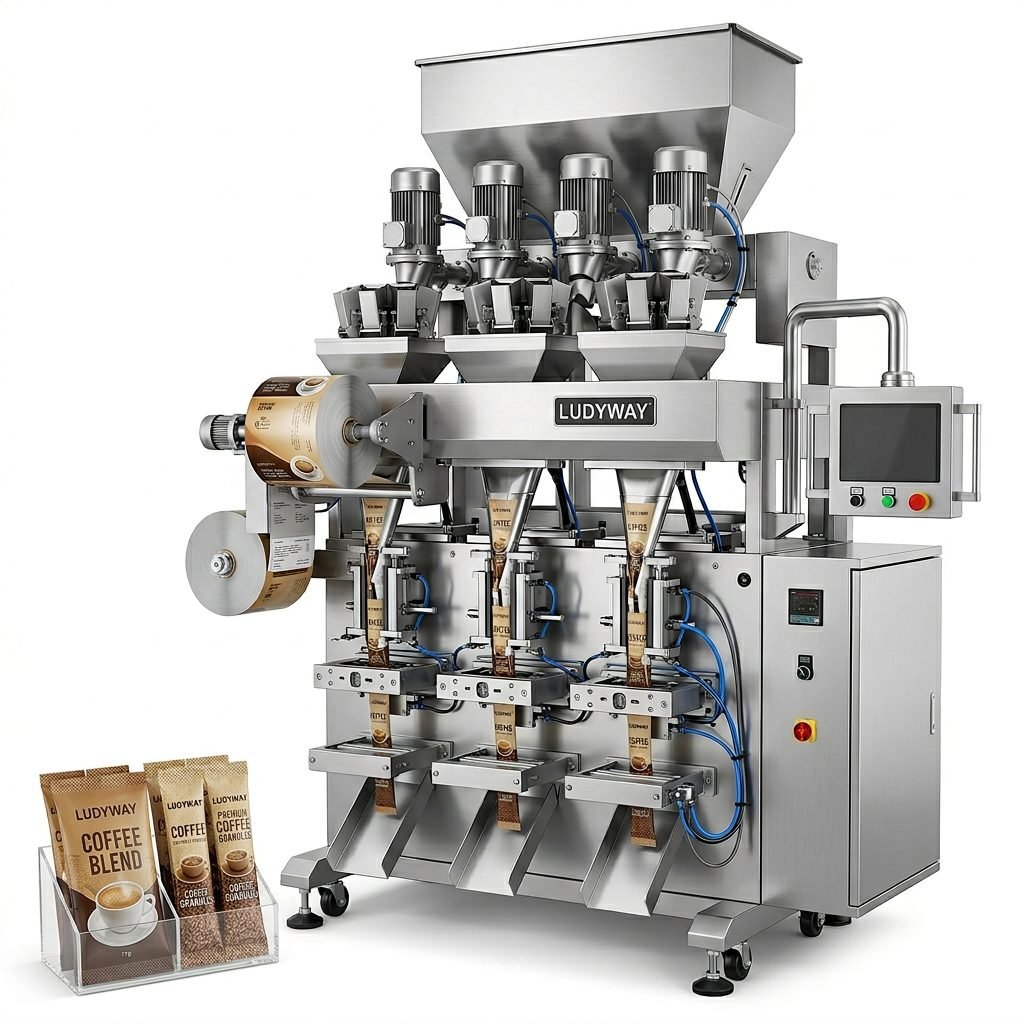
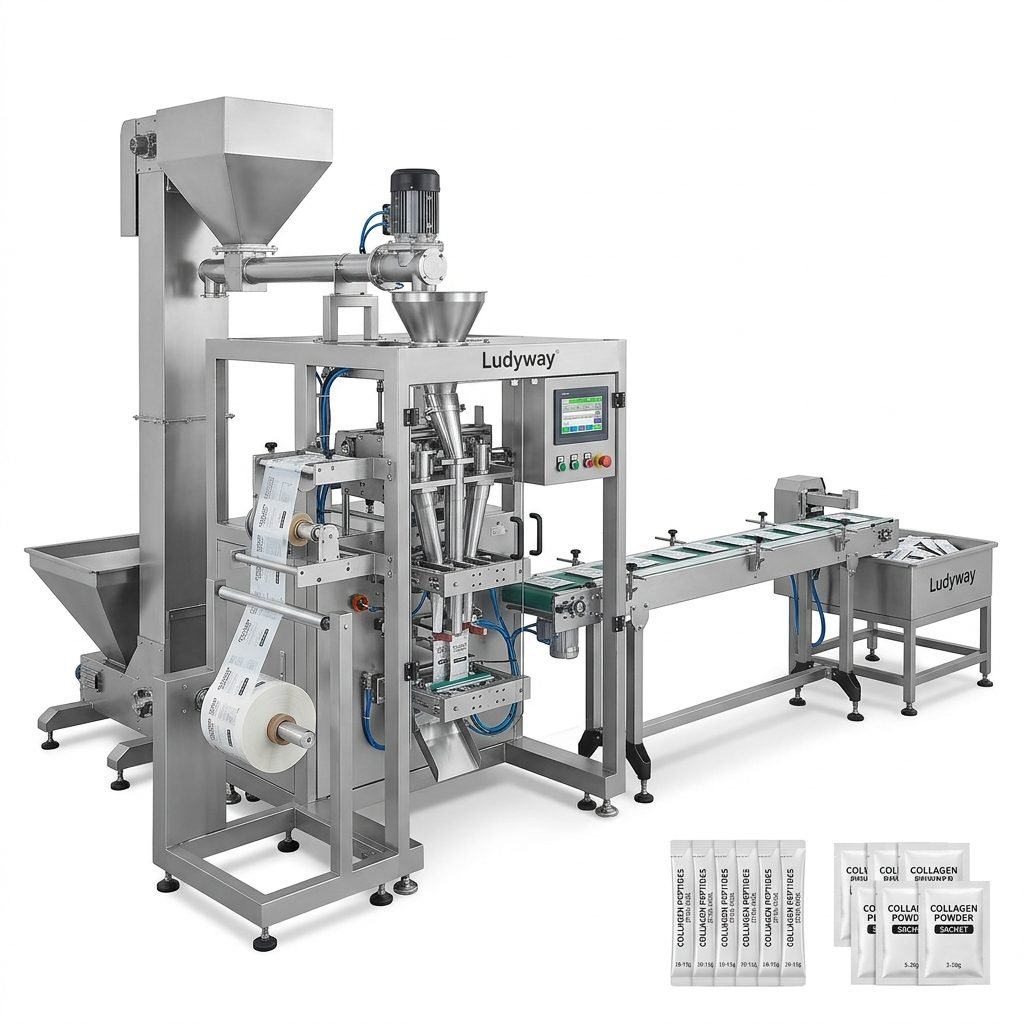
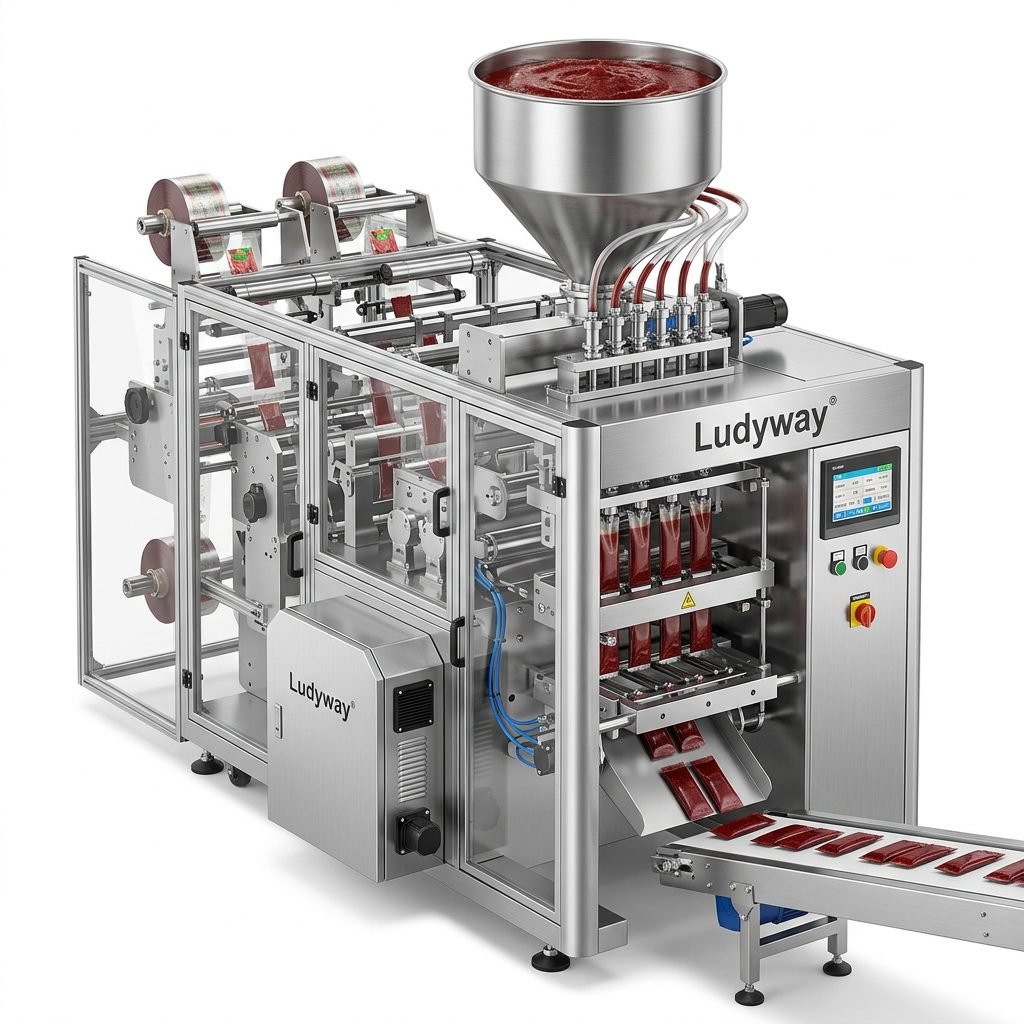
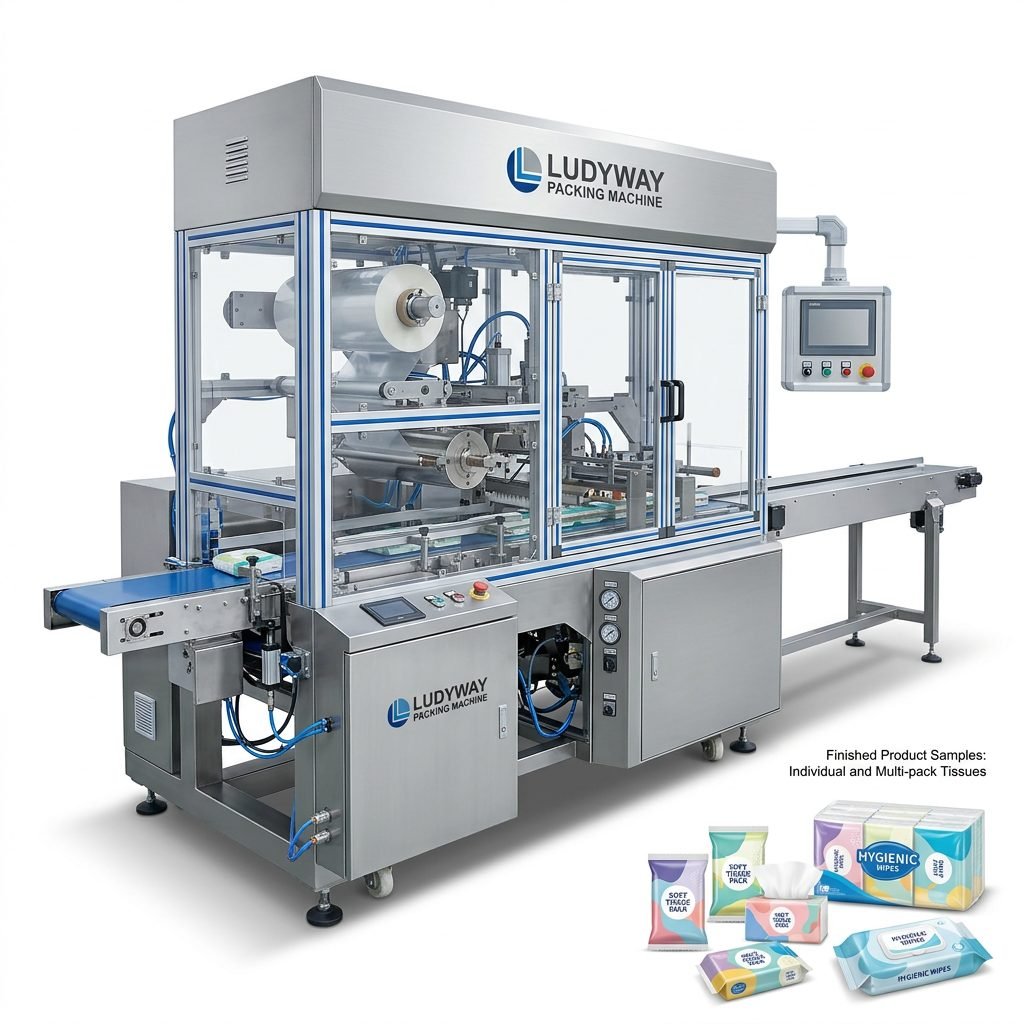
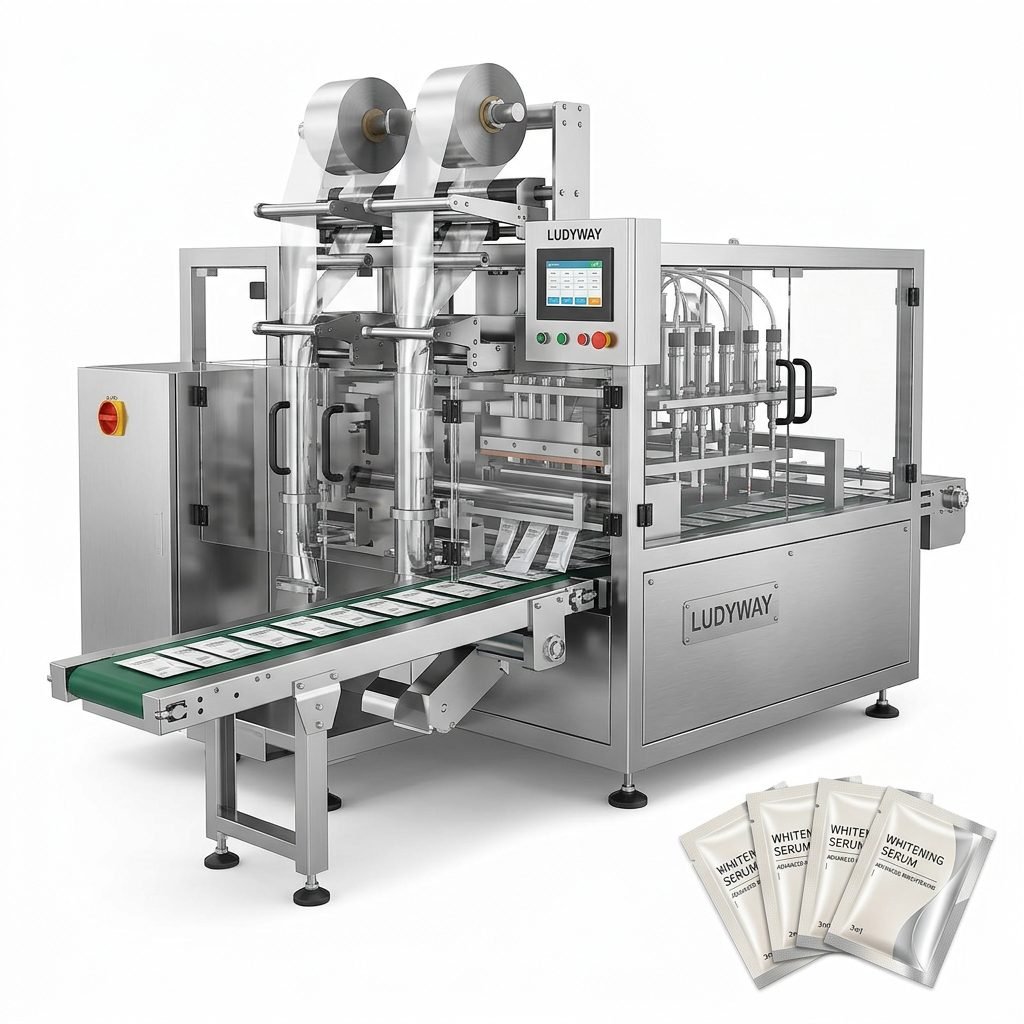
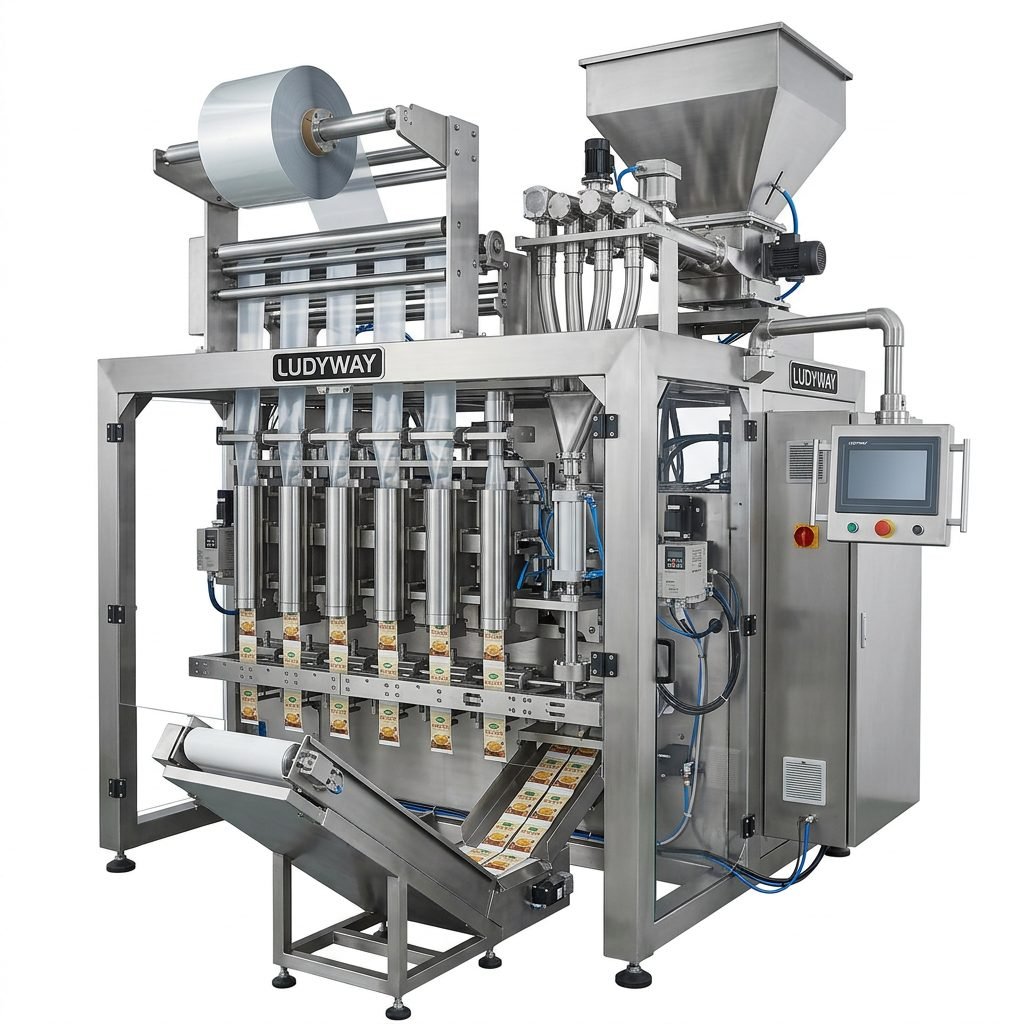
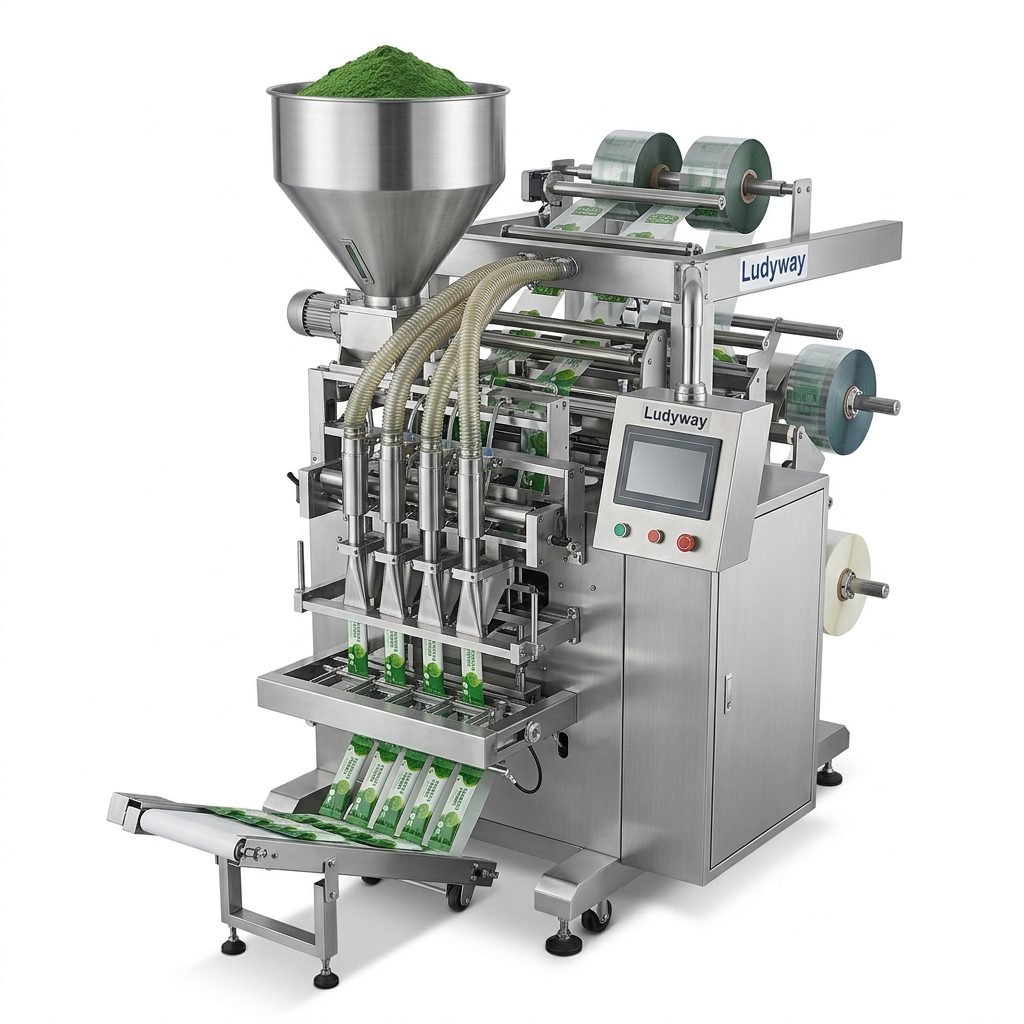
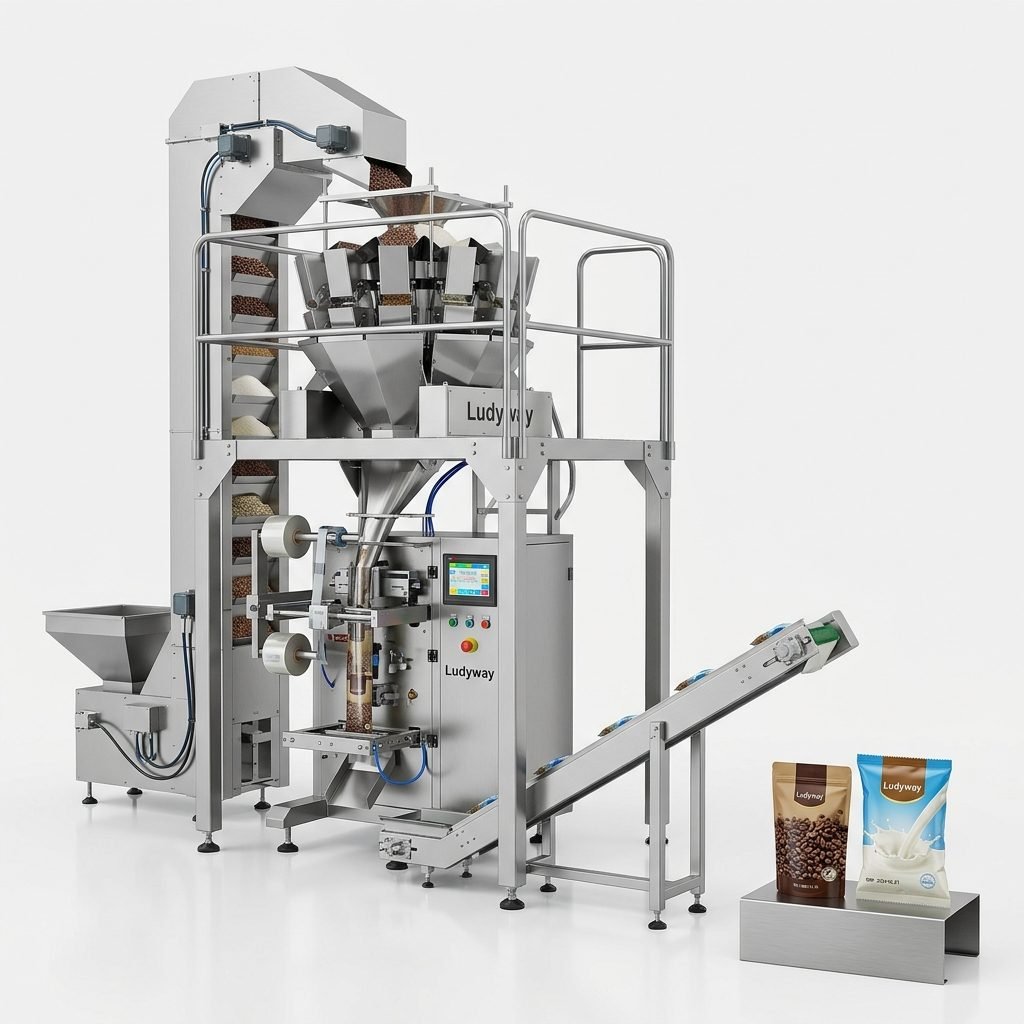
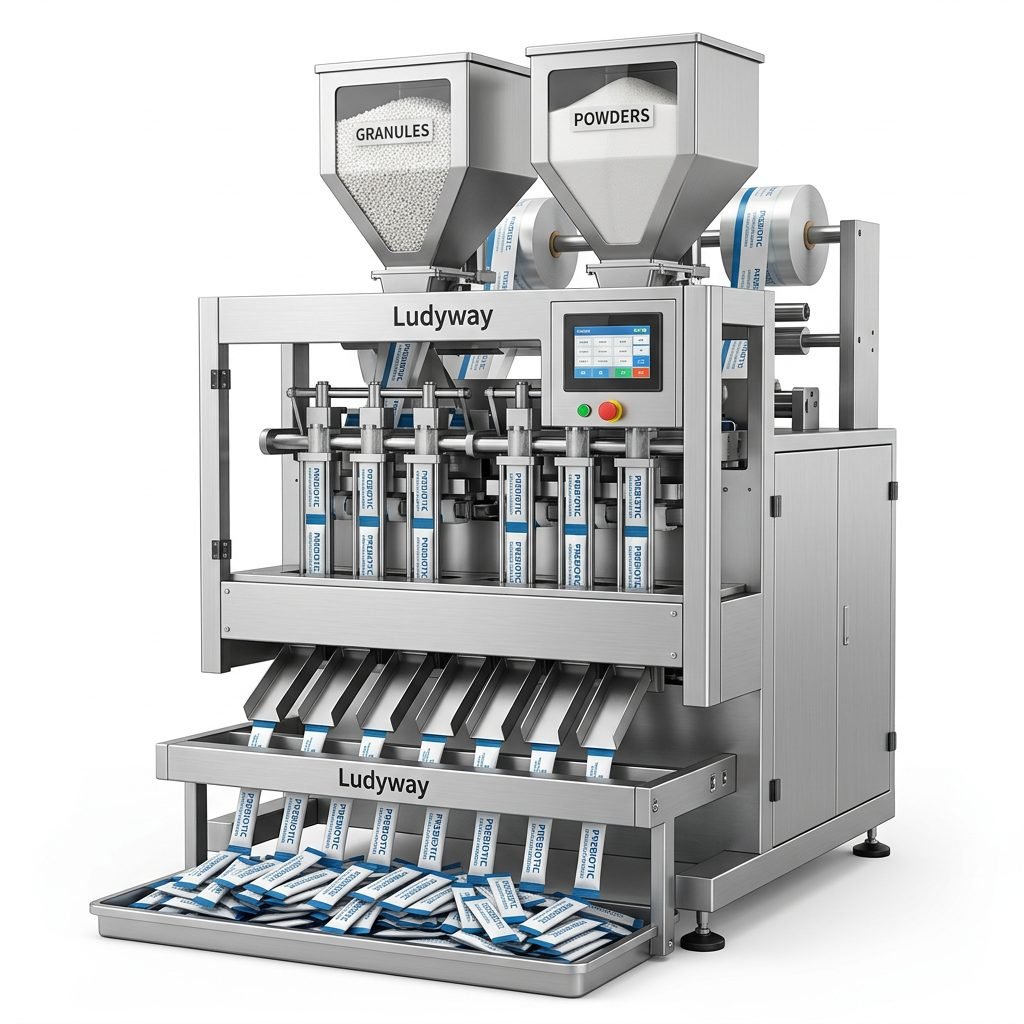
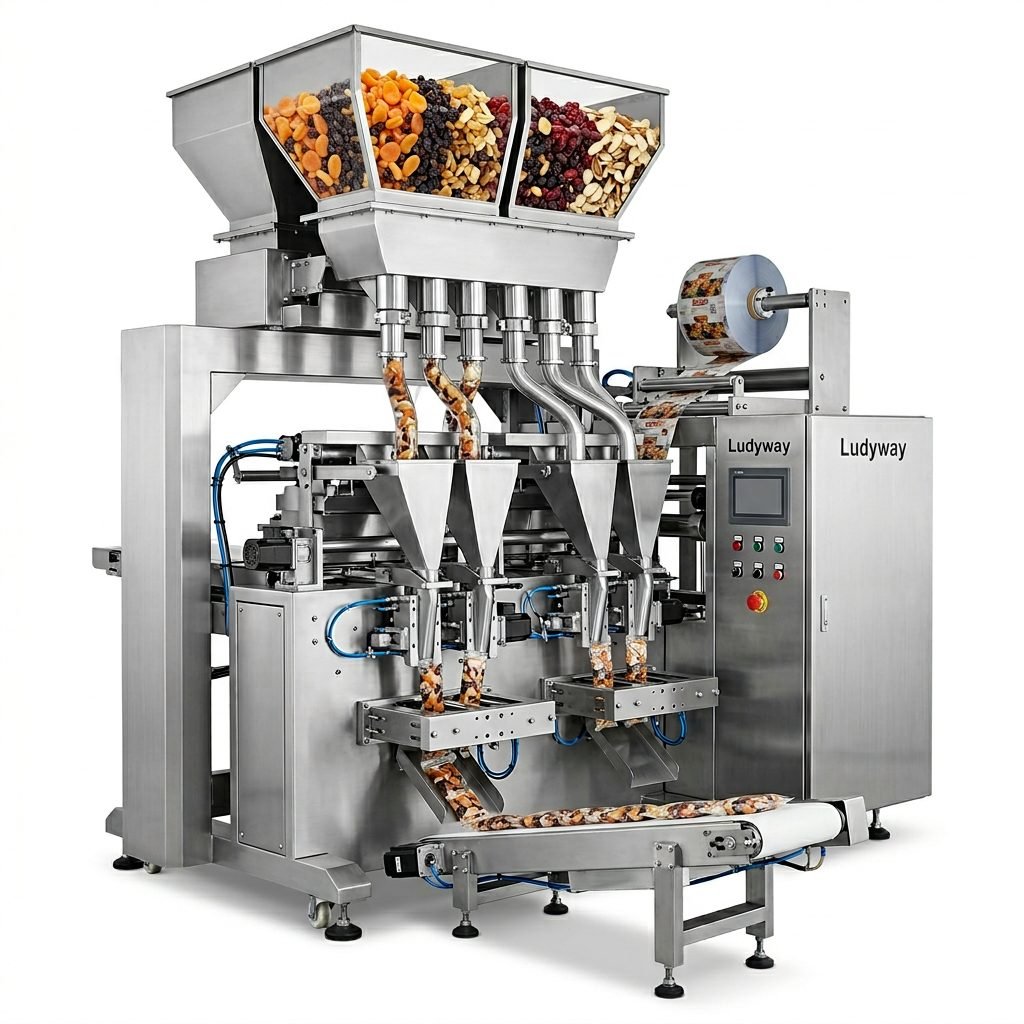
In modern manufacturing, efficiency, hygiene, and product presentation are paramount. For businesses handling granular, powdered, or liquid products—from instant coffee and protein powders to pharmaceuticals and condiments—the final step of packaging is critical. This is where latter packaging equipment comes into play. This term typically refers to the secondary or final packaging systems that handle filled sachets, stick packs, or pouches, organizing them into larger, salable units like cartons, boxes, or trays. Choosing the right system is not just about buying a machine; it’s about integrating a solution that aligns with your production speed, product characteristics, and business goals.
Understanding Latter Packaging Equipment
Latter packaging, often called end-of-line or secondary packaging, is the process that occurs after your primary packaging—such as filling and sealing individual sachets—is complete. This stage involves collating, counting, and boxing the primary packages for distribution and retail.
Key functions of latter packaging systems include:
✓ Collating & Counting: Gathering a specific number of stick packs or sachets into a group.
✓ Cartoning: Automatically erecting cartons, inserting the primary packs, and closing/sealing the boxes.
✓ Case Packing: Placing multiple cartons or primary packs into larger shipping cases.
✓ Bundling & Shrink Wrapping: Grouping products and applying a protective shrink film.
This automation is crucial for maintaining the integrity of the primary packaging, ensuring consistent count, and dramatically increasing output while reducing labor costs and human error.
Core Components of a Modern Latter Packaging Line
A complete latter packaging system is a symphony of coordinated machines. Understanding each component helps in specifying the right setup.
1. The Collator and Counter
This is the first station after the primary packaging machine (like a stick pack machine). It receives loose sachets and arranges them in a predefined pattern (e.g., 5×4 array) and counts them accurately. Advanced systems use servo-driven lanes and sophisticated sensors to handle high speeds gently.
2. The Automatic Cartoner
Often the centerpiece, this machine takes flat carton blanks, forms them into boxes, inserts the product bundle from the collator, and then closes the flaps. Options include auto-top, auto-end, or sleeve-style cartoners depending on the package design.
3. The Case Packer
For larger shipments, case packers take finished cartons and place them into corrugated shipping cases in specific layer patterns. They can be vertical or horizontal and are vital for palletizing readiness.
4. The Sealing and Labeling Unit
This station applies adhesive to seal cartons or cases and can integrate labeling for barcodes, expiry dates, or batch numbers, ensuring traceability.
How to Choose the Right System for Your Production Line
Selecting the optimal latter packaging equipment requires a careful analysis of your specific needs. A mismatch can lead to bottlenecks, product damage, and wasted investment.
Critical Selection Criteria
1. Match Speed with Your Primary Packager: Your latter line’s speed (packages per minute) must synchronize with your filling machine. A faster cartoner waiting for sachets is inefficient, while a slower one creates a bottleneck.
2. Product and Package Compatibility: Consider the size, weight, and fragility of your primary packs. Delicate snack bars need gentle handling, while robust detergent pods can be processed more aggressively. The system must accommodate your exact sachet or stick pack dimensions.
3. Flexibility and Changeover Needs: If you run multiple product lines or frequently change package sizes, look for machines with quick-change features, servo-driven adjustments, and easy-to-program controls. This minimizes downtime.
4. Integration and Footprint: Assess your factory floor space. A modular system that can be configured in-line or at a right angle might be necessary. Ensure it can communicate seamlessly with your upstream (filling) and downstream (palletizing) equipment.
5. Hygiene and Construction: For food, pharmaceutical, or health product packaging, stainless steel contact parts, easy-clean designs, and compliance with industry standards (like GMP) are non-negotiable.
6. Supplier Expertise and Support: Choose a partner with proven experience. A supplier like Ludyway Machinery, with over 30 years in the industry, can provide not just equipment but turnkey production solutions, including installation, training, and reliable after-sales service.
The Role of Automation and Smart Features
Today’s latter packaging equipment goes beyond mechanical motion. Intelligent features are becoming standard for competitive operations.
Servo-Driven Technology: Replaces mechanical cams, allowing for smoother motion, quieter operation, easier changeovers via touchscreen, and higher precision. This reduces wear and tear and improves flexibility.
Integrated Vision Systems: Cameras can inspect for missing products, verify labels, check seal integrity, and ensure correct count before cartoning, guaranteeing 100% output quality.
IoT and Data Connectivity: Modern machines can output OEE (Overall Equipment Effectiveness) data, track production counts, flag maintenance needs, and integrate into factory-wide monitoring systems for smart manufacturing insights.
Conclusion: Investing in a Cohesive Packaging Line
Latter packaging equipment is the vital link that transforms individually packed products into market-ready goods. It is an investment in efficiency, consistency, and scalability. By thoroughly evaluating your production requirements, product specs, and future growth plans, you can select a system that not only meets today’s demands but also adapts to tomorrow’s opportunities. Partnering with an experienced provider ensures you get a tailored solution that maximizes your return on investment and keeps your production line running smoothly.
Frequently Asked Questions (FAQs)
1. What is the main difference between primary and latter packaging equipment?
Primary packaging machines are responsible for the first containment of the product (e.g., filling and sealing a sachet). Latter packaging equipment handles these finished primary packages, performing tasks like collating, cartoning, and case packing for distribution.
2. How do I determine the required speed for my latter packaging system?
Calculate based on the output of your primary packaging machine. If your sachet filler produces 400 packs per minute and you want to box groups of 20, your cartoner must handle at least 20 cycles per minute. Always add a 10-15% speed buffer for optimal performance.
3. Can one latter packaging line handle different product sizes?
Yes, with the right equipment. Look for machines with quick-changeover features, such as tool-less adjustments, servo-driven format parts, and saved recipe settings on the HMI, to switch between different product dimensions with minimal downtime.
4. What are the key maintenance requirements for this equipment?
Regular maintenance includes lubrication of moving parts, inspection and replacement of wear items like seals and belts, cleaning of sensors and optical components, and keeping the electrical cabinet dust-free. A good supplier will provide a detailed maintenance schedule.
5. Why is supplier experience important when choosing a latter packaging system?
An experienced supplier like Ludyway brings invaluable application knowledge. They can help you avoid common pitfalls, design a layout that optimizes workflow, provide comprehensive training, and offer reliable spare parts and technical support, ensuring long-term line productivity.