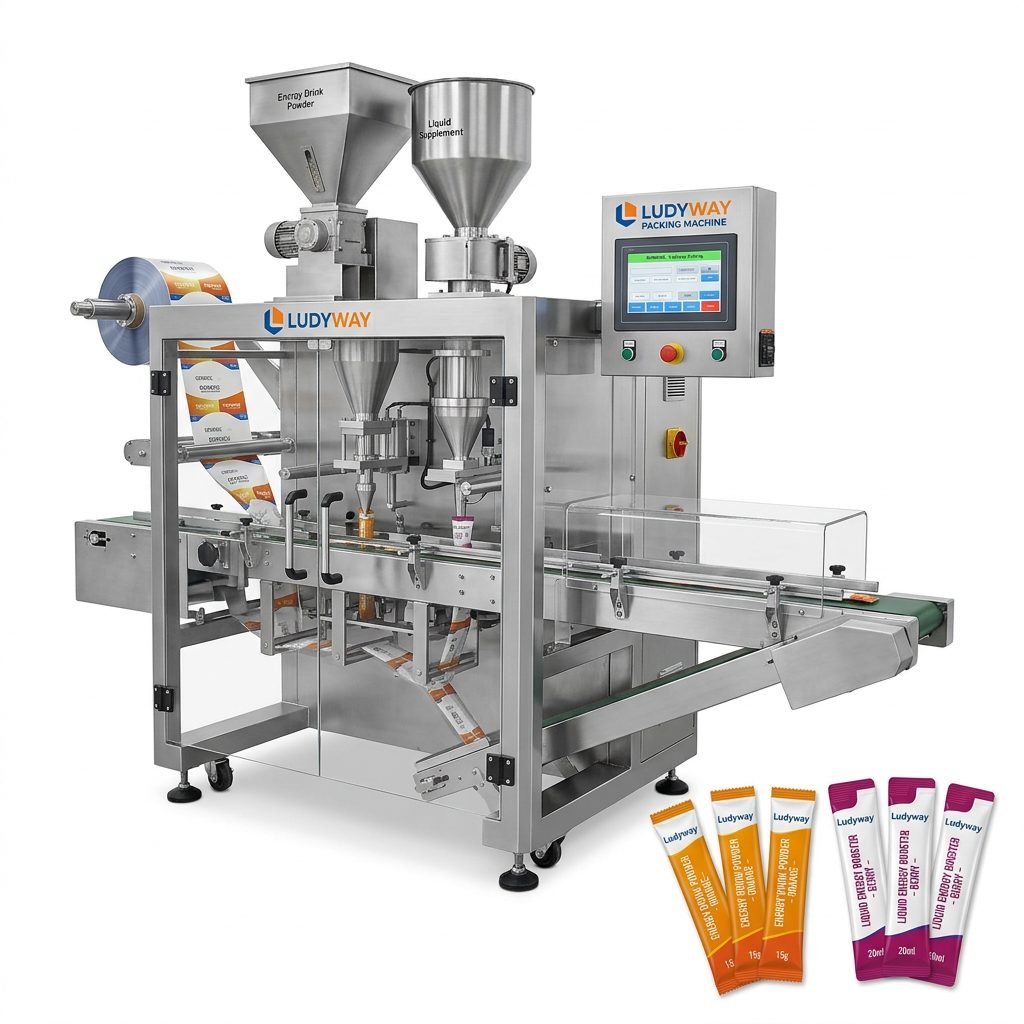
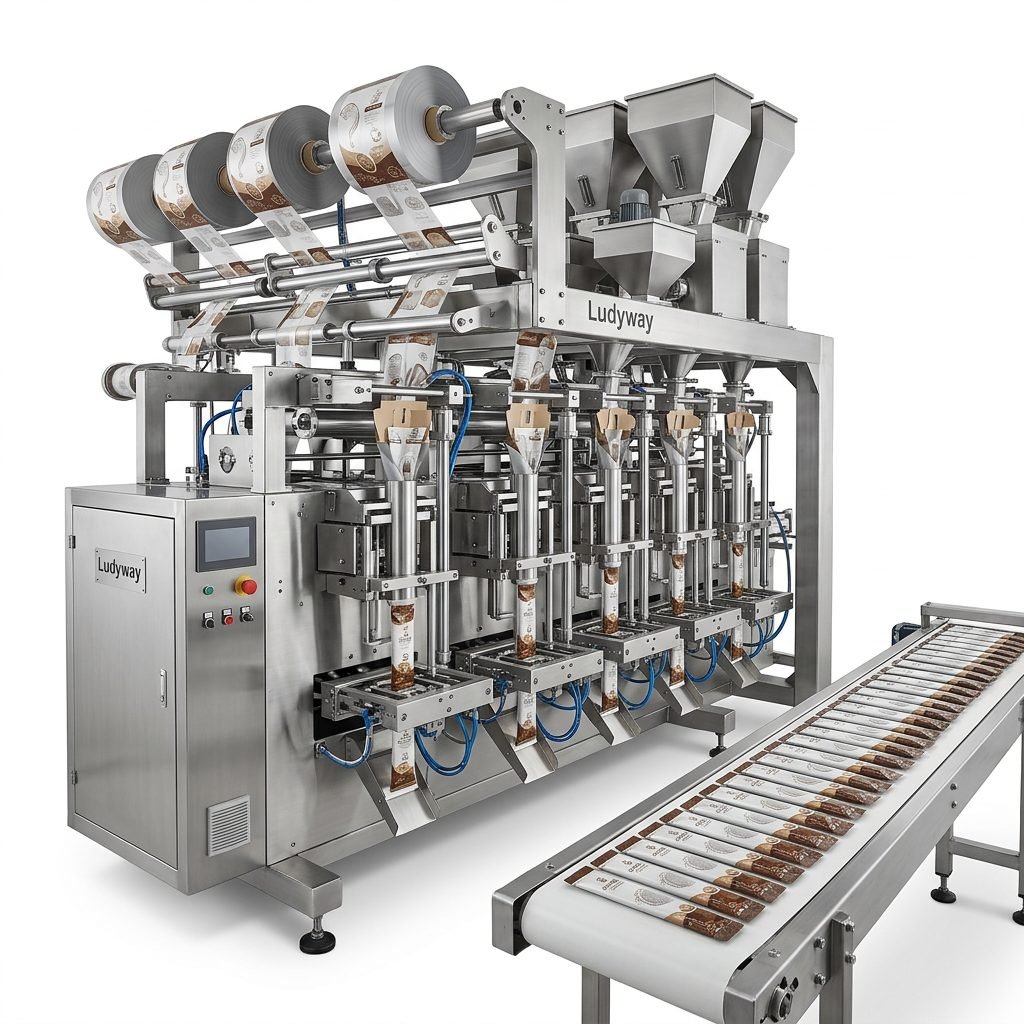
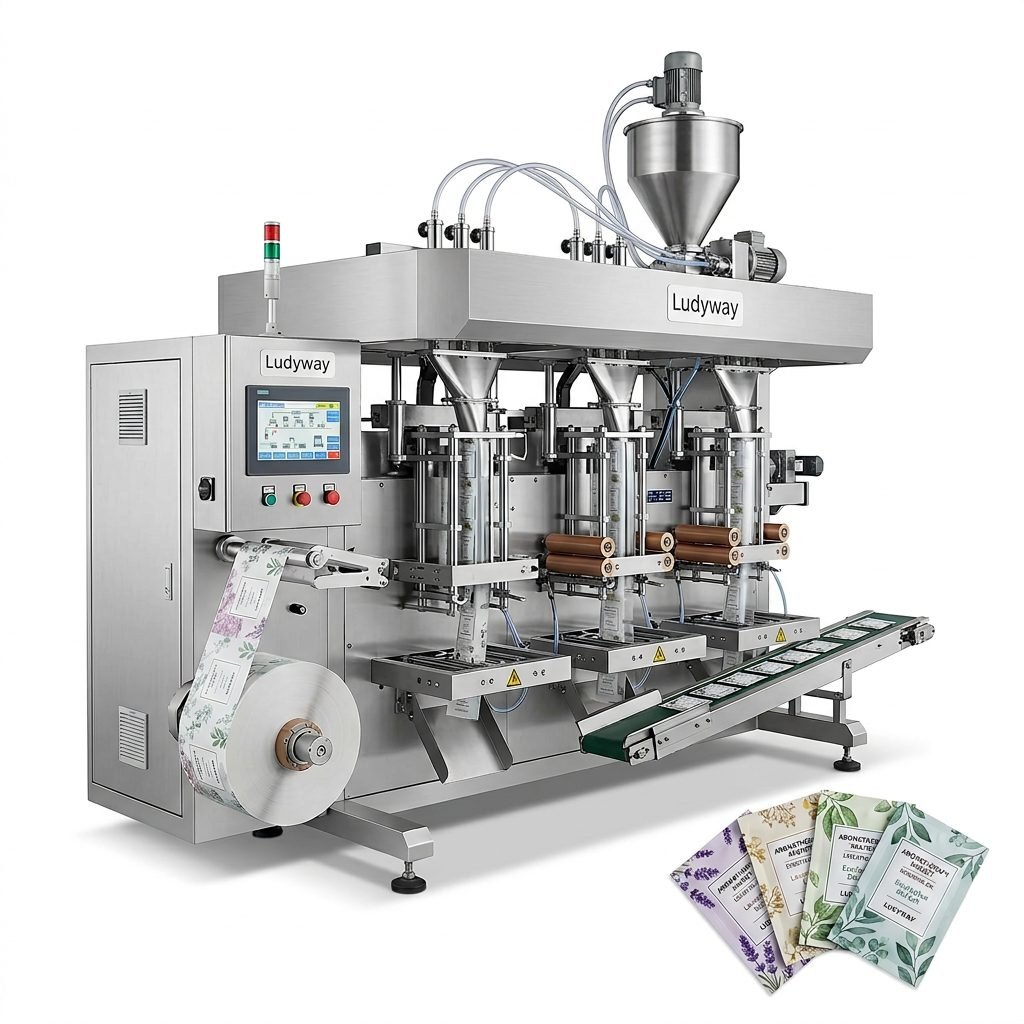
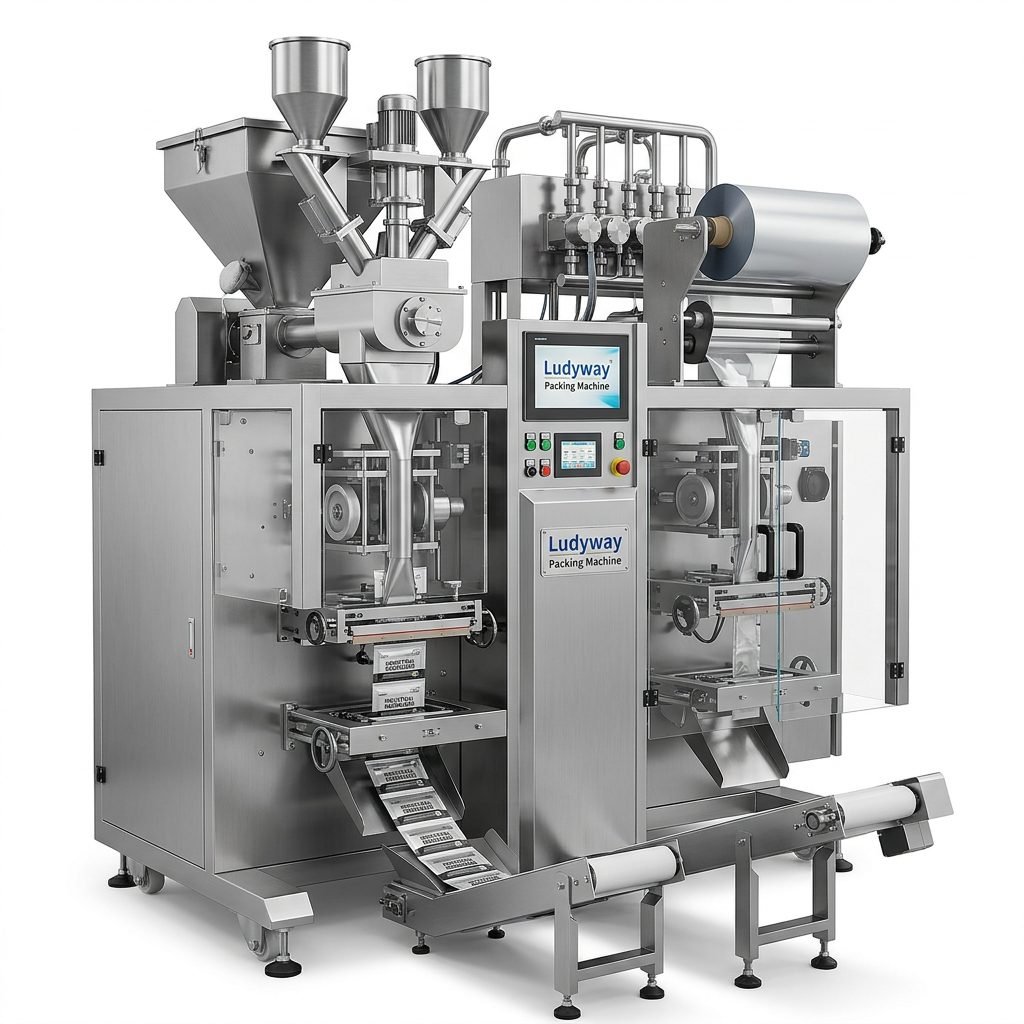
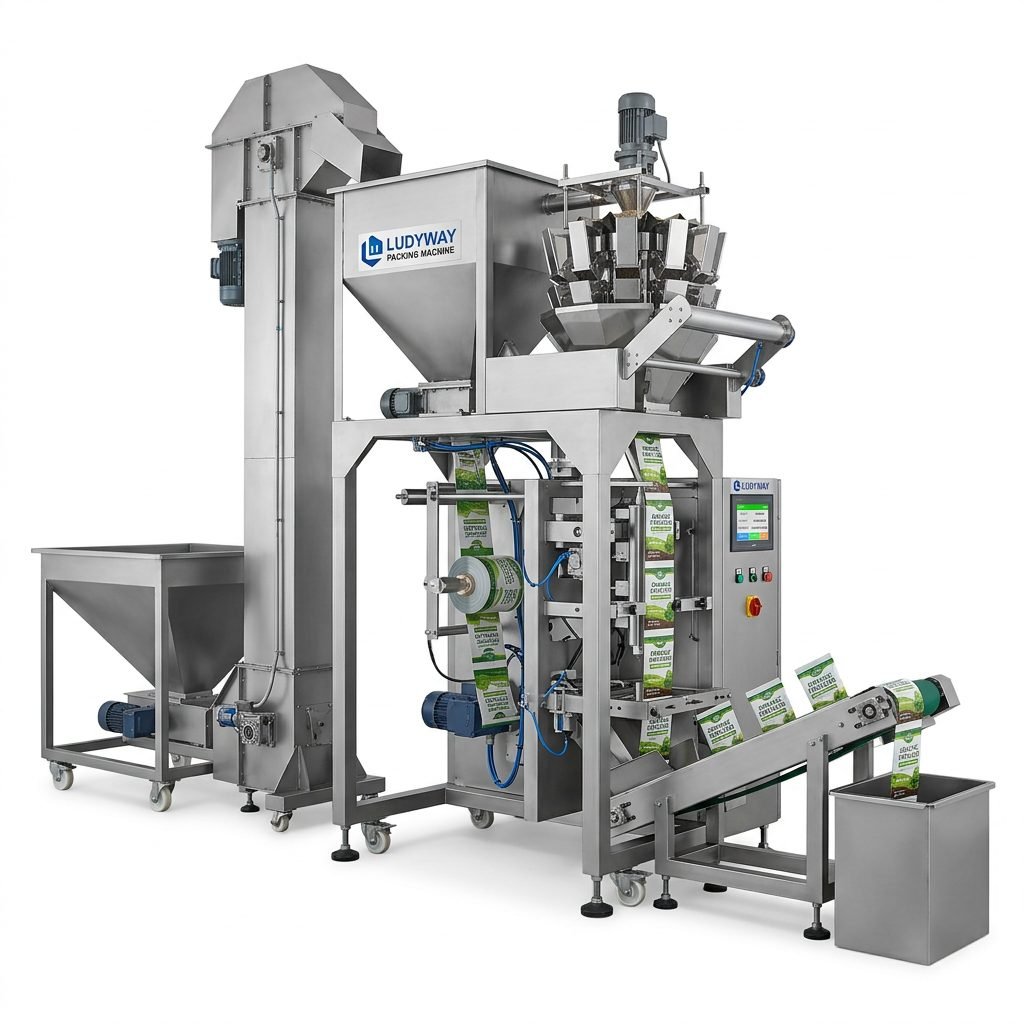
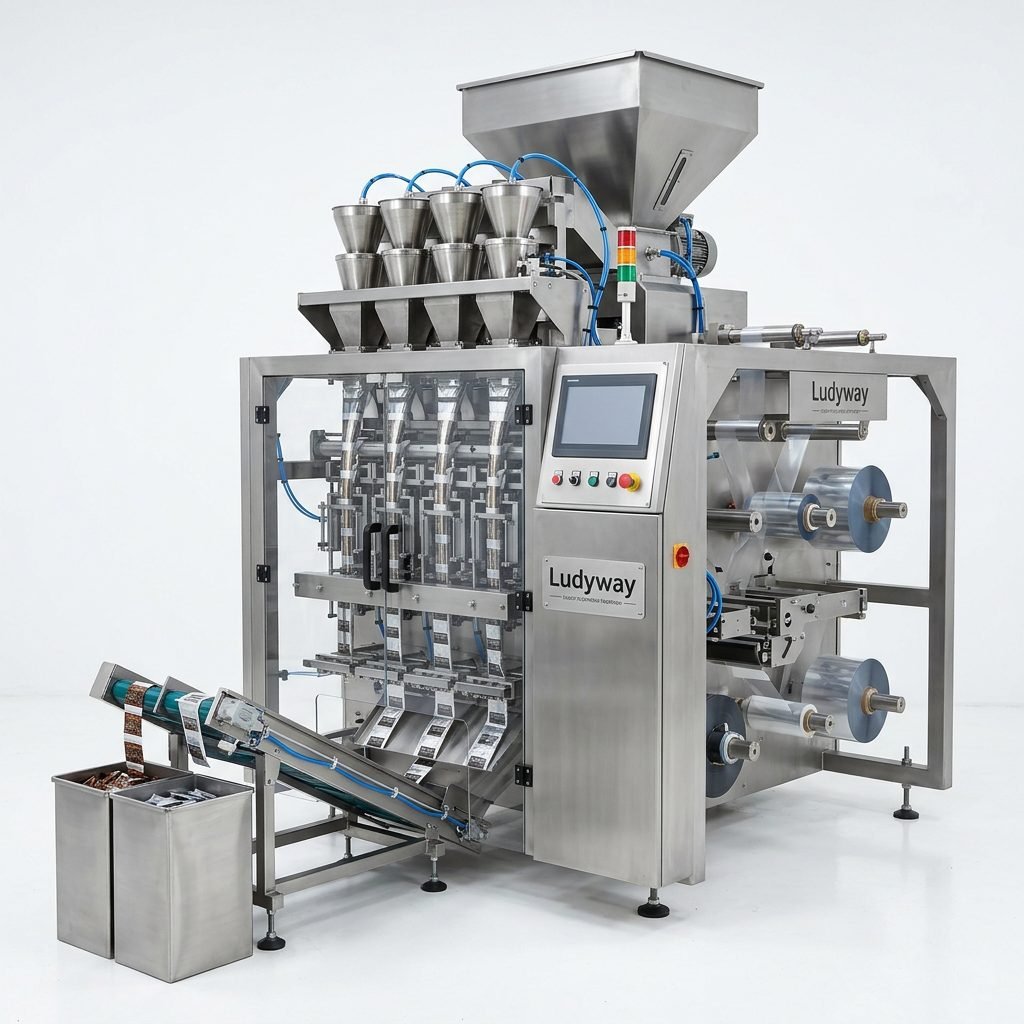
Choosing the right sachet packaging machine starts with one simple question: what products can it actually pack? The answer is broader than many buyers expect. Modern sachet packing systems can handle powders, granules, liquids, pastes, gels, creams, and even some specialty products, as long as the machine is matched to the product’s flow characteristics, dosing needs, and sealing requirements.
For manufacturers in food, pharmaceutical, cosmetic, chemical, and daily-use industries, sachet packaging offers a compact, cost-effective, and highly marketable format. It supports single-dose convenience, portion control, lower packaging material usage, and strong shelf appeal.
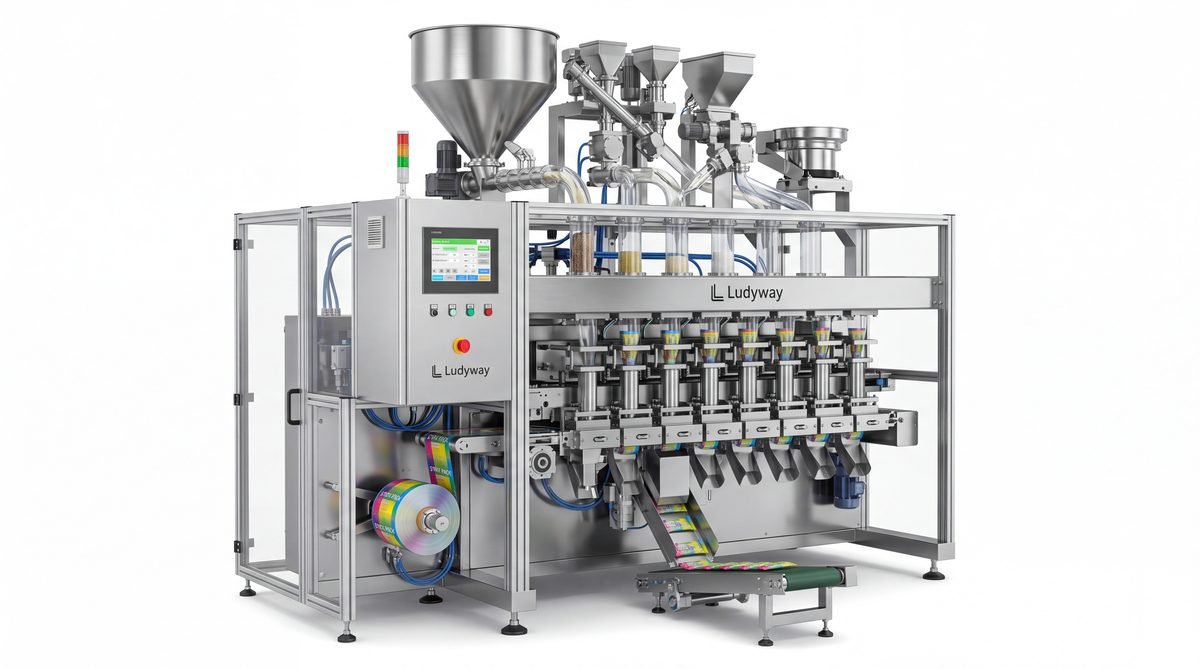
Main Product Types a Sachet Packaging Machine Can Pack
A sachet packaging machine is usually selected based on product form. Most packable products fall into the following categories:
| Product Form | Typical Examples | Common Filling Method |
|---|---|---|
| Powders | Milk powder, protein powder, spice powder, pharmaceutical powder | Auger filler |
| Granules | Sugar, salt, coffee, seeds, desiccants | Volumetric cup or weighing system |
| Liquids | Sauces, oils, syrups, detergents, sanitizers | Piston pump or liquid pump |
| Pastes / Creams | Honey, ketchup, face cream, gel, ointment | Servo piston filling |
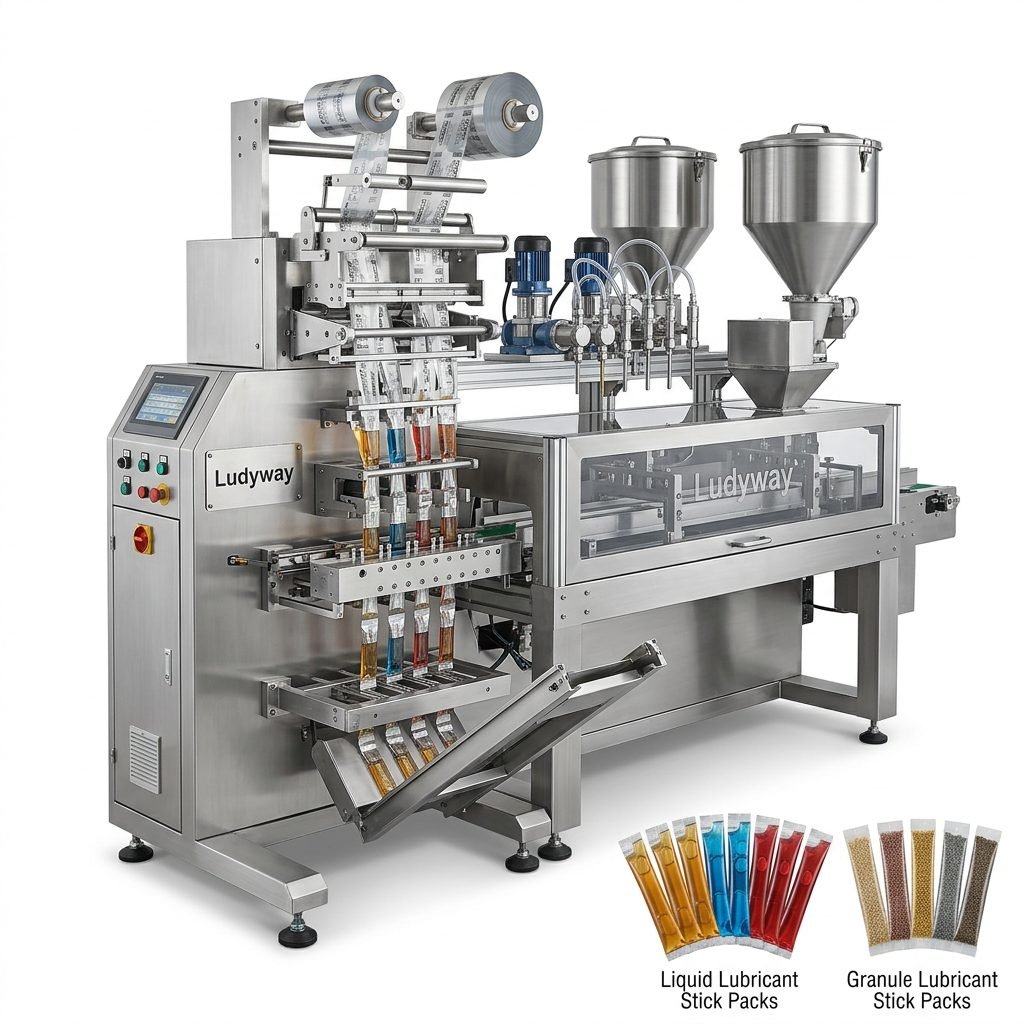
| Mixed / Specialty Products | Functional blends, herbal mixes, stick supplements | Customized dosing solution |
1. Powder Products
Powder products are among the most common applications for sachet machines. These products require stable dosing accuracy and good dust control, especially when the powder is fine, lightweight, or prone to clumping.
- Food powders: coffee powder, milk powder, cocoa powder, seasoning powder, soup mix, flour, starch, baking powder
- Nutritional powders: protein powder, collagen powder, electrolyte powder, meal replacement powder, creatine, vitamin powder
- Pharma powders: oral rehydration salts, probiotic powder, cold medicine powder, glucose powder
- Cosmetic powders: face mask powder, whitening powder, herbal skin-care powder
- Chemical powders: detergent powder, descaling powder, water treatment chemicals, industrial additives
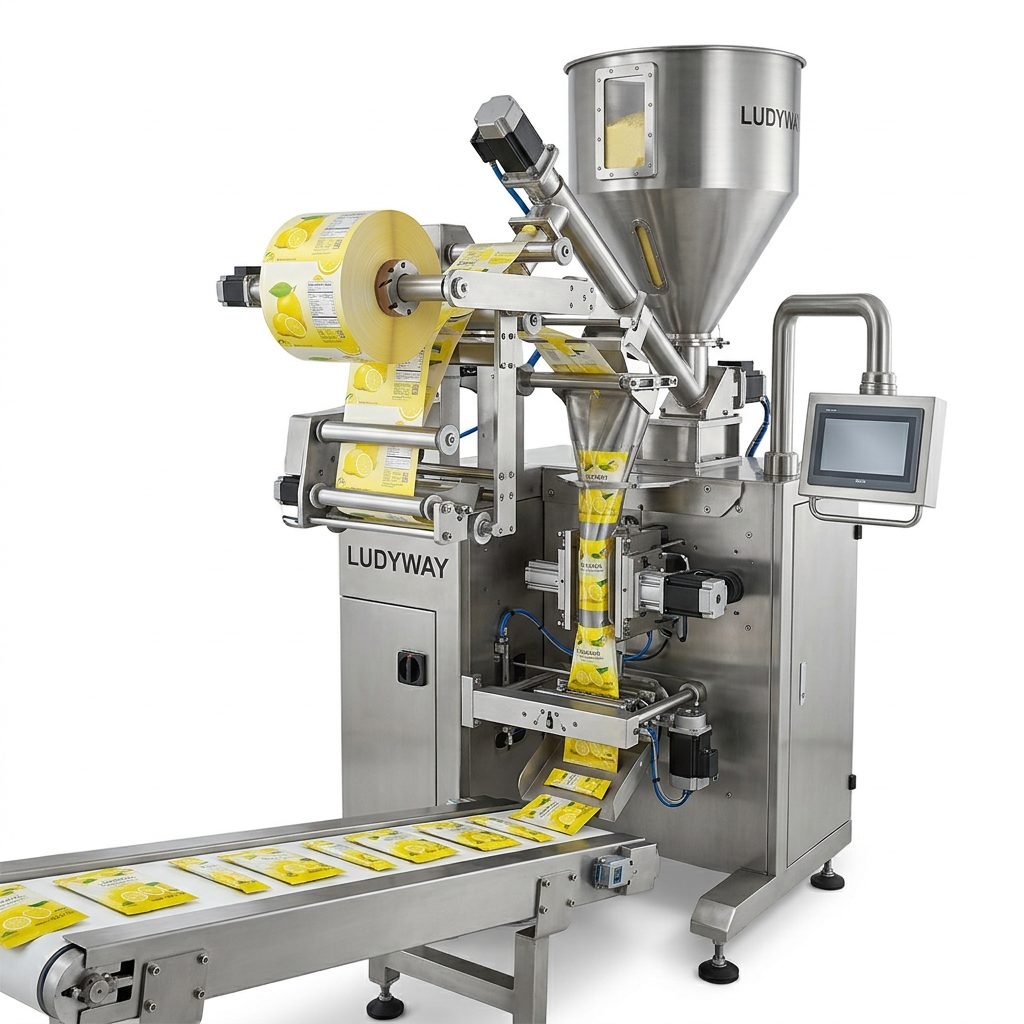
Powders usually work best with an auger filling system. If the powder is very dusty, hygroscopic, or poor-flowing, the machine may need a dust extraction setup, hopper agitation, or a screw feeding system.
2. Granule Products
Granules flow more easily than powders in many cases, making them ideal for high-speed sachet packaging. However, granule size, density, and fragility still affect machine selection.
- Sugar, brown sugar, sweetener, salt
- Instant coffee granules
- Seeds, grains, rice, cereal blends
- Nuts and snack granules
- Animal feed additives and pet nutrition granules
- Pharmaceutical granules and herbal mixtures
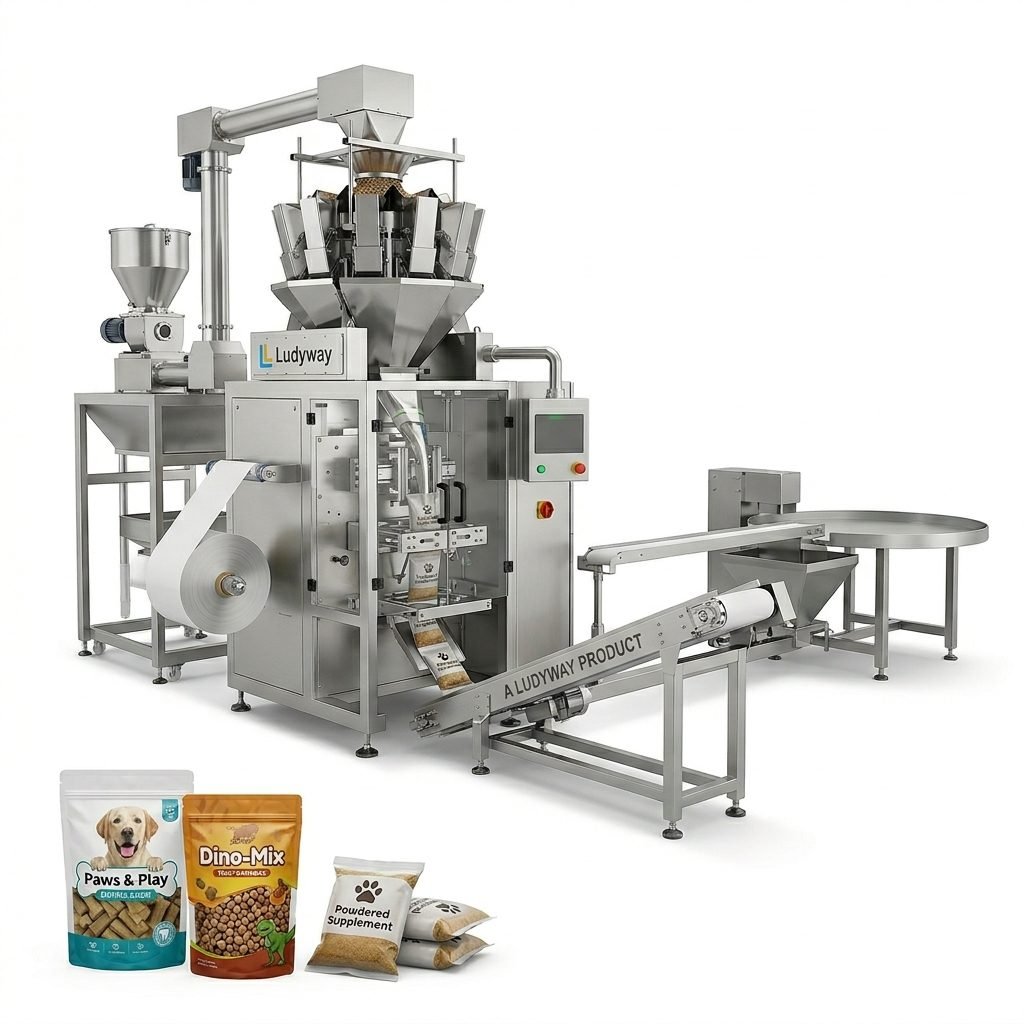
If the granules are uniform, a volumetric cup filler can be efficient. If the product value is high or weight precision is critical, a multi-head weigher or linear weighing system may be more suitable.
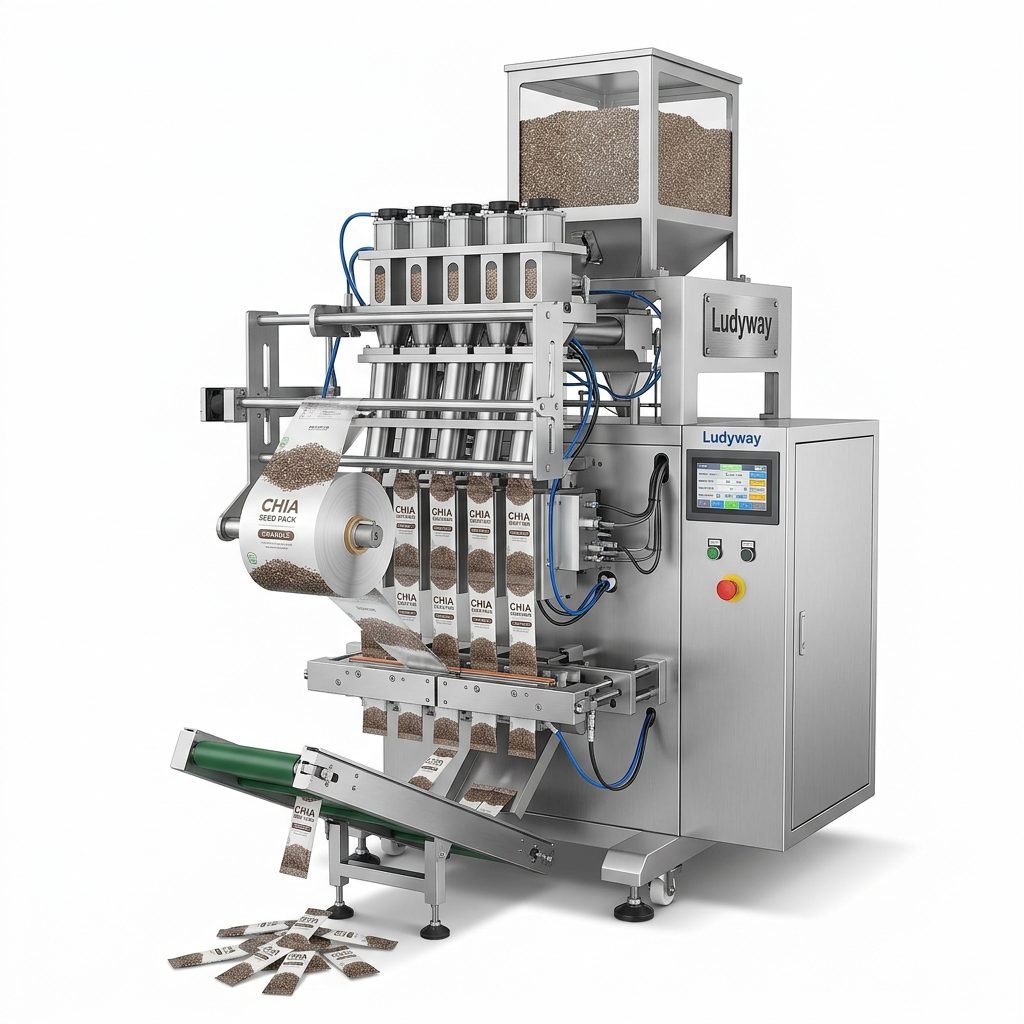
3. Liquid Products
Liquid sachet packaging is widely used for food service, healthcare, household chemicals, and travel-size personal care products. The key consideration is viscosity and sealing reliability.
- Water, oral liquid, functional drinks
- Soy sauce, vinegar, salad dressing, cooking oil
- Shampoo, body wash, hand wash, facial cleanser
- Sanitizer, disinfectant, cleaner, detergent liquid
- Industrial oils and specialty chemical liquids
For liquid applications, buyers should pay attention to:
- Leak-proof sealing performance
- Anti-drip filling design
- Corrosion resistance for aggressive liquids
- Temperature handling for hot-fill or warm products
4. Paste, Cream, and Gel Products
More viscous products can also be packed in sachets. These typically require piston filling or specially designed pumps to maintain dosing consistency.
- Honey, jam, mayonnaise, ketchup, chili sauce
- Peanut butter, cream-based food condiments
- Face cream, eye cream, lotion, serum, sunscreen
- Medical gel, ointment, topical cream
- Industrial gel or adhesive samples
Because these materials are thicker, filling nozzle design and product temperature control are often just as important as the packaging machine itself.
Industries That Commonly Use Sachet Packaging Machines
Sachet packaging is popular because it works across many markets. Below are the industries where sachet machines are most frequently used.
Food Industry
Food brands use sachets for single servings, trial packs, seasoning packs, beverage mixes, condiments, and on-the-go consumption. Popular products include:
- Instant coffee, milk tea, hot chocolate
- Sugar, salt, pepper, spice blends
- Sauces, ketchup, mayonnaise, oils
- Soup powder, baking ingredients, cereal powder
- Dried fruit pieces, seeds, granola, snack granules
Pharmaceutical and Nutraceutical Industry
Sachets are highly suitable for unit-dose health and medical products because they support dosage control, portability, and hygiene.
- Electrolyte powders
- Oral rehydration salts
- Cold medicine granules
- Probiotics and supplements
- Collagen, vitamins, amino acids, mineral powders
Cosmetic and Personal Care Industry
Travel-size and sample-size products are strong drivers of sachet demand in the beauty sector.
- Shampoo and conditioner
- Lotion and serum
- Face cream and eye cream
- Hair mask and hair oil
- Facial cleanser and sunscreen
Chemical and Household Products Industry
Many cleaning and specialty chemical products can also be packed in sachets, especially for retail trial packs, industrial dosing, or consumer convenience formats.
- Liquid detergent and fabric softener
- Dishwashing liquid and floor cleaner
- Water treatment chemicals
- Pesticides, herbicides, fertilizer additives
- Adhesives, lubricants, and specialty maintenance chemicals
Examples of Products a Sachet Packaging Machine Can Pack
| Category | Sample Products | Packaging Notes |
|---|---|---|
| Food | Coffee, sugar, seasoning, ketchup, soup mix, milk powder | Needs food-grade contact parts and accurate dosing |
| Pharma / Health | Electrolytes, probiotics, glucose powder, oral liquid | Often needs higher precision and GMP-oriented design |
| Cosmetics | Cream, lotion, serum, shampoo, hair mask | Viscosity and clean sealing are key |
| Household / Chemical | Detergent, sanitizer, cleaner, additives | Material compatibility and corrosion resistance matter |
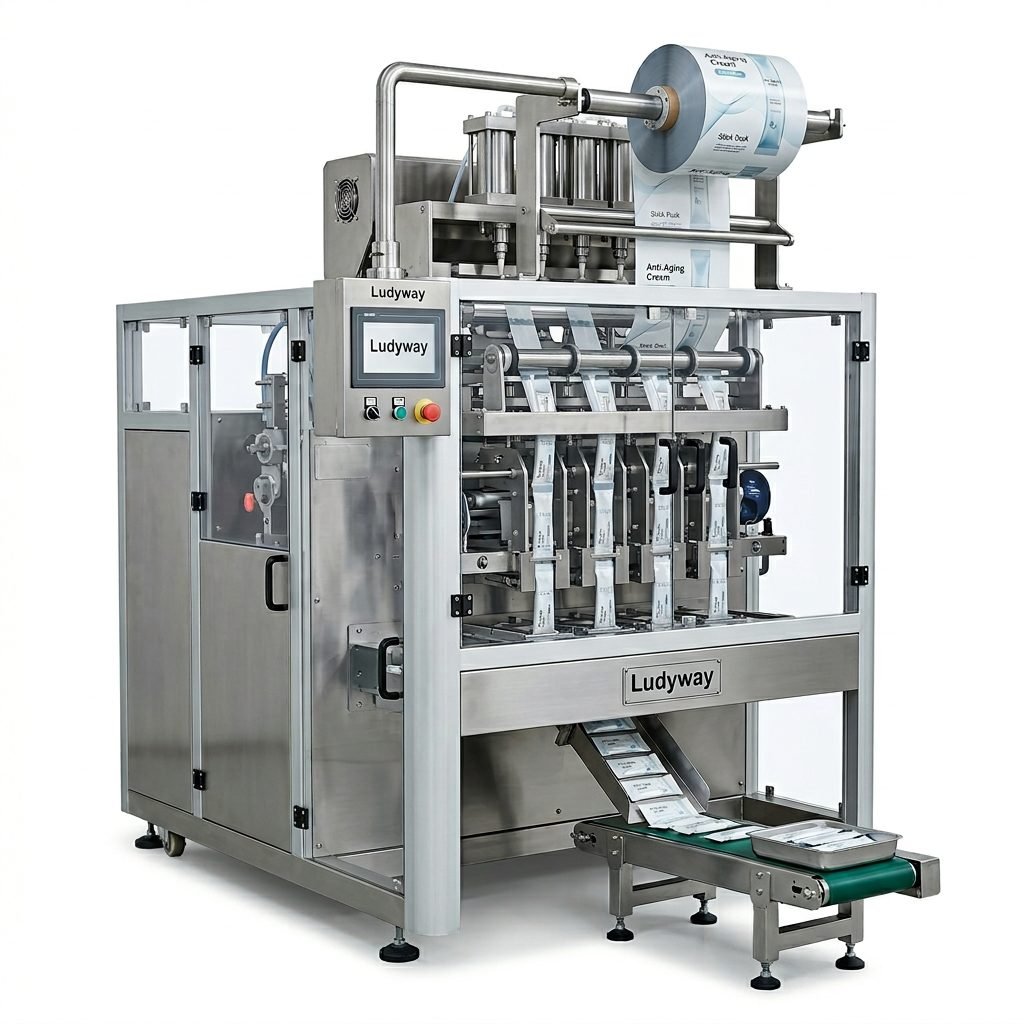
What Determines Whether a Product Is Suitable for Sachet Packing?
Not every product should use the same sachet machine setup. Before choosing equipment, evaluate these factors:
- Product form: powder, granule, liquid, paste, or gel
- Flowability: whether the product flows smoothly or bridges in the hopper
- Particle size: especially important for granules and mixed products
- Viscosity: critical for liquids, creams, and sauces
- Filling accuracy required: particularly important in pharma and high-value nutrition products
- Sachet size and format: small sample sachet, retail sachet, or multi-lane high-output pack
- Film type: laminated film, foil film, easy-tear material, high-barrier packaging film
- Production speed: single-lane vs multi-lane systems
The machine must match both the product and the packaging material. A mismatch can cause poor sealing, weight inconsistency, or unnecessary downtime.
Can One Sachet Machine Pack Different Products?
Yes, in some cases. A flexible sachet packing machine can be configured for multiple products, but usually only within similar product categories. For example:
- One powder sachet machine may pack coffee powder, milk powder, and seasoning powder
- One liquid sachet machine may pack shampoo, sanitizer, and detergent liquid
- One paste machine may pack ketchup, honey, and mayonnaise
However, switching between very different materials, such as powder and liquid, usually requires a different filling system or a different machine design. That is why many manufacturers prefer application-based customization from experienced suppliers such as Ludyway sachet packaging machine manufacturer.
How to Choose the Right Sachet Packaging Machine for Your Product
If you are planning a sachet packaging project, use this checklist before requesting a quotation:
- Define the exact product type and physical characteristics
- Confirm target sachet weight or volume
- Decide the sachet shape and dimensions
- Estimate required output per minute or per hour
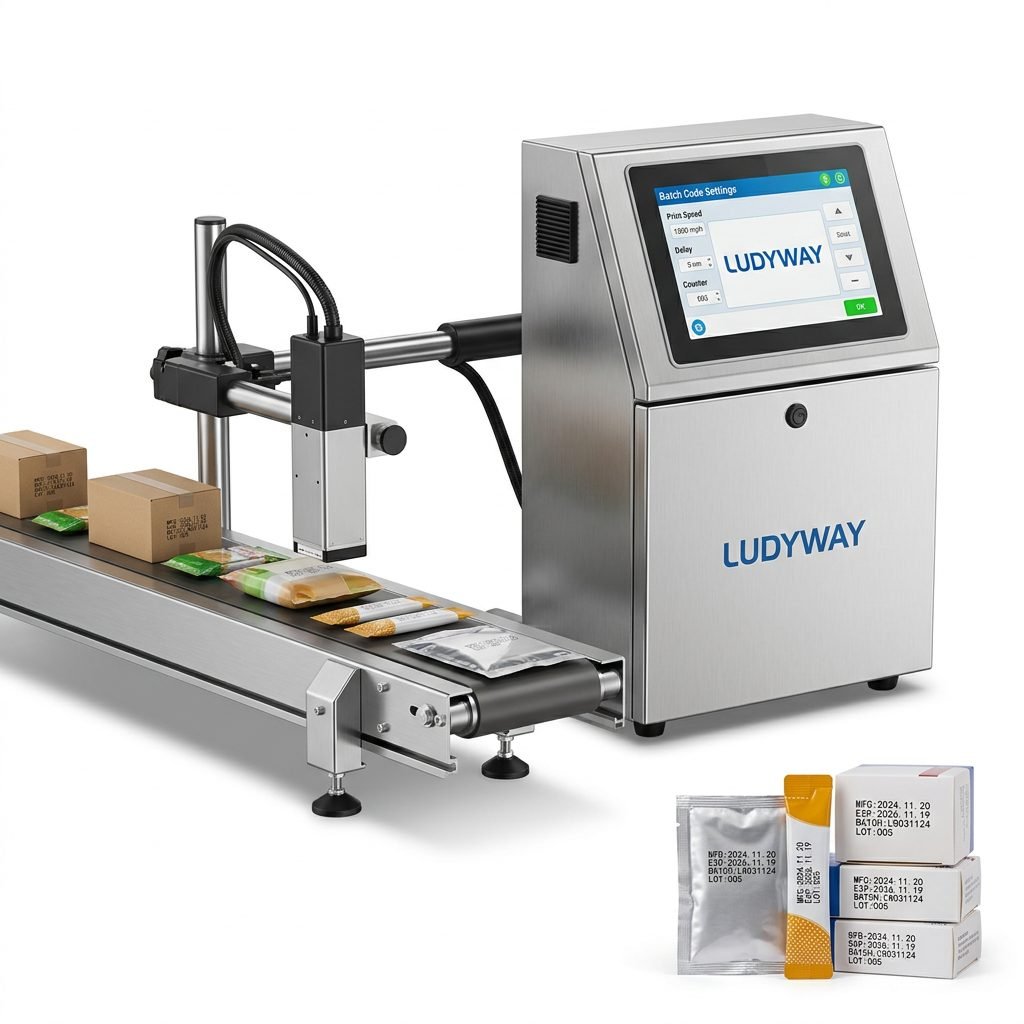
- Check whether your product needs nitrogen flushing, coding, counting, or cartoning
- Determine whether you need a standalone machine or a turnkey packaging line
- Prepare sample product and packaging film for testing
Helpful Tip for Buyers
When discussing your project with a supplier, provide as much real production information as possible. Product photos are useful, but actual samples and target bag specifications are much better for machine matching and testing.
Frequently Asked Questions
Can sachet machines pack both powder and granules?
Yes, but the filling device must fit the product. Powders usually use auger fillers, while granules often use cup fillers or weighing systems.
Can sachet machines pack sticky products?
Yes. Sticky products such as honey, cream, gel, and sauces can be packed with piston or pump-based filling systems designed for viscous materials.
Are sachet machines suitable for pharmaceutical products?
Yes. They are widely used for pharmaceutical powders, granules, oral liquids, and health supplements, provided the machine meets required hygiene and accuracy standards.
What products are not ideal for standard sachet machines?
Products with oversized particles, fragile large pieces, highly unstable flow behavior, or unusual packaging needs may require customized pouch systems or different packaging formats.
Final Buying Insight
A sachet packaging machine can pack far more than just sugar or shampoo. Today’s systems are used for foods, beverages, supplements, medicines, cosmetics, detergents, and industrial materials. The real question is not simply whether your product can go into a sachet, but which machine configuration is best for it.
By selecting the correct filling method, film structure, sealing design, and automation level, businesses can achieve reliable output, cleaner packaging, lower labor costs, and stronger market presentation. For high-speed or multi-product operations, a customized solution is usually the most efficient long-term choice.