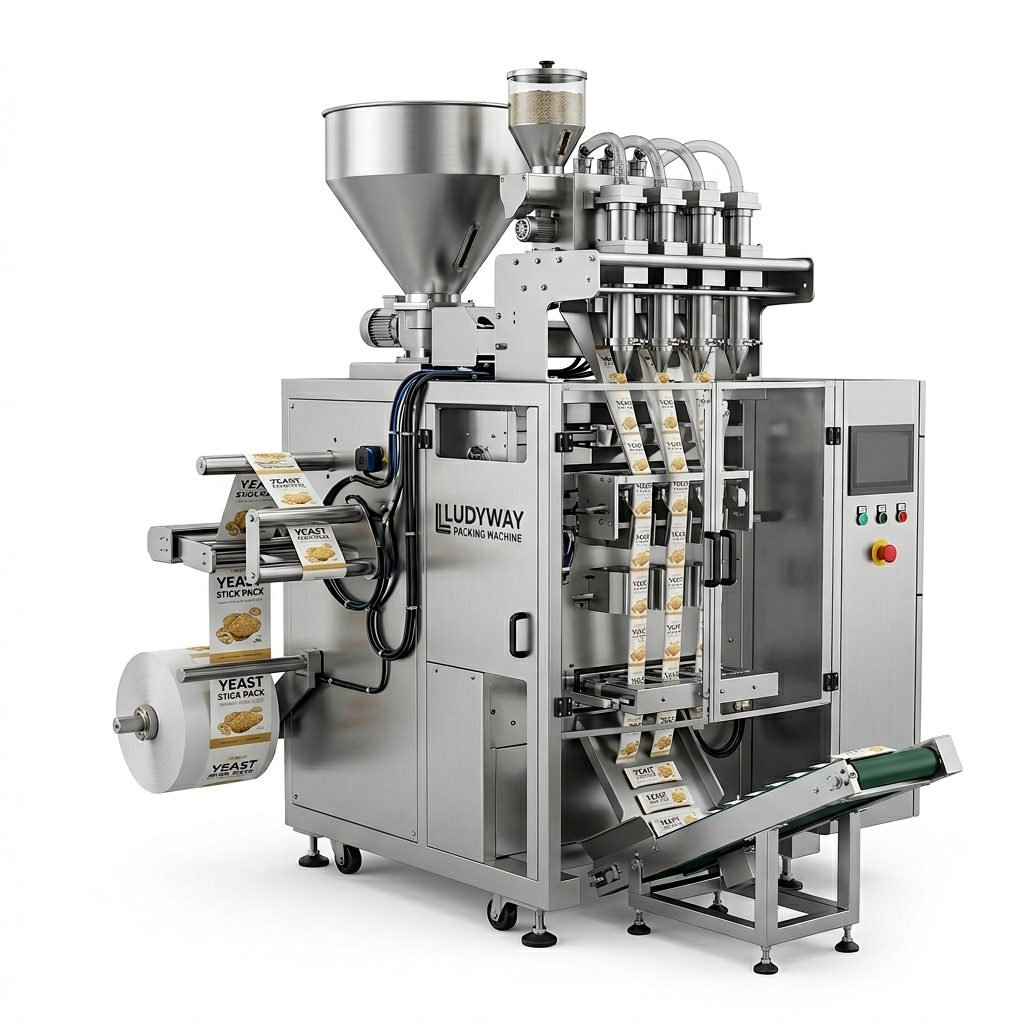
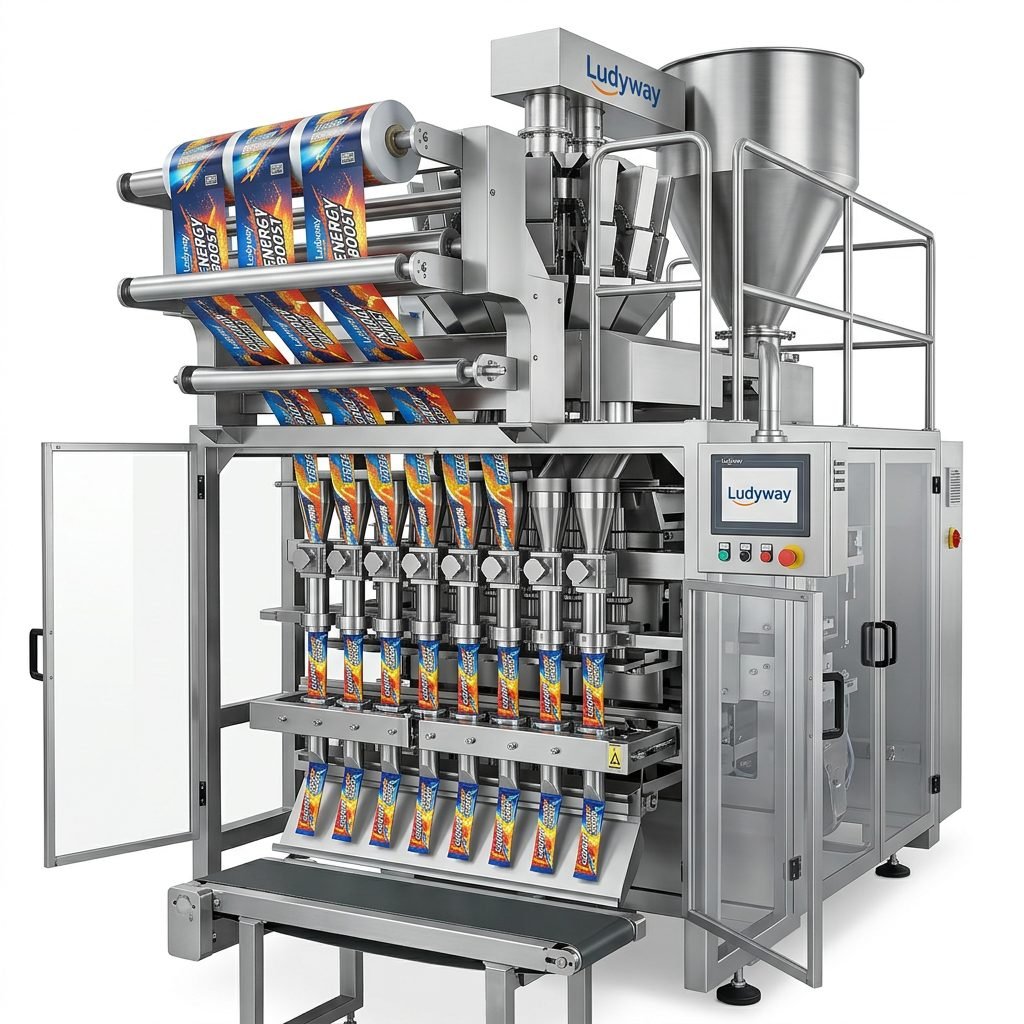
Selecting the right food packaging machine for your production line in Cameroon is one of the most critical decisions you will make as a food manufacturer. Whether you are packaging coffee, spices, flour, sugar, milk powder, seasonings, or liquid beverages, the type of machine you choose directly impacts your productivity, product shelf life, and operational costs. With Cameroon’s food processing sector growing rapidly across Douala, Yaoundé, and beyond, understanding which packaging technology fits your specific product is essential for staying competitive in both local and regional markets.
This comprehensive guide walks you through the key factors to consider when choosing a food packaging machine in Cameroon, covering granule, powder, liquid, and paste products, and explains how different machine types serve different production needs.
Understanding Your Product Characteristics First
Before exploring machine types, you must clearly define your product’s physical properties. The flowability, density, moisture content, and particle size of your food product will determine the right filling mechanism and packaging format. In Cameroon, many producers handle a diverse range of products—from free-flowing granules like sugar and rice to cohesive powders like cocoa and milk powder, and from thin liquids like fruit juices to viscous pastes like peanut butter and mayonnaise.
Granule Products
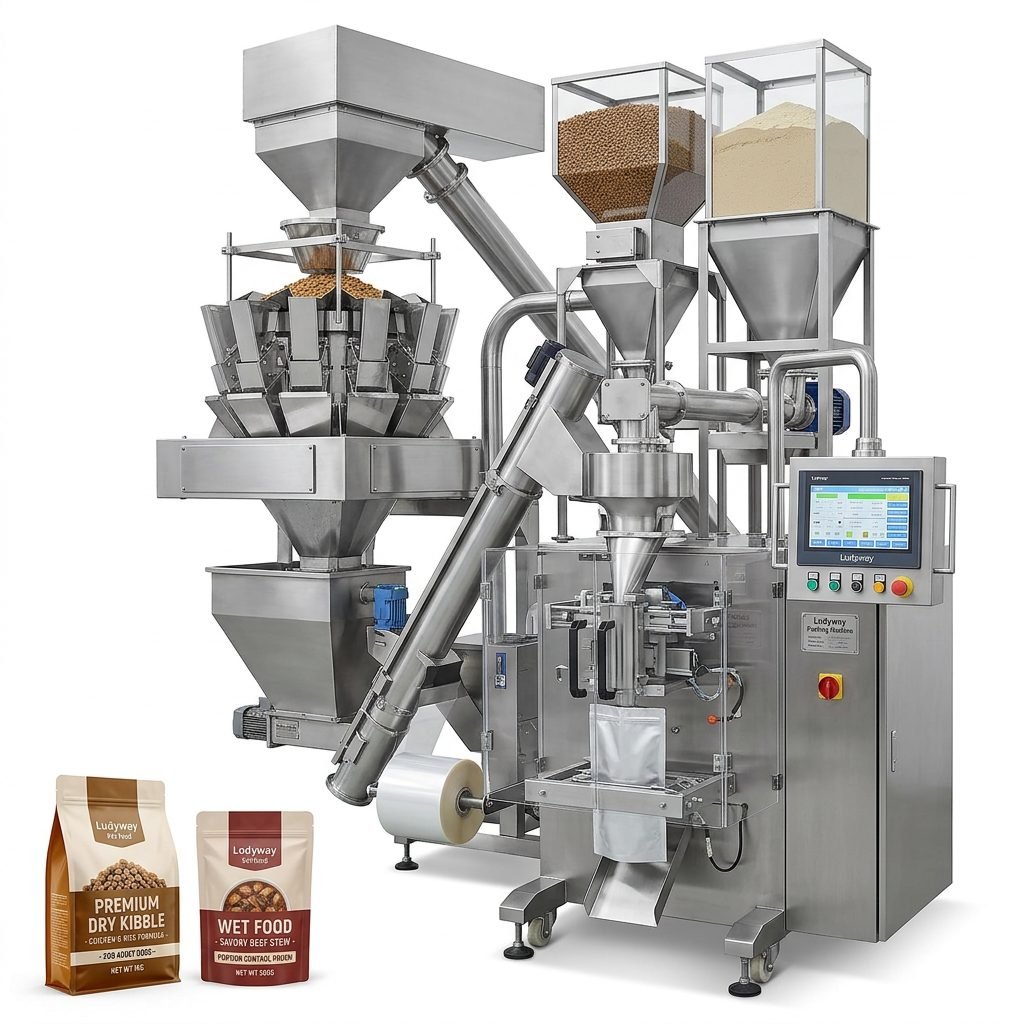
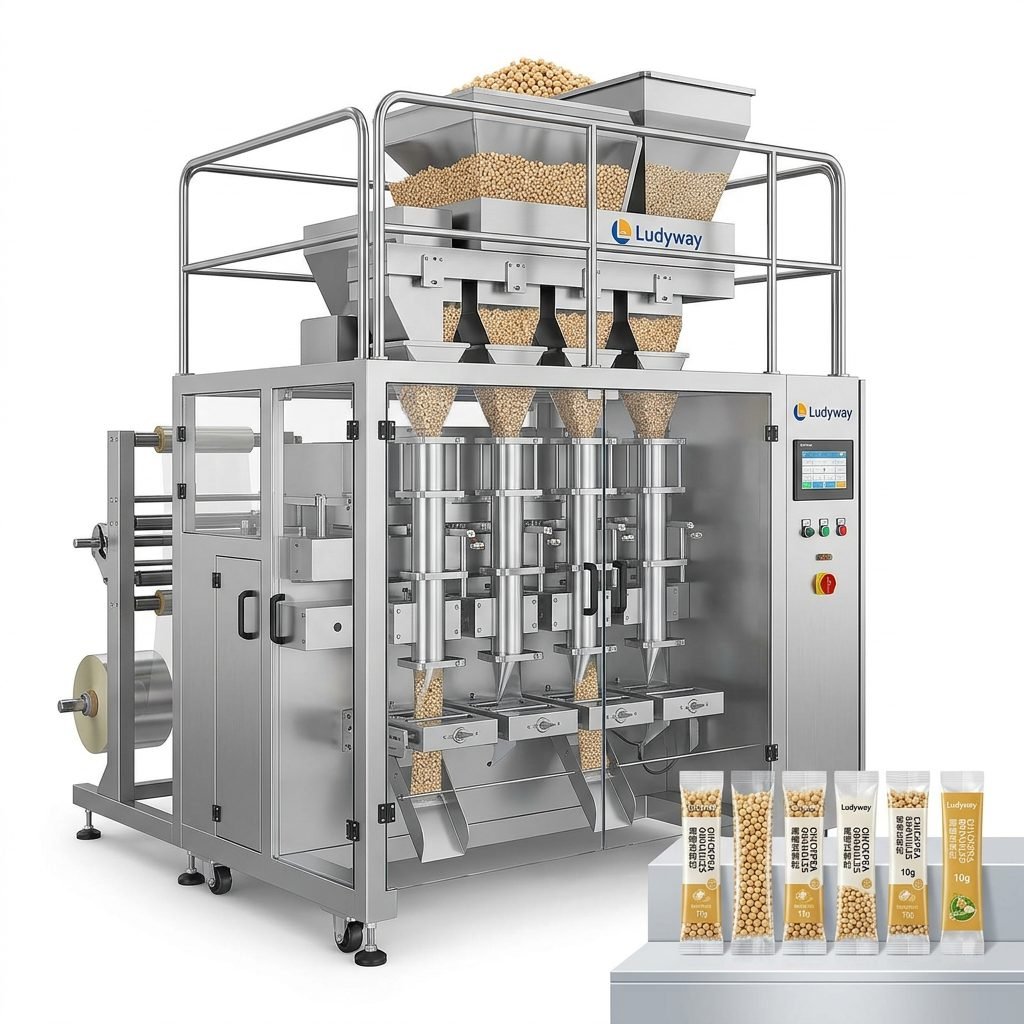
Granules such as coffee beans, tea leaves, cereals, salt, sugar, and dried grains flow easily and typically require multi-head weigher systems or volumetric cup fillers for accurate dosing. These products are widely produced across Cameroon for both domestic consumption and export.
Powder Products
Fine powders—including flour, cocoa powder, milk powder, spices, and beverage mixes—present unique challenges due to dust generation and potential bridging in hoppers. Auger fillers are commonly recommended for these applications. Cameroon’s growing instant beverage and bakery sectors rely heavily on reliable powder packaging.
Liquid and Paste Products
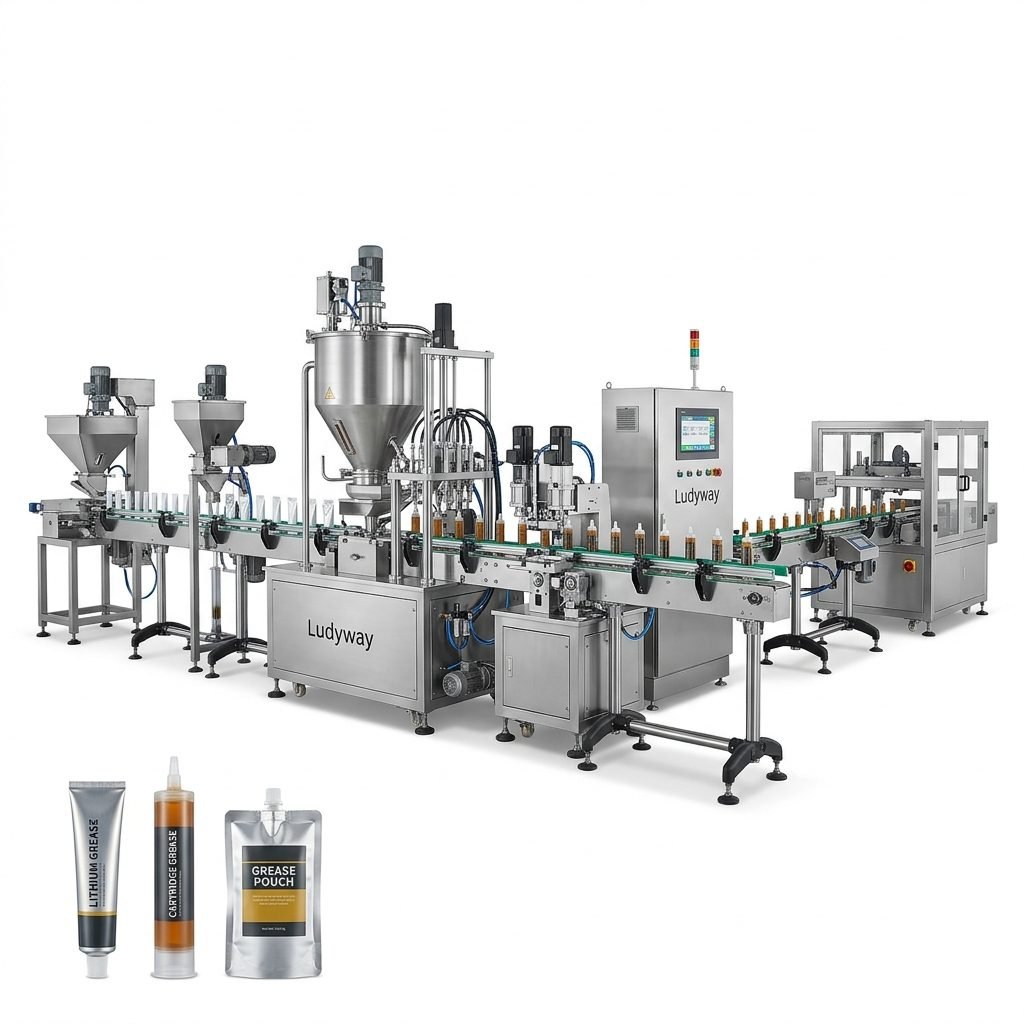
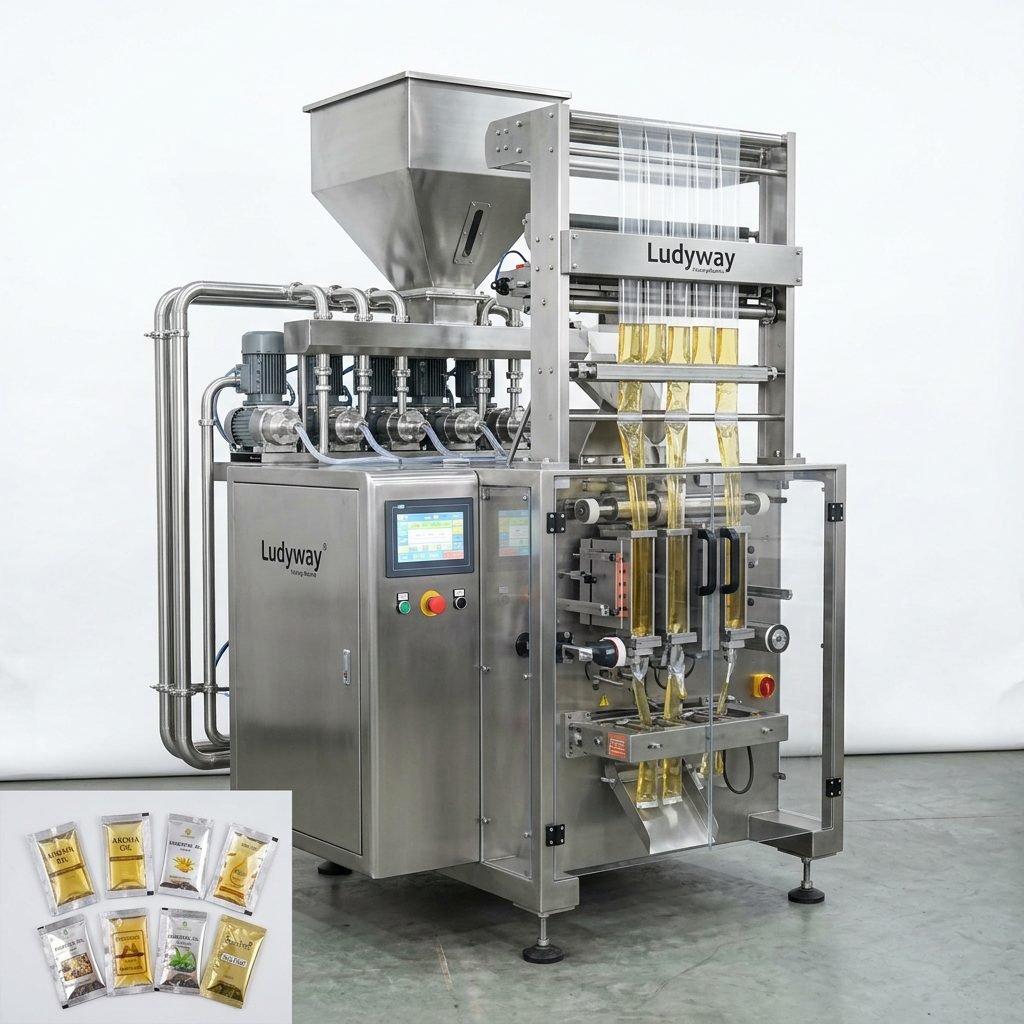
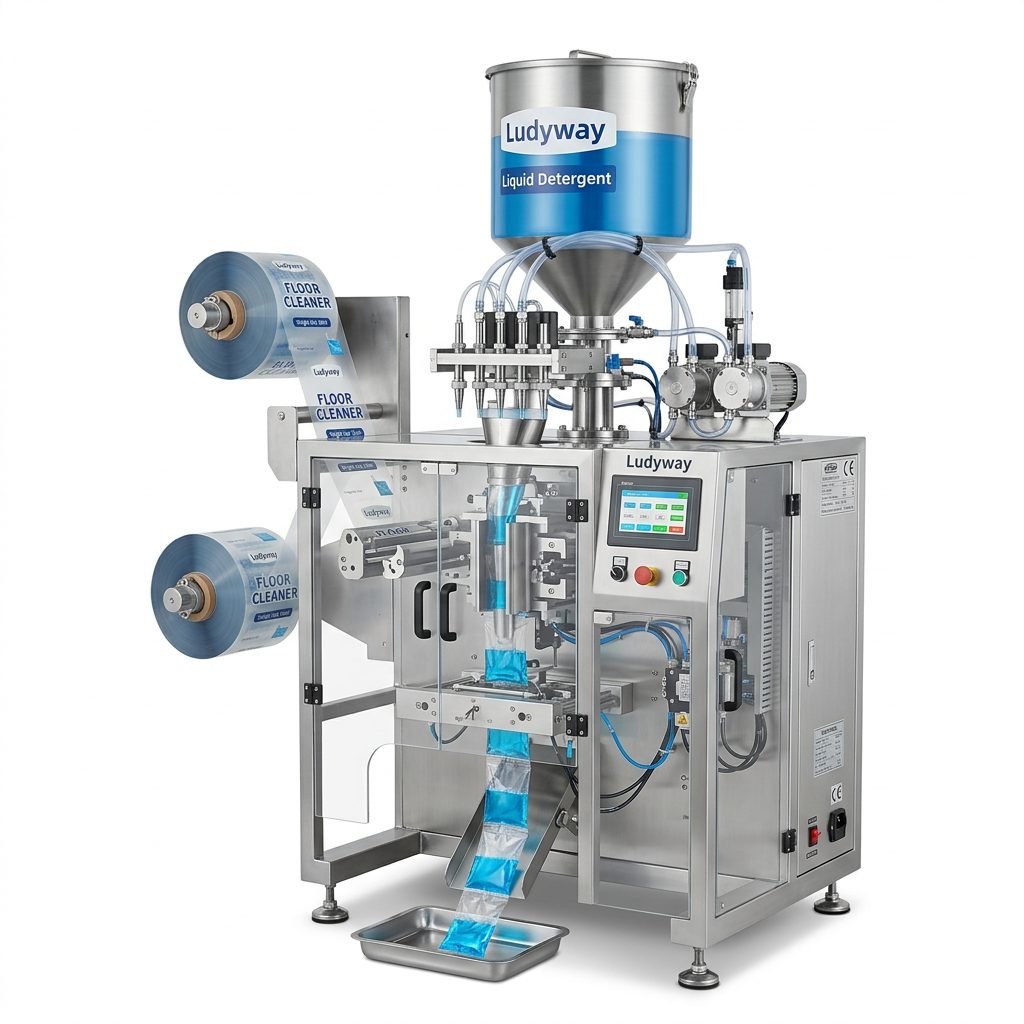
Liquid foods like cooking oils, fruit juices, honey, sauces, and dairy products require piston fillers, pump-based systems, or gravity fillers depending on viscosity. Pastes such as peanut butter, chocolate spread, and tomato paste demand specialized filling nozzles and often benefit from multi-lane sachet packaging machines for high-output single-serve formats.
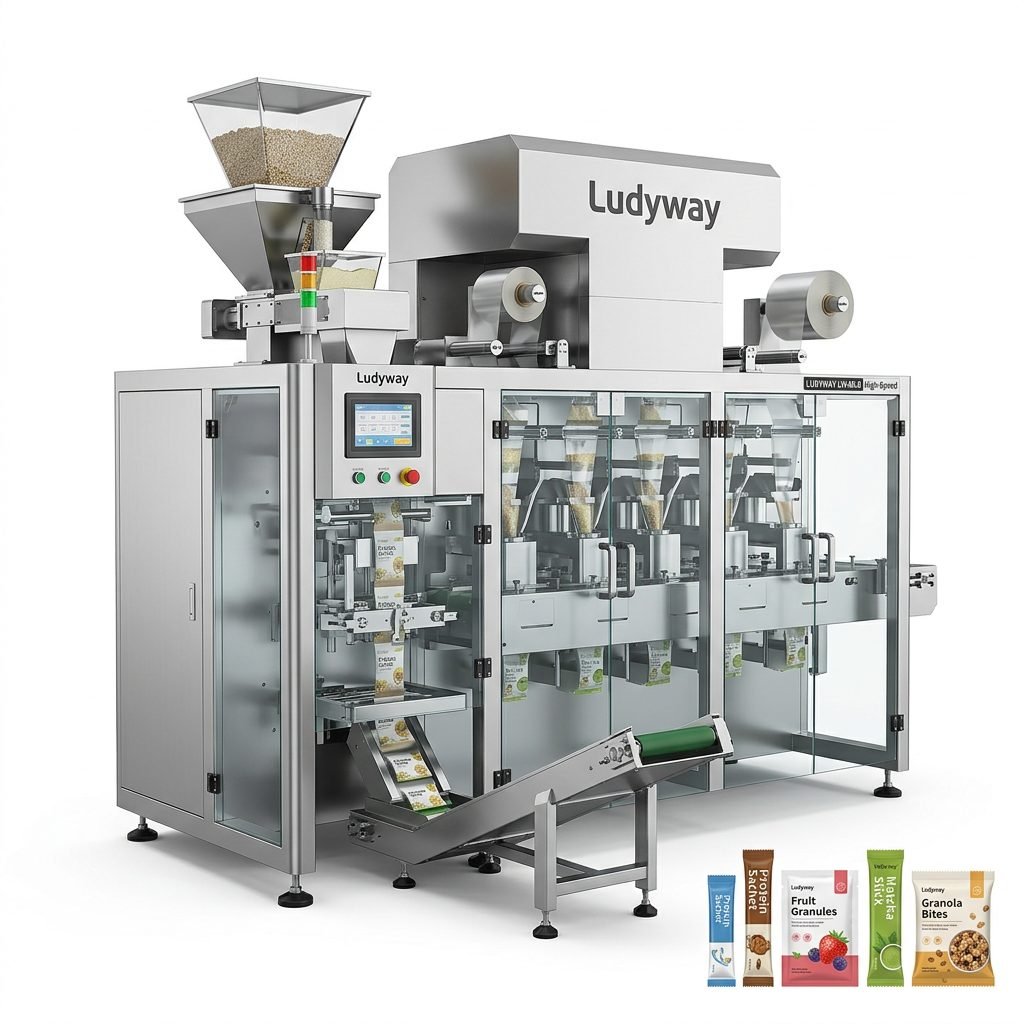
Major Types of Food Packaging Machines
The Cameroonian market benefits from several packaging machine categories, each designed for specific product types and output requirements. Below is a detailed comparison to help you make an informed choice.
| Machine Type | Best For | Packaging Format | Typical Output | Ideal Products in Cameroon |
|---|---|---|---|---|
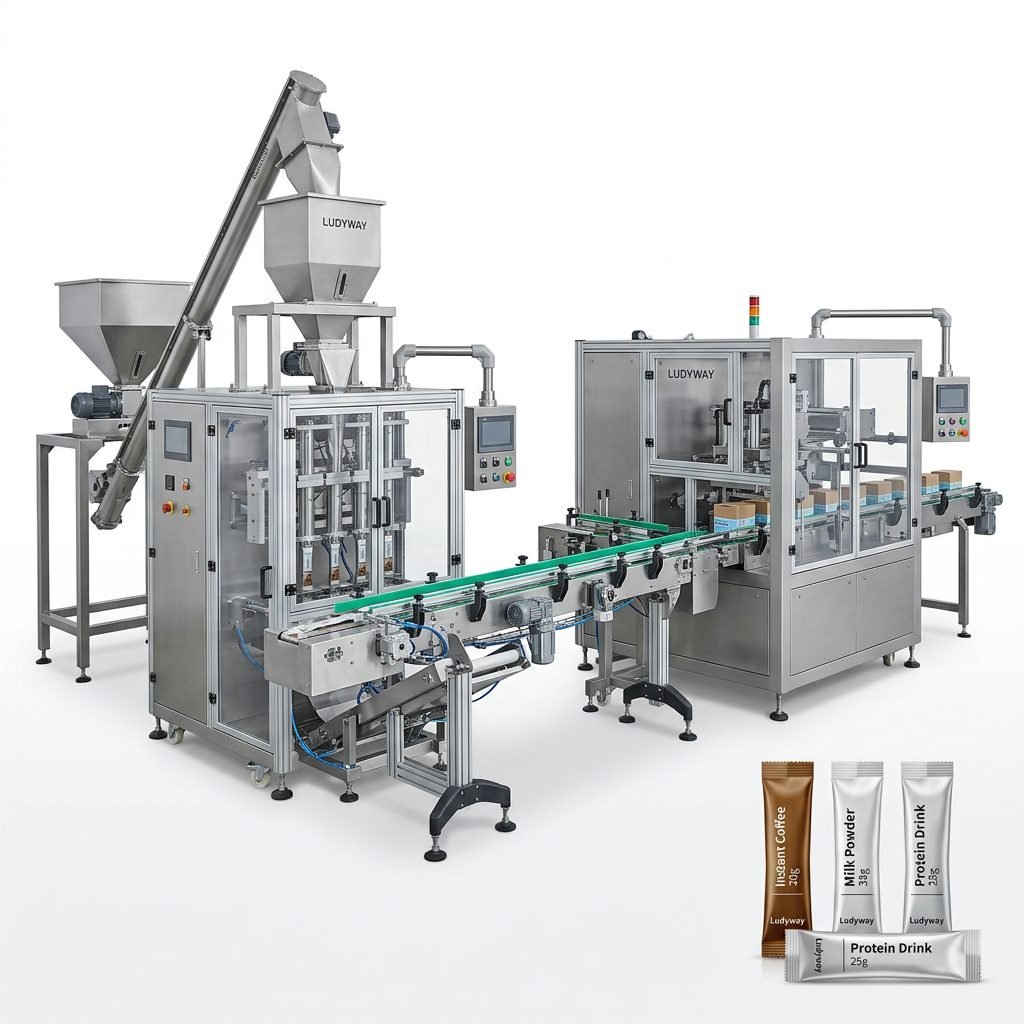
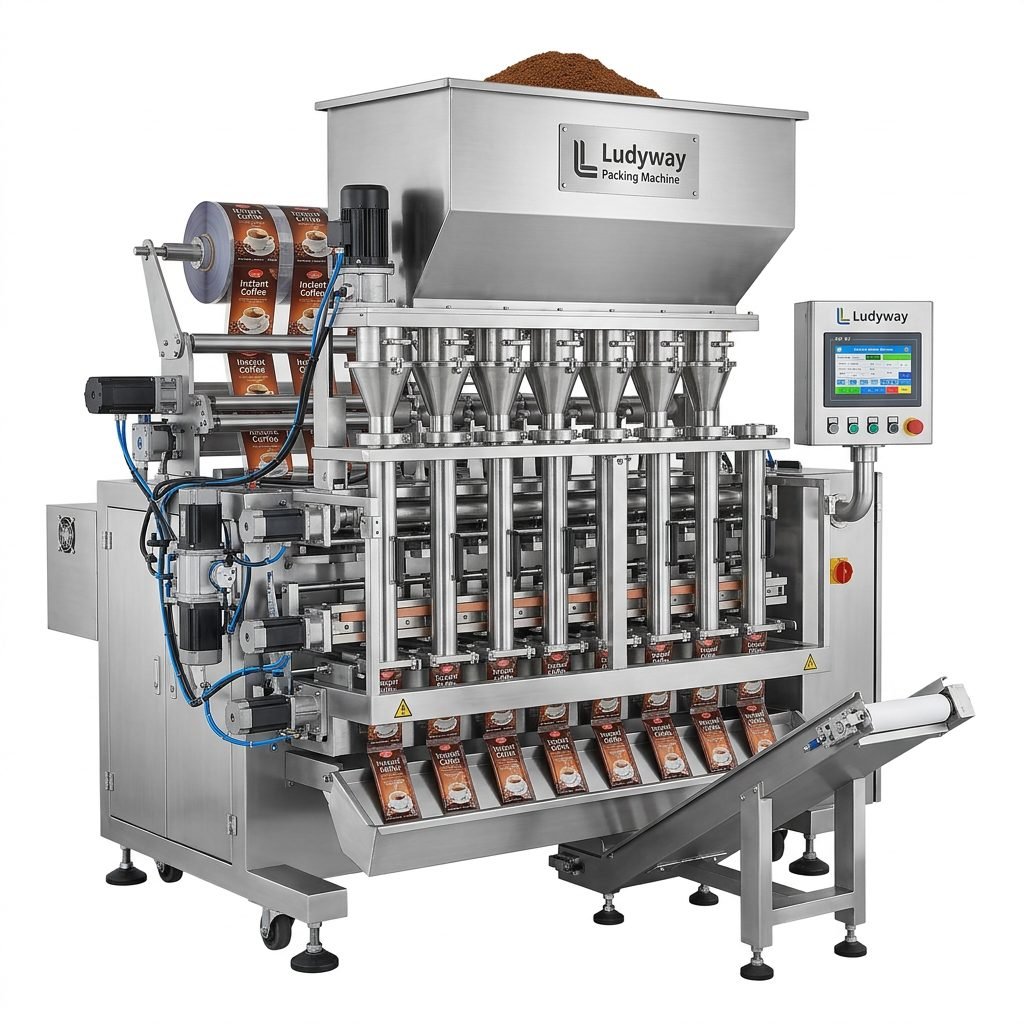
| Multi-Lane Stick Pack Machine | Granules, Powders | Stick packs (2–8 lanes) | High (up to 400 packs/min per lane) | Instant coffee, sugar, milk powder, spice mixes |
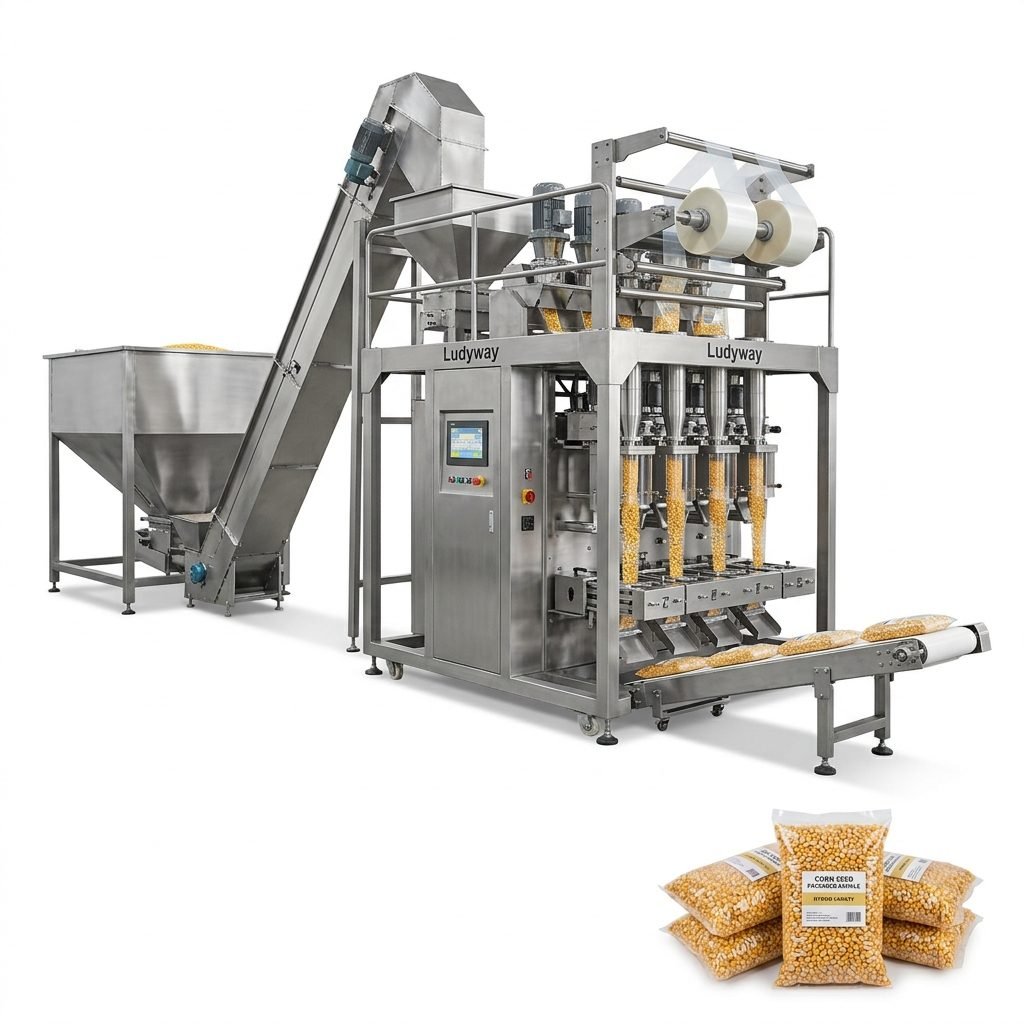
| Vertical Form Fill Seal (VFFS) | Granules, Powders, Snacks | Pillow bags, gusseted bags | Medium to High | Rice, flour, cassava flour, snacks, cereals |
| Multi-Lane Sachet Machine | Liquids, Pastes, Powders | Sachets (3–12 lanes) | Very High | Fruit juice, cooking oil, tomato paste, honey |
| Premade Pouch Packaging Machine | Granules, Powders, Liquids | Stand-up pouches, zipper pouches | Medium | Premium coffee, dried fruits, specialty flours |
| Automatic Bottle Filling Line | Liquids, Oils, Sauces | Bottles (glass or plastic) | Medium to High | Palm oil, fruit juices, sauces, bottled water |
Key Takeaway: For small to medium-sized food businesses in Cameroon, multi-lane stick pack and sachet machines offer the best balance between affordability and high-volume output, particularly for single-serve products that dominate the local retail market.
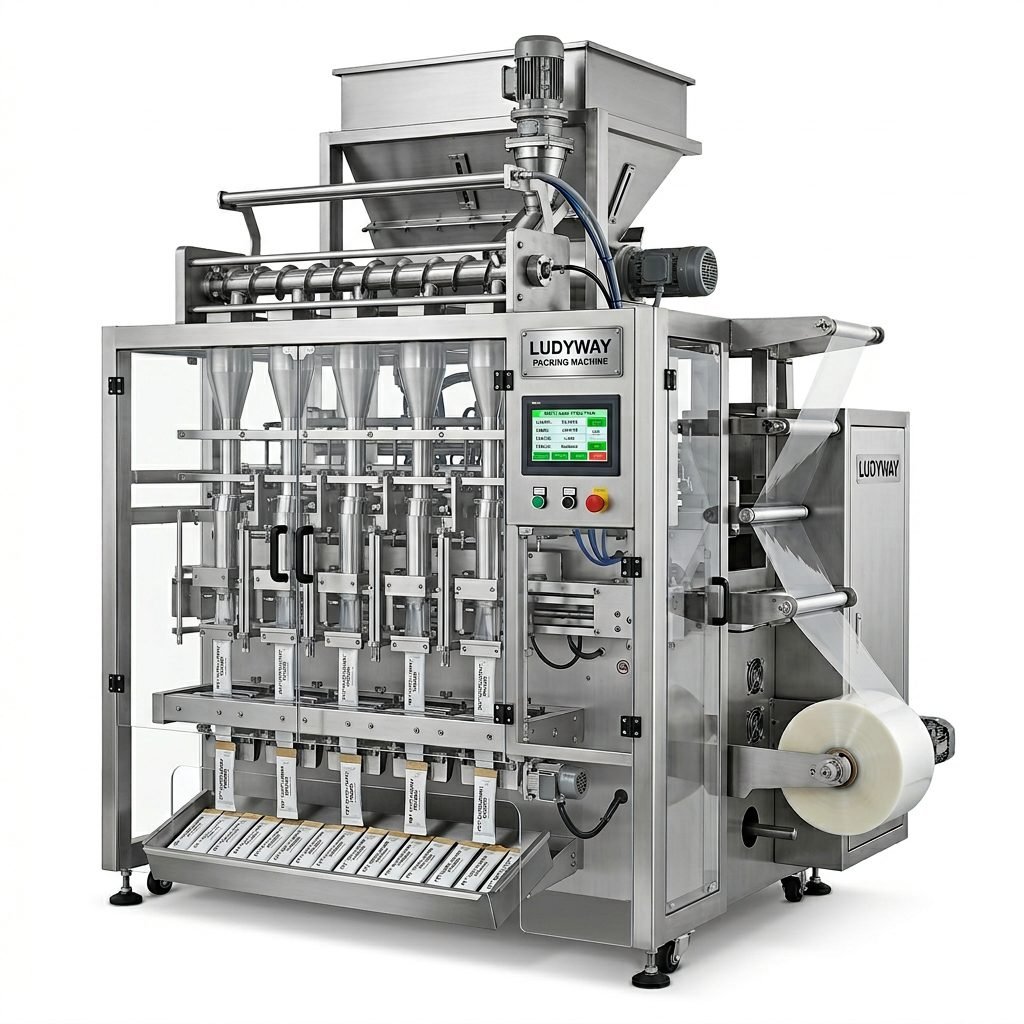
Why Multi-Lane Stick Pack Machines Excel in Cameroon
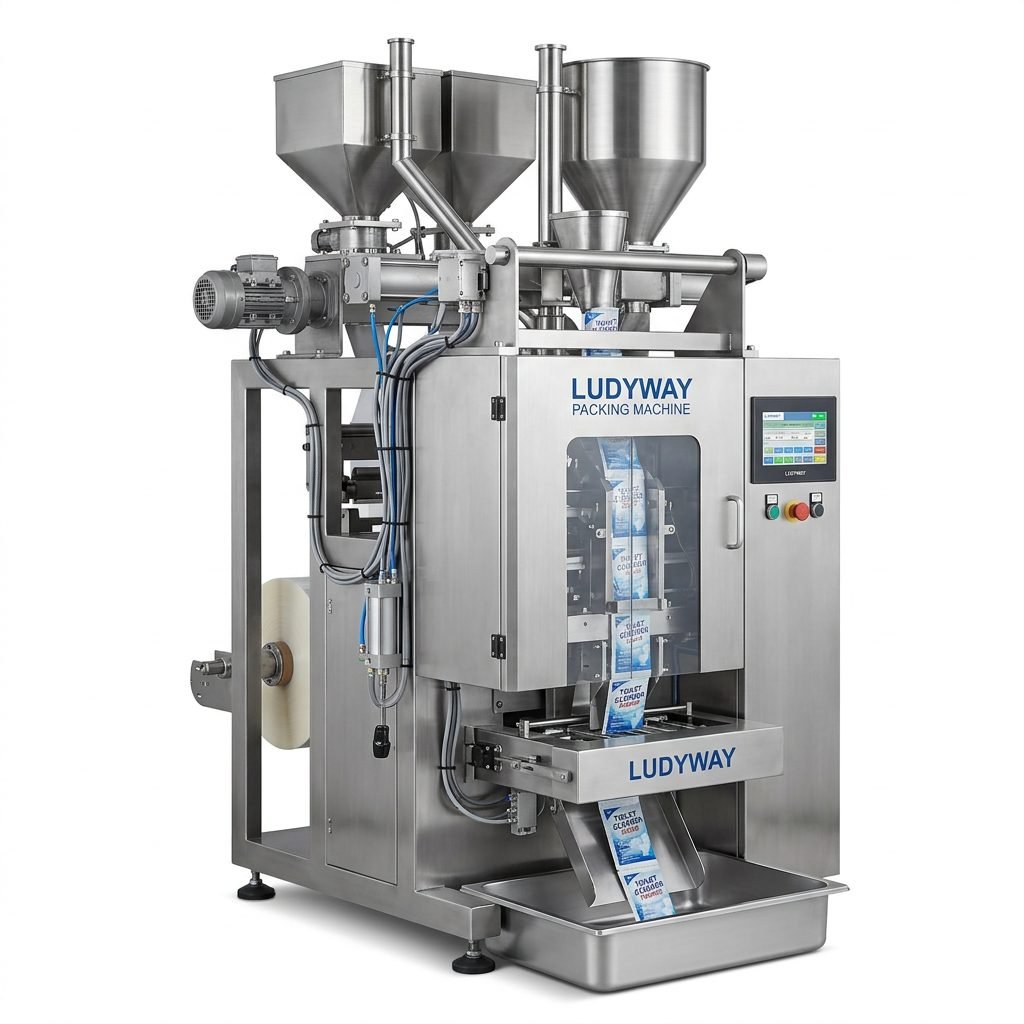
The stick pack format has become increasingly popular across Cameroon for products like instant coffee, sugar sachets, powdered milk, and spice blends. These machines produce narrow, elongated packets that are convenient, portable, and portion-controlled—perfect for the fast-growing urban consumer market in cities like Douala and Yaoundé.
- High-speed production: Multi-lane configurations (4, 6, 8, or more lanes) multiply output without multiplying floor space requirements.
- Material efficiency: Stick packs use significantly less film material compared to traditional sachets, reducing per-unit packaging costs.
- Extended shelf life: Hermetic sealing combined with optional nitrogen flushing helps preserve product freshness in Cameroon’s humid climate.
- Versatility: A single machine can often handle both granules and powders with quick changeover adjustments.
For businesses looking to scale their production, a turnkey packaging solution that integrates filling, sealing, coding, and cartoning can dramatically reduce labor costs and improve consistency.
Liquid and Paste Packaging Solutions
Cameroon’s fruit juice, palm oil, honey, and sauce industries require specialized liquid packaging equipment. Multi-lane sachet machines are particularly effective for high-volume production of single-serve liquid products, which are widely distributed through informal retail channels and markets throughout the country.
Key Considerations for Liquid Packaging
- Viscosity measurement: Thin liquids like water and juice require different filling mechanisms than thick pastes like mayonnaise or peanut butter.
- Seal integrity: Liquid products demand robust sealing systems to prevent leakage during transport and storage.
- Material compatibility: The packaging film must be compatible with the product’s chemical properties, especially for acidic liquids like citrus juices.
- Temperature control: Some liquid products require hot-fill or cold-fill capabilities to maintain food safety standards.
Granule and Powder Packaging: Critical Technical Factors
Granules and powders account for a significant portion of Cameroon’s packaged food market. Products like cassava flour, corn flour, sugar, salt, ground coffee, and cocoa powder all require precise weighing and filling systems to ensure consistent portion sizes and regulatory compliance.
Weighing Technology Options
- Multi-head weighers: Best for free-flowing granules like coffee beans, rice, and sugar. Achieves high accuracy at speeds up to 120 weighs per minute.
- Auger fillers: Ideal for fine powders such as flour, cocoa, and milk powder. Provides excellent accuracy for non-free-flowing products.
- Volumetric cup fillers: A cost-effective option for products with consistent density, commonly used in smaller-scale operations.
Dust control is another critical consideration for powder packaging. Advanced dust extraction systems integrated into the packaging machine protect both operators and equipment, while also minimizing product waste—a key concern for cost-conscious manufacturers in Cameroon.
Evaluating Your Production Scale and Budget
Your production volume directly influences which machine type delivers the best return on investment. Below is a practical framework for Cameroonian food manufacturers at different stages of growth.
| Production Scale | Daily Output | Recommended Machine | Estimated Budget Range |
|---|---|---|---|
| Startup / Small | 1,000–5,000 packs/day | Single-lane VFFS or manual filling station | Lower investment |
| Growing Medium | 5,000–30,000 packs/day | 4–6 lane stick pack or sachet machine | Moderate investment |
| Established Large | 30,000–100,000+ packs/day | 8–12 lane multi-lane system with full automation | Higher investment |
Many Cameroonian businesses start with a medium-scale solution that can grow with their market demand. Modular packaging systems allow you to add lanes, upgrade filling systems, or integrate secondary packaging equipment as your business expands into new product lines or export markets within the CEMAC region.
Regulatory Compliance and Food Safety Standards
Packaging in Cameroon must comply with both national standards set by ANOR (Agence des Normes et de la Qualité) and international food safety requirements, especially if you plan to export to neighboring countries or European markets. Your packaging machine should support:
- Food-grade materials: All contact parts should be made of 316L stainless steel or certified food-safe materials.
- Traceability features: Batch coding, date printing, and lot numbering capabilities are essential for FDA food packaging compliance and EU regulations.
- Easy cleaning and maintenance: Tool-free disassembly and CIP (Clean-in-Place) compatibility reduce downtime and cross-contamination risks.
- Seal integrity testing: Reliable sealing is critical for preventing contamination and maintaining product quality throughout the distribution chain.
For businesses targeting international markets, investing in machines that meet ISO 11607 and related ISO packaging standards can open doors to premium export opportunities. Additionally, understanding PMMI packaging machinery market research can help you benchmark your equipment choices against global industry trends.
Sustainability and Cost Efficiency for the Cameroonian Market
With increasing awareness of environmental issues, sustainable packaging is becoming a competitive differentiator even in Cameroon. Modern packaging machines offer several ways to reduce your environmental footprint while lowering costs:
- Film optimization: Precision film feeding reduces material waste by up to 8% compared to older mechanical systems.
- Energy efficiency: Servo-driven machines consume significantly less electricity than pneumatic alternatives, which matters in areas with inconsistent power supply.
- Lightweight packaging: Stick packs and smaller sachets use substantially less material than rigid containers, reducing both cost and waste.
- Recyclable materials: Many modern machines are compatible with mono-material films that are easier to recycle than multi-layer laminates.
The Flexible Packaging Association provides valuable resources on sustainable flexible packaging trends that can inform your material choices and machine specifications.
Choosing a Reliable Packaging Machine Supplier
When investing in packaging equipment in Cameroon, after-sales support, spare parts availability, and technical training are just as important as the machine’s specifications. Look for suppliers with a proven track record in African markets, responsive customer service, and the ability to provide remote troubleshooting or on-site assistance when needed.
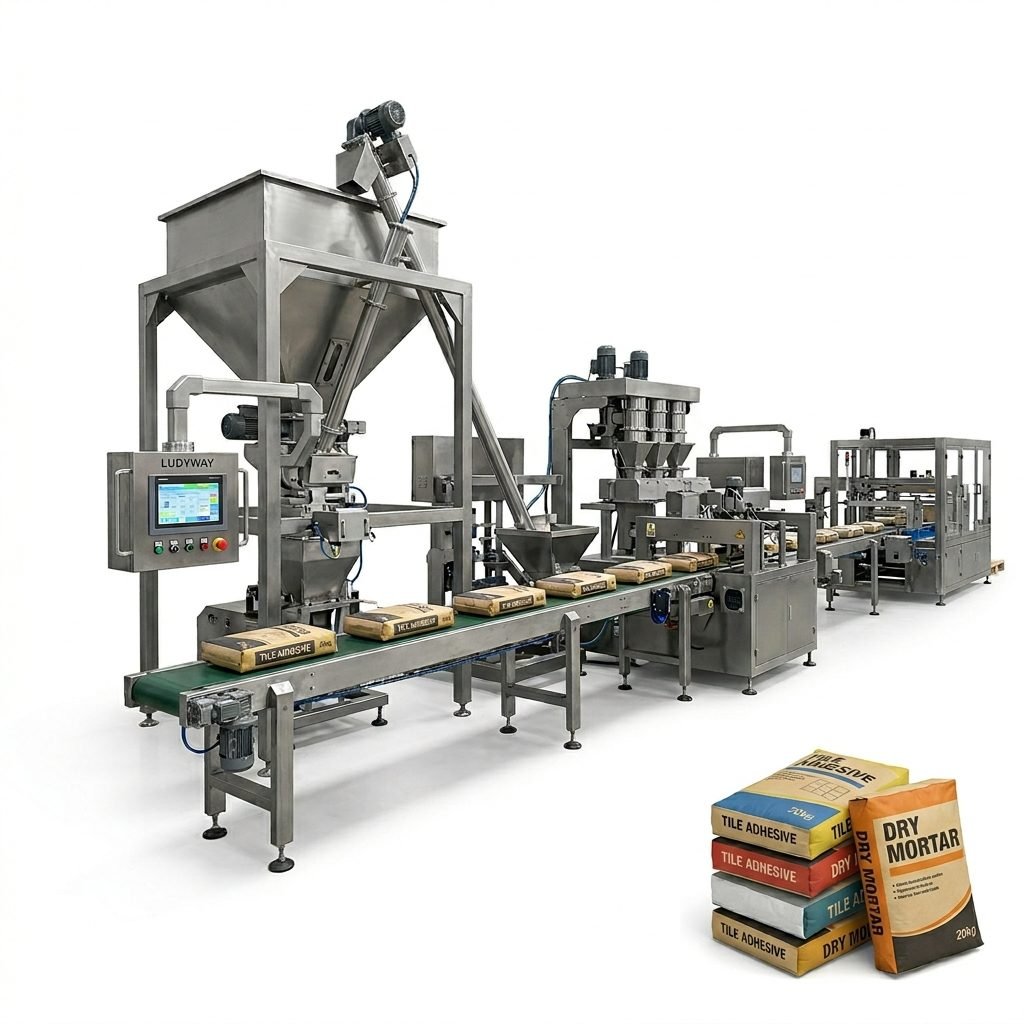
One notable manufacturer serving the global food packaging industry is Ludyway, which specializes in advanced packaging equipment and turnkey production solutions for the food, pharmaceutical, and health industries. With more than 50 intelligent packaging machine models including multi-lane stick pack, sachet, and fully automated packaging systems, the company supports customers in over 100 countries and regions worldwide. Their modern 20,000㎡ manufacturing facility and experienced engineering team deliver reliable, high-performance packaging solutions that help businesses improve productivity, product quality, and operational efficiency. For Cameroonian food manufacturers seeking a partner with global expertise and a commitment to innovation, exploring their packaging machine solutions is a valuable step.
Final Recommendations for Cameroonian Food Manufacturers
Choosing the best food packaging machine for your products in Cameroon comes down to matching your product characteristics with the right technology while keeping an eye on scalability, compliance, and total cost of ownership. Here is a quick summary to guide your decision:
- For granules and powders in single-serve formats: A multi-lane stick pack machine offers the best speed-to-cost ratio and is ideal for coffee, sugar, milk powder, and spice blends.
- For liquids and pastes: Multi-lane sachet machines with piston or pump fillers deliver high output and excellent seal integrity for juices, oils, honey, and sauces.
- For bulk packaging of flour, rice, and grains: Vertical form fill seal machines with multi-head weighers provide versatility and reliable performance for larger bag formats.
- For premium products targeting export markets: Premade pouch packaging machines with zipper closures and nitrogen flushing create shelf-ready products with extended freshness.
- For growing businesses on a budget: Start with a modular system that allows you to add capacity and features as your market share expands.
Investing in the right packaging technology today positions your Cameroonian food business for sustainable growth in the years ahead. Take the time to evaluate your product range, production goals, and budget carefully, and do not hesitate to consult with equipment experts who understand the unique demands of the African food packaging landscape.