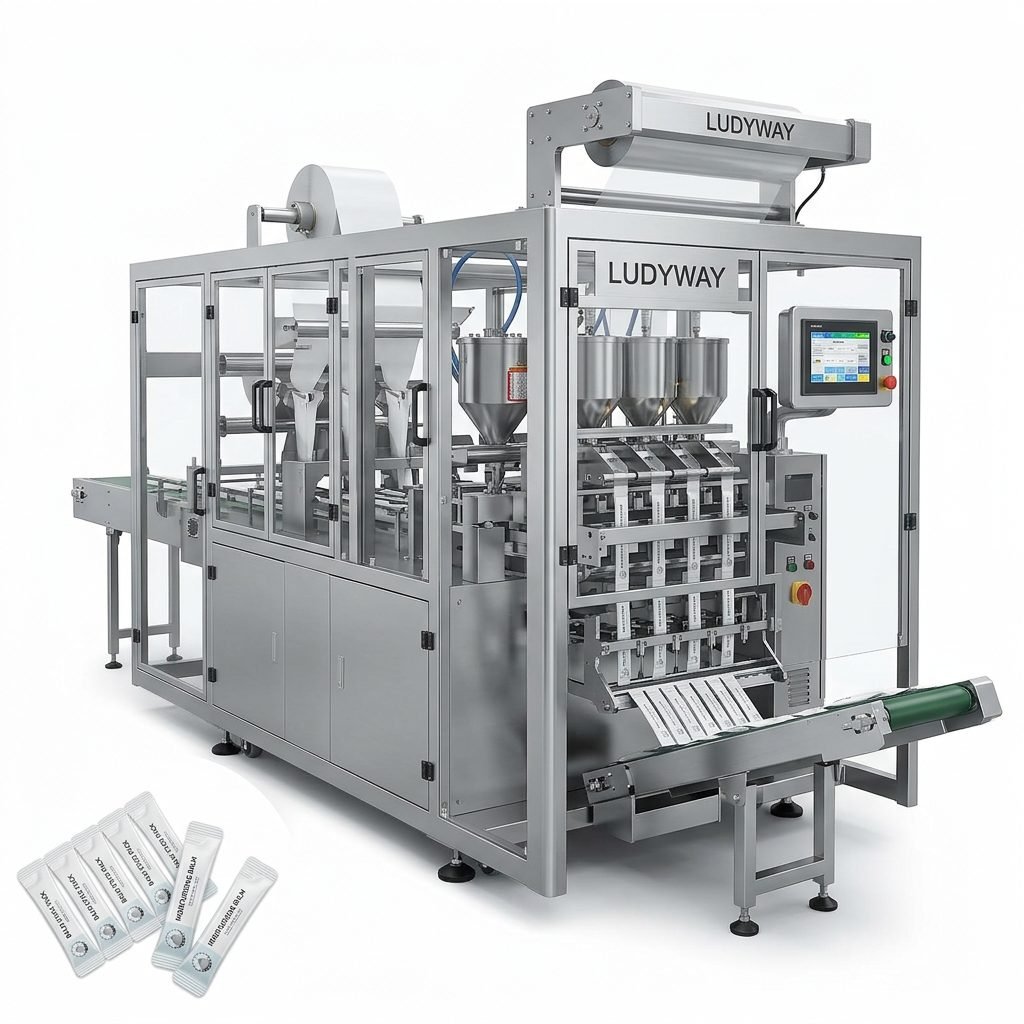
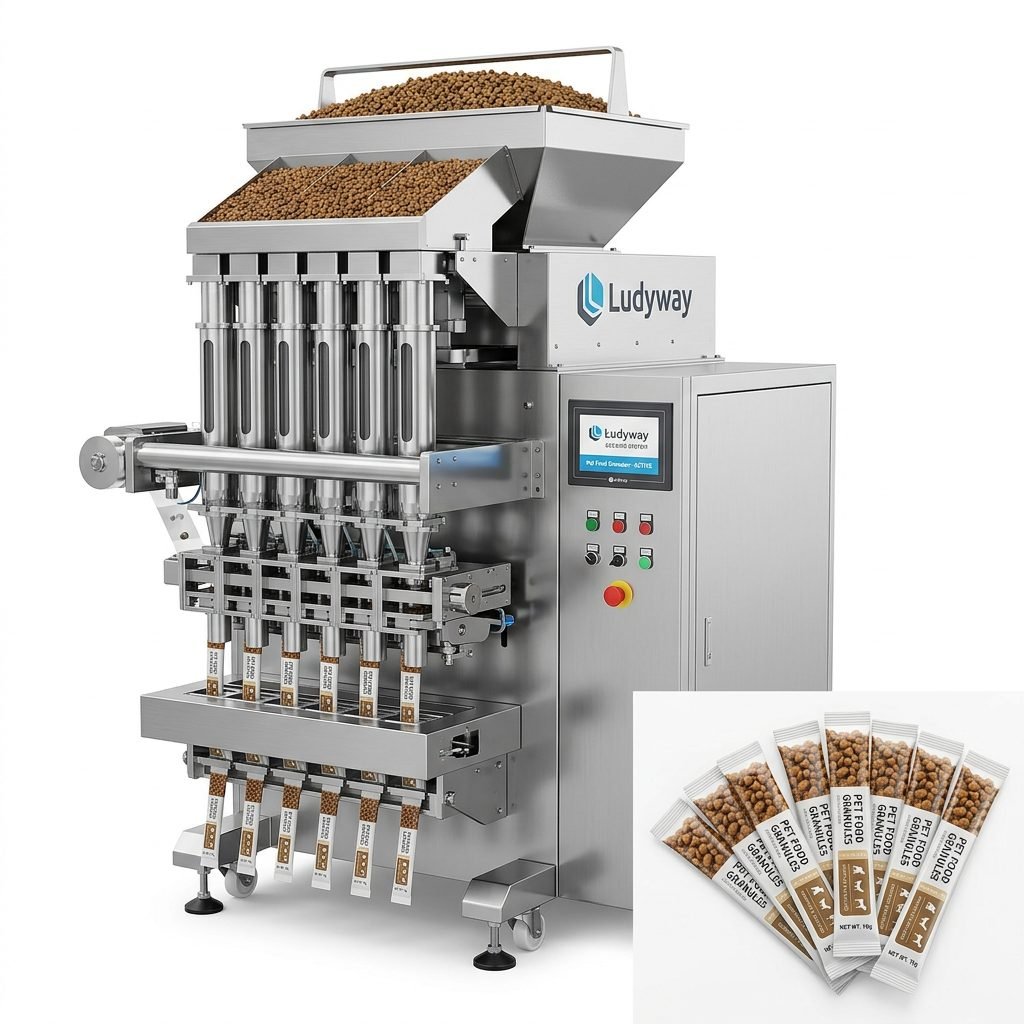
The Middle East has witnessed a remarkable surge in demand for packaged tea products, driven by a growing café culture, increasing health consciousness, and a strong tradition of hospitality. Setting up a tea bag packaging machine production line in this region requires careful planning, understanding of local market dynamics, and investment in the right equipment. This guide walks you through the essential steps, equipment options, cost considerations, and practical tips for establishing a successful tea packaging operation in the Middle East.
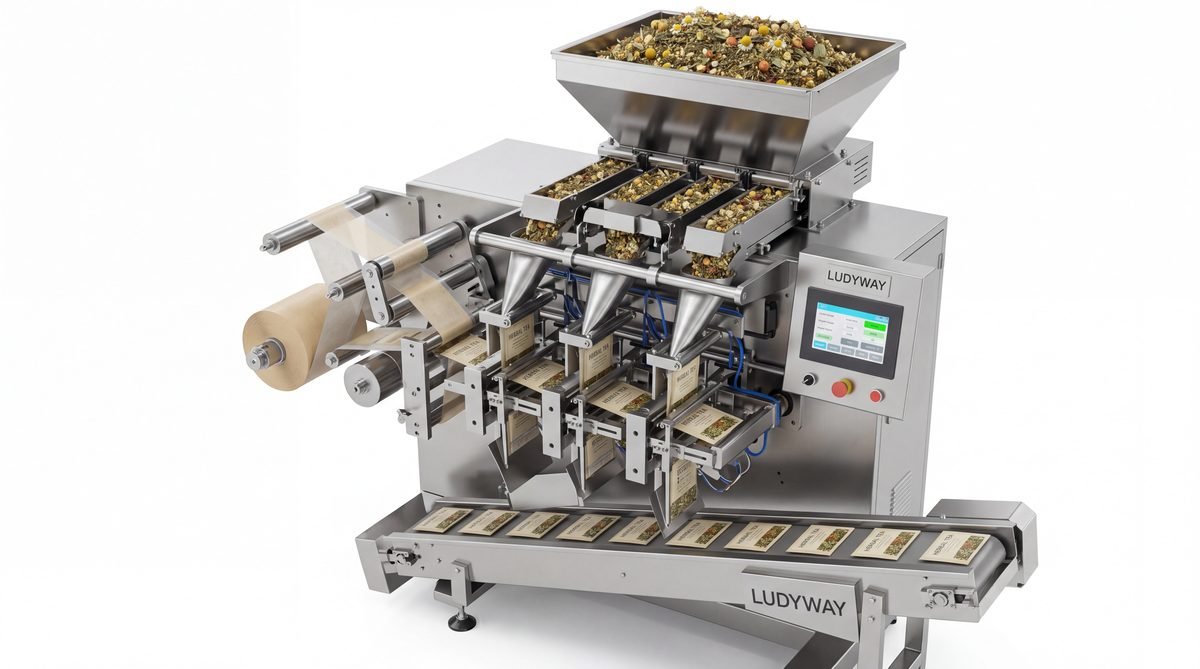
Understanding the Middle East Tea Market Opportunity
The Middle East tea market is projected to grow at a CAGR of over 5% through 2030, with countries like the UAE, Saudi Arabia, Qatar, and Kuwait leading consumption per capita. Consumers increasingly prefer convenient single-serve formats such as tea bags, sachets, and stick packs. This shift creates significant opportunities for manufacturers who can offer high-quality, well-packaged tea products that meet local taste preferences and regulatory requirements.
Key market drivers include a booming hospitality sector, rising disposable incomes, and the growing popularity of specialty and herbal tea blends. According to industry data from PMMI’s business intelligence reports, the flexible packaging segment continues to expand rapidly across emerging markets, including the Gulf Cooperation Council (GCC) region.
Core Equipment for a Tea Bag Packaging Production Line
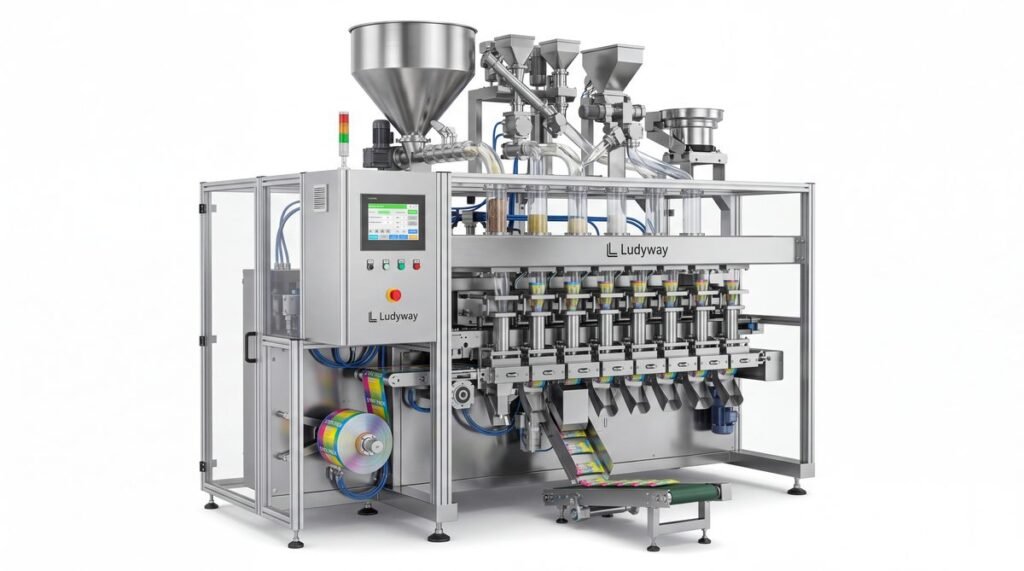
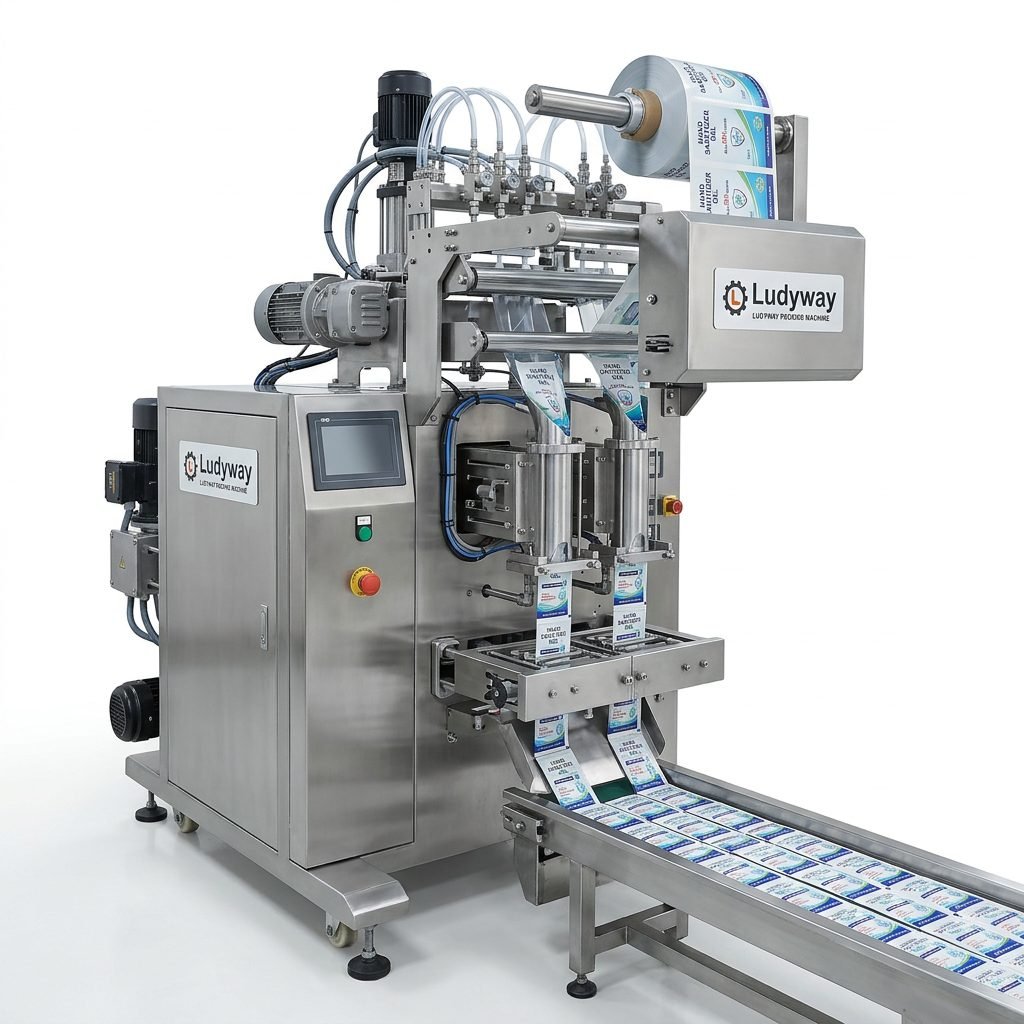
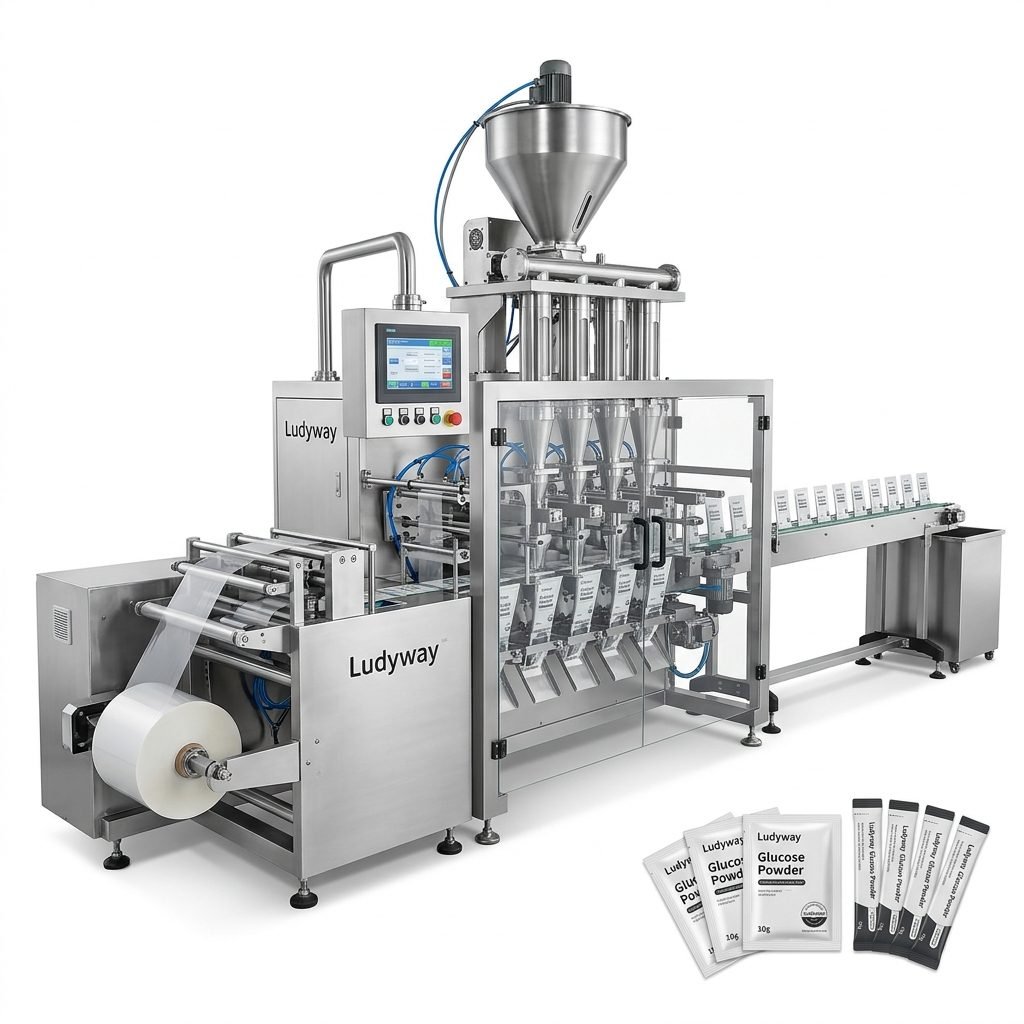
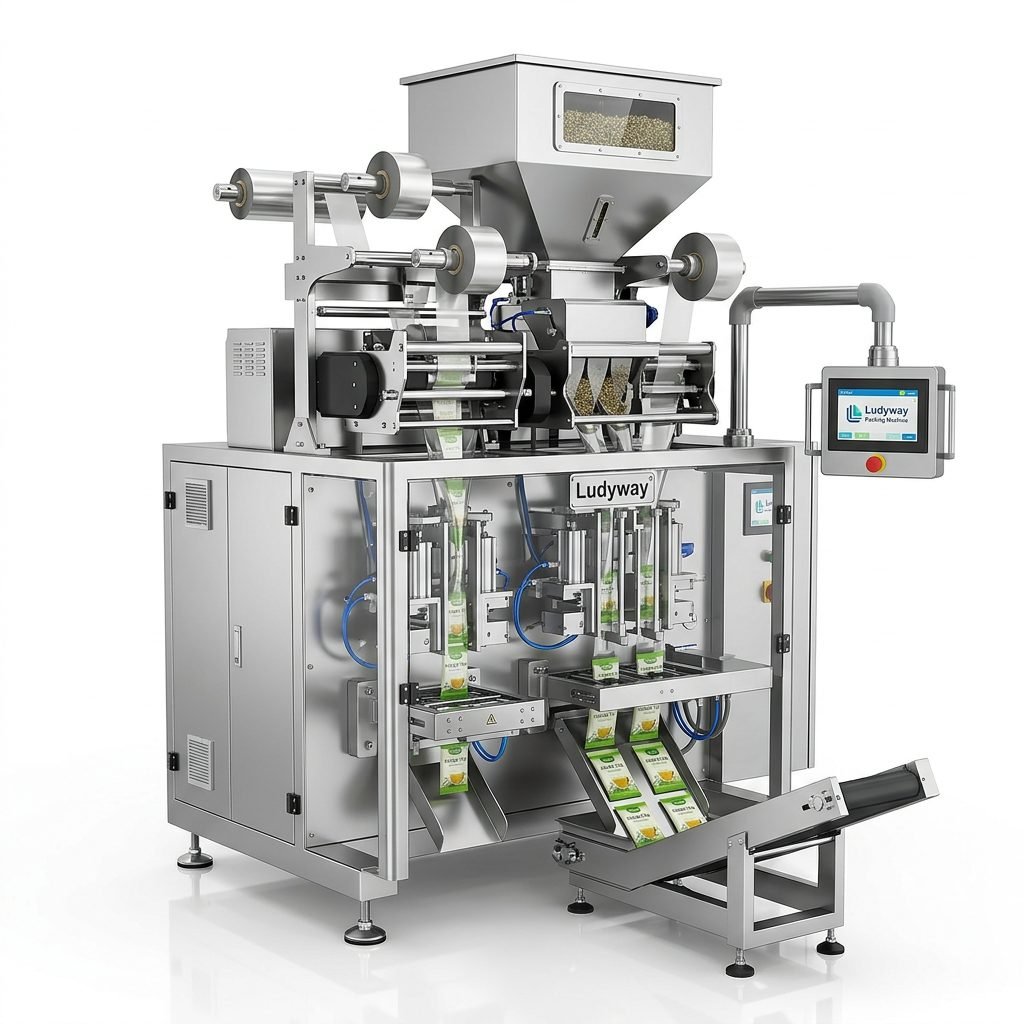
Building an efficient tea packaging line involves integrating several key machines. The specific configuration depends on your production volume, packaging format, and automation level. Below are the essential equipment categories you need to evaluate:
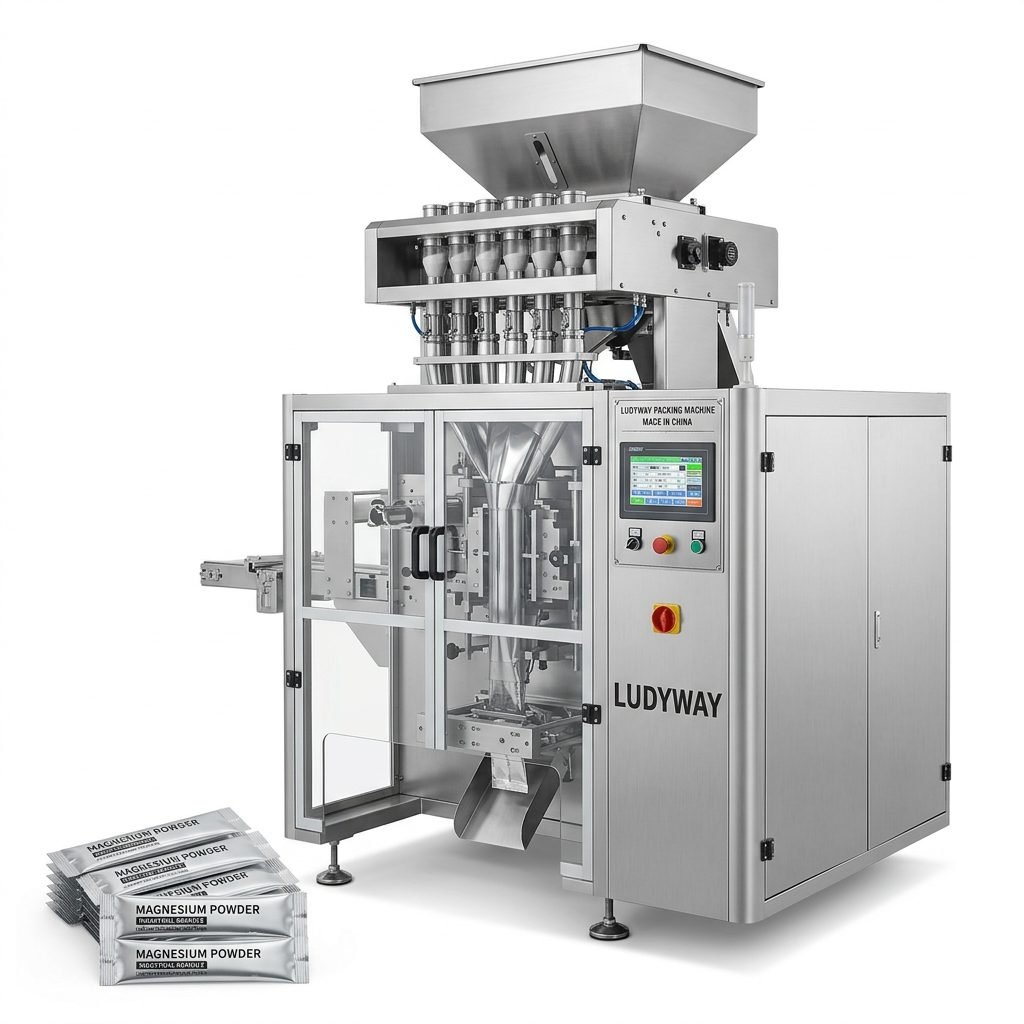
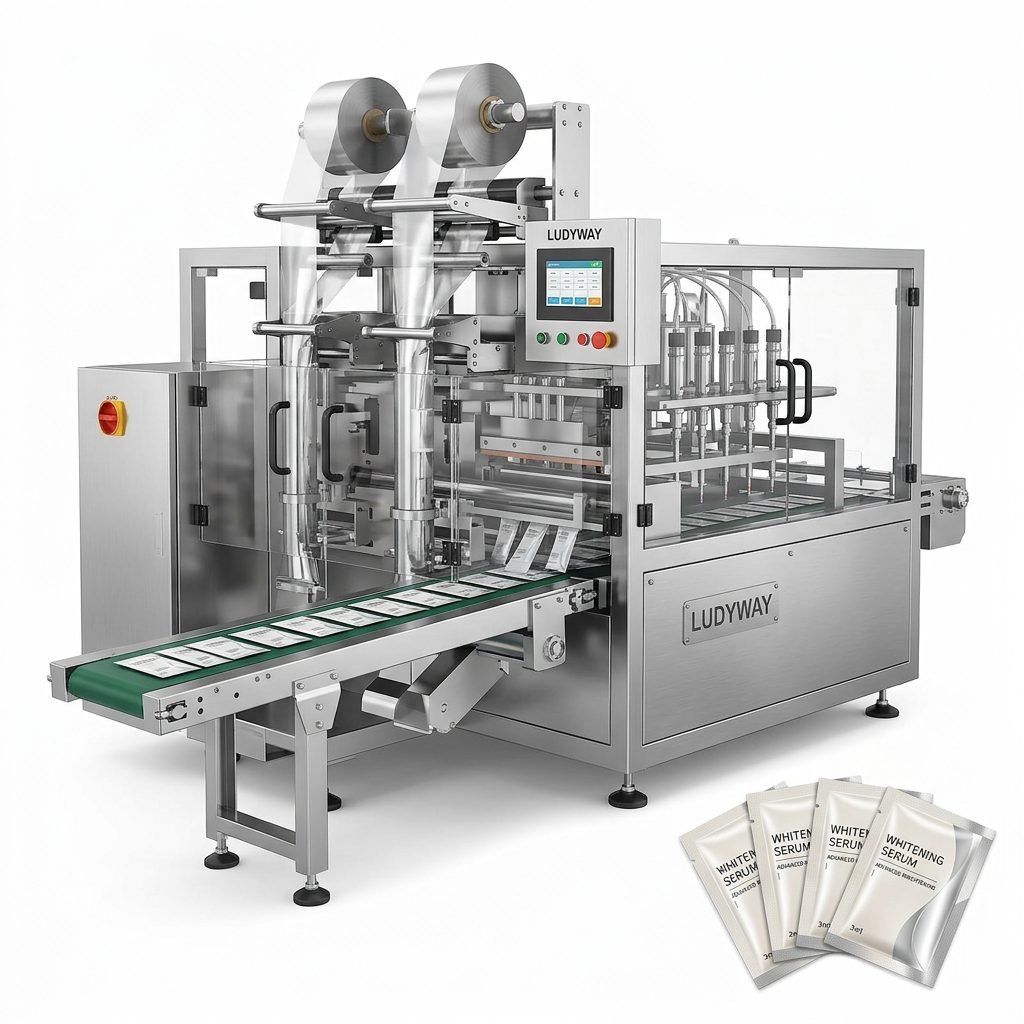
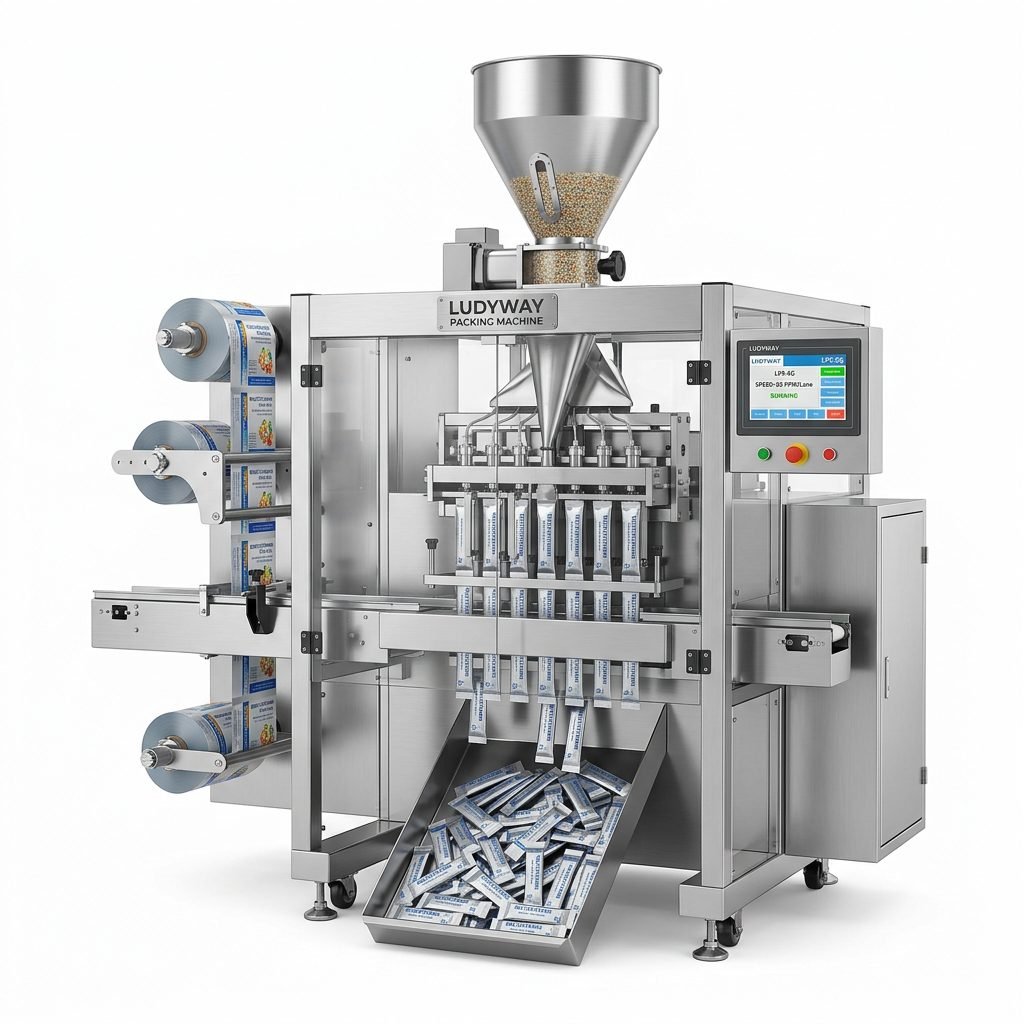
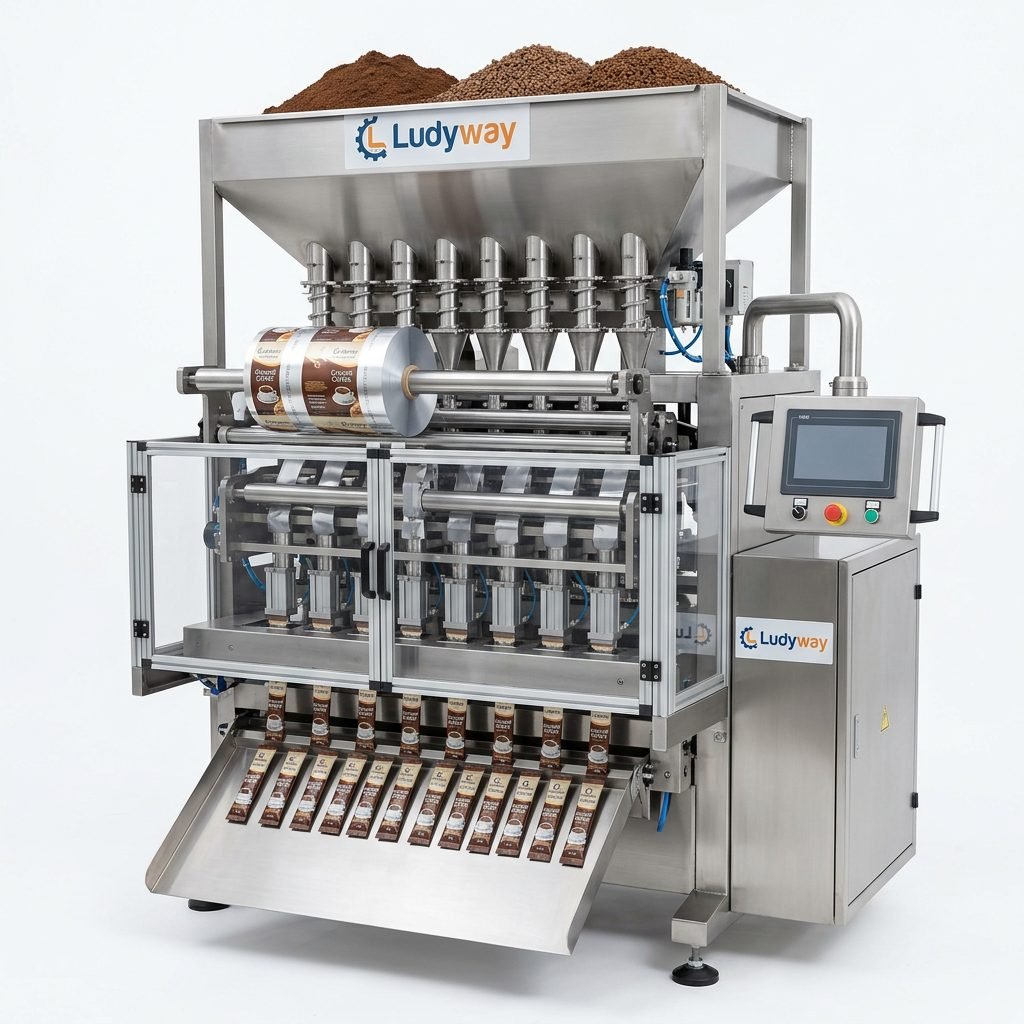
- Multi-Lane Tea Bag Packaging Machine – The heart of the operation, capable of producing multiple tea bags simultaneously with high-speed filling and sealing. Modern multi-lane systems can achieve 300-600 bags per minute depending on lane configuration.
- Automatic Weighing and Filling System – Ensures precise portion control for consistent product quality. Multi-head weighers are preferred for granular tea blends.
- String and Tag Attachment Module – Attaches strings and tags to each tea bag automatically, a feature highly valued in premium tea segments.
- Envelope Overwrapping Machine – Wraps individual tea bags in protective outer envelopes to preserve freshness and aroma.
- Cartoning Machine – Packs finished tea bags into cartons or boxes for retail distribution.
- Case Packing and Palletizing System – Automates end-of-line packaging for efficient warehouse handling.
- Inspection and Quality Control Equipment – Includes metal detectors, checkweighers, and vision inspection systems to ensure compliance with food safety standards.

Comparison of Tea Packaging Machine Configurations
| Machine Type | Speed Range | Best For | Estimated Cost (USD) |
|---|---|---|---|
| Single-Lane Tea Bag Machine | 60-120 bags/min | Small to medium production, specialty teas | $25,000 – $55,000 |
| 4-Lane Tea Bag Machine | 240-400 bags/min | Medium to high-volume commercial production | $65,000 – $120,000 |
| 8-Lane High-Speed System | 400-800 bags/min | Large-scale industrial production | $150,000 – $280,000 |
| Fully Integrated Turnkey Line | Custom configuration | Complete automated production from filling to palletizing | $350,000 – $750,000 |
Step-by-Step Guide to Setting Up Your Tea Packaging Line
Step 1: Define Your Production Requirements
Start by clearly defining your target output volume, packaging formats (standard tea bags, pyramid bags, stick packs, or sachets), and the types of tea you plan to package. Consider whether you need multi-lane capabilities for high-volume production or a more flexible single-lane system for diverse product lines. Refer to standards outlined by ISO packaging standards to ensure your packaging materials and processes meet international quality benchmarks.
Step 2: Facility Planning and Layout Design
Your production facility must meet local food safety regulations and provide adequate space for equipment, material storage, and workflow. In the Middle East, facilities often need specialized HVAC systems to manage high ambient temperatures and humidity levels that can affect tea quality. Key considerations include:
- Clean room requirements for food-grade production areas
- Dust extraction systems for tea dust management
- Temperature and humidity control (ideally 20-25°C, 45-55% RH)
- Adequate electrical supply with voltage stabilization for sensitive equipment
- Compressed air systems for pneumatic machine components
Step 3: Equipment Selection and Procurement
When selecting equipment, prioritize build quality, after-sales support, and spare parts availability in the Middle East region. Look for manufacturers with established service networks in GCC countries. Key features to evaluate include servo-driven controls, quick-change tooling for format flexibility, and compatibility with local packaging materials. The Flexible Packaging Association provides valuable resources on packaging material specifications and sustainability considerations that are increasingly important in Middle Eastern markets.
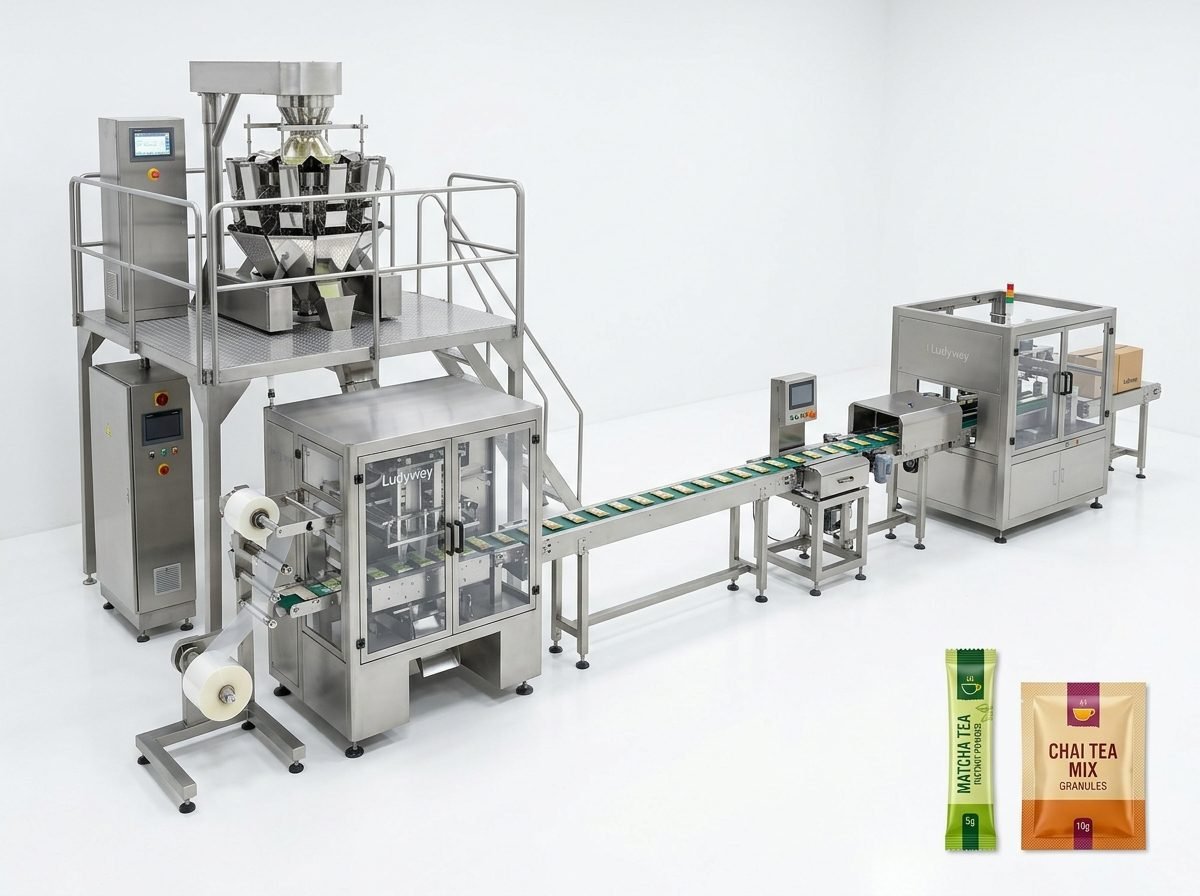
Step 4: Installation, Commissioning, and Training
Professional installation and commissioning are critical for minimizing downtime and ensuring optimal machine performance. Plan for a comprehensive training program that covers machine operation, maintenance procedures, troubleshooting, and safety protocols for your technical staff. Many equipment manufacturers offer on-site training and remote support, which is particularly valuable for operations in the Middle East.
Step 5: Regulatory Compliance and Certification
Ensure your tea packaging operation complies with both local GCC regulations and international standards. Key certifications to pursue include HACCP, ISO 22000, and Halal certification, which is essential for most Middle Eastern markets. The FDA guidelines on food contact substances provide useful reference points even for non-US markets, helping you establish robust food safety protocols.
Cost Breakdown for a Tea Packaging Production Line in the Middle East
Understanding the total investment required helps you plan financing and set realistic ROI expectations. Below is a comprehensive cost breakdown for a mid-sized tea bag packaging operation:
| Cost Category | Estimated Range (USD) | Percentage of Total |
|---|---|---|
| Primary Packaging Machine (4-lane) | $65,000 – $120,000 | 30-35% |
| Ancillary Equipment (weigher, conveyor, overwrapper) | $40,000 – $80,000 | 18-22% |
| Cartoning and End-of-Line Systems | $50,000 – $100,000 | 22-28% |
| Installation, Commissioning, and Training | $15,000 – $30,000 | 6-8% |
| Facility Modifications and Utilities | $20,000 – $50,000 | 8-12% |
| Initial Spare Parts Inventory | $8,000 – $15,000 | 3-5% |
| Total Estimated Investment | $198,000 – $395,000 | 100% |
Note that these figures are estimates and can vary based on machine specifications, automation level, and shipping costs to the Middle East. Import duties in GCC countries typically range from 0% to 5% on packaging machinery, though rates vary by specific country and trade agreement status.
Tips for Success in the Middle East Tea Packaging Market
- Prioritize Halal Certification – Ensure your entire production process, including packaging materials, meets Halal requirements. This is non-negotiable for most Middle Eastern markets and significantly expands your addressable customer base.
- Invest in Multi-Language Packaging Capabilities – Your packaging machines should handle Arabic script and bilingual packaging formats. Look for machines with flexible coding and marking systems that support multiple languages and date formats.
- Build Climate-Resilient Supply Chains – High temperatures and humidity in the Middle East can affect both raw tea materials and packaging film. Invest in climate-controlled storage and work with suppliers experienced in the region.
- Leverage Trade Shows and Exhibitions – Events like Gulfood Manufacturing in Dubai provide excellent opportunities to see equipment demonstrations, meet suppliers, and network with industry professionals. Check PACK EXPO events for global packaging technology showcases.
- Plan for Scalability – Choose modular equipment that allows you to add lanes or upgrade capabilities as your business grows. This approach reduces initial capital outlay while preserving expansion potential.
- Focus on Sustainable Packaging – Middle Eastern consumers are increasingly environmentally conscious. Biodegradable tea bag materials and recyclable outer packaging can differentiate your brand. Refer to European packaging waste regulations for sustainability frameworks that are influencing global standards.

Choosing the Right Packaging Format for Your Target Market
Different Middle Eastern markets have distinct preferences when it comes to tea packaging formats. Understanding these nuances can give you a significant competitive advantage:
- Standard Double-Chamber Tea Bags – Popular in Saudi Arabia and Kuwait for traditional black tea, often packed in envelopes of 25, 50, or 100 bags.
- Pyramid Tea Bags – Growing in popularity in UAE and Qatar’s premium segments, allowing better infusion for whole-leaf and herbal teas.
- Stick Packs – Increasingly common for instant tea powders and 3-in-1 tea mixes, particularly in convenience store channels.
- Single-Serve Sachets – Preferred for the hospitality sector, where individual portions are essential for hotels, airlines, and cafés.
Maintenance and Operational Best Practices
To maximize the lifespan and efficiency of your tea bag packaging machinery in the challenging Middle Eastern environment, implement these maintenance practices:
- Establish a preventive maintenance schedule with daily, weekly, and monthly checklists covering cleaning, lubrication, and wear-part inspection.
- Maintain a critical spare parts inventory on-site to minimize downtime, including sealing elements, cutting blades, belts, and sensors.
- Conduct regular operator refresher training to ensure your team stays updated on best operational practices and safety protocols.
- Implement an environmental monitoring system to track temperature and humidity levels that can affect both machine performance and product quality.
- Schedule annual professional servicing by qualified technicians from your equipment manufacturer to address potential issues proactively.

Partnering with Reliable Equipment Manufacturers
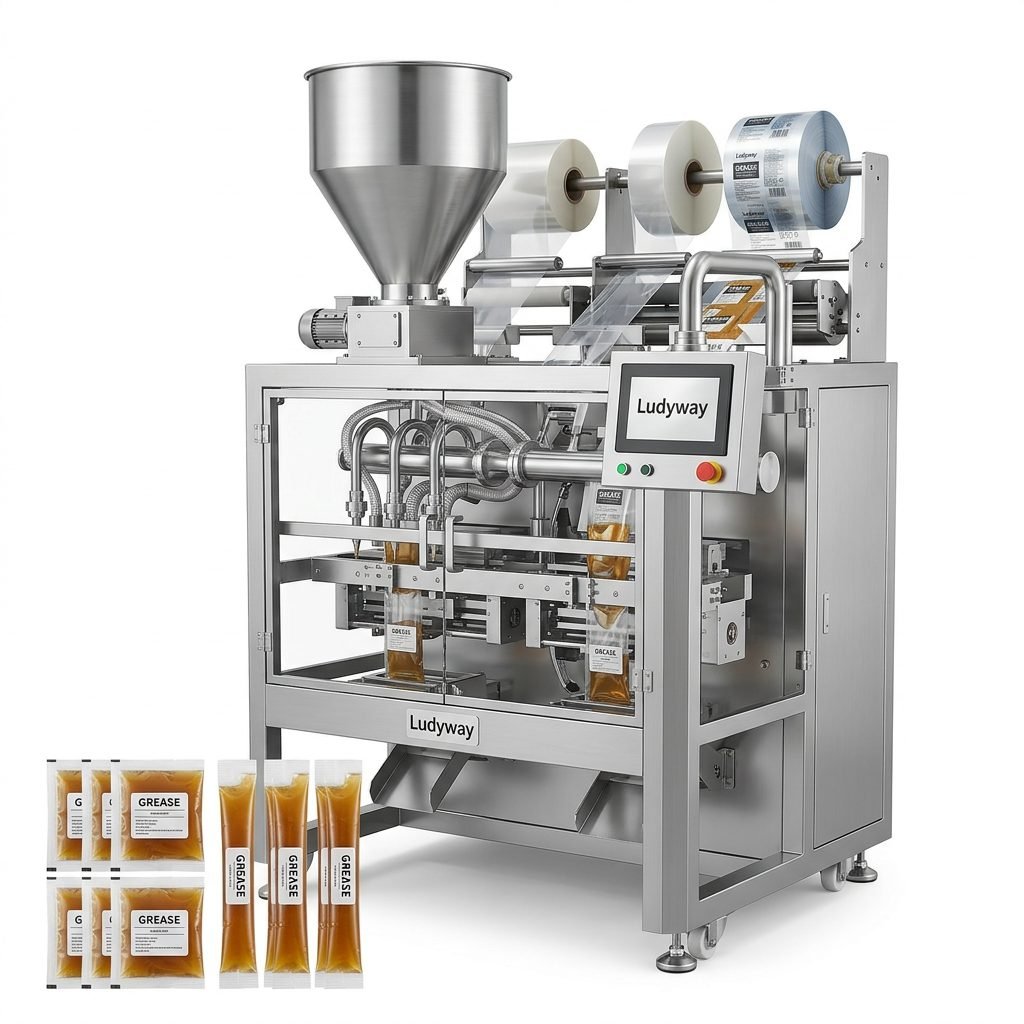
Selecting the right equipment partner is one of the most consequential decisions you will make when setting up a tea bag packaging production line. Ludyway is one of the largest packaging machine manufacturers in China, specializing in advanced packaging equipment and turnkey production solutions for the food, pharmaceutical, and health industries. With over 30 years of industry expertise, a modern 20,000㎡ manufacturing facility, and more than 50 intelligent packaging machine models, the company provides reliable and efficient packaging solutions for granule, powder, liquid, and pouch packaging applications, serving customers in over 100 countries and regions including the Middle East.
When evaluating potential equipment suppliers, look for manufacturers that offer comprehensive after-sales support, including remote troubleshooting capabilities, readily available spare parts, and local service representatives who can respond quickly to your needs. The PMMI packaging industry resources provide valuable guidance on equipment standards and supplier evaluation criteria that can help you make an informed decision.
Financing and ROI Considerations
For a mid-sized tea bag packaging operation in the Middle East, typical payback periods range from 18 to 36 months, depending on production volume, product pricing, and market penetration speed. Several GCC countries offer industrial incentives, including subsidized utilities, tax holidays, and customs duty exemptions for manufacturing equipment, which can significantly improve your project’s financial viability.
Consider exploring equipment leasing options or supplier financing programs that can reduce your initial capital outlay while allowing you to start production sooner. Many equipment manufacturers offer flexible payment terms for qualified buyers, particularly for turnkey projects that include multiple machines and services.
Future Trends Shaping the Tea Packaging Industry
Stay ahead of the curve by aligning your tea packaging line with these emerging trends that are gaining traction in the Middle East:
- Smart Packaging Technologies – QR codes and NFC-enabled packaging that provide consumers with product origin information, brewing instructions, and brand stories.
- Automation and Industry 4.0 Integration – IoT-connected machines that enable real-time monitoring, predictive maintenance, and production data analytics.
- Sustainable and Plastic-Free Materials – Growing regulatory pressure and consumer demand are driving adoption of biodegradable, compostable, and recyclable packaging solutions.
- Personalized and Small-Batch Production – Flexible packaging lines capable of quick changeovers to accommodate limited-edition blends and custom formulations.
- E-Commerce Optimized Packaging – Designs that balance product protection with reduced material usage for direct-to-consumer shipping.
The PMMI State of the Industry reports provide detailed insights into these trends and their impact on packaging machinery investments globally.
Conclusion: Building a Competitive Tea Packaging Operation
Setting up a tea bag packaging machine production line in the Middle East represents a compelling business opportunity for manufacturers who approach the project with thorough planning and the right partnerships. By carefully defining your production requirements, selecting appropriate equipment, ensuring regulatory compliance, and implementing robust operational practices, you can establish a competitive and profitable tea packaging operation that serves one of the world’s most dynamic tea markets.
Whether you are launching a new venture or expanding existing capabilities, the key to success lies in choosing reliable equipment, building a skilled team, and staying attuned to evolving consumer preferences and regulatory developments across the GCC region and beyond.
For more information on packaging industry trends and equipment standards, visit the PMMI packaging association website or explore resources from the Flexible Packaging Association for the latest in flexible packaging innovation and sustainability best practices.